VITAL CHAIN Heritage for Community
Veroli Inclusive Transformative Activator for Local Community through Heritage, Arts and Innovation
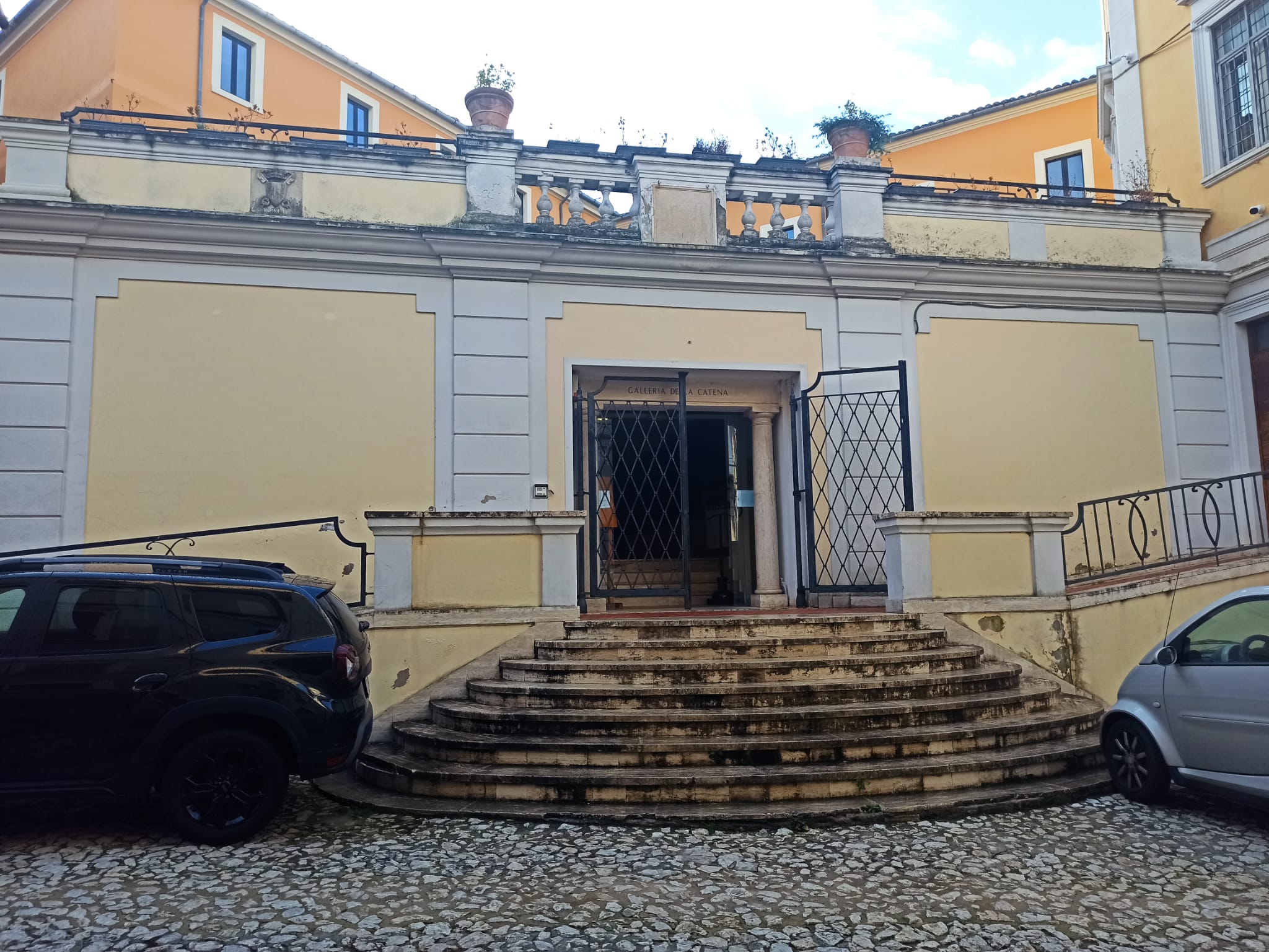
VITAL CHAIN transforms the historic complex “La Catena” in Veroli into a New European Bauhaus civic hub where heritage, culture and community innovation meet. The ongoing regeneration combines spatial improvements with participatory processes involving citizens, schools and local actors. By activating the site as a shared cultural and learning space, the project advances the NEB values of beauty, sustainability and togetherness while strengthening community-led heritage revitalisation.
Italy
https://www.google.com/maps/place/Galleria+La+Catena/@41.6919038,13.4146272,17z/data=!3m1!4b1!4m6!3m5!1s0x132557dc08194b0f:0x7dbeb099d7ed0ade!8m2!3d41.6919038!4d13.4172021!16s%2Fg%2F11h3g70hvy?entry=ttu&g_ep=EgoyMDI2MDMxMS4wIKXMDSoASAFQAw%3D%3D
Prototype level
Yes
Yes
Yes
Yes
ERDF : European Regional Development Fund
ERDF Lazio
No
60085: Veroli (IT)
The VITAL CHAIN initiative aims to transform the historic complex La Catena in Veroli into a New European Bauhaus civic hub, combining cultural heritage regeneration, community participation and social innovation. Located in the historic centre of Veroli, an Italian inner area municipality, the project seeks to reactivate the complex as an inclusive space where culture, learning and community engagement contribute to local development and territorial cohesion.
Target groups include local residents, young people and students, cultural and creative actors, and citizens from the wider Functional Urban Area, comprising 11 municipalities. The hub will also serve local schools, civic initiatives and community groups seeking accessible cultural and learning spaces.
The specific objectives are:
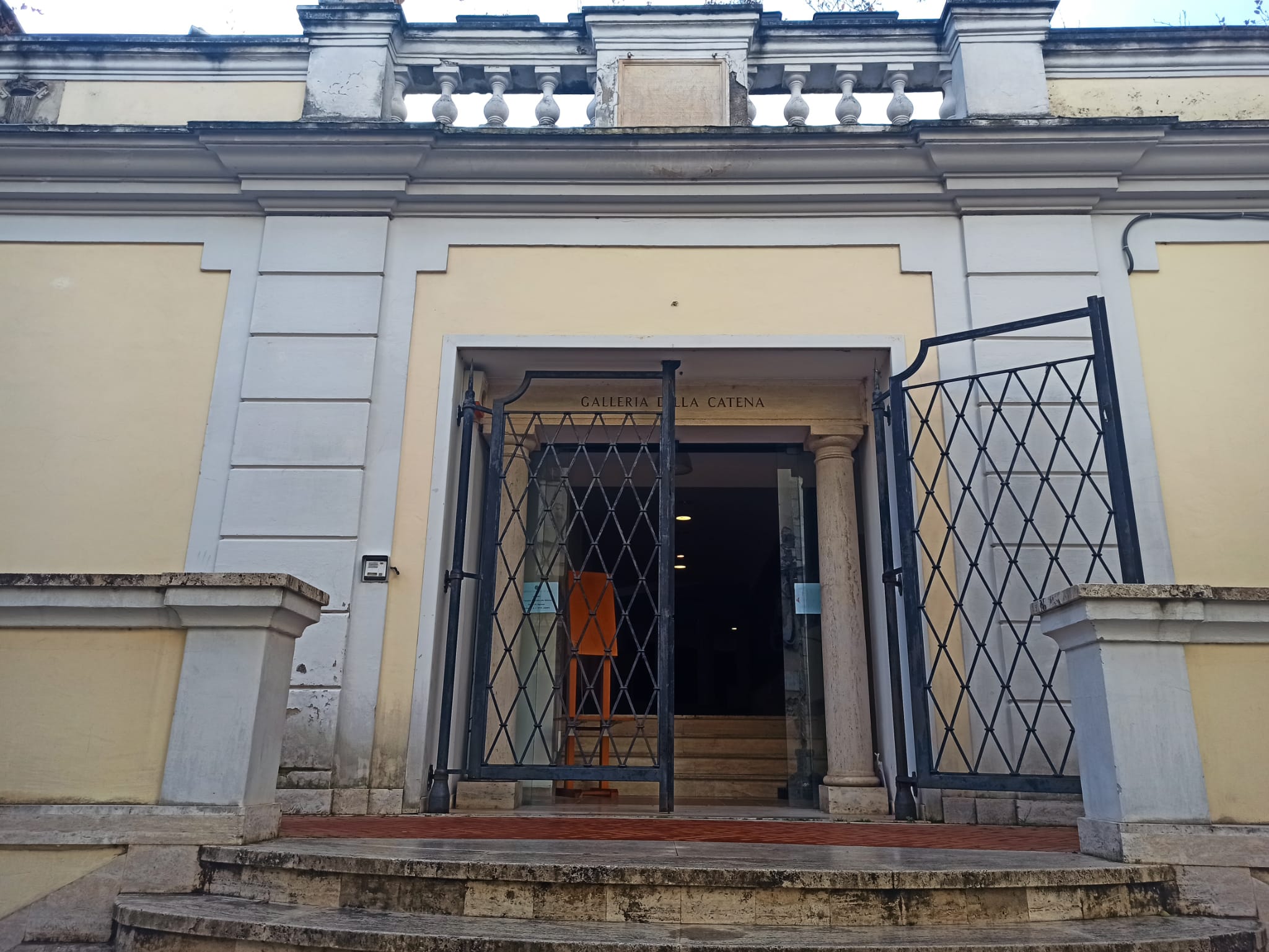
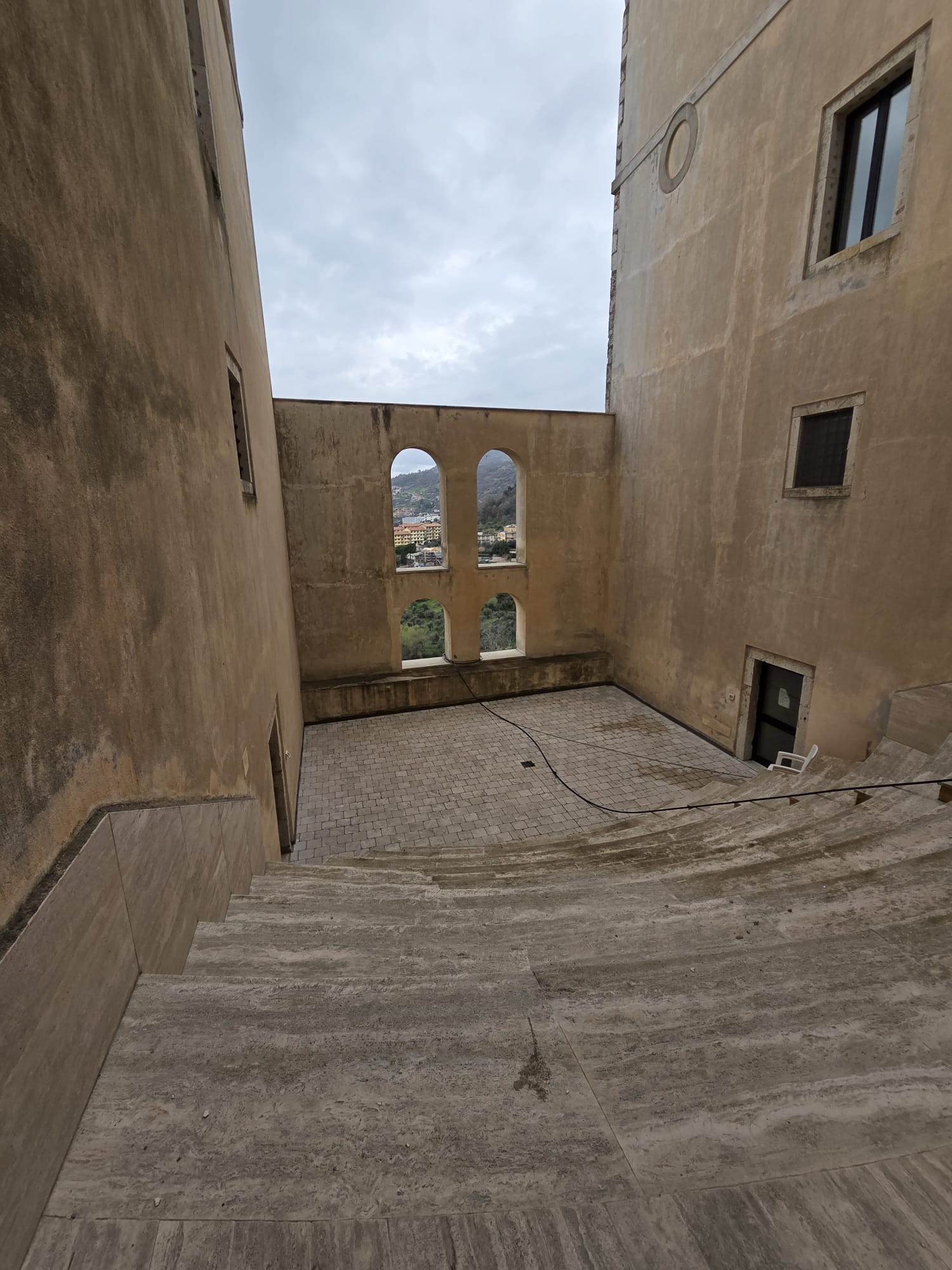
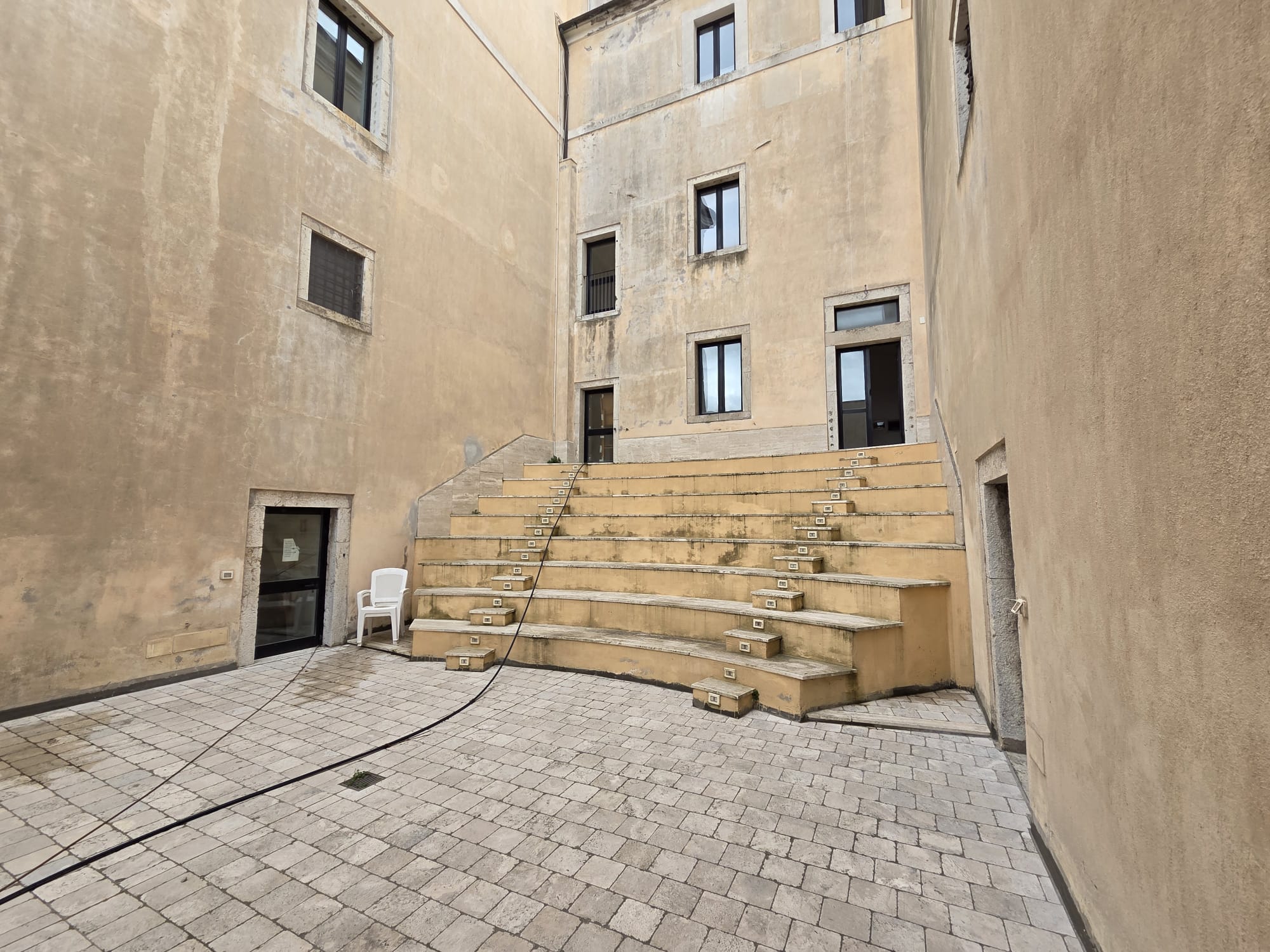
a) to improve the urban exposure to beauty, accessibility, usability through targeted spatial upgrades (entrance, lighting system and cavea);
b) to activate participatory processes involving citizens, schools, cultural organisations and local stakeholders in shaping the future uses of the space;
c) to experiment with new forms of community-driven heritage activation aligned with the New European Bauhaus values of beauty, sustainability and inclusion.
The expected outcomes include increased cultural participation, stronger community ownership of the site, enhanced accessibility and functionality of the complex, and the establishment of La Catena as a reference for NEB initiative. By testing a participatory, low-cost, and heritage-based regeneration approach, the project will create a replicable model for small and inner-area towns across Europe, demonstrating how existing cultural infrastructure can serve as a catalyst for social innovation, territorial cooperation, and community-led regeneration.
Community-driven heritage regeneration
Community co-creation of urban beauty and sustainability
NEB values as a community catalyst
Inner areas and small municipalities for NEB
Commonly Excluded Stakeholders
VITAL CHAIN places environmental sustainability at the core of the regeneration of the historic complex La Catena in Veroli. The project adopts a heritage-led and resource-efficient approach, demonstrating how small municipalities can contribute to the green transition through the adaptive reuse of existing cultural infrastructure.
A first objective is to promote environmentally responsible regeneration through the reuse of existing buildings. Rather than constructing new infrastructure, the initiative focuses on upgrading and improving the functionality of an existing historic complex located in the city centre. This approach significantly reduces land consumption, construction-related emissions and material use, while extending the lifecycle of cultural heritage assets.
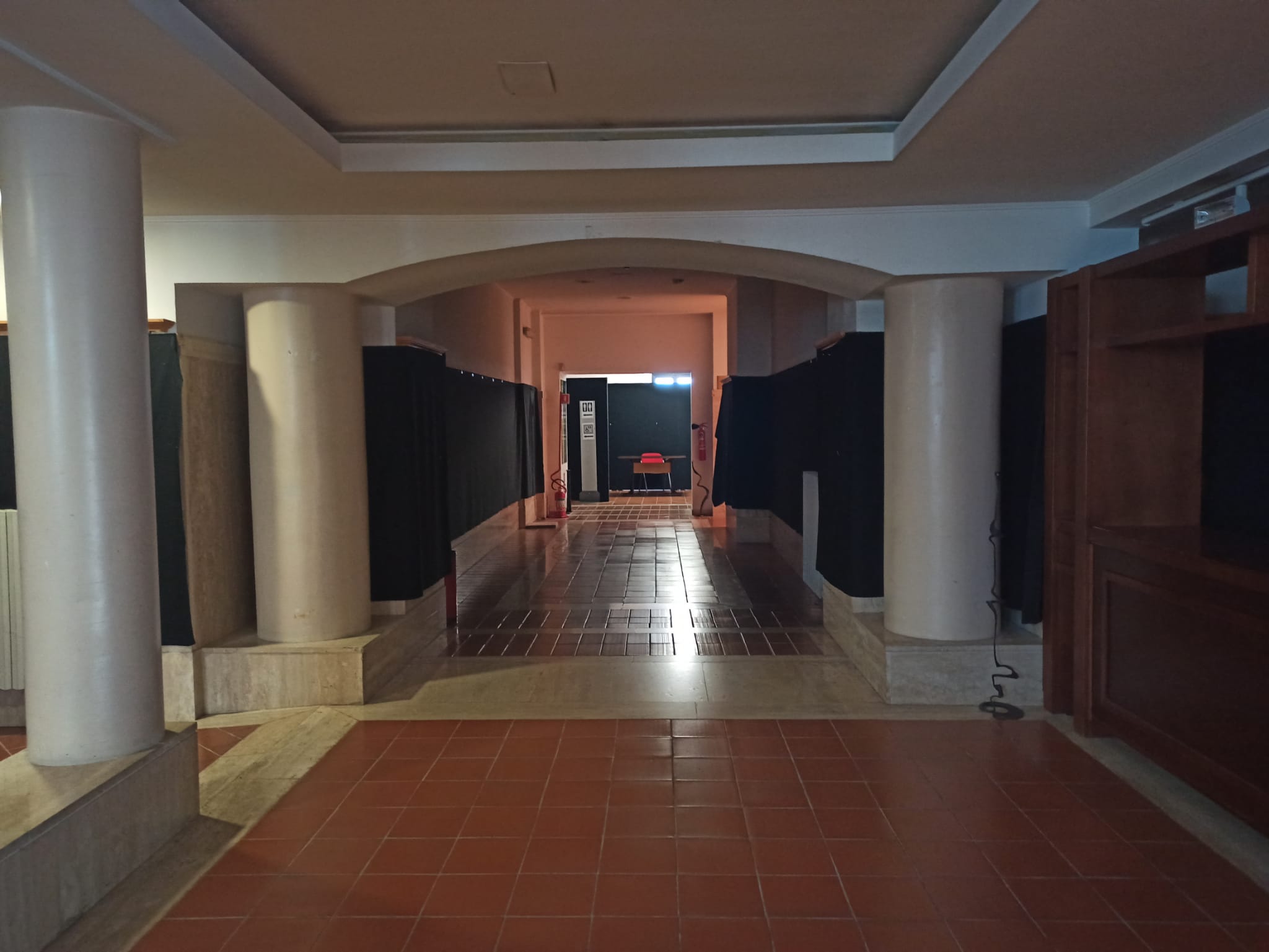
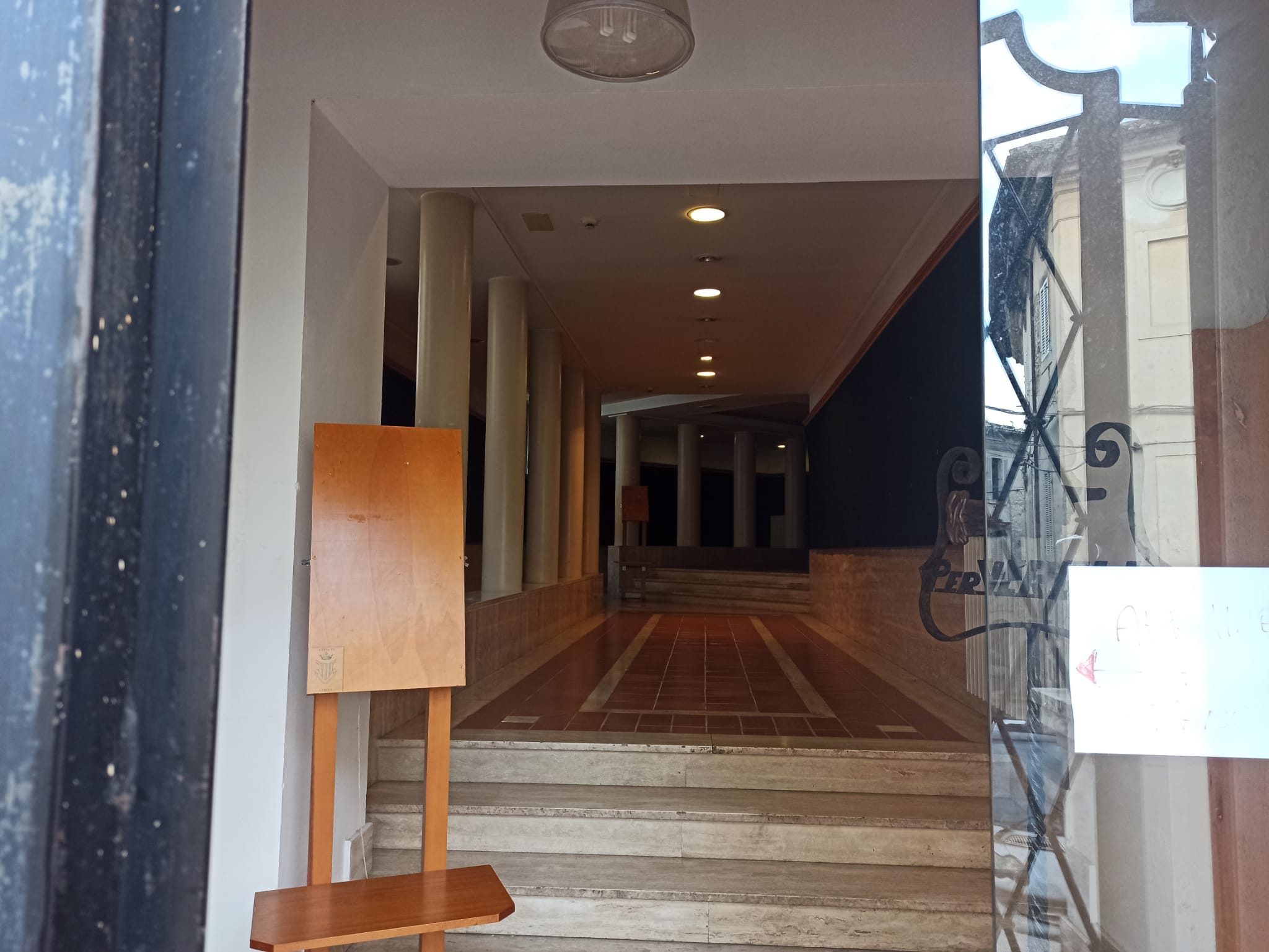
A second objective concerns energy efficiency and sustainable management of public spaces. The planned improvement of the lighting system will replace outdated equipment with more efficient solutions, reducing energy consumption while improving the safety and usability of the complex. At the same time, the enhancement of the outdoor cavea and entrance areas will increase the accessibility and sustainable use of the space for cultural and community activities.
A third environmental objective is to promote sustainable behaviours and environmental awareness within the community. By activating the complex as a cultural and educational hub, the initiative will host events, workshops and cultural programmes that encourage reflection on sustainability, responsible consumption and environmental protection. The involvement of schools and young people is particularly important in fostering long-term environmental awareness.
VITAL CHAIN enhances the citizens right to aesthetics and quality of experience by transforming La Catena into a welcoming, inspiring and culturally vibrant civic space where heritage, design and public life reinforce one another. The complex already hosts a library, a cinema, conference spaces, multimedia rooms and an outdoor cavea, and is used for book presentations, training activities, community gatherings, digital facilitation and cultural events.
A first objective is to improve the quality, beauty and usability of the space through targeted upgrades to the entrance, lighting system and cavea. These interventions will make the complex more attractive, legible and enjoyable for everyday users, while respecting its historic character and reinforcing the relationship between architecture, cultural heritage and public experience. The project therefore treats design not as decoration, but as a tool for dignity, accessibility and civic belonging.
A second objective is to strengthen the cultural experience of residents and visitors through an inclusive programme of activities: library-based events, free Sunday afternoon cinema, social theatre, and open lessons on literature, art history and major contemporary issues such as artificial intelligence. The aim is to make beauty a lived and shared experience, accessible also to people who do not usually engage in formal cultural settings. The existing use of the complex for book presentations, training and cinema already provides a strong foundation for this vision.
A third objective is to position La Catena within a wider network of regenerative cultural places, including a dialogue with the revitalisation of former prison facilities and, more broadly, with experiences that bring beauty, culture and learning into places of marginality. In this sense, the initiative also seeks to import models of aesthetic care, cultural participation and human-centred design into the prison context.
VITAL CHAIN places inclusion at the centre of its approach by transforming the La Catena complex into a "vital chain" where cultural participation, knowledge exchange and community life are open to everyone. In an inner-area context such as Veroli, inclusion is understood not only as accessibility to spaces, but also as the ability of different social groups to actively participate in cultural and civic life.
A key objective is to ensure broad accessibility and affordability of cultural activities. Many initiatives hosted in the complex are designed to remove economic barriers to participation, including free cultural programming such as public film screenings, open lectures and community events. By offering cultural opportunities without financial obstacles, the project allows people of different ages, incomes and educational backgrounds to engage with cultural life.
Another objective concerns inclusive governance and community involvement. The initiative promotes an open and collaborative management approach, where associations, schools, local organisations and informal community groups can contribute to programming and activities. This shared governance model encourages co-responsibility in the use of public cultural spaces and helps create a sense of collective ownership.
The project also applies design-for-all principles to improve accessibility and usability for diverse groups, including older residents, young people and families. The improvement of circulation spaces, lighting and public areas is intended to create an environment that is welcoming, safe and easily usable for all users.
A further inclusion objective is to connect urban and inner-area communities through cultural cooperation. As a hub serving the wider functional urban area of 11 municipalities, La Catena provides a shared cultural infrastructure for communities that often lack access to such facilities. This strengthens territorial bonds and bridges among different villages.
The VITAL CHAIN initiative embodies the core working principles of the New European Bauhaus—participation, co-creation and multi-level engagement—by positioning citizens not as passive users, but as active contributors to a shared cultural infrastructure.
Citizen involvement is embedded from the outset through the Municipality of Veroli’s 2024–2029 political mandate, translated into administrative action within the DUP (Single Programming Document), where the enhancement of the La Catena complex is defined as a strategic priority. This ensures that the initiative is grounded in a democratically shared vision and aligned with community needs.
At the local level, civil society plays a key role through the active involvement of the Pro Loco Veroli, which supports all cultural activities with volunteers and young participants engaged through the Universal Civil Service. The association has contributed to the co-design phase, working with the municipality to identify intervention priorities based on its experience in managing events and supporting users within the complex.
This collaboration generates a strong sense of co-ownership, where citizens and local actors actively shape both the transformation of the space and its cultural programming.
The initiative further enhances participation through the activation of underused spaces: the library will expand opening hours and host after-school and tutoring activities for vulnerable groups, while the cinema will extend its programme beyond current Sunday screenings. Technical upgrades will also improve energy efficiency, linking participation with sustainability.
The result is a living civic ecosystem, where culture becomes a driver of inclusion, learning and social innovation, offering a scalable model for inner areas across Europe.
The VITAL CHAIN initiative is grounded in a concrete multi-level governance system where each stakeholder contributes to shaping both the space and its functions.
At the local level, the Municipality of Veroli leads the process, translating the political mandate (2024–2029) into operational actions through the DUP. The Pro Loco Veroli is not only a delivery partner but a co-designer of the initiative: its volunteers and young people involved in the Universal Civil Service directly support events, manage audiences and contribute to defining priorities based on daily interaction with users of the La Catena complex. This ensures that design choices are informed by real community practices.
At the inter-municipal level, the project is conceived as a shared cultural infrastructure for the Functional Urban Area of 11 municipalities, which currently lack accessible and continuous cultural services. This positioning transforms La Catena from a local venue into a territorial hub, enabling cross-municipal participation, shared programming and broader access to culture in inner areas.
At the institutional level, the initiative aligns with policies supporting inner areas, youth engagement and cultural accessibility, reinforcing its integration within ongoing public strategies and increasing its feasibility and long-term sustainability.
At the European level, VITAL CHAIN explicitly adopts the New European Bauhaus framework, not as a label but as a working method, combining spatial improvement, cultural programming and participatory governance.
The added value of this structured engagement lies in its ability to connect daily community use, territorial cooperation and policy alignment, generating a project that is immediately usable, socially embedded and scalable. This makes VITAL CHAIN a concrete model of how small municipalities can activate cultural infrastructure as a driver of cohesion and innovation.
The VITAL CHAIN initiative is conceived as a cross-disciplinary platform, where urban regeneration, cultural production, social innovation, education, accessibility design and environmental sustainability are intentionally combined to transform La Catena into a living civic infrastructure.The project integrates architectural upgrading and human-centred design with cultural programming, ensuring that spatial improvements—such as enhanced access, lighting systems and the reactivation of public spaces—directly improve the quality of experience. These interventions are informed by principles of energy efficiency and sustainable management, linking design choices to environmental responsibility.At the same time, social and educational disciplines play a central role. The expansion of the library into a space for after-school activities and tutoring introduces a strong inclusion dimension, addressing educational gaps and supporting vulnerable groups. This is combined with expertise in community engagement and informal learning, ensuring that the space responds to real social needs.The initiative also mobilises cultural and creative sectors, through cinema, social theatre, public events and open lessons on literature, art history and contemporary topics such as artificial intelligence. This creates a dynamic interface between heritage and innovation.What makes VITAL CHAIN particularly relevant is the integration between the New European Bauhaus framework and the Smart Villages approach. The project applies NEB principles—beauty, sustainability and togetherness—within a Smart Village logic, where digital, social and cultural innovation are embedded in everyday life in inner areas. These disciplines interact through a continuous co-creation process involving technical experts, cultural operators and community actors, coordinated by the municipality and local organisations. Feedback loops between users and decision-makers ensure adaptive implementation to add more value(s).
The VITAL CHAIN initiative departs from mainstream regeneration approaches typically financed through regional funds or RRF resources, which often prioritise capital expenditure and isolated infrastructure upgrades without activating long-term social use or governance innovation. In contrast, VITAL CHAIN combines physical improvements with social activation, new governance models and outcome-oriented financing mechanisms, transforming La Catena into a continuously evolving civic platform rather than a static cultural asset.A key innovative dimension lies in the integration of social innovation and hybrid governance, where the Municipality does not act as the sole provider but enables a public–private–community partnership model. Local actors such as Pro Loco Veroli and third-sector organisations are not limited to implementation roles but are engaged as co-producers of services and cultural activities, contributing to both design and delivery based on their direct interaction with users.The initiative also explores impact finance logics, testing the applicability of payment-by-results schemes to support the involvement of third-sector organisations. This approach introduces a shift from input-based public spending to outcome-driven investment, where cultural participation, social inclusion and educational support activities—such as after-school programmes and community-based services—can be linked to measurable social impact.Furthermore, the project redefines the use of existing infrastructure by activating underutilised spaces (library, cinema, public areas) as multi-functional service environments, capable of generating continuous value for different user groups, including vulnerable populations. This integrated use contrasts with conventional single-function cultural facilities.The combination of heritage reuse, social innovation, experimental financing and participatory governance positions VITAL CHAIN as a pioneering model for inner areas.
he VITAL methodology (Veroli Inclusive Transformation and Activation Loop) is an iterative, transdisciplinary approach inspired by toolbox-based dialogue models, where public authorities, civil society and users co-produce solutions through structured interaction rather than linear planning.Unlike conventional top-down delivery, VITAL operates as a cyclical process combining observation, dialogue, experimentation and adaptation, using practical tools such as stakeholder mapping, participatory workshops, pilot actions and continuous feedback loops.The methodology unfolds in four phases: Activation, based on the political mandate (DUP) and real usage patterns of the La Catena complex; Co-creation, through structured dialogue with stakeholders such as Pro Loco, citizens and cultural actors; Experimentation, via incremental activation of spaces (library, cinema, public areas); and Adaptation, through ongoing adjustments based on user feedback.A key feature of VITAL is the integration of spatial, social and organisational dimensions: physical upgrades are directly linked to cultural programming and community needs, transforming the project into a living system rather than a fixed intervention.This approach enables shared understanding across actors, strengthens community ownership and supports adaptive implementation. By combining New European Bauhaus principles with a Smart Villages logic, VITAL provides a replicable methodology for inner areas, where limited resources require flexible, participatory and impact-oriented solutions.
A key replicable element is the VITAL Toolbox, a structured set of tools including stakeholder mapping, participatory formats and a series of serious games designed to engage citizens, associations and public actors in co-creation processes. These games translate complex planning challenges into accessible and interactive experiences, enabling diverse groups—including young people and vulnerable users—to actively contribute to decision-making. The toolbox can be easily adapted and reused in different contexts, supporting inclusive governance and shared ownership.Another transferable component is the incremental activation of existing spaces, where underused cultural infrastructure (libraries, cinemas, public areas) is progressively reprogrammed rather than replaced. This approach reduces costs and allows municipalities to test solutions before scaling them.The initiative also offers a replicable model of public–private–community partnership, where local organisations and third-sector actors act as co-producers of services. This is reinforced by the experimentation of impact-oriented approaches, including potential payment-by-results schemes, which can be adapted to different policy environments.Finally, the integration of New European Bauhaus principles with the Smart Villages approach provides a transferable framework that connects cultural heritage, social innovation and local development.
We have already embedded the VITAL CHAIN initiative within our municipal planning (DUP 2024–2029) and we are now moving to implementation through a clear sequence of actions. First, we will deliver targeted spatial upgrades (entrance, lighting system, cavea) to improve accessibility, safety and energy performance. In parallel, we will expand the operational use of spaces: extending library opening hours, launching structured after-school and tutoring services for vulnerable students, and increasing cinema programming beyond Sunday screenings.
We will operationalise the VITAL Toolbox by running cycles of co-creation workshops and serious games with citizens, schools and associations to co-design programming and space uses. The Pro Loco Veroli will act as co-producer, coordinating volunteers and Universal Civil Service participants in delivery and user support.
We will implement a public–private–community partnership model, piloting payment-by-results schemes for third-sector actors linked to measurable outcomes (participation rates, inclusion of vulnerable groups, learning outputs). We will also introduce energy-efficient systems and monitoring to reduce consumption and reinvest savings into cultural activities.
NEB values are already incorporated: beauty through human-centred design and high-quality cultural content; sustainability through adaptive reuse and energy upgrades; togetherness through co-creation and open governance.
For scaling and learning, we will anchor exchange activities within CERV programme actions, organising peer-learning sessions, twinning activities and cross-municipal labs with the 11 municipalities of the Functional Urban Area and European partners. This will support knowledge transfer on participation methods, accessibility and impact finance.Key steps include: (1) completion of upgrades; (2) activation of expanded services; (3) deployment of the VITAL Toolbox; (4) launch of partnership and PBR pilots; (5) CERV-based exchanges.