Ferro Discesa Rosa Youth-led Rebirth
Ferro alla Discesa Rosa: Youth-led Regeneration of Neglected Urban Spaces in Suisio
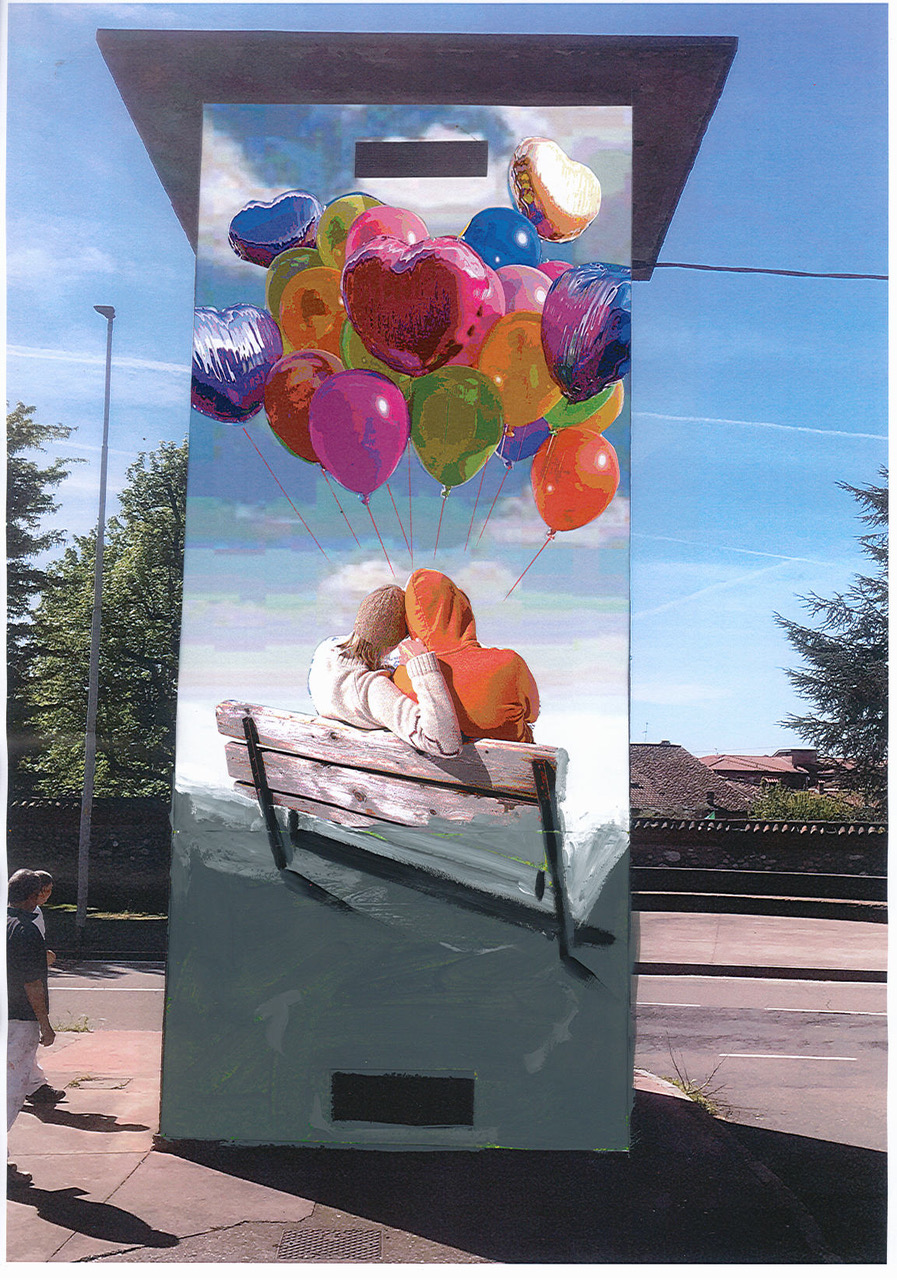
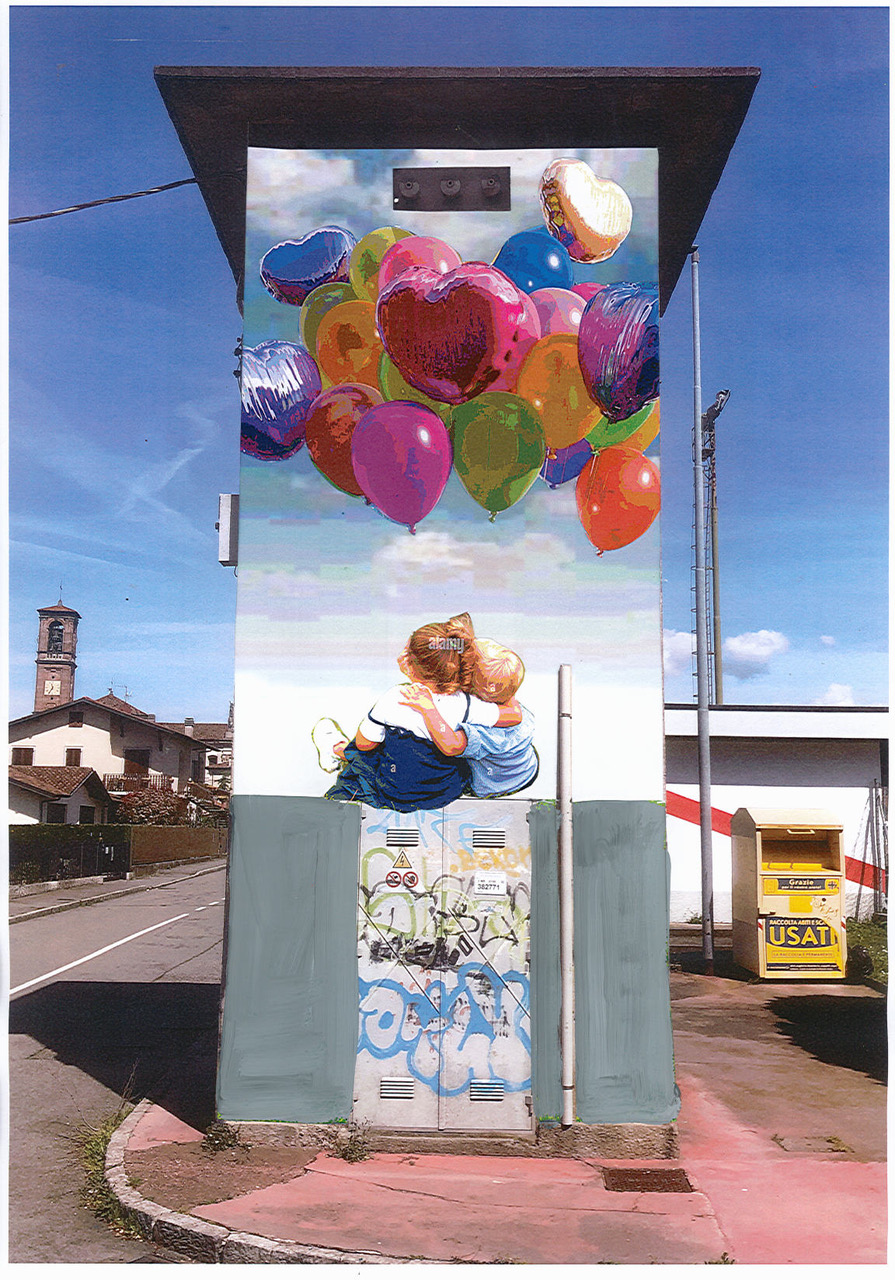
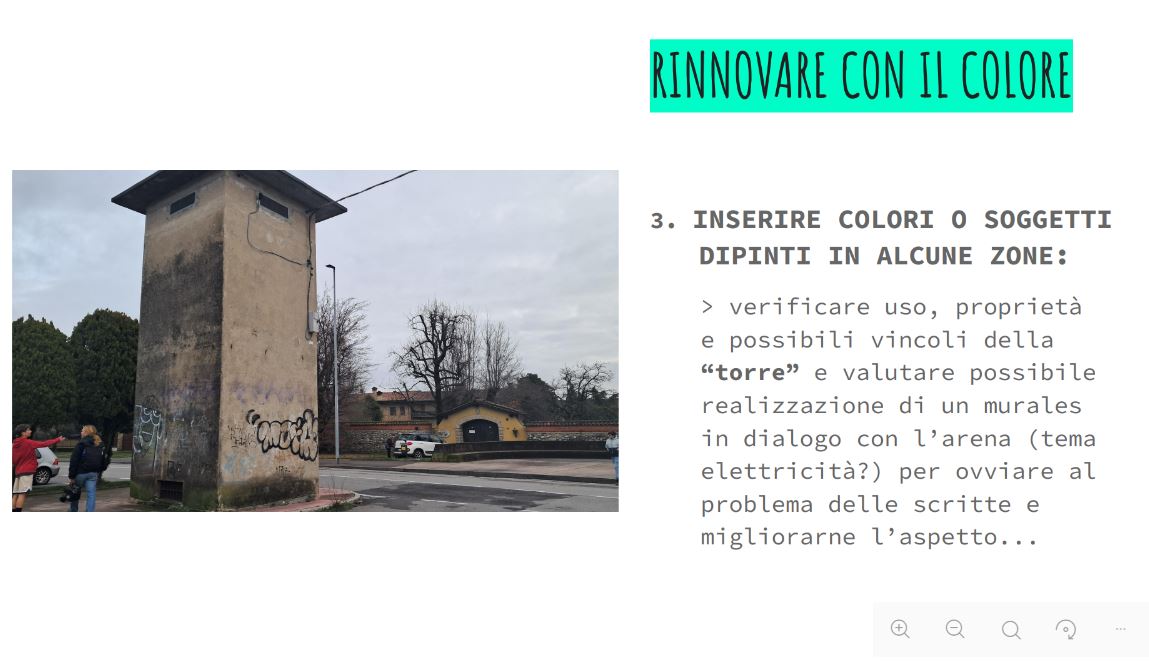
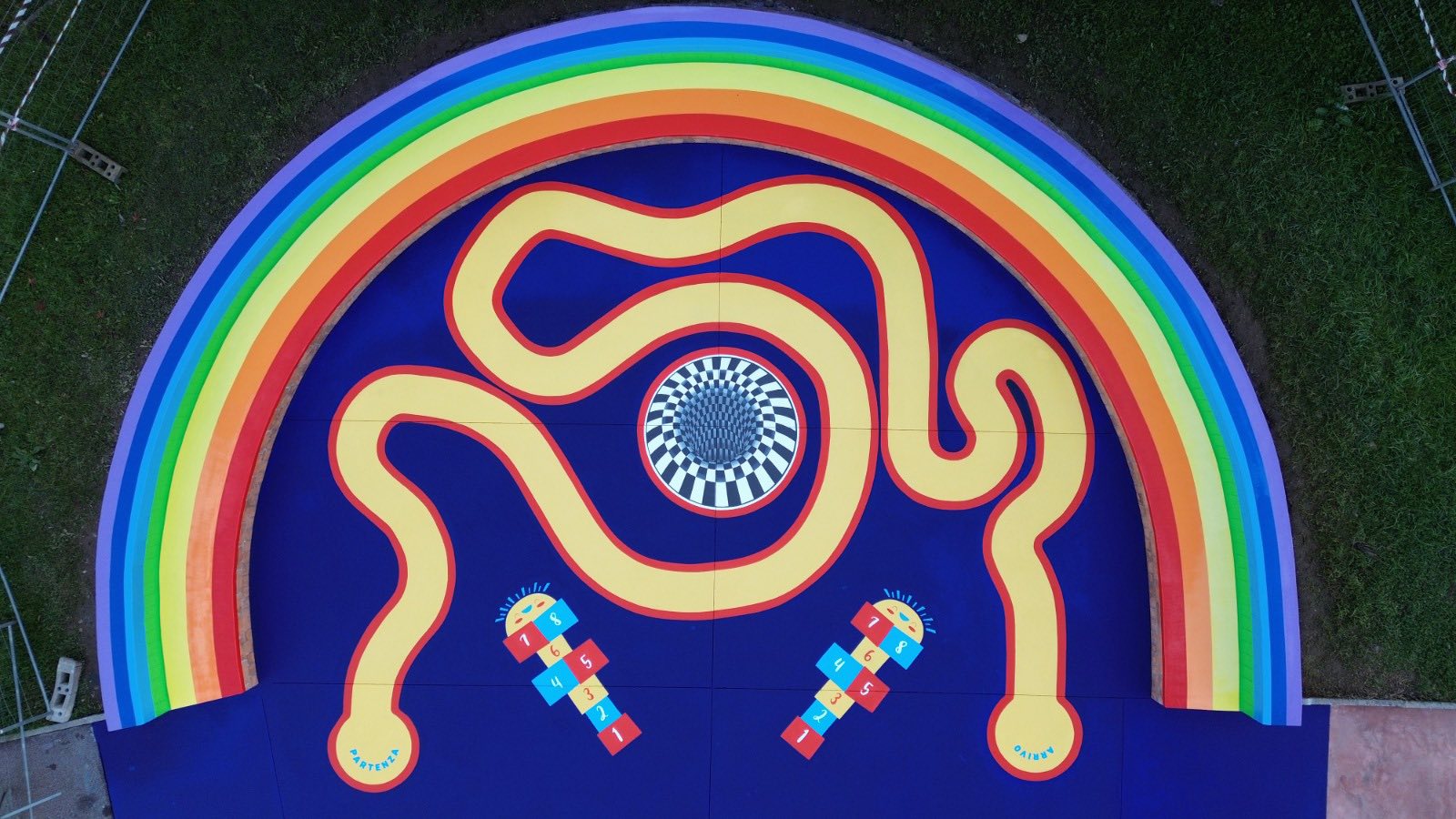
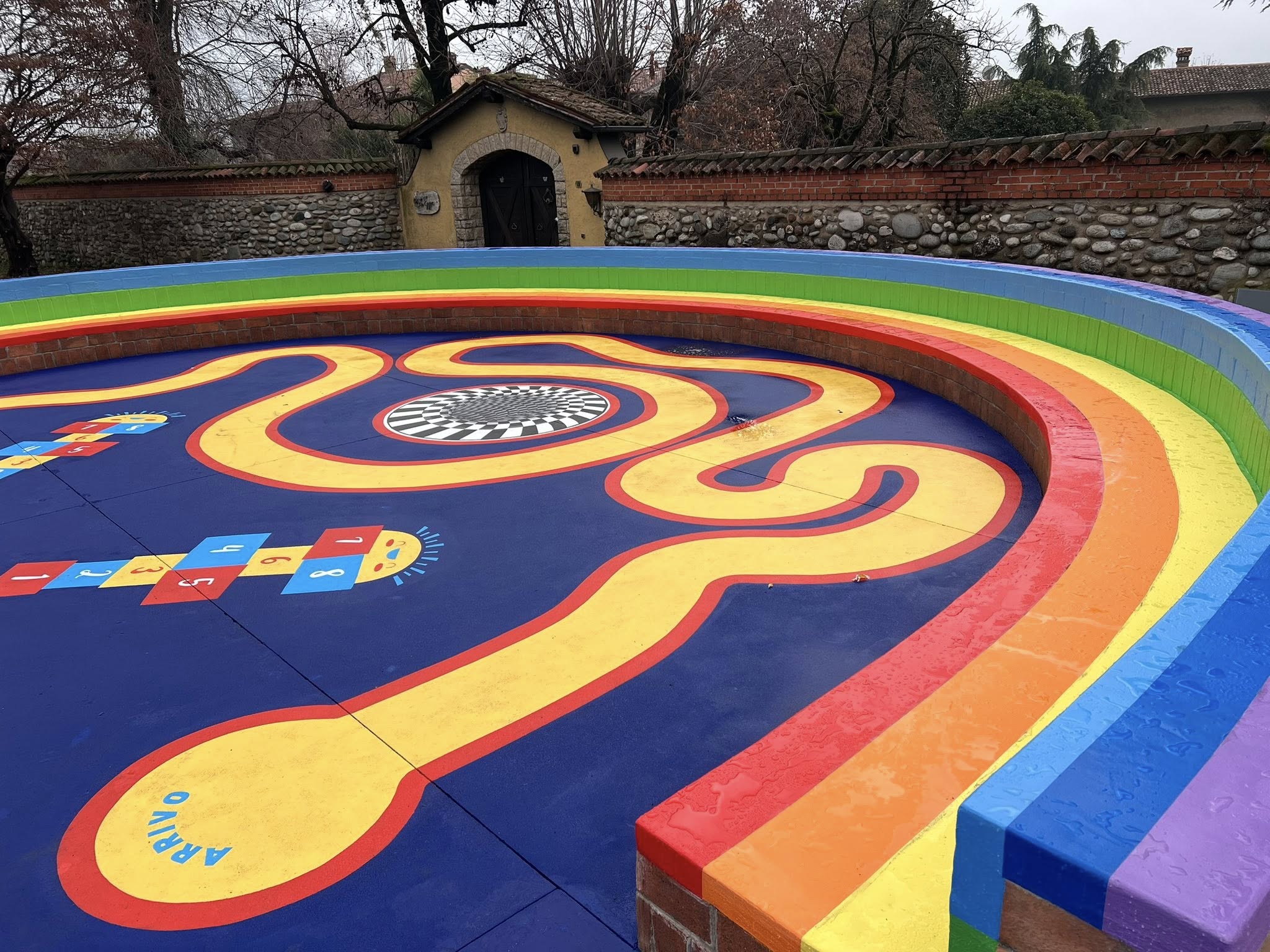
Led by Suisio’s newly formed Youth City Council, this project transforms the neglected "Ferro alla discesa rosa" area into a vibrant, safe, and inclusive hub. Through a co-creation process involving teenagers (12-14), educators, and artists, the project regenerates public greenery, updates street furniture, and turns an old electric cabin into a work of art. It’s a powerful exercise in active citizenship, reclaiming abandoned spaces through color, creativity, and collective care.
Italy
via Mazoni, Suisio (BG)
Prototype level
Yes
Yes
Yes
No
No
16209: Suisio (IT)
Aim: To regenerate the neglected "Ferro alla discesa rosa" area in Via Manzoni, turning a forgotten "non-place" into a colorful, safe, and vibrant social hub.
Target Groups: Teenagers (12-14 years old), local families, and residents of the Via Manzoni neighborhood.
Specific Objectives: 1) To empower youth through active citizenship; 2) To eliminate urban decay through street art and new furniture; 3) To enhance public safety and greenery.
Expected Outcomes: A fully renovated urban area with a signature mural on the electric cabin, new eco-friendly seating, and a community that feels "ownership" over the space, reducing future vandalism.
Youth Empowerment
Urban Tacticalism
Active Citizenship
Intergenerational Safety
Collaborative Art
Objectives: Our primary goal is "Social and Material Sustainability." We aim to minimize waste by upcycling existing structures (like the electric cabin) and enhancing the local micro-climate through improved public greenery.
Status: We are selecting low-maintenance, native plant species and using non-toxic, durable paints for the murals.
Exemplary Nature: The project proves that sustainability in small towns starts with "Emotional Sustainability": when young citizens design a space, they ensure its long-term preservation, reducing the environmental and economic cost of repairing future neglect or damage.
Objectives: To replace the "aesthetics of abandonment" with an "aesthetics of joy and care." The intervention on the "discesa rosa" (pink descent) and the electric cabin aims to create a visual landmark that sparks curiosity and pride.
Status: Through workshops with artists, the CCRR is defining a visual language that reflects the identity of Suisio’s youth.
Exemplary Nature: It demonstrates that Aesthetics is a tool for safety. By adding color and light to a dark corner, we change the "quality of experience" for everyone, making a previously avoided area feel welcoming and beautiful for the everyday commute.
Objectives: To provide the 12-14 age group—often overlooked in urban planning—with a "seat at the table." We are designing for "universal accessibility," ensuring the new furniture and paths are usable by all ages and abilities.
Status: The CCRR acts as an inclusive governing system where young representatives voice the needs of their peers.
Exemplary Nature: It creates a new societal model where children are not just "users" of the city, but "co-authors." It tackles "affordability" by creating a high-quality leisure space that is free and open to all, regardless of socio-economic background.
Involvement: The project is entirely youth-led. The CCRR members are the "clients" and "co-designers."
Role: They identify the problems (lack of light, decay), brainstorm solutions with educators, and collaborate with artists on the mural’s themes.
Impact: This involvement ensures the final result matches the real needs of the youth. It builds a sense of "Civic Responsibility" that is far more effective than any surveillance camera.
Stakeholders: 1. Local: The Municipality of Suisio provides the political mandate and funding.
2. Regional: Alignment with regional youth policies and urban safety standards.
3. Educational: Local schools and educators facilitate the CCRR meetings.
Added Value: The synergy ensures that a "small" project has "large" institutional backing, making the youth's voice legally and financially impactful.
Disciplines: Art & Design (murals and furniture), Pedagogy (youth empowerment), Urban Planning (site layout), and Environmental Science (greenery).
Interaction: Artists work directly with the CCRR to translate social values into visual art. Educators ensure the process remains a learning journey.
Innovation: Unlike mainstream "top-down" renovations, this project is "Youth-driven Tactical Urbanism." It’s innovative because it treats "Social Pedagogy" as a fundamental part of "Urban Engineering."
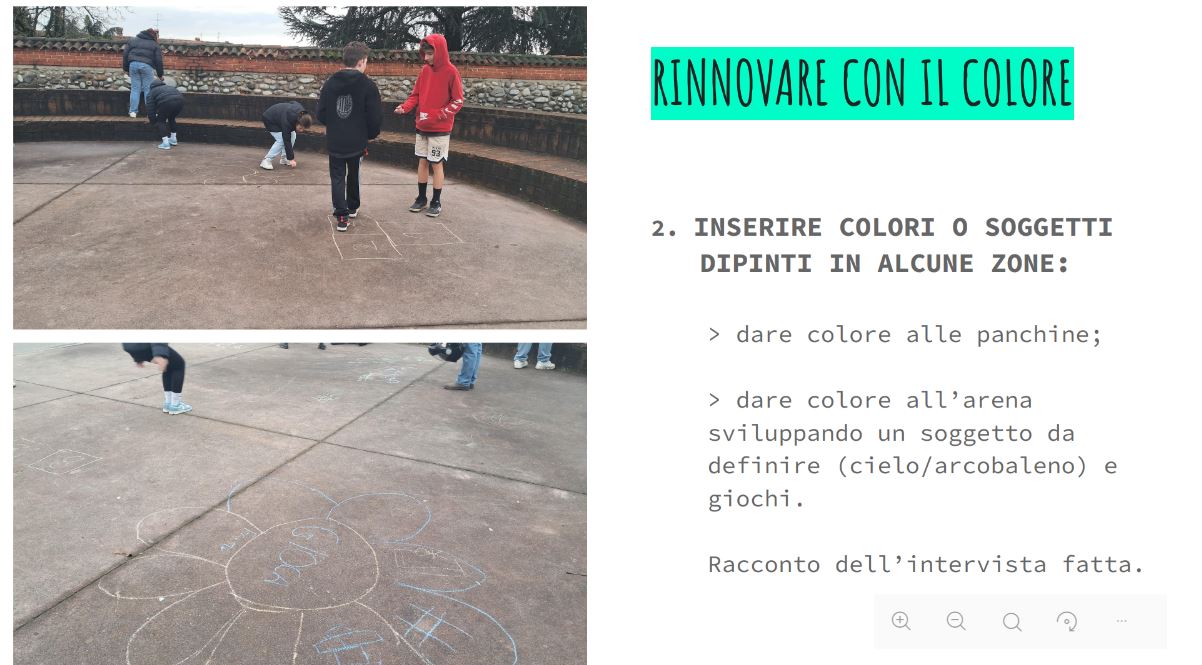
Methodology: We use a "Co-Design Lab" approach. Steps: 1) Identification of decay; 2) Empathy workshops (how do we feel here?); 3) Creative brainstorming; 4) Technical feasibility check with municipal offices; 5) Implementation.
Scalability: The "CCRR Regeneration Kit" is perfectly replicable. Any small municipality with a Youth Council can use our methodology to identify "forgotten corners" and activate them through low-cost art and furniture interventions.
Scalability: The "CCRR Regeneration Kit" is perfectly replicable. Any small municipality with a Youth Council can use our methodology to identify "forgotten corners" and activate them through low-cost art and furniture interventions.
Planned Activities: Finalizing the mural design, purchasing the eco-friendly furniture, and organizing an "Inaugurazione Attiva" (Active Inauguration) led by the kids.
NEB Incorporation: So far, we have focused on Inclusion (youth voice). The next steps focus on Sustainability (planting phase) and Aesthetics (mural execution).
Key Steps: 1) Mural painting workshop (Spring 2026); 2) Installation of smart/green furniture; 3) "Adoption" ceremony where the CCRR officially takes charge of the area’s future care.
Queste ultime due sezioni sono fondamentali per la call "Boost", perché la Commissione Europea vuole assicurarsi che il premio di 30.000 € venga assegnato a un Comune che ha già un piano d'azione solido e un metodo esportabile in altri contesti simili.
Ecco le bozze finali in inglese:
HIGH POTENTIAL FOR TRANSFERABILITY AND REPLICABILITY (Max 2000 chars)
The "Ferro alla discesa rosa" initiative is designed as a transferable toolkit for youth-led urban regeneration in small municipalities. Its modularity allows it to be replicated in diverse contexts through three key elements:
1. The "CCRR Tactical Methodology": > The core process—empowering the Youth City Council (CCRR) to act as urban planners—is highly replicable. We have developed a structured workflow (Observation -> Empathy Mapping -> Artistic Co-design) that any small town with a youth council can adopt. This methodology turns administrative "duty" into civic "passion."
2. Low-Cost, High-Impact Interventions: > The project uses "Tactical Urbanism" tools: street art, upcycled urban furniture, and enhanced greenery. These "products" are technologically simple but socially powerful, making the project an ideal model for municipalities with limited budgets that need to tackle urban decay and safety issues quickly.
3. The "Non-Place" Transformation Strategy: > Many European villages have "forgotten corners" like the Via Manzoni area. Our project provides a blueprint for identifying these "marginal" spots and transforming them through a specific intergenerational contract: the youth design and create, while the local administration provides the legal and financial framework.
4. Key Learnings for Export: > We are documenting the interaction between teenagers and professional artists. This "educational-artistic" hybrid model can be transferred to schools or social cooperatives across the EU as a way to integrate art education with civic duty.
Suisio’s commitment is evidenced by the formal establishment of the CCRR and the allocation of initial municipal resources. Our roadmap for the "Boost" phase is fully aligned with NEB values:
Incorporation of NEB Values so far:
Inclusion: The project originated from the youth council’s own demand for better spaces, ensuring their voice is the primary driver.
Aesthetics: We have already partnered with local artists to ensure the transformation is not just functional, but culturally significant.
Key Steps for Further Development:
Phase 1: Deep Co-Design (Spring 2026): Workshops between the CCRR and landscape designers to select eco-friendly materials for the furniture and native plants for the greenery (Sustainability).
Phase 2: The Mural Workshop (Summer 2026): A public event where the teenagers will participate in the actual painting of the electric cabin under artistic supervision (Participation & Aesthetics).
Phase 3: Final Installation: Setting up the new lighting and seating areas to ensure the space is safe and accessible for the elderly and children alike (Inclusion).
Phase 4: The "Stewardship" Pact: A formal ceremony where the CCRR signs a "Care Agreement" with the Mayor, committing to the long-term monitoring and animation of the site.