Enhancing Circularity, Sustainability, and Innovation
Pllakat - Living Shoreline
Protecting Pllakat Beach- Educational Design to Preserve a Fragile Costal Ecosystem
Pllakat Beach in Saranda is one of the last untouched shores, endangered by human greed and the destruction of nature for profit. This project uses design and architecture to give a visual identity to educational tableware to teach visitors about local marine life, raise awareness, and inspire sustainable tourism, protecting the fragile ecosystem for future generations.
Albania
National
It addresses urban-rural linkages
It refers to other types of transformations (soft investment)
Early concept
No
No
Yes
Individual
Pllakat Beach in Saranda is one of the last remaining natural coastal areas in the region, now threatened by urban development and profit-driven destruction of beaches and ecosystems. This project proposes a design-based intervention to protect and raise awareness about the beach’s fragile environment.
The concept includes:
• Visual identity / logo inspired by the local marine ecosystem, creating a recognizable symbol for the area and supporting the restaurant as an educational hub.
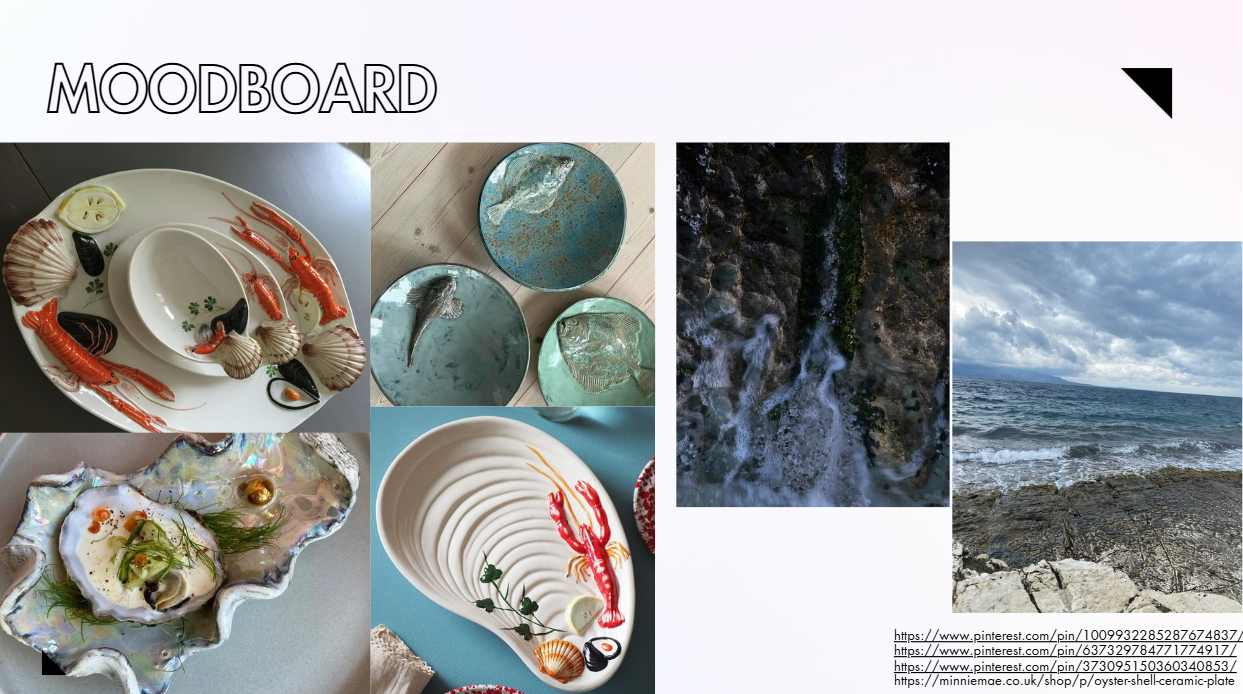
• Educational tableware and plate designs featuring illustrations of local marine species and coastal flora, teaching visitors about biodiversity and sustainable practices.
• Interior design concepts using natural, sustainable materials and layouts inspired by coastal formations, enhancing visitor connection with the environment.
Expected results:
1. Increased awareness among visitors about the threats to Pllakat Beach and its biodiversity.
2. Educational impact through design elements that convey information on marine species and ecosystems.
3. Promotion of sustainable tourism by demonstrating how design can protect and celebrate natural spaces.
4. Model for eco-conscious design that can inspire similar projects in other urban-rural coastal areas.
By combining architecture, design, and environmental storytelling, the project transforms a threatened beach into a site of learning, inspiration, and sustainable interaction, aligning with the New European Bauhaus values of sustainability, beauty, and inclusivity.
This idea was born from my deep personal connection to Pllakat Beach in Saranda. I grew up spending my childhood there, playing along the shore, fishing, and feeling fully immersed in the ecosystem. That experience gave me a sense of wonder, peace, and creativity, and it shaped my love for nature and design.
Pllakat stands out because it is untouched, natural, and quiet, unlike the other beaches around Saranda, which have been heavily altered or built over. Its beauty and simplicity inspired me to think about how design could protect and celebrate such spaces, rather than letting them be destroyed for profit or commercial development.
I want this project to capture the spirit of Pllakat, to allow future generations to experience it as I did; to feel part of the beach and its ecosystem. By creating educational tableware, a visual identity, and interior concepts for a local restaurant, this project becomes a way to preserve memories, raise awareness, and reconnect people with nature, ensuring that the beach remains alive in both experience and design.
This concept is a personal tribute to a place that gave me joy, creativity, and a sense of belonging, and my goal is to protect its essence while making it meaningful and accessible for others.
sustainability
education
design
nature
heritage
Pllakat Beach in Saranda is a rare untouched coastal ecosystem, now threatened by urban development and profit-driven destruction. This project addresses these challenges through design-led environmental awareness and sustainable tourism.
Environmental impact: The project promotes protection of marine biodiversity, highlights endangered species, and fosters respect for fragile coastal habitats through educational tableware, interior design, and visual identity elements.
Social impact: By connecting visitors to the ecosystem, the project educates the community and tourists, inspiring responsible behavior and shared stewardship of natural spaces.
Cultural impact: Pllakat Beach holds personal and local heritage value. The project preserves memories of childhood experiences and traditional interaction with nature, offering a cultural narrative that strengthens identity and continuity.
Economic opportunities: By promoting sustainable tourism and educational experiences, the project supports the local restaurant and surrounding businesses while discouraging harmful development, showing that economic value can coexist with environmental protection.
Exemplary sustainability: This concept demonstrates how design can protect nature while engaging people creatively, integrating aesthetics, education, and ecological stewardship. By making the ecosystem tangible and memorable, it offers a model for future interventions where urban-rural pressures threaten natural spaces, illustrating a balance between human use and preservation in an innovative, scalable way.
The concept is exemplary in aesthetics because it turns the unique characteristics of Pllakat into a design language, demonstrating how natural forms can inspire creativity, education, and sustainable engagement. By making the ecosystem tangible, memorable, and emotionally resonant, the project shows how design can enhance everyday life, nurture emotional bonds with place, and inspire long-term stewardship, aligning fully with the New European Bauhaus values of beauty, sustainability, and inclusivity.
Pllakat Beach is a rare and untouched coastal area, defined not by sand but by white stones and delicate algae, creating a striking natural harmony that is both unique and inspiring. This project celebrates that beauty by translating the forms, textures, and colors of the beach into the design of the restaurant’s visual identity, tableware, and interior elements, making the environment both educational and aesthetically engaging.
Visitors experience the beach in a new way: through dining, observation, and interaction with objects inspired by the stones and algae, everyday moments become opportunities to connect with the ecosystem. By merging design with environmental storytelling, the project allows people to feel part of Pllakat, fostering wonder, calm, and respect for the natural world.
This aesthetic approach also strengthens community pride and belonging, as locals and tourists alike are invited to care for and celebrate the beach. The project creates meaningful, memorable experiences, showing that human activity can enhance rather than destroy natural beauty.
The project actively promotes inclusion by ensuring accessibility and engagement for all users. It addresses environmental education and awareness across diverse audiences, including local residents, visitors, and students, encouraging participation regardless of age or background. By informing people about the ecological and cultural value of Pllakat Beach, the project fosters a sense of shared responsibility and stewardship.
Local knowledge and community participation are central: the nearby restaurant has long protected the area, and conversations with visitors reveal both curiosity and appreciation for the site’s uniqueness. Tourists often engage with the beach respectfully when informed, demonstrating that awareness campaigns can shift behavior. Through educational materials, workshops, and visual storytelling, the project encourages inclusivity by making ecological and cultural knowledge widely accessible.
By combining community engagement, educational initiatives, and communication, the project ensures that all stakeholders feel connected to the beach’s protection. It models how environmental responsibility can be shared, understood, and embraced across diverse groups, establishing a framework for inclusion in environmental design projects.
The concept actively involves multiple stakeholders in its development. Local residents, the nearby restaurant, and visitors have all informed the design process. The restaurant has long protected Pllakat Beach, and discussions with staff and patrons provided insight into the ecological and cultural significance of the area. Observing visitor behavior, particularly tourists who respect the beach when informed, has guided the project’s educational and communication strategies.
By engaging these groups, the project ensures that the resulting design, tableware, and awareness materials resonate with diverse audiences. Participation has led to a clearer understanding of how to communicate the fragility of the ecosystem, what educational messages are most effective, and how to create products and experiences that inspire protective behavior. This participatory approach ensures the project reflects local knowledge, visitor expectations, and community values, fostering ownership and care for Pllakat Beach.
By engaging these groups, the project ensures that the resulting design, tableware, and awareness materials resonate with diverse audiences. Participation has led to a clearer understanding of how to communicate the fragility of the ecosystem, what educational messages are most effective, and how to create products and experiences that inspire protective behavior. This participatory approach ensures the project reflects local knowledge, visitor expectations, and community values, fostering ownership and care for Pllakat Beach.
The project engages stakeholders across multiple levels to enhance implementation and impact. Locally, the nearby restaurant and community members provide insights and guidance, contributing knowledge of the site and its ecological and cultural importance. Regionally, collaborations with design instructors, architecture faculty, and local artisans inform the creation of functional and educational objects such as ceramic tableware.
Nationally, potential engagement with environmental organizations or cultural institutions can provide expertise, resources, and credibility, supporting education and awareness campaigns. At the European level, initiatives like the New European Bauhaus and environmental design networks offer visibility, potential funding, and guidance for best practices.
By involving stakeholders at all levels, the project combines local knowledge, professional expertise, and broader environmental frameworks. This multi-level governance strengthens the concept’s relevance, feasibility, and replicability, ensuring that both the design and educational outcomes are impactful and sustainable.
This concept integrates multiple disciplines to address the environmental and cultural challenges of Pllakat Beach.
Architecture and design shape the restaurant space and tableware, transforming elements of the shoreline into functional, educational objects. Ceramic pieces, inspired by local textures, species, and habitats, turn everyday dining into immersive learning.
Arts and craftsmanship document the creative process, showing how natural inspiration becomes aesthetic, functional objects.
Environmental sciences inform the content, highlighting species such as protected mussels and the fragility of the ecosystem, while social sciences and education guide engagement strategies for locals and visitors, fostering awareness and stewardship.
By combining architecture, design, art, environmental knowledge, and social engagement, the project demonstrates how transdisciplinary collaboration transforms objects and spaces into tools for learning, environmental protection, and connection with nature, providing a model that could inspire similar initiatives across Europe.
The concept is designed to be financially sustainable while promoting environmental awareness and community engagement. Revenue will be generated primarily through the production and sale of ceramic tableware inspired by the unique ecosystem of Pllakat Beach. Each piece reflects the textures, species, and habitats of the shoreline, combining functional design with educational storytelling. Selling these objects to visitors, tourists, and supporters provides a continuous funding source to maintain and expand the project.
A portion of the revenue will be reinvested into educational and awareness activities, including informational posters, small workshops, and guided experiences that highlight the ecological and cultural value of the beach. These activities aim to engage both locals and visitors, fostering stewardship of the fragile coastal environment while reinforcing the project’s mission.
The project can also leverage external funding, including public grants, awards such as the New European Bauhaus prize, and crowdfunding campaigns. Donations from environmentally conscious supporters further strengthen the financial base while expanding community involvement.
Partnerships with local businesses, design institutions, and universities offer opportunities to share resources, reduce costs, and co-create educational materials or design interventions. By combining product sales, educational initiatives, community engagement, and external funding, the concept establishes a sustainable ecosystem for both financial and environmental outcomes, ensuring the long-term preservation and appreciation of Pllakat Beach.
The concept is highly scalable and can be adapted to a variety of environments, ecosystems, and contexts. The core methodology — transforming the unique characteristics of a local habitat into functional design objects, such as ceramic tableware or other everyday items — can be replicated wherever fragile or endangered natural elements exist.
For example, the approach could be applied to other coastal areas, mountains, forests, or urban green spaces, using local flora, fauna, or geological features as inspiration for products, installations, or educational tools. Each adaptation would combine design, art, and environmental storytelling to raise awareness about the value of these ecosystems and encourage responsible behavior among visitors and communities.
The processes developed for this project — from ecological observation, artistic translation, and functional design creation, to educational communication — can serve as a template for similar initiatives elsewhere. Restaurants, cultural spaces, or public institutions could integrate locally inspired objects or workshops into their offerings, reinforcing environmental awareness and community engagement.
Furthermore, materials and production techniques can be adapted to local contexts, such as ceramics, sustainable wood, or recycled materials, allowing each project to reflect its own environment while maintaining ecological responsibility.
By focusing on locally specific inspiration, creative design, and community engagement, this concept provides a replicable model that can be transferred across regions and ecosystems, generating awareness, education, and sustainable design interventions wherever natural heritage is under threat.
Over the year following the application, the project envisions a sequence of actions to develop, promote, and implement the concept effectively. Initially, the focus will be on refining the design and deepening understanding of Pllakat Beach’s ecosystem. Observations of the shoreline, its species, and habitats, combined with insights from local knowledge and visitors’ experiences, will inform the final design of ceramic tableware and accompanying educational materials, ensuring accuracy and relevance.
The next phase will involve material production and preparation, creating the first set of ceramic objects and awareness tools using sustainable, locally inspired techniques. Patterns and forms will reflect the natural environment, translating ecological and cultural elements into functional and aesthetic designs. Posters, signage, and informational materials will also be prepared to communicate the significance of the beach to diverse audiences.
Following production, emphasis will shift to promotion and community engagement. The tableware and educational materials will be introduced in the restaurant and surrounding community through interactive experiences, workshops, and guided storytelling sessions. These activities aim to foster ecological awareness, encourage responsible behavior, and strengthen the sense of shared stewardship among locals and visitors.
Finally, the project will focus on evaluation and strategic planning for future impact. Feedback from participants and visitors, sales of the tableware, and engagement with educational materials will inform improvements to design, communication, and outreach strategies. Lessons learned will guide potential replication or adaptation of the concept to other fragile natural environments, supporting wider ecological education and community involvement, while laying the groundwork for additional funding, partnerships, or recognition at regional, national, or European levels.