Strengthening Local Democracy and Inclusion
Asertos Programme
Asertos Programme: Community-based Regeneration of Urban Deprived Areas and Neighborhoods
Asertos connects architecture and health by helping communities discover, connect, and mobilize their existing assets. We move beyond fixing deficits to facilitate a process where residents lead the regeneration of their own habitat. By transforming neglected areas into self-governed "Common-Pool Resources", we foster social cohesion and well-being. Asertos proves that a beautiful and inclusive future is rooted in the wealth of local talents and collective action.
Spain
Local
Alicante, Spain
Mainly urban
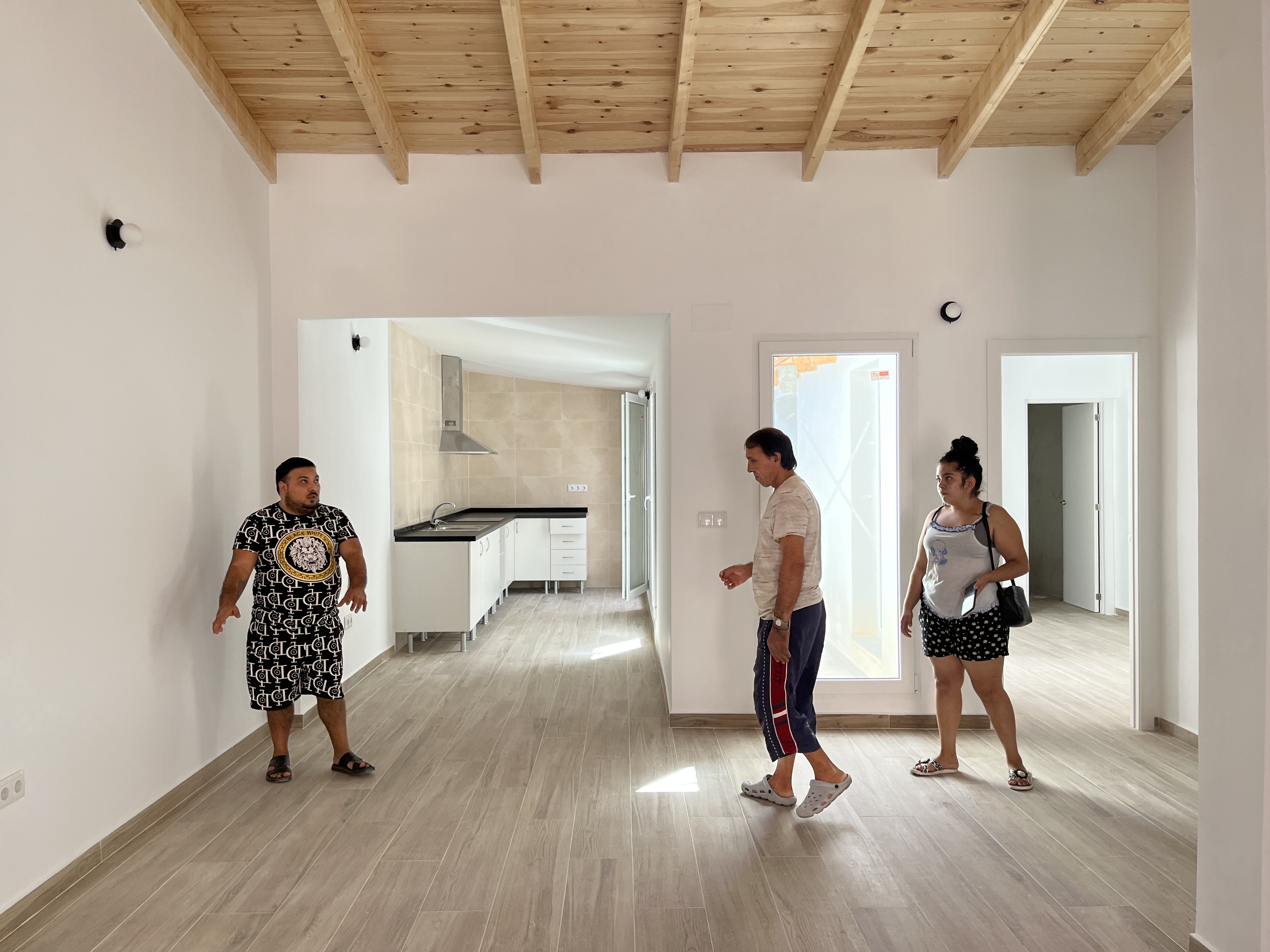
It involves a physical transformation of the built environment (hard investment)
Yes
2025-12-31
Yes
ERASMUS
No
No
Organisation
The Asertos programme bridges architecture and public health to transform vulnerable urban areas in Alicante. We move beyond the traditional "deficit approach" to discover, connect, and mobilize the inherent assets of communities (their talents, histories, and spaces) treating the neighbourhood as a Common-Pool Resource (CPR).
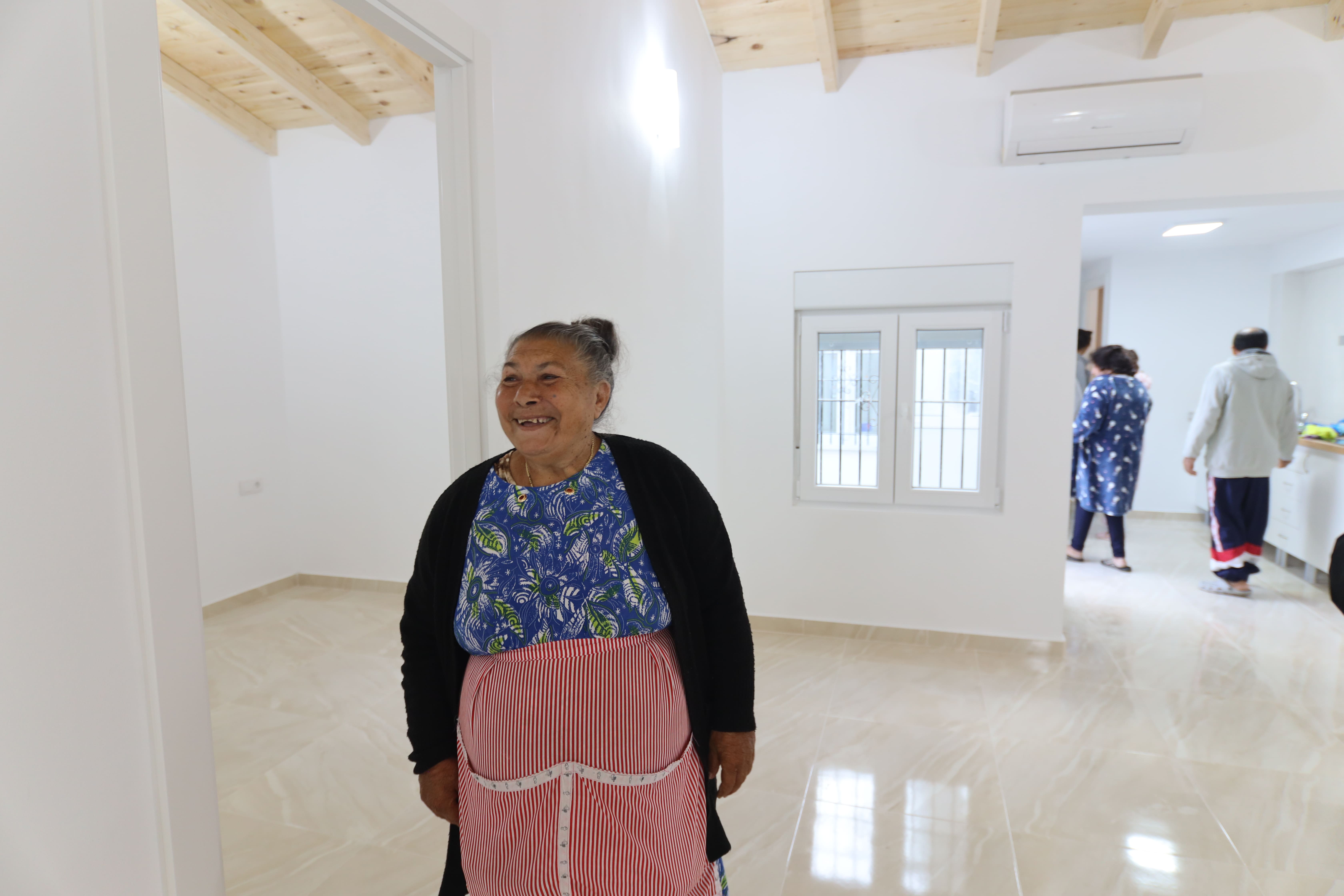
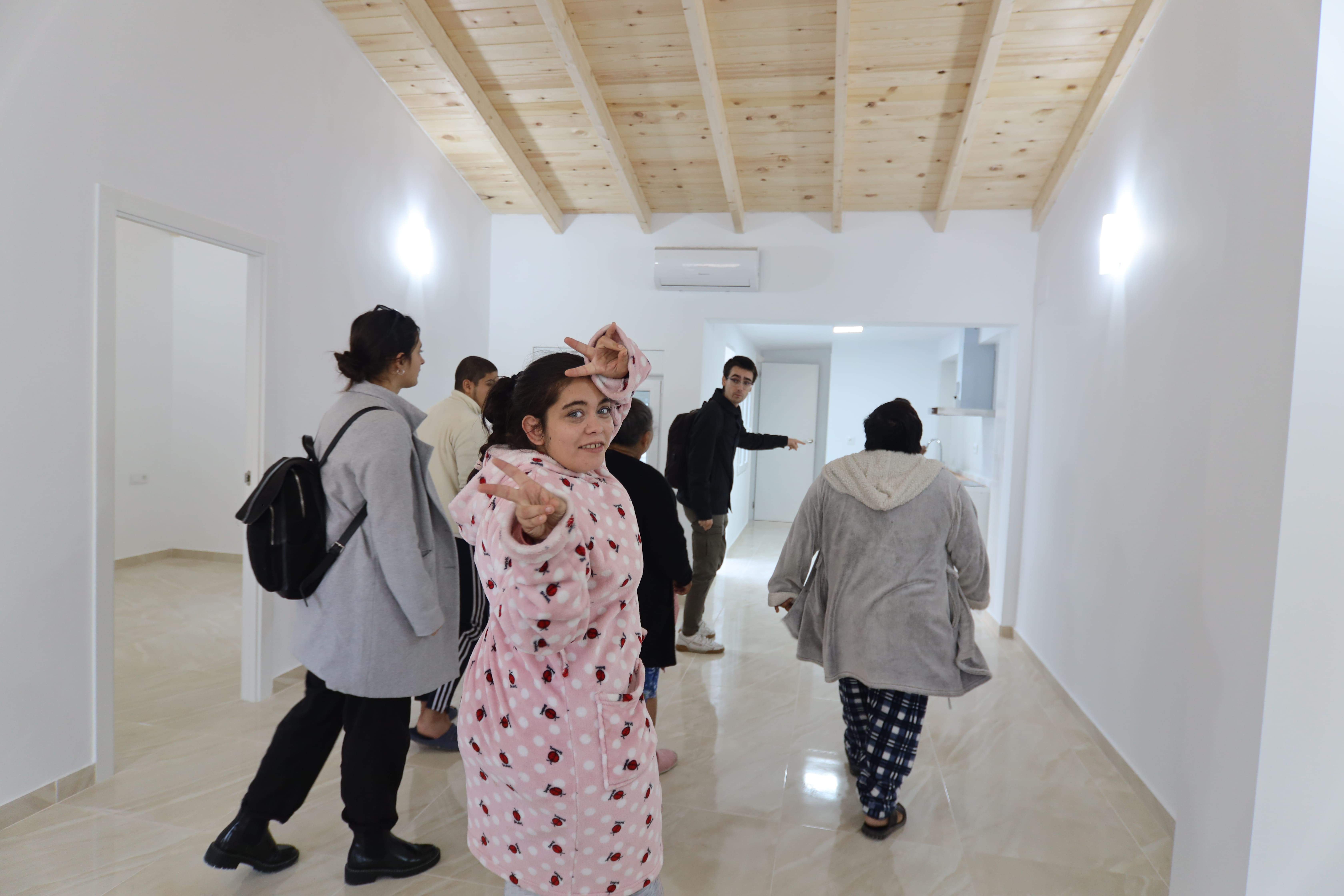
Since 2017, our pilot phase in the Cemetery District has achieved tangible results, mobilizing over €1.8 million for operations and works. We have fully rehabilitated 13 buildings, conducted 72 emergency interventions addressing structural and electrical risks, and directly improved the living conditions of 152 residents, including 65 children. We transformed former informal dumping grounds into four community-governed green spaces (over 2,700m²), such as the "El Cura" gardens. Furthermore, our Resource Bank features 173 registered members with over 330 documented exchanges of "Community Assets", proving that social cohesion can drive physical regeneration.
The long-term impact of Asertos lies in its systemic transformation of urban governance. As the pilot concludes in 2025, we are scaling the model to three additional districts and institutionalizing the process through Celestina Urbana, a non-profit cooperative based on a use-right (cession of use) model. This legal device creates a permanent, non-speculative social housing stock that is decarbonized and affordable. By shifting from top-down assistance to community self-governance, Asertos restores broken social ties and ensures that regeneration does not lead to gentrification or displacement. Ultimately, we aim to integrate health into all urban policies, proving that a beautiful and inclusive future is rooted in collective action and the wealth of local talents.
After a successful seven-year pilot in the Cemetery District the project is now scaling to three additional districts and consolidating into the housing cooperative to ensure long-term, non-speculative housing.
The Asertos programme was born in 2017 in Alicante, Spain, through a strategic alliance between the associations Quatorze and Architecture Without Borders (ASFE). Its genesis was deeply influenced by the experience of its promoter in French informal settlements (bidonvilles), where he developed methodologies for slum reabsorption based on the collective management of resources. A pivotal moment in the project's story occurred during the 2020 COVID-19 pandemic, when residents of the Cemetery District in Alicante self-organized a food pantry (DAPE) to face the crisis. Observing this surge of mutual aid and leadership from within the neighbourhood convinced the team that the solution to urban vulnerability lay in the community itself, prompting a shift toward creating permanent community institutions.
Implementation on the ground is based on a bottom-up methodology known as Asset-Based Community Development (ABCD), which moves away from a "deficit approach" to instead discover, connect, and mobilize local strengths. This process is carried out through five key operational activities:
> Permanences: Starting in 2021, the team established a weekly physical presence in the neighbourhood to build trusting relationships and identify "connecting people" and local talents.
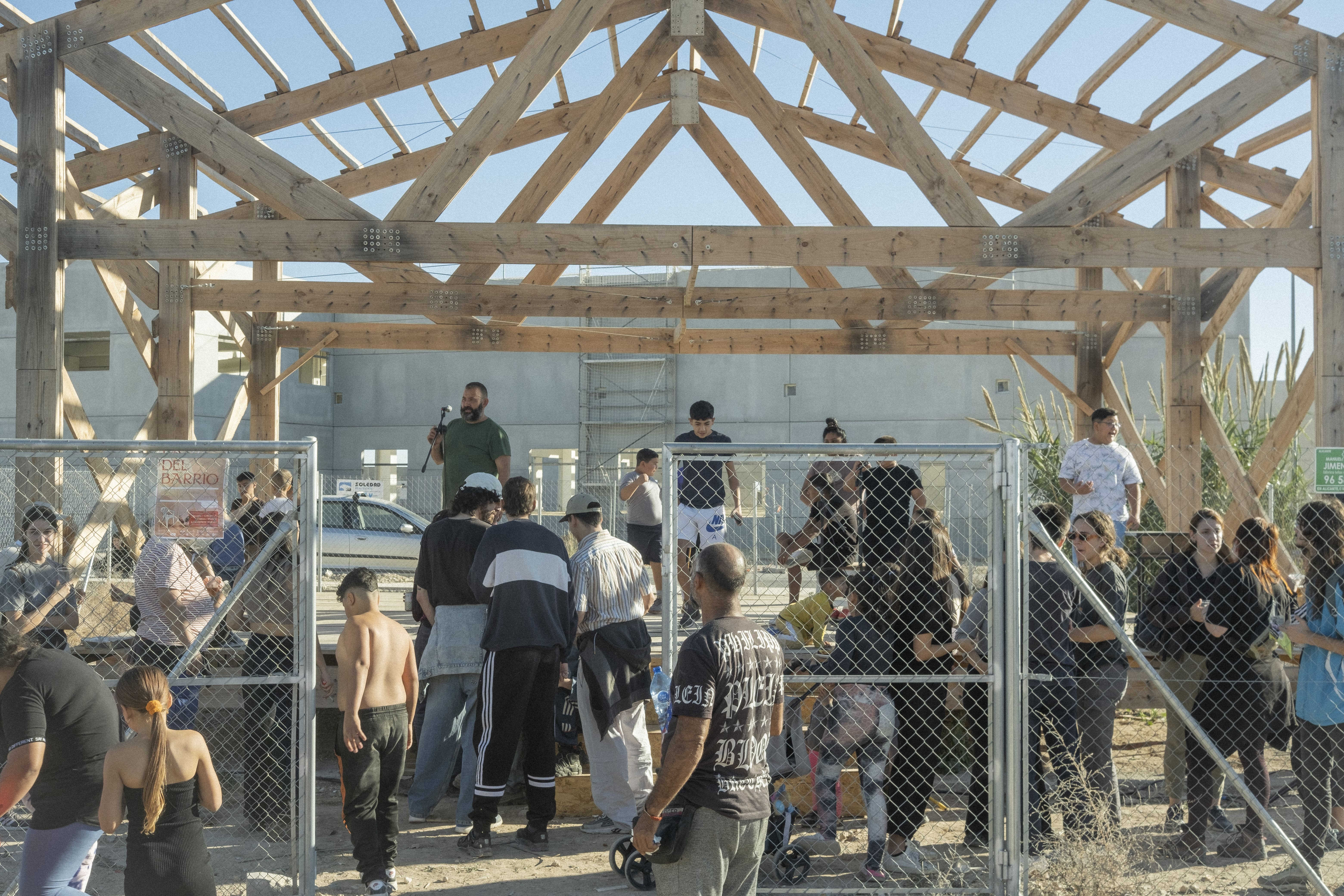
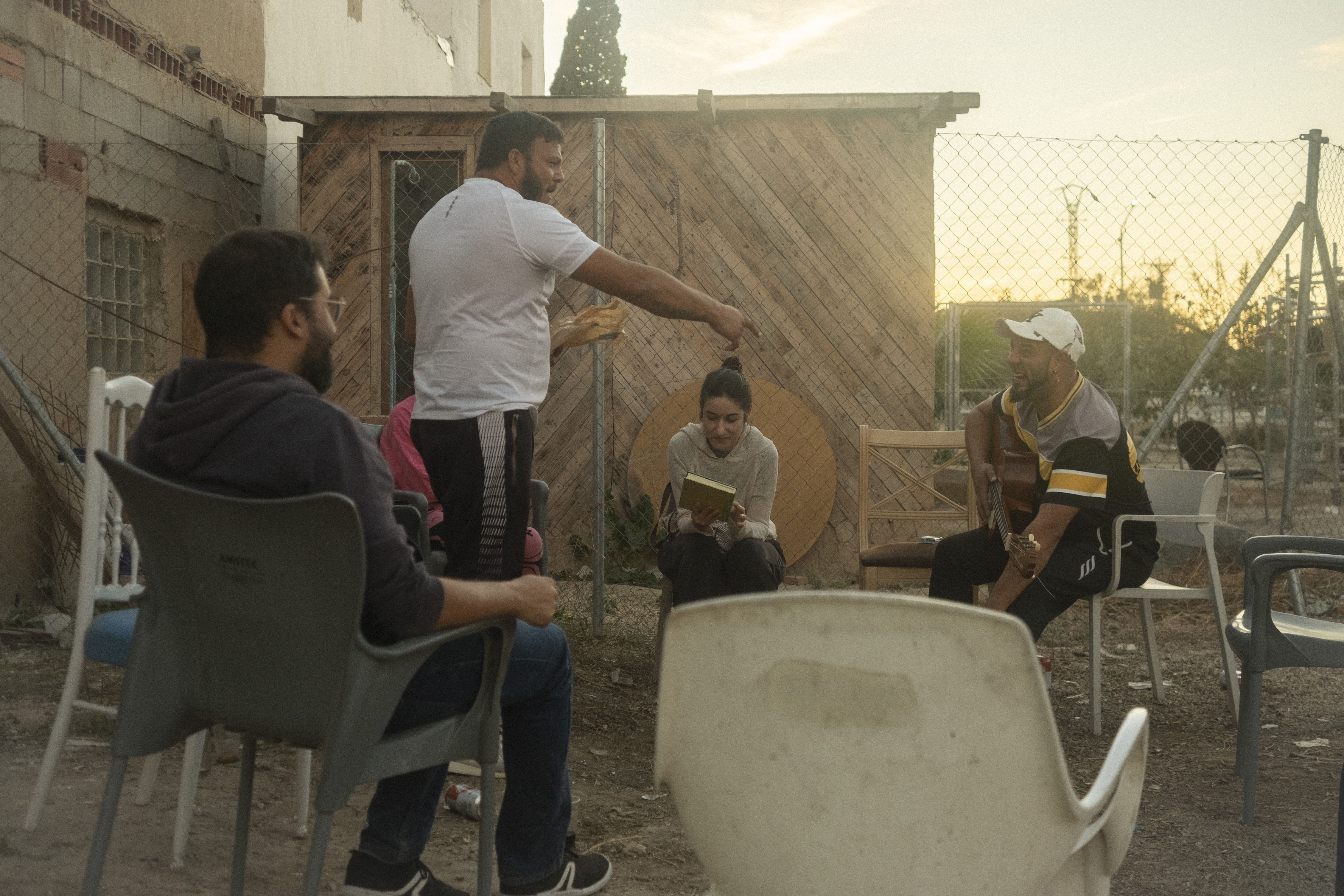
> Assemblies: These serve as spaces for collective decision-making and intelligence, where residents co-design the future of their habitat.
> Accompaniments: Personalized support for families to develop "Good Living" itineraries, focusing on residential decency and social emancipation.
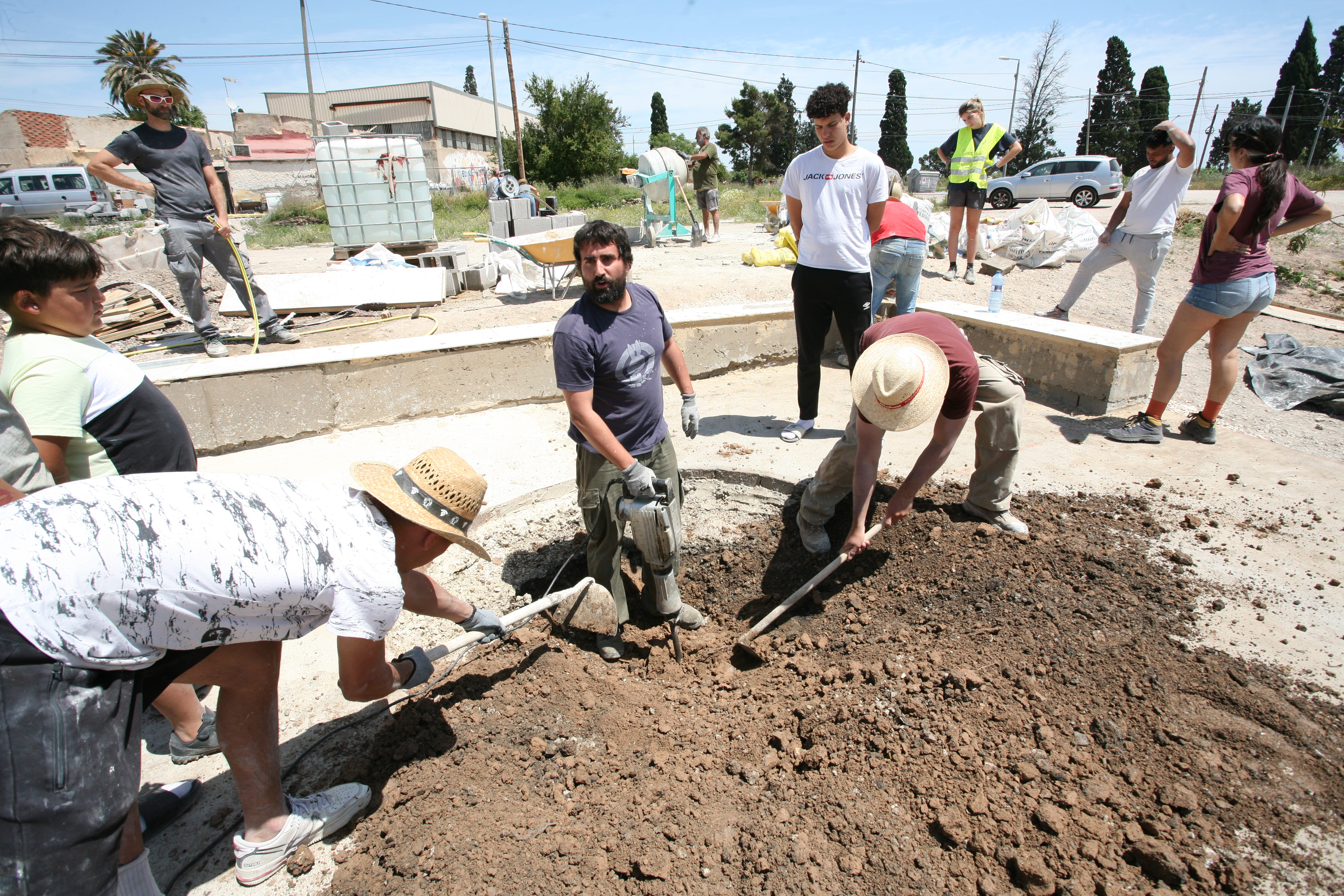
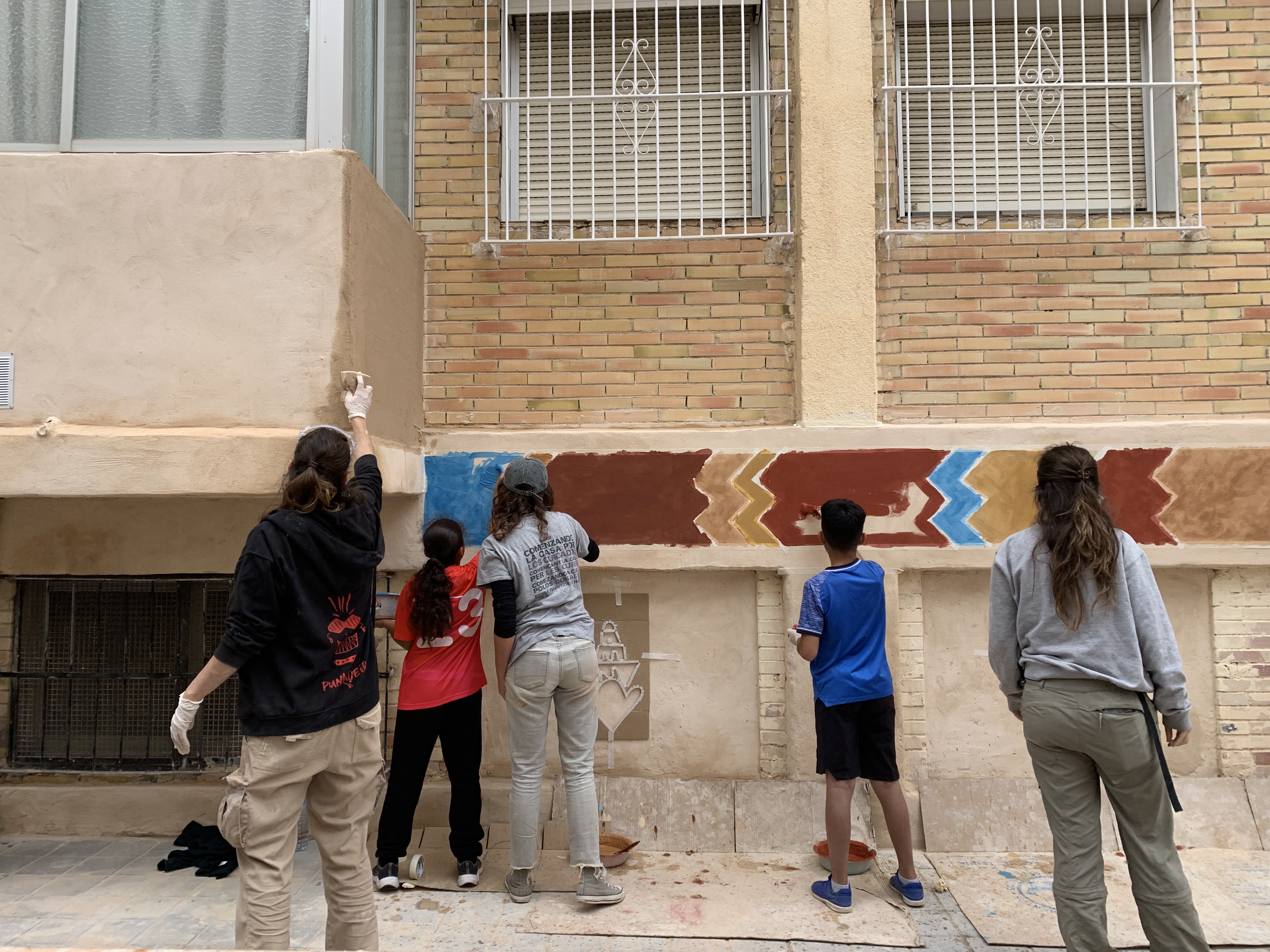
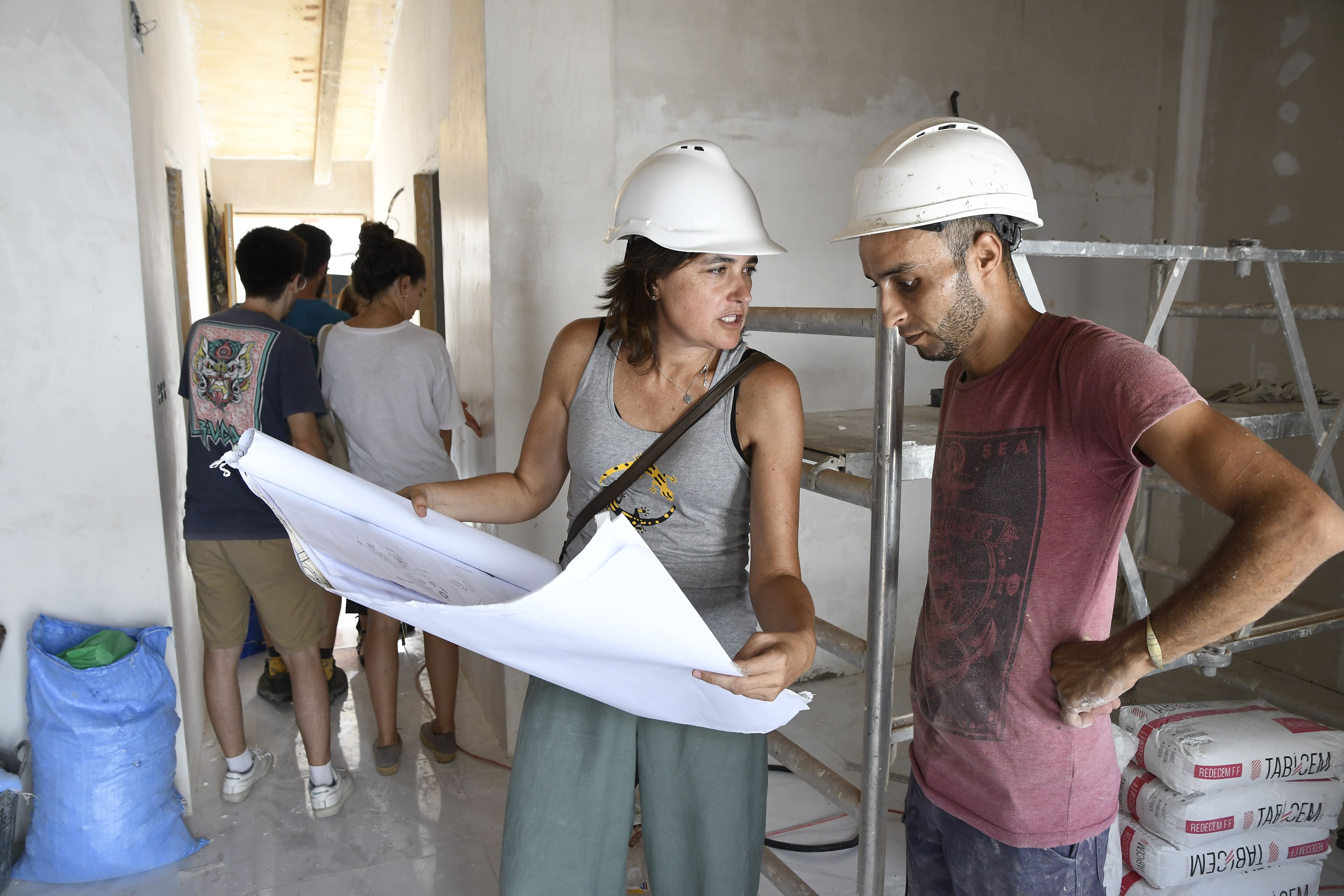
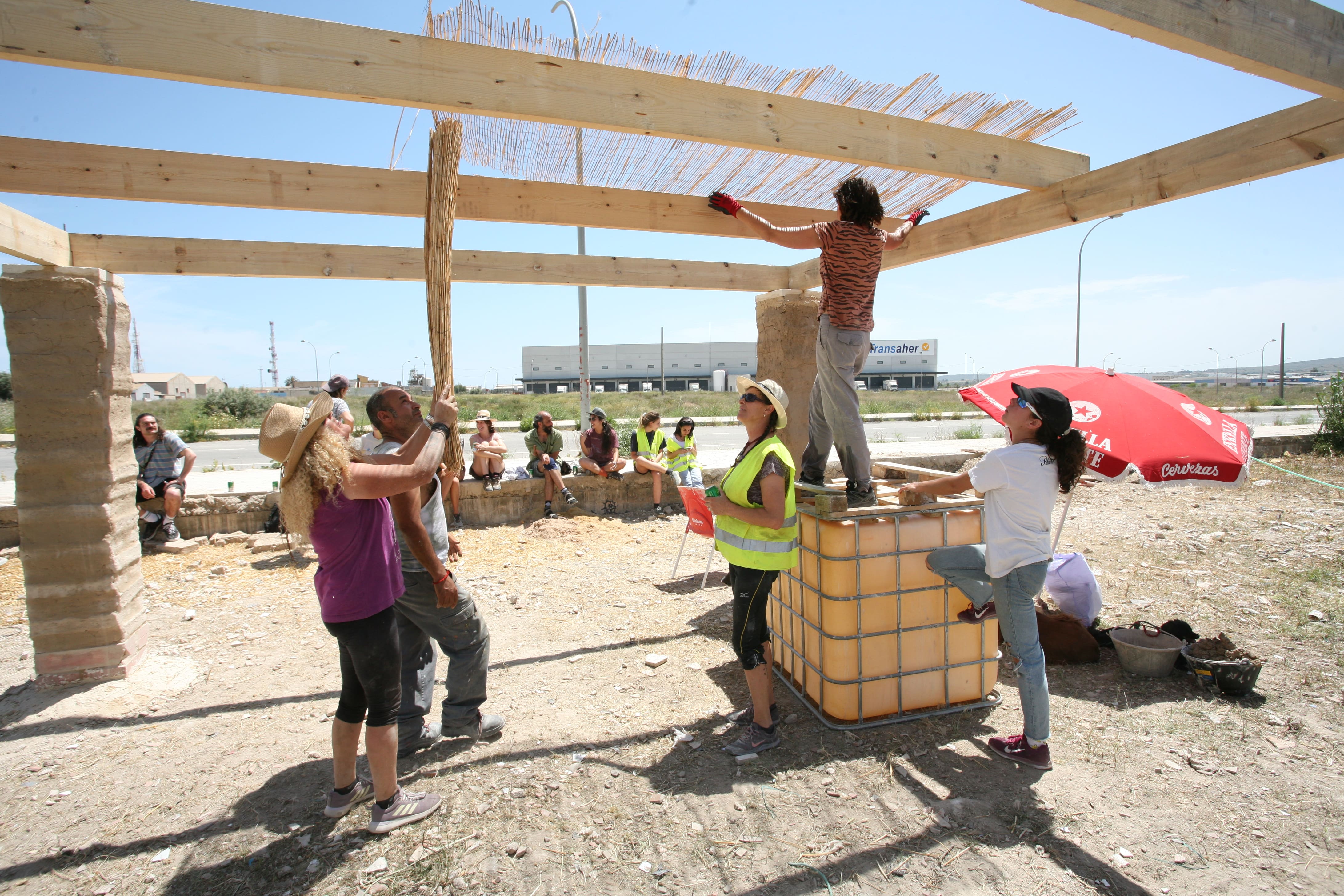
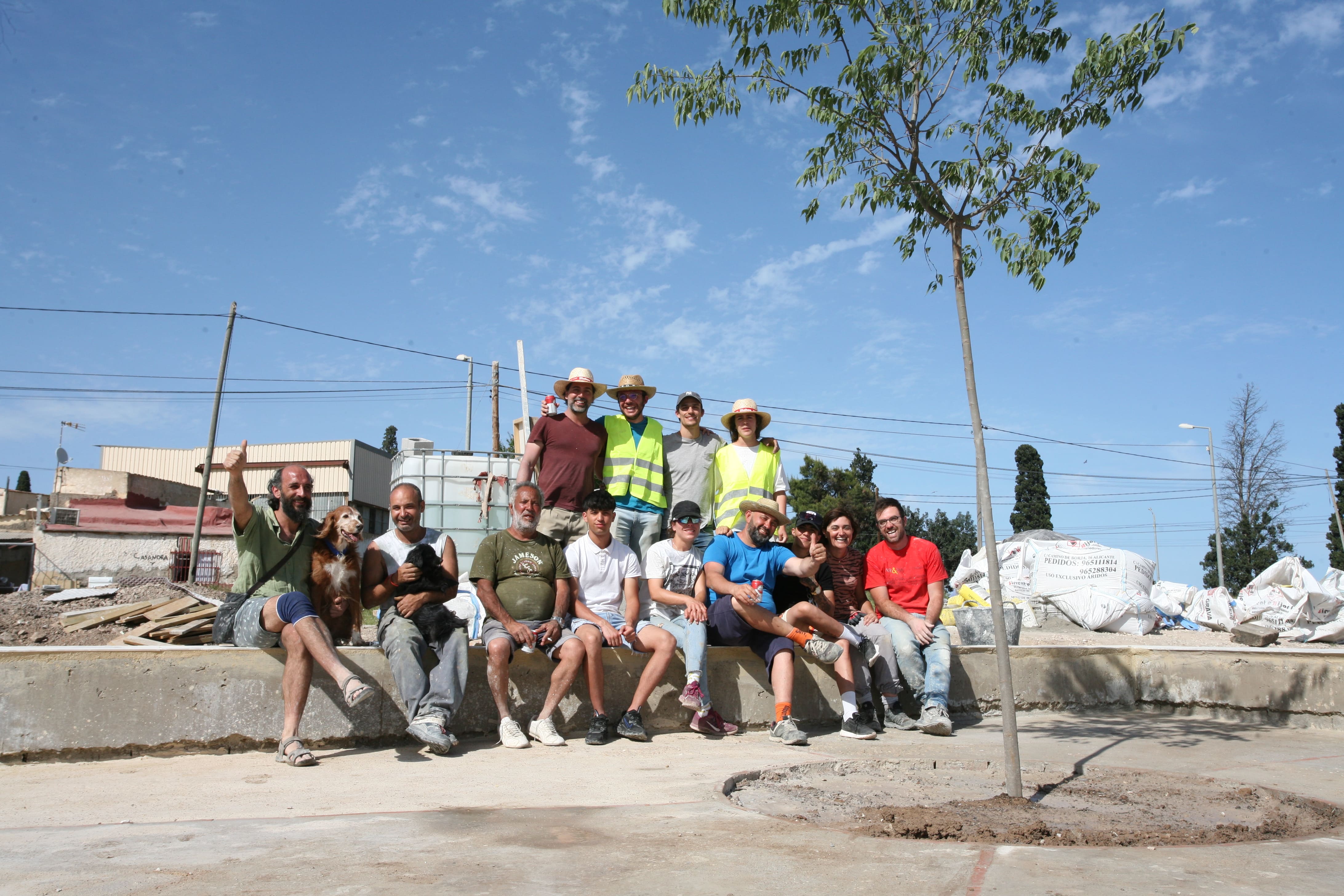
> Formative Works: Known as the "Asertos School," this involves "learning by building," where residents gain technical skills while rehabilitating their own homes and creating common spaces.
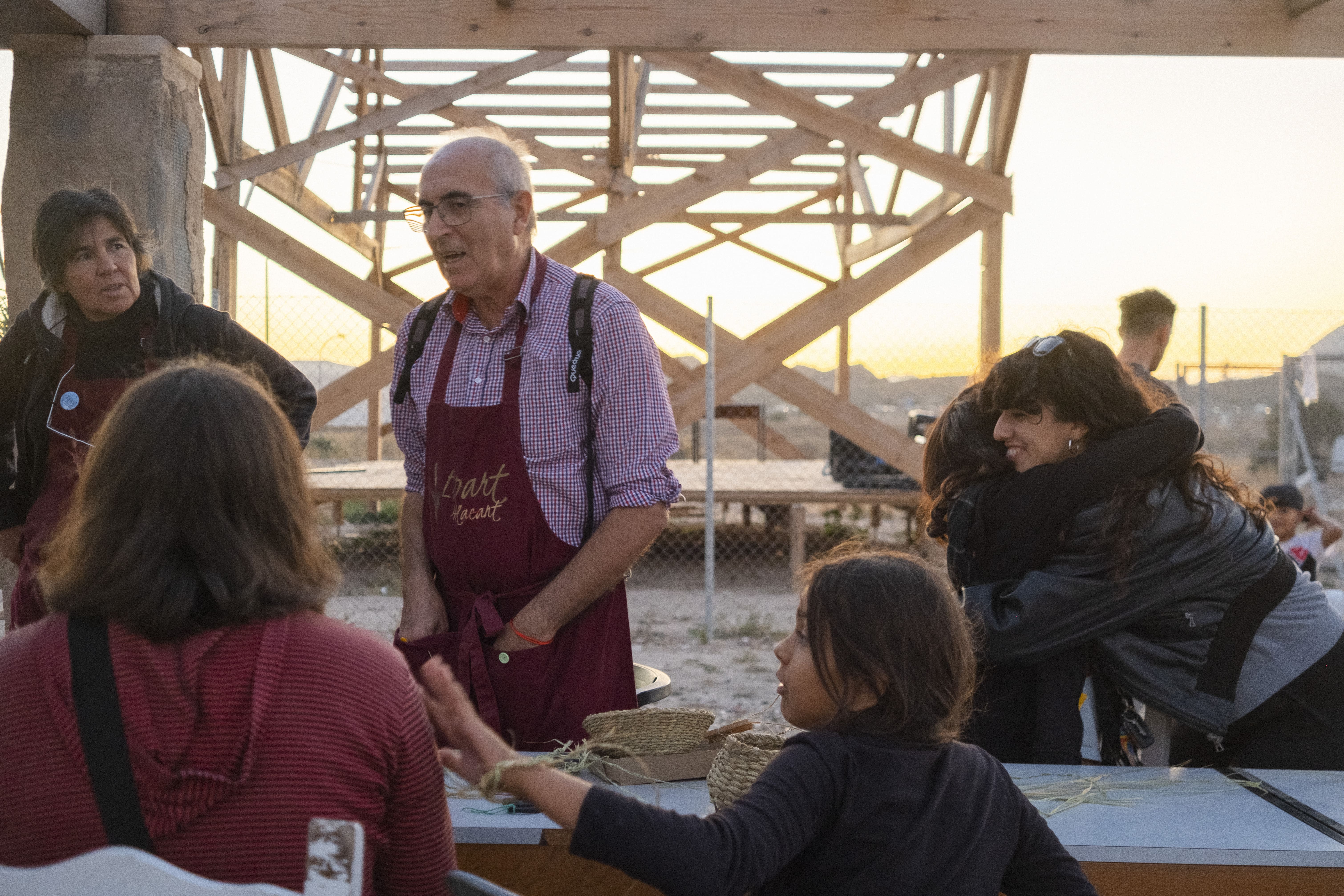
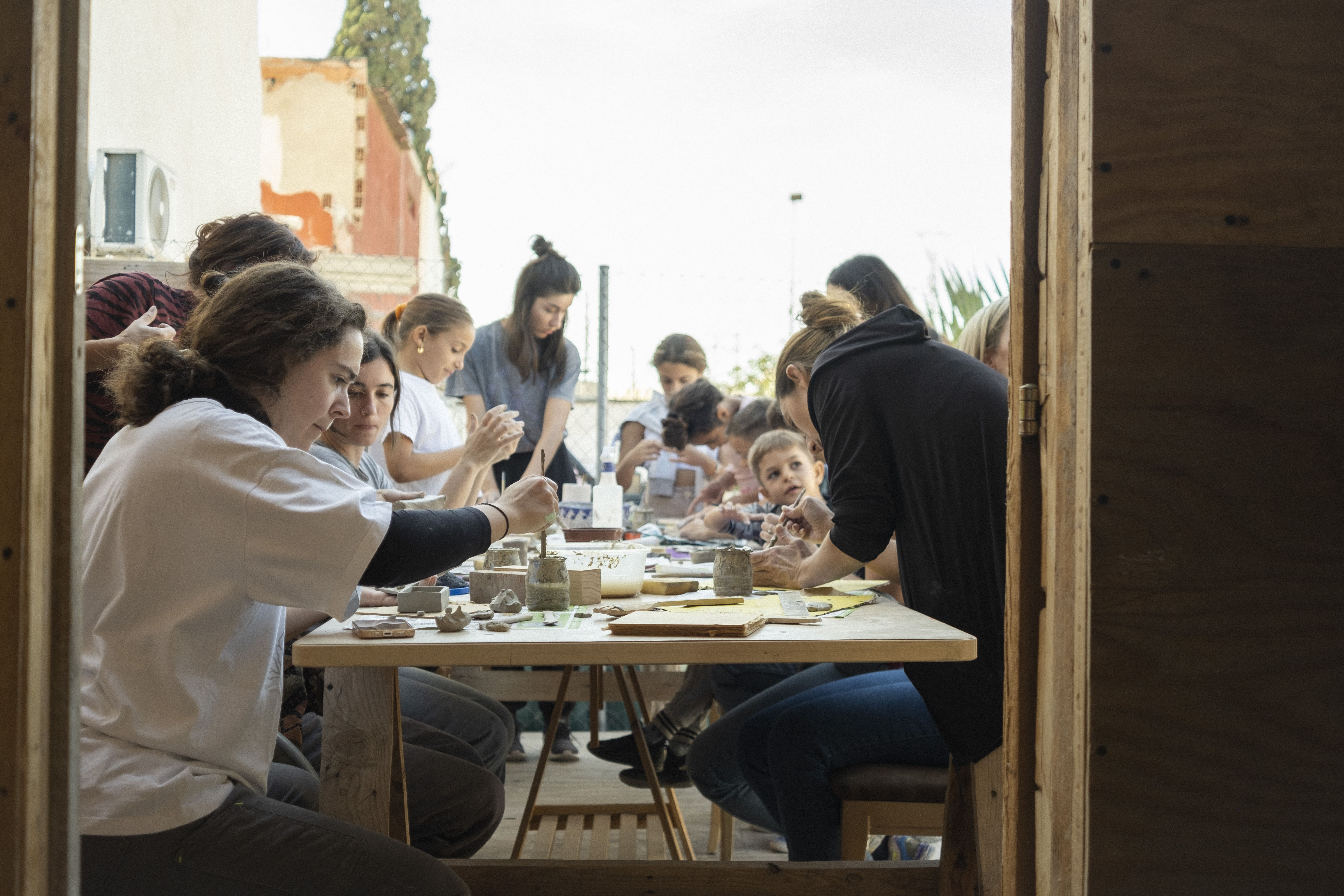
> Leisure: Cultural and festive events that restore broken social ties and reinforce a positive neighbourhood identity.
community-led regeneration
asset-based community development
peer-led social inclusion
common-pool resources
salutogenic architecture
Asertos addresses urban vulnerability by treating the neighborhood as a Common-Pool Resource (CPR), reaching the NEB ambition of Regenerative Sustainability. We move beyond simple "repair" to trigger a systemic paradigm shift in how communities interact with their habitat.
The project excels in exploiting neglected assets. We transformed former informal dumping grounds into over 2,700m² of community-governed green and blue infrastructure (e.g., "El Cura" gardens), which act as biodiversity-rich "climate shelters" to mitigate the urban heat island effect. Our "Asertos School" (Formative Works) integrates bioconstruction and circular principles into the rehabilitation of 13 buildings, using low-carbon materials and teaching ecological techniques to residents to reduce energy poverty.
We foster a local circular economy through our Resource Bank, a hybrid time-bank where 173 members have conducted over 330 documented exchanges of "Community Assets" (tools, materials, and skills). This fosters social sustainability rooted in trust and community autonomy. To ensure long-term impact, we are institutionalizing the pilot into Celestina Urbana, a non-profit cooperative using a use-right (cession of use) model. This legal device removes housing from the speculative market, ensuring permanent affordability and resident self-governance.
Asertos is exemplary because it applies Salutogenic Theory to urban design, improving the physical environment specifically to enhance the residents' Sense of Coherence (SOC). By transforming marginalized areas from the "tragedy of the commons" into active "commoning" ecosystems, Asertos provides a scalable, restorative model that balances planetary boundaries with social justice.
Asertos redefines aesthetics as a relational and social fact, understanding that a living environment becomes truly beautiful when it act as a support for the residents' "Sense of Coherence" (SOC). To achieve this from a transversal perspective, we utilize the Place Standard Tool (validated in Spain as Entornos de Vida), which allows residents to evaluate 14 interconnected dimensions of their habitat, ranging from natural spaces and social contact to identity and belonging. By using this framework, we concretely transform "non-places", as degraded dumping grounds, into "anthropological places" like the "El Cura" gardens. These interventions provide a positive sensory and emotional experience that dignifies daily life and fosters mental well-being in formerly neglected areas.
Belonging is fostered through our "Formative Works" (learning by building), where beauty arises from collective intelligence rather than top-down imposition. The Place Standard Tool is central here, as it facilitates a shared understanding of the territory's strengths and weaknesses, allowing neighbors to move from individual "complaints" to collective "proposals". By involving residents in the physical transformation of their own homes and streets, the resulting spaces reflect their agency. Furthermore, our methodology systematically recovers local history and oral memories, integrating these intangible cultural values into the Community Urban Agendas to strengthen the community’s identity and pride.
Asertos reaches Ambition III: Integrate by proving that beauty is a fundamental driver of social justice and public health. Our project is exemplary because it uses the Place Standard transversal lens to ensure that urban design restores broken social ties and facilitates the experience of a "broader us". By institutionalizing this process through the future housing cooperative, we ensure that high-quality, inclusive architecture remains a permanent CPR, governed by the community.
Accessibility and Affordability Asertos promotes inclusion through peer-driven change, shifting the focus from top-down welfarism to a model rooted in mutuality and merit. Inspired by Mauricio Miller’s work, we recognize that residents in marginalized areas like Alicante’s Cemetery District possess the latent power to lead their own recovery. To ensure permanent affordability, we are institutionalizing this logic through Celestina Urbana, a non-profit cooperative using a collective use-right (cession of use) model. This legal device de-commodifies housing, protecting residents from speculative "predatory formations" and ensuring long-term residential stability for those typically excluded from the market.
Inclusive Governance and New Societal Models Our governance model treats the neighborhood as a Common-Pool Resource (CPR). The operational heart of this system is the Community Resource Bank, a peer-to-peer exchange where 173 members trade "Community Assets" (AC), such as construction skills or care work. This allows residents to "pay" for habitat improvements through collective action rather than debt, fostering trust-based interdependence. We actively identify "positive deviants" (individuals whose successful strategies provide a roadmap for their neighbors) enabling change to propagate organically through the community.
Exemplary Character Asertos reaches the NEB Ambition III: Transform by aiming for a 14% critical mass of innovators and early adopters to trigger a systemic shift toward community self-governance. We are exemplary because we move beyond fixing deficits to support a process where residents, particularly those facing severe exclusion, become the primary agents of urban transformation, proving that social justice is best secured when built from the bottom up.
Asertos is fundamentally rooted in Asset-Based Community Development (ABCD), a methodology that treats residents not as passive beneficiaries but as the primary agents of change. Involvement begins with weekly "permanences" in the neighborhood, where professionals establish trusting relationships and identify "community connectors" (individuals with a natural ability to link people and resources). This approach moves beyond traditional consultation to a bottom-up model where the community discovers and mobilizes its own latent power.
The project operates across three increasing levels of participation, aiming for the highest NEB ambition (Ambition III: Self-govern):
> Co-designers: Through Assemblies of Collective Intelligence, residents transition from individual complaints to collective proposals, co-creating Community Urban Agendas and specific designs for 13 rehabilitated buildings and 4 common spaces.
> Co-builders: In the "Asertos School", residents take on a direct role in the implementation phase, "learning by building" to improve their own habitat while gaining certified technical skills.
> Peer Driven Change: The Community Resource Bank allows 173 members to manage a peer-to-peer exchange of "Assets", fostering a self-managed circular economy.
> Owners: The project is currently scaling into Celestina Urbana, a non-profit cooperative where residents are co-owners of the housing stock, ensuring long-term self-governance and residential stability.
The impact of this deep involvement has been transformative for both the neighborhood and local policy. The involvement has successfully re-woven broken social links in the Cemetery District, moving from a culture of isolation and "unnoticed vulnerability" to one of collective pride and mutual care. By empowering a 14% critical mass of innovators, the project has triggered a permanent shift in how local authorities view marginalized areas, moving from top-down assistance to collaborative partnerships.
Asertos implements multi-level governance by using Community Urban Agendas as a practice-based "negotiation device" that connects micro-political neighbourhood realities with larger strategic frameworks.
Local Level: Neighbourhood to Municipality: We work at the neighbourhood scale to ensure local processes link directly with municipal Local Action Plans. These agendas are shared in community boards and Health Councils (CSZB), serving as a transversal tool for public administration. This facilitates fluid communication between technicians from health centres, social services, and urban planning, ensuring that habitat and health are addressed through a single, shared strategy.
Social and Political Translation: Neighbourhood associations serve as the primary political interlocutors. They submit official proposals via the public registry and meet with policymakers to advocate for the community’s vision. Asertos provides the technical support necessary to translate grassroots needs into viable urban policy, empowering residents to lead the political dialogue.
Regional and National Level: The Generalitat Valenciana (Region) has been the fundamental funder of our pilot phase, collaborating across housing, health, and social action departments to validate this synergetic model. Nationally, we engage with the Spanish Government through the Observatorio 2030, contributing local evidence to the national Urban Agenda (AUE) and monitoring "unnoticed vulnerability".
Added Value: Health in All Policies (HiAP): This multi-level engagement contextualizes the project within the Health in All Policies (HiAP) framework. By involving stakeholders from local health boards to national observatories, we ensure that urban regeneration is recognized as a critical public health intervention. This hybrid governance increases institutional resilience and scales local solutions into systemic European urban strategies.
The Asertos programme is built upon a deep integration of Architecture, Public Health, Social Education, and Bioconstruction. These fields do not operate in isolation but are woven together to address urban vulnerability as a multidimensional challenge.
Key Disciplines and Interactions:
> Architecture & Urbanism: Architecture provides the framework for designing spaces that support social functions, moving beyond mere aesthetics to treat the built environment as a "social fact".
> Public Health: Grounded in Salutogenic Theory, this discipline shifts the focus from fixing deficits to creating well-being. It treats the improvement of habitat as a prerequisite for physical, mental, and social health.
> Social Education & Sciences: Using Asset-Based Community Development (ABCD) and non-formal pedagogy, the project empowers residents to become agents of change. Techniques such as ethnography, sociograms, and inhabited mapping are used to capture the social reality of the territory.
> Bioconstruction & Environmental Science: These fields focus on the sustainable transformation of the environment, integrating nature-based solutions and low-carbon materials to create "climate shelters".
Added Value of the Transdisciplinary Process: Asertos reaches the highest level of NEB ambition (Ambition III: Beyond-disciplinary) by merging formal academic expertise with the non-formal, situated knowledge of the residents. This approach ensures that technical criteria are constantly harmonized with the community’s values and intentions. The result is a holistic methodology that facilitates fluid communication between typically fragmented administrative sectors (e.g., health, housing, and social services), ensuring that urban regeneration acts as a direct and effective public health intervention. This "dance" between disciplines prevents the dilution of the project's mission and creates a sustainable, human-centered model for urban dignity.
Asertos is transitioning from a grant-dependent pilot into Celestina Urbana, a non-profit multipurpose cooperative that provides a systemic, financially sustainable alternative to the speculative housing market.
> De-commodification of Housing: The model utilizes a collective use-right (cession of use) scheme. The cooperative retains ownership of the properties, removing them from the speculative market to ensure permanent affordability and residential stability for people in situations of severe exclusion.
> Cost-Based Revenue: Residents pay an initial contribution and a periodic social rent (canon) strictly adjusted to the actual costs of acquisition, rehabilitation, and maintenance, rather than market prices.
> The Resource Bank as Operational Capital: A hybrid time-bank allows 173 members to trade skills and tools using "Community Assets" (AC). Residents can "pay" for habitat improvements through collective action (e.g., masonry or maintenance), which significantly reduces financial overhead and debt reliance while increasing the value of the shared asset.
> Hybrid Investment Model: The cooperative is designed to include public entities and social investors as members, facilitating access to long-term funding, public surface rights, and patient capital. This model proves that social cohesion can de-risk urban regeneration, attracting investment into areas traditionally abandoned by the private sector.
Celestina Urbana disrupts the market by de-commodifying housing through a non-profit, cost-based model. By extracting essential goods from speculative "predatory formations," it counters the "expulsions" described by Saskia Sassen. This ensures permanent affordability, effectively halting gentrification and touristification. As a scalable localized defense, it secures urban dignity through collective self-governance, acting as social insurance for future generations.
The methodology is specifically designed for systemic replication across European territories facing the growing crisis of residential segregation and "unnoticed vulnerability".
> Evidence-Based Urgency: In the Valencian Community, the population living in vulnerable areas surged from 12.3% in 1991 to 43% in 2011; in Alicante province, nearly 75% of the population resides in areas with some degree of vulnerability. Our model offers a proven response to this critical regional and national challenge.
> Modular Scaling via Phases: The cooperative is structured into autonomous territorial phases (neighbourhoods or villages). This allows "seed groups" to launch local projects under a shared legal and technical umbrella, facilitating organic growth across different municipalities without compromising the stability of established units.
> Transferable Methodological Tools: We employ the Place Standard Tool (Entornos de Vida) and Community Urban Agendas as a "negotiation device". These tools translate local needs into municipal Local Action Plans, creating a standardized yet flexible process for any local administration to adopt.
> Proven Transferability: Having already expanded from the initial Cemetery District pilot to five diverse neighbourhoods in Alicante, the programme has demonstrated that the ABCD approach (discovering, connecting, and mobilizing local talent) can trigger a systemic shift toward self-governance in any context of structural neglect.
Asertos scales by transforming housing into a strategic public health lever. Rooted in salutogenic theory and the Health in All Policies framework, it targets social determinants to strengthen community Sense of Coherence. By measuring tangible health impacts, the project unlocks social investment models like Social Impact Bonds. This model uses urbanism for long-term development, promoting well-being while lightening the burden on public services through self-governance.