Enhancing Circularity, Sustainability, and Innovation
Garden of Moving Times
Garden of Moving Times
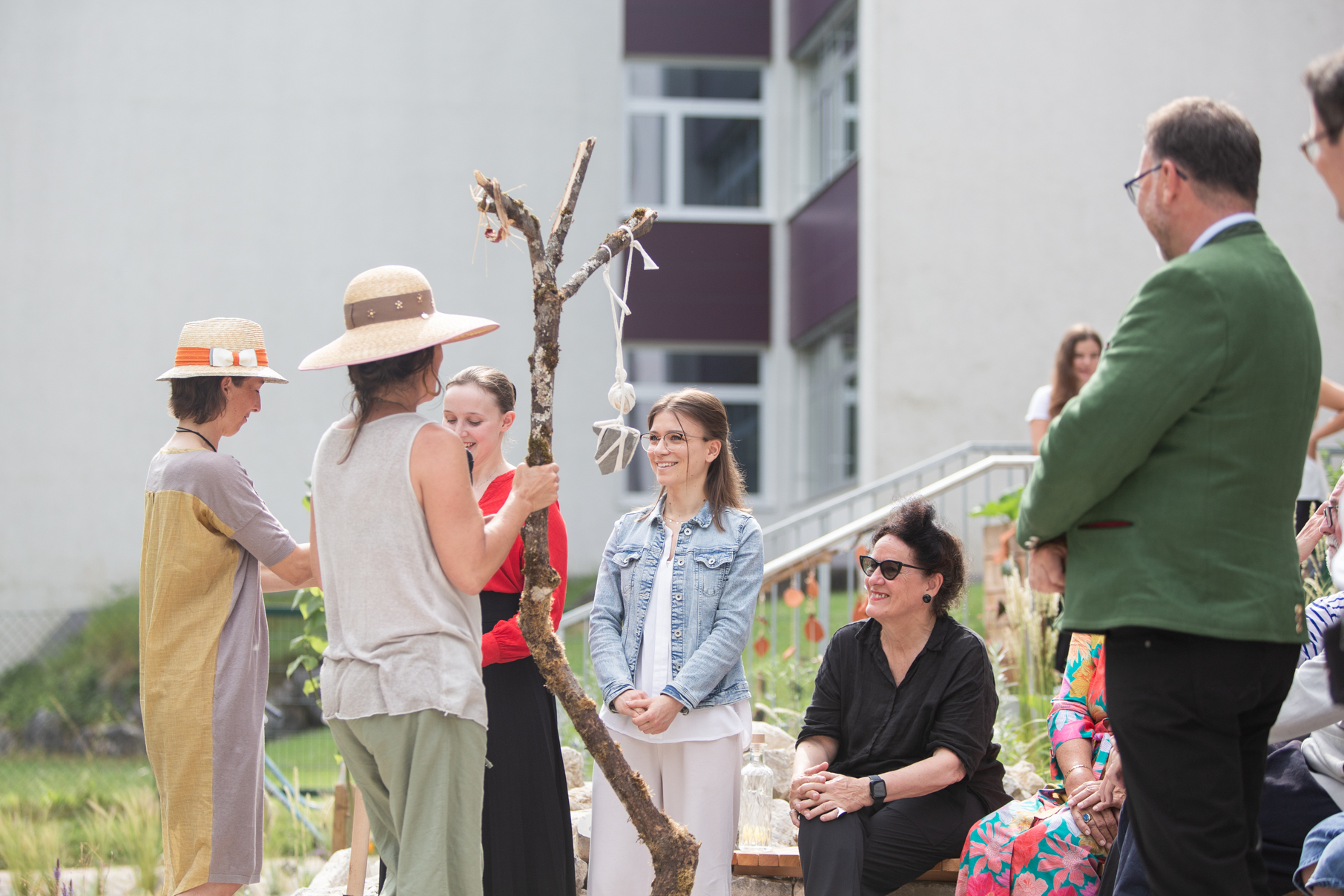
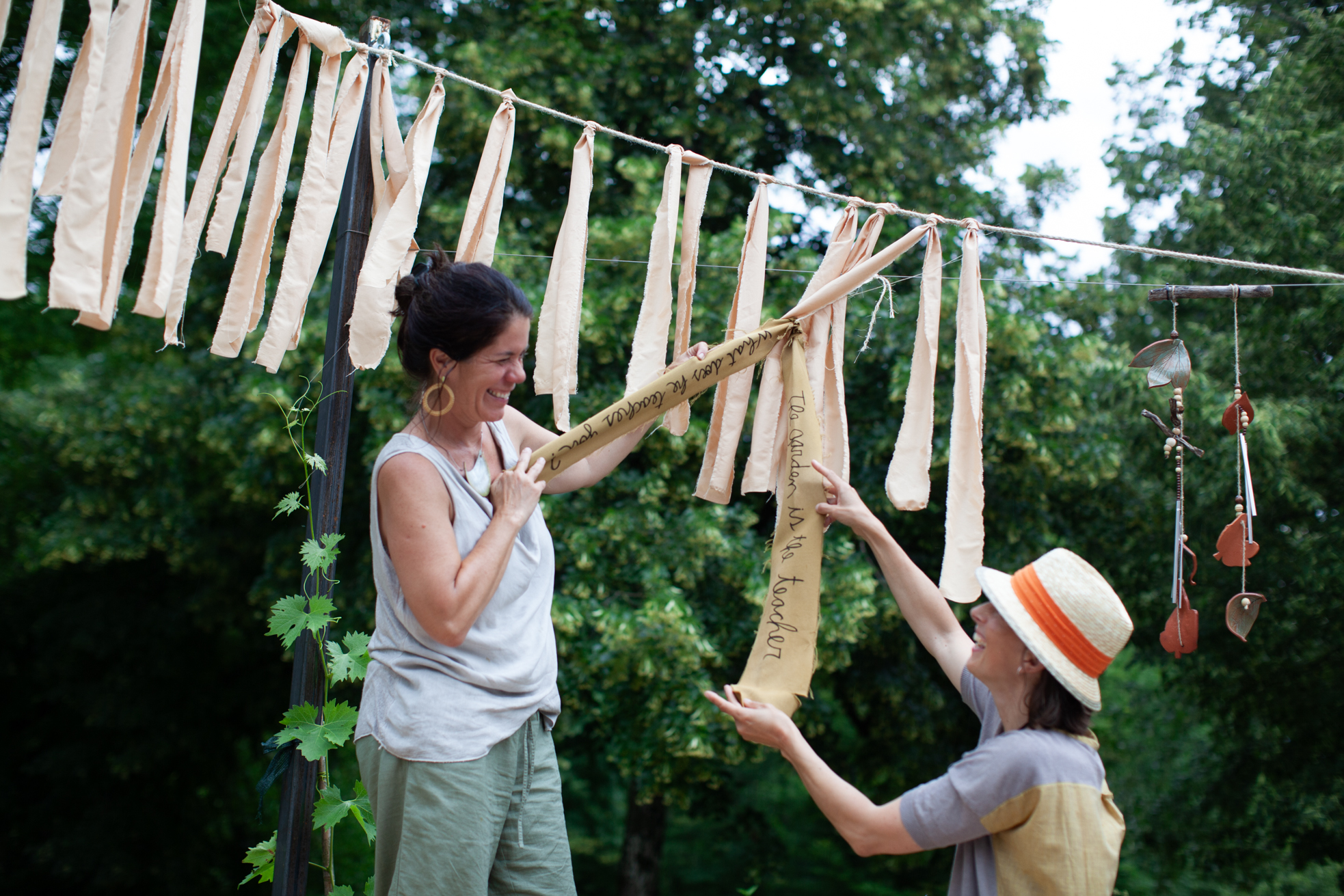
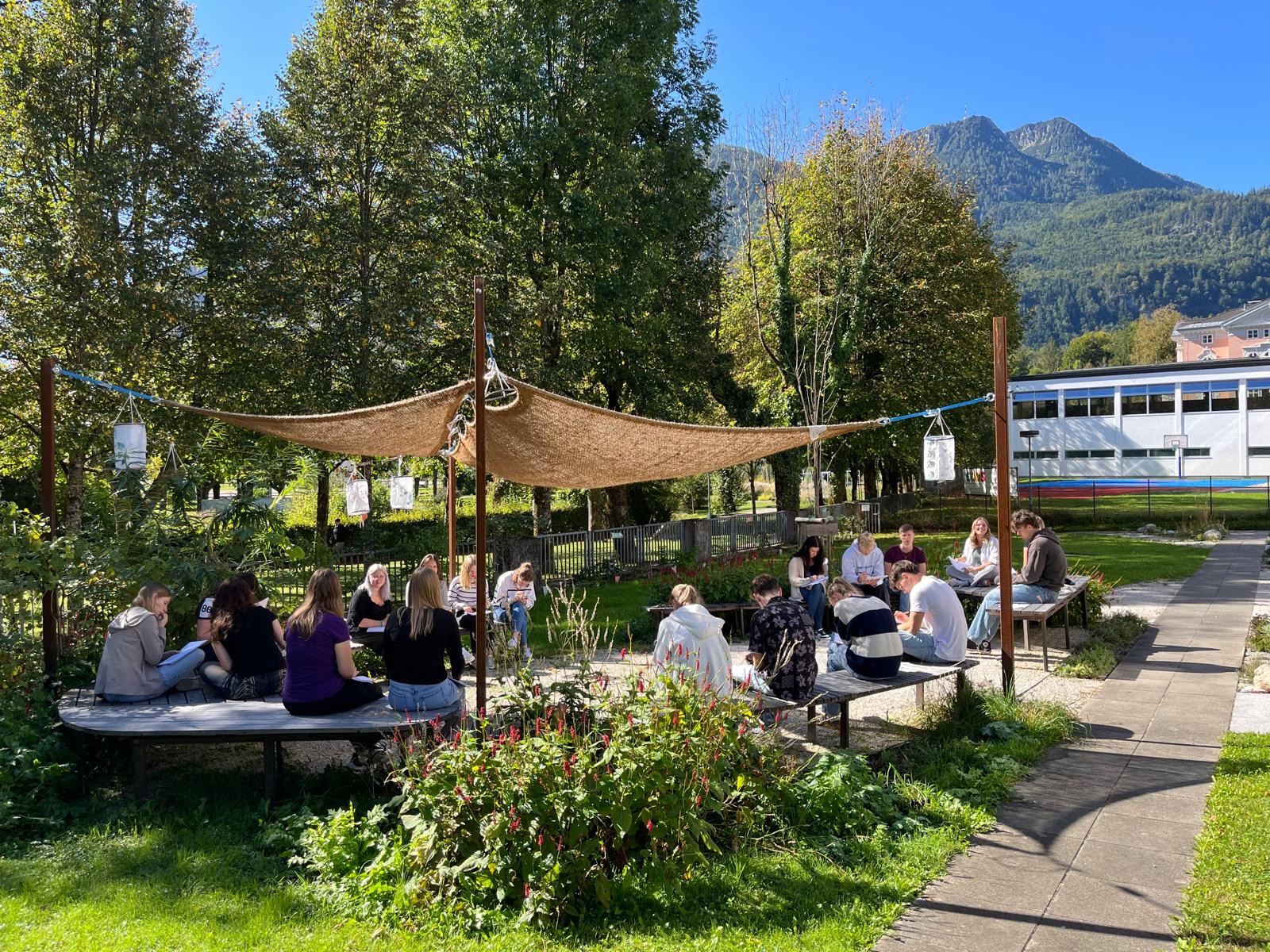
Garden of Moving Times is a participatory garden and open-air classroom at HLW Bad Ischl. Students collaborated with artists, teachers and experts to transform a meadow into a biodiverse kitchen and learning space. By observing soil, plants and sunlight, and using their bodies to shape space, they reconnect time from social structures to cosmic cycles, fostering ecological literacy, care, and nature as a teacher.
Austria
Local
Bad Ischl
It addresses urban-rural linkages
It involves a physical transformation of the built environment (hard investment)
Yes
2024-06-27
Yes
European Capital of Culture 2024 - Bad Ischl and the Salzkammergut region
No
No
Organisation
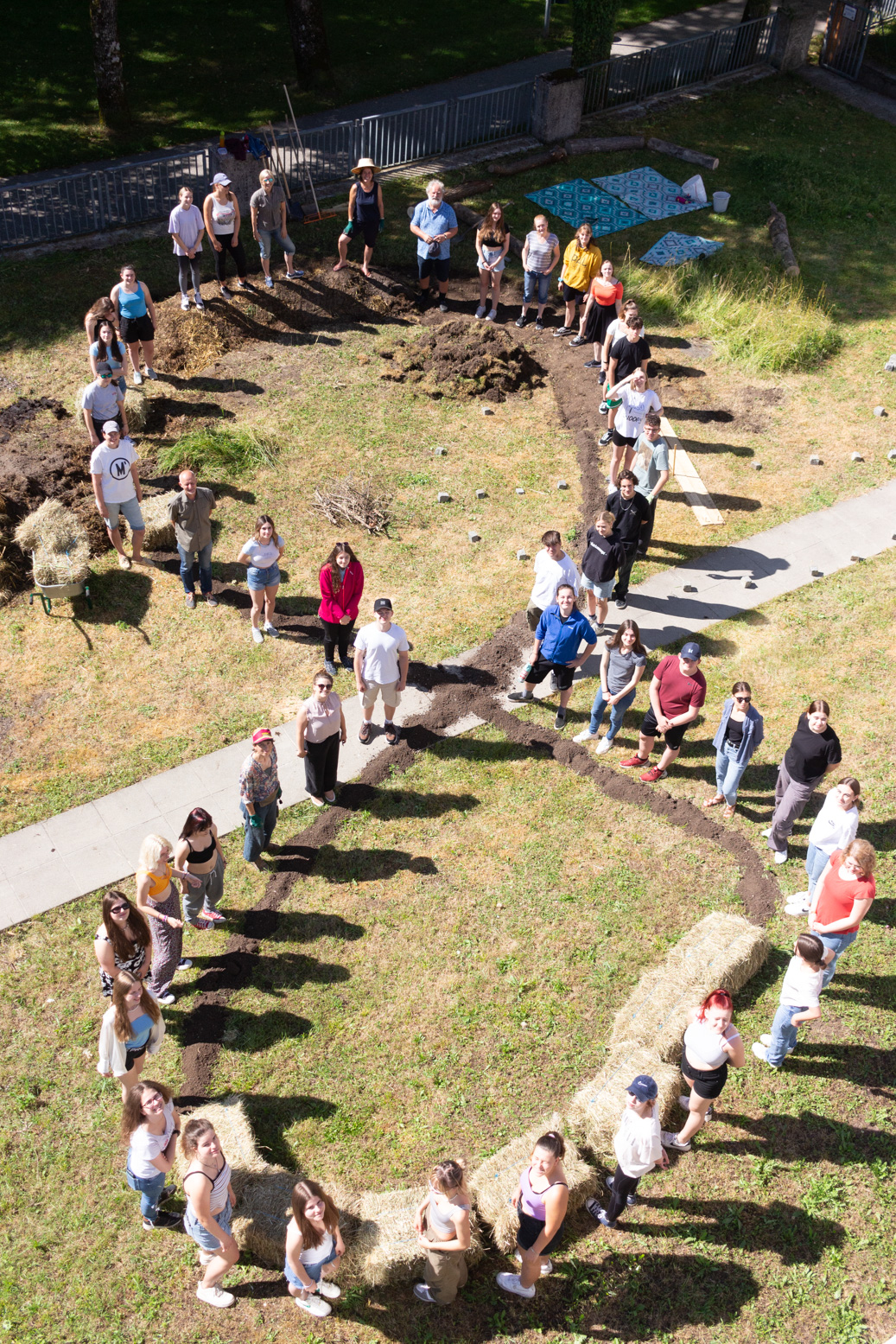
Garden of Moving Times is a participatory garden and open-air classroom developed at HLW Bad Ischl. It explores relationships between time, nature, and human life, inspired by the concept of care central to the school’s educational philosophy. The project invites students to engage with ecological processes and seasonal rhythms through hands-on learning. Developed over more than two years, the project followed a participatory process in which students and teachers explored the school’s environment—observing soil, plants, and sunlight patterns. Rather than relying on a conventional architectural plan, the design emerged from the presence and movements of participants, using their bodies as tools to shape the garden and outdoor classroom. The project brought together artists Daniela Brasil and Sophie Krier, alongside teachers, students, and local experts in organic farming, soil science, horticulture, and sundial construction. Its spatial concept is inspired by the analemma loop, tracing the sun’s position throughout the year, connecting school life with larger cosmic cycles influencing life on Earth.
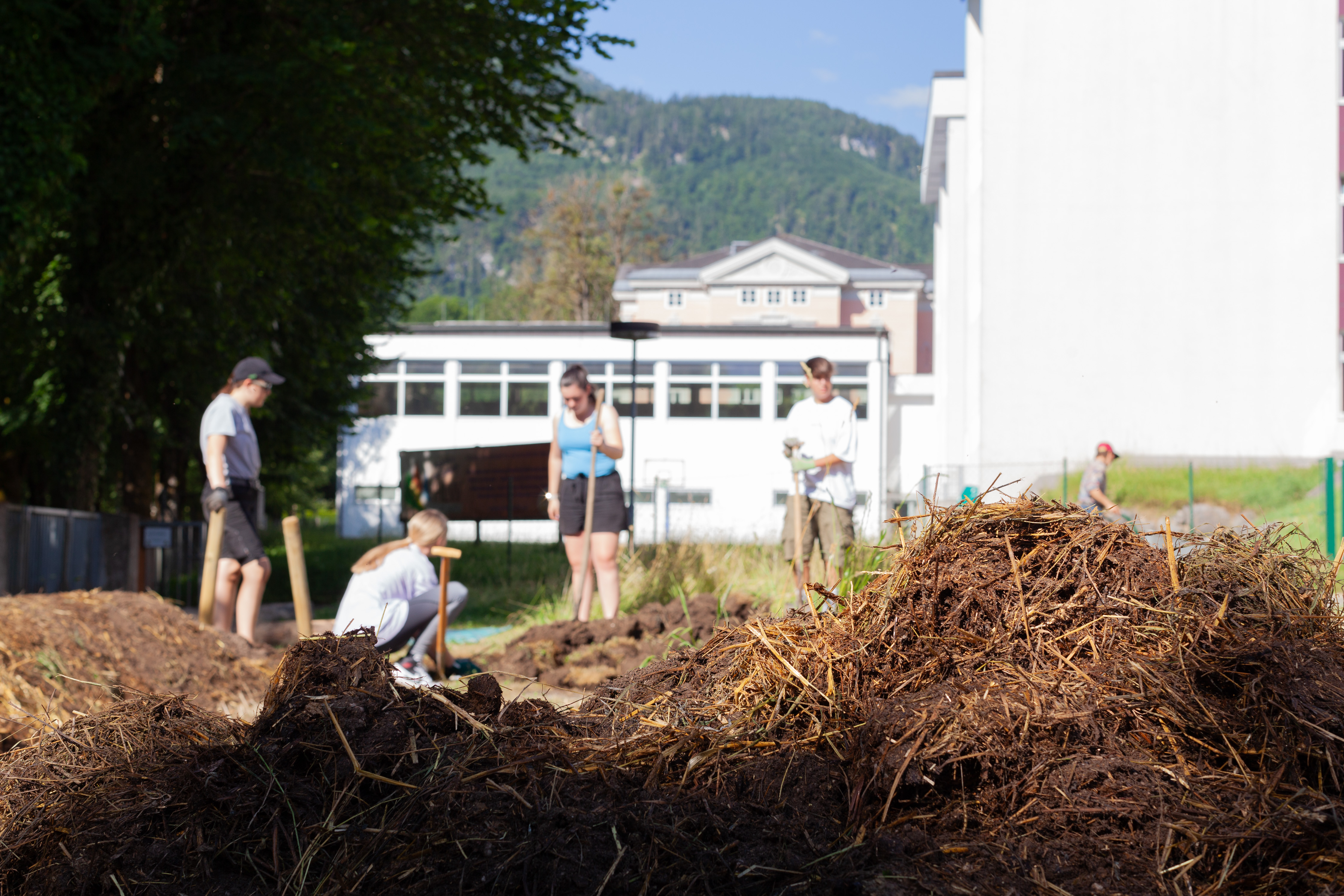
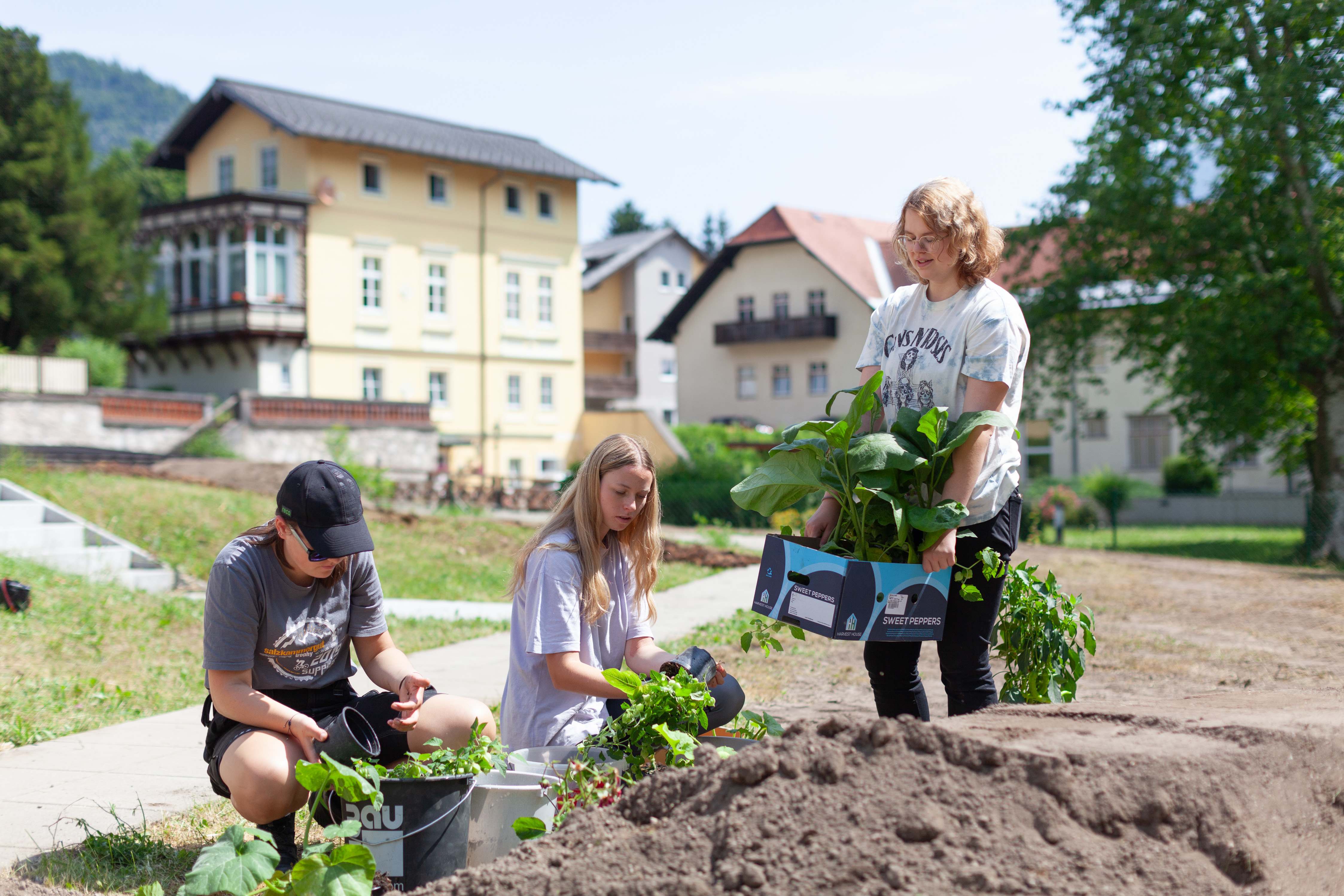
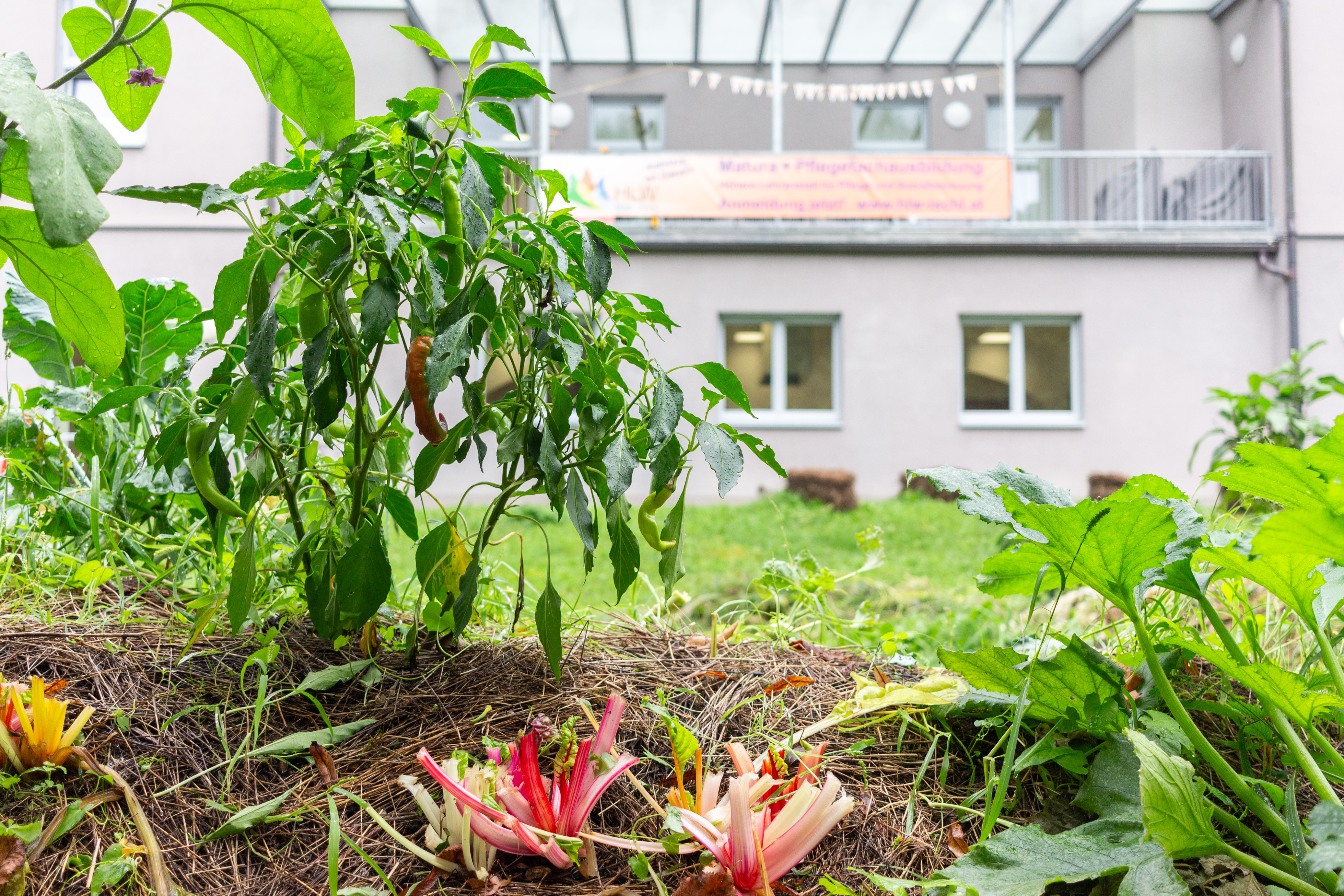
Care for the environment guided all decisions. Materials were selected for their ecological qualities and sourced regionally where possible. The garden includes diverse zones that support plants, insects, and microorganisms, welcoming nature as a teacher. A previously unused meadow was transformed into a vibrant learning space with herb beds, native plants, wild insect zones, and a horizontal sundial. It also functions as a kitchen garden, supplying fresh ingredients for the school.
Implemented in 2024 within the framework of the European Capital of Culture Bad Ischl Salzkammergut, the garden continues to grow through daily care and seasonal activities. It fosters ecological literacy, shared responsibility, and shows how schools can drive sustainable cultural and environmental change.
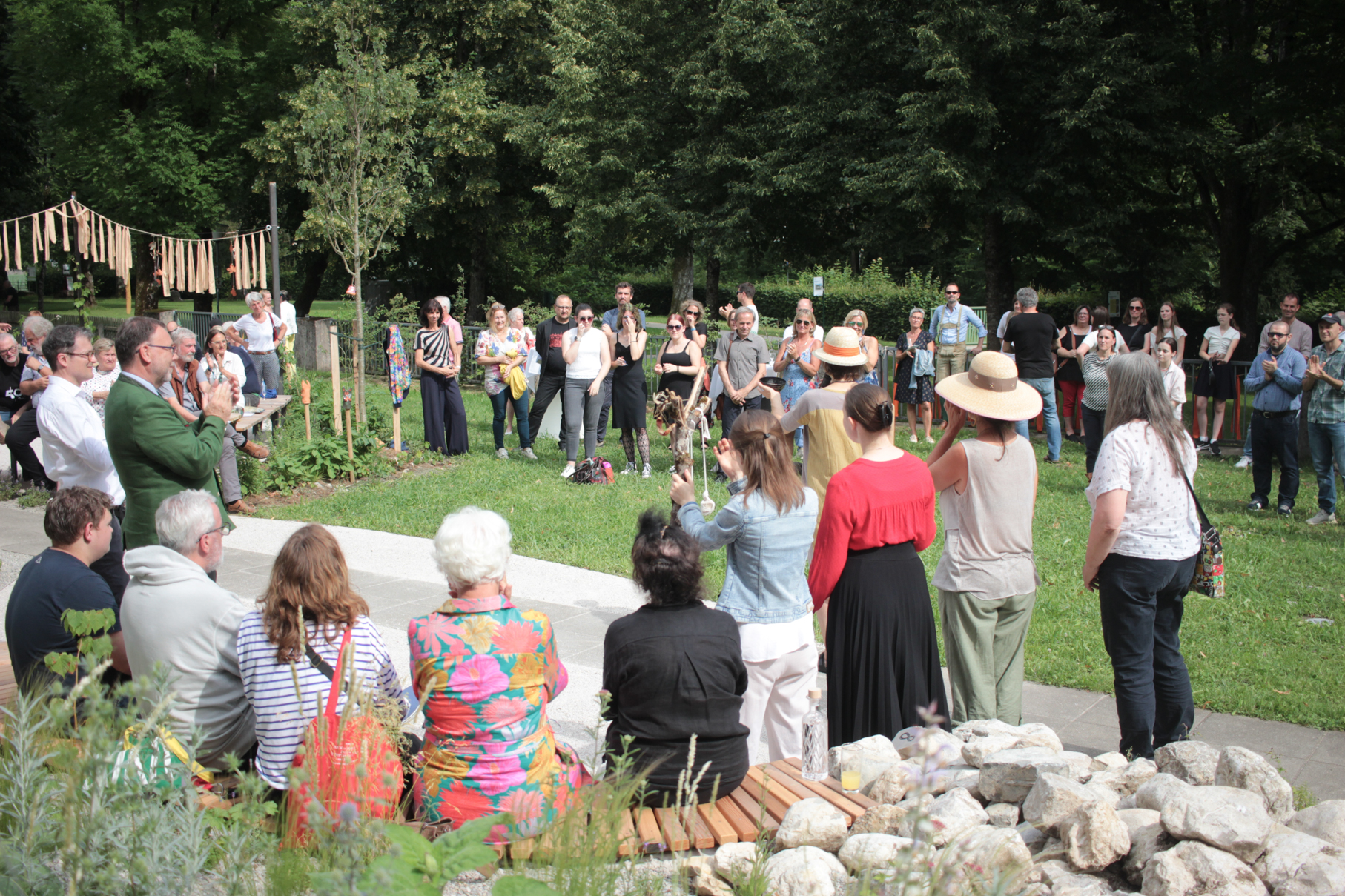
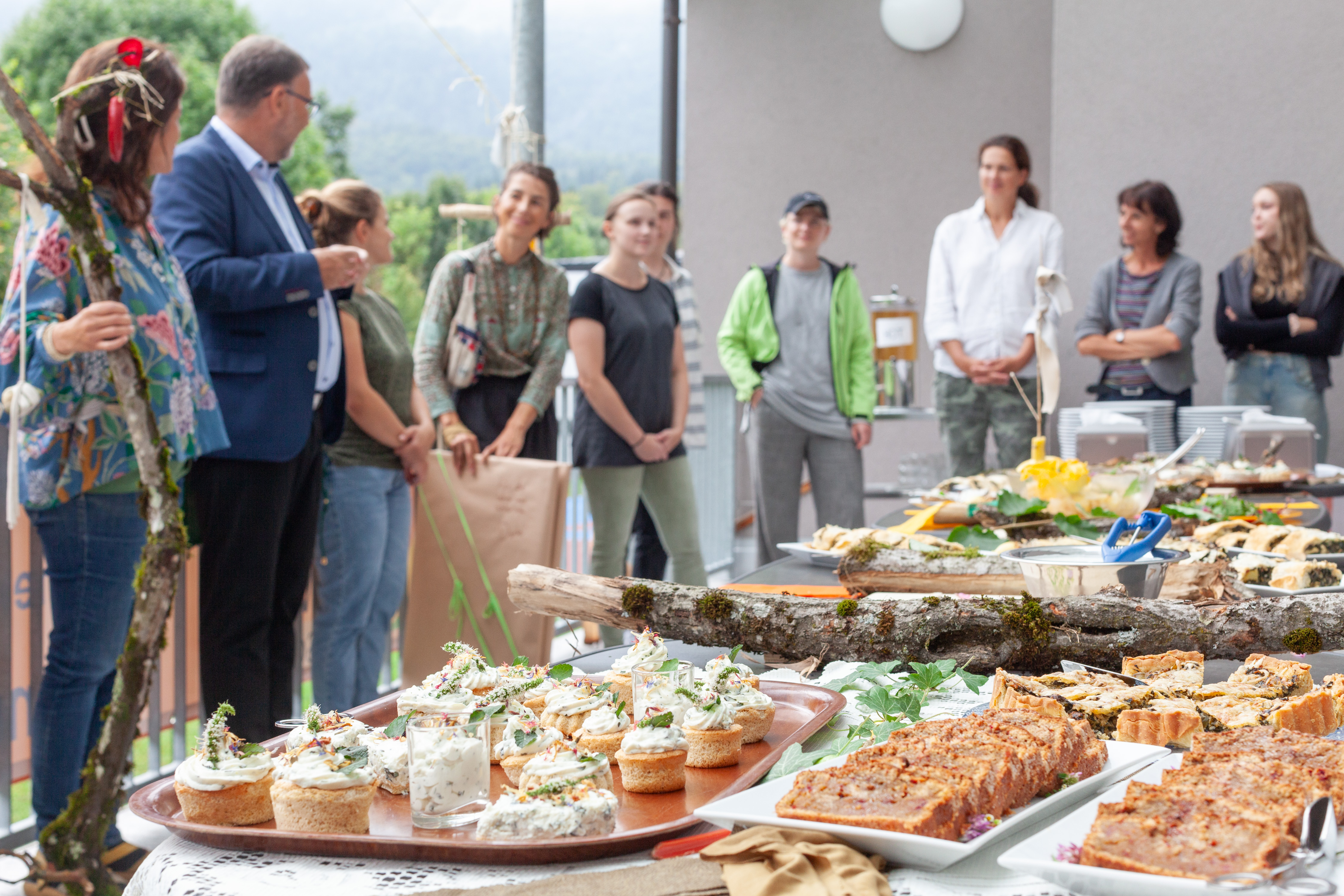
Garden of Moving Times began with a simple question: how can students reconnect with the rhythms of nature in everyday school life? The project was initiated within the European Capital of Culture Bad Ischl Salzkammergut 2024 and developed at HLW Bad Ischl through collaboration between artists Daniela Brasil and Sophie Krier, teachers, students, and local experts. Instead of a fixed design, it unfolded through a participatory process over more than two years. The first phase focused on exploration and learning. Students and teachers observed seasonal cycles, analysed soil conditions, and experimented with growing edible plants in the school environment. Workshops with specialists in organic farming, horticulture, soil science, ecology, and craft traditions supported practical learning and collective imagining of the future garden. Students played a central role through discussions, hands-on experiments, and a “wishes archive”, expressing ideas about spaces for learning, gathering, growing food, and observing nature. Artists and experts translated these ideas into a spatial concept that remained flexible and responsive to the process. In the realisation phase, students worked with gardeners, carpenters, stonemasons, and artists to build raised beds, habitats for insects and birds, and a horizontal sundial tracing the sun’s movement. Local materials such as larch wood and regional plants rooted the garden in its landscape. The garden opened in 2024 with a collective celebration involving students, teachers, neighbours, and the wider community. Since then, it has evolved through daily care, seasonal activities, and ongoing learning. Today, Garden of Moving Times functions as a kitchen garden and open-air classroom where students experience ecological processes and seasonal change. What began as a collaborative project has grown into a living environment connecting education, community, and nature, continuously changing with every season.
Inclusive learning from nature
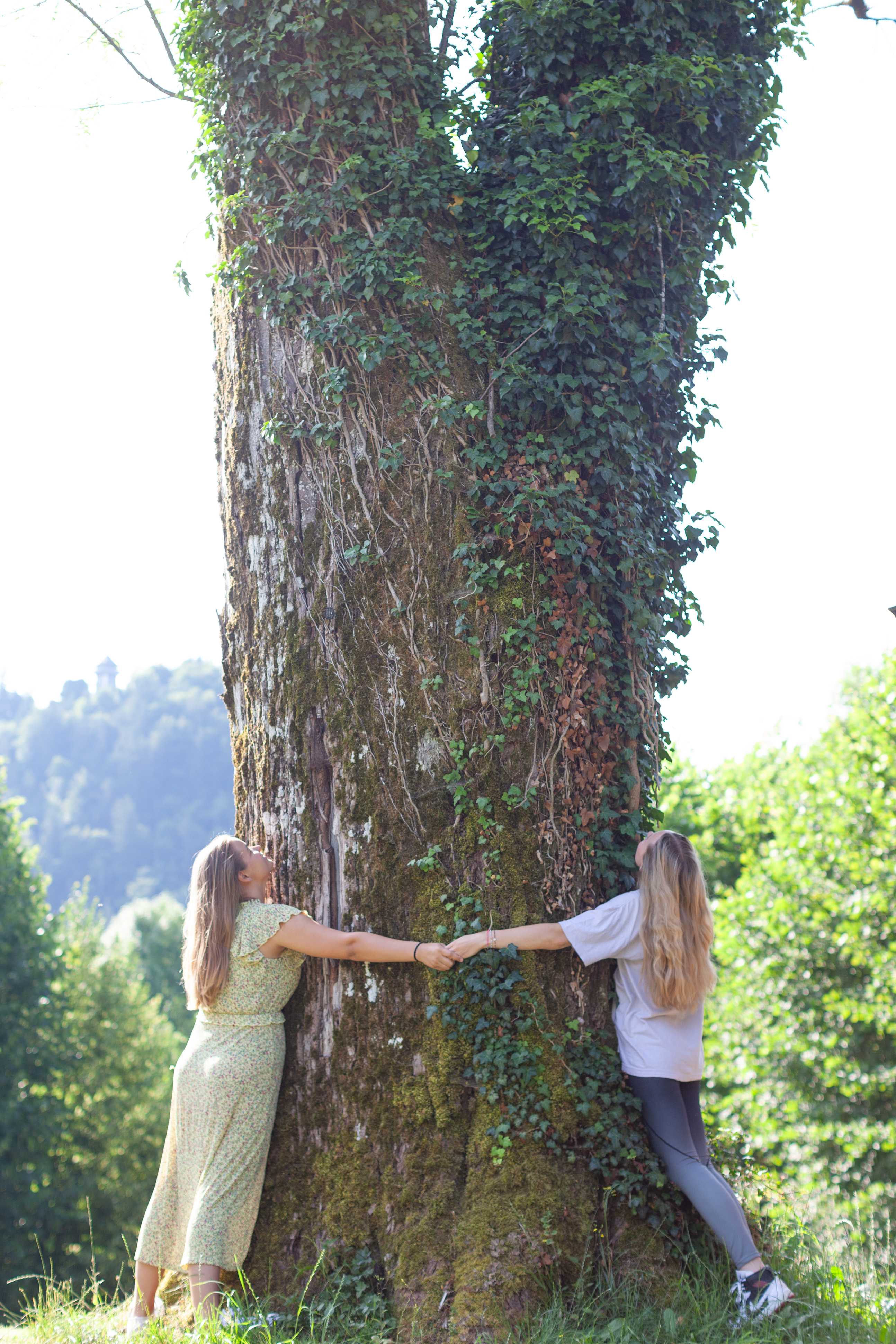
Earth and cosmic time
Outdoor classroom for all
Biodiversity in bloom
Artistic and participatory pedagogy
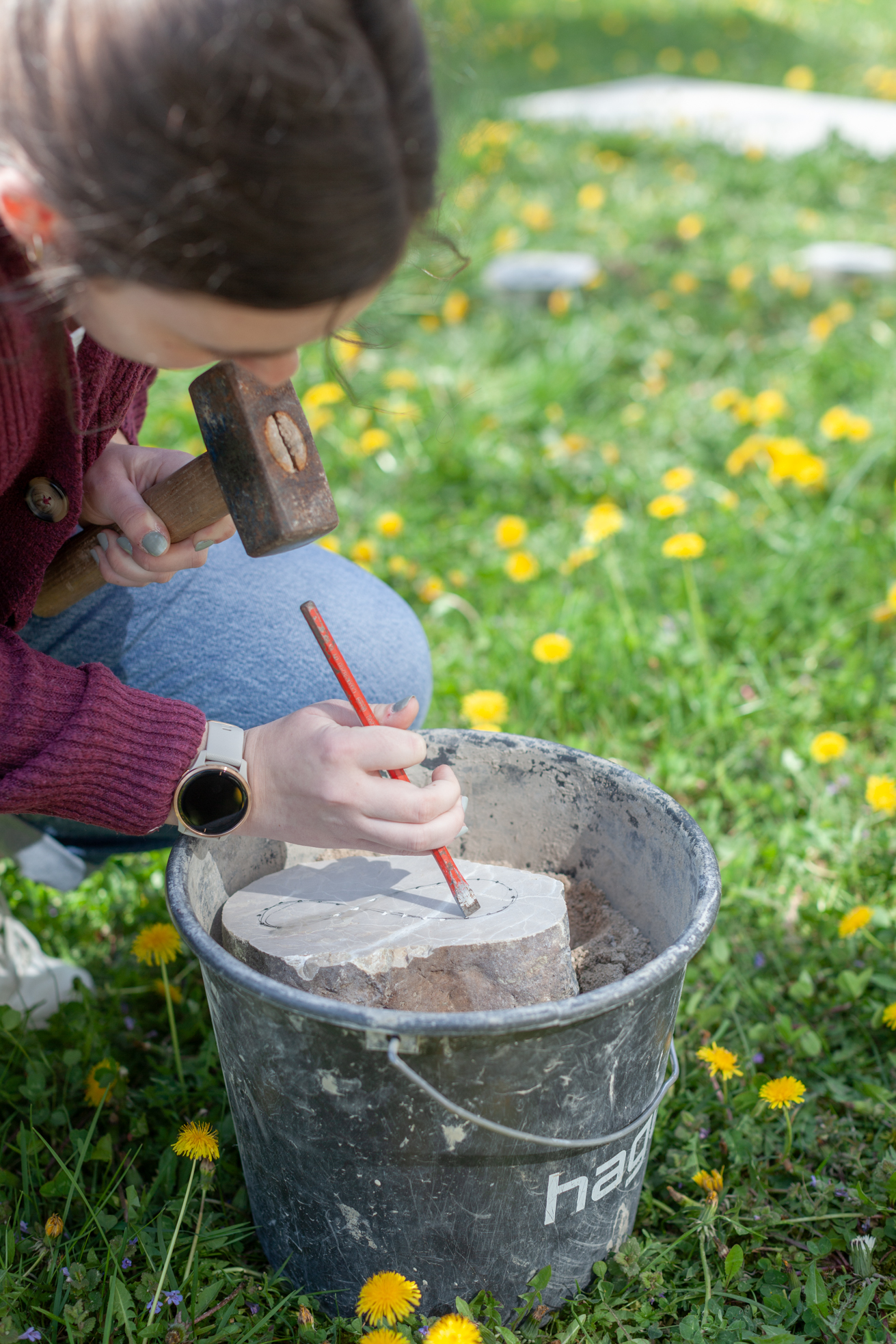
Garden of Moving Times was created to reconnect students, teachers, and the wider school community with the cycles of nature and reconcile with cosmic time. Developed as an artistic-pedagogical project, the garden invites participants to experience learning as a relational process between people and a more-than-human environment. Its planning and construction followed a participatory and deliberately slow process aligned with seasonal rhythms. Rather than starting from a fixed architectural blueprint, the design evolved on site through observation, experimentation, decision-making. In spring, students explored soil quality and cultivated edible plants in different ways to understand which species thrive locally, which natural fertilizers are most effective, and how watering practices influence growth. In autumn, harvesting were integrated into classes, transforming ecological processes into lived educational experiences. Sustainability was embedded in the careful sourcing and reuse of materials. Artists Daniela Brasil and Sophie Krier prioritized local and recycled resources: larch wood came from Salzkammergut region, sundial stones were collected by students from nearby Kaltenbach stream, and larger stones were reused from an old house. Plants were provided by local nurseries, strengthening regional ecological and cultural connections. Since its completion in 2024, garden has continued to evolve as kitchen classroom. It functions as a shared multi-species habitat, fostering biodiversity by creating spaces for insects, soil organisms, plants, fungi, and humans. The garden demonstrates how school grounds can become a living learning environment, where nature becomes a teacher and education unfolds through relationships with place, time, and life. As a pioneering example within Austrian schools, the project offers a replicable model for integrating sustainability, participatory design, and ecological literacy into everyday educational practice.
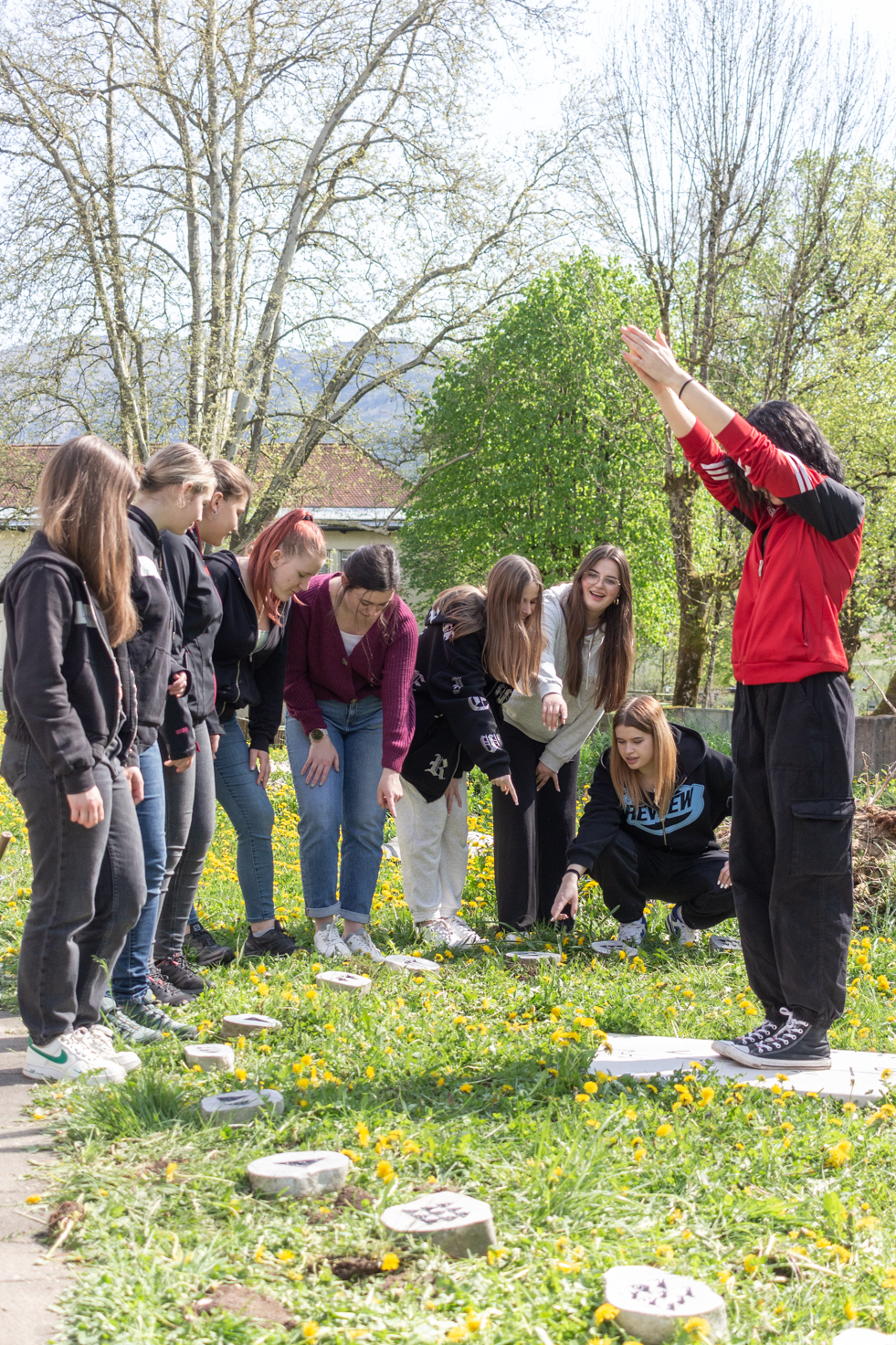
Garden of Moving Times demonstrates how experience can emerge through participation, care and direct engagement with the environment. The students who participated in planning and constructing the garden experienced the project as a long-term, embodied learning process, that deepened their relationship with the place and the rhythms of nature. Working alongside artists, teachers, and skilled practitioners, students explored how space can be shaped collectively. During the planning process they discovered that the human body itself can serve as a measure for space and proportion, transforming spatial design into an embodied aesthetic experience. Through a series of hands-on modules, including digging and planting raised beds, exploring regional herbal flora, designing communication elements, and constructing a horizontal sundial with a stonemason, students learned how aesthetic quality emerges from attentive work with materials, landscape, and ecological processes.
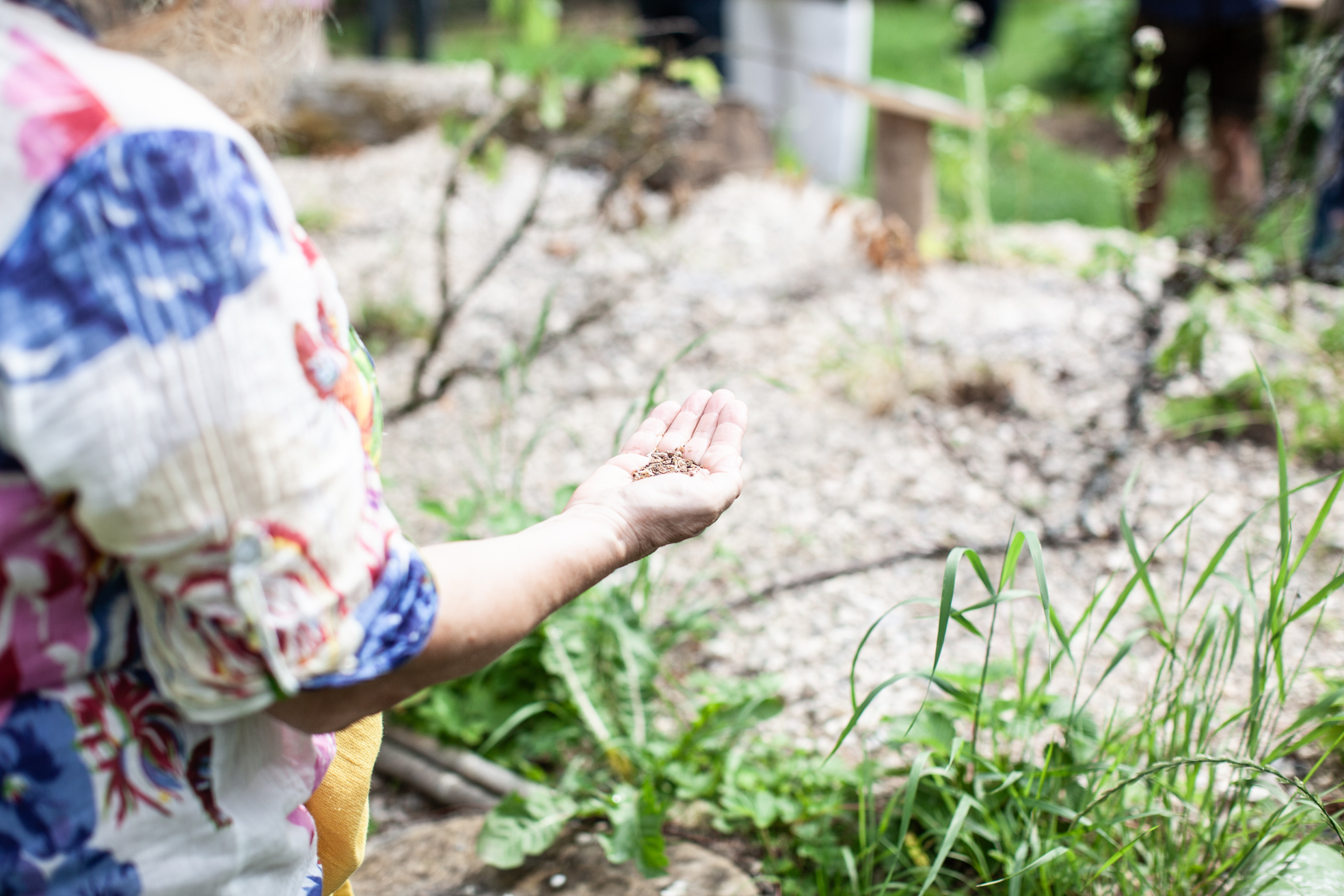
Ecological practices also contributed to the sensory and cultural richness of the space. Students learned cultivation methods that avoided plastic and artificial fertilizers, instead working with regional materials such as sheep’s wool, horse manure, and locally available organic resources. Shared activities, including a solar-grill picnic prepared entirely without fossil fuels or electricity, added moments of celebration and collective joy. The beauty of the garden continues to evolve over time. Plants grow and flourish, seasonal changes create shifting patterns of colour and texture, and biodiversity introduces life, sound, and movement. Through daily care and observation, students cultivate a shared sense of belonging and responsibility for the place they helped to create.
Ecological practices also contributed to the sensory and cultural richness of the space. Students learned cultivation methods that avoided plastic and artificial fertilizers, instead working with regional materials such as sheep’s wool, horse manure, and locally available organic resources. Shared activities, including a solar-grill picnic prepared entirely without fossil fuels or electricity, added moments of celebration and collective joy. The beauty of the garden continues to evolve over time. Plants grow and flourish, seasonal changes create shifting patterns of colour and texture, and biodiversity introduces life, sound, and movement. Through daily care and observation, students cultivate a shared sense of belonging and responsibility for the place they helped to create.
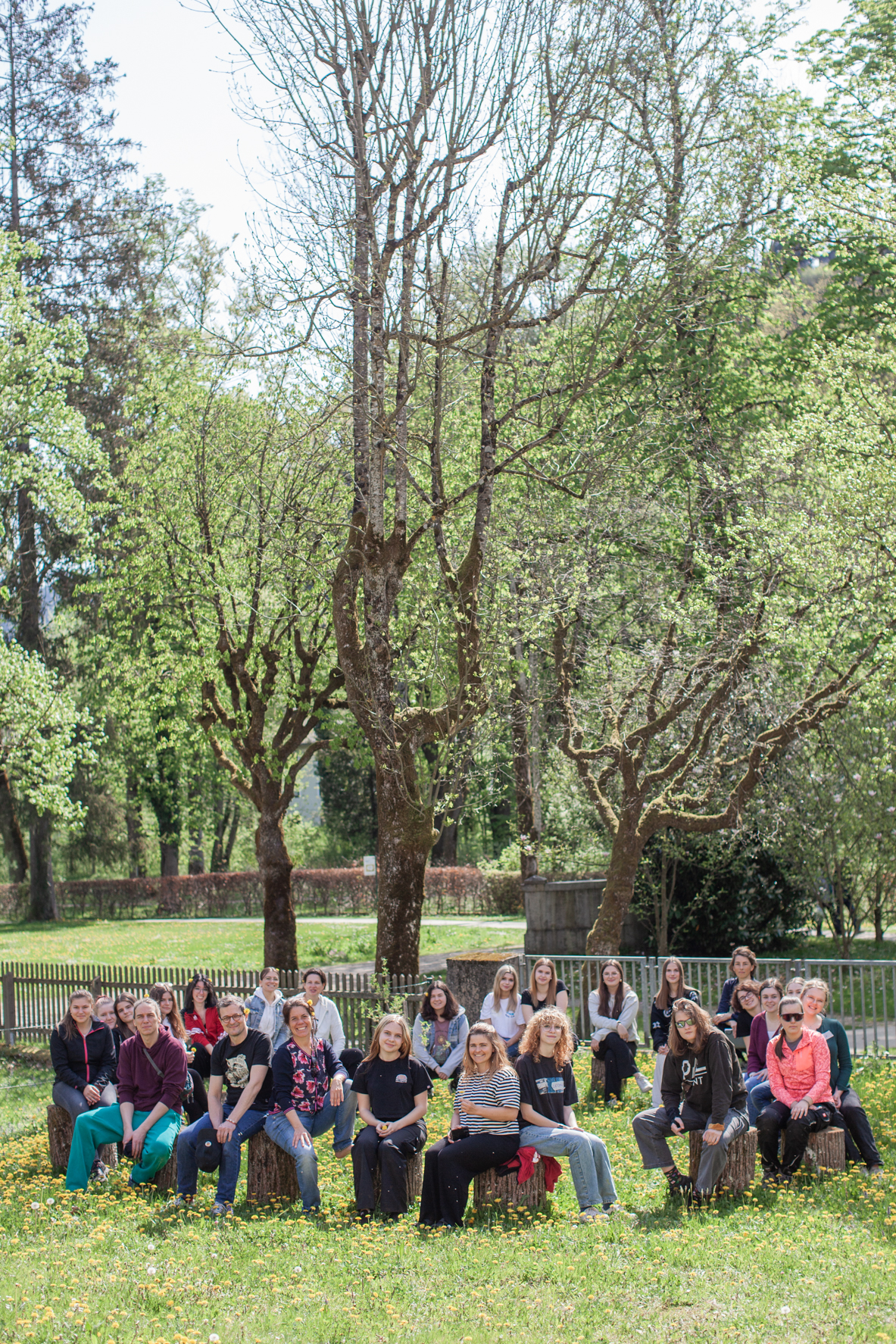
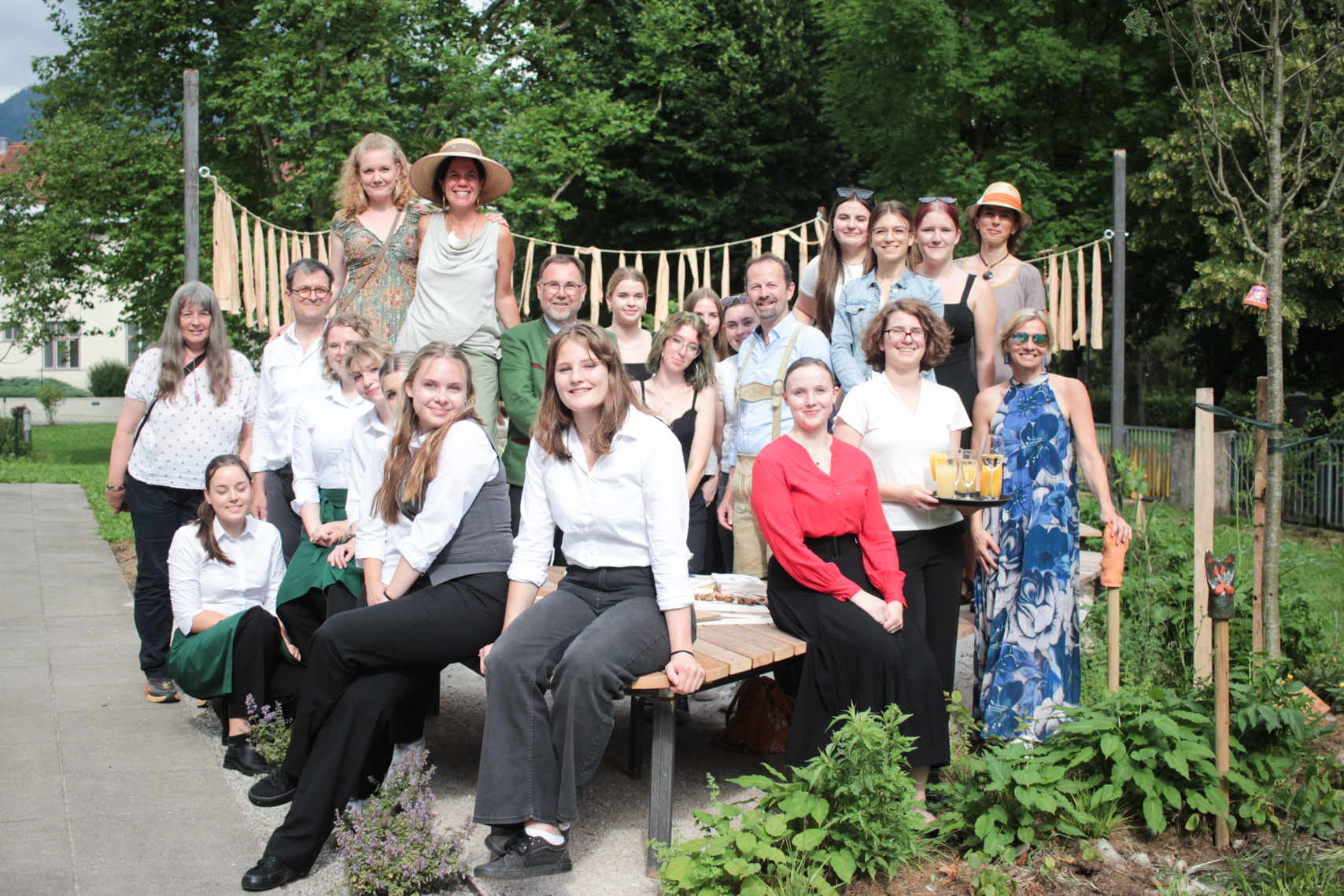
Garden of Moving Times was conceived as an inclusive learning environment where participation, shared responsibility, and collective knowledge shape both space and use. From early workshops to daily maintenance, the project created repeated opportunities for meaningful involvement. Around forty students from different classes participated in planning, construction, and care. Working with teachers, artists, and practitioners, they developed practical skills while experiencing collaborative decision-making and stewardship. The process encouraged cooperation rather than competition and allowed students to act as co-creators of their learning environment. The participatory process brought together actors from the surrounding community: local experts, small businesses, associations, school staff, neighbours, and elderly alumni, creating intergenerational exchange of practical skills, cultural knowledge, and ecological awareness. Affordability and equal access were ensured through public funding by Capital of Culture Bad Ischl Salzkammergut and the Directorate of Education Upper Austria, allowing all students regardless of background. Shared meals prepared in the school kitchen during workshops strengthened togetherness and collective care. Accessibility was a key consideration in spatial design. Paths, work areas, and activity zones were developed to allow participation by students, staff, and community members with limited mobility. By transforming a school meadow into an accessible garden, the project opened a shared space for learning, gathering, and exchange. Through its participatory design, inclusive governance practices, and long-term collective stewardship, Garden of Moving Times demonstrates how educational spaces can foster equitable participation, shared ownership, and inclusive relationships between people, place, and the living environment. It offers a replicable model for schools and communities seeking more inclusive forms of learning and public space.
Garden of Moving Times was developed through a two-year process enabling students and community members to contribute to all phases, from ideas and design to construction, planting and care. Students worked alongside teachers, artists, and practitioners from organic farming, horticulture, soil science, and ecological construction. The process recognised different forms of knowledge equally: professional expertise, practical experience, and students’ everyday perspectives. Pupils were treated as key experts of their school environment, contributing ideas through a “wishes archive” of visions for the garden. The project fostered horizontal collaboration in which artists, experts, students, and teachers worked together rather than in hierarchy. Students participated in design decisions, planting strategies, and spatial planning, while experts guided soil quality, ecological cultivation, and construction, enabling learning by doing and collective decision-making processes. The wider community was involved: neighbours, local organisations, and residents of Bad Ischl and the Salzkammergut contributed plants, seeds, materials, and knowledge, and joined workshops and the inauguration ritual, strengthening ties between school and surroundings. Since its opening in 2024 the garden has experienced two seasonal cycles, allowing continued care by students, teachers, and community members. This long-term engagement transforms participation into ongoing stewardship over time. The impact is visible in strong ownership, ecological awareness, and pride. The garden functions as a publicly accessible space created through collective effort, fostering social cohesion, intergenerational learning, and sustainable practices. Through co-creation and community involvement, the project demonstrates governance: schools and communities collaboratively design and care for shared environments shaped by diverse voices, forms of knowledge, and more-than-human perspectives.
Garden of Moving Times was realised through collaboration between actors at local, regional, national, and European levels, creating a multilevel governance structure combining community knowledge with institutional support and international cultural networks. At the local level, students, teachers, and school staff played a central role. Together with neighbours and citizens from Bad Ischl, they contributed ideas, joined workshops, planted the garden, and helped develop rituals for its ongoing care. The school became an important partner, integrating the garden into everyday learning and ensuring its long-term use as an educational and community space. Regional and national institutions provided expertise and resources. The Directorate of Education Upper Austria supported integration within the school context, while the Austrian Federal Forests contributed materials and ecological knowledge. The project was produced by < rotor > Centre for Contemporary Art, coordinating the artistic programme and collaboration between institutions, artists, and local actors. International artists Daniela Brasil and Sophie Krier led the creative process, linking artistic research, ecology, and participatory design. At the European level, Bad Ischl Salzkammergut European Capital of Culture 2024 provided main funding and a cultural framework, enabling participation and connecting the project to European discussions on sustainable cultural development, education, and public space. This multilevel collaboration generated added value: local participants contributed knowledge and care, regional and national institutions provided support, and the European framework offered visibility and exchange. Through this collaboration, Garden of Moving Times shows how schools, cultural organisations, public authorities, and communities can jointly create socially, culturally, and ecologically resilient public spaces.
Garden of Moving Times was developed through a transdisciplinary collaboration bringing together artistic, educational, ecological, and craft-based knowledge. The project connected different fields of expertise while encouraging participants to learn from one another and integrate diverse perspectives in the creation of the garden. Artists Daniela Brasil and Sophie Krier led the artistic and conceptual direction, facilitating the link between artistic research, ecological learning, and spatial design. Ten teachers from HLW Bad Ischl contributed knowledge from natural sciences, ethics and religion, cookery and nutrition, sports, visual arts, and crafts, enabling integration into the school curriculum. Forty students were active participants and experts on their school environment, contributing ideas, practical work, and local knowledge through workshops shaping the garden. Practitioners from organic farming, horticulture, soil science, carpentry, stone masonry, environmental activism, and youth work were involved. A regional company, Wildflorie, worked with specialists in wood, stone, and metal construction. Knowledge was shared throughout: craftspeople guided building, while students applied ecological and artistic approaches introduced by experts and artists. Continuous exchange created a learning environment where technical, ecological, cultural, and artistic perspectives informed each other. Local suppliers and regional resources also played a role, with plants from a nearby nursery and larch wood from the Austrian Federal Forests processed locally, strengthening the connection to the landscape. Through this integration of artistic, scientific, practical, and local knowledge, the garden became a functional, aesthetic, and educational space. The project demonstrates how transdisciplinary collaboration fosters learning and innovative approaches to ecological education, participatory design, and community-based public space.
Garden of Moving Times was realised through a combination of public cultural funding, institutional support, and long-term community stewardship. This model ensures both implementation and sustainability without requiring commercial revenue. The initial design and construction were financed through the European Capital of Culture Bad Ischl Salzkammergut 2024 programme, with additional institutional support from the Directorate of Education of Upper Austria. This funding enabled the participatory design process, artistic collaboration, workshops with experts, and the physical realisation of the garden. The project was produced by < rotor > Centre for Contemporary Art, coordinating the artistic programme and collaboration between artists, educators, specialists, and local stakeholders. Long-term sustainability is ensured through integration into HLW Bad Ischl. Teachers and students use the garden as an open-air classroom and kitchen garden, embedding it in environmental education, cooking and nutrition classes, and ecological learning. After the initial funding phase, responsibility is fully transferred to the school, which integrates maintenance and further development into its annual educational planning and operational structure. The garden was designed to require minimal maintenance through regional materials, durable construction, and ecological planting strategies. Many elements were built collaboratively in workshops, strengthening ownership and care. Ongoing stewardship by students, teachers, and the school community ensures continuity without significant external funding. Additional support comes through informal community contributions such as plant donations and knowledge sharing. Through public cultural investment, institutional integration, and community-based care, Garden of Moving Times demonstrates a sustainable model for long-term educational and ecological public spaces.
Garden of Moving Times demonstrates a scalable and transferable model for participatory ecological learning spaces within schools and communities. While rooted in HLW Bad Ischl and the Salzkammergut region, its core elements can be adapted elsewhere. A key element is the participatory design methodology, involving students, teachers, artists, local experts, and community members in co-creating a shared space. This process is embodied: the garden is shaped through movement, perception, and presence, using participants’ bodies as tools for design. This fosters ownership and responsibility while responding to local knowledge and conditions. Another scalable aspect is integration into everyday education. The garden functions as a kitchen garden, ecological learning environment, and open-air classroom, supporting interdisciplinary learning across sciences, arts, ethics, and gastronomy. It encourages learning from nature, where ecological processes and seasonal rhythms structure learning. As a living system, the garden evolves over time, reinforcing continuous learning beyond its creation. Students and teachers gain experience in biodiversity, sustainability, and responsibility through care and cultivation. The design approach is transferable: rather than a fixed plan, space emerges through observation, movement, and interaction with natural cycles such as sunlight and seasons. This makes it adaptable to other sites, including unused or neglected landscapes transformed into learning environments. Use of local resources and simple ecological construction ensures low-cost, low-maintenance implementation without financial barriers. Equally important is transdisciplinary collaboration between artistic research, education, ecological knowledge, and craft-based practices. Schools act as catalysts for community engagement by opening spaces to neighbours and local actors, strengthening shared responsibility. This participatory approach connects people, place, time, and nature.