Enhancing Circularity, Sustainability, and Innovation
Art and Sculpture in Light
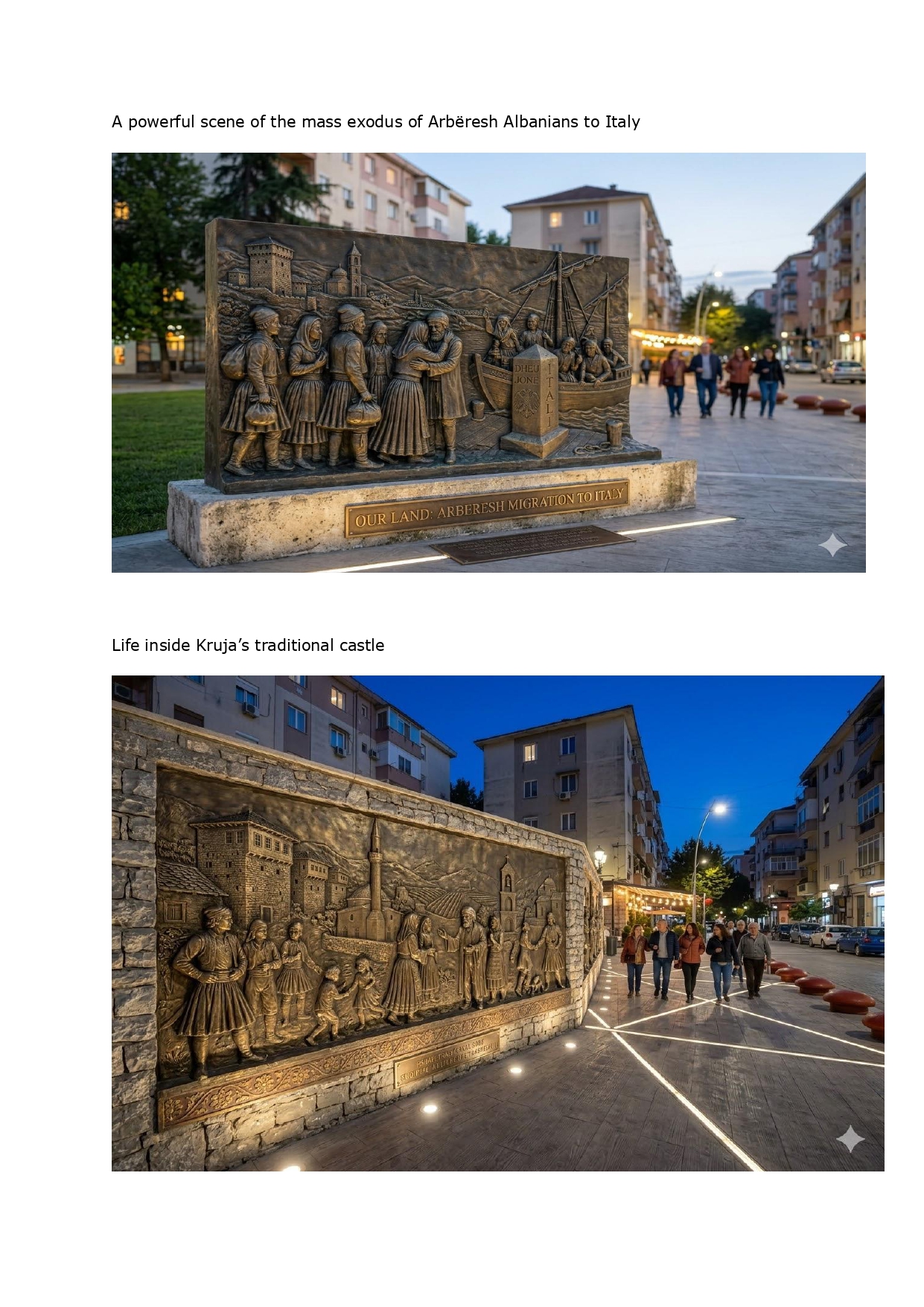
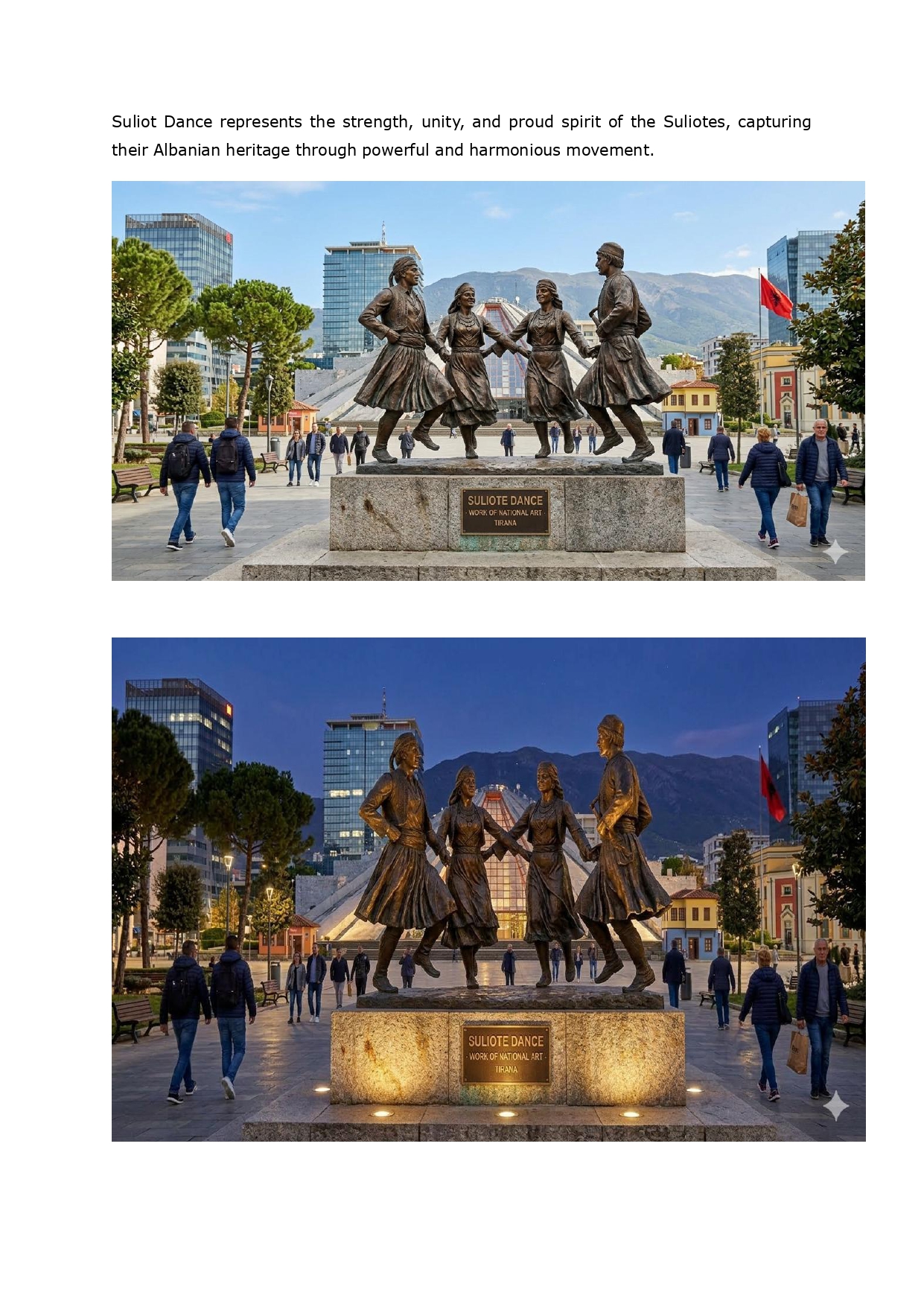
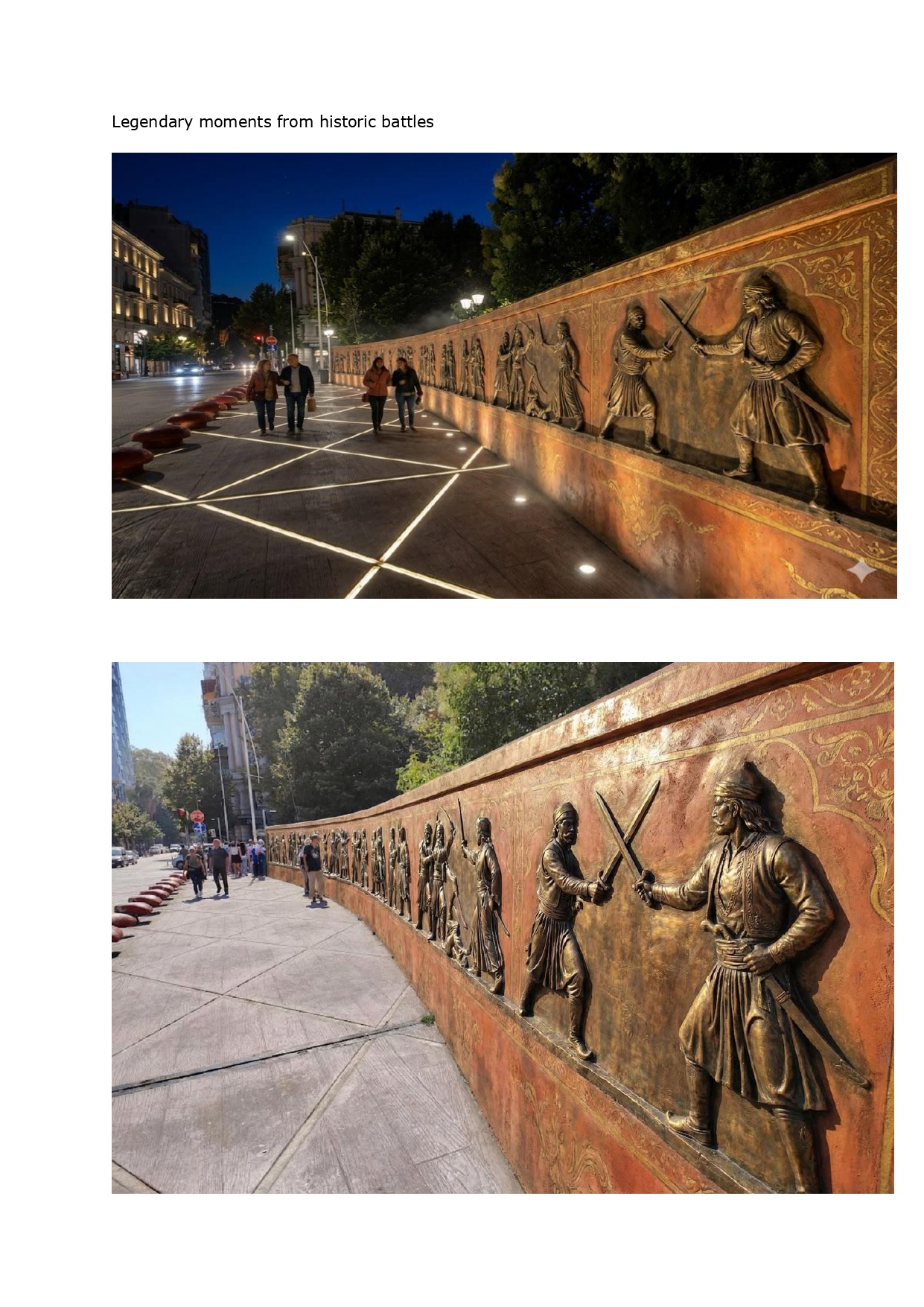
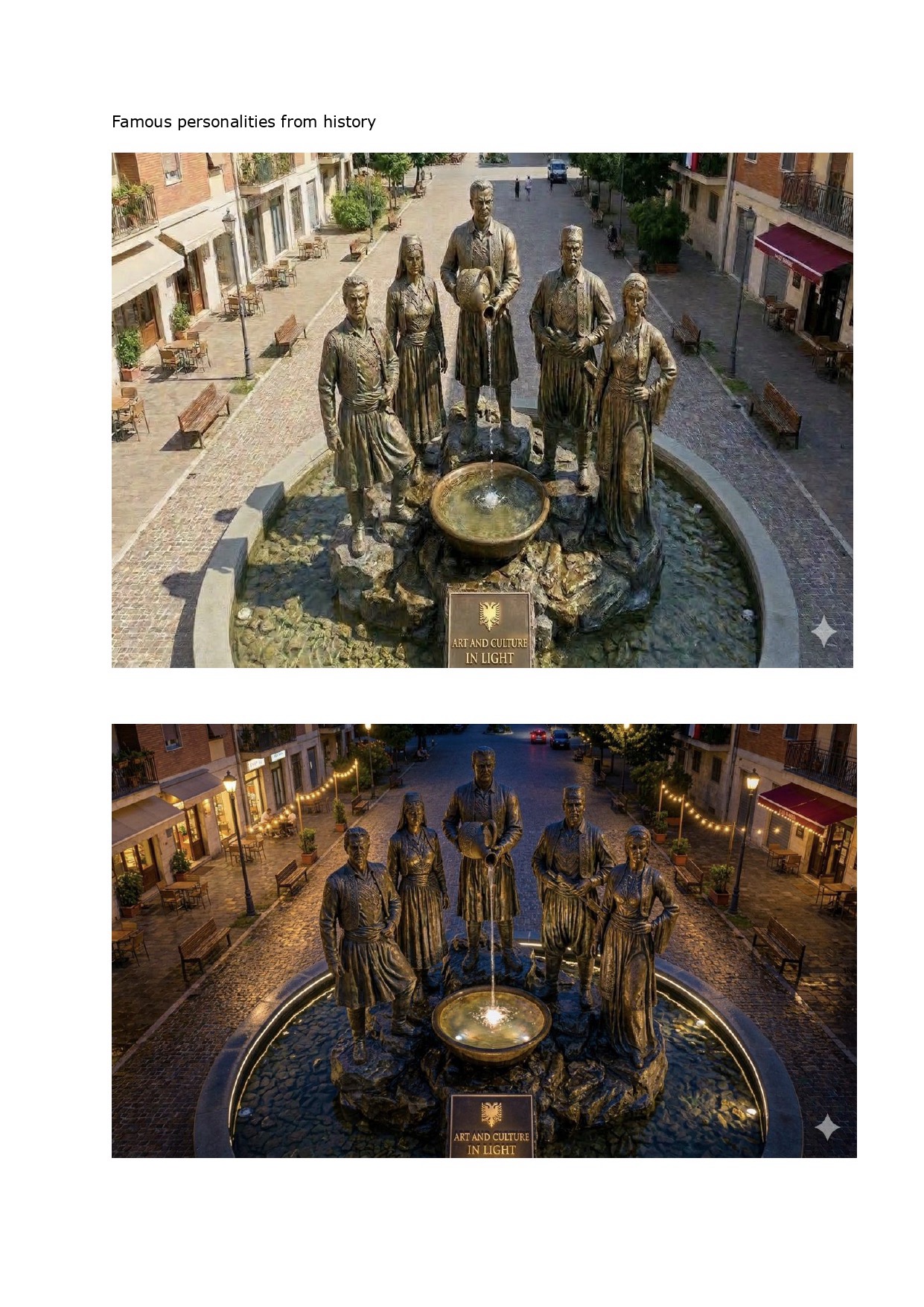
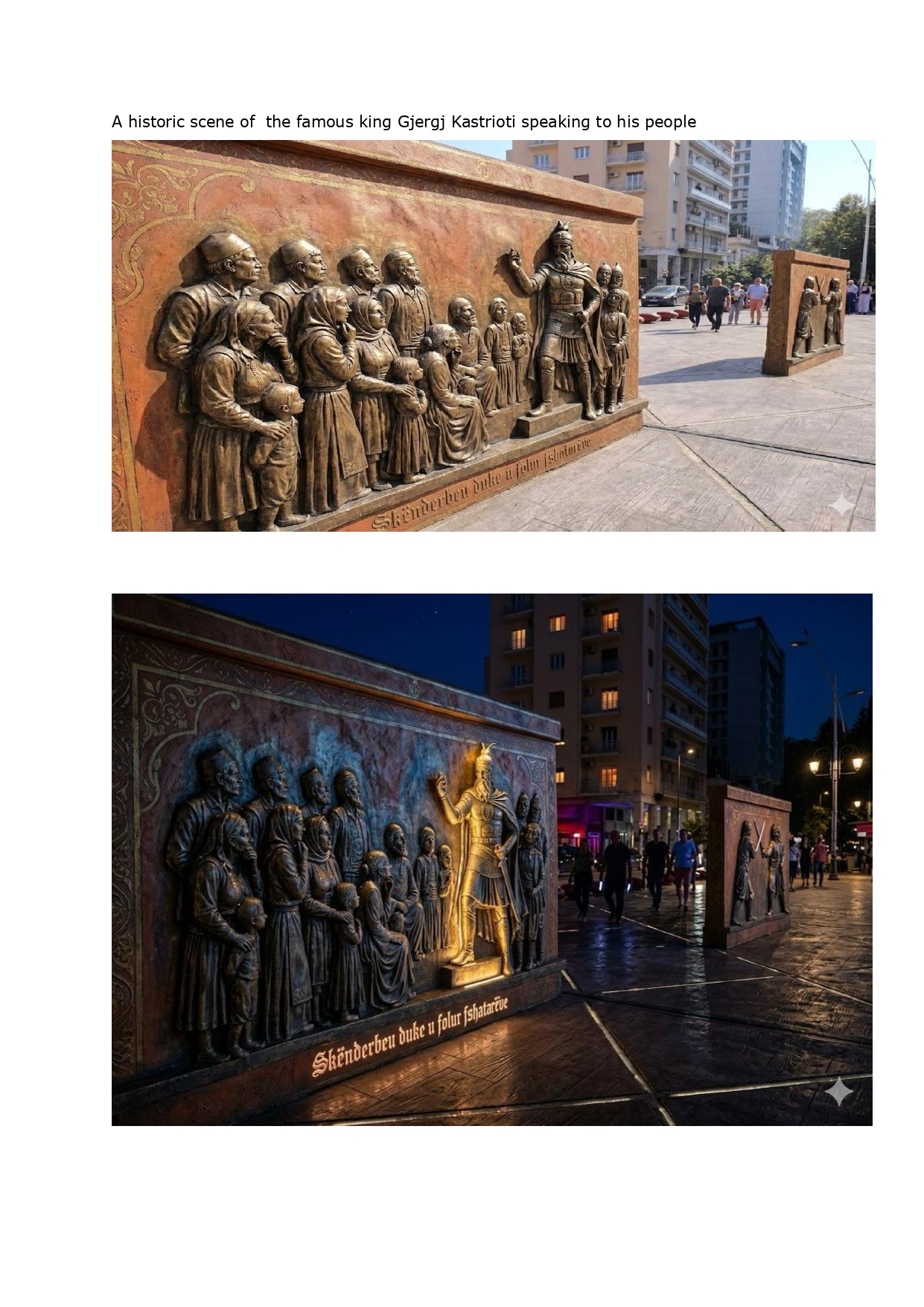
This project envisions a series of sculptures inspired by historical and cultural motifs
Tirana’s public spaces are largely defined by older communist-era statues, which primarily commemorate famous or influential figures from the past. While these monuments reflect a specific period in the city’s history, they leave large gaps in representing the broader cultural, social, and historical narratives that shape Tirana today. This project aims to introduce a new era of public sculpture, creating works inspired by historical events, cultural motifs and traditional patterns
Albania
Local
Tirana city
Mainly urban
It involves a physical transformation of the built environment (hard investment)
Early concept
No
No
Yes
Individual
Art and Culture in Light: Sculpting Tirana’s Heritage
Tirana’s public spaces are largely dominated by older communist-era statues, which mostly commemorate famous or influential figures from the past. While historically significant, they do not reflect the city’s broader cultural and historical identity. This project introduces a new era of public sculptures inspired by historical events, cultural motifs, and local traditions, creating a visual narrative of the city’s heritage. Each sculpture will serve as a marker of identity, engaging residents and visitors while complementing existing monuments. Strategically placed in parks, pedestrian paths, and cultural hubs, the works form a network that encourages exploration, reflection, and cultural connection. Designed for daytime appreciation, the sculptures can also be illuminated at night, enhancing public spaces and creating dynamic interactions of form, light, and shadow. The project is expected to increase civic pride, cultural awareness, and community engagement, offering educational opportunities and fostering dialogue about Tirana’s history and identity. By transforming underutilized spaces into artistic destinations, it also contributes to urban revitalization and visual cohesion, strengthening the city’s cultural landscape. Over time, this initiative will establish a lasting legacy, introducing inclusive, contemporary artistic expression that bridges historical narratives with modern design, inspires local artists, and encourages public participation. Ultimately, the project combines art, heritage, and urban life, creating an immersive experience that preserves the past, celebrates culture, and engages the community day and night.
Tirana’s public spaces are largely dominated by older communist-era statues, which mostly commemorate famous or influential figures from the past. While historically significant, they do not reflect the city’s broader cultural and historical identity. This project introduces a new era of public sculptures inspired by historical events, cultural motifs, and local traditions, creating a visual narrative of the city’s heritage. Each sculpture will serve as a marker of identity, engaging residents and visitors while complementing existing monuments. Strategically placed in parks, pedestrian paths, and cultural hubs, the works form a network that encourages exploration, reflection, and cultural connection. Designed for daytime appreciation, the sculptures can also be illuminated at night, enhancing public spaces and creating dynamic interactions of form, light, and shadow. The project is expected to increase civic pride, cultural awareness, and community engagement, offering educational opportunities and fostering dialogue about Tirana’s history and identity. By transforming underutilized spaces into artistic destinations, it also contributes to urban revitalization and visual cohesion, strengthening the city’s cultural landscape. Over time, this initiative will establish a lasting legacy, introducing inclusive, contemporary artistic expression that bridges historical narratives with modern design, inspires local artists, and encourages public participation. Ultimately, the project combines art, heritage, and urban life, creating an immersive experience that preserves the past, celebrates culture, and engages the community day and night.
The idea for “Art and Culture in Light” emerged from observing Tirana’s urban landscape, dominated by older communist-era statues that primarily commemorate historical figures from a narrow period. While important, these works leave much of the city’s rich cultural, social, and historical identity unrepresented. Recognizing the gap, the concept was developed to introduce a new era of public sculpture that captures broader historical events, cultural motifs, and local traditions, creating a visual narrative of the city’s heritage accessible to all.
The concept was developed through a combination of research, artistic exploration, and urban analysis. Historical records, architectural patterns, and cultural symbols were studied to select motifs that meaningfully represent Tirana’s identity. Public space mapping helped identify strategic locations that maximize visibility and engagement, including pedestrian paths, parks, squares, and cultural hubs. Concept sketches and 3D models were created to visualize the interplay of form, scale, and placement in the city context. Special attention was given to daytime and nighttime experience, ensuring the sculptures can be illuminated to create dynamic effects and maintain engagement after dark.
The implementation strategy includes several main steps. First, site analysis and design development determine optimal locations and specific motifs for each sculpture. Next, artistic fabrication involves using durable materials suited for public spaces while allowing for detailed representation of historical and cultural symbols. Community consultation and collaboration with local historians, artists, and cultural organizations ensure relevance, inclusivity, and engagement. Installation planning includes logistics for transport, placement, and long-term maintenance. Tools and processes include digital modeling, fabrication workshops, lighting design, and interactive interpretation elements.
Heritage
Public art
Urban revitalisation
Cultural identity
Cultural memory
The concept of “Art and Culture in Light” addresses sustainability across environmental, social, cultural, and economic dimensions, creating a project with lasting impact for Tirana. Environmentally, the sculptures will use durable, locally sourced, recyclable materials, including everlasting metals like bronze, designed to withstand weather and minimize maintenance. Fabrication will prioritize eco-friendly methods and local workshops, and nighttime illumination will rely on low-energy LED systems, ensuring energy efficiency.
Socially, the project encourages community engagement and inclusion, making art accessible to residents of all ages and backgrounds. The sculptures act as educational tools, helping schools, organizations, and visitors learn about historical and cultural motifs while sparking dialogue about Tirana’s past and present, fostering social cohesion.
Culturally, the project preserves and revitalizes heritage. By introducing modern, historically inspired sculptures, it adds new narratives to the cityscape, supports local artists, and integrates heritage into daily life.
Economically, it creates opportunities for artisans, workshops, and small businesses, while public engagement may boost tourism and activate public spaces, supporting sustainable urban development.
Overall, this project exemplifies sustainability by balancing environmental care, social inclusion, cultural preservation, and economic benefit, leaving a lasting legacy for the city while minimizing maintenance and environmental impact.
For me, the idea of “Art and Culture in Light” is about making everyday life in Tirana more beautiful and meaningful. I want to transform public spaces into places that people notice, enjoy, and feel connected to. The sculptures, inspired by our history, local traditions, and cultural symbols, add visual interest while telling a story across the city. Placed in parks, squares, and pedestrian streets, they invite people to pause, explore, and interact, making everyday moments more inspiring and memorable.
I also want this project to help people feel a real sense of belonging and care for their neighborhoods. When residents see their history and culture reflected in public art, it gives pride and connection to the city. The sculptures can become landmarks and meeting points, encouraging people to gather, talk, and enjoy the space together. Over time, this network of artworks will make Tirana’s streets and squares more vibrant, meaningful, and full of life.
I believe this project is exemplary in aesthetics because it brings together form, meaning, and context in a way that fits naturally into daily life. By combining contemporary design with cultural heritage, the sculptures enhance both how the city looks and how it feels. The result is a lasting, beautiful presence that inspires, engages, and makes people feel proud of their city every day.
The sculptures are also designed to be seen at night, with subtle illumination highlighting their forms without overwhelming the environment. This means public spaces can remain alive, safe, and visually interesting even after dark, allowing people to enjoy art during every part of their day. Light adds another layer to the experience, creating moods and atmospheres that change with the hours.
Another important aspect is the emotional connection the project creates. By reflecting stories and symbols that are familiar to residents, the sculptures help people remember, imagine, and dream.
The concept of “Art and Culture in Light” addresses accessibility and affordability by making public art available to everyone, completely free of charge, in open and easily reachable spaces across Tirana. By placing sculptures in parks, squares, pedestrian streets, and cultural hubs, people of all ages, abilities, and backgrounds can experience and interact with art in their daily lives. The design follows “design for all” principles, ensuring pathways, sightlines, and tactile elements allow children, the elderly, and people with disabilities to engage with the artworks comfortably and meaningfully.
Beyond physical access, the project promotes inclusive governance by involving local communities, cultural organizations, and schools in the planning, design, and interpretation of each sculpture. Residents can contribute ideas, share personal stories, and help select motifs that reflect Tirana’s shared heritage, creating a sense of ownership and pride. This collaborative approach fosters new societal models, where cultural participation is not limited to elites but is open to everyone, encouraging dialogue, mutual respect, and civic engagement.
Affordability and accessibility also extend to the experience itself. The sculptures are permanently installed in public spaces, meaning people can visit at any time without cost. Lighting ensures that they can be enjoyed day and night, supporting social interaction and a safe, welcoming environment for all.
The project is exemplary in terms of inclusion because it removes barriers, promotes active participation, and creates spaces where people feel represented and connected. By combining accessible design, community involvement, and culturally relevant content, these artworks become more than decorative elements—they become tools for equity, belonging, and shared cultural experience, shaping a city where everyone can enjoy, engage, and take pride in their surroundings.
We plan to actively involve users, citizens, and stakeholders from the very beginning. Through participatory workshops, surveys, and public consultations, we aim to gather diverse perspectives to ensure the concept addresses real community needs. Residents will have opportunities to contribute ideas, suggest improvements, and engage in pilot activities to test early versions of the project. Local organizations, community groups, and experts will provide guidance on feasibility, accessibility, and sustainability, helping shape solutions that are practical, inclusive, and relevant to everyday life.
Engaging citizens and stakeholders from the outset is expected to make the concept more socially relevant and widely accepted. Participation fosters a sense of ownership, encouraging long-term engagement and support. It also helps anticipate challenges and identify opportunities early, reducing risks and ensuring solutions remain adaptable. By incorporating the voices of those who will be directly affected, the concept can strengthen trust between the community and authorities while promoting co-created, equitable solutions that reflect shared values.
Involving users will empower communities to influence decisions that affect their environment and daily experiences. Giving people a meaningful role in shaping the project ensures that interventions are culturally sensitive, socially relevant, and responsive to local needs. This approach will create local champions who help sustain the initiative, raise awareness, and encourage adoption throughout the community.
Stakeholder participation will also drive innovation by bringing together diverse ideas and perspectives that may otherwise be overlooked. Continuous feedback from citizens and experts will allow the concept to be refined iteratively, creating solutions that are flexible and effective. By demonstrating a participatory approach to development, the project can serve as a model for inclusive, s
developing this concept, we plan to actively involve stakeholders at all levels to ensure a truly participatory and inclusive approach. At the local level, citizens, community groups, and municipal authorities will share insights on daily needs and priorities, helping the concept respond directly to the realities of neighborhoods and public spaces. Regional authorities and agencies will provide expertise on coordination, funding, and alignment with ongoing initiatives, ensuring integration with broader development strategies. National ministries and policy makers will guide regulatory compliance, resource allocation, and scaling potential, while European-level networks, city partnerships, and policy platforms will offer knowledge on best practices, innovation, and cross-border collaboration. Engaging stakeholders across these levels adds significant value: local participation ensures solutions are socially relevant and widely accepted, fostering ownership and active engagement; regional and national involvement strengthens feasibility, sustainability, and policy alignment; European input provides access to transferable models, innovation, and broader perspectives. Involving citizens and local groups early empowers communities to actively shape interventions that affect their environment and daily lives. Their perspectives will ensure solutions are culturally sensitive, socially relevant, and truly inclusive, while pilot activities and workshops will allow them to test and refine ideas before full implementation, creating local champions who sustain awareness, adoption, and maintenance of the project. Stakeholder participation also drives innovation and learning, allowing the concept to evolve iteratively and remain flexible and adaptive to emerging needs. By integrating feedback from all levels, the project strengthens its impact, promotes trust and shared responsibility, and sets a model for participatory, multilevel governance that can inspire other initiatives.
The design and implementation of our concept will involve a variety of professionals from different fields to ensure it is creative, inclusive, and socially engaging. Urban designers and city planners will identify the best locations for sculptures and plan public spaces so that artworks are accessible, safe, and integrated into the urban environment. Sculptors and visual artists will create installations that add cultural and aesthetic value, transforming ordinary streets, squares, and parks into inspiring places that encourage community interaction and reflection. Landscape architects will enhance surrounding areas with small green elements, seating, or pathways to complement the artworks and create pleasant urban experiences.
Art historians and cultural specialists will support the project by ensuring the sculptures reflect local heritage, identity, and contemporary culture. Social scientists, including sociologists and urban studies experts, will help understand how citizens use public spaces, what engages them, and how the artworks can encourage inclusivity and social interaction. Community engagement professionals will organize workshops, consultations, and events so residents can contribute ideas, share feedback, and feel ownership of the artworks in their neighborhoods.
Environmental and sustainability experts will advise on materials and installation methods that are durable, low-maintenance, and environmentally responsible. Public policy and governance specialists will help coordinate permissions, city approvals, and collaboration with local authorities, ensuring the project aligns with municipal regulations. By combining urban design, architecture, sculpture, visual arts, landscape architecture, social sciences, community engagement, art history, and sustainability expertise, the concept integrates cultural, social, other perspectives. This multidisciplinary approach ensures that these sculptures will create the right impact on the society.
The envisioned business model for the concept is based on a combination of public funding, private support, and revenue-generating activities to ensure financial sustainability over time. Public funding from municipal and regional authorities will cover core costs, including artist commissions, installation, and basic maintenance of sculptures in public spaces, recognizing the cultural and social value of the project. Partnerships with cultural foundations, art councils, and European grant programs will provide additional support for specific artworks, events, and educational activities.
Private sponsorships from businesses and local enterprises can support individual sculptures or clusters, offering brand visibility in exchange for funding. Donations from citizens, community groups, and art enthusiasts will be encouraged through digital campaigns and crowdfunding platforms, allowing the public to feel ownership and directly contribute to the cultural development of their city. Revenue-generating activities such as guided art tours, workshops, or temporary exhibitions linked to the sculptures can create additional income streams to cover maintenance, promotion, and future expansions.
In the long term, financial sustainability will be supported through collaborations with universities, cultural institutions, and tourism organizations to integrate the artworks into educational programs, city branding, and tourist routes. Small-scale merchandising, digital content, and augmented reality experiences can generate supplementary income while promoting engagement with the public. By combining public support, private sponsorship, donations, and self-generated revenues, the concept is designed to be financially sustainable while remaining inclusive, culturally meaningful, and accessible to all citizens.
The concept has strong potential for scalability and transferability to other cities, communities, and contexts across Europe. The methodology for selecting locations, engaging citizens, and co-creating sculptures can be replicated in different urban environments, adapting to local identity and community needs. The processes of collaboration with artists, cultural experts, urban designers, and community groups can be applied in other municipalities, organizations, or EU-funded projects, ensuring a participatory and multidisciplinary approach.
The artworks themselves, as well as engagement tools such as workshops, participatory sessions, and community consultation methods, can be transferred to other groups of beneficiaries, including schools, neighborhoods, cultural institutions, or public spaces in different countries. Key learnings from planning, commissioning, and maintenance will create a knowledge base that supports similar initiatives elsewhere.
In addition, the project is designed to actively participate in European networks and programs, collaborating with EU institutions, city partnerships, and cultural initiatives. This allows for cross-border exchanges, joint projects, and co-creation with other countries, sharing best practices, innovative approaches, and lessons learned. EU involvement ensures the concept contributes to broader European cultural, social, and urban development objectives, while fostering cooperation, inclusivity, and innovation at the continental level.
By replicating its methodology, processes, and engagement strategies, and by collaborating with EU partners and programs, the concept can serve as a model for sustainable public art initiatives across Europe, generating social, cultural, and educational impact in diverse urban contexts and strengthening connections between communities at the European scale.
In the first year after the application, the idea will move step by step from a small-scale pilot into a more structured and visible initiative across the city.
At the beginning, the focus will be on testing the concept in a few carefully selected locations in Tirana. These first interventions will combine light-based artistic elements with practical improvements in public space, especially for pedestrians and accessibility. This phase is important to understand what works best in reality, so feedback will be gathered directly from residents, including people with disabilities and local communities.
In parallel, efforts will be made to build strong partnerships. This includes working closely with the Municipality of Tirana, local artists, architects, and civil society groups. At the same time, connections with European programmes and organisations will be explored, especially those linked to culture, urban innovation and the New European Bauhaus. The goal is not only funding, but also exchange of ideas and potential collaboration with other countries.
Once the first results are clear, the project will expand to other areas, especially neighborhoods that are often less represented in cultural initiatives. A simple and practical “model” of the project will be developed so it can be reused and adapted, both within Albania and by partners in other European contexts.
Promotion will happen throughout the year through public events, small exhibitions, and online communication. The idea is to make the project visible and engaging, not only as an infrastructure improvement but also as a cultural experience for citizens and visitors.
At the same time, work will be done on making the concept financially sustainable. This could include a mix of public support, EU funding, and collaborations with private actors, while keeping the project accessible to everyone.
In the end this project will be continuously monitored and improved.