Arts, Culture, and Heritage as Drivers of Change
1 Kilometer of Art: an accessible and pa
1 Kilometer of Art connects tourism, culture, and the Camino de Santiago in Ventosa.
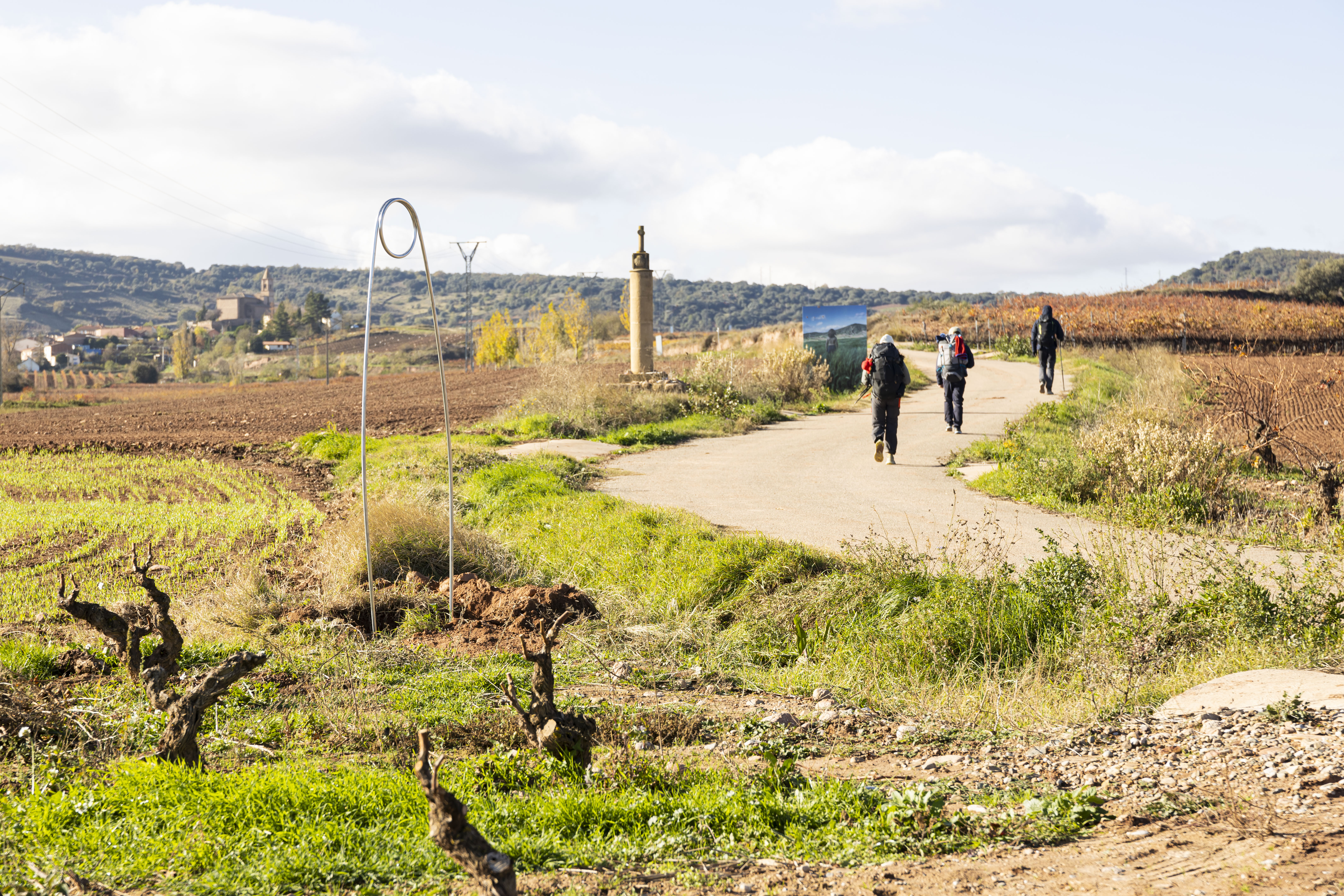
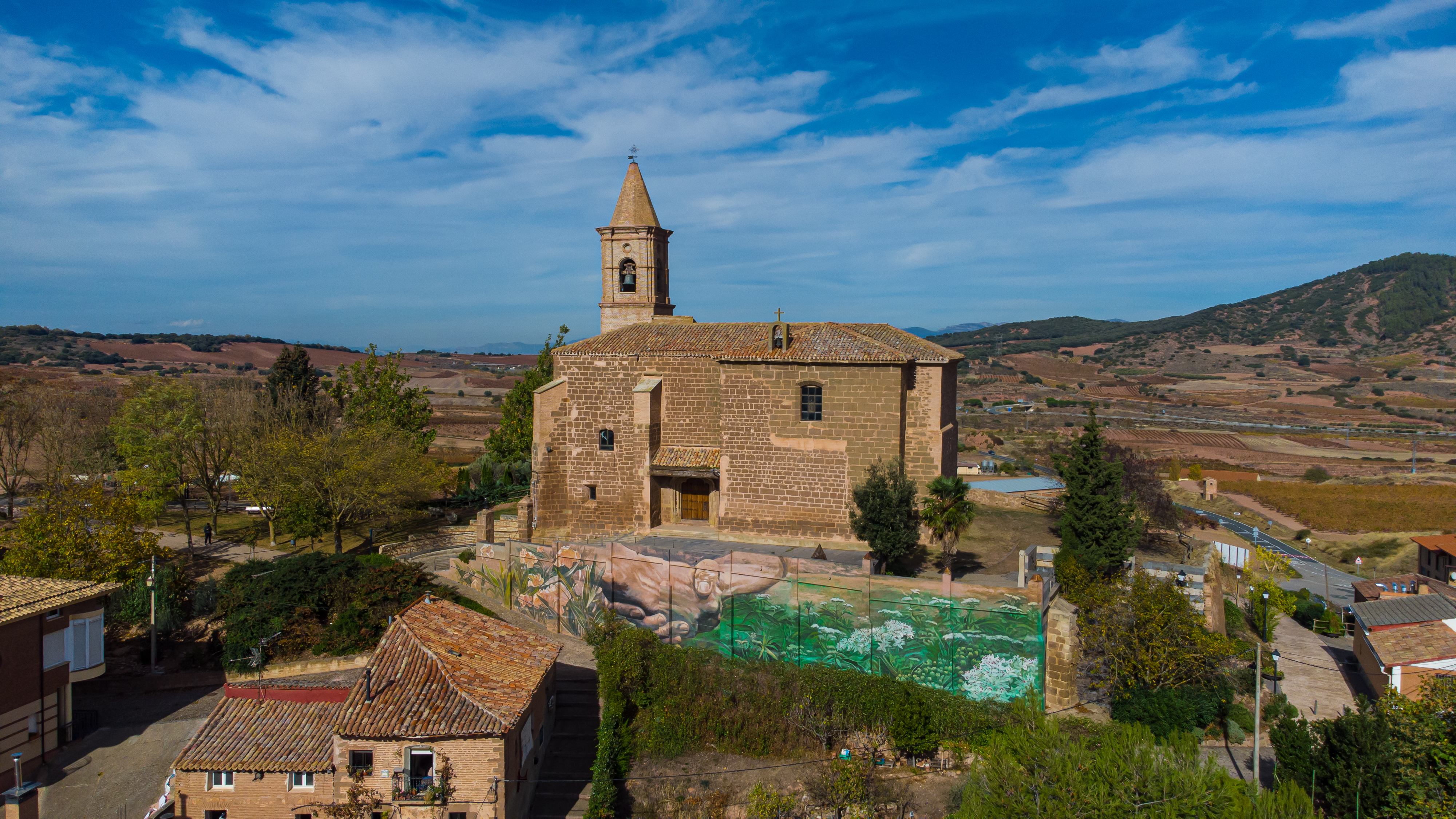
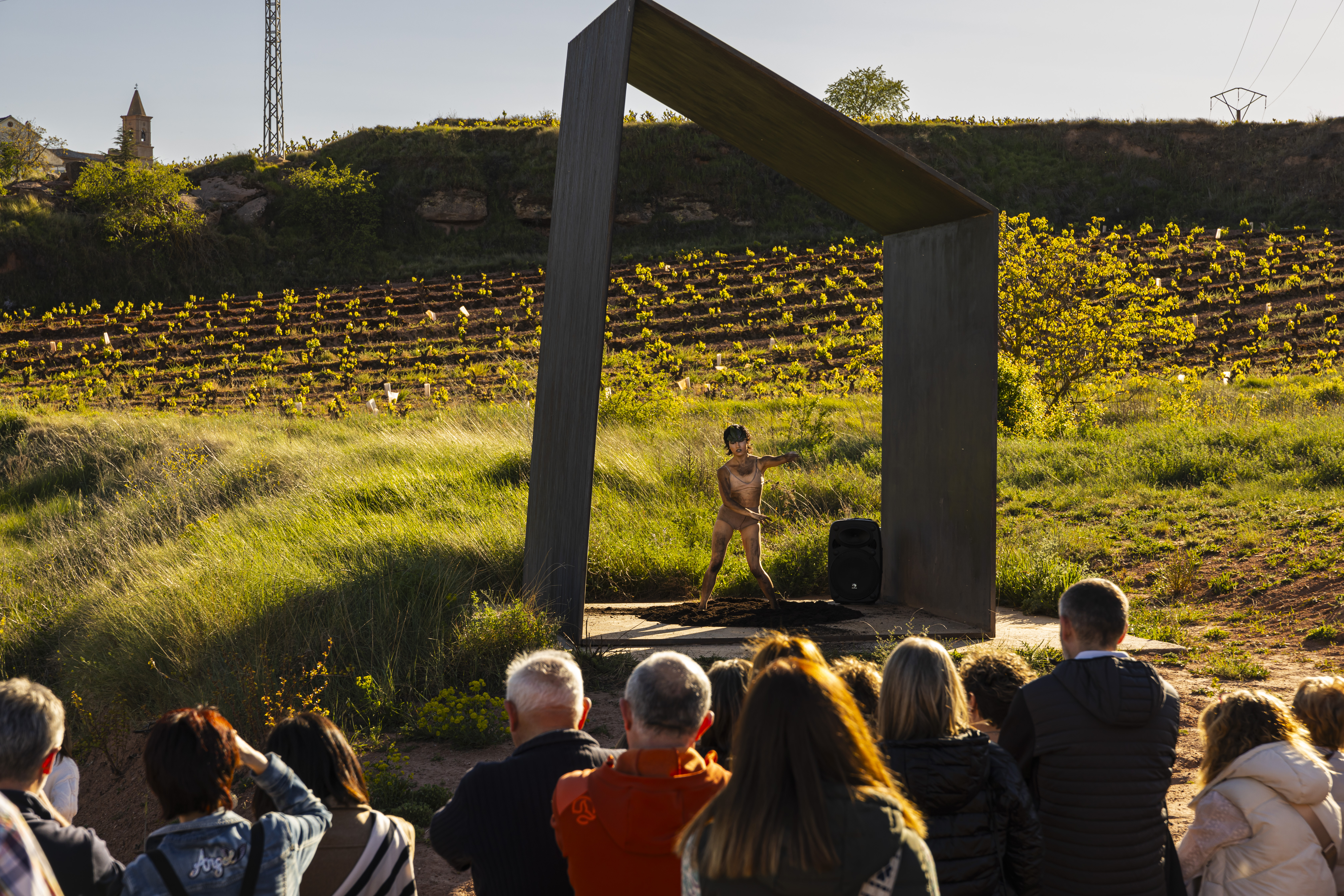
1 Kilometer of Art is a meeting point between tourism and culture that culminates each year in a permanent artistic intervention. It is an open-air museum connected with the Camino de Santiago, offering a cultural reason to enter the village center and explore the municipality through contemporary art. The project aims to strengthen collective identity and contribute to the revitalization of the local economy through coexistence among residents, artists, and pilgrims.
Spain
Local
Ventosa
Mainly rural
It involves other types of transformations (soft investment)
Yes
2025-10-11
Yes
ERDF : European Regional Development Fund
No
No
Organisation
1 Kilometer of Art is a meeting point between tourism and culture: a participatory initiative that culminates each year in a permanent artistic intervention. It is an open-air museum rooted in values that form part of Ventosa’s identity, a community accustomed to agreement, coexistence, and exchange with neighbors from near and far, in direct connection with the Camino de Santiago.
The Camino de Santiago is not only a geographic context. It is a cultural corridor that attracts national and international audiences, and the project leverages that reality to transform the pilgrim experience. It offers a cultural reason to enter the village center, explore the municipality through an artistic narrative, engage with contemporary heritage in public space, and, in many cases, extend the stay.
The project’s goals are to strengthen collective identity and contribute to the revitalization of the local economy. Its tools are the promotion of coexistence among Ventosa residents, artists, and pilgrims walking the Camino de Santiago. The project understands culture as a driver of social cohesion, a reference for identity, a space for diversity, and a territory of creation within a sustainable ecosystem.
The Municipality of Ventosa leads the project but delegates its governance and management to the 1 Kilometer of Art Commission made up of the local associative fabric and residents. This body encourages civic encounter, participation, and cultural volunteering, ensuring continuity and the capacity for autonomous implementation over time.
The artworks form an accessible and inclusive open-air contemporary art museum that enables enjoyment for all kinds of people. Beyond physical accessibility, the project integrates digital accessibility tools to strengthen inclusion.
Overall objective
Strengthening local identity and contribute to rural revitalization by combining contemporary creation, citizen participation, and cultural tourism linked to the Camino de Santiago.
The project was born as a cultural response to a challenge shared by many municipalities along the Camino: there is a large flow of pilgrims, but the social and economic benefit for the village is limited if people do not enter the village center or stay overnight. 1 Kilometer of Art creates a cultural reason to stop, walk, discover, and connect with Ventosa. It aims to transform passing through into staying, increase local pride, and open the municipality to a contemporary cultural conversation. Each edition begins with a widely disseminated open call, supported through social media, press, and institutional channels, as well as professional networks in the arts. Next, a technical preselection is carried out using criteria such as sustainability, durability, mediation design, and the overall quality of the proposed intervention.
The selected proposal is presented publicly first in Logroño to the media and then in Ventosa to residents and visitors. Workshops included in the artist’s proposal are delivered with the commission’s support. The production and installation phase is usually concentrated in summer, enabling citizen participation and close follow-up. Depending on the artwork typology, the necessary safety and anchoring systems are defined. The edition closes with an internal evaluation to capture learnings and improvements for the following year.
This transdisciplinary approach is supported by prototyping work that coordinates artistic creation, mediation, production, and public-space installation, together with communication and documentation, integrating everything into a stable annual cycle.
Since 2013, the project has created 16 permanent artworks through open calls, public voting, and workshops. It attracts around 2,000 visits per year (not including the pilgrims) and connects with around 20,000 pilgrims, encouraging longer stays and rural vitality.
Culture
Rural
Community
Camino de Santiago
Contemporary Art
Environmental: slow mobility, walkability, and a minimal infrastructure footprint, prioritizing durability and sustainable materials.
Social: stable community governance, continuous mediation through workshops, and binding participation, with an intergenerational approach.
Economic: increased dwell time and activation of the local economy through Camino footfall, especially during high-attendance events such as Mercado del Trato.
Financial: continuity guaranteed through stable annual investment with regional and municipal support.
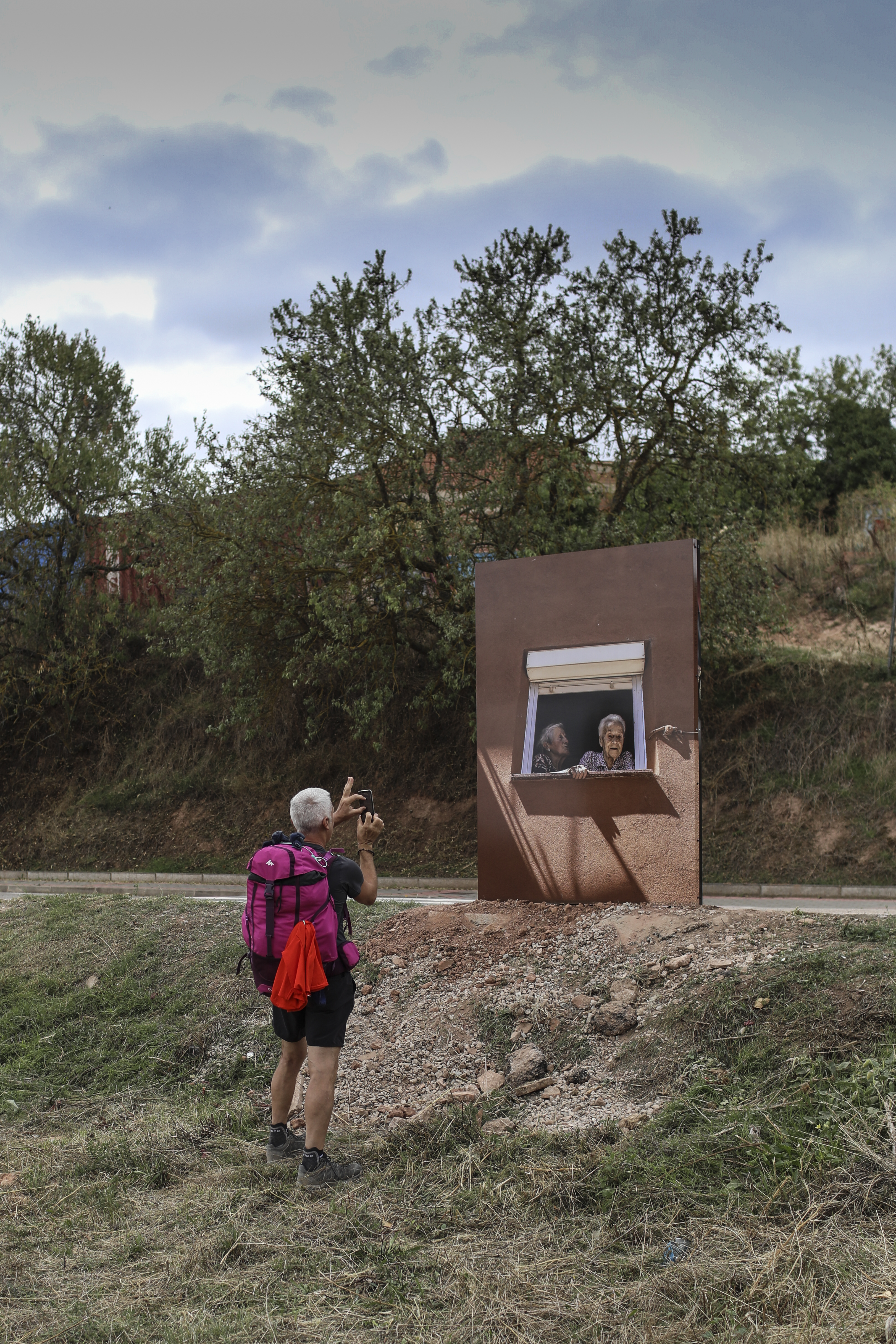
The project turns a walk through Ventosa into an artistic experience: each artwork becomes a landmark that invites people to stop, look, and understand the territory through a contemporary lens. The result is an open-air museum that does not simply place artworks, but builds a spatial narrative between art, heritage, the Camino, and everyday village life.
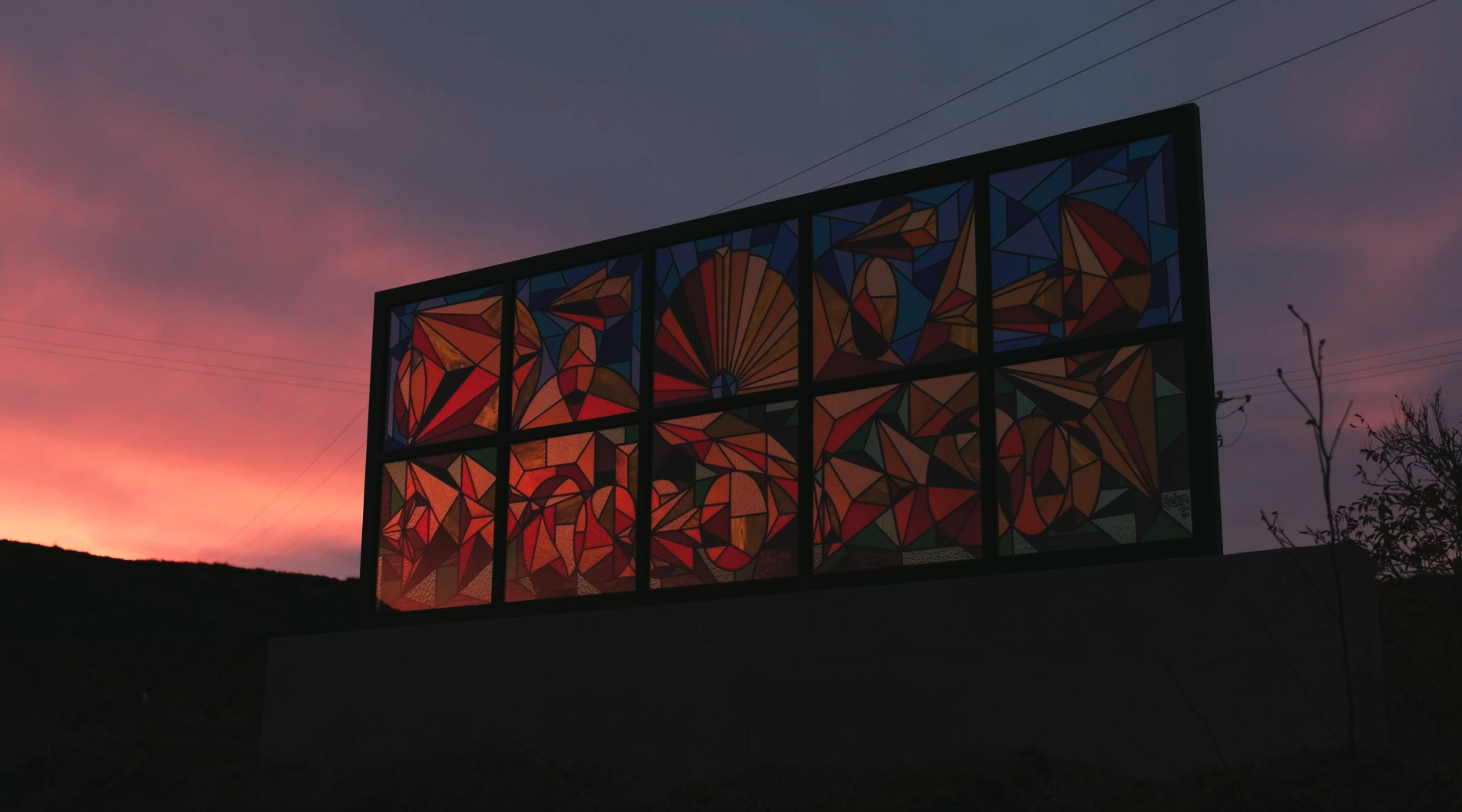
Aesthetics are grounded in respect for place and in the quality of the process. The aim is for the artworks to be coherent with the local context, well executed, and durable over time. In 2024, the incorporation of stained-glass techniques produced by a specialized workshop reinforced this commitment to craft and detail, integrating tradition and contemporaneity in a piece designed to coexist with public space.
Public voting as a recurring mechanism
Voting is a stable project tool used to decide relevant aspects of artistic intervention. It is binding. It uses two channels: online (Instagram and Facebook) and in-person ballots in bars, the social center, and the town hall. In-person counting is carried out by the tourism technician and commission members, and the online count is documented with screenshots.
Example 2025, vote to choose the location of the artwork:
• Online total: Option 1 (74), Option 2 (1), Option 3 (11), Option 4 (20), Option 5 (19)
• In-person: Option 1 (59), Option 2 (0), Option 3 (18), Option 4 (8), Option 5 (19)
• Final total: Option 1 (133), Option 2 (1), Option 3 (29), Option 4 (28), Option 5 (38)
Mercado del Trato
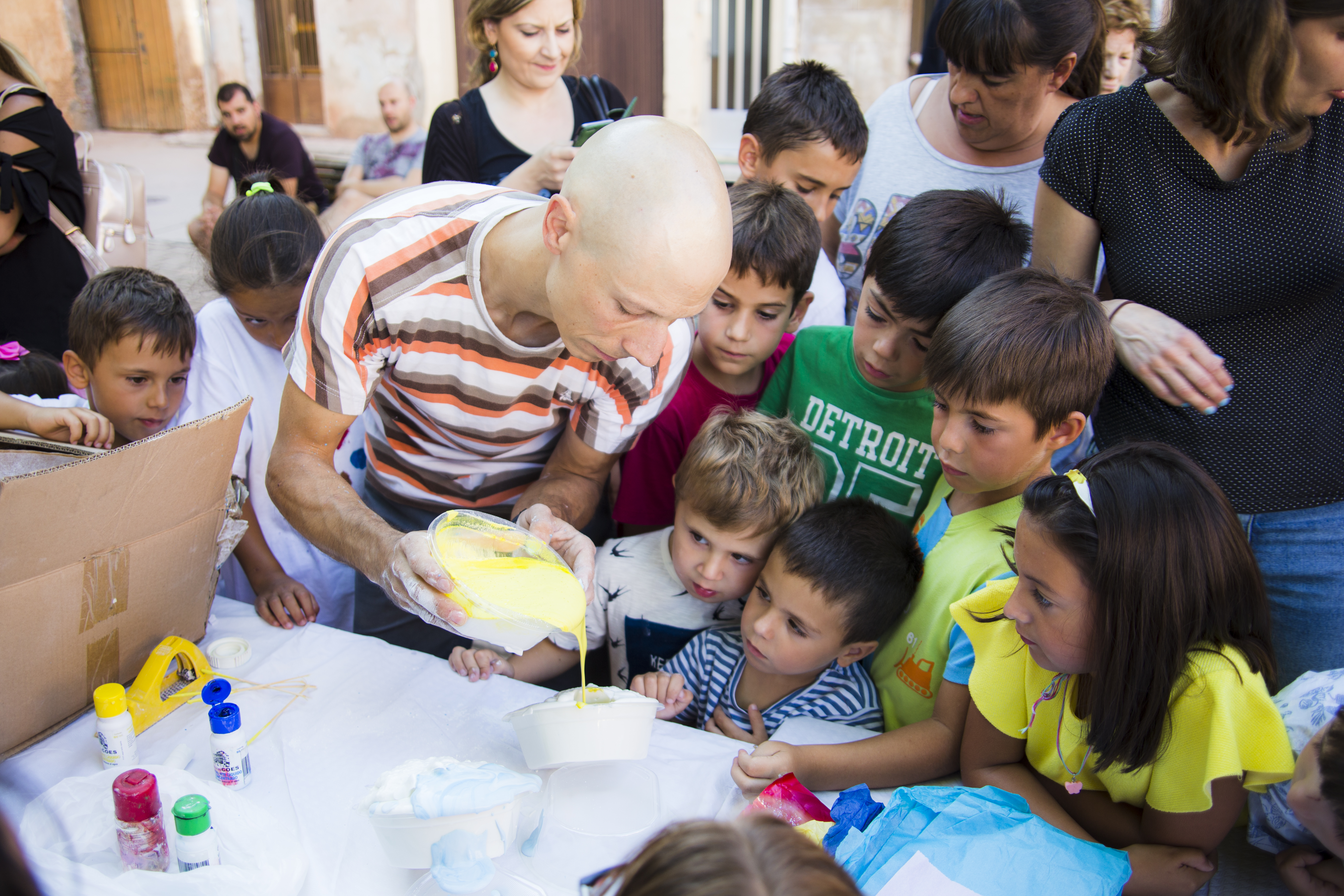
Mercado del Trato is one of the most important community moments in the local calendar. Since the beginning of 1 Kilometer of Art, the project has connected to this event through workshops and visibility actions, as well as guided visits that leverage the high attendance to bring the art route closer to residents and visitors. In 2025, for example, the family workshop held during Mercado del Trato reached an estimated participation of 1,300 people throughout the day.
1 Kilometer of Art removes barriers to access by offering a free cultural experience in public space. The route is accessible and can be completed on foot, with rest points, benches, and shade that support diverse audiences. Mediation is integrated through signage and QR panels at each artwork, enabling access to extended information. The project website offers content inEnglish, Spanish, and French, with a general page and artwork-specific pages.
In addition, the project includes an accessibility app for blind people or people with visual impairment, enabling an autonomous and safe route experience through the physical space of 1 Kilometer of Art and access to the installed artworks.
The route is accessible and can be completed on foot. It is not a circular route, so it can be started from different points, allowing shorter or longer walks depending on the visitor. Along the itinerary there are benches and rest areas, as well as shaded zones.
Signage is placed at the start of the route and at key points across the municipality. Each artwork has an on-site panel with the artist’s name and year and includes a QR code that links to the project website. Digital content can be consulted in Spanish, English, and French. The general QR leads to the main project page; the QR at each artwork leads to the artist profile with the story and process.
In addition, the project includes an accessibility app for blind people or people with visual impairment, designed to facilitate an autonomous and safe route experience through the physical space of 1 Kilometer of Art and enjoyment of the installed artworks.
Links of interest
Accessibility, La Rioja Sin Barreras
https://www.lariojasinbarreras.org/guia_larioja_accesible/item/1-km-de-arte/
Additional reference
https://share.google/yKcQx6rwGePsgaxkw
About the project and accessibility
https://www.kilometrodelarte.org/que-es/
Participation is not a one-off element but a core governance mechanism of the project. Citizens are involved through a structured process that includes a citizen commission and a binding public vote that determines the selection of artworks.
Residents and visitors actively participate in the decision-making process through an open online survey that allows them to evaluate and vote for proposed artworks. This mechanism ensures that the community plays a direct role in shaping the cultural landscape of the village and strengthens local ownership of the initiative.
The level of participation has been significant considering the small population of the municipality. The process has encouraged dialogue between generations and has made contemporary art accessible to people who would not normally engage with it.
External institutional evidence confirms this impact: the Ministry of Culture publication Claves e impactos de la cultura en el medio rural includes Ventosa and 1 Kilometer of Art as a case study and notes that the online survey process can be interpreted as an indirect indicator of community and creative momentum. The study highlights the high number of completed surveys compared to the population size, showing strong public involvement even considering the technological component of an online survey and the older age profile of many respondents (Ministry of Culture, 2024).
The project operates through cooperation between different institutional and community levels. At the local level, the Municipality of Ventosa acts as promoter and coordinator, managing the implementation of the initiative and ensuring its integration within the local community.
Community governance is ensured through a citizen commission composed of residents of different ages who actively participate in the decision-making process, particularly in the final selection of artworks from a shortlist previously assessed through technical and curatorial criteria.
At the regional level, Fundación Caja Rioja provides curatorial and technical support, contributing to dissemination, technical advice, and public communication through press events and cultural programming. Although there is no formal agreement, collaboration is maintained through ongoing cultural and technical support.
At the national level, the project has been documented in Rural Experiment II and included in institutional analyses on cultural impacts in rural areas. This multilevel collaboration strengthens the project's credibility, increases its visibility, and enhances its potential for transfer to other rural contexts.
The project connects disciplines and sectors that normally operate separately, creating a transdisciplinary framework for cultural production in a rural environment.
Art and cultural mediation form the central axis of the initiative, but the implementation also integrates multiple fields including education, tourism, heritage management, communication, and digital participation tools that enable community involvement in decision-making.
The realization of the artworks also requires technical knowledge from fields such as engineering and production, including installation systems, anchoring, safety protocols, and long-term maintenance of artworks in outdoor public space.
By bringing together artistic, technical, social, and institutional knowledge, the project creates a collaborative ecosystem that expands the role of contemporary art beyond exhibition. It connects cultural creation with community development, cultural tourism, and rural innovation, demonstrating how artistic initiatives can contribute to the social and cultural vitality of small municipalities.
The model is based on a turnkey intervention with a recurrent and affordable budget for a small municipality, typically between €20,000 and €22,000 per edition. In addition, an estimated €6,000 is allocated to cultural programming and associated mediation actions, with the aim of expanding participation and visibility.
Cross-cutting costs include insurance of around €1,000 per year and communication and audiovisual materials of approximately €1,500 to €2,000. Management and coordination are largely covered through in-kind contributions from the municipality and the local community network. Funding comes from the Government of La Rioja and the Municipality of Ventosa, together with these in-kind contributions.
Tourism and economic impact results: since the project was implemented, local hospitality has expanded from one bar to two bar-restaurants plus an additional bar. New accommodation options have emerged, a rural apartment and a rural hotel, and the pilgrim hostel has expanded. This development aligns with the project’s consolidation as a cultural reason to stop, stay longer, and spend locally, connected to Camino footfall.
As further evidence of consolidation, the open call shows sustained growth, increasing from 9 proposals in 2023 to 18 in 2025, reflecting broader reach and stronger interest from the artistic and cultural sector.
Embedding the program in an itinerary converts transit into dwell time, strengthens local identity, and activates cultural life without new infrastructure. The strong involvement of the local community and the impacts achieved ensure the sustainability of the project.
Attendance in 2025 (approx.)
• Artist presentation: 50 people.
• Adult workshop: 40 people.
• Children’s workshop: 250 people.
• Family workshop during Mercado del Trato: 1,300 people.
• Inauguration and guided visits: 1200 people
• School visits: 5 schools per year, ~ 100 students.
• Self-guided visits: 1,300 people.
• Pilgrims: 20.000 people
1 Kilometer of Art operates as a transferable annual model because it relies on an existing walkable route and a repeatable governance and delivery cycle, rather than on unique infrastructure. The core method combines: an open call and dissemination, initial technical assessment, final decision with local participation, mediation through workshops and binding public voting, and delivery through a permanent public-space intervention with signage and multilingual QR-based documentation ensuring community engagement. Replicable steps: select a walkable itinerary (cultural route, hiking trail, greenway, historic path, or heritage route); establish light local governance with municipality as promoter and intergenerational citizen commission; launch an annual open call with criteria for durability, sustainability, mediation design, and maintenance feasibility; conduct technical shortlisting and select the finalist with community participation; deliver workshops and cultural mediation for adults, children, and families; run binding public voting for key decisions; install the artwork permanently, provide interpretation via panels and QR codes, and close the edition with an internal evaluation. Minimum conditions: a safe accessible walking stretch with wayfinding and rest points; a small recurring annual budget for the intervention and mediation; curatorial or technical support; and a simple maintenance plan based on durable materials. Example: a small municipality on a hiking trail or greenway can build a linear open-air museum each year with one permanent intervention linked to local landscape or history, complemented with workshops and voting. Embedding the program in an itinerary converts transit into dwell time, strengthens local identity, and activates cultural life without new infrastructure. Evidence of development and transfer is documented through Rural Experiment II, where a prototyping process was shared. https://www.kilometrodelarte.org/rural-experimenta-ii/