Strengthening Local Democracy and Inclusion
SmartCommUnity
Building on the concept of Smart Villages towards a transnational Alps-integrated Smart Communities
SmartCommUnity transformed challenges from Alpine Arc into sustainable, bottom-up transitions to build a greener, more connected region. We successfully co-created tangible, smart solutions across diverse test areas. To scale these impacts, we launched a comprehensive web-based innovation platform, equipping rural communities with digital tools and AI insights; and by integrating the Smart Alps Network enhanced participatory policy that strengthens local resiliency and democracy.
Slovenia
Local
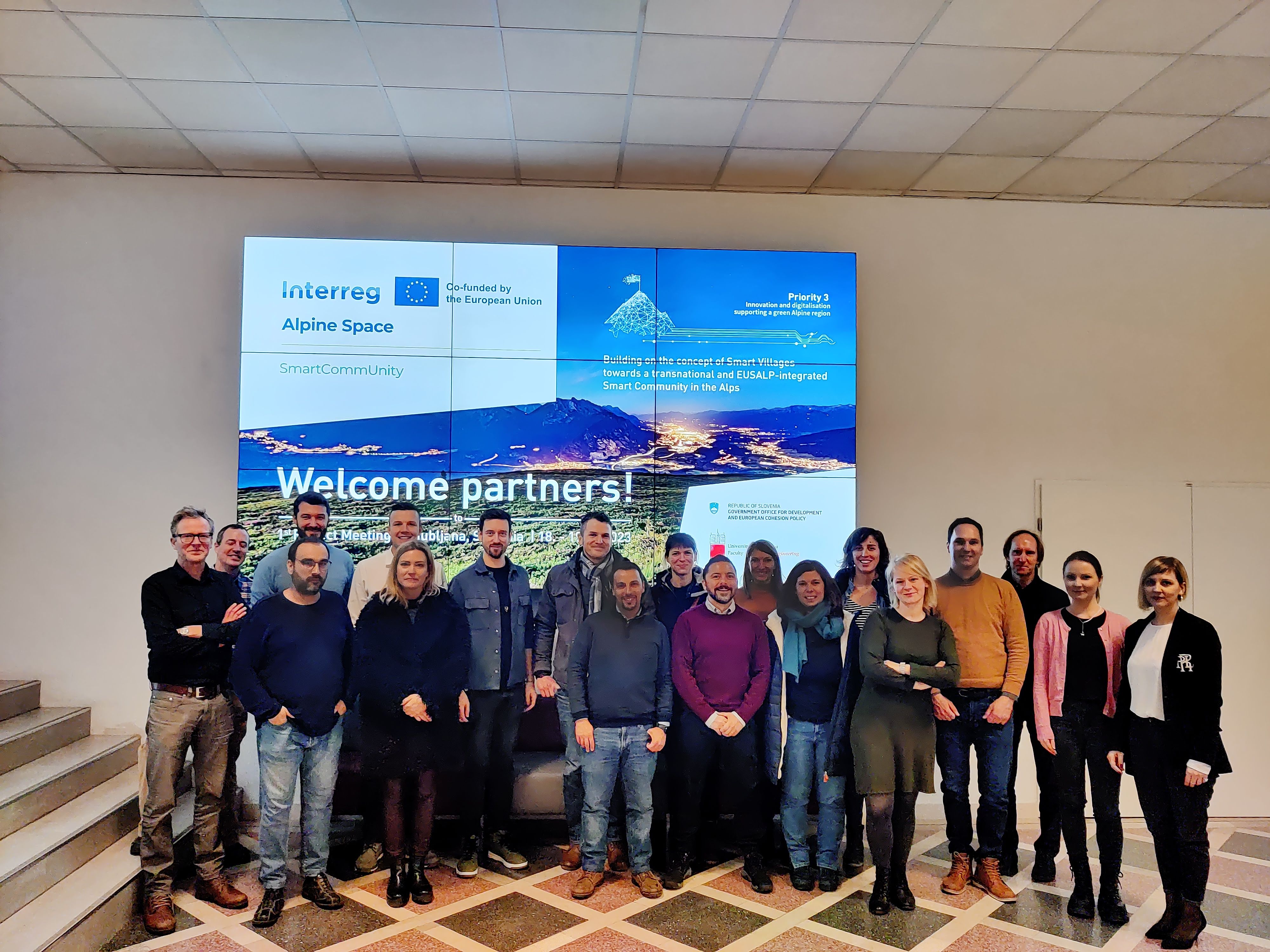
SmartCommUnity project was implemented (2022-2025) in Slovenia, Austria, Italy, Germany, France and Switzerland local pilot areas within the Interreg Alpine Space programme.
Supported areas were:
- Communauté de communes du Guillestrois et du Queyras, France
- Communauté de Communes des Baronnies en Drôme Provençale, France
- Pomurje Region, Slovenia
- Löffingen, Germany
- Elzach, Germany
- Lienzer Talboden, East Tyrol, Austria
- KLAR! Regions in Lower Austria, Austria
- Gran Paradiso National Park, Autonomous Region of Valle d’Aosta, Italy
- Fontanabuona Valley & Cogorno, Liguria, Italy
- Region Luzern West, Canton of Lucerne, Switzerland
Mainly rural
It involves other types of transformations (soft investment)
Yes
2025-10-31
Yes
ERDF : European Regional Development Fund
No
No
Organisation
Supported by the Interreg Alpine Space programme, SmartCommUnity (€2.96M) tackles Alpine rural challenges: depopulation, economic decline, and the digital divide. We aim to connect isolated smart villages into a transnational Smart Community, scaling bottom-up digital and green transitions. Target groups are rural residents, public authorities, and youth, empowered to shape their regions' futures.
Objectives included: (1) strengthening the Smart Alps Network within EUSALP governance (AG5 & AG9); (2) advancing smart transitions in pilot areas via a mentoring model; (3) aggregating EU and national digital tools into one platform; (4) developing interactive, gamified civic tech for green transitions; and (5) positioning the Alps as leaders in rural digital transformation.
Outcomes across our living labs were exceptional. In Tyrol (AT), 15 municipalities deployed LoRaWAN sensors for smart energy; Lower Austria municipalities created extreme weather guides. Slovenia used blockchain for transparent short food supply chains. Italy’s Aosta Valley leveraged AI and VR for natural heritage, while Germany launched citizen apps and digital forest trails. To scale this, we delivered the open-source SMART-ALPS.EU platform, offering smartness assessments, AI data reporting, and gamified civic tools. Crucially, the EUSALP Youth Council was embedded into governance, transforming youth into active co-designers via foresight toolkits.
Our transformative potential lies in shifting from localized pilots to a permanent ecosystem. Backed by a digital toolbox and EUSALP policy integration, the project ensures long-term sustainability and civic resilience. Recognized in the European Commission's SWD(2025) 116 and institutionalised through the permanent Smart Alps Network, it forms a replicable blueprint for Europe's rural digital transition.
The decision to apply for the NEB 2026 prize stems from a deep sense of gratitude and connectedness with our consortium partners.
The Challenge: A Majestic Region in the 21st Century
The Alps are more than a breathtaking landscape; they are home to vibrant communities, rich traditions, and a unique way of life. Yet Alpine areas face a growing digital divide from urban centers, limited economic opportunities, and youth outmigration. The challenge is enabling these communities to thrive in the 21st century while preserving their identity.
The issue was not a lack of ideas, but a lack of connection. Individual villages were trying to become “smart,” but their initiatives often remained isolated. Communities needed a way to exchange knowledge, share solutions, and build momentum for a smart, green, and resilient future from the ground up.
The Solution: From Smart Villages to a Connected Smart Community
The Interreg Alpine Space project SmartCommUnity addressed this challenge with a simple but powerful vision: empower communities to design their own smart transitions instead of applying one-size-fits-all solutions. The goal was to connect individual “Smart Villages” into a broader Smart Community across the Alps.
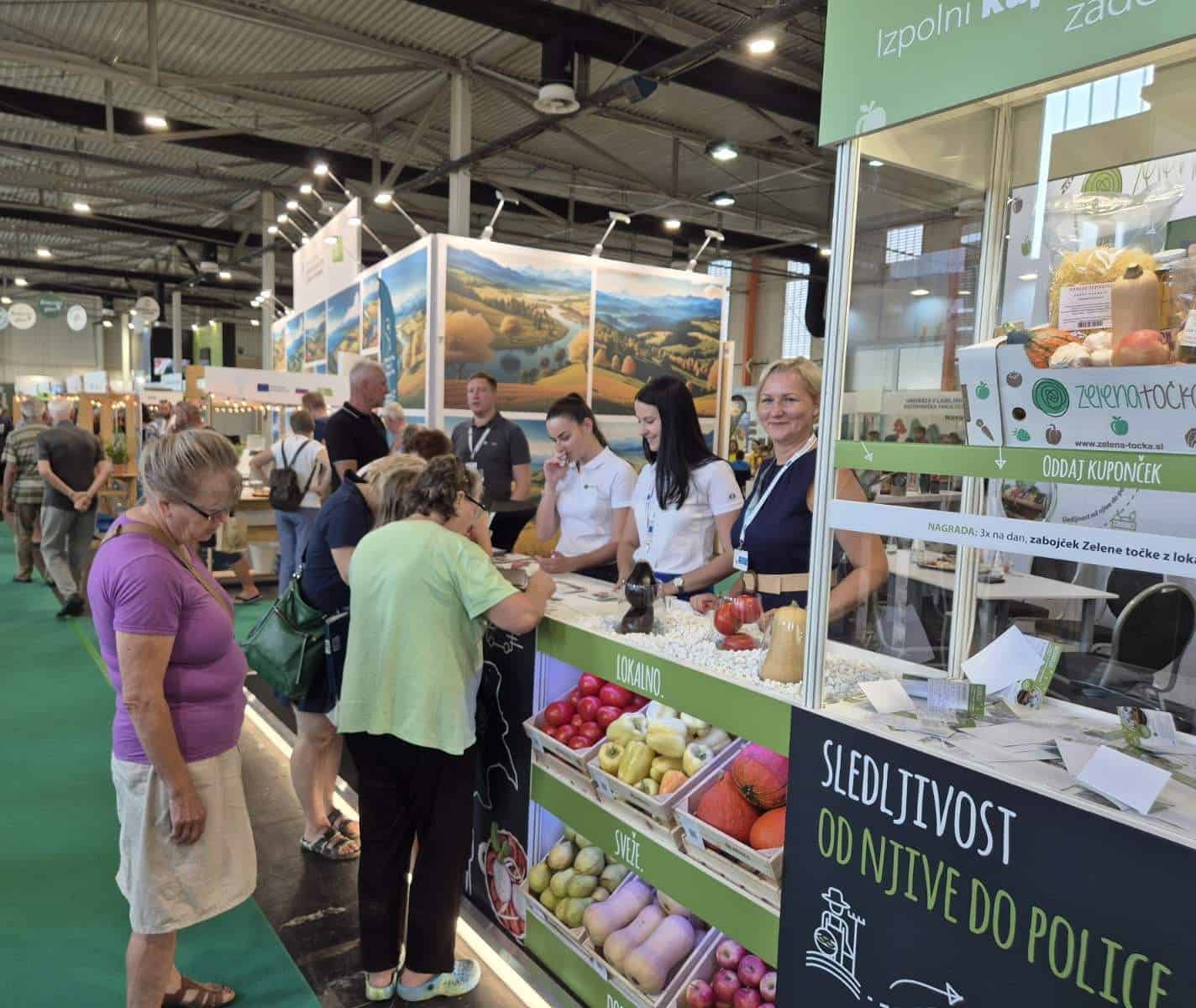
The results are tangible improvements in daily life across 11 pilot areas, connecting many municipalities and locales. In Slovenia’s Pomurje region, the Green Point Living Lab introduced blockchain for a transparent local food supply chain. In Tyrol, Austria, 15 municipalities installed shared sensors in public buildings to monitor energy use. In Italy’s Gran Paradiso National Park, AI and immersive VR experiences enhance accessibility and strengthen local identity. Rural areas in France created digital hubs for transport, health, and social services, while Germany and Switzerland focused on digital citizen services, smart mobility, and revitalizing village centers.
SmartCommUnity shows that when Alpine communities work together, digital innovation can create a future that is smarter, greener, and more connected - while staying rooted in the unique heritage of the Alps.
community co-design
rural development
civic engagement tools
social inclusion
peripheral resiliency
SmartCommUnity addressed sustainability across four interlocking dimensions with concrete, community-led actions in each: environmental, economic, social, and systemic.
-Environmental: In Lienzer Talboden (East Tyrol), a regional LoRaWAN sensor network was deployed across public buildings in 15 municipalities, providing real-time data on energy consumption and environmental conditions. This gives mayors a replicable model for carbon-neutral rural governance: data-driven evidence to reduce energy waste and manage public resources more efficiently. In Lower Austria, the KLAR! Climate Adaptation Network developed practical action guides, explainer videos, and a web platform to help communities manage heatwaves, heavy rainfall, and water shortages.
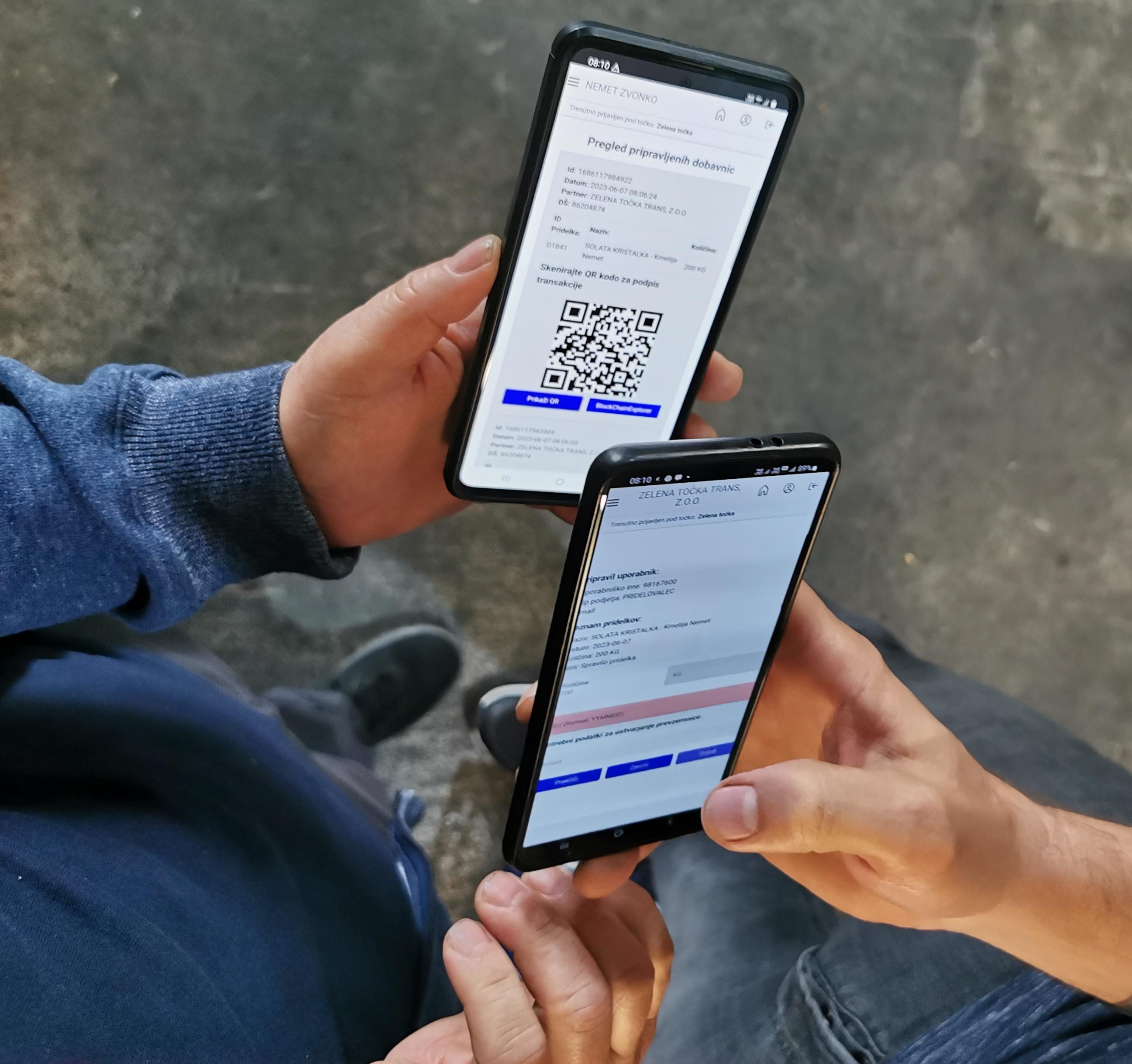
-Economic and food system: The Green Point Living Lab in Pomurje (Slovenia) strengthened a short food supply chain connecting over 100 farmers with consumers and public institutions. A blockchain traceability system, already onboarding five producers, with a target of 30 by 2027, guarantees transparency from farm to consumer. A smart electric van with GPS-optimised routing reduced emissions from local food logistics. These measures support rural SMEs, reduce food miles, and combat food waste, in direct alignment with the EU Farm to Fork Strategy.
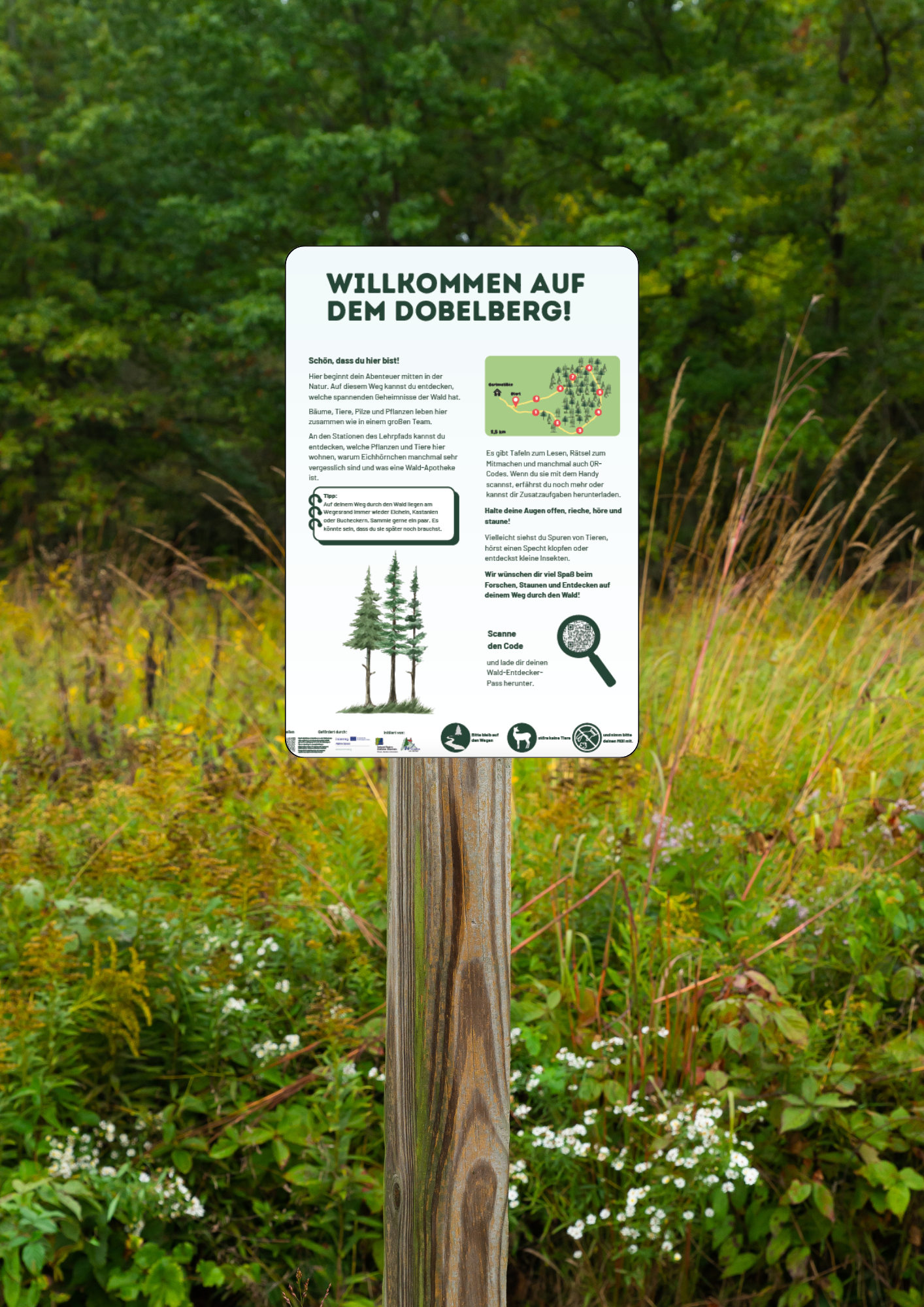
-Eco-tourism and education: In Winden im Elztal (Germany), a digital forest trail integrates environmental education into local tourism without increasing physical footprints. Emersive VR experiences in Valle d'Aosta (Italy) similarly promote valuable Alpine natural heritage sustainably.
-Systemic: Sustainability is central to SmartCommUnity. Policy recommendations co-developed with EUSALP AG5 (Digitalisation) and AG9 (the Energy Efficiency and Renewables group) translate these pilots into guidance that continues to shape regional and national policy well beyond the project's
Social challenges are further described in the Inclusion section.
Our project embraces the New European Bauhaus (NEB) philosophy, redefining aesthetics not merely as visual embellishment, but as the quality of experience, functionality, and harmony between people and their environment. By focusing on human connection, we ensure people feel seen and accommodated. When communities find solutions centered on their actual needs, psychological ownership emerges. This authentic connectedness fosters a deep sense of belonging and long-term stewardship for the locale.
Our definition of a Smart Community—one proud of its identity, craftsmanship, and social fabric—makes belonging an explicit design objective. Aligning digital innovation with local identity makes SmartCommUnity's aesthetic approach exemplary: beauty here means a community that works and knows its worth.
Tangibly, we invested in tools making Alpine cultural identity experientially accessible. In Valle d'Aosta, the Fondation Grand Paradis deployed an AI-assisted, no-touch immersive VR workstation. This allows anyone, including those with limited mobility, to virtually ascend the Gran Paradiso massif, experiencing centuries-old shepherd landscapes and traditional stone-and-wood architecture. This is not passive tourism; it reconnects people to an irreplaceable landscape. In Winden im Elztal (Germany), a digital forest trail weaves environmental education into the Black Forest, creating a place rooted in local ecology and enriched by interactive storytelling.
At the everyday level, citizen apps, local association platforms, and digital service hubs in Germany and France were designed around the actual rhythms of community life: school runs, healthcare access, local events, and village governance. When public infrastructure works and feels coherent, belonging follows. SmartCommUnity's co-design methodology ensured these tools were shaped by residents rather than imposed upon them, producing a genuine quality of fit that off-the-shelf solutions rarely achieve.
SmartCommUnity tackled inclusion at three levels: reducing the digital divide, addressing social vulnerability, and opening governance to excluded groups.
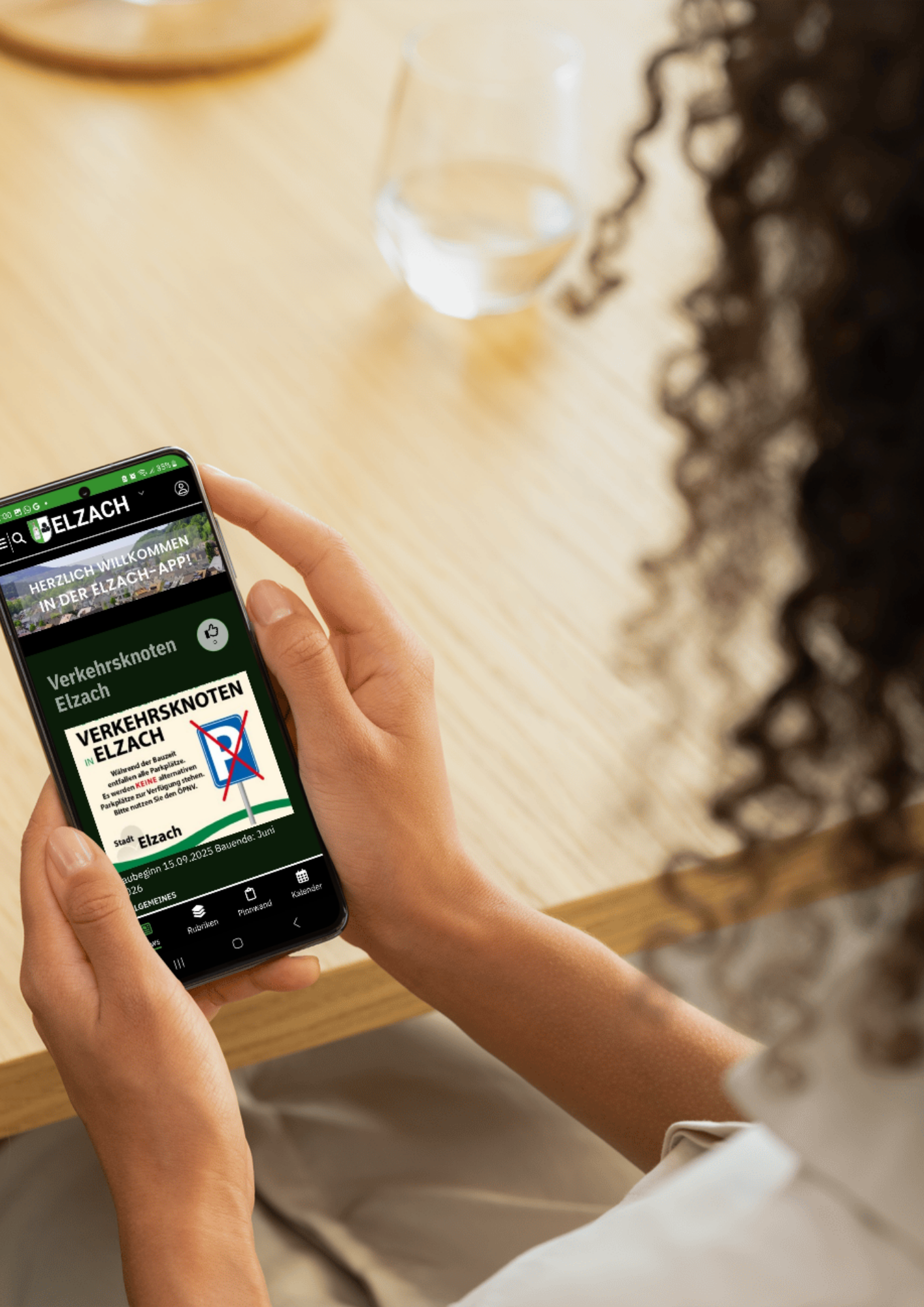
Digital inclusion for all ages: In Elzach (Germany), alongside the citizen app, dedicated digital skills workshops were delivered specifically for older residents ensuring tools that were built for the community could be used by all of it. In Winden im Elztal, the digital forest trail was designed for all age groups, from children to elderly visitors, integrating accessibility into both physical and digital dimensions. The no-touch VR workstation in Valle d'Aosta was built to be operable by people with limited mobility, opening an otherwise inaccessible mountain landscape to all.
Social inclusion for vulnerable populations: In Guillestrois-Queyras (France), partner ADRETS co-designed two community networks: one tackling housing shortages by matching homeowners with renters to unlock vacant secondary residences; the other a digital support system for the elderly, homeless, and people with severe health issues, connecting local representatives, social services, associations, and volunteers to prevent isolation. Both emerged directly from co-identified local needs.
Youth as governance actors: The EUSALP Youth Council was systematically integrated into project governance, including AG5 working sessions and transnational events, with travel and accommodation covered to remove economic barriers. Youth moved from passive beneficiaries to active co-designers of the smart transition.
Exemplary quality: Inclusion in SmartCommUnity is structural, not supplementary. The lighthouse-follower model ensures less advanced, more marginalised communities are not bypassed.
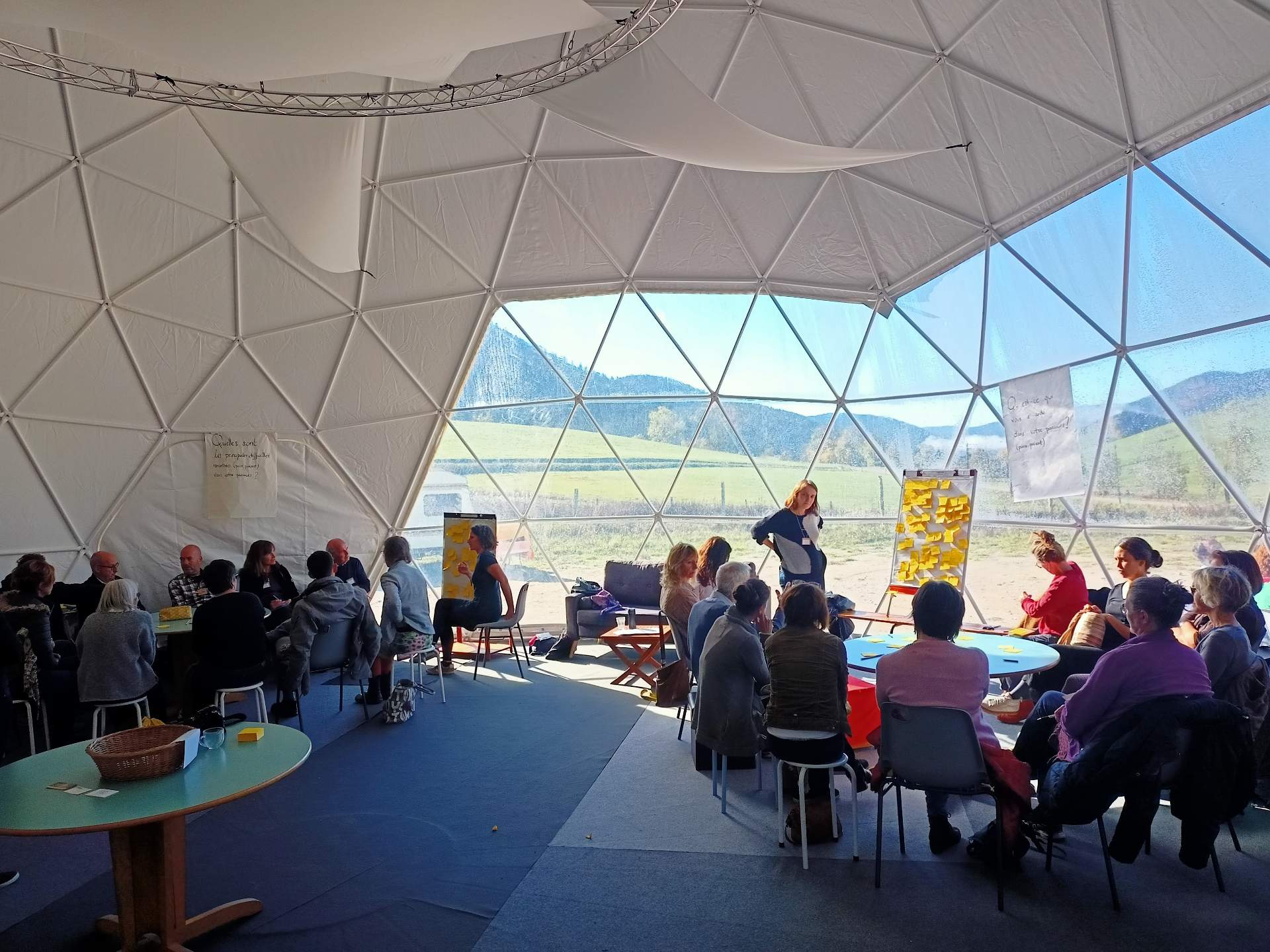
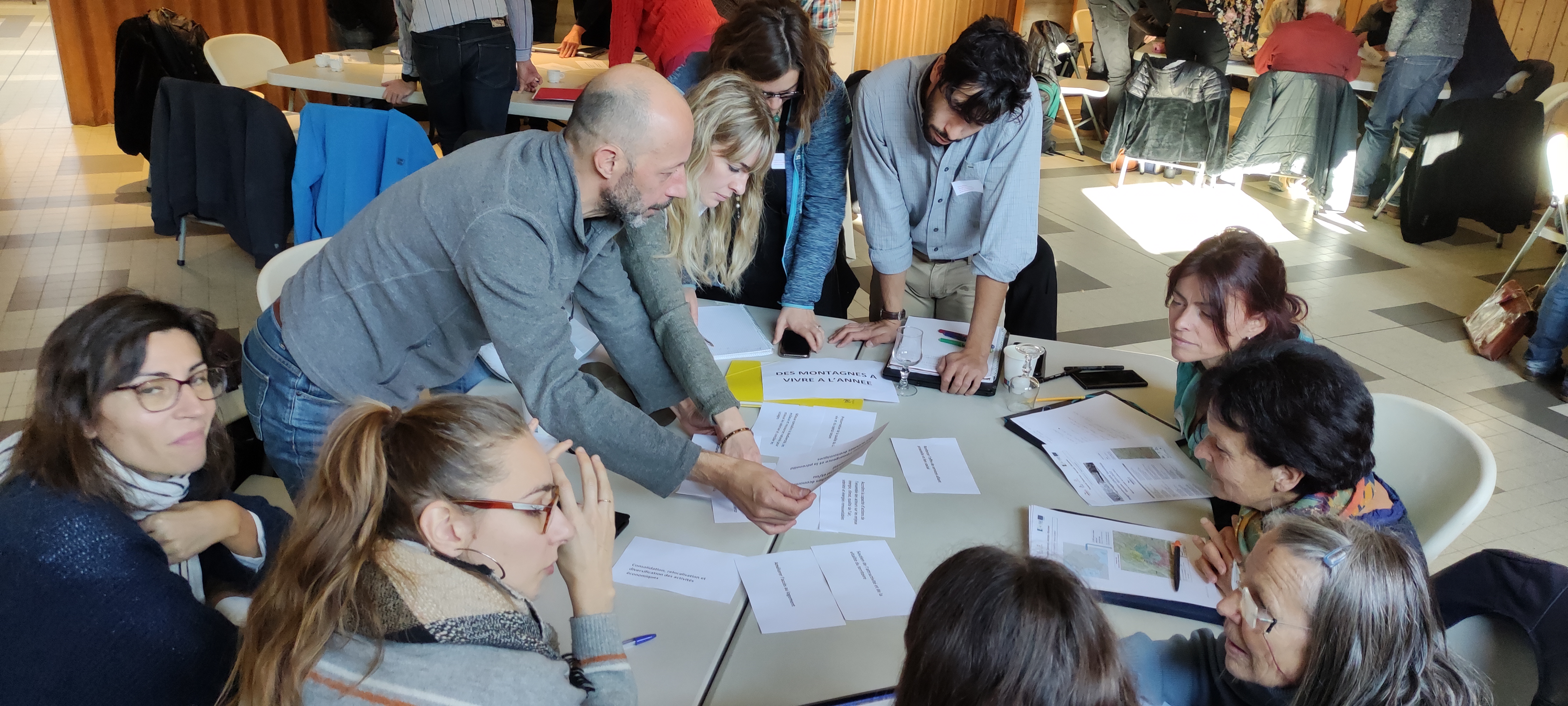
The project places citizens, civil society organizations, and local businesses at the core of its methodology, utilizing Living Labs and participatory co-design processes from Smart Villages; from initial diagnosis to final implementation. Rather than passive beneficiaries, community members were involved as active co-creators and testers, such as youth shaping gamified educational tools, residents mapping data for digital mobility hubs, and farmers validating technological solutions for short food supply chains. This continuous engagement ensured that all technological interventions were strictly user-centric and culturally relevant.
Each pilot area operated through a Regional Stakeholder Group bringing together local actors, including municipalities, associations, businesses, and residents, to co-design pilot solutions. In the Green Point Living Lab (Slovenia), this took the form of a registered Multi-Actor Approach involving over 100 farmers, consumers, public authorities, and technology providers in the co-creation of blockchain-based food supply chain tools. The Living Lab's co-creation methodology was independently validated through its formal recognition by the European Network of Living Labs (ENoLL).
In France, residents participated directly in a community mobility tour to collect transport data at a granular level unavailable from official databases - data that fed directly into the design of the digital service hub in Baronnies. In the same region, the observation that rural elected officials lacked structured approaches to citizen participation led to the co-development of AI-tailored MOOC training tools, now publicly available, to address that gap at source.
In Guillestrois-Queyras, the community co-identified housing access and social isolation of vulnerable residents as the two priority challenges and the resulting solutions, a housing matchmaking network and a digital community support system for the elderly, were built around those needs.
SmartCommUnity integrated local, regional, national, and European governance levels.
Local and regional stakeholder groups and authorities acted as strategic facilitators and on-the-ground implementers, aligning pilot actions with regional development goals and navigating local administrative frameworks.
On national level, consortium partners were actively engaged to ensure alignment with broader digital and rural strategies, while at the European level, the project operated in direct symbiosis with the EU Strategy for the Alpine Region (EUSALP).
The added value of this multi-tier engagement was the ability to translate grassroots, bottom-up pilot successes into systemic, scalable change. This culminated in concrete outputs: the co-creation of targeted Policy Recommendations that were embedded into the macro-regional EUSALP policy cycle, and the establishment of the transnational Smart Alps Network, creating a resilient framework that successfully bridges high-level EU digital targets with concrete, local rural realities.
The project was directly referenced in the commission staff working documents SWD(2025) 116 on the implementation of macro-regional strategies (https://www.interreg-ipa-adrion.eu/wp-content/uploads/2025/05/SWD2025116.pdf).
The design and implementation of our project were driven by a large consortium encompassing a highly diverse range of professional backgrounds, utilizing a deeply transdisciplinary approach to achieve our goals.
To build our digital civic tools and drive online engagement, we drew heavily on design, arts, and digital technologies, collaborating with graphic and interactive frontend designers, programmers, digital technology specialists, videographers, and social media experts.
For on-the-ground community engagement, state-of-the-art analysis, and robust technical solutions, we integrated university-level academic expertise across both the social and hard sciences. This included Anthropology and Sociology to understand human dynamics and build community trust, Economics for viability, Climate Science for environmental sustainability, and Electrical Engineering for technical infrastructure support.
Furthermore, project incorporated Political Science to help shape and implement effective policy recommendations, ensuring the project delivers sustainable, long-term impacts.
Together, this seamless integration of digital, social, environmental, technical, and political disciplines ensured a holistic and highly effective project implementation.
Our project operates on a grant-based sustainability model, driven by European public funding. Rather than depending on commercial, revenue-generating market activities, financial sustainability is rooted in building a highly effective, close-knit cooperation network capable of securing continuous institutional support.
Our strategy for long-term viability relies on leveraging the strong partnerships formed during this project to capture future opportunities. The consortium has already actively embraced this approach by jointly applying for new public funding calls. This continuous cycle of successful collaboration and follow-on funding is central to our sustainability. It ensures that the solutions and activities developed in our pilot areas are not only maintained but can pivot, evolve, and scale in the future.
Ultimately, the "return on investment" of such model is the long-term socioeconomic impact it delivers. By continuously securing support to keep our initiatives alive, we directly contribute to a regional sense of sovereignty and stability. Crucially, this sustained effort empowers rural SMEs by demonstrating that there are distinct benefits and viable pathways to growing and developing in rural regions, successfully counterbalancing the traditional reliance on the denser infrastructure and support systems typically found in urban centers.
The SmartCommUnity project results are designed for replication, driven by the structured test area (LTA/FTA) methodology. This framework enables advanced communities to transfer practical knowledge, co-creation processes, and community-led design approaches, such as Living Labs and multi-actor stakeholder engagement, to less advanced regions facing similar challenges. Concrete solutions, from smart mobility hubs to regional LoRaWAN sensor networks, can be adapted to new local contexts without starting from zero.
The entry point for replication is deliberately low. Any community can begin with the Smartness Assessment: a free, publicly available diagnostic tool on smart-alps.eu, completable in 3 to 5 minutes by a policy maker, academic, business representative, or citizen. The assessment covers six dimensions (People, Governance, Living, Environment, Economy, Mobility), identifies priority gaps, and automatically surfaces relevant Good Practices from other communities that have solved similar problems. This single tool provides the diagnostic foundation that every LTA/FTA pairing in the project relied upon.
From there, replication requires three minimum conditions: a local anchor institution willing to coordinate (a municipality, regional agency, or NGO); access to the Smart Alps Network, open to any community via a simple multilingual membership form managed by EUSALP AG5; and a willingness to engage residents through even basic participatory methods, which the Smart Villages Co-creative Toolbox and training materials for elected officials provide in ready-to-use form.
Beyond the community-level methodology, the SmartCommUnity Innovation Platform (SCU IP) and all project assets, including source code, are openly accessible. The SmartCommUnity Policy Recommendations, developed with EUSALP, provide a governance blueprint transferable to any rural digital transition context across Europe.