Enablers for New European Bauhaus Transformation
pneumOS
pneumOS. Air Knowledge is Open Source.
In Ravenna, a next-generation cybernetic organ breathes with the city, training inhabitants in a rare form of interaction: becoming sensitive to the well-being of the air.
Italy
Local
City of Ravenna, Emilia Romagna, Italy
It addresses urban-rural linkages
It involves other types of transformations (soft investment)
Yes
2025-07-02
Yes
pneumOS was developed with EU funding from the UIA (Urban Innovative Action)-DARE project, which enabled its prototyping. The lead partner of the project is the Municipality of Ravenna. Please visit the following website: https://www.turismo.ra.it/ravenna-smart-tourism/progetti-europei/dare/
No
No
Individual
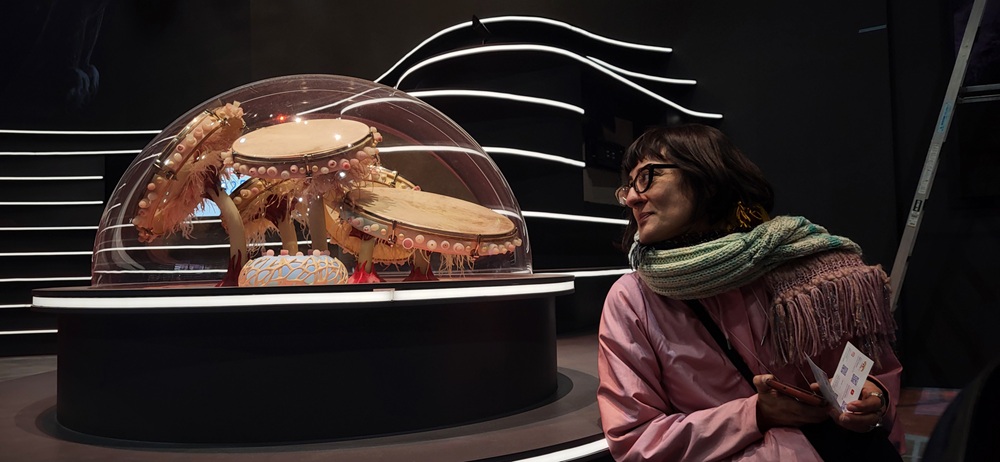
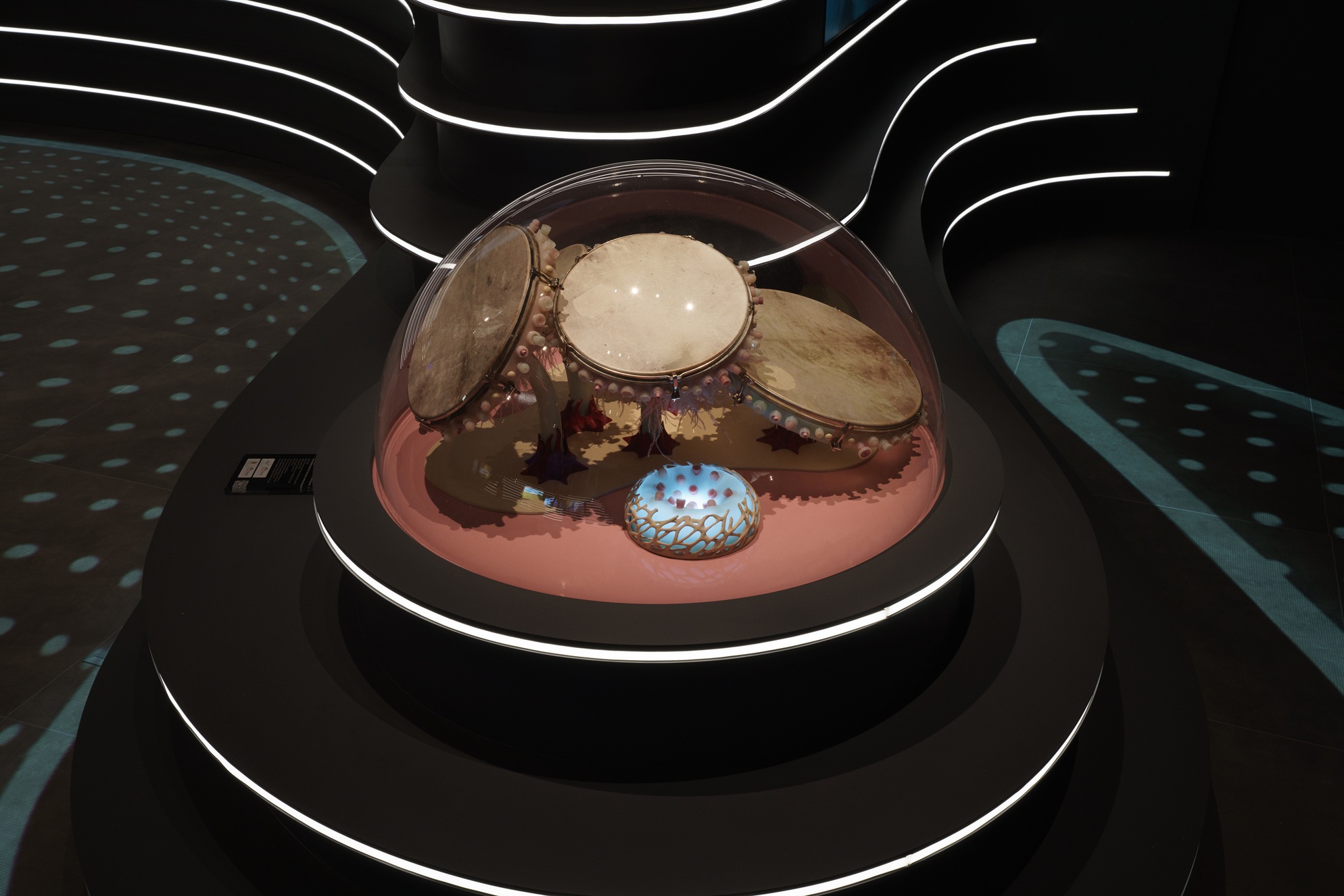
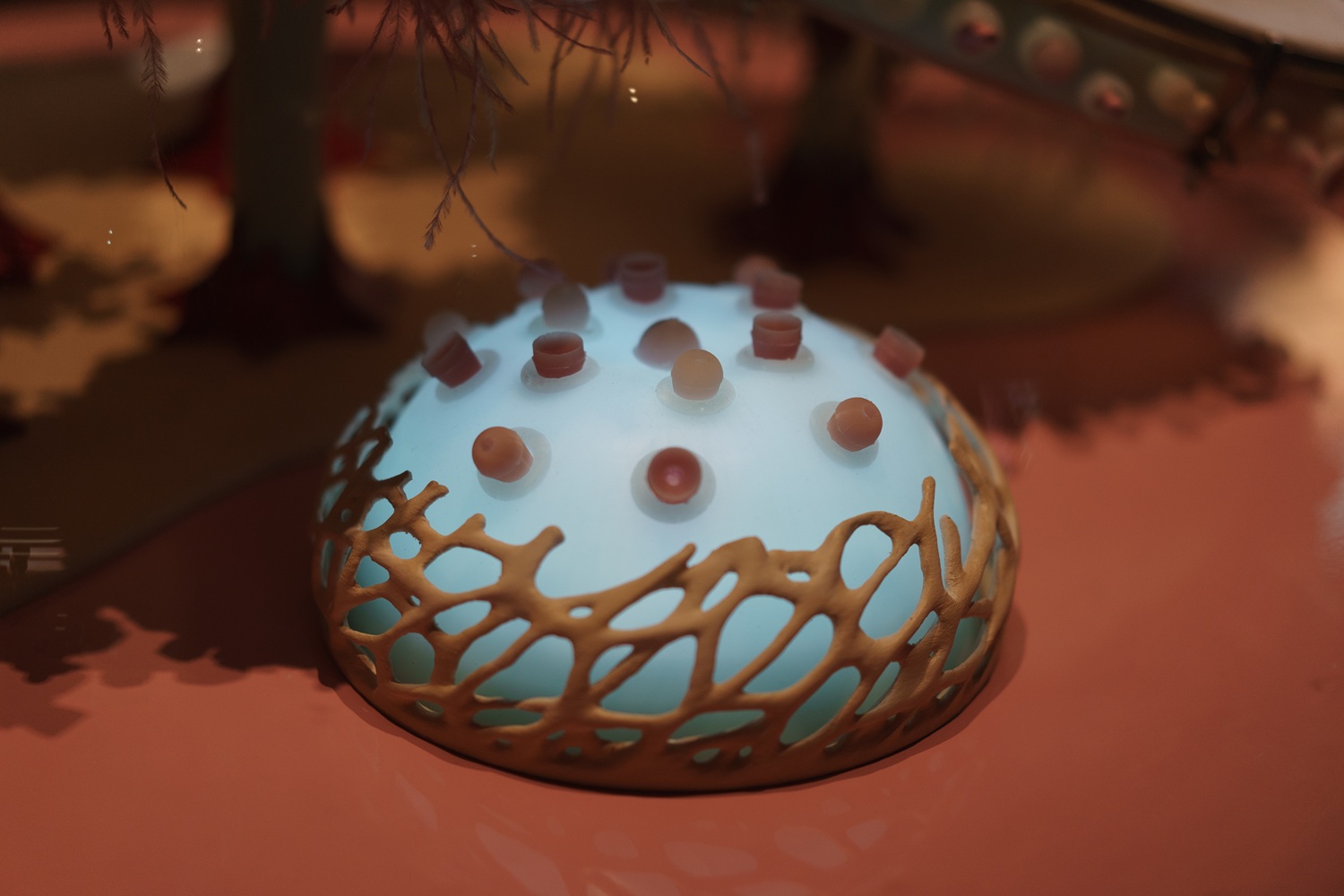
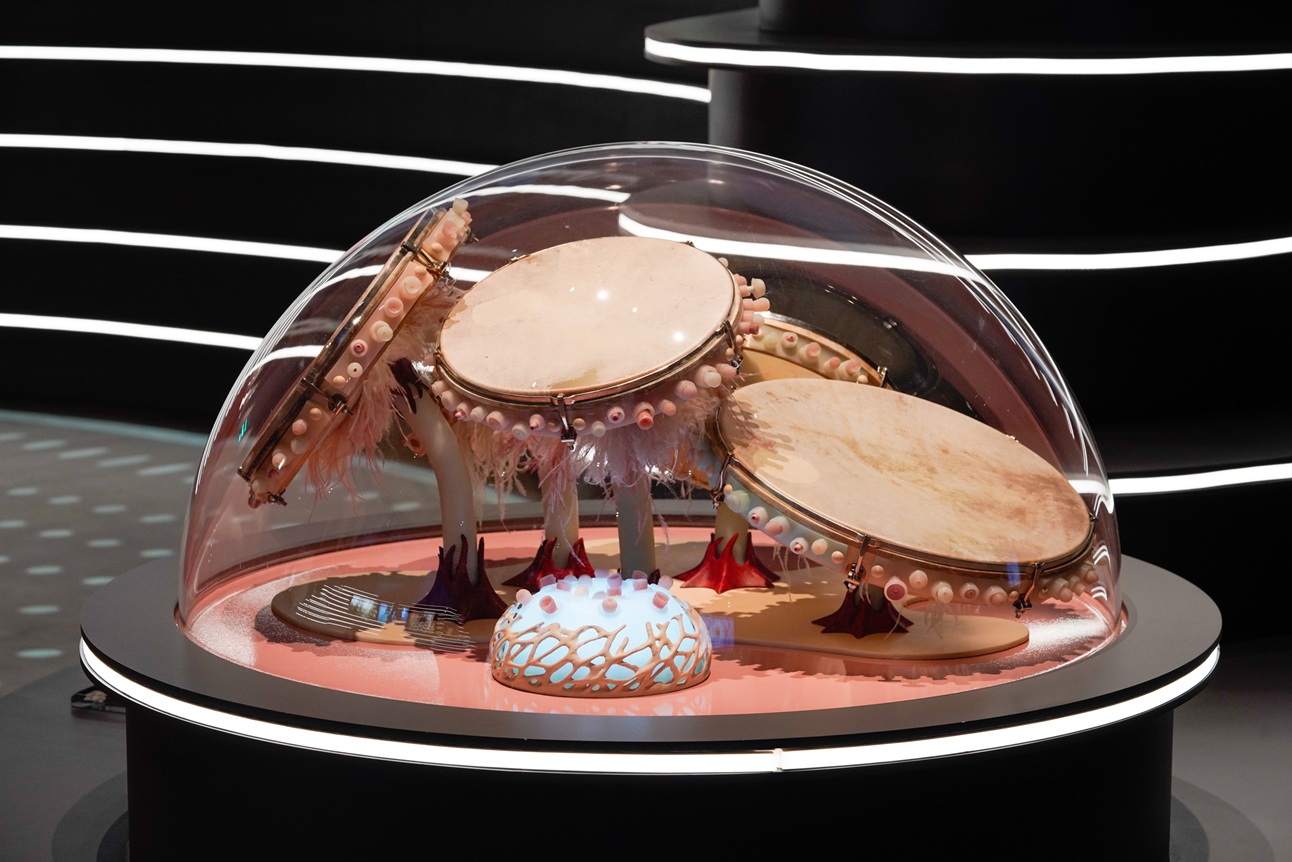
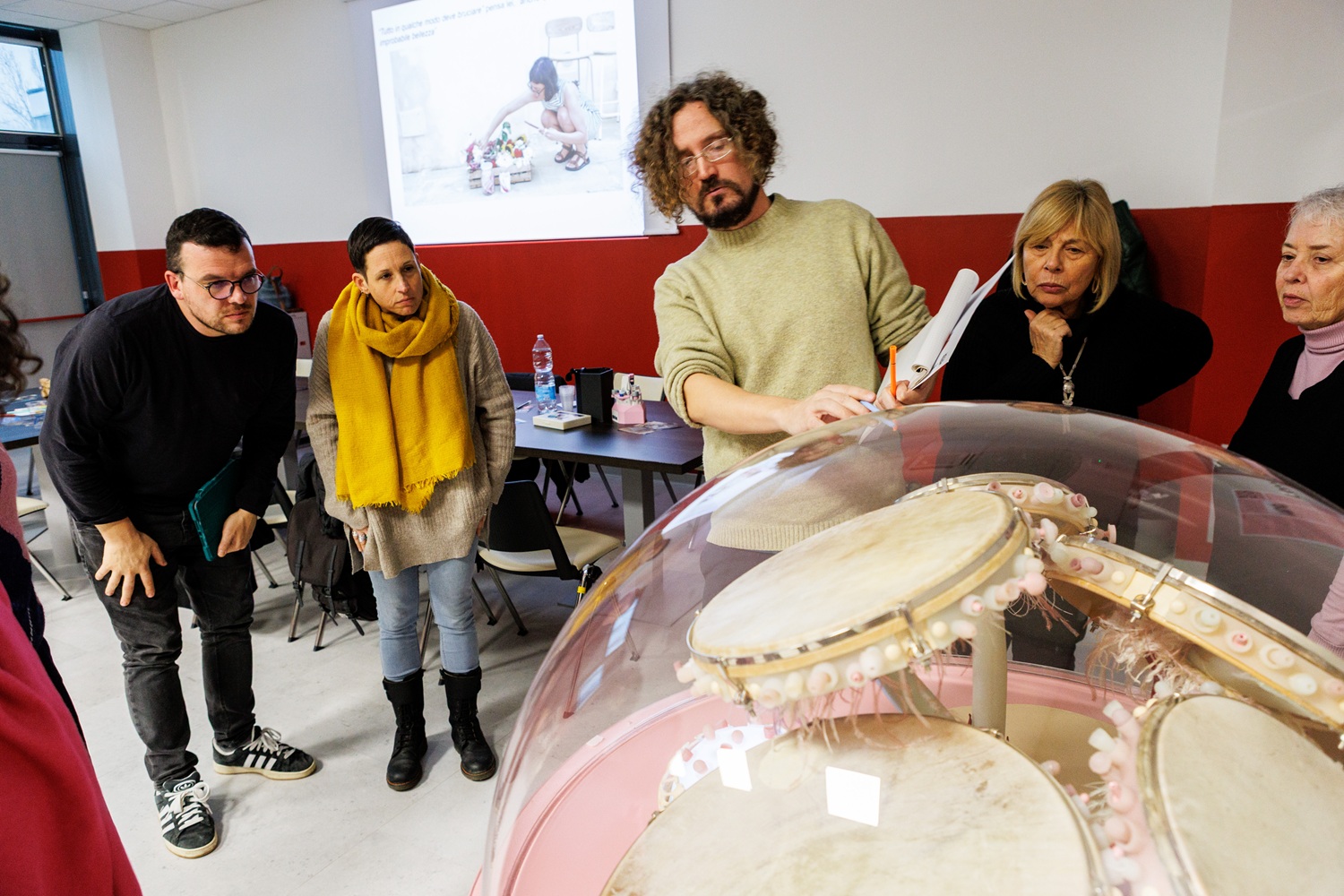
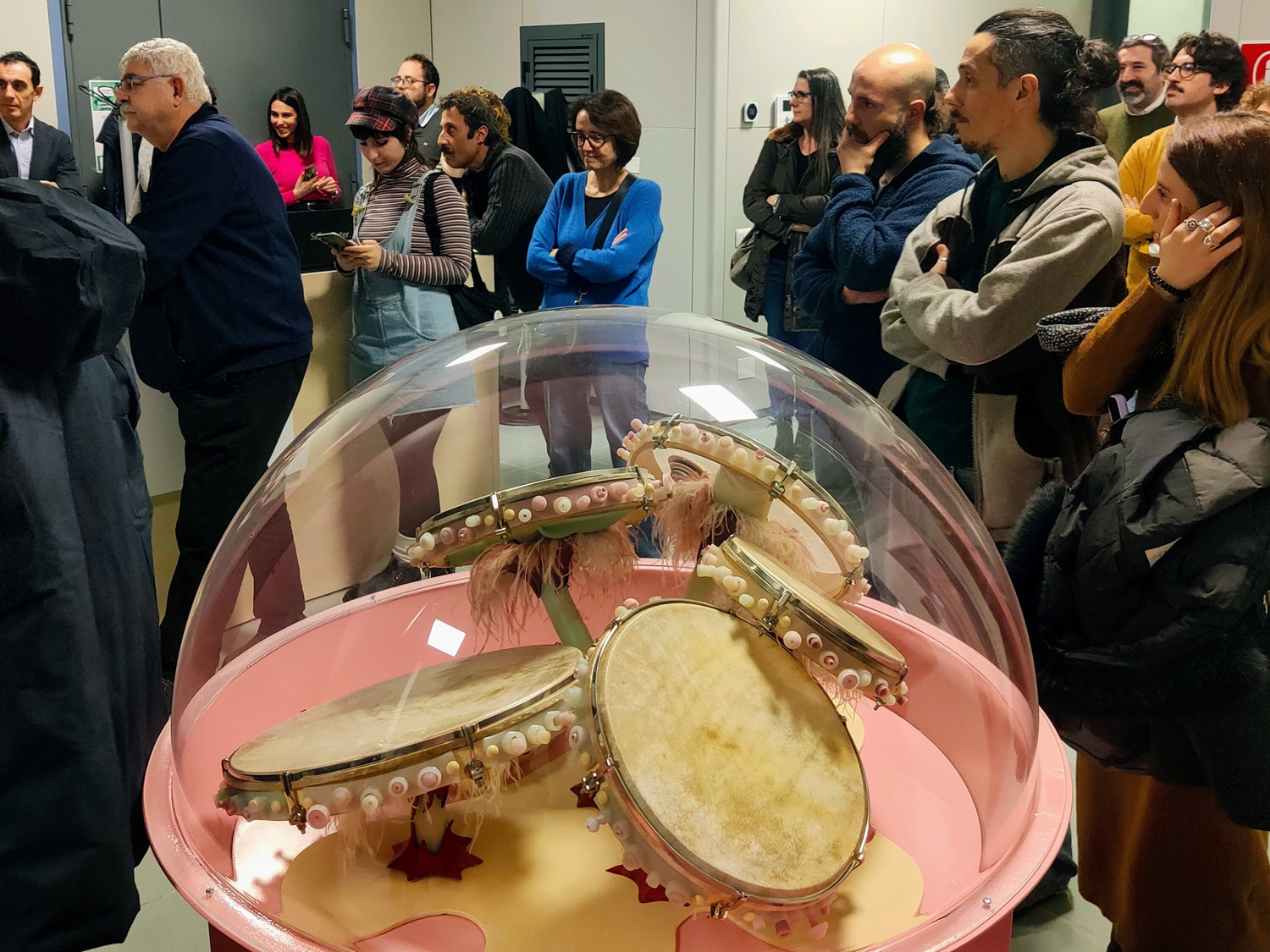
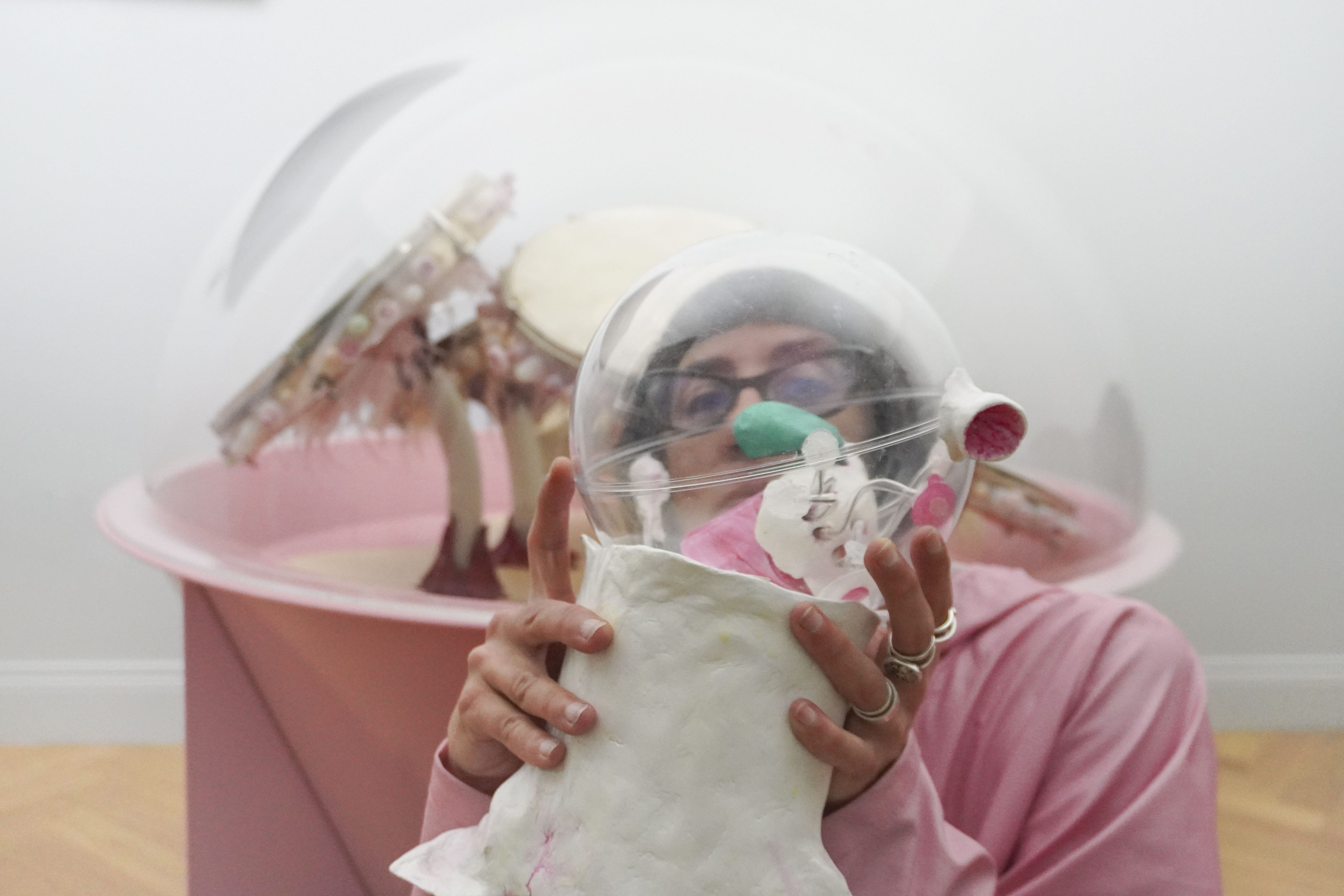
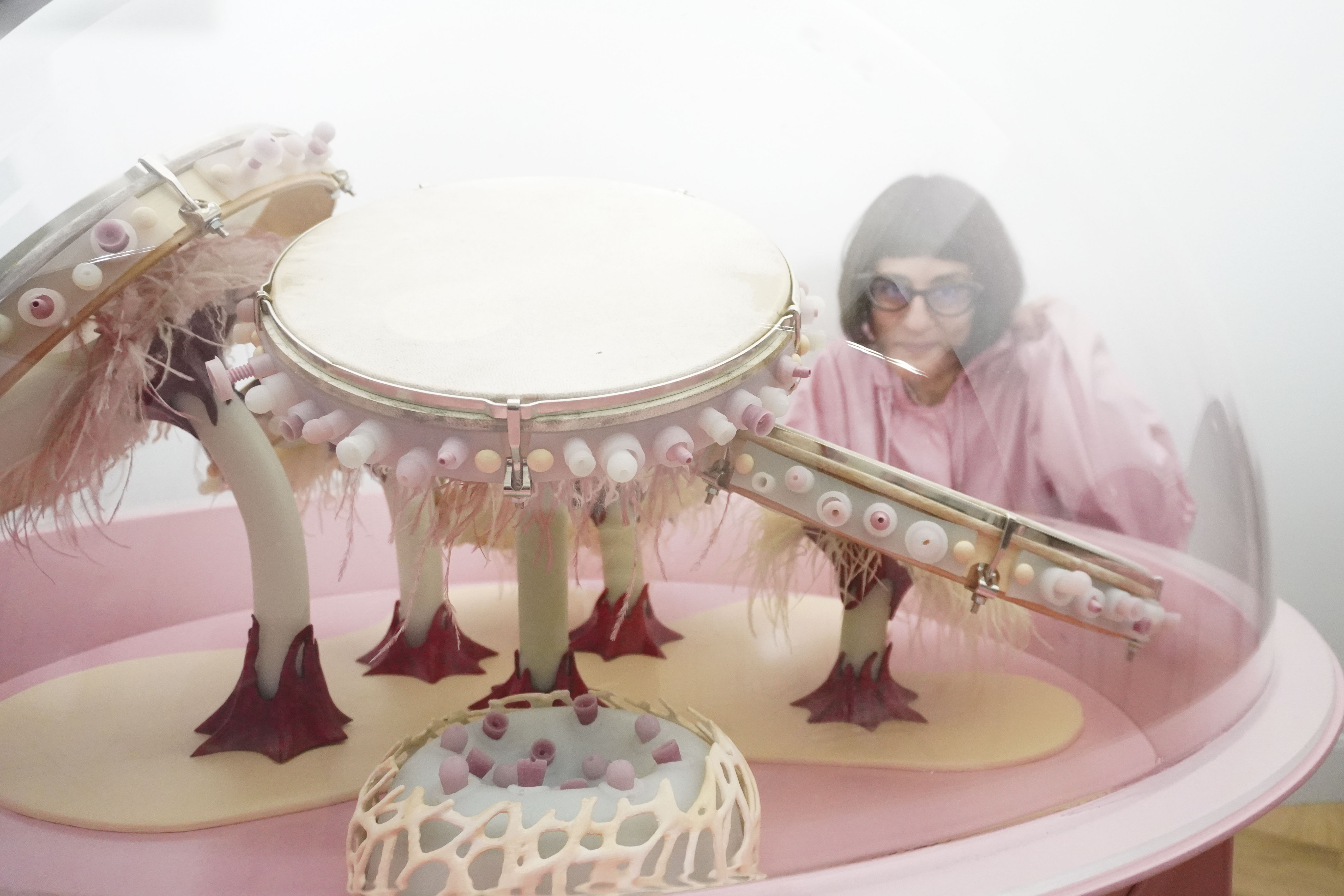
pneumOS is an interactive artwork animated by Ravenna’s air quality data. The work, conceived by artist Oriana Persico, is a next-generation cybernetic organ that breathes with the city, training its inhabitants in a rare form of interaction: becoming sensitive to the well-being of the air. Composed of five sound membranes and a breathing diaphragm, pneumOS transforms data from three weather stations placed on the dock of Ravenna (the socalled “Darsena” area), into electrical impulses - and compares them with European standards, generating a “ City Grammar of Breathing” . By observing the expressive behavior of the organ, citizens become sensitive to air quality in their environment.
pneumOS is based on open source technologies and open data exchange protocols that can be developed, installed and live in any city or rural area of the planet – generating new types of breaths. With pneumOS, the availability of open data on the air is transformed from a technical phenomenon into a sensorial experience: a new form of accessibility – cultural, poetic, sensory and spread – empowers citizens to learn about and care for the air they breathe everyday.
pneumOS is based on open source technologies and open data exchange protocols that can be developed, installed and live in any city or rural area of the planet – generating new types of breaths. With pneumOS, the availability of open data on the air is transformed from a technical phenomenon into a sensorial experience: a new form of accessibility – cultural, poetic, sensory and spread – empowers citizens to learn about and care for the air they breathe everyday.
pneumOS is an interactive artwork animated by data. The artwork merges design, creativity, and ecology with scientific rigor and digital innovation, inviting visitors to explore the intersection of technology, artistic research, data, and sensoriality.
Project Phases:
Phase 1 (2022): Prototyping
Phase 2 (2023/24): Research & Development (with partner organisations
Phase 3 (2025): Public Presentation and dissemination (talks, exhibit, presentations) live; Digital Unite/Respiro (2025) Citizen Science Program funded by the Municipality of Ravenna
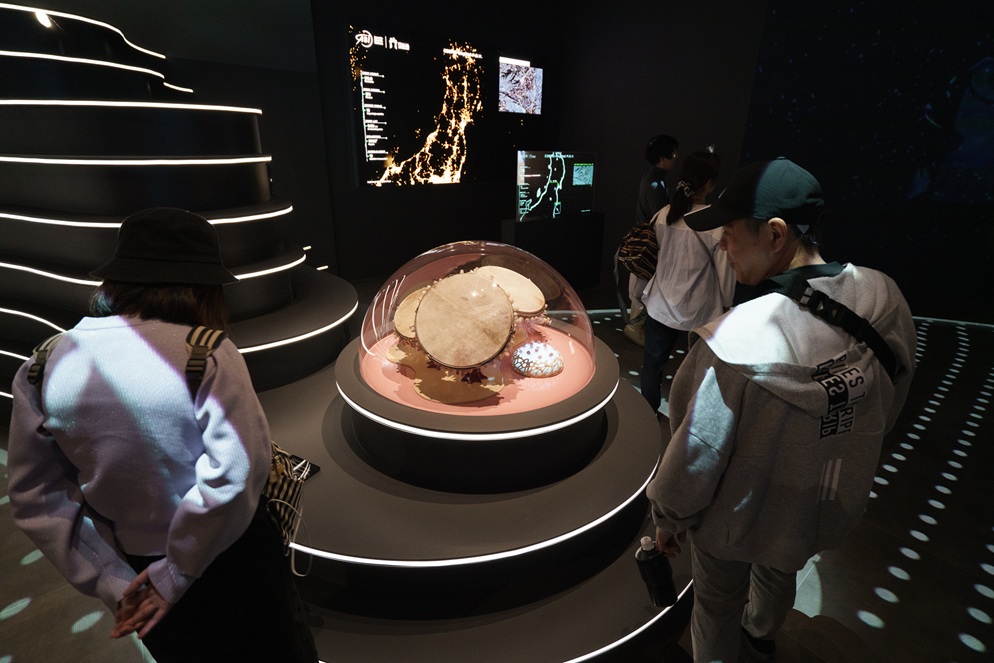
Expo 2025, 6-month exhibit in the Italian Pavilion in Osaka; CINECA (2025), Ecosistema_Respiro: a near-future study for traffic and mobility data in Ravenna 2030
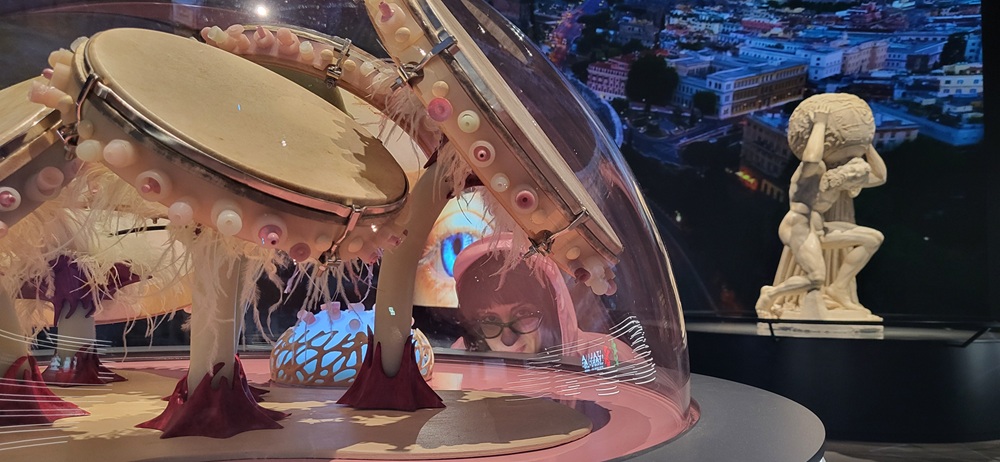
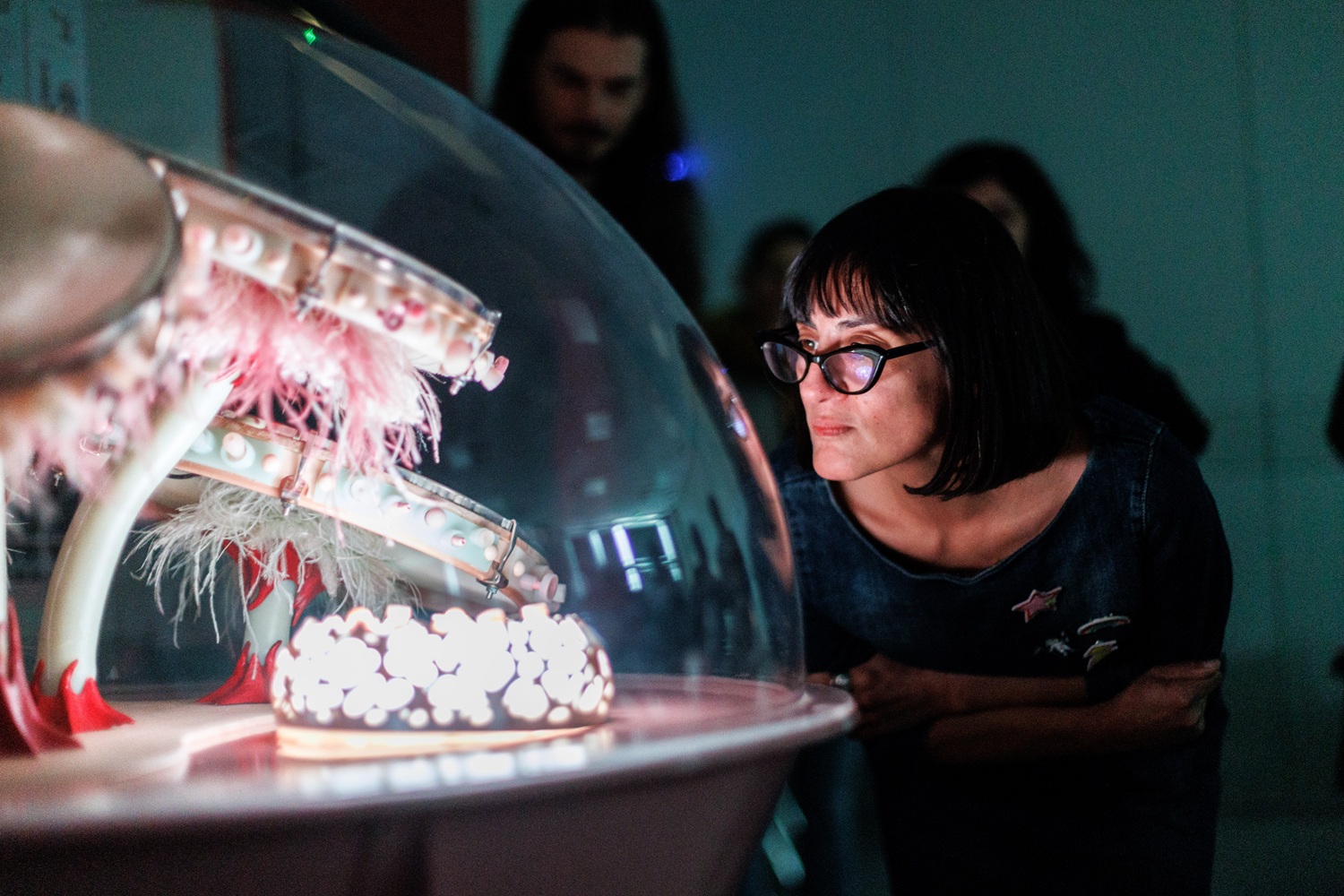
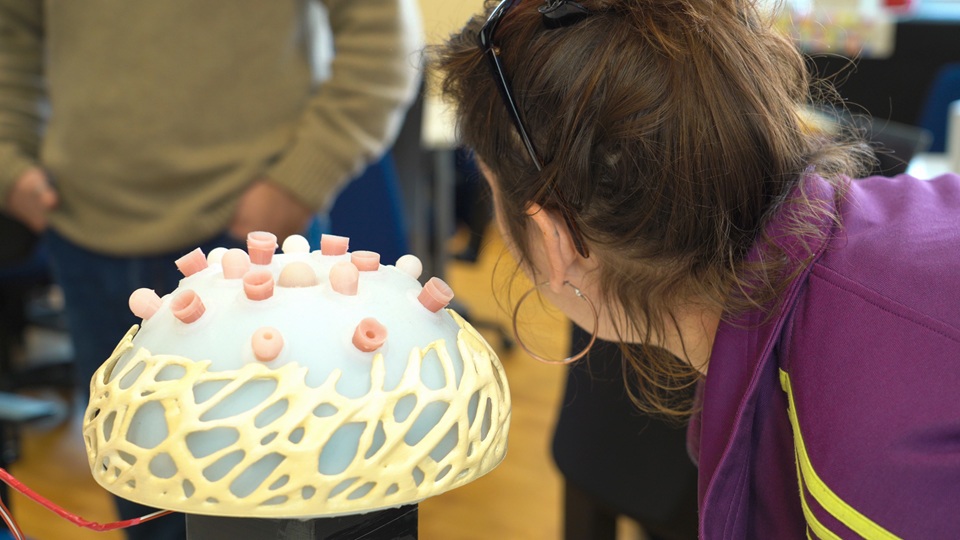
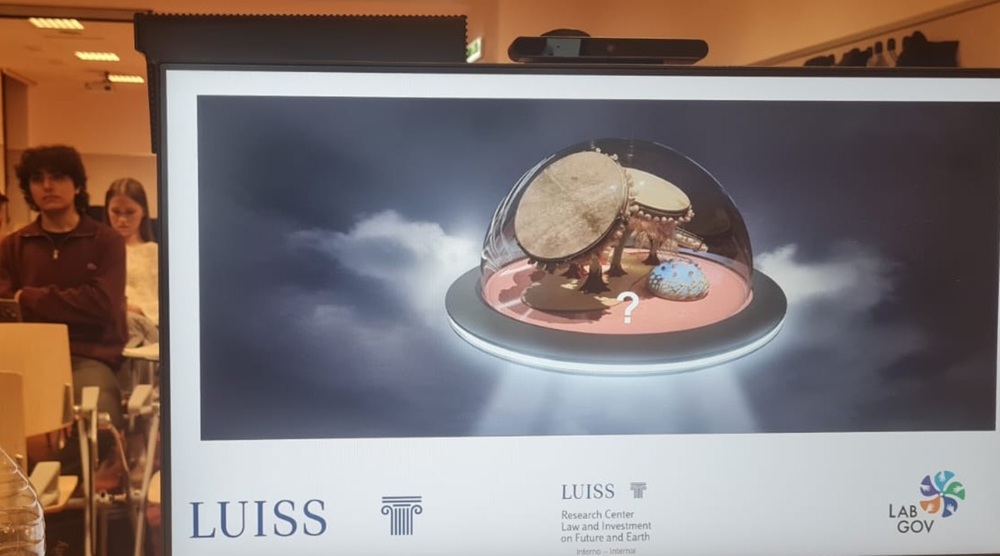
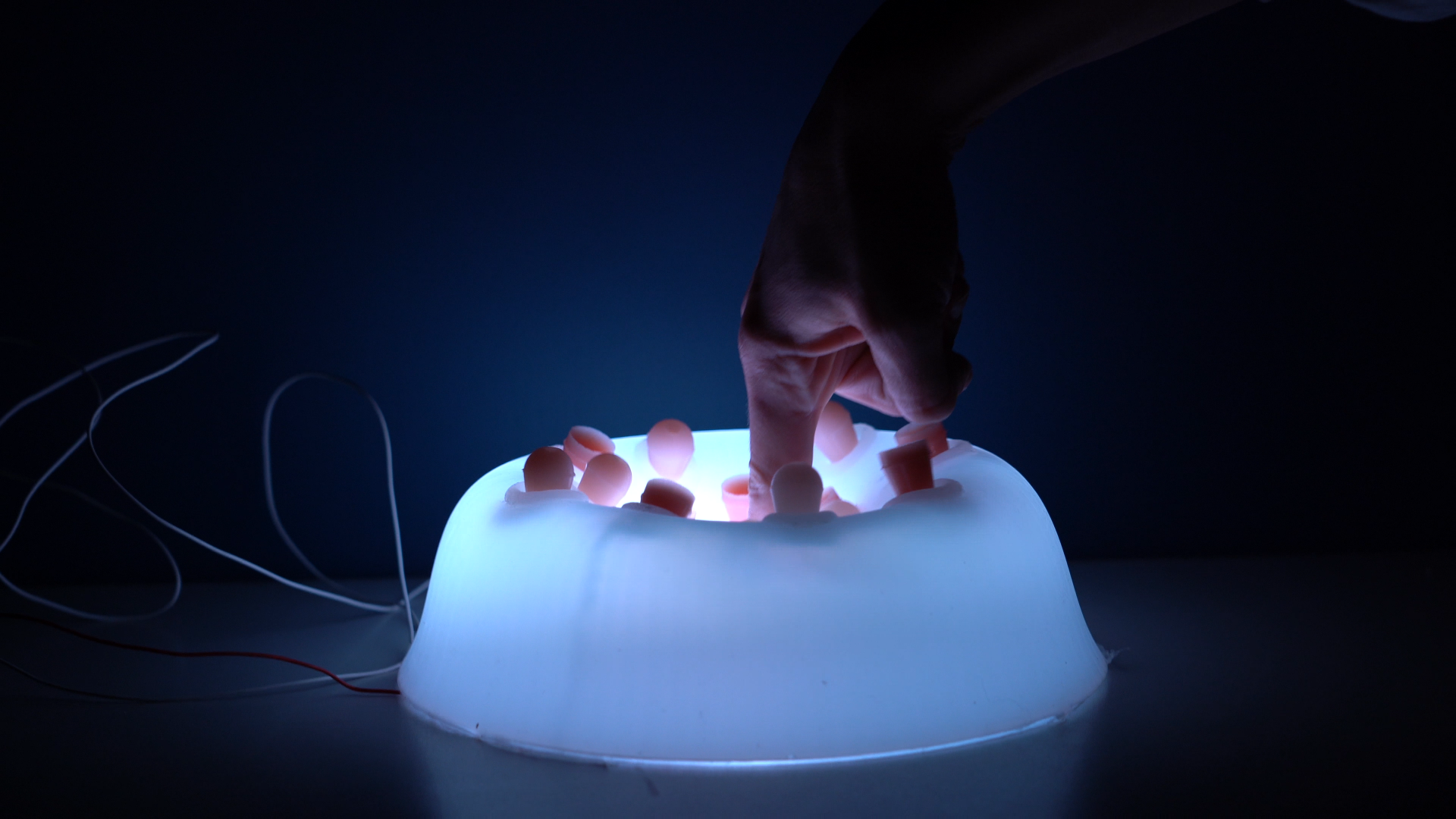
pneumOS gives sensory form to air data, resembling a hybrid between a lung and a musical instrument. It features a robotic diaphragm powered by a linear actuator and a silicone air-tight sac. Breathing frequency varies with pollution levels, while five sound membranes act as "vocal cords", converting data into sound: clean air generates calm tones, polluted air produces deep, alarming sounds.
Developed by a transdisciplinary team of 12 people, including experts from air quality, medicine, design, music, and technology, pneumOS underwent two years of research and development, involving partners such as Educational.city, Herobots srl (University Federico II of Naples), and Saperi&Co (University La Sapienza of Rome).
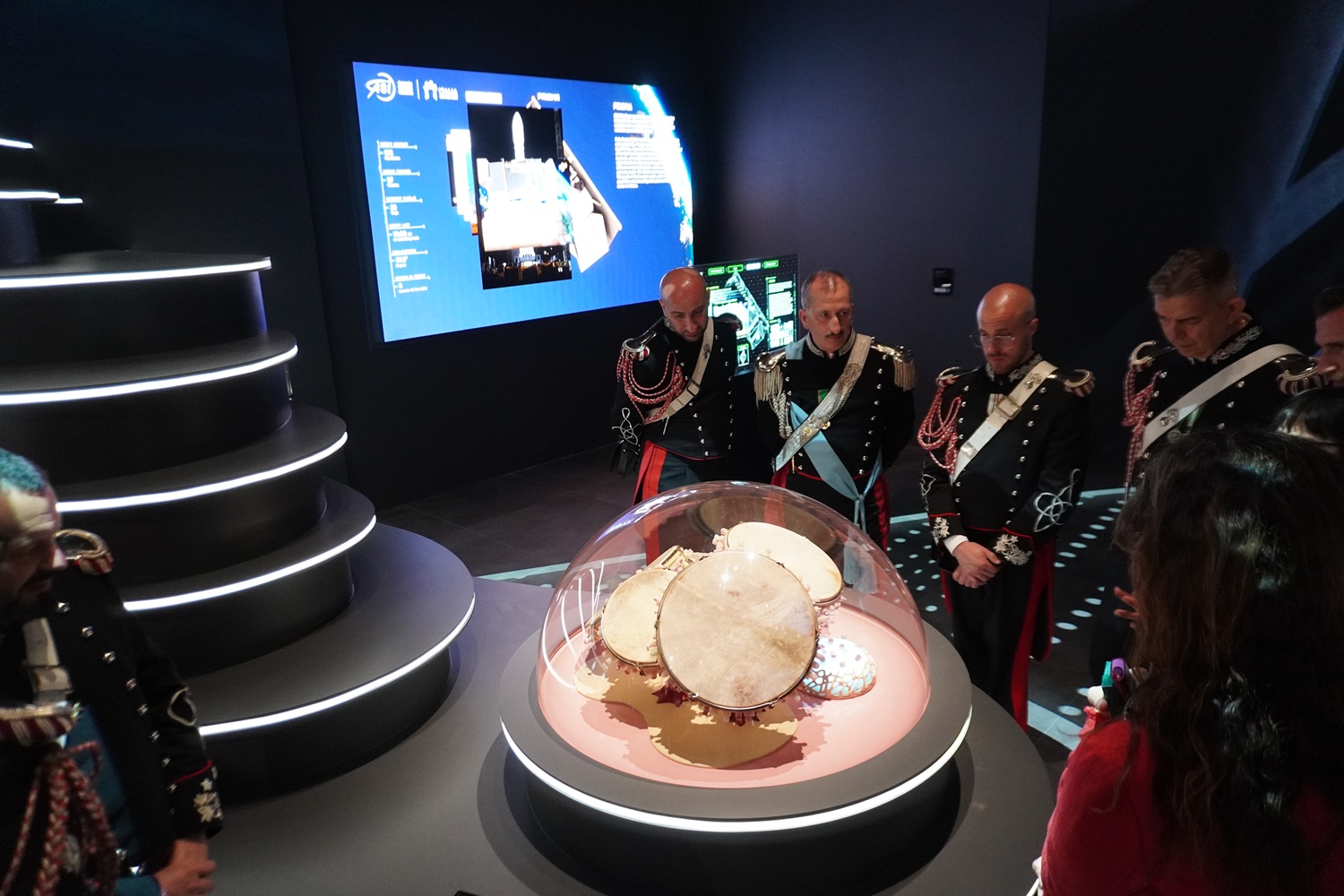
After debuting in Ravenna, pneumOS was showcased at Expo 2025 Osaka, engaging in a dialogue with the Farnese Atlas, symbolizing a new relationship between humans and technology. In the dark space of the Pavilion, pneumOS added a LED ring reflecting data changes, becoming a new infoesthetic element.
Following its recognition in Osaka, pneumOS activated two programs in 2025: Citizen Science, funded by the Municipality of Ravenna, and Ecosistema_Respiro, a near-future study commissioned by Cineca on air and traffic data in Ravenna for 2030.
Data Art
Public engagement
Environmental awareness
Sustainability innovation
Sensory immersion
pneumOS addresses environmental challenges by transforming air quality data into a tangible, sensory experience, making complex environmental issues more accessible. The artwork uses data to connect the public with their surroundings, fostering a direct emotional connection with the air they breathe. By offering a deep, immersive interaction, it creates awareness about urban air quality in a way that encourages reflection and action.
The project is rooted in sustainability through its design. While the installation incorporates advanced technology, it prioritises minimal environmental impact. pneumOS is an example of how art and sustainability can merge: its open-source nature allows for replication in other cities, promoting the global dissemination of sustainable urban practices.
Socially, pneumOS fosters public participation by engaging the audience in a shared environmental experience. The project highlights the importance of sustainable urban living by encouraging collective action through art, connecting people with ecological issues in a tangible way.
Through its innovative use of data and its design, pneumOS exemplifies how creative practices can contribute to a more sustainable, informed, and participatory society, aligned with the NEB's vision for environmental, social, and cultural transformation.
pneumOS transforms the urban landscape into a living artwork, where the air we breathe becomes an interactive and poetic experience. By blending art, data, and technology, the installation invites the public to engage with their environment in a new way, turning abstract data into a shared sensory journey. This unique fusion of form and function goes beyond visual aesthetics, allowing people to experience the environment as both a sensorial and emotional landscape.
The installation’s alien form, with its organic, breathing motion over time becomes recognisable as part of us, mirroring our own breath. The soft pink color adds warmth, making the piece inviting while encouraging reflection. This combination of shape, sound, and color creates a sense of wonder and connection to the world around us.
By encouraging the public to breathe together with the city, pneumOS fosters a sense of belonging and care for the environment. The installation symbolically connects people to their surroundings, turning the act of breathing into a shared, collective experience. As visitors engage with the artwork, it challenges their perception of what is alien, making it a reflective space where the beauty of the environment and the act of caring for it are intertwined.
pneumOS is exemplary in its aesthetic contribution, merging art, data, and sustainability to create a sensory and emotional connection to the environment. Its innovative design turns the air we breathe into a medium for reflection, offering a new way to engage with the urban landscape and encouraging a deeper understanding of our shared ecological responsibility.
pneumOS actively promotes inclusivity by transforming environmental data into an accessible sensory experience. The installation invites people from all walks of life to engage in complex environmental issues through a shared, physical experience. By utilising sound and movement to communicate air quality, pneumOS ensures that visual impairments or lack of technical expertise do not exclude anyone from understanding the environment around them. This sensory approach allows individuals to feel and experience the data in a way that is both engaging and accessible.
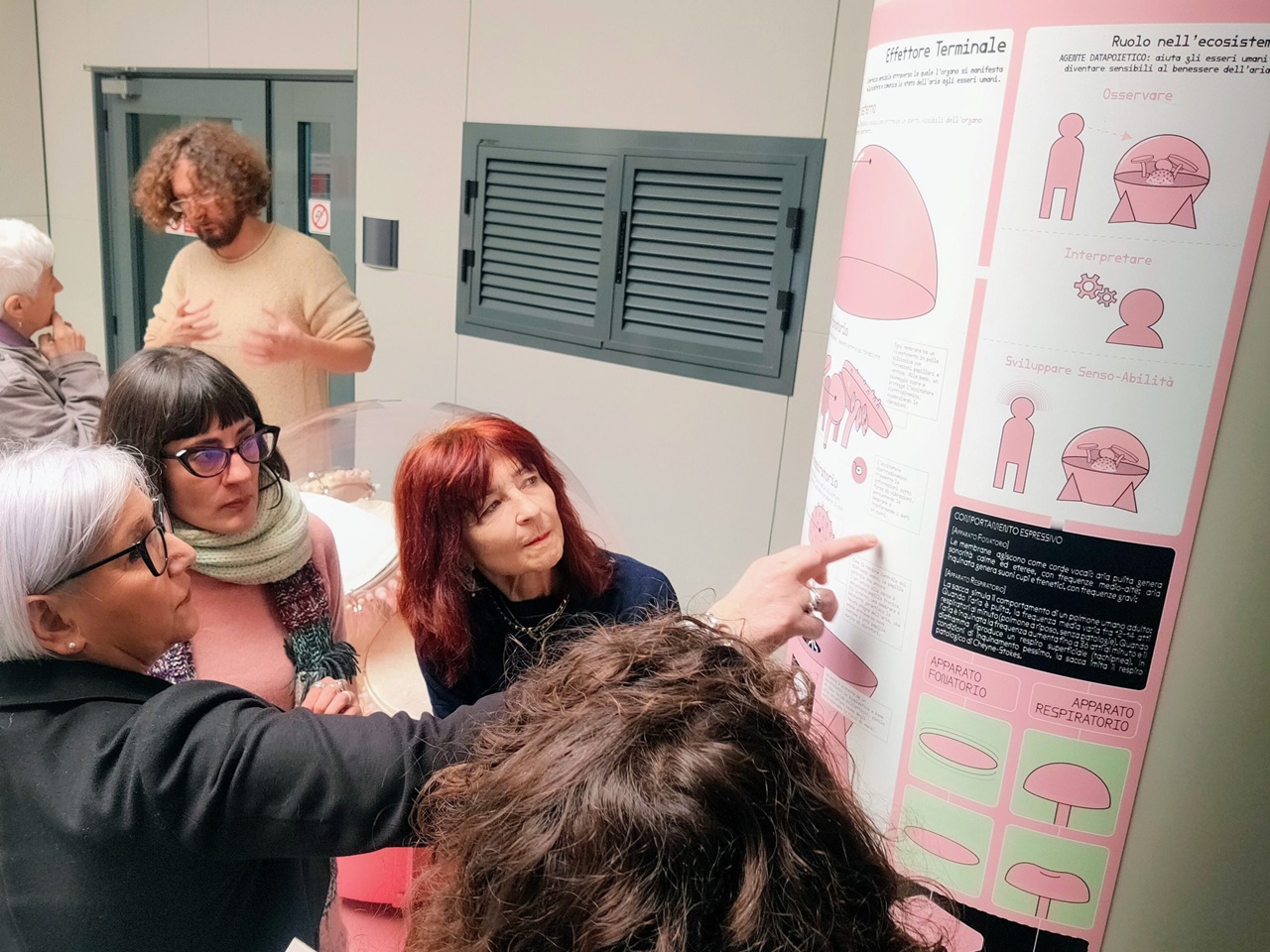
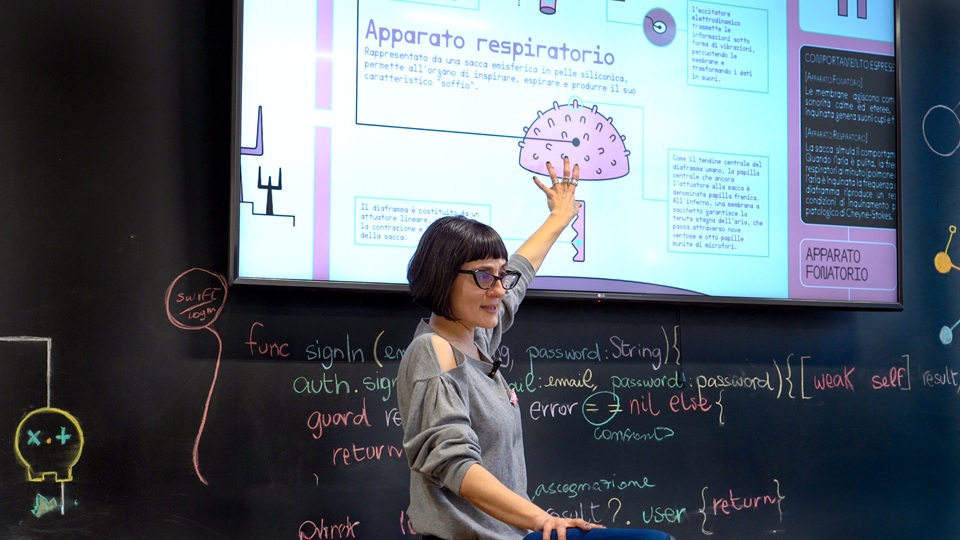
A key element of inclusivity is the educational component of pneumOS, particularly through the "Anatomy of an Alien Organ" infographics. These panels break down the functionality and technological components of the installation, making the work comprehensible to audiences without a technical background. By explaining the breathing mechanisms and sensor integration, the infographics ensure that the work can be understood by both specialised audiences and more general public, adapting to different levels of engagement and interest.
This adaptability makes pneumOS a flexible and inclusive experience: whether presented to a technical audience or a broader, non-expert group, the installation can be tailored to meet their specific needs and interests. This demystifies the technology, making the installation intellectually engaging and accessible to all.
Through open-source access and the participatory nature of the work, pneumOS fosters social inclusion by inviting a diverse public to actively participate in environmental discussions. It creates a space where people from all backgrounds can come together, share experiences, and become stewards of the environment.
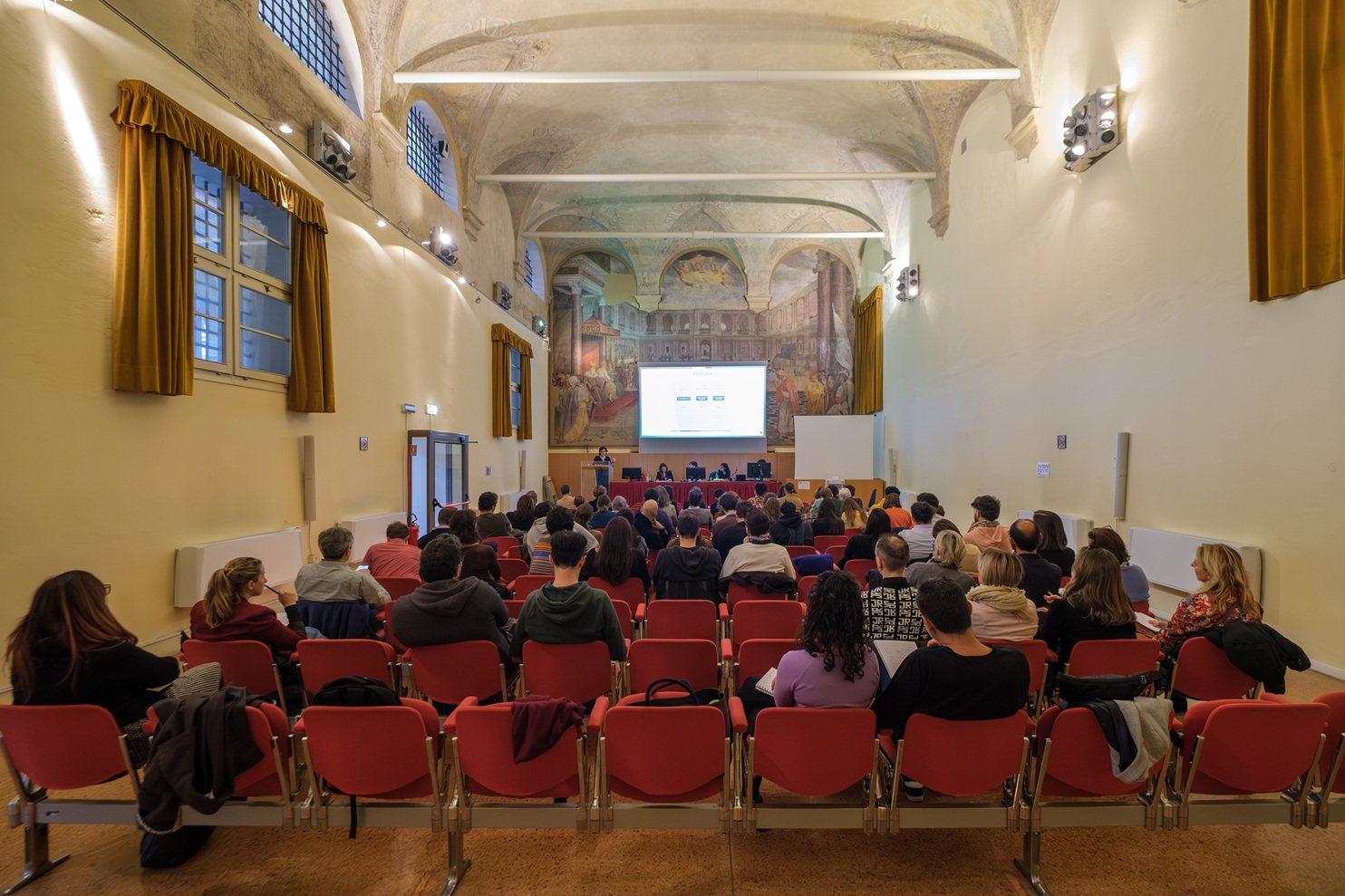
pneumOS is a participatory project that actively involves citizens, communities, and civil society organisations in shaping the experience and impact of the artwork. At the local level, the project was developed in close collaboration with the Municipality of Ravenna, which provided support and facilitated the integration of the installation into the city's cultural and environmental landscape. Local residents were engaged through a series of workshops and participatory events, where they contributed to the interpretation and understanding of air quality data. These activities helped ensure the project was aligned with the community's concerns and provided an accessible platform for public engagement.
The project also worked with universities, and research institutions, fostering collaboration between students, educators, and researchers to interpret environmental data and explore innovative ways to communicate these issues. This transdiciplinary participation helped create an inclusive dialogue around environmental sustainability, involving artist, students, academics, and citizens in the project’s development and ongoing engagement.
The interface interaction can stimulate individuals and groups of citizens to monitor air quality and understand the effects of pollution in their own cities. By providing access to this data, the project gives citizens a sense of ownership and responsibility over their environment.
Through its open-source nature, pneumOS has the potential to be replicated in other cities, extending its participatory impact to global communities. This can ensure that the project continues to foster collaboration and environmental awareness on a broad scale, encouraging local action and global exchange on sustainability issues.
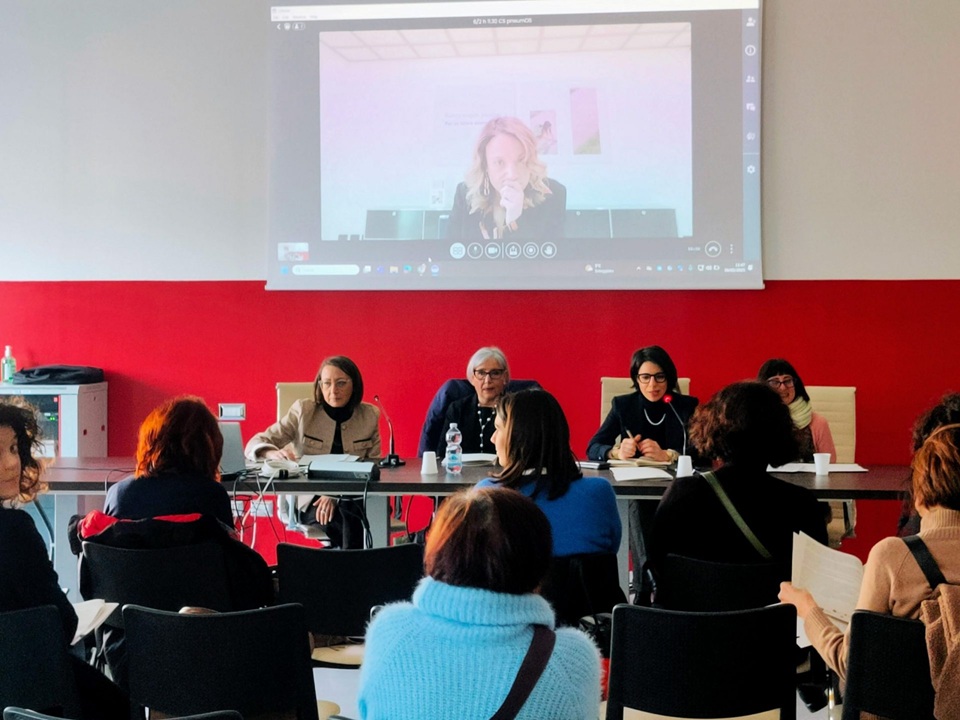
pneumOS involved diverse stakeholders at local, regional, national, and European levels, creating a multilevel governance model that ensures broad participation and impact. At the local level, the Municipality of Ravenna was pivotal, supporting the project’s integration into the city’s cultural and environmental fabric. The local community engaged through Digital Community Workshops, offering valuable input on how to communicate air quality concerns.
At the regional level, the collaboration with Cineca, a leading research consortium specializing in high-performance computing and data science, based in Bologna, resulted in “Ecosistema_Respiro”: a near-future scenario study for the city of Ravenna in 2030, based on traffic and air data.
On the national level, pneumOS and the Digital Unite project engaged research institutions and educational communities through structured Digital community workshops. These workshops brought together public administrators, universities, environmental professionals, educators, artists, curators, and students. The workshops facilitated the dissemination of research methodologies, collective exploration of environmental data, and new ways to interpret air quality through artistic and scientific lenses. This engagement strengthened the connection between art, science, and public awareness, fostering the development of innovative interdisciplinary collaborations.
At the European level, pneumOS aligns with EU sustainability goals and fosters cross-border collaboration. Its open-source nature allows for replication in other cities, contributing to shared knowledge and promoting sustainable urban practices across Europe. The project was also featured in Expo 2025 Osaka, where it was showcased as an example of Made in Italy and European innovation in environmental art and technology domains
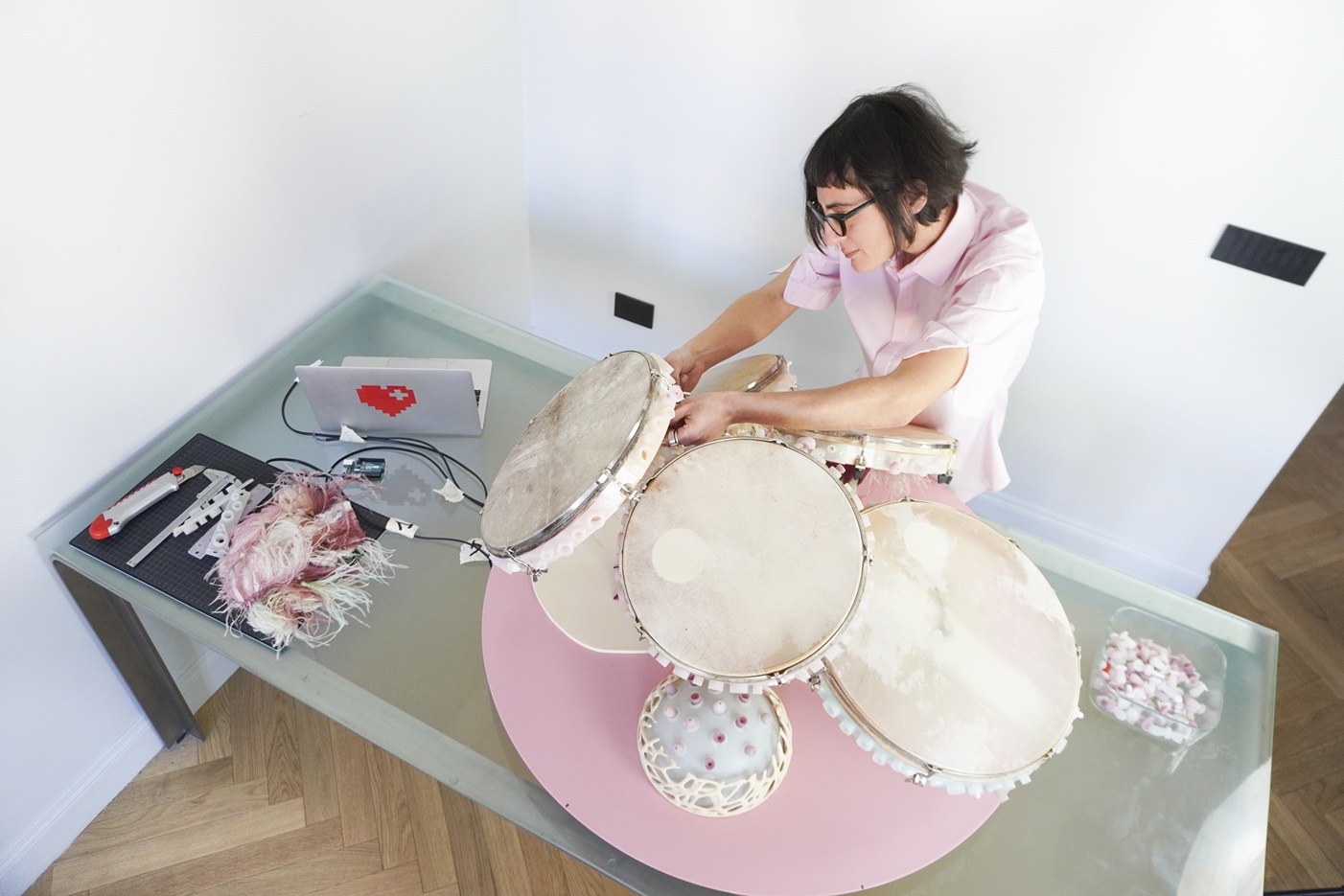
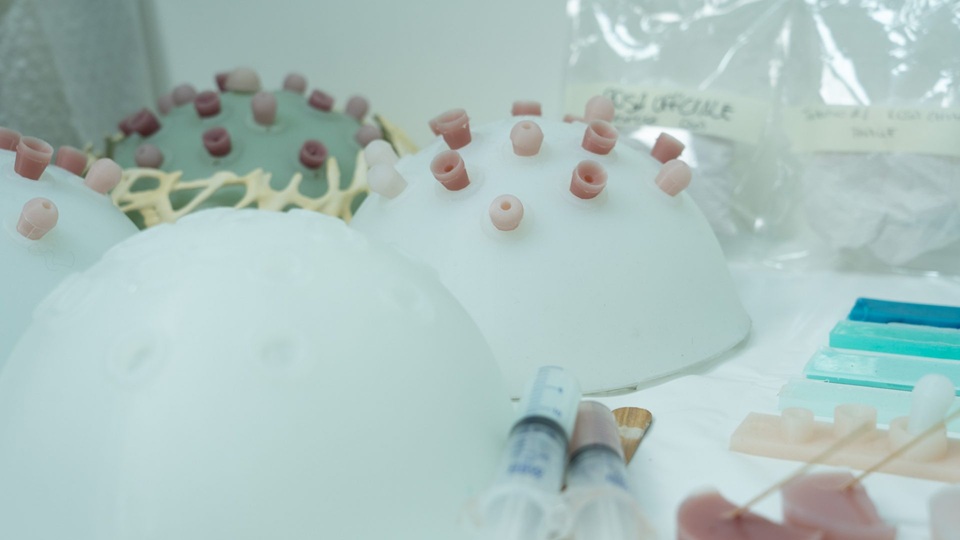
pneumOS is a transdisciplinary project that integrates environmental science, human anatomy, medicine, art, design, ecology, and infoesthetics. The installation combines handcrafted elements such as silicone casting and metalworking with interactive systems powered by Arduino, Raspberry Pi, and environmental sensors. This fusion of manual and digital techniques allows pneumOS to offer both a human-centered experience and a technologically sophisticated encounter with environmental data.
The project was developed through collaboration with artists, climatologists, technologists, designers, and researchers.The first research partner is the Educational.city initiative. It also involved contributions from universities such as the University of Federico II in Naples and La Sapienza University of RomeThe interdisciplinary approach brought together academia, art, and technology, facilitating a deeper understanding of complex environmental issues.
By integrating traditional craftsmanship with digital innovation, pneumOS creates a multisensory, participatory experience that invites the public to engage with environmental data in real-time, while fostering a deeper connection to the world around them.
pneumOS operates through a hybrid sustainability model that combines public commissions, cultural programming, research collaborations, and educational activities. The project was initially supported by public institutions, including the Municipality of Ravenna, and presented internationally at Expo 2025 Osaka – Italian Pavilion, demonstrating its relevance within global cultural and environmental initiatives.
Beyond exhibitions, pneumOS generates value through public events, workshops, and educational programmes that engage citizens, students, researchers, and cultural institutions in exploring environmental data and its societal implications. Initiatives such as Educational.city (https://www.hi-storia.it/respiro/ ) expand the project into a broader civic and educational framework, fostering dialogue between art, science, and communities while activating local cultural ecosystems and schools.
The installation can be hosted in museums, cultural festivals, public spaces, and research contexts, where it functions both as an artwork and as a platform for public engagement with environmental data. These contexts provide opportunities for curatorial commissions, cultural partnerships, and educational programming, which support the project’s long-term sustainability.
Additionally, the project’s open knowledge approach encourages collaborations with research institutions, universities, and environmental initiatives interested in new ways of communicating complex data. By combining artistic production, research partnerships, and public programs, pneumOS maintains a flexible and resilient economic model that supports both cultural impact and long-term financial sustainability.
pneumOS has strong transferability and scalability potential, as it is built around a methodology that can be adapted to different geographic, environmental, and cultural contexts. At its core lies the concept of datapoiesis, the transformation of complex environmental data into sensory and emotional experiences. This approach can be applied to different cities, ecosystems, and datasets, enabling the project to evolve across diverse contexts while maintaining its conceptual framework.
The technological system behind pneumOS is modular and adaptable, integrating environmental sensors, data processing software, kinetic and sound components. This structure allows the installation to be calibrated to local environmental conditions, making it possible to recreate the experience using locally collected data. Also the morphology of the organ can locally vary: for example, specific context can evolve different phonatory systems (eg: not membranes but chords or other musical instruments). As a result, each iteration of the project reflects the specific ecological, cultural and atmospheric conditions of the place in which it is installed.
The project also includes educational and interpretative tools, such as the infographics “Anatomy of an Alien Organ”, which explain the functioning of the installation and make its technological and scientific components accessible to diverse audiences. These tools are the result of dialogues among different disciplines and languages (biology, cybernetics, design) and enable the project to be placed in museums, schools, research centres, festivals, and public spaces, adapting to both specialist and general audiences.
Through its open knowledge approach and interdisciplinary methodology, pneumOS offers a transferable model for connecting environmental data, artistic practice, and civic engagement, supporting the development of similar initiatives across Europe and beyond.