Castello Baglioni Heritage Revival
Castello Baglioni Heritage Revival for the Community of Graffignano
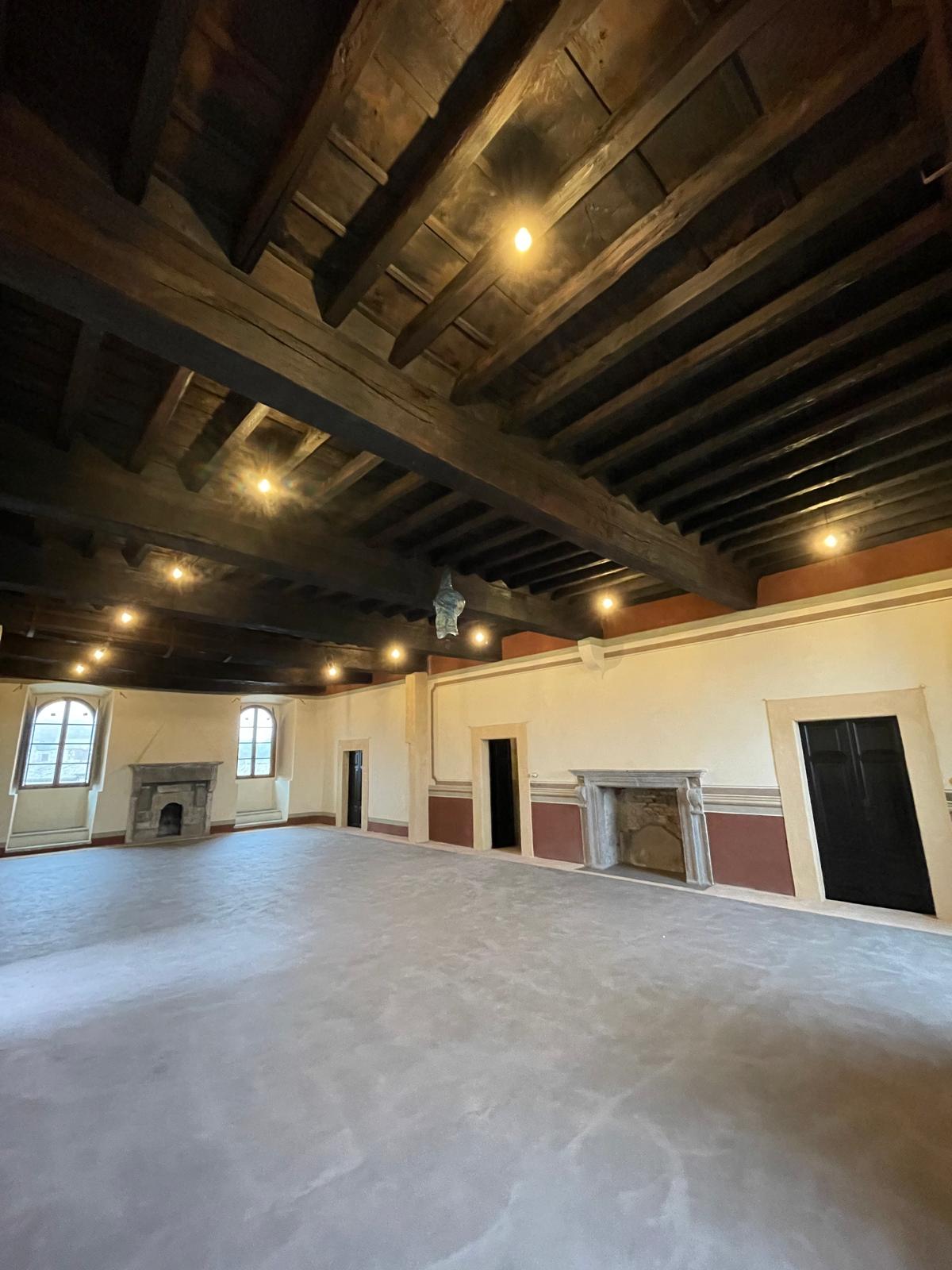
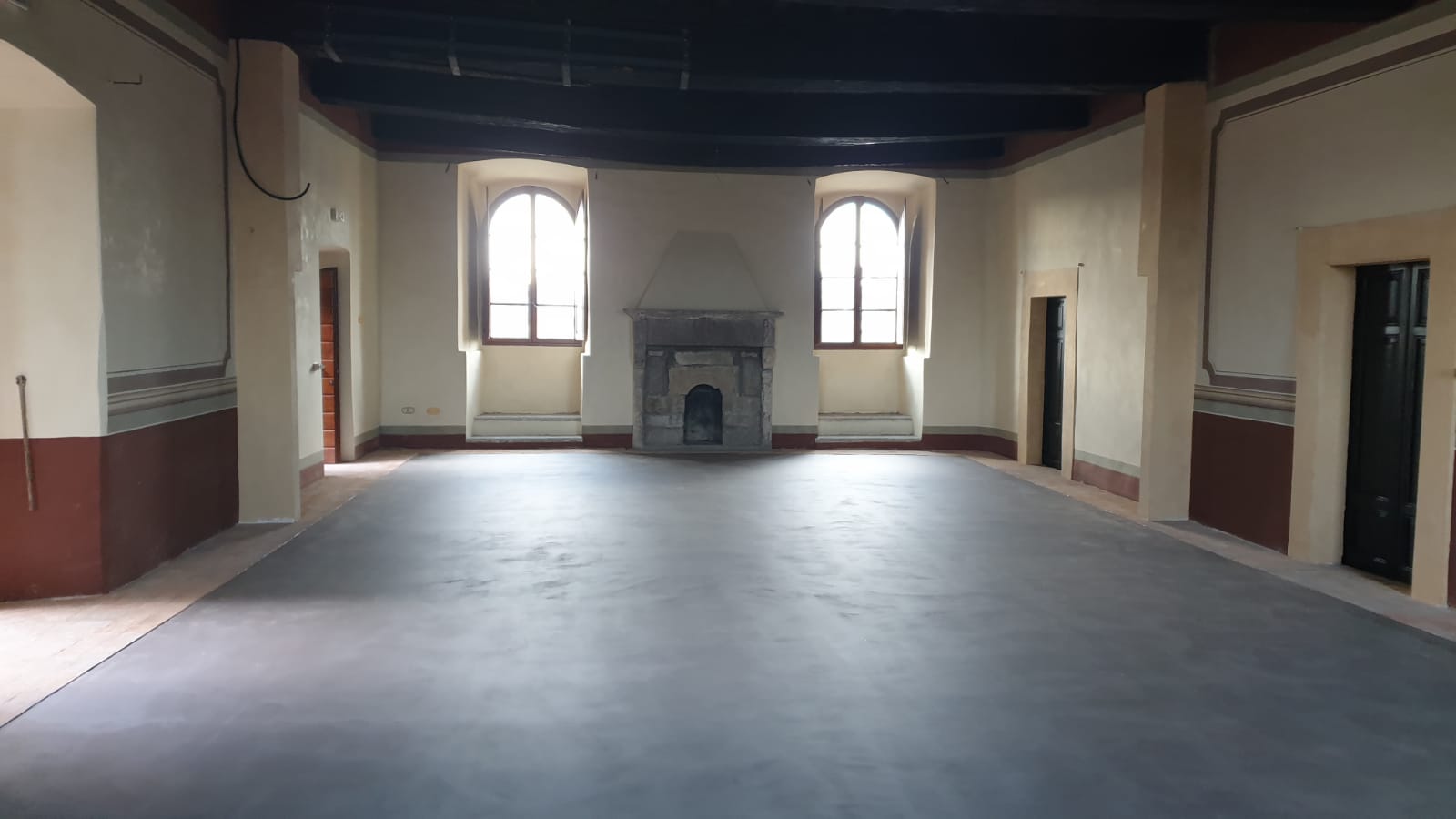
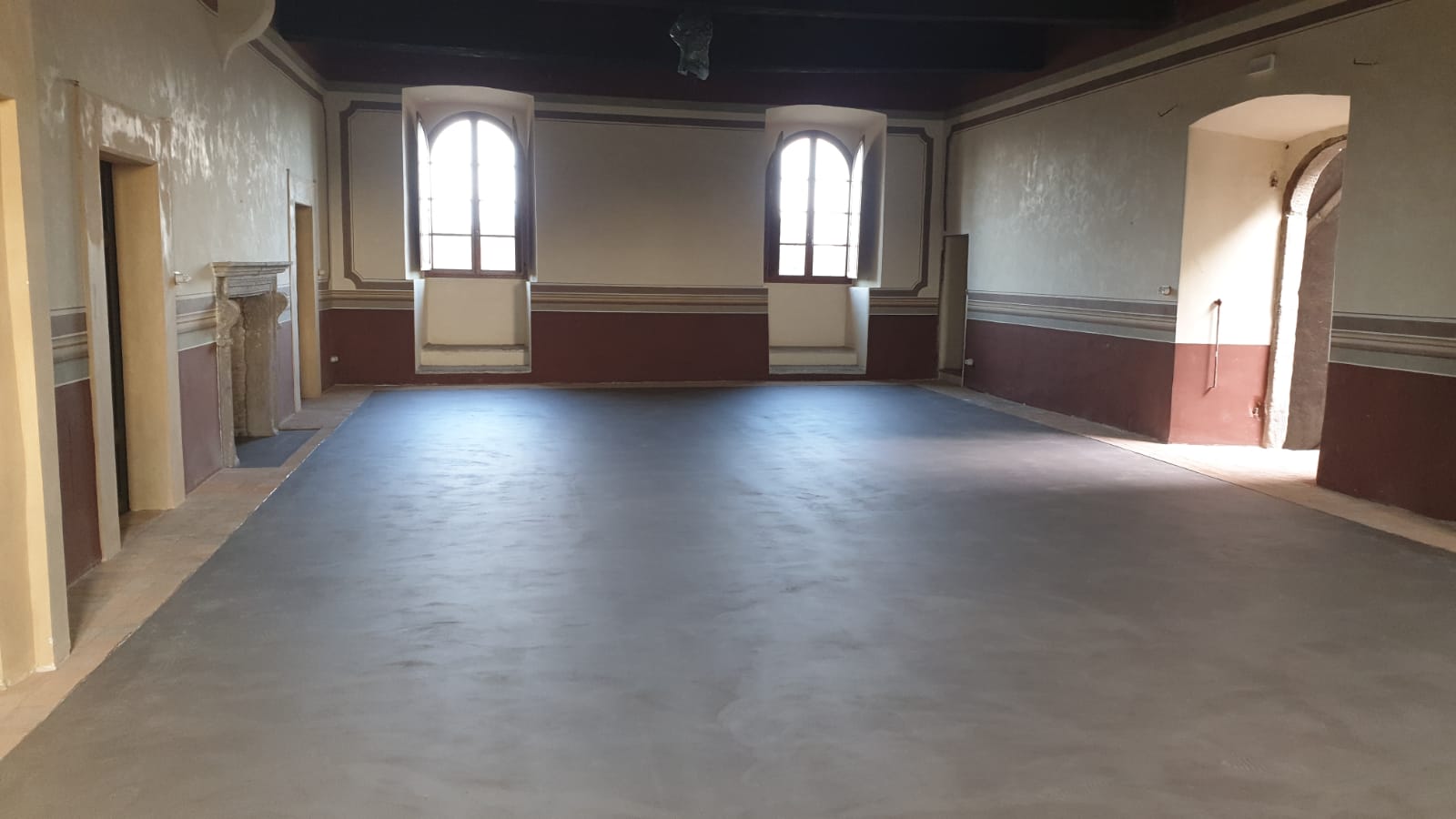
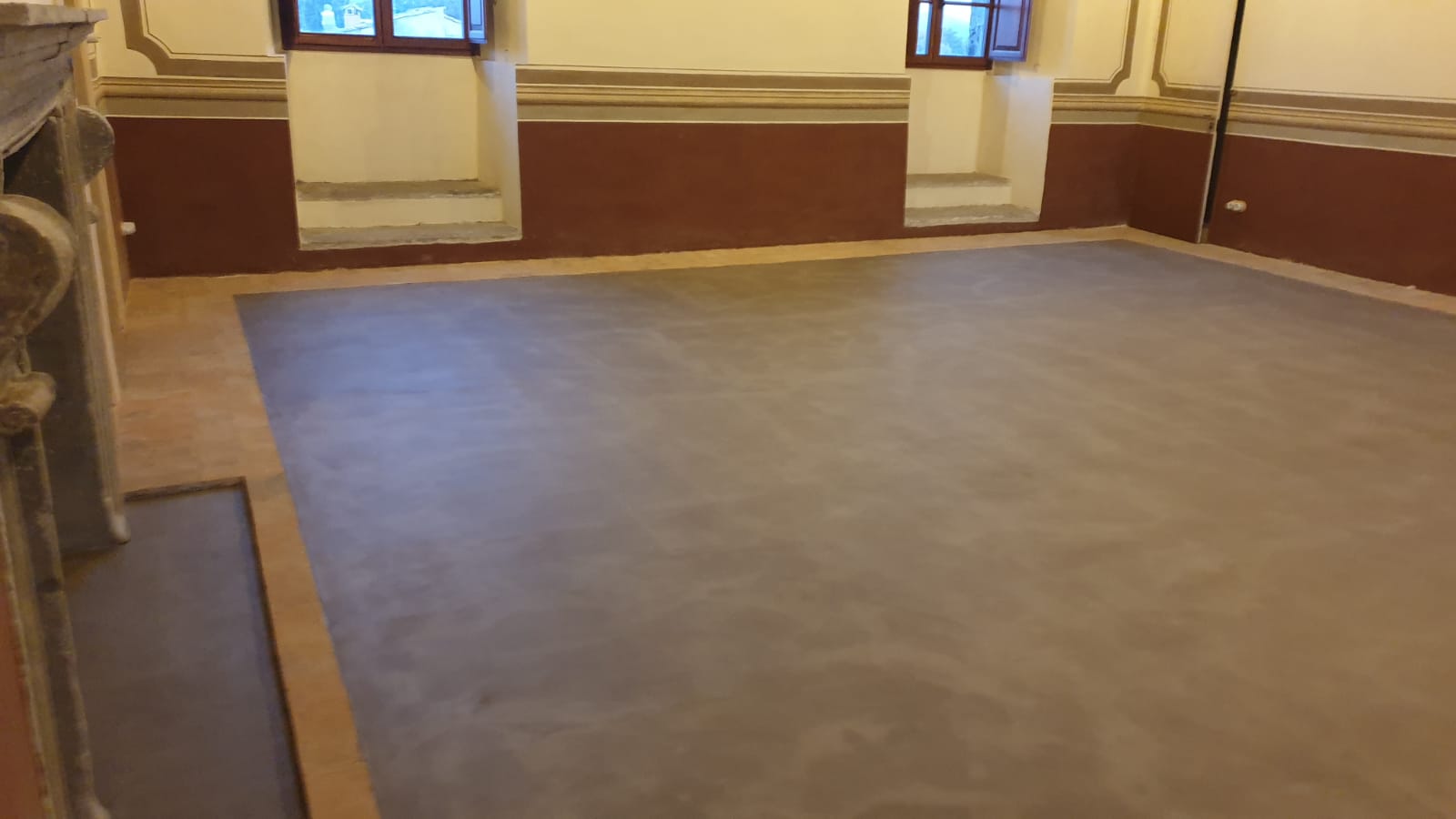
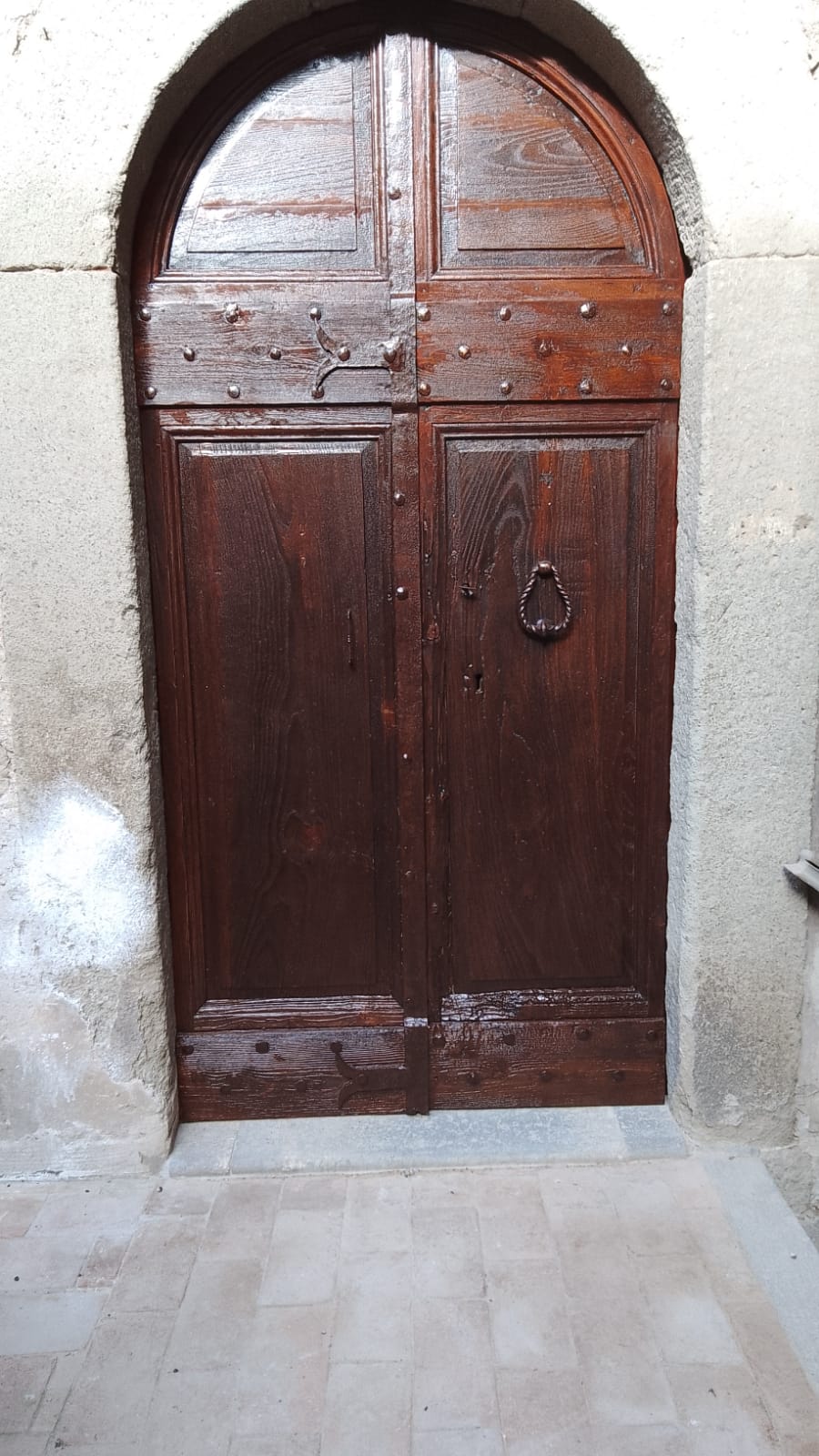
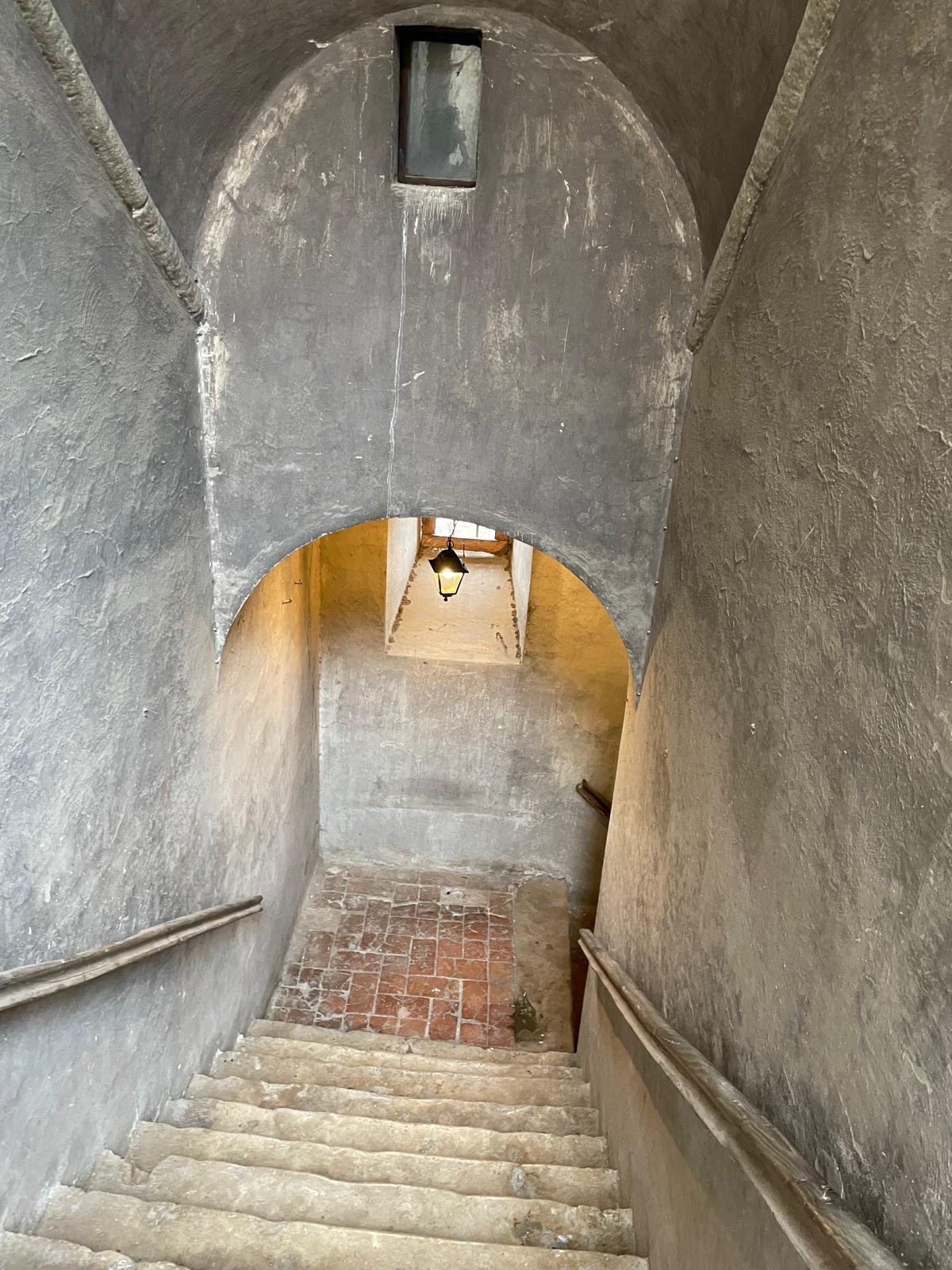
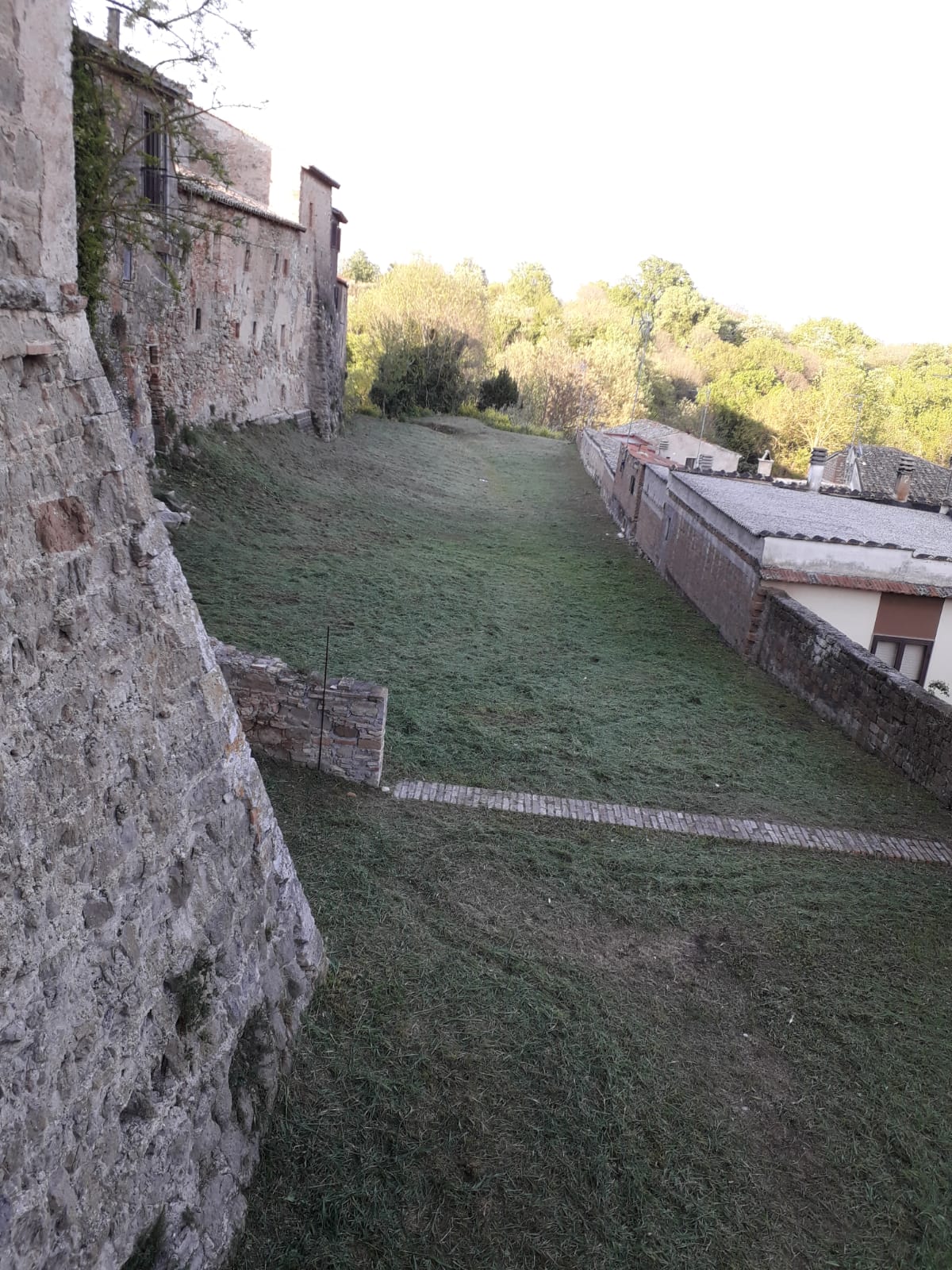
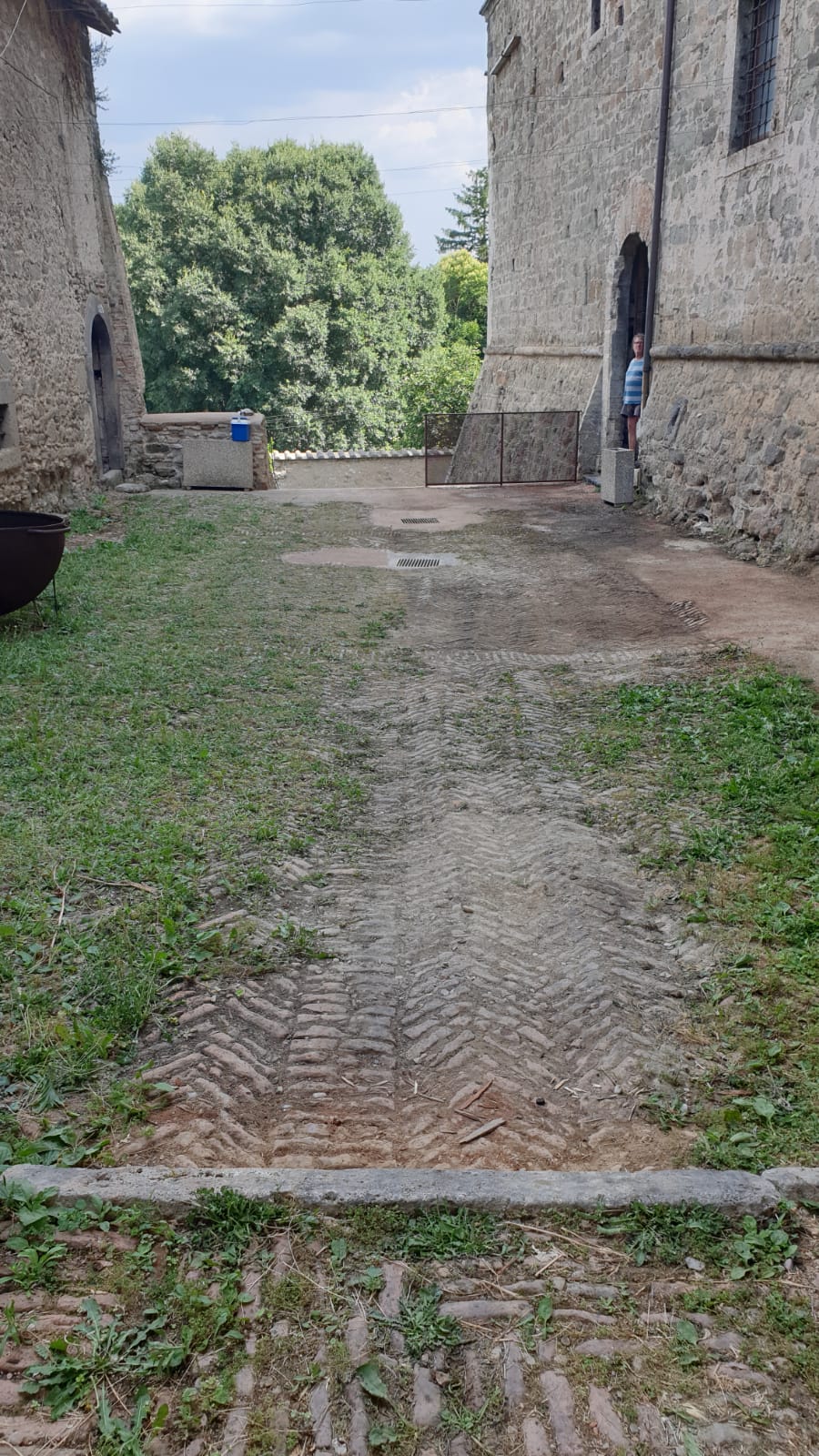
Castello Baglioni is being rediscovered through the restoration of its underground paths, piano nobile and historic gardens. Once hidden or inaccessible, these spaces will become an open cultural route connecting heritage, landscape and community. The project brings the castle back to life as a place for culture, learning and shared experiences, reconnecting residents and visitors with the living heritage of Graffignano while supporting sustainable tourism and local development.
Italy
Via di Dentro, 71, 01020 Graffignano VT
Prototype level
Yes
Yes
Yes
Yes
Regione Lazio
No
56029: Graffignano (IT)
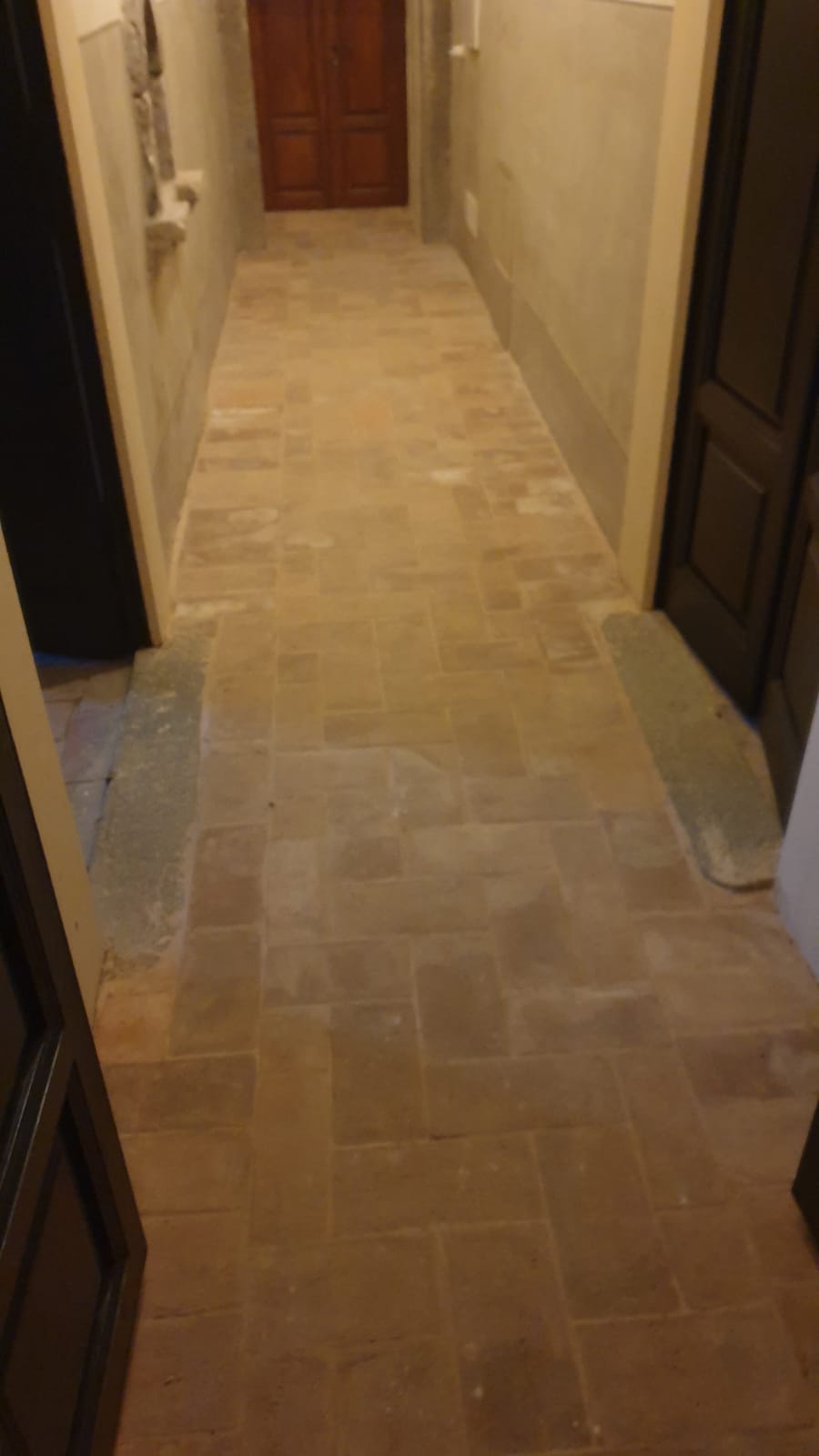
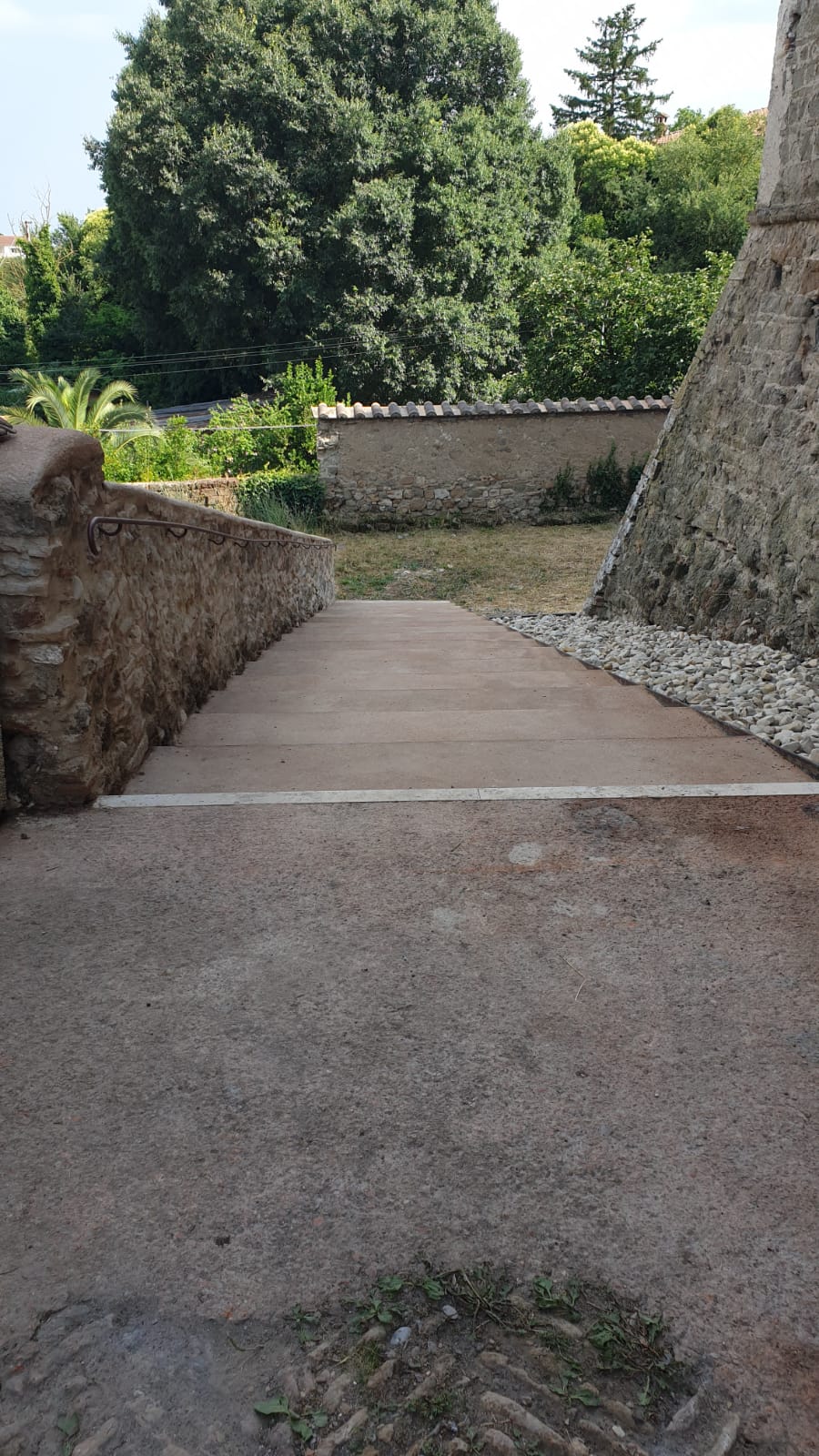
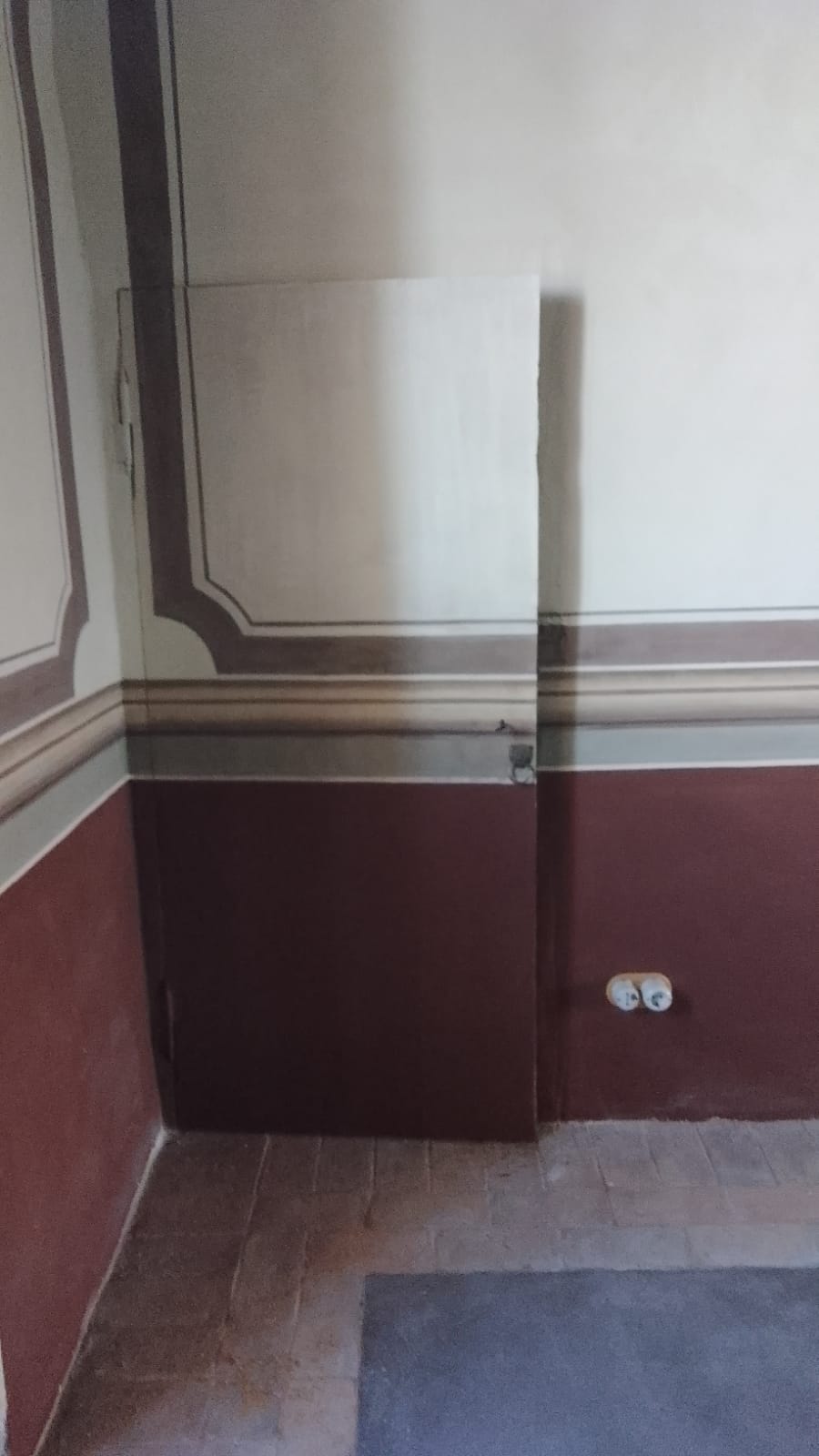
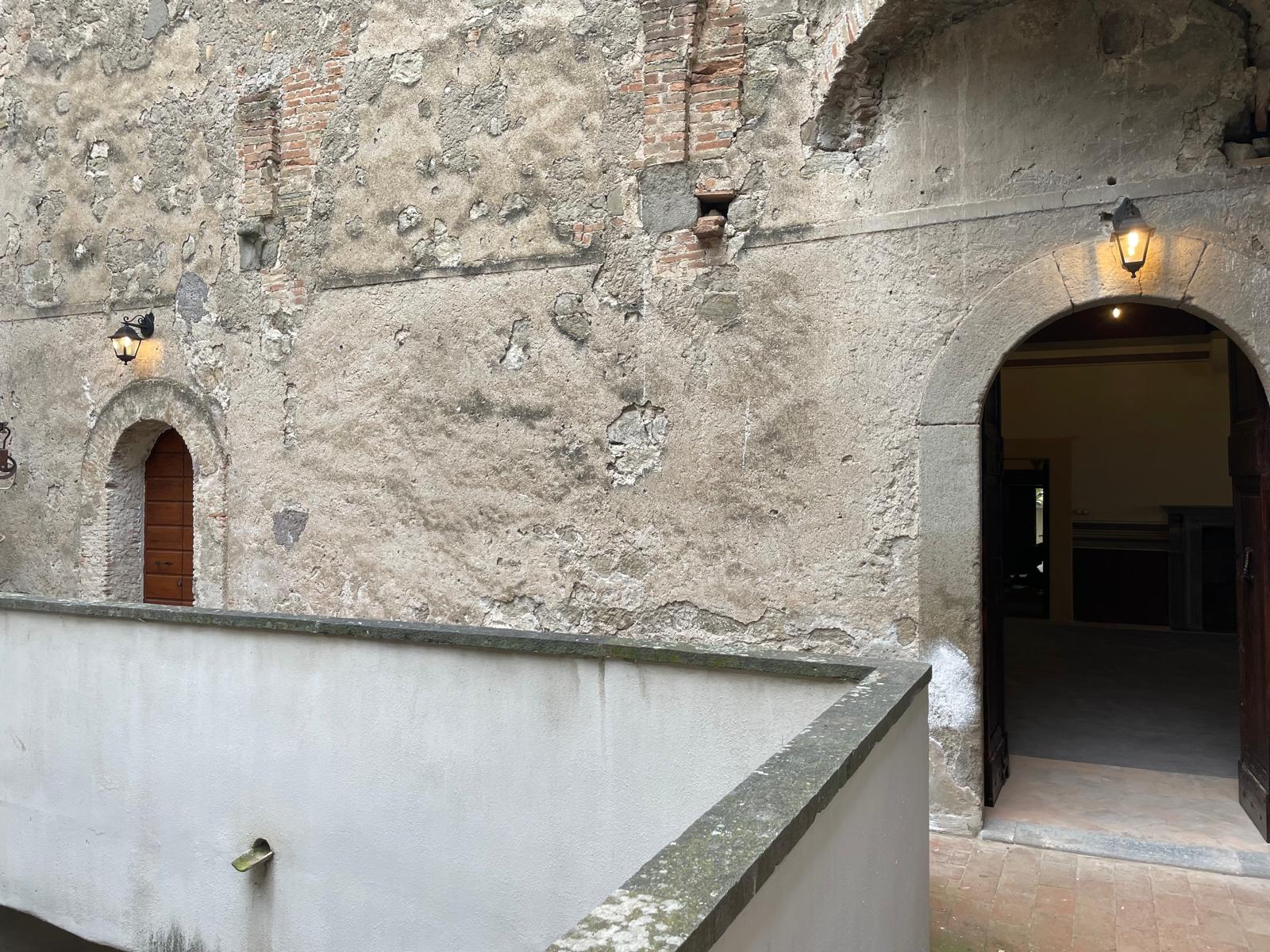
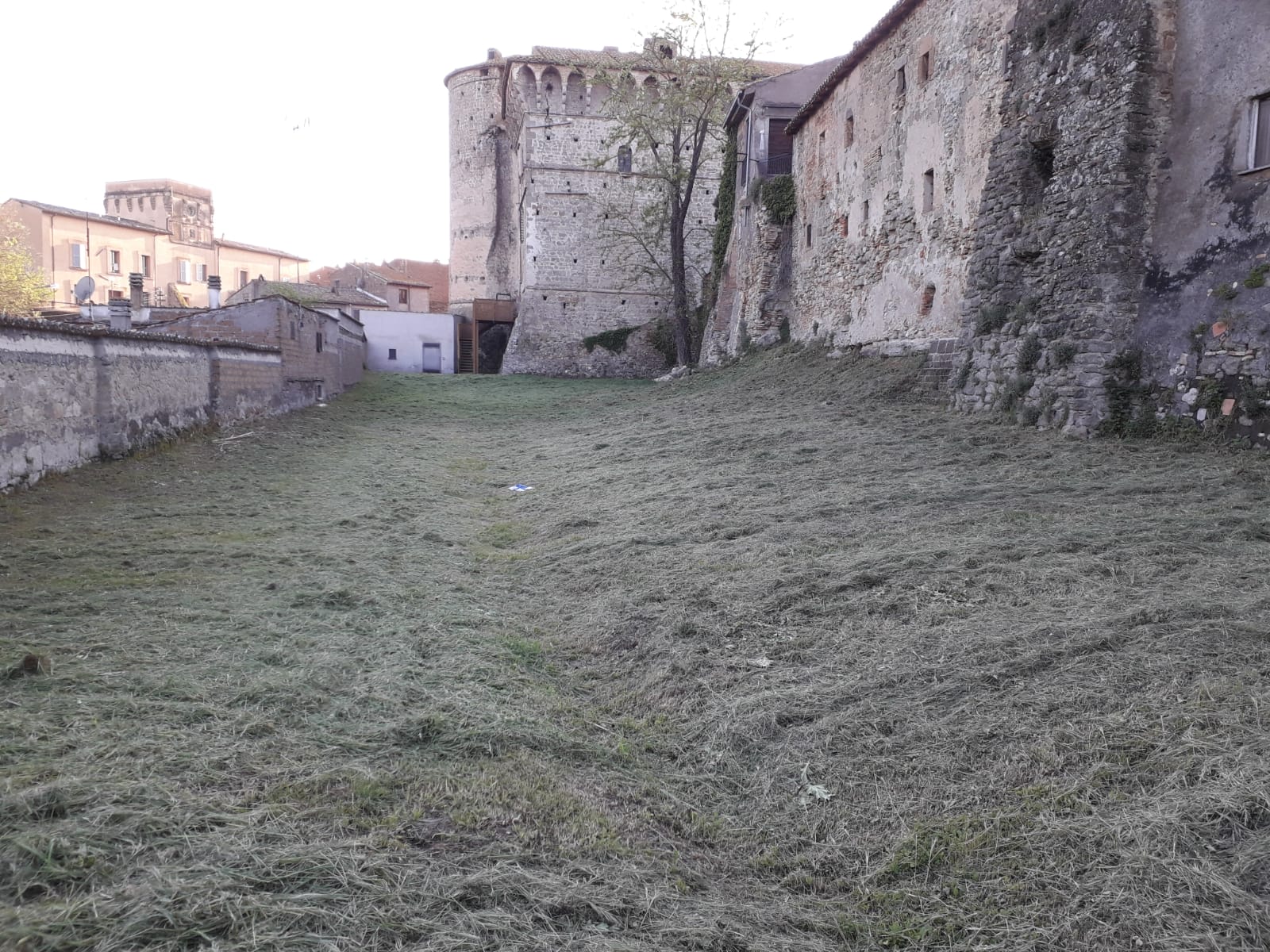
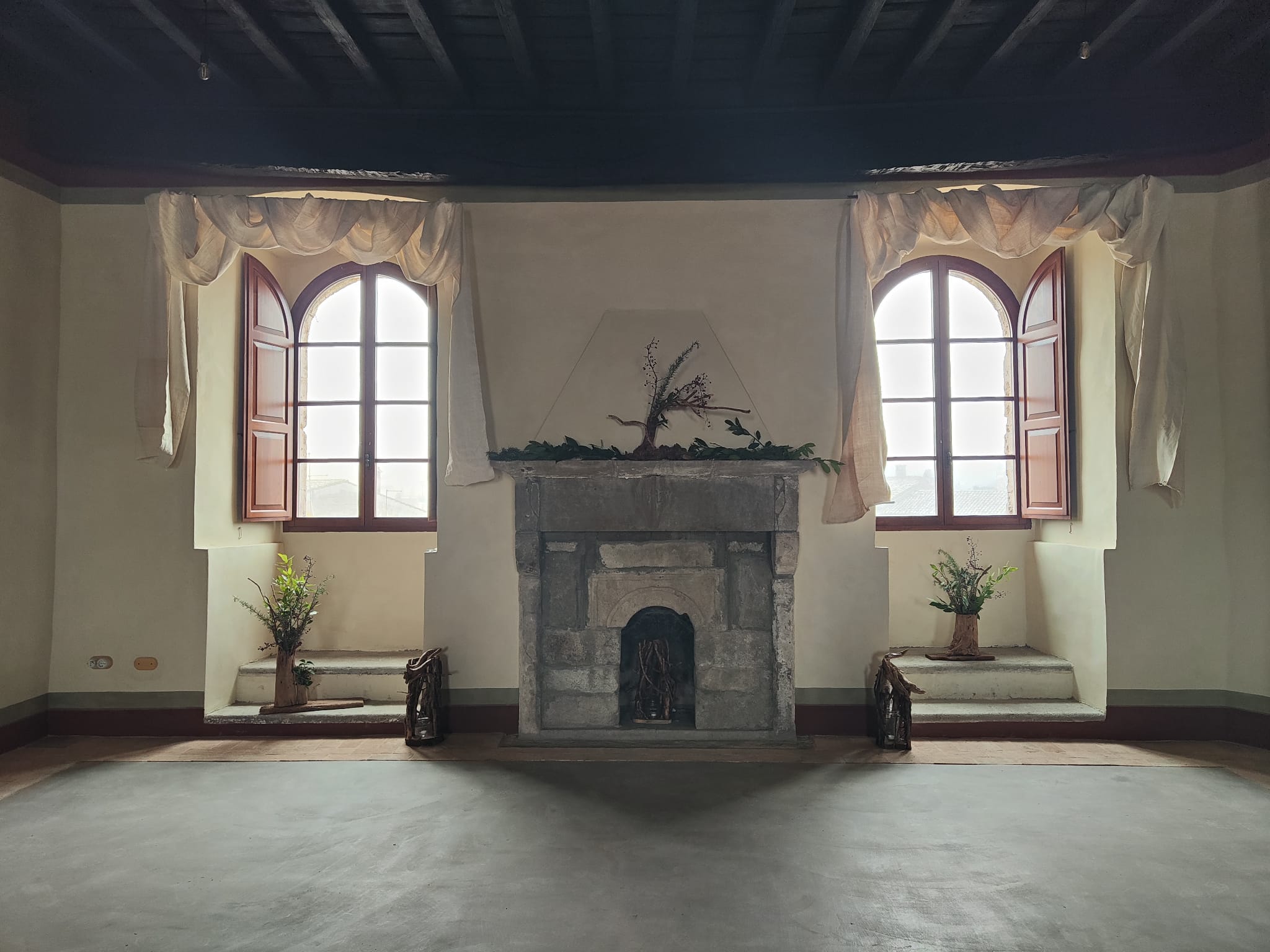
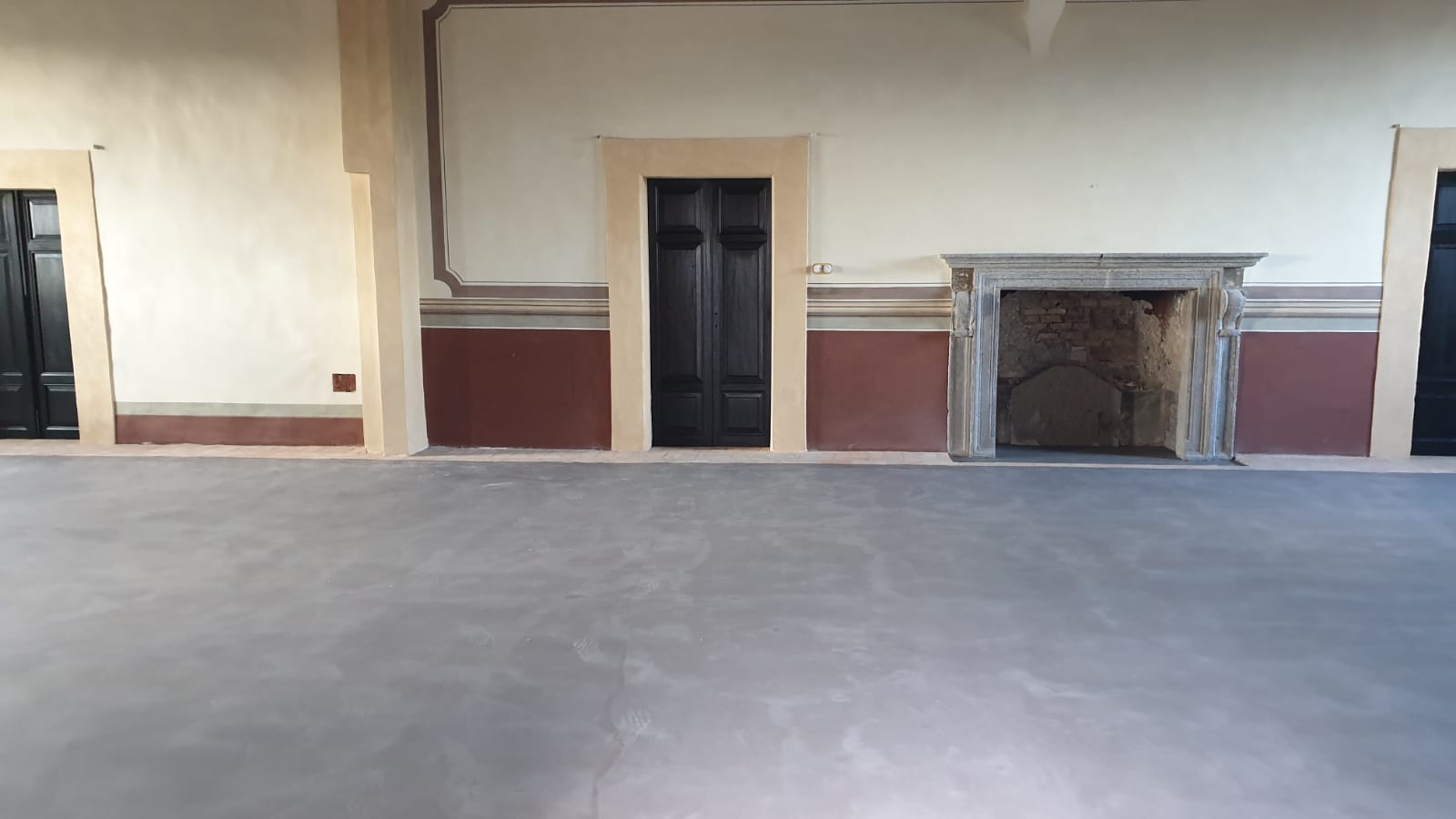
The initiative aims to regenerate Castello Baglioni in Graffignano through the restoration and enhancement of its underground paths, the representative upper floor (piano nobile) and historic gardens, transforming the castle into an accessible cultural landmark for the local community and visitors. By reopening previously hidden or inaccessible spaces, the project creates a continuous cultural route connecting architecture, landscape and local history, revealing the beauty of the site while strengthening the relationship between people and their shared heritage. The initiative targets local residents, cultural organisations, schools, students, researchers and visitors interested in heritage, culture and sustainable tourism. It also aims to strengthen the cultural and tourism network of the Teverina area, supporting the revitalisation of smaller historic towns and rural territories through a place-based approach that values their cultural landscape and identity. Specific objectives include ensuring the conservation and structural safety of the historic complex, restoring the representative spaces of the piano nobile, reopening the underground routes of the castle, and rehabilitating the historic gardens and outdoor areas as shared public spaces. Through interpretation paths, exhibitions, cultural initiatives and educational activities, the project highlights the archaeological, historical and environmental value of the site while encouraging cultural participation and community engagement. Expected outcomes include the creation of a vibrant cultural hub for Graffignano, improved accessibility to heritage spaces, stronger connections between residents and their local history, and new opportunities for sustainable tourism, cultural exchange and local development. By reconnecting people with their heritage and landscape, the initiative contributes to a broader process of cultural regeneration and territorial resilience.
Heritage regeneration
Cultural landscape
Community engagement
Sustainable tourism
Place-based development
The initiative places sustainability at its core through the conservation, adaptive reuse and long-term revitalisation of Castello Baglioni and its surrounding cultural landscape. Rather than constructing new buildings, the project prioritises restoring and enhancing the historic complex, extending the life cycle of the built environment, improving resource efficiency and reducing the environmental impact associated with new construction. This approach reflects the New European Bauhaus ambition to regenerate places while preserving their cultural, architectural and environmental value. The restoration of the underground paths, the piano nobile and the historic gardens reconnects the castle with its landscape and the historic village of Graffignano. By recovering abandoned or inaccessible spaces and transforming them into accessible cultural and educational environments, the project promotes a circular approach to heritage reuse that minimises resource consumption while maximising social and cultural value. These renewed spaces become shared environments where heritage, landscape and community life interact and generate collective experiences. The initiative also contributes to the sustainable development of the wider Teverina area by strengthening cultural networks and encouraging slow and responsible tourism. Interpretation paths, cultural activities and educational initiatives highlight the historical, archaeological and environmental significance of the site while strengthening the relationship between people, heritage and landscape. By transforming a historic landmark into an open cultural hub, the project strengthens local identity, improves community well-being and contributes to long-term territorial resilience, offering an exemplary approach for the regeneration of historic heritage in small towns and rural areas.
The initiative enhances the aesthetic quality and experiential value of Castello Baglioni by restoring its architectural heritage and reconnecting the castle with its surrounding cultural landscape. The project reveals the beauty and identity of the site by carefully recovering the underground paths, the piano nobile and the historic gardens, transforming previously hidden or inaccessible spaces into meaningful environments that can be experienced and shared by the community and visitors. Through a sensitive and respectful restoration approach, the intervention preserves the historical character, materials and spatial qualities of the castle while improving accessibility and continuity between its different areas. The project creates a coherent cultural route that allows visitors to discover the many layers of the site — from the underground spaces to the representative halls and the gardens — offering an immersive experience that combines architecture, landscape and local history. Particular attention is given to the spatial quality and sensory experience of visitors. Interpretation paths, cultural initiatives and educational activities encourage exploration, learning and dialogue with the historic environment, allowing people to experience the atmosphere and cultural depth of the place. In this way, the castle becomes a place of encounter and collective experience, where heritage is not only preserved but actively lived and interpreted. By strengthening the sense of place and enhancing the beauty of the historic environment, the initiative contributes to improving the quality of life for residents and visitors. It demonstrates how careful heritage restoration can create inspiring cultural experiences and activate historic sites as vibrant shared spaces. The project therefore represents an exemplary approach for integrating architectural quality, cultural heritage and community life in the regeneration of historic environments.
The initiative promotes inclusion by transforming Castello Baglioni into an accessible and welcoming cultural space for the entire community. Through the restoration of the underground paths, the piano nobile and the historic gardens, the project reopens spaces that were previously inaccessible, ensuring that this important cultural landmark can be experienced by residents, visitors and diverse social groups. Particular attention is given to accessibility, usability and design-for-all principles, allowing people of different ages, backgrounds and abilities to discover and engage with the site. The project is conceived as an open cultural environment where heritage becomes a shared resource. Cultural activities, interpretation paths and educational initiatives are designed to involve local residents, schools, cultural associations and visitors, encouraging participation and dialogue around the history and identity of the place. By activating the castle as a place for learning, culture and collective experiences, the initiative strengthens the sense of belonging and reinforces the relationship between people and their heritage. The project also contributes to the social vitality of Graffignano by creating new opportunities for cultural participation and by strengthening connections between the local community and the wider territory of the Teverina area. The regenerated spaces are intended to host events, cultural programmes and educational initiatives open and accessible to all. By transforming a historic monument into an inclusive cultural hub, the initiative demonstrates how heritage regeneration can foster social inclusion, community participation and shared access to culture. In this way, the project offers an exemplary model for creating inclusive cultural spaces in small towns and rural territories, where heritage becomes a catalyst for community life and collective well-being.
The initiative is developed through a place-based and community-oriented approach that recognises the importance of involving citizens and local stakeholders in the regeneration of Castello Baglioni. As a historic landmark and symbolic space for Graffignano, the castle holds strong cultural value for the community. The project therefore aims not only to restore the monument, but also to reconnect residents with this heritage by transforming it into an open cultural space for collective use, shared experiences and community activities. Citizens, cultural associations, schools and local organisations are key beneficiaries of the initiative and actively contribute to activating the restored spaces. Cultural events, interpretation paths, educational programmes and community initiatives encourage residents and visitors to rediscover the history and identity of the place while sharing local knowledge and experiences. These activities create opportunities for dialogue, learning and participation, allowing different groups, including younger generations, to engage with the site and contribute to its cultural life. Through this participatory approach, the castle becomes a living place for cultural exchange and community interaction. The involvement of civil society also contributes to shaping the cultural programming and future uses of the restored spaces, ensuring that the initiative responds to local needs, expectations and aspirations. This collaborative process strengthens the sense of ownership among residents and reinforces cooperation between the municipality, cultural actors and the community. By fostering participation and shared responsibility in the use of the site, the initiative enhances its social impact and long-term sustainability. In this way, the regeneration of Castello Baglioni becomes not only a restoration project but also a collective cultural process that supports participatory development and community life in small towns and rural territories.
The initiative is developed through a collaborative and multi-level approach that engages stakeholders at local, regional and national levels, ensuring that the regeneration of Castello Baglioni responds both to local needs and to broader cultural and territorial development strategies. This cooperation strengthens the capacity of the project to generate long-term cultural, social and economic impact while connecting the initiative to wider networks of heritage regeneration. At the local level, the Municipality of Graffignano acts as project promoter and coordinator of the restoration and enhancement activities. Local cultural associations, schools and community groups play an important role in activating the restored spaces through cultural initiatives, educational programmes and public events. Their participation contributes to shaping the cultural uses of the castle and ensures that the project remains closely connected to the identity, needs and aspirations of the community. At the regional level, public institutions and cultural networks support the initiative within broader strategies for heritage conservation, cultural development and sustainable tourism. This collaboration strengthens connections with other historic sites and cultural initiatives across the Teverina area, contributing to a more integrated cultural landscape. At the national and European level, the initiative aligns with wider policies for heritage protection, sustainable development and cultural participation. Engagement with European frameworks such as the New European Bauhaus promotes knowledge exchange, the sharing of good practices and the positioning of the project within a broader network of cultural regeneration initiatives. This multi-level cooperation creates strong synergies between institutions, cultural actors and communities, increasing the visibility, impact and long-term sustainability of the initiative.
The initiative is based on a transdisciplinary approach that brings together different fields of knowledge in the regeneration of Castello Baglioni. The design and implementation integrate expertise from architecture, heritage conservation, archaeology, landscape studies, cultural management and local history, addressing the site both as a historic monument and as a living cultural space. This diversity of perspectives allows the project to combine preservation of the castle’s historical identity with the development of new cultural and social functions. Architects and conservation specialists lead the restoration of the underground paths, the piano nobile and the historic gardens, ensuring that interventions respect the architectural integrity and historical value of the complex. Archaeologists and historians interpret the historical layers of the site, highlighting its archaeological and cultural significance and its relationship with the surrounding territory. Landscape specialists support the reintegration of the castle within its natural and cultural environment, strengthening the connection between architecture, nature and the cultural landscape of Graffignano. At the same time, professionals in cultural management, education and community engagement contribute to designing interpretation paths, cultural initiatives and educational activities that activate the restored spaces and make them accessible to the public. The interaction between these disciplines creates a collaborative process in which technical expertise, cultural interpretation and community perspectives inform and enrich one another. This dialogue between disciplines generates integrated solutions that combine heritage conservation with cultural activation and social engagement. By connecting architectural restoration with historical interpretation, landscape awareness and cultural programming, the project transforms the castle into a vibrant and accessible cultural hub.
The initiative is innovative because it goes beyond a conventional restoration project and reinterprets Castello Baglioni as a living cultural infrastructure for the community. While mainstream heritage interventions often focus mainly on the conservation and physical recovery of monuments, this project integrates architectural restoration with cultural activation, community participation and territorial regeneration. In this way, the castle is transformed from a static heritage site into an active place for cultural life, collective experiences and community interaction. A key innovative aspect is the integrated regeneration of different layers of the site — the underground paths, the piano nobile and the historic gardens — reconnecting architectural heritage with landscape, local history and community life. By reopening spaces that were previously hidden or inaccessible, the project creates a continuous cultural route that allows residents and visitors to discover the historical complexity of the site while experiencing it as an open and dynamic environment. Another innovative element lies in the place-based approach adopted by the initiative. The project recognises the castle not only as a historic monument but also as a catalyst for cultural, social and economic revitalisation in a small-town context. Through interpretation paths, cultural activities and educational programmes, the restored spaces become platforms for learning, exchange and community engagement, strengthening the connection between people, heritage and the surrounding cultural landscape and encouraging new ways of experiencing historic environments. By combining conservation, cultural programming and territorial strategies, the initiative proposes a forward-looking and replicable model for activating historic sites in smaller towns and rural territories, demonstrating how heritage regeneration can generate long-term cultural, social and economic value.
The initiative adopts a place-based regeneration methodology that treats cultural heritage as a catalyst for territorial renewal. The Baglioni Castle complex in Graffignano is approached not only as a historic monument to be preserved, but as a living cultural landscape where architecture, memory and community life can be reactivated through careful spatial and social transformation. The methodology develops through three complementary actions. First, a heritage-led regeneration strategy focused on the recovery and reinterpretation of the castle’s historic spaces, including the garden and underground pathways. Restoration works prioritise conservation, minimal intervention and the adaptive reuse of existing structures and materials, ensuring the long-term protection and accessibility of the site while respecting its historical identity. Second, the project builds a coherent spatial and cultural narrative connecting architecture, landscape and local history. By linking restored areas with interpretation paths, educational initiatives and cultural activities, the castle becomes an open cultural environment where residents, schools, researchers and visitors can explore the historical and environmental layers of the place and engage with its cultural significance. Third, the initiative is implemented through a collaborative and transdisciplinary process involving designers, historians, local institutions and community actors. This exchange of knowledge helps align conservation strategies with local needs while strengthening community stewardship of heritage and encouraging shared responsibility in the care and use of the site. By connecting the castle with the surrounding landscape and the wider cultural and natural resources of the Teverina area, the project supports a place-sensitive tourism model capable of reinforcing local identity, encouraging sustainable visitation and contributing to resilient rural development.
Several elements of the initiative are designed to be replicable in other small historic towns and rural contexts where cultural heritage represents an underused resource for local development. The project demonstrates how the regeneration of historic sites can activate broader territorial, cultural and social processes beyond the physical restoration of a monument. A first transferable element lies in the methodological approach, which integrates heritage conservation with cultural activation and territorial development. By combining restoration works with interpretation paths, educational programmes and cultural initiatives, historic spaces can be transformed into multifunctional environments that support learning, community activities and sustainable tourism. A second replicable component concerns the process of collaborative planning and governance. The initiative brings together designers, historians, local authorities, cultural organisations and community actors in a shared process that aligns conservation strategies with local needs and aspirations. This participatory framework can be transferred to other contexts to strengthen local ownership and long-term stewardship of heritage sites. The project also offers transferable insights in terms of low-impact restoration and adaptive reuse strategies, prioritising the reuse of existing structures and materials while improving accessibility and usability. Such approaches are particularly relevant for historic buildings in small municipalities where resources are limited and interventions must balance conservation with new uses. Finally, the initiative demonstrates how heritage regeneration can connect cultural sites with surrounding landscapes, local tourism routes and educational initiatives. This integrated model offers a replicable approach for revitalising historic assets in rural areas while supporting sustainable development and community engagement.
The further development of the initiative follows a phased regeneration strategy aimed at progressively activating the spatial and cultural layers of the Baglioni Castle complex. The project builds on ongoing restoration works focusing on the recovery of the historic garden, the underground pathways and the piano nobile, allowing previously inaccessible or underused areas to become safe, accessible and suitable for cultural and educational activities. The next phase foresees the activation of cultural, educational and interpretive programmes connected to these restored spaces, including exhibitions, guided heritage itineraries and collaborations with schools and universities. These initiatives highlight the historical, environmental and architectural value of the site while transforming the castle into an open cultural environment where visitors and local communities can explore its spatial and historical layers and experience it as a shared cultural resource. The initiative has already incorporated collaborative and transdisciplinary methods involving designers, historians, local authorities and community actors in the planning and development of the intervention. This approach aligns conservation strategies with local needs while strengthening community awareness, participation and long-term stewardship of heritage. Future implementation will focus on completing the recovery of the castle’s spatial system, improving accessibility and interpretation tools, expanding partnerships with cultural and educational institutions and strengthening connections with the wider cultural and landscape network of the Teverina area. These steps support the long-term activation of the site and encourage sustainable cultural use. Through this process, the initiative aims to consolidate the Baglioni Castle complex as a long-term cultural and civic infrastructure capable of generating sustainable cultural use, reinforcing local identity and supporting resilient rural development.