Arts, Culture, and Heritage as Drivers of Change
Atelier Tou
Atelier Tou | Sensitive tableware and contemporary objects for modern living
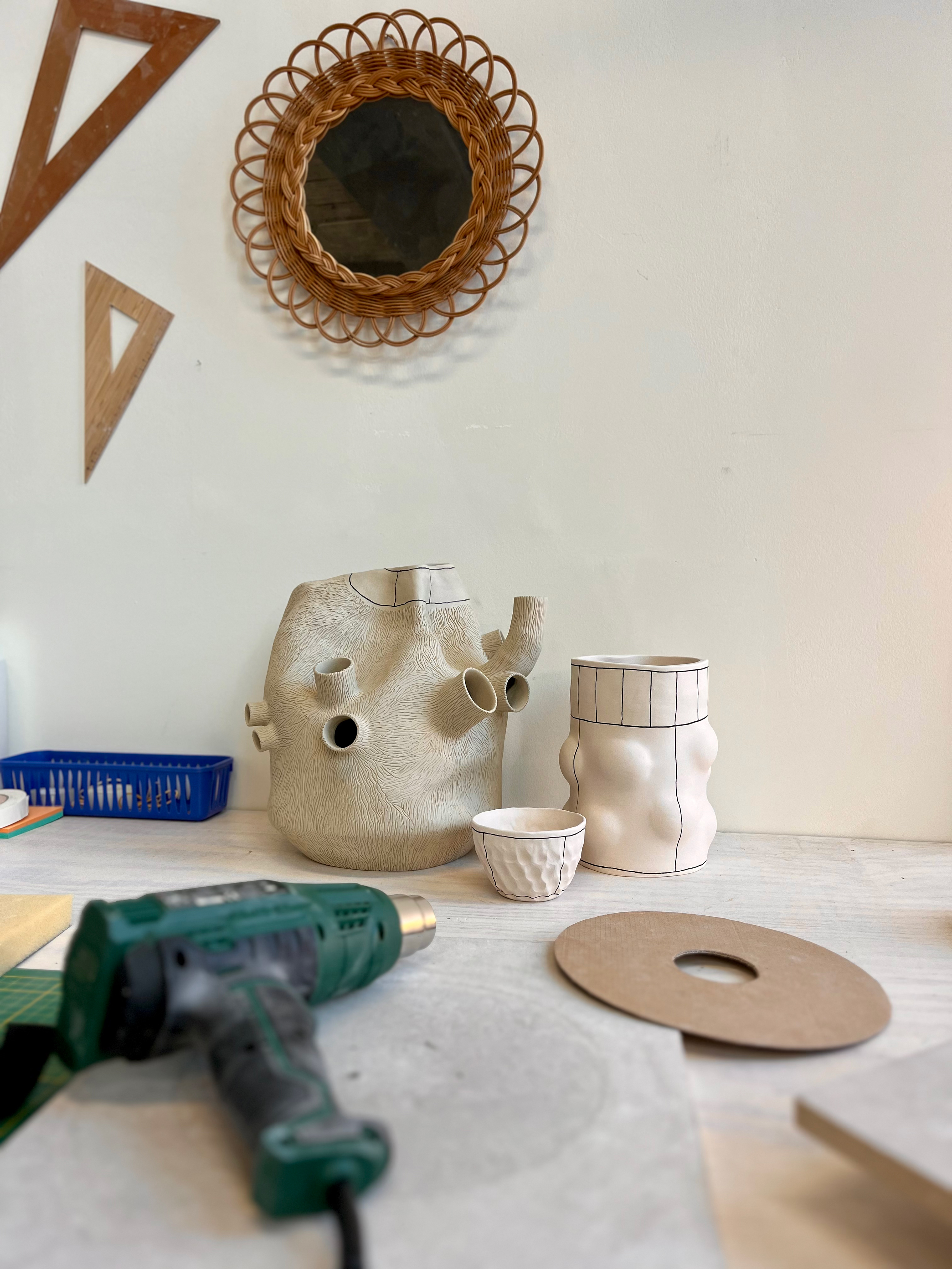
Atelier Tou is a design house that makes sensitive tableware and contemporary objects for the home and interior, revisiting ancestral ceramic techniques. Each piece is designed and handcrafted in Brussels, respecting traditional know-how. Driven by timeless design, our approach strikes a balance between elegance and functionality. From tableware to ornamentals,each piece reveals material and gesture. A true celebration of the expressive potential of clay and the enduring value of craftsmanship.
Belgium
National
Mainly urban
It involves other types of transformations (soft investment)
Yes
2026-01-01
No
No
No
Individual
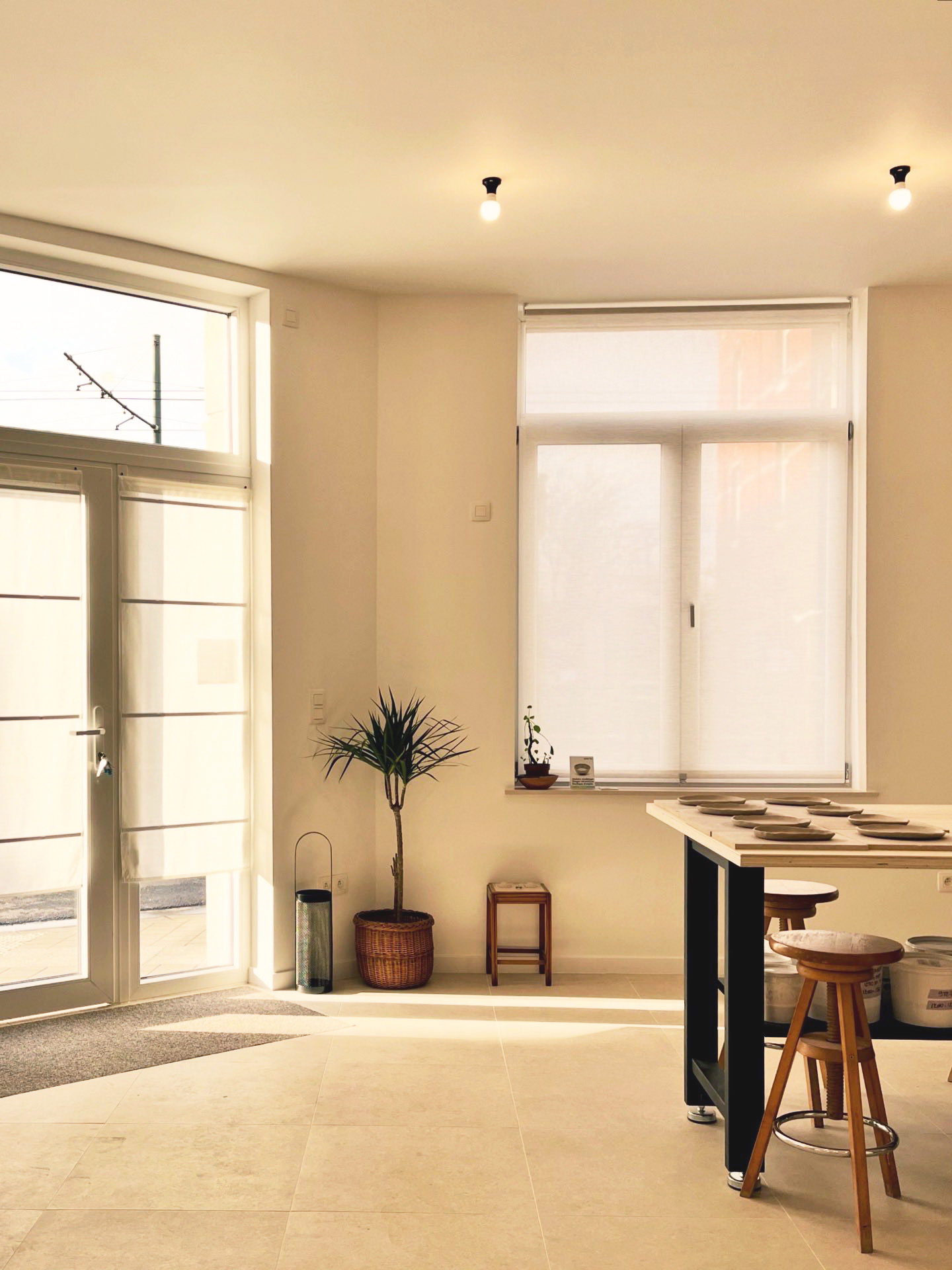
Atelier Tou is a Belgian design house and living space dedicated to contemporary ceramics and the transmission of artisanal knowledge. Founded in 2022 by ceramic designer Anna Tou in Brussels, the project combines a ceramic studio, a curated boutique of handcrafted objects, and a space for workshops and creative exchange.
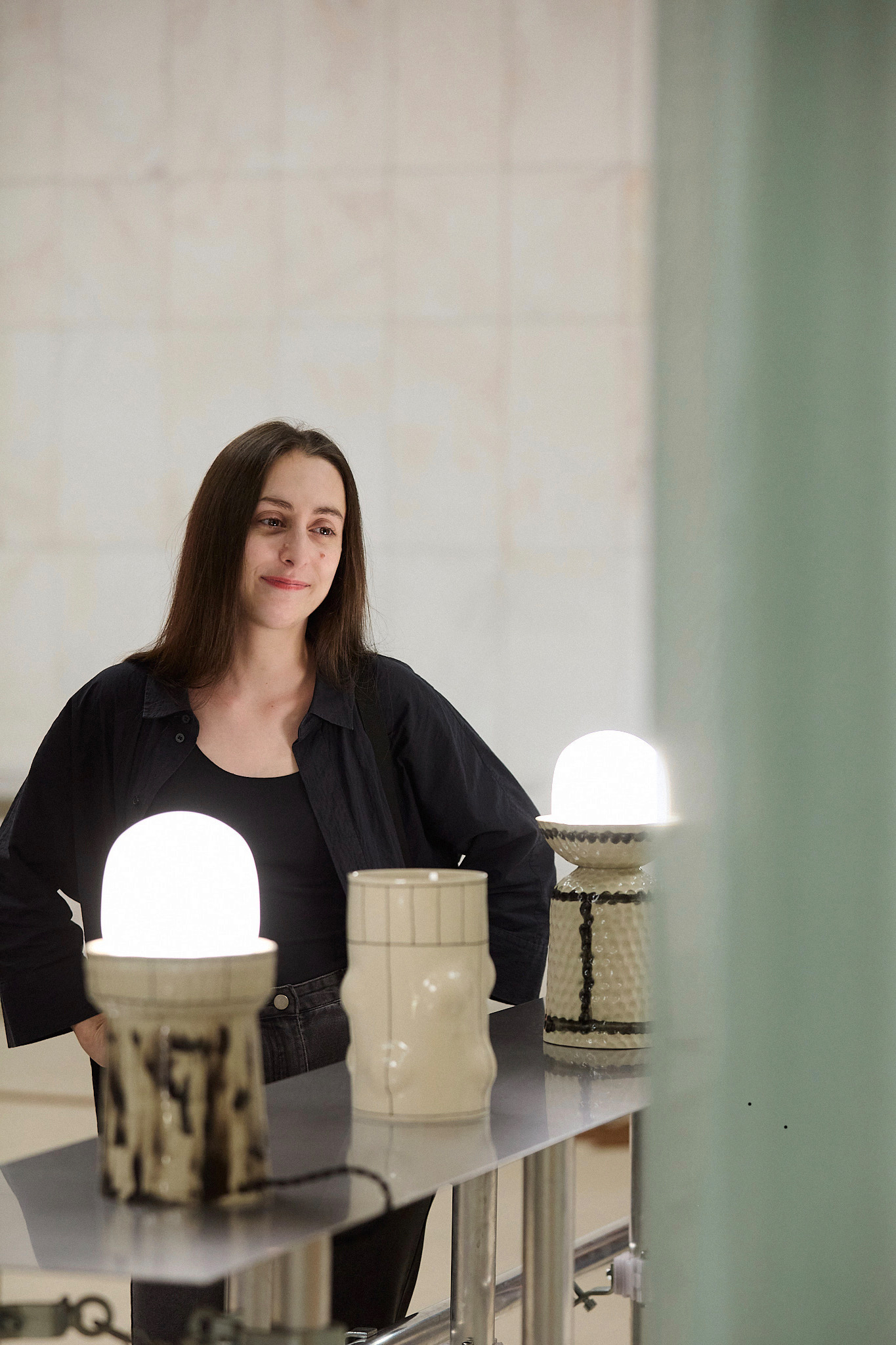
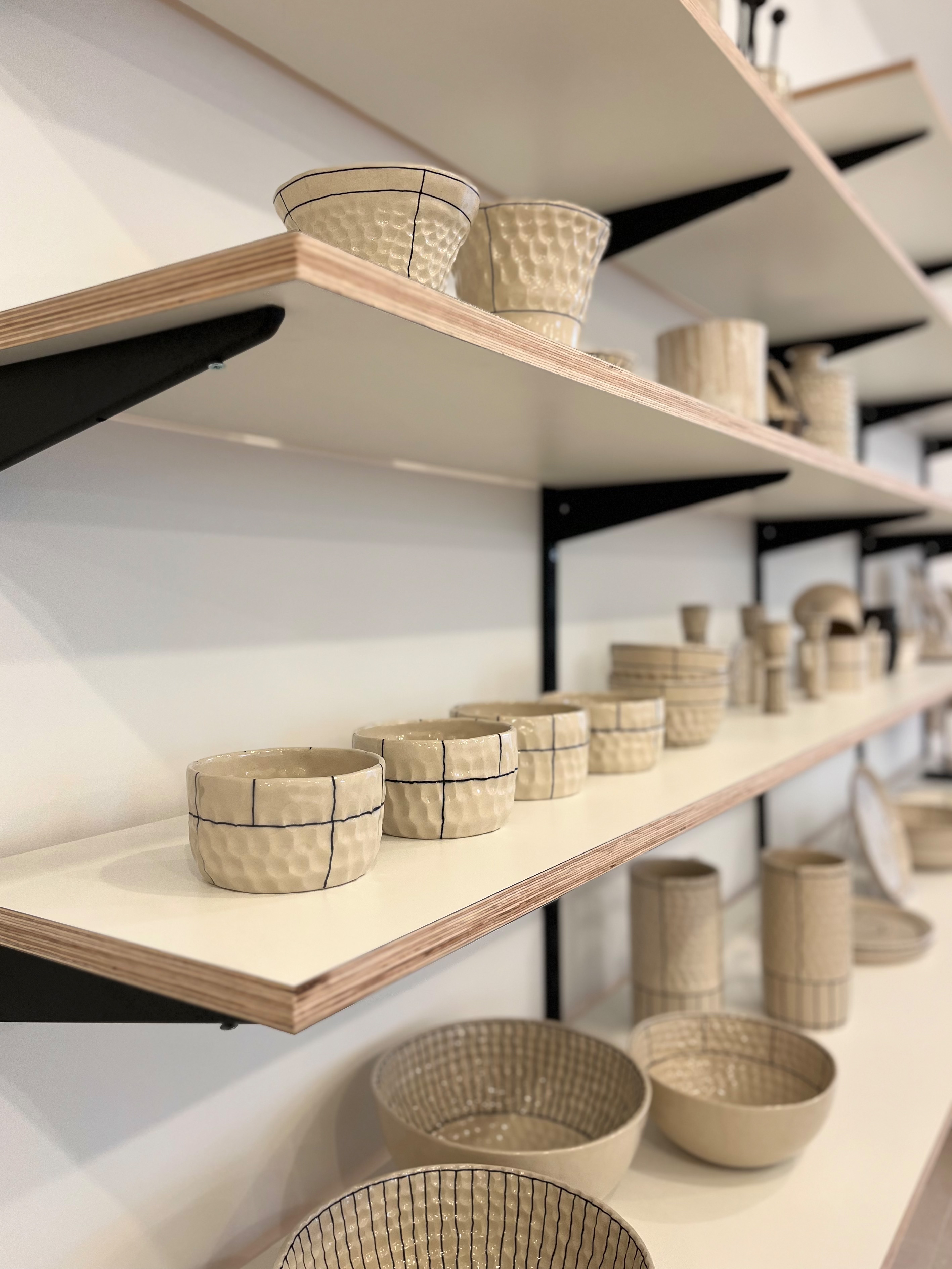
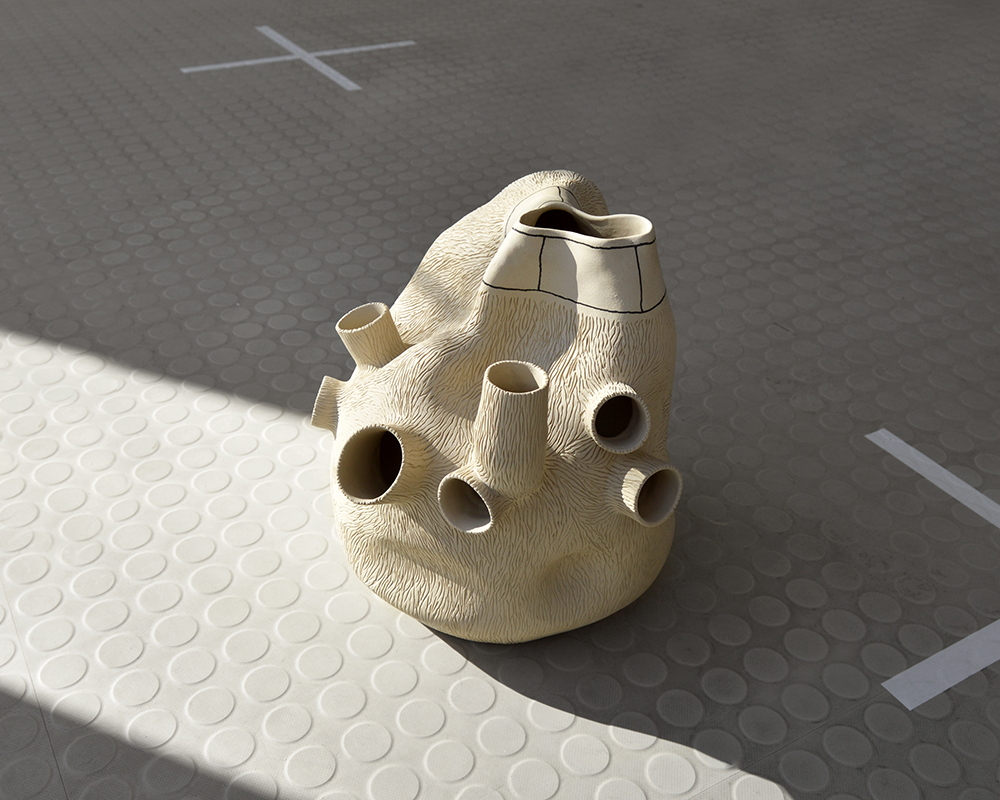
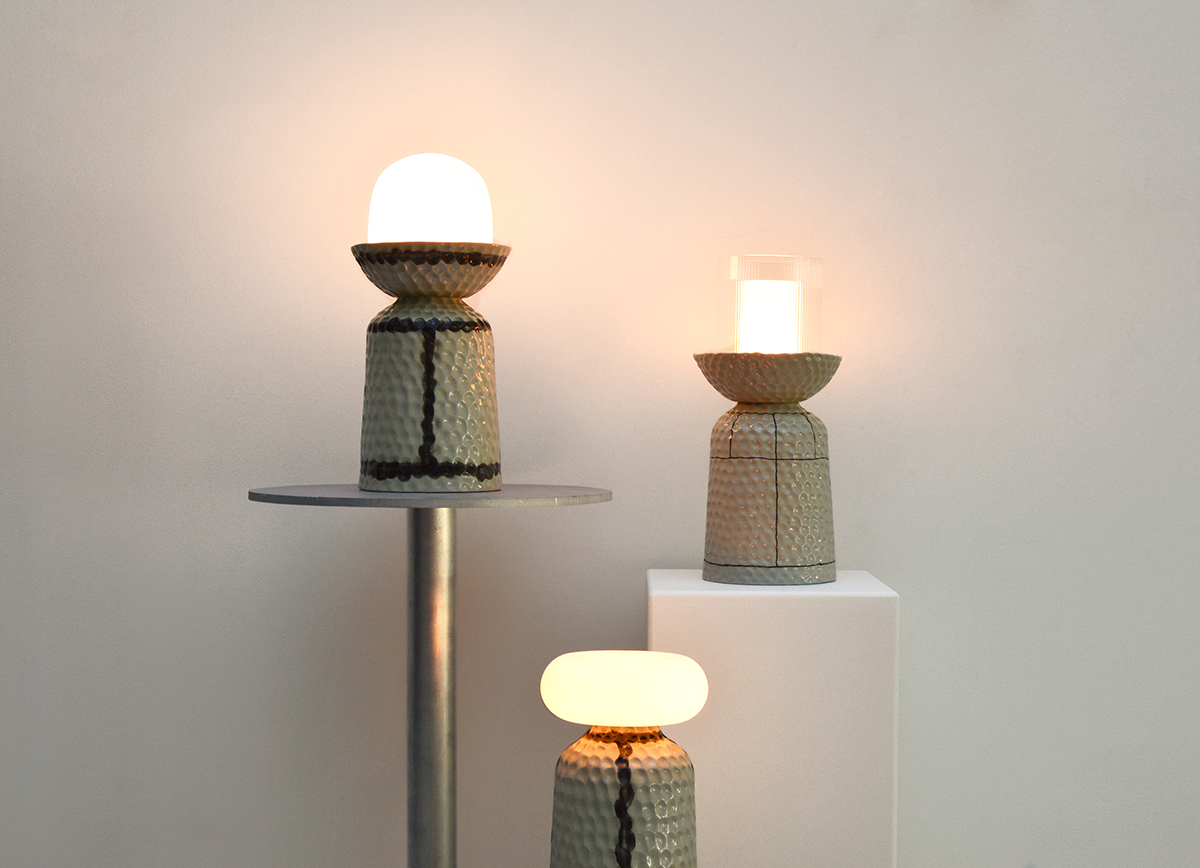
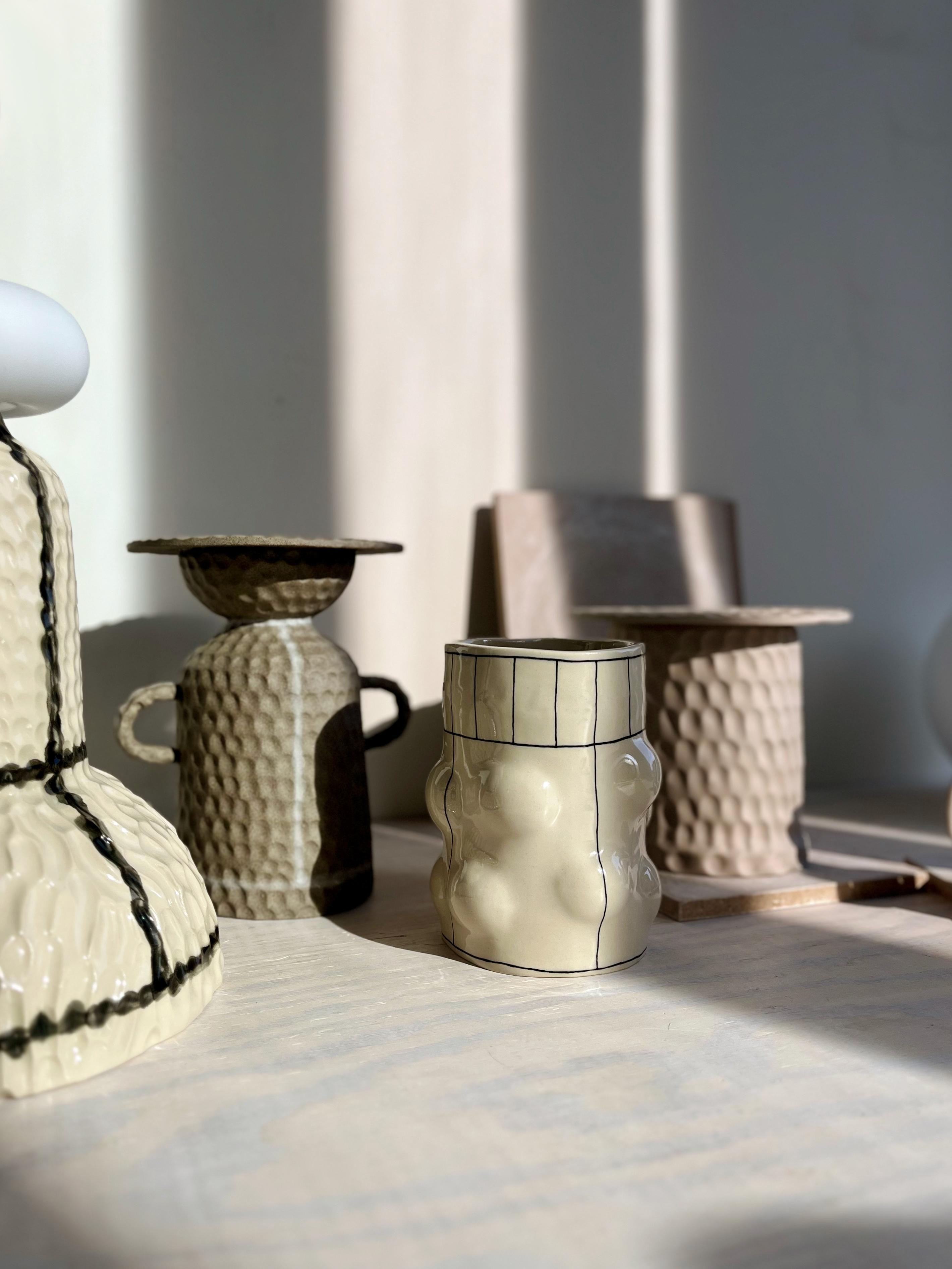
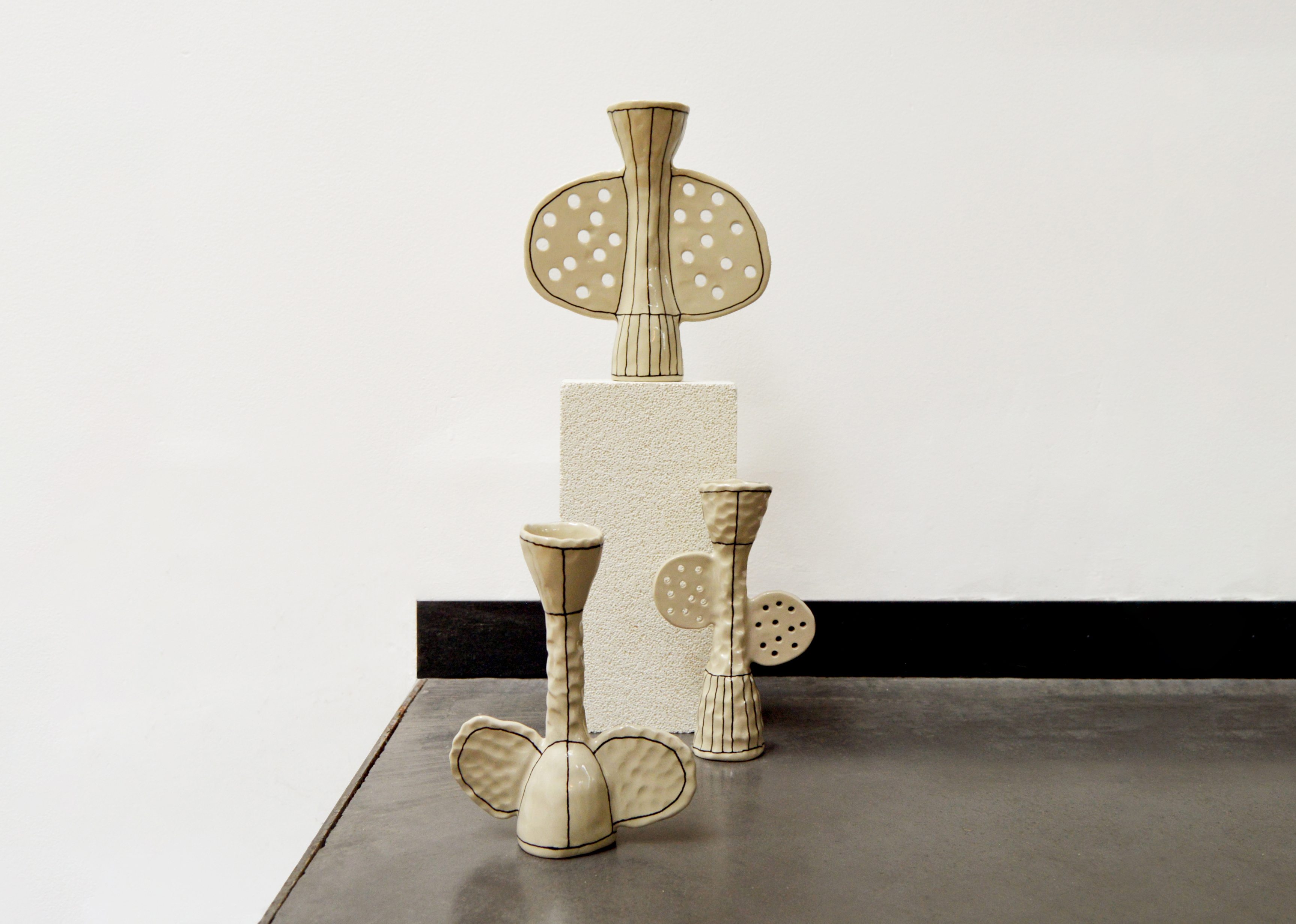
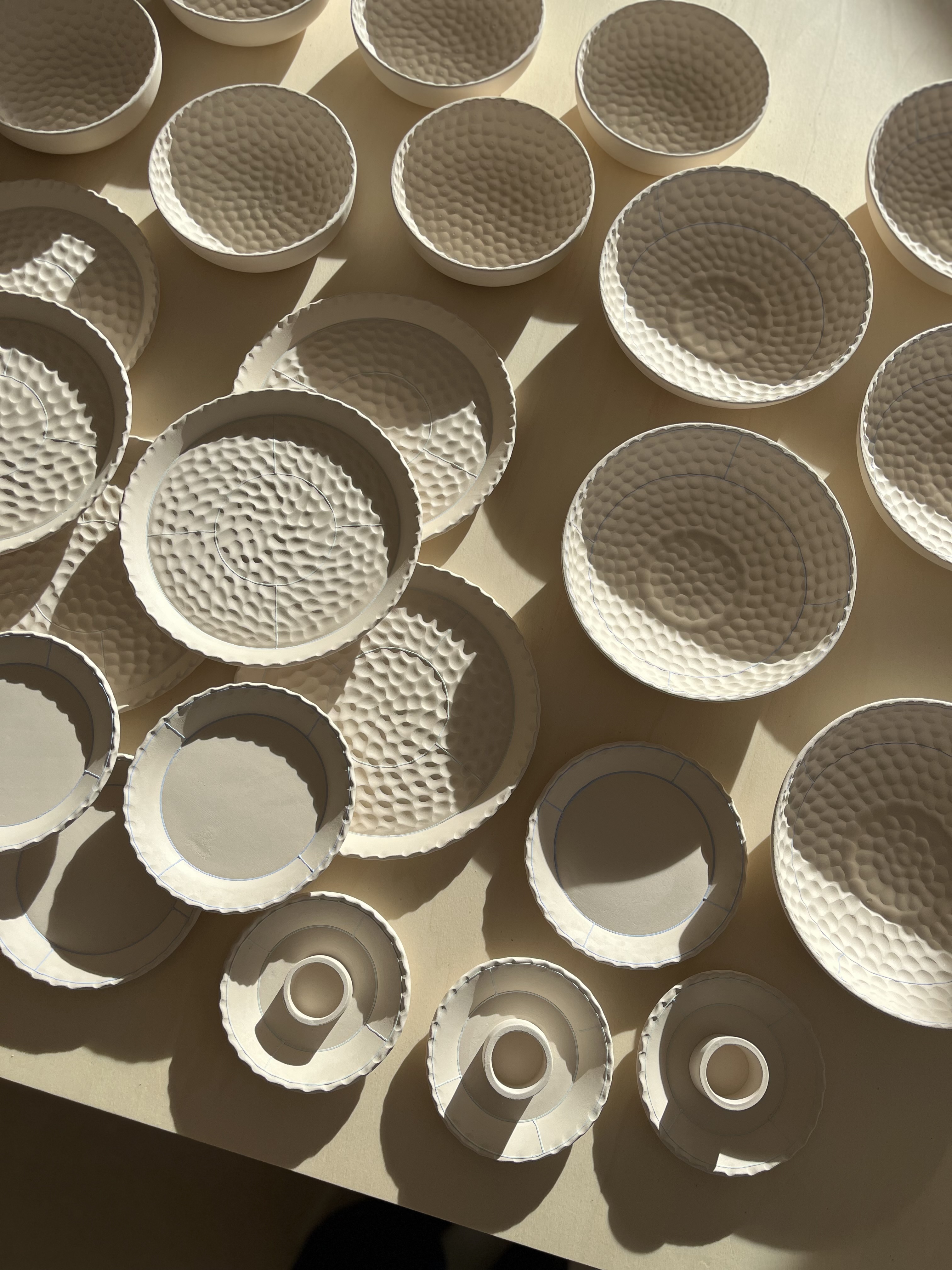
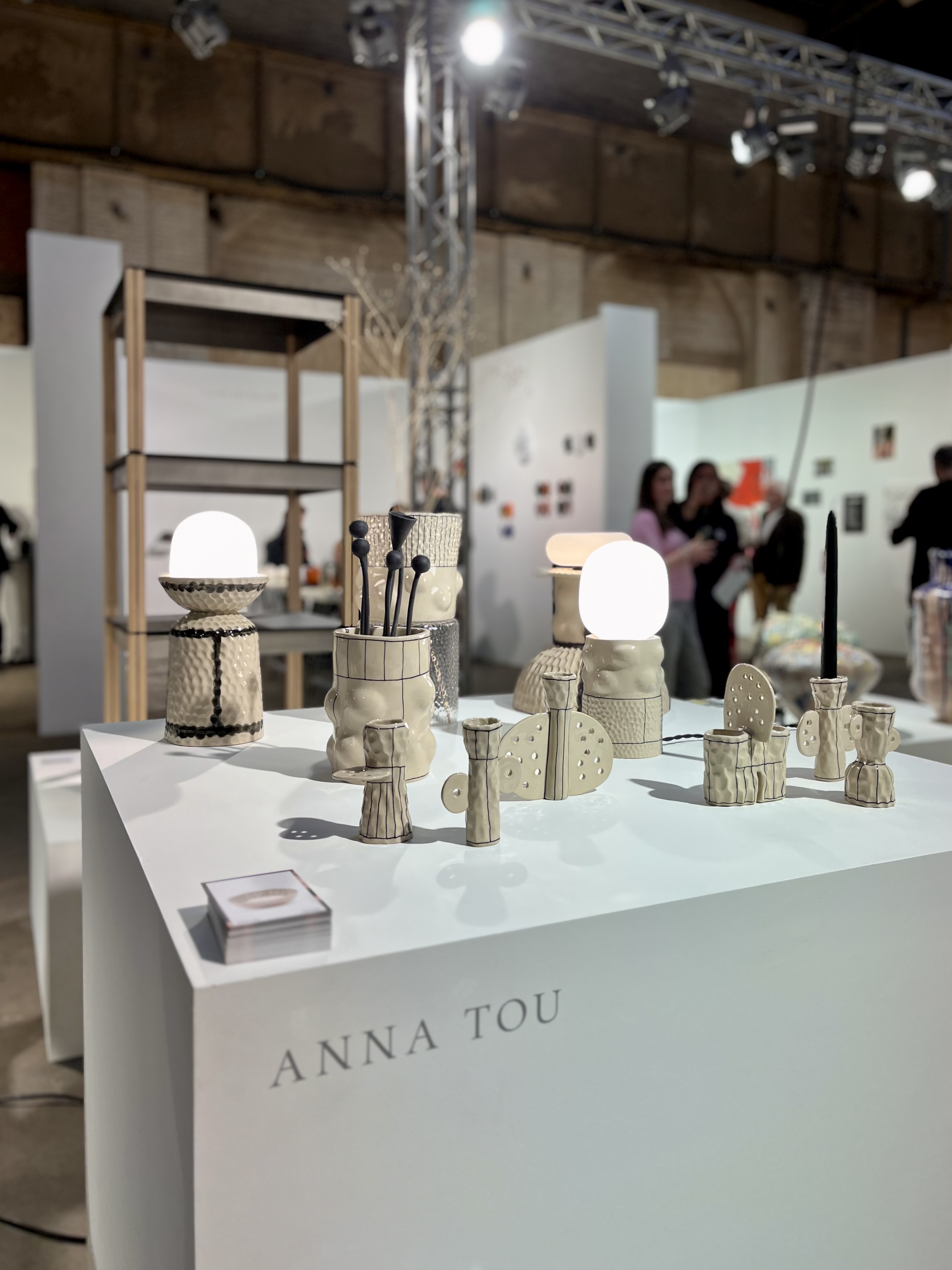
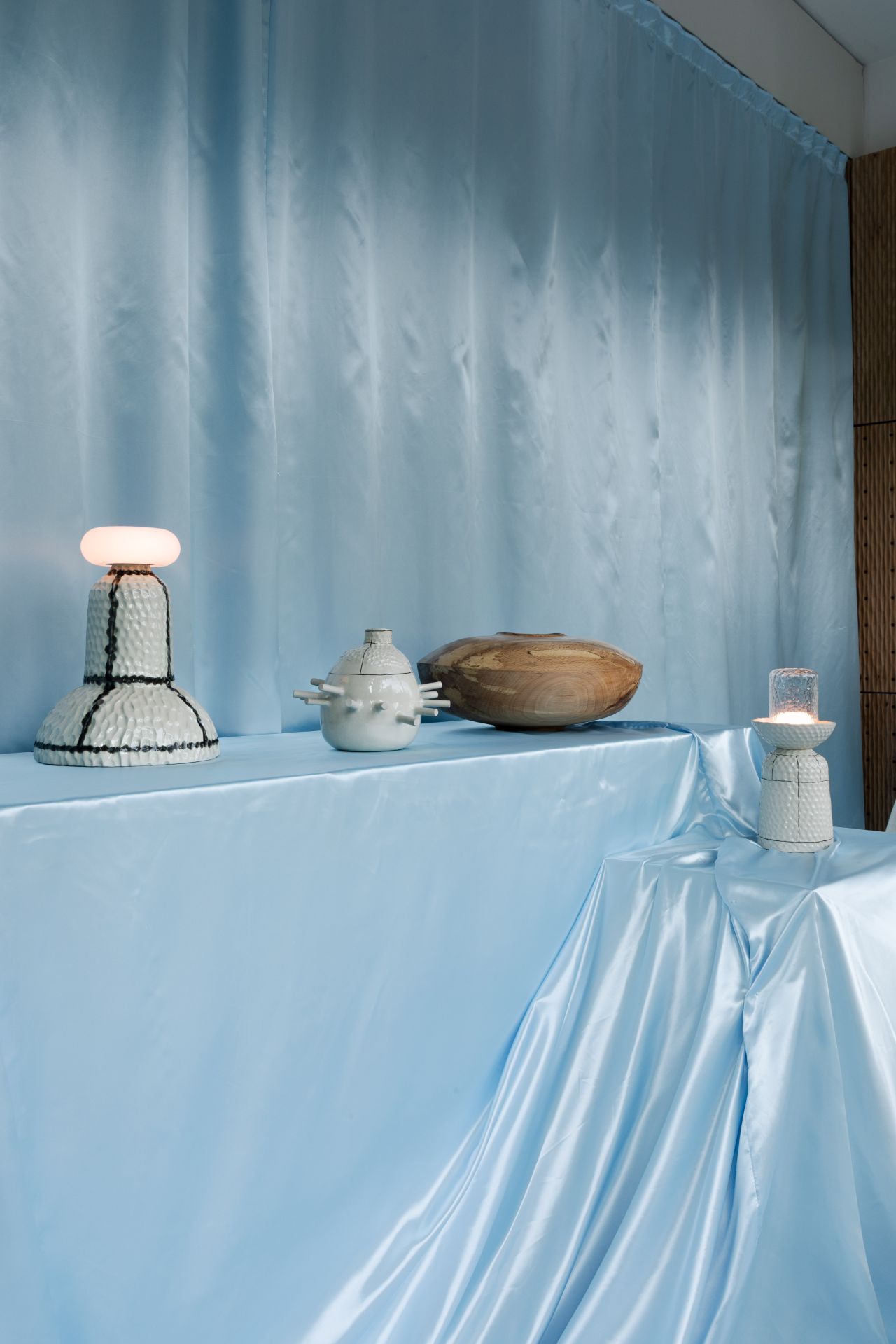
Atelier Tou creates sensitive tableware and contemporary objects for the home using high-temperature stoneware and porcelain. Each piece is designed and handcrafted in Brussels, revisiting ancestral ceramic techniques while embracing a contemporary design approach that balances elegance and functionality. The collections celebrate the expressive potential of clay, highlighting texture, gesture, and the subtle variations that make every handmade object unique.
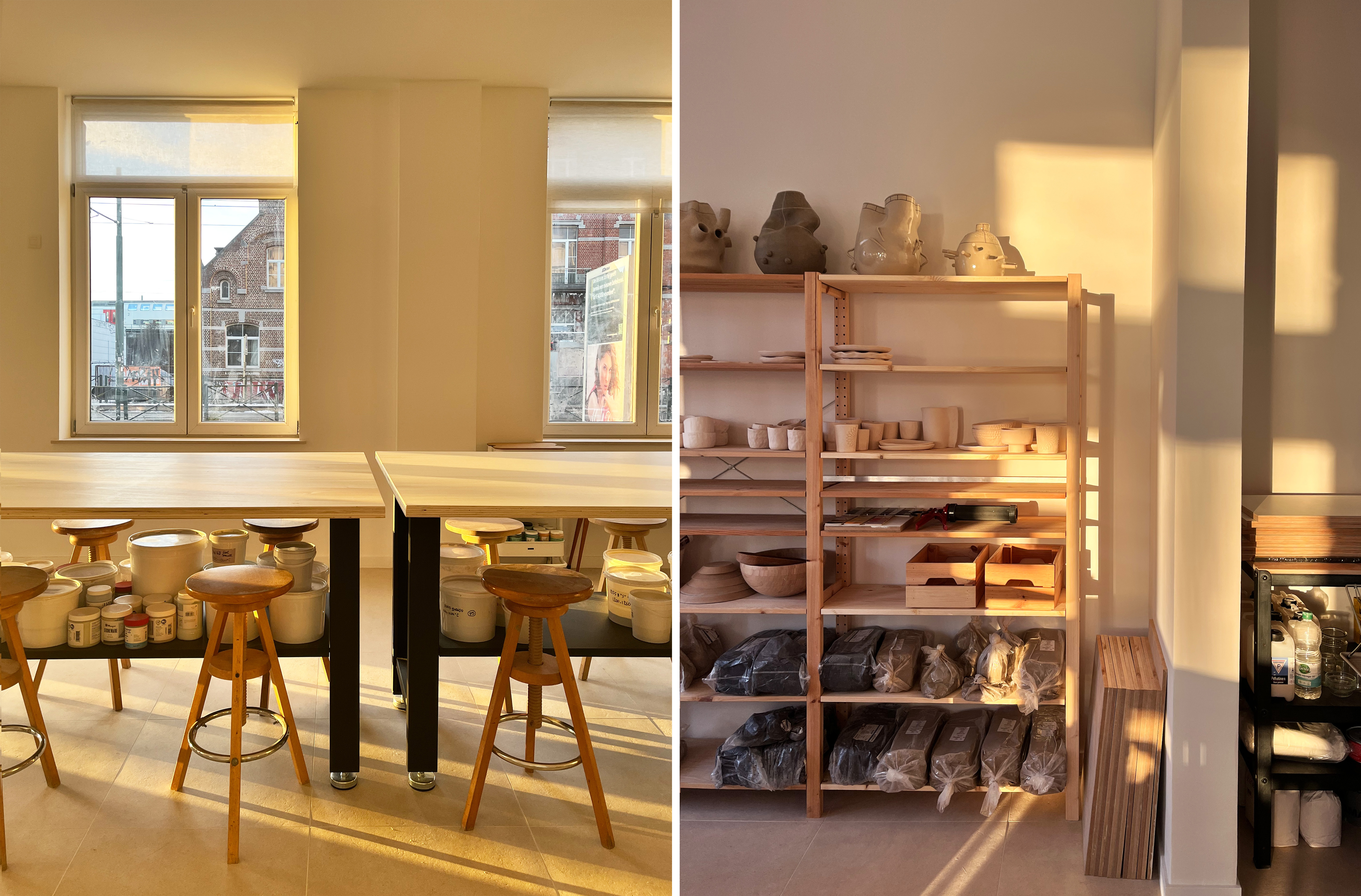
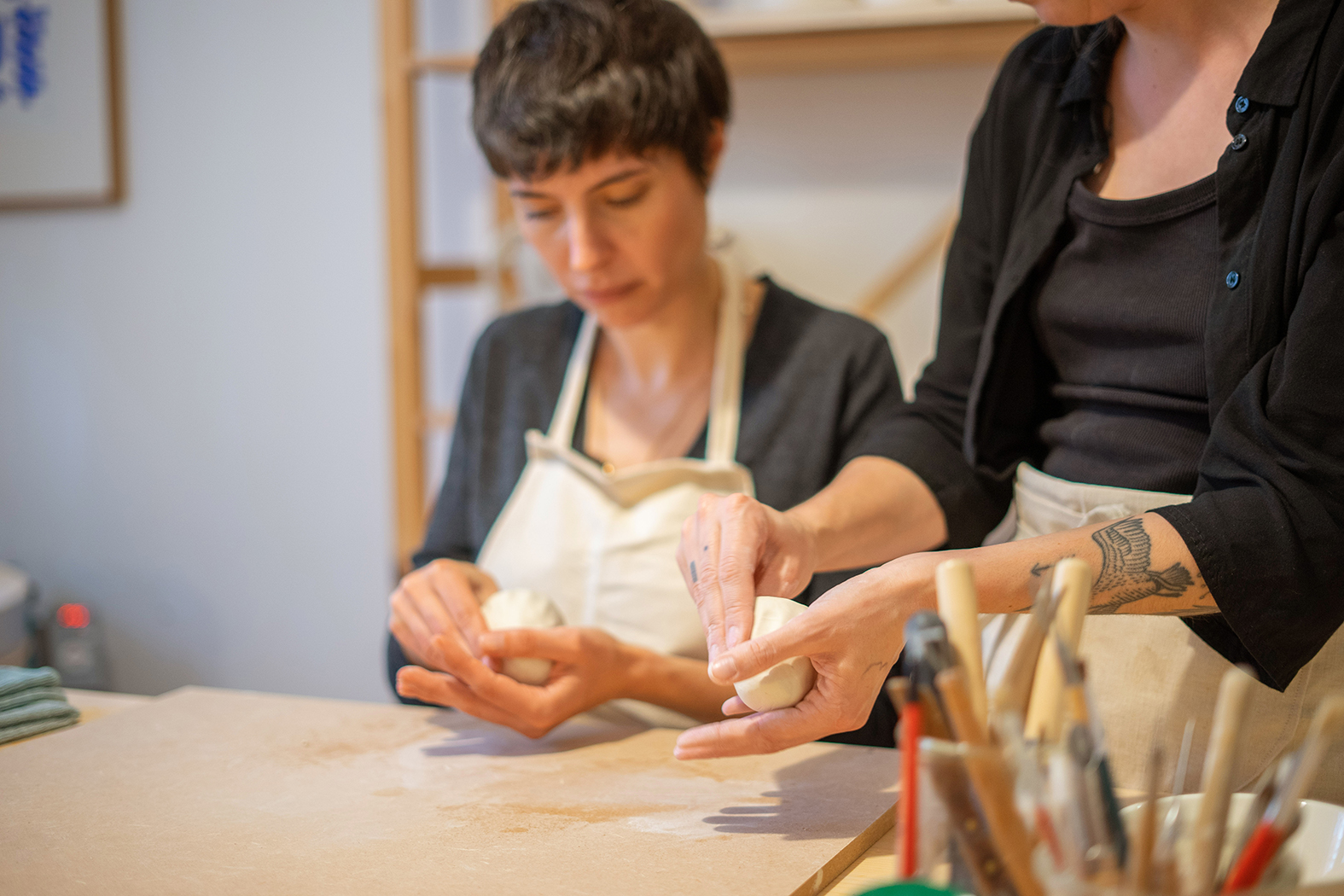
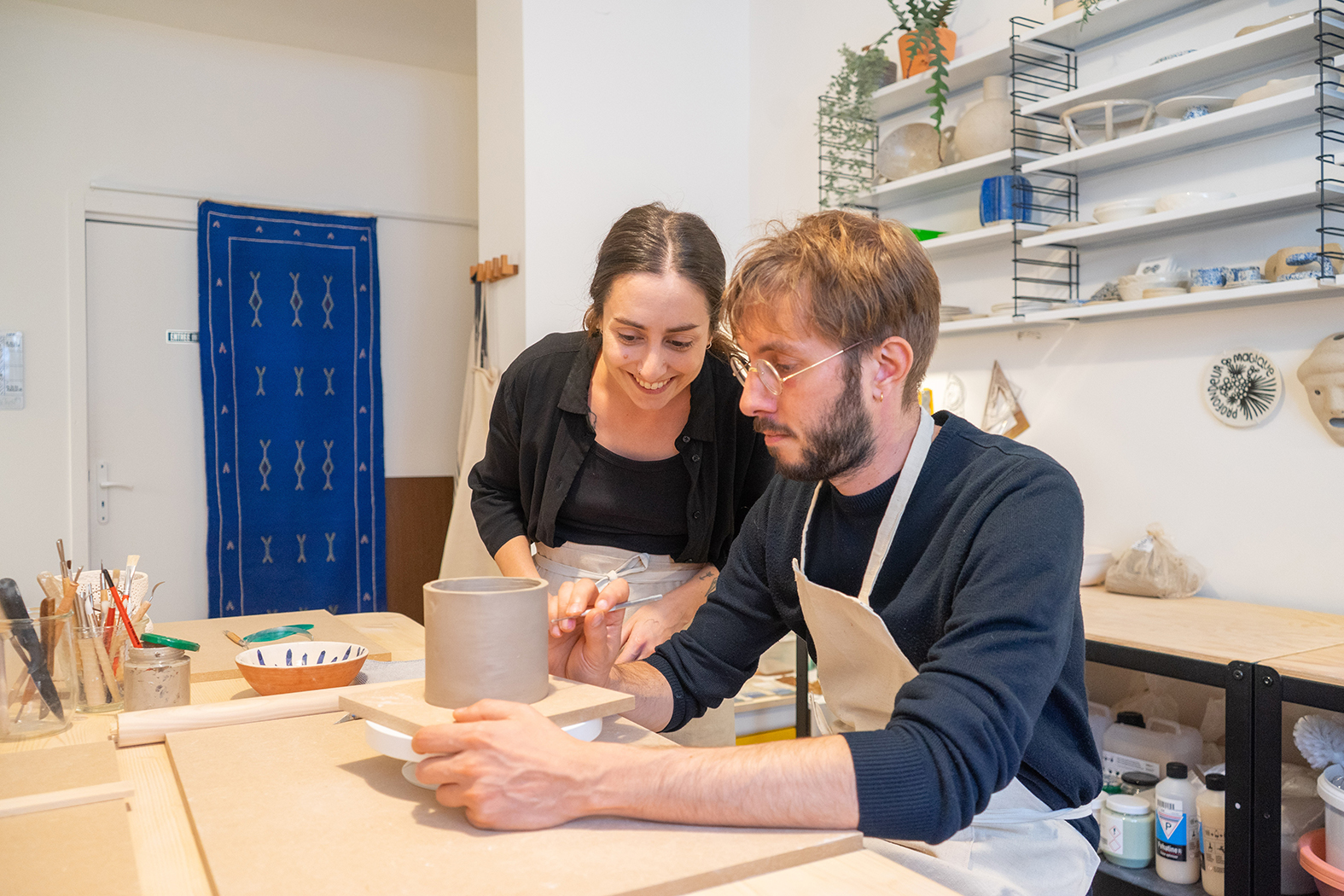
Beyond the production, Atelier Tou operates as a living space devoted to craftsmanship. The studio hosts weekly workshops and courses where participants explore traditional hand building techniques and develop their own relationship with clay. These hands-on experiences foster creativity, encourage slower and more mindful making, and contribute to the transmission of artisanal knowledge to a broad audience.
The project also includes a boutique space that curates ceramic pieces by emerging makers, connecting the public with artists and their stories through carefully selected collections and intimate events. Through these initiatives, Atelier Tou actively supports contemporary craft and highlights the cultural value of handmade objects.
In parallel, the studio develops bespoke ceramic projects in collaboration with restaurants, interior design boutiques, and architects, demonstrating how craftsmanship can integrate into contemporary design contexts.
In the long term, Atelier Tou aims to strengthen the visibility of contemporary ceramics, support emerging makers, and cultivate a deeper appreciation for craftsmanship.
Atelier Tou emerged from my personal journey as a designer and maker. I was originally trained in calligraphy and typography at the École Estienne in Paris. After moving to Brussels in 2009, I worked as a graphic designer specializing in lettering and visual identity. My discovery of ceramics in 2016 marked a turning point and opened a new creative path. After several years of training alongside professional ceramicists and continuing my studies at the Brussels Academy of Arts, I developed a practice centered on experimentation, material research, and high-temperature stoneware and porcelain.
In 2022, this exploration took a concrete form with the creation of Atelier Tou, a ceramic studio and living space in Forest, Brussels. I conceived it as a hybrid place bringing together a ceramic workshop, a boutique of handcrafted objects, and a space dedicated to teaching and sharing the practice.
On the ground, the project developed through three complementary activities. First, I design and produce contemporary ceramic collections for the table and home, handcrafted in Brussels using traditional techniques and high-temperature clays. Second, I host weekly workshops and hands-on courses where participants explore handbuilding techniques and experience the creative process of shaping clay. Finally, the boutique curates ceramic works and handcrafted objects, connecting the public with makers and highlighting the value of craftsmanship.
Through this combination of creation, education, and curation, I developed Atelier Tou as a living space dedicated to ceramics, where design and craftsmanship meet and where the knowledge of making is actively shared with a wider community.
Contemporary craft
Knowledge transmission
Creative community
Local production
Slow making
Atelier Tou promotes sustainability through local production, durable materials, and the transmission of craft knowledge. All ceramic pieces are designed and handcrafted in Brussels using high-temperature stoneware and porcelain. These materials are durable and intended for long-term use in everyday life, encouraging a more responsible relationship with objects.
The studio works on a small-scale production model, creating limited series rather than mass-produced objects. This approach allows careful use of materials and values the time and attention required in handmade work.
Atelier Tou is also a ceramic studio and living space where people can discover the making process. Through regular workshops and courses, participants learn hand building techniques and develop a better understanding of the materials, tools, and time involved in ceramic production.
By combining local making, handmade objects, and knowledge transmission, Atelier Tou supports a more sustainable approach to design and craft while contributing to the local creative ecosystem.
Atelier Tou contributes to everyday aesthetics through contemporary ceramic objects designed for daily use. The studio creates tableware and objects for the home that combine functionality with a strong attention to form, texture, and material. Each piece is handcrafted, allowing the natural qualities of clay and the marks of the making process to remain visible.
Beyond the objects themselves, Atelier Tou was conceived as a ceramic studio and living space in Brussels that brings together a workshop, a boutique of handcrafted objects, and a space for learning. Visitors can discover ceramics through exhibitions of handmade pieces, or by participating in hands-on workshops. These experiences allow people to better understand the creative process and develop a closer relationship with materials and craft.
Through this combination of creation, workshops, and sharing the practice, Atelier Tou promotes an accessible and meaningful approach to design and craftsmanship in everyday life.
Atelier Tou promotes inclusion by creating an accessible place where people can discover ceramics and engage with craft practices. The project was conceived as a ceramic studio and living space in Brussels that brings together a workshop, a boutique of handcrafted objects, and a space dedicated to workshops and courses. Through these activities, people from different backgrounds can access the practice of ceramics and discover the creative process behind handmade objects. The workshops are open to beginners and do not require previous experience. Participants can learn hand building techniques, experiment with clay, and develop their own relationship with the material in a supportive environment.
By combining a production studio, a teaching space, and a place open to the public, Atelier Tou creates opportunities for people to connect with craftsmanship and with each other. Visitors can discover contemporary ceramics, meet makers, and better understand the work behind handmade objects.
Through this approach, Atelier Tou contributes to making craft practices more visible and accessible, while fostering a small creative community around making, learning, and sharing knowledge.
Atelier Tou places participation at the core of its mission by opening its studio as a shared creative space for citizens, neighbours, and diverse communities. Weekly workshops and courses invite participants of all ages to explore traditional hand‑building techniques, fostering creativity, slow making, and a direct connection to materiality. Their feedback actively shapes the evolution of the pedagogical approach, ensuring that learning pathways remain inclusive and responsive to community needs. The boutique further strengthens participation by showcasing emerging ceramicists and creating opportunities for the public to meet makers during intimate events. Through these practices, Atelier Tou cultivates a sense of belonging, empowers individuals to reconnect with craftsmanship, and reinforces the cultural value of handmade objects within the local community.
Atelier Tou operates through collaborations that span local, regional, and professional networks. Locally, the studio engages residents, neighbourhood communities, and participants who contribute to shaping workshop formats and community events. Regionally, Atelier Tou collaborates with Belgian ceramicists, design boutiques, and cultural actors to promote contemporary craft.
At the professional level, the studio works with restaurants, architects, and interior designers to develop bespoke ceramic pieces that integrate craftsmanship into broader design contexts. These multilevel interactions strengthen the project’s cultural relevance, expand its impact, and demonstrate how artisanal knowledge can contribute to regional creative ecosystems.
At the professional level, the studio works with restaurants, architects, and interior designers to develop bespoke ceramic pieces that integrate craftsmanship into broader design contexts. These multilevel interactions strengthen the project’s cultural relevance, expand its impact, and demonstrate how artisanal knowledge can contribute to regional creative ecosystems.
Atelier Tou integrates multiple disciplines throughout its design and educational activities. The project combines ceramic craftsmanship, contemporary design, material research, and traditional hand‑building techniques. Its workshops draw from pedagogy and social sciences by fostering inclusive, hands‑on learning environments that encourage personal expression and mindful making.
Collaborations with architects, interior designers, and restaurants introduce cross‑disciplinary exchanges that connect ceramics with spatial design, gastronomy, and hospitality. The boutique further bridges craft, curation, and cultural mediation by presenting the work of emerging makers. This transdisciplinary approach positions Atelier Tou as a space where artistic practice, education, and design innovation meet.
Collaborations with architects, interior designers, and restaurants introduce cross‑disciplinary exchanges that connect ceramics with spatial design, gastronomy, and hospitality. The boutique further bridges craft, curation, and cultural mediation by presenting the work of emerging makers. This transdisciplinary approach positions Atelier Tou as a space where artistic practice, education, and design innovation meet.
Atelier Tou’s business model combines diversified revenue streams to ensure long‑term sustainability.
The studio generates income through the sale of handcrafted ceramic collections, bespoke commissions for restaurants and design professionals, and a curated boutique featuring work by emerging makers.
Workshops and courses provide a stable and recurring source of revenue while fulfilling the project’s educational mission. This model is complemented by occasional collaborations and events that strengthen visibility and community engagement.
By balancing production, education, and curation, Atelier Tou maintains financial resilience while supporting the broader ecosystem of contemporary craft.
Several elements of Atelier Tou can be replicated in other contexts.
Its pedagogical model, based on accessible hand‑building techniques, mindful making, and community‑centred learning ; can be adapted to cultural centres, schools, or creative hubs.
The combination of studio, boutique, and workshop space offers a transferable framework for supporting emerging makers while engaging local communities.
The methodology for developing bespoke ceramic pieces with restaurants and designers can also be applied in other regions to strengthen links between craftsmanship and contemporary design.
More broadly, Atelier Tou demonstrates how a small‑scale craft studio can become a cultural anchor that promotes material knowledge, creativity, and local resilience.