CreaLab Gráfica & Libro
CreaLab Gráfica & Libro
CreaLab Gráfica & Libro is an innovative cultural hub in Genalguacil that combines specialized training in graphic arts, collective entrepreneurship, and economic activation. By empowering local communities, particularly women, and promoting sustainable, circular production, it fosters creativity, preserves heritage, and combats rural depopulation, making Genalguacil a model of cultural innovation and resilience.
Spain
The project is implemented in Genalguacil, a rural municipality in Málaga, Spain. Located in the Andalusian region, the project leverages the town’s rich cultural heritage, aiming to foster sustainable economic development through specialized training in graphic arts, collective entrepreneurship, and the preservation of local heritage. This initiative addresses the challenge of rural depopulation while positioning Genalguacil as a model for cultural innovation and circular economy in rural areas.
Early initiative
Yes
Yes
Yes
No
No
29057: Genalguacil (ES)
CreaLab Gráfica & Libro aims to foster sustainable economic development in Genalguacil by establishing a cultural hub focused on specialized training in graphic arts, collective entrepreneurship, and the preservation of local heritage. The initiative targets local residents, with a focus on women and vulnerable groups, and aims to combat rural depopulation through employment creation and skills development in areas like engraving, risography, bookbinding, and graphic conservation.
The project’s specific objectives include:
(1) Providing high-level, practical training in graphic arts to increase employability.
(2) Supporting collective cultural entrepreneurship through mentorship and a pre-accelerator program.
(3) Empowering women and disadvantaged groups by offering inclusive, flexible training and entrepreneurship opportunities.
(4) Positioning Genalguacil as a model for cultural innovation in rural areas.
The expected outcomes include increased local employment, sustainable entrepreneurial initiatives, the development of marketable cultural products, and the integration of new business models based on local resources.
New European Bauhaus values are embedded in the project by promoting sustainability, inclusivity, and aesthetics. The use of local, sustainable materials in graphic arts practices contributes to circular economies. The project also strengthens the connection between local culture and innovation while focusing on collaborative, participatory decision-making. Stakeholders—including local government, artists, and community members—are involved through a co-creation process, ensuring their active participation in shaping the project's direction. This process promotes citizen-led cultural regeneration, making Genalguacil a vibrant example of creative rural revitalization.
Sustainability
Cultural Innovation
Circular Economy
Entrepeneurship
Co-creation
In terms of sustainability, the project promotes the use of local and sustainable materials in graphic arts and heritage preservation, applying principles of circular economy and waste reduction. It also fosters local job creation and collective entrepreneurship, especially in vulnerable communities such as women.
Regarding inclusivity, the project prioritizes the participation of marginalized groups, ensuring access to training and entrepreneurship opportunities. It promotes co-creation and collaborative governance, allowing local residents to be actively involved in the development of the project, which strengthens social cohesion.
From an aesthetic perspective, CreaLab contributes to the preservation and reinterpretation of local culture, using graphic arts as a medium of expression and creating a visual impact within the community.
This holistic approach makes CreaLab an example of how creativity and collaboration can sustainably transform rural areas, generating economic, cultural, and social opportunities, while preserving heritage and promoting innovation.
The CreaLab Gráfica & Libro project enhances the aesthetic experience for both participants and the community by combining graphic arts and bookbinding with the preservation of local heritage. Through specialized training, the project provides high-quality education in artistic practices, helping participants develop advanced skills while fostering a deeper appreciation for these traditional and sustainable crafts.
The project emphasizes design excellence by focusing on the creation of culturally significant products that reflect the local identity and contribute to the community’s cultural pride. By offering training in conservation techniques and creative practices, CreaLab helps elevate the aesthetic quality of the cultural products made by participants, ensuring that they meet professional standards. This commitment to high-quality craftsmanship and design benefits not only the creators but also the community, strengthening the cultural fabric of Genalguacil.
CreaLab’s pre-accelerator program supports participants in transforming creative ideas into marketable cultural products, contributing to both economic and cultural sustainability. This initiative is a model of how design and culture can enhance the quality of life, provide economic opportunities, and encourage cultural innovation.
The project is exemplary in its ability to intertwine aesthetics, cultural heritage, and community engagement, making CreaLab Gráfica & Libro a sustainable hub for creative development and cultural vitality in rural areas.
The CreaLab Gráfica & Libro project prioritizes inclusion by ensuring accessibility and affordability for all, particularly marginalized groups such as women and vulnerable communities. The initiative provides equal access to training in specialized graphic arts and bookbinding, offering flexible programs designed to accommodate different learning needs. This helps reduce barriers to participation, especially for those in rural areas, fostering a more inclusive local economy.
The project also emphasizes inclusive governance, involving local stakeholders in decision-making processes through co-creation and collaborative governance. By engaging the community in shaping the project’s direction, CreaLab ensures that it addresses the needs and aspirations of all residents, creating a sense of ownership and empowerment.
Furthermore, the project promotes new societal models by supporting collective entrepreneurship. Participants are encouraged to develop cooperative business models, reducing inequality and ensuring that economic benefits are shared equitably within the community. This approach aligns with design for all principles by creating inclusive spaces where everyone, regardless of background or ability, can contribute and thrive.
CreaLab is exemplary in fostering inclusive creativity and community-driven decision-making, offering a sustainable model for how cultural initiatives can contribute to social inclusion, empower marginalized groups, and promote new, more equitable societal models.
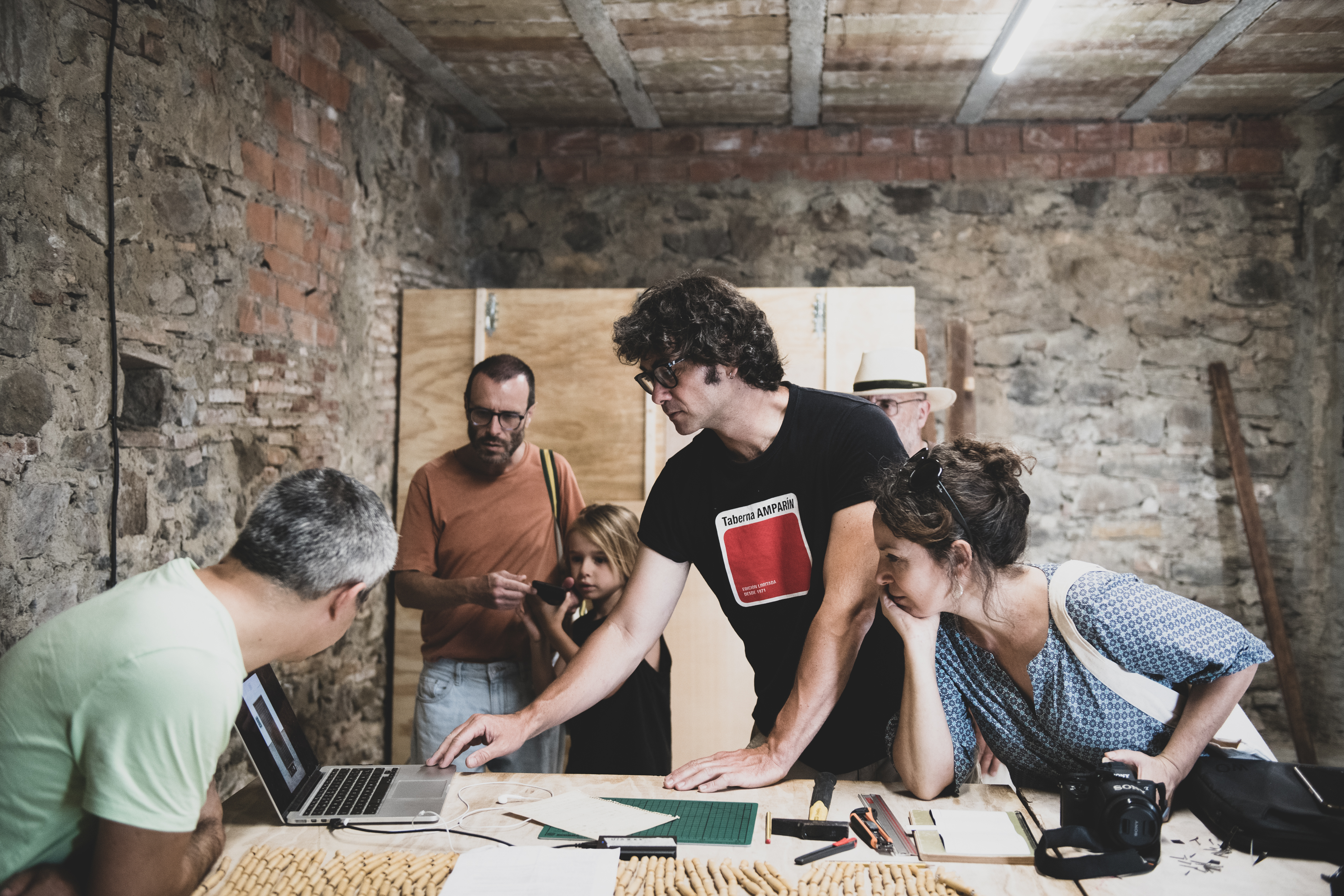
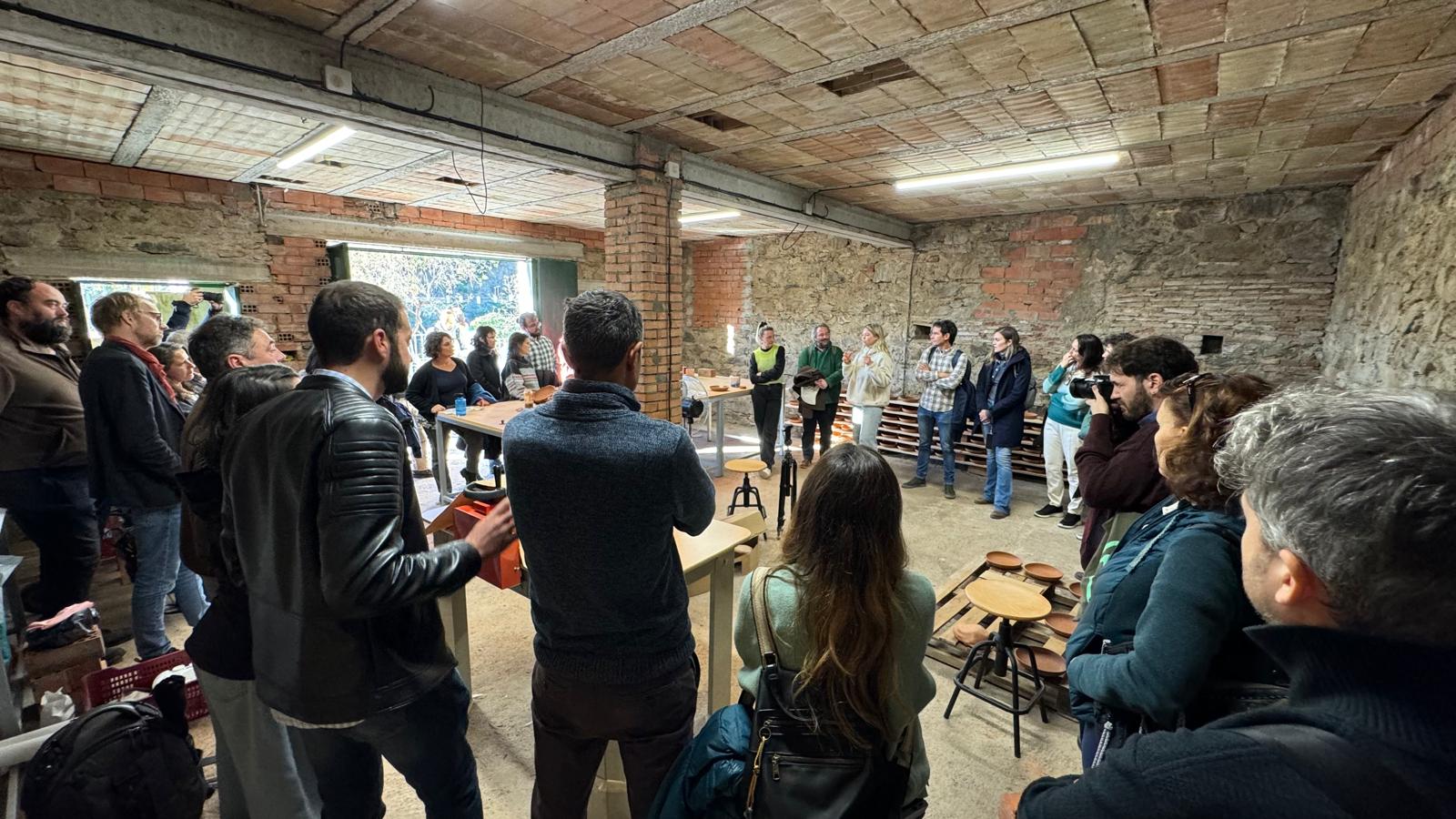
Citizens and civil society play a central role in the CreaLab Gráfica & Libro project, contributing actively to its development and success. The initiative is built on co-creation and participatory governance, ensuring that the local community is directly involved in decision-making processes.
Local residents, particularly women and vulnerable groups, are engaged through specialized training in graphic arts, bookbinding, and conservation, giving them the opportunity to acquire new skills and participate in cultural and economic activities. This hands-on involvement empowers them, promoting social inclusion and economic opportunities within the community.
The community is also involved in shaping the project's direction through collaborative governance, where citizens contribute ideas and feedback, ensuring that the initiative reflects their needs and values. This approach fosters ownership and empowerment, as the local population has a direct impact on the outcomes of the project.
Furthermore, the project encourages the development of cooperative business models, where citizens actively participate in creating and managing cultural products. This promotes a sustainable, locally driven economy, enabling the community to benefit from both economic and cultural growth.
The level of involvement ranges from active participation in training and workshops to decision-making and governance. This collective engagement has led to stronger community cohesion, improved local economies, and a deepened sense of cultural pride.
The CreaLab Gráfica & Libro project engages stakeholders at various levels—local, regional, national, and European—to ensure broad support and effective implementation.
At the local level, the Ayuntamiento de Genalguacil plays a pivotal role, providing infrastructure, logistical support, and local governance. The Museum of Contemporary Art and local cultural institutions are key partners, contributing cultural expertise and space for training and creation. Local residents, especially women and vulnerable groups, are actively involved in training programs, entrepreneurship initiatives, and decision-making through participatory governance. Their engagement strengthens the project’s relevance and sustainability within the community.
At the regional level, partnerships with organizations such as the Andalusian Government and local development groups enhance the project’s visibility and regional integration. These stakeholders contribute to the promotion and dissemination of the project, connecting it to broader regional strategies for cultural innovation and economic development.
On the national level, the project aligns with Spain’s cultural and economic policies, including MITECO's support for demographic challenges. Their involvement ensures that the initiative aligns with national priorities on sustainability, cultural preservation, and economic resilience.
At the European level, the project benefits from being part of wider initiatives and networks such as Innpulso and Horizon Europe. This connection provides access to funding opportunities, best practices, and international collaboration, enhancing the project’s scalability and impact across Europe.
The engagement of stakeholders at all levels ensures shared ownership, access to resources, and the ability to replicate and expand the project’s success, fostering long-term sustainability and community empowerment.
The CreaLab Gráfica & Libro project reflects a diverse range of disciplines and knowledge fields, including graphic arts, bookbinding, cultural heritage preservation, entrepreneurship, and community development. Each field contributes to the project’s holistic approach, ensuring that it addresses both creative and practical needs within the local community.
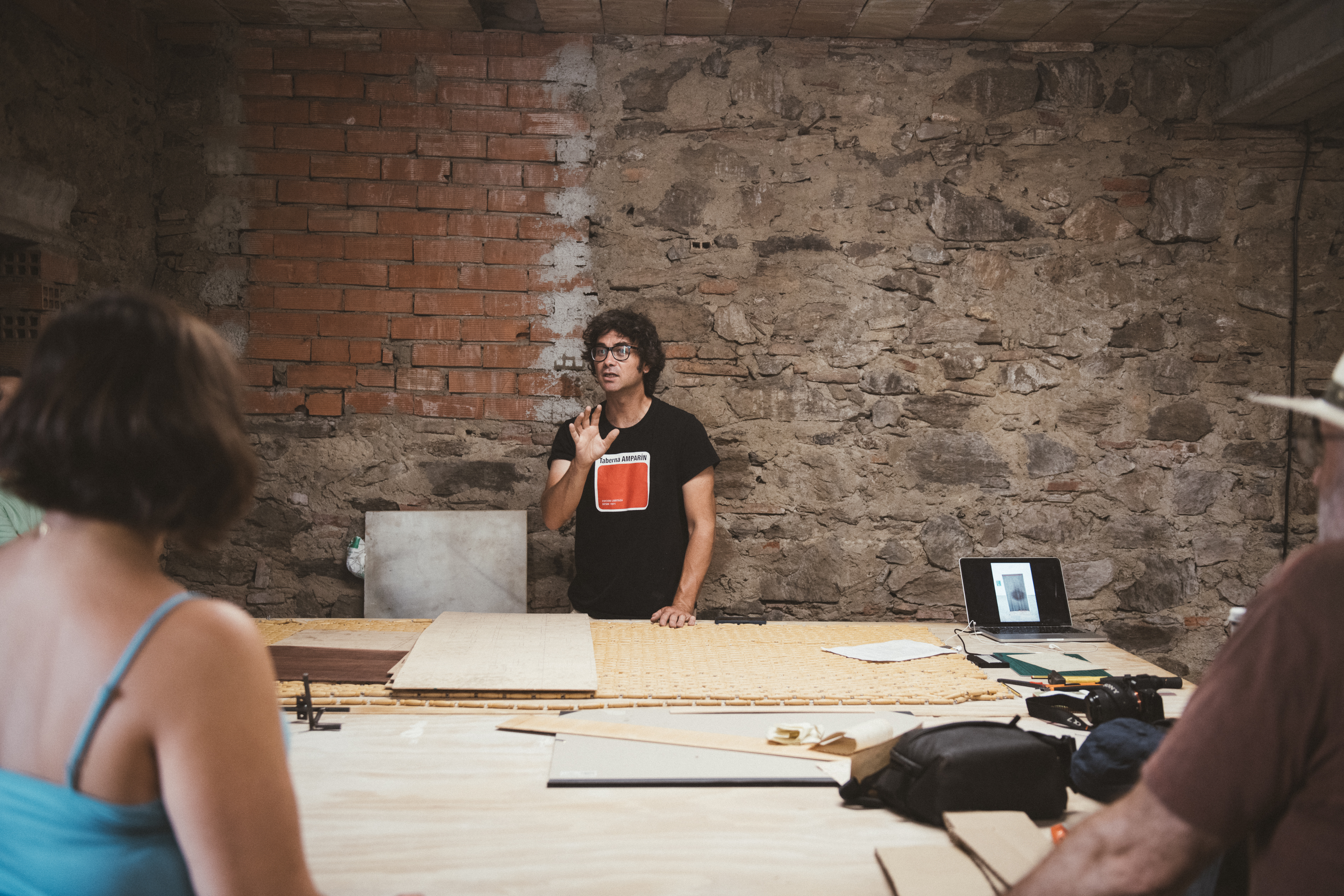
The graphic arts and bookbinding disciplines are central to the initiative, with experts in engraving, risography, conservation, and restoration providing specialized training. These professionals work closely with local artisans and residents, ensuring that the skills taught are both culturally relevant and technically advanced.
Cultural heritage preservation specialists collaborate with artists and local stakeholders to incorporate traditional techniques into the creation of new cultural products, ensuring the project respects and preserves Genalguacil’s local identity. This collaboration strengthens the project’s connection to the community’s heritage.
The entrepreneurship and business development fields are also integral, with mentors guiding participants in creating sustainable business models. These experts work alongside local government representatives to help translate creative output into viable economic ventures, fostering long-term sustainability.
The community development aspect ensures that all disciplines are integrated with local engagement. Through co-creation and collaborative governance, citizens have an active role in shaping the project, contributing to its relevance and success.
The added value of this interdisciplinary collaboration lies in the synergy created between creative, economic, and social dimensions, resulting in a project that not only enriches the local culture but also contributes to sustainable community growth and economic resilience.
The project stands out for its innovative approach in the field of cultural development and rural revitalization. Unlike mainstream initiatives that focus solely on individual entrepreneurship or cultural preservation, CreaLab integrates collective entrepreneurship, sustainability, and community-driven innovation, creating a holistic model for economic and cultural growth.
One key innovation is its focus on cooperative business models within the creative sector. Instead of fostering isolated, individual enterprises, CreaLab encourages collaborative ventures where local residents, especially women and marginalized groups, work together to develop sustainable cultural products. This approach fosters economic resilience and ensures that the economic benefits remain within the community, rather than being siphoned off by external, profit-driven entities.
Additionally, the project’s integration of traditional graphic arts techniques with modern sustainable practices (such as circular economy principles in production) sets it apart from conventional cultural initiatives. It promotes the reuse and recycling of materials in artistic production, reducing waste while fostering eco-friendly creativity.
Another innovative aspect is its focus on community-driven governance. Instead of being top-down, the project actively engages local residents in decision-making through co-creation and participatory planning, ensuring that the initiative remains relevant to the needs and aspirations of the community.
In this way, CreaLab offers an innovative, integrated model that goes beyond traditional cultural initiatives, focusing on sustainable, inclusive growth and local empowerment, making it a pioneering example in the field of cultural innovation.
The project uses a co-creation and participatory approach that blends hands-on learning, collaborative governance, and sustainable practices. This methodology focuses on fostering both creative skills and entrepreneurial capacity, ensuring the initiative is deeply embedded in the community.
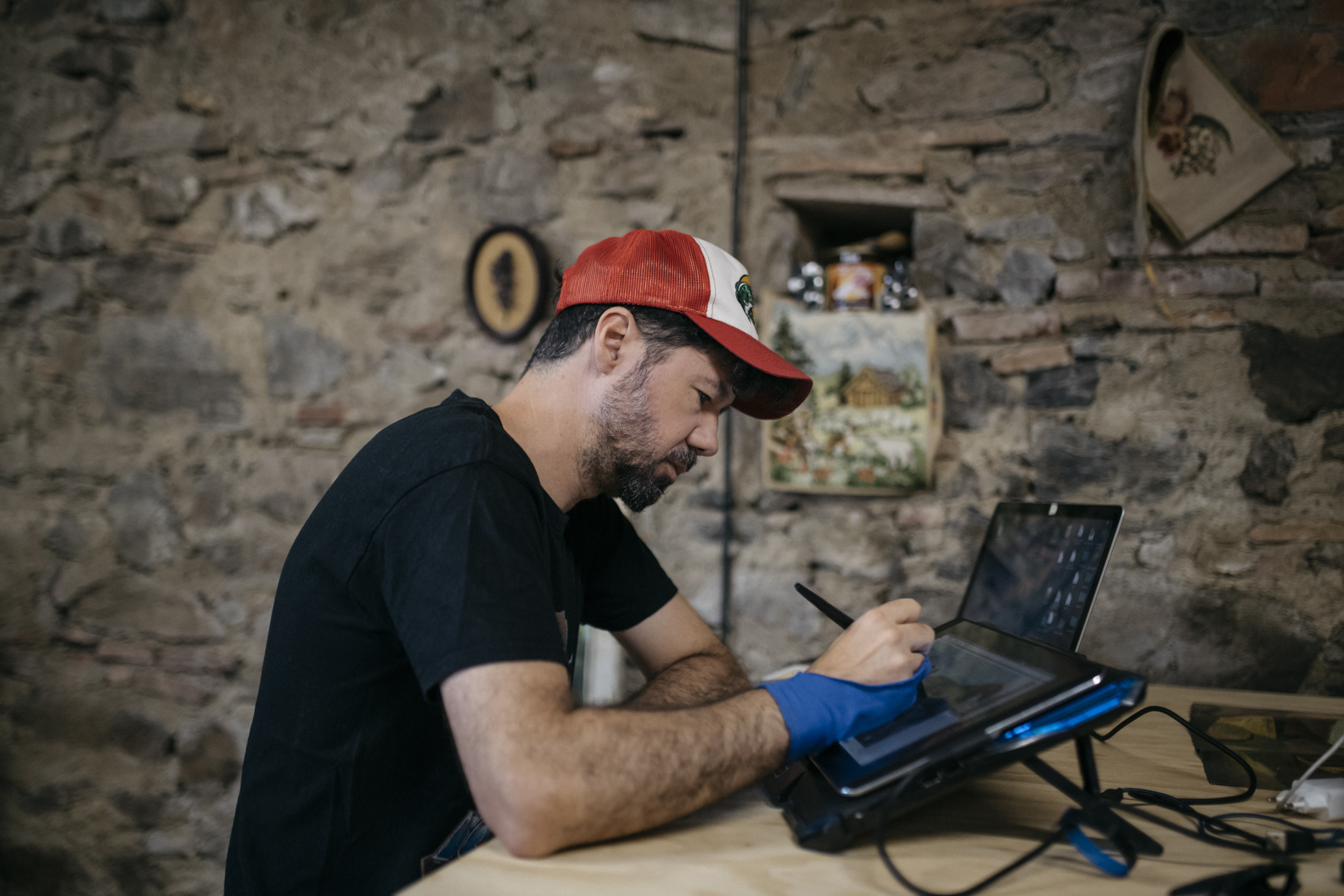
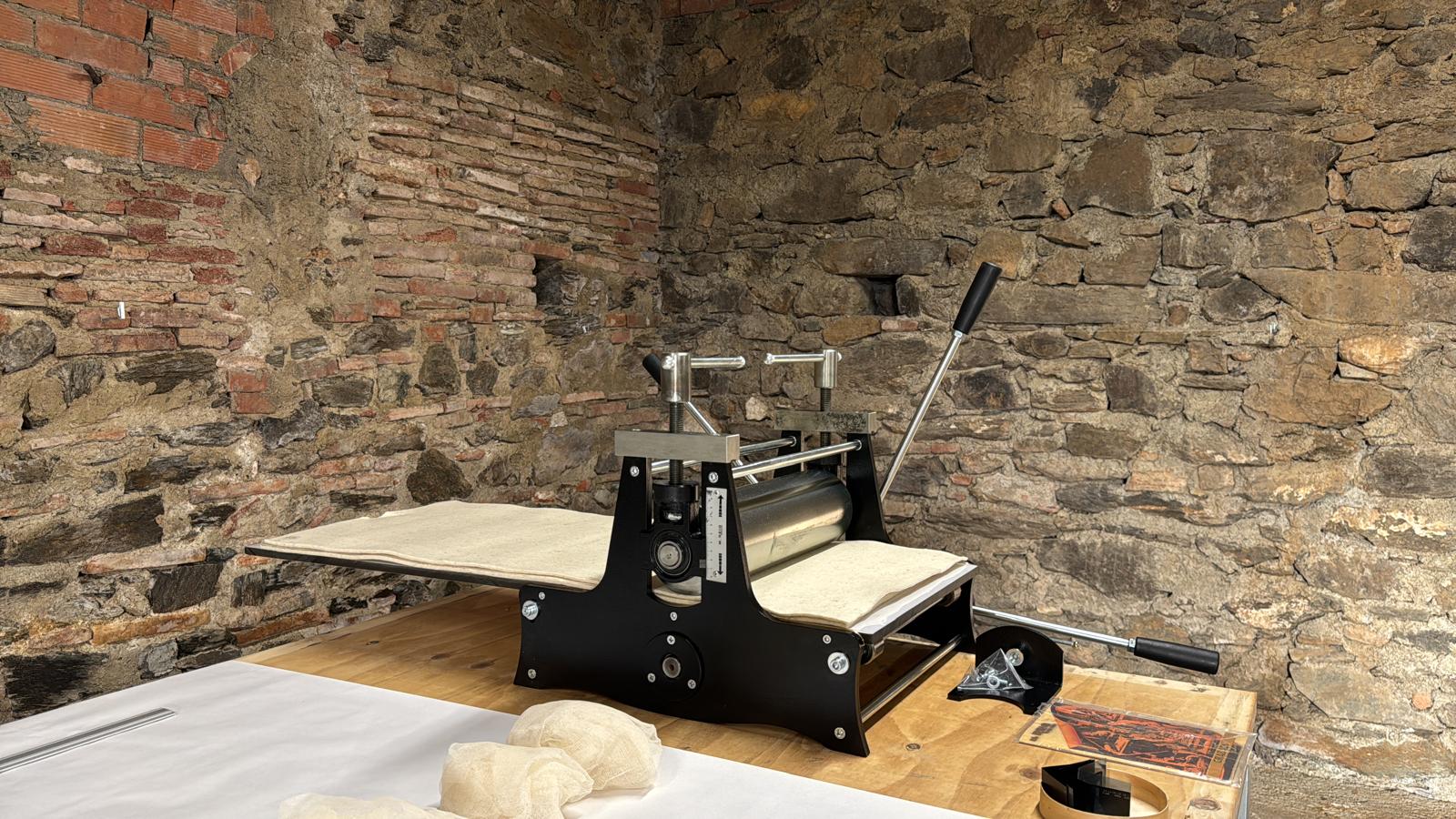
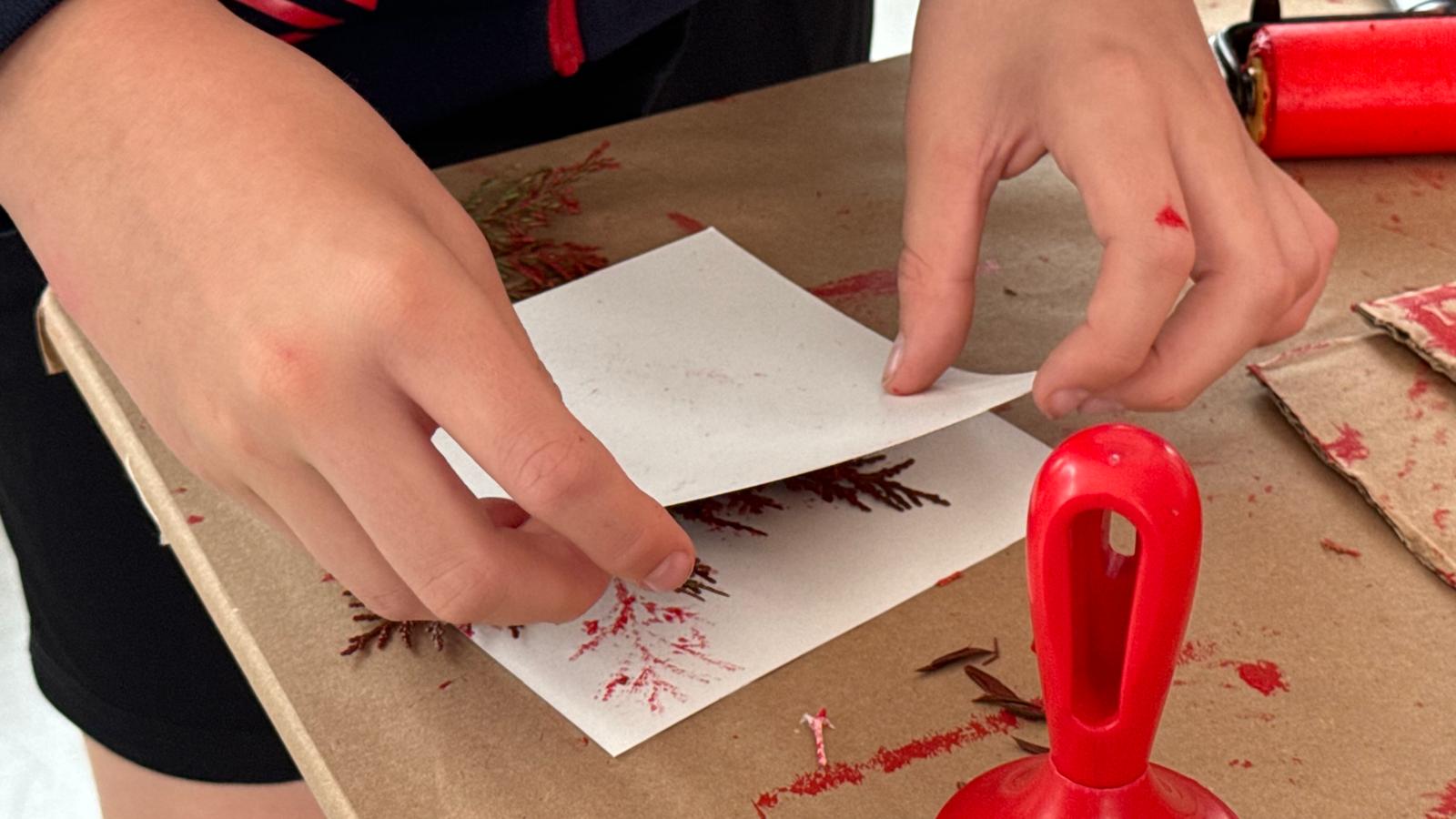
The first phase involves specialized training in graphic arts and bookbinding, where participants learn traditional crafts such as engraving, risography, and conservation, using sustainable materials. The training is designed to be practical and inclusive, targeting marginalized groups, particularly women and vulnerable communities. This enables them to acquire skills that are directly applicable to their local economy.
Following the training, the project introduces a pre-accelerator program that helps participants transition from learning to entrepreneurial action. The methodology emphasizes collective entrepreneurship, guiding participants to create cooperative business models that are culturally relevant and sustainable. This approach reduces risks, fosters collaboration, and ensures that economic benefits stay within the community.
At the governance level, participatory decision-making is central. The community is actively involved in shaping the project through collaborative governance, ensuring that decisions reflect local needs and aspirations. This bottom-up approach strengthens community ownership and enhances the project’s long-term sustainability.
Overall, the methodology combines education, entrepreneurship, and community involvement, making it a comprehensive model for cultural innovation and sustainable rural development.
CreaLab Gráfica & Libro offers several elements that can be replicated or transferred to other places, groups of beneficiaries, and contexts. These include aspects of the methodology, processes, and products, as well as the learnings from the initiative.
(1) Methodology: The co-creation and participatory governance model is highly transferable. Involving local communities in decision-making and empowering them through hands-on training and collective entrepreneurship fosters ownership and sustainability. This approach can be adapted to different cultural and social contexts, ensuring that local needs and aspirations are met.
(2) Training Programs: The specialized training in graphic arts and bookbinding can be replicated in other regions, particularly in rural or underserved areas. The emphasis on sustainable materials and eco-friendly techniques makes the program both culturally enriching and environmentally responsible, which is applicable in various cultural settings.
(3) Entrepreneurship Model: The focus on cooperative business models for cultural entrepreneurship is adaptable to other communities seeking to develop sustainable, locally driven businesses. The pre-accelerator program, which helps transition from learning to marketable products, provides a scalable model for fostering entrepreneurial spirit in creative sectors.
(4) Cultural Products: The products created through CreaLab, such as cultural artifacts and marketable designs, can be transferred to other regions as cultural heritage products that promote local identity and economic development.
(5) Learnings and Best Practices: The project’s integration of circular economy practices, community empowerment, and inclusive participation offers valuable insights into how to create sustainable, inclusive cultural initiatives that foster local development.
These elements, combined, create a flexible and scalable model that can be adapted and applied in diverse regions and communities.
(1) Planned Activities:
a) Expansion of Training Programs: We will increase the scope of graphic arts and bookbinding workshops, incorporating more eco-friendly materials and sustainable techniques, which reflects the NEB’s focus on sustainability.
b) Entrepreneurship and Pre-Accelerator Programs: Further support for collective business models will be provided, helping participants scale their cultural products and develop sustainable business practices, aligning with NEB's goals of economic sustainability.
c) Community Governance: Strengthening participatory decision-making will continue, empowering local citizens and ensuring their involvement in project development. This supports the inclusivity and collaborative governance principles of NEB.
d) Cultural Exchange and Dissemination: Plans to engage in regional and European dissemination through exhibitions and networking will increase the project’s visibility, promoting cultural exchange and reinforcing NEB’s value of aesthetics.
(2) NEB Values Integrated:
a) Sustainability: The initiative uses eco-friendly techniques in graphic arts and bookbinding, fostering circular economy principles.
b) Inclusivity: The active participation of women, marginalized groups, and local residents in decision-making supports social inclusion.
c) Aesthetics: The preservation of local heritage and design for all ensures that the project enriches the community’s aesthetic experience.
(3) Expected Key Steps:
a) Expand training and entrepreneurship programs, focusing on sustainability and local resources.
b) Strengthen collaborative governance to engage more stakeholders and ensure inclusive decision-making.
c) Promote cultural products through exhibitions and markets, supporting local identity and economic growth.