Enhancing Circularity, Sustainability, and Innovation
SEED
Solidarity Equity Empowerment and Development
SEED is a French non-profit advancing solidarity through participatory architecture, urbanism & design. We co-create inclusive, sustainable solutions with communities, strengthening their power to act. Guided by solidarity, equity, empowerment & development, we connect local actors as equals to fight inequalities. Our hands-on, co-construction approach ensures spaces that truly reflect their inhabitants, preserve habitats & build a just, sustainable future. Real change grows from the ground up.
France
Regional
Hauts-de-France
Mainly urban
It involves a physical transformation of the built environment (hard investment)
Yes
2026-03-12
Yes
European Urban Initiative - Innovative Actions
No
No
Organisation
Our project focuses on the participatory design and construction of small-scale, sustainable and inclusive public spaces. For more than ten years, SEED has been developing participatory approaches to improve living environments through urbanism, design and architecture, by placing inhabitants at the centre of transformation processes. Over the years, SEED has implemented numerous projects at both regional and international levels. Across these diverse contexts, our methodology remains consistent: combining participatory diagnosis, co-design workshops and collective construction phases.
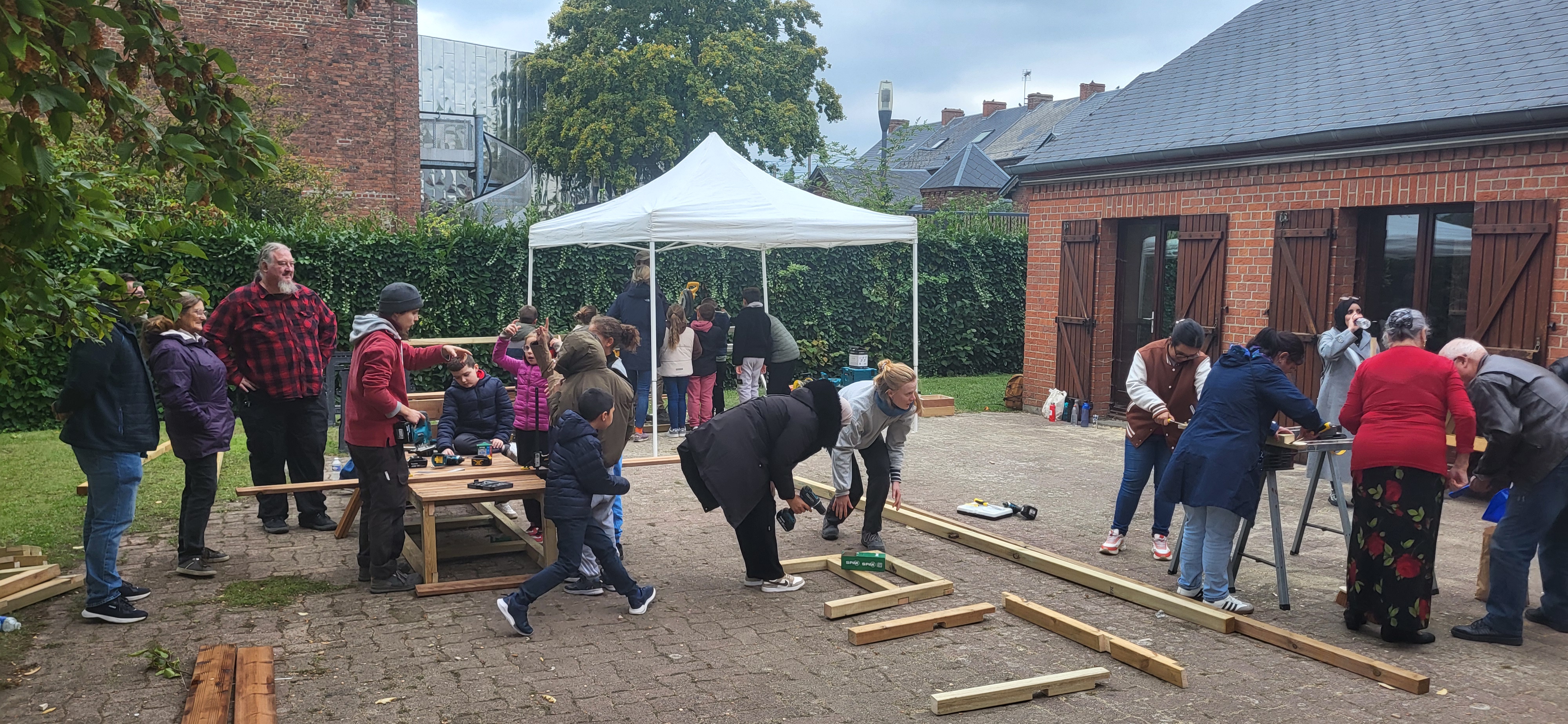
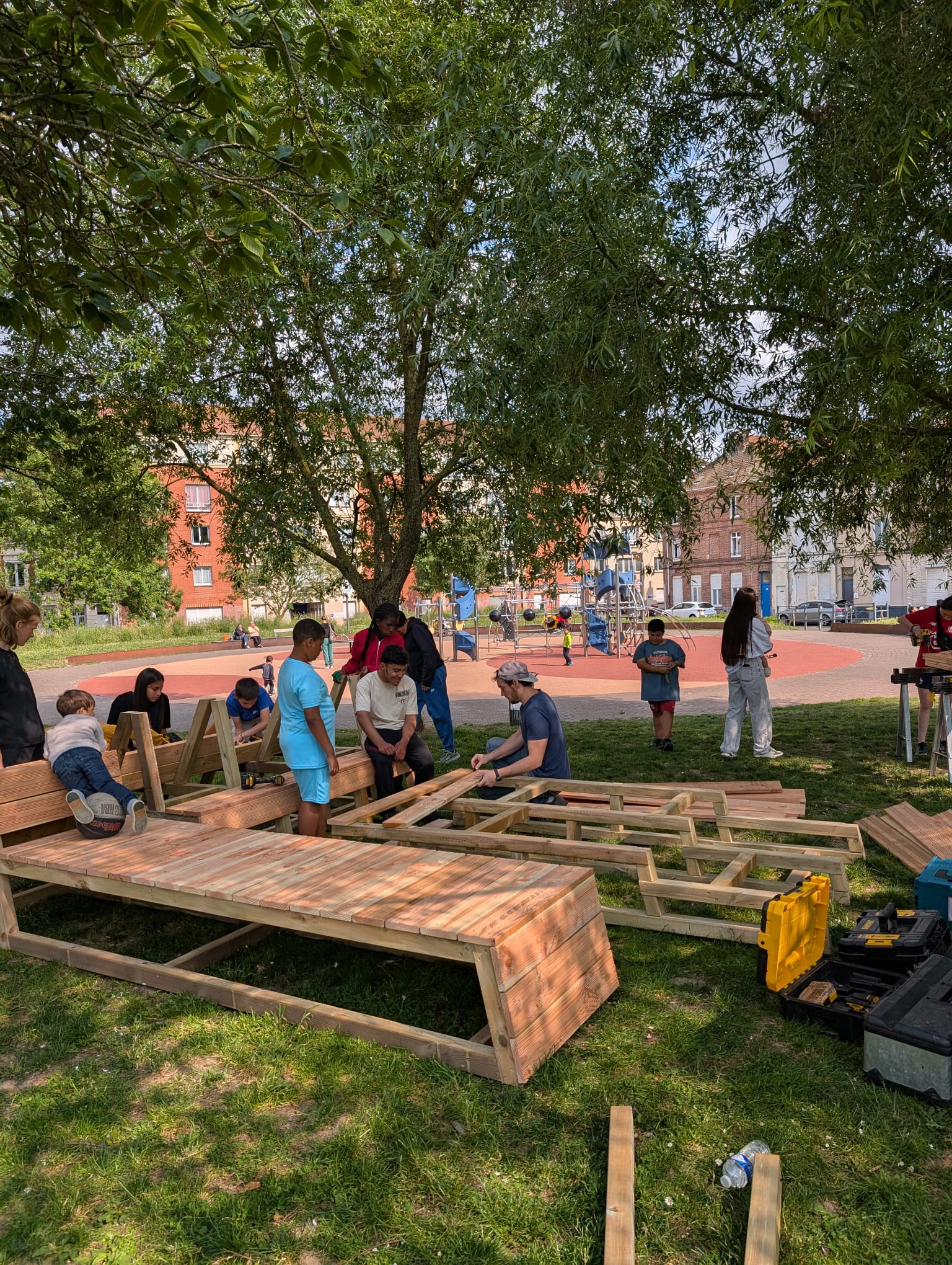
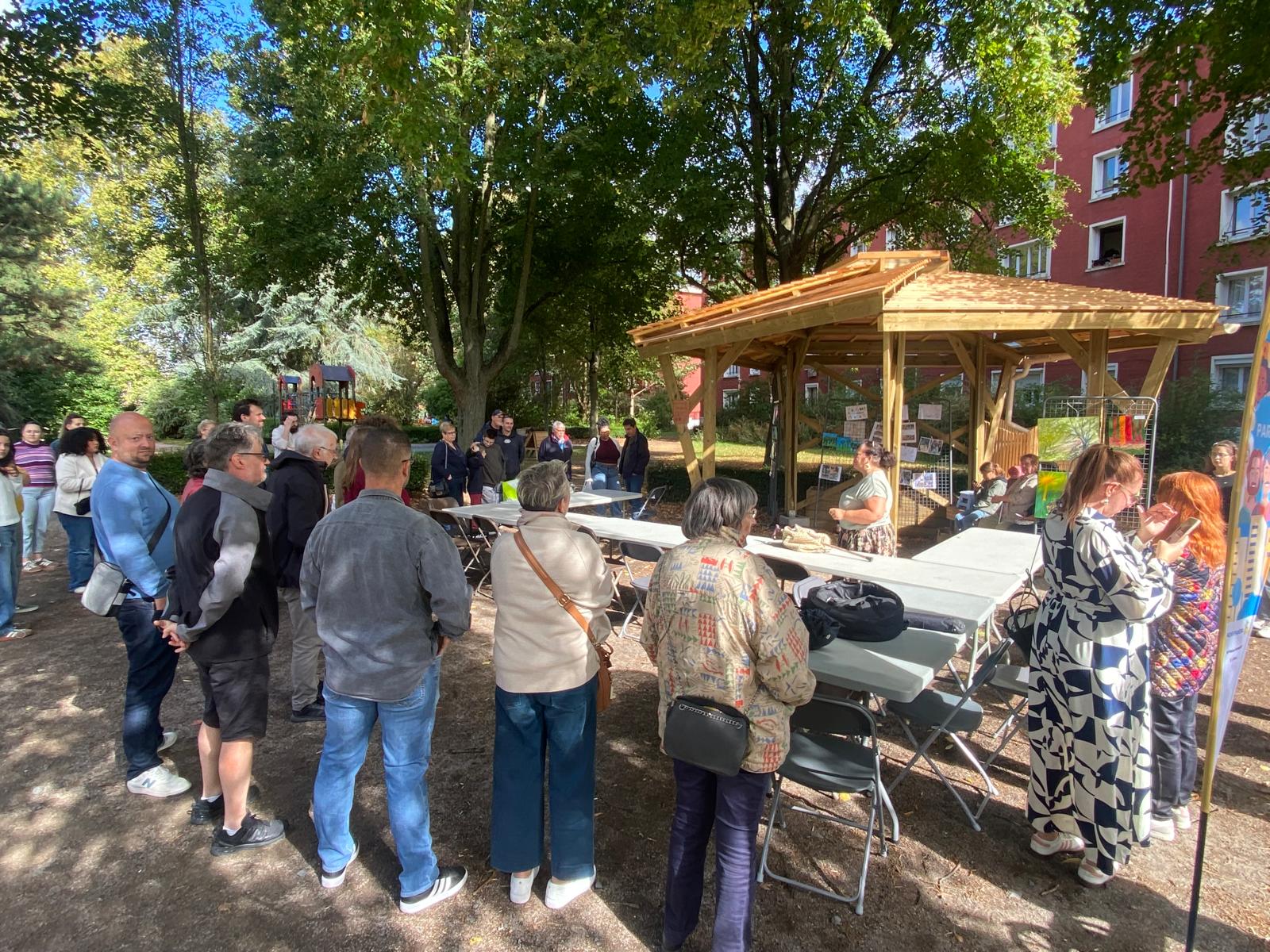
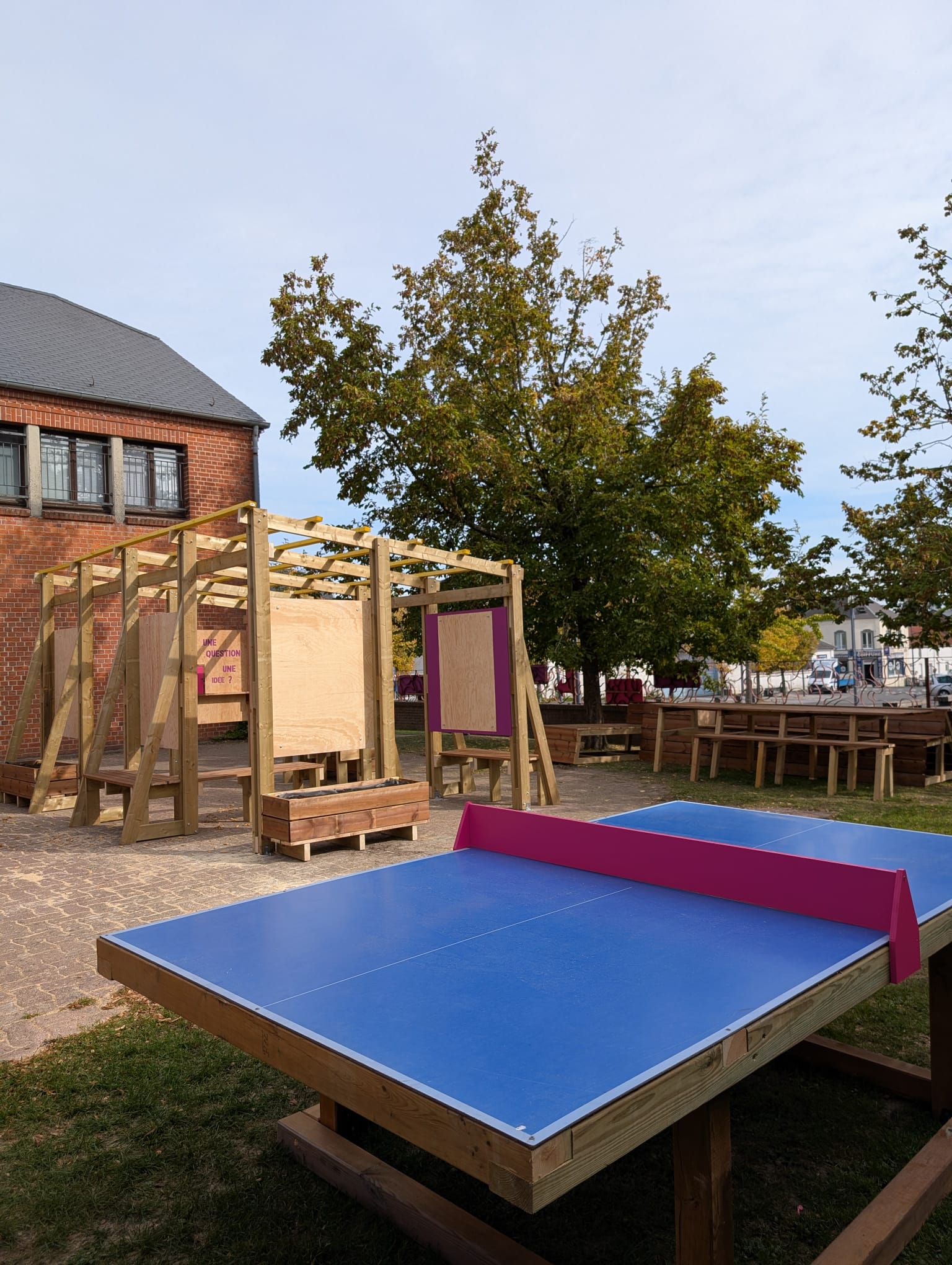
In France, our design-build interventions are often part of urban regeneration processes in underserved neighbourhoods, where we contribute to reactivating public spaces and improving everyday life. Each project mobilises on average 40 to 60 participants, directly involved in shaping and building the installations. These lightweight, reversible structures — often made of wood and reclaimed materials — create spaces for rest, play and social interaction, while respecting existing environments.
Beyond physical transformation, the impact of our work is deeply social and long-term. Across the dozens of projects implemented, several thousand people have directly benefited from SEED’s actions. Through hands-on construction, participants gain practical skills, confidence and a stronger capacity to act on their environment. This process fosters a lasting sense of ownership, leading to better use and maintenance of the spaces.
Our projects are always designed as long-term processes, aiming to support the development of local communities. By valuing residents’ knowledge and strengthening their agency, we contribute to building more resilient, cohesive and empowered communities.
Ultimately, our work demonstrates that participatory, low-tech and community-driven design can generate meaningful and lasting transformations of everyday spaces and collective dynamics.
Our project stems from a simple but urgent observation: many living environments are shaped without those who inhabit them, often leading to spaces that are underused, poorly adapted, and socially disconnected. At the same time, environmental challenges such as climate change, soil artificialisation and loss of biodiversity require new ways of thinking about how we design and transform our surroundings. SEED was created to respond to this gap, by reconnecting ecological transition with social justice and citizen participation. Our approach is grounded in four core values: equity, empowerment, solidarity and development. Concretely, this translates into a methodology centred on co-construction. Each project begins with a participatory diagnosis to understand local needs and dynamics, followed by collective design phases and hands-on construction workshops. Residents are involved at every step, not only as contributors but as decision-makers and builders. This process allows us to create low-tech, accessible and context-specific solutions, while strengthening local capacities and fostering a sense of ownership.
On the ground, this methodology has been implemented across a wide range of recent projects, from the transformation of schoolyards and public spaces to climate adaptation initiatives such as Time2Adapt. These projects have led to tangible environmental improvements (greening, shading, use of bio-based materials), while also generating strong social impacts: reinforced community ties, skills transfer, and increased ability of residents to act on their environment.
The relevance and innovative nature of our approach has been recognised at the European level, notably through the support of European Urban Initiative for the Time2Adapt project, under the New European Bauhaus framework. This recognition highlights the value of a methodology that combines sustainability, inclusion and aesthetics, and demonstrates its potential to inspire broader systemic change
Participatory design
Collective intelligence
Solidarity
Hands-on building
Empowerment
At SEED, sustainability is rooted in the principle of sustainable land use: reducing further land take while prioritizing the transformation of what already exists. We work mainly on public spaces, brownfield sites and neglected spaces, which we revitalise without destruction. We extend this sustainable approach across a diversity of contexts, from public squares, brownfield sites and neglected spaces to schoolyards. By intervening in educational spaces too, we reach younger generations and raise awareness of ecological transition from childhood. These hands-on interventions help communities reconnect with their direct environment, fostering a culture of care, curiosity, and responsibility toward living spaces. This ensures that sustainability becomes not an exception but a shared habit, embedded in daily life.
Our installations are lightweight and reversible, which helps to preserve the ground and allow for change over time. In line with the region’s supply chains, we prioritise bio-based, local materials. Wood is often central to our projects, chosen for its structural qualities and its natural ability to integrate into lively urban environments. Beyond construction, our projects also incorporate greenery and biodiversity to enhance the site's ecological value.
Sustainability is also social. All our installations are free and accessible, mainly located in public spaces. By involving local residents in the design and construction, we pass on skills, encourage mutual support and strengthen community ties. Participants become capable of replicating, repairing and adapting the installations.
Finally, our approach is economically frugal: low-tech, accessible solutions that demonstrate that the ecological transition relies above all on collective intelligence rather than on expensive technologies.We combine environmental considerations, social justice and community ownership, thereby creating projects that are lived and supported by the people who used them.
At SEED, aesthetic is never separated from use and function : we seek to create spaces that are beautiful, functional and easily appropriated. This aesthetic is built alongside the community through a participatory design approach that invites everyone to shape the forms, colors, and materials. Our installations thus mirror a collective identity, which is a physical expression of local stories, memories, and local use.
Our designs are conceived at a human scale, tailored for everyday life: sitting, playing, meeting and experimenting. We pay particular attention to the sensory quality of spaces, working with textures, atmospheres and light, while integrating sustainable often bio-based, or reused, materials. Our goal is to transform ordinary or neglected sites into welcoming, inclusive, and desirable environments ; places that invite people to linger and stay
The process itself is an integral part of this aesthetic. Participatory construction becomes a visible act of collective creation, blending hands-on building with knowledge-sharing and conviviality. These moments of making leave a lasting imprint on the collective imagination, ensuring that even if the installations are moved or changed, the positive experience of the place remains long after the temporary installations have evolved.
By creating positive experiences of the place, our projects strengthen a sense of ownership and care for the spaces.
Our approach is exemplary because it offers an accessible, vibrant and shared aesthetic, where beauty emerges from the collective and becomes a lasting part of everyday life.
Inclusion is at the heart of SEED’s approach, which aims to shape the city together with its residents, rather than simply for them. Our projects are free, open to all and designed specifically to lower the barriers to participation. This involves focusing on economic accessibility, as well as physical accessibility (for children, older people, people with disabilities...) and flexibility in terms of timing, with formats adapted to participants’ availability.
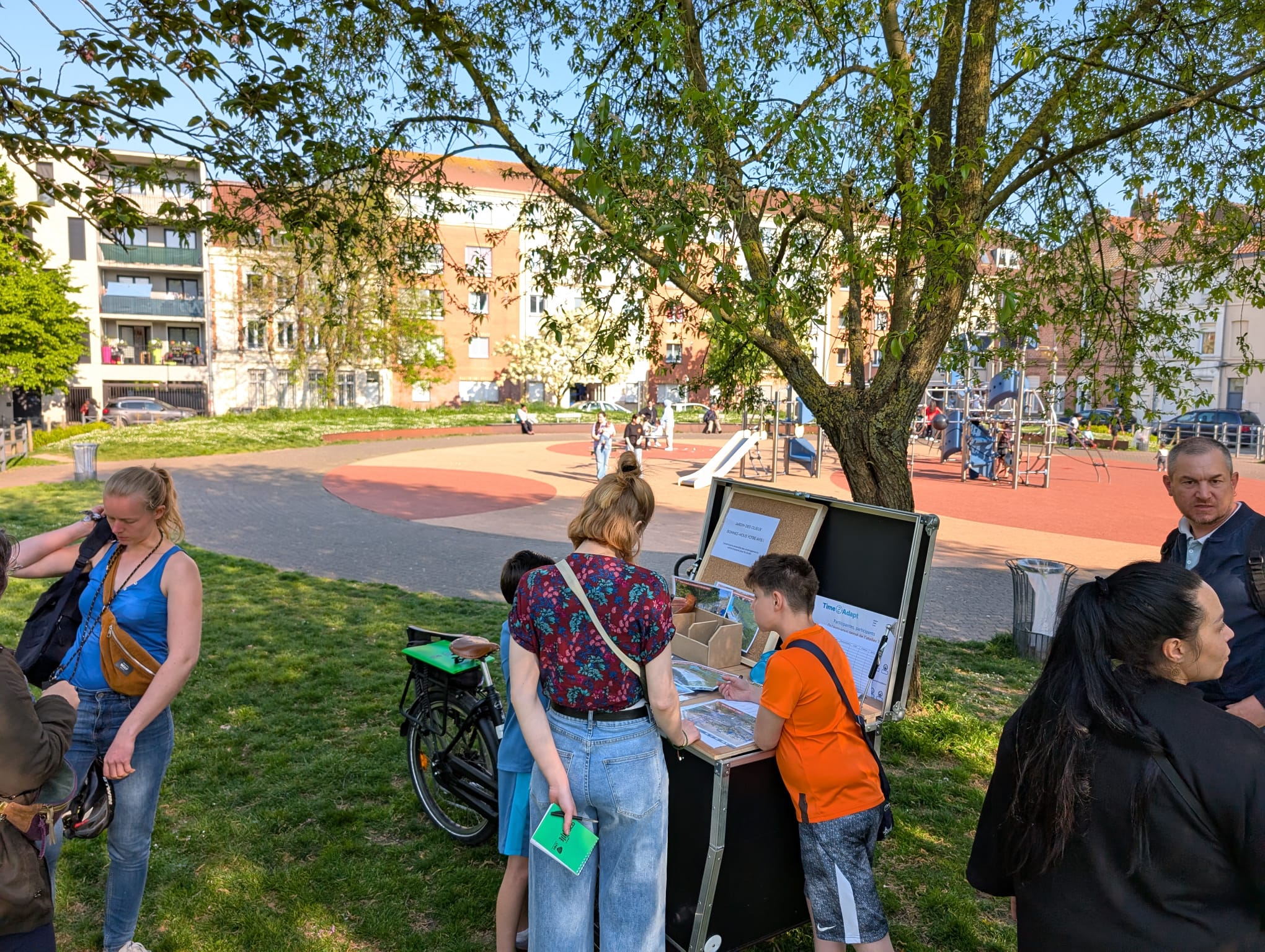
We focus our work on areas where residents are rarely involved in decision-making (priority neighbourhoods, neglected rural areas). We develop initiatives to give a voice to those furthest from traditional consultation processes by encouraging ‘outreach’ or ‘off-site’ approaches.
Our process treats every participant—of all backgrounds and generations—as a source of expertise, blending practical, technical, and relational skills with local lived experience.
Our work is based on strong values: solidarity, equity, development and empowerment. We encourage horizontal relationships, where everyone can contribute and learn. Participants are not only consulted, they take part in decision-making, in the creation and sometimes in the management of spaces.
This approach helps to reduce inequalities, strengthen local dynamics and develop residents’ capacity for action.
It is exemplary because it transforms participation into a concrete experience of collective empowerment, giving everyone the means to influence their environment and feel legitimate within it.
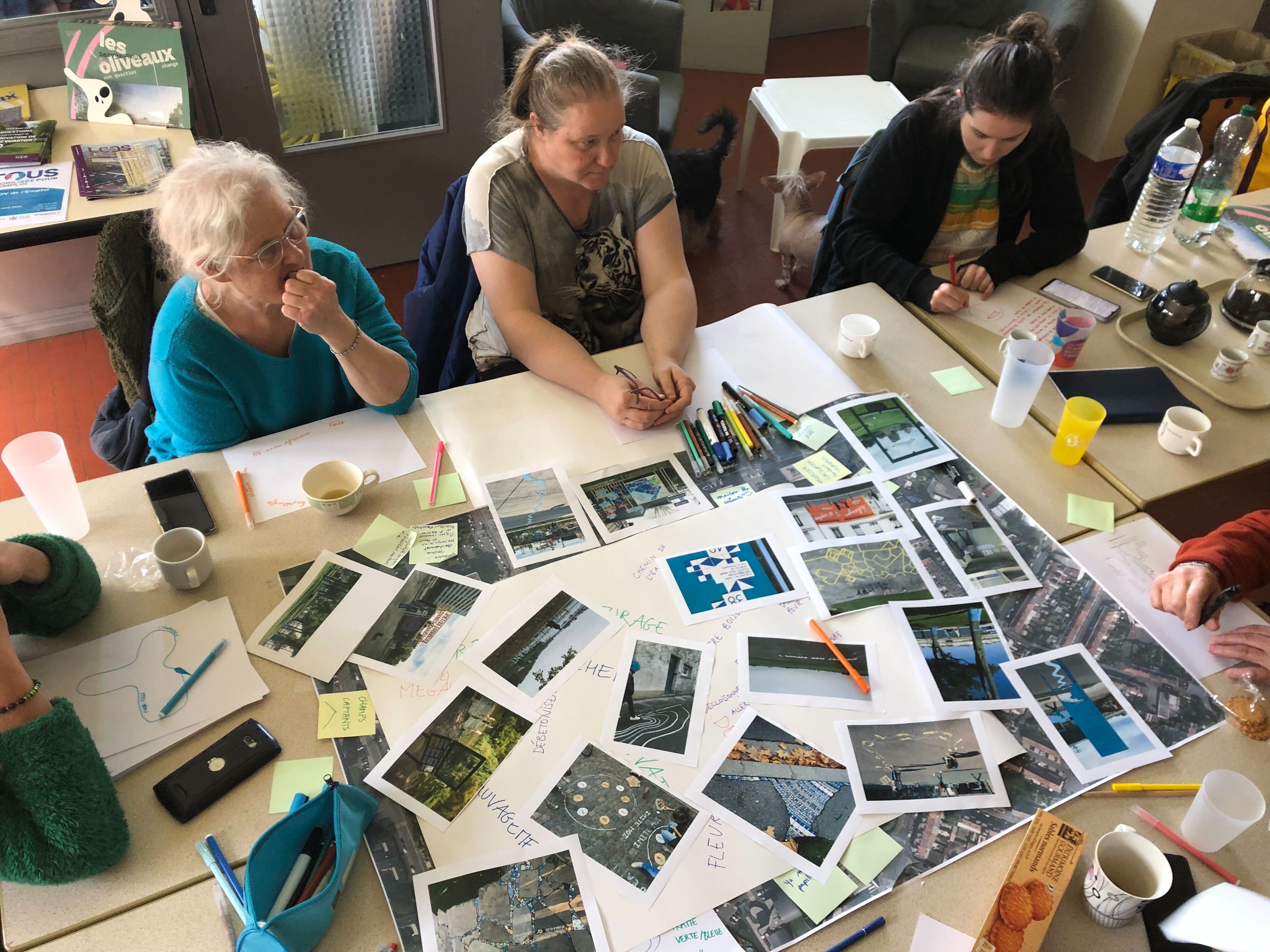
Participation is the very foundation of the projects led by SEED. It is not limited to a one-off consultation, but constitutes a genuine, ongoing process of involving local residents at every stage. From the very beginning, we organise shared diagnostic sessions to understand how the space is used, as well as local needs and aspirations. These sessions help to develop a collective vision for the project, rooted in the reality of the local area.
Residents then participate in the design phase through accessible and educational workshops, where everyone can have their say, whatever their level of knowledge is. This involvement continues into the implementation phase, particularly during participatory construction sessions where participants handle tools, learn techniques and make a tangible contribution to transform their living environment.
Their role is central : they guide decisions, test how things are used, and adjust proposals. This direct involvement profoundly transforms the project. The facilities and structures created are more relevant, as they meet real needs, and above all more sustainable, as they are well-suited to the local context.
Beyond the physical outcomes, this participation produces lasting social effects: strengthened bonds, skills development, and collective confidence. It enables residents to reclaim ownership of their environment and become active actors in its evolution.
SEED’s projects are based on open governance, bringing together stakeholders at various levels, from local to international. At the local level, we work closely with residents, community organisations and local authorities, who provide in-depth knowledge of the area and its challenges. Their involvement ensures that projects are relevant and firmly rooted in the local community.
At the institutional level, we collaborate with local authorities, government departments and public partners, who support the projects, facilitate their implementation and ensure they form part of wider initiatives. At the European and international levels, we participate in cooperation programmes that enable us to share techniques, put resources in common and enrich our practices. Our methodology is for example supported by Europe and also funded and recognised as an innovative NEB practice through the T2A project.
SEED acts as a facilitator and mediator, bringing together stakeholders with complementary skills. We develop projects in partnership, support existing local initiatives and form multi-stakeholder consortium when necessary.
This approach enables us to combine expertise, improve the quality of projects and give them greater impact.
SEED’s methodology is based on a deeply transdisciplinary approach, which brings together different disciplines to respond to the complexity of local areas. Urban planning, architecture and design are mobilised to design spaces that are both functional and sensitive to their context. Social sciences help us to understand how spaces are used, local dynamics and the challenges of participation. The environment guides technical choices, particularly regarding materials and implementation.
Added to this are educational dimensions, with accessible workshop formats—and sometimes artistic ones—that enrich the participants’ experience. Above all, however, we recognise and value the practical knowledge of local residents: their understanding of the area, their practices and their networks.
This diversity of perspectives allows us to move beyond strictly technical approaches to propose more comprehensive projects, integrating social, cultural, environmental and sensitive dimensions.
Far from a simple juxtaposition of disciplines, we build a horizontal dialogue, where every contribution is taken into account.
This approach is essential not only for devising tailored solutions, but also for enabling everyone to find their place within the project and contribute fully to it.
Our nonprofit organization is financially sustainable thanks to the diversity of its business model.
First, approximately 75 to 85% of our activities are nonprofit in nature.
This part of our work consists of social projects of general interest, providing services free of charge to vulnerable populations in France and internationally.
This part of our work is primarily funded by public entities—such as the EU, the French government, the Hauts-de-France region, and local authorities where we operate—or by private entities, mainly foundations.
At present, we rely only minimally on individual donations or grants.
Nevertheless, one of our strategic priorities for 2026 is to increase the proportion of partnerships with private companies to further diversify financial streams. To complement this, we have structurally segmented our operations to allow for commercial activities, which account for 15% to 20% of our turnover. This "commercial branch" operates under standard corporate taxation, enabling us to provide services to a broader range of clients. Even in these for-profit contracts, we maintain our signature participatory and eco-responsible methodologies, ensuring that our commercial work remains aligned with our core values while subsidizing our social mission.
The projects developed by SEED are based on a proven methodology, designed to adapt to a variety of contexts. We have already implemented this approach in priority neighbourhoods in France, in rural areas and internationally, thereby demonstrating its transferability.
Each project follows a structured process — participatory diagnostic, co-design, collective construction — which provides a common framework, while allowing considerable scope for local adaptation. This flexibility enables us to respond to a wide range of situations, whether in changing urban contexts, rural areas or within the framework of international cooperation projects.
This capacity for transfer is currently being explored through the Time2Adapt project, developed with the European Union and several European partners. Focused on tackling urban heat islands, this project allows us, in partnership with the MEL, to act as a testing ground for a methodology that is intended to be replicated in other cities and countries. Through this project we’re taking action in the community of practice of the NEB.
Our technical solutions, based on low-tech principles and the use of locally available materials, reinforce this capacity for replication. They do not require complex equipment or significant resources, which facilitates their adoption by other stakeholders.
Beyond the concrete results, it is above all the methods, participatory tools and collective dynamics that are transferable. We document and share these experiences to encourage their adoption on a larger scale.
Our aim is not to replicate them identically, but to enable others to draw inspiration from them and adapt this approach.
The strength of our approach lies in its ability to be applied in diverse contexts whilst remaining deeply rooted in each local area.