Enhancing Circularity, Sustainability, and Innovation
Renovation of the LIO Platform at Figeac
Renovation of the LIO Platform at Figeac Station
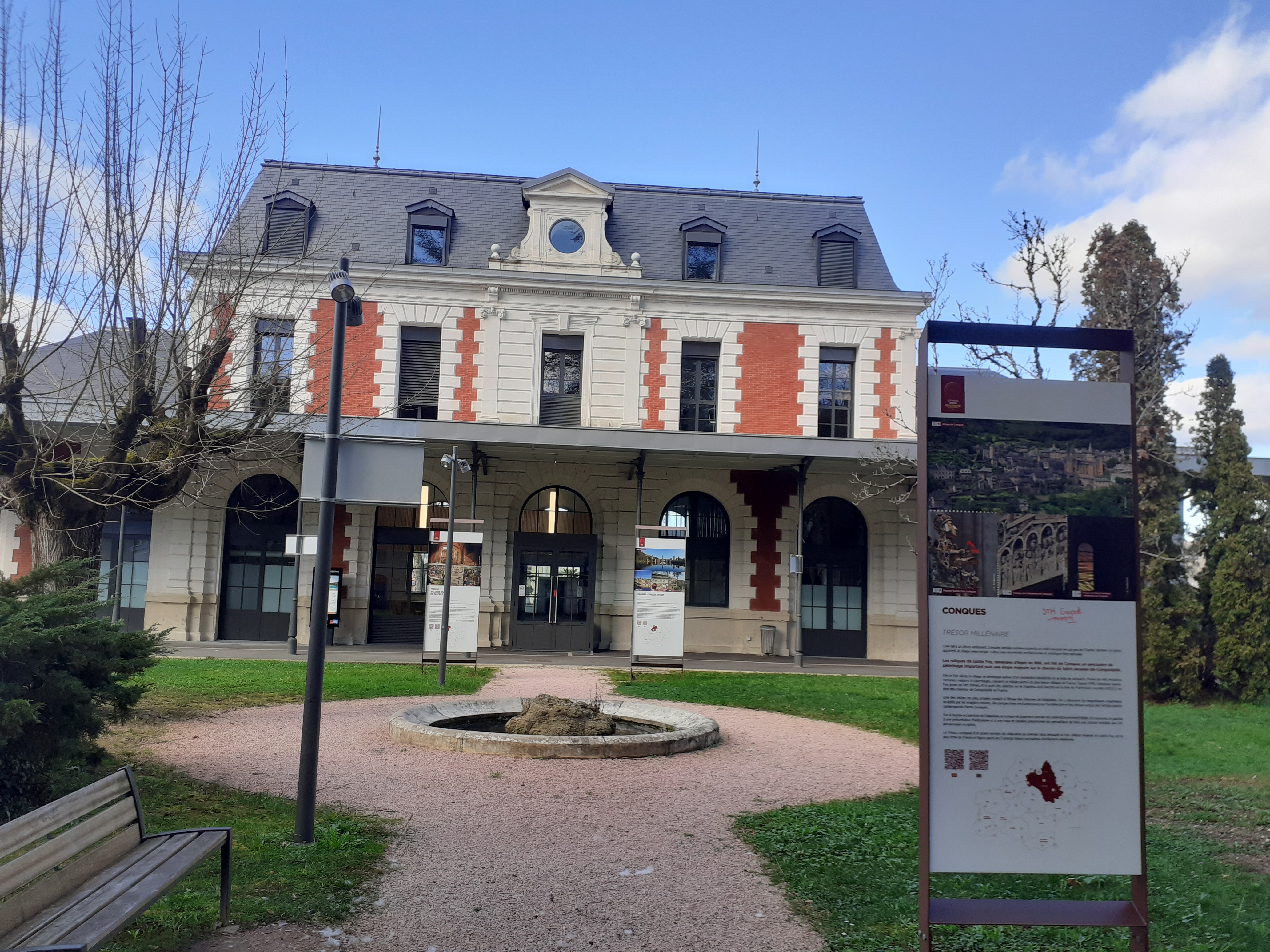
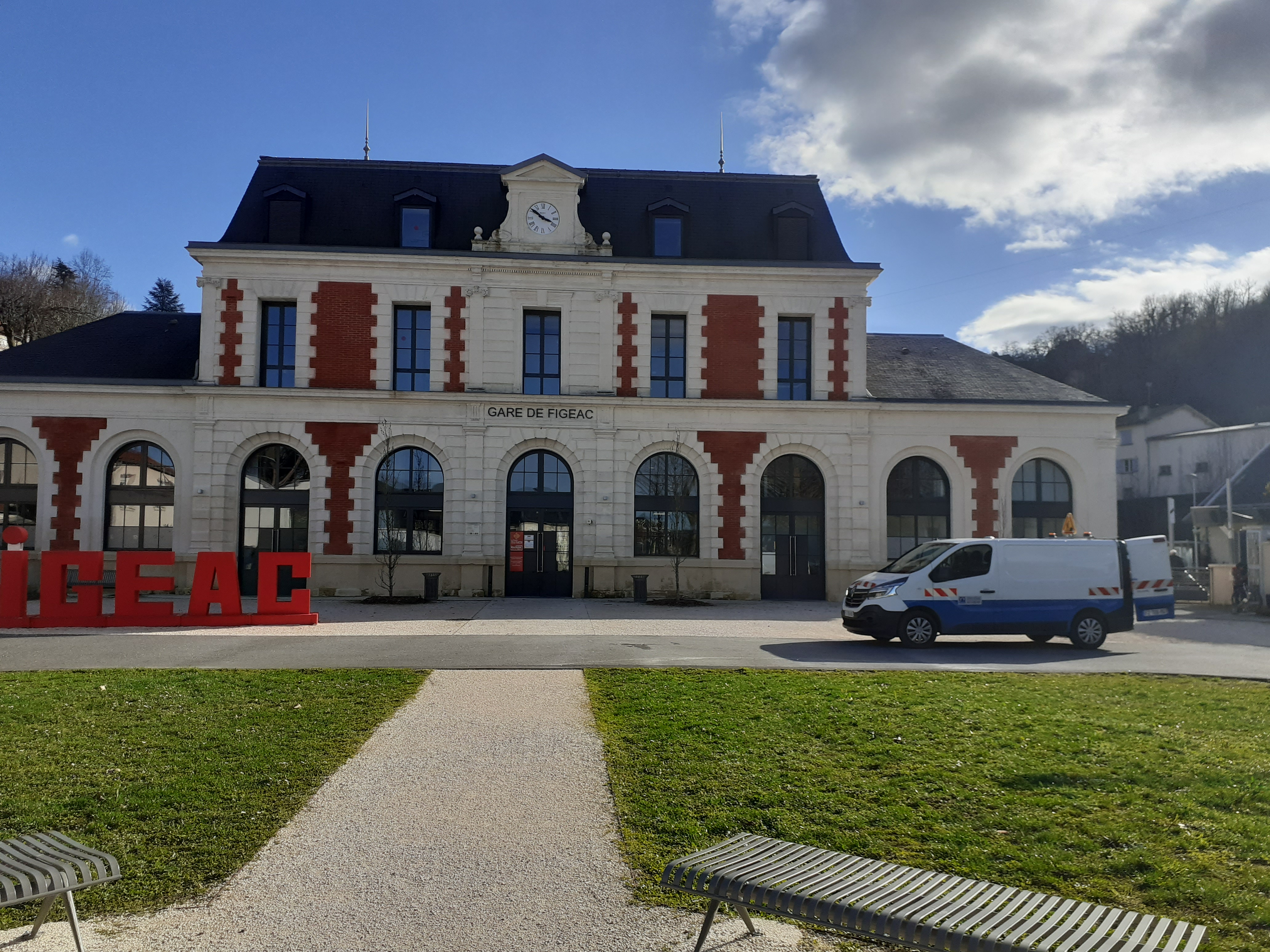
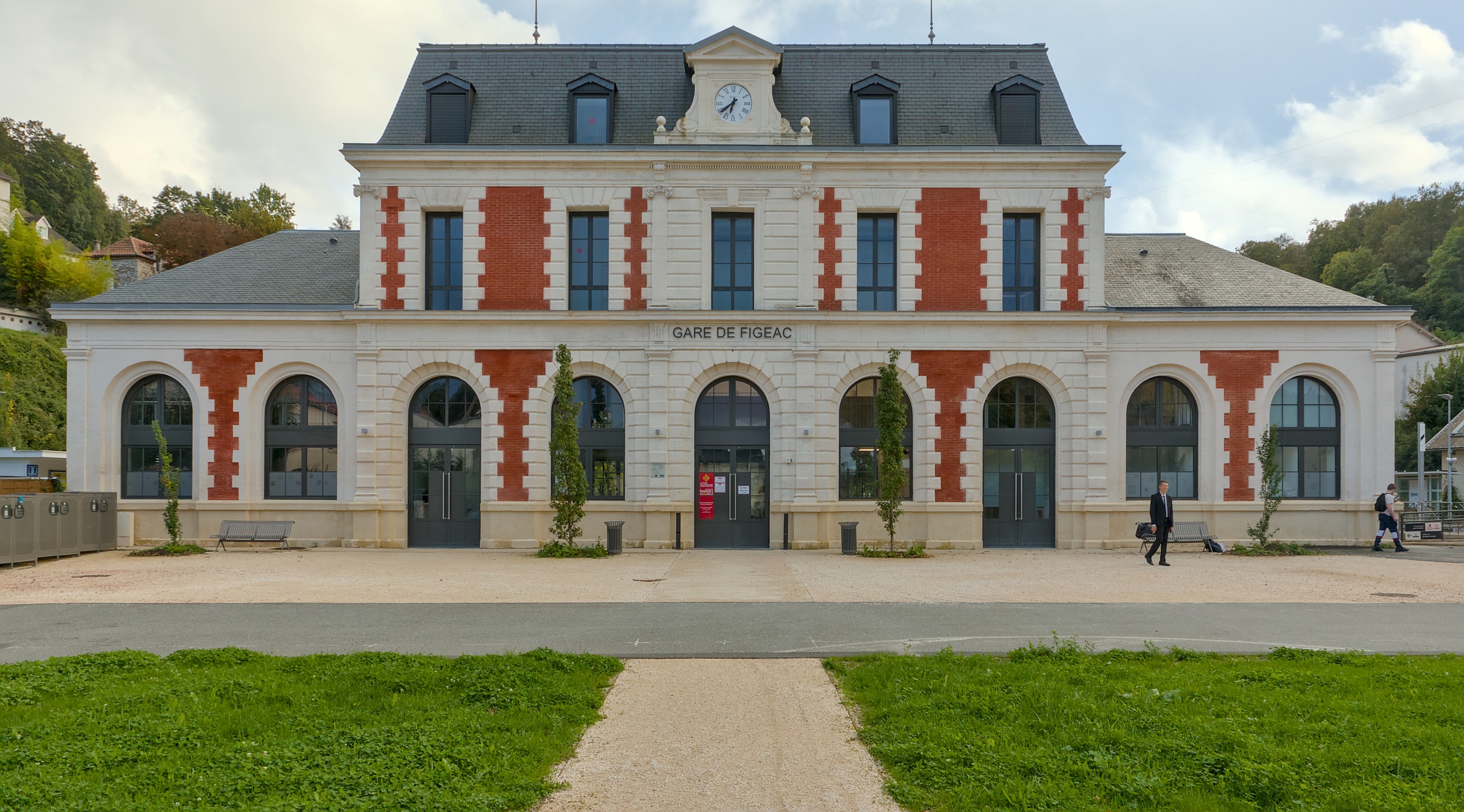
Following the 2018 fire that severely damaged Figeac station, the Occitanie Region launched an ambitious project to rebuild the historic building while transforming the site into a modern and sustainable mobility hub
The project carefully balances the preservation of the existing heritage with high energy performance that goes beyond current regulations. Within the constraints of an active railway site, the reconstruction emphasizes the use of bio-based materials in a historic public building
The project carefully balances the preservation of the existing heritage with high energy performance that goes beyond current regulations. Within the constraints of an active railway site, the reconstruction emphasizes the use of bio-based materials in a historic public building
France
Local
Figeac
It addresses urban-rural linkages
It involves a physical transformation of the built environment (hard investment)
Yes
2023-09-01
No
No
No
Organisation
Overall Aim
The project aims to reconstruct and modernize Figeac station, transforming a fire-damaged historic building into a sustainable, inclusive, and aesthetically appealing mobility hub. It addresses the challenge of integrating heritage preservation with modern environmental standards while improving regional transport accessibility and user experience.
Target Groups
The main beneficiaries include daily passengers, local residents, tourists, and the wider community of Figeac. Vulnerable groups, such as people with reduced mobility, are also a focus, with accessibility improvements ensuring equal access to the station and its services.
Specific Objectives
Key objectives were to:
Rebuild the station using bio-based materials while respecting its historic character
Achieve energy performance through deep geothermal energy
Integrate the station into a multimodal transport network (train, bus, cycling, pedestrian)
Engage users and the public in co-design workshops to ensure the project meets real needs
Establish long-term maintenance and monitoring procedures to maintain performance and user satisfaction
Achieved Outcomes
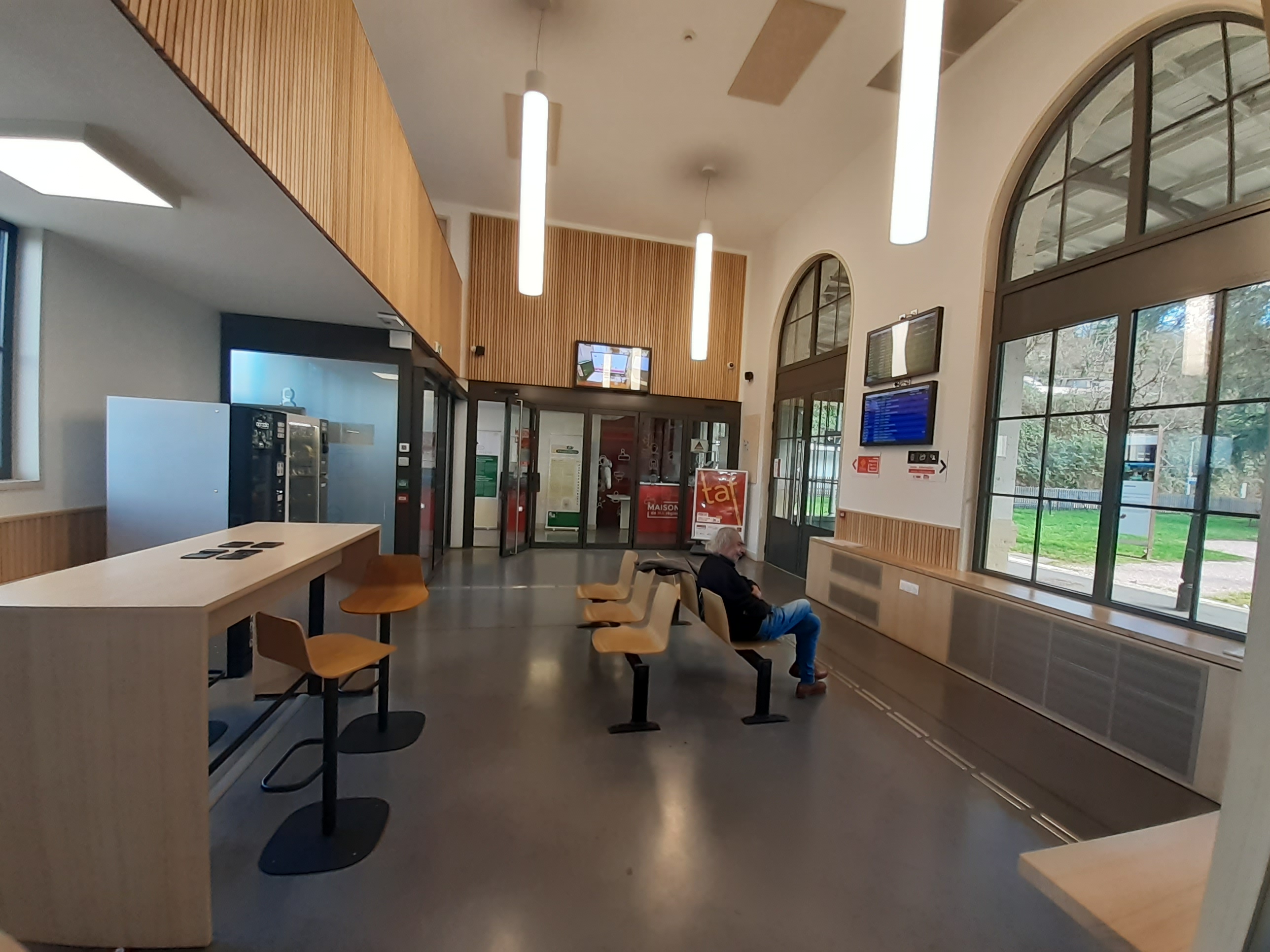
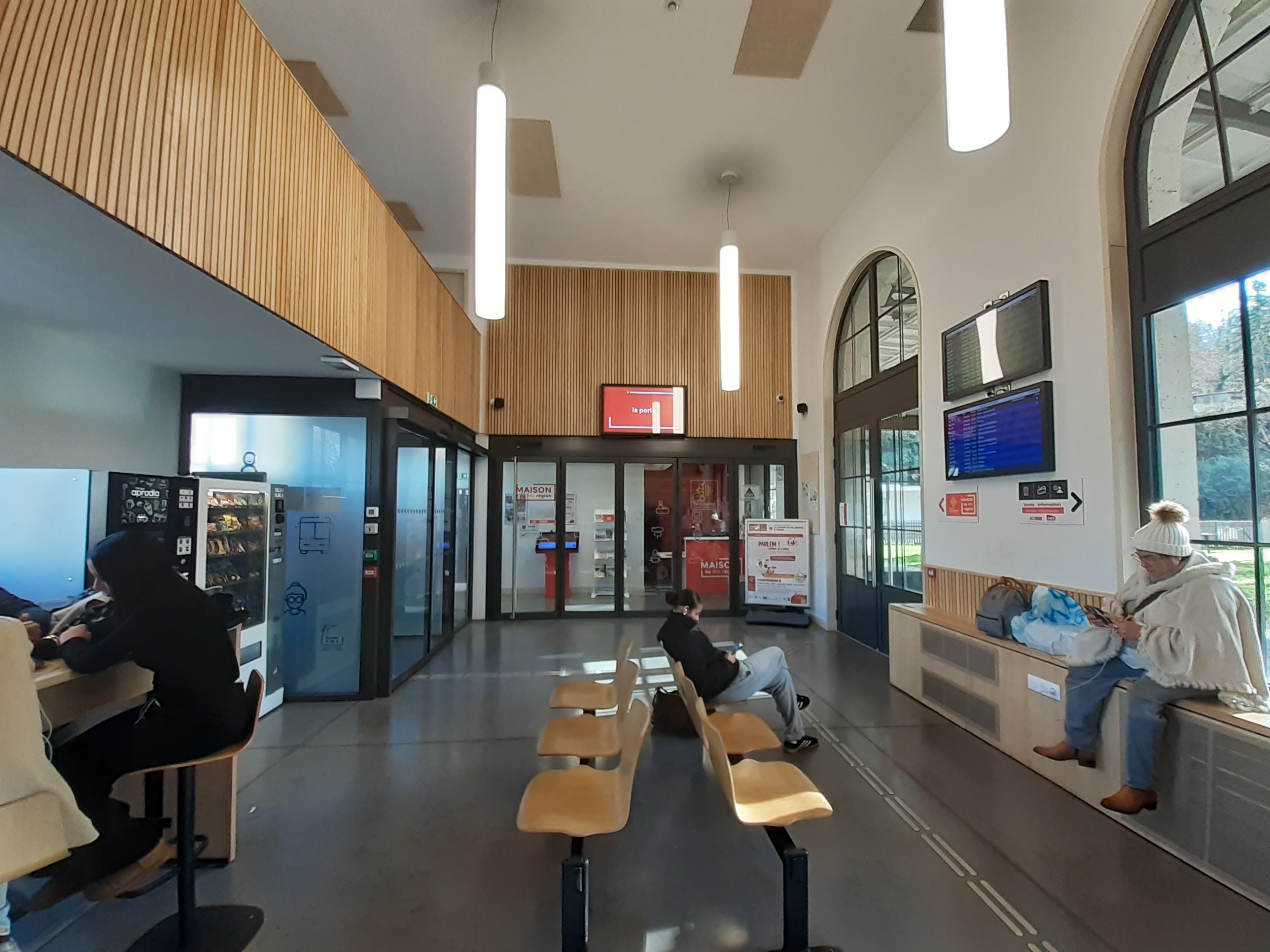
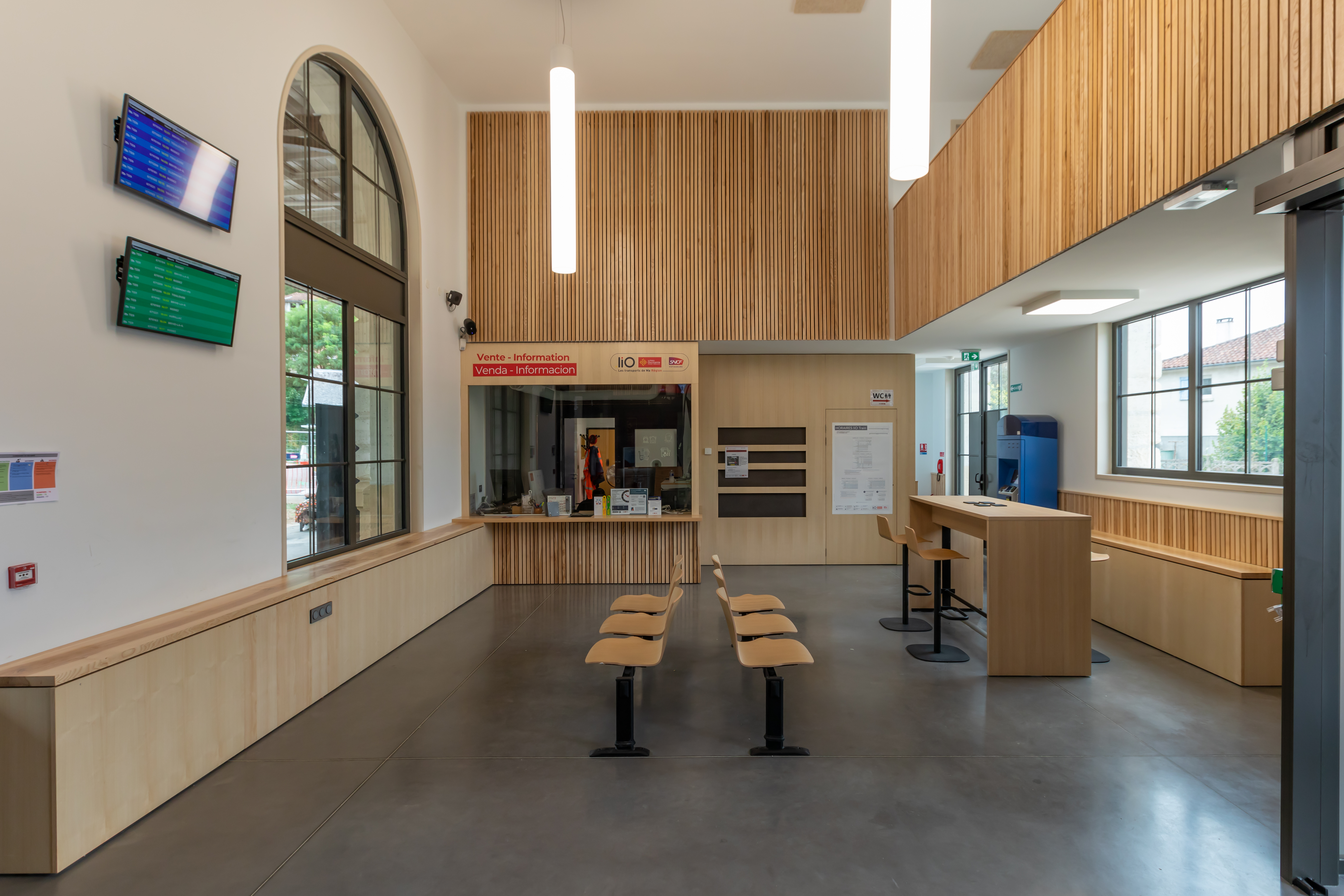
The station has been successfully reconstructed, preserving its heritage elements while introducing modern, sustainable materials (cut stone, timber structure, hemp insultation). Participatory workshops have led to iterative design improvements based on user feedback. Evidence includes user satisfaction surveys, documented energy performance exceeding regulations, and positive local media coverage.
Transformative Potential
The project is forward-looking because it combines heritage conservation, ecological construction, and participatory design in a single, replicable model. By emphasizing sustainability, inclusivity, and aesthetic quality—core principles of the New European Bauhaus—the station demonstrates how public infrastructure can be simultaneously environmentally responsible, socially engaging, and visually inspiring.
The idea for the Figeac station project emerged after a devastating fire in November 2018 that ravaged the historic station building, interrupting rail services and deeply affecting local users and the community. Recognizing the station’s importance as a regional hub, Région Occitanie decided in 2020 to acquire the site from SNCF and take direct responsibility for its reconstruction, an approach chosen to accelerate delivery and reduce costs. This marked a first in France where a region assumed full ownership and project leadership for a rail station reconstruction.
Decision‑making was collaborative: the Regional Council set the strategic direction, and technical and architectural partners including ARAC Occitanie and the appointed architectural team led by Carole Nicolas guided design and implementation. Local authorities, residents, station users, and heritage representatives were involved early in concertation and co‑design consultations (2019), shaping the station’s functions, services, and layout in response to real community needs.
The project unfolded through distinct phases: initial engineering and heritage studies, public consultation, preparation of the planning permit (2020–2021), reconstruction works (2021–2023), and phased evaluation as the station reopened to passengers in 2023. Reconstruction respected the station’s original architectural character while modernizing its interior and services, integrating sustainable design criteria such as bio‑based materials, hemp insulation, local timber structure, and deep geothermal systems for climate control.
Tools and methods included participatory workshops with users and stakeholders, digital design coordination, and the Bâtiment Durable Occitanie (BDO) environmental certification process, which provided performance benchmarks and iterative evaluation points.
Heritage preservation
Sustainable construction
Community co-design
Inclusive mobility
Beauty & well-being
Sustainability Objectives
The Figeac station project aimed to minimize environmental impact, enhance climate resilience, and support social, cultural, and economic sustainability. Goals included reducing energy consumption, using low-carbon and reusable materials, preserving the historic station as a cultural landmark, improving accessibility for all users, and creating local economic opportunities through employment and material reuse.
Implementation
The project applied high-performance building design: cut limestone ashlar, 15 cm hemp insulation, timber floors, 30 cm hemp or 40 cm cellulose insulation, plasterboard, and slate roofing. Climate-adapted systems included passive geocooling (15 kW exchanger), geothermal probes, double-flow ventilation, and a heat pump, ensuring resilience to extreme temperatures. Participatory co-design workshops engaged residents, passengers, and heritage authorities, integrating social and cultural needs. Circular economy strategies initially partnered with the local association REGAIN but ultimately were implemented in collaboration with the main construction contractor, recovering 100% of bricks, cast-iron radiators, interior doors, timber frameworks, and assessing surplus furniture, fixtures, and kitchenettes for reuse.
Results
Energy performance improved: CEP 29 kWhEP/m² vs max 51 (42% gain), initial CEP 161 kWhEP/m² (79% reduction); Ubat improved from 1.78 to 0.56 (69% gain). LCA confirmed reductions in embodied carbon. Social and cultural benefits include enhanced accessibility, preservation of a historic landmark, and active public engagement. Economic benefits arise from local employment and material reuse.
Exemplary Character
The project is exemplary because it combines heritage preservation, climate resilience, energy efficiency, inclusive design, and circular economy principles, offering a replicable model for sustainable, resilient, and socially engaged public infrastructure.
Aesthetic Objectives
The Figeac station renovation aims to enhance the quality of life and people’s experience of both the station and its surroundings. According to a recent survey, the first words that come to mind for users are “beautiful,” “pleasant,” “functional,” and “welcoming”, with 98% of respondents reporting feeling safe in the station and its adjacent garden. The project strengthens the town’s identity, connecting heritage architecture with modern, accessible public spaces.
Implementation
Design choices combined heritage preservation, local materials, craftsmanship, and landscape integration. The project included the creation of the PEM (Pôle d’Échanges Multimodal), improving pedestrian flows, enhancing green spaces, and integrating cycling and bus connections. Cultural and craft elements were preserved or restored, including stone facades, timber structures, and traditional finishes. Participatory workshops and public consultations ensured the design responded to real user needs and fostered a sense of ownership.
Quality of Experience
The station now offers a comfortable environment for all senses: natural light, clear circulation, tactile and visual materials, and landscaped gardens. Improved accessibility and safety features make it inclusive for all users, including residents, travelers, and vulnerable groups.
Cultural Benefits
Figeac station lies on a section of the Chemins de Saint-Jacques de Compostelle, welcoming pilgrims passing through the town. By combining heritage preservation, public art, and functional improvements, the project strengthens local identity, encourages social interaction, and fosters a sense of belonging.
Exemplary Character
The project stands out by integrating heritage, aesthetics, accessibility, and community engagement into a holistic public infrastructure. Its success in combining functionality, beauty, and cultural meaning provides a replicable model for creating meaningful public spaces.
The renovation of Figeac station was guided by a strong commitment to inclusion and accessibility. From the start, the project aimed to make the station welcoming and functional for everyone—people with reduced mobility, families, travelers, local residents, and pilgrims passing through on the Chemins de Saint-Jacques de Compostelle.
To achieve this, we implemented practical, user-centered solutions: ramps, elevators, tactile guidance paths, accessible restrooms, and clear signage throughout the station and the new multimodal hub. We also involved the community at every stage through workshops, surveys, and consultations, so that real user needs shaped the design. On the social and economic side, the reuse of materials through partnerships with local organizations not only reduced waste but also created local employment opportunities.
The results speak for themselves: users report feeling safe, comfortable, and well-supported in the station and its surrounding garden. Beyond physical accessibility, the project strengthened a sense of ownership and belonging, making the station a place where the community feels included.
What makes the project exemplary is this combination of universal design, participatory governance, and local engagement. It shows how infrastructure can be accessible, socially responsible, and deeply connected to the community it serves, setting an example for future public spaces.
Participatory Approach and Multi-Use Integration
The Figeac station project has been guided by a strong participatory methodology, ensuring that citizens, local associations, and other stakeholders influenced the design, implementation, and evaluation of the station. From June 2024, a series of consultations were launched, including workshops, immersion phases, and synthesis meetings. By January 2025, qualitative data was collected from users regarding the building and its services. The evaluation process continued with follow-up surveys in July–August 2025 to gather input from tourists, pilgrims, and regional service users, providing detailed insights into public perception and needs.
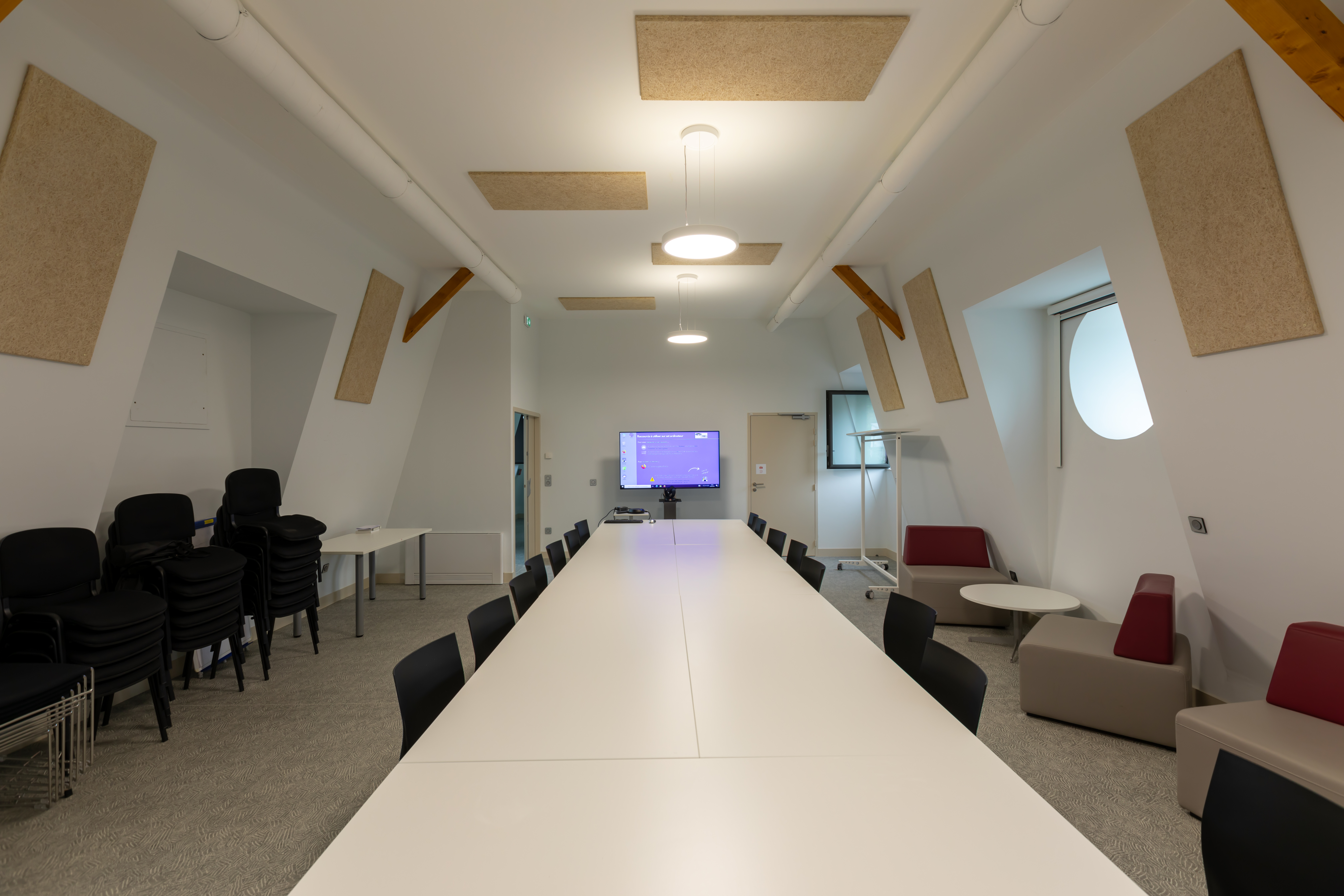
The station has been designed as a multi-use public space, supporting not only transportation but also cultural, social, and administrative functions. Offices for the Région Occitanie coexist with spaces accessible to the public, associations, and local residents.
Throughout 2025, the MMR (multi-purpose room) hosted a wide variety of events:
Cultural and educational events:
- 8 “Cafés IA” sessions (232 participants),
- Printemps des Poètes (22 participants),
- Concert Banda do Mato (100 participants)
- Quinzaine du Japon events (55 and 8 participants).
Professional and training events:
- 3 evening courses by ATSAC (41 participants),
- 5 professional events,
- 2 press conferences,
- 2 immersion days.
Environmental and community engagement: SERD events including workshops on recycling, low-carbon activities, and site visits for the public and professionals.
This broad engagement allowed participants to shape both the functional and social aspects of the station. Community feedback influenced circulation paths, the layout of public rooms, accessibility features, and the integration of green spaces. The methodology ensured that citizens’ voices had a real impact on decision-making.
Multi-Level Stakeholder Engagement
The Figeac station project involved stakeholders at local, regional, national, each contributing expertise, resources, and legitimacy to the project.
At the local level, the municipality of Figeac played a key role in urban planning, public consultations, and integrating the station into the town’s multimodal transport hub (PEM). Local associations and residents were actively involved through co-design workshops and feedback sessions, helping define accessibility, cultural programming, and public space use.
At the regional level, Région Occitanie led the project as owner and coordinator, providing funding, technical expertise, and project management. The region also coordinated material reuse partnerships with local social enterprises, oversaw sustainability objectives, and facilitated public engagement activities.
The Figeac station renovation project is part of the Plan Rail and the 'liO – Les transports de Ma Région' policy, contributing to modernizing rail lines, strengthening the rail service, and improving multimodal integration to facilitate regional travel.
At the national level, SNCF and relevant ministries supported technical alignment with railway operations, safety standards, and heritage preservation requirements, ensuring compliance with national regulations and enabling integration with the wider rail network.
Cooperation between these levels was organized through regular coordination meetings, shared planning workshops, and joint evaluation sessions, allowing feedback and technical requirements to be integrated continuously.
The added value of multi-level engagement was significant: local knowledge ensured the station met community needs, regional coordination ensured sustainability and circular economy targets, national partners provided regulatory and technical expertise, and EU frameworks supported innovation
Transdisciplinary Approach
The Figeac station project brought together a wide range of disciplines and knowledge fields, including architecture, structural and environmental engineering, heritage conservation, urban planning, social sciences, landscape design, arts, and digital technologies. From the outset, project teams were organised as interdisciplinary working groups, ensuring that technical, social, and cultural considerations were fully integrated into every design decision.
Collaboration took place through joint workshops, co-design sessions, and shared decision-making meetings. Architects, engineers, and sustainability experts worked alongside social scientists and user representatives to understand community needs, accessibility requirements, and cultural uses of the station. Environmental engineers and LCA specialists provided data on energy performance and material impacts, while urban planners coordinated the station’s integration into the multimodal transport hub (PEM). Arts and landscape professionals contributed to creating public spaces that are visually appealing, welcoming, and culturally meaningful.
This transdisciplinary approach allowed different perspectives to be combined in innovative ways. For example, material choices like hemp insulation or reused structural elements were selected based on both environmental performance and aesthetic value, balancing heritage preservation, energy efficiency, and sensory quality. The integration of social science insights ensured that the station responded to real user needs, from everyday commuters to pilgrims on the Chemins de Saint-Jacques de Compostelle.
The Figeac station project is financed primarily by Région Occitanie, which owns the building and oversees its reconstruction and ongoing operation. The total budget covers heritage restoration, sustainable construction, energy systems, accessibility upgrades, and integration into the multimodal transport hub (PEM). Funding sources include regional mobility funds, dedicated grants for public infrastructure and sustainable construction, and European guidance on best practices for energy efficiency and participatory design. SNCF contributed technical support, ensuring the station meets national railway standards.
Operational costs include building maintenance, cleaning, energy, staffing, security, and event coordination, all managed and financed by Région Occitanie. These costs are offset partially by public funding and revenues from event bookings or partnerships. The multi-use model allows the station to serve both public and community needs while maximizing utilization of spaces and resources, making long-term operation financially manageable.
The model is scalable and potentially replicable in other towns: it shows how historic transport hubs can combine public service, cultural programming, sustainable energy systems, and community engagement into a financially sustainable and socially valuable infrastructure.
Several aspects are particularly transferable:
Participatory methodology: Engaging citizens, associations, and stakeholders from the earliest stages allowed design decisions to reflect real needs, from accessibility to comfort, cultural programming, and safety. This approach can be adapted to other communities to strengthen legitimacy, ensure inclusive governance, and improve user satisfaction. Iterative evaluation—using surveys, workshops, and immersion phases—provides a clear model for feedback-driven infrastructure development.
Sustainability and resilience measures: The use of low-carbon materials, bio-based insulation, passive geocooling, and geothermal systems shows that energy efficiency can be achieved alongside heritage preservation. Other projects can replicate these technical principles, although local climate, available materials, and building regulations must be considered.
Multi-use programming: Combining transport functions with offices, cultural events, community workshops, and educational programs maximizes space utility and social impact. This aspect demonstrates that public infrastructure can generate value for multiple user groups while supporting local economic activity. Adaptation elsewhere may require tailoring the mix of services to local demographics and cultural context.
Circular economy and local partnerships: Material reuse through partnerships with local social enterprises illustrates how sustainability can integrate social and economic dimensions. This approach is replicable but requires local networks, craftsmanship, and institutional support.