Arts, Culture, and Heritage as Drivers of Change
Mutur Beltz
Mutur Beltz – Art, Agroecology and Design from Carranzana Sheep
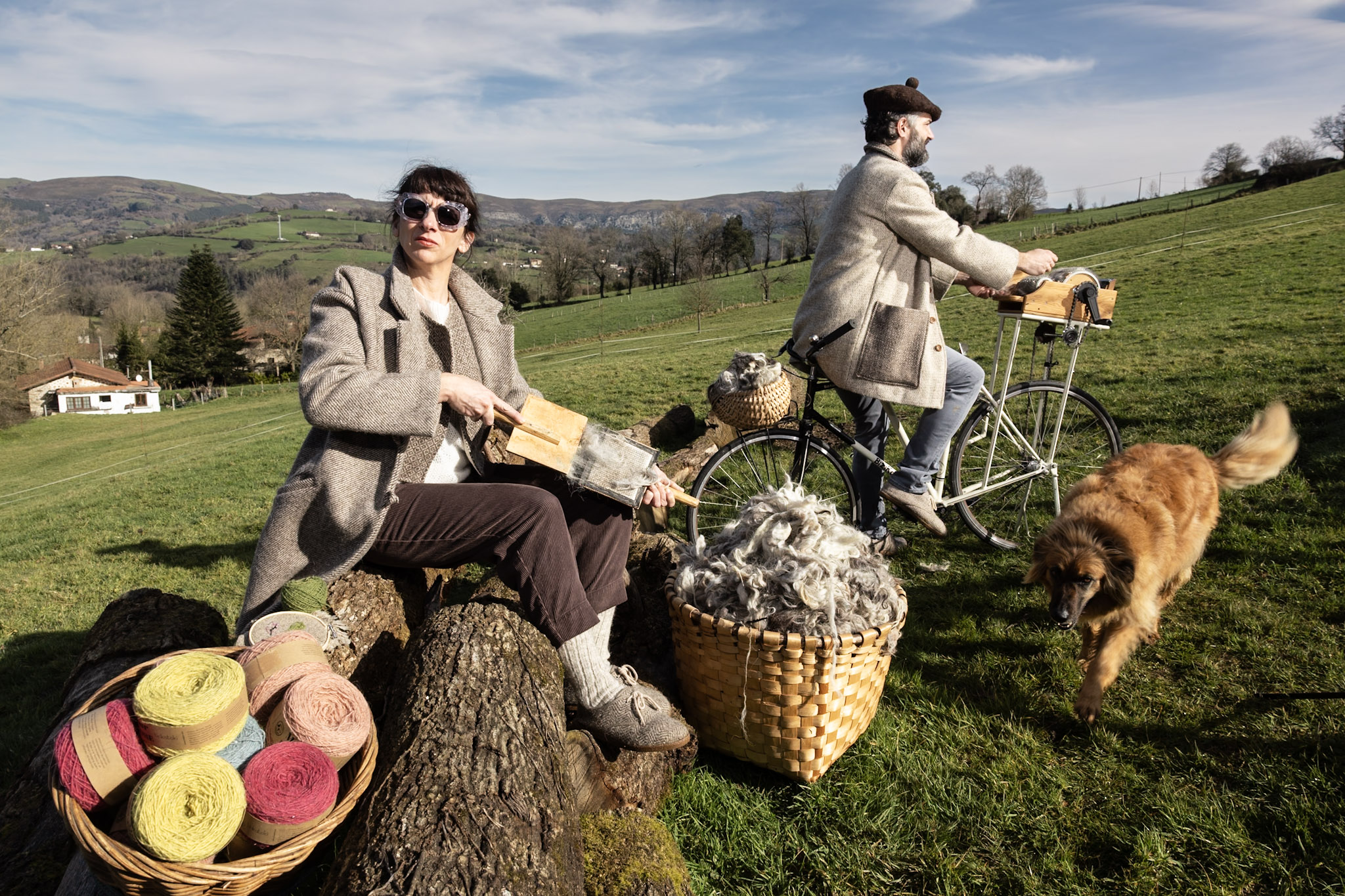
Mutur Beltz is an artistic and rural innovation project based in the Karrantza Valley (Basque Country, Spain). Through the endangered Carranzana sheep wool, the project connects art, agroecology and contemporary design. From shearing to design and cultural mediation, Mutur Beltz reactivates rural knowledge, supports biodiversity and generates social, cultural and economic value in the territory.
Spain
Local
Karrantza Harana / Valle de Karrantza, Bizkaia, Basque Country, Spain
Mainly rural
It involves other types of transformations (soft investment)
Yes
2020-09-04
No
No
No
Individual
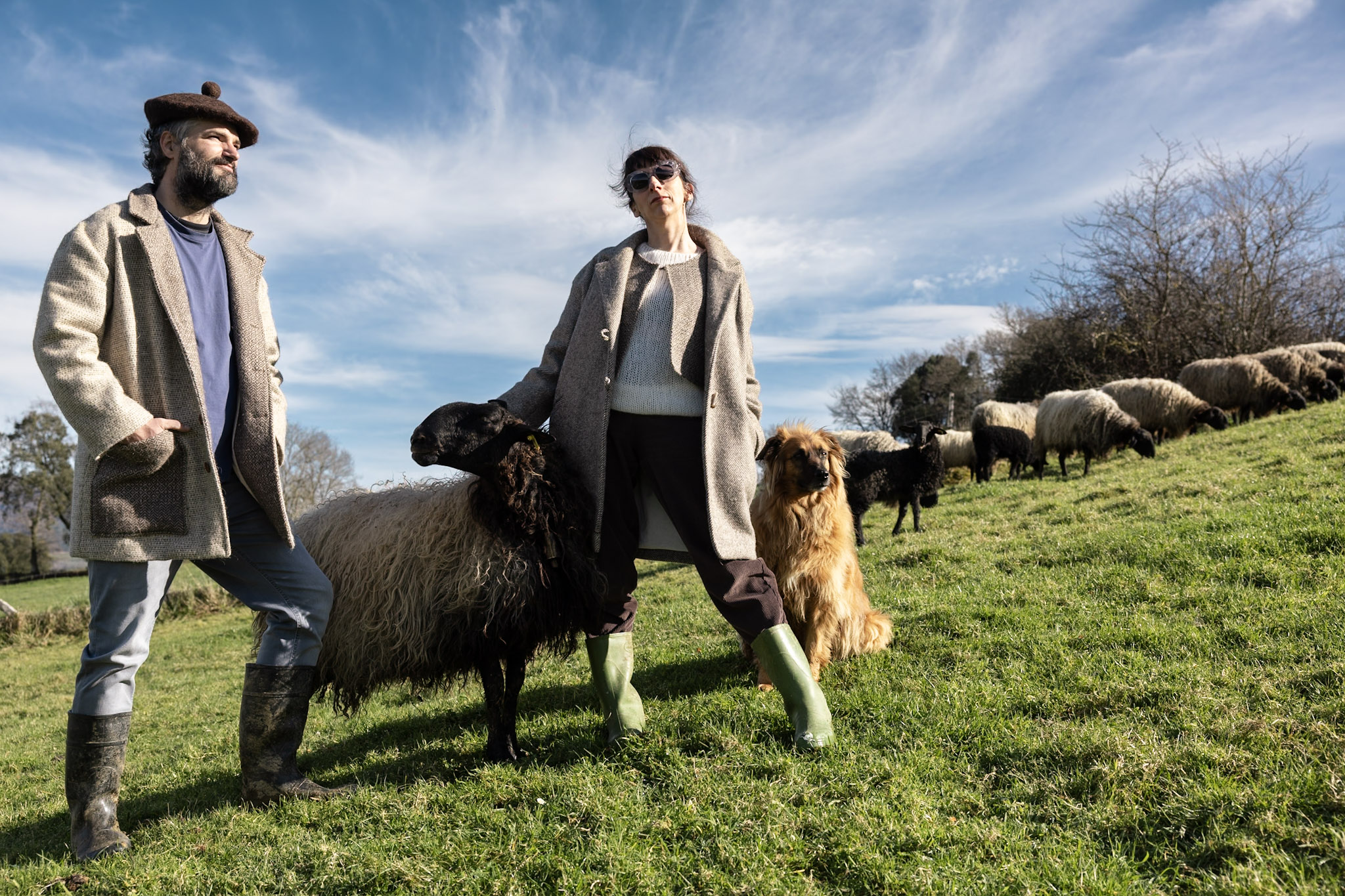
Mutur Beltz is an artistic and rural innovation project based in the Karrantza Valley (Basque Country, Spain), developed by artist and researcher Laurita Siles together with Joseba Edesa. The project regenerates the ecological, cultural and economic value of the wool of the Carranzana black-faced sheep, an endangered native breed historically linked to the territory.
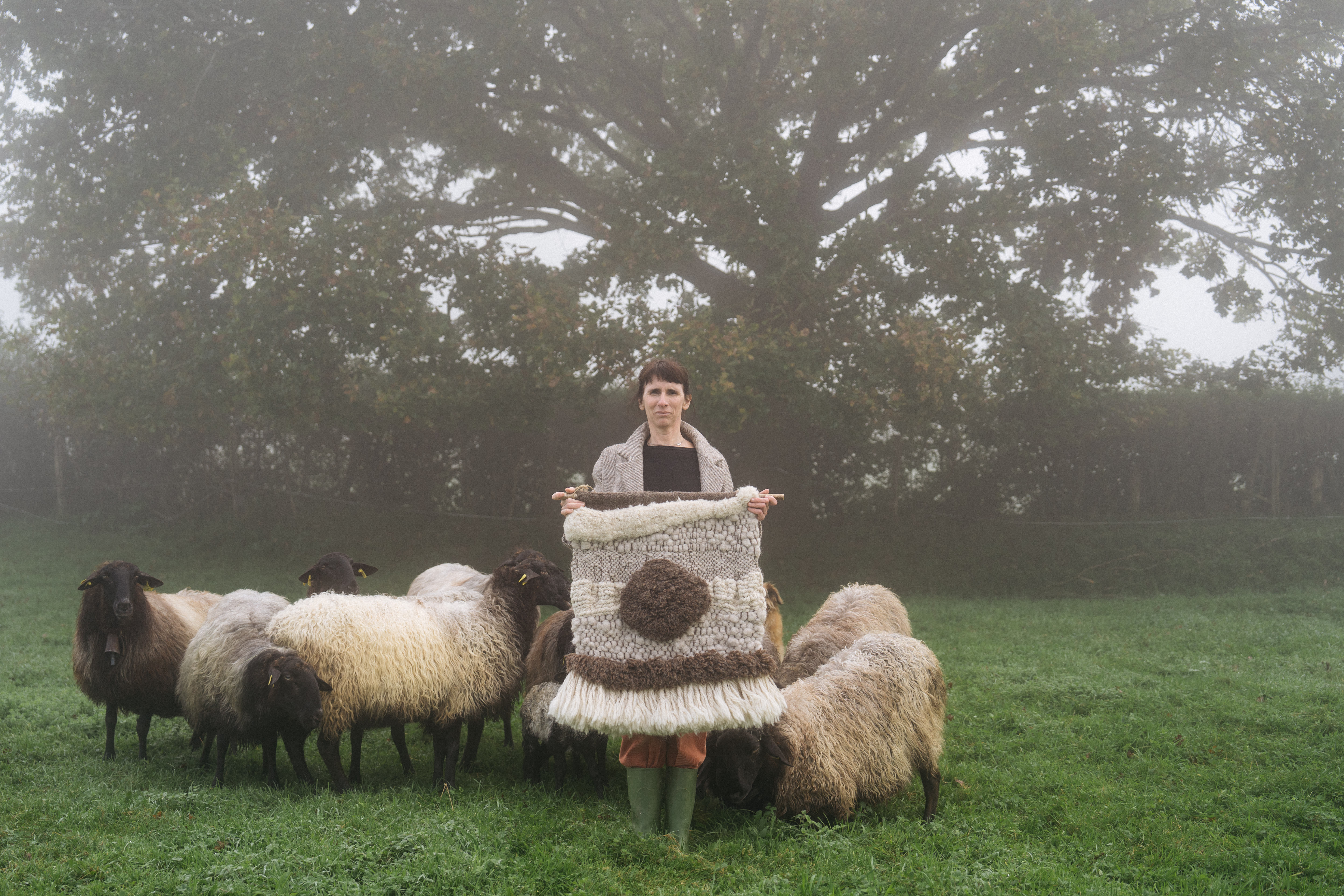
For decades, this wool has been treated as agricultural waste due to industrial standards. Mutur Beltz transforms this overlooked material into textiles, design objects, artistic works and cultural programmes, creating a circular and place-based economy around a local resource.
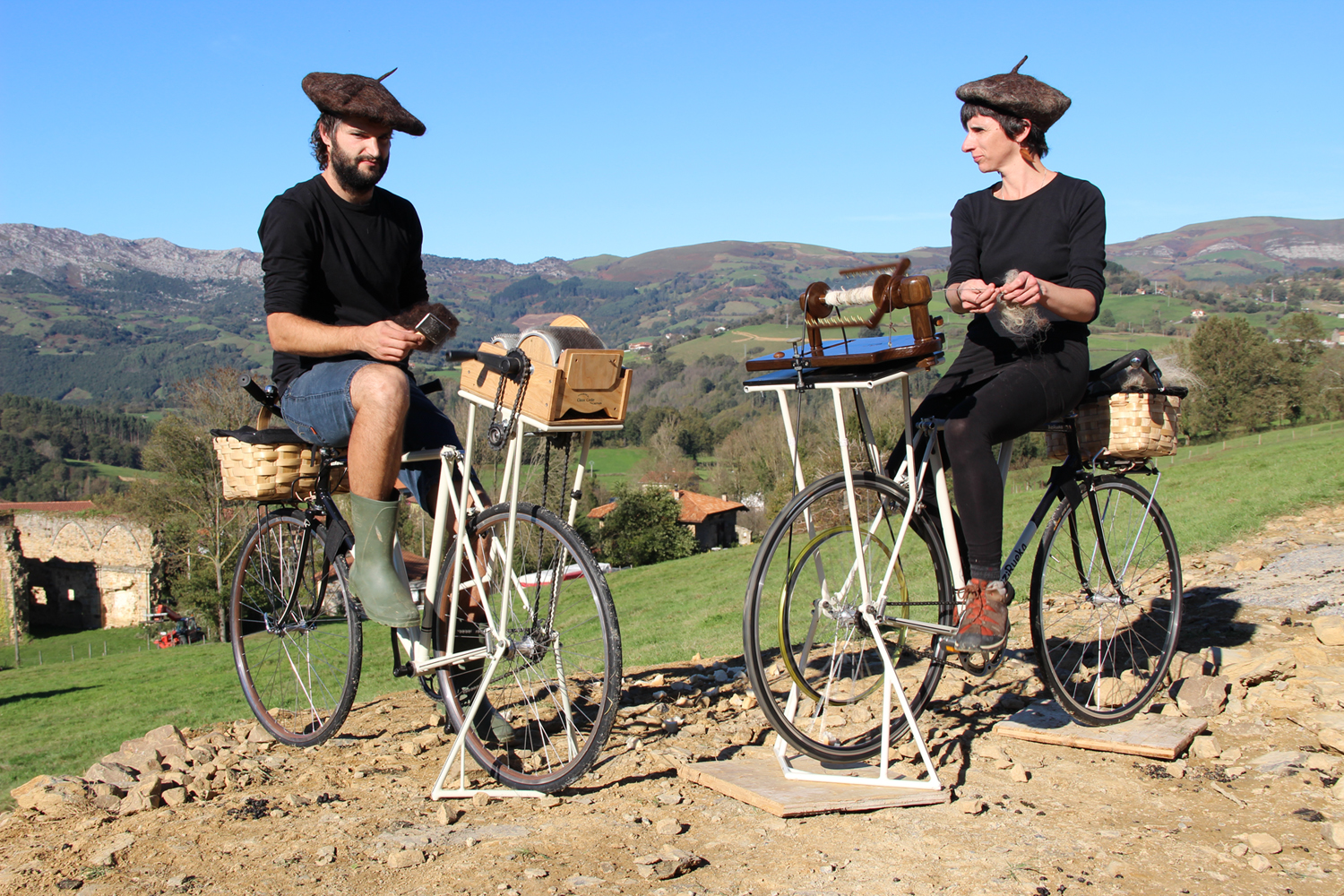
The project operates through an integrated ecosystem connecting shepherds, artisans, artists, researchers and local communities. Activities include wool recovery and transformation, craft and design production, artistic residencies, exhibitions, workshops and cultural mediation.
Since 2017 Mutur Beltz has purchased and processed more than 24,000 kg of local wool from 14–15 shepherds, contributing directly to sustaining pastoral livelihoods and the ecological landscapes shaped by extensive grazing. The project has organised more than 40 talks and workshops, 20 exhibitions, and the Residency of the Good Living, bringing together over 30 artists and more than 6,000 participants.
Mutur Beltz has received major recognitions including the European Agriculture and Rural Inspiration Award (ARIA) and the Spanish National Craft Entrepreneurship Award (2024). Through its activities, the project demonstrates how creativity, craft and local knowledge can activate rural territories as spaces of cultural innovation, ecological awareness and sustainable development
Mutur Beltz emerged in 2015 from a long artistic research process developed by Laurita Siles around disappearing crafts, rural knowledge and material culture. During fieldwork in the Karrantza Valley, she encountered the situation of the Carranzana black-faced sheep: an endangered local breed whose wool had lost its economic value and was increasingly discarded as waste.
Together with Joseba Edesa and in collaboration with local shepherds, the project began exploring how this neglected material could become the foundation of a new cultural and ecological practice. Initial experiments focused on recovering raw wool, learning traditional processing techniques and testing ways to translate this material into contemporary design and artistic language.
Over time, Mutur Beltz evolved into a broader ecosystem connecting agroecology, art and cultural production. The project began organising workshops, exhibitions, artistic residencies and collaborative events that brought together shepherds, artisans, artists, researchers and citizens.
One of its central initiatives is the Residency of the Good Living, launched in 2017 in the Karrantza Valley. This programme invites artists to engage directly with rural life through shared experiences such as wool processing, walks through pastoral landscapes, communal meals and collaborative artistic projects.
Implemented directly within the rural territory, Mutur Beltz reconnects contemporary cultural practices with traditional pastoral knowledge. By transforming discarded wool into cultural narratives, design objects and collective experiences, the project demonstrates how rural territories can become laboratories for ecological, cultural and social innovation.
Circular wool economy
Rural cultural innovation
Agroecology
Craft and contemporary art
Community participation
Mutur Beltz addresses environmental, social and economic challenges affecting rural territories through the regeneration of a neglected local resource: the wool of the Carranzana black-faced sheep, an endangered native breed from the Karrantza Valley (Basque Country, Spain).
For decades this wool has been treated as agricultural waste due to industrial market standards. Mutur Beltz transforms this discarded material into textiles, design objects, artistic works and cultural experiences, creating a circular and place-based economy around a local natural resource.
Since 2017 the project has purchased more than 24,000 kg of wool from 14–15 local shepherds, paying one of the highest prices in Spain for this fibre. This contributes directly to maintaining pastoral livelihoods and the ecological landscapes shaped by extensive grazing, which play a key role in biodiversity conservation and wildfire prevention.
Mutur Beltz operates through a short supply chain and low-impact artisanal processes, combining traditional knowledge with contemporary design and artistic experimentation. The project also raises public awareness about responsible production and consumption through exhibitions, workshops and cultural programmes.
By reconnecting ecological resources, cultural practices and rural economies, Mutur Beltz demonstrates how creativity and craft can contribute to sustainable territorial development. The project aligns with several UN Sustainable Development Goals, particularly SDG 11 (Sustainable Communities), SDG 12 (Responsible Production and Consumption), SDG 15 (Life on Land) and SDG 8 (Decent Work and Economic Growth).
Mutur Beltz contributes to making everyday life more meaningful and beautiful by reconnecting people with the cultural and ecological heritage of rural territories.
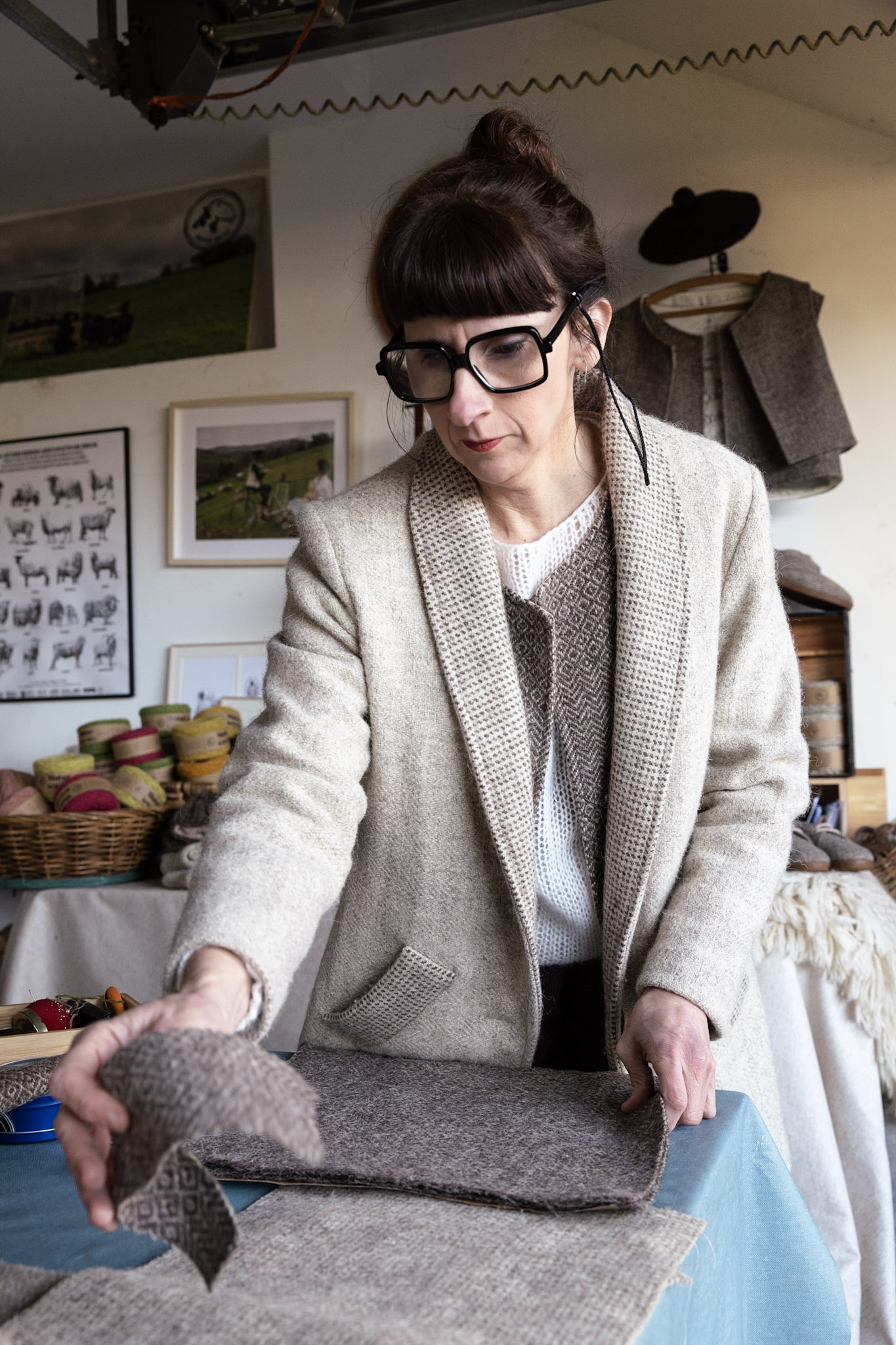
The project transforms coarse wool from the Carranzana sheep into contemporary objects, textiles, artistic installations and cultural experiences that reveal the hidden beauty of materials, landscapes and knowledge often overlooked by industrial systems. Each piece produced carries full traceability, linking the object to the shepherds, animals and landscapes from which the material originates.
Beauty in Mutur Beltz is not understood as decoration but as a meaningful relationship between people, place and material. The project cultivates an aesthetic that emerges from the territory itself: the texture of wool, the rhythms of pastoral life, the stories of shepherds and the collective memory of rural communities.
Through exhibitions, artistic residencies, performances and public events, Mutur Beltz activates new cultural imaginaries where rural landscapes are recognised as spaces of creativity and innovation. Cultural activities take place both in artistic institutions and in public squares, farms and community spaces, strengthening emotional connections between people and their environment.
By transforming a disregarded rural material into contemporary artistic language, Mutur Beltz demonstrates how aesthetics can foster pride, belonging and care for the places we inhabit.
Mutur Beltz promotes social inclusion by creating spaces where rural knowledge, artistic practice and community life intersect.
The project works closely with shepherds, artisans, artists, researchers, students and local residents, recognising the value of knowledge often marginalised in contemporary economic and cultural systems. Through workshops, public talks, exhibitions and participatory activities, Mutur Beltz fosters intergenerational learning and collective creativity.
Since its creation, more than 6,000 people have participated in cultural activities, including local families, students, artists and visitors. Workshops on wool processing techniques such as felting or spinning become opportunities for dialogue between generations and cultures, strengthening social bonds and shared cultural identity.
The project also contributes to inclusive rural economies by purchasing wool directly from local shepherds and collaborating with artisans and cultural workers. By generating new economic opportunities linked to local resources, Mutur Beltz supports dignified livelihoods in rural territories often affected by depopulation.
Through its activities, the project builds bridges between rural communities and wider cultural networks, demonstrating how culture and creativity can serve as tools for inclusive and resilient territorial development.
Participation is at the core of Mutur Beltz. The project has been developed through close collaboration with shepherds, artisans, artists and local residents in the Karrantza Valley.
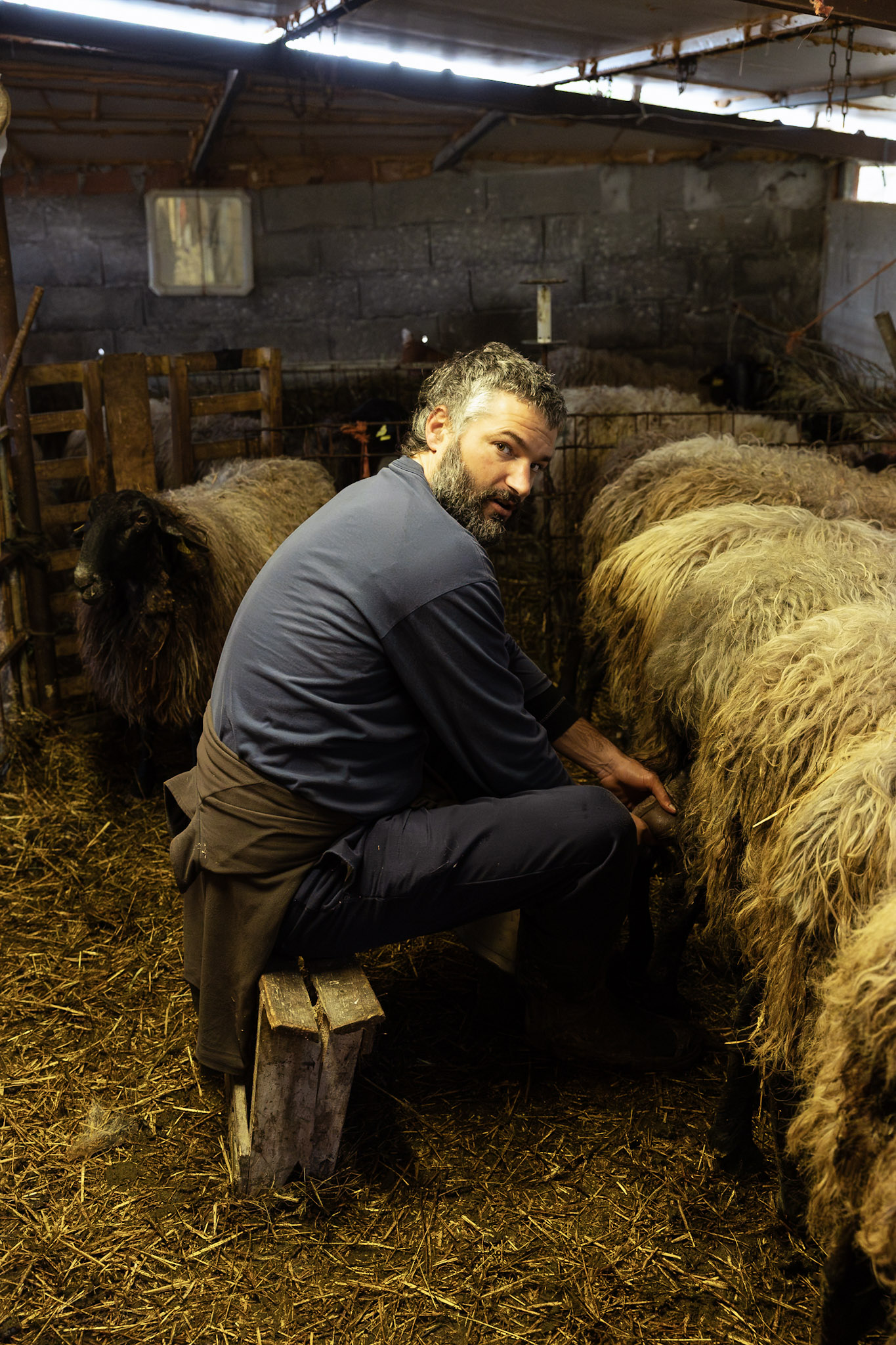
Shepherds are key partners in the project. Their knowledge about the Carranzana sheep, pastoral practices and the territory informs the entire process, from wool collection to storytelling and cultural programming. By purchasing wool directly from them and highlighting their work in exhibitions and events, Mutur Beltz contributes to recognising and valuing pastoral culture.
Citizens and local communities participate through workshops, public events, artistic residencies and collective activities. These encounters create spaces where people can learn traditional skills such as felting or spinning, share knowledge and reflect collectively on the future of rural territories.
The Residency of the Good Living (Residencia Artística del Buen Vivir) has become a key participatory platform. Artists, residents and shepherds collaborate in shared experiences including workshops, walks, communal meals, performances and artistic productions.
Through these participatory processes, Mutur Beltz strengthens community bonds and empowers local actors to become active participants in cultural and ecological transformation.
Mutur Beltz operates through collaboration with actors at multiple governance levels, from local communities to European cultural networks.
At the local level, the project works closely with shepherds, artisans, local associations and residents of the Karrantza Valley. These collaborations ensure that the project remains deeply rooted in the territory and responsive to local needs.
At the regional and national level, Mutur Beltz collaborates with cultural institutions, research centres, universities and craft organisations. The project has received the Spanish National Craft Entrepreneurship Award (2024) and the Elkarlan Award from the Basque Government, recognising its contribution to social innovation and rural cultural development.
At the European level, Mutur Beltz received the Agriculture and Rural Inspiration Award (ARIA) from the European Commission, highlighting its role as an example of rural innovation connecting agriculture, culture and creativity.
These multi-level collaborations create bridges between rural communities, cultural institutions and policy frameworks, amplifying the project’s impact and visibility while ensuring that local knowledge informs broader discussions about rural sustainability and cultural innovation.
Mutur Beltz is inherently transdisciplinary, integrating artistic practice, agroecology, design, craft, cultural research and rural development.
The project combines knowledge from multiple fields including contemporary art, textile design, pastoral agriculture, anthropology, craft traditions, cultural mediation and environmental awareness. This intersection of disciplines allows Mutur Beltz to approach rural challenges from a holistic perspective.
Artists contribute creative experimentation and critical reflection. Shepherds bring ecological knowledge about landscapes, animals and grazing systems. Designers translate raw wool into contemporary objects and products. Researchers and educators document and disseminate knowledge through publications, workshops and public programmes.
The project also collaborates with chefs, musicians and sound artists, exploring how gastronomy and sound can expand the cultural narratives of rural territories.
By connecting these diverse disciplines, Mutur Beltz creates a living laboratory where artistic imagination, ecological knowledge and community practices converge to generate innovative models of cultural and rural development.
Mutur Beltz operates through a hybrid economic model combining cultural production, craft design and public cultural programming.
Revenue is generated through the sale of handcrafted wool products, including textiles, shoes, bags and design objects made from Carranzana wool. These products are sold directly to customers through ethical design channels and cultural markets, ensuring fair value for local materials and labour.
The project also generates income through workshops, educational programmes, exhibitions and cultural residencies. The Residency of the Good Living attracts artists and cultural practitioners who participate in research and creative processes connected to the territory.
Public support and cultural grants complement these activities, allowing the project to expand its educational and cultural programmes. Recognition through national and European awards has also helped increase visibility and market access.
By combining artisanal production, cultural programming and educational activities, Mutur Beltz maintains financial sustainability while preserving its commitment to ecological responsibility, fair economic practices and cultural value.
Mutur Beltz offers a replicable model for rural territories facing similar challenges related to biodiversity loss, declining traditional knowledge and the undervaluation of local resources.
The project demonstrates how neglected agricultural materials can be reactivated through cultural and creative practices, generating new economic opportunities and cultural value. The methodology combines four key elements that can be transferred to other contexts: the recovery of local materials, collaboration with traditional knowledge holders, integration of art and design practices, and community-based cultural programming.
The model can be adapted to other regions where natural resources or traditional practices have lost economic value but still hold cultural and ecological significance. By connecting these resources with contemporary creative practices, communities can generate new forms of rural innovation.
Mutur Beltz also shows how artistic residencies, workshops and cultural events can activate rural territories as spaces of experimentation and dialogue between local knowledge and international artistic networks.
This approach provides a flexible framework that can be adapted to different materials, landscapes and cultural contexts, making it highly transferable to other rural regions in Europe and beyond.