Enhancing Circularity, Sustainability, and Innovation
Circular sneakers from food waste
Circular sneakers: turning food waste into innovative footwear
ID.EIGHT transforms food industry waste into contemporary sneakers through circular design and material innovation. By using bio-based and recycled materials derived from apple, grape, mycelium, cactus and corn by-products, the project turns waste into high-quality footwear. The goal is to demonstrate that responsible materials, innovative design and aesthetics can work together to create products people truly want to wear.
Italy
National
Mainly urban
It involves other types of transformations (soft investment)
Yes
2020-02-01
No
No
No
Organisation
ID.EIGHT is an Italian footwear project that transforms food industry waste into innovative design products. The initiative was created to address one of the major environmental challenges of the fashion sector: the large amount of waste and pollution generated by conventional materials and production models. By combining circular design, material innovation and contemporary aesthetics, ID.EIGHT demonstrates that fashion products can be both desirable and responsible.
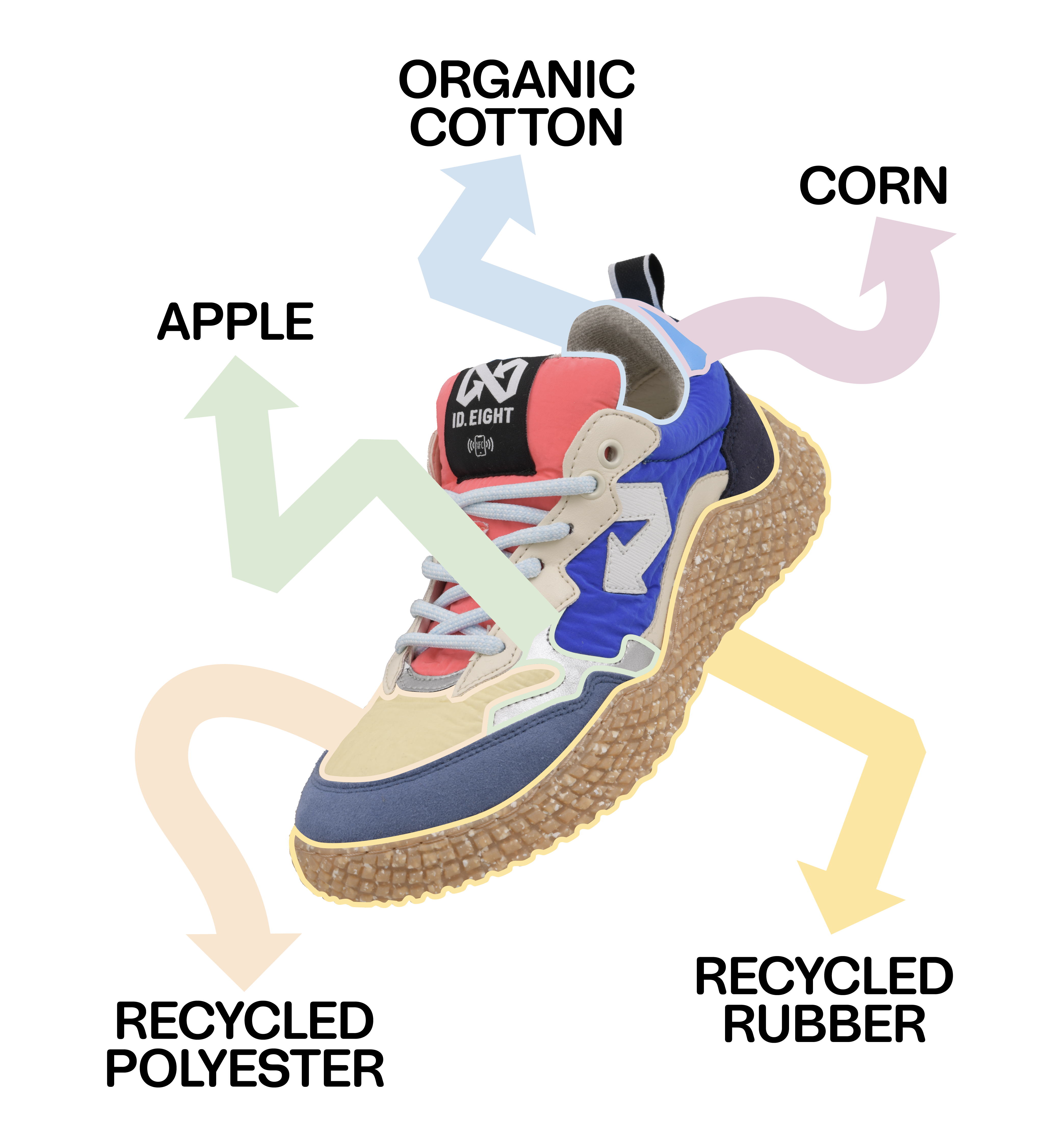
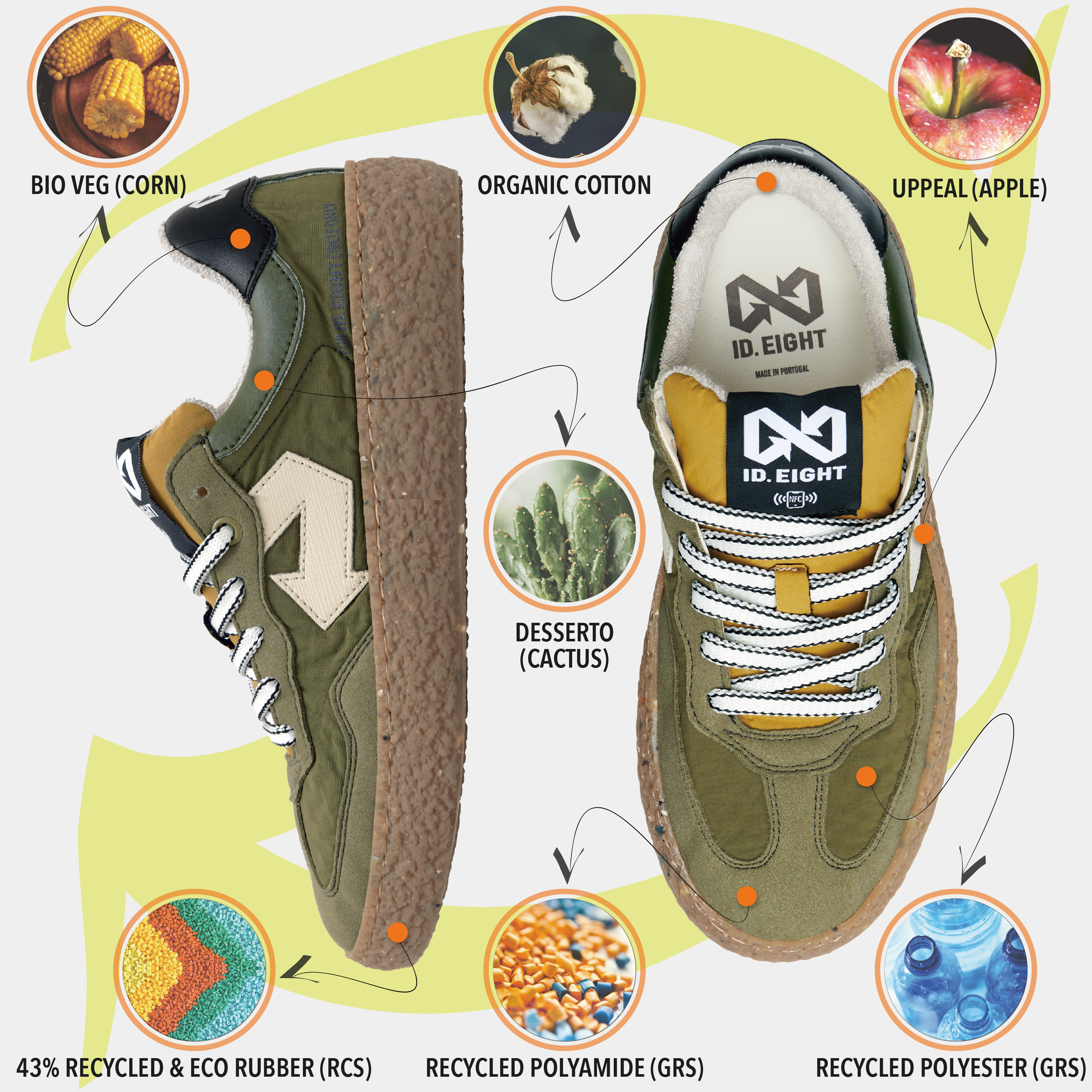
The project develops sneakers using bio-based and recycled materials derived from food industry by-products such as apple and grape waste, together with innovative plant-based materials including corn, mycelium and cactus, combined with recycled textiles. These materials transform agricultural and food waste into durable, high-quality design products, reducing the need for virgin resources and lowering environmental impact.
To ensure quality and transparency, production is carried out in Portugal by a manufacturer with a fully integrated production process and strong expertise in sustainable materials. The factory is certified according to ISO 9001:2015 and ISO 14001:2015 standards, undergoes regular audits by SEDEX, SMETA and the HIGG Index, and uses renewable energy generated by solar panels.
Beyond product development, ID.EIGHT promotes circular solutions to extend the life of footwear. Through repair services and recycling initiatives for end-of-life sneakers, the project reduces waste and encourages more responsible consumption.
In the long term, ID.EIGHT aims to contribute to the transformation of the fashion industry by promoting circular materials, innovative design and more responsible production models.
ID.EIGHT was born from a simple but personal question: why is it so difficult to find sneakers that are both sustainable and beautifully designed?
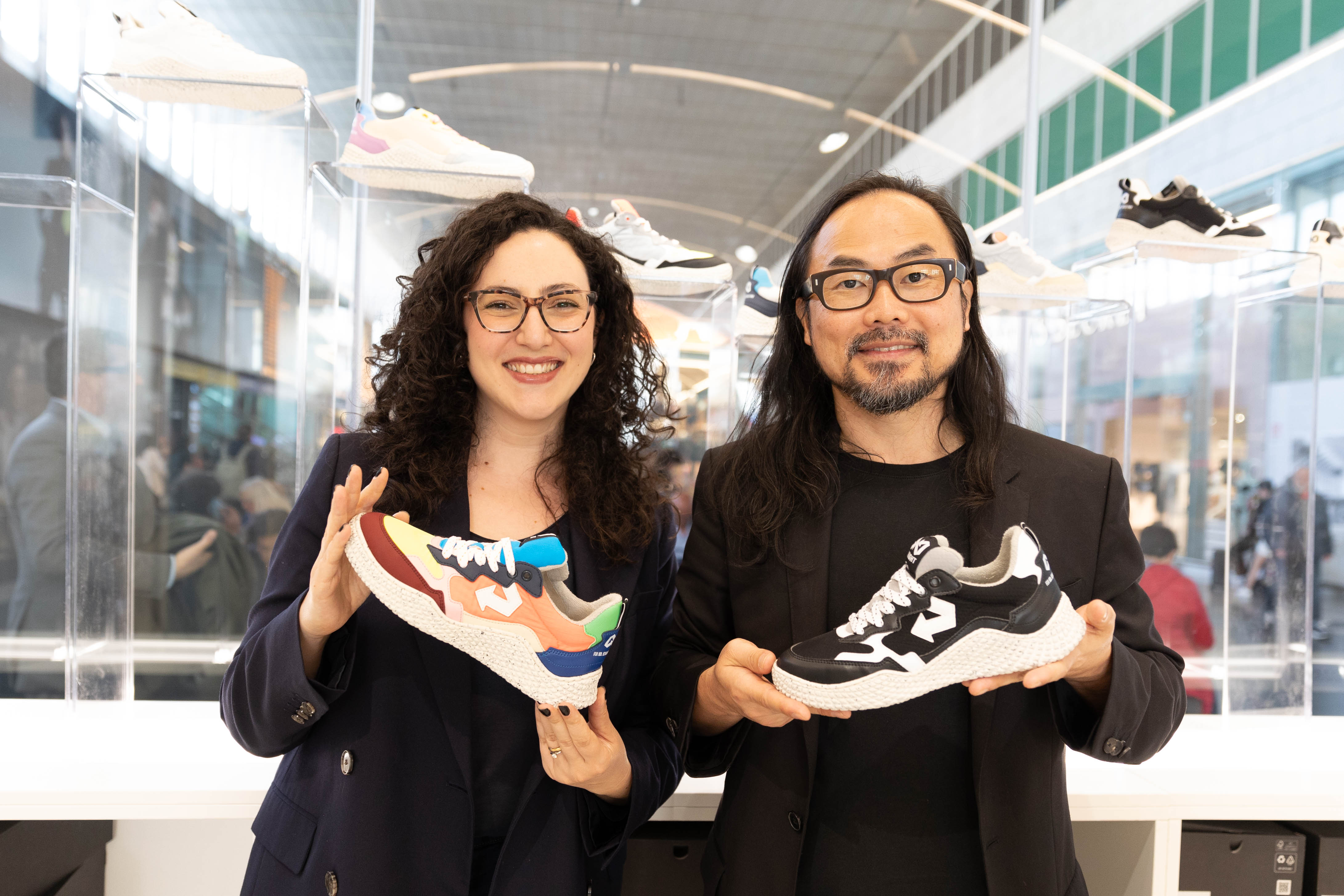
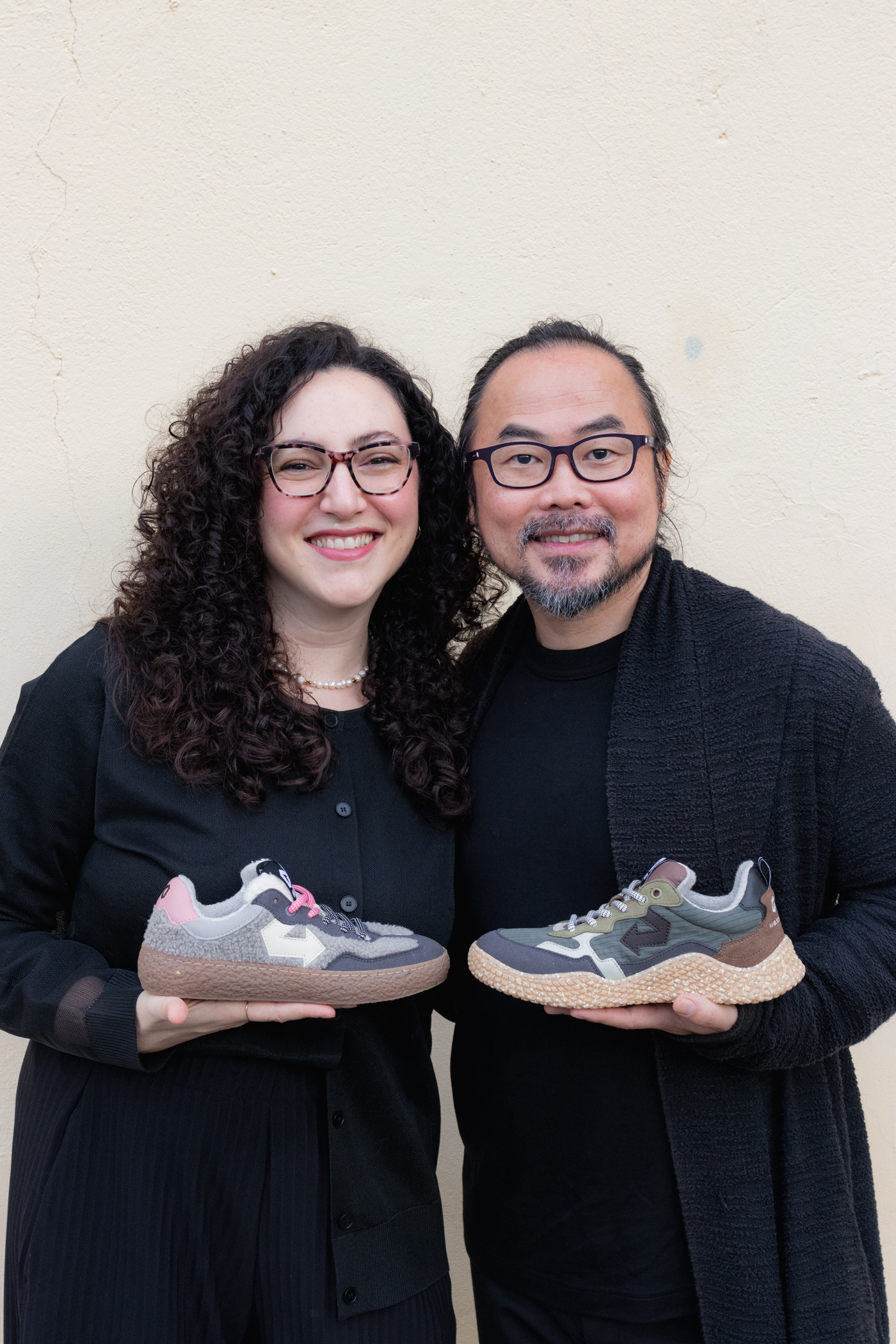
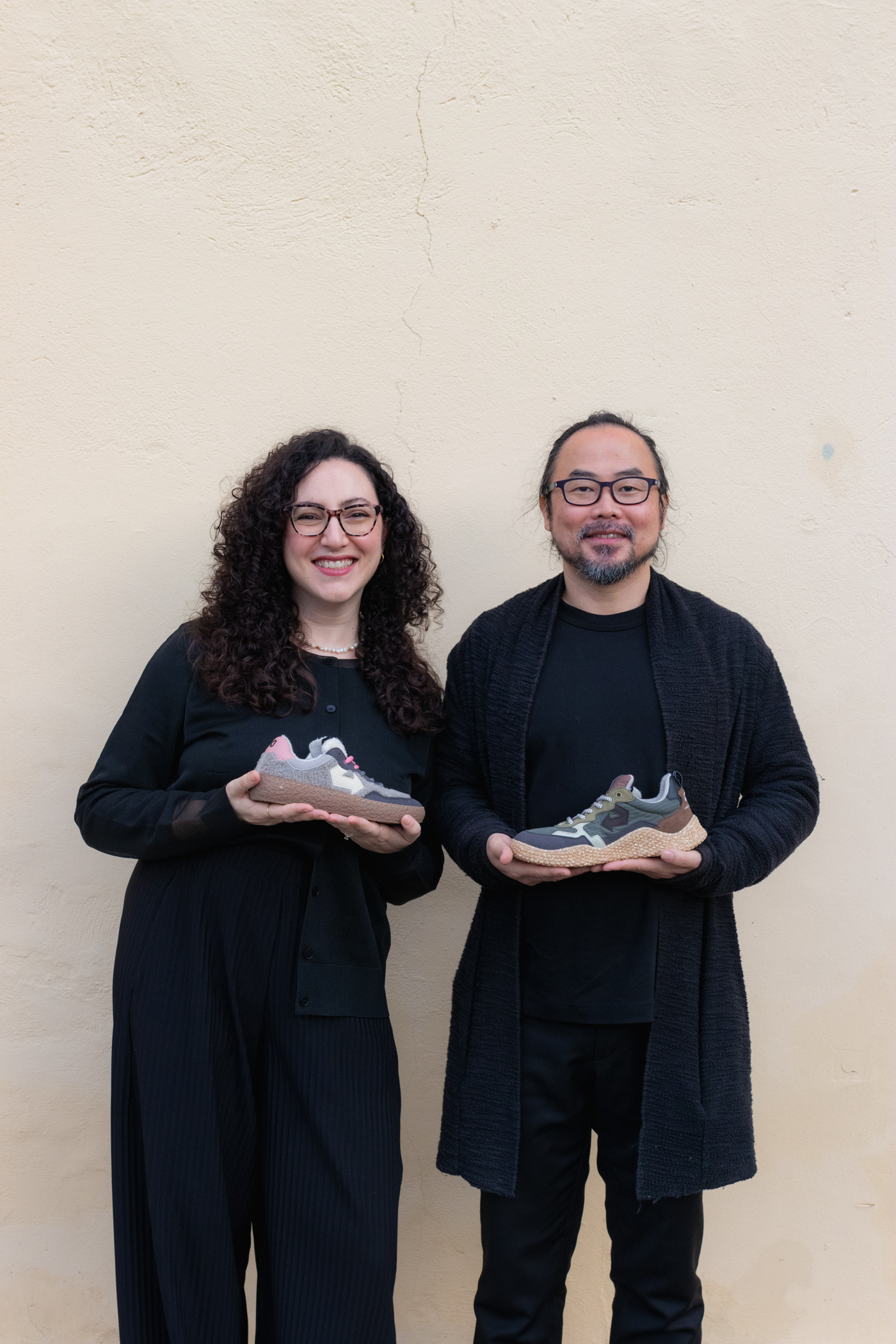
The project was founded by Giuliana Borzillo and Dong Seon Lee. Giuliana worked as a brand manager in the footwear sector and knew the industry and its dynamics very well. While looking for a pair of sustainable sneakers for herself, she realised that many environmentally responsible products available on the market lacked the design and aesthetics she was looking for.
Instead of compromising, she challenged her husband Dong, a footwear designer, to create a sneaker that could combine responsible materials with contemporary design. What started as a personal challenge soon became the foundation of a new project.
Together, they began researching innovative materials derived from food industry waste. The team experimented with materials made from apple, grape and corn by-products, together with other plant-based alternatives such as mycelium and cactus. By combining these materials with recycled textiles, they were able to create sneakers that transform agricultural and food waste into durable and attractive design products.
From the beginning, the founders focused on building a transparent and responsible supply chain. After an initial production phase in Italy, the company partnered with VegaStyle in Portugal, a manufacturer with a fully integrated production process and strong expertise in sustainable materials. This collaboration ensures high product quality, better traceability and responsible production standards.
What started as a personal search for better sneakers has grown into an international project promoting circular design in fashion. Today, ID.EIGHT continues to develop innovative footwear while also working on circular initiatives such as repair services and recycling programs that extend the life of sneakers and reduce waste.
Circular economy
Bio-based materials
Responsible manufacturing
Design innovation
Product lifecycle extension
The fashion industry is one of the most resource-intensive sectors, generating large amounts of waste and pollution. ID.EIGHT addresses this challenge by integrating innovative bio-based and recycled materials into contemporary footwear design, promoting a more circular approach to fashion.
Our sneakers incorporate materials derived from food industry by-products such as apple and grape waste, together with plant-based alternatives including mycelium, corn and cactus. By collaborating with material innovators and integrating these materials into durable design products, the project contributes to reducing reliance on virgin resources and supporting the development of circular material solutions.
Sustainability is also embedded in the way products are manufactured. Production takes place in Portugal with a certified manufacturer that follows internationally recognised standards for quality, environmental management and responsible production. This ensures transparency, traceability and responsible supply chain practices.
In addition, the project promotes circular strategies that extend product life. Through repair services and recycling initiatives for end-of-life sneakers, ID.EIGHT works to reduce waste and encourage more responsible consumption patterns.
Beyond environmental benefits, the project contributes to cultural change in the fashion sector by demonstrating that responsible materials and contemporary design can coexist. By bridging ethics and aesthetics, ID.EIGHT promotes a more desirable and accessible approach to sustainable fashion.
A central goal of ID.EIGHT is to demonstrate that sustainability and aesthetics can coexist. In the fashion sector, environmentally responsible products are often perceived as less attractive or less desirable. Our project challenges this perception by creating sneakers that combine innovative materials with contemporary and distinctive design.
Through careful material selection, colour combinations and design details, the project transforms unconventional materials derived from food industry waste into products that people genuinely want to wear in their everyday lives. By making responsible products aesthetically appealing, the project encourages more people to adopt more conscious consumption habits without sacrificing style or personal expression.
The project also contributes to a broader cultural shift in fashion by showing that waste-derived materials can become part of contemporary design language. Instead of hiding the origin of materials, the project celebrates innovation and creativity in material use, transforming waste into design.
In the longer term, the project aims to inspire designers, brands and consumers to rethink the relationship between beauty, materials and responsibility. By bridging ethics and aesthetics, ID.EIGHT demonstrates how design can play a key role in making more responsible choices both desirable and accessible.
ID.EIGHT approaches inclusion by making sustainable design accessible and relevant to a broader audience. In the fashion sector, sustainable products are often perceived as niche, complex or inaccessible. Our project aims to change this by creating products that combine responsible materials, contemporary design and clear communication about their origin and impact.
The sneakers are designed as genderless products, avoiding traditional gender distinctions in fashion and making them accessible to a wider range of people. This approach encourages a more open and inclusive way of thinking about design and consumption.
Transparency also plays an important role in inclusion. By communicating clearly about the materials used, the production process and the lifecycle of the product, the project helps consumers better understand how their choices relate to environmental and social impacts.
Through repair and recycling initiatives, the project also promotes a more inclusive relationship between people and products. Extending the life of footwear allows consumers to maintain and care for their belongings rather than replacing them frequently, encouraging more responsible and long-term consumption habits.
In this way, ID.EIGHT contributes to a more inclusive model of fashion, where sustainability, design and transparency help make responsible choices more accessible and understandable for a wider community.
ID.EIGHT engages different stakeholders across the value chain, including consumers, partners and workers involved in the production process. From the beginning, the project has aimed to promote a more responsible and transparent model within the fashion industry.
An important aspect of this approach is the collaboration with certified manufacturing partners. Our sneakers are produced in Portugal by a manufacturer that follows internationally recognised standards and undergoes regular audits such as SEDEX, SMETA and the HIGG Index. These frameworks help ensure responsible working conditions, respect for workers and transparency across the supply chain.
At the same time, the project actively engages with consumers and communities by raising awareness about sustainable materials, circular design and responsible consumption. Through its communication channels and initiatives, ID.EIGHT shares information about materials, production and product lifecycle, helping people better understand the impact of their choices.
Customers and followers of the brand also contribute through feedback and participation in circular initiatives such as repair services and recycling programs for end-of-life sneakers. These initiatives encourage people to engage more actively with the lifecycle of products and to adopt more responsible consumption habits.
Through this combination of responsible production, transparency and community engagement, the project promotes a more participatory and accountable model for the fashion industry.
ID.EIGHT operates through a network of stakeholders across different levels of the European value chain. The project brings together designers, material innovators, manufacturers and consumers to develop and promote more responsible solutions for the fashion industry.
At the local and national level, the project started in Italy, where the brand was founded and where design and product development activities take place. Italian expertise in footwear design and product development plays a central role in shaping the identity and quality of the project.
At the European level, the project collaborates with innovative material producers that develop bio-based materials derived from food industry by-products such as apple, grape and corn waste, as well as other plant-based materials such as mycelium and cactus. These collaborations support the development and adoption of new circular materials within the fashion sector.
Manufacturing is carried out in Portugal with VegaStyle, a certified factory that ensures responsible production standards, transparency and traceability across the supply chain. This collaboration demonstrates how different European regions can work together to create more responsible and innovative manufacturing models.
Through this network of partners across design, materials and production, the project contributes to building a more connected and collaborative European ecosystem for circular fashion. The added value of this multilevel approach lies in combining expertise from different regions to accelerate the adoption of innovative materials, responsible production and circular design practices.
ID.EIGHT is based on a transdisciplinary approach that combines expertise from several fields, including fashion design, material innovation, environmental sciences and responsible manufacturing.
The design process is rooted in footwear and product design, where aesthetics, functionality and durability are key elements. At the same time, the project integrates knowledge from material science through the collaboration with innovators developing bio-based materials derived from food industry by-products such as apple and grape waste, as well as other plant-based materials including mycelium, corn and cactus.
Environmental perspectives also play an important role in the project. Circular economy principles guide material selection, product development and strategies aimed at extending product life through repair and recycling initiatives.
Industrial manufacturing expertise is another essential component. Collaboration with a certified European manufacturer ensures that design concepts can be translated into high-quality products while maintaining responsible production standards and supply chain transparency.
Finally, communication and consumer engagement are important aspects of the project. Through storytelling and transparent communication about materials and production processes, the project helps raise awareness about sustainable fashion and encourages more responsible consumption.
By combining design, material innovation, environmental thinking and responsible production, ID.EIGHT demonstrates how different disciplines can work together to create more sustainable and desirable products.
ID.EIGHT operates through a market-based business model built on the design, production and distribution of sneakers made with bio-based and recycled materials. The company’s primary revenue channel is B2B wholesale, supplying a network of selected retailers across Europe.
Today the brand is distributed through approximately 200 multibrand retailers in several European countries. This wholesale network allows the project to reach a wide audience and introduce innovative materials and circular design concepts through established retail channels.
Alongside its wholesale activity, the company also operates a direct-to-consumer channel through its own e-commerce platform. This channel allows ID.EIGHT to engage directly with customers, communicate transparently about materials and production processes, and test circular initiatives such as repair and recycling services.
In 2025 the company generated approximately €850K in revenue, demonstrating the growing market demand for products that combine contemporary design with responsible materials.
The project is also supported by Angels and VCs who share the long-term vision of promoting circular innovation in the fashion industry. Looking ahead, the company’s strategy focuses on international expansion and the continued development of a business model that combines design, innovation and circular principles.
The ID.EIGHT project demonstrates a model that can be replicated and adapted across different sectors and geographical contexts. Its scalability lies in the integration of circular materials, responsible production and design-driven innovation.
One key element that can be transferred is the use of bio-based materials derived from food industry by-products. These materials can be integrated into many different product categories beyond footwear, including fashion accessories, apparel and other design products. By collaborating with material innovators and integrating these materials into commercially viable products, the project helps accelerate the adoption of circular materials within the wider fashion and design industries.
Another replicable aspect is the design approach, which combines aesthetics with responsible material choices. Demonstrating that sustainable materials can be used to create desirable products helps shift consumer perception and encourages other designers and brands to explore similar solutions.
The project also offers a transferable model of responsible supply chain management. By working with certified manufacturers and ensuring transparency and traceability in production, the project shows how innovation in materials can be combined with responsible industrial processes.
Finally, the circular initiatives developed by the project, such as repair services and recycling programs for end-of-life products, represent practical strategies that can be adopted by other brands and sectors seeking to extend product life and reduce waste.
Through these elements, the project provides a scalable example of how circular materials, design and responsible production can work together to support the transition toward a more sustainable fashion ecosystem.