Enhancing Circularity, Sustainability, and Innovation
CAELESTIS
CAELESTIS — Reconnecting Humanity, Craft and Nature
CAELESTIS transforms a natural canyon in the Brazilian Cerrado into a space for regeneration where artisans, students and designers create monumental sculptures and garments inspired by mythical beings emerging from the earth. Through craft, nature and collaboration, the project empowers the community of Olhos d’Água, preserves cultural heritage and proposes new ways of reconnecting creativity, people and the planet.
Brazil
Local
Olhos D’Agua, Alexania/GO - Brazil
It addresses urban-rural linkages
It involves other types of transformations (soft investment)
Yes
2025-12-25
No
No
No
Individual
CAELESTIS is a community-driven cultural initiative developed in the Brazilian Cerrado that reconnects people, nature and traditional knowledge through collaborative artistic creation.
Implemented in the community of Olhos d’Água, the project transformed a three-kilometre natural canyon into a symbolic space for regeneration. Instead of representing the abyss as collapse, CAELESTIS reimagines it as a place of renewal.
Led by designer Jum Nakao in partnership with Senac Goiás, the initiative brought together local artisans, low-income students and creative professionals in a transdisciplinary process combining craft traditions, contemporary design and environmental awareness.
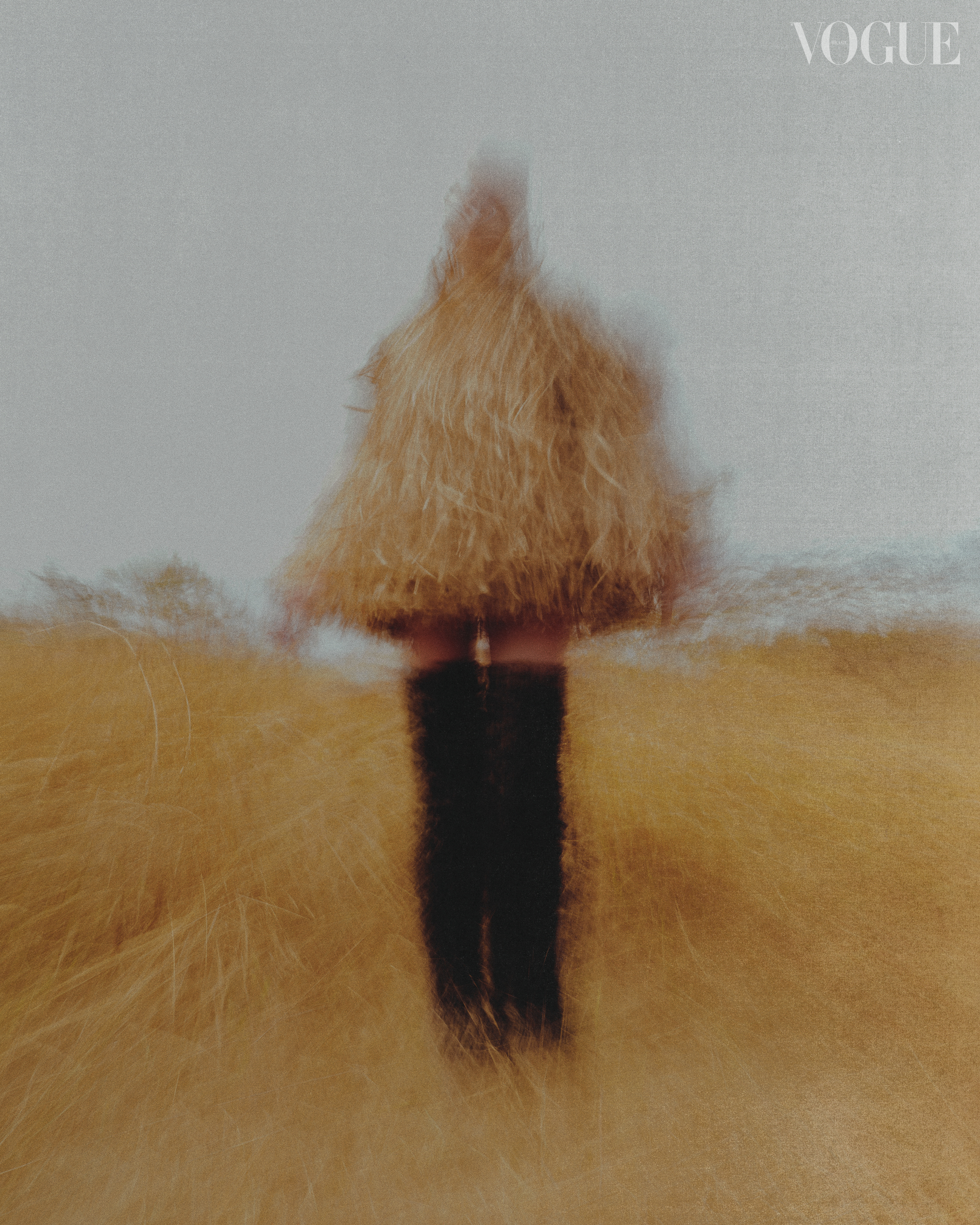
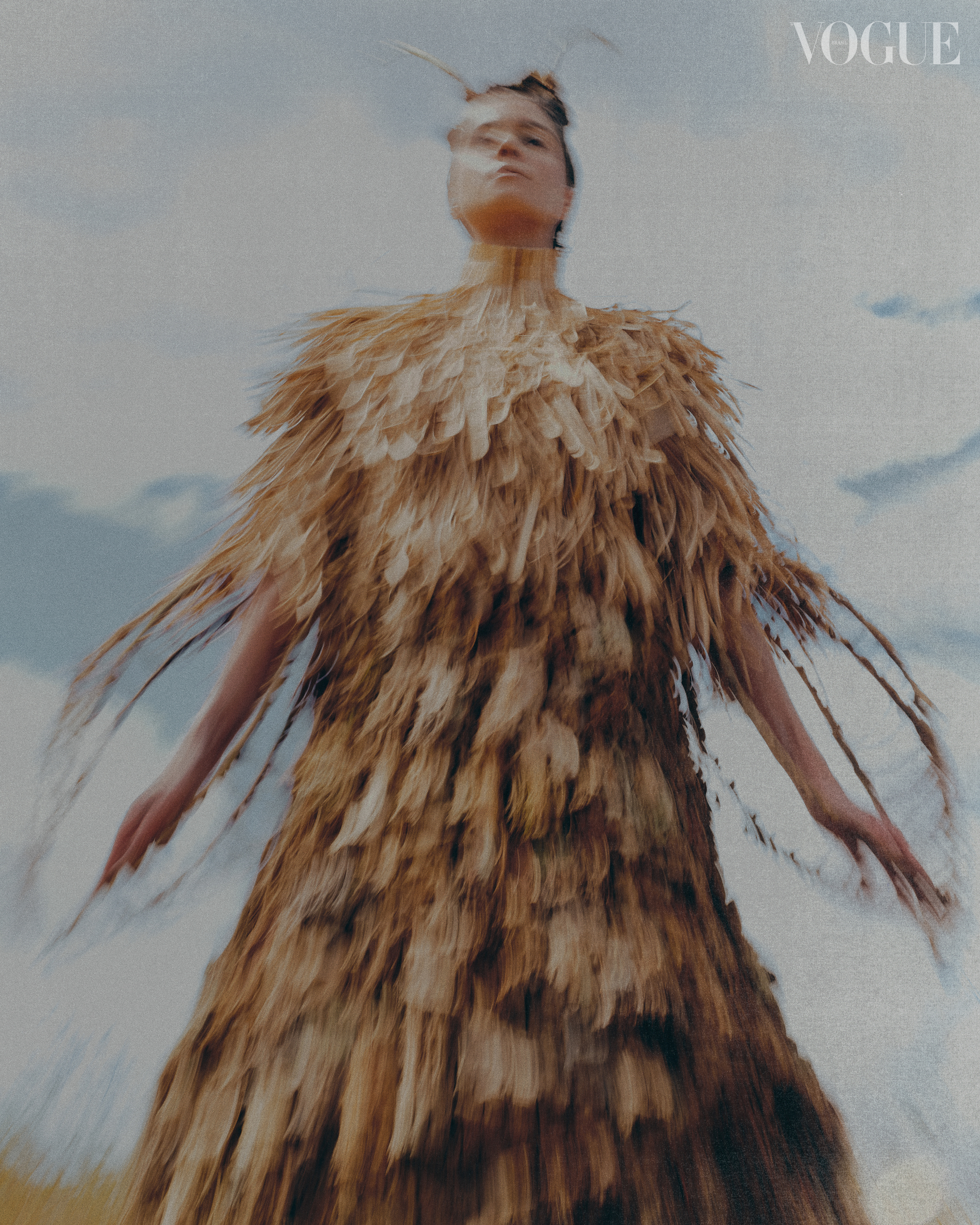
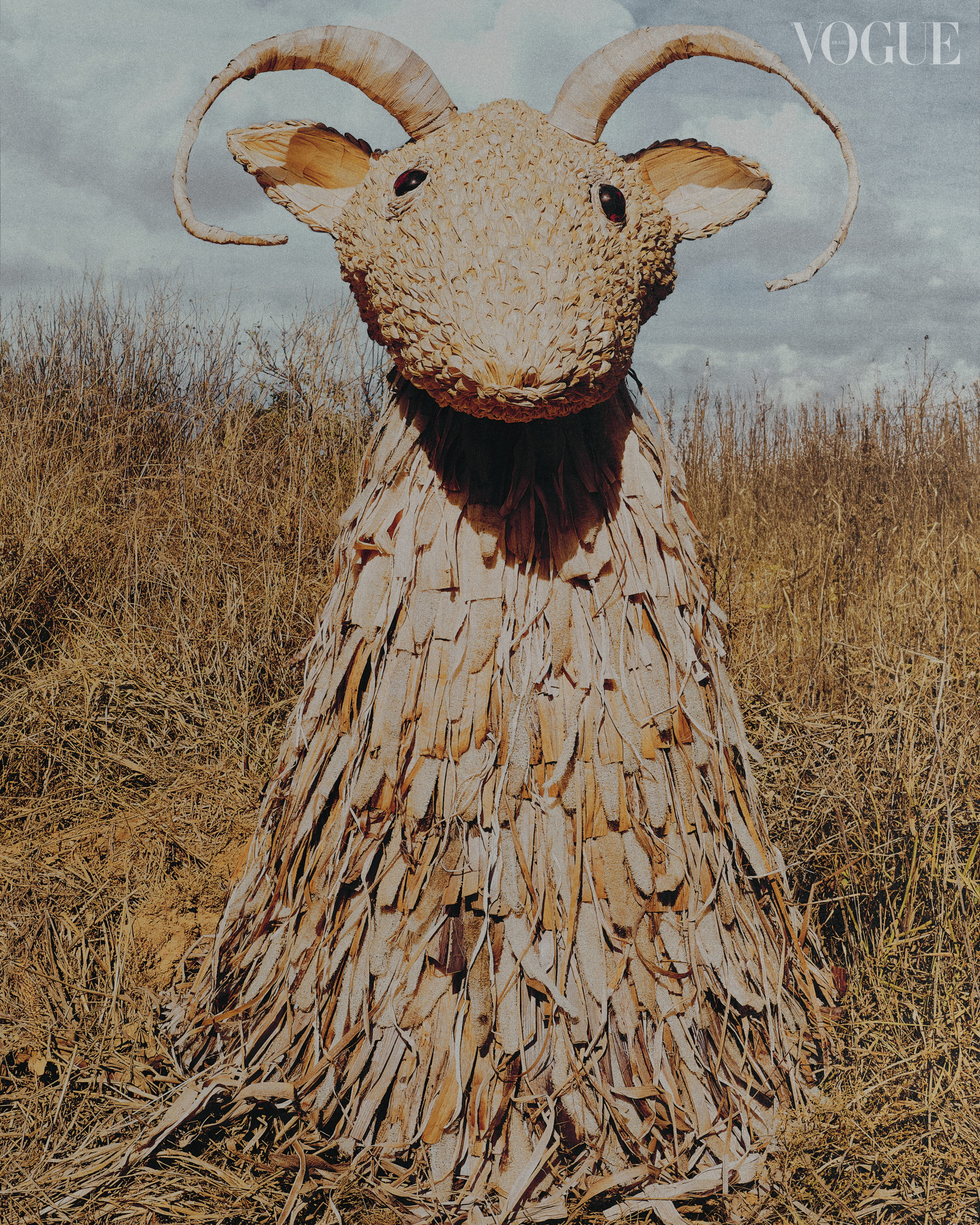
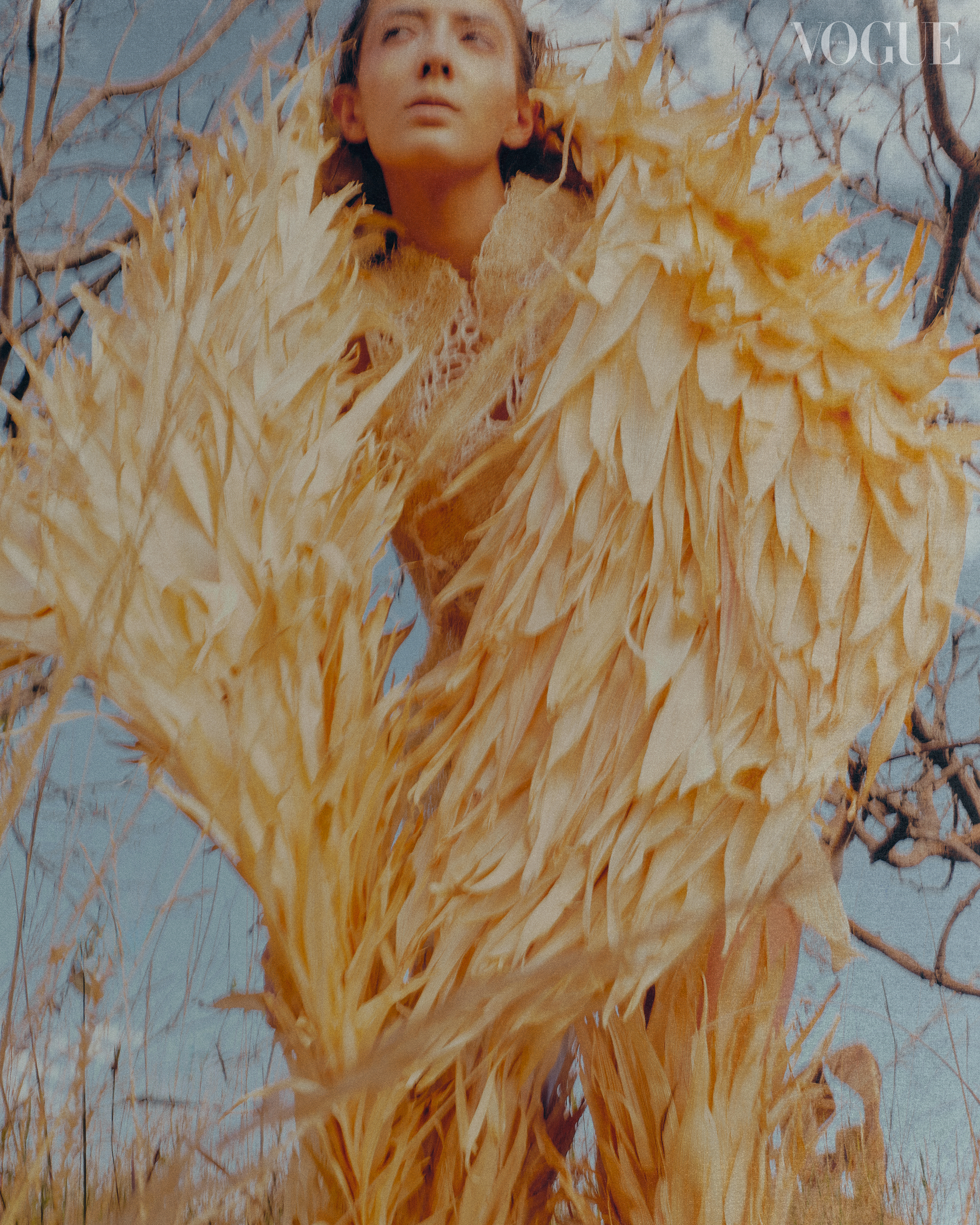
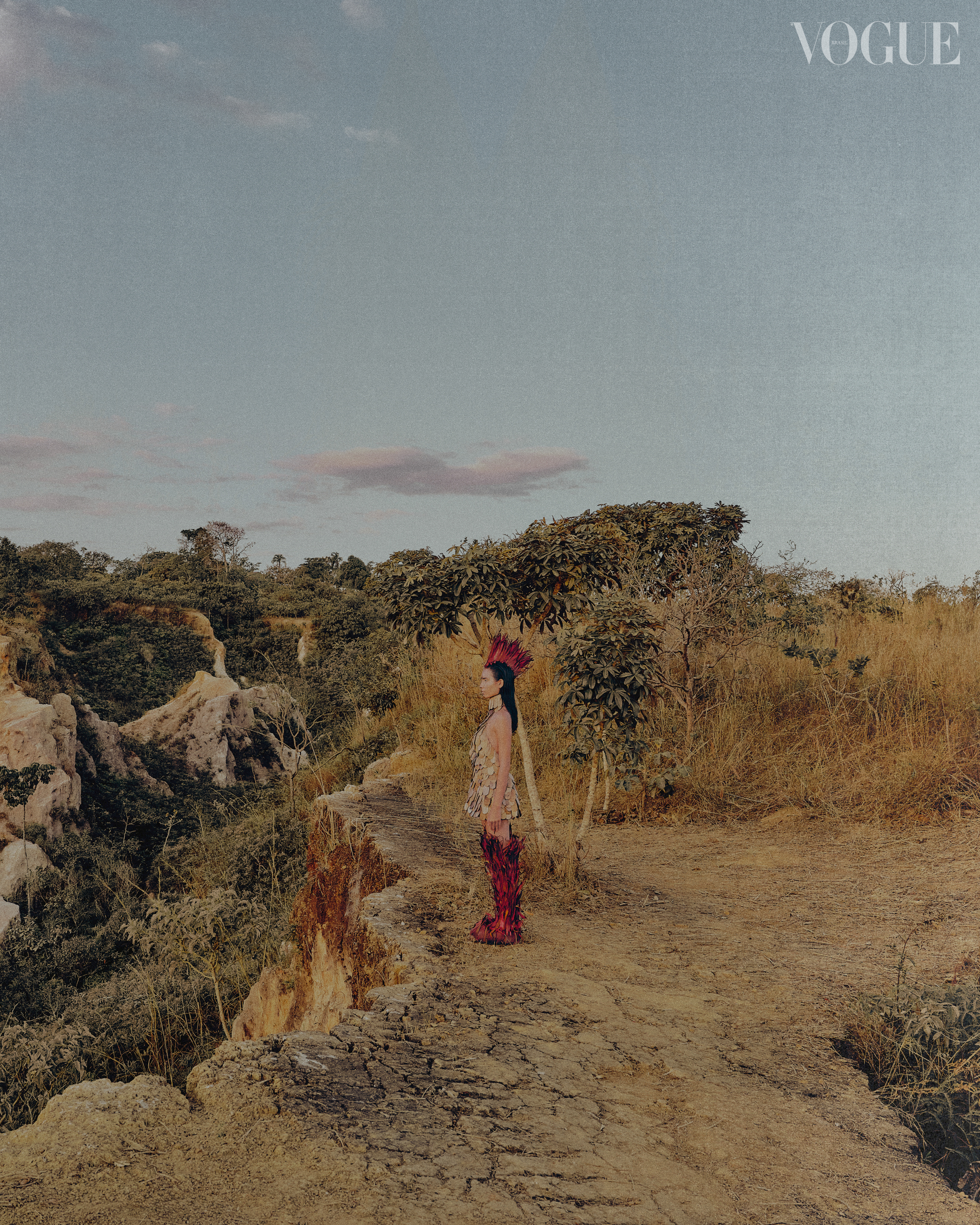
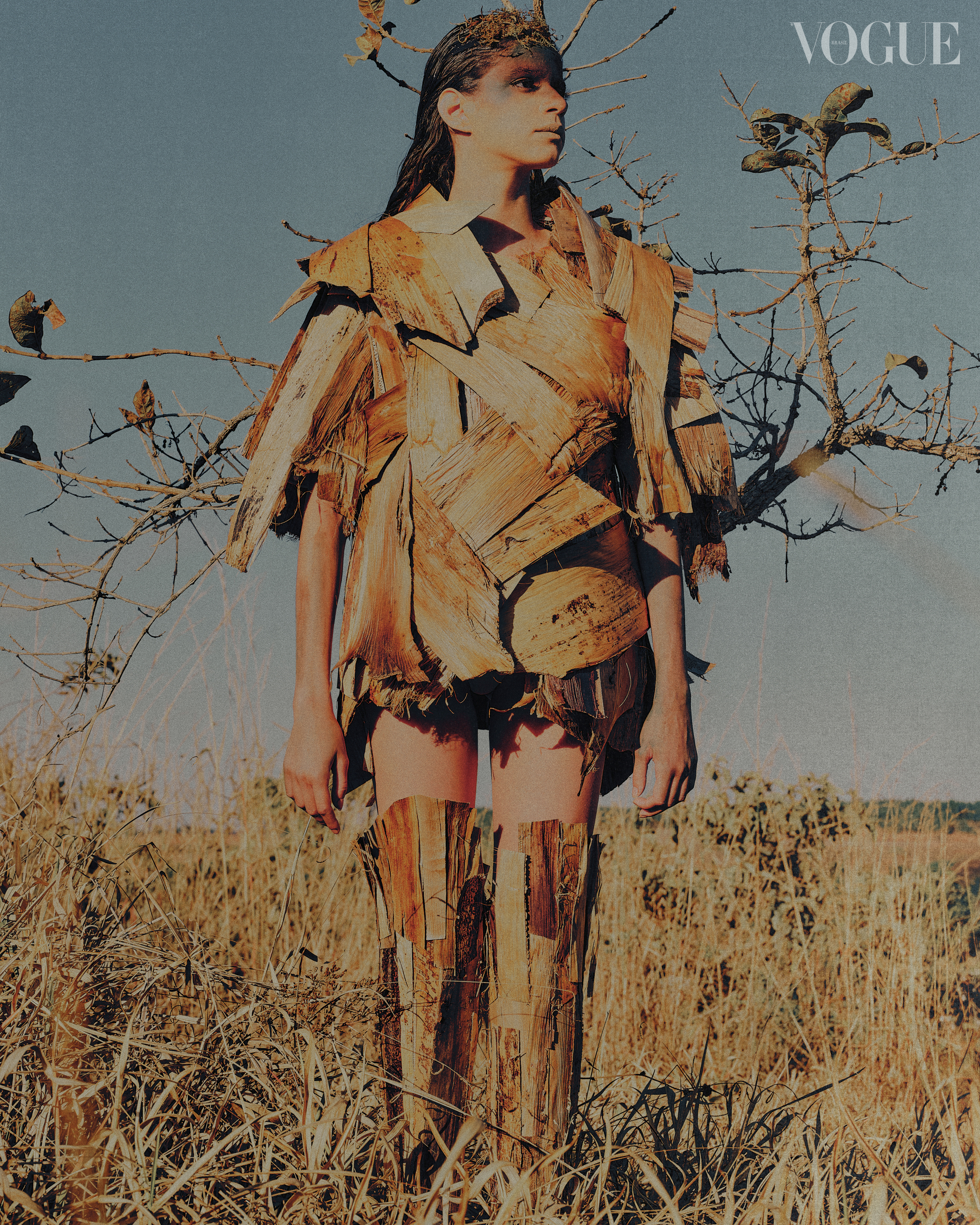
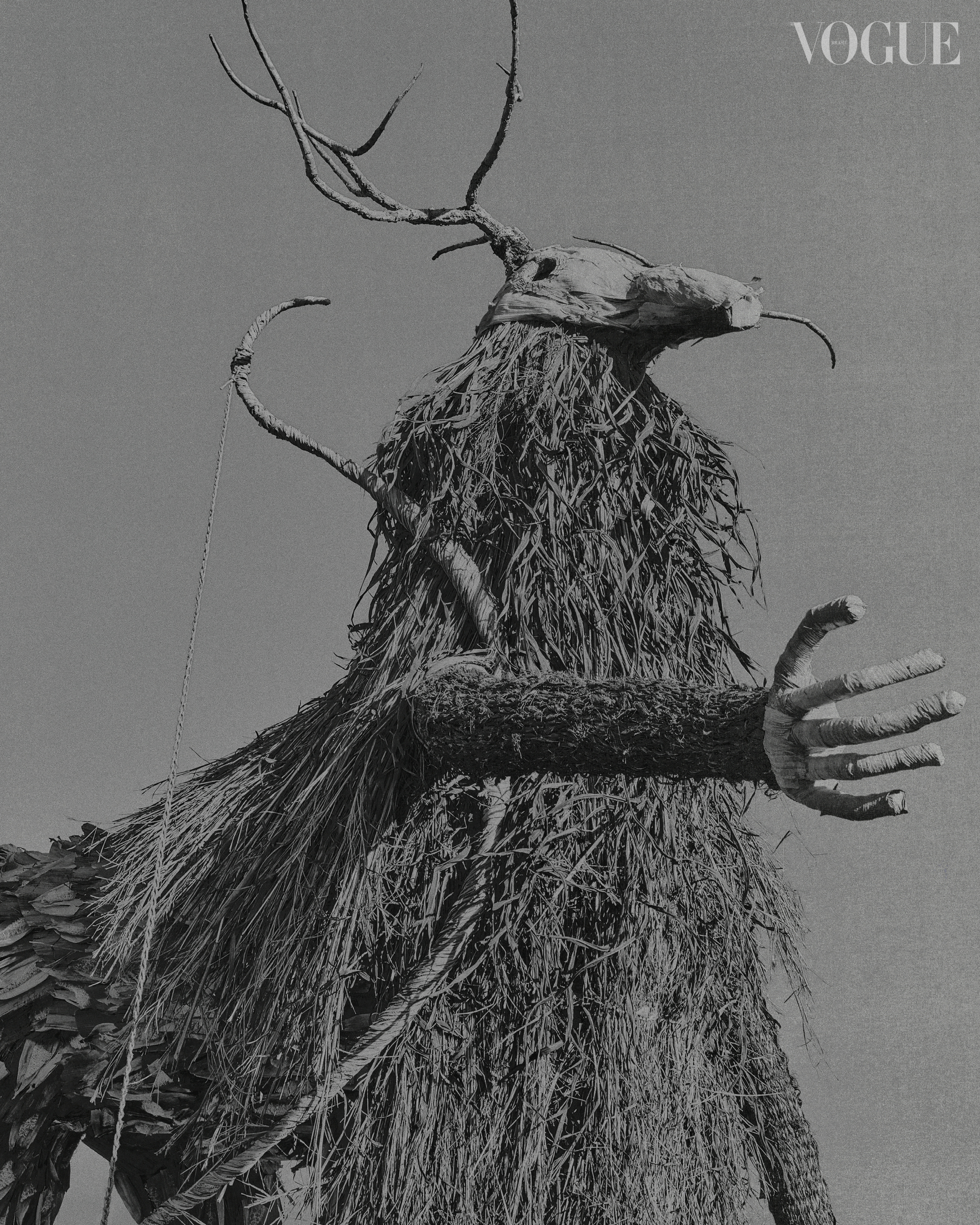
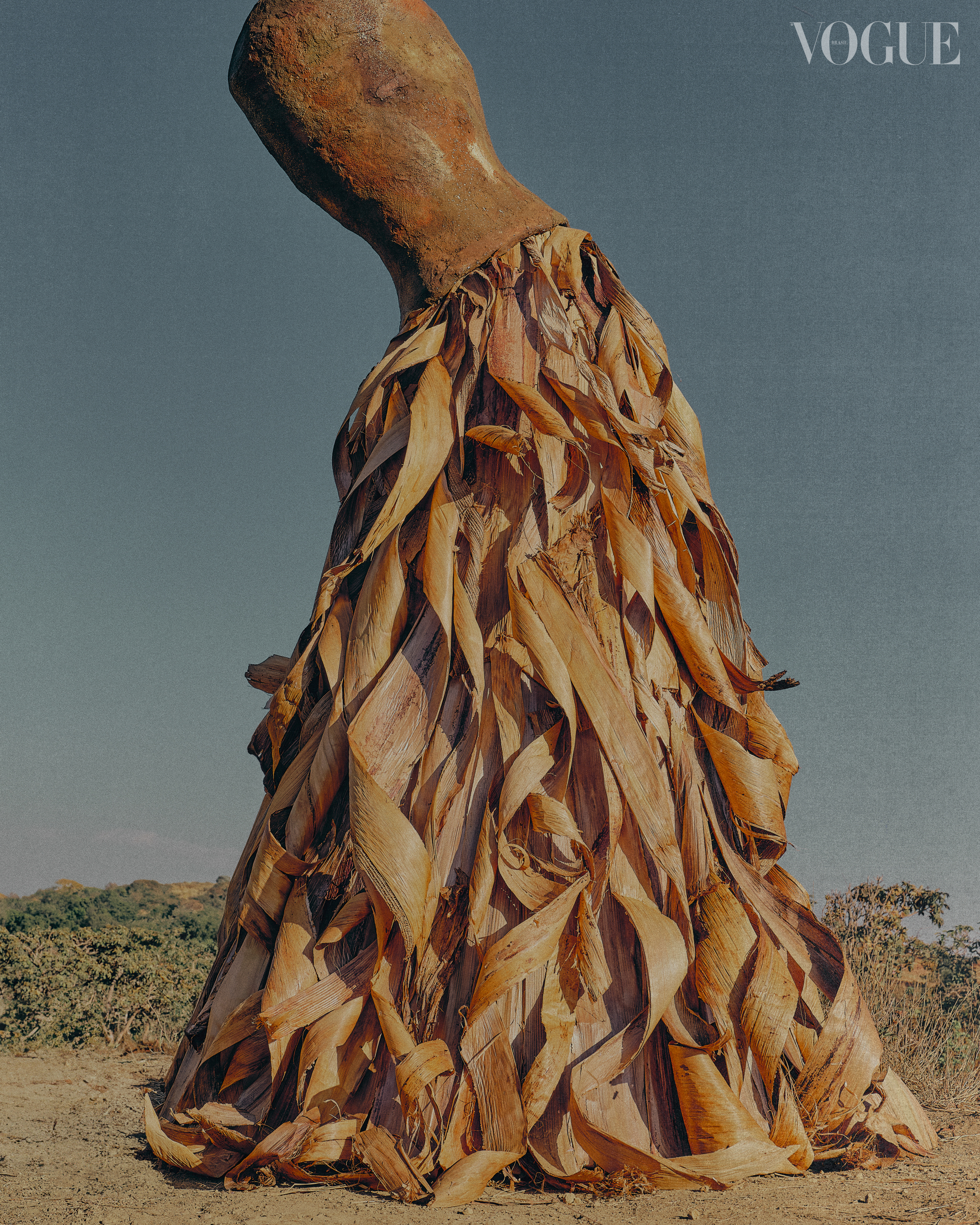
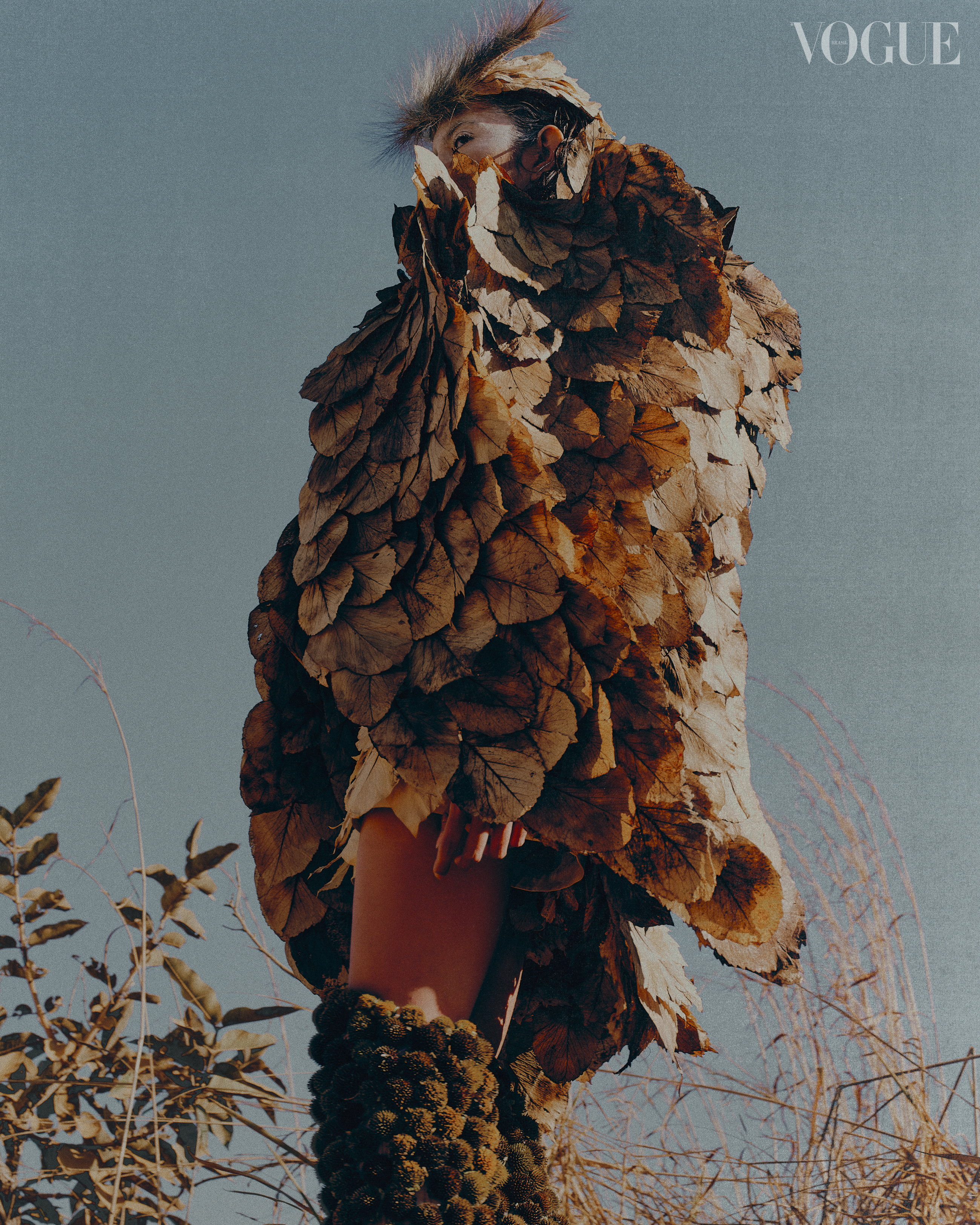
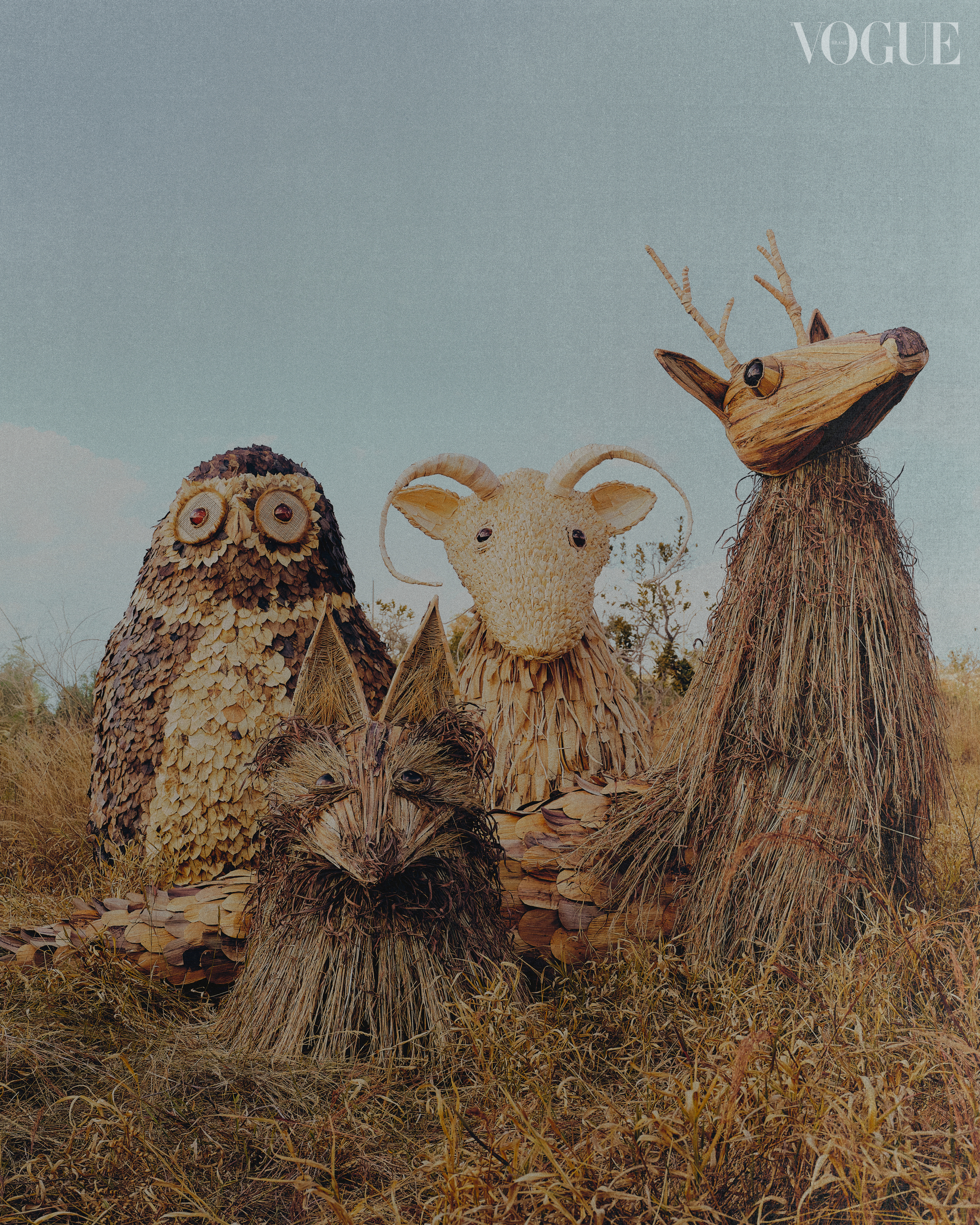
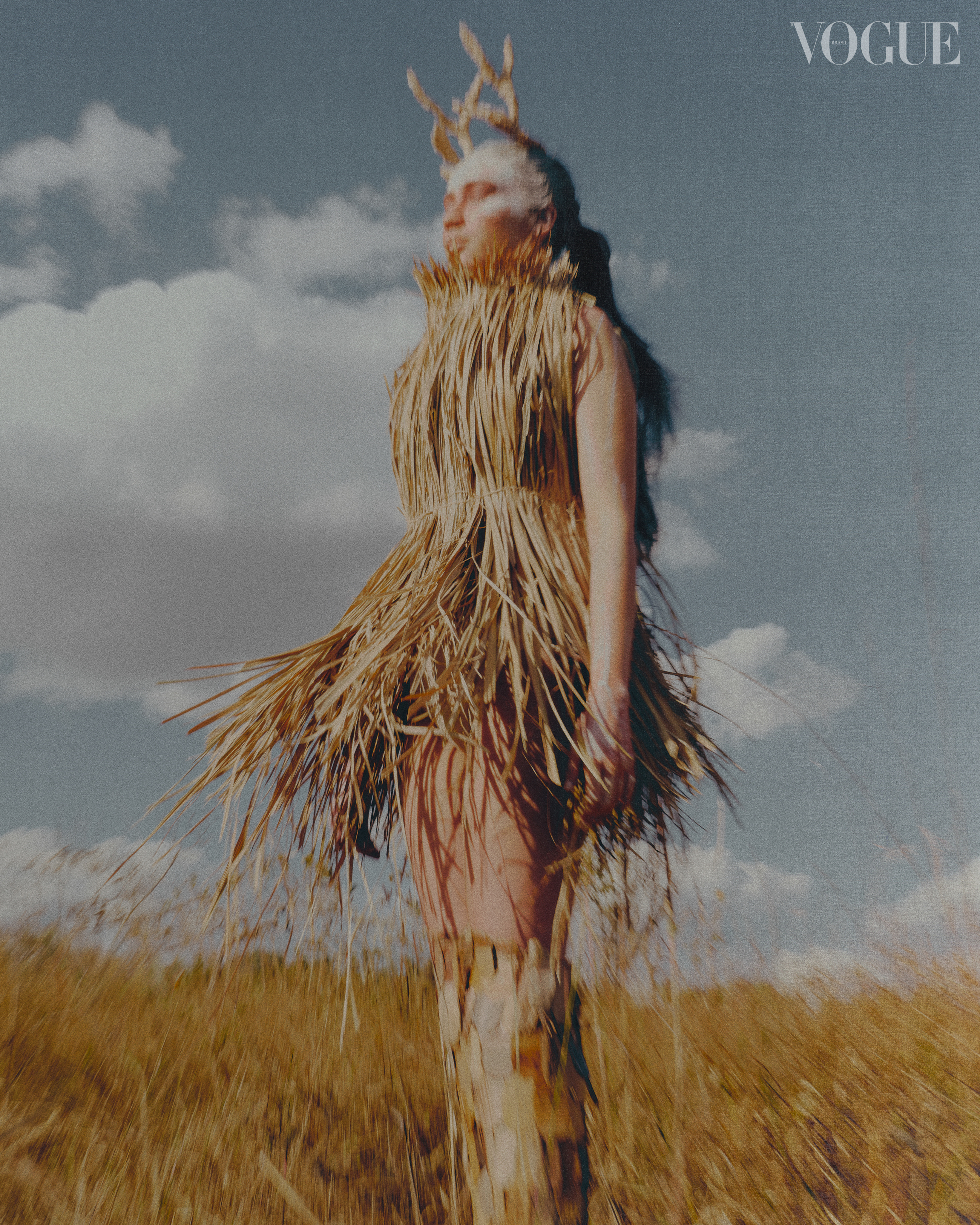
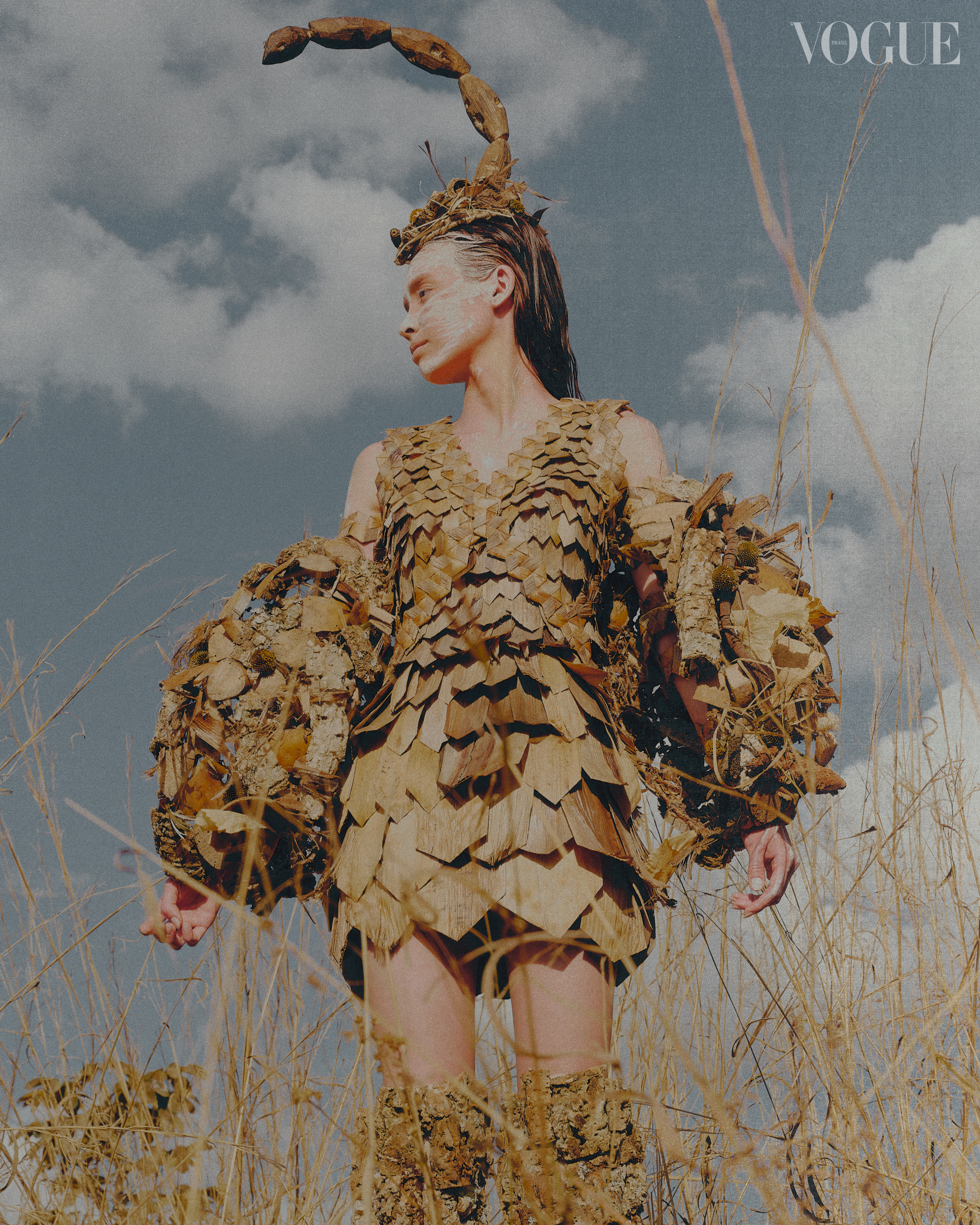
Together they created monumental sculptures and garments inspired by mythical beings emerging from the earth, using natural materials and handmade techniques rooted in local culture.
Through exhibitions, publications and cultural events, the project generated social inclusion, economic opportunities and national visibility for the artisans of Olhos d’Água.
The next phase will establish a Cultural Center of Arts and Knowledge to preserve the artworks created and ensure long-term community empowerment.
CAELESTIS demonstrates how creativity, heritage and collective participation can generate regenerative cultural models aligned with the values of the New European Bauhaus.
CAELESTIS began as an educational and cultural experiment led by designer Jum Nakao at the invitation of Senac Goiás to mentor students from low-income backgrounds.
The project took place in Olhos d’Água, a small community in the Brazilian Cerrado where a dramatic natural formation — a three-kilometre canyon — cuts through the landscape.
This “abyss” became the conceptual starting point of the project: not as a symbol of collapse, but as a metaphor for renewal.
Local artisans were invited as protagonists in the creative process, sharing ancestral techniques and cultural knowledge with students and creative professionals. This exchange generated a collaborative environment where traditional craftsmanship met contemporary design practices.
The project unfolded through a transdisciplinary process involving fashion design, craft, cinema, photography, graphic design, sound design and exhibition-making.
Together, participants created sculptures, garments and visual narratives inspired by mythical beings emerging from the earth — symbolic representations of a renewed relationship between humans and nature.
By placing local artisans at the center of authorship and visibility, the project strengthened community belonging, generated economic opportunities and preserved cultural knowledge.
Today, CAELESTIS continues to grow through the creation of a Cultural Center of Arts and Knowledge that will safeguard this legacy and expand its impact nationally and internationally.
Regenerative culture
Community co-creation
Cultural heritage
Social inclusion
Nature-based creativity
CAELESTIS approaches sustainability as an integration of environmental responsibility, cultural preservation and social empowerment.
The project promotes the use of natural materials and traditional craft techniques rooted in the ecological context of the Brazilian Cerrado, reducing industrial processes and reinforcing respect for local ecosystems.
At the social level, the initiative empowered artisans from the Olhos d’Água community by giving visibility and economic value to their work. Exhibitions, publications and cultural events created new opportunities for income generation and strengthened local identity.
Culturally, the project safeguards both tangible and intangible heritage by documenting traditional knowledge and transforming it into contemporary artistic expressions.
The creation of a Cultural Center of Arts and Knowledge will ensure long-term preservation of the artworks produced and provide an ongoing platform for education and cultural exchange.
By linking creativity, ecological awareness and community empowerment, CAELESTIS proposes a regenerative cultural model aligned with global sustainability goals.
CAELESTIS demonstrates how aesthetics can emerge from the dialogue between nature, craftsmanship and contemporary creativity.
The project transformed a natural canyon landscape into an artistic environment where monumental sculptures and garments evoke mythical beings emerging from the earth. The works highlight the beauty of natural materials and handmade techniques while connecting them to contemporary design language.
Through exhibitions, fashion presentations and visual storytelling, the project creates immersive experiences that invite audiences to reconnect with nature and cultural memory.
For the local community, the project generated pride and belonging by placing their cultural practices at the center of artistic production.
By merging traditional knowledge with innovative artistic approaches, CAELESTIS shows how beauty can inspire deeper care for people, culture and place.
Inclusion is at the core of CAELESTIS.
The project engaged artisans from the Olhos d’Água community as co-creators and recognized them as authors of the cultural knowledge embedded in the project.
At the same time, it created educational opportunities for students from low-income backgrounds through mentorship, collaborative creation and access to professional creative networks.
The initiative generated economic opportunities for artisans and strengthened their cultural visibility through exhibitions, publications and media exposure.
The future Cultural Center will expand these opportunities by offering a permanent platform for cultural production, education and community participation.
By promoting shared authorship and equitable recognition of local knowledge, CAELESTIS builds a more inclusive cultural ecosystem.
CAELESTIS was developed through a participatory model centered on collaboration with the Olhos d’Água community.
Local artisans were not only contributors but co-creators of the project, sharing their techniques, materials and cultural narratives.
Students, artisans and creative professionals worked together throughout the entire creative process — from research and experimentation to production and exhibitions.
This collaborative environment strengthened trust, community ownership and collective identity.
The participatory process also generated new opportunities for local economic development and cultural recognition.
CAELESTIS was made possible through collaboration between community actors, educational institutions and cultural networks.
The Olhos d’Água community provided local knowledge, materials and cultural context.
Senac Goiás played a key institutional role by supporting the mentorship program, infrastructure and project development.
At the broader cultural level, exhibitions and publications expanded the project’s visibility and connected it to national cultural audiences.
This multilevel collaboration created a governance structure that integrates grassroots participation with institutional support.
CAELESTIS integrates multiple disciplines to create new forms of cultural expression.
The project involved fashion design, traditional craftsmanship, visual arts, cinema, photography, sound design, graphic design, exhibition design and editorial publishing.
This transdisciplinary collaboration allowed traditional knowledge to interact with contemporary creative practices.
The result was a series of monumental sculptures, garments and multimedia narratives that communicate cultural identity and environmental awareness.
The project demonstrates how interdisciplinary collaboration can generate innovative cultural ecosystems.
CAELESTIS operates through a hybrid cultural funding model.
The initial phase was funded through a partnership between Senac Goiás and designer Jum Nakao, with an investment of approximately BRL 400,000.
Future sustainability will rely on a combination of cultural funding, institutional partnerships, sponsorships, exhibitions, educational programs, publications and cultural tourism.
The creation of a Cultural Center of Arts and Knowledge will serve as a permanent cultural hub capable of attracting public and private support while generating programming and educational activities.
Traveling exhibitions nationally and internationally will also create visibility and new funding opportunities.
CAELESTIS provides a transferable model for community-based cultural innovation.
Its methodology combines mentorship, community co-creation and interdisciplinary artistic production.
This model can be replicated in other territories where traditional knowledge and cultural heritage are present but undervalued.
By connecting artisans, students and creative professionals, the project demonstrates how cultural initiatives can generate social inclusion, economic opportunities and environmental awareness.
Through exhibitions, publications and international partnerships, CAELESTIS aims to share this methodology globally.