Arts, Culture, and Heritage as Drivers of Change
Netzwerk Seilerei
{Empty}
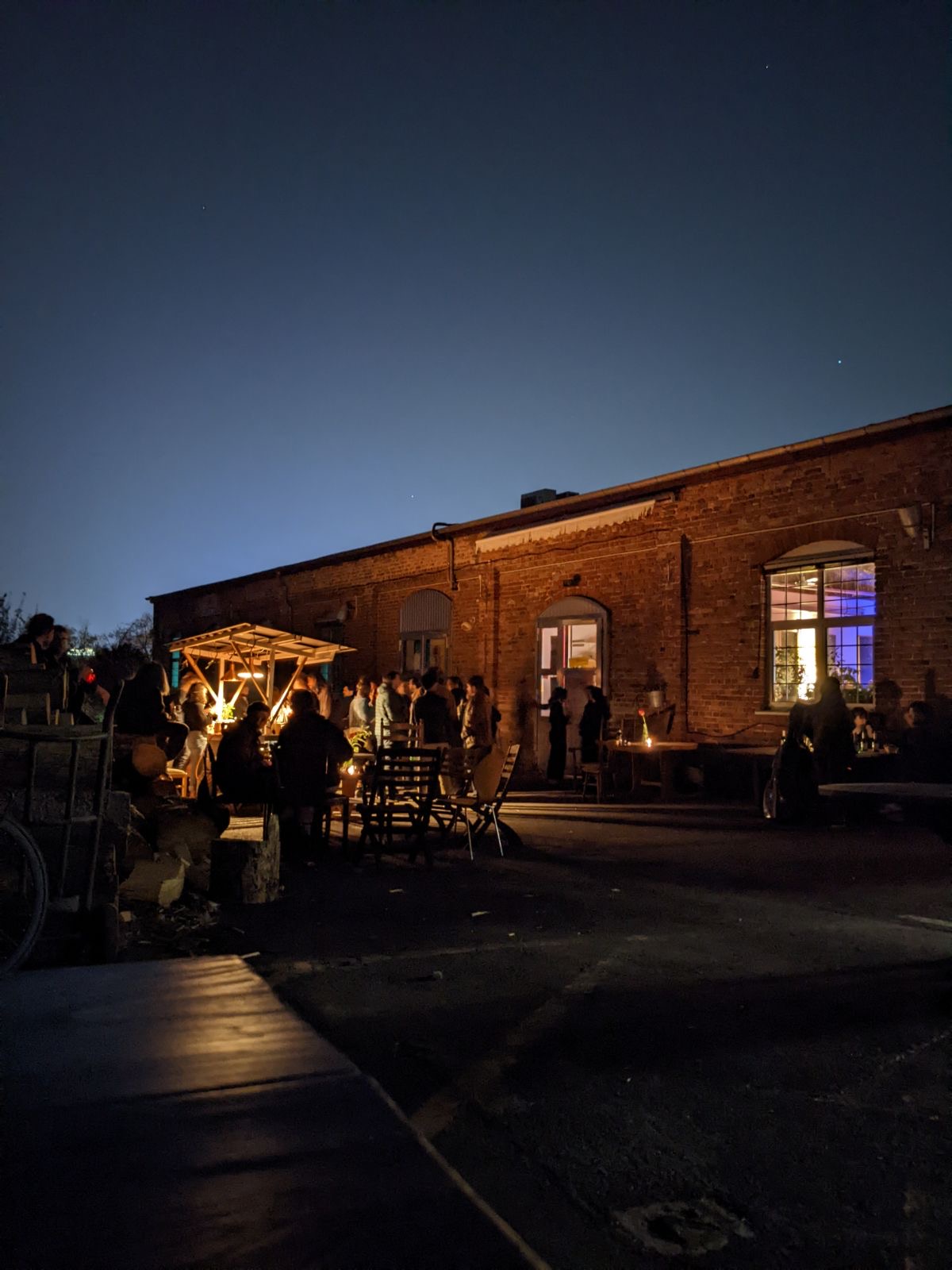
Netzwerk Seilerei is an independent cultural center where urban life, nature, industrial heritage and the arts meet in a unique manner. On former rope factory grounds, studios, event halls, workshops, and gardens spark and give life to art, craft, learning, ecology, and social exchange. A multilayered experiment rooted locally but globally minded: it fosters inclusive, interdisciplinary culture while blending creativity, sustainability, tradition, and social impact.
Germany
Local
Frankfurt am Main
It addresses urban-rural linkages
It involves other types of transformations (soft investment)
Yes
2022-10-01
No
No
No
Organisation
A playground for artists, an open future hub, a gift to the city—Netzwerk Seilerei has been described in many ways. At its core, it is a space where people from diverse backgrounds come together to contribute ideas, projects, and initiatives.
Located on the site of a former rope factory, the project builds on its heritage: just as ropes were once produced here, today it weaves together cultural, social, and ecological strands. It connects tangible and intangible heritage, fostering collaboration across disciplines and communities to shape more inclusive and sustainable futures.
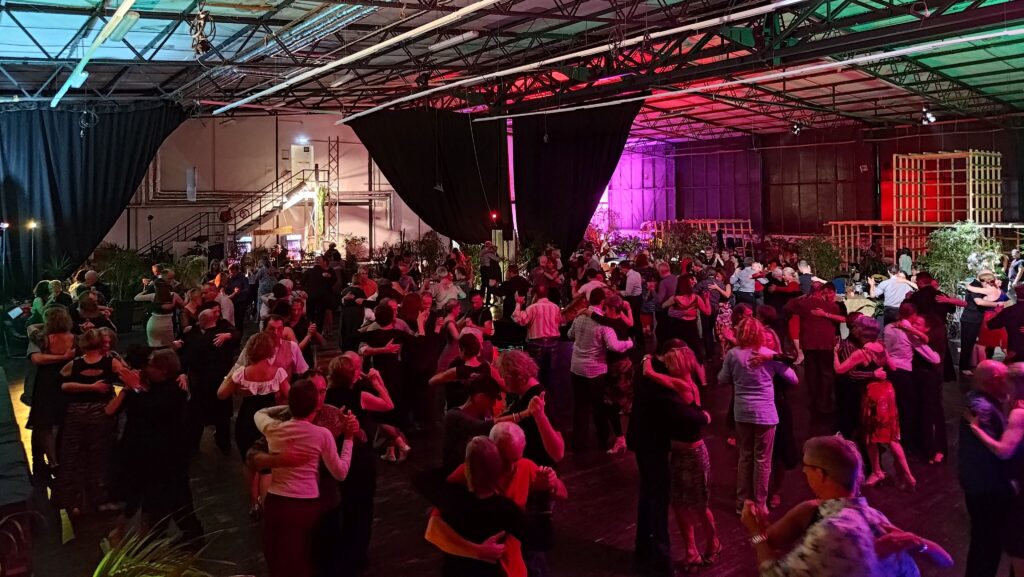
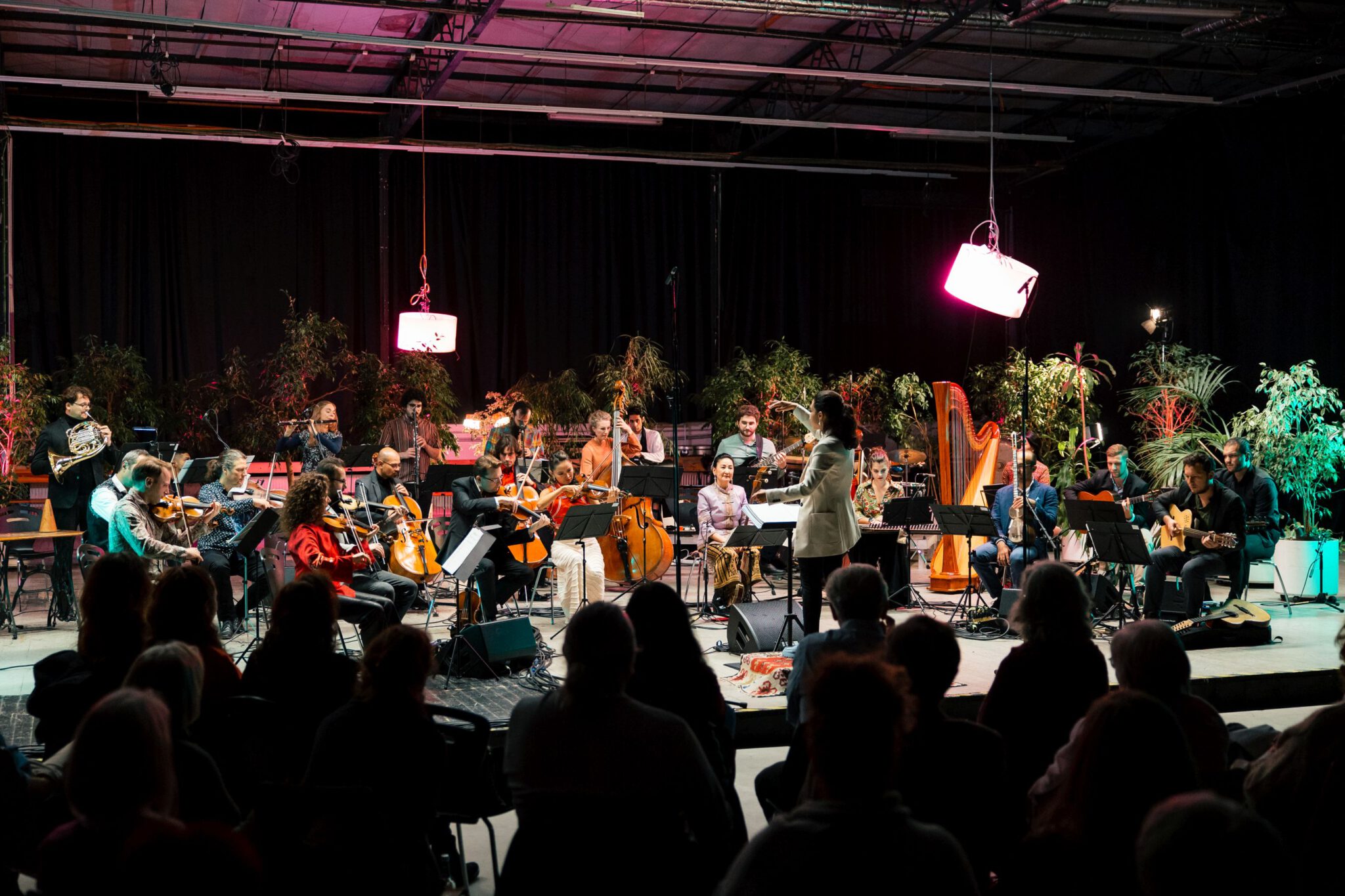
In a context where affordable spaces for the independent arts scene are increasingly scarce in Hessen—especially in Frankfurt—Netzwerk Seilerei has already made a significant impact. It provides studios, rehearsal rooms, performance spaces, workshops, and accommodation, supporting artistic production from creation to presentation. The project collaborates with established institutions such as DIE FABRIK Frankfurt, Ensemble Modern, F.I.M., fgnm, JIF, and NAXOS Hallenkonzerte. Numerous ensembles and collectives, including SHE Choir Frankfurt, Bridges Kammerorchester, and Broken Frames Syndicate, regularly rehearse and perform on site.
Beyond music, the network spans design, architecture, visual arts, literature, crafts, environmental initiatives, education, film, and performing arts. These interdisciplinary collaborations create a vibrant ecosystem that extends beyond culture into broader societal questions.
In the long term, Netzwerk Seilerei aims to establish itself as a foundation to secure its mission and expand its activities. The vision is a continuously active place—where visitors can arrive at any time and encounter a rich spectrum of cultural, social, and ecological experiences.
The story of Netzwerk Seilerei spans more than 150 years of family history, craftsmanship, and cultural transformation. It begins in 1873, when Wilhelm Benjamin Reutlinger founded a rope-making company in Frankfurt am Main. For generations, the Reutlinger family was known for this craft. The original industrial complex—comprising a ropewalk and factory building, now the site of Netzwerk Seilerei—once stood at the centre of local production.
In 2020, when the company relocated, the future of the historic site became uncertain. Verena Heubner, born Reutlinger, and her two brothers inherited the property and faced a decisive question: what next? Rather than selling to a real estate developer, Verena chose to preserve the site and transform it into a place for art, culture, and civic engagement. After buying out her brothers, she was able to realise this vision.
Implementation began on the ground through a gradual, hands-on process. Cajus Heubner, Verena’s son, already running a carpentry workshop on site, started adapting the existing structures step by step. With careful respect for the historical fabric, ateliers, rehearsal rooms, stages, workshops, a greenhouse, and shared spaces were created. His sister Aja contributed to the organisational development, helping to structure and grow the emerging network.
From the outset, the project developed collaboratively. Artists, neighbours, initiatives, and partners became actively involved, shaping both the spaces and the programme. The transformation of the former industrial site into a vibrant cultural hub was—and continues to be—driven by collective effort.
This ongoing process has been made possible by the commitment of numerous supporters, sponsors, and especially volunteers, whose contributions have turned an inherited site into a shared place for production, exchange, and community.
Adaptive reuse
Community co-creation
Affordable cultural spaces
Transdisciplinary practice
Social sustainability
Sustainability at Netzwerk Seilerei is practiced through everyday use, long-term thinking, and careful transformation of what already exists. Instead of new construction, the former rope factory is being gradually adapted and reused. This reduces material consumption while preserving the character and history of the site.
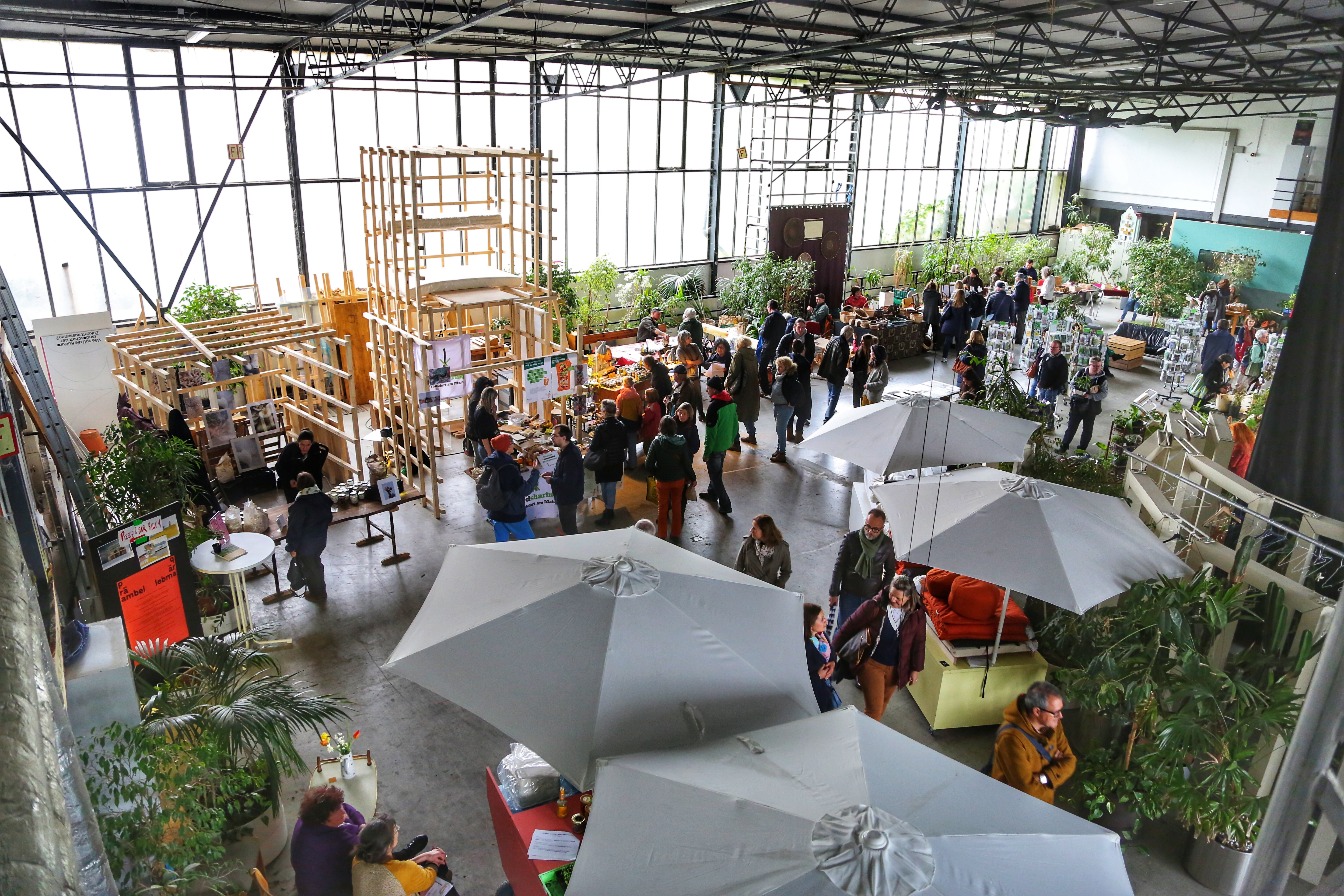
Environmental aspects are embedded in daily activities. A garden on site enables small-scale cultivation, supports biodiversity, and creates a direct relationship between people and food. Animals and small experimental living structures, such as tiny houses, are part of exploring low-impact ways of inhabiting and sharing space. Regular formats like the weekly pizza evenings rely exclusively on organic and regional ingredients, strengthening local supply chains and awareness. A planned bakery will extend this approach by producing food directly on site.
The project also responds to social and economic challenges. In a city where affordable space is increasingly scarce, Netzwerk Seilerei offers accessible studios, workshops, and rehearsal spaces. Its mix of uses allows different activities to coexist and support each other, creating a resilient structure rather than a single-purpose development.
Cultural sustainability plays a key role: the site’s history as a place of production continues in a new form, now centred on artistic, social, and ecological practices.
What makes the project exemplary is the way these elements are combined in practice—through gradual development, shared use, and resource-conscious decision-making—rather than treated as separate goals.
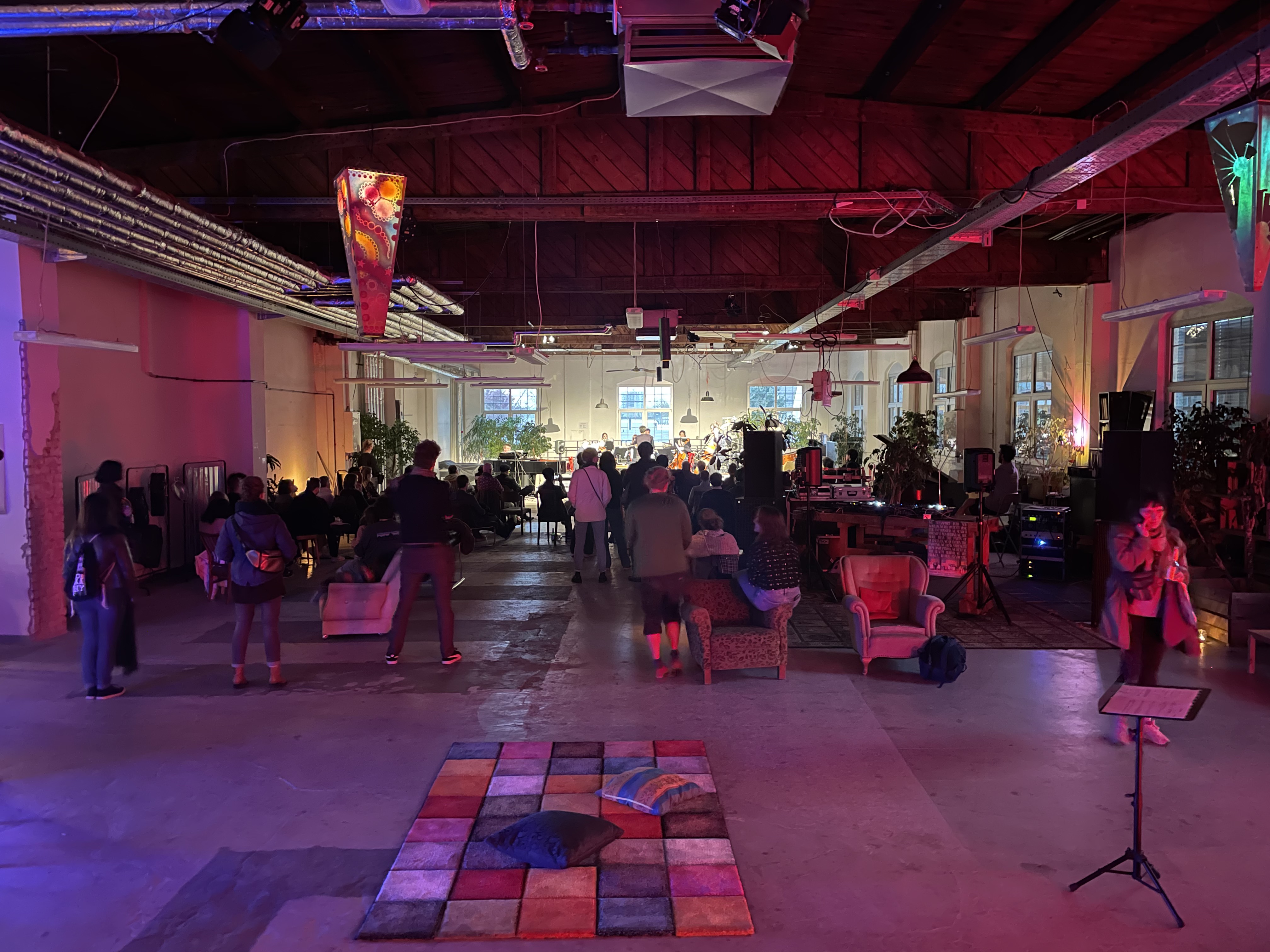
Netzwerk Seilerei contributes to a more beautiful and meaningful urban environment by preserving and reinterpreting the industrial heritage of the site. Instead of erasing its past, it embraces existing structures, materials, and spatial qualities, creating a layered aesthetic that connects history with contemporary use.
Beauty here is understood as lived experience: open courtyards, shared spaces, and human-scale architecture foster everyday encounters and a sense of belonging. The integration of cultural activities, craftsmanship, and creative production animates the site and makes it visually and socially vibrant.
The design emphasises authenticity, material reuse, and modest interventions rather than iconic gestures. This results in a place that feels approachable and rooted in its context. Users are not just passive observers but active contributors to the evolving identity of the space.
By combining adaptive reuse with participatory place-making, Netzwerk Seilerei creates an environment where aesthetics emerge from use, diversity, and care. It is exemplary in demonstrating that beauty can be inclusive, process-driven, and deeply connected to local identity.
Netzwerk Seilerei actively creates an inclusive environment where people of all backgrounds, abilities, and social circumstances can participate, contribute, and belong. The project addresses accessibility not only through physical design—adapting historic buildings and creating shared, barrier-conscious spaces—but also through social practices that reduce economic and cultural barriers.
Affordability is central: studios, workshops, rehearsal rooms, and event spaces are offered on flexible terms to support independent artists, craftspeople, and social initiatives. The site has also provided housing and work opportunities for people who were previously homeless, allowing them to contribute to the community in exchange for accommodation and meals. This approach empowers participants while fostering dignity, agency, and inclusion.
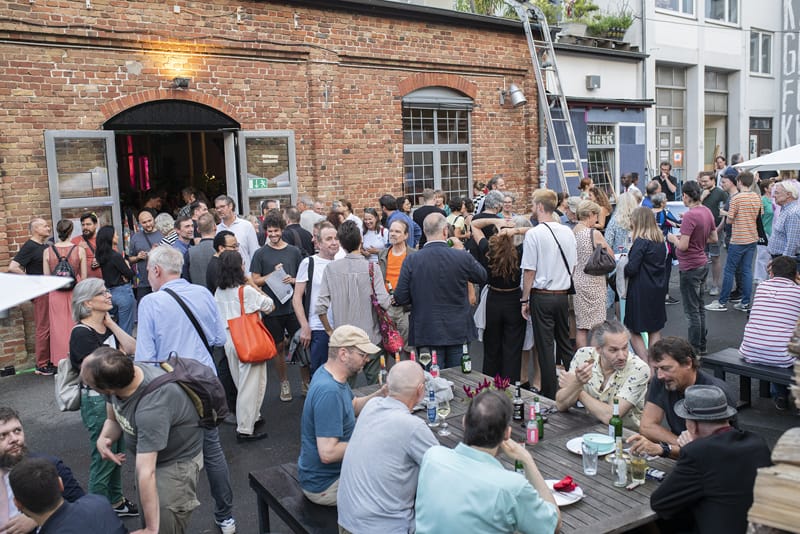
Cultural diversity is a defining feature. Netzwerk Seilerei brings together residents, artists, and volunteers from many nationalities and cultural backgrounds, creating a vibrant, multicultural environment where collaboration and exchange are the norm.
Governance and decision-making are participatory: users and local stakeholders are actively involved in shaping the use, programme, and development of the site. This cooperative, bottom-up approach ensures that the community collectively defines priorities, rather than a single institution or developer.
By combining economic accessibility, multicultural participation, social support, and participatory governance, Netzwerk Seilerei demonstrates a holistic model for inclusive urban culture. It is exemplary in showing how physical spaces, social practices, and governance structures can work together to make arts, culture, and community life truly open and welcoming to all.
Bringing Netzwerk Seilerei into being would not have happened without the local community and supporters who generously contributed both physically and mentally. From organizing the comprehensive library, cleaning and restoring the halls, brainstorming program concepts, to cultivating the garden, local residents—and even participants from further afield—have been directly involved in shaping the project.
Citizens and civil society organisations have played active roles as co-creators rather than just beneficiaries. Numerous NGOs and initiatives have used the spaces for workshops, rehearsals, cultural events, and social projects. Their involvement has influenced the programming, governance, and spatial layout, ensuring that the site reflects the real needs, interests, and creativity of the community.
Volunteers and participants have contributed skills across disciplines, from craft and music to gardening and event management, creating a collaborative environment where knowledge is shared and projects develop organically. The presence of people from diverse cultural and social backgrounds, including individuals who were previously homeless, has strengthened social cohesion and fostered mutual respect.
The impact of this participatory approach is tangible: the site functions as a living network of ideas, skills, and cultural expression, grounded in collective ownership and responsibility. By actively involving users in decision-making and implementation, Netzwerk Seilerei has become more resilient, adaptable, and socially inclusive, demonstrating how urban spaces can be developed through shared effort and democratic engagement.
Netzwerk Seilerei has been developed through engagement with stakeholders at multiple levels, combining local initiative with institutional support. At the local level, artists, volunteers, residents, and civil society organisations co-designed and implemented the site’s uses—from studios and rehearsal spaces to gardens and community events. Their active participation shaped both programming and spatial layout, ensuring the project reflects community needs.
At the municipal level, Stadt Frankfurt supported planning, safety, and cultural policy frameworks, provided targeted funding for infrastructure improvements, and facilitated permits. Local cultural committees and political representatives acted as allies, enabling regulatory and financial support without compromising the project’s independent character.
At the regional level, Netzwerk Seilerei connects with cultural networks across FrankfurtRheinMain, collaborating with festivals, music ensembles, and design initiatives, extending its reach and contributing to a broader ecosystem of sustainable cultural practices.
This multilevel engagement anchors Netzwerk Seilerei locally while connecting it to city-wide and regional strategies. It ensures relevance, resource access, and long-term resilience, demonstrating how community-driven urban cultural projects can thrive through coordinated governance across multiple levels.
While walking across the 15,000 m² grounds of Netzwerk Seilerei, one can encounter musicians rehearsing, carpenters crafting tables, architects collaborating over whiteboards, dancers rushing for a slice of pizza from the woodstove, and gardeners tending vegetables and tiny houses. This daily coexistence illustrates the project’s core principle: “More is more.” One living organism containing multiple, harmoniously interacting disciplines that inspire and support one another.
The project integrates a wide range of knowledge fields and practices. Music, dance, theatre, and performance coexist with fine arts, literature, and film. Design, architecture, and crafts are combined with environmental sciences, sustainable food production, housing, and educational programming. Collective workshops and collaborative experimentation foster knowledge exchange across generations and professional backgrounds, creating spaces where artistic, technical, social, and ecological expertise intersect.
This transdisciplinary approach is reflected in both the design and implementation of the site. Adaptive reuse of the historic rope factory required architectural and engineering solutions that respect heritage while supporting contemporary creative production. Environmental and sustainability practices—such as organic gardening, tiny houses, and locally sourced food for communal activities—merge ecological sciences with social innovation. Programs in education and civic participation embed social sciences and community development principles.
By deliberately layering these disciplines in daily practice, Netzwerk Seilerei creates a living laboratory of collaboration. It exemplifies how a cultural project can combine arts, sciences, design, and social innovation into a single, interconnected ecosystem, generating outcomes that none of the disciplines could achieve in isolation.
The business model of Netzwerk Seilerei is based on a hybrid, multi-revenue structure that combines cultural, social and economic activities within one interconnected ecosystem. Financial sustainability is achieved through the diversification of income streams and the interaction between non-profit and commercial entities.
Core revenue sources include space rental (long-term studios, workshops, offices) and short-term event hosting, generating stable and scalable income. In parallel, an event and cultural programme (festivals, performances, markets) produces ticketing revenues and strengthens visibility and demand.
A growing gastronomy and catering operation provides additional income, supported by on-site production, regional supply chains and integration with events. Educational activities such as workshops, courses and seminars represent another key revenue stream, targeting diverse audiences from professionals to the general public.
The project is further supported by public funding, cultural grants and foundations, accessed through its non-profit structure. Donations, sponsorships and volunteer contributions complement this, especially in early development phases.
A central element of the model is cross-subsidisation: commercial activities (rentals, events, gastronomy) financially support cultural and socially oriented programmes, ensuring accessibility and long-term impact.
The integration of multiple sectors—culture, education, craftsmanship, agriculture and social engagement—creates strong resilience through diversification, reducing dependency on single income sources. Existing infrastructure, network partnerships and phased development allow for gradual scaling while maintaining low fixed costs.
Through this approach, Netzwerk Seilerei establishes a financially sustainable, socially embedded and scalable model that contributes to regional economic activity, cultural innovation and European competitiveness.
Netzwerk Seilerei has a high potential for transferability and scalability due to its modular, place-based yet adaptable model. At its core, the project combines underutilised spaces with a cross-sectoral ecosystem of cultural, social and economic activities—an approach that can be replicated in diverse urban and rural contexts across Europe.
Key transferable elements include the multi-stakeholder governance model, integrating non-profit organisations, private enterprises and local communities. This structure enables access to diverse funding sources while ensuring long-term resilience and social impact. The model of cross-subsidisation, where commercial activities support cultural and social programmes, is particularly adaptable to different economic environments.
The project’s modular spatial concept—temporary use, phased development and flexible infrastructure—allows for gradual scaling depending on available resources. This makes it applicable to a wide range of sites, including post-industrial areas, vacant buildings or peri-urban spaces.
Replicable operational components include interdisciplinary programming (arts, education, craftsmanship), community-driven formats, and hybrid revenue streams (rentals, events, gastronomy, education). The integration of sustainable practices, such as local production, circular resource use and ecological design, further enhances its relevance for the green transition.
In addition, Netzwerk Seilerei generates valuable methodologies and learnings in participatory development, network-building and adaptive reuse, which can be transferred through partnerships, toolkits and collaborations with other initiatives, municipalities and institutions.
By combining cultural innovation with economic viability and social inclusion, the project provides a scalable blueprint for regenerative development, strengthening local economies while contributing to European competitiveness and cohesion.