Transforming Les Caixetes
Transforming Les Caixetes:a place-based approach to heritage,culture and sustainability in Muro
gfgfdg
Spain
{Empty}
Early initiative
Yes
Yes
Yes
No
No
3092: Muro de Alcoy (ES)
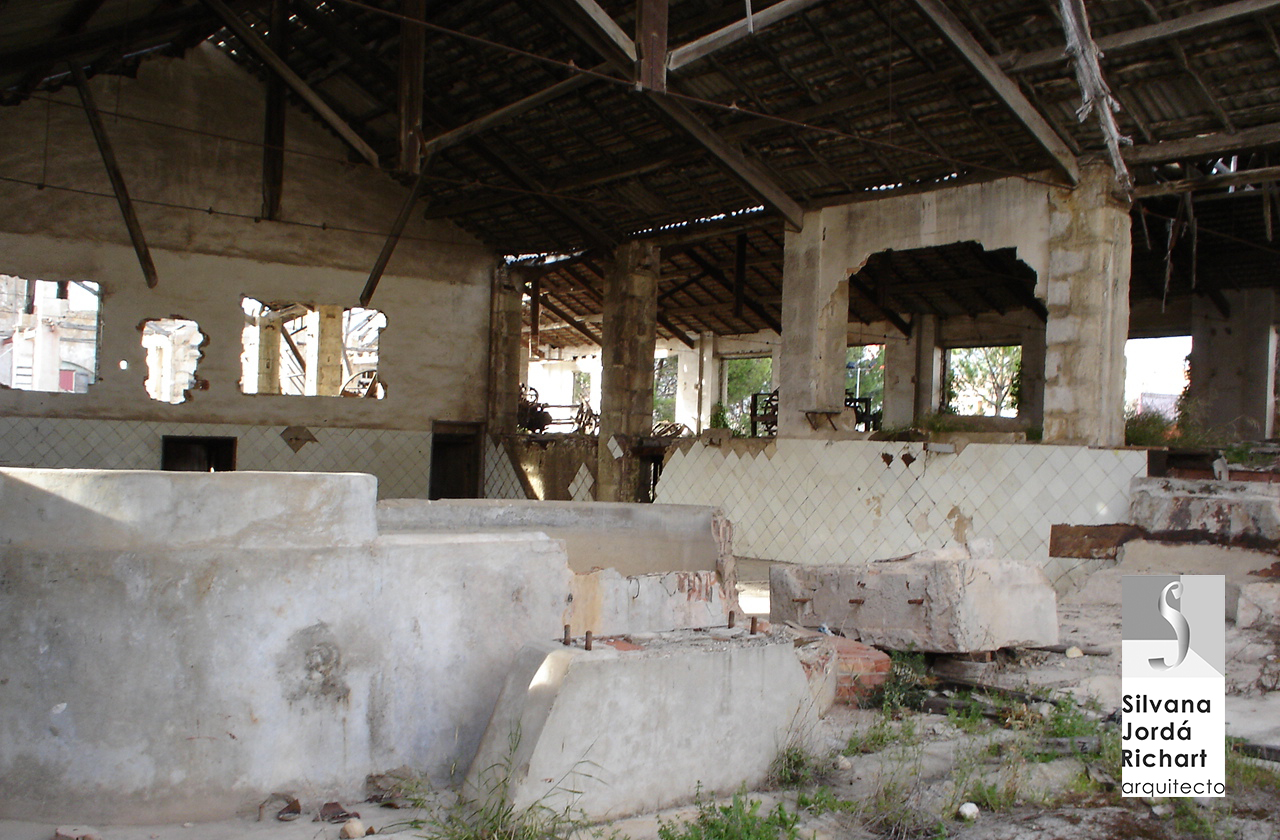
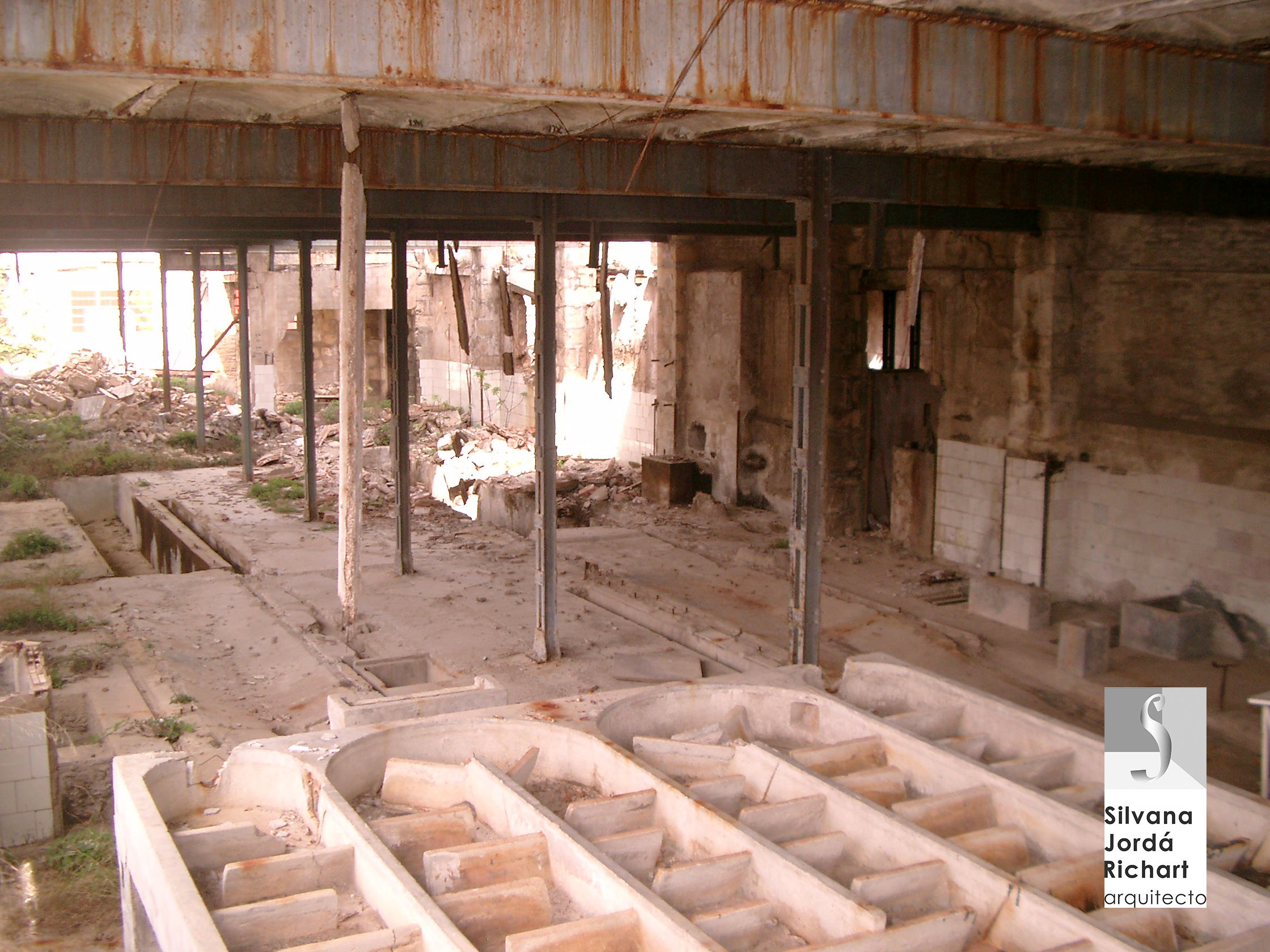
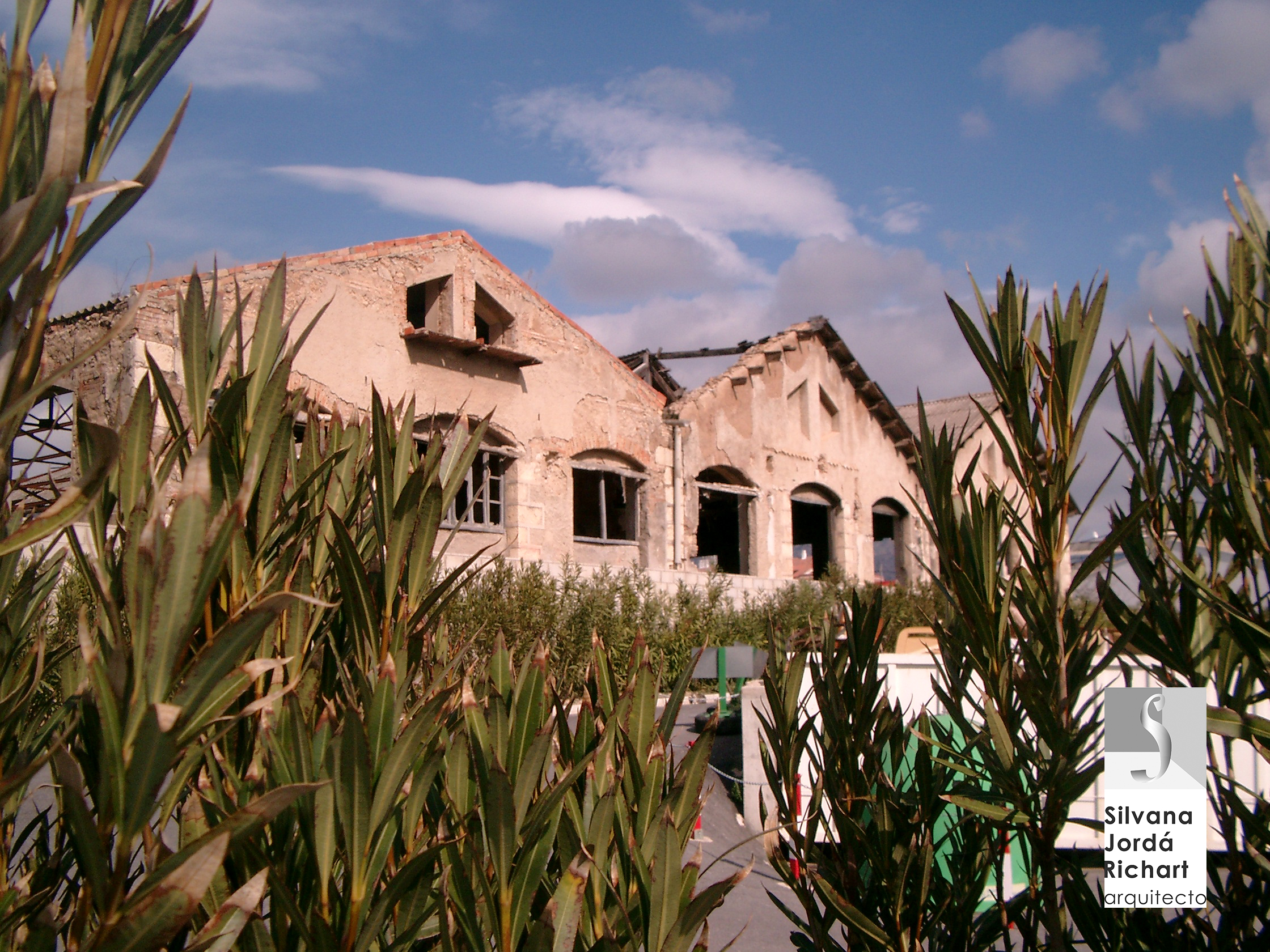
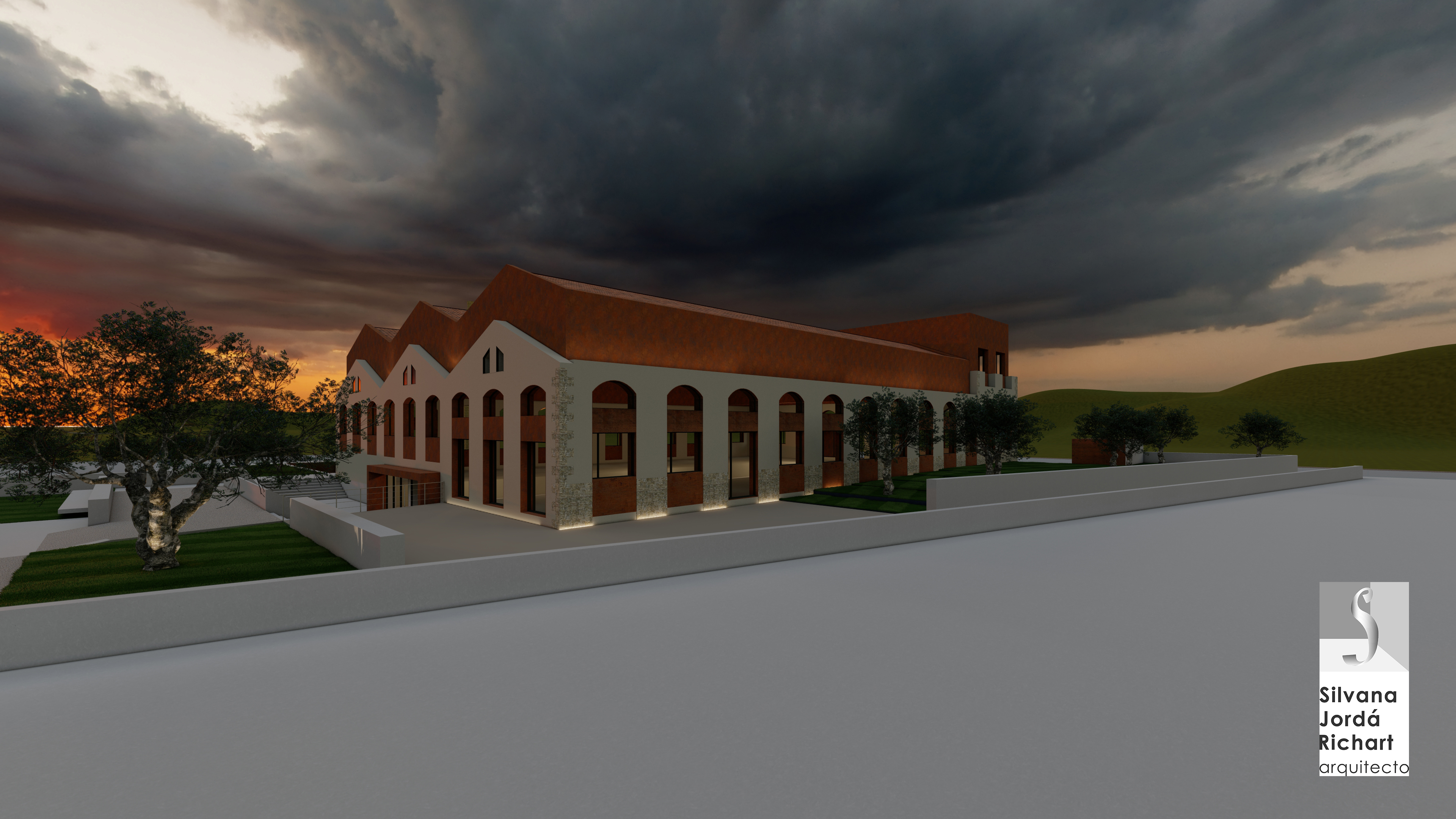
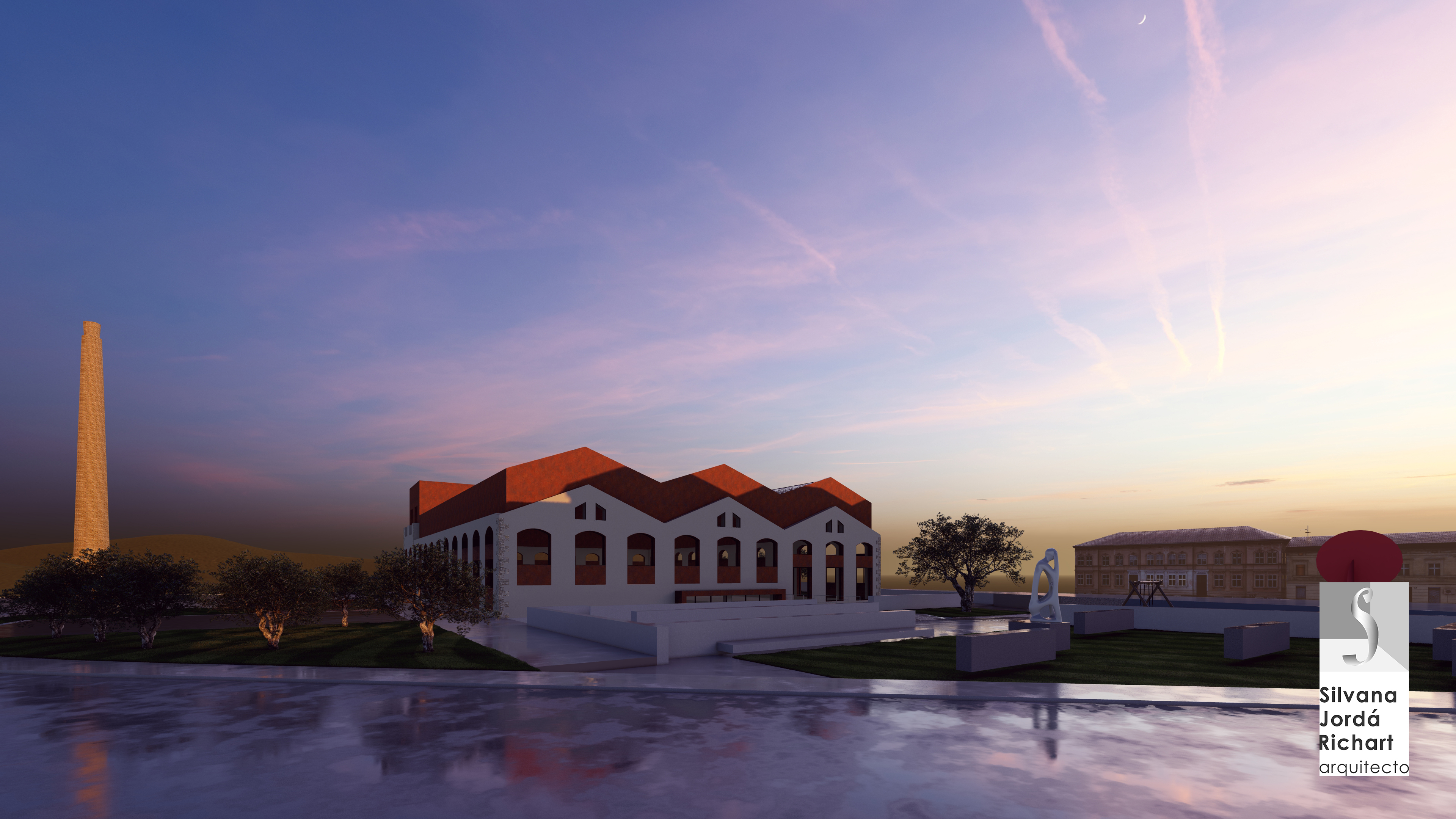
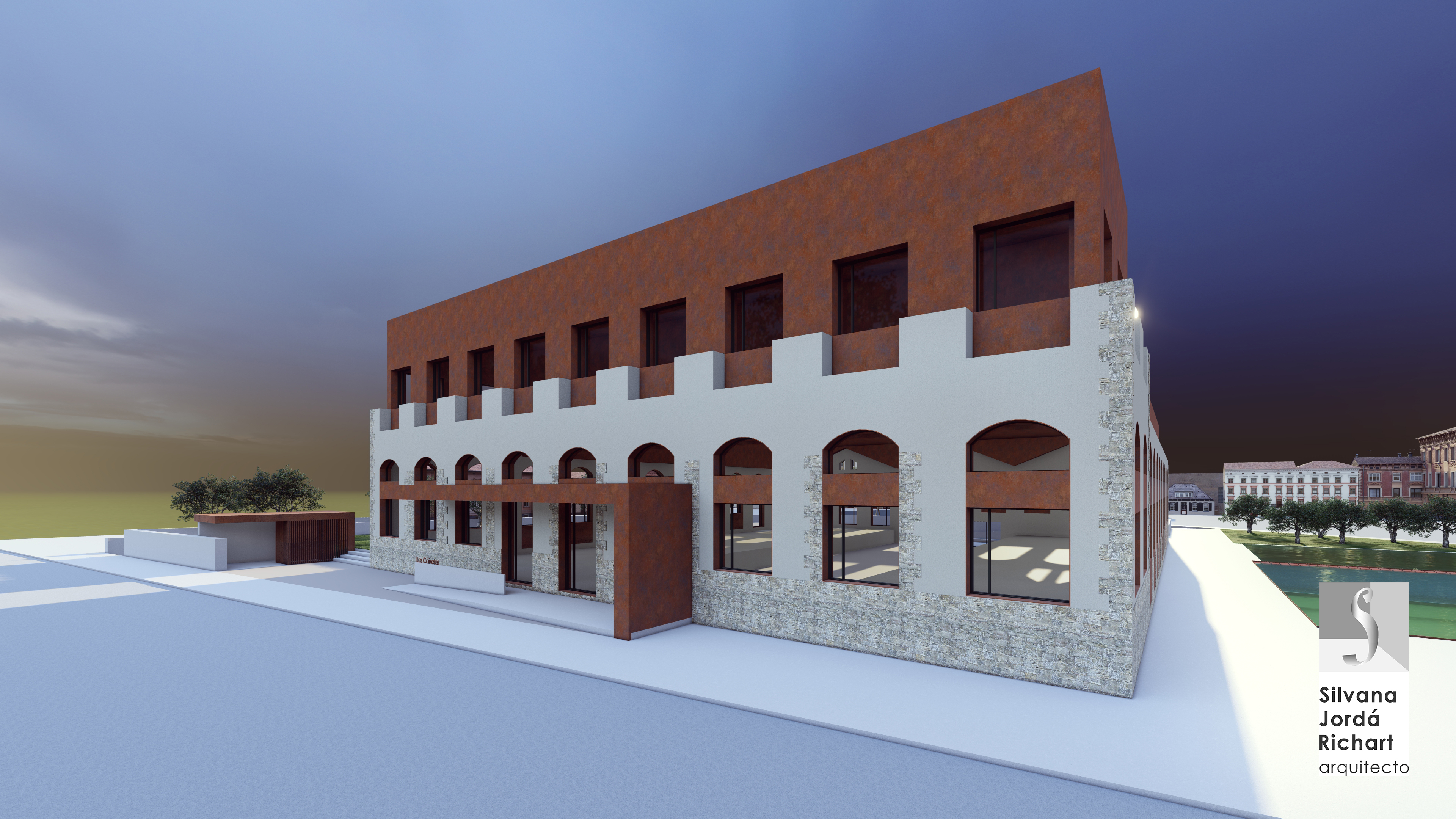
Muro d'Alcoi, a municipality of 9,345 inhabitants nestled in the mountainous Comtat region of Alicante, holds an industrial legacy embodied in Les Caixetes (the former Cartonatges Matarredona factory built in 1921). Now under municipal ownership and awaiting intervention, this building will become a hub for arts, training, communication and environmental education.
Les Caixetes anchors the Cultural and Innovation District of Muro (2025-2045), an ambitious territorial strategy that weaves together heritage, landscape and community participation under NEB principles.
WHO BENEFITS: Young people seeking local career paths; seniors preserving artisanal knowledge; cultural collectives and emerging creatives; enterprises transitioning toward sustainable industries; schools and lifelong learners.
GOALS: Transform Les Caixetes into a multifunctional hub; deliver training in digital fabrication, green skills and contemporary crafts; implement shared governance through a dedicated Sectoral Council; link the site to ecological corridors reaching Sierra Mariola Natural Park.
NEB VALUES:Sustainability materialises through adaptive reuse, high energy performance, and construction waste recovery. Beauty emerges from honouring the factory's industrial character while integrating thoughtful contemporary design. Inclusion takes shape via open governance, programmes tackling youth exodus, and full accessibility.
PARTICIPATORY PROCESS: In November 2025 the municipality organised the II European Heritage Days, acknowledged by IPCE as a model to present before the Council of Europe. A Sectoral Council bringing together neighbours, associations and professionals is now being formalised.
ANTICIPATED RESULTS: The rehabilitation covers 3,575 m² of built space, directly benefiting an estimated 500 people with a focus on retaining young creative talent.
Political backing is confirmed, €7.13 million in ERDF funds secured, and technical studies completed: Les Caixetes stands ready.
Les Caixetes anchors the Cultural and Innovation District of Muro (2025-2045), an ambitious territorial strategy that weaves together heritage, landscape and community participation under NEB principles.
WHO BENEFITS: Young people seeking local career paths; seniors preserving artisanal knowledge; cultural collectives and emerging creatives; enterprises transitioning toward sustainable industries; schools and lifelong learners.
GOALS: Transform Les Caixetes into a multifunctional hub; deliver training in digital fabrication, green skills and contemporary crafts; implement shared governance through a dedicated Sectoral Council; link the site to ecological corridors reaching Sierra Mariola Natural Park.
NEB VALUES:Sustainability materialises through adaptive reuse, high energy performance, and construction waste recovery. Beauty emerges from honouring the factory's industrial character while integrating thoughtful contemporary design. Inclusion takes shape via open governance, programmes tackling youth exodus, and full accessibility.
PARTICIPATORY PROCESS: In November 2025 the municipality organised the II European Heritage Days, acknowledged by IPCE as a model to present before the Council of Europe. A Sectoral Council bringing together neighbours, associations and professionals is now being formalised.
ANTICIPATED RESULTS: The rehabilitation covers 3,575 m² of built space, directly benefiting an estimated 500 people with a focus on retaining young creative talent.
Political backing is confirmed, €7.13 million in ERDF funds secured, and technical studies completed: Les Caixetes stands ready.
Industrial heritage rehabilitation
Non-urban cultural district
Place-based development
Participatory governance
Circular economy
The conversion of Les Caixetes applies circular principles to built heritage. Instead of demolition, the project reuses existing structures, cutting construction debris and embodied carbon. Local materials will be prioritised, while site works will divert more than two-thirds of non-hazardous debris toward recycling.
The building will undergo energy upgrading suited to Mediterranean conditions: enhanced insulation, passive cooling, natural ventilation, and rooftop photovoltaics. The target is near-zero energy performance, proving century-old industrial shells can meet modern benchmarks without sacrificing authenticity. The building will also serve as a climate shelter during heat waves.
Water-saving fixtures will be standard. A cistern system will capture rainfall for irrigating green areas, meaningful in a territory facing increasing drought linked to climate shifts.
Les Caixetes will act as a junction within the green pathways network threading through the Cultural and Innovation District, connecting the old town to farmland and Sierra Mariola Natural Park, fostering biodiversity and car-free mobility.
Programming will weave environmental awareness into cultural activity, turning the centre into a platform for ecological transition. The demonstrative model of sustainable rehabilitation, including a best-practices guide, aims to trigger around 10 residential improvement interventions per year, ultimately impacting 20% of the historic core's building fabric.
Following the NEB Compass, the initiative reaches Ambition Level I-II in sustainability through energy gains, water reuse, waste diversion, and linkage between heritage renewal and green infrastructure.
The building will undergo energy upgrading suited to Mediterranean conditions: enhanced insulation, passive cooling, natural ventilation, and rooftop photovoltaics. The target is near-zero energy performance, proving century-old industrial shells can meet modern benchmarks without sacrificing authenticity. The building will also serve as a climate shelter during heat waves.
Water-saving fixtures will be standard. A cistern system will capture rainfall for irrigating green areas, meaningful in a territory facing increasing drought linked to climate shifts.
Les Caixetes will act as a junction within the green pathways network threading through the Cultural and Innovation District, connecting the old town to farmland and Sierra Mariola Natural Park, fostering biodiversity and car-free mobility.
Programming will weave environmental awareness into cultural activity, turning the centre into a platform for ecological transition. The demonstrative model of sustainable rehabilitation, including a best-practices guide, aims to trigger around 10 residential improvement interventions per year, ultimately impacting 20% of the historic core's building fabric.
Following the NEB Compass, the initiative reaches Ambition Level I-II in sustainability through energy gains, water reuse, waste diversion, and linkage between heritage renewal and green infrastructure.
Bringing Les Caixetes back to life means reconnecting citizens with a distinctive piece of their collective past. The factory stands as a physical chronicle of how this inland territory evolved, allowing inhabitants to see their own story reflected in its walls.
Built in 1921 by Cartonatges Matarredona, the complex retains defining industrial features: a tall brick chimney, spacious production halls, robust load-bearing structures. These elements chart the arc of Valencian interior manufacturing: decades of activity, gradual decline following deindustrialisation, and now the prospect of reinvention.
Muro d'Alcoi possesses a quieter architectural heritage than its neighbours, with academicist and neoclassical façades often overlooked beside Alcoy's modernisme or Cocentaina's baroque landmarks. The II European Heritage Days 2025, praised by IPCE as a reference for the Council of Europe, set out to unveil this understated legacy. Les Caixetes contributes the industrial chapter, completing the territory's built narrative.
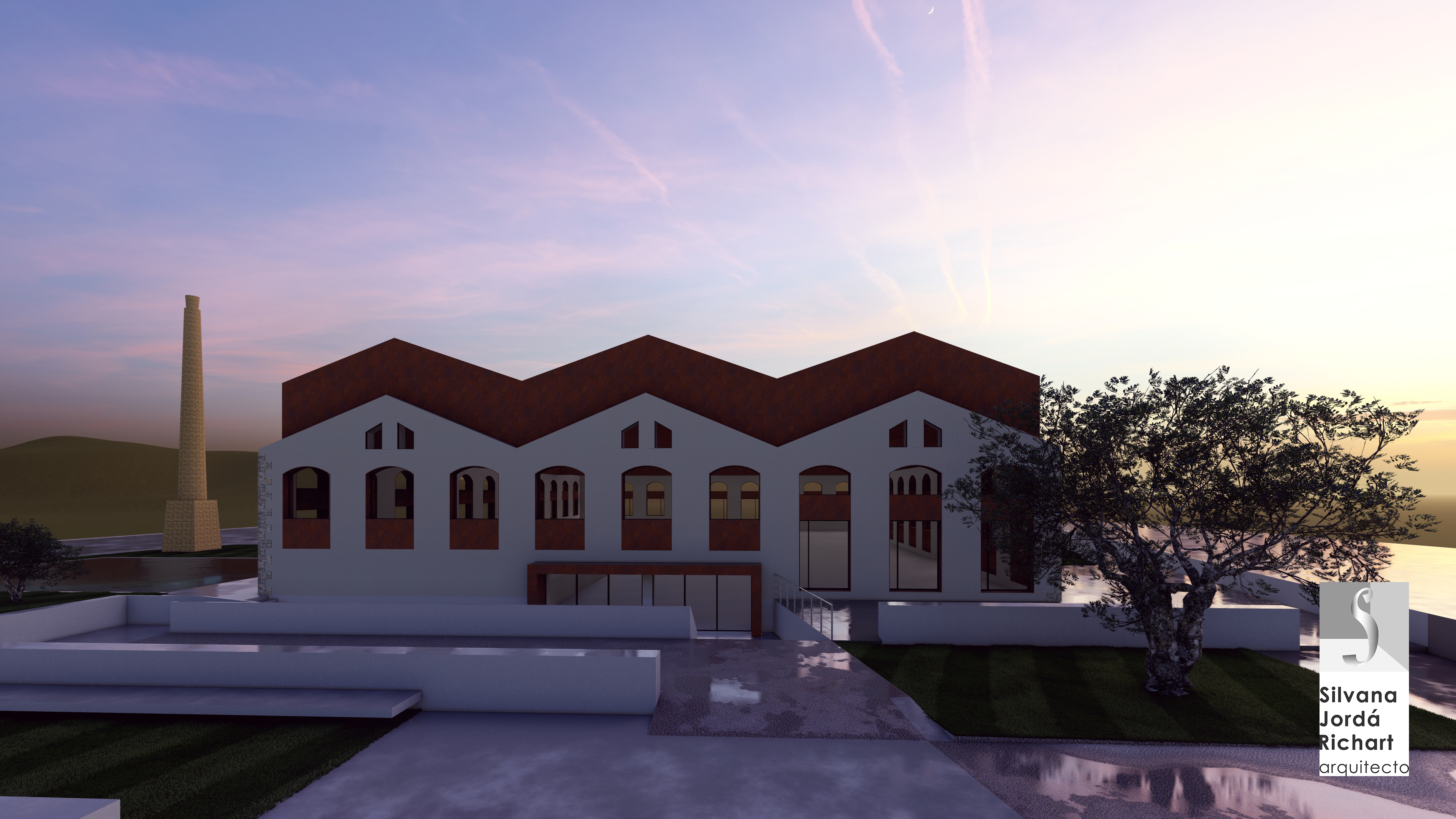
Once operational, the centre will offer versatile spaces (exhibition galleries, workshops, training rooms, gathering areas) shaped with care for natural light, acoustic comfort and human proportion. New insertions will dialogue respectfully with original fabric, adding contemporary layers without erasing historic texture.
The surrounding landscape forms part of the experience. Green corridors will frame views toward Sierra Mariola, weaving the building into a scenic and ecological context aligned with the European Landscape Convention.
Measured against the NEB Compass, the initiative sits at Ambition Level II-III for aesthetics: unlocking a formerly private industrial enclave for public enjoyment while nurturing a sense of belonging rooted in place.
Built in 1921 by Cartonatges Matarredona, the complex retains defining industrial features: a tall brick chimney, spacious production halls, robust load-bearing structures. These elements chart the arc of Valencian interior manufacturing: decades of activity, gradual decline following deindustrialisation, and now the prospect of reinvention.
Muro d'Alcoi possesses a quieter architectural heritage than its neighbours, with academicist and neoclassical façades often overlooked beside Alcoy's modernisme or Cocentaina's baroque landmarks. The II European Heritage Days 2025, praised by IPCE as a reference for the Council of Europe, set out to unveil this understated legacy. Les Caixetes contributes the industrial chapter, completing the territory's built narrative.
Once operational, the centre will offer versatile spaces (exhibition galleries, workshops, training rooms, gathering areas) shaped with care for natural light, acoustic comfort and human proportion. New insertions will dialogue respectfully with original fabric, adding contemporary layers without erasing historic texture.
The surrounding landscape forms part of the experience. Green corridors will frame views toward Sierra Mariola, weaving the building into a scenic and ecological context aligned with the European Landscape Convention.
Measured against the NEB Compass, the initiative sits at Ambition Level II-III for aesthetics: unlocking a formerly private industrial enclave for public enjoyment while nurturing a sense of belonging rooted in place.
The project opens new public spaces while regenerating its surroundings, offering examples to alternative forms of leisure and encounter. Demographic data for Muro d'Alcoi reveal an ageing population and steady departure of young people, patterns common across inland Mediterranean territories.
Muro's peripheral position complicates access to cultural amenities concentrated in larger cities. This geographic disadvantage breeds uneven development. Establishing a substantial cultural and training venue would narrow that territorial gap and widen access to cultural rights across the comarca.
The renovation of Les Caixetes tackles youth challenges by offering pathways in digital fabrication, sustainable crafts, green technologies and creative enterprise. The two innovation nodes planned within the District (Les Caixetes in Muro and Textiflok in Cocentaina) are expected to benefit 500 people directly, with emphasis on retaining young creative talent who might otherwise leave.
Intergenerational connection runs through the programming: veteran artisans passing skills to emerging makers; oral-history initiatives capturing lived memory; mentorship schemes pairing professionals with newcomers.
From the first steps, public input has shaped this centre. Residents contributed ideas through the II European Heritage Days 2025, and a Sectoral Council is being formed with seats for neighbourhood associations, festive groups, creative practitioners, entrepreneurs, educators and youth representatives. This governance framework ties facility design to genuine community needs. Full physical and cognitive accessibility measures are integral to the architectural brief.
Assessed through the NEB Compass, the initiative attains Ambition Level II-III in inclusion: fostering equitable relationships, bridging generational divides and redressing territorial imbalance.
Muro's peripheral position complicates access to cultural amenities concentrated in larger cities. This geographic disadvantage breeds uneven development. Establishing a substantial cultural and training venue would narrow that territorial gap and widen access to cultural rights across the comarca.
The renovation of Les Caixetes tackles youth challenges by offering pathways in digital fabrication, sustainable crafts, green technologies and creative enterprise. The two innovation nodes planned within the District (Les Caixetes in Muro and Textiflok in Cocentaina) are expected to benefit 500 people directly, with emphasis on retaining young creative talent who might otherwise leave.
Intergenerational connection runs through the programming: veteran artisans passing skills to emerging makers; oral-history initiatives capturing lived memory; mentorship schemes pairing professionals with newcomers.
From the first steps, public input has shaped this centre. Residents contributed ideas through the II European Heritage Days 2025, and a Sectoral Council is being formed with seats for neighbourhood associations, festive groups, creative practitioners, entrepreneurs, educators and youth representatives. This governance framework ties facility design to genuine community needs. Full physical and cognitive accessibility measures are integral to the architectural brief.
Assessed through the NEB Compass, the initiative attains Ambition Level II-III in inclusion: fostering equitable relationships, bridging generational divides and redressing territorial imbalance.
Citizen engagement lies at the heart of this initiative, shaping its design from the start. Participatory practice already informs decision-making across the municipality, as evidenced by the Cultural and Innovation District Strategic Plan 2025-2045, formally endorsed through Resolution 2025-0053.
Municipal authorities have committed to shaping public spaces according to residents' aspirations. In November 2025 the town staged the II European Heritage Days under the banner "Architectural heritage: windows to the past, doors to the future." Activities included heritage workshops with students from the Alcoy School of Art and Design (EASD), exhibitions of refurbishment concepts for cultural venues, and guided walks uncovering the academicist architecture that distinguishes Muro. IPCE highlighted the event as an exemplary model worthy of presentation to the Council of Europe.
Engagement will not stop there. A Sectoral Council dedicated to the Cultural District is taking shape, gathering voices from neighbourhood associations, festive brotherhoods, musical societies, creative practitioners, shopkeepers, teachers and young people. This body will set strategic direction, propose activities and assess social impact.
A transversal Political Commission, spanning all parties on the municipal council, safeguards continuity regardless of electoral shifts. A heritage volunteer network is being organised, enabling residents to contribute to documentation, upkeep and mediation around local patrimony.
Future programming will incorporate co-design sessions with prospective users, ensuring the centre evolves in step with community demands.
Municipal authorities have committed to shaping public spaces according to residents' aspirations. In November 2025 the town staged the II European Heritage Days under the banner "Architectural heritage: windows to the past, doors to the future." Activities included heritage workshops with students from the Alcoy School of Art and Design (EASD), exhibitions of refurbishment concepts for cultural venues, and guided walks uncovering the academicist architecture that distinguishes Muro. IPCE highlighted the event as an exemplary model worthy of presentation to the Council of Europe.
Engagement will not stop there. A Sectoral Council dedicated to the Cultural District is taking shape, gathering voices from neighbourhood associations, festive brotherhoods, musical societies, creative practitioners, shopkeepers, teachers and young people. This body will set strategic direction, propose activities and assess social impact.
A transversal Political Commission, spanning all parties on the municipal council, safeguards continuity regardless of electoral shifts. A heritage volunteer network is being organised, enabling residents to contribute to documentation, upkeep and mediation around local patrimony.
Future programming will incorporate co-design sessions with prospective users, ensuring the centre evolves in step with community demands.
The initiative mobilises actors across multiple scales, weaving local roots with regional networks and European frameworks.
At the academic level, collaboration with the Alcoy School of Art and Design (EASD) brought students into the II European Heritage Days 2025, where they developed proposals for heritage interpretation and visual communication. Their fresh perspectives enriched discussions on how Les Caixetes might address contemporary audiences.
Within the municipality, engagement includes the social fabric. Residents, festive brotherhoods (Moros y Cristianos), music ensembles, artisans, shopkeepers, textile and guitar manufacturers, emerging creatives, teachers and youth groups all took part in Heritage Days activities. A Sectoral Council now under formation will institutionalise this broad local involvement, giving diverse voices a permanent seat at the table.
At regional scale, the project links with Generalitat Valenciana heritage programmes such as Plan Restaura, and draws on Provincial Council of Alicante infrastructure support through Planifica and +Cerca schemes. The recent joint mobilisation of €7.13 million in ERDF investment by Muro and neighbouring Cocentaina, coordinated with the Ministry of Finance, signals concrete regional commitment.
Nationally, recognition by the Institute of Cultural Heritage of Spain (IPCE) - which flagged Muro's Heritage Days as a benchmark for the Council of Europe - places the municipality on the map of Spanish heritage policy dialogue.
On the European stage, participation in the Council of Europe's Heritage Days programme anchors the project within continental cultural networks. The District's Strategic Plan expressly references New European Bauhaus objectives, Faro Convention principles and Green Deal targets. Exploratory contacts are underway for future Creative Europe, LIFE and Erasmus+ partnerships that could deepen transnational exchange.
At the academic level, collaboration with the Alcoy School of Art and Design (EASD) brought students into the II European Heritage Days 2025, where they developed proposals for heritage interpretation and visual communication. Their fresh perspectives enriched discussions on how Les Caixetes might address contemporary audiences.
Within the municipality, engagement includes the social fabric. Residents, festive brotherhoods (Moros y Cristianos), music ensembles, artisans, shopkeepers, textile and guitar manufacturers, emerging creatives, teachers and youth groups all took part in Heritage Days activities. A Sectoral Council now under formation will institutionalise this broad local involvement, giving diverse voices a permanent seat at the table.
At regional scale, the project links with Generalitat Valenciana heritage programmes such as Plan Restaura, and draws on Provincial Council of Alicante infrastructure support through Planifica and +Cerca schemes. The recent joint mobilisation of €7.13 million in ERDF investment by Muro and neighbouring Cocentaina, coordinated with the Ministry of Finance, signals concrete regional commitment.
Nationally, recognition by the Institute of Cultural Heritage of Spain (IPCE) - which flagged Muro's Heritage Days as a benchmark for the Council of Europe - places the municipality on the map of Spanish heritage policy dialogue.
On the European stage, participation in the Council of Europe's Heritage Days programme anchors the project within continental cultural networks. The District's Strategic Plan expressly references New European Bauhaus objectives, Faro Convention principles and Green Deal targets. Exploratory contacts are underway for future Creative Europe, LIFE and Erasmus+ partnerships that could deepen transnational exchange.
Designing and delivering this initiative has drawn on diverse expertise, with specialists exchanging insights at each stage.
Environmental and landscape knowledge shapes the green dimension. Integrating ecological corridors toward Sierra Mariola Natural Park required input on biodiversity, climate adaptation and sustainable land use, aligning cultural planning with LIFE Programme priorities.
Architectural and conservation know-how underpins the physical intervention. A professional team has prepared a rehabilitation scheme addressing structural reinforcement, adaptive conversion of factory halls, and respectful insertion of contemporary elements. Students from the Alcoy School of Art and Design (EASD) contributed fresh thinking on heritage communication during collaborative workshops.
Cultural policy and territorial planning expertise guided the strategic framework. The District Plan 2025-2045 was drafted by a consultant specialising in cultural management and heritage governance, drawing on comparative research from international cultural district networks.
Historical research and collective memory informed the groundwork. The II European Heritage Days 2025 featured talks and walking tours tracing the factory's trajectory since 1921, situating Les Caixetes within industrial shifts that shaped the Valencian interior. These findings will feed into interpretation spaces planned for the centre.
Community engagement specialists designed the participatory architecture, from Heritage Days methodology to the Sectoral Council structure, ensuring meaningful involvement.
As works advance, architectural oversight will guarantee faithful execution, local development officers will programme activities, and cultural management professionals will coordinate partnerships.
Environmental and landscape knowledge shapes the green dimension. Integrating ecological corridors toward Sierra Mariola Natural Park required input on biodiversity, climate adaptation and sustainable land use, aligning cultural planning with LIFE Programme priorities.
Architectural and conservation know-how underpins the physical intervention. A professional team has prepared a rehabilitation scheme addressing structural reinforcement, adaptive conversion of factory halls, and respectful insertion of contemporary elements. Students from the Alcoy School of Art and Design (EASD) contributed fresh thinking on heritage communication during collaborative workshops.
Cultural policy and territorial planning expertise guided the strategic framework. The District Plan 2025-2045 was drafted by a consultant specialising in cultural management and heritage governance, drawing on comparative research from international cultural district networks.
Historical research and collective memory informed the groundwork. The II European Heritage Days 2025 featured talks and walking tours tracing the factory's trajectory since 1921, situating Les Caixetes within industrial shifts that shaped the Valencian interior. These findings will feed into interpretation spaces planned for the centre.
Community engagement specialists designed the participatory architecture, from Heritage Days methodology to the Sectoral Council structure, ensuring meaningful involvement.
As works advance, architectural oversight will guarantee faithful execution, local development officers will programme activities, and cultural management professionals will coordinate partnerships.
The main innovation lies not in technological novelty but in reframing what a cultural district can be in a non-urban context. This represents a paradigm shift with European relevance.
Conventional cultural districts cluster facilities in dense urban cores. The Cultural and Innovation District of Muro takes the opposite path: a dispersed geography threading through old town, industrial sites, farmland and natural park. Culture becomes territorial tissue rather than a single venue. This polycentric logic suits rural municipalities and offers an alternative to capital-city blueprints.
Standard heritage projects treat buildings as isolated objects. Les Caixetes functions as one node in an interconnected system, linked by green pathways and complementary spaces. Patrimony shifts from passive preservation toward active territorial infrastructure.
Governance arrangements break with the norm. Most municipal cultural ventures rise and fall with electoral cycles. Here, permanent participatory bodies (Sectoral Council) and cross-party accords (Political Commission) embed culture as ongoing policy rather than discretionary programming.
The rehabilitation will retain signature industrial elements (chimney, halls, honest materials) while pushing toward near-zero energy performance, demonstrating that century-old factories can meet environmental targets.
The project pioneers a quantified approach to cultural infrastructure impact: technical indicators (RCO 113: 1,000 units; ESR 113: 200 units) have been established from the outset, enabling evidence-based monitoring uncommon in heritage rehabilitation.
Finally, explicit engagement with European policy discourse (NEB, Faro Convention, Landscape Convention, Green Deal) from the earliest planning stages marks a departure for small municipalities typically absent from such conversations.
Conventional cultural districts cluster facilities in dense urban cores. The Cultural and Innovation District of Muro takes the opposite path: a dispersed geography threading through old town, industrial sites, farmland and natural park. Culture becomes territorial tissue rather than a single venue. This polycentric logic suits rural municipalities and offers an alternative to capital-city blueprints.
Standard heritage projects treat buildings as isolated objects. Les Caixetes functions as one node in an interconnected system, linked by green pathways and complementary spaces. Patrimony shifts from passive preservation toward active territorial infrastructure.
Governance arrangements break with the norm. Most municipal cultural ventures rise and fall with electoral cycles. Here, permanent participatory bodies (Sectoral Council) and cross-party accords (Political Commission) embed culture as ongoing policy rather than discretionary programming.
The rehabilitation will retain signature industrial elements (chimney, halls, honest materials) while pushing toward near-zero energy performance, demonstrating that century-old factories can meet environmental targets.
The project pioneers a quantified approach to cultural infrastructure impact: technical indicators (RCO 113: 1,000 units; ESR 113: 200 units) have been established from the outset, enabling evidence-based monitoring uncommon in heritage rehabilitation.
Finally, explicit engagement with European policy discourse (NEB, Faro Convention, Landscape Convention, Green Deal) from the earliest planning stages marks a departure for small municipalities typically absent from such conversations.
The project blends tested frameworks with local tailoring, yielding a methodology that is analytically sound and attuned to territorial specifics.
Strategic planning follows a place-based logic. Drawing on EU cohesion policy principles, the approach starts from what makes Muro d'Alcoi distinctive rather than importing off-the-shelf formulas. This means acknowledging territorial diversity, empowering local actors, and translating broad agendas (Sustainable Development Goals, Green Deal, NEB) into actions that fit the ground.
Citizen input feeds the process from the outset. The II European Heritage Days 2025 served as a structured listening exercise: open workshops, walking tours, exhibitions and presentations invited residents to voice aspirations for heritage spaces including Les Caixetes. Those insights now travel into the Sectoral Council, where an interdisciplinary mix of stakeholders (associations, creatives, entrepreneurs, educators, youth) will continue refining priorities and reviewing outcomes.
Technical teams absorb this participatory material. The architectural rehabilitation brief and municipal plans draw directly on needs identified through community dialogue, closing the loop between aspiration and design.
Governance operates across tiers. At municipal level, a cross-party Political Commission guarantees policy continuity. At regional level, alignment with Generalitat Valenciana and Provincial Council programmes channels funding. At European level, Council of Europe frameworks and NEB principles provide benchmarks.
A monitoring system embedded in the Strategic Plan tracks demographic, economic, cultural, environmental and governance indicators across 2025-2045. This evidence base enables adaptive management, adjusting course when results diverge from expectations.
Strategic planning follows a place-based logic. Drawing on EU cohesion policy principles, the approach starts from what makes Muro d'Alcoi distinctive rather than importing off-the-shelf formulas. This means acknowledging territorial diversity, empowering local actors, and translating broad agendas (Sustainable Development Goals, Green Deal, NEB) into actions that fit the ground.
Citizen input feeds the process from the outset. The II European Heritage Days 2025 served as a structured listening exercise: open workshops, walking tours, exhibitions and presentations invited residents to voice aspirations for heritage spaces including Les Caixetes. Those insights now travel into the Sectoral Council, where an interdisciplinary mix of stakeholders (associations, creatives, entrepreneurs, educators, youth) will continue refining priorities and reviewing outcomes.
Technical teams absorb this participatory material. The architectural rehabilitation brief and municipal plans draw directly on needs identified through community dialogue, closing the loop between aspiration and design.
Governance operates across tiers. At municipal level, a cross-party Political Commission guarantees policy continuity. At regional level, alignment with Generalitat Valenciana and Provincial Council programmes channels funding. At European level, Council of Europe frameworks and NEB principles provide benchmarks.
A monitoring system embedded in the Strategic Plan tracks demographic, economic, cultural, environmental and governance indicators across 2025-2045. This evidence base enables adaptive management, adjusting course when results diverge from expectations.
Les Caixetes is not an isolated intervention but the flagship action within a broader model : the Cultural and Innovation District of Muro 2025-2045. This framework, combining heritage rehabilitation with green corridors, participatory governance and place-based development, is designed to be replicable in other European territories.
For example, the participation methodology is easily transferable. European Heritage Days as catalyst for citizen engagement, followed by a permanent Sectoral Council for ongoing participation, offers a template that small municipalities can adapt without exceptional resources.
The conceptual innovation (a distributed, non-urban cultural district based on place-based principles) applies to any medium-sized municipality with heritage assets and landscape values. Unlike metropolitan models requiring dense urban contexts, this approach suits rural and semi-rural territories.
Within the Comtat region, the model is designed for expansion. Neighbouring municipalities (Cocentaina, Alcoy, Agres, Gayanes) could develop complementary specialisations, creating a regional ecosystem. The joint ERDF investment of €7.13 million between Muro and Cocentaina already demonstrates intermunicipal replication potential. Economic projections reinforce viability: estimated returns of €0.8-1.2 million annually during 2025-2028, and forsees a scaling to €3.5-5 million annually by 2029-2035.
The challenges addressed (rural depopulation, heritage conservation, youth outmigration, climate adaptation) are common across Mediterranean Europe. Municipalities in inland Spain, southern France, Italy, Greece and Portugal could adapt both methodology and intervention model.
The Strategic Plan serves as methodological template, with strategic axes, governance frameworks and indicators adaptable to other contexts.
For example, the participation methodology is easily transferable. European Heritage Days as catalyst for citizen engagement, followed by a permanent Sectoral Council for ongoing participation, offers a template that small municipalities can adapt without exceptional resources.
The conceptual innovation (a distributed, non-urban cultural district based on place-based principles) applies to any medium-sized municipality with heritage assets and landscape values. Unlike metropolitan models requiring dense urban contexts, this approach suits rural and semi-rural territories.
Within the Comtat region, the model is designed for expansion. Neighbouring municipalities (Cocentaina, Alcoy, Agres, Gayanes) could develop complementary specialisations, creating a regional ecosystem. The joint ERDF investment of €7.13 million between Muro and Cocentaina already demonstrates intermunicipal replication potential. Economic projections reinforce viability: estimated returns of €0.8-1.2 million annually during 2025-2028, and forsees a scaling to €3.5-5 million annually by 2029-2035.
The challenges addressed (rural depopulation, heritage conservation, youth outmigration, climate adaptation) are common across Mediterranean Europe. Municipalities in inland Spain, southern France, Italy, Greece and Portugal could adapt both methodology and intervention model.
The Strategic Plan serves as methodological template, with strategic axes, governance frameworks and indicators adaptable to other contexts.
The rehabilitation of Les Caixetes is planned to be implemented through a phased plan within the 2025-2045 strategy of the Cultural and Innovation District:
FOUNDATION PHASE (2025-2028): Completion of architectural documentation and structural assessment. Funding through ERDF (€7.13 million with Cocentaina already mobilised), Plan Restaura (Generalitat Valenciana), and Planifica (Provincial Council). The intervention covers 3,575 m² of built space and recovers 5,800 m² of public realm. Technical indicators (RCO 113: 1,000 units; ESR 113: 200 units) will track progress. Establishment of governance structures: Sectoral Council and Political Commission. Municipal ordinance regulating the District. Initiation of green corridors connecting historic centre with Sierra Mariola. Pilot programming in parallel to works.
CONSOLIDATION PHASE (2029-2035): Full activation of Les Caixetes as centre for arts, training, communication and environment. Training programmes in contemporary crafts, digital design and green industries. Cultural entrepreneurship incubation and co-working space. Expansion of green corridors. Street art programme and artistic residencies. Artisanal territorial brand. International cooperation planned through Creative Europe, LIFE and Erasmus+. Expected return: €3.5-5 million annually by 2035.
MATURATION PHASE (2036-2045): Full operational autonomy. Self-sustaining economic model. Recognition as European reference for non-urban cultural development.
NEB VALUES are persuing: sustainability through circular economy, energy efficiency and green infrastructure; inclusion through participatory governance, youth training and accessibility; and aesthetics through heritage conservation and quality design.
The cross-party Political Commission ensures these principles remain embedded beyond electoral cycles.
FOUNDATION PHASE (2025-2028): Completion of architectural documentation and structural assessment. Funding through ERDF (€7.13 million with Cocentaina already mobilised), Plan Restaura (Generalitat Valenciana), and Planifica (Provincial Council). The intervention covers 3,575 m² of built space and recovers 5,800 m² of public realm. Technical indicators (RCO 113: 1,000 units; ESR 113: 200 units) will track progress. Establishment of governance structures: Sectoral Council and Political Commission. Municipal ordinance regulating the District. Initiation of green corridors connecting historic centre with Sierra Mariola. Pilot programming in parallel to works.
CONSOLIDATION PHASE (2029-2035): Full activation of Les Caixetes as centre for arts, training, communication and environment. Training programmes in contemporary crafts, digital design and green industries. Cultural entrepreneurship incubation and co-working space. Expansion of green corridors. Street art programme and artistic residencies. Artisanal territorial brand. International cooperation planned through Creative Europe, LIFE and Erasmus+. Expected return: €3.5-5 million annually by 2035.
MATURATION PHASE (2036-2045): Full operational autonomy. Self-sustaining economic model. Recognition as European reference for non-urban cultural development.
NEB VALUES are persuing: sustainability through circular economy, energy efficiency and green infrastructure; inclusion through participatory governance, youth training and accessibility; and aesthetics through heritage conservation and quality design.
The cross-party Political Commission ensures these principles remain embedded beyond electoral cycles.