Arts, Culture, and Heritage as Drivers of Change
The Rural Forms Laboratory
The Rural Forms Laboratory: Creative Place-Based Education with Children
The Rural Forms Laboratory is a mobile classroom–workshop that reconfigures how children relate to rural territories through artistic creation.The project brings together furniture design, artistic research and place-based pedagogy to create temporary laboratories in schools and communities. Addressing challenges shared across European rural regions such as the loss of local knowledge, the project transforms educational spaces into environments for intergenerational dialogue and creative inquiry
Spain
Regional
Galicia
Mainly rural
It involves other types of transformations (soft investment)
Yes
2025-12-31
No
No
No
Organisation
The Rural Forms Laboratory explores how artistic creation can reconnect children with the cultural, ecological and social realities of the territories where they grow up. It strengthens the relationship between childhood, community and place through creative processes that connect artistic experimentation, local knowledge and environmental awareness.
The project primarily addresses children in early childhood and primary education, as well as teachers, families and local communities in rural areas. It fosters a sense of belonging, encourages critical reflection on the transformation of rural landscapes and supports intergenerational dialogue around traditional knowledge and sustainable practices.
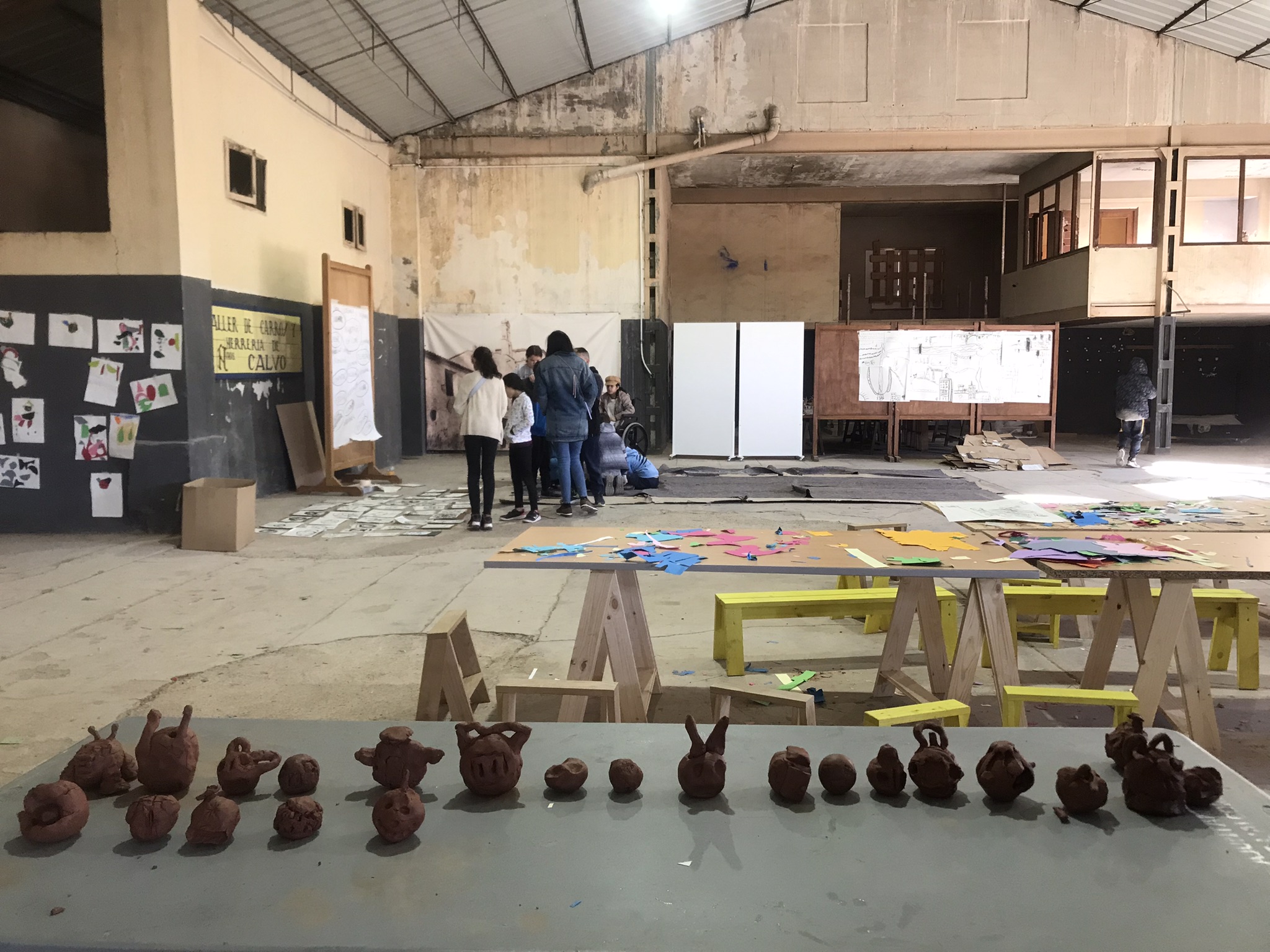
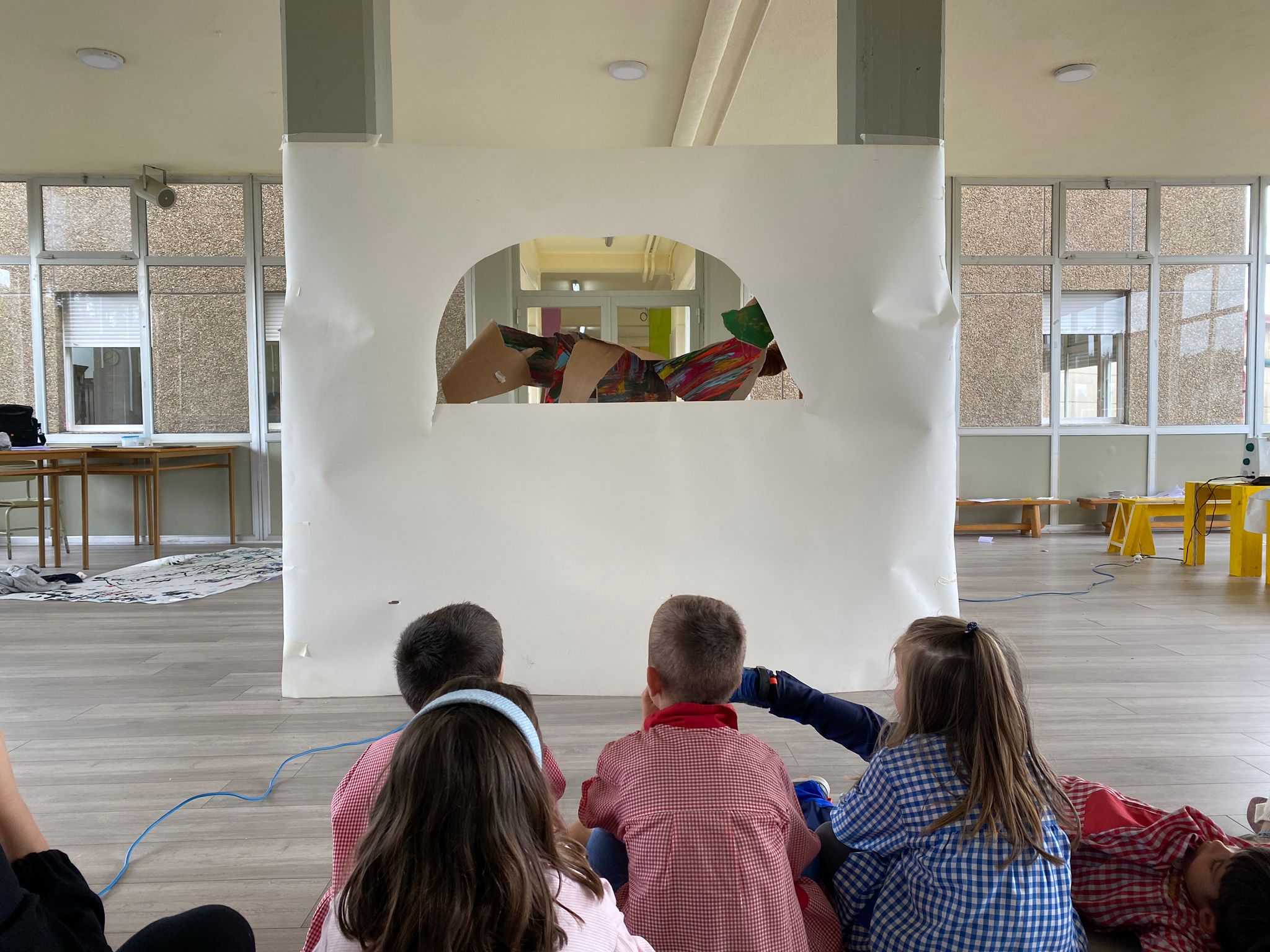
The laboratories function as mobile classroom–workshops that adapt to the context in which they are installed. Each intervention combines artistic research, collective exploration of the territory and creative workshops that allow children to investigate and narrate their environment.
Since its initial development in rural schools in Lugo (Galicia), the project has been implemented over the past five years in several rural schools and expanded through collaborations with cultural institutions and educational programmes in different regions. These experiences have generated pedagogical resources, collective catalogues documenting children’s artistic productions, and a transferable methodology called Creative Place-Based Education (CPBE).
Artistic practices activate local memory, strengthen community participation and reshape how education relates to territory.
The Rural Forms Laboratory emerged from a simple question: how can children understand and care for the places where they grow up if their education rarely connects them with the landscapes, knowledge and memories of their territory?
The project originated in rural schools in Galicia through the work of the Escola Imaxinada educational innovation group at the University of Santiago de Compostela. While collaborating with teachers and children, we observed a growing disconnection between younger generations and the cultural, ecological and social realities of rural life. At the same time, these communities hold valuable knowledge about sustainability, traditional crafts and ways of inhabiting the land.
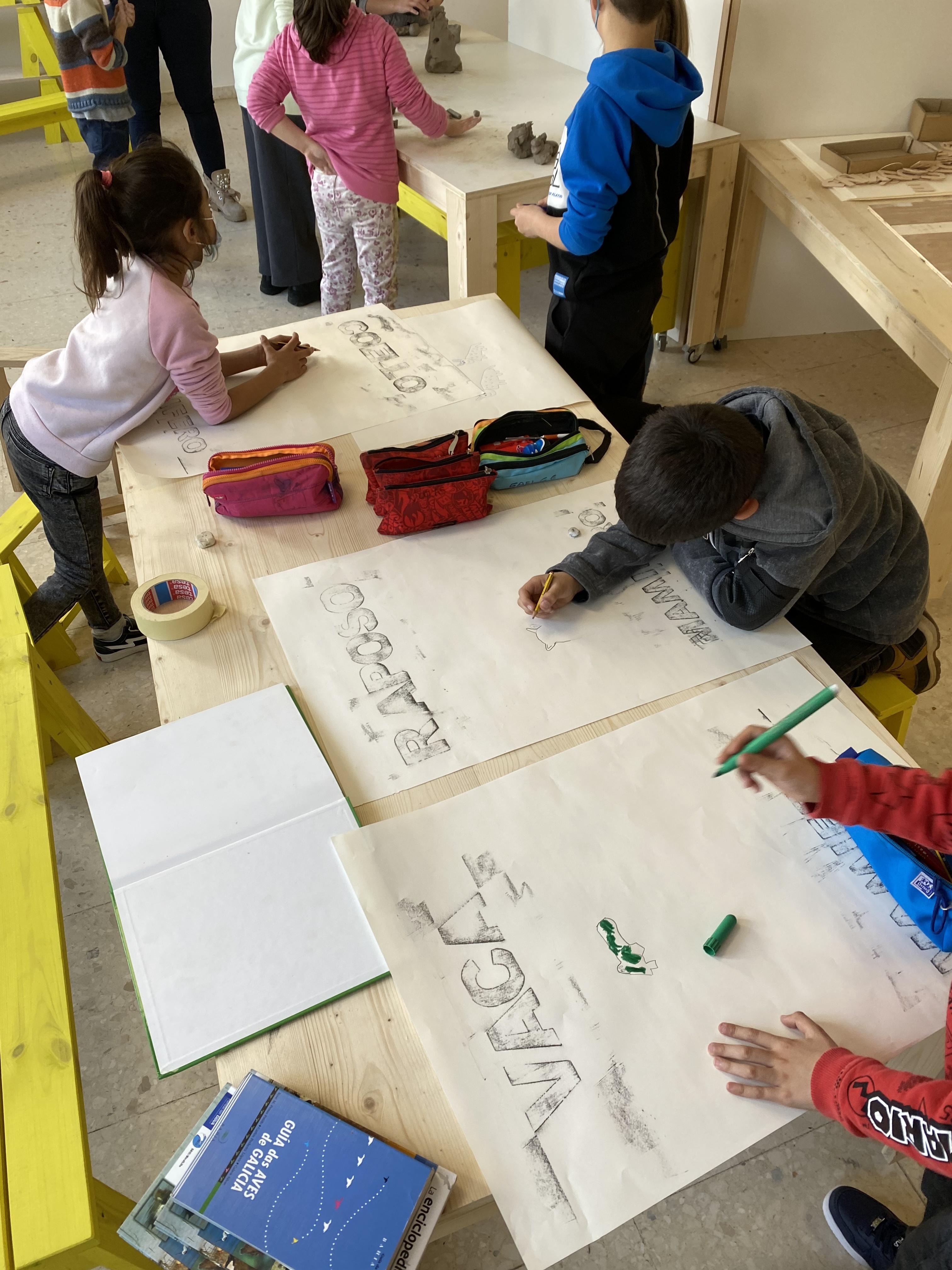
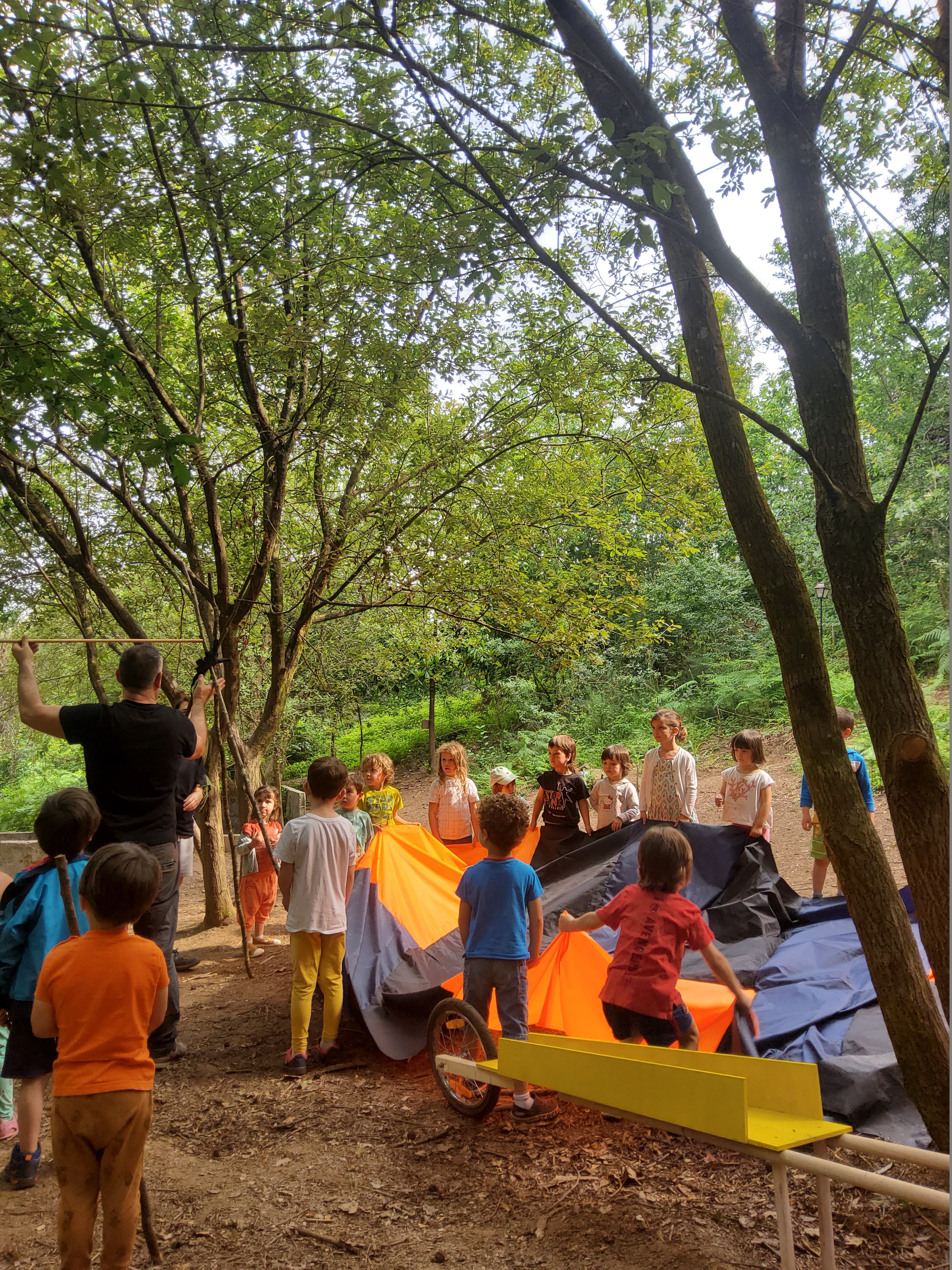
To address this situation, we created the Rural Forms Laboratory as a mobile classroom–workshop that travels to different schools and communities. Each laboratory begins with an exploration of the local territory: children walk through their villages, observe landscapes, listen to elders’ stories and document their discoveries through drawing, photography, writing and artistic experimentation.
These processes allow children to investigate and narrate their environment while creating spaces of dialogue between generations. Families, artisans, farmers and community members participate in the workshops by sharing their experiences, knowledge and memories.
The artistic outcomes produced by the children are later compiled into collective catalogues and public presentations, generating new ways of understanding rural heritage and encouraging communities to reflect on the future of their territories.
Creative Pedagogies
Sense of Belonging
Aesthetic Education
Intergenerationality
Educational Innovation
In the Rural Forms Laboratory, sustainability is approached as a condition of perception.
In many rural contexts, ecological knowledge is not absent, it is simply no longer recognised as knowledge within educational frameworks. The project works by reactivating this knowledge through direct engagement with materials, landscapes and local practices. Children encounter sustainability through processes of making, observing and inhabiting.The project emphasizes the need to educate from an early age about respect for shared resources, the value of collective memory, and local identity. Working with clay, wood, textiles or found materials, and engaging with farmers, artisans and local knowledge holders, participants come into contact with ways of relating to the environment that are based on care, continuity and interdependence.
These encounters allow sustainability to be experienced as a lived relationship. From this perspective, sustainability emerges as a shift in how the world is perceived: from resource to relation, from use to coexistence. The project suggests that without this perceptual transformation, ecological knowledge cannot be meaningfully sustained.
The project focuses on three fundamental lines of action:
• Generating conscious knowledge about the rural territory and its challenges.
• Exploring new ways to highlight traditional knowledge and skills as strategies to
address current ecological, cultural, and social issues.
• Giving voice to children as a source of hope in assuming collective responsibility for
the ecological, cultural, and educational crisis.
The laboratories, installed in various contexts, have encouraged critical analysis of
rural environments through participatory research. Intergenerational knowledge transfer—covering traditional crafts, materials, oral traditions, and heritage interpretation—has allowed children to recognize and appreciate sustainable practices that respect the territory.
In the Rural Forms Laboratory, aesthetics is understood as a mode of attention.
The project creates conditions in which children can slow down their perception and engage with their surroundings beyond functional or predefined readings. Drawing, making and storytelling are not used to represent reality, but to open it—to make visible what usually remains unnoticed.
Through these processes, landscapes, objects and materials cease to be neutral backgrounds and become active participants in the experience. A stone, a fragment of wood or a local story can become the starting point for new forms of meaning and imagination.
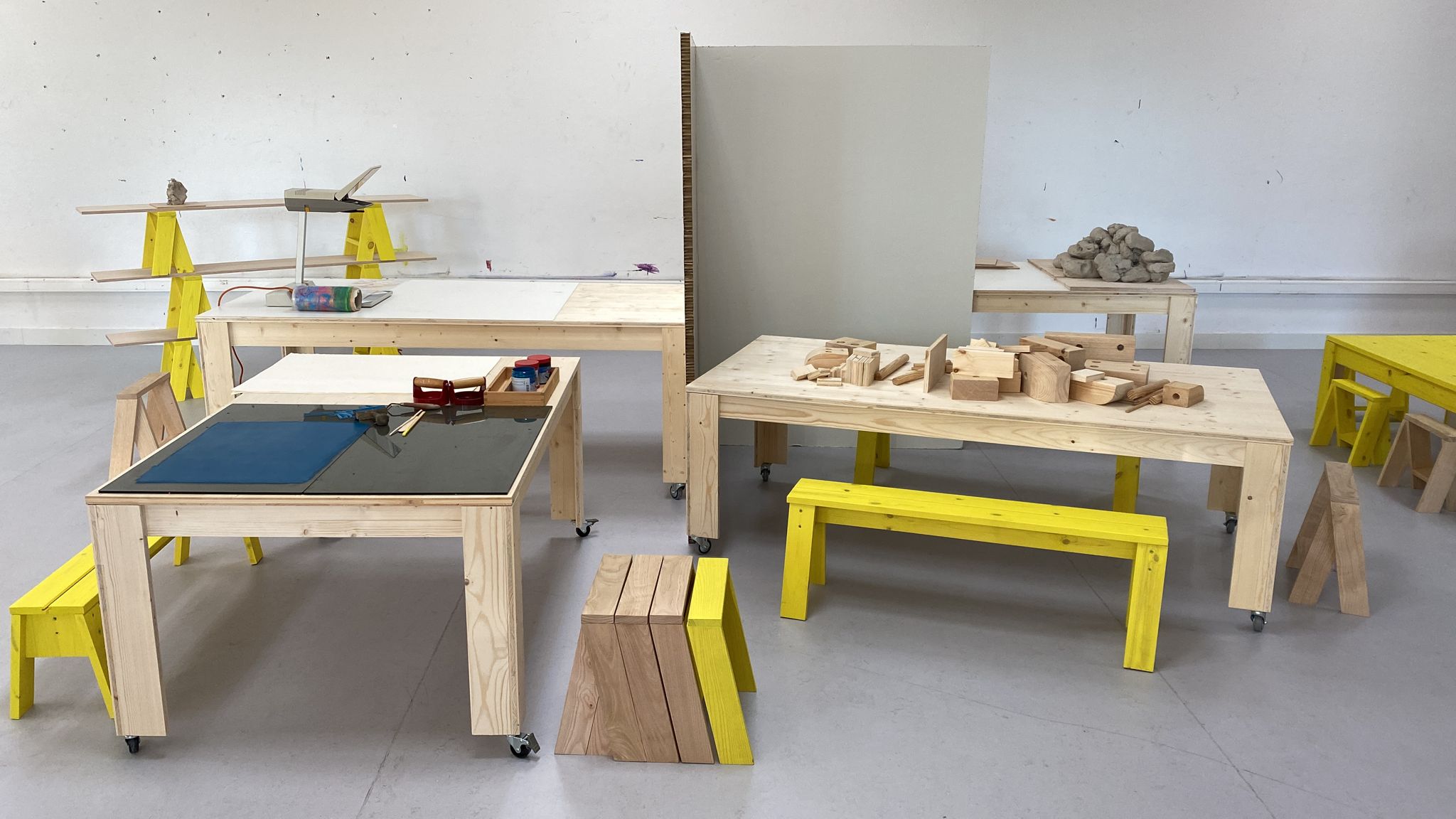
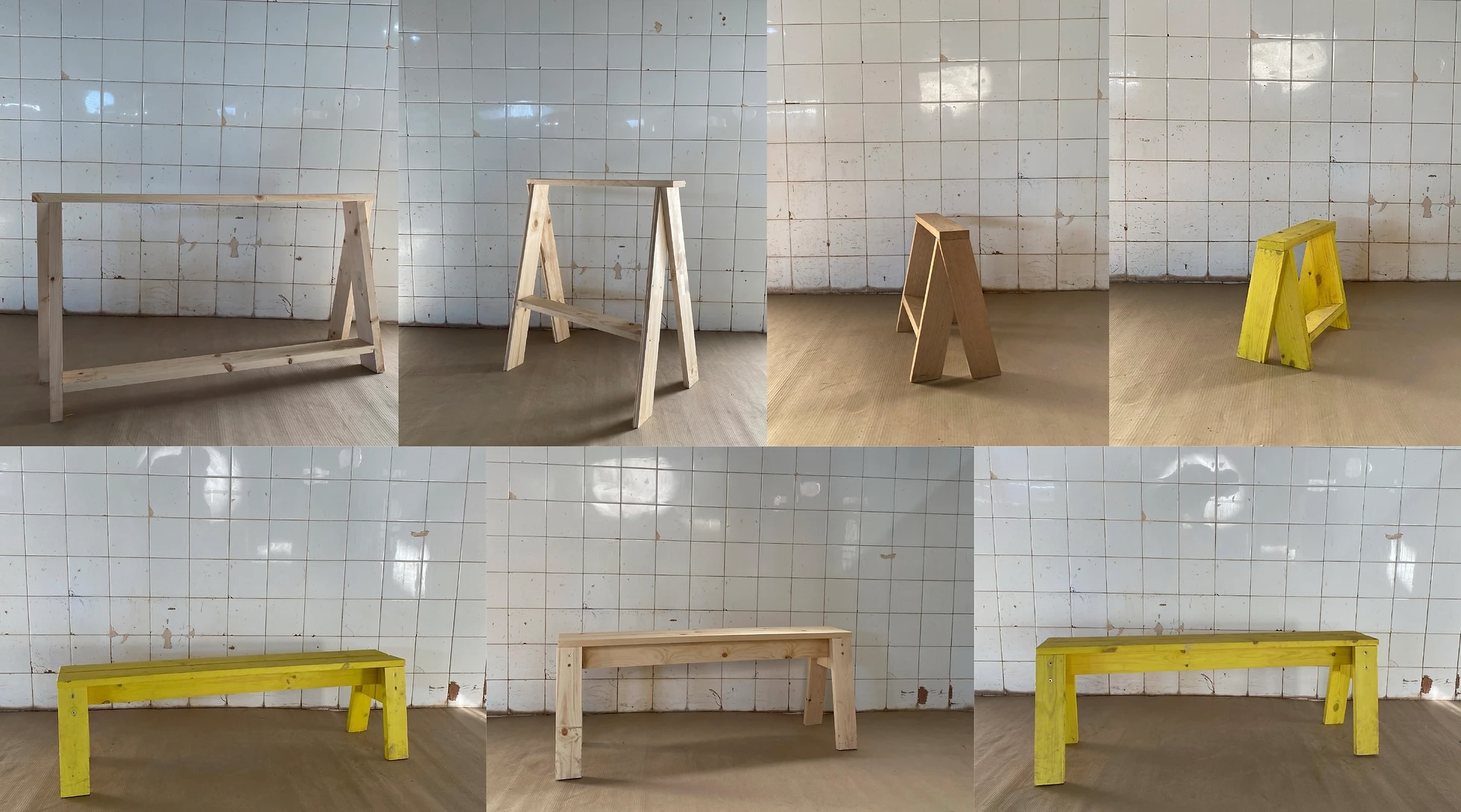
The design of the laboratory—its furniture, materials and spatial organisation—supports this shift by inviting exploration, proximity and transformation. Aesthetics, in this sense, is the very condition that allows new relationships with the world to emerge.
By cultivating this form of attention, the project enables children to develop their own ways of seeing, making and understanding the places they inhabit.
We work on aesthetics and quality of experience from three perspectives:
• Enhancing the relationship between aesthetics and methodology, creating spaces
where furniture design, resources, and materials encourage aesthetic experiences.
• Encouraging children's sensitive and aesthetic perception through creative processes
that value their own imaginations over pre-designed, stereotyped images and
products.
• Expanding visual culture by introducing contemporary art references that link with
local cultural and artistic traditions.
The final catalogs documenting children's artistic productions demonstrate their
aesthetic and sensitive engagement with their environment, offering new ways to
interpret and appreciate rural heritage.
In the Rural Forms Laboratory, inclusion is grounded in the recognition of multiple forms of knowledge.
Rural communities are often described in terms of lack—of resources, opportunities or services. At the same time, they hold complex cultural, ecological and social knowledge that rarely enters formal education. The project creates situations in which this knowledge becomes an active and valued presence within the school.
Children, families, educators, artisans and local inhabitants participate in shared processes where different forms of knowledge coexist and inform each other. The laboratory operates as a space of encounter shaped by these relationships.
In this context, children are not only participants, but contributors. Their ways of perceiving, imagining and narrating the territory are recognised as meaningful forms of knowledge in themselves.
Inclusion is understood here as the transformation of educational conditions to accommodate diverse ways of knowing, making and inhabiting.
Key inclusive strategies include:
• Creating creative spaces and processes that ensure full participation in learning,
incorporating diverse visual and formal exploration methods.
• Establishing material exchange and reuse networks, using local and natural
resources.
• Forming partnerships with schools, neighborhood associations, municipalities, and
other organizations to ensure active community involvement.
• Promoting co-creation spaces, where educators, families, artists, researchers, and
cultural managers collaborate in designing meaningful experiences. The project has fostered democratic and horizontal participation in decision-making,
ensuring that all voices, including those of children and vulnerable groups, are heard.
Through open consultation and dialogue processes, the community has been able to
express its needs and proposals, strengthening its involvement in the development of
the project.
Participation in the Rural Forms Laboratory is a condition of the process itself.
The laboratory is conceived as a space where knowledge emerges through shared action. Children explore and narrate their territories through drawing, making, walking and storytelling. These practices unfold in relation with others and with the environment.
Families, artisans and local inhabitants enter the process as carriers of situated knowledge. Their presence is structural. Stories, gestures, materials and ways of doing shape the direction of the work.
The Rural Forms Laboratory carries out its main activity in collaboration with schools,
serving as a bridge to connect with society and the territory. The students from early
childhood and primary education assumed a central role, actively participating in
exploring and narrating the territory through various artistic languages such as
drawing, writing, photography, and collage. Families and local associations also played a fundamental role, particularly in
transmitting knowledge about the environment, actively collaborating in implementing
information related to traditions, legends, and ways of life in the rural setting. The
involvement of older individuals was especially valuable, as they provided stories
about old trades, memories of the land, and traditional knowledge, enriching the
students' experience and strengthening their connection to the local cultural identity.
Collective moments of reflection—assemblies, presentations, shared narratives—allow participants to recognise what has been produced together. Participation is the way in which the project exists. The synergy between schools, families, associations, and the community
demonstrated that learning can be a collective process, where each individual
contributes knowledge and experiences that enrich both education and community
life.
The Rural Forms Laboratory is grounded in specific territories while sustained through a network of institutional and community relationships.
Its development begins in rural schools in the province of Lugo (Galicia), where the University of Santiago de Compostela collaborates closely with teachers, children and local communities. Each laboratory is shaped through these situated partnerships, adapting to the educational and cultural context in which it takes place.
As the project evolved, this local grounding opened connections with cultural institutions and public programmes in other regions. These collaborations have enabled the laboratory to be implemented in different territorial contexts, including initiatives supported by organisations such as the Consorci de Museus de la Comunitat Valenciana, the “la Caixa” Foundation and the City Council of El Prat de Llobregat.
Through these relationships, the project extends across scales without losing its specificity. Governance takes form as a distributed structure, where local knowledge, educational practice and institutional support interact to sustain and expand the work. This multiscalar collaboration model demonstrates that a participatory and inclusive approach is essential for building innovative, sustainable educational projects with a real impact on society.
Despite this expanded network and its implementation across multiple territories over the past five years, the project remains deeply rooted in the rural context of Galicia, where its methodology was originally developed and continues to evolve. This territorial anchoring is not only foundational but strategic: the project seeks to reinforce its long-term impact within this context, using recognition at a broader scale to sustain and deepen its work locally. In this sense, the laboratory operates from the local to the global, positioning rural Galicia not as a peripheral site, but as a central space for innovation in educational practices.
The Rural Forms Laboratory brings together different fields of knowledge through practice.
The project is developed within Escola Imaxinada, where artists, educators and researchers work in close collaboration. Their contributions intersect in the design and unfolding of each laboratory.
Artistic practice provides methods for exploration and creation. Based at the Faculty of Education in Lugo, since 2019, we have conducted workshops in various schools and other entities linked to the dissemination of training and culture in diverse areas, leading to multiple collaborations. Working from a Creative Place-Based Education requires adopting an interdisciplinary
approach, always adapting to the local context, focusing on territorial research, and
seeking the collaboration of all actors who can provide information and references
about the characteristics of the place and associated issues. In this sense, `Pedagogy shapes the conditions of learning and Research offers tools for documentation and reflection. Alongside these, local knowledge introduces ways of understanding materials, landscapes and cultural practices that cannot be reduced to academic categories. This particular project involved collaboration from artists, biologists, historians, researchers, teachers, and, above all, participation from families with diverse trades, education, and occupations. Knowledge of the territory and its history has been a central focus of the project. Through dialogue, knowledge about traditional trades, legends, and landscape transformations was shared, contributing to the rescue ofcollective memory.This convergence generates a shared field where thinking and making are inseparable. Transdisciplinarity is understood as a way of working that allows new forms of knowledge to emerge.
The Rural Forms Laboratory is sustained through a network of relationships rather than a single funding structure.
The project is developed within Escola Imaxinada at the University of Santiago de Compostela and grows through collaborations with schools, cultural institutions and local administrations. These partnerships provide the conditions for each laboratory to take place, adapting to the specific context in which it is implemented.
Resources generated through these collaborations are reinvested in the development of the project: the design and production of mobile furniture, the creation of pedagogical materials and the documentation of the processes. This cycle allows the laboratory to remain active while evolving with each new experience. The continuity of the project is grounded in its capacity to generate meaningful situations for learning, collaboration and collective creation across contexts.
While this networked model enables the project to operate across different regions and funding frameworks, its economic and organisational sustainability is closely tied to its continuity in rural Galicia. The resources, recognition and collaborations generated beyond this context are understood as a means to reinforce its long-term presence where it originated, supporting ongoing work with local schools and communities. In this way, the business model is not oriented towards expansion for its own sake, but towards consolidating a situated practice, where external support contributes to sustaining and deepening a locally rooted project with broader relevance.
The Rural Forms Laboratory expands through transformation rather than replication.
The project is based on a structure that can be adapted to different territories while remaining sensitive to local conditions. This structure brings together three interrelated dimensions: the design of classroom–workshop environments, the articulation of artistic processes and the engagement with the cultural and ecological realities of each place.
The possibility of adapting and transforming these spaces according to the needs of each creative process makes the model applicable to a wide variety of environments, including schools, cultural centres, and community spaces, regardless of their size or available resources.This model promotes movement, experimentation, and interaction, encouraging participants to actively engage with materials and with one another. Another key transferable element is the pedagogical approach based on creative processes from the arts, known as Creative Place-Based Education. This methodology understands creativity as an active, participatory, and transformative process, enabling participants to become agents of their own learning while strengthening their connection
Each implementation takes shape through its context. Materials, narratives and forms of participation emerge from the encounter between the laboratory and the territory in which it operates.
Documentation plays a key role in this process. Collective catalogues, visual records and pedagogical reflections allow the experiences to be shared and reinterpreted by other educators and institutions. In this way, the project generates a transferable methodology without fixing its outcomes.
Scalability is understood as the capacity to sustain a way of working across different contexts, enabling each new laboratory to produce its own forms of knowledge, relation and imagination.