Enhancing Circularity, Sustainability, and Innovation
Circular by Nature
A Living Laboratory for Citizen-Led Circular Ecology
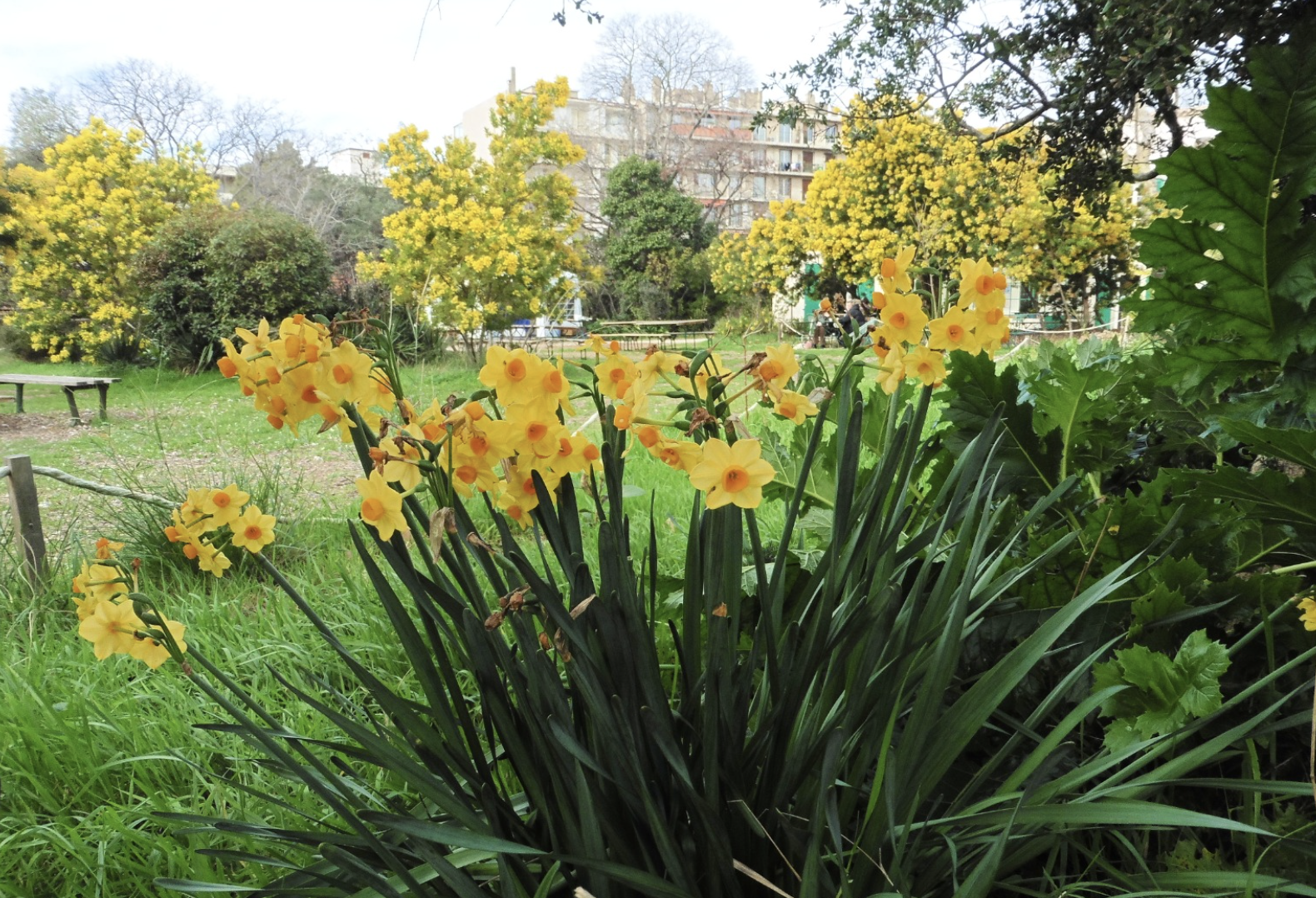
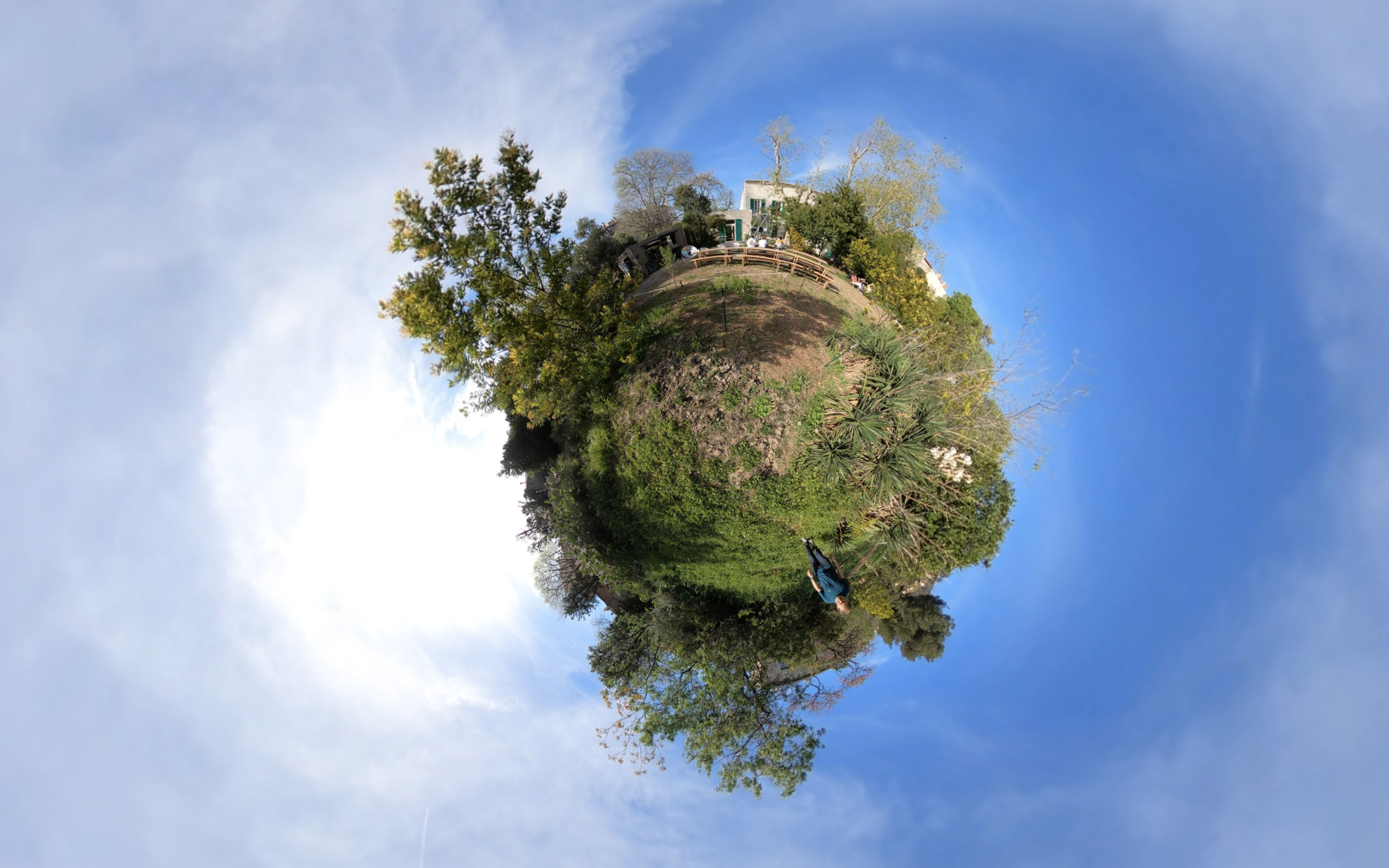
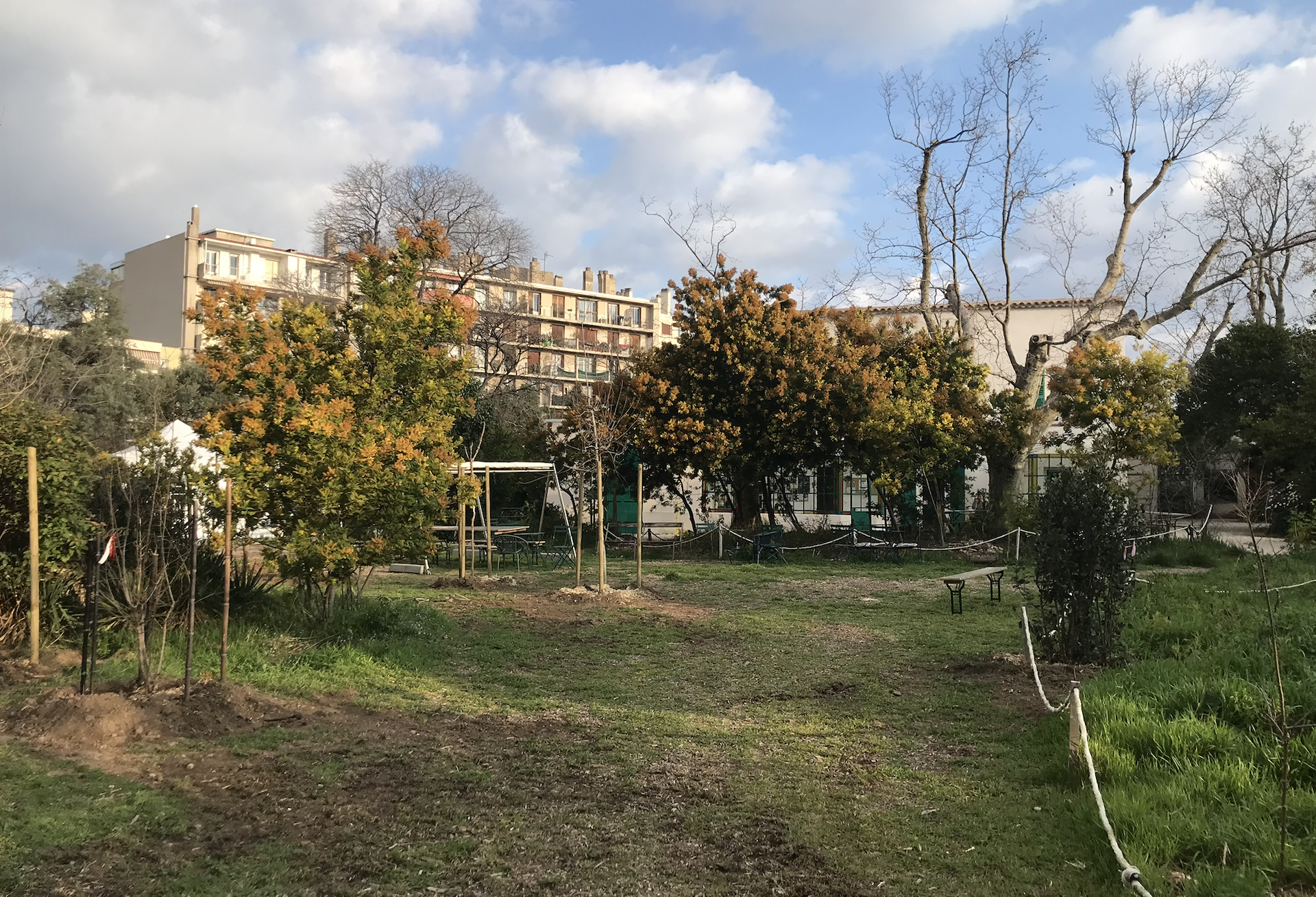
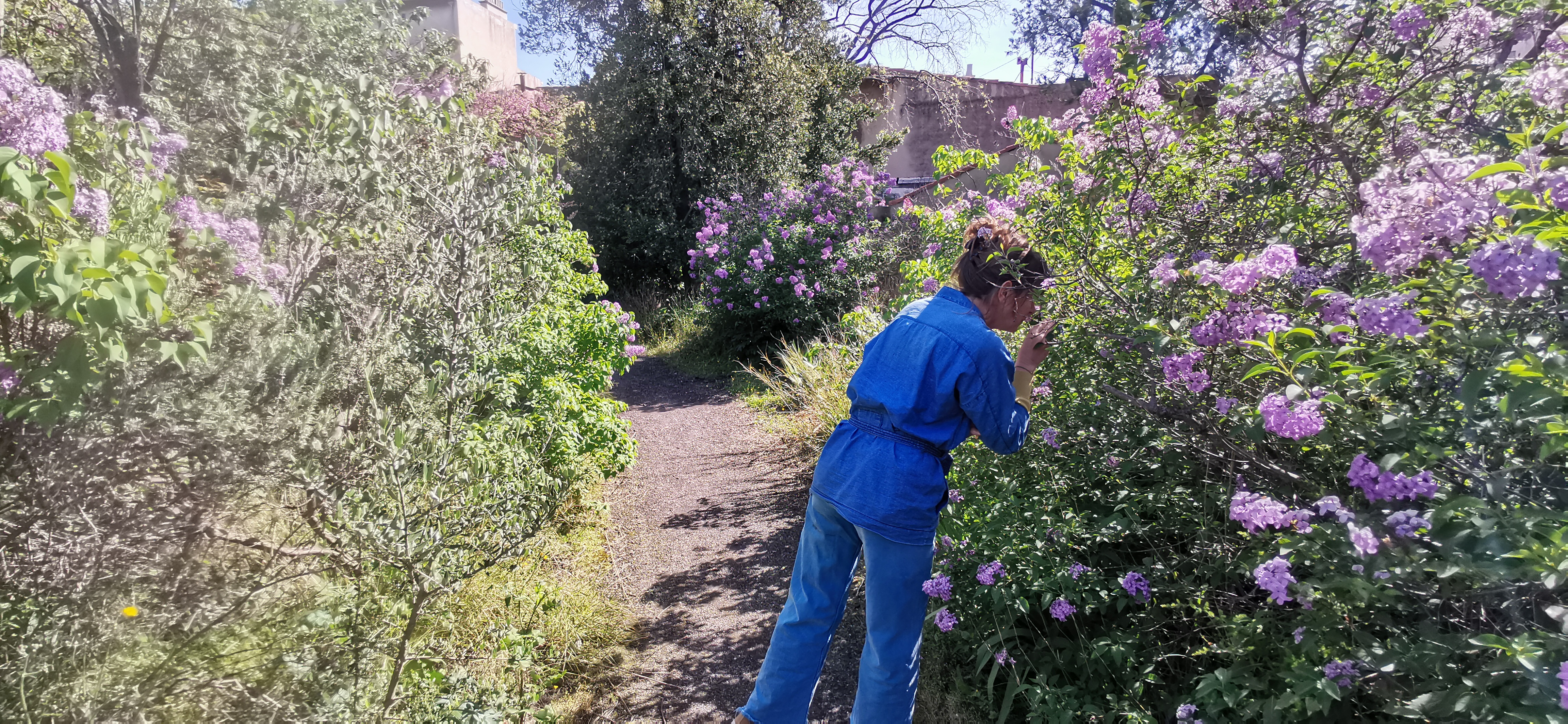
In the heart of Marseille, a 6000 m² urban oasis where nothing is wasted and everyone contributes. Volunteers become co-researchers, urine becomes fertiliser, waste becomes compost, and data becomes a public good. The Tiers-Lab des Transitions is circular by nature, scientifically measuring urban heat, biodiversity and air quality, and sharing every tool freely so any community in Europe can do the same.
France
Local
Marseille
Mainly urban
It involves a physical transformation of the built environment (hard investment)
Yes
2026-02-27
No
No
No
Organisation
The Tiers-Lab des Transitions is a citizen-led living laboratory on a 6,000 m² urban green space in Marseille, run as a SCIC cooperative. It functions simultaneously as a civic third place, a scientific research station, and a replicable demonstrator of low-tech ecological transition. The Tiers-Lab does not talk about sustainability: it measures it.
Since September 2023, five integrated research axes are operational: urban heat island mitigation, circular organic economy, biodiversity restoration, air quality monitoring, and citizen science — all monitored through 13 KPIs aligned with French CIR scientific standards.
Achieved results:
Project TOFU (urine-to-fertiliser loop) fully operational, with NPK and sanitary safety analysis completed
100% of green waste composted on-site; wood chip mulch reducing soil temperature by 3–8°C; tree planting scenarios modelled against IPCC SSP2-4.5 and SSP5-8.5 projections; pollinator transects and annual floristic inventories of spontaneous vascular plant species underway; Fauna and flora species census integrated into national citizen science databases; Weekly citizen co-research sessions running since 2023;
Long-term impact:
The SCIC cooperative structure permanently embeds democratic co-ownership including a dedicated seat on the Board of Directors for the Garden pathway, ensuring ecological stewardship is structurally represented in governance. Two active Erasmus+ projects (Agora 2030, GreeLab) extend the methodology across Europe. All tools are open-source, documented and three partner replication sites are targeted by 2028.
Since September 2023, five integrated research axes are operational: urban heat island mitigation, circular organic economy, biodiversity restoration, air quality monitoring, and citizen science — all monitored through 13 KPIs aligned with French CIR scientific standards.
Achieved results:
Project TOFU (urine-to-fertiliser loop) fully operational, with NPK and sanitary safety analysis completed
100% of green waste composted on-site; wood chip mulch reducing soil temperature by 3–8°C; tree planting scenarios modelled against IPCC SSP2-4.5 and SSP5-8.5 projections; pollinator transects and annual floristic inventories of spontaneous vascular plant species underway; Fauna and flora species census integrated into national citizen science databases; Weekly citizen co-research sessions running since 2023;
Long-term impact:
The SCIC cooperative structure permanently embeds democratic co-ownership including a dedicated seat on the Board of Directors for the Garden pathway, ensuring ecological stewardship is structurally represented in governance. Two active Erasmus+ projects (Agora 2030, GreeLab) extend the methodology across Europe. All tools are open-source, documented and three partner replication sites are targeted by 2028.
The story of the Tiers-Lab begins in the 17th century, with a historic Provençal Bastide at 15 Boulevard Léglize, Marseille, a site that had sheltered generations of families, with traces of vineyards and olive trees still visible today.
From a chance encounter to a collective project
In 2017, six co-founders of LICA (Laboratoire d'Intelligence Collective et Artificielle) began working from the site. When the owners announced the sale in 2019, rather than let this urban green oasis disappear, LICA mobilised an ambitious collective response: bringing together institutional, financial, and private partners to purchase and transform the property. After two years of intense legal and financial structuring, LICA, the Bellevilles property fund, and ANRU successfully acquired the site and created the SCIC Tiers-Lab des Transitions.
Renovation was entrusted to Bellevilles and the SCOP Anatomie d'Architecture, using raw earth construction and reclaimed materials making the building itself a demonstrator of ecological renovation.
On 17 November 2023, the Tiers-Lab opened its doors to over 500 participants. Since then: 20 000+ visitors, 200+ organisations hosted, 15 resident organisations, 200+ cooperative members, and 40+ volunteers engaged in the pedagogical garden.
From September 2023, Félix Autret joined as site manager and environmental engineer, initiating the five-axis citizen science research programme transforming an already vibrant civic space into a living laboratory where ecological transition is not just discussed, but measured, co-researched, and replicated.
The Tiers-Lab was born from a conviction: ecological transition is not a sacrifice it is a path toward resilience, cooperation, and shared intelligence. Every decision since has been guided by that founding vision.
From a chance encounter to a collective project
In 2017, six co-founders of LICA (Laboratoire d'Intelligence Collective et Artificielle) began working from the site. When the owners announced the sale in 2019, rather than let this urban green oasis disappear, LICA mobilised an ambitious collective response: bringing together institutional, financial, and private partners to purchase and transform the property. After two years of intense legal and financial structuring, LICA, the Bellevilles property fund, and ANRU successfully acquired the site and created the SCIC Tiers-Lab des Transitions.
Renovation was entrusted to Bellevilles and the SCOP Anatomie d'Architecture, using raw earth construction and reclaimed materials making the building itself a demonstrator of ecological renovation.
On 17 November 2023, the Tiers-Lab opened its doors to over 500 participants. Since then: 20 000+ visitors, 200+ organisations hosted, 15 resident organisations, 200+ cooperative members, and 40+ volunteers engaged in the pedagogical garden.
From September 2023, Félix Autret joined as site manager and environmental engineer, initiating the five-axis citizen science research programme transforming an already vibrant civic space into a living laboratory where ecological transition is not just discussed, but measured, co-researched, and replicated.
The Tiers-Lab was born from a conviction: ecological transition is not a sacrifice it is a path toward resilience, cooperation, and shared intelligence. Every decision since has been guided by that founding vision.
Citizen science & co-research
Circular ecology
Nature-based solutions
Low-tech open-source monitoring
Community cooperative governance
The Tiers-Lab does not talk about sustainability: it measures it. Located at the edge of Marseille's "Cœur de ville résiliente 2030" green corridor, the site directly addresses climate adaptation and ecological restoration through five integrated, scientifically monitored axes.
Project TOFU closes the human nutrient loop: urine collected and applied as liquid fertiliser. 100% of green waste is composted in situ, with quarterly C/N ratio monitoring. Wood chip mulch reduces soil temperature by 3–8°C, cutting irrigation demand.
Two canopy scenarios are modelled at 5 and 15 years using IPCC projections SSP2-4.5 and SSP5-8.5 a climate-adaptive, evidence-based greening strategy directly contributing to Marseille's urban resilience.
Soil regeneration through permaculture methods rebuilds microbiome health (enzymatic activity, mycorrhizal diversity, organic carbon). Existing tree species are restored to full sanitary health. Water management ensures drought resilience and wildfire prevention in the classified woodland.
Bird surveys (IPA/LPO), pollinator transects (OPIE), floristic inventories, and soil microbiome analysis track ecological recovery.
Open-source sensors (made by volonteer) will measure PM2.5, CO2 and VOCs continuously
Five axes, one coherent low-cost methodology, CIR-grade scientific data, zero organic waste generated by citizen co-researchers without institutional infrastructure.
Project TOFU closes the human nutrient loop: urine collected and applied as liquid fertiliser. 100% of green waste is composted in situ, with quarterly C/N ratio monitoring. Wood chip mulch reduces soil temperature by 3–8°C, cutting irrigation demand.
Two canopy scenarios are modelled at 5 and 15 years using IPCC projections SSP2-4.5 and SSP5-8.5 a climate-adaptive, evidence-based greening strategy directly contributing to Marseille's urban resilience.
Soil regeneration through permaculture methods rebuilds microbiome health (enzymatic activity, mycorrhizal diversity, organic carbon). Existing tree species are restored to full sanitary health. Water management ensures drought resilience and wildfire prevention in the classified woodland.
Bird surveys (IPA/LPO), pollinator transects (OPIE), floristic inventories, and soil microbiome analysis track ecological recovery.
Open-source sensors (made by volonteer) will measure PM2.5, CO2 and VOCs continuously
Five axes, one coherent low-cost methodology, CIR-grade scientific data, zero organic waste generated by citizen co-researchers without institutional infrastructure.
Beauty at the Tiers-Lab is ecological, sensory, participatory, and rooted in place.
The aesthetic emerges from restoration itself: the recovery of existing tree species, soil regeneration through permaculture, harmonious water management, and wildfire prevention for the classified woodland. Beauty here grows from ecological care visible, seasonal, and alive.
Species were selected for multi-layer canopy, sensory richness (flowers, fragrance, fruit, texture), habitat value, and Mediterranean drought resilience — combining permaculture (La SEVE, 2019) with forest-garden methodology (Culture des Demains, 2020). The result is a 6000 m² oasis of shade, birdsong, aromatic plants, and seasonal colour offering genuine sensory refuge in a dense urban context.
Bird boxes crafted from local wood, composters and DIY air sensors with volunteers: every object carries the mark of shared making, reinforcing pride and ownership of place.
The visible loop from dry toilet to vegetable garden to shared meals reconnects urban citizens with natural cycles in a tangible, poetic way transforming what is usually hidden into something living and generous.
The Tiers-Lab proves that climate adaptation and sensory beauty are one and the same project : a neighbourhood cooperative co-creating a landscape that is simultaneously a research station, a biodiversity refuge, and a place of genuine belonging.
The aesthetic emerges from restoration itself: the recovery of existing tree species, soil regeneration through permaculture, harmonious water management, and wildfire prevention for the classified woodland. Beauty here grows from ecological care visible, seasonal, and alive.
Species were selected for multi-layer canopy, sensory richness (flowers, fragrance, fruit, texture), habitat value, and Mediterranean drought resilience — combining permaculture (La SEVE, 2019) with forest-garden methodology (Culture des Demains, 2020). The result is a 6000 m² oasis of shade, birdsong, aromatic plants, and seasonal colour offering genuine sensory refuge in a dense urban context.
Bird boxes crafted from local wood, composters and DIY air sensors with volunteers: every object carries the mark of shared making, reinforcing pride and ownership of place.
The visible loop from dry toilet to vegetable garden to shared meals reconnects urban citizens with natural cycles in a tangible, poetic way transforming what is usually hidden into something living and generous.
The Tiers-Lab proves that climate adaptation and sensory beauty are one and the same project : a neighbourhood cooperative co-creating a landscape that is simultaneously a research station, a biodiversity refuge, and a place of genuine belonging.
The Tiers-Lab is built on a founding conviction: ecological science and democratic governance must be accessible to everyone, regardless of background, age, income, or expertise.
All activities are free of charge. The site is open to neighbourhood residents, schoolchildren, retired citizens, professional researchers, and vulnerable groups alike. Scientific participation requires no prior qualifications, only curiosity. The cooperative model ensures no private interest can appropriate the space or restrict access. Equipment costs are kept deliberately low so that the model itself remains affordable and replicable by any community.
Citizens as co-researchers, not passive users
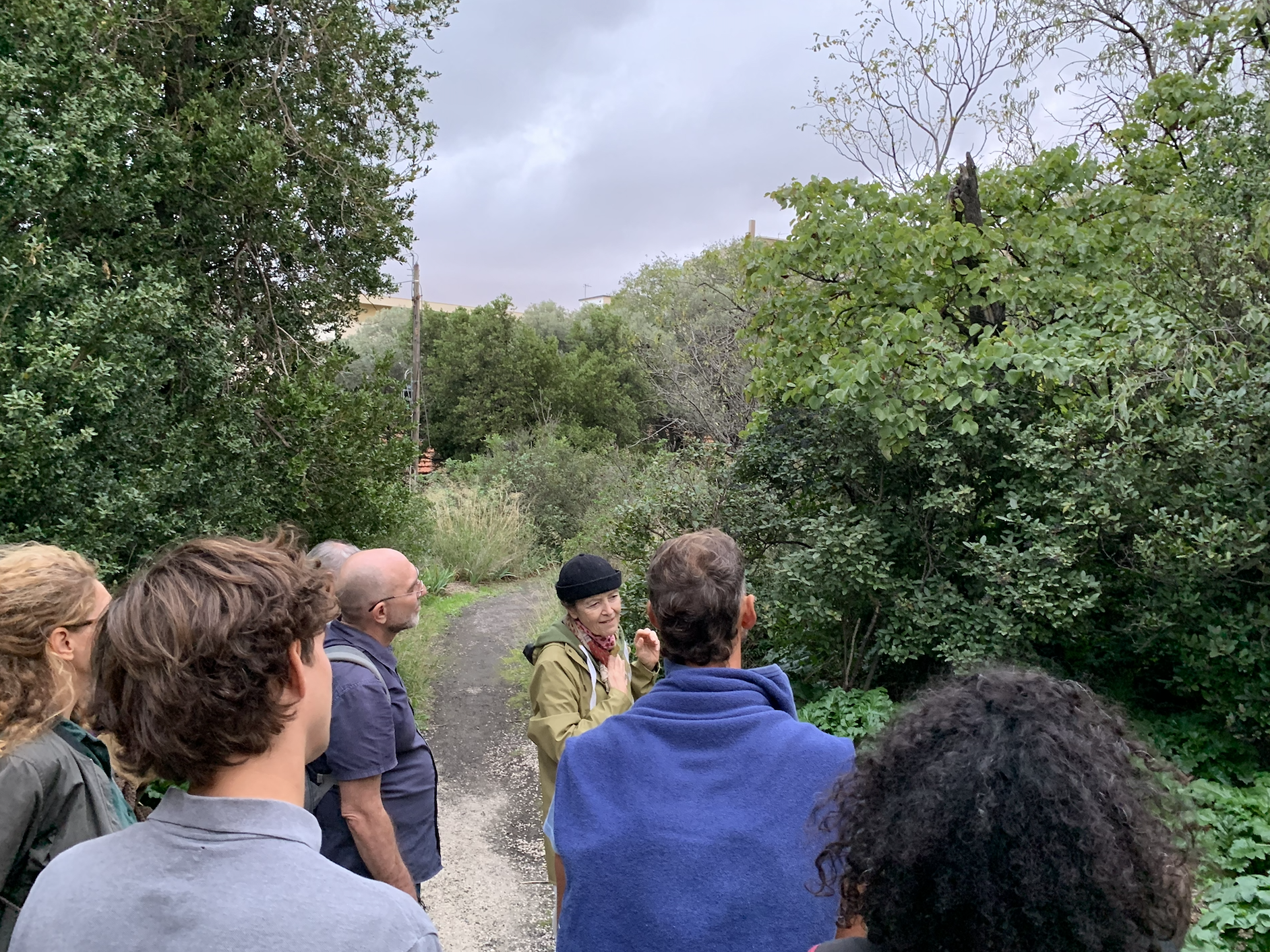
Thursday volunteers are trained as genuine scientific co-researchers: structured 2-hour onboarding, assignment to specific protocols. They propose hypotheses, co-design experiments, and co-decide on site developments moving from participation to true agency.
Schoolchildren, retired citizens, and professional researchers share the same experimental space and the same scientific responsibilities bridging generations, social backgrounds, and levels of expertise around a common purpose.
The SCIC legal structure permanently embeds multi-stakeholder co-ownership. Volunteers, employees, institutional partners, and local residents are all members ensuring the Tiers-Lab serves its community rather than any single interest. Inclusion is not a programme here: it is the governance model itself.
No equivalent model exists in France or Europe that combines free access, citizen co-research, democratic co-ownership, and open-source scientific tools at this scale. The model is already being transferred through two active Erasmus+ networks making inclusion not just local, but structurally replicable across Europe.
All activities are free of charge. The site is open to neighbourhood residents, schoolchildren, retired citizens, professional researchers, and vulnerable groups alike. Scientific participation requires no prior qualifications, only curiosity. The cooperative model ensures no private interest can appropriate the space or restrict access. Equipment costs are kept deliberately low so that the model itself remains affordable and replicable by any community.
Citizens as co-researchers, not passive users
Thursday volunteers are trained as genuine scientific co-researchers: structured 2-hour onboarding, assignment to specific protocols. They propose hypotheses, co-design experiments, and co-decide on site developments moving from participation to true agency.
Schoolchildren, retired citizens, and professional researchers share the same experimental space and the same scientific responsibilities bridging generations, social backgrounds, and levels of expertise around a common purpose.
The SCIC legal structure permanently embeds multi-stakeholder co-ownership. Volunteers, employees, institutional partners, and local residents are all members ensuring the Tiers-Lab serves its community rather than any single interest. Inclusion is not a programme here: it is the governance model itself.
No equivalent model exists in France or Europe that combines free access, citizen co-research, democratic co-ownership, and open-source scientific tools at this scale. The model is already being transferred through two active Erasmus+ networks making inclusion not just local, but structurally replicable across Europe.
Participation at the Tiers-Lab is not a communication layer added on top of technical work it is the engine of the entire research programme. Citizens are not consulted: they are co-producers of scientific knowledge.
Thursday volunteers come from the immediate neighbourhood and beyond: retired citizens, students, schoolchildren, working professionals, and occasional visitors. Civil society partners include the Ligue pour la Protection des Oiseaux (LPO) and national citizen science networks (MNHN Vigie-Nature, iNaturalist, GBIF). Local institutions include City of Marseille and Métropole.
Citizens are involved at every stage: co-design of experiments, data collection, result interpretation, and site development decisions. This is not a project designed by experts and delivered to communities it is designed, run, and evaluated with them.
Each volunteer undergoes a structured 2-hour onboarding and is assigned to a specific research protocol (pollinator transect, compost weighing, nest box survey, sensor maintenance). Monthly collective sessions allow volunteers to propose hypotheses, discuss results, and co-decide on experiment priorities.
Volunteers co-decide on garden layouts, species selection, and monitoring priorities through regular co-design workshops. Their contributions will be formally acknowledged in scientific publications and reports.
Citizen participation has made the science possible: without volunteer labour, the five-axis monitoring programme could not be sustained. Beyond data, participation generates measurable behavioural change, builds ecological literacy, and creates a community of practice that extends the project's impact far beyond the site itself.
Thursday volunteers come from the immediate neighbourhood and beyond: retired citizens, students, schoolchildren, working professionals, and occasional visitors. Civil society partners include the Ligue pour la Protection des Oiseaux (LPO) and national citizen science networks (MNHN Vigie-Nature, iNaturalist, GBIF). Local institutions include City of Marseille and Métropole.
Citizens are involved at every stage: co-design of experiments, data collection, result interpretation, and site development decisions. This is not a project designed by experts and delivered to communities it is designed, run, and evaluated with them.
Each volunteer undergoes a structured 2-hour onboarding and is assigned to a specific research protocol (pollinator transect, compost weighing, nest box survey, sensor maintenance). Monthly collective sessions allow volunteers to propose hypotheses, discuss results, and co-decide on experiment priorities.
Volunteers co-decide on garden layouts, species selection, and monitoring priorities through regular co-design workshops. Their contributions will be formally acknowledged in scientific publications and reports.
Citizen participation has made the science possible: without volunteer labour, the five-axis monitoring programme could not be sustained. Beyond data, participation generates measurable behavioural change, builds ecological literacy, and creates a community of practice that extends the project's impact far beyond the site itself.
The Tiers-Lab is built on genuine multi-level engagement as a structural feature of its cooperative governance and research design.
The City of Marseille is a cooperative member of the SCIC, embedding municipal co-ownership directly into the governance structure. The site sits at the edge of Marseille's "Cœur de ville résiliente 2030" green corridor initiative, aligning the project with the city's long-term urban resilience strategy. Neighbourhood residents and Thursday volunteers co-design and co-run the research programme weekly.
National level
A SCIC board member works at CEREMA, the national centre for climate and infrastructure expertise directly bridging scientific standards and public policy. Partnership protocols are active or initiated with CNRS, LPO, CEEBIOS, and ENSP Versailles/Marseille. Volunteer data will feeds national citizen science databases (iNaturalist, GBIF). The R&D strategy is structured to qualify for the French Crédit d'Impôt Recherche (CIR).
European level
The Tiers-Lab is an active partner in two Erasmus+ projects: Agora 2030 and GreenLab. Through GreenLab, the Tiers-Lab trains and mentors partner Living Labs across Europe, functioning as a reference framework for citizen-led ecological transition. Horizon Europe Nature-Based Solutions calls are actively being explored.
Added value
This vertical integration, from neighbourhood volunteers to national research institutions to European networks, gives the project scientific legitimacy, policy relevance, and immediate scaling pathways simultaneously. The cooperative (SCIC) structure is the institutional backbone that makes this multi-level engagement durable: Marseille as co-owner, CEREMA expertise embedded in governance, and European replication already underway. Each level reinforces the others.
The City of Marseille is a cooperative member of the SCIC, embedding municipal co-ownership directly into the governance structure. The site sits at the edge of Marseille's "Cœur de ville résiliente 2030" green corridor initiative, aligning the project with the city's long-term urban resilience strategy. Neighbourhood residents and Thursday volunteers co-design and co-run the research programme weekly.
National level
A SCIC board member works at CEREMA, the national centre for climate and infrastructure expertise directly bridging scientific standards and public policy. Partnership protocols are active or initiated with CNRS, LPO, CEEBIOS, and ENSP Versailles/Marseille. Volunteer data will feeds national citizen science databases (iNaturalist, GBIF). The R&D strategy is structured to qualify for the French Crédit d'Impôt Recherche (CIR).
European level
The Tiers-Lab is an active partner in two Erasmus+ projects: Agora 2030 and GreenLab. Through GreenLab, the Tiers-Lab trains and mentors partner Living Labs across Europe, functioning as a reference framework for citizen-led ecological transition. Horizon Europe Nature-Based Solutions calls are actively being explored.
Added value
This vertical integration, from neighbourhood volunteers to national research institutions to European networks, gives the project scientific legitimacy, policy relevance, and immediate scaling pathways simultaneously. The cooperative (SCIC) structure is the institutional backbone that makes this multi-level engagement durable: Marseille as co-owner, CEREMA expertise embedded in governance, and European replication already underway. Each level reinforces the others.
The Tiers-Lab is transdisciplinary by design not as a methodological choice made after the fact, but as a founding principle embedded in its governance, team, and research programme.
A uniquely interdisciplinary project lead
Félix Autret's profile embodies the transdisciplinary ambition of the project: environmental engineering (ISE) + environmental law (Paris-Saclay) + permaculture certification (La SEVE) + forest-garden methodology (Culture des Demains) + documentary filmmaking + bicycle mechanics. Each dimension is actively mobilised from scientific protocol design to citizen storytelling to hands-on site maintenance.
Disciplines at work
The five research axes draw simultaneously on: urban climatology, agronomy, ornithology, entomology, mycology, soil science, environmental law, social psychology, pedagogy, data science, and cooperative governance. No single discipline could address the complexity of urban ecological transition alone; the Tiers-Lab demonstrates what becomes possible when they work together.
Non-academic knowledge as equal partner
Citizen sensory assessments contribute to environmental quality indicators. Traditional permaculture and forest-garden knowledge informs species selection and soil management alongside peer-reviewed science.
A transdisciplinary governance structure
The SCIC Board of Directors reflects this diversity: a CEREMA infrastructure and urban planning expert, an elected city councillor for ecological transition, cooperative governance specialists, and citizen representatives ensuring that scientific, legal, political, and community knowledge all shape strategic decisions.
Added value
This cross-disciplinary integration has produced innovations that no single field could generate alone: a citizen co-research model validated by national scientific standards, a cooperative governance structure that embeds ecological stewardship, and a replicable living laboratory methodology now being transferred across Europe.
A uniquely interdisciplinary project lead
Félix Autret's profile embodies the transdisciplinary ambition of the project: environmental engineering (ISE) + environmental law (Paris-Saclay) + permaculture certification (La SEVE) + forest-garden methodology (Culture des Demains) + documentary filmmaking + bicycle mechanics. Each dimension is actively mobilised from scientific protocol design to citizen storytelling to hands-on site maintenance.
Disciplines at work
The five research axes draw simultaneously on: urban climatology, agronomy, ornithology, entomology, mycology, soil science, environmental law, social psychology, pedagogy, data science, and cooperative governance. No single discipline could address the complexity of urban ecological transition alone; the Tiers-Lab demonstrates what becomes possible when they work together.
Non-academic knowledge as equal partner
Citizen sensory assessments contribute to environmental quality indicators. Traditional permaculture and forest-garden knowledge informs species selection and soil management alongside peer-reviewed science.
A transdisciplinary governance structure
The SCIC Board of Directors reflects this diversity: a CEREMA infrastructure and urban planning expert, an elected city councillor for ecological transition, cooperative governance specialists, and citizen representatives ensuring that scientific, legal, political, and community knowledge all shape strategic decisions.
Added value
This cross-disciplinary integration has produced innovations that no single field could generate alone: a citizen co-research model validated by national scientific standards, a cooperative governance structure that embeds ecological stewardship, and a replicable living laboratory methodology now being transferred across Europe.
Cooperative membership contributions
As a SCIC, the Tiers-Lab generates stable base revenues through cooperative member contributions. Members include volunteers, employees, institutional partners, and the City of Marseille ensuring financial engagement is distributed across multiple stakeholders rather than dependent on a single funder.
Public funding - City of Marseille
The City of Marseille has already funded two concrete projects through its "Pépites Naturelles" call for projects: a pedagogical garden programme and an urban cool island (îlot de fraîcheur) initiative both including site infrastructure and educational workshops with local schoolchildren.
European co-financing - Erasmus+
Two active Erasmus+ projects (Agora 2030 and GreenLab) provide European co-financing for the Living Lab and replication activities, while simultaneously building the international network that strengthens long-term visibility and impact.
Research Tax Credit - CIR
The R&D strategy is currently being structured to qualify for the French Crédit d'Impôt Recherche (30% of eligible research expenses). Once secured, this will provide a stable, recurring annual funding anchor directly tied to the scientific programme.
Future revenue development
The 2026–2028 roadmap anticipates additional revenue streams through training programmes, methodological consulting for partner Living Labs, and ADEME/ANR grant applications — progressively reducing dependence on any single source.
Resilience by design
The SCIC governance model prevents asset extraction and ensures any surplus is reinvested into the cooperative's mission, making financial sustainability and social purpose structurally inseparable
As a SCIC, the Tiers-Lab generates stable base revenues through cooperative member contributions. Members include volunteers, employees, institutional partners, and the City of Marseille ensuring financial engagement is distributed across multiple stakeholders rather than dependent on a single funder.
Public funding - City of Marseille
The City of Marseille has already funded two concrete projects through its "Pépites Naturelles" call for projects: a pedagogical garden programme and an urban cool island (îlot de fraîcheur) initiative both including site infrastructure and educational workshops with local schoolchildren.
European co-financing - Erasmus+
Two active Erasmus+ projects (Agora 2030 and GreenLab) provide European co-financing for the Living Lab and replication activities, while simultaneously building the international network that strengthens long-term visibility and impact.
Research Tax Credit - CIR
The R&D strategy is currently being structured to qualify for the French Crédit d'Impôt Recherche (30% of eligible research expenses). Once secured, this will provide a stable, recurring annual funding anchor directly tied to the scientific programme.
Future revenue development
The 2026–2028 roadmap anticipates additional revenue streams through training programmes, methodological consulting for partner Living Labs, and ADEME/ANR grant applications — progressively reducing dependence on any single source.
Resilience by design
The SCIC governance model prevents asset extraction and ensures any surplus is reinvested into the cooperative's mission, making financial sustainability and social purpose structurally inseparable
Every methodology, process, and governance model has been developed from the outset to be transferable to any community, school, municipality, or third place in Europe and beyond.
A transferable Living Lab methodology
The core innovation is methodological: a structured framework for transforming any green urban space into a citizen-led scientific living laboratory. This includes citizen co-research onboarding protocols, co-design workshop formats, open-data documentation standards, and pre/post behavioural survey tools. All are published under Creative Commons CC BY 4.0 and freely available.
Multi-stakeholder model
The Tiers-Lab demonstrates how to build durable engagement across multiple levels simultaneously, neighbourhood volunteers, municipal co-ownership (SCIC), national research partnerships (CNRS, INRAE, LPO), and European networks (Erasmus+). This multi-stakeholder architecture is itself replicable and adaptable to different institutional contexts across Europe.
Climate adaptation solutions
The project's core responses to climate change; soil regeneration through permaculture, circular organic economy, urban heat island mitigation through tree canopy, gravity-fed rainwater harvesting, and wildfire prevention are nature-based, low-cost, and applicable across diverse climatic and urban contexts.
Already being replicated
The GreeLab Erasmus+ project is actively mentoring partner Living Labs across multiple European countries using the Tiers-Lab as a reference framework. Agora 2030 extends this network further. Three partner replication sites are contractually targeted by 2028.
Adaptability
The methodology is governance-neutral and context-flexible: designed to function in urban, peri-urban, and rural settings, across different climatic zones, and with diverse community profiles from schoolchildren to professional researchers.
Exemplary
A transferable Living Lab methodology
The core innovation is methodological: a structured framework for transforming any green urban space into a citizen-led scientific living laboratory. This includes citizen co-research onboarding protocols, co-design workshop formats, open-data documentation standards, and pre/post behavioural survey tools. All are published under Creative Commons CC BY 4.0 and freely available.
Multi-stakeholder model
The Tiers-Lab demonstrates how to build durable engagement across multiple levels simultaneously, neighbourhood volunteers, municipal co-ownership (SCIC), national research partnerships (CNRS, INRAE, LPO), and European networks (Erasmus+). This multi-stakeholder architecture is itself replicable and adaptable to different institutional contexts across Europe.
Climate adaptation solutions
The project's core responses to climate change; soil regeneration through permaculture, circular organic economy, urban heat island mitigation through tree canopy, gravity-fed rainwater harvesting, and wildfire prevention are nature-based, low-cost, and applicable across diverse climatic and urban contexts.
Already being replicated
The GreeLab Erasmus+ project is actively mentoring partner Living Labs across multiple European countries using the Tiers-Lab as a reference framework. Agora 2030 extends this network further. Three partner replication sites are contractually targeted by 2028.
Adaptability
The methodology is governance-neutral and context-flexible: designed to function in urban, peri-urban, and rural settings, across different climatic zones, and with diverse community profiles from schoolchildren to professional researchers.
Exemplary