Arts, Culture, and Heritage as Drivers of Change
TEATRO REAL nZEB
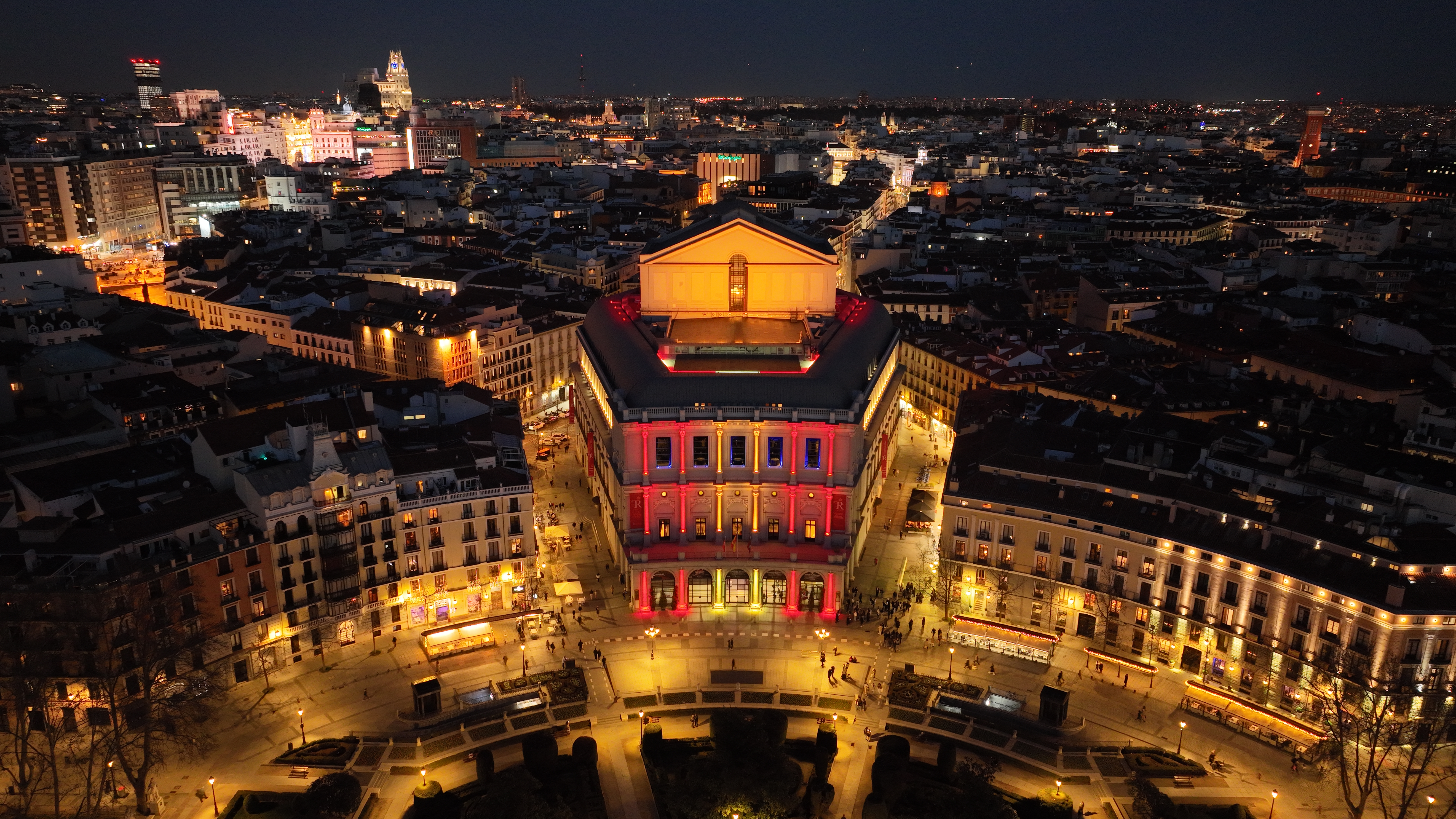
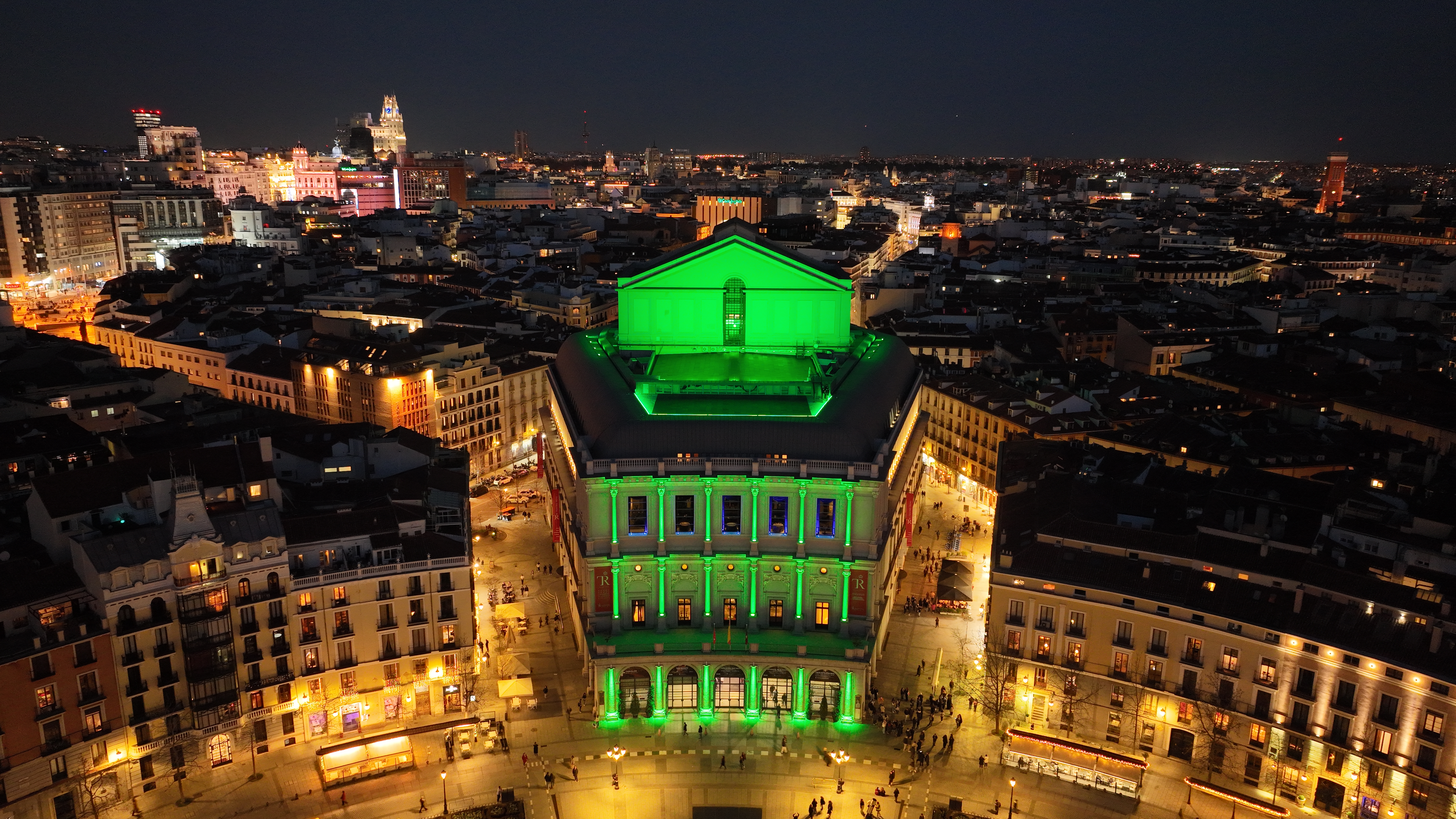
TEATRO REAL nZEB (nearly zero energy building), Towards Sustainability through Innovation
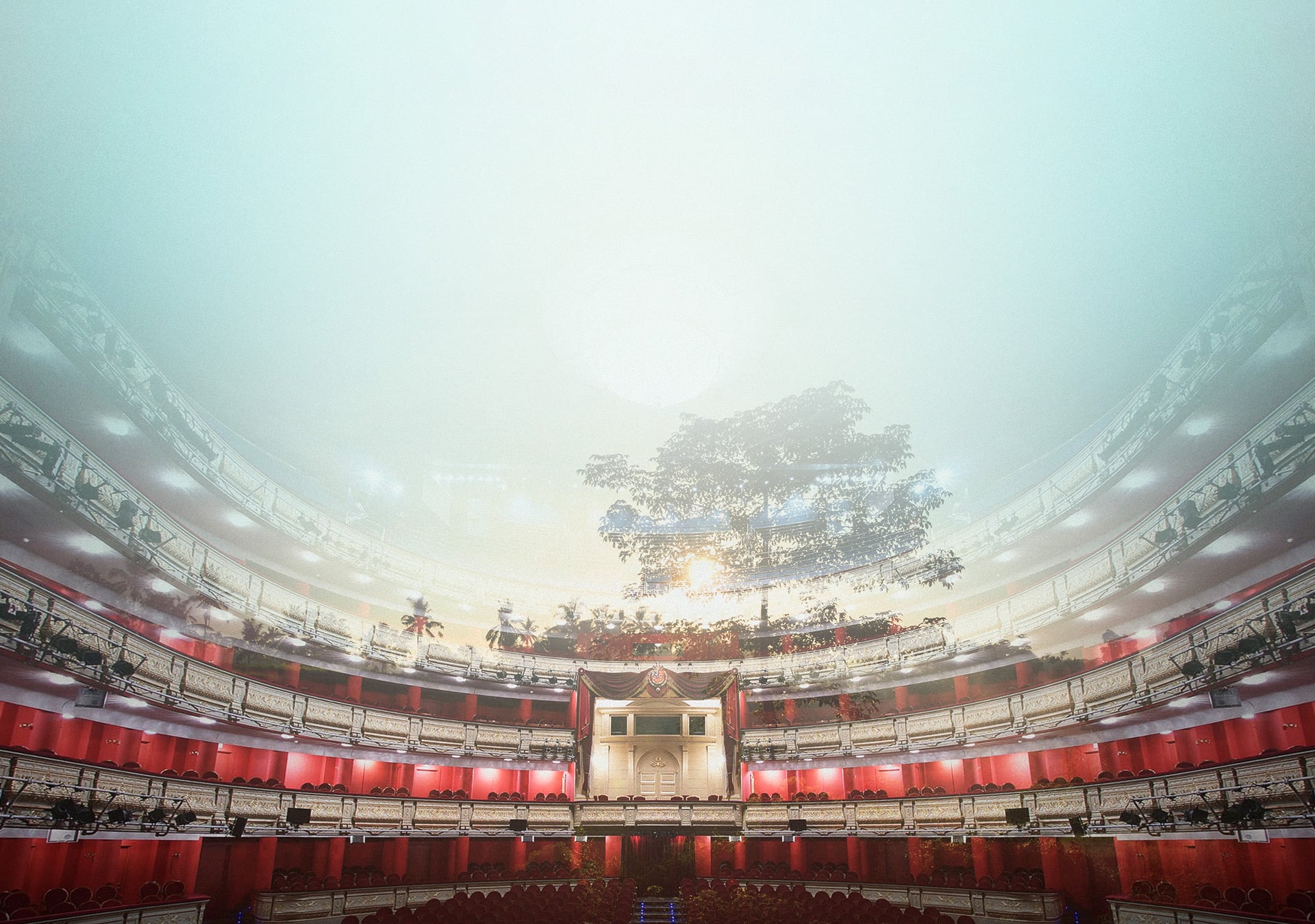
Teatro Real at the forefront of sustainability
https://www.teatroreal.es/en/sustainability
Through a combination of renewable energy integration, advanced HVAC modernization, AI-driven optimization, and strict compliance with EU directives, the Teatro Real has become a model of sustainable cultural heritage management. These actions not only reduce energy and emissions but also set a precedent for balancing historic preservation with climate neutrality and digital innovation
Spain
National
Mainly urban
It involves a physical transformation of the built environment (hard investment)
Yes
2025-01-31
Yes
PRTR, Next Generation
No
No
Organisation
Environmental Sustainability Actions & Key Measures, Achievements (48% energy savings)
Energy Audits and Baseline (2018): ISO 50001,
Energy with renewable Guarantee of Origin (GoO) (2019)
Carbon footprint record from 2019
Lighting (2019-2020): replacement of over 11,000 lamps with LED
HVAC Modernization (2023): Installation of high-performance.
Energy Savings Certificates (CAEs) (2023)
Exterior Lighting (2025): Renovation with more than 40% energy savings.
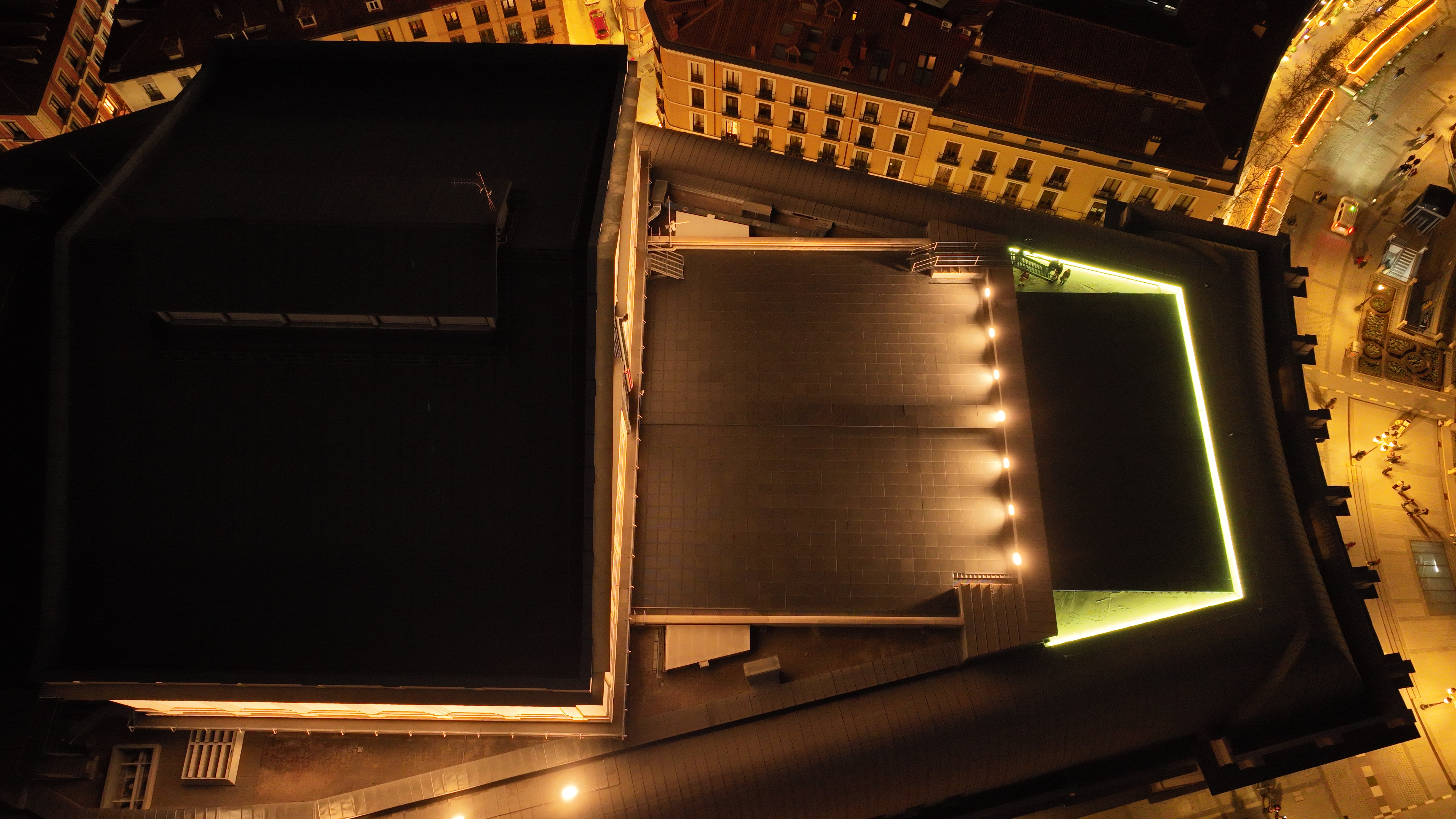
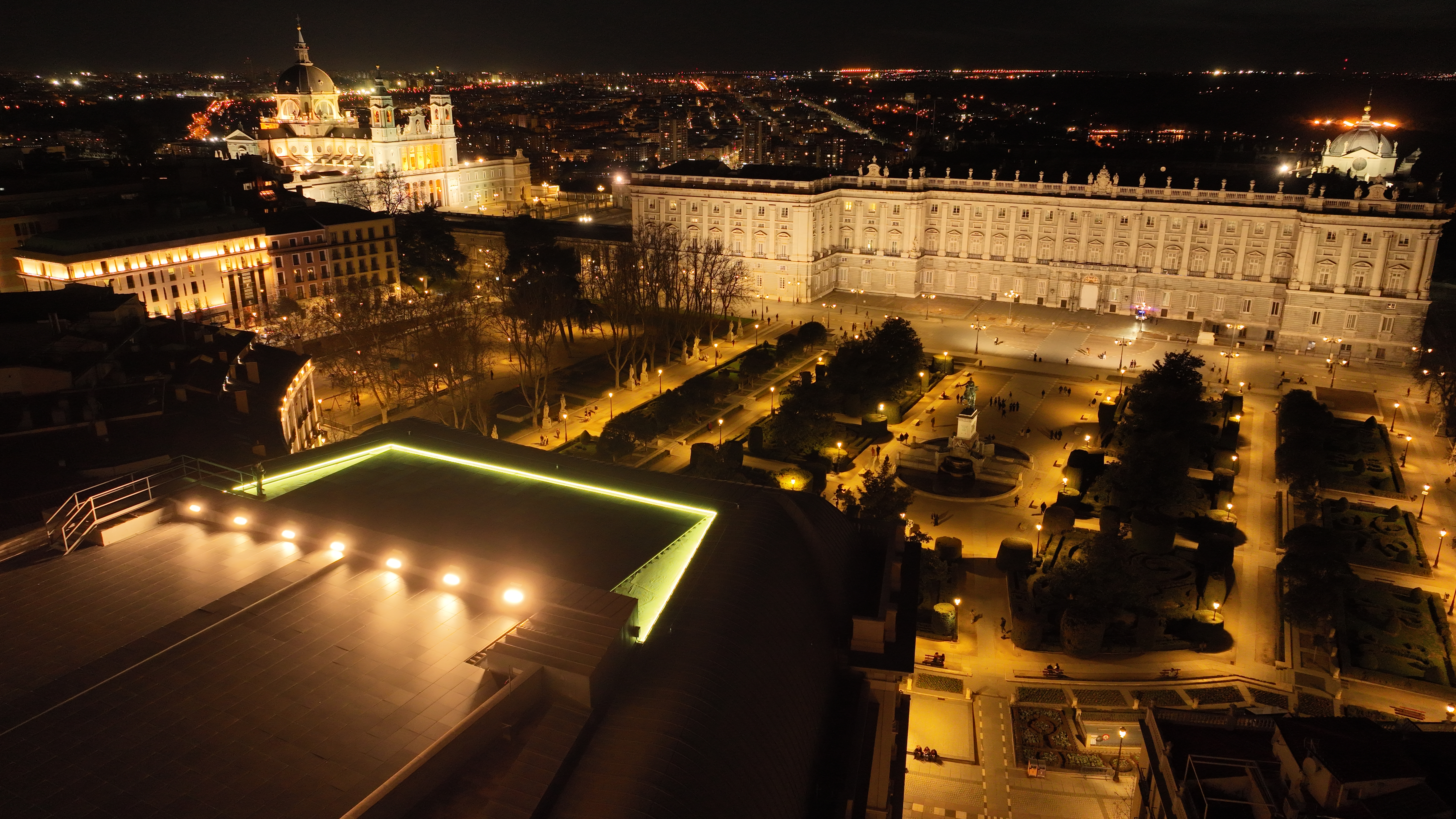
Solar Photovoltaic Roof (2024) Innovative solution that integrates the most advanced technology with the protection of protected historical heritage. Installation of walkable solar glass panels (169 kWp, 190 MWh/year), reducing primary energy demand by 453,604 kWh annually and CO₂ emissions by 67,389 kg/year. This upgraded the building to an A energy rating.
AI and Smart Energy Management
The Teatro Real has pioneered AI-based multi-objective optimization of its BMS. This approach has introduced dynamic functional zoning and predictive maintenance, reinforcing the building’s SRI and supporting cultural heritage preservation.
“Towards Sustainability through Innovation
“The development of our society is conditioned by the use and harnessing of energy, which serves as the main lever for guaranteeig well-being.”
The Teatro Real, a protected cultural landmark in Madrid, has undertaken a comprehensive program to become a nZEB. Guided by EU directives such as the European Green Deal and the EPBD, the institution has implemented measures that combine architectural, technical, and digital innovation with cultural heritage preservation. In recent years, the theatre has integrated sustainability into its operations, demonstrating that the performing arts can contribute to environmental and social responsibility without compromising artistic excellence.
Beyond the technical aspects, the Teatro Real plays a key role in raising awareness. Through educational programs and collaborations, it highlights the importance of sustainability to younger generations and audiences who may not otherwise connect culture with environmental issues.
The Teatro Real’s approach demonstrates that cultural institutions can act as agents of change. By integrating sustainability into its artistic mission, the theatre shows that tradition and innovation can coexist in harmony with respect for the planet.
In a time when climate challenges are urgent, the Teatro Real proves that opera houses can inspire not only through music and performance but also through responsible practices that contribute to a more sustainable society.
nZEB, nerly zero energy building
energy efficiency, smart energy management
renewable energy
innovation and technology, SRI Smart Readiness Indicator
circular economy
The Teatro Real’s sustainability project is a comprehensive initiative aimed at reducing environmental impact while enhancing social and cultural value. It focuses on energy efficiency through the optimization HVAC system and lighting, gradual digital, transition to renewable energy sources, and smart management with AI. The solutions implemented in our spaces are an example of innovation and integration of the most advanced technology in cultural heritage.
The project also promotes responsible resource management by minimizing waste, encouraging recycling, and implementing sustainable materials in opera productions and daily operations. Our footprint is Net Zero since 2019 in scope 1 a 2.
In addition, Teatro Real integrates sustainability into its artistic and educational mission, raising awareness among audiences, artists, and staff about environmental responsibility.
The exemplary nature and innovation solar energy power generation of this project, in terms of aesthetics and site preservation, is based on its sensitive, multidimensional integration with the surrounding urban environment.
Firstly, there is an aesthetic-programmatic integration dimension linked to the increased use of the rooftops and the consequent aesthetic evaluation of the iconic building from a foreshortened perspective. The roof improvement project resolves the fifth façade, which leads us to the second dimension: chromatic integration. This involved harmonizing the chosen finishes with the roof of the adjacent Royal Palace, reinforcing their aesthetic discourse within the urban ensemble. Thirdly, an aesthetic-technical, as well as historical, integration was achieved, following the architectural aesthetic established by the previous intervention, which, from 1993 to 1996, modified the roof to conceal the installations from the street, from the pedestrian's point of view. Now, both perspectives—from the street and the rooftops—are resolved, carefully considering the observer's experience.
It is also worth highlighting the exemplary nature of the project as a catalyst for change, something to be proud of, and one that sets the standard for best practices. It is the first Cultural Heritage Site out of the 16,146 registered with the Spanish Ministry of Culture to obtain Energy Saving Certificates (CAES), thus becoming a model on the path to sustainability, essential for improving people's lives, especially those of future generations.
Collaborations with partners and suppliers prioritize eco-friendly practices, reinforcing a sustainable value chain.
Social sustainability is another key pillar, with initiatives designed to improve accessibility, inclusion, and community engagement, ensuring that culture remains open and beneficial to all sectors of society.
Overall, the project reflects Teatro Real’s commitment to aligning cultural excellence with environmental stewardship and social responsibility, positioning the institution as a leading example of sustainability in the performing arts sector. This Is reflected in the awarding of the world’s sustainability theatre. International Opera Awards 2025, sustainability category.
The involvement of these diverse stakeholders has helped the Teatro Real become the first historic building in the world to integrate significant rooftop solar energy generation and receive high-level energy certificates. The funding EU across Next Generation founds have been the keep for develop this project. The active participation of our teams, patrimonial commission, scientific community, local administrations has enabled the institution to move forward and achieve nearly zero emissions, while maintaining its 1850 heritage building.
The innovation, the resilience our artist, workers, and public has been the driving force of Teatro Real to become a nearly zero energy building.
The innovation, the resilience our artist, workers, and public has been the driving force of Teatro Real to become a nearly zero energy building.
UE: Funding and Regulatory.
The project was powered by NextGenerationEU funds (over €5.3 million). It followed European directives such as the Energy Performance of Buildings Directive (EPBD), highlighting energy efficiency, smart use and renewable power generation, even smart readiness indicator, and exemplary character required of public administrations.
Ministry for the Ecological Transition (MITECO): verify energy savings
Ministry for Cultura, heritage: authorize and supervise technical solution
Commission historical protected build: authorize and supervise technical solution
Local administration: authorize licence for execution
Technical teams and board members of Teatro Real: to propose a complete and innovative solution with scheduled calendar and cost, including the value chain and life cycle assessment, (LCA), and ROI.
Disciplines:
The first discipline is a strong management for stablish an strategic goal, from a good idea.
The project was specifically designed to improve energy ratings from D to A and to react nZEB.
In detail:
- Lawyers for agreements, for tenders…
- Architects and Engineers: Technical development: Implementation of advanced HVAC systems, including the replacement of chillers, heat pumps, and air handling units, along with the integration of geothermal energy for heating/cooling, photovoltaic solar roof, featuring innovative walkable solar panels. Smart energy system. Large-scale transition to LED technology, including a smart, cloud-controlled lighting system for the 3,500 m² façade, and 11.000 indoor lamps. Structural reinforcement preserving the integrity of the 1850 building.
- Environmental sciences and sustainability Management: Adoption of ISO 14001 and ISO 50001. Circular economy. Carbon footprint calculation
- Smart Energy Management: Use of artificial intelligence (AI), data mining, and machine learning to optimize HVAC operations in real-time based on occupancy, resulting in energy savings.
- Digitalization & IoT: Implementation of digital cataloguing for scenography to improve logistics, as well as the digitization of processes to reduce paper consumption by over 80%.
The project is funded by UE Next Generation founds (5,3 M€)
Case Study in Creasus project
https://creasus.eu/sustainable-business-models-why-are-they-so-important-in-todays-world/
Case Study in Creasus project
https://creasus.eu/sustainable-business-models-why-are-they-so-important-in-todays-world/
A key aspect is adapting the proposed model to other cultural heritage sites with different typologies and uses: museums with constant climate control, libraries with controlled lighting conditions, or archives with a high dependence on relative humidity.
This would allow for validating the robustness of the proposed system in different functional contexts, contributing to the creation of a common methodological basis for the smart energy management of built heritage, fulfilling the exemplary role required by the EPDB in the EU regarding energy efficiency improvements and digital transition in public administration buildings.
This would allow for validating the robustness of the proposed system in different functional contexts, contributing to the creation of a common methodological basis for the smart energy management of built heritage, fulfilling the exemplary role required by the EPDB in the EU regarding energy efficiency improvements and digital transition in public administration buildings.