Enhancing Circularity, Sustainability, and Innovation
Youth Climate Leaders in Rio de Janeiro
Youth Climate Leadership: Eco-literacy and Technological Innovation in Vista Alegre - Rio de Janeiro
A transformative project in Rio de Janeiro that bridges environmental engineering with social justice. We empowered 300 students through eco-literacy, focusing on climate justice and environmental racism. It culminated in a beach cleanup, restoring the ecosystem, and the installation of a school biodigester that turns organic waste into clean energy. By blending technical innovation with community storytelling, we prove that the greentransition can be inclusive, educational and sustainable.
Brazil
Regional
Rio de Janeiro, Rio de Janeiro
Mainly urban
It involves other types of transformations (soft investment)
Yes
2025-12-11
No
No
No
Organisation
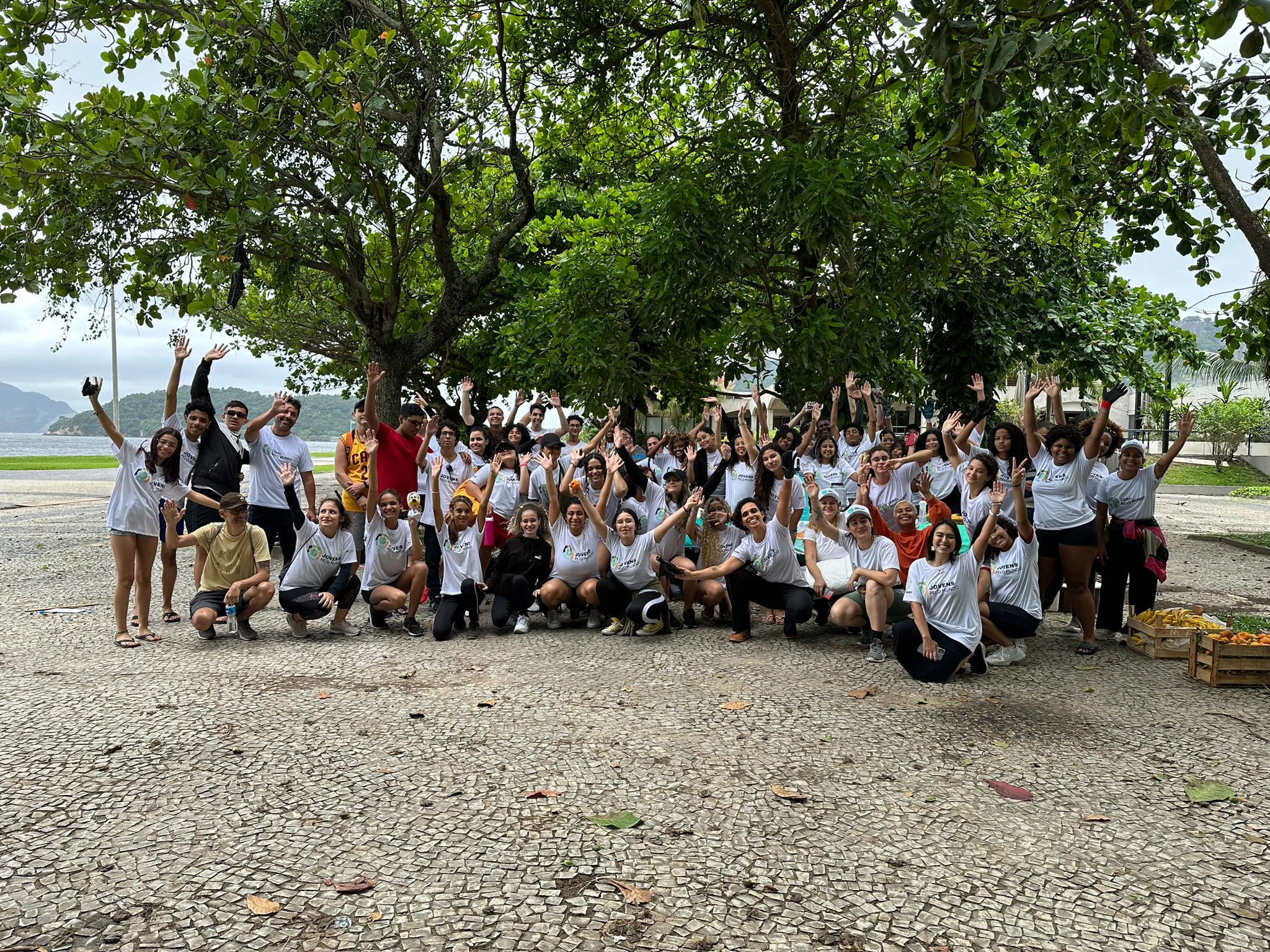
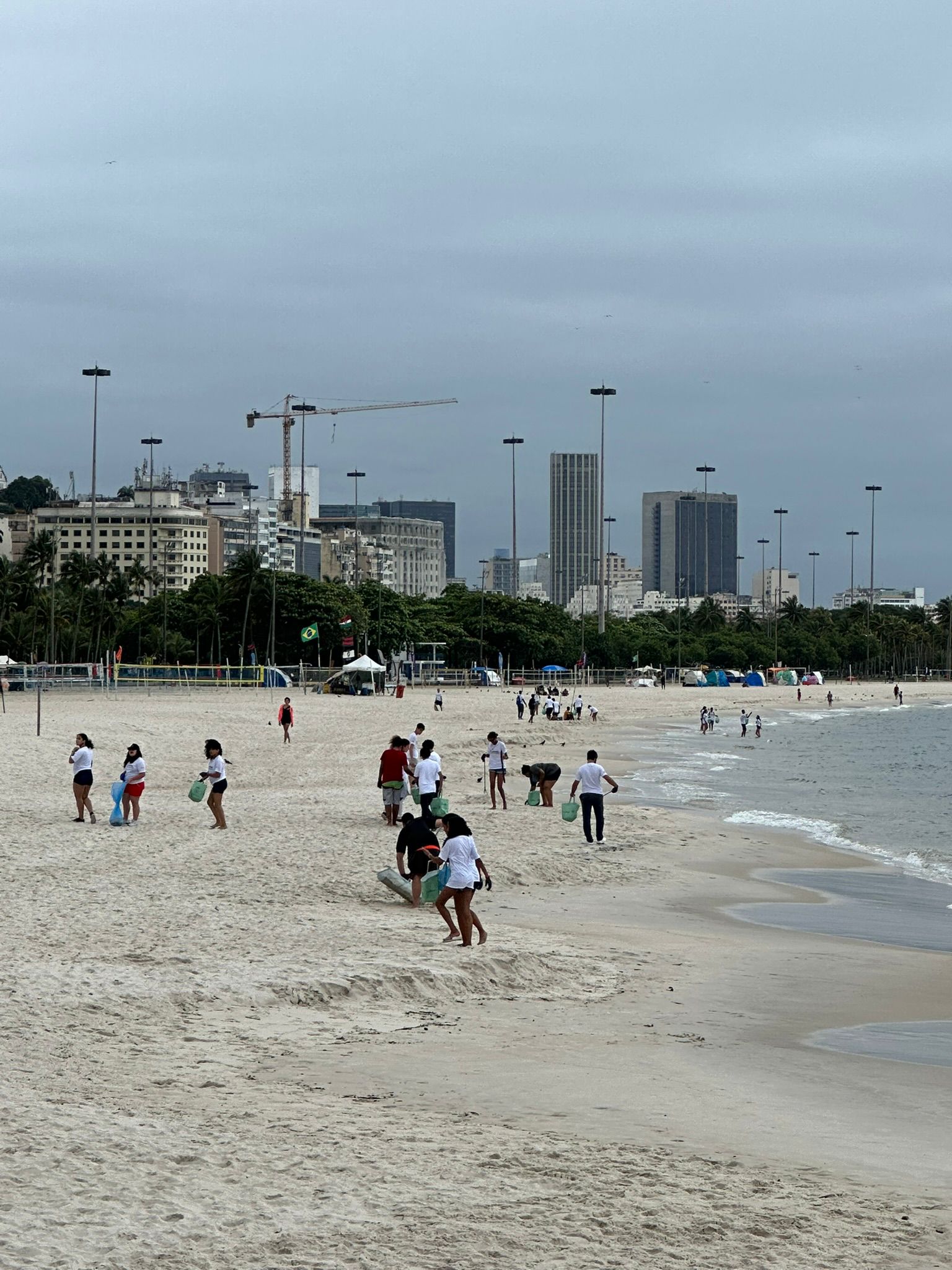
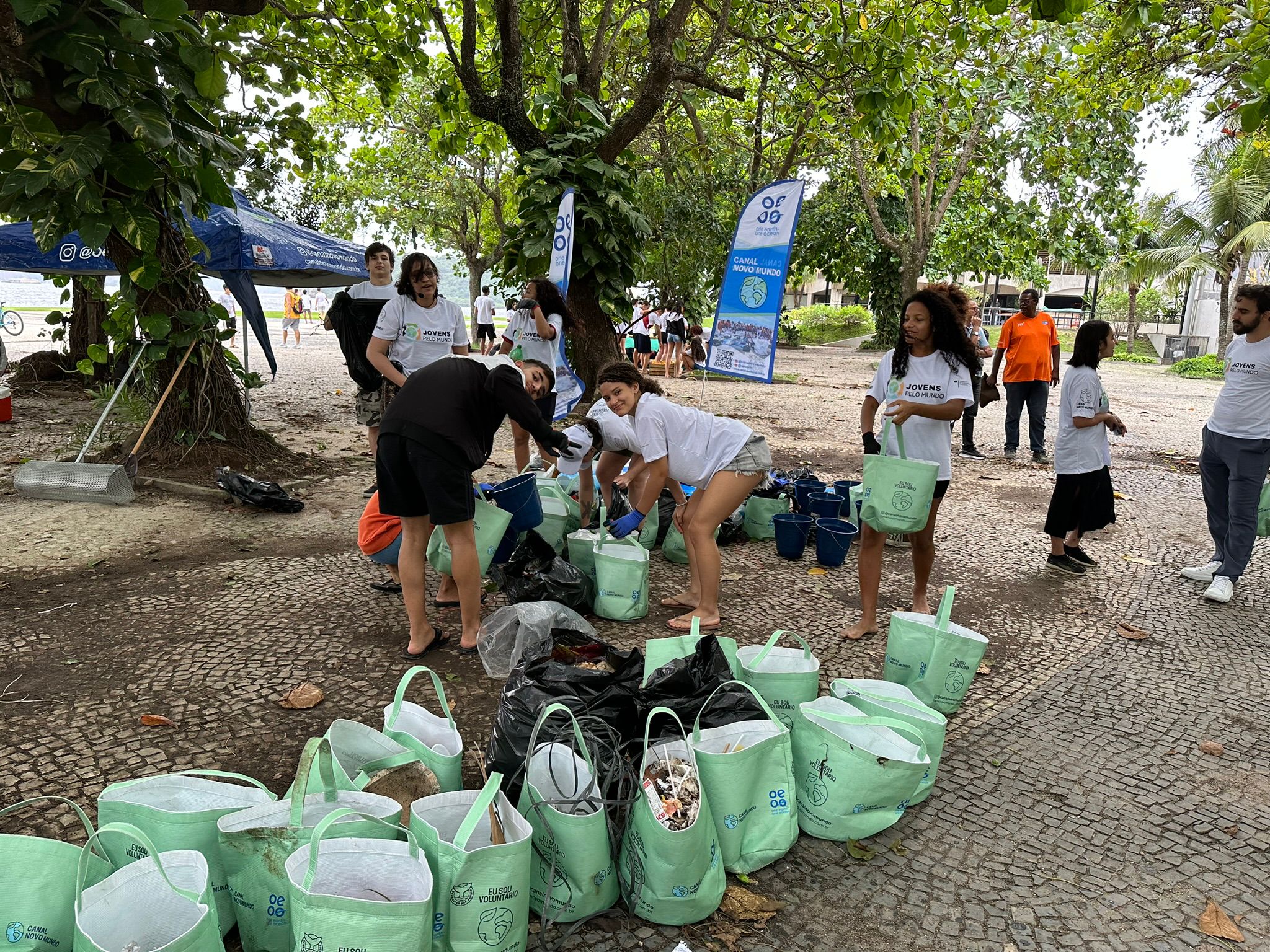
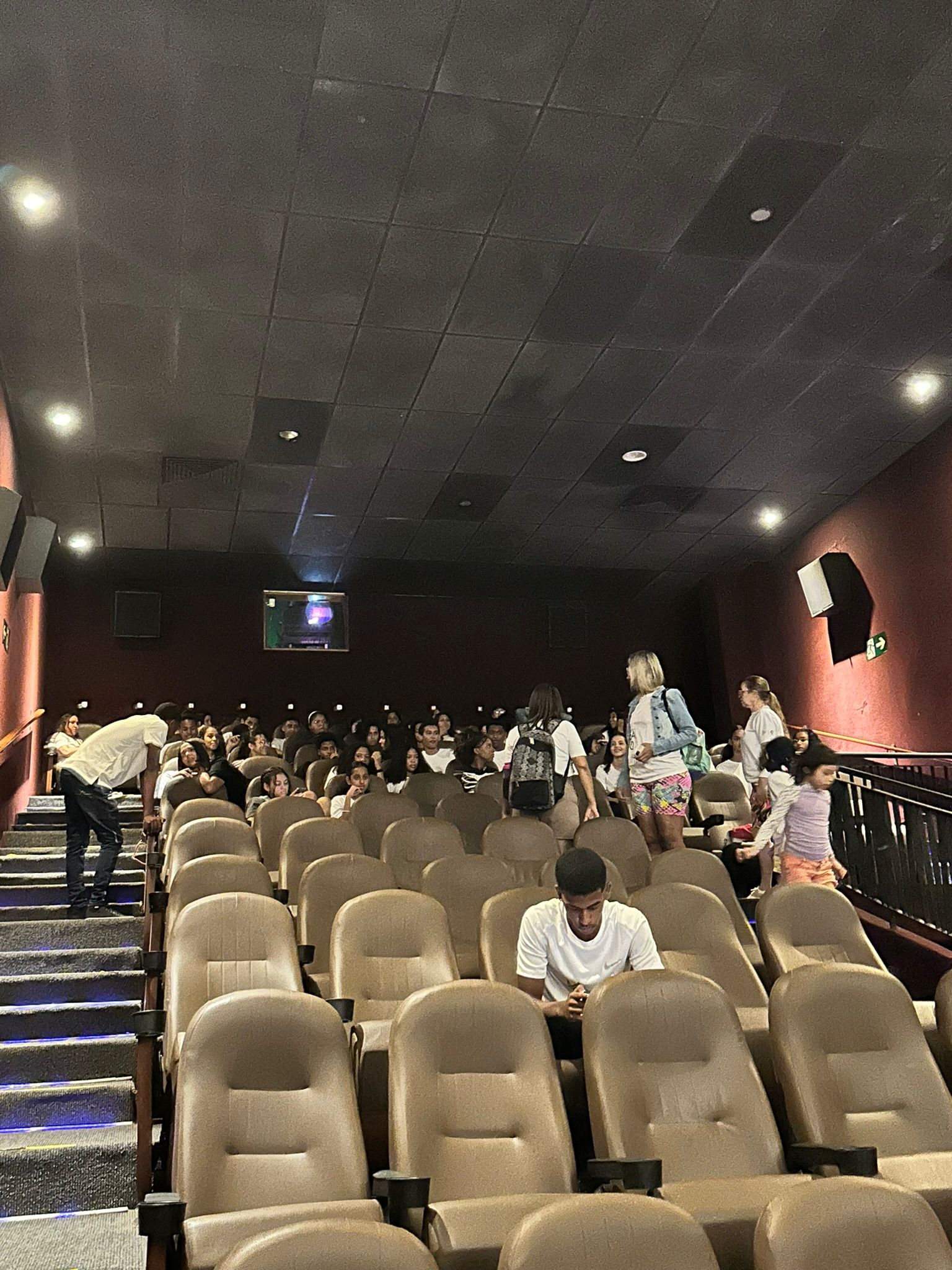
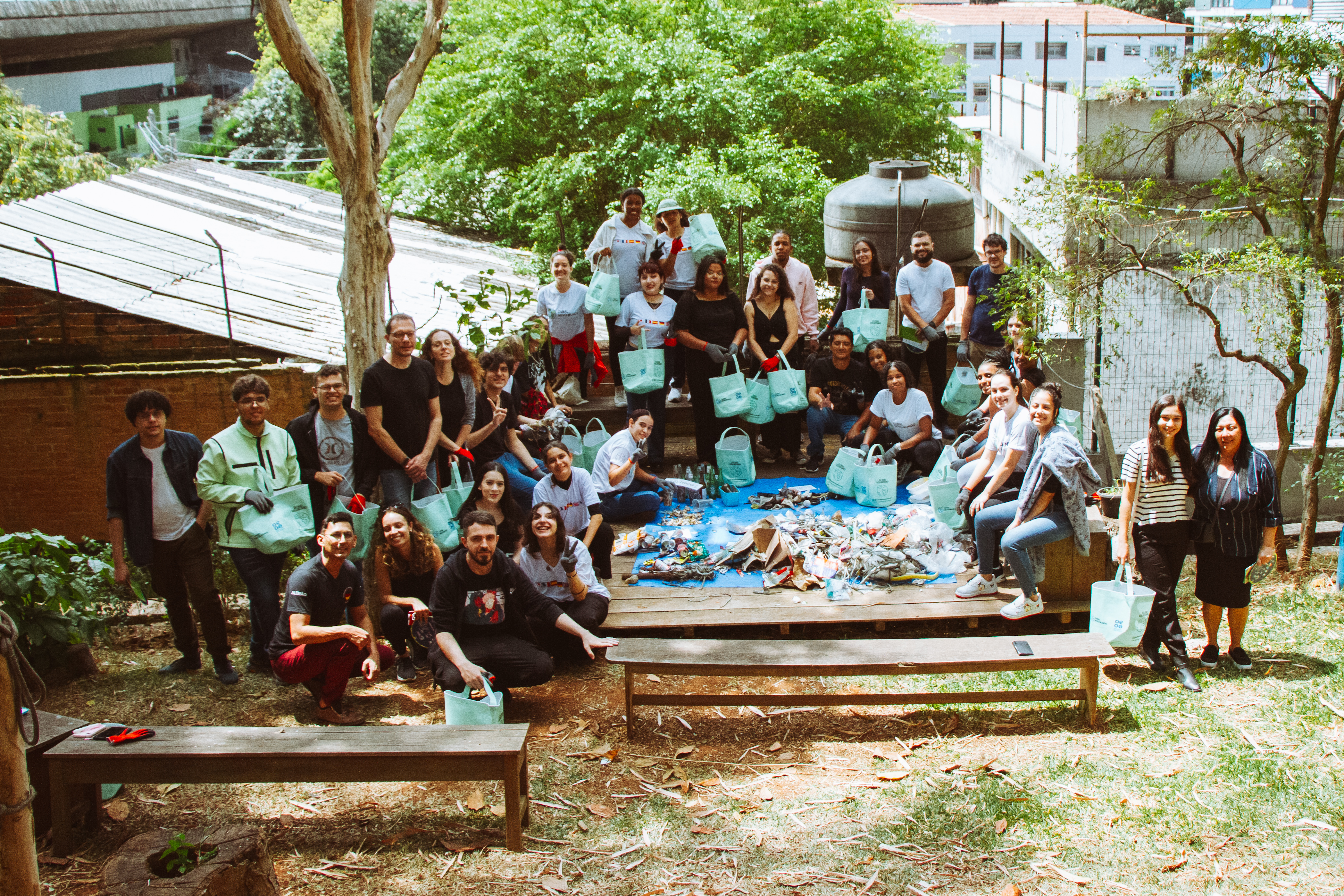
Youth Climate Leaders is a groundbreaking socio-ecological intervention designed to bridge the gap between environmental engineering and grassroots climate justice in Rio de Janeiro. We specifically targeted the C.E. Professora Eliane Martins Dantas, a public school located in the vulnerable urban territory of Vista Alegre - Rio de Janeiro. This area was chosen due to its high exposure to climate risks and historical lack of structural environmental policy, and the work of the NGO, that collected more than 160 tons of waste from publics spaces since 2020, with mostly youth volunteers. Over a one-year operational period, the school-scale biodigester has successfully diverted 1.8 tons of organic waste from landfills, mitigating methane emissions and generating around 182.5 m3 of renewable biogas for school use and 5,000 liters of biofertilizer. Furthermore, we helped to mobilize approximately 300 students for an intensive ecosystem restoration action at Praia do Flamengo, a hotspot for biodiversity and hundreds of sea turtles, where they collected one ton of waste in a single day, followed by a screening of a ocean-plastic pollution documentary in a movie theater and a 70-page pedagogical handbook, co-created with the students and their inputs. This project establishes a permanent eco-literacy framework that empowers marginalized youth to evolve from bystanders into pioneering architects of the green transition and their own realities. By cultivating a brave, inclusive space, the initiative bridges the gap between environmental advocacy and lived experience, allowing participants to transform their personal experiences into action.
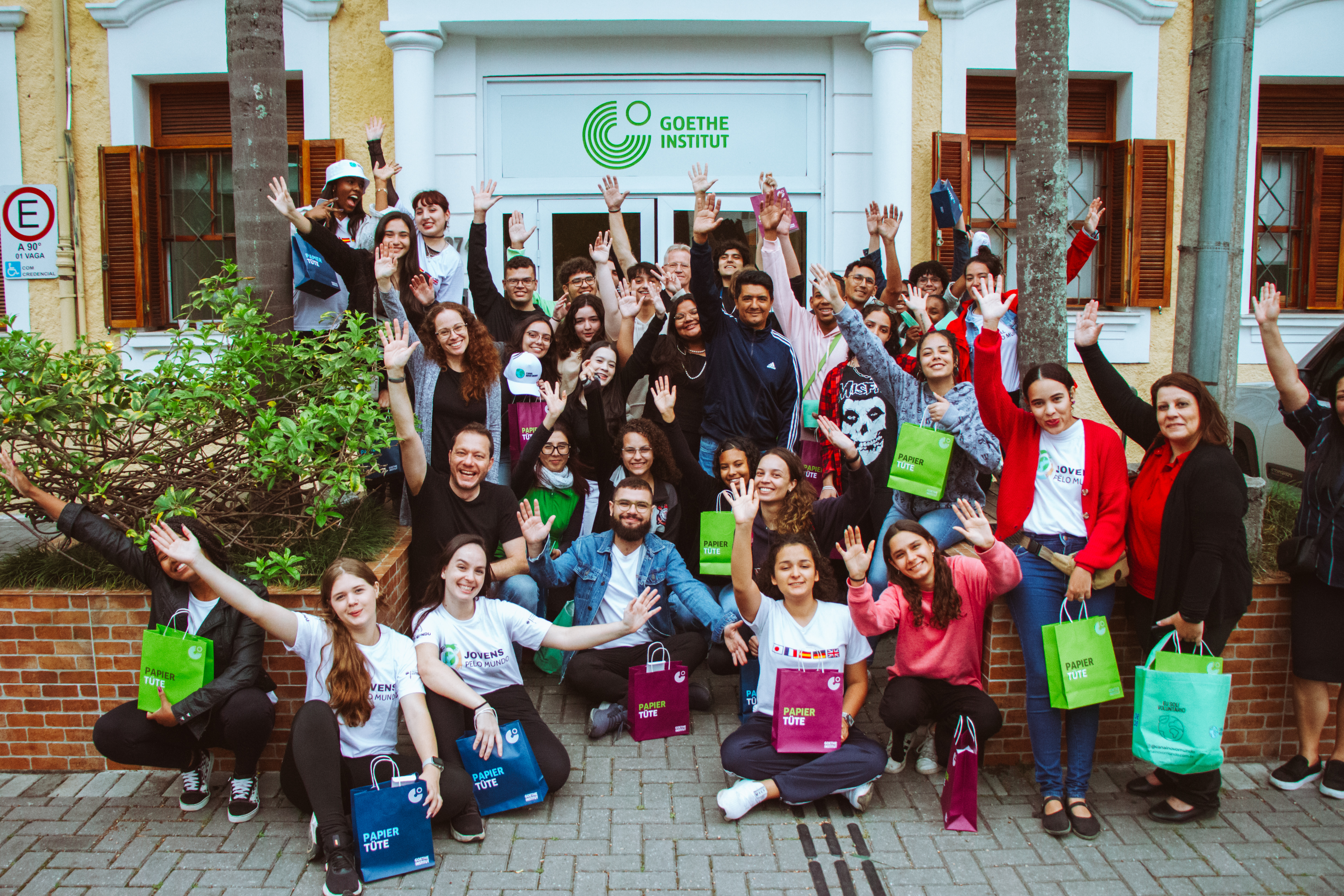
The NGO Canal Novo Mundo - Instituto Ecocria conceptualized this project to confront the structural inequality that defines the climate crisis, viewing environmental degradation as a byproduct of predatory exploratory cultures that marginalized vulnerable groups. We recognized that for those living in territories like Vista Alegre in Rio de Janeiro, "sustainability" is often an abstract concept removed from their daily reality, but implemented by them daily because of the need to be sustainable, to reuse products, due to the lack of purchasing power. Implementation began with a 70-page pedagogical handbook designed to eco-alphabetize 300 students through a decolonial lens. We moved beyond theory by installing the biodigester as a living laboratory directly in their public school. This allowed the students to really experience the physics and biology of anaerobic digestion firsthand, turning their own food waste into clean cooking gas. The project reached its peak at Praia do Flamengo, an area vital to Rio’s water resilience. In a powerful display of community mobilization, the students removed one ton of debris from the coast. Following the cleanup, we held a public documentary screening to connect their local efforts to global ocean conservation. This entire journey was validated through an important partnership involving the Goethe-Institut, the German Consulate, and the French Consulate, proving that grassroots action in a vulnerable public school can for sure command international diplomatic attention and change their lives and way to view the planet.
Climate Justice
Water Resilience
Circular Economy
Social Technology
Community co-design
Our project is an exemplary model of sustainability because it addresses the environmental and economic challenges of vulnerable urban centers through decentralization and circularity. The school biodigester concretely tackles waste management by diverting approximately 1.8 tons of organic material annually, preventing methane release and providing a renewable, fossil-fuel-free energy source for school cooking. This promotes long-term stability by reducing institutional reliance on only external resources. Furthermore, we prioritize water resilience as a pillar of urban survival. Our eco-literacy handbook educates students on the critical nexus with a specific focus between sanitation, human health and, of course, ocean health. The restoration action at Praia do Flamengo, resulting in the collection of aroundone ton of waste, served as a direct intervention against the microplastic contamination in the Atlantic Ocean, by also by the coast, where hundreds of sea turtles can be seen everyday. It's a very important biodiversity spot in Rio de Janeiro. By integrating Ancestral Technology (knowledge of natural cycles) with modern anaerobic digestion engineering, we demonstrate that sustainability must be regenerative, protecting our water cycles while providing energy security to the populations most affected by the Climate Anthropocene.
We contribute to a more beautiful life by transforming sustainability from a technocratic burden into a narrative of community pride and aesthetic belonging. Our 70-page handbook is a central aesthetic artifact; it utilizes inclusive, vibrant design and high-quality illustrations to represent the diverse ethnic and cultural faces of the Vista Alegre community. By moving beyond dense, exclusionary technical words, we created a "Climate Dictionary" that is visually accessible and emotionally resonant. The project makes the everyday environment more beautiful by cleaning local beaches and turning a school’s "waste" into the lifeblood of a communal garden. The documentary screening at Praia do Flamengo, held immediately after the students cleared one ton of debris, was a transformative cultural experience. It turned a site of historical pollution into a temporary cinema for ecological reflection, proving that beauty emerges when communities take ownership of their landscapes. This approach fosters a deep sense of care and "place-making," showing that a healthy environment is the ultimate aesthetic standard for a society.
The project is an exemplary model of inclusion by specifically targeting the phenomenon of Environmental Racism and Climate Justice, the disproportionate exposure of marginalized groups to environmental hazards. We deliberately chose a public school in a vulnerable territory because we believe that cutting-edge green technology must be accessible to those who need it most, not just those who can afford it. Our methodology promotes a new societal model where students from marginalized backgrounds are trained as Climate Leaders, equipped to lead debates and propose public policies for their neighborhoods. We emphasize that there can be no climate solution without the active participation of youth, woman, black, indigenous, and traditional populations. By validating Social Technologies as legitimate scientific interventions, we bridge the gap between ancestral knowledge and engineering. The project ensures that 300 young people, historically excluded from the climate narrative, now occupy their rightful place as the ones in charge of their own resilience and social welfare.
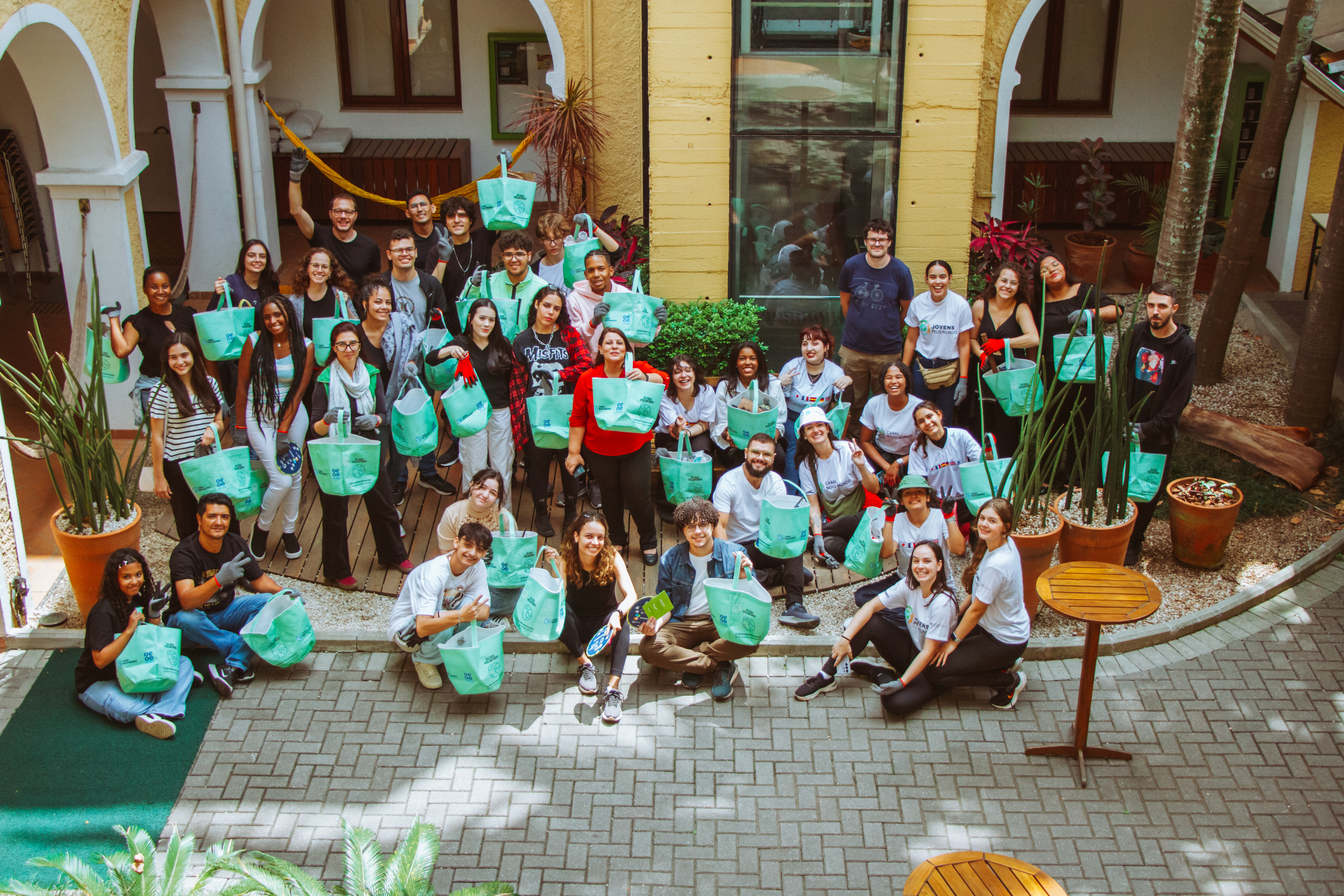
The project followed a Deep and Generative Listening methodology, moving beyond surface-level consultation to a co-design of thoughts. We engaged 300 young people from historically marginalized backgrounds not as subjects, but as primary consultants on their own lived realities. Their involvement was structured through reflective residencies and eco-literacy circles, where they moved from identifying systemic barriers to defining their own metrics for their realities. The impact of this participation was profound: it shifted the project’s focus from purely technical environmental solutions to a holistic resilience model that prioritizes psychological safety and community belonging. By validating their knowledge, we ensured the project’s outcomes were culturally resonant and directly addressed the specific anxieties of the youth involved. The project’s heart is the partnership between NGO Canal Novo Mundo, the local school, and the Educational Secretariat, creating a robust ecosystem for youth engagement. We involved 300 young people not as passive students, but as active contributors to a moment of reflection regarding their environment and their vision of the future. Their role was to deconstruct their own lived realities and map them against the climate narrative. By collaborating with the Consulates, we provided these youth with a sense of international citizenship, validating that their local reflections have global relevance. The impact of this involvement was the co-creation of a space where young people felt safe to rethink social welfare, ensuring the project was rooted in their actual needs rather than external assumptions.
Our project operates through a seamless vertical integration of stakeholders. At the local level, the School and NGO Canal Novo Mundo managed the day-to-day implementation and pedagogical safety. At the regional level, the Educational Secretariat provided the institutional framework and alignment with public education goals. The involvement of Consulates added a unique international and diplomatic layer, elevating the project’s visibility and connecting local youth reflections to broader global perspectives. Even the municipal cleaning company was involved, showing the importance of a functional waste management system or at least their pariticipation in this process. This governance structure added immense value by ensuring that grassroots insights were supported by institutional authority, creating a sustainable bridge between community-led action and official educational policy.
The project’s technical and pedagogical foundation, specifically the development of our handbook, was a collaborative effort across diverse fields of knowledge. We integrated the creative vision of Designers to make complex information accessible and engaging, with the scientific rigor of Biologists and Environmental Engineers who provided the ecological data. Furthermore, Environmental Management specialists ensured that the framework was not just theoretical, but offered practical pathways for resource stewardship. This blend of design, life sciences, and management turned the handbook into a holistic tool that addresses the climate crisis through both an emotional and a technical lens.
The project’s financial sustainability is anchored in a Public-Private-Civic Partnership. While the Educational Secretariat provides the institutional platform and the school offers the physical infrastructure, the NGO Canal Novo Mundo manages the operational agility. We leverage a Social Franchise model where the handbook could serves as a core asset that can be integrated into school curricula through public funding or supported by consular grants and international cooperation funds. By diversifying our support across governmental educational budgets and NGO-led fundraising, we ensure the project remains financially resilient and capable of maintaining its permanent eco-literacy framework without relying on a single revenue stream. We would love to implement in different schools and locations.
The project is highly replicable due to the modular nature of the handbook and the partnership model. Key transferable elements include: A multi-stakeholder template, showing that the successful collaboration between an NGO, a School, and an Educational Secretariat provides a kind of blueprint for other regions.
The technical handbook, that was developed by our team of engineers, biologists and designers, showing that this can be translated and adapted to different ecological biomes.
The consular engagement model: This approach to involving diplomatic missions in youth eco-literacy can be replicated in other multicultural urban centers. These elements allow the project to be scaled from a single school to an entire regional district, empowering a new generation of climate agents across different geographies, also cooping for water resilience.