Enhancing Circularity, Sustainability, and Innovation
Mátria Parque de Flores
Mátria Parque de Flores: The largest flower park in Latin America
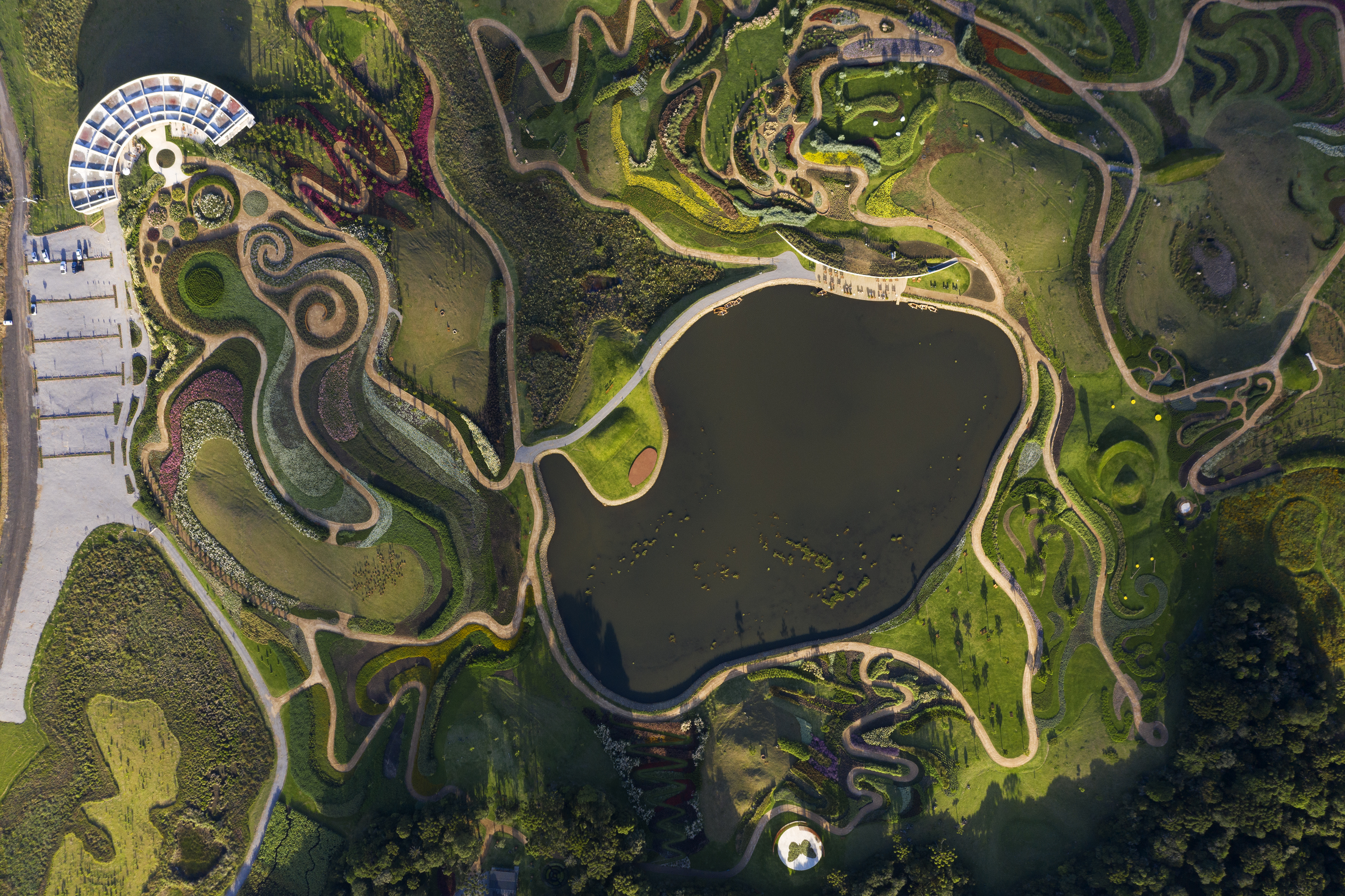
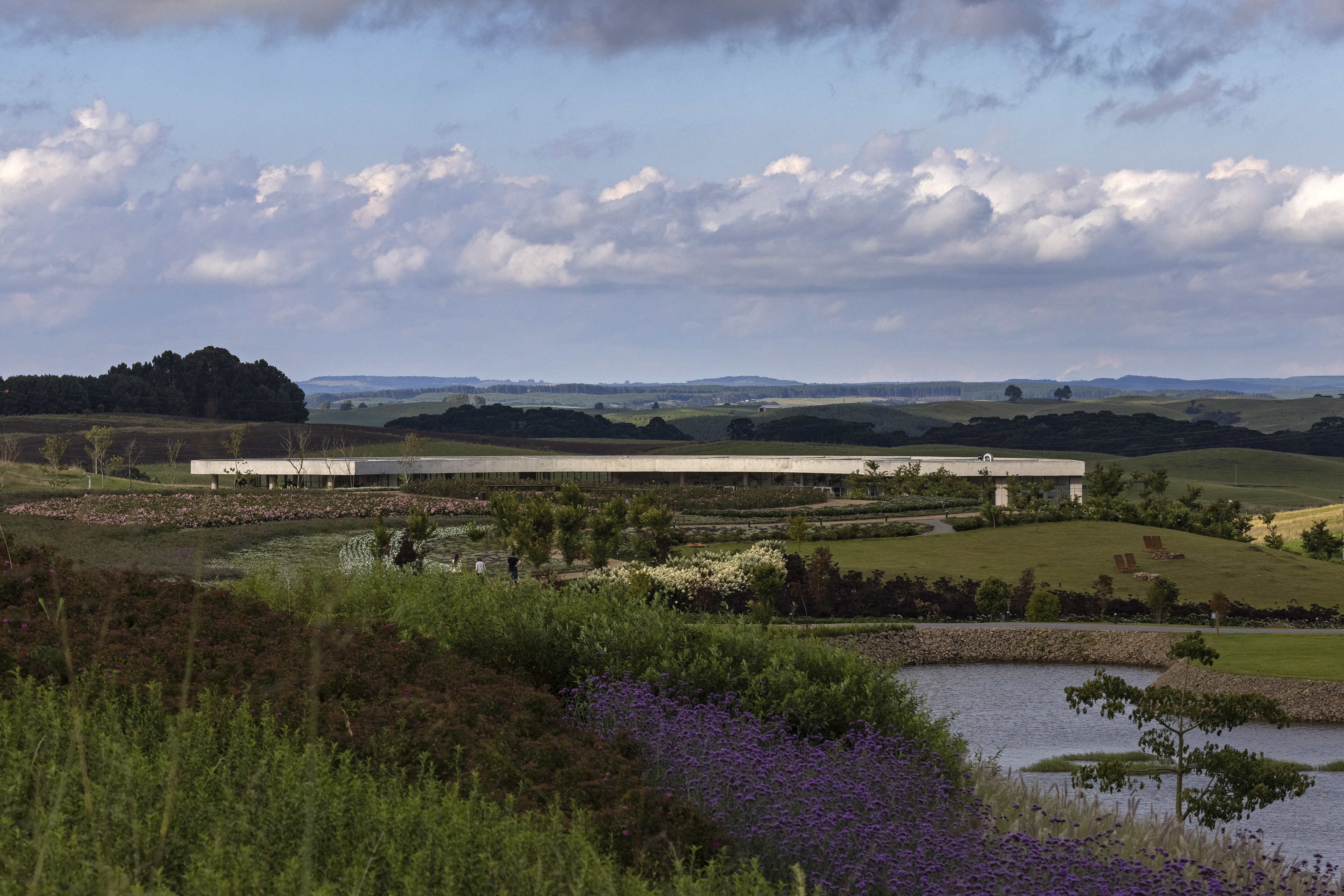
Mátria Parque de Flores, the largest flower park in Latin America, was designed to seamlessly blend with the natural topography. It restored the pride and sense of belonging to the local community, becoming a landmark, demonstrating how architecture and landscaping can go beyond conventional tourism, exploring new possibilities for interacting with nature. The project celebrates creativity, competence, and talent, proposing a model of public space that respects and values life in all its forms.
Brazil
Local
Blumenau
It addresses urban-rural linkages
It involves a physical transformation of the built environment (hard investment)
Yes
2021-11-25
No
No
No
Organisation
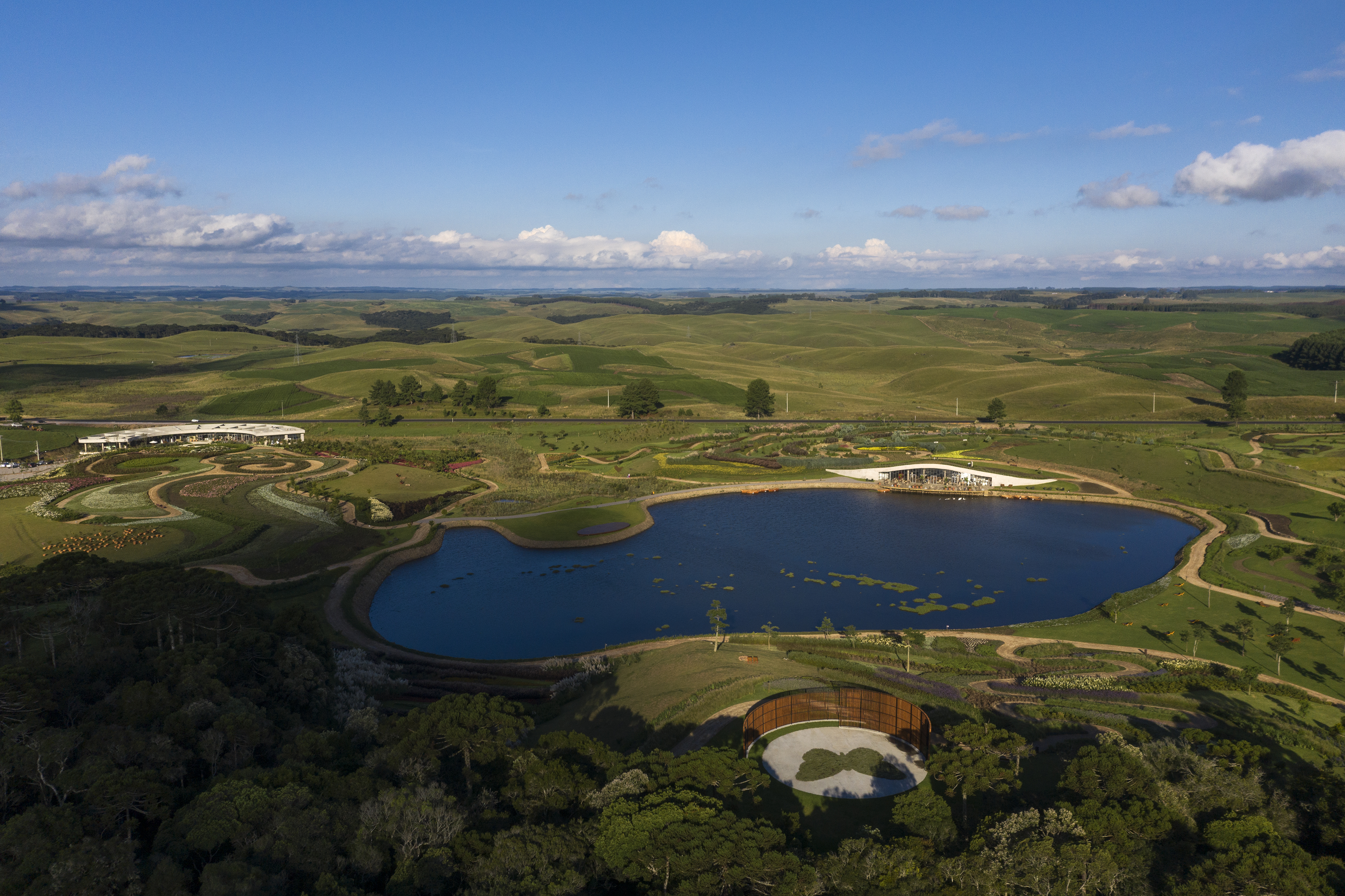
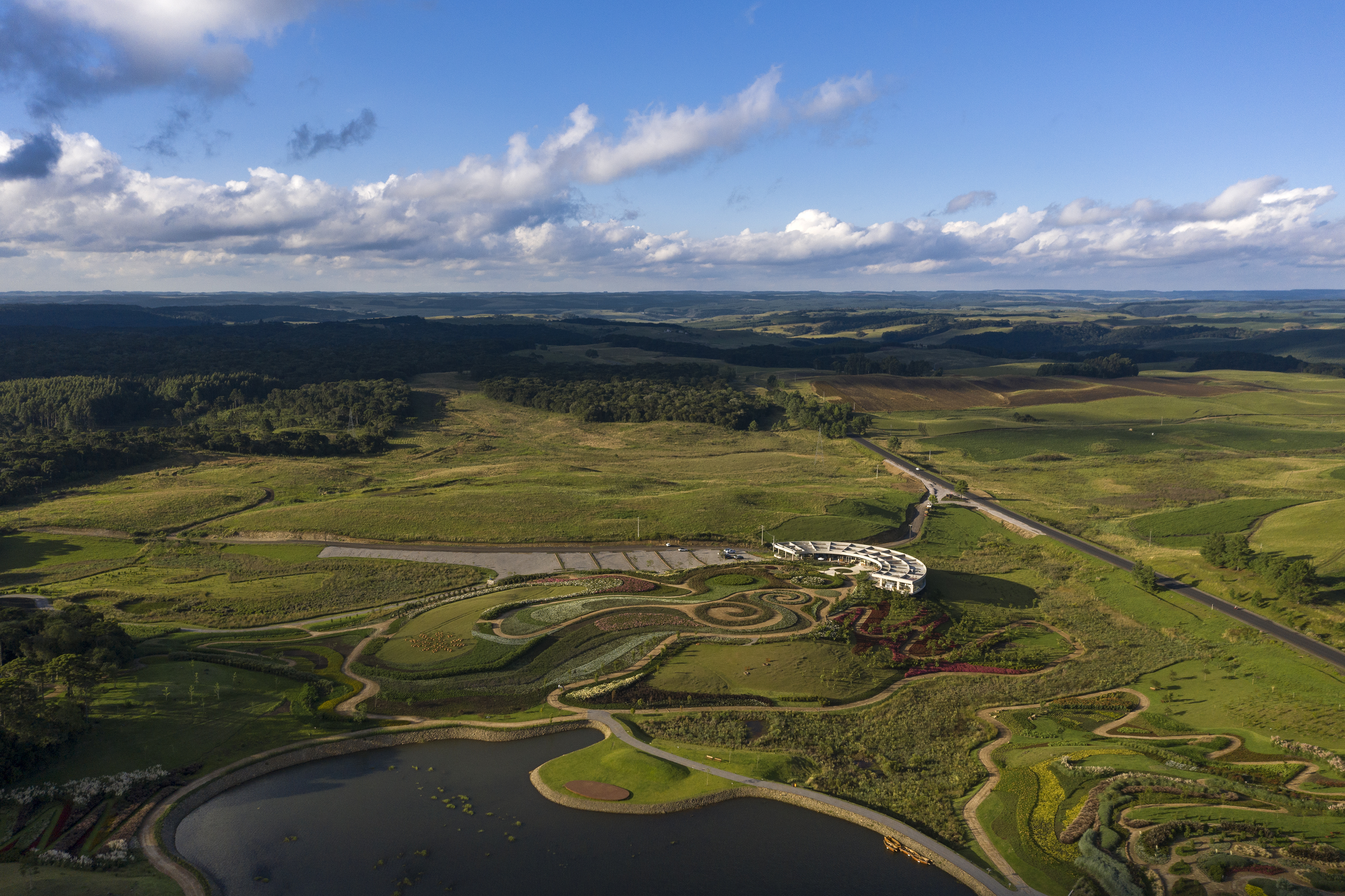
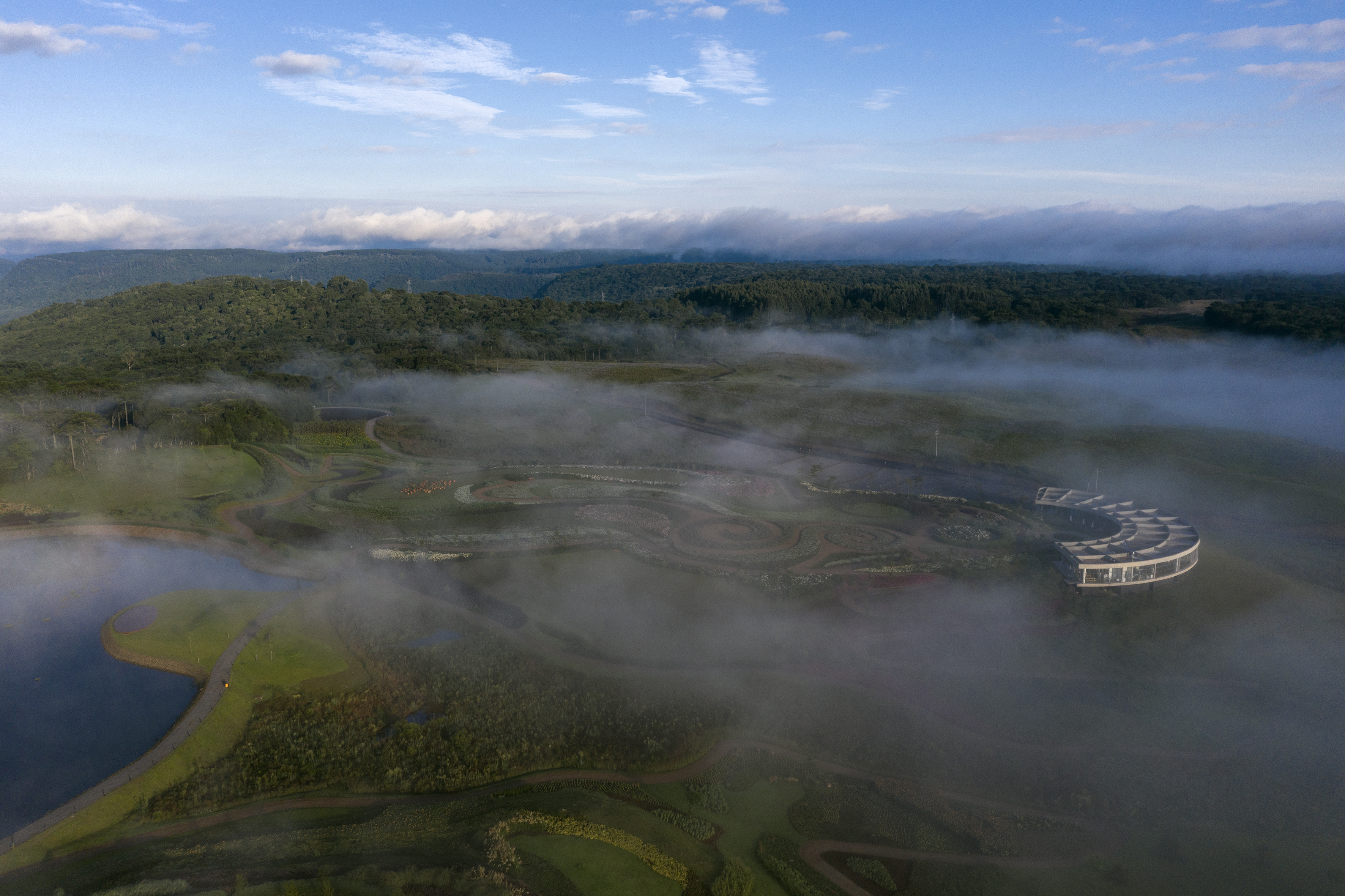
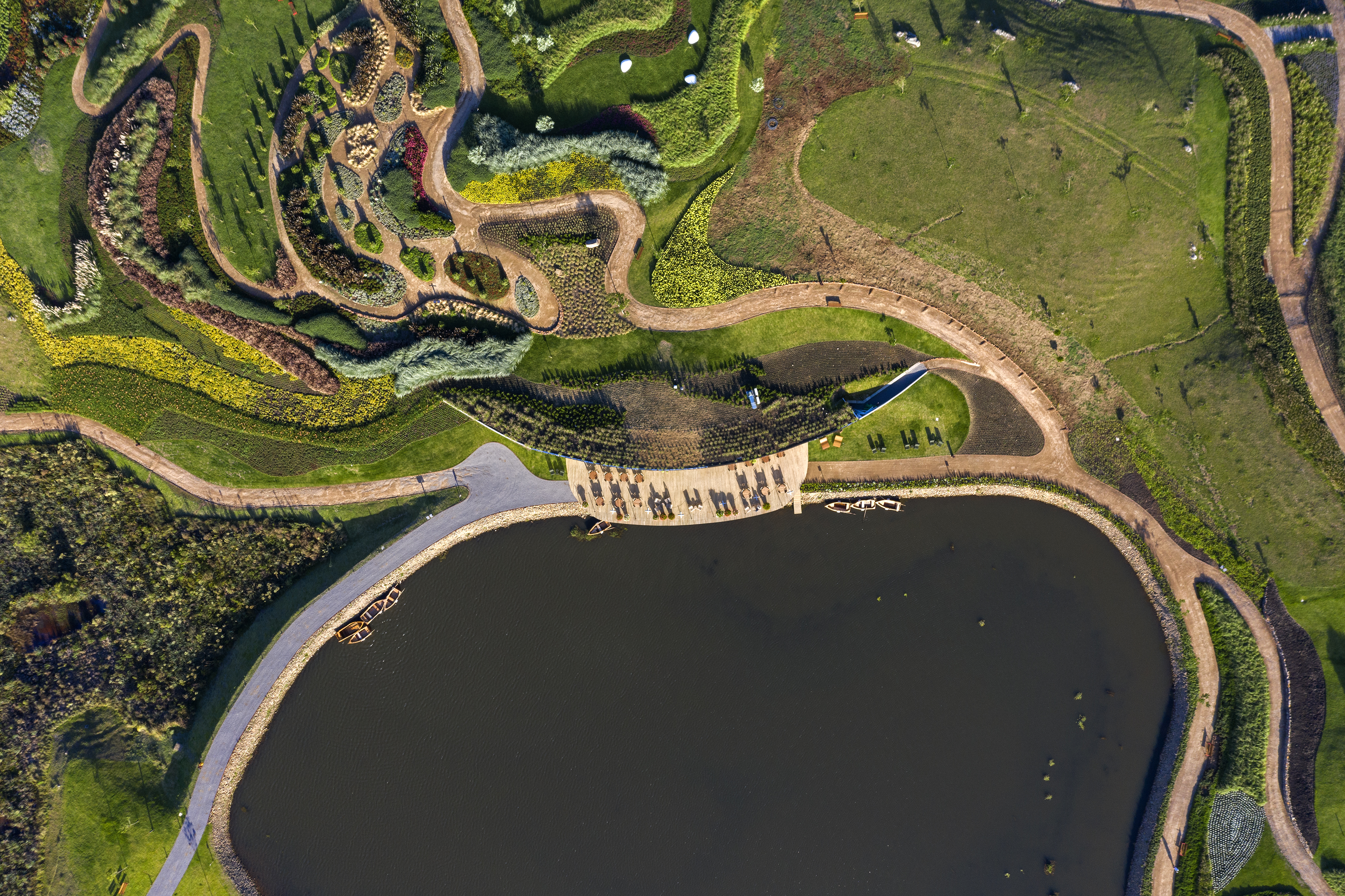
Mátria Parque de Flores, the largest flower park in Latin America, is a project that uses nature itself as its primary medium. Spanning 50 hectares, with 25 hectares of preserved forest, the design follows the site’s natural topography and promotes its ecological cycles, carefully maintaining key characteristics such as the existing drainage dynamics.
Located in São Francisco de Paula, a small town in southern Brazil, the project has generated positive regional impacts, including the creation of new jobs, the development of local skills, and the emergence of a new tourism culture, enhancing the town’s visibility and reputation at a national scale.
The architectural and landscape design brought together two distinct practices: Alencar, responsible for the buildings, and JA8 for the landscape. This collaboration resulted in a lasting connection between architecture, nature, and community.
The architectural interventions within Mátria were conceived with a strong sense of poetry, care, and intention in every detail.
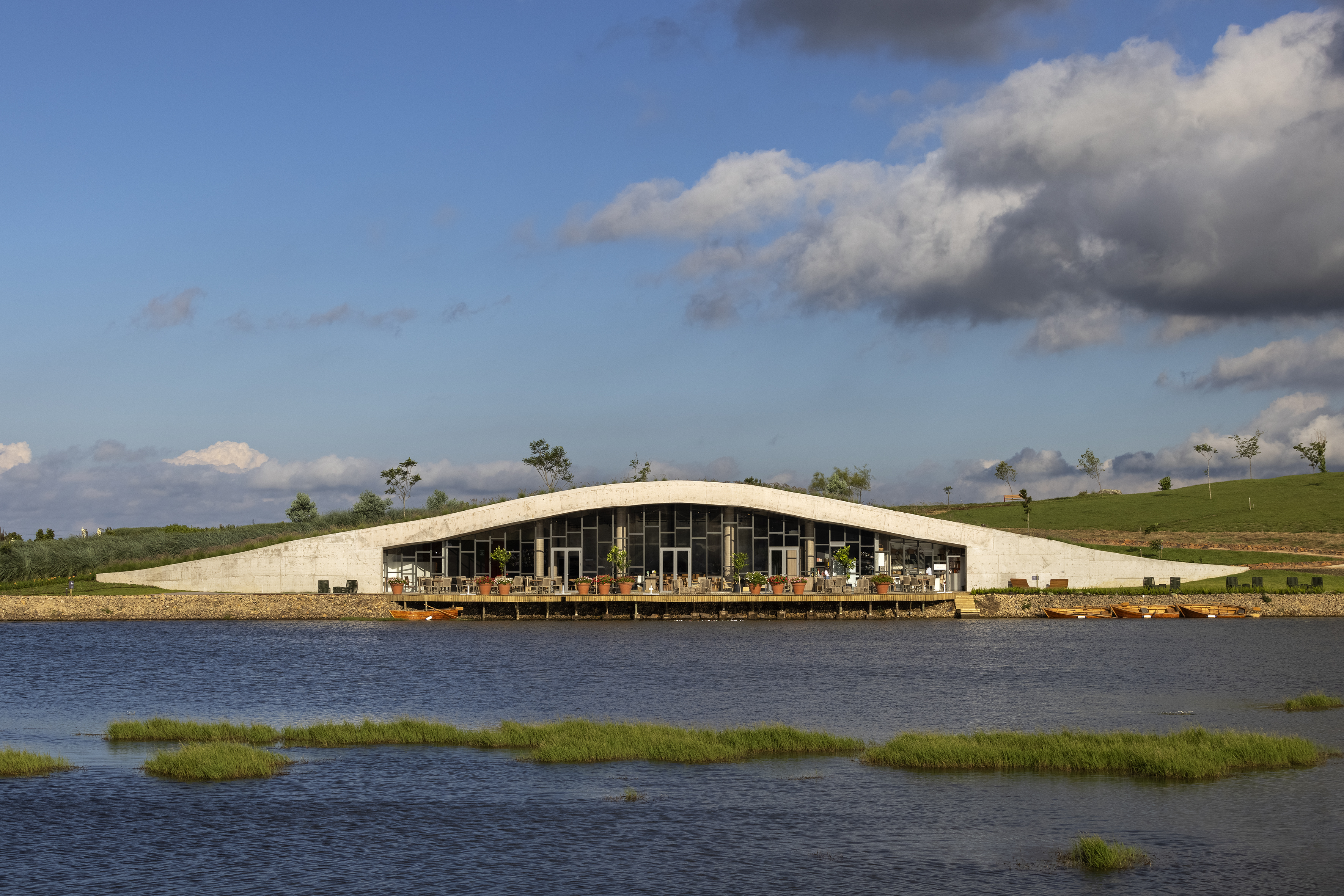
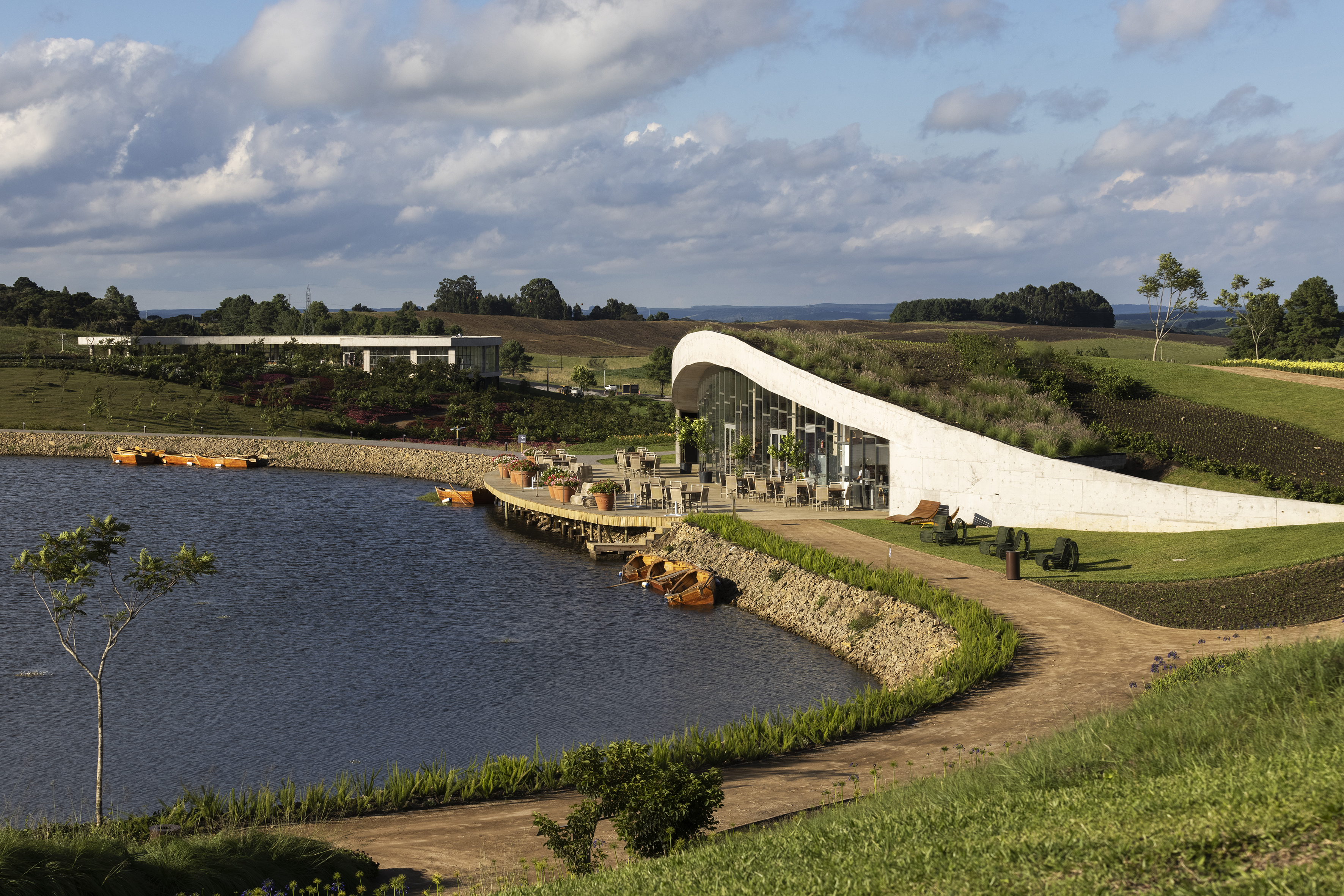
The Baffi Restaurant stands as a landmark of contemporary Brazilian architecture. Designed to merge seamlessly with the natural topography, it demonstrates how architecture can be both striking and delicately integrated into its surroundings.
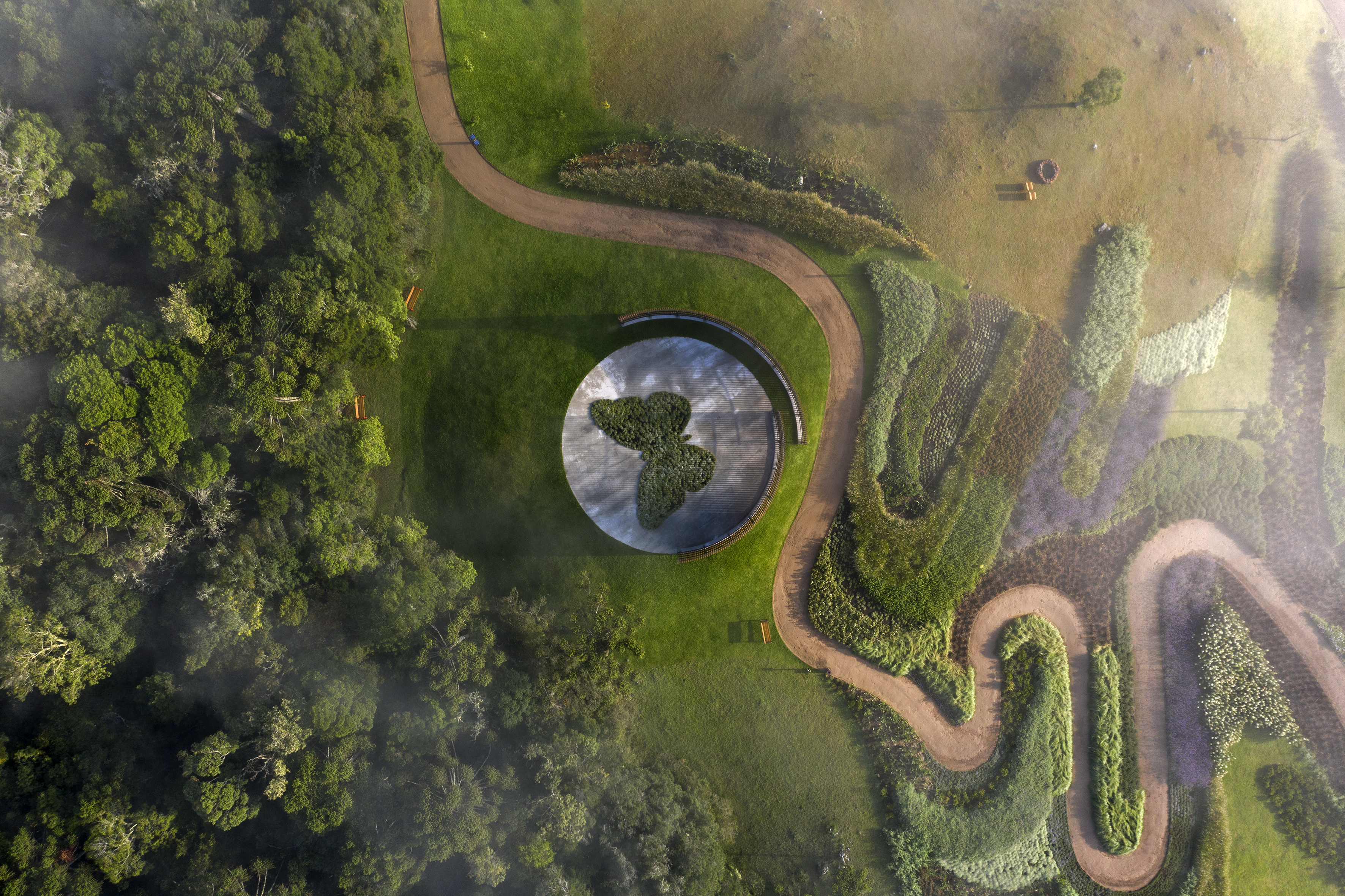
Farfalla, a spiritual monument, is a poetic installation celebrating the founder’s connection to the site. It represents a white butterfly that landed on her during her first visit, transforming a personal moment into a symbolic spatial experience.
The Boulevard serves as the park’s primary point of arrival, functioning as a threshold between the outside world and the immersive universe of the gardens.
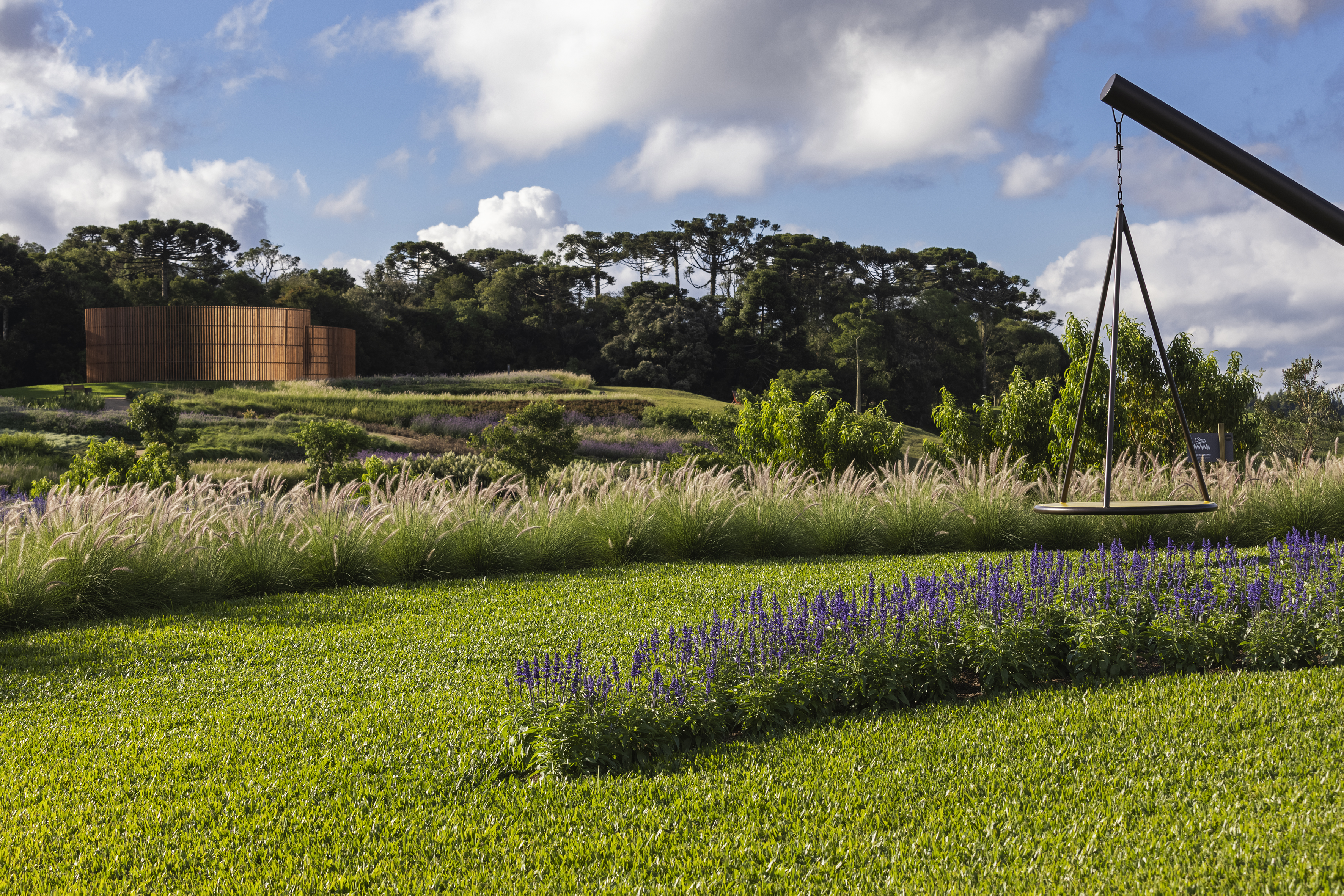
The landscape design was conceived as an open-air artwork, combining forms, textures, and colors through natural elements to create a composition that reads as a painting embedded in the land.
Mátria Parque de Flores emerged from the vision of creating a place where nature, culture, and human experience could coexist in a meaningful and lasting way. From the beginning, the ambition was not only to establish a botanical park, but to develop a destination capable of transforming its local context while remaining deeply rooted in the landscape.
The project is located in São Francisco de Paula, a region defined by its natural beauty but historically positioned as a secondary destination within the Serra Gaúcha. Recognizing both the environmental richness and the economic potential of the area, the initiative sought to create a new model of tourism, one that is immersive, educational, and closely connected to natural processes.
The implementation of the project required a collaborative approach, bringing together architects, landscape designers, engineers, and business strategists alongside the client to define both the spatial design and the operational vision. This process also included the development of a viable business model to ensure long-term sustainability.
On the ground, the construction phase presented both challenges and opportunities. The limited availability of skilled labor in the region led to the creation of training programs for local workers, allowing them to participate directly in the building process, while the design approach prioritized minimal intervention and careful adaptation to the existing topography.
The landscape was implemented as a living system rather than a finished composition, structured around plant cycles and seasonal transformations, requiring a long-term perspective where growth and change are integral to the project.
Today, Mátria Parque de Flores operates as both a cultural and ecological destination, reflecting a process that combined vision, collaboration, and respect for place.
Nature-based solutions
Biodiversity
Landscape architecture
Environmental education
Cultural landscape
Mátria Parque de Flores delivers tangible environmental, social, and economic impact from its inception, demonstrating how a project can act as a catalyst for local development.
A key challenge was the limited availability of skilled labor in the region, which initially restricted the use of local workforce during construction. In response, the project team implemented an intensive training program for local workers, focused on concrete fabrication and sustainable construction techniques. This initiative enabled workers to actively participate in the construction process while equipping them with transferable skills for long-term careers in fields such as forestry engineering, botany, and park maintenance.
This approach not only addressed an immediate construction challenge but also generated lasting social impact by expanding access to employment, fostering knowledge transfer, and strengthening local capacity. By prioritizing local labor and resources, the project actively promoted social equity and contributed to the resilience of the regional economy.
In parallel, the project adopted a strategy of sourcing materials locally, reducing transportation costs and significantly lowering carbon emissions associated with construction. This decision reinforced the local economic network while aligning with broader environmental goals.
From an environmental perspective, the project is grounded in a low-impact design approach. It preserves the site’s natural topography and existing ecological systems, including its drainage dynamics, and promotes the continuity of natural cycles. Rather than imposing a new landscape, the project works in harmony with the existing environment.
As the park matures, it stands as a living example of sustainable practices, integrating environmental sensitivity, social inclusion, and economic resilience.
For the local community of São Francisco de Paula, Mátria Parque de Flores represents far more than a botanical park. The project has restored a sense of pride and belonging among residents. Due to its location, the town has historically functioned as a satellite to larger tourist destinations in the region. With the creation of Mátria, it has become a destination in its own right, demonstrating how architecture and landscape design can move beyond conventional tourism and open new ways of engaging with nature.
The project celebrates creativity, skill, and local talent, proposing a model of public space that respects and values life in all its forms. Its landscape design is based on natural plant cycles and was conceived to create an ever-evolving visitor experience that changes with the seasons. This dynamic approach fosters a deeper appreciation of natural processes, from growth to decay, encouraging visitors and the local community to engage with the land in a more conscious and respectful way.
The scale of the park, combined with its extensive designed gardens, creates a strong sensory impact. Visitors experience a sense of discovery as they move through diverse environments, alternating between open and more enclosed spaces. Perception shifts from intimate details to broader views, engaging the senses across multiple scales.
The architectural elements were designed with sensitivity to the natural context, preserving the existing topography. Inspired by the surrounding hills, the restaurant is embedded into the terrain, following its contours and opening toward a lake, creating a contemplative and immersive experience.
Through this integration of landscape, architecture, and lived experience, Mátria Parque de Flores stands as an exemplary project in terms of aesthetics, fostering beauty, belonging, and long-term care for the place.
Mátria Parque de Flores was designed in accordance with universal design principles, ensuring accessibility despite the site’s challenging topography. Pathways were carefully planned with gentle slopes to provide a comfortable walking experience for a wide range of users. In addition, small electric carts are available to support visitors with reduced mobility, allowing them to fully experience the park.
Accessibility is also addressed through the project’s social strategy. A core pillar of Mátria Parque de Flores is its commitment to local employment and skills development. Many workers in the region traditionally came from the agricultural sector, which often offers limited opportunities for professional growth and diversification. In response, the project created new employment pathways while implementing on-site training programs focused on garden care, maintenance, and related skills.
These initiatives enable local residents to actively participate in the park’s operation while building long-term professional capacity. By integrating inclusive design with local workforce development, the project promotes a model that combines social equity, accessibility, and community empowerment.
Through this approach, Mátria Parque de Flores can be considered exemplary in terms of inclusion, expanding both physical access to space and access to opportunity.
The level of involvement of the local community and its resulting impact has been both significant and transformative, for residents of São Francisco de Paula and for the project team alike.
From the outset, the project created opportunities for local workers to engage in new sectors, particularly tourism, services, and hospitality. This shift enabled the local workforce to develop new skills beyond their traditional backgrounds. In parallel, the project promoted hands-on training in land cultivation, expanding knowledge beyond conventional agriculture to include the diverse plant species and ecological systems present within the park.
This active involvement generated pathways for professional development and long-term growth, allowing community members to take part not only in the construction phase but also in the ongoing operation and maintenance of the park. Their role evolved from workforce participation to becoming stewards of the landscape.
The impact of this engagement extends beyond the boundaries of the project. The introduction of Mátria Parque de Flores contributed to the transformation of São Francisco de Paula into a relevant tourism destination. As a result, new businesses have emerged and developed throughout the city, strengthening the local economy and increasing its visibility within the Serra Gaúcha region.
Through this process, the project demonstrates how meaningful community involvement can generate lasting social, cultural, and economic value, reinforcing a shared sense of ownership and collective identity.
Mátria Parque de Flores was developed through a multi-level and collaborative approach, engaging stakeholders across local, regional, and national scales throughout both design and implementation.
At the local level, the project actively involved the community of São Francisco de Paula, particularly through employment, training programs, and long-term operational roles. Local workers were not only engaged in the construction phase but also became part of the park’s ongoing maintenance and management, fostering a strong sense of ownership and stewardship.
At the regional level, the project contributed to strengthening the Serra Gaúcha as a tourism network. By positioning São Francisco de Paula as a destination in its own right, Mátria expanded the regional tourism ecosystem, creating opportunities for complementary businesses and services to emerge.
At the national level, the project brought together multidisciplinary expertise from architecture, landscape, and engineering practices, contributing to the dissemination of innovative approaches to landscape-driven design and sustainable development within Brazil.
The added value of this multi-level engagement lies in its ability to connect local impact with broader territorial development. By aligning community participation, regional economic activation, and professional expertise, the project establishes a governance model that is collaborative, inclusive, and scalable.
Mátria Parque de Flores was developed through a multidisciplinary approach that integrated design, technical expertise, and business strategy, enabling both its implementation and long-term operation as a viable enterprise.
The project concept was shaped through a collaborative workshop process that brought together professionals from architecture, engineering, and business development, alongside the clients, who are entrepreneurs in the tourism sector. This collective process allowed the project to be conceived not only as a spatial intervention, but also as a sustainable economic model.
Within the teams of the offices involved, Alencar and JA8, professionals from diverse backgrounds contributed to the project, including architecture, landscape design, environmental studies, and construction. This diversity of knowledge fields supported a holistic approach, where design decisions were informed by technical, ecological, and operational considerations.
By bridging disciplines such as architecture, landscape architecture, design, engineering, environmental sciences, and business strategy, the project demonstrates how integrated knowledge can generate resilient, adaptable, and context-sensitive outcomes.
Mátria Parque de Flores was conceived from the outset as a financially sustainable cultural and ecological destination, supported by a diversified and resilient business model.
The project operates primarily through revenue generated by visitor access, with ticket sales forming a consistent and predictable income stream. This is complemented by on-site activities and services, including food and beverage operations, retail, and curated experiences, which enhance the visitor journey while contributing to financial sustainability.
In addition, the park is designed to host events, educational programs, and seasonal attractions, creating multiple layers of engagement and revenue throughout the year. This dynamic programming strategy helps maintain visitor interest across different seasons and reinforces the park’s position as a recurring destination rather than a one-time visit.
From its conception, the business model was developed in parallel with the design process, ensuring alignment between spatial quality and operational efficiency. The integration of landscape, architecture, and programmatic uses allows for optimized maintenance and long-term management.
The project also benefits from its strong connection to regional tourism, attracting visitors beyond the local context and contributing to a broader economic ecosystem. By combining cultural value, environmental experience, and diversified revenue streams, Mátria Parque de Flores achieves a model of financial sustainability that supports its long-term operation and continuous development.
The scalability of Mátria Parque de Flores lies not in replicating its physical form, but in transferring its underlying principles, processes, and methodologies.
A key replicable element is the project’s approach to working with nature rather than imposing upon it. By respecting existing topography, ecological systems, and natural cycles, the project demonstrates a design methodology that can be adapted to different landscapes and contexts.
Another transferable aspect is its integration of social and economic strategies from the outset. The early inclusion of local communities through employment, training, and capacity-building programs created long-term value that extends beyond the project itself. This model can be applied in other regions to align development with social inclusion and local economic growth.
The project also offers a replicable framework for interdisciplinary collaboration, combining architecture, landscape design, engineering, and business strategy to ensure both spatial quality and operational viability.
Finally, Mátria Parque de Flores illustrates the potential of creating spaces dedicated to contemplation and connection with nature, while simultaneously acting as catalysts for cultural identity and tourism development. This balance between environmental sensitivity, social engagement, and economic activation can inform similar initiatives in diverse contexts.
Together, these elements position the project as a transferable model for sustainable and inclusive development, adaptable to different scales, communities, and geographies.