Enhancing Circularity, Sustainability, and Innovation
Renovation of the Administrative Palace
Increasing the energy efficiency of the Zalău Administrative Palace
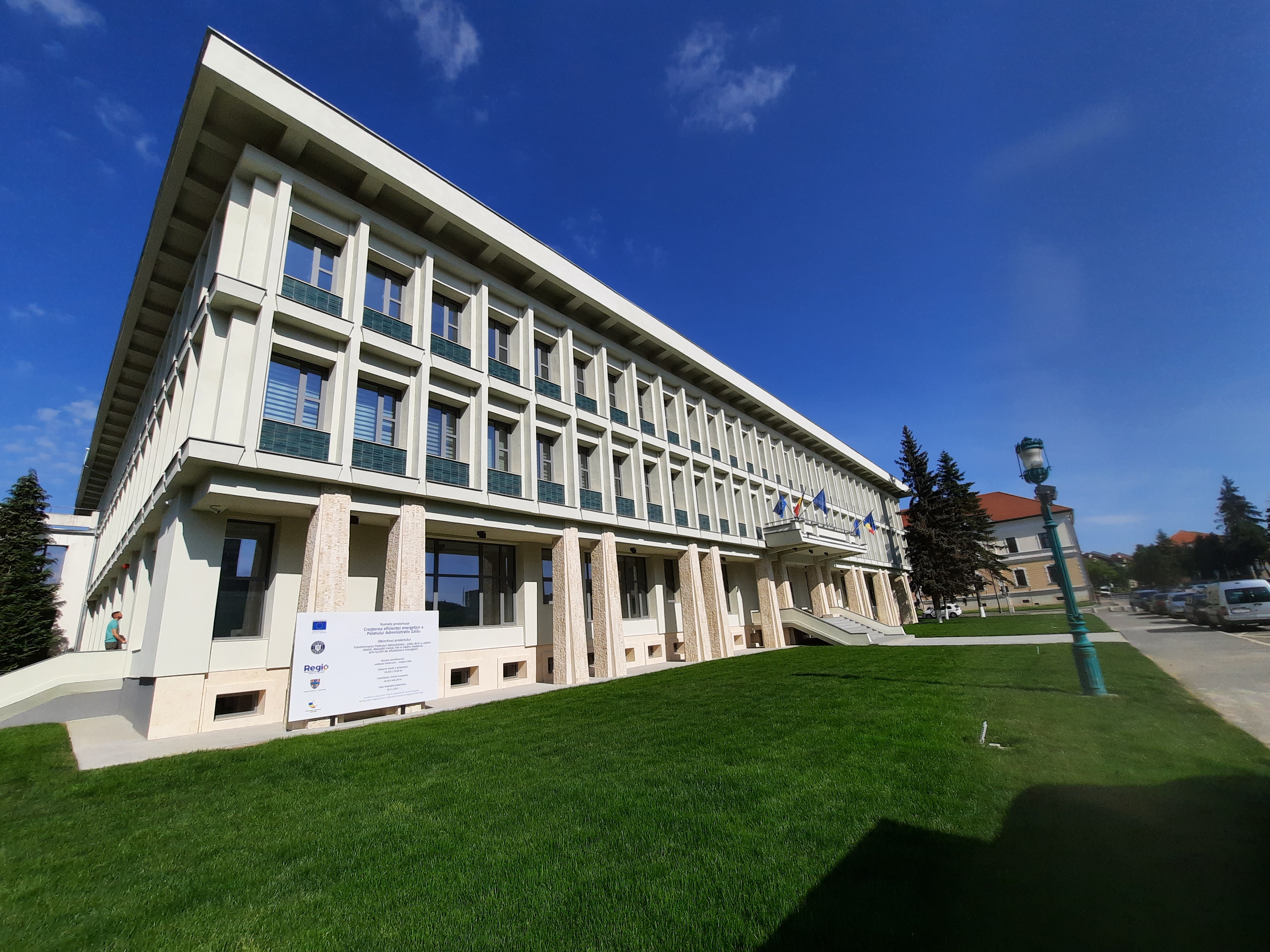
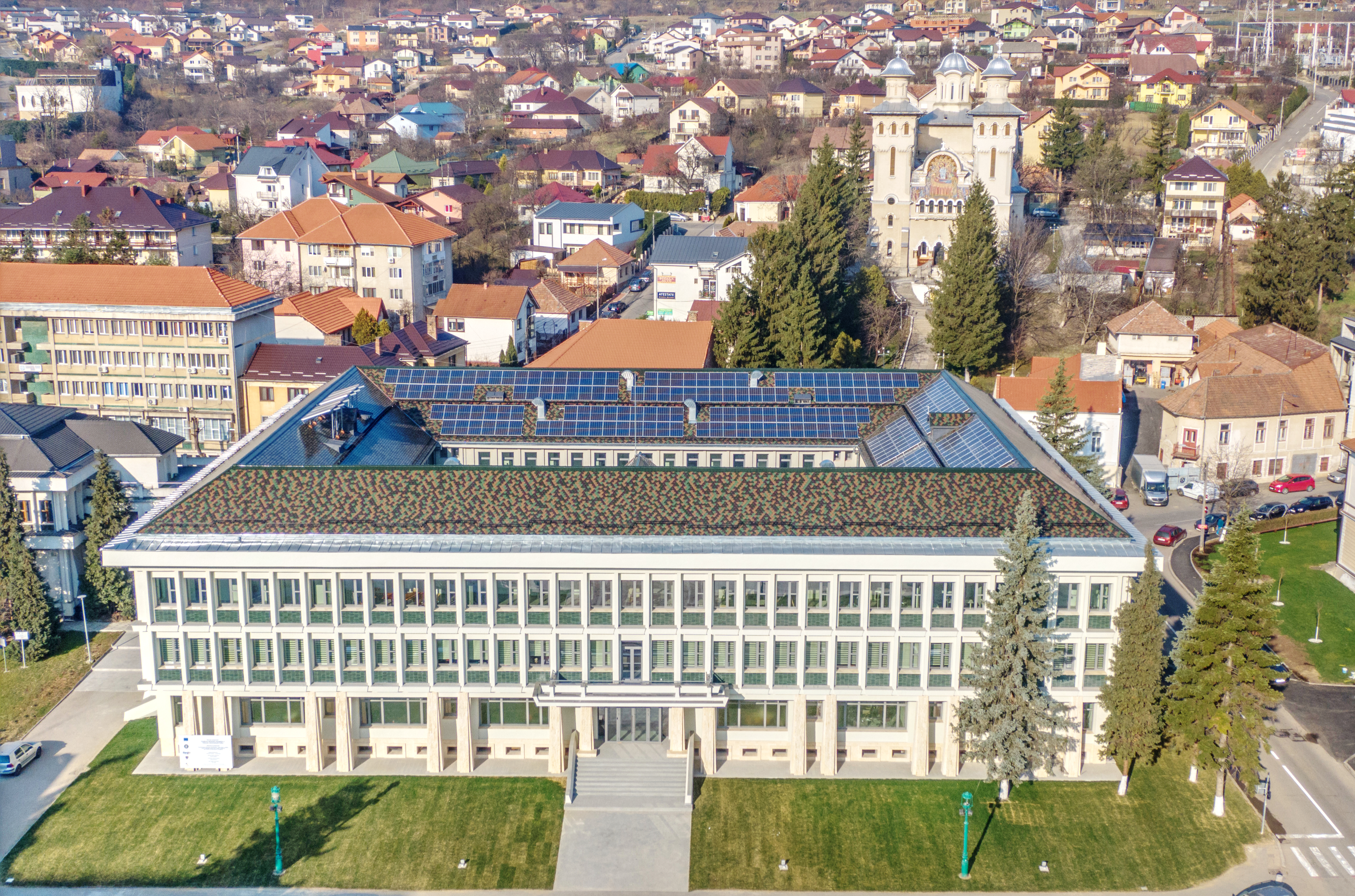
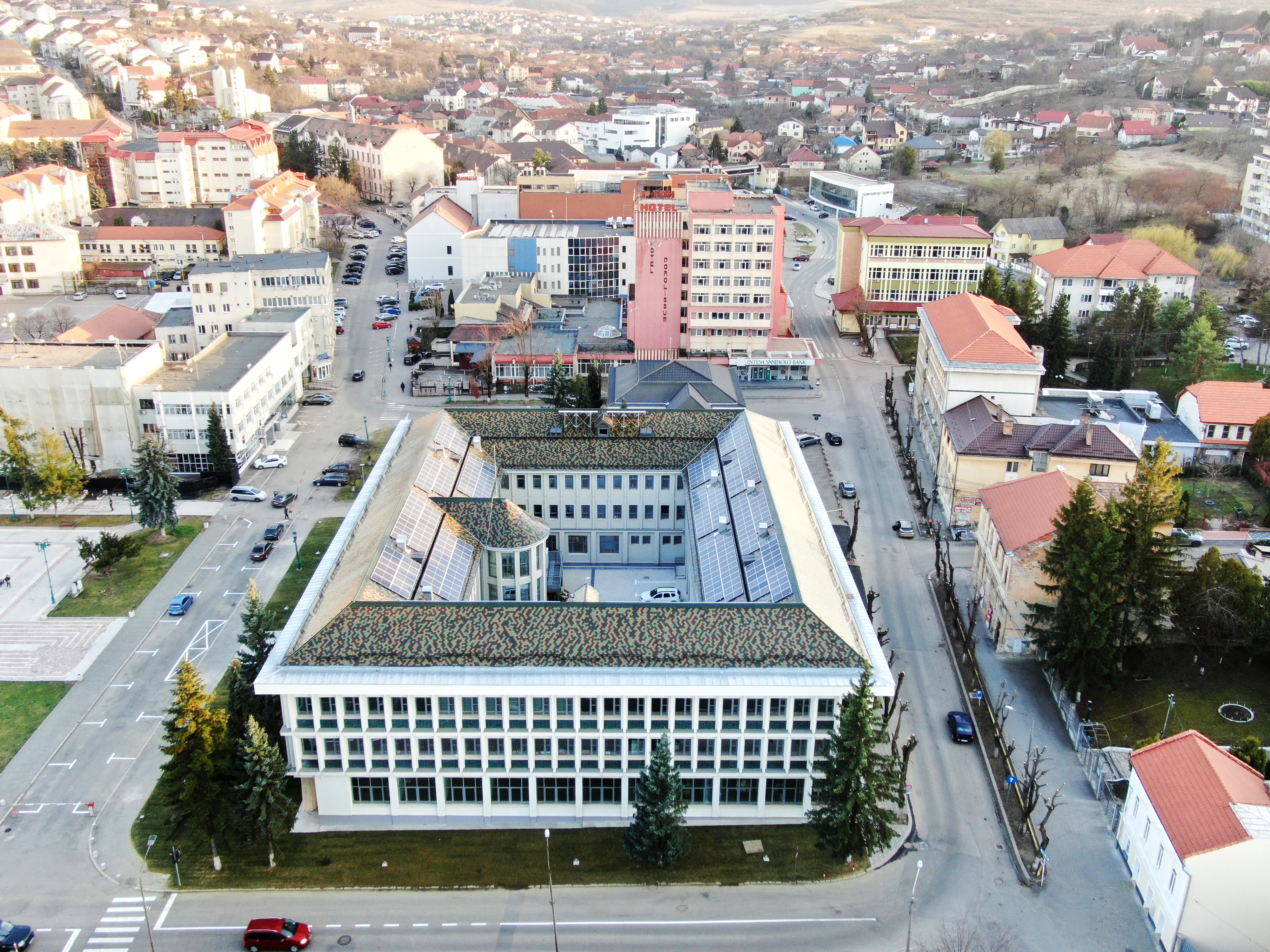
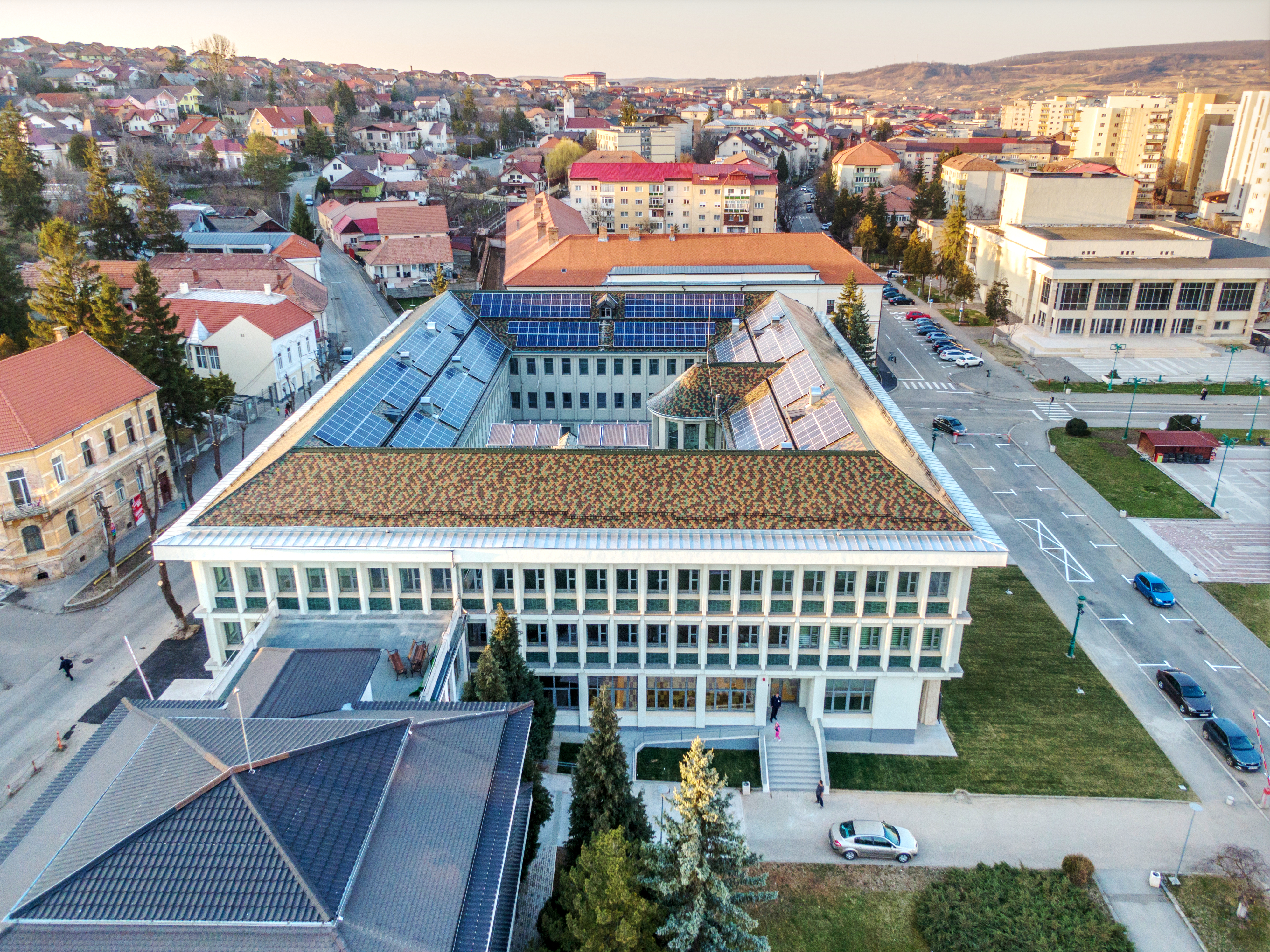
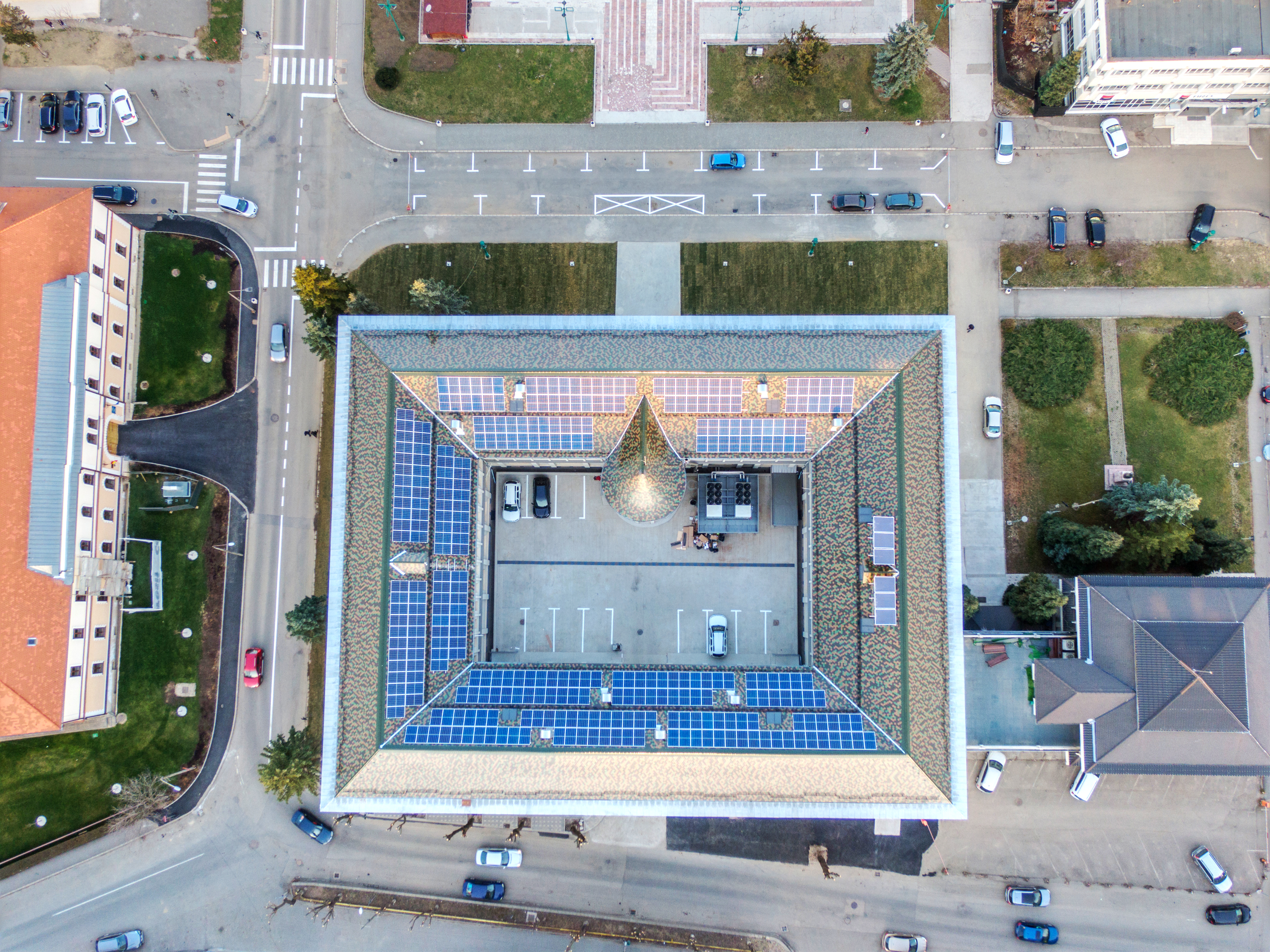
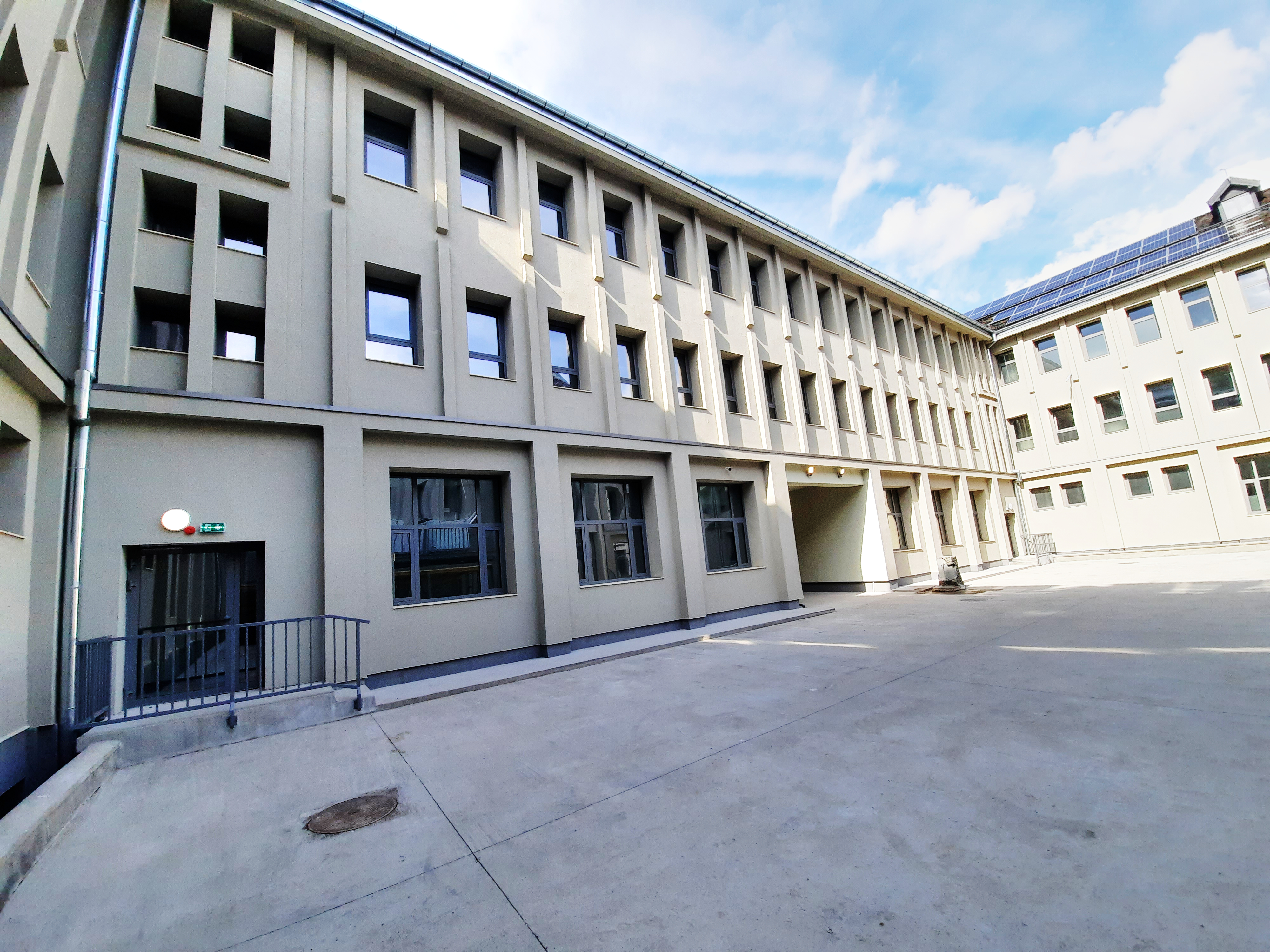
The Zalau Administrative Palace was built in 1970. The renovation project modernized and made the following components of the building more energy efficient: exterior insulation, glazing, roof, HVAC installations, electrical installations and automation. Additionally, solar panels and photovoltaic panels were installed. The architectural appearance of the building was preserved.
Romania
Local
Zalau City
Mainly urban
It involves a physical transformation of the built environment (hard investment)
Yes
2022-03-01
Yes
ERDF : European Regional Development Fund
No
No
Organisation
The project “Increasing the Energy Efficiency of the Administrative Palace in Zalău” aimed to transform a public administrative building constructed in 1971 into a modern, energy-efficient and sustainable public infrastructure. The Administrative Palace hosts several key public institutions, including the Prefect’s Institution of Sălaj County, serving as a central hub for delivering public services to citizens.
Through the implementation of the project, extensive energy rehabilitation and modernization works were carried out, resulting in a significant reduction in energy consumption and greenhouse gas emissions, while improving thermal comfort for both employees and citizens accessing the services provided within the building.
The project contributes to the transition toward a low-carbon economy and demonstrates how existing public buildings can be transformed into sustainable and efficient infrastructures adapted to current environmental and social challenges. The modernization of the Administrative Palace improved both the building’s energy performance and the quality of the working environment for employees, contributing to the creation of a more functional, comfortable and environmentally friendly administrative space.
In the long term, the project reduces energy costs for the public administration, lowers the building’s carbon footprint and provides a model of good practice for the energy renovation of public buildings in other communities.
The project originated from the need to modernise a representative administrative building in the city of Zalău, constructed in 1971, which had high energy consumption and no longer met current standards for energy efficiency and comfort. The Administrative Palace hosts several key public institutions and is frequently accessed by citizens, making its modernization a priority for the local public administration.
The Administrative Palace is located on one side of the city’s Central Square. The other buildings surrounding the square have already been renovated by the municipality. Therefore, the renovation of the Administrative Palace was also necessary from an urban perspective, in order to ensure a modern and coherent urban development of the city.
The Prefect’s Institution of Sălaj County, as the project beneficiary, identified a funding opportunity through the Regional Operational Programme 2014–2020, under the priority axis supporting the transition towards a low-carbon economy. The project was designed as a comprehensive intervention focused on energy rehabilitation and modernization of the building, aiming to significantly reduce energy consumption and improve overall energy performance.
The implementation phase included thermal rehabilitation of the building envelope, modernization of energy systems and several technical interventions designed to increase energy efficiency and improve comfort for building users. All works were carried out in accordance with national technical regulations and energy performance standards for buildings.
Through these interventions, the Administrative Palace in Zalău was transformed into a modernized public building with improved energy efficiency, better comfort conditions and enhanced functionality for both public administration and the community.
Energy efficiency
Sustainable public buildings
Low-carbon transition
Urban regeneration
Climate-resilient infrastructure
The project directly contributes to improving the sustainability of the built environment by increasing the energy performance of an important public building serving the community of Zalău. The Administrative Palace, constructed in 1971, had high energy consumption and a significant environmental impact. Through the implementation of the project, energy rehabilitation measures were carried out to reduce energy consumption and greenhouse gas emissions.
The implemented measures included thermal rehabilitation of the building envelope and modernization of energy systems, leading to improved energy efficiency and better thermal comfort for both employees and citizens accessing public services. Lower energy consumption also contributes to reducing operational costs for the public administration while decreasing the building’s carbon footprint.
Through the selection of installations and equipment, the entire domestic hot water demand is provided by solar panels, while approximately 30% of the building’s electricity consumption is supplied by photovoltaic panels and the battery storage system.
The project can be considered exemplary in terms of sustainability because it demonstrates how existing public buildings can be modernised to respond to current challenges related to climate change and responsible resource use. Through these interventions, a key administrative building was transformed into a more energy-efficient and environmentally responsible public infrastructure.
At the same time, the project offers a replicable model for other public administrations seeking to improve the energy performance of existing buildings and contribute to the transition towards a low-carbon economy.
The project contributes to improving the aesthetic quality of the urban environment by modernising a representative administrative building in the city of Zalău. The Administrative Palace is an important urban landmark and a building used daily by citizens, public employees and visitors. Through the rehabilitation and modernization works, the building was architecturally revitalised, becoming better integrated into the urban landscape and more visually appealing.
The building is integrated into the Central Square of Zalău and represents an example of modern urban architecture, being the place where most of the community’s major events take place.
The interventions improved the exterior appearance of the building as well as the quality of the spaces used daily by people, contributing to the creation of a more welcoming and comfortable administrative environment. A well-maintained and modernised public space positively influences how citizens perceive public institutions and the city as a whole.
The modernization of the Administrative Palace strengthens the identity of the place and supports a sense of belonging for the community. A functional, modern and well-integrated public building becomes an element that encourages care for the built environment and shared urban spaces.
The project can be considered exemplary in terms of aesthetics because it demonstrates that energy efficiency interventions can go hand in hand with improvements in architectural quality and in the everyday experience of people using public spaces.
The project contributes to greater inclusion by modernising a public building that is used daily by citizens to access administrative services. The Administrative Palace in Zalău hosts several important public institutions and serves as a central point of interaction between public administration and the community.
Through the rehabilitation and modernization works, the usability and comfort of the building have been improved for everyone accessing public services, including both employees and citizens. A modern, comfortable and energy-efficient administrative environment helps create a more welcoming and accessible public space for the entire community.
The project supports the principles of inclusion by improving the quality of public infrastructure used by a wide range of people, regardless of their social or economic background. To facilitate access for persons with disabilities, the access ramp was rebuilt, widened and modernised to accommodate mobility devices. A specially adapted sanitary facility for persons with special needs was also installed. In addition, tactile guidance paths were installed to support access and orientation for visually impaired persons.
Furthermore, the project demonstrates how public administrations can invest in modernising existing infrastructure to create more functional and inclusive public spaces. Through its positive impact on the community and the quality of public services, the project can be considered a good practice example in promoting inclusion within the built environment.
The project was developed and implemented within a public administrative context that involves constant interaction with citizens and the local community. The Administrative Palace in Zalău hosts several public institutions that provide services directly to the population, making the building a place frequently used by a large number of citizens.
During the preparation and implementation phases, the public administration considered the needs of the community and the importance of ensuring better conditions for delivering public services. The modernization of the building was designed to respond to these needs by creating a more energy-efficient, comfortable and user-friendly administrative environment for citizens.
The direct beneficiaries of the project are both the employees working within the public institutions located in the building and the citizens accessing administrative services. By improving the functioning conditions of the building, the project contributes to a more efficient and transparent relationship between public administration and the community.
The impact of community involvement is reflected in the fact that the modernization of the Administrative Palace responds to real needs of citizens and contributes to creating a more functional and welcoming public administrative space for all users.
The project was implemented through the cooperation of several administrative and institutional levels, reflecting a multi-level governance model typical for projects financed through European funds. The direct beneficiary of the project was the Prefect’s Institution of Sălaj County, responsible for coordinating and implementing the investment at local level.
At local and regional level, the project involved cooperation with public authorities and institutions operating within the Administrative Palace, including the Sălaj County Council and other public institutions hosted in the building. These institutions were direct beneficiaries of the modernization and contributed to defining the functional needs of the building. The intermediary organisation that monitored the implementation of the project operates at regional level.
At national level, the project was implemented under the Regional Operational Programme 2014–2020, which supports investments in energy efficiency and sustainable development. European funding played a crucial role in enabling the investment and aligning the project with European policy objectives related to the transition toward a low-carbon economy. Part of the project financing (approximately 18%) was provided by the Ministry of Internal Affairs, the governmental institution that coordinates the activity of the Prefect’s Institution – Sălaj County.
The involvement of these different governance levels ensured effective project implementation and facilitated the integration of European sustainability goals at local level. Cooperation between local institutions, national authorities and European funding mechanisms contributed to transforming the Administrative Palace into a good example of modernisation of public infrastructure in line with European energy efficiency policies.
The project was carried out through the collaboration of multiple fields of expertise, reflecting a transdisciplinary approach in the design and implementation of the interventions on the building. The modernization of the Administrative Palace in Zalău involved specialists from fields such as architecture, civil engineering, energy engineering, automation, IoT, energy efficiency and public project management.
During the design phase, technical and architectural solutions were integrated to improve the building’s energy performance while ensuring functionality and comfort for users. Experts in energy efficiency and engineering contributed to defining the technical interventions required to reduce energy consumption and modernise the building’s energy systems.
At the same time, expertise in architecture and urban planning played an important role in ensuring the aesthetic integration of the interventions and maintaining the representative character of the building within the urban landscape of Zalău. The implementation of the project also required expertise in public administration and European project management to coordinate the investment and ensure compliance with the funding programme requirements.
By combining these different fields of knowledge, the project demonstrates how a transdisciplinary approach can support the sustainable modernization of public infrastructure and improve the quality of the built environment.
The project does not follow a revenue-generating business model, as it focuses on the modernization of a public administrative building used for delivering services to citizens. The investment was financed through non-reimbursable funding under the Regional Operational Programme 2014–2020, complemented by the beneficiary’s contribution.
The long-term financial sustainability of the project is based on reduced energy consumption and lower operational costs of the building. Part of the electricity consumed (approximately 18%) is provided by photovoltaic panels and the battery storage system. Through the energy rehabilitation measures implemented, the Administrative Palace in Zalău now requires significantly less energy for heating and operation, resulting in important budgetary savings for the public administration.
These savings contribute to a more efficient use of public resources and allow the administration to redirect financial resources towards other investments or public services benefiting the community. In this context, the project demonstrates that investments in energy efficiency can generate long-term economic benefits even for public infrastructures that do not produce direct revenues.
By reducing energy costs and improving the building’s performance, the project ensures a more sustainable use of public financial resources while supporting a more efficient and resilient public administration.
The project has strong potential for replication as it addresses the energy modernization of a public administrative building typical for many cities across Central and Eastern Europe. The Administrative Palace in Zalău represents a large category of buildings constructed in the second half of the 20th century that currently have high energy consumption and require modernization.
Key elements that can be replicated include the methodology for energy rehabilitation of public buildings, the integration of technical solutions to improve energy efficiency, and the process of implementing such investments through European funding programmes. The interventions carried out can be easily adapted to other administrative, institutional or educational buildings with similar characteristics (with total floor areas ranging between 4,000 and 10,000 square meters).
The project also demonstrates how energy efficiency investments can be integrated into local sustainable development strategies and public policies aimed at reducing carbon emissions. The experience gained during the design and implementation phases provides valuable lessons for other public administrations seeking to modernise their existing infrastructure.
Statistical data on energy consumption can serve as reference elements in the design or operation process of a similar building.
Through its replicable approach, the project promotes a sustainable model for upgrading public buildings that can be transferred to other communities and administrative contexts.