Püspökszilágy: For a Sustainable Future
A community-based bio-intensive farm for a sustainable future in Püspökszilágy
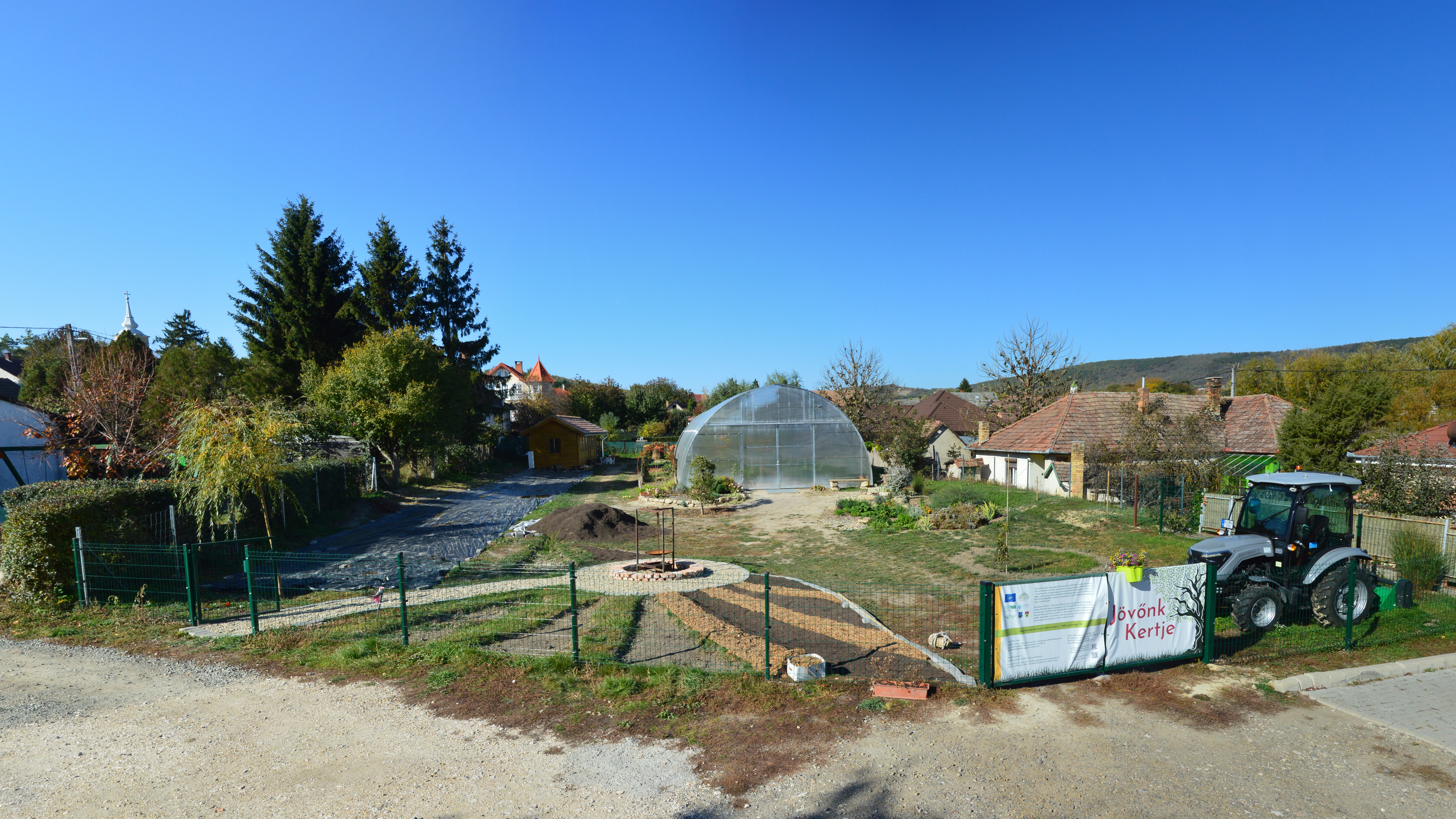
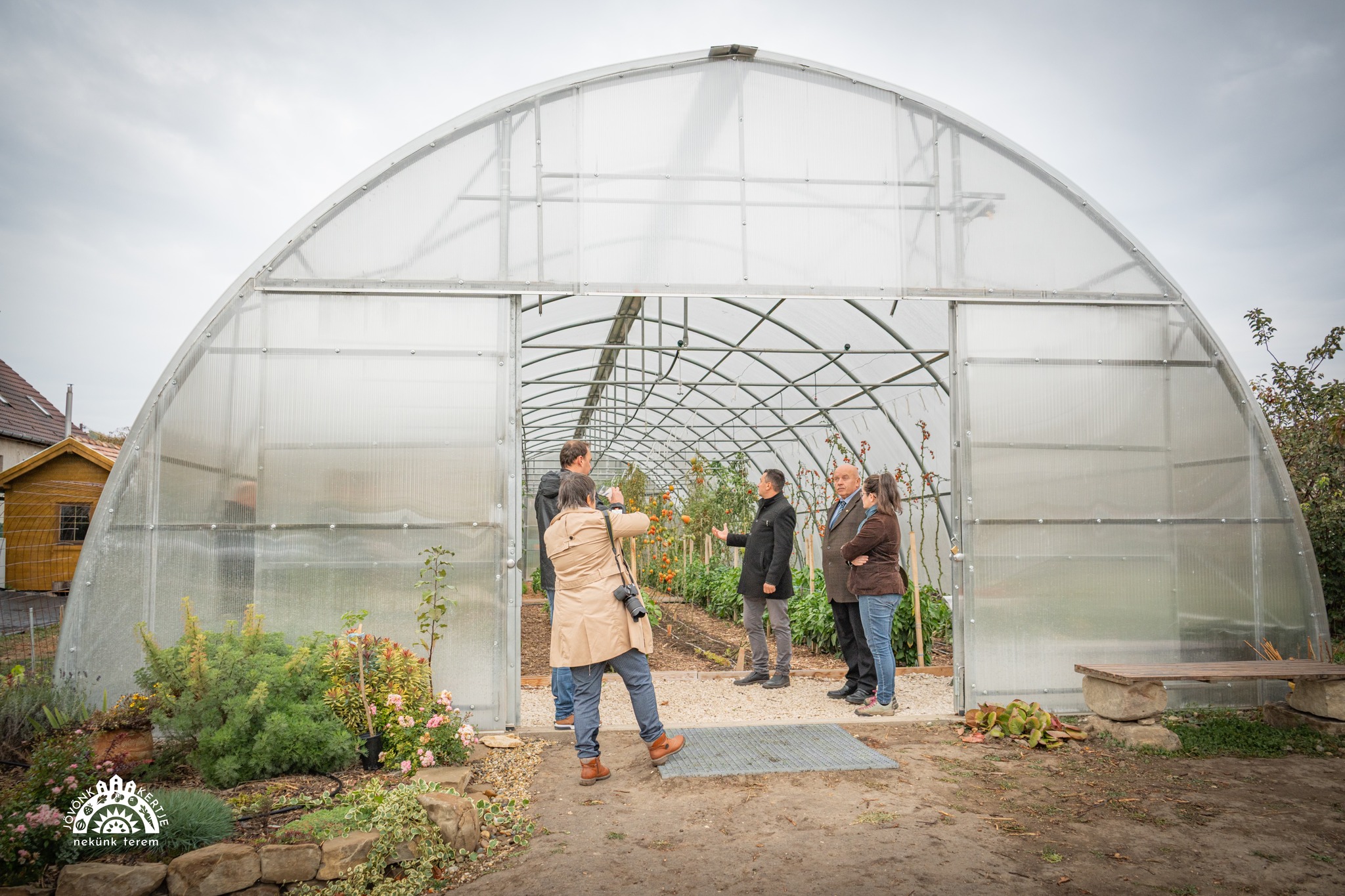
Püspökszilágy is a small village located in Central Hungary. Nearly 10 years ago, the village began implementing highly innovative, small-scale natural water retention solutions. Starting in 2023, it launched the “Garden of Our Future” initiative as part of a LIFE program. Under this project, a community-based bio-intensive farm is being established. Today, Püspökszilágy, has become a model community in Hungary for sustainable rural development.
Hungary
{Empty}
Prototype level
Yes
Yes
Yes
Yes
LIFE Programme (LIFE22-CCA-HU-101114394)
No
04303: Püspökszilágy (HU)
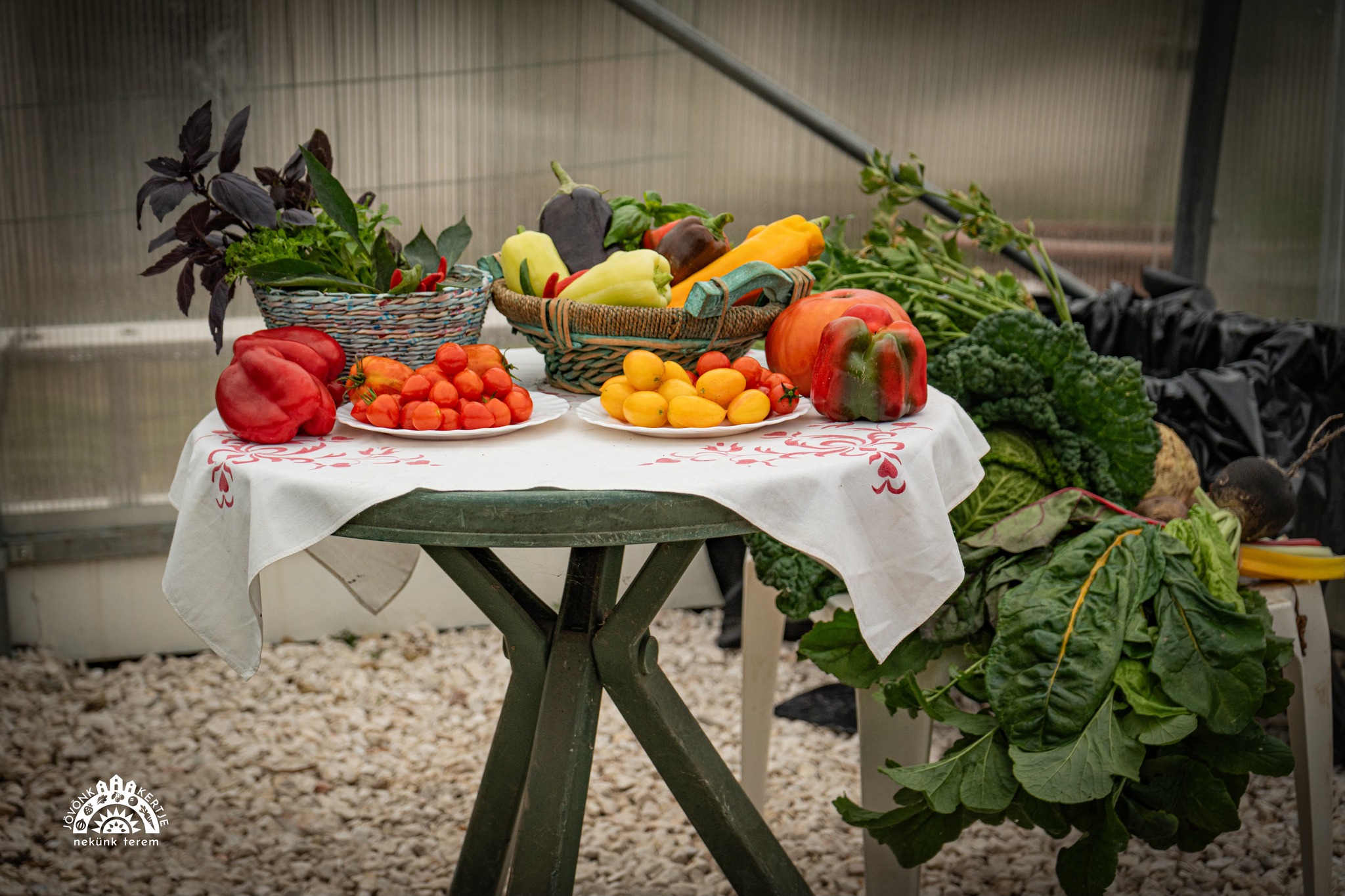
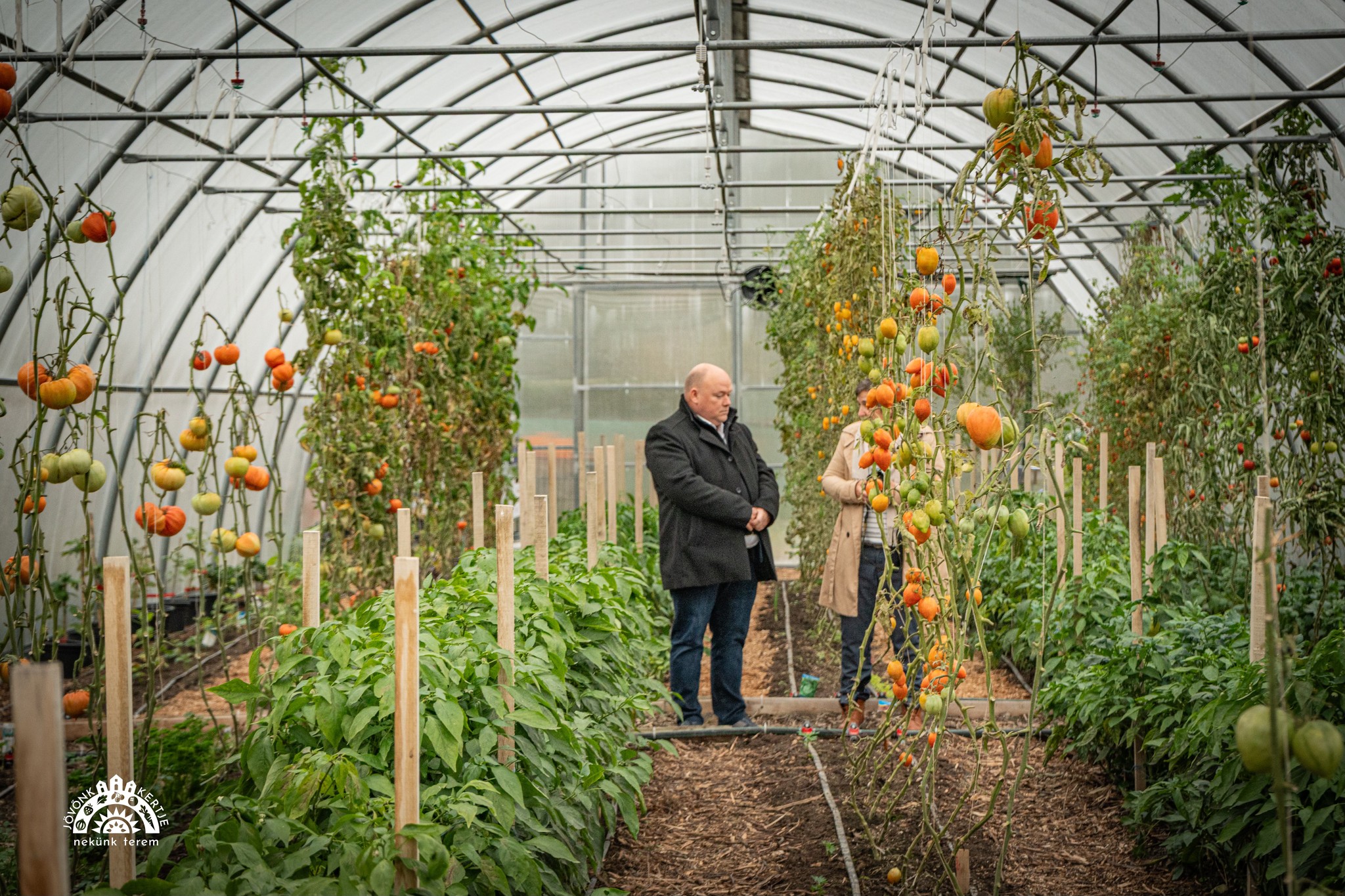
The Co-Clima project aims to strengthen climate resilience in small rural communities by enhancing local food self-sufficiency, community resilience and collaborative learning. Two municipal demonstration gardens will be established in Püspökszilágy and Penc, while the Magosvölgyi Eco-Farm will serve as a community adaptation and demonstration centre. Here, chemical-free, bio-intensive cultivation, water conservation and circular solutions (rainwater harvesting, greywater reuse, composting, renewable energy) will be tested as practical tools.
The Hungarian University of Agricultural and Life Sciences (MATE) provides scientific support, while the Association of Climate-Friendly Municipalities (AoCFM) leads participation, dissemination and communication. The overall goal is a low-cost, community-led adaptation model for small European villages that improves food security, reduces vulnerability to droughts and price fluctuations, and strengthens local support networks.
Key objectives include establishing eco-farms and hands-on learning centres; introducing a community incentive system (Payment for Ecosystem Services) and a green mentoring network to support climate-resilient home gardens; developing a short farm-to-fork supply chain for public catering; and creating a European guide to support replication.
Target groups include local residents (especially youth), municipalities, public catering institutions, civil organisations and other European rural communities. Expected outcomes include operational gardens and food banks, increased local organic supply, climate-resilient household gardens, stronger social networks and green jobs, reduced climate vulnerability and carbon footprint, and a tested, replicable model aligned with New European Bauhaus principles.
The Hungarian University of Agricultural and Life Sciences (MATE) provides scientific support, while the Association of Climate-Friendly Municipalities (AoCFM) leads participation, dissemination and communication. The overall goal is a low-cost, community-led adaptation model for small European villages that improves food security, reduces vulnerability to droughts and price fluctuations, and strengthens local support networks.
Key objectives include establishing eco-farms and hands-on learning centres; introducing a community incentive system (Payment for Ecosystem Services) and a green mentoring network to support climate-resilient home gardens; developing a short farm-to-fork supply chain for public catering; and creating a European guide to support replication.
Target groups include local residents (especially youth), municipalities, public catering institutions, civil organisations and other European rural communities. Expected outcomes include operational gardens and food banks, increased local organic supply, climate-resilient household gardens, stronger social networks and green jobs, reduced climate vulnerability and carbon footprint, and a tested, replicable model aligned with New European Bauhaus principles.
sustainability
participatory learning
biointensive
healthy and beautiful gardening
resilient communities
The LIFE Co-Clima initiative strengthens the climate resilience of rural small settlements through practical, place-based solutions that connect water retention, ecological food production and ecosystem regeneration. In Püspökszilágy and Penc, the project is developing small-scale, chemical-free, biointensive demonstration farms and community adaptation hubs that respond directly to drought, soil degradation and the fragility of local food systems. Its sustainability value lies in combining mutually reinforcing elements: rainwater retention and reuse, composting and green waste recovery, soil-friendly cultivation, biodiversity-supporting habitats and low-input local food production. These form a circular local system that reduces environmental pressure while improving adaptive capacity in everyday practice.
The initiative is coordinated by local municipalities, which ensures long-term continuity, institutional anchoring and integration into local governance. This public coordination model supports the durability of results beyond the project lifetime and strengthens the capacity of small settlements to maintain and further develop the approach over time.
Co-Clima also contributes to socially just sustainability. The initiative creates opportunities for the involvement and employment of disadvantaged and people with limited working capacity in ecological farming, community activities and local value chains. By linking environmental action with inclusive local participation and meaningful work, the project supports both ecological resilience and social cohesion.
The initiative is already producing visible results through partially implemented demonstration sites, active community engagement and household-level support. Its exemplary character lies in showing how sustainability can be embedded in the daily life of rural communities through affordable, replicable and institutionally supported solutions.
The initiative is coordinated by local municipalities, which ensures long-term continuity, institutional anchoring and integration into local governance. This public coordination model supports the durability of results beyond the project lifetime and strengthens the capacity of small settlements to maintain and further develop the approach over time.
Co-Clima also contributes to socially just sustainability. The initiative creates opportunities for the involvement and employment of disadvantaged and people with limited working capacity in ecological farming, community activities and local value chains. By linking environmental action with inclusive local participation and meaningful work, the project supports both ecological resilience and social cohesion.
The initiative is already producing visible results through partially implemented demonstration sites, active community engagement and household-level support. Its exemplary character lies in showing how sustainability can be embedded in the daily life of rural communities through affordable, replicable and institutionally supported solutions.
Co-Clima frames climate adaptation not only as an environmental necessity but as an opportunity to create meaningful, human-scale rural places. It improves everyday environments through demonstration farms and community spaces that are functional, welcoming and closely connected to the local landscape.
A key strength is the revitalisation of underused central areas. The farms in Püspökszilágy and Penc are located in neglected or low-intensity zones, where renewal introduces new spatial structure, activity and visual quality. These sites act as catalysts, reconnecting fragmented settlement parts and creating new focal points for community life.
The project’s aesthetic value comes from the integration of natural processes, productive landscapes and community use rather than decoration. Gardens, biodiversity elements, water-sensitive solutions and shared spaces work together in a practical and visually coherent way, reinforcing both ecological function and spatial experience.
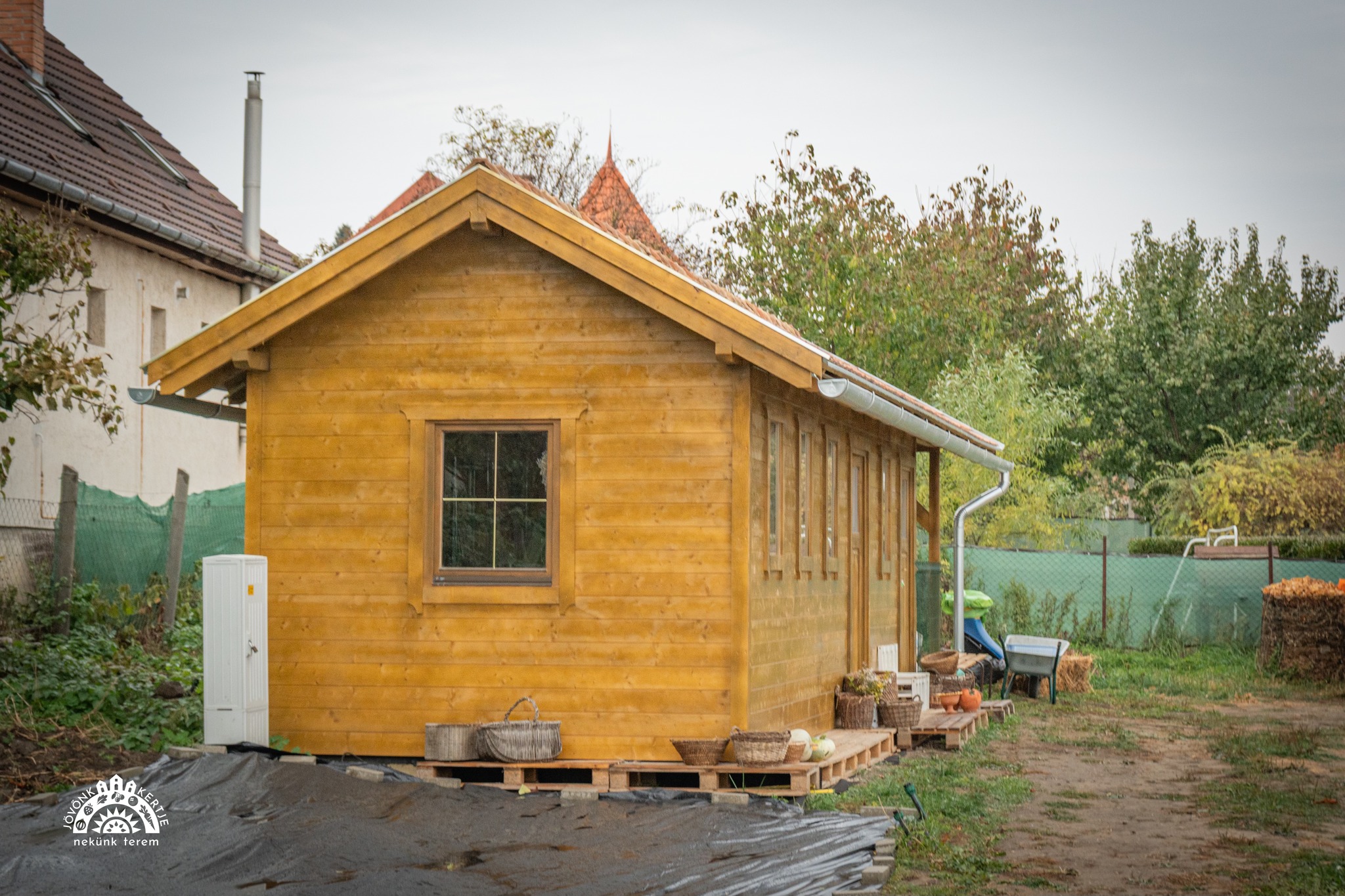
Material use and spatial design are central: locally available, low-impact materials (wood, soil, compost-based substrates, permeable surfaces) are combined with simple, durable structures such as greenhouses, shading elements and water retention features. Their layout follows landscape logic and human use, not uniform design.
Traditional and contemporary elements coexist. Local knowledge and vernacular forms are reinterpreted through climate-conscious solutions, creating rural spaces where productivity, ecology and aesthetics align while preserving identity.
This approach strengthens emotional connection to place, expressing beauty through care, usability and belonging. Co-Clima shows that modest, locally rooted interventions can regenerate neglected areas and create new spatial dynamics.
A key strength is the revitalisation of underused central areas. The farms in Püspökszilágy and Penc are located in neglected or low-intensity zones, where renewal introduces new spatial structure, activity and visual quality. These sites act as catalysts, reconnecting fragmented settlement parts and creating new focal points for community life.
The project’s aesthetic value comes from the integration of natural processes, productive landscapes and community use rather than decoration. Gardens, biodiversity elements, water-sensitive solutions and shared spaces work together in a practical and visually coherent way, reinforcing both ecological function and spatial experience.
Material use and spatial design are central: locally available, low-impact materials (wood, soil, compost-based substrates, permeable surfaces) are combined with simple, durable structures such as greenhouses, shading elements and water retention features. Their layout follows landscape logic and human use, not uniform design.
Traditional and contemporary elements coexist. Local knowledge and vernacular forms are reinterpreted through climate-conscious solutions, creating rural spaces where productivity, ecology and aesthetics align while preserving identity.
This approach strengthens emotional connection to place, expressing beauty through care, usability and belonging. Co-Clima shows that modest, locally rooted interventions can regenerate neglected areas and create new spatial dynamics.
The LIFE CoClima initiative ensures that climate adaptation knowledge and resources are accessible to all residents, with particular attention to vulnerable groups in small settlements, including elderly people, low-income households and newcomers. In Püspökszilágy and Penc, ecological demonstration farms and community adaptation hubs are being developed as open and inclusive spaces. These sites are physically accessible through barrier-free layouts (level gardens and accessible paths) and are free to visit, ensuring both accessibility and affordability.
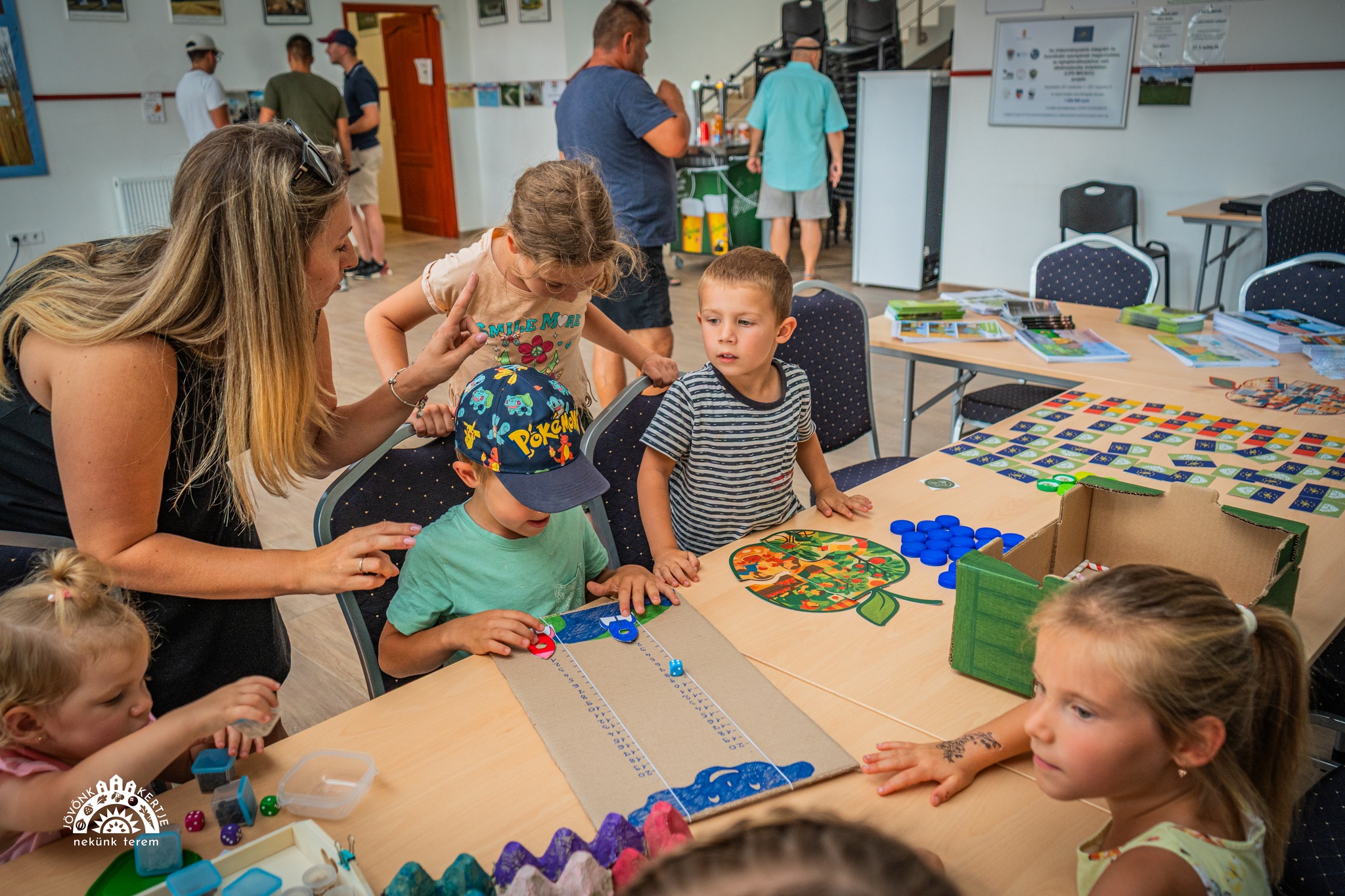
Inclusion is further strengthened through practical participation and local employment. The project is creating opportunities for local residents—including unemployed people and pensioners—to engage in green employment, such as part-time gardening, food processing and maintenance activities. Participants can also take part in “eco-mentor” trainings, enabling them to support others and contribute to knowledge-sharing within the community.
The initiative follows a “design for all” approach, combining traditional local knowledge with contemporary ecological practices. This supports intergenerational exchange, for example through older residents mentoring younger participants, while also introducing new elements such as a Payment for Ecosystem Services scheme that rewards households for climate-conscious actions.
Inclusion is also supported at a wider territorial level. Cooperation between Penc, Püspökszilágy and Magosvölgy includes shared resources, such as mobile processing facilities, which help reduce disparities between settlements and improve access to local value chains.
CoClima is exemplary because it adapts the NEB together principle to rural realities. It creates a model in which residents are not only beneficiaries but active contributors to local processes, through accessible, low-cost and community-based solutions that strengthen social cohesion and can be adapted by other European rural communities.
Inclusion is further strengthened through practical participation and local employment. The project is creating opportunities for local residents—including unemployed people and pensioners—to engage in green employment, such as part-time gardening, food processing and maintenance activities. Participants can also take part in “eco-mentor” trainings, enabling them to support others and contribute to knowledge-sharing within the community.
The initiative follows a “design for all” approach, combining traditional local knowledge with contemporary ecological practices. This supports intergenerational exchange, for example through older residents mentoring younger participants, while also introducing new elements such as a Payment for Ecosystem Services scheme that rewards households for climate-conscious actions.
Inclusion is also supported at a wider territorial level. Cooperation between Penc, Püspökszilágy and Magosvölgy includes shared resources, such as mobile processing facilities, which help reduce disparities between settlements and improve access to local value chains.
CoClima is exemplary because it adapts the NEB together principle to rural realities. It creates a model in which residents are not only beneficiaries but active contributors to local processes, through accessible, low-cost and community-based solutions that strengthen social cohesion and can be adapted by other European rural communities.
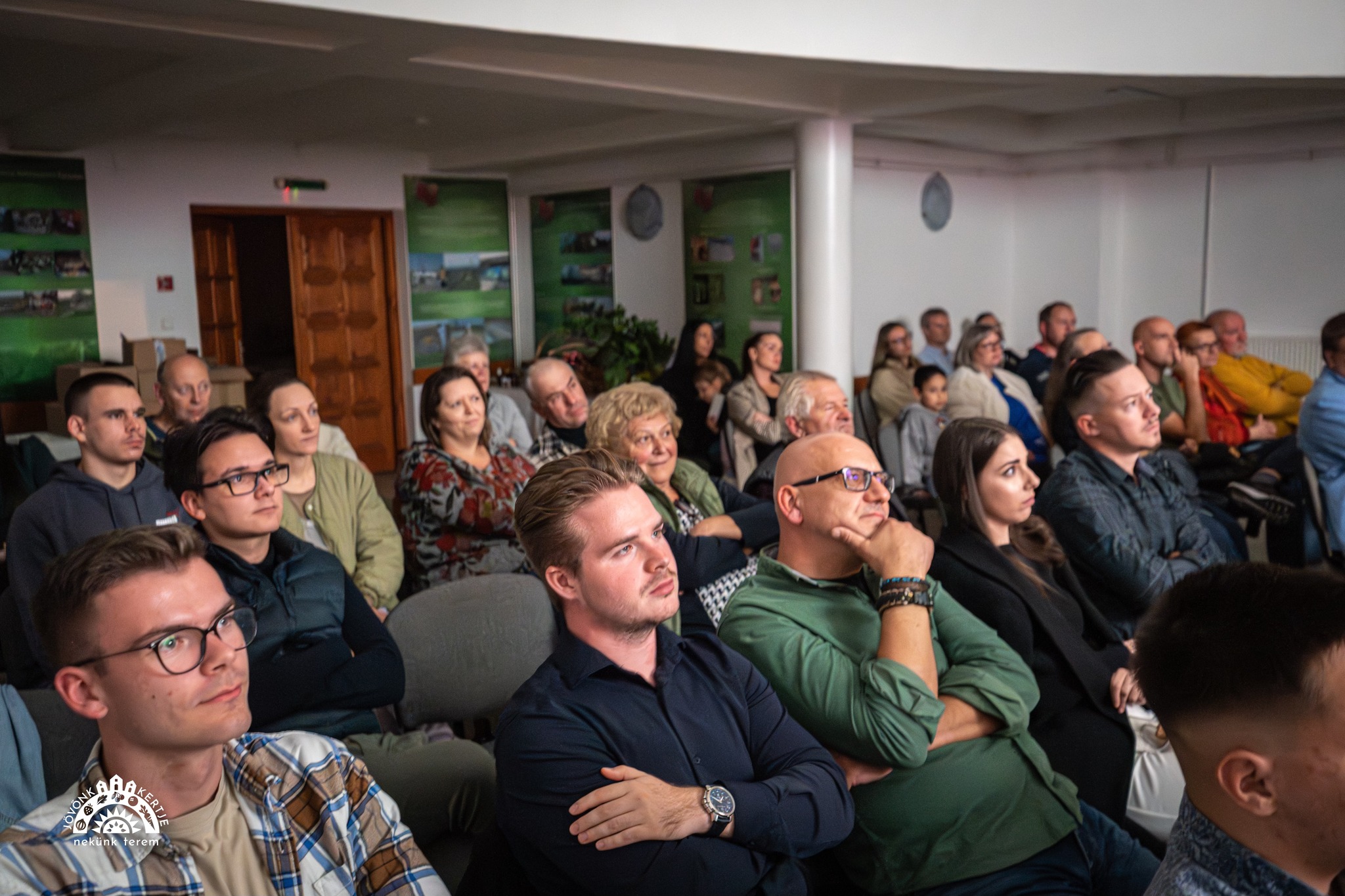
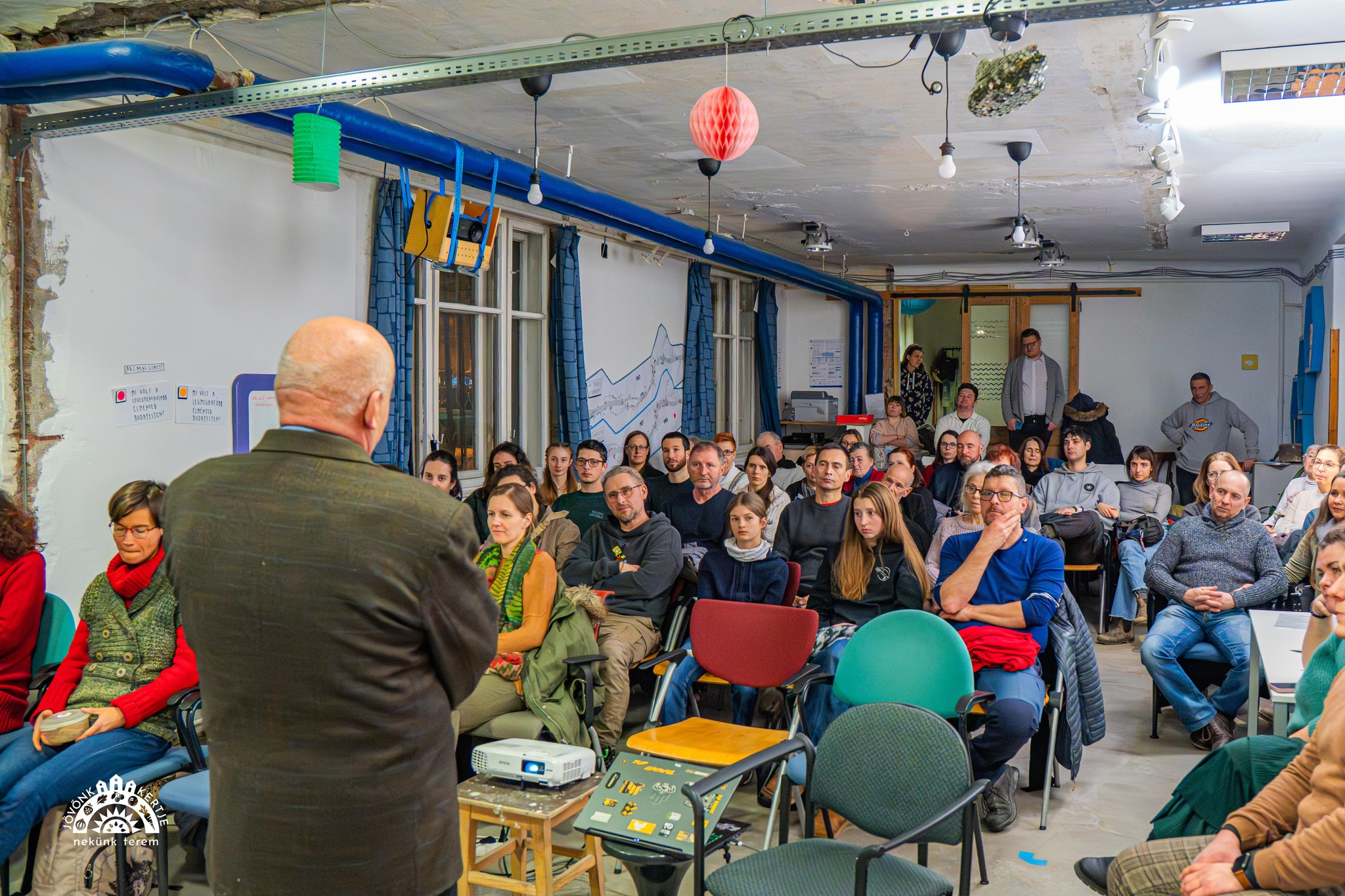
Citizens and civil society are active contributors to Co-Clima, shaping both the development and everyday functioning of the initiative. Participation is embedded from the early stages through local discussions, workshops and community events that help identify needs and test practical responses.
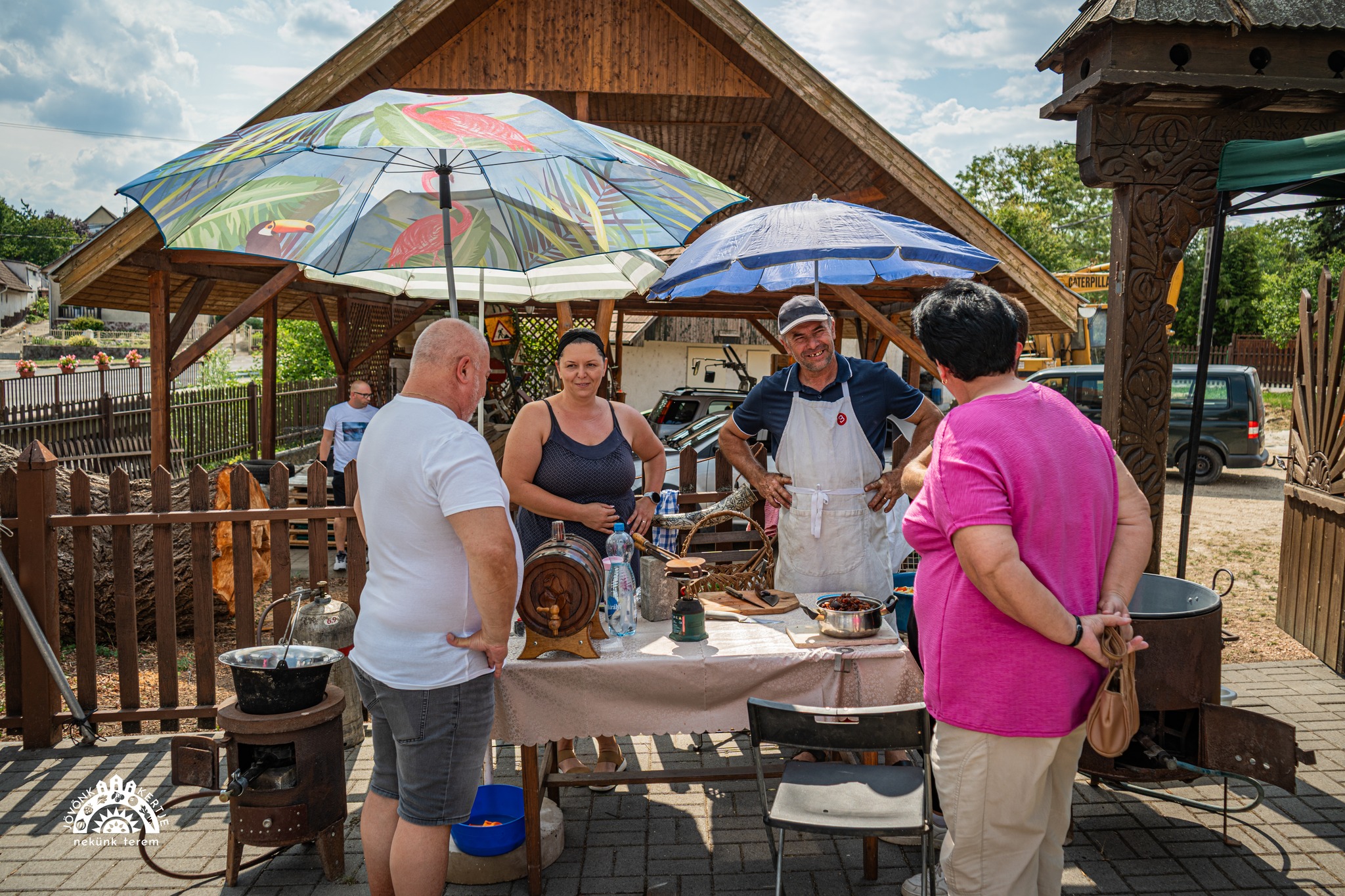
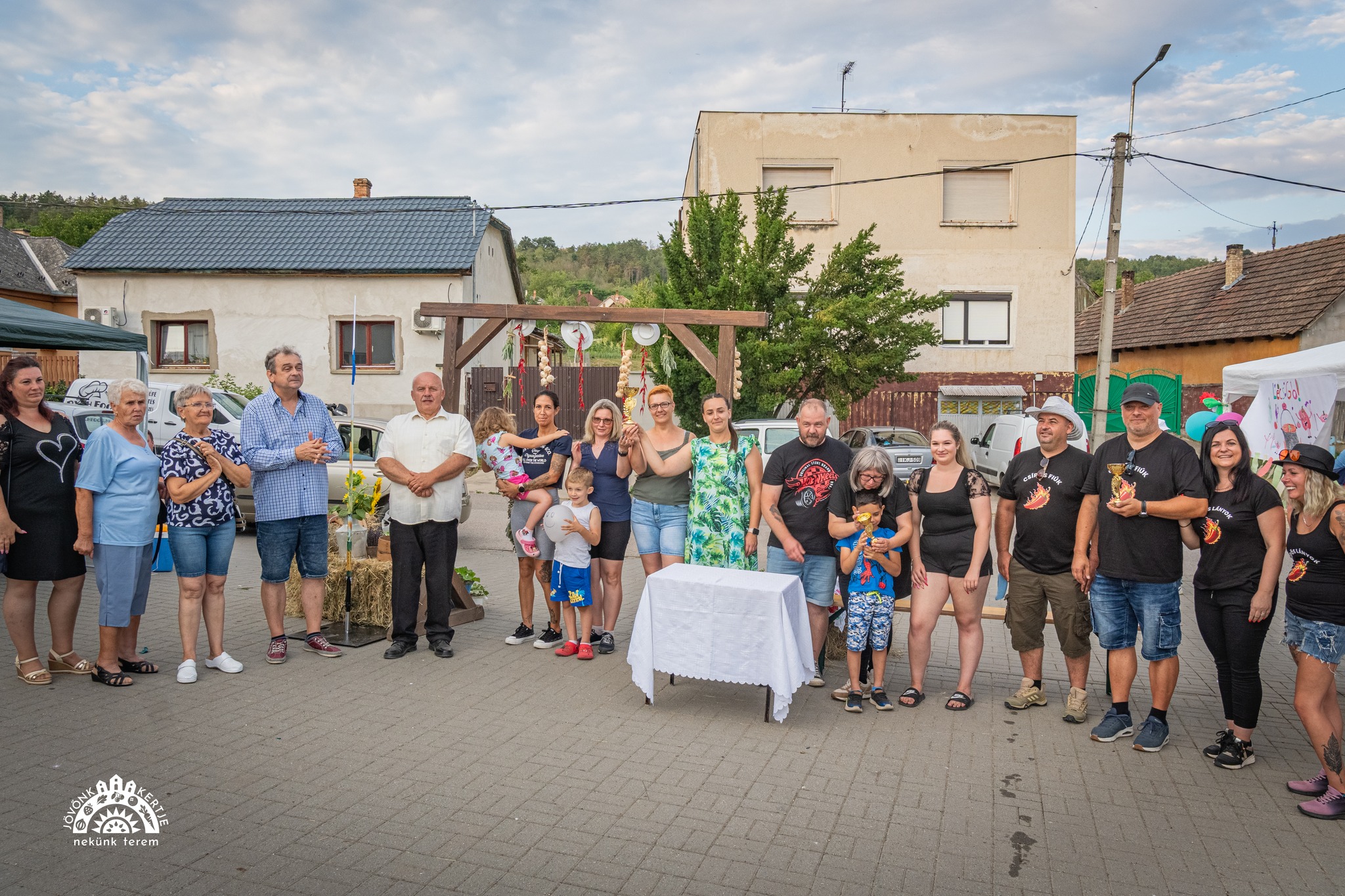
Residents are directly involved in the creation of the demonstration sites. Through volunteer days, they take part in soil preparation, planting, composting and the construction of basic elements such as raised beds and resting areas, while receiving hands-on training in ecological practices. This ensures that learning is directly linked to practical experience and shared ownership of the spaces.
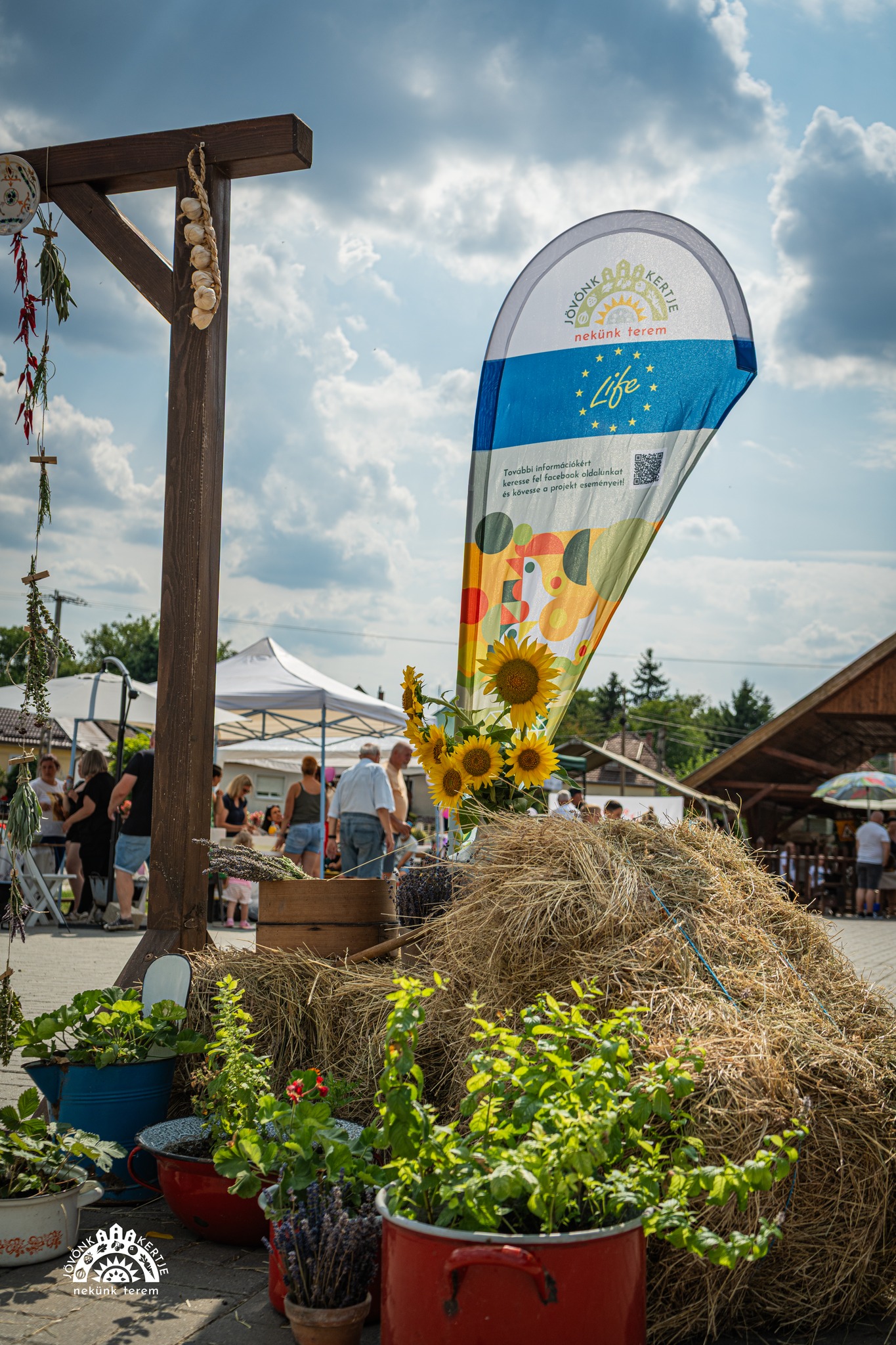
Beyond these initial activities, local engagement continues through structured cooperation. Social cooperatives and community working groups are involved in the operation of the farms, contributing to cultivation, processing and the logistics of supplying products for local public catering. They also support the organisation of events, communication and community outreach, strengthening the visibility and continuity of the initiative.
Civil society organisations play a key enabling role in this process. The Association of Climate-Friendly Municipalities supports networking and knowledge-sharing, while Magosvölgy Eco-Farm provides practical expertise and a learning environment. Their involvement helps translate technical objectives into accessible, community-based activities.
This participatory approach is already visible in the project’s implementation and contributes to strong local ownership. Co-Clima is exemplary because it moves beyond consultation and creates real opportunities for citizens to co-create, maintain and benefit from climate adaptation solutions in their own settlement.
Residents are directly involved in the creation of the demonstration sites. Through volunteer days, they take part in soil preparation, planting, composting and the construction of basic elements such as raised beds and resting areas, while receiving hands-on training in ecological practices. This ensures that learning is directly linked to practical experience and shared ownership of the spaces.
Beyond these initial activities, local engagement continues through structured cooperation. Social cooperatives and community working groups are involved in the operation of the farms, contributing to cultivation, processing and the logistics of supplying products for local public catering. They also support the organisation of events, communication and community outreach, strengthening the visibility and continuity of the initiative.
Civil society organisations play a key enabling role in this process. The Association of Climate-Friendly Municipalities supports networking and knowledge-sharing, while Magosvölgy Eco-Farm provides practical expertise and a learning environment. Their involvement helps translate technical objectives into accessible, community-based activities.
This participatory approach is already visible in the project’s implementation and contributes to strong local ownership. Co-Clima is exemplary because it moves beyond consultation and creates real opportunities for citizens to co-create, maintain and benefit from climate adaptation solutions in their own settlement.
Co-Clima brings together stakeholders from local, regional, national and European levels in a way that directly strengthens the quality and relevance of the initiative. At local level, the municipalities of Püspökszilágy and Penc provide the territorial framework, institutional anchoring and direct connection to residents. They play a key role in mobilising participation, coordinating implementation and ensuring that the initiative responds to local conditions and priorities.
At regional level, Magosvölgy Eco-Farm contributes hands-on ecological farming knowledge and demonstration capacity, while the Associaton Climate-Friendly Municipalities supports dissemination, peer learning and links to other municipalities interested in climate adaptation. These partners help bridge local practice with wider learning processes and ensure that the project’s results do not remain isolated.
At national level, the MATE (Hungarian University of Agriculture and Life Sciences) provides research, methodological support and evaluation capacity. This strengthens the evidence base of the initiative and helps turn local experimentation into transferable knowledge.
At European level, the LIFE framework situates the project within a broader climate adaptation context and supports replication, networking and exploitation of results beyond the immediate project area. The project explicitly aims to contribute to wider learning on rural small-settlement resilience, including replication activities and exchanges with other municipalities and networks.
The added value of this multi-level engagement lies in connecting everyday local action with scientific knowledge, institutional support and wider European relevance. Co-Clima is exemplary because it shows how a small-settlement initiative can remain deeply local while also generating lessons that matter beyond its own territory.
At regional level, Magosvölgy Eco-Farm contributes hands-on ecological farming knowledge and demonstration capacity, while the Associaton Climate-Friendly Municipalities supports dissemination, peer learning and links to other municipalities interested in climate adaptation. These partners help bridge local practice with wider learning processes and ensure that the project’s results do not remain isolated.
At national level, the MATE (Hungarian University of Agriculture and Life Sciences) provides research, methodological support and evaluation capacity. This strengthens the evidence base of the initiative and helps turn local experimentation into transferable knowledge.
At European level, the LIFE framework situates the project within a broader climate adaptation context and supports replication, networking and exploitation of results beyond the immediate project area. The project explicitly aims to contribute to wider learning on rural small-settlement resilience, including replication activities and exchanges with other municipalities and networks.
The added value of this multi-level engagement lies in connecting everyday local action with scientific knowledge, institutional support and wider European relevance. Co-Clima is exemplary because it shows how a small-settlement initiative can remain deeply local while also generating lessons that matter beyond its own territory.
The LIFE Co-Clima initiative applies a transdisciplinary approach, combining agricultural and ecological sciences with sociology, economics, communication and community development to address climate adaptation in small settlements.
Agricultural and ecological expertise is provided by the Hungarian University of Agriculture and Life Sciences (MATE), focusing on traditional Carpathian Basin practices, biointensive and soil-friendly cultivation, and ecosystem services, including Payment for Ecosystem Services (PES). These are implemented by Magosvölgy Eco-Farm, which tests solutions such as no-till systems, composting, biodiversity enhancement and an eco-mentor programme under real conditions.
Social and community dimensions are strengthened by the Association of Climate-Friendly Municipalities (AoCFM) through participatory tools such as focus groups, community engagement, national communication and support networks, ensuring local embedding and social resilience.
Economic and regulatory aspects are also integrated. MATE and partners analyse farm-to-fork models, social cooperative frameworks and local incentives such as community-based climate funds, supporting long-term viability.
Collaboration is practice-based: researchers, practitioners and facilitators work together in workshops and on-site activities, combining traditional knowledge with eco-design and adapting tools like PES to local contexts. Municipalities ensure governance, sites and institutional anchoring.
This synergy supports the development of a practical climate adaptation handbook for European small settlements, combining scientific validation with locally tested solutions and showing how traditional knowledge can become scalable, context-sensitive innovation.
Agricultural and ecological expertise is provided by the Hungarian University of Agriculture and Life Sciences (MATE), focusing on traditional Carpathian Basin practices, biointensive and soil-friendly cultivation, and ecosystem services, including Payment for Ecosystem Services (PES). These are implemented by Magosvölgy Eco-Farm, which tests solutions such as no-till systems, composting, biodiversity enhancement and an eco-mentor programme under real conditions.
Social and community dimensions are strengthened by the Association of Climate-Friendly Municipalities (AoCFM) through participatory tools such as focus groups, community engagement, national communication and support networks, ensuring local embedding and social resilience.
Economic and regulatory aspects are also integrated. MATE and partners analyse farm-to-fork models, social cooperative frameworks and local incentives such as community-based climate funds, supporting long-term viability.
Collaboration is practice-based: researchers, practitioners and facilitators work together in workshops and on-site activities, combining traditional knowledge with eco-design and adapting tools like PES to local contexts. Municipalities ensure governance, sites and institutional anchoring.
This synergy supports the development of a practical climate adaptation handbook for European small settlements, combining scientific validation with locally tested solutions and showing how traditional knowledge can become scalable, context-sensitive innovation.
The innovative character of Co-Clima lies in the way it combines existing but rarely connected elements into an integrated model for rural climate resilience. Rather than relying on a single new technology, the initiative links water retention, ecological food production, community participation, local governance and practical learning into one coherent framework tailored to small settlements.
This is particularly innovative because climate adaptation tools are still often developed with urban contexts in mind, while rural settlements are frequently treated only as agricultural production areas. Co-Clima responds to this gap by focusing specifically on the vulnerabilities and capacities of rural small municipalities, where environmental pressures, limited resources and demographic challenges often intersect.
The project introduces an approach in which demonstration farms and adaptation hubs function simultaneously as productive spaces, learning environments and community infrastructures. Household-level support, tailored adaptation roadmaps, mentoring and local dissemination further extend the innovation beyond pilot sites into everyday rural life.
Its innovation also lies in governance and social design. The initiative does not treat local people as end users of a predefined solution, but as participants in a gradual process of adaptation. This creates a more durable and context-sensitive model, where environmental transition is embedded in community practice and municipal responsibility.
Co-Clima is exemplary because it demonstrates a new way of thinking about rural adaptation: not as a fragmented set of measures, but as an integrated and replicable local system. In this sense, its innovation is practical, social and institutional at the same time.
This is particularly innovative because climate adaptation tools are still often developed with urban contexts in mind, while rural settlements are frequently treated only as agricultural production areas. Co-Clima responds to this gap by focusing specifically on the vulnerabilities and capacities of rural small municipalities, where environmental pressures, limited resources and demographic challenges often intersect.
The project introduces an approach in which demonstration farms and adaptation hubs function simultaneously as productive spaces, learning environments and community infrastructures. Household-level support, tailored adaptation roadmaps, mentoring and local dissemination further extend the innovation beyond pilot sites into everyday rural life.
Its innovation also lies in governance and social design. The initiative does not treat local people as end users of a predefined solution, but as participants in a gradual process of adaptation. This creates a more durable and context-sensitive model, where environmental transition is embedded in community practice and municipal responsibility.
Co-Clima is exemplary because it demonstrates a new way of thinking about rural adaptation: not as a fragmented set of measures, but as an integrated and replicable local system. In this sense, its innovation is practical, social and institutional at the same time.
Co-Clima uses an integrated, community-based methodology for building climate resilience in rural small settlements. The starting point is that adaptation becomes effective only when it is rooted in local realities and combines environmental action with community participation, practical demonstration and institutional support.
The methodology begins with identifying local vulnerabilities and resources, then translates them into concrete pilot actions that can be tested, experienced and improved in practice. Demonstration farms and community adaptation spaces are central to this model: they make abstract climate challenges visible and turn them into tangible local responses related to water, soil, food production and biodiversity.
A second key element is household engagement. Through tailored support, mentoring and small-scale equipment-based assistance, the project helps residents apply adaptation measures in their own context and become active participants in the wider resilience process. This expands the impact beyond the core sites and strengthens the local ownership of results.
The approach is deliberately iterative. Rather than promoting a rigid blueprint, Co-Clima creates a framework that can be refined through experience, evaluation and feedback. This makes the initiative both locally grounded and adaptable to other territories.
Its strength lies in combining practical ecological solutions with participatory governance and shared learning. Co-Clima is exemplary because it offers a methodology that is simple enough to be understood and adopted locally, yet robust enough to generate transferable lessons for other rural municipalities facing similar climate pressures.
The methodology begins with identifying local vulnerabilities and resources, then translates them into concrete pilot actions that can be tested, experienced and improved in practice. Demonstration farms and community adaptation spaces are central to this model: they make abstract climate challenges visible and turn them into tangible local responses related to water, soil, food production and biodiversity.
A second key element is household engagement. Through tailored support, mentoring and small-scale equipment-based assistance, the project helps residents apply adaptation measures in their own context and become active participants in the wider resilience process. This expands the impact beyond the core sites and strengthens the local ownership of results.
The approach is deliberately iterative. Rather than promoting a rigid blueprint, Co-Clima creates a framework that can be refined through experience, evaluation and feedback. This makes the initiative both locally grounded and adaptable to other territories.
Its strength lies in combining practical ecological solutions with participatory governance and shared learning. Co-Clima is exemplary because it offers a methodology that is simple enough to be understood and adopted locally, yet robust enough to generate transferable lessons for other rural municipalities facing similar climate pressures.
Co-Clima is designed as a locally grounded but transferable model for climate adaptation in small settlements. Its replicability lies not in a fixed set of solutions, but in a flexible approach that combines water retention, ecological food production, community participation and local governance in a coherent framework that can be adapted to different contexts.
The initiative is already generating practical knowledge through demonstration sites, community engagement and tested methods. These are being synthesised into a structured, practice-oriented framework that supports other municipalities and local actors in applying similar approaches, while allowing adaptation to local environmental, social and economic conditions.
A key strength of the model is its scalability across rural areas with similar structural challenges. It is particularly relevant for low-density, agriculture-dependent regions facing increasing climate pressure. For example, in Southern Europe, where prolonged drought and water scarcity are becoming more frequent, the project’s water retention and soil-focused practices offer directly applicable solutions. In East-Central Europe, where soil degradation and changing precipitation patterns affect agricultural productivity, the integration of regenerative cultivation methods and local resource cycles provides a practical pathway for adaptation.
ecause the approach builds on locally available materials, community-based organisation and existing institutional structures, it avoids one-size-fits-all solutions. Instead, it offers a modular and adaptable model that can be adjusted to different landscapes and governance settings.
Co-Clima is exemplary in demonstrating that climate adaptation in rural areas can be both place-specific and transferable. By combining tested practices with a flexible implementation logic, it provides a realistic and scalable approach for other European communities facing similar challenges.
The initiative is already generating practical knowledge through demonstration sites, community engagement and tested methods. These are being synthesised into a structured, practice-oriented framework that supports other municipalities and local actors in applying similar approaches, while allowing adaptation to local environmental, social and economic conditions.
A key strength of the model is its scalability across rural areas with similar structural challenges. It is particularly relevant for low-density, agriculture-dependent regions facing increasing climate pressure. For example, in Southern Europe, where prolonged drought and water scarcity are becoming more frequent, the project’s water retention and soil-focused practices offer directly applicable solutions. In East-Central Europe, where soil degradation and changing precipitation patterns affect agricultural productivity, the integration of regenerative cultivation methods and local resource cycles provides a practical pathway for adaptation.
ecause the approach builds on locally available materials, community-based organisation and existing institutional structures, it avoids one-size-fits-all solutions. Instead, it offers a modular and adaptable model that can be adjusted to different landscapes and governance settings.
Co-Clima is exemplary in demonstrating that climate adaptation in rural areas can be both place-specific and transferable. By combining tested practices with a flexible implementation logic, it provides a realistic and scalable approach for other European communities facing similar challenges.
Co-Clima is an ongoing initiative (2023–2028) that has already established key elements of its model. Demonstration farms in Püspökszilágy and Penc have been designed and partly implemented, including soil preparation, planting systems, composting and basic infrastructure. Community participation is ensured through focus groups, volunteer days and local engagement, alongside regional resource-sharing, for example with Magosvölgy and shared equipment use.
New European Bauhaus values are clearly reflected. Sustainability is realised through circular systems such as composting, zero-pollution approaches, water retention and soil-friendly cultivation. Aesthetic quality appears in landscape-integrated gardens combining productivity with coherent rural character. Inclusiveness is ensured through free access and open programmes for diverse local groups.
NEB principles are applied in practice: participation through workshops and volunteer activities; multi-level cooperation between municipalities, national networks and EU partnerships; and transdisciplinarity through the integration of agriculture, ecology, sociology, economics, communication and rural development, supported by MATE, Magosvölgy, AoCFM and municipalities.
The next phase (2026–2028) will complete and scale the model. Planned actions include full infrastructure development, extending the farm-to-fork model to public catering (e.g. schools), expanding community programmes (eco-mentor trainings, study visits), and developing incentive systems such as PES. Replication in additional settlements will be supported by monitoring (KPIs, impact assessment) and an After-LIFE framework.
These steps represent the maturation of a functioning model, evolving as a community-based laboratory for rural climate adaptation.
New European Bauhaus values are clearly reflected. Sustainability is realised through circular systems such as composting, zero-pollution approaches, water retention and soil-friendly cultivation. Aesthetic quality appears in landscape-integrated gardens combining productivity with coherent rural character. Inclusiveness is ensured through free access and open programmes for diverse local groups.
NEB principles are applied in practice: participation through workshops and volunteer activities; multi-level cooperation between municipalities, national networks and EU partnerships; and transdisciplinarity through the integration of agriculture, ecology, sociology, economics, communication and rural development, supported by MATE, Magosvölgy, AoCFM and municipalities.
The next phase (2026–2028) will complete and scale the model. Planned actions include full infrastructure development, extending the farm-to-fork model to public catering (e.g. schools), expanding community programmes (eco-mentor trainings, study visits), and developing incentive systems such as PES. Replication in additional settlements will be supported by monitoring (KPIs, impact assessment) and an After-LIFE framework.
These steps represent the maturation of a functioning model, evolving as a community-based laboratory for rural climate adaptation.