Enablers for New European Bauhaus Transformation
Supported Living
Support to host communities: creating accessible conditions for population evacuation
Our project, “Supported Living”, is a pioneering initiative in the Torchyn community (Ukraine) that transforms social care from isolated institutional walls into warm, family-like homes.
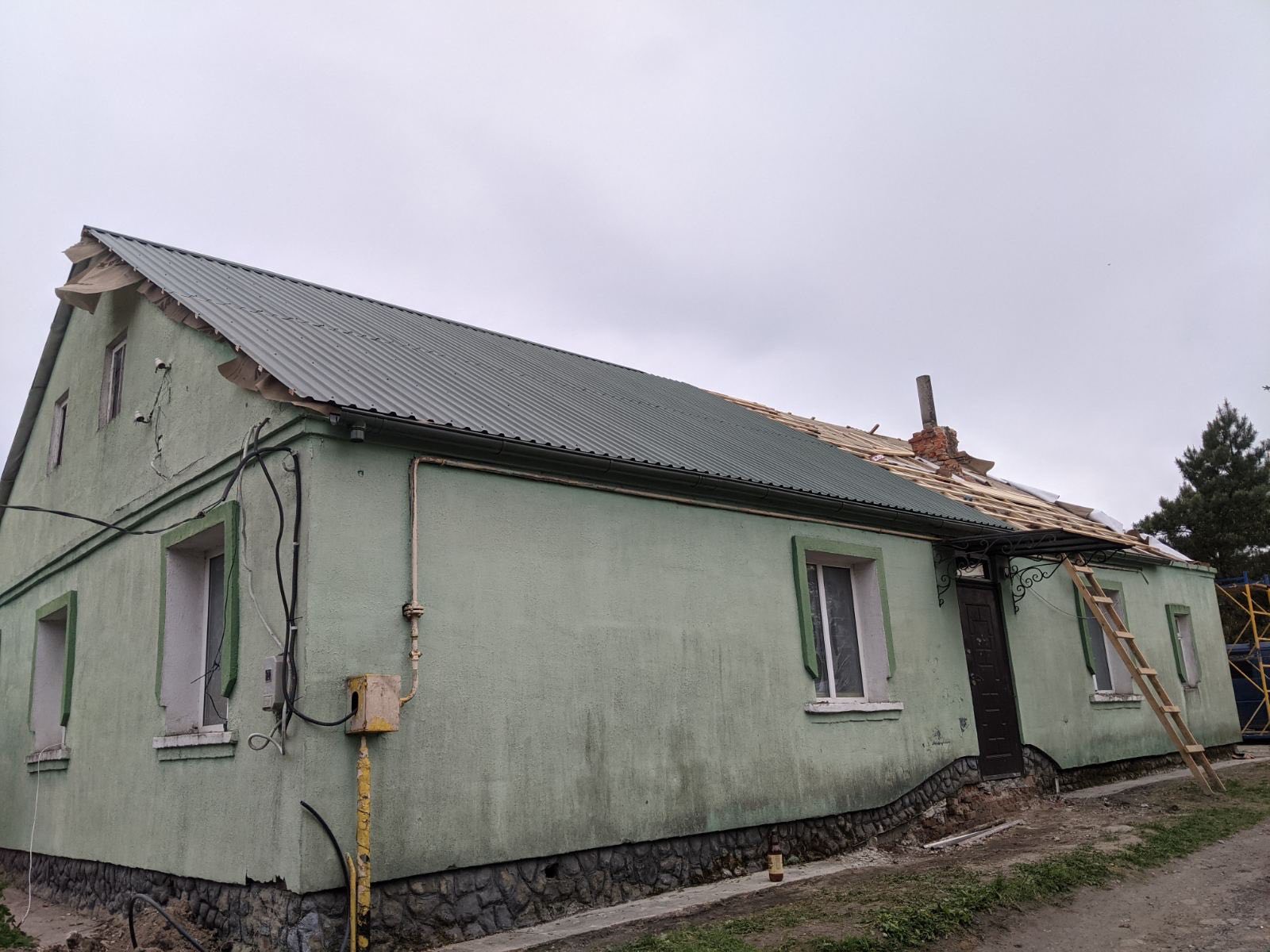
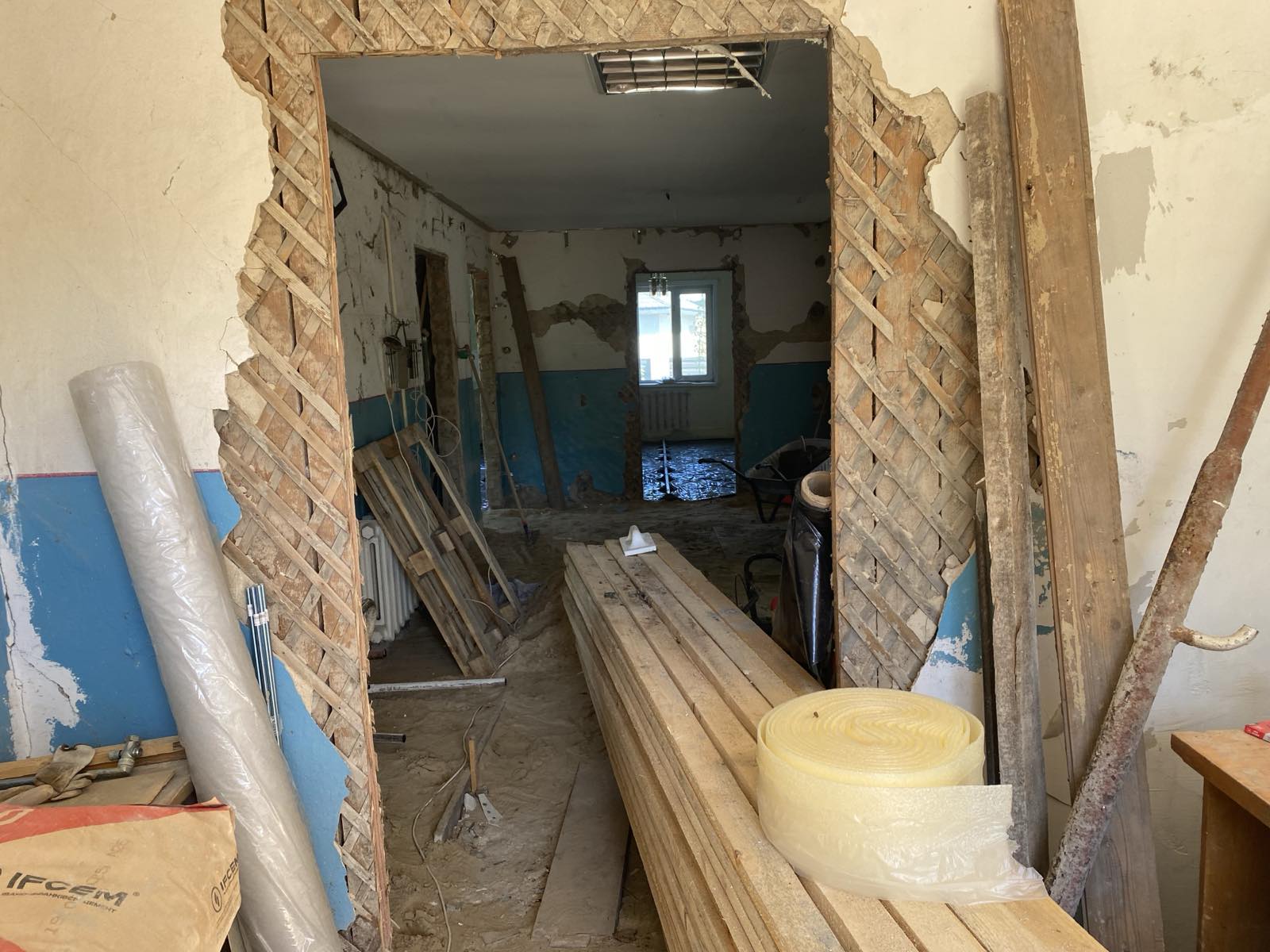
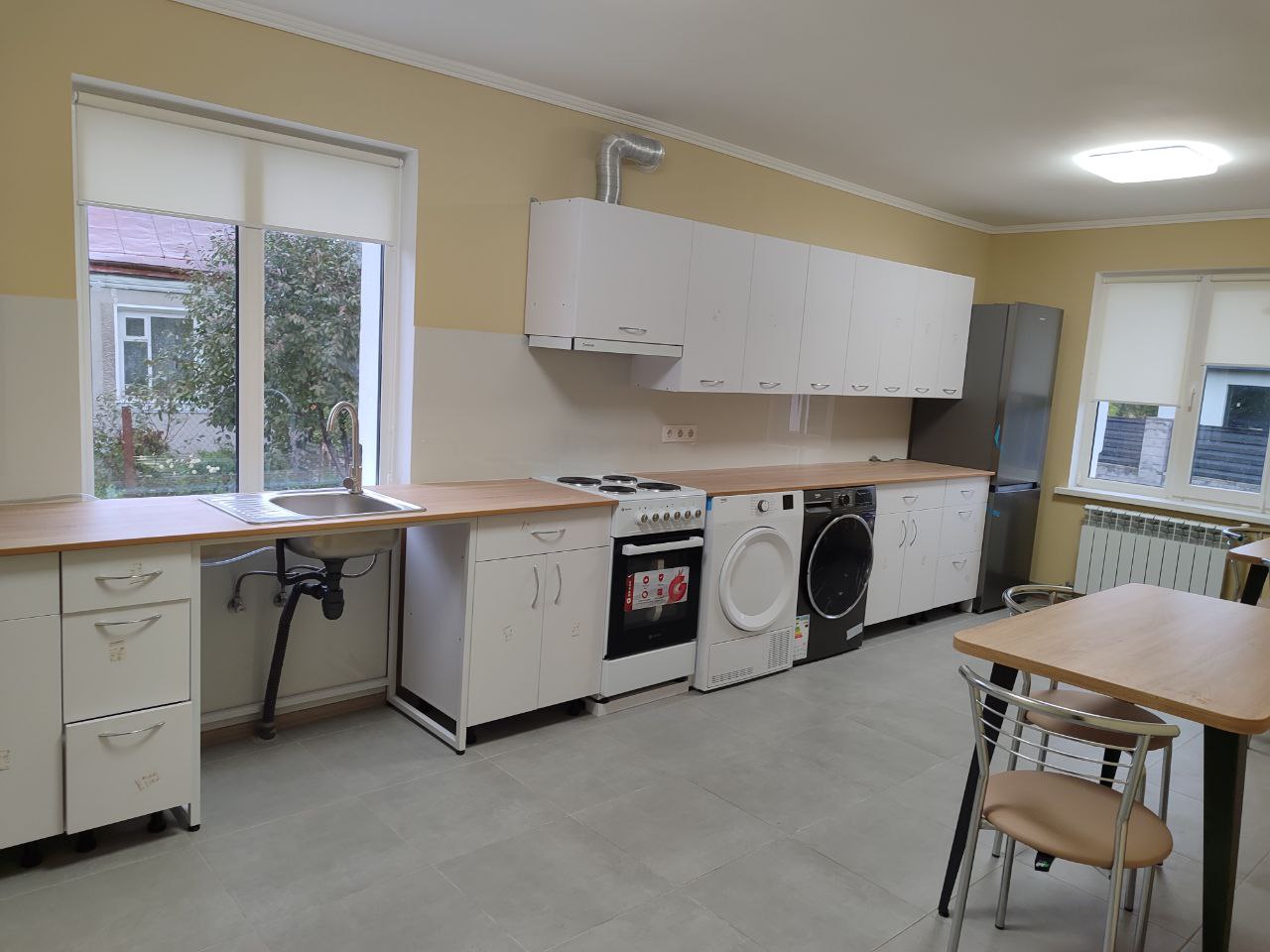
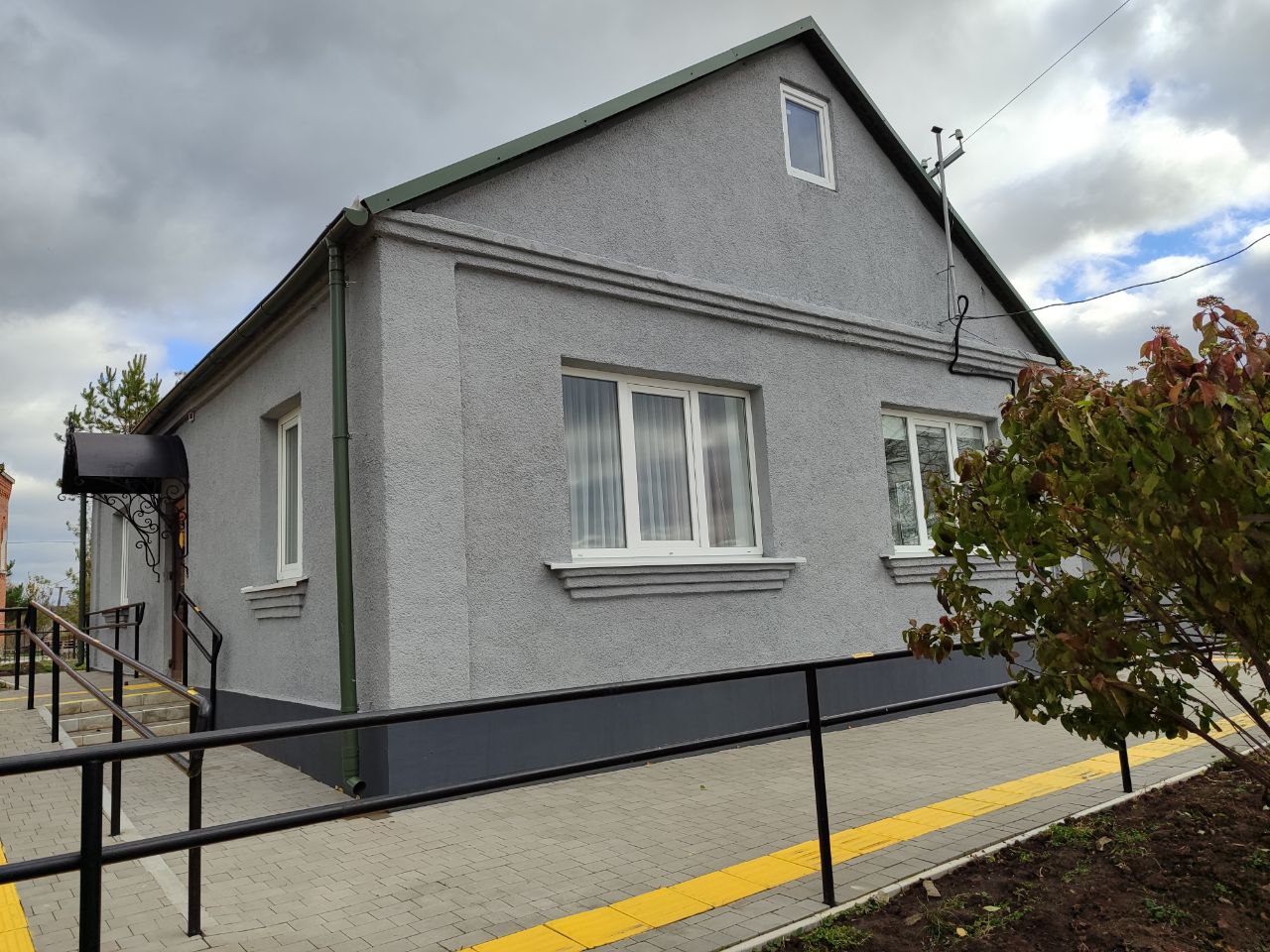
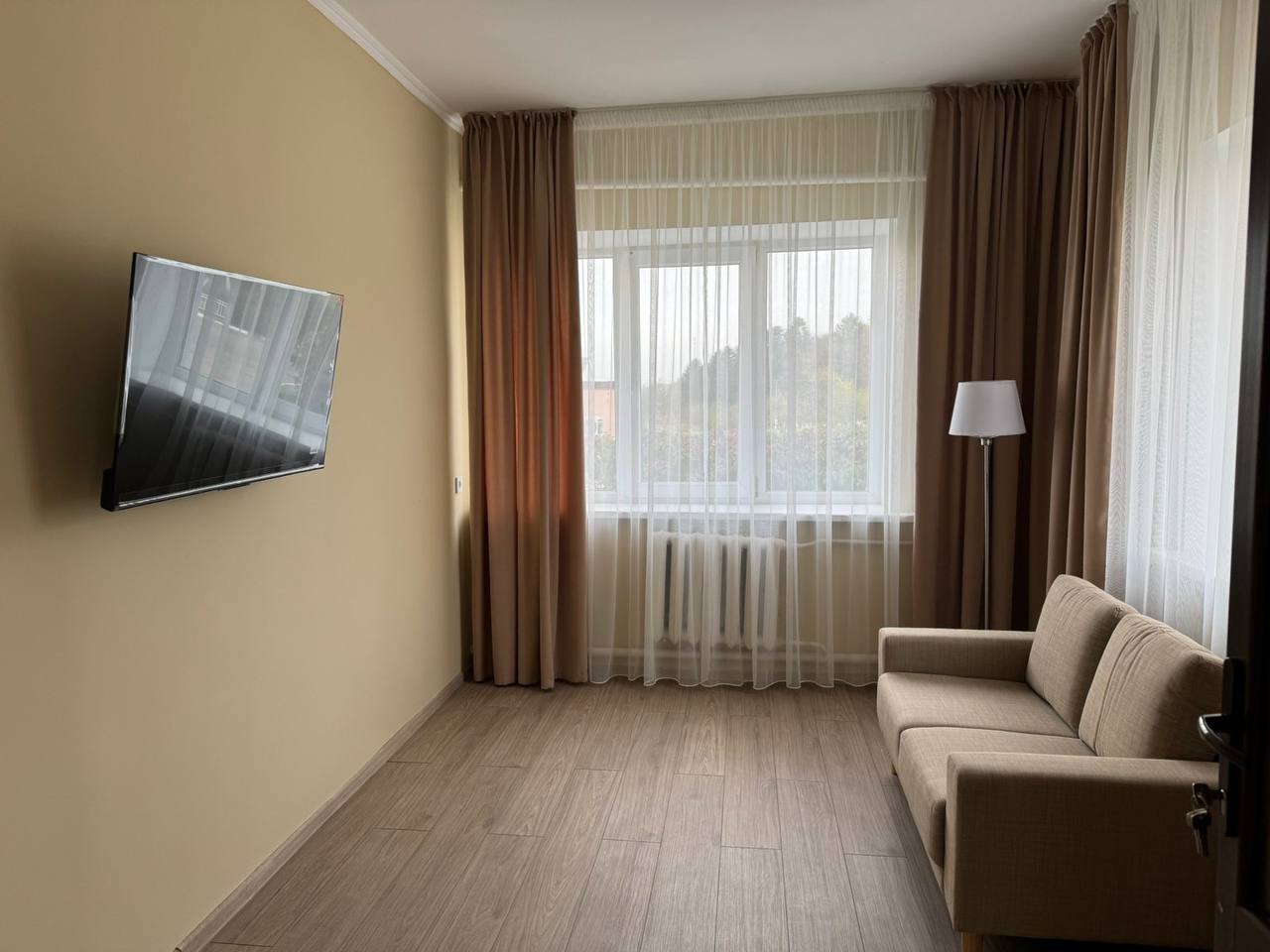
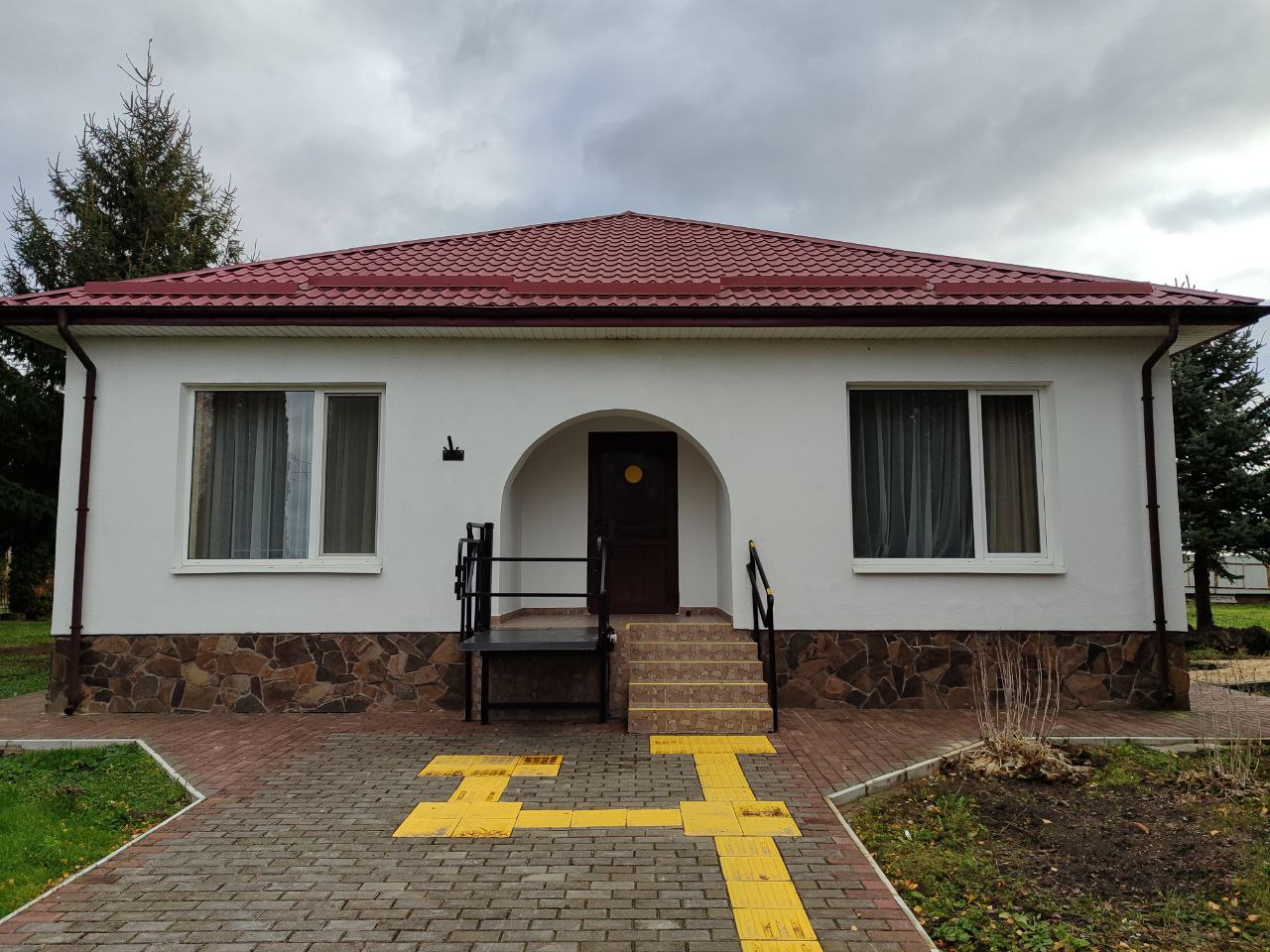
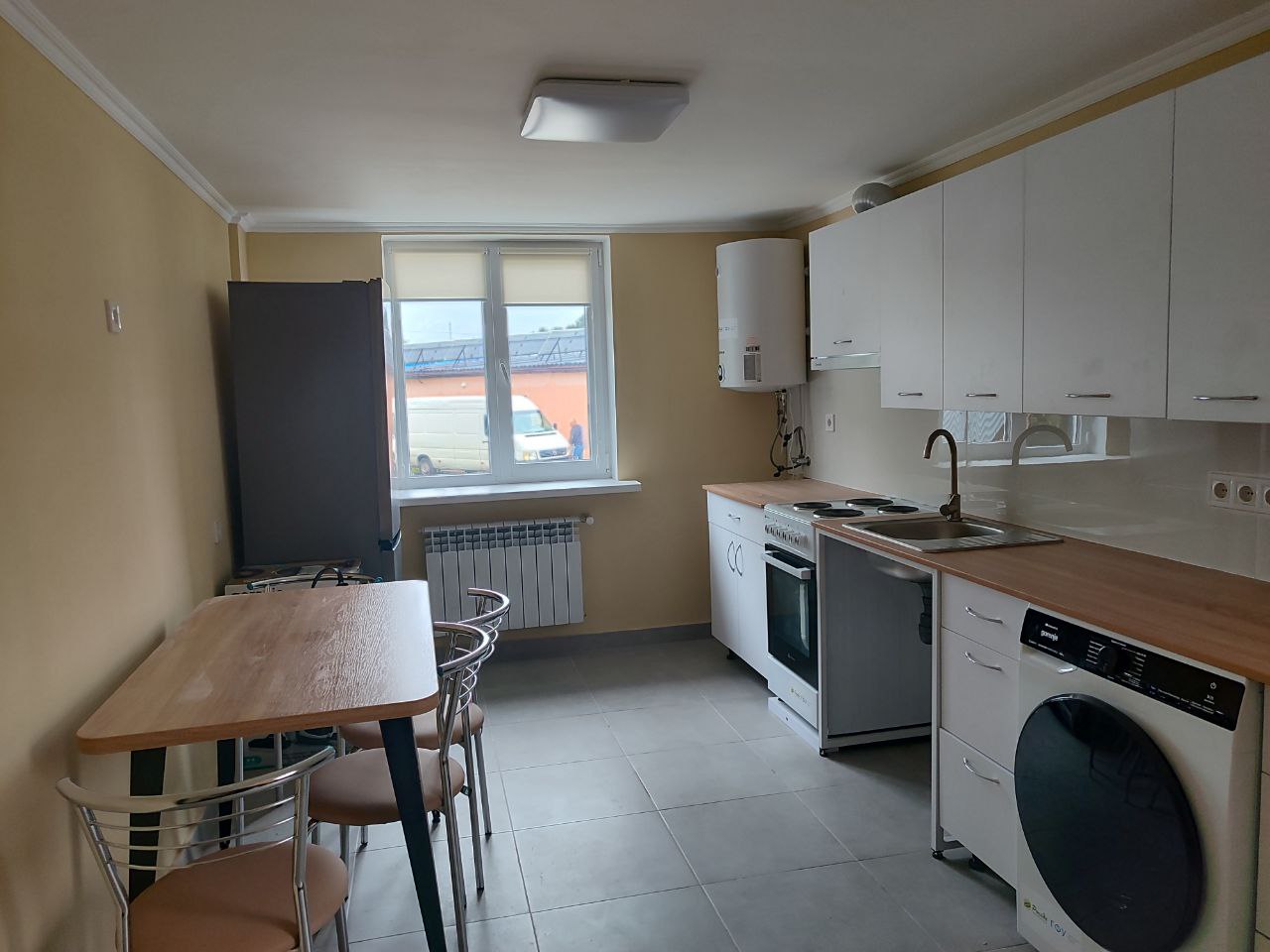
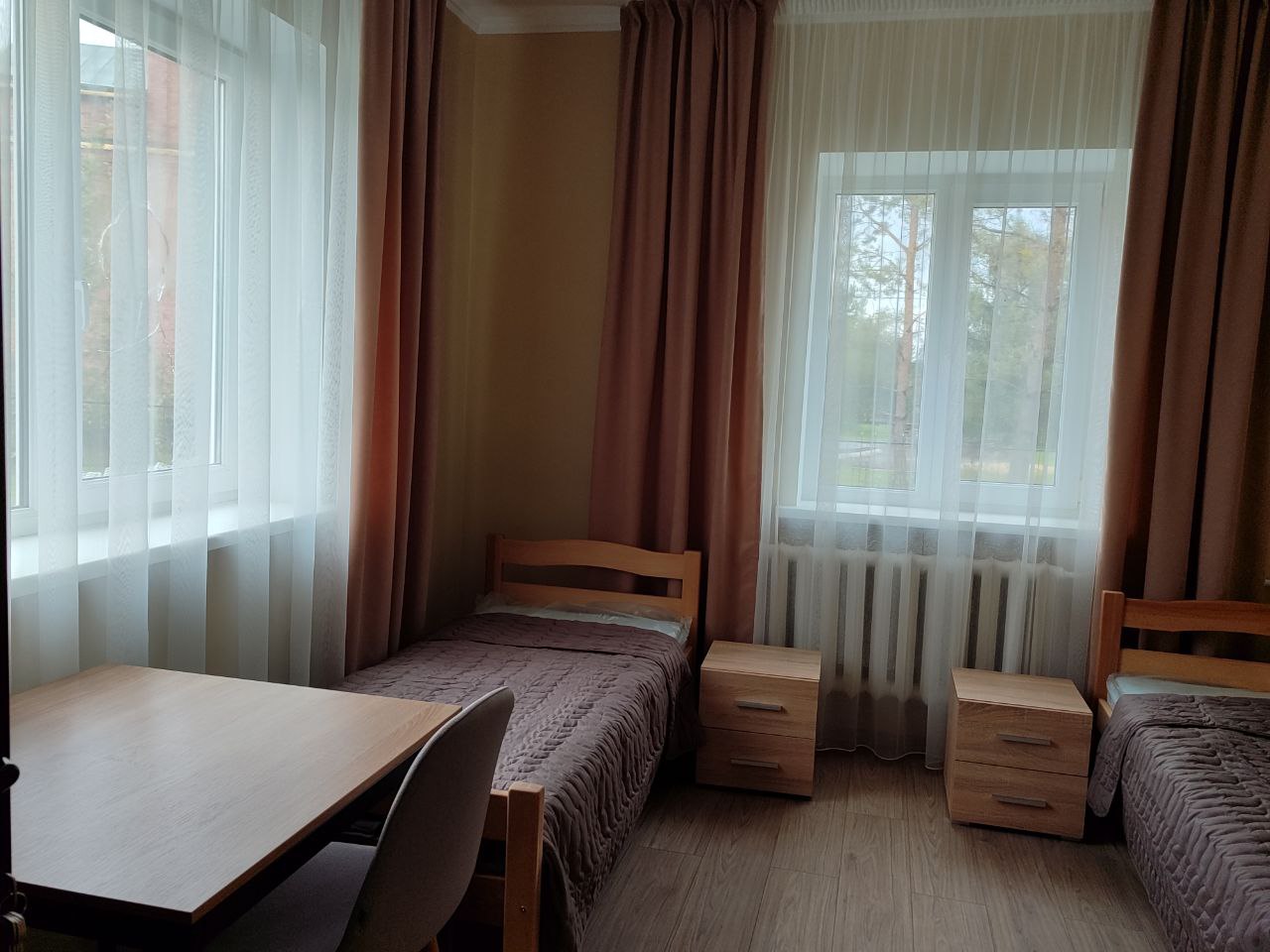
We have renovated and fully equipped five houses to provide high-quality, accessible living for 25 elderly internally displaced persons and people with disabilities, ensuring they truly feel at home rather than in an institution.
We have renovated and fully equipped five houses to provide high-quality, accessible living for 25 elderly internally displaced persons and people with disabilities, ensuring they truly feel at home rather than in an institution.
Ukraine
Local
village of Torchyn, 14 Kozatska Street;
village of Voyutyn, 1C Tsentralna Street;
village of Voyutyn, 1F Tsentralna Street;
village of Sarnivka, 4 Kozachuk Street;
village of Smolyhiv, 2 Myru Street
village of Voyutyn, 1C Tsentralna Street;
village of Voyutyn, 1F Tsentralna Street;
village of Sarnivka, 4 Kozachuk Street;
village of Smolyhiv, 2 Myru Street
Mainly rural
It involves a physical transformation of the built environment (hard investment)
Yes
2025-11-30
No
No
No
Organisation
The "Supported Living" project implemented by the Charitable Foundation “Rokada” stands as a pioneering model for deinstitutionalization during the full scale war in Ukraine. This initiative aligns with national reforms and Cabinet Resolution number No. 888 to transition social care from isolated state institutions to inclusive community based environments.
Regarding achieved results the project delivered concrete infrastructure and life changing social outcomes. We renovated and fully equipped 5 houses in the Torchyn community creating 25 bed spaces. These facilities meet modern standards for accessibility and inclusion and safety providing a family like atmosphere where residents feel at home rather than in an institution. In December 2025 we facilitated the deinstitutionalization of 7 women from state facilities to these new homes. Currently, the service also supports 5 internally displaced persons who need these services. We established the “Supported Living School” in partnership with the Ministry of Social Policy and UNHCR to mentor multidisciplinary teams ensuring the methodology is shared across regions.
The long term significance of the project lies in its systemic transformation of the social protection sector. By championing the “money follows the person” principle we restored freedom of choice and independence to the most vulnerable. The initiative strengthened local social structures and created jobs and improved the community capacity to respond to the challenges of displacement and aging. We created a functional and replicable blueprint for other Ukrainian communities. In 2026 ongoing expert support and social facilitation ensure the long term sustainability and quality of the model.
The project was born from an urgent need to implement deinstitutionalization reforms while addressing the humanitarian crises caused by the full scale war in Ukraine. It was developed by the CF "Rokada" within the OCHA initiative with funding from the UHF and the strategic support of the Ministry of Social Policy. Between December 2024 and November 2025 the project focused on creating a sustainable social service model that aligns with national legislation regarding community based care.
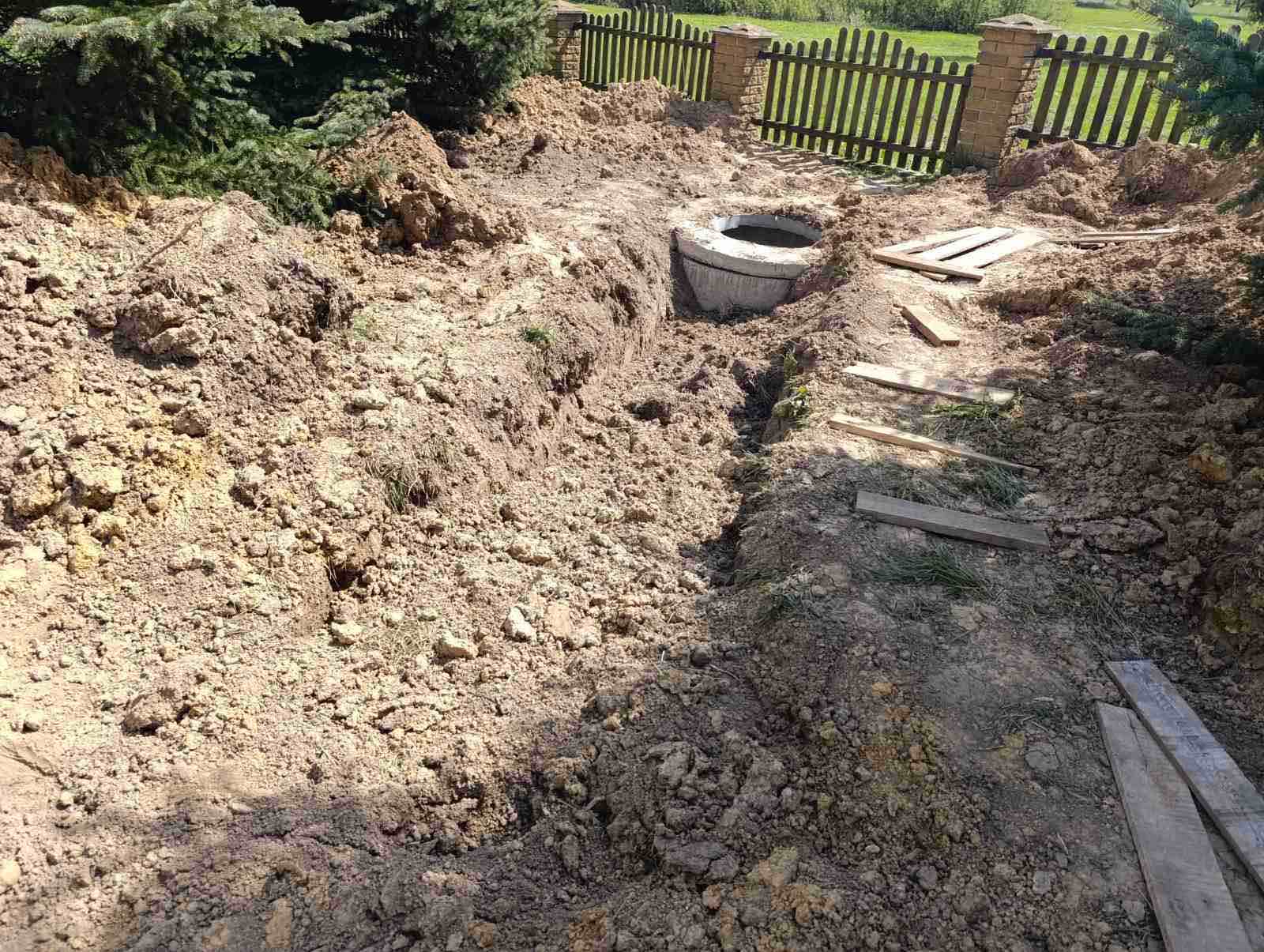
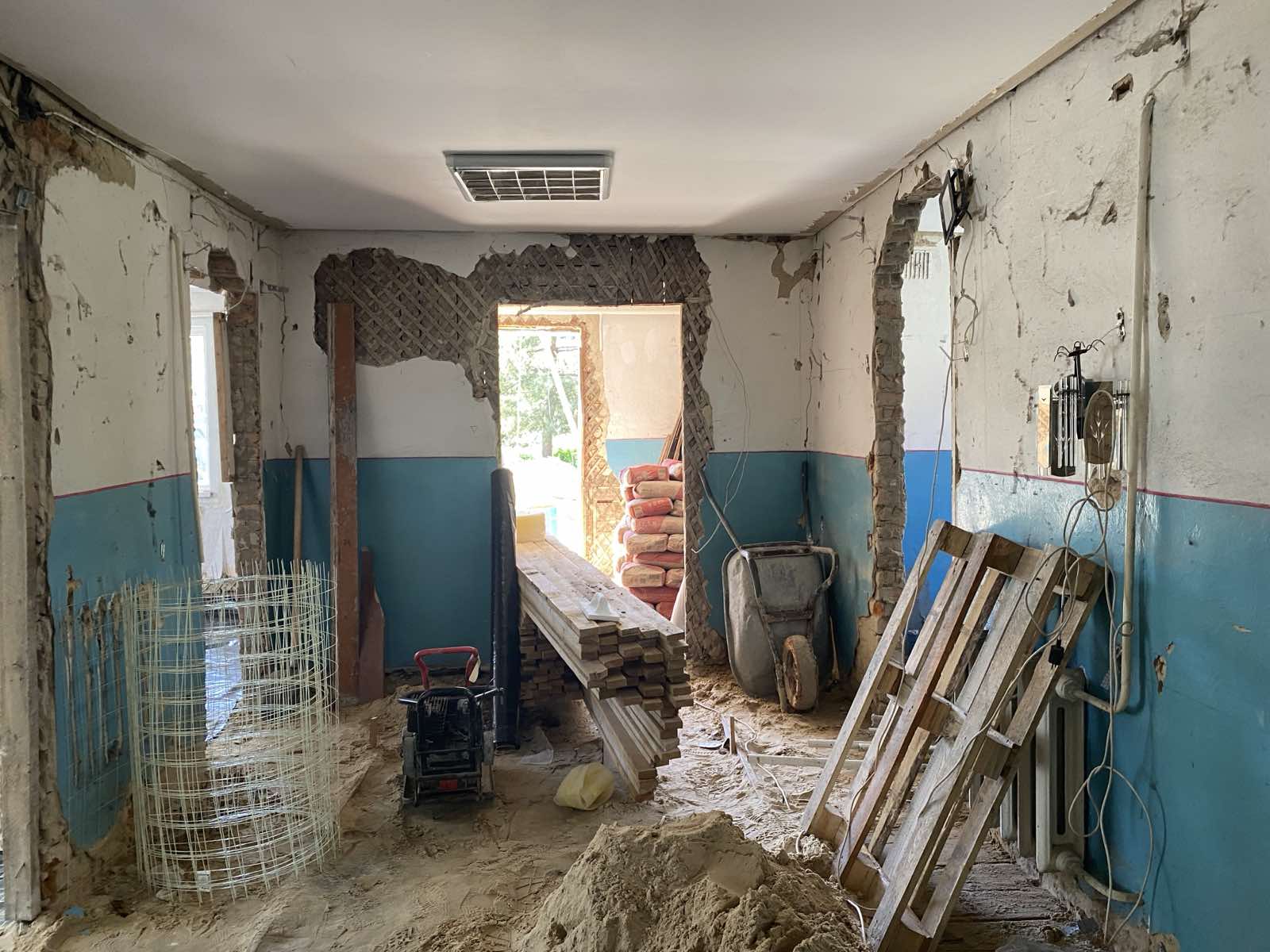
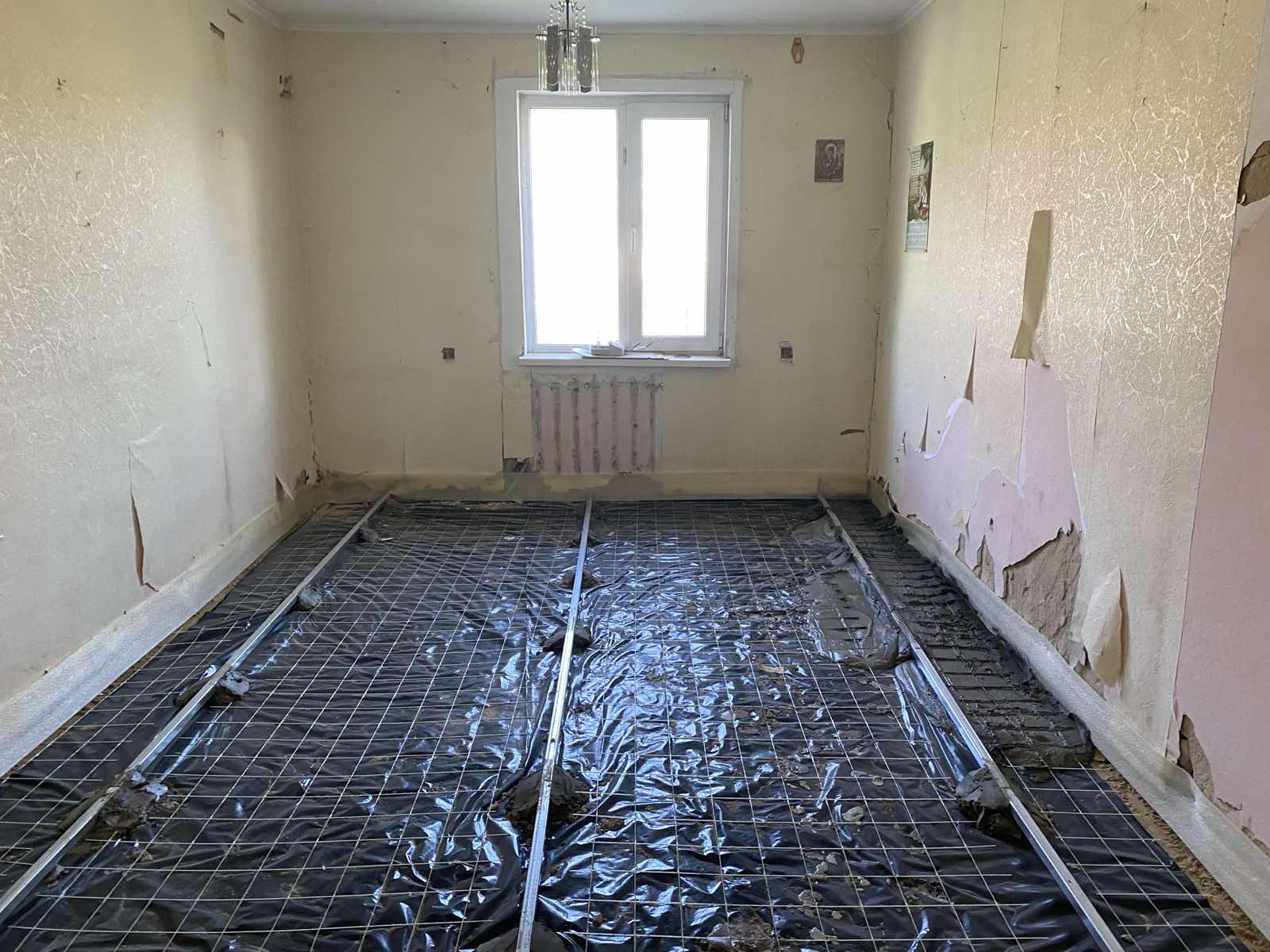
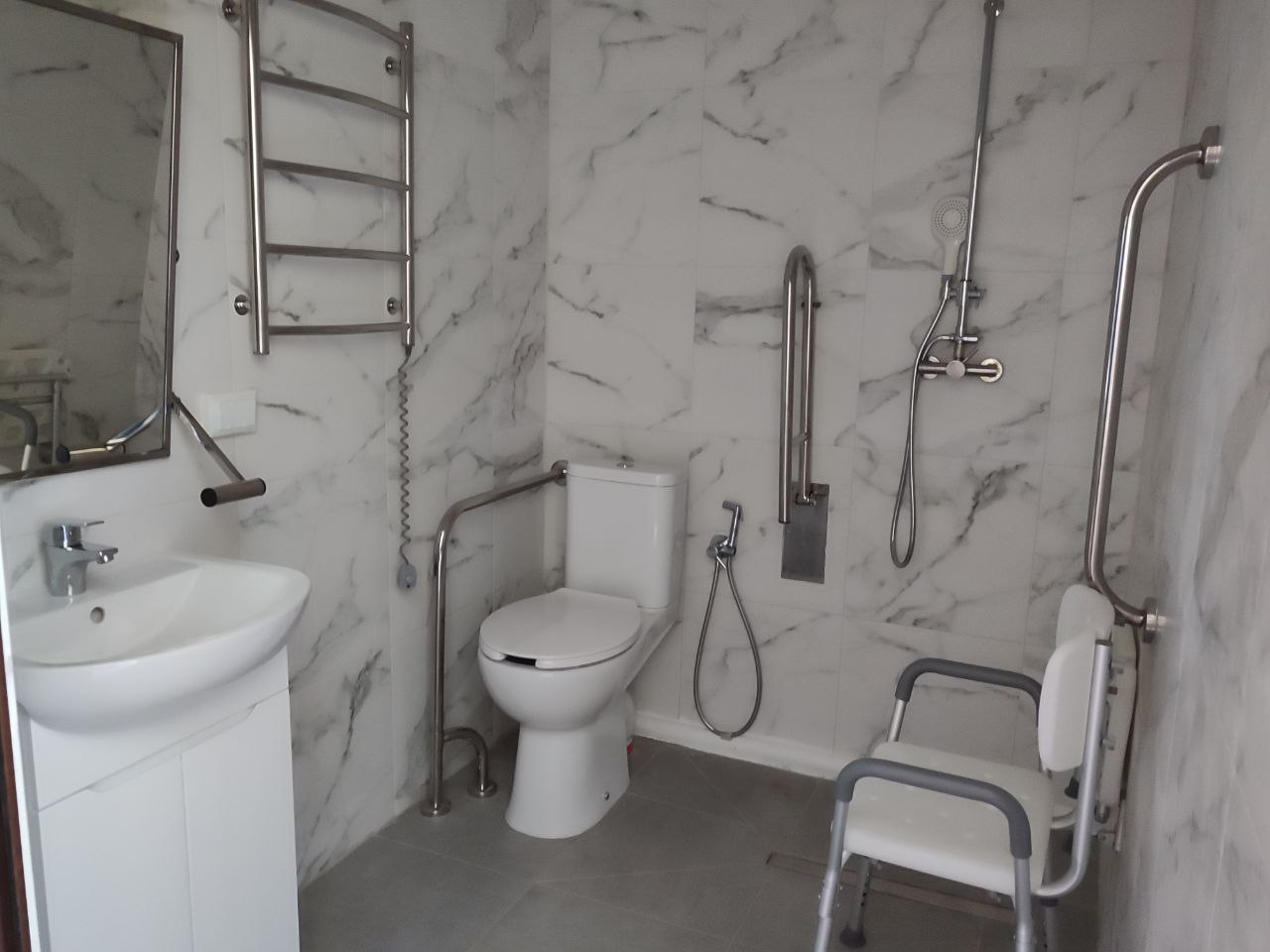
Implementation on the ground started with the physical transformation of five houses in the Torchyn community to accommodate 25 residents. These buildings were renovated and fully equipped to meet modern standards for accessibility and inclusion and safety ensuring a dignified environment close to a family setting. This infrastructure served as the foundation for replacing institutional isolation with community integrated living.
Beyond the construction phase the implementation involved intensive organizational work with local authorities and social services. The project team conducted coordination meetings and training sessions focused on non violent communication and barrier free standards and specialized care for vulnerable groups. To build local capacity we facilitated study visits to other regions and launched the "Supported Living School" in partnership with the Ministry of Social Policy and UNHCR to mentor multidisciplinary teams.
The transition to practical service delivery occurred in December 2025 when 7 women were moved from state institutions into the newly prepared homes. The community also extended this service to 5 internally displaced persons who required urgent specialized support. Since then the implementation has evolved into a phase of continuous technical and expert assistance where social facilitators and psychologists work alongside local services to maintain the quality of the model and support the emotional well being of the residents.
Social Inclusion
Deinstitutionalization
Design for All
Community Resilience
Systemic Scalability
The project concretely addresses environmental challenges by focusing on the adaptive reuse and renovation of existing village houses rather than the energy intensive construction of new institutional buildings. This approach minimizes resource consumption while upgrading local infrastructure to meet modern accessibility and safety standards. Socially and culturally the initiative solves the problem of isolation by reintegrating elderly and people with disabilities into the community fabric. It replaces the clinical atmosphere of state institutions with a family like environment that fosters a sense of belonging and protects the individual right to community life.
From an economic perspective the project is exemplary for its transition from humanitarian grant funding to a sustainable state backed financial model. The project ensures that public funding is used efficiently to support individual needs rather than maintaining large scale buildings. This creates long term economic opportunities by generating local employment in the social protection sector and enhancing the capacity of municipalities to manage high quality services.
The project stands as an exemplary model of sustainability because it offers a replicable and scalable methodology for systemic social transformation. It demonstrates how humanitarian aid can be used to catalyze permanent policy changes that restore human dignity and autonomy for the most vulnerable members of society. By combining infrastructure improvements with professional mentoring the project ensures the long term viability of inclusive social services across different regions of Ukraine.
The project redefines aesthetics by prioritizing the quality of lived experience and the emotional well-being of its residents. In the everyday, it makes life more beautiful by replacing the clinical atmosphere of state institutions with a family like environment. Residents live in five renovated and fully equipped houses that meet modern standards of accessibility, inclusion, and safety. This allows individuals to engage in meaningful daily activities such as cooking and shared leisure within a warm and barrier free space. In the longer term, the project contributes to a more beautiful society by transitioning from a system of isolation to community based support, which restores dignity and autonomy to those previously marginalized.
The initiative fosters a deep sense of belonging by integrating residents into the Torchyn community. By utilizing separate houses within a neighborhood instead of a single large facility, the project ensures residents feel like neighbors rather than patients. This environment encourages them to feel at home and not in an institution, which fosters a sense of ownership and care for their personal living space.
The project is exemplary because it demonstrates that inclusive design can be integrated into the local context of a Ukrainian village and city. By transforming physical houses into spaces of social integration and emotional comfort, the project serves as a model for how high quality design can restore humanity and social fairness in the most challenging conditions.
The project addresses accessibility by renovating five houses to modern standards for twenty five residents, creating a barrier free environment that follows design for all principles. Affordability is ensured through the implementation of the national reforms, where the funding is directed to the person receiving the service, rather than to the institution. This financial model empowers the most vulnerable members of the community by giving them the freedom to choose their service provider and housing.
The initiative promotes a new societal model that replaces clinical state institutions with integrated community living where individuals can restore social ties.
The project is exemplary in terms of inclusion because it creates a systemic transition from institutional isolation to dignified community life during the full scale war. It proves that human centered care can be achieved by combining infrastructure upgrades with personalized assistance plans that prioritize individual autonomy.
The CF "Rokada" functioned as the primary technical facilitator by bridging the gap between international donors and the local administration. This partnership allowed the Torchyn community to take full ownership as the direct provider of support services within the five renovated houses. Local officials and social workers were deeply involved in the process through transdisciplinary training focused on specialized care and barrier free standards.
The project treats residents as active subjects who have the agency to shape their own lives. This participatory approach has replaced the traditional clinical atmosphere with a family like environment where residents live as neighbors and develop independent living skills.
The impact of this collaborative involvement is evident in the successful transition of people from social care facilities into renovated, comfortable homes. Local specialists gained the capacity to manage these complex services through the support, training, and mentoring . Beyond the restoration of human dignity this model stimulated the local economy by creating new professional roles within the social protection sector.
The project succeeds because it bridges the gap between national policy and local action with the help of international expertise. The Ministry of Social Policy provided the essential framework by implementing Cabinet Resolution No. 888 which redirects state funding from isolated institutions to community based services. On the ground the Torchyn municipality and its social services took responsibility for managing the residential facilities and ensuring that residents were fully integrated into the local neighborhood. This entire effort was made possible through funding from the Ukraine Humanitarian Fund within the OCHA initiative while UNHCR contributed technical guidance and helped launch the "Supported Living School".
This multilevel collaboration adds significant value by proving that complex social reforms can be translated into practical results even during a period of war. The synergy between international technical expertise and national social protection budgets creates a sustainable operation that local infrastructure can maintain. Ultimately this partnership has produced a functional blueprint that the Ministry is now ready to replicate in other regions of Ukraine through the mentoring and training programs.
This multilevel collaboration adds significant value by proving that complex social reforms can be translated into practical results even during a period of war. The synergy between international technical expertise and national social protection budgets creates a sustainable operation that local infrastructure can maintain. Ultimately this partnership has produced a functional blueprint that the Ministry is now ready to replicate in other regions of Ukraine through the mentoring and training programs.
The design and implementation of the "Supported Living" project integrated diverse fields of knowledge to create a holistic social service. Architects and designers renovated five village houses according to modern accessibility and safety standards specifically for the elderly and people with disabilities. This involved creating a barrier free environment with assistive devices to ensure residents could live with dignity in a domestic setting. Specialists in social sciences and psychology utilized proven methodologies for deinstitutionalization to support the emotional well being of those transitioning from state facilities. Multidisciplinary teams including social facilitators work daily to foster social integration and help residents develop independent living skills.
The educational aspect of the project focuses on the “Supported Living School” which provides professional mentoring in nonviolent communication and specialized care. This knowledge transfer extends to the beneficiaries who receive support in learning and vocational training to enhance their autonomy. Legal and policy expertise was critical to navigate social protection law and operationalize the financial model under reforms, This transdisciplinary synergy ensured that the project functioned as a comprehensive investment by combining hard infrastructure with soft social support. By blending physical accessibility with personalized care and systemic mentoring the initiative successfully makes residents feel at home rather than in an institution.
The educational aspect of the project focuses on the “Supported Living School” which provides professional mentoring in nonviolent communication and specialized care. This knowledge transfer extends to the beneficiaries who receive support in learning and vocational training to enhance their autonomy. Legal and policy expertise was critical to navigate social protection law and operationalize the financial model under reforms, This transdisciplinary synergy ensured that the project functioned as a comprehensive investment by combining hard infrastructure with soft social support. By blending physical accessibility with personalized care and systemic mentoring the initiative successfully makes residents feel at home rather than in an institution.
The business model of the "Supported Living" project is built on a strategic transition from initial humanitarian investment to a sustainable, state-backed financial mechanism. The project was launched using grant funding from the UHF to cover the "hard" costs of renovating and equipping five houses in the Torchyn community.
Financial sustainability over time is ensured through the implementation of the "money follows the person" principle, codified in Cabinet Resolution No. 888. This specific financial instrument shifts the burden of care from large, inefficient state institutions to a model where the state pays for services provided directly to the individual. Under this model, the state covers the costs of maintenance and personalized support, while beneficiaries retain their autonomy and the freedom to choose their service provider.
This approach creates a stable economic cycle by:
- Utilizing public funding from the state budget to ensure the long-term operation of the service.
- Generating local economic value by creating new jobs within the community's social protection sector.
- Leveraging ongoing expert assistance, such as the support provided by UNHCR in 2026, which includes technical facilitation and psychological services to maintain service quality without additional local cost.
The initiative provides a systemic blueprint for modernizing social protection across various regions. Its transferability rests on a modular approach that combines physical infrastructure with a proven social methodology. By renovating existing village and city houses rather than building new institutions, the project offers a cost-effective strategy suitable for any rural, urban or semi-urban context. This resource-efficient model creates a domestic, family-like environment that is easier for local communities to maintain and integrate.
Knowledge transfer is institutionalized through the "Supported Living School". Developed with the Ministry of Social Policy and UNHCR, this educational tool mentors multidisciplinary teams on non-violent communication and barrier-free standards. It transforms local success into a national standard by providing other municipalities with the specific expertise needed to manage complex social services.
The project also offers ready-to-use operational frameworks, such as individualized assistance plans and the professional role of the social facilitator. These tools cover essential needs like hygiene, cooking, and medical coordination, ensuring a high quality of care regardless of the location. Most importantly, the project serves as a practical case study for operationalizing reforms. It provides a clear roadmap for municipalities and ensuring that the model remains financially viable and scalable throughout Ukraine.