Enhancing Circularity, Sustainability, and Innovation
Amazon Açai Berry Safety Revolution
Innovative safety equipment developed with açaí berry pickers in the Amazon, Brazil
For over 20 years we worked to improve the position of açaí pickers in the value chain. Our projects resulted in 1st purpose-built safety kit for açaí pickers, addressing the critical need for protection. Developed with pickers in the Amazon forest in Brazil, in cooperation with a research&design team, our kit supports sustainable açaí collection while transforming safety standards. There are around 300,000 açaí pickers. The global açaí market value was US$1.61 billion in 2025.
Brazil
Regional
Boa Vista do Acará (Community Boa Vista do Acará)
Communities:
Boa Esperança, Sagrada Familia Marajó, Santa Catarina Marajó, São Francisco, Piedade (Cooperativa Sementes do Marajó)
Communities:
Boa Esperança, Sagrada Familia Marajó, Santa Catarina Marajó, São Francisco, Piedade (Cooperativa Sementes do Marajó)
Mainly rural
It involves other types of transformations (soft investment)
Yes
2024-12-19
Yes
The projects partners (KAFTI and The Spirit of Poland Foundation) received grant for the designs development under Measure 2.3.5 "DESIGN FOR ENTREPRENEURS" of the SMART GROWTH OPERATIONAL PROGRAM 2014-2020.
No
No
Organisation
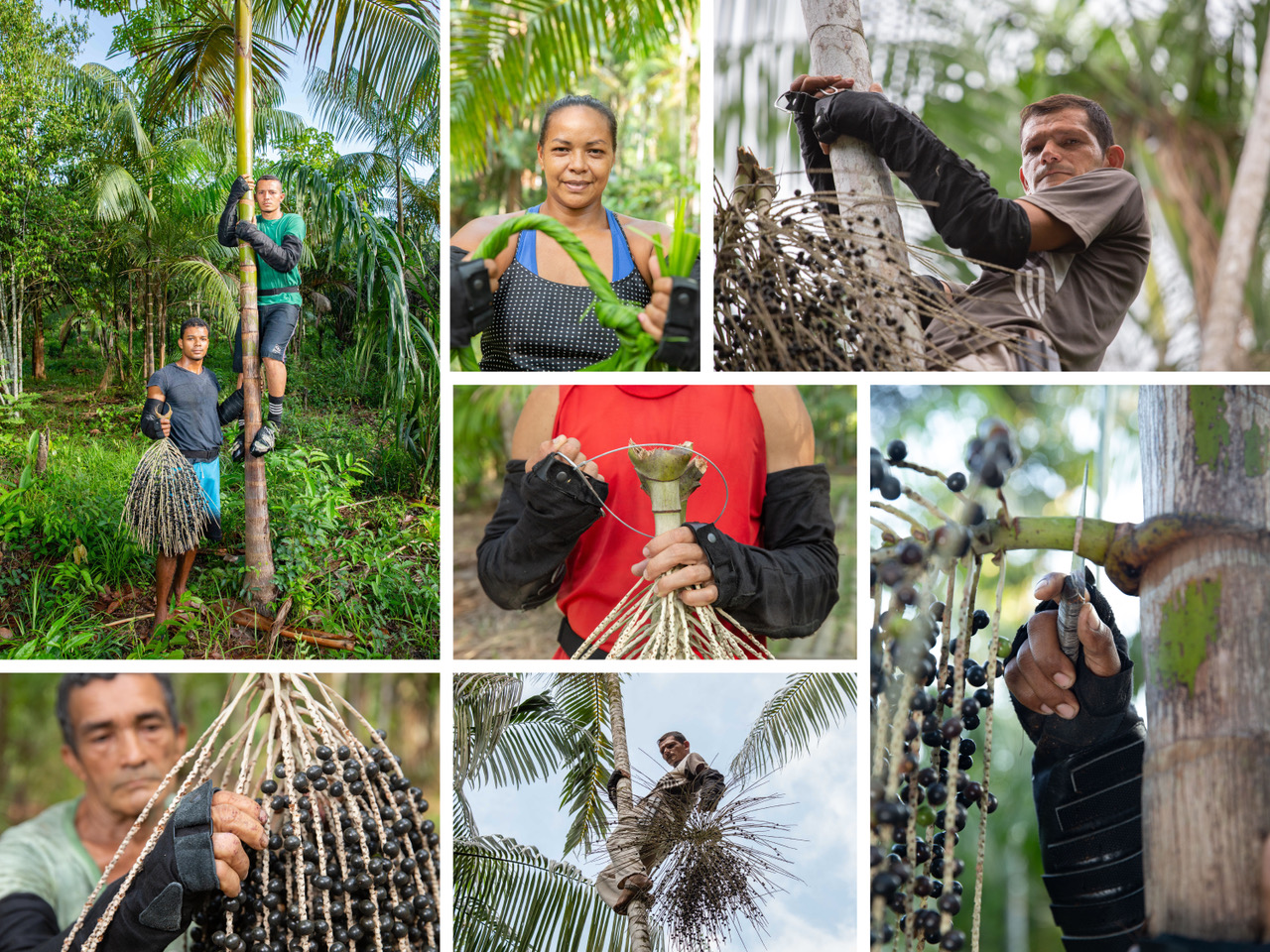
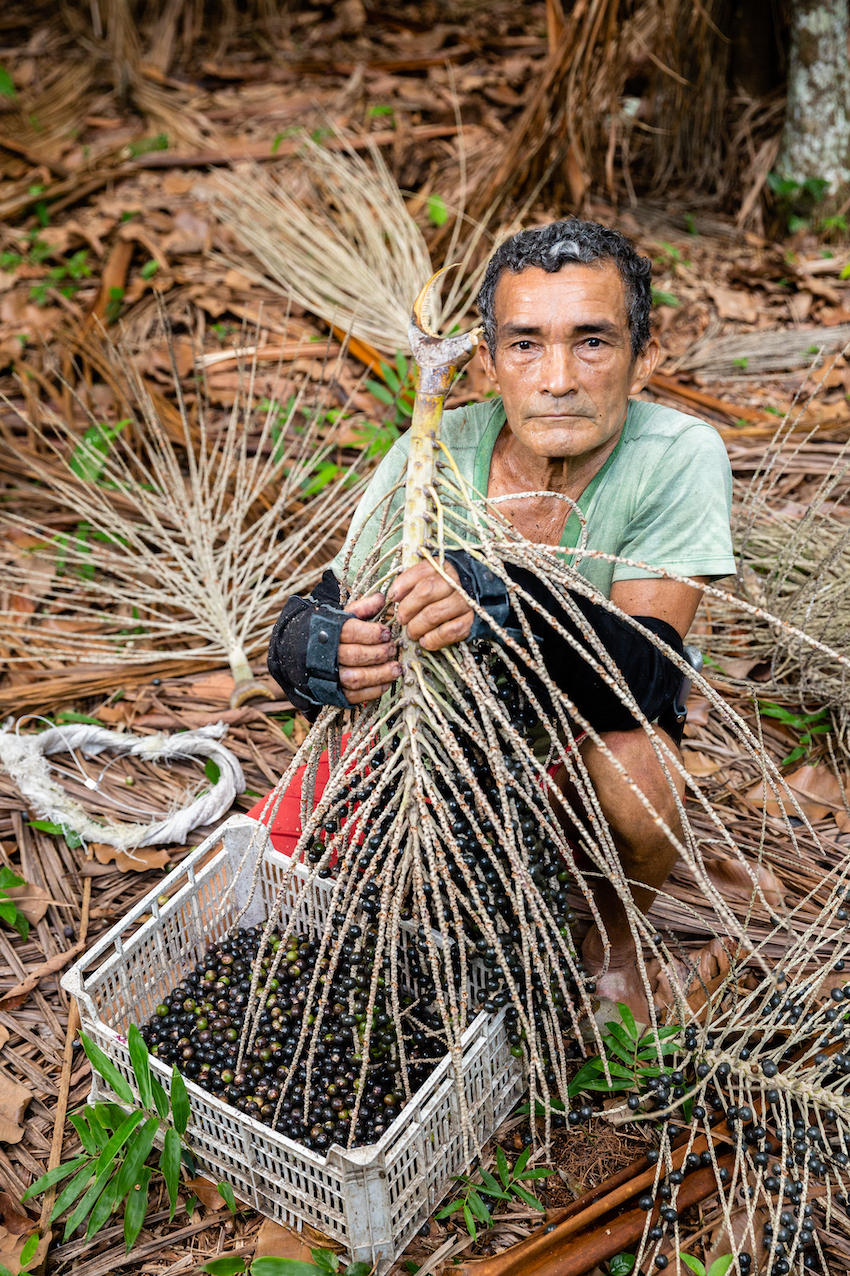
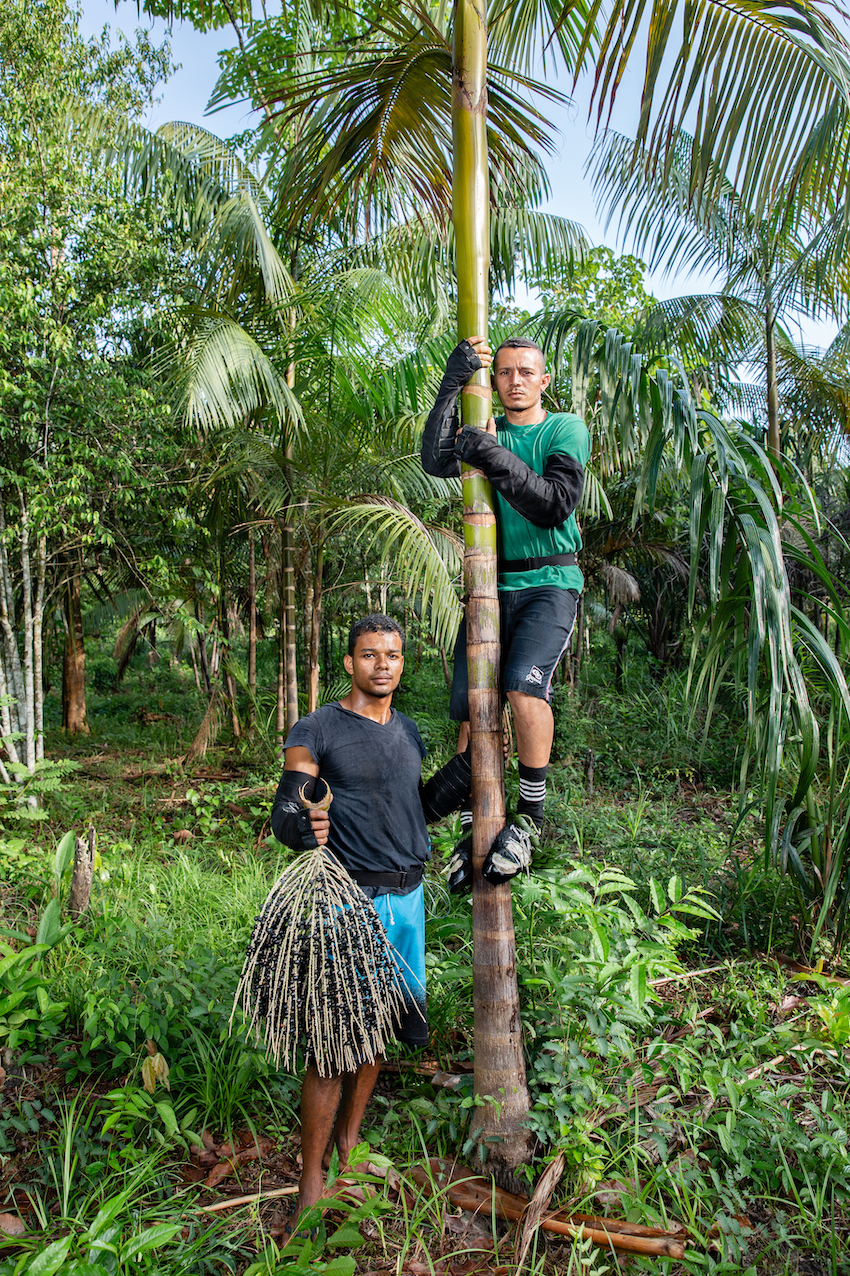
KIT dos Peconheiros is the world’s first safety solution designed specifically for traditional açaí fruit pickers (peconheiros) who climb palm trees in the Amazon rainforest. The increasing global demand for açaí berries, combined with the lack of protective equipment, has led to a growing number of accidents among pickers. 89% admit to suffer accidents according to our research, conducted for Labour Justice Hight Court and Brazilian Foundation for Occupational Safety and Health.
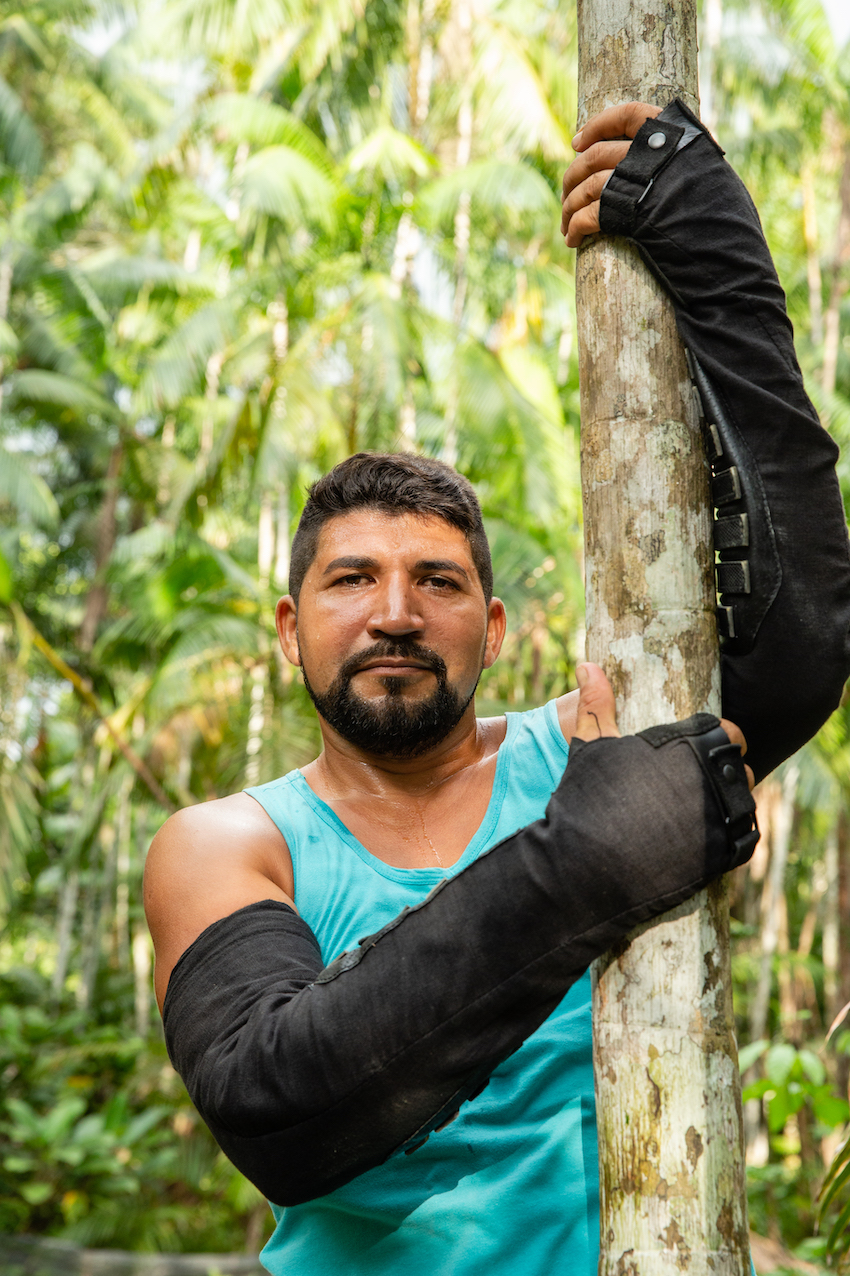
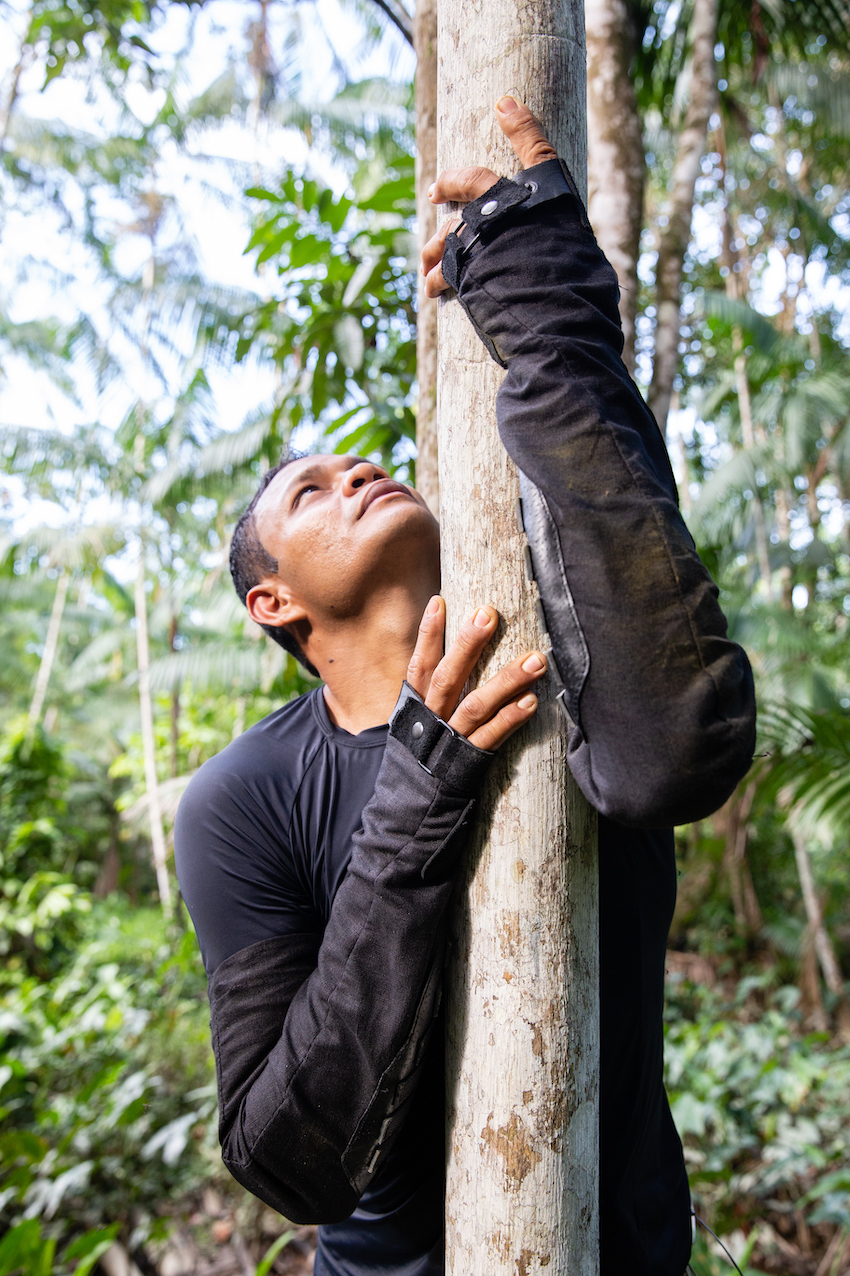
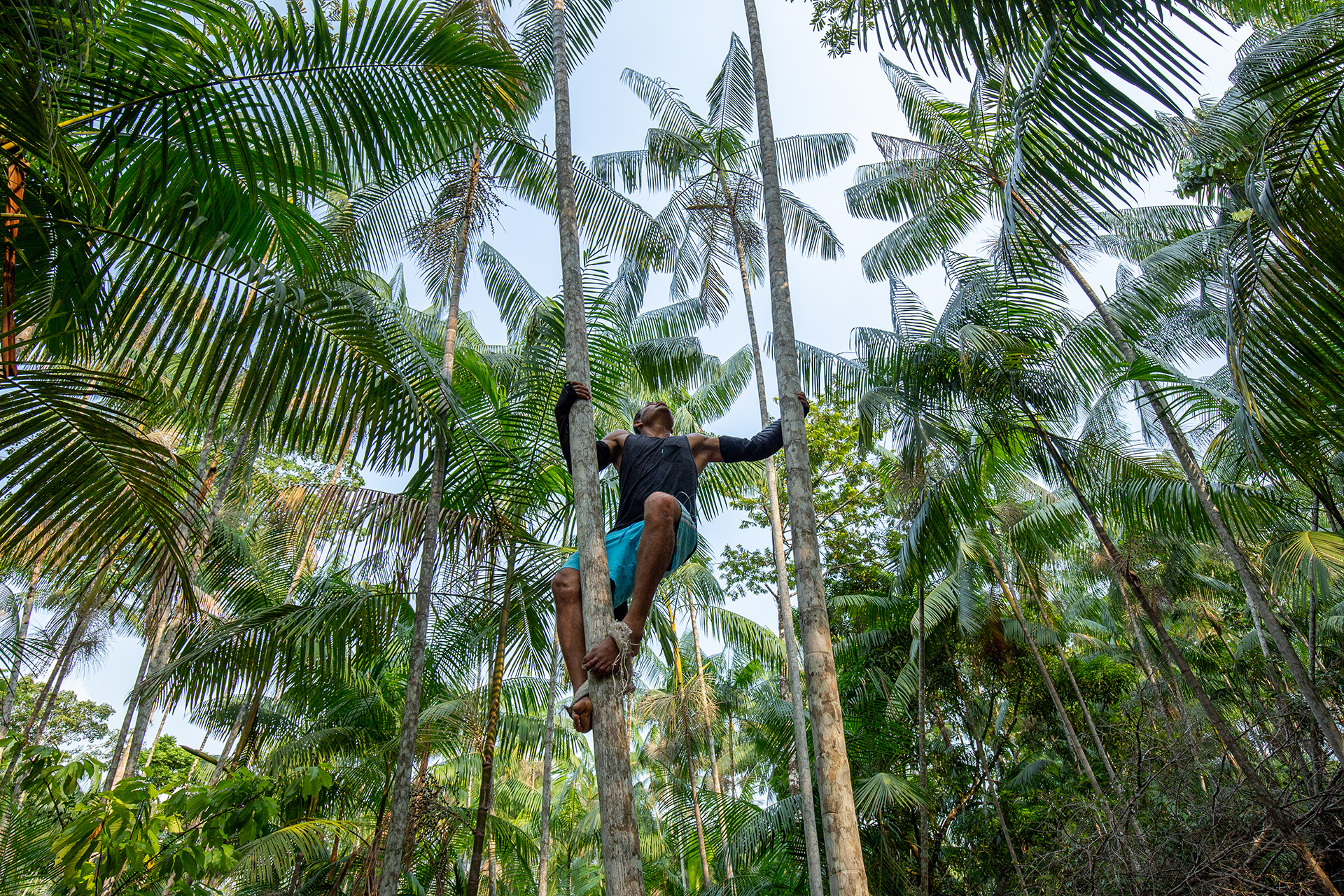
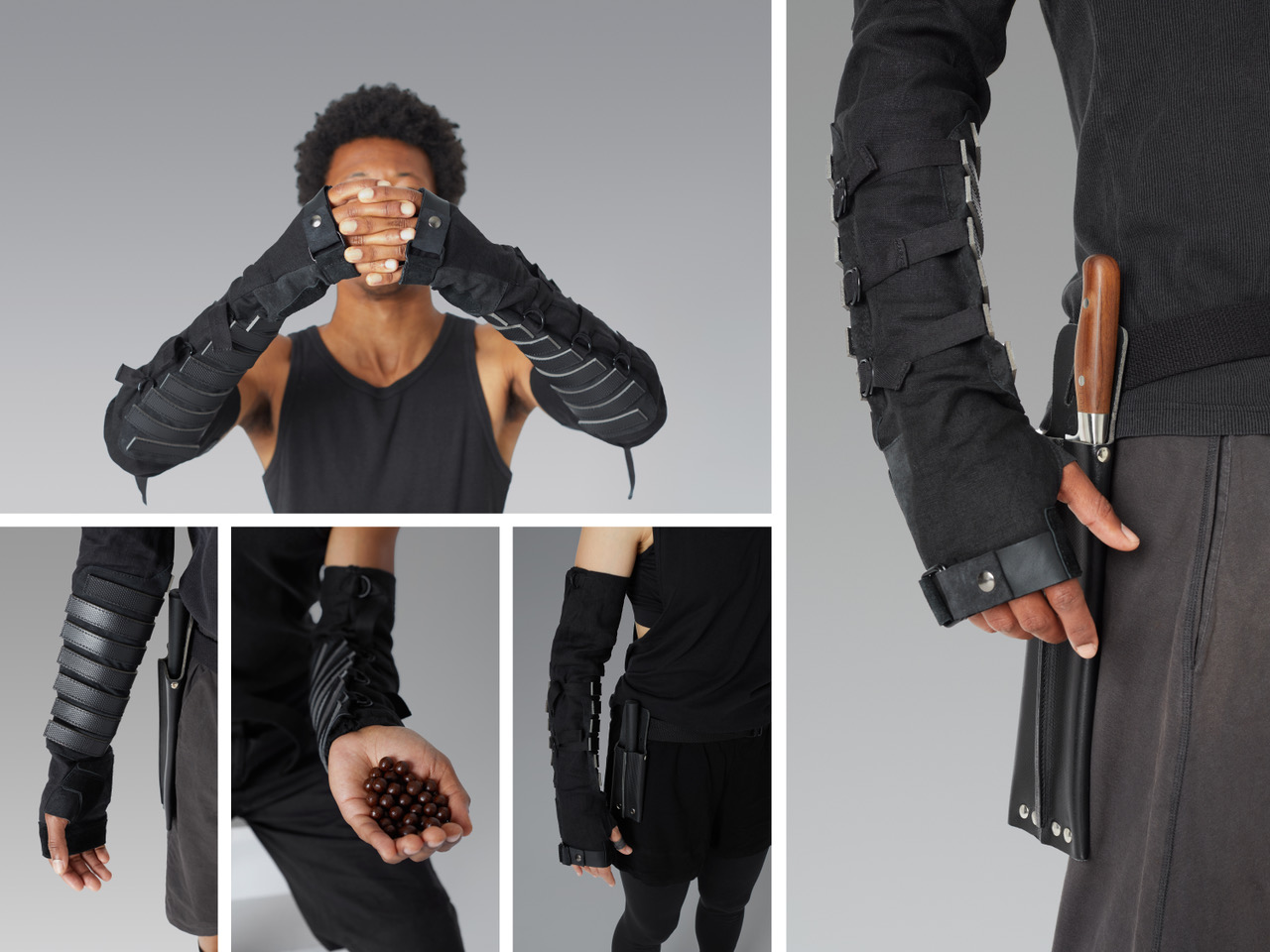
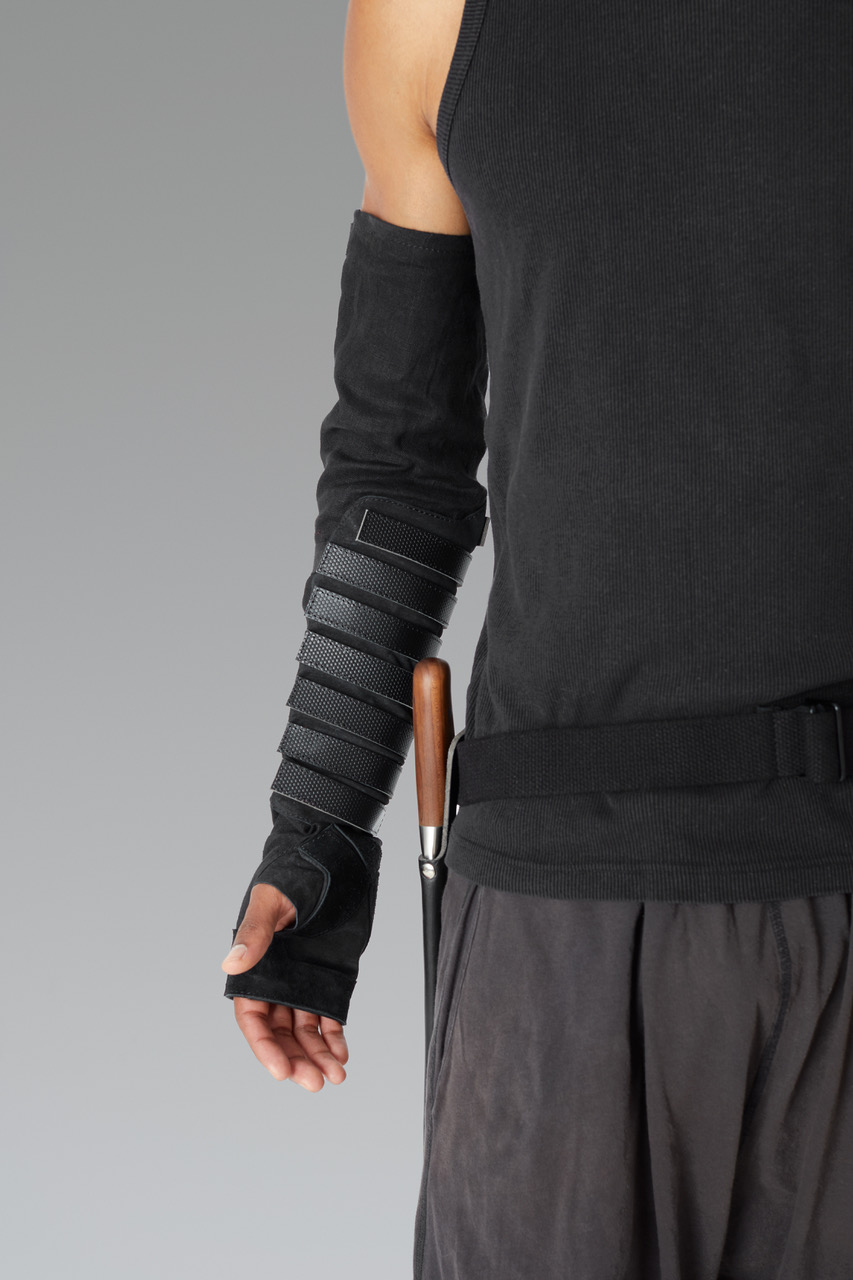
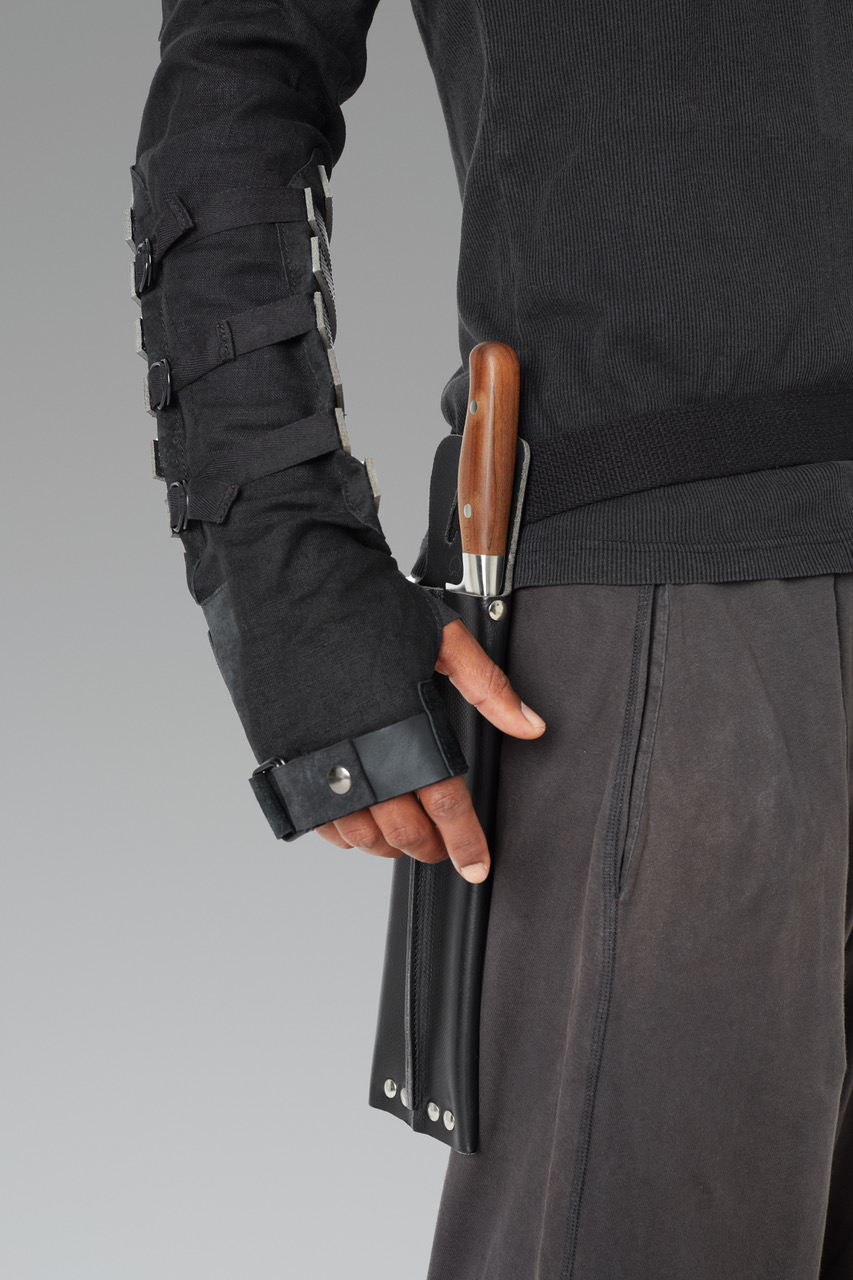
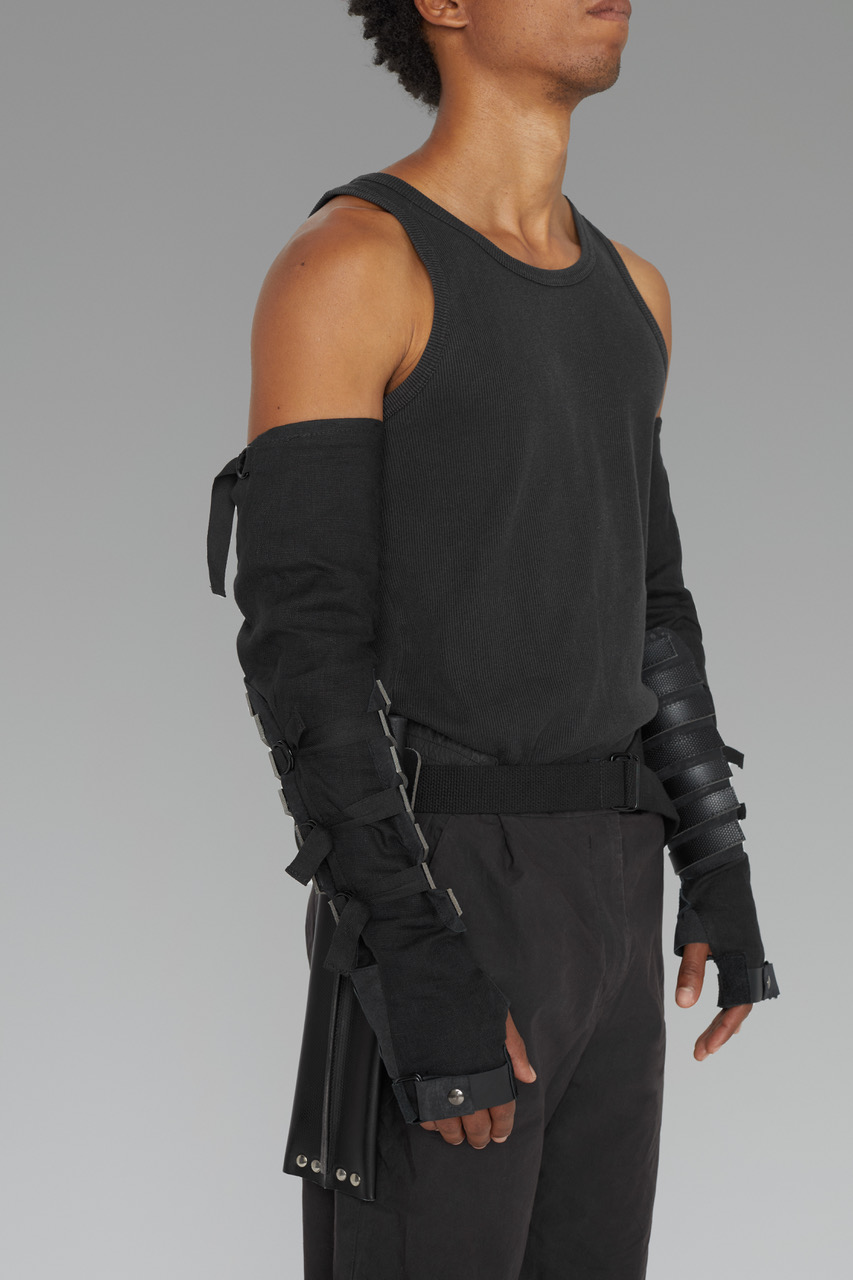
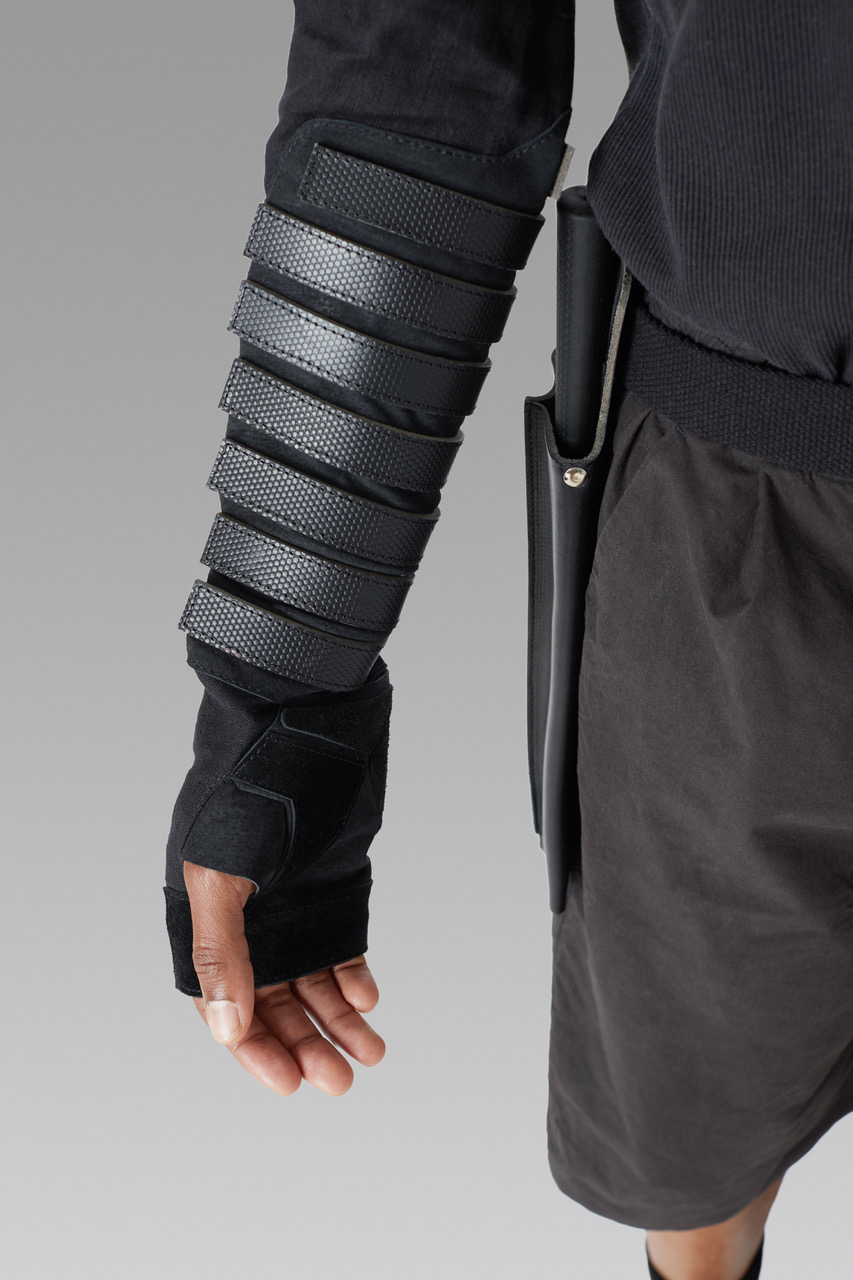
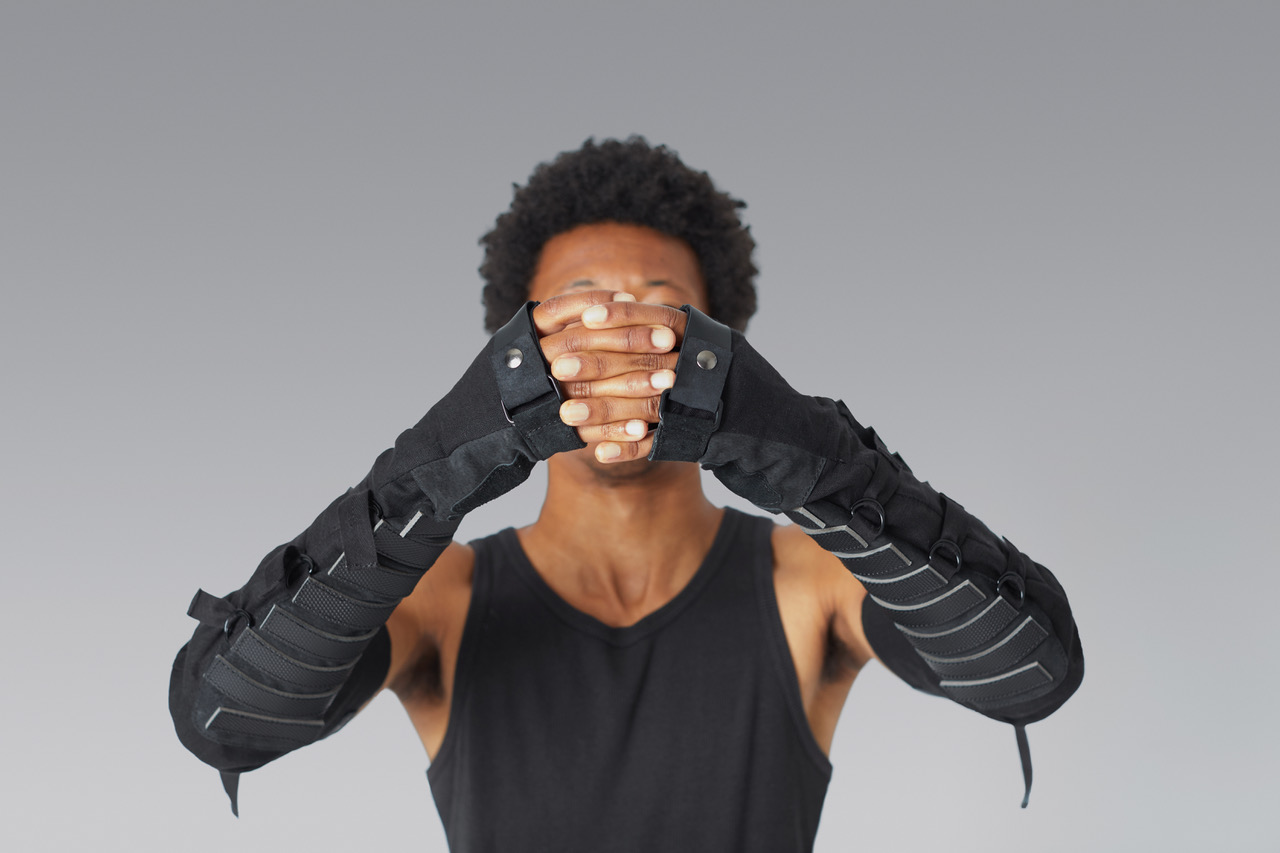
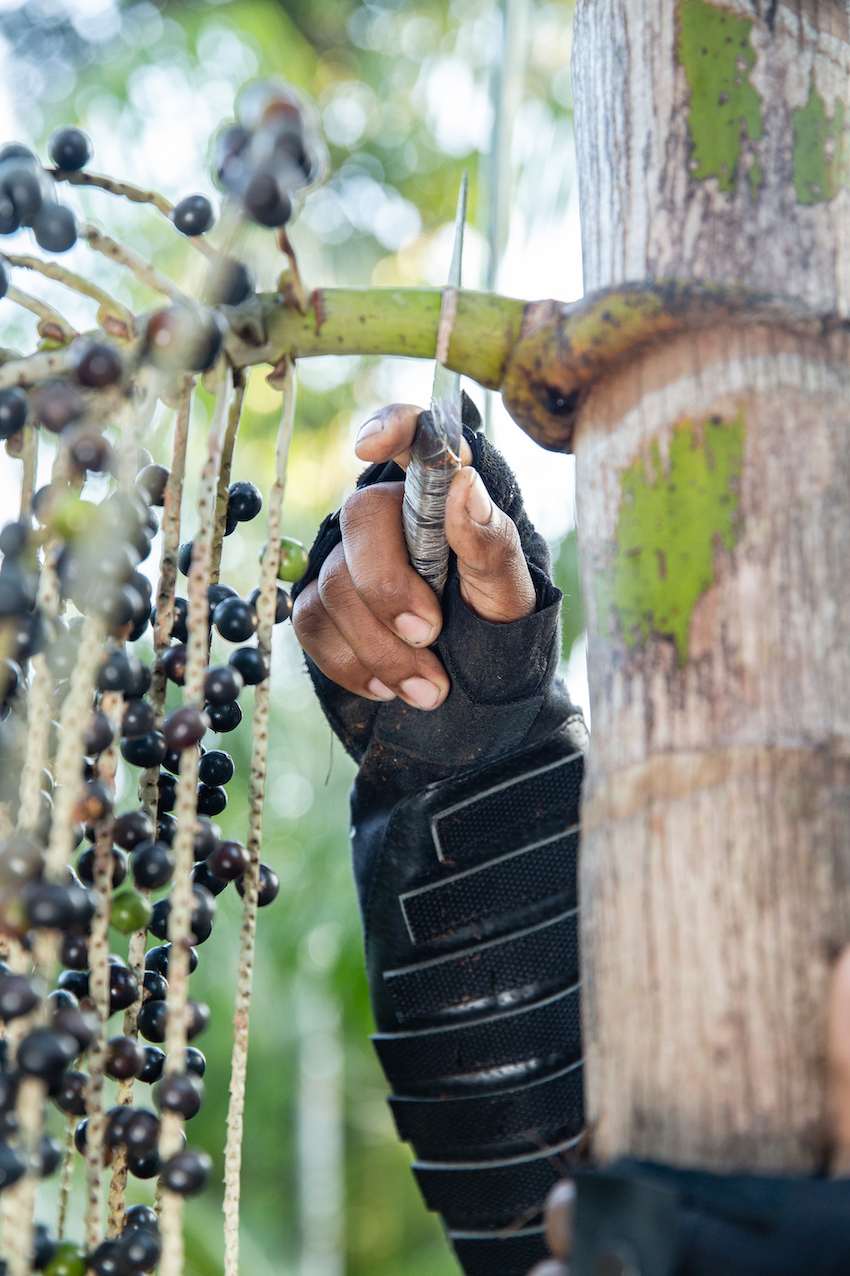
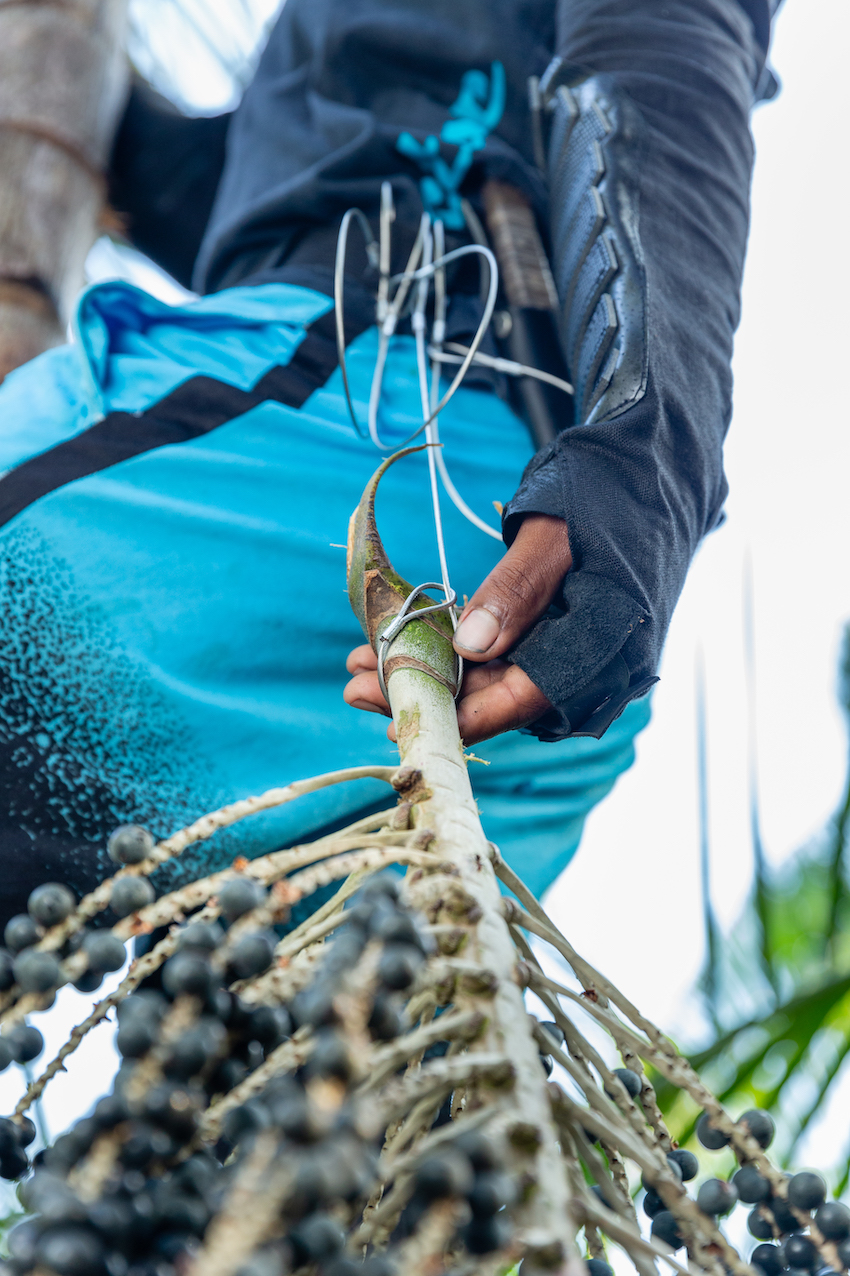
The project is the result of collaboration between numerous organizations and individuals. Our R&D and testing team of designers and pickers worked in many locations across the state of Pará to develop solutions that prevent injuries and make harvesting safer and more comfortable. The concepts were further developed by the design team to meet safety and durability standards while respecting traditional harvesting techniques. The result is a set of protective forearm protectors and supporting devices (adjustable belts, bracelets and protectors) designed to support the traditional climbing style.
After completing the design phase, the industrial designs were registered in Brazil, Peru and Europe, demonstrating the international potential of the solution. Instituto Peabiru is currently working to develop the most effective production and distribution model, including a licensing system for local manufacturing, training for communities, and cooperation with major açaí processors such as Sambazon and Nossa Fruta.
KIT represents a social innovation that improves livelihoods and supports the approximately 300.000 pickers and 1 million family members who rely on açaí harvesting as their major income source. It strengthens the position of pickers in the value chain and promotes inclusive and sustainable economic practices in the Amazon region.
The project is the result of our ongoing work related to supporting the supply-chain & safety of acai berry pickers. For thousands of years açaí was little known outside of the Amazon. Since the 1990s it has made its way from remote riverside communities to cities all over the world. Nowadays açaí is a booming market. 95% of global fruit comes from the Amazonian state of Pará in Brazil. Its production is based mainly on extractivism. Increasing demand for açaí berries and the lack of protection result in a number of accidents and life-long body deformation. In 2016 we completed the world's first research study on safety of acai pickers. 89% of them admitted to experience accidents or injuries.
In 2017 The Spirit of Poland Foundation came across the report, approached us and conducted an on-site research and workshop to understand the possibilities of solving safety problems by design. We created the R&D team of researchers, designers and testers - peconheiros, that worked in different locations in Pará. Our focus was to improve safety, while maintaining the efficiency and traditional working techniques. The prototypes were further developed by the international design team, to meet standards of safety and endurance. Local experience and tradition was combined with a professional design approach. Finally, we developed solutions that reduce risk of injuries and make açaí collection safer & more comfortable.
KIT is promoted through communities' training. However, this is a highly dispersed group, as most pickers work independently in small riverside communities, collaborating with cooperatives that supply acai to processors - large international and Brazilian companies. They are a key player: purchasing acai protection for their pickers allows them to implement their CSR and ESG policies by protecting the health and safety of the pickers working for them. We have already started cooperation with them.
Safety revolution
Personal protective equipment (PPE)
Community co-design
Amazon forest protection
Social innovation
Global demand for Brazilian açaí berries has grown rapidly in recent decades, transforming the local Amazonian economy. Açaí is valued not only for its taste, but also for the nutritional value.
In the Amazon region, açaí has traditionally been the main component of the local diet, it's served in Brazil and cafes around the world, in the form of ice cream or smoothies. The products based on açaí are sold in health food stores or as a diet supplement and used as a component of cosmetics.
The global demand for açaí has its consequences - good and bad. On the positive side, it turned the Amazon economy upside down. The people that had no income, now can support their families.
However traditionally the peconheiros would climb the palm a few times a week. Nowadays, they climb dozens of times per day. This, combined with the treacherous work conditions in the rainforest, results in many accidents and in the long run their bodies are deformed.
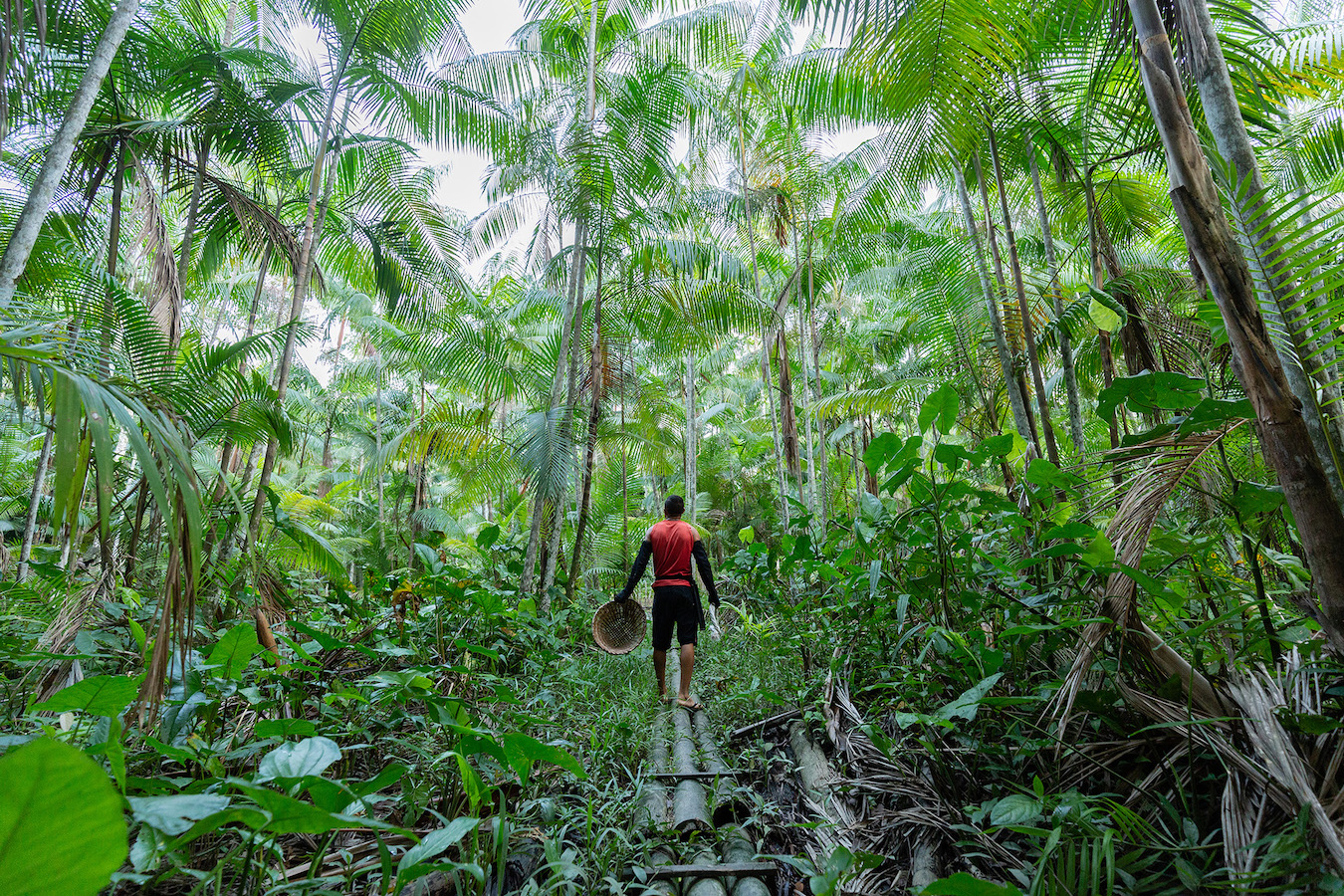
Also, due to the growing demand for açaí, traditional harvesting is increasingly being replaced by monoculture plantations. Our solution supports the traditional method of açaí harvesting, helping local communities maintain their livelihoods while protecting the Amazon forest ecosystem. The fruit allows 300.000 pickers to work locally in their place of living (they don't have to leave villages or take up illegal work as in the past) and secures the income of 1 million family members. The project also contributes to the prevention of child labor.
Called the "black gold" of the Amazon, açaí has social, cultural and economic importance for the communities. The traditional harvesting helps preserve Amazonian tradition, local economy and forest ecosystems, in contrast to plantation-based monocultures.
Also the KIT products are designed and made from natural and sustainable materials, remaining friendly to the nature of the Amazon rainforest.
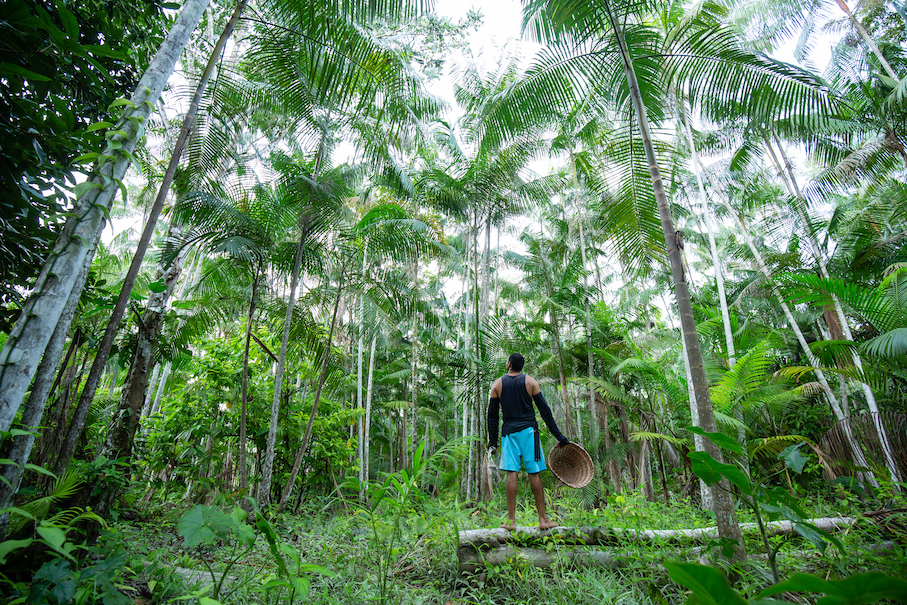
For açaí pickers and their families, the forest is more than a workplace — it is the most beautiful environment and the place they call home. Our solution helps them preserve this beauty by improving their working conditions. By supporting their health and securing their income, we enable them to continue their work within the environment they deeply value.
At the product level, the R&D team ensured that both the product and brand aesthetics reflect local preferences, incorporating perspectives from both men and women in the community, especially the lead users. The brand identity features shades of green and purple, symbolizing nature and the açaí fruit, while also including a monochrome version of the logotype for versatile use.
The products themselves are designed as minimalist and trustworthy tools. Their technical form is guided by ergonomics and functionality, ensuring comfort, reliability, and efficiency for everyday work in the forest.
Collecting açai is an important cultural skill. But also açaí itself, native to Brazil, growing mainly in floodplains, has its importance in the local culture. It’s a traditional daily dish, usually eaten with tapioca or as an additive to meals.
It's worth emphasizing that peconheiros take great pride in their work. What they value most are: - excellent physical form and agility, - resourcefulness and the ability to support their families, - maintaining local traditions climbing techniques, - acai fruit as an important symbol of local culture ("daily bread”) and and current economy ("black gold"), - forest protection through sustainable work, and - community collaboration in the supply chain. The KIT not only improves safety for peconheiros and their families, but also protects a traditional way of life. It reflects the identity and pride of peconheiros, reinforcing their sense of belonging and their role as guardians of the Amazon forest.
KIT was developed through a community co-design process. Peconheiros from different riverside communities participated in the research, testing and development phases, ensuring that the final solutions respond to real needs and working conditions. The equipment was tested by people with different physical characteristics, levels of experience and working styles – including younger and older workers, men and women, as well as people with disabilities participating in supporting tasks. This process allowed the project to follow the principles of design for all, ensuring that the solutions are adaptable, intuitive and safe to use in diverse contexts.
The KIT was designed as a modular system consisting of several elements (forearm protectors, adjustable belts, bracelets and knife protectors), allowing users to select the configuration that best suits their climbing technique and work style. This flexibility respects local traditions and individual practices while improving safety and comfort.
Affordability and accessibility are central to the project. Most peconheiros work independently in dispersed riverside communities in the Amazon region. To ensure the solution reaches as many users as possible, the project promotes a collaborative distribution model involving açaí processors and companies within the supply chain. These companies depend on the work of peconheiros and increasingly seek to implement responsible sourcing and ESG/CSR policies. By purchasing protective equipment for the pickers who supply them with fruit, they can improve workers’ safety while supporting a more inclusive and responsible production system.
In this way, KIT contributes to strengthening an inclusive local economy based on traditional forest and river livelihoods. It supports communities that rely on açaí harvesting as their main source of income, while promoting safer working conditions, fairer supply-chain relationships and broader access to protective equipment.
We developed this project through a participatory, community-based design process involving peconheiros, local organizations and designers.
The work was initiated thanks to our long-term research and local engagement, facilitating cooperation with Amazonian communities, providing scientific and social context for the project.
An international R&D team composed of designers and researchers from Poland and Brazil translated local knowledge into practical design solutions. The design and development process was led by The Spirit of Poland Foundation and KAFTI, with product design by Dorota Kabała, supported by Monika Brauntsch and Carolina Menezes, as well a multidisciplinary team responsible for research facilitation, communication and testing.
Local partners, including Associação de Produtores Orgânicos de Boa Vista do Acará (APOBV), from Acará (greater Belém area) helped organize workshops, meetings and field tests, enabling direct collaboration with peconheiros in their working environment. Key members of the local team included Leandro Teles e Teles (community and research support) and José Maria Gomes (head tester and research support).
Research and testing took place in communities in the state of Pará, including Boa Vista do Acará and communities in the Marajó region (Boa Esperança, Sagrada Família, Santa Catarina, São Francisco and Piedade) and Cooperativa Sementes do Marajó, in Curralinho municipality. The process was video documented by Justyna Kabała, assisted by Rebecca Bortolami, photographed by Chico Kfouri, Marek Swoboda, Leo de Brito.
The participatory approach ensured that the solutions were not imposed externally but co-created with the community. This strengthened trust, respected traditional knowledge and increased the likelihood of real adoption of the equipment, demonstrating how innovation can emerge from collaboration.
Our study was done in conjunction with the federal bureau dedicated to labour safety at the rural area (Fundacentro).
KIT dos Peconheiros was developed through collaboration between stakeholders operating at different levels – local, regional, national and international – combining community knowledge with design expertise and institutional support.
At the local level, the project was implemented in collaboration with peconheiros and communities in the state of Pará, as well as local organisations such as Associação de Produtores Orgânicos de Boa Vista do Acará (APOBV) and the Cooperativa Sementes do Marajó. Their participation ensured that the solutions responded to real working conditions and respected traditional açaí harvesting practices.
At the regional and national level in Brazil, our Institute played a key role by facilitating research, coordinating local partnerships and supporting dialogue with organisations involved in sustainable development and the açaí supply chain. The project was done together with Fundacentro – Brazilian Foundation for Occupational Safety and Health– regarding potential labour safety standards relevant to the use of protective equipment at the national level, and financed by the Labour Justice High Court's labour safety program. The design development phase was supported through EU funding obtained by KAFTI under the Operational Programme Smart Growth 2014–2020 (“Design for Entrepreneurs”). This support enabled the development, testing and refinement of the design solutions.
The project also benefited from cooperation with cultural and academic partners supporting dissemination and public discussion, including Museu da Casa Brasileira in São Paulo, the University of São Paulo (USP), London College of Communication, Austin Design Week and Race Agency, Gdynia Design Days.
This multilevel cooperation created added value by connecting local knowledge and community needs with international design expertise, institutional frameworks and global networks, strengthening the project's potential for implementation and wider impact.
The collaboration of stakeholders operating at different levels, from local to international, allowed us to combine community knowledge with design expertise and institutional support. The project brought together professionals from different fields and the experiential knowledge of peconheiros, whose daily work in the rainforest was fundamental to the project development.
Design played a central role in translating local needs into practical equipment improving safety and comfort while respecting traditional climbing techniques. Product design was combined with ergonomic research, material studies and prototyping processes to create durable solutions adapted to the demanding conditions of the Amazon environment. Social sciences, participatory research were also essential to the project. Field research, workshops and testing carried out together with pickers allowed the team to better understand their working practices, social context and economic realities, ensuring that the solutions respond to real needs rather than external assumptions.
Environmental knowledge was another key component. The project takes into account the ecological importance of traditional açaí harvesting, which helps preserve the natural forest ecosystem in contrast to plantation-based monocultures. The solutions were designed with a strong commitment to protecting the ecosystem, ensuring that the natural environment remains unharmed. They also incorporate botanical knowledge about the specific characteristics of açaí palm trees. The project incorporates visual communication, documentation and storytelling: photography, film and graphic design, to share the results with broader audiences and raise awareness about the work of peconheiros and the sustainability of the Amazon area.
The combination of disciplines proves how the intersection of traditional knowledge, professional expertise, scientific research, participatory design and inclusive business model can result in social innovation.
The economic and social need for KIT dos Peconheiros is significant: approx 300.000 pickers and 1 mlllion of their family members in the Amazon depend on açaí for their lives. The global açaí market was valued USD 1.61 billion in 2025 and is projected to grow USD 1.73 billion in 2026 to USD 2.97 billion by 2034 (according to Fortune Business Insights). 95% of world açaí comes from the Brazilian state of Para.
The business model of KIT dos Peconheiros is based on a combination of product sales, strategic partnerships within the açaí supply chain and a long-term licensing model for local manufacturing.
The project focuses on selling protective equipment directly to companies involved in the açaí supply chain, particularly large processors and exporters. They depend on the work of peconheiros and increasingly seek to strengthen their CSR/ESG policies by improving safety and working conditions of the pickers who supply them.
In the long term, the project aims to implement a licensing model that enables Brazilian companies to produce the equipment locally. Potential partners include manufacturers from sectors such as workwear, sports and outdoor gear, clothing and leather goods. This approach supports the local economy.
Local manufacturing significantly reduces logistics costs and transport-related carbon emissions, while making the equipment more accessible and affordable for Amazonian communities.
Revenue from licenses and product sales will support further development of safety solutions for forest-based work and enable reinvestment in research, design and community innovation projects in the Amazon region. Beyond the Amazon region, the solution also has the potential to be adapted for other forms of arboriculture and tree-climbing activities worldwide. This scalability opens opportunities for broader application in sectors such as forestry, agriculture and environmental management, further strengthening the long-term sustainability of the project.
Several elements of KIT have strong potential for replication and transfer to other contexts. First, the participatory co-design methodology can be applied in other regions where traditional work practices require improved safety solutions. The process of combining local knowledge with professional design and research methods proved effective in developing practical, culturally appropriate innovations. In our methodology a long-term, consequent onsite work plays an important role. Our focus is on implementing solutions and scientifically validating their impact. This methodology can be replicated in other places around the world, ensuring that design projects are not pop-up initiatives, but they have real impact.
Second, the equipment itself can be adapted for other forms of arboriculture. The modular design allows the KIT solutions to be adjusted to different working techniques and environmental conditions. The equipment can be used in Bacaba (Oenocarpus bacaba) palmtree fruit harvest (Amazon rainforest - Brazil, Peru, Colombia, Equador), can be easily used in other parts of Brazil where various types of palmtrees are used in food industry (e.g. Coconut in the Northeast of Brazil). We see a potential for use of KIT equipment in dates harvesting (Phoenix L.- date palmtree) in Algeria or Egypt. Through The Spirit of Poland Foundation we have already entered into contact with a French NGO - Petzl Foundation that was involved in a date harvest safety project in Algeria.
Finally, the project's implementation model – based on cooperation with supply-chain companies and local manufacturing through licensing – can be transferred to other sectors worldwide, where dispersed workers operate within global value chain. This approach helps improve safety standards while supporting local production, reducing environmental impact, strengthening regional economies. One of our next steps will be to publish an article describing both our methodology and project’s implementation.