Arts, Culture, and Heritage as Drivers of Change
FROM KNOW-HOW TO DO-HOW
“From Know-How to Do-How”: Restoring Heritage and a Sense of Belonging
“From Know-How to Do-How” turns traditional skills into real action in Liepāja’s historic neighbourhoods. Beyond restoring buildings and details, we restore a sense of belonging — to the house, the neighbourhood and the city. Through hands-on workshops, international residency and community events, participants learn to restore wooden architecture, revive courtyards and create sustainable gardens, turning neglected spaces into vibrant places and strengthening heritage care and local community.
Latvia
Local
Liepaja, Latvia
Mainly urban
It involves a physical transformation of the built environment (hard investment)
Yes
2025-11-30
Yes
EIT Community New European Bauhaus - Connect NEB 2024 / Enhance NEB 2025
No
No
Organisation
Project “From Know-How to Do-How” was created in response to a common challenge in many historic urban neighbourhoods: people live close to each other, but rarely truly connect. Shared courtyards and common spaces often become neglected, while residents feel distant from decisions affecting their living environment.
The project set out to reconnect people with each other and with the places they live by turning knowledge into action. It combined traditional restoration skills, creative collaboration and community participation to demonstrate how cultural heritage can become a practical tool for improving everyday environments.
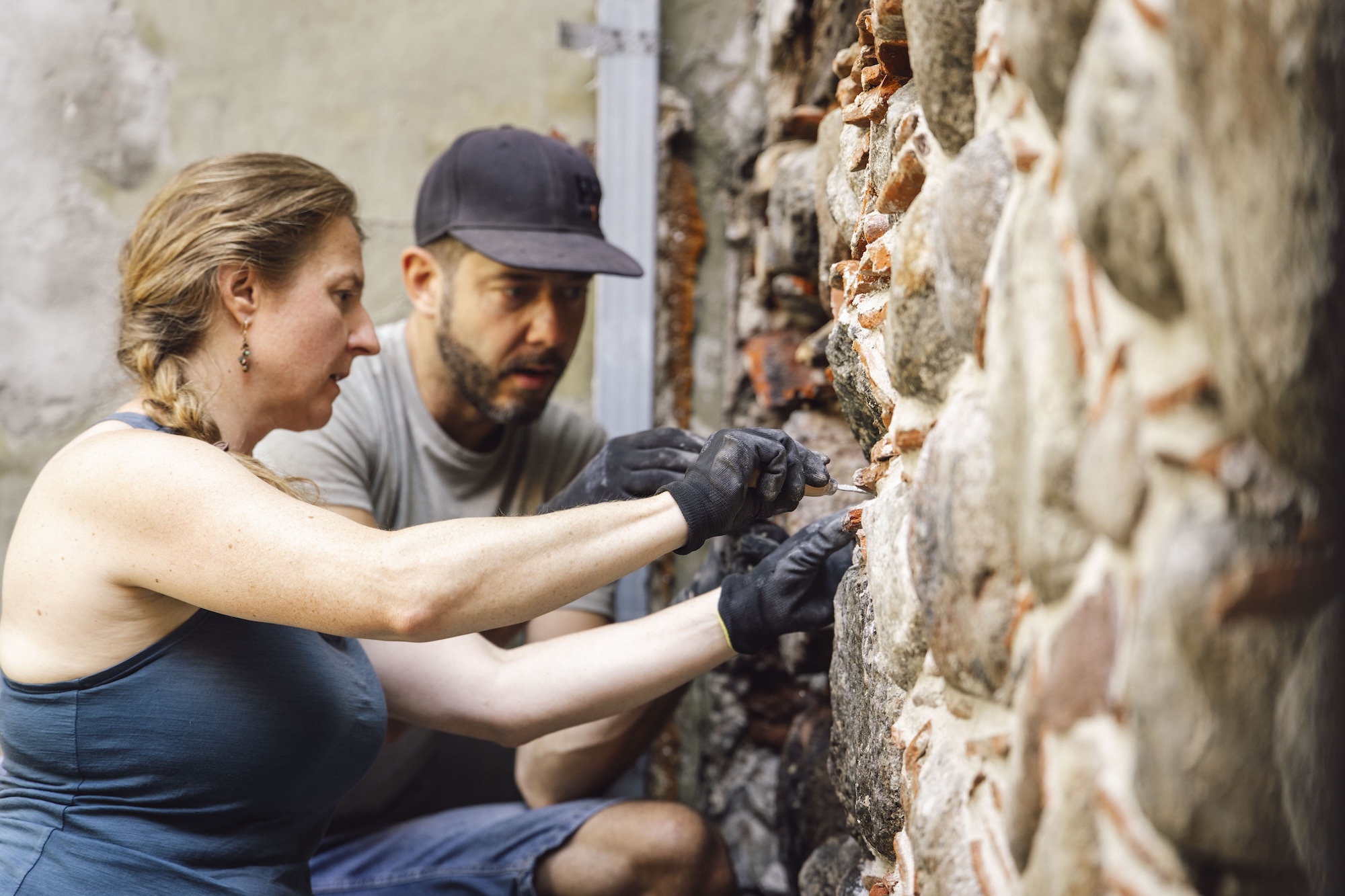
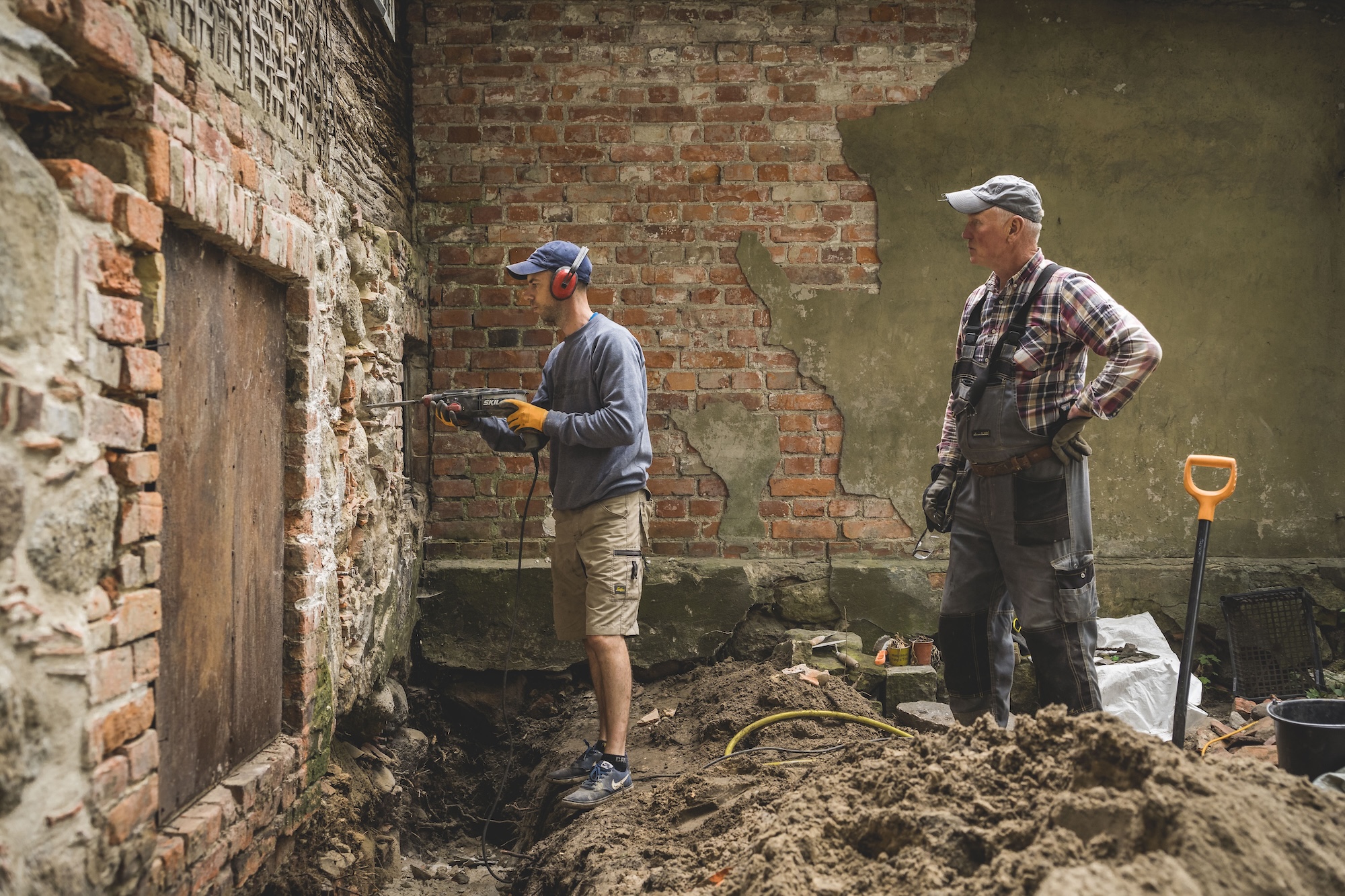
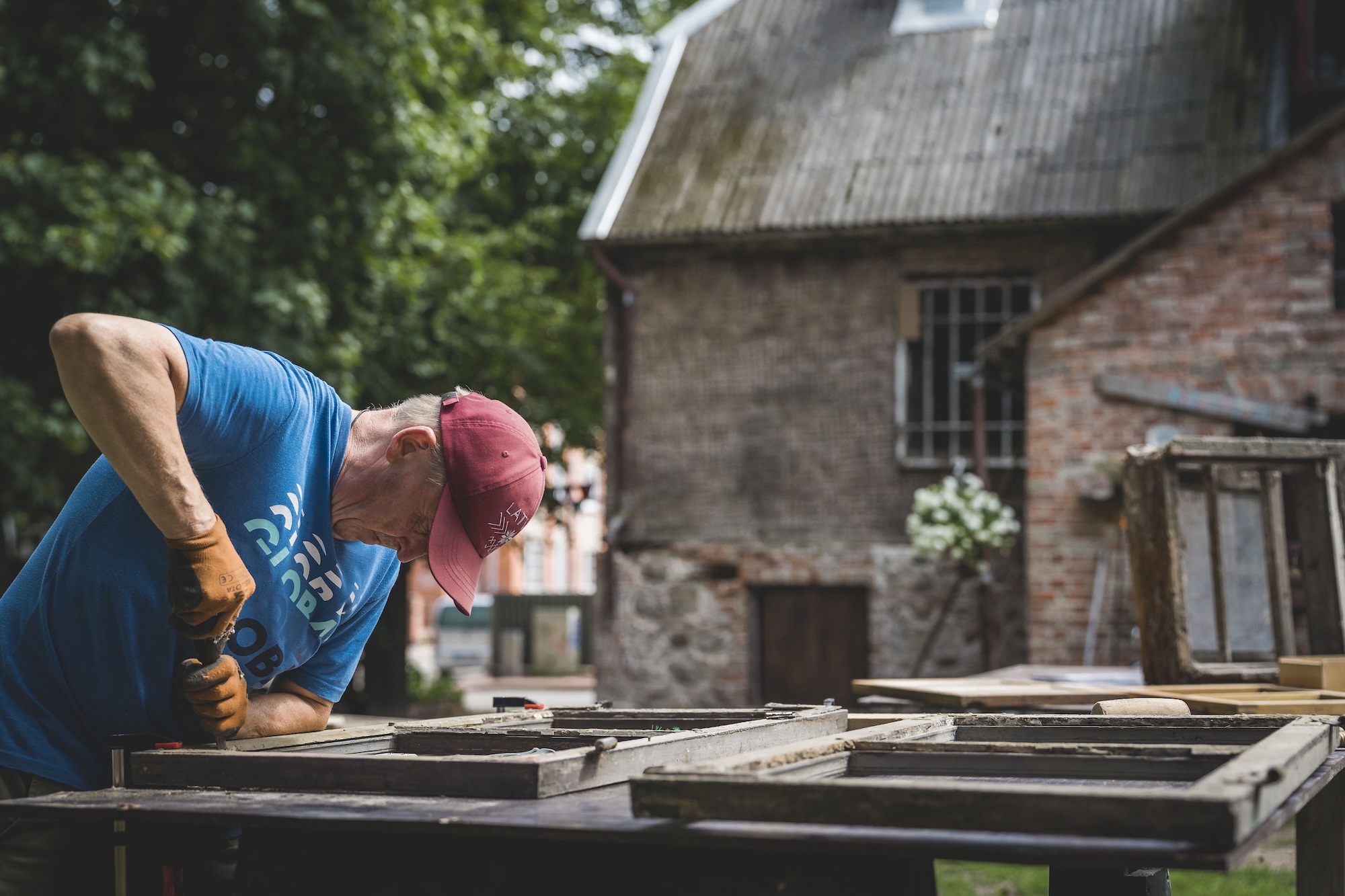
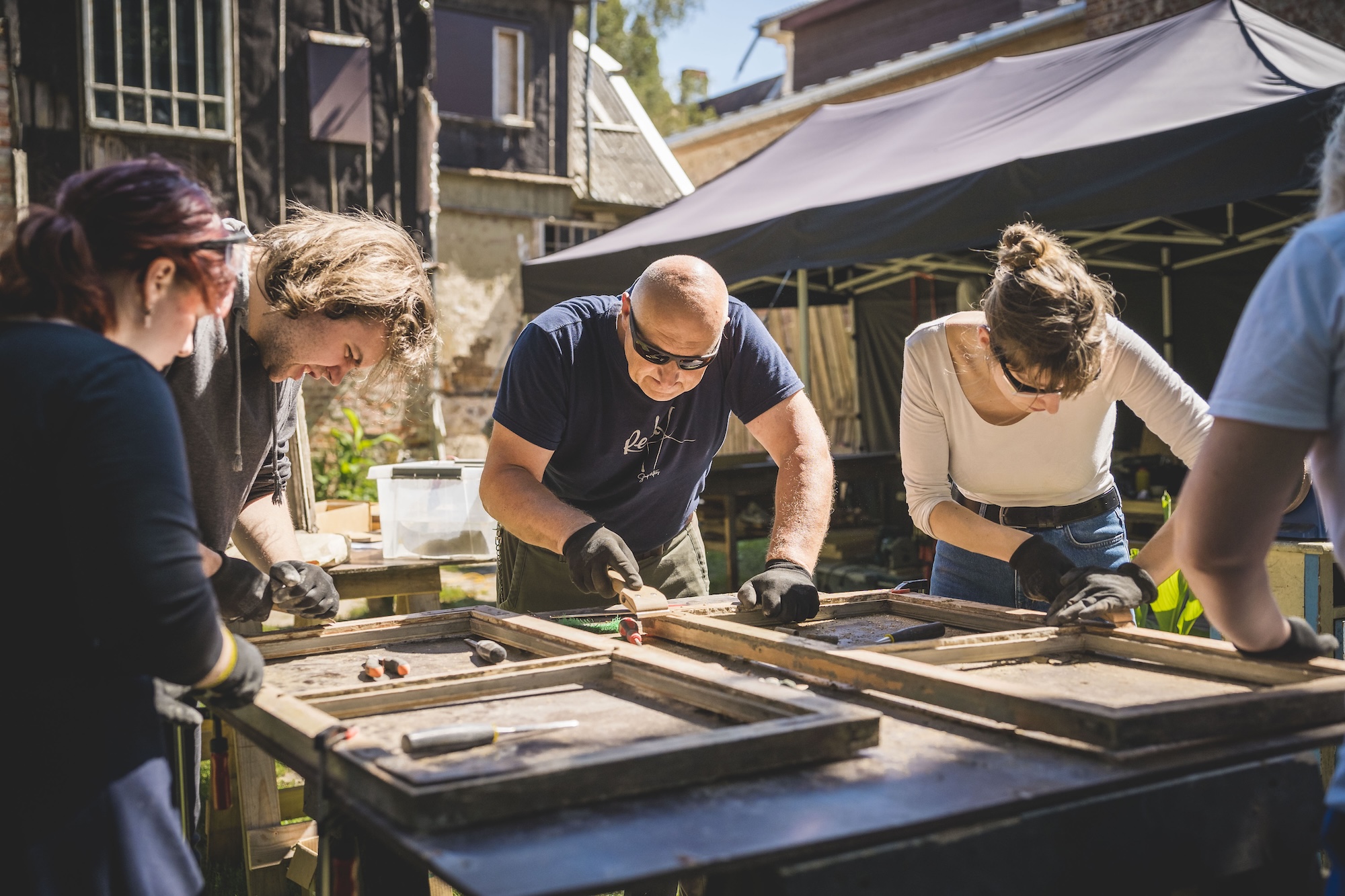
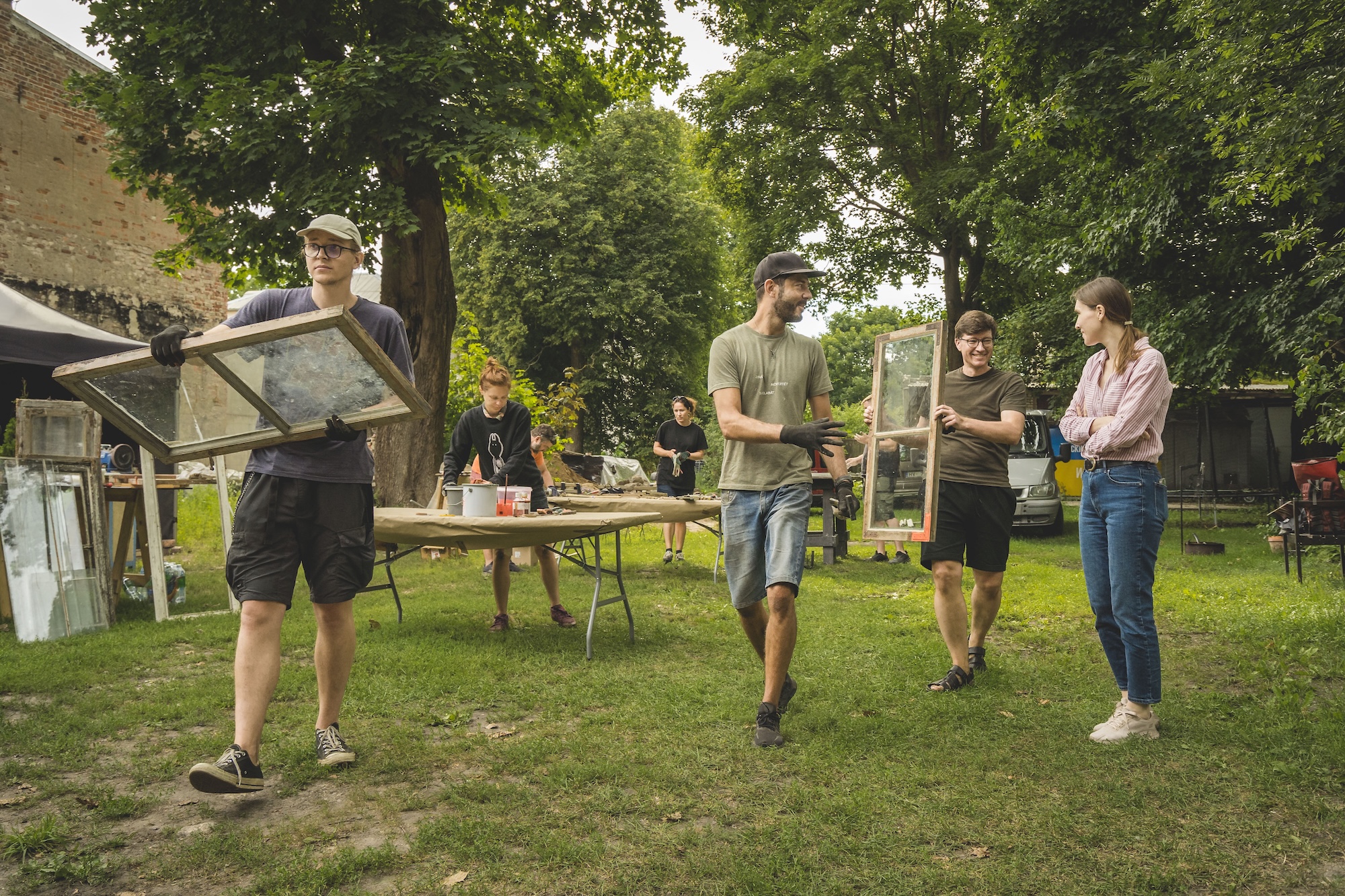
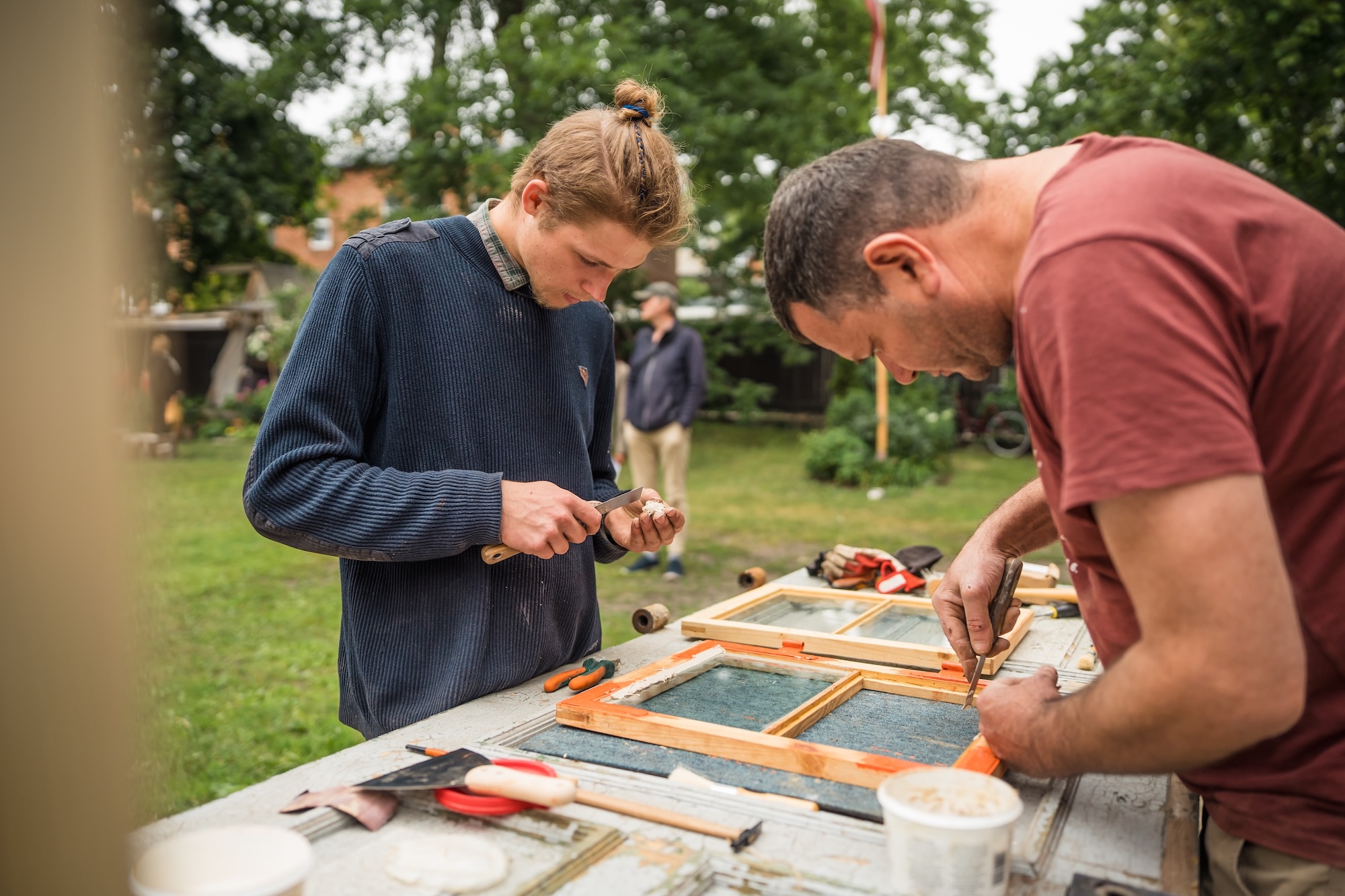
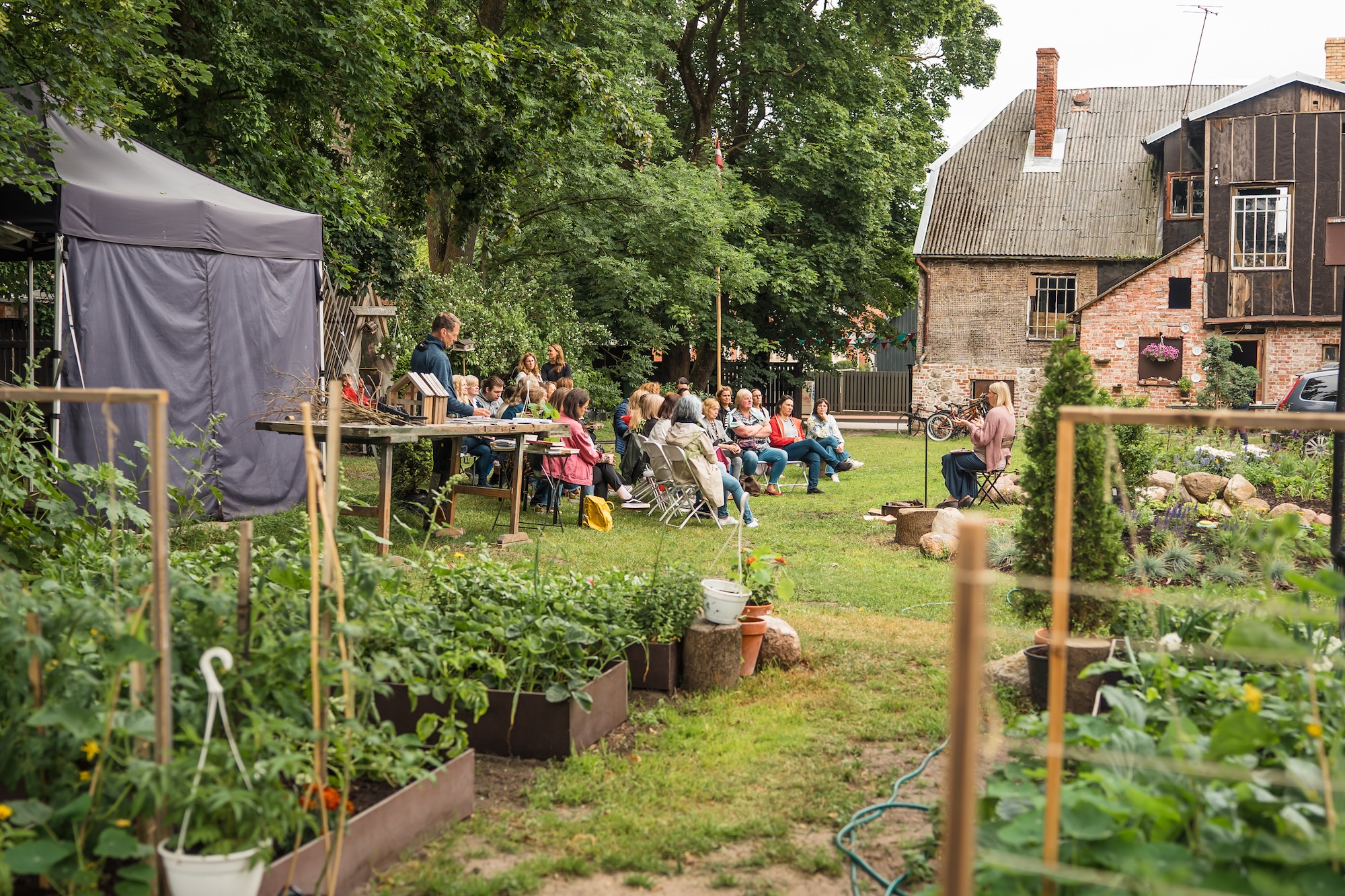
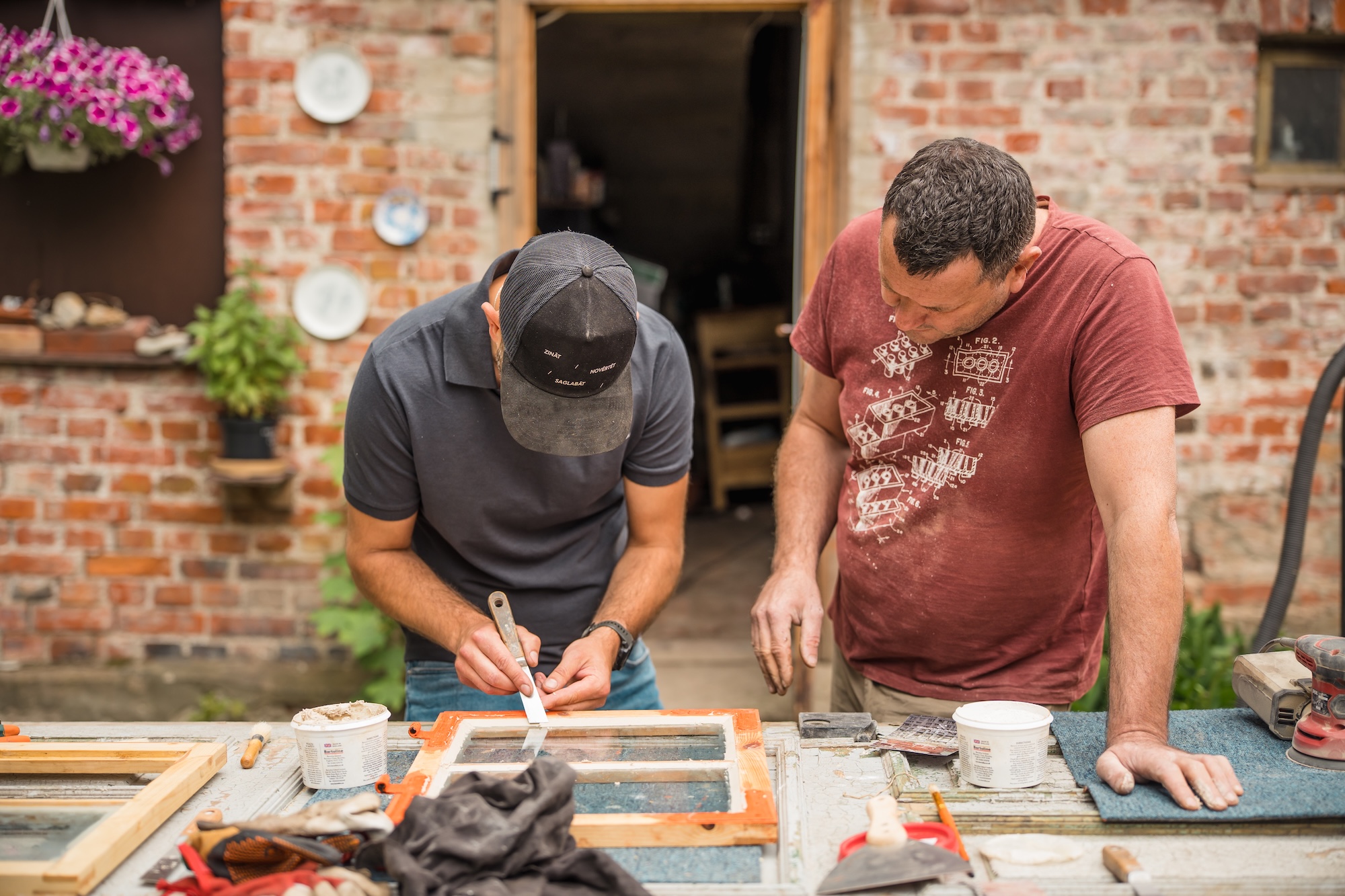
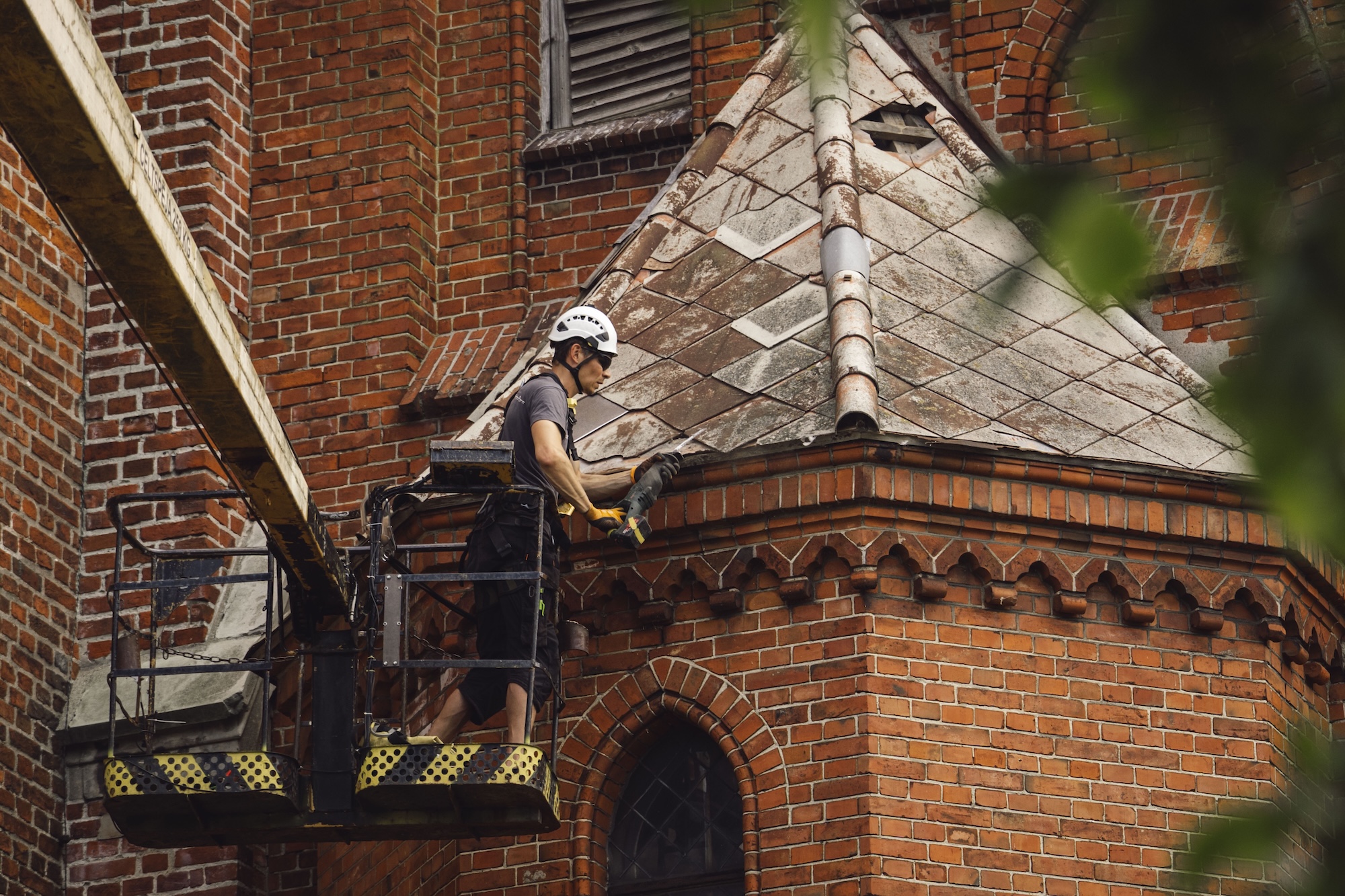
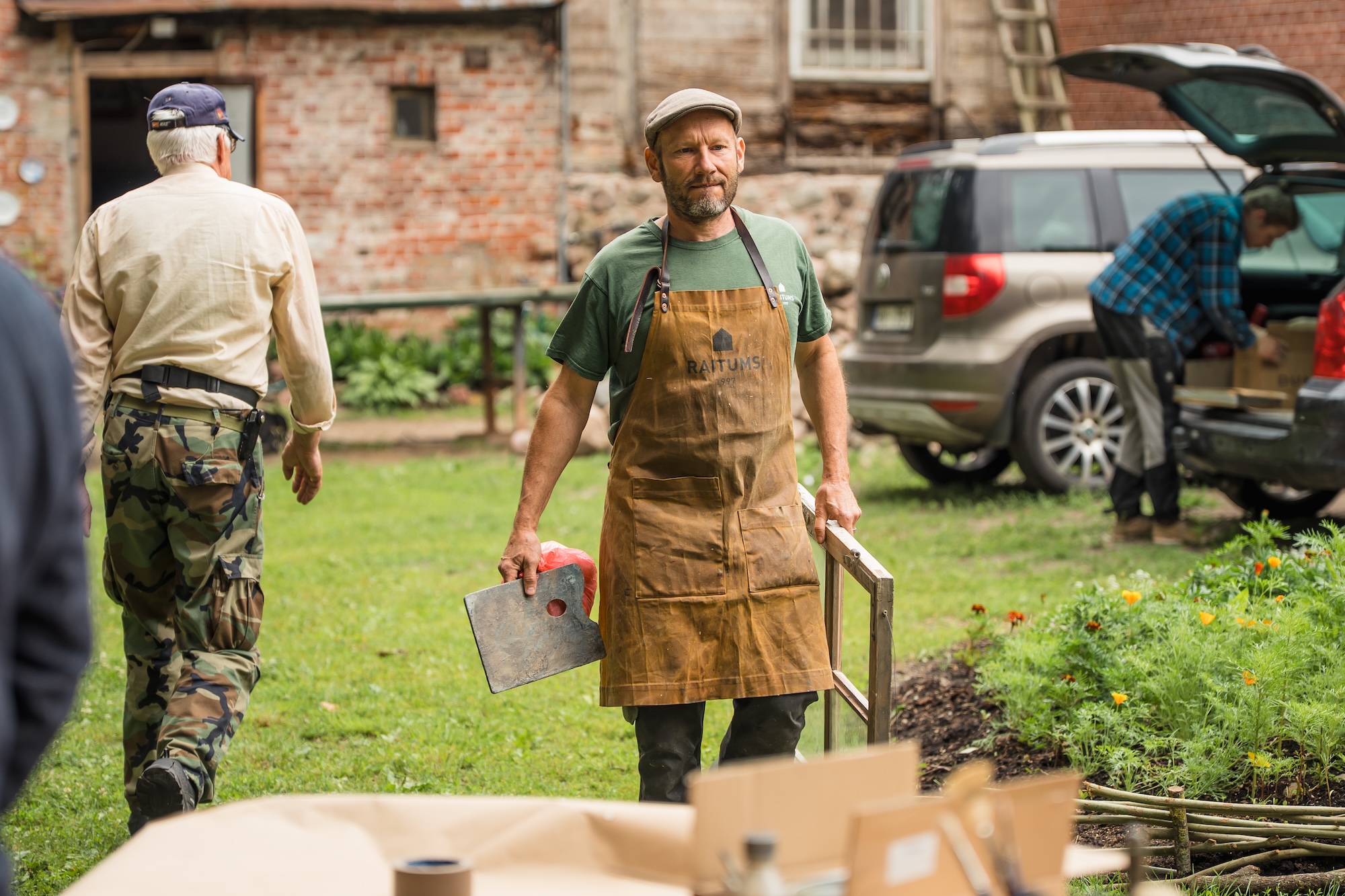
The initiative started with a public event that invited residents to rediscover their courtyards as shared spaces for cooperation, creativity and care. This was followed by a three-week international residency where craftsmen from Latvia, Italy and the Czech Republic worked and learned together. Participants gained practical skills ranging from restoration of historic wooden elements to the creation of sustainable gardens and greener courtyard environments.
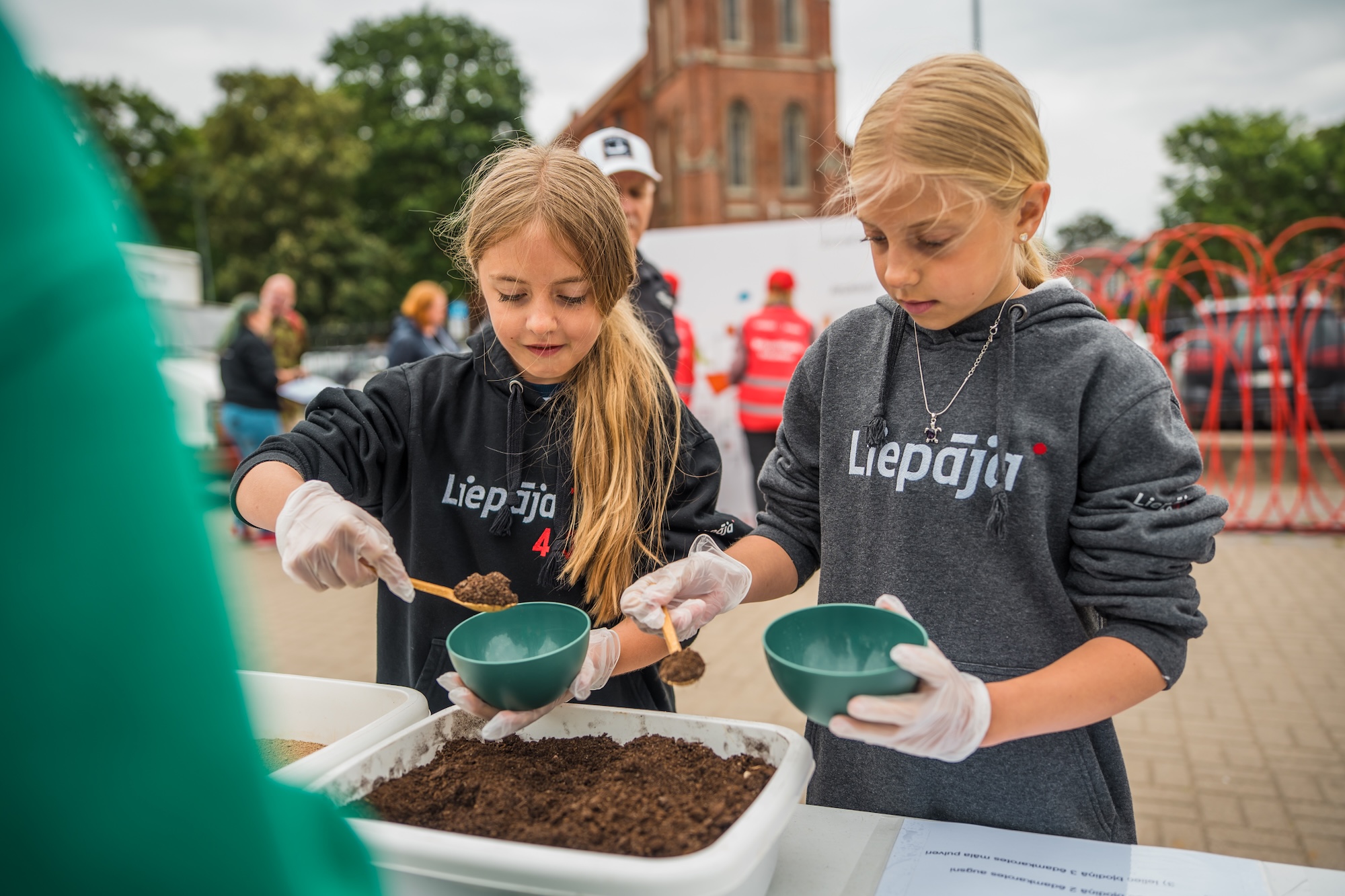
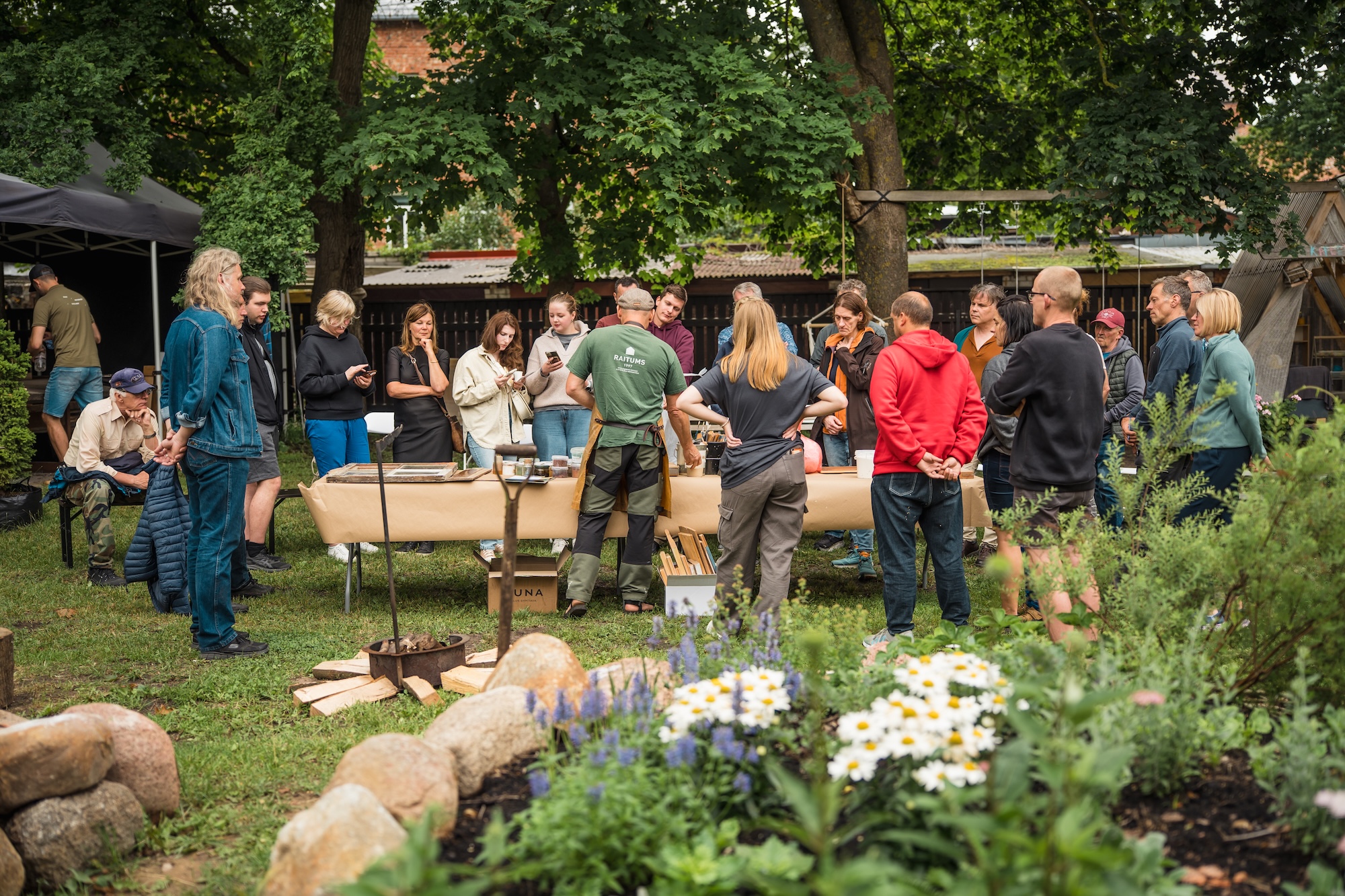
Across three neighbourhoods in Liepāja, more than 200 residents took part in co-creation activities and nine practical workshops, learning traditional restoration techniques and sustainable approaches to working with historic buildings and courtyards.
The project has already produced visible results: restored architectural elements, revitalised courtyards and a network of engaged residents who now feel more confident in caring for their environment. At the same time, the project created a model for community-based heritage preservation where professional knowledge becomes accessible and usable for local communities.
In the long term, the project strengthens community resilience, supports climate-friendly living and encourages residents to actively shape their neighbourhoods. Knowledges becomes action, and that action grows into a lasting sense of belonging.
Many courtyards in Liepāja hold stories — about families, generations and the diverse people who have shaped the city and Latvia. Yet these stories often remain quiet, waiting for people who can bring them back to life.
The project emerged from a desire to reconnect traditional craftsmanship with the needs of contemporary communities. We wanted restoration to become a living experience and to revive the stories embedded in historic buildings and courtyards.
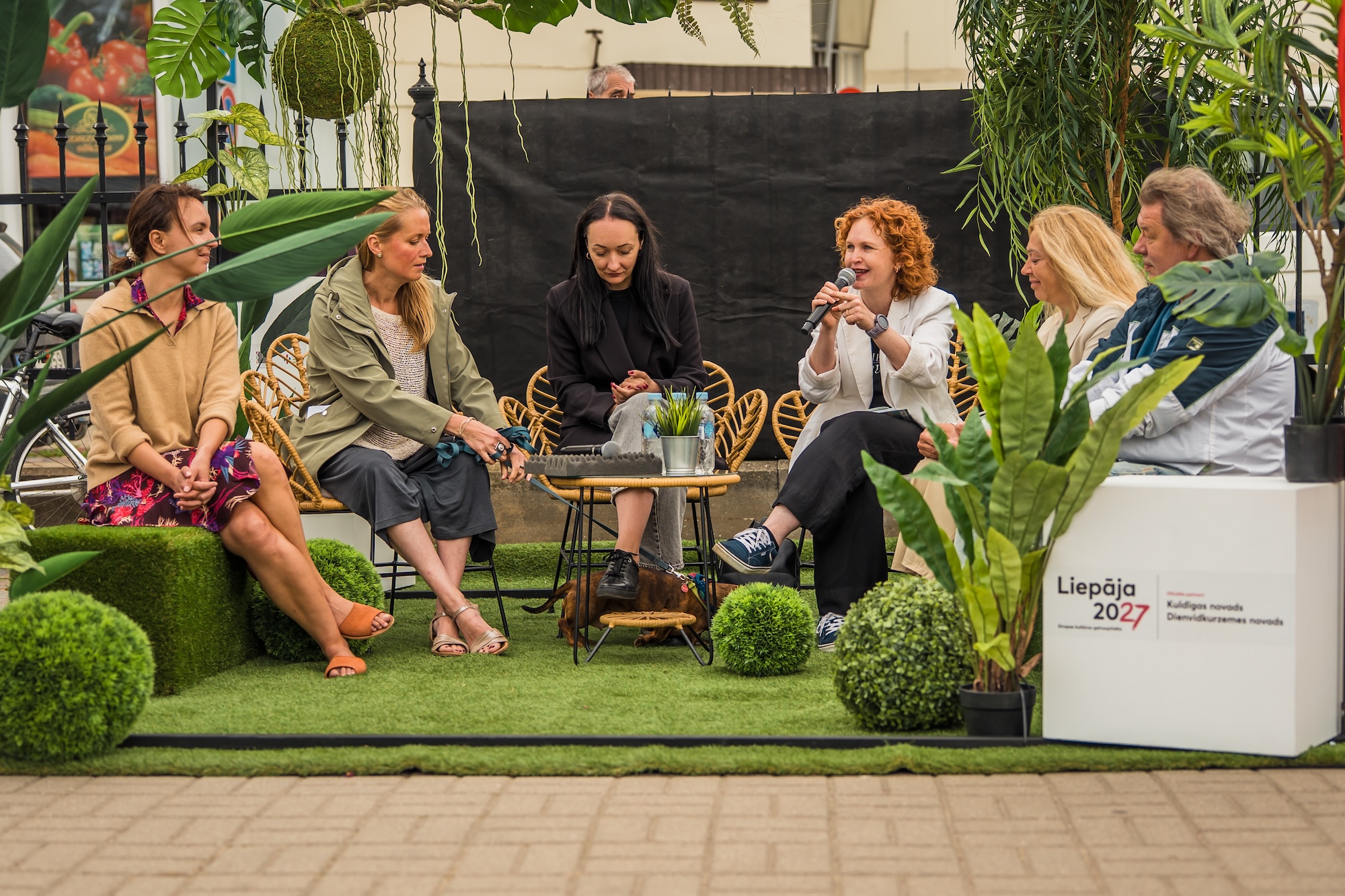
The project began with a public discussion in the heart of the city — at Liepāja Market, one of Europe’s most beautiful Art Nouveau buildings. Representatives of national and municipal institutions, entrepreneurs and civic organisations discussed different perspectives on cultural heritage and its role in shaping the future of the city.
This was followed by a three-week international residency where local craftsmen worked together with international guests. More than 200 participants joined workshops and activities, learning practical restoration skills while sharing knowledge and ideas. They worked together in workshops and courtyards, exchanging experiences and exploring new possibilities.
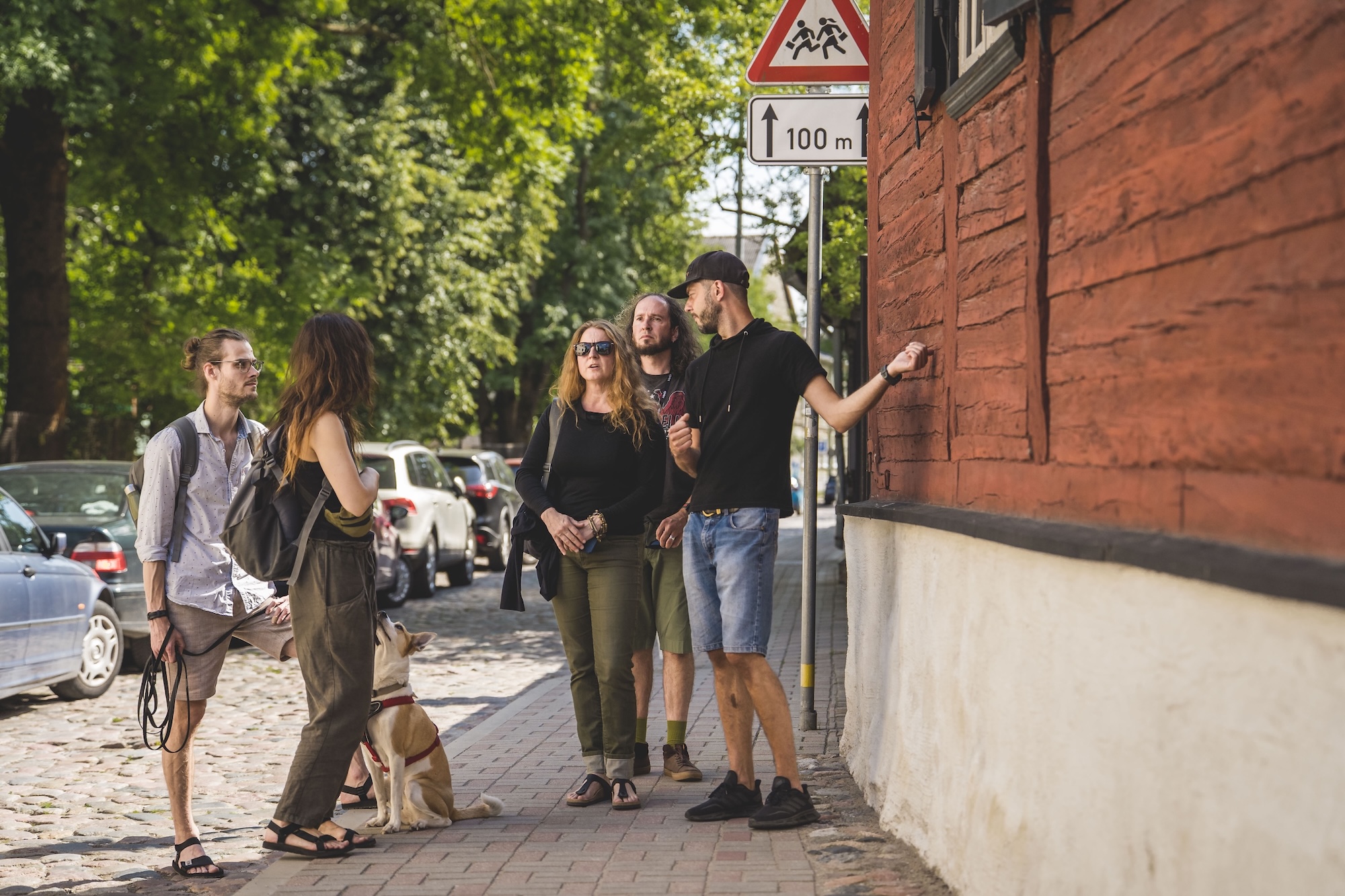
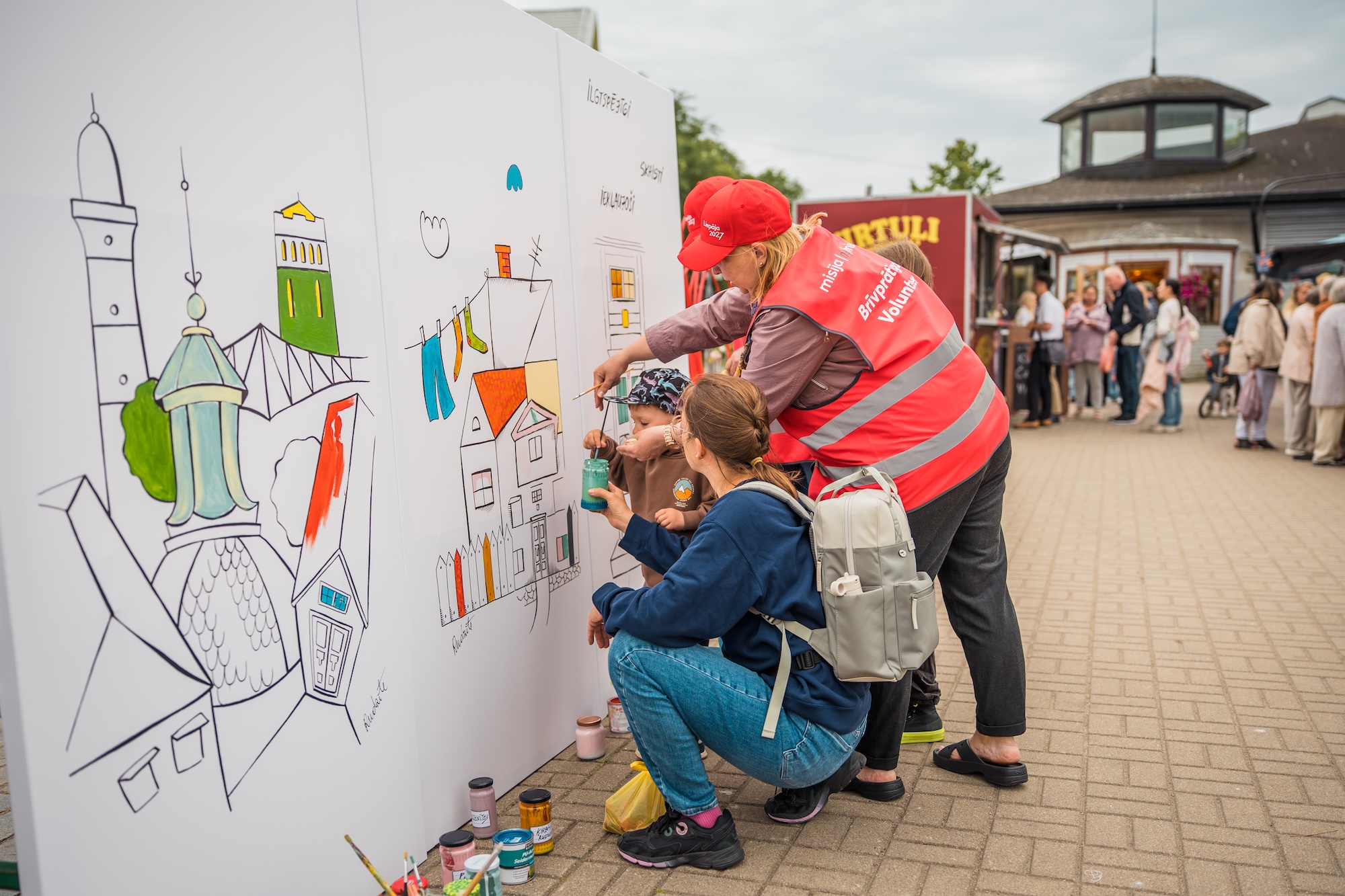
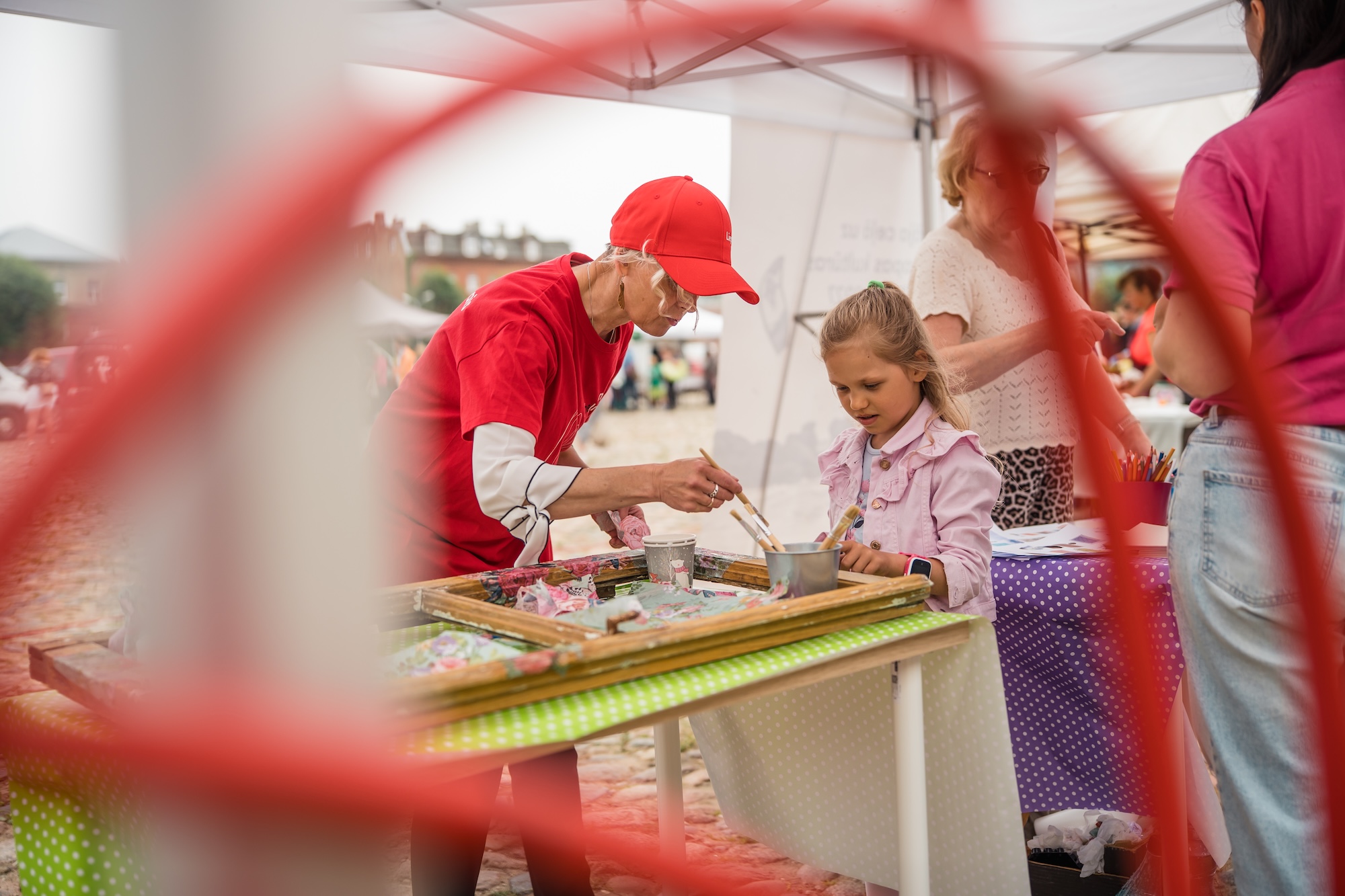
At the same time, the project moved beyond the courtyard of the Liepāja Restoration Centre into neighbourhoods and everyday meeting places. Co-creation workshops allowed residents to share their ideas, needs and dreams and to take part in shaping their living environment.
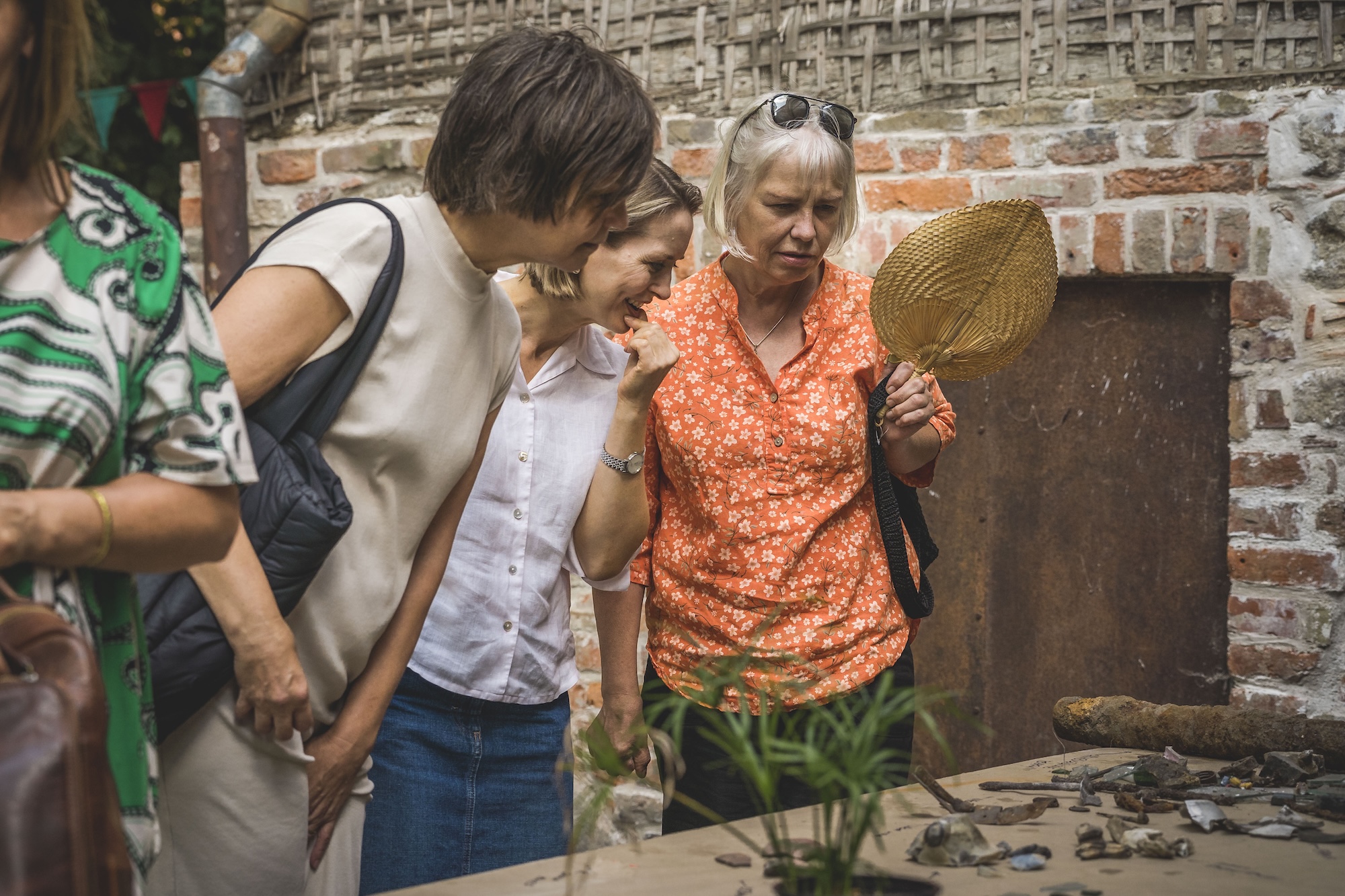
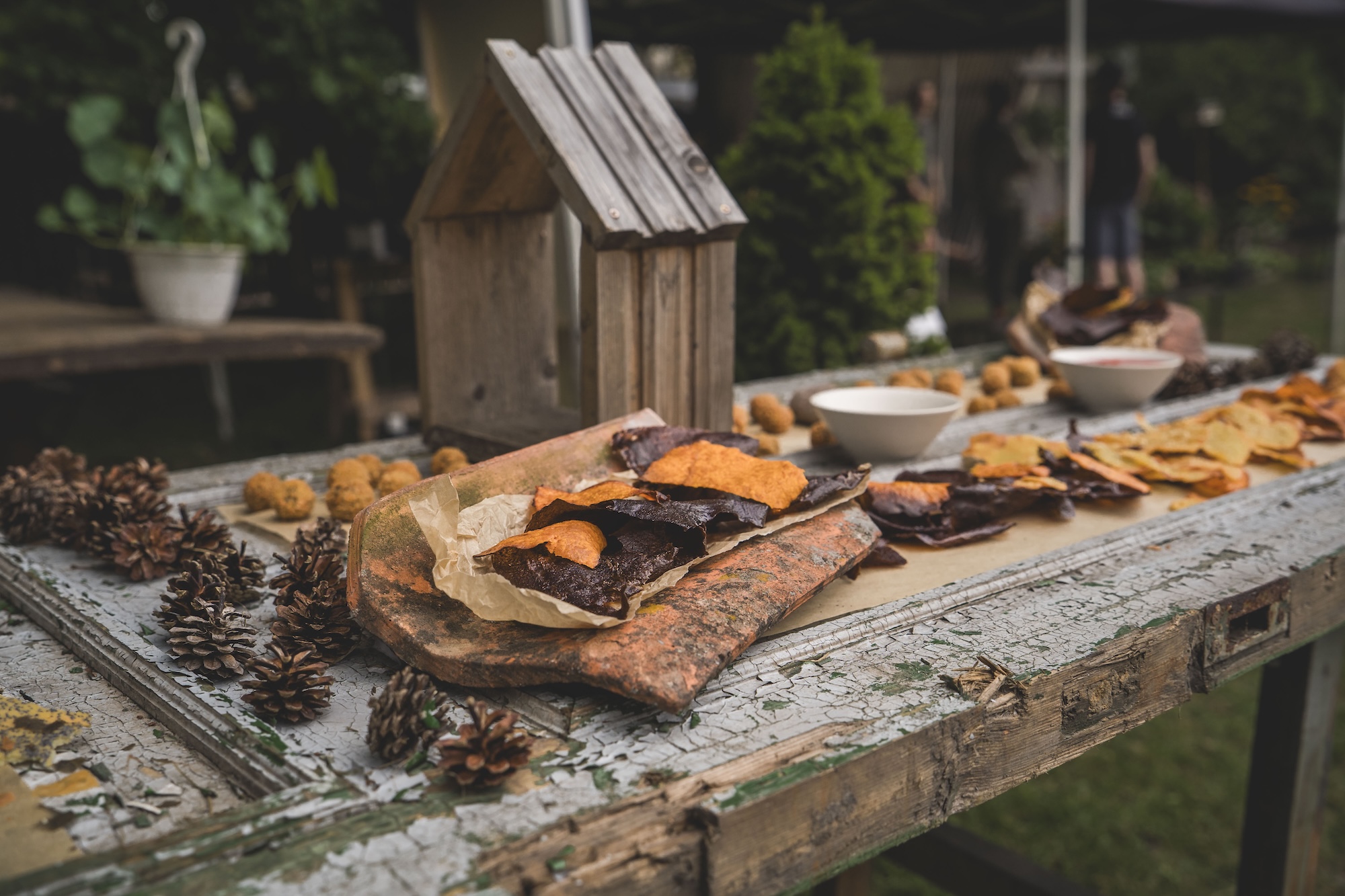
The project concluded with a public Garden Festival at the Liepāja Restoration Centre — an open gathering where visitors could experience the world of restoration, exchange ideas and celebrate the renewed connection between people, heritage and the shared spaces of the city.
Sense of belonging
Community co-creation
Heritage craftsmanship
Sustainable urban living
Neighbourhood engagement
The project is not only about preserving cultural heritage – it is also a social process. By maintaining and using traditional craft skills, the project showed that old does not mean beyond saving. Through our activities we aimed to demonstrate that restoration can be a sustainable alternative to excessive construction and material consumption.
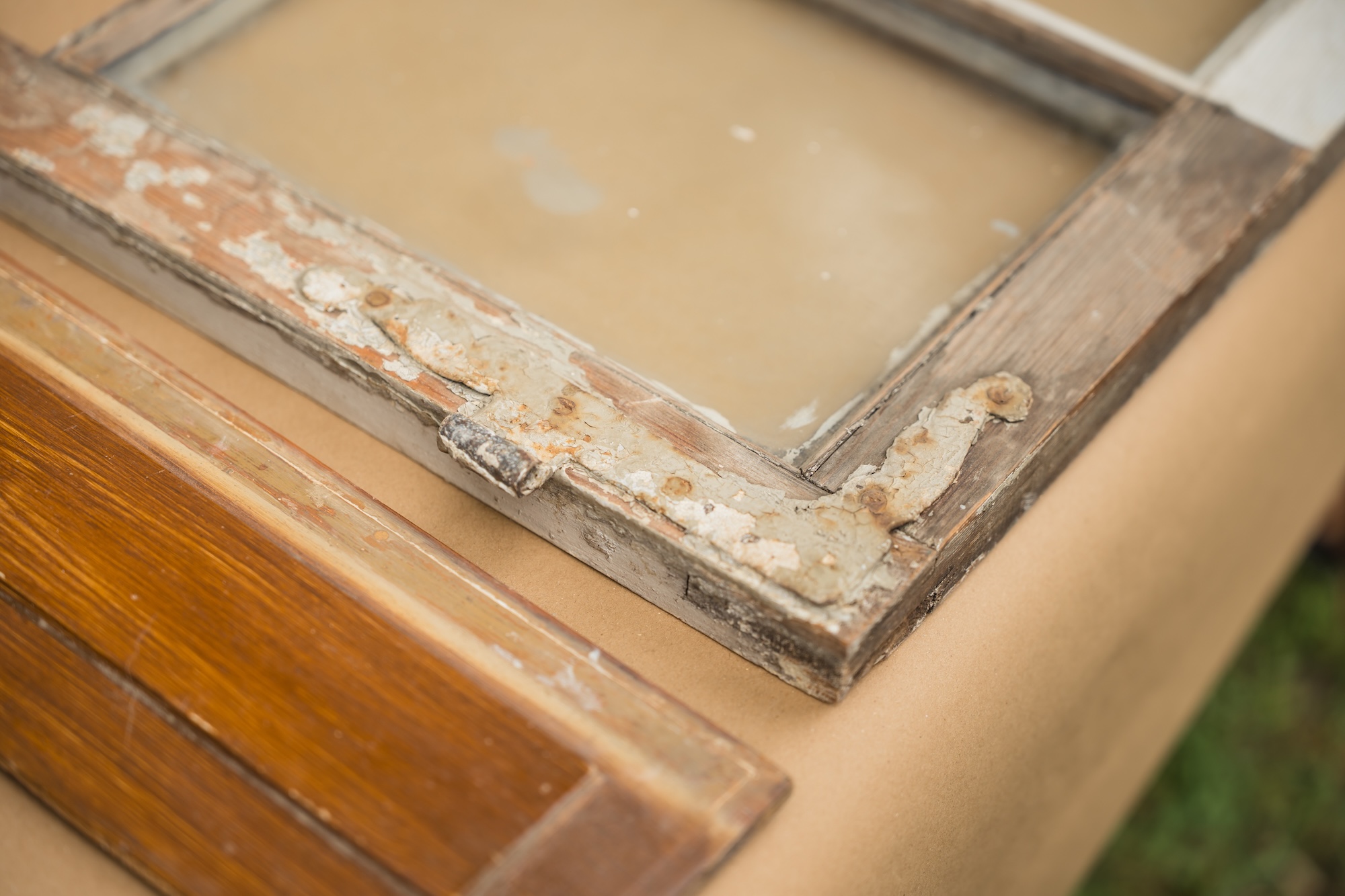
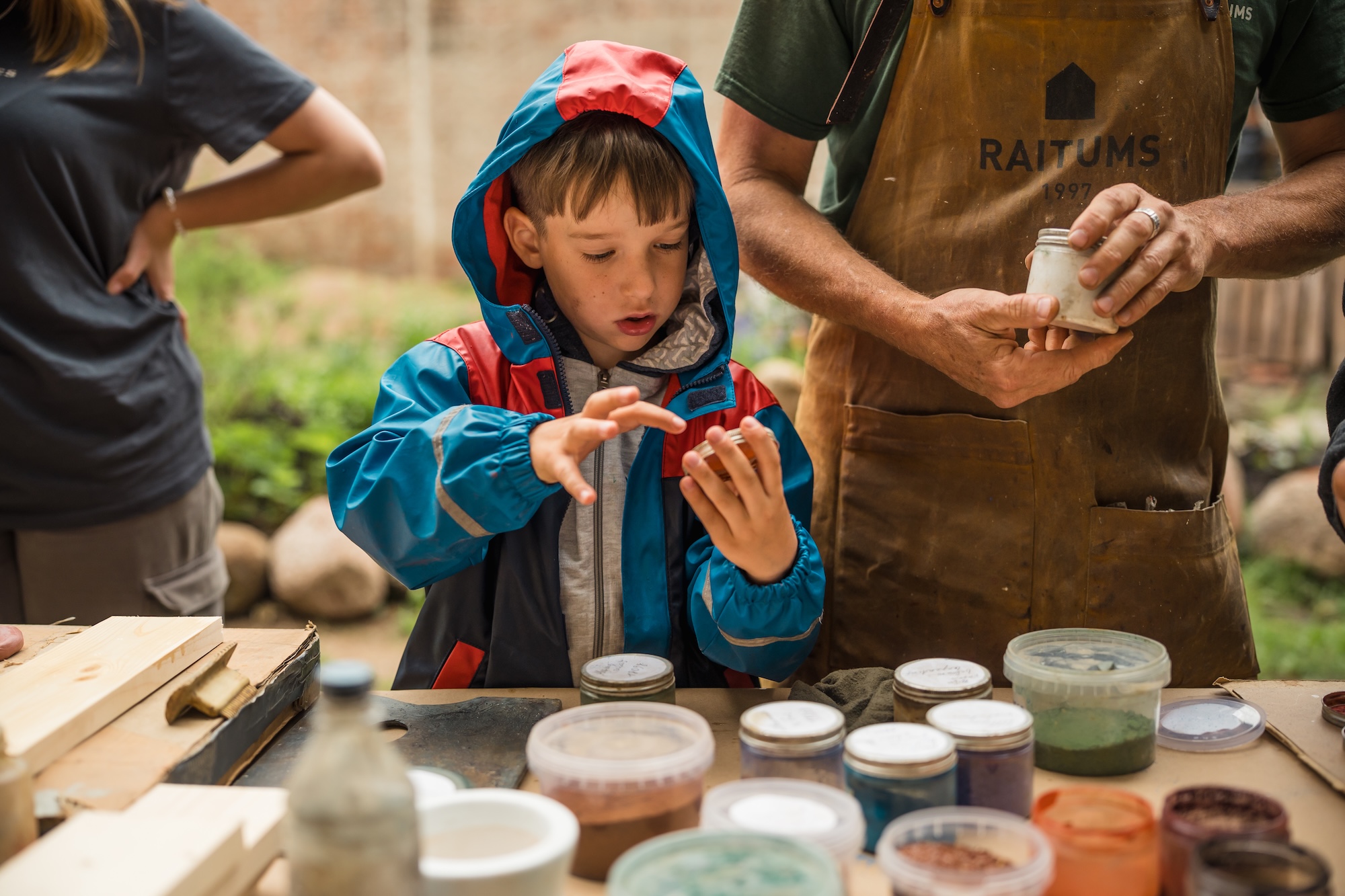
More than 200 participants learned practical skills – how to care for wooden elements, how to use natural materials, and how to create sustainable courtyards and gardens. These skills help people maintain their buildings and surrounding environment for longer.
However, sustainability in this project is also social. When people work together to improve their surroundings, trust, cooperation and shared responsibility begin to grow.
A sustainable city is not only about energy-efficient buildings – it is also about a community that feels responsible for its environment.
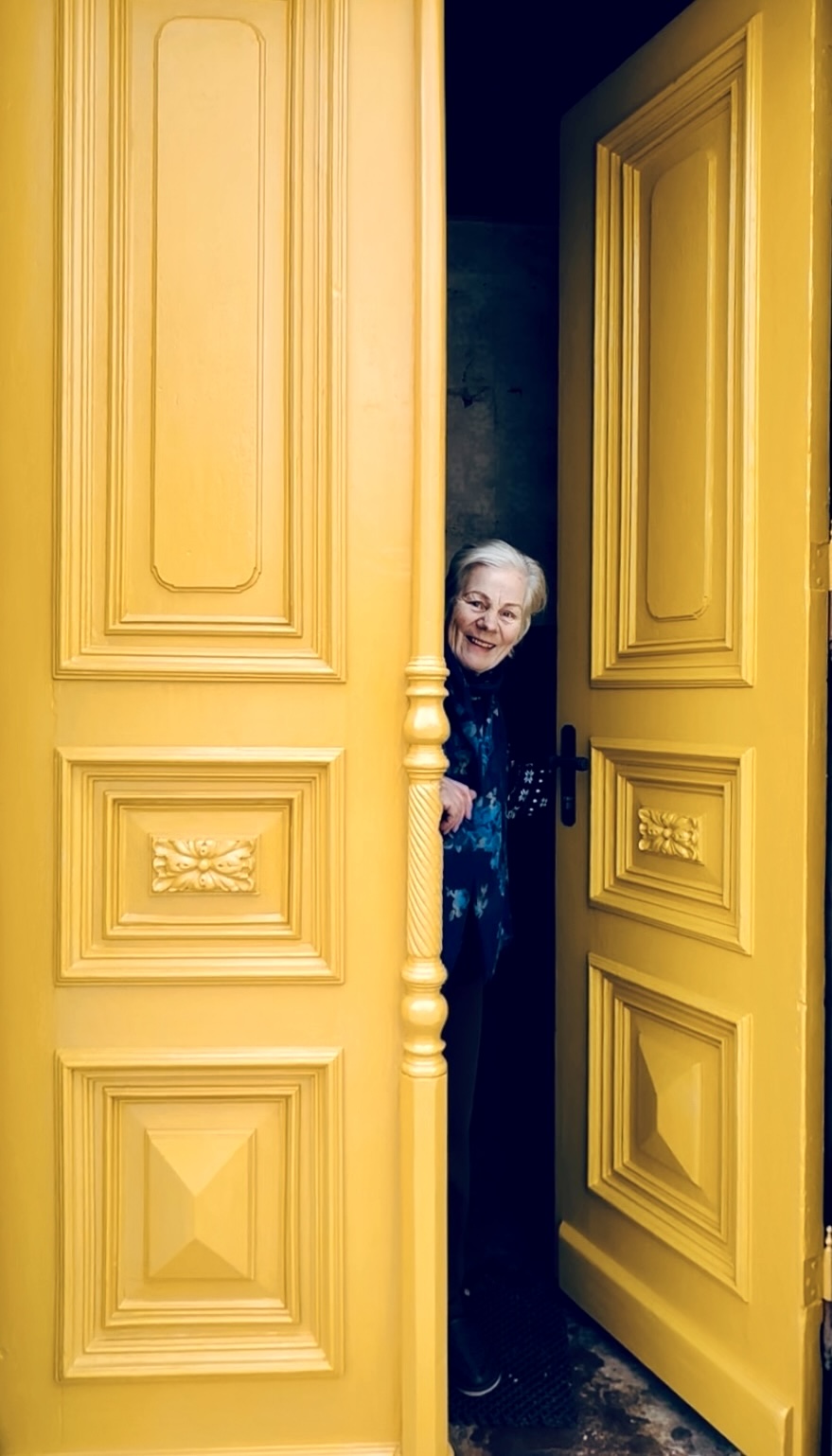
The beauty of this project lies not only in its architectural details. It also lies in the feeling that arises when people begin to care for the place where they live once again. When a courtyard is cleaned up, when old doors and windows regain their vibrant colors, when people plant flowers together or learn to lay building foundations using their grandfather’s traditional methods—through these actions, the city becomes not only beautiful but also alive.
The project has helped residents see beauty where it often goes unnoticed: in the texture of wood, in an old window, in the sunlight between courtyards and buildings.
This experience also creates a sense of belonging. When a person has personally participated in restoring a place or its details, they view it differently. It is no longer just an environment—it is a part of their story.
The project was designed to be inclusive by welcoming people of all ages, backgrounds, and skill levels. Workshops and events were open to local residents, students, craftspeople, families, and neighbors. Participation required no prior knowledge—all that was needed was interest and a willingness to get involved.
A core element of the project was the co-creation process. Ideas for developing courtyards and shared spaces emerged from collective conversations, where every participant's voice was valued. In this way, the project helped create a space where people feel heard and involved in shaping their city. This builds a new model of society—one where the city is created with the people, rather than just for them.
A core element of the project was the co-creation process. Ideas for developing courtyards and shared spaces emerged from collective conversations, where every participant's voice was valued. In this way, the project helped create a space where people feel heard and involved in shaping their city. This builds a new model of society—one where the city is created with the people, rather than just for them.
The heart of this project is people. From the very beginning, it was designed as an open process where residents are not just spectators, but co-creators. The courtyards where activities took place were already living community spaces, and the project simply created a venue where these communities could meet and think about the future together.
In co-creation workshops, residents shared their ideas for developing courtyards and shared spaces. They spoke of their needs, memories, and hopes. Experts—architects, craftspeople, and designers—helped translate these ideas into real solutions. Many participants were involved in a restoration or co-creation process for the first time. This experience—doing together, learning together, and making decisions together—became one of the project's greatest values. The project showed that people are ready to engage in shaping their environment when given the opportunity and trust.
In co-creation workshops, residents shared their ideas for developing courtyards and shared spaces. They spoke of their needs, memories, and hopes. Experts—architects, craftspeople, and designers—helped translate these ideas into real solutions. Many participants were involved in a restoration or co-creation process for the first time. This experience—doing together, learning together, and making decisions together—became one of the project's greatest values. The project showed that people are ready to engage in shaping their environment when given the opportunity and trust.
At the local level, residents, local craftspeople, and cultural organizations were actively involved. Their knowledge of the area and everyday needs helped shape ideas that truly resonate with community life. At the regional level, municipalities and cultural institutions supported the project's activities and helped expand its impact. Nationally and across Europe, the project became a platform for international cooperation, attracting experts and participants from various countries. This exchange of experience allowed local initiatives to become part of a broader European dialogue on sustainable urban environments and the preservation of cultural heritage. This multi-level collaboration created a project where local ideas can flourish in an international context.
The project brought together diverse fields of expertise, creating a space where craftsmanship, architecture, design, and community work intersect.
During the restoration process, traditional craft skills were utilized, particularly in working with wood and historical building elements. At the same time, architects, designers, and urban planners participated, helping to envision the future of shared spaces. Social sciences and community engagement methods also played a crucial role; co-creation workshops helped us understand how people perceive their environment and how they want to develop it. Educators were involved as well, helping to shape a learning process where knowledge is passed on through hands-on work. This multidisciplinary collaboration created a rich environment for ideas, where practical skills and creative thinking complement each other.
During the restoration process, traditional craft skills were utilized, particularly in working with wood and historical building elements. At the same time, architects, designers, and urban planners participated, helping to envision the future of shared spaces. Social sciences and community engagement methods also played a crucial role; co-creation workshops helped us understand how people perceive their environment and how they want to develop it. Educators were involved as well, helping to shape a learning process where knowledge is passed on through hands-on work. This multidisciplinary collaboration created a rich environment for ideas, where practical skills and creative thinking complement each other.
With the help of EU support, the restoration centre has been able to build trust, visibility and recognition in the community. The project’s funding model is based on a combination of different resources. Activities are supported by public funding, cultural programmes and project grants that encourage community initiatives and international cooperation.
The project is further strengthened through partnerships with organisations, municipalities and cultural institutions, as well as public support such as donations, volunteer work and community-led initiatives. This combination of funding sources creates a strong foundation for a sustainable and resilient business model and allows the project to continuously develop new ideas.
In the future, the development of co-creation restoration workshop space will further strengthen the project’s sustainability. This space will host practical workshops, training activities and collaborative restoration work, generating additional income while continuing to share traditional craftsmanship skills with the community.
This diverse and evolving approach ensures the long-term stability of the project and supports its mission to connect heritage preservation with community participation and sustainable local development.
The project’s greatest value is its methodology—a process where knowledge, community, and creativity are united in a single co-creation model. This approach can be adapted to various cities and communities across Europe, especially those with historical architecture and active groups eager to care for their environment. Key transferable elements include: • Co-creation workshop methodology • Practical restoration skills training • International residencies for craftspeople and experts • Community involvement in urban development • Knowledge transfer through hands-on action
These elements can help other cities build projects where cultural heritage becomes a tool for community development.
These elements can help other cities build projects where cultural heritage becomes a tool for community development.
- https://youtube.com/shorts/ER7t7QDTrFQ
- https://liepaja2027.lv/aktualitates/vairak-neka-200-dalibnieki-liepaja-apguvusi-restauracijas-un-ilgtspejigas-saimniekosanas-prasmes/#14756148683
- https://www.km.gov.lv/lv/jaunums/devinos-pasakumos-liepaja-stiprinas-restauracijas-un-ilgtspejigas-saimniekosanas-prasmes