Arts, Culture, and Heritage as Drivers of Change
Walkers on Water (WoW)
Walkers on water: A methodology for citizen engagement in urban development
What if citizens, civil society organisations, and policymakers from different municipalities all came together to discuss a shared, unseen, and highly significant urban resource?
The Water Walkers invite you to a process of imaginative, structured, and participatory activities around the Hadrian Aqueduct. The goal is to foster an organised dialogue on the management and utilisation of the aqueduct while enhancing civic engagement.
The Water Walkers invite you to a process of imaginative, structured, and participatory activities around the Hadrian Aqueduct. The goal is to foster an organised dialogue on the management and utilisation of the aqueduct while enhancing civic engagement.
Greece
Regional
Attica region
Mainly urban
It involves other types of transformations (soft investment)
Yes
2023-05-31
Yes
Active Citizens Fund
No
Yes
Organisation
Walkers on Water (WoW) is a culture- and art-led, community engagement project that integrates artistic practice and community activation to foster collective stewardship of water resources, opening pathways toward community‑led models of environmental and heritage governance.
Centred on the Roman Hadrian Aqueduct of Athens, a 20‑km underground and still active water infrastructure, WoW reconnected residents with a forgotten yet active element of their cultural and ecological landscape. By treating the Aqueduct as both a water commons and a cultural monument, the project built a renewed shared sense of place across multiple neighbourhoods.
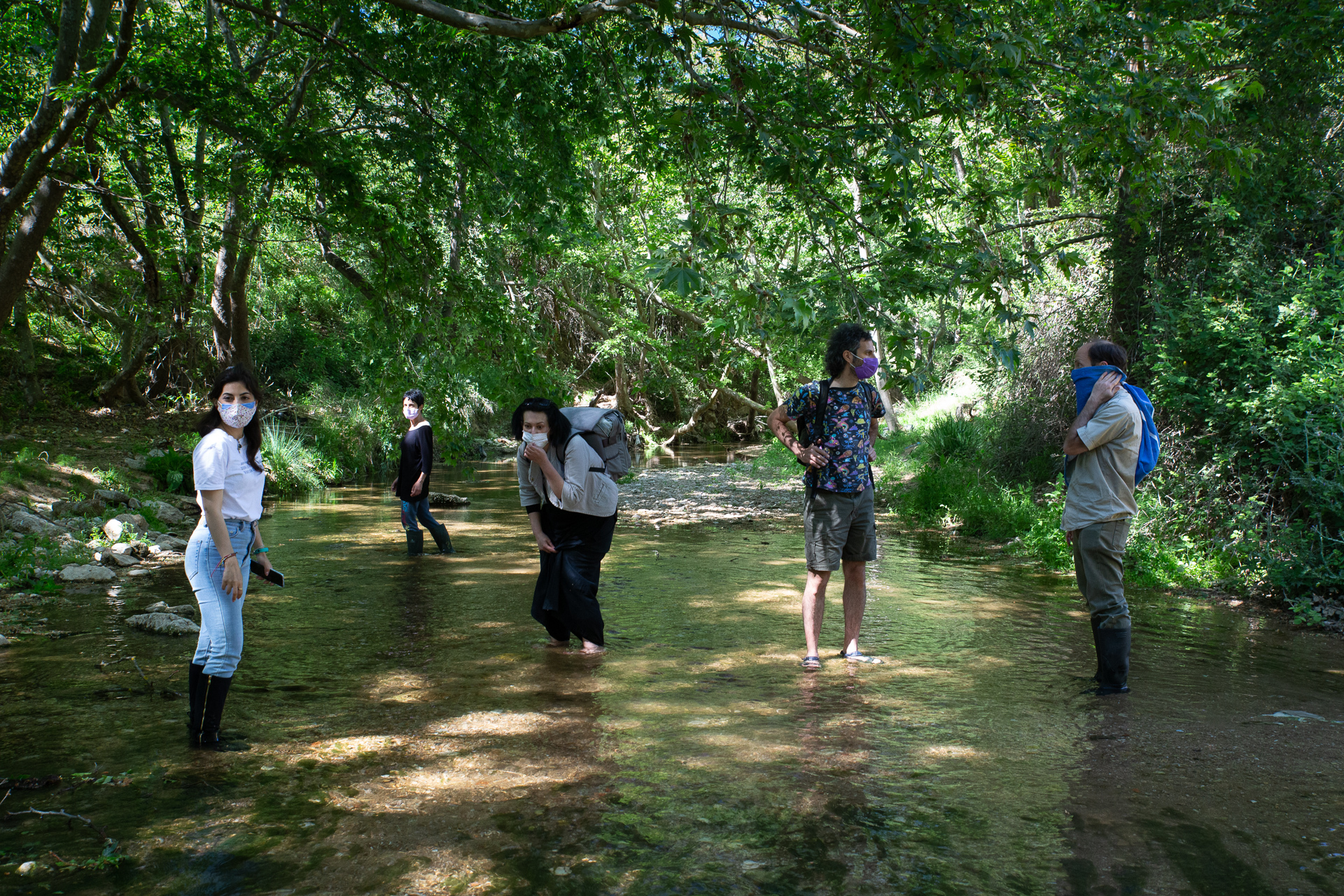
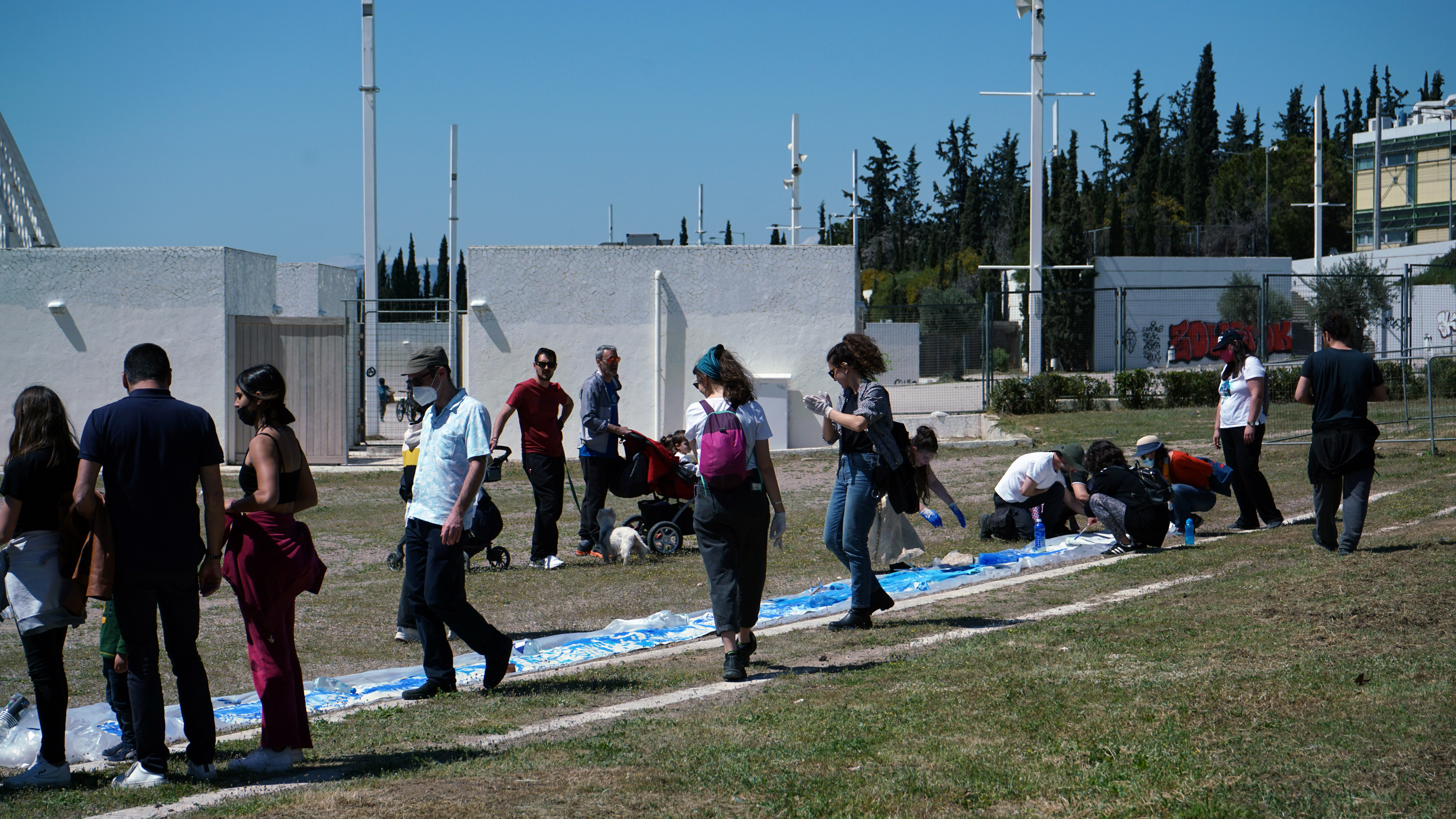
WoW is rooted in artistic performative practice, dramatized storytelling, gamified tools and site-specific exploration - to make the hidden Hadrian Aqueduct visible, activate public awareness of the Aqueduct’s presence and relevance. Over 22 months, 24 activities, the “Little Hadrian Festival,” and a wide range of co‑creation sessions, more than 300 participants explored the Aqueduct network as a commons and developed a renewed sense of place and responsibility towards the Aqueduct.
The project worked transdisciplinarily, bringing together artists, researchers, urban actors, and local residents to reveal how cultural practices can open imaginative pathways toward sustainable futures, grounded in community stewardship of water as an ecological, cultural, and social commons.
A major achievement of WoW is the development of a tested participatory methodology grounded in its artistic and community‑based work. This methodology proved effective in enabling residents to reconnect with the Aqueduct as a shared cultural and environmental asset, and its value has been formally recognised through its inclusion in an MoU with New Metropolitan Attica and its integration into planning processes for the Integrated Spatial Investment (ISI) dedicated to the Hadrian Aqueduct.
WoW was launched in 2021 when “Ohi Pezoume” / UrbanDig Project, together with Art of Hosting Athens, received Active Citizens Fund support to test an experimental idea: whether culture‑ and arts‑led community engagement could activate diverse stakeholders around a shared urban resource and inspire more inclusive forms of collaboration. The Hadrian Aqueduct, an underground Roman water system linking eight municipalities, became the field for this experiment.
The project initially targeted three groups, decision‑makers, civil society organisations, and individual citizens, reflecting different levels of formal and informal governance. While representatives of municipalities did participate, WoW quickly discovered that sustained engagement across eight municipal authorities was not easily achievable. However, the team’s interaction with the Development Agency of the Attica Region made clear that the emerging methodology could have strategic relevance within regional planning frameworks.
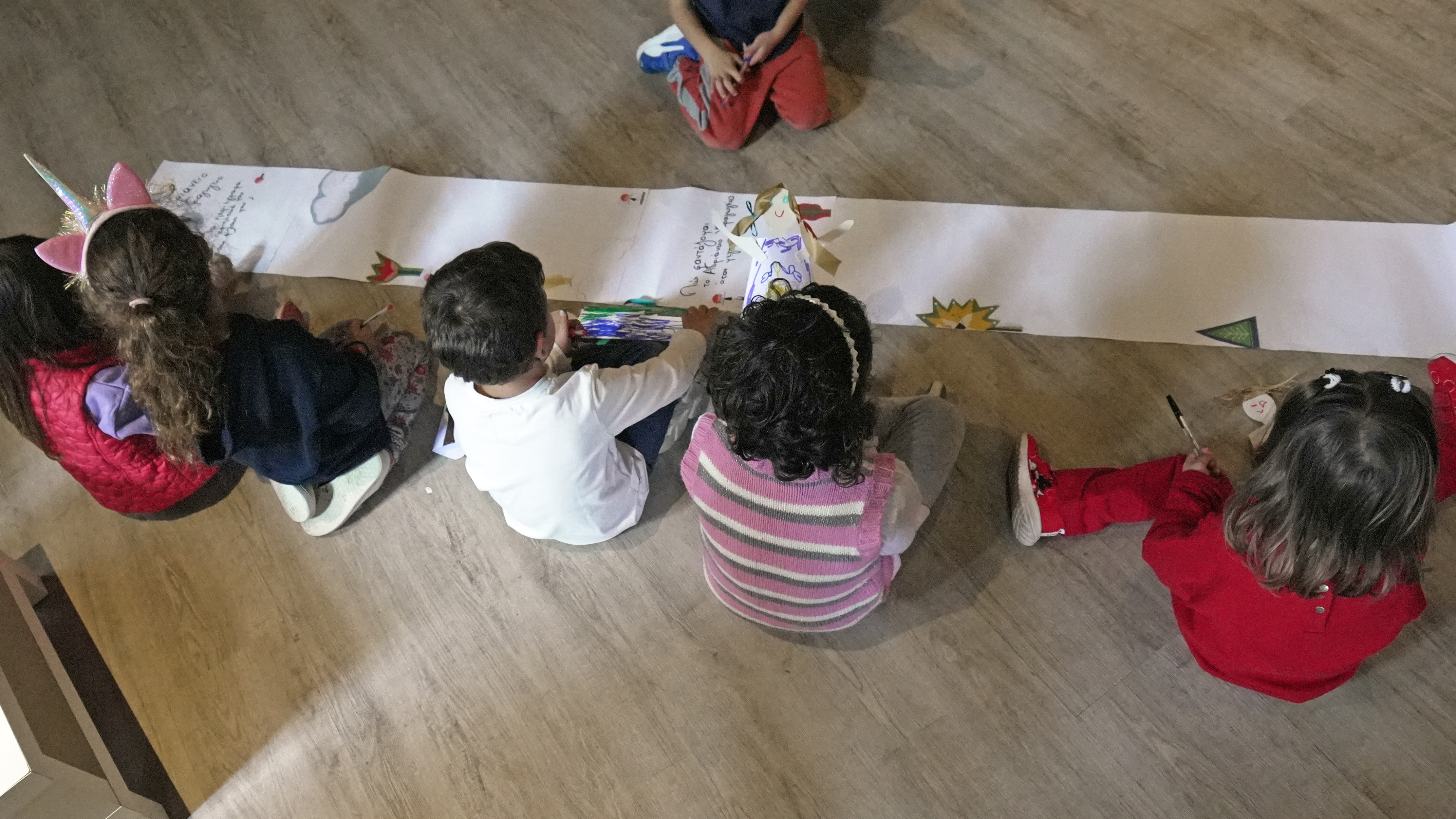
A significant insight emerged through a “reality check”: secondary schools in and beyond the Aqueduct’s route offered fertile ground for participation and awareness‑building. Activities involving children and teenagers—playful guided tours and the “Little Hadrian Festival”—revealed a strong appetite among younger audiences for learning about valuable local resources. WoW also built connections with organisations active in environmental and commons‑related issues (e.g., common space, iSea, citizen groups for streams), widening the ecosystem of actors engaged.
Across community‑building meetings WoW provided safe, creative spaces for dialogue, embodied learning, and collective imagination. An unexpected but meaningful observation was the predominantly female participation, offering insights into who engages most readily in collaborative public processes.
During its 22‑month cycle, WoW layed the foundations for more cooperative and inclusive approaches to managing common resources.
Art/Culture‑Led Community Engagement
Water Heritage Activation
Community-led Water Resilience
Participatory Governance
Stewardship of Natural & Cultural Commons
WoW demonstrated how a cultural and participatory approach can respond to social, cultural and environmental challenges in urban contexts, while laying foundations for long‑term sustainability.
Re-imagining Civic Participation
Greek local governance structures often provide few meaningful channels for community engagement and participatory decision-making. WoW responded by introducing an experimental, translocal methodology that brought citizens, youth, CSOs, and selected institutional actors together in safe, inclusive environments. Structured dialogues, gamified tools, and playful formats reduced participation barriers, making water‑related, participatory decision‑making possible and engaging. Work with secondary schools and the strong participation of women revealed new audiences ready to contribute to shared stewardship when given supportive conditions.
Cultural Heritage as a Community Connector
The Hadrian Aqueduct, though historically significant, had little presence in everyday civic life. WoW revitalised this heritage by presenting it as water, monument, and network,linking eight municipalities through a common resource. Through performative, educational, and community‑driven formats, the project reframed heritage as an active socio‑cultural landscape capable of nurturing collective imagination and inter‑municipal dialogue. Athens faces severe water stress, yet significant alternative water sources, such as the functioning Aqueduct remain invisible and underused. WoW is exemplary in sustainability because it helped catalyse community‑led water resilience. Its experiential and participatory methodology equipped local actors with embodied and practical tools to engage with the Aqueduct as a viable, circular water source. The Hadrian Community in Chalandri, now implementing responsible non‑potable uses of this shared resource, shows how cultural activation can seed long‑term stewardship and inspire replicable models to strengthen urban water literacy
WoW contributed to aesthetics by making the invisible Hadrian Aqueduct felt, seen and meaningful in people’s daily lives. It revealed a hidden waterway as a living presence beneath the city and invited residents to experience it not only as infrastructure, but as a shared story, a cultural landmark and a source of imagination.
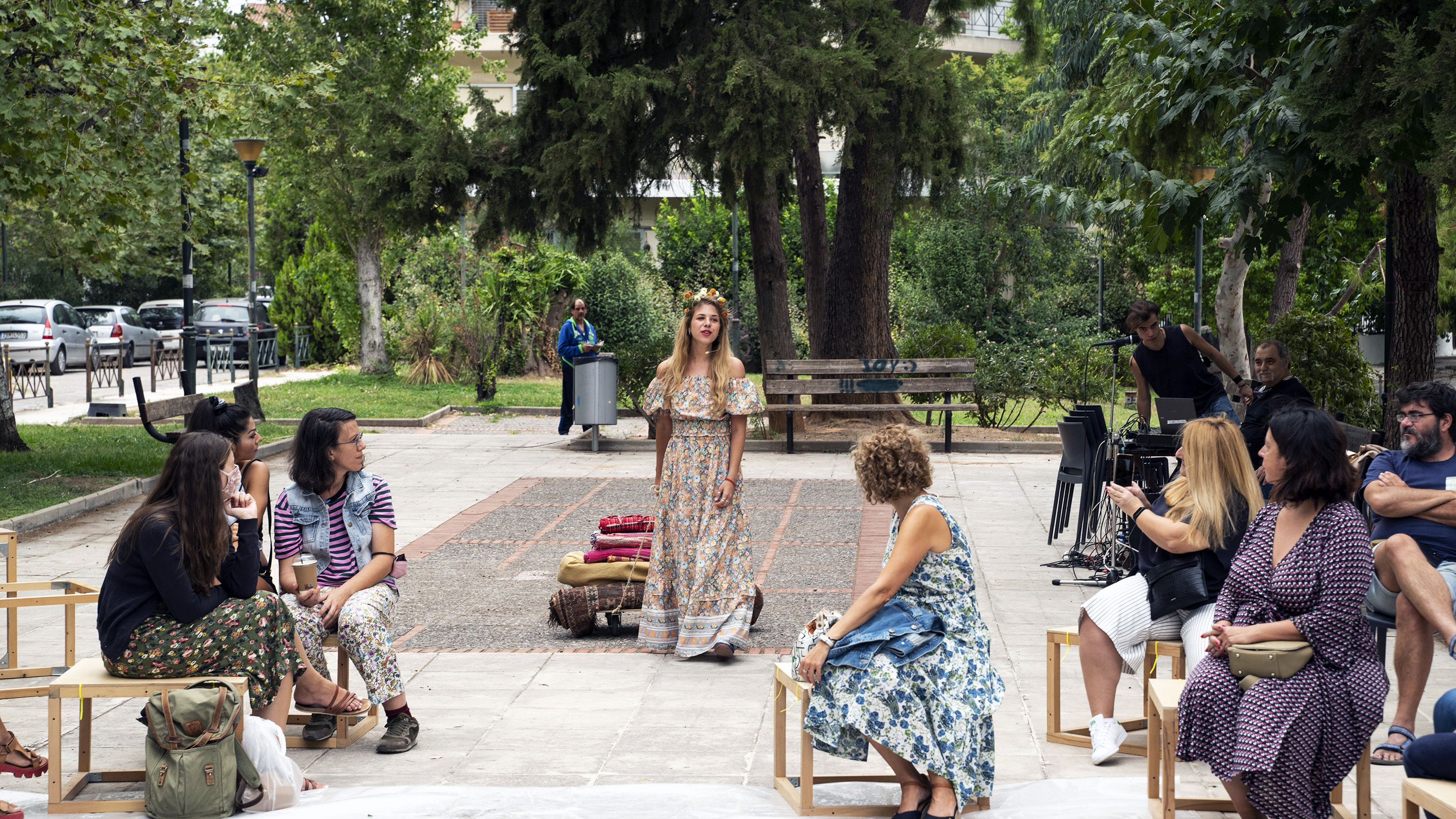
Through artistic interventions, dramatized presentations, site‑specific performances, place‑based walks and sensory encounters, the project created accessible moments of beauty, moments of noticing, curiosity and renewed connection with the environment. These creative formats wove performance, storytelling, movement and guided imagination into everyday spaces, turning the city into an aesthetic field of exploration.
WoW’s aesthetic value lies in how it reframed a buried resource into a landscape of experience. By blending theatre, mapping, narrative personification of the Aqueduct and embodied exploration, participants “saw” the Aqueduct through sound, story and movement. This artistic reframing transformed ordinary neighbourhoods into spaces of discovery and belonging, encouraging people to perceive familiar places with fresh attention.
WoW also nurtured collective artistic expression, where residents, youth and educators co‑created images, characters and visions for the Aqueduct. The Little Hadrian Festival, shaped through participatory workshops, became an open creative laboratory—hosting playful art‑based sessions that made cultural production collaborative, intergenerational and welcoming to diverse publics.
In the longer term, WoW cultivates care and attachment by giving the Aqueduct an emotional and imaginative presence. When a hidden water system becomes a story, a character, a path and a shared concern, it anchors a deeper sense of belonging and strengthens the foundations for stewardship. WoW is exemplary in aesthetics because it shows how creative, inclusive artistic practices can reveal the latent beauty of neglected assets.
WoW addressed inclusion by designing participation that was accessible, inviting and meaningful for people who are often left out of formal planning processes. While civic involvement is not part of everyday culture, the project created low‑threshold entry points that enabled residents, youth, families and civil society actors to take part without prior expertise or institutional familiarity. Participation was not only social but artistic, using creative methods to make involvement intuitive and open to all. Artistic and playful methods acted as design‑for‑all tools, enabling accessibility, emotional openness, intergenerational engagement and participation beyond technical literacy and removed intimidation from public dialogue and invited people to engage through story, movement and play.
Intergenerational and cross‑demographic accessibility was central. School groups, teachers and families engaged through tailored activities that connected water literacy, heritage and imagination, revealing the appetite for inclusive, place‑based learning. Their active participation demonstrated that inclusive engagement can emerge when methods resonate with people’s capacities, rhythms and everyday lives. Several educators later joined the committed core group of citizens, broadening the project’s social base.
WoW also promoted inclusive governance cultures by creating shared spaces where civil society, educators and residents could exchange perspectives and experiment with collaborative decision‑making practices. These interactions helped participants recognise themselves as legitimate contributors to conversations about heritage, water and public space, enabling participation across social, spatial and administrative boundaries.
In the longer term, WoW contributes to the NEB ambition of self‑governance by nurturing the conditions for community stewardship because it opened pathways toward community‑anchored models of environmental and heritage governance.
Participation was both the method and the goal of WoW, used to cultivate a culture of engagement and to explore how communities could reconnect with—and take responsibility for—a shared ecological and cultural resource. Participation in WoW was not only social; it was artistic participation, using creative formats to make engagement accessible, enjoyable and meaningful.
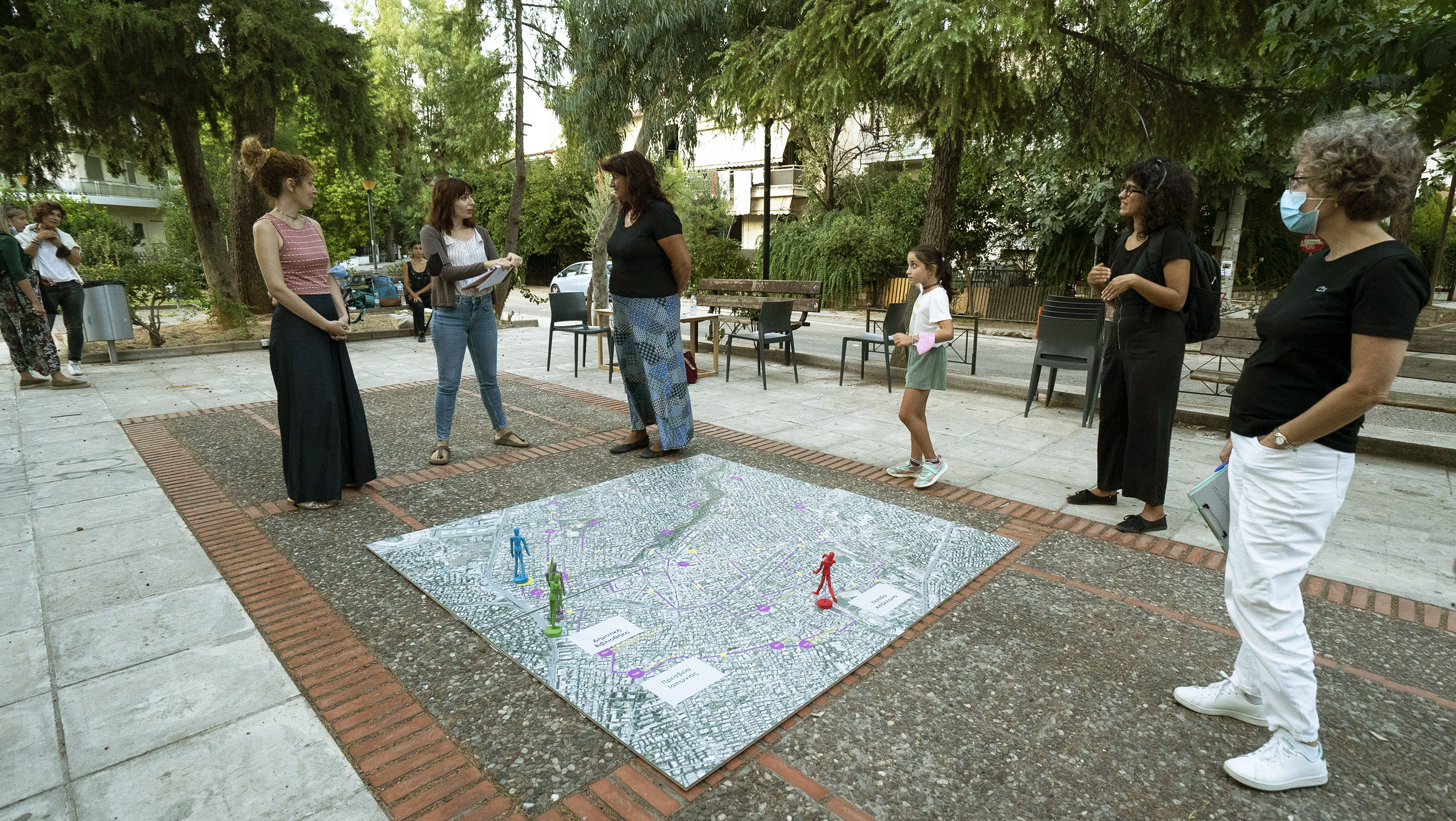
Across the 8 municipalities crossed by the Hadrian Aqueduct, residents and neighbourhood groups joined experiential walks, dramatized sessions that offered a low‑threshold entry into participation, co‑creation meetings and community‑building workshops. These artistic-led formats surfaced lived experience, revealed how the Aqueduct is perceived in daily life and guided the refinement of the methodology. The dramatized sessions—blending theatre, play and guided imagination—broke the bureaucratic and technical barriers that often limit civic engagement and helped participants quite literally “see” the Aqueduct through story, movement and metaphor. These playful and performative encounters turned participation into an enjoyable experience, encouraging people who would not normally attend civic meetings to take part.
Schools and educators became a particularly meaningful field of engagement. Focus groups and dedicated sessions revealed strong interest in water literacy, place‑based learning and creative heritage exploration. Several educators later joined the committed core group of citizens, strengthening its intergenerational dimension.
CSOs contributed thematic insights and expanded the project’s reach into different neighbourhoods, connecting WoW with actors active in environmental, cultural and community‑building work. A committed core group gradually formed and co‑designed elements of the Hadrian Visioning Festival, which brought together adults, es and children, demonstrated the power of artistic, family‑friendly formats in widening access and lowering participation barriers.
Local level
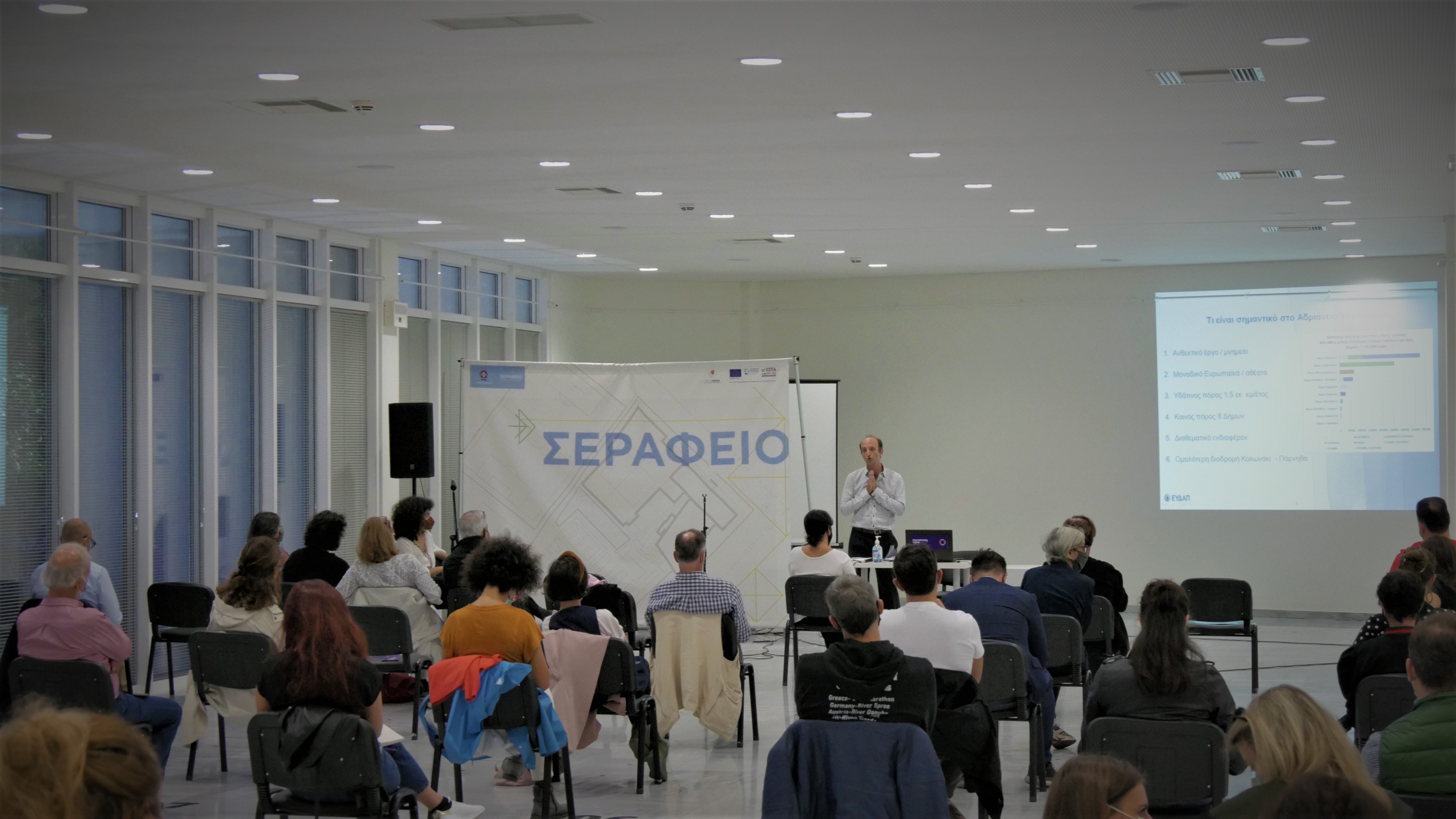
WoW engaged the eight municipalities crossed by the Hadrian Aqueduct, creating a shared field for understanding how a common ecological and cultural resource is perceived and managed across different administrative contexts. Although the degree of participation varied, several municipal representatives joined workshops and structured dialogues, contributing insights into local planning priorities and administrative realities. After completion, the project shared its methodology and results with the municipal departments involved, supporting reflection on how participatory approaches could be integrated into their own processes. Municipal engagement allowed WoW to test how participatory methods interact with local governance structures, understand cross‑municipal coordination challenges, and explore how a trans‑local dialogue can function along a shared resource.
Regional and national level
At regional level, collaboration with the New Metropolitan Attica Development Agency led to an MoU exploring the integration of WoW’s methodology into future Integrated Spatial Investment planning for the Aqueduct. The Olympic Athletic Center of Athens facilitated guided tours above the Aqueduct, offering visibility and broad public access. At national level, the methodology was shared with additional municipalities, providing comparative insights into the broader relevance and adaptability of the approach. Regional and national engagement enabled WoW to test the strategic and policy relevance of its methodology beyond the pilot area, strengthening its potential for future institutional uptake.
European and transnational level
WoW presented its methodology at Placemaking Week Europe 2022 sharing its insights with European practitioners working on civic engagement, cultural heritage and place‑based collaboration. International dissemination helped the approach within wider professional communities and demonstrated its adaptability to similar European contexts.
WoW project was inherently multidisciplinary, integrating diverse fields to create an innovative, participatory model. It combined art, environmental sciences, cultural heritage, urban planning, participatory design, education, and digital tools, setting a new benchmark for sustainable, inclusive, and aesthetically engaging urban development. Interactive tools such as gamification and guided tours made participation accessible and engaging.
Historians and urban planners worked with hydrologists to develop sustainable narratives around water use. Artists, performers and educators, played a central role in co-designing interactive learning experiences engaging the public through dramatized presentations, site-specific performances, and interactive storytelling that helped introduce youth to environmental and heritage issues.
Environmental experts contributed insights into sustainable water use and conservation strategies. The festival was co-created with the participation of the Hadrian Lovers and local artists, offering a visioning and creative exploration of the urban landscape. The Aqueduct required engagement with archaeologists and cultural heritage professionals to interpret and showcase its significance. Municipal authorities and regional planners explored policy-driven urban revitalization strategies and pioneered a trans-local, citizen-driven methodology for participatory urban development. The project successfully bridged the gap between civil society, educational institutions, academia, and decision-makers, fostering bottom-up governance models and creating a scalable and transferable methodology, applicable to other urban and cultural heritage projects across Europe.
WoW does not operate as a commercial enterprise but as a mission‑driven cultural and participatory model whose sustainability relies on a combination of diversified public funding, project‑based collaborations, and the long‑term value of its methodology. Its financial model is typical of socially engaged arts, environmental education and community‑driven heritage initiatives, where impact grows through partnerships rather than revenue‑generating products.
The project was initially funded through the Active Citizens Fund, enabling the development and testing of the methodology. Since then, WoW’s sustainability relies on a modular model: its participatory tools, training formats, walks, dramatized sessions, and community‑building processes can be commissioned or adapted by municipalities, cultural institutions, schools, environmental organisations and regional authorities seeking to enhance public engagement around cultural or ecological assets.
The MoU with the New Metropolitan Attica Development Agency creates a future pathway for integration of the methodology in planning processes related to the Hadrian Aqueduct, opening possibilities for public‑sector supported continuity within Integrated Spatial Investment (ISI) frameworks. The dissemination of the methodology to other municipalities and its presentation in European professional forums further supports future commissions, collaborations and project‑based funding.
The long‑term viability of WoW’s approach is reinforced by the fact that core civic groups that emerge through the application of the methodology can be integrated into existing municipal structures and sustained through municipal or regional funds - as is the case with the Hardian Community of the municipality of Chalandri - directed towards community-led environmental and cultural stewardship.
WoW offers a replicable, practice‑tested methodology for engaging diverse actors around shared environmental and cultural resources. Its core value lies in the way it combines artistic tools, participatory methods and community activation to make hidden infrastructures visible, meaningful and governable. These elements can be transferred to any context where cities seek to strengthen community involvement, reconnect people with ecological systems or activate neglected heritage.
At the heart of the project is a participatory methodology adaptable by municipalities, NGOs, schools, cultural organisations and regional bodies. It provides clear steps for convening multi‑stakeholder groups, facilitating structured dialogues, lowering entry barriers and cultivating collective responsibility. The method is not tied to the Hadrian Aqueduct; it can be applied to other water infrastructures, nature‑based assets, cultural sites and public‑realm projects requiring collaborative visioning and stewardship.
A major source of transferability is WoW’s artistic engagement toolkit, which includes dramatized sessions, gamified tools, performative storytelling and site‑specific artistic activations. Because they rely on imagination, embodiment and sensory experience rather than technical expertise, they can be seamlessly integrated across different geographies.
The project also demonstrated how translocal collaboration can work by connecting multiple municipalities, civil society actors and informal networks through a shared resource. This provides a model for multi‑city cooperation where infrastructures or ecosystems cross administrative boundaries.
Finally, the emergence of a committed core group of citizens exploring responsible, circular use of Aqueduct water shows how WoW’s approach can seed community‑led stewardship. This outcome can be replicated in other places aiming to build long‑term environmental responsibility from the ground up.