Strengthening Local Democracy and Inclusion
The missing tiles of Porto
Art-based participatory placemaking for children’s rights in a tourism-driven heritage district
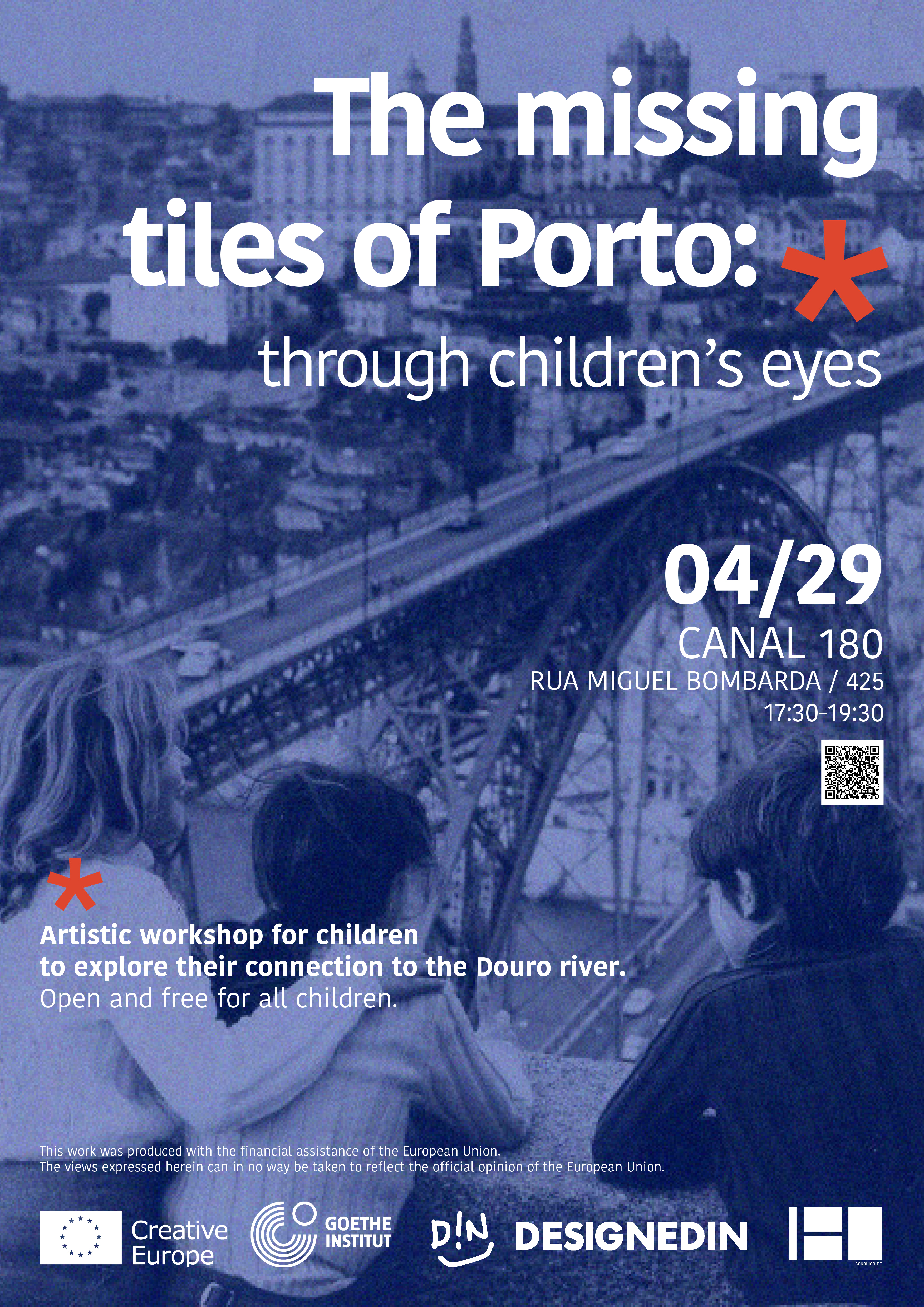
The Missing Tiles of Porto is a participatory placemaking concept engaging children and families in reimagining urban public space through art- and design-based co-creation. Implemented in the gentrifying Ribeira district, the project explores how small-scale artistic interventions can act as micro-resistance to tourist-driven urban transformation. By empowering children as spatial actors, the concept strengthens local democracy, intergenerational dialogue, and the right to the city.
Portugal
Local
Porto – Ribeira district
Mainly urban
It refers to other types of transformations (soft investment)
Prototype level
Yes
Creative Europe
No
No
Individual
This concept explores how art-based participatory placemaking can strengthen children’s rights and democratic participation in tourism-driven urban environments. Developed through a pilot project in Porto’s historic Ribeira district, it responds to the displacement of local communities - particularly children and families - caused by gentrification and market-oriented urban policies.
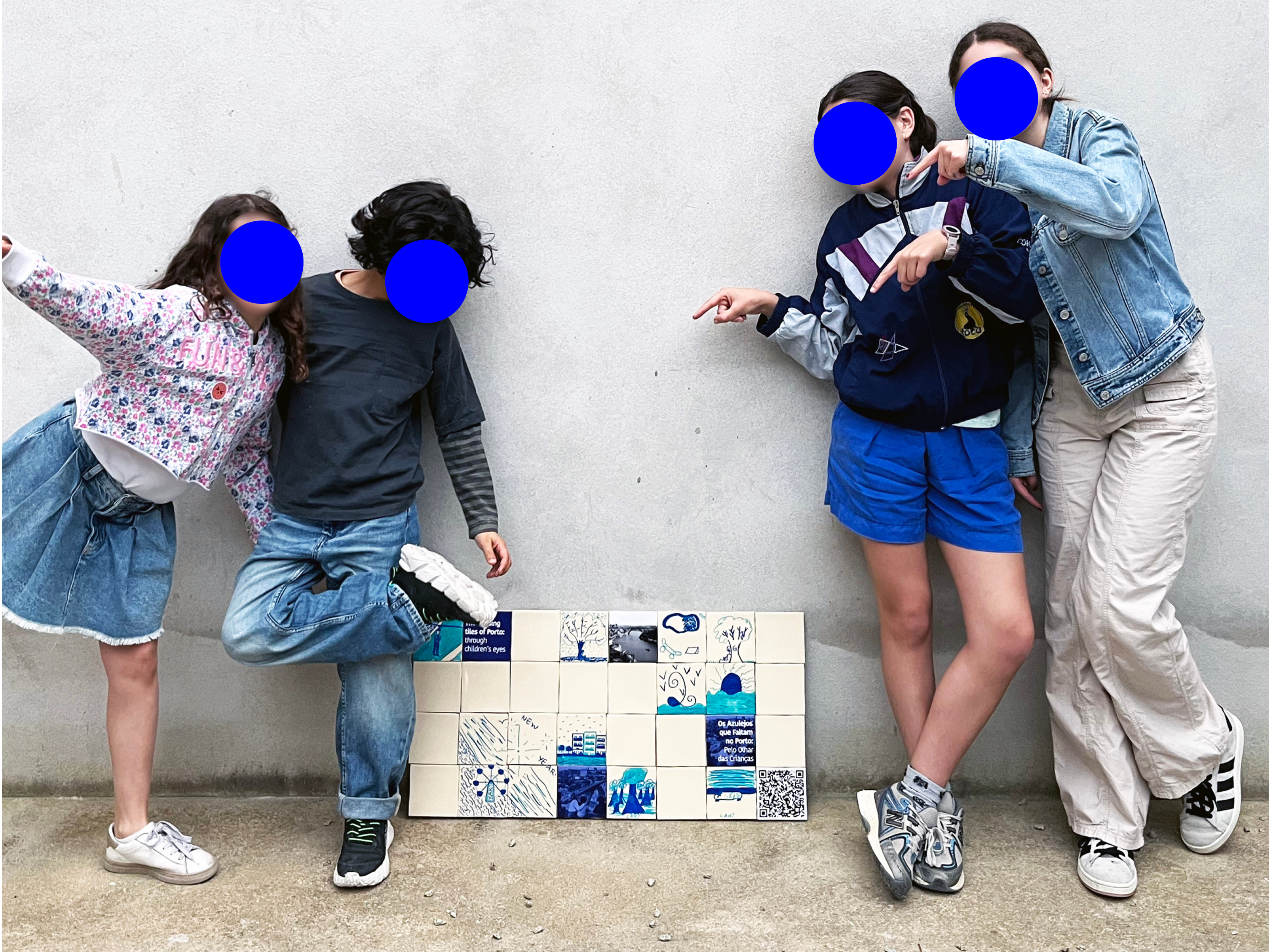
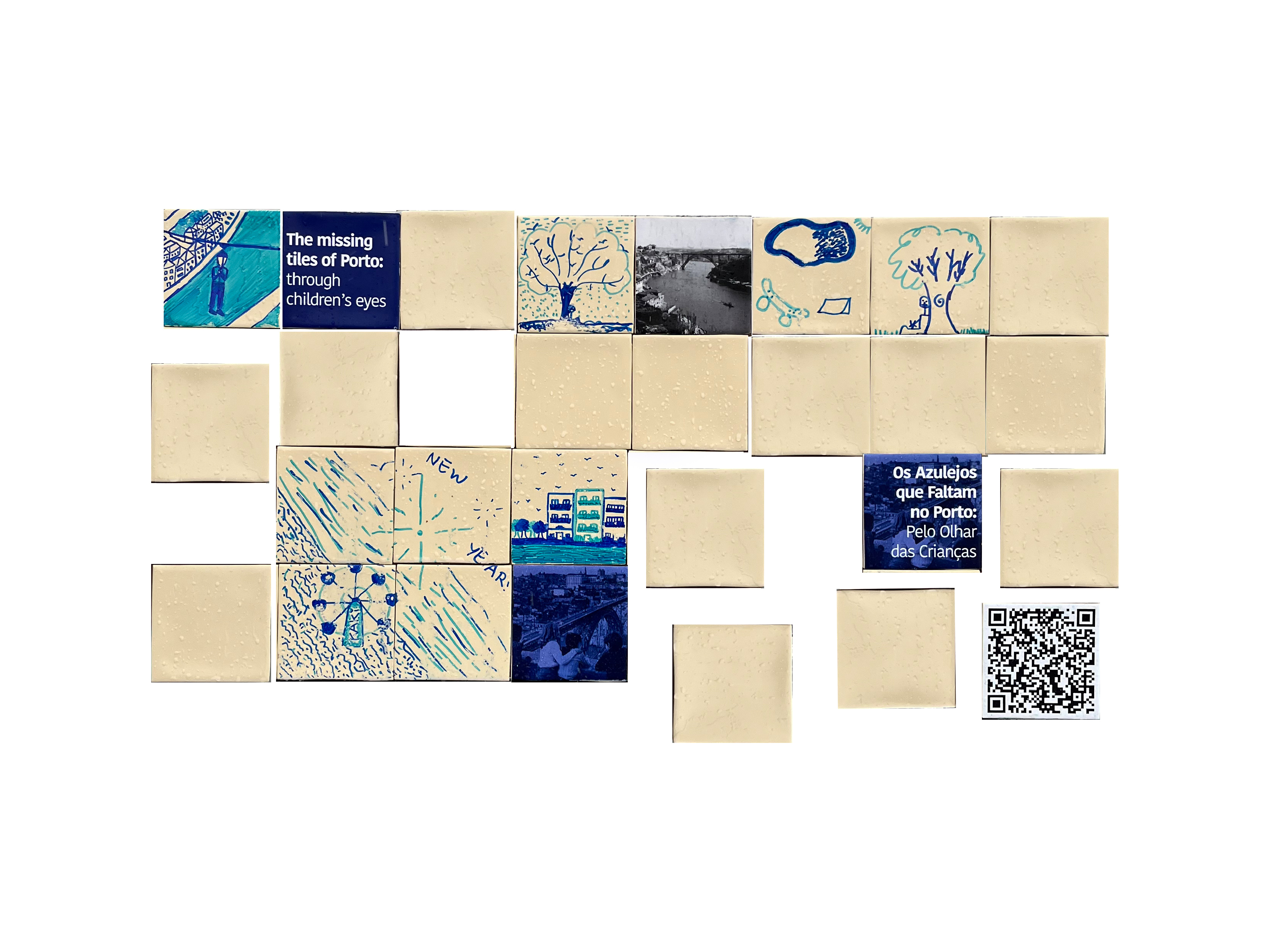
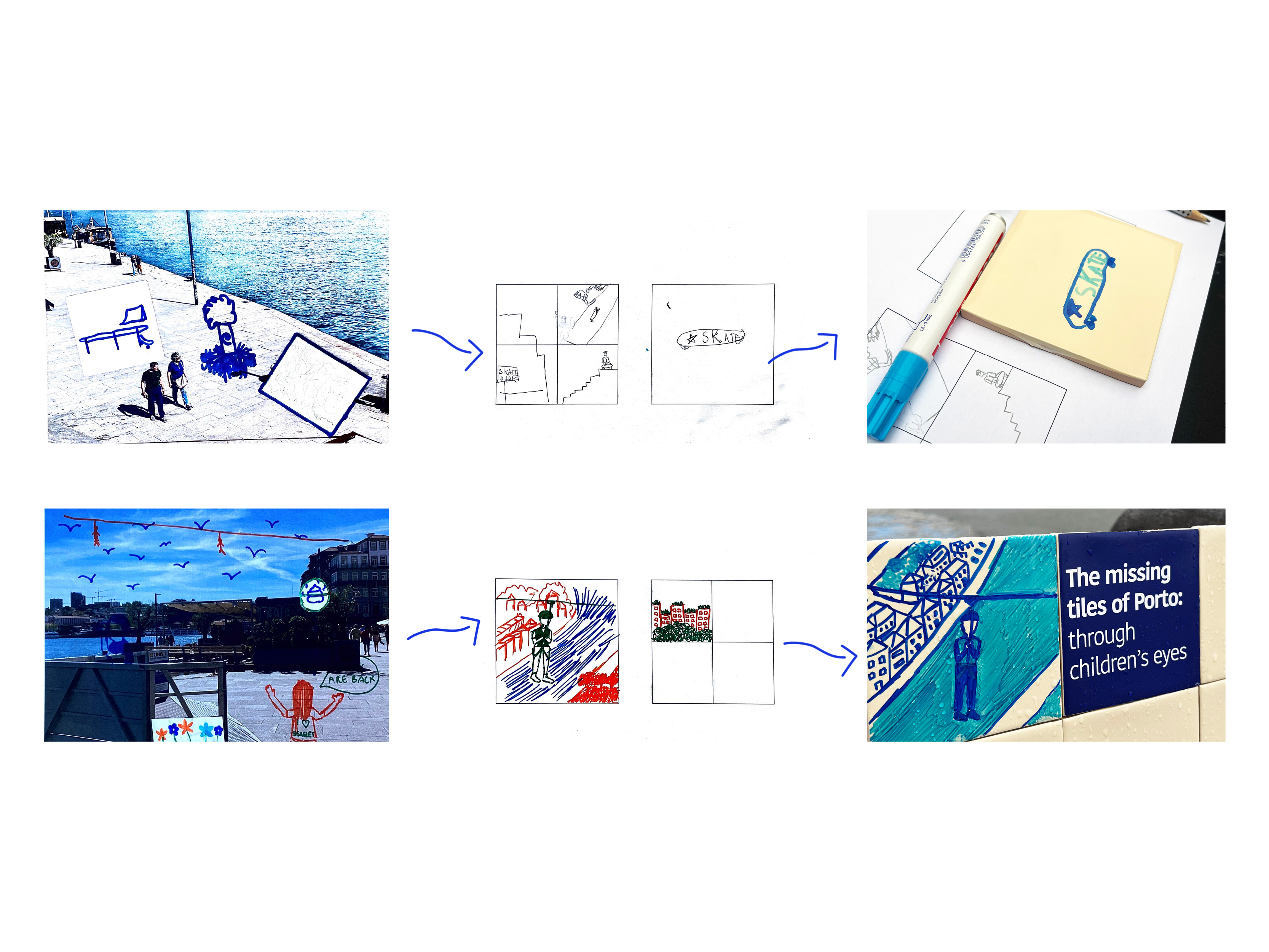
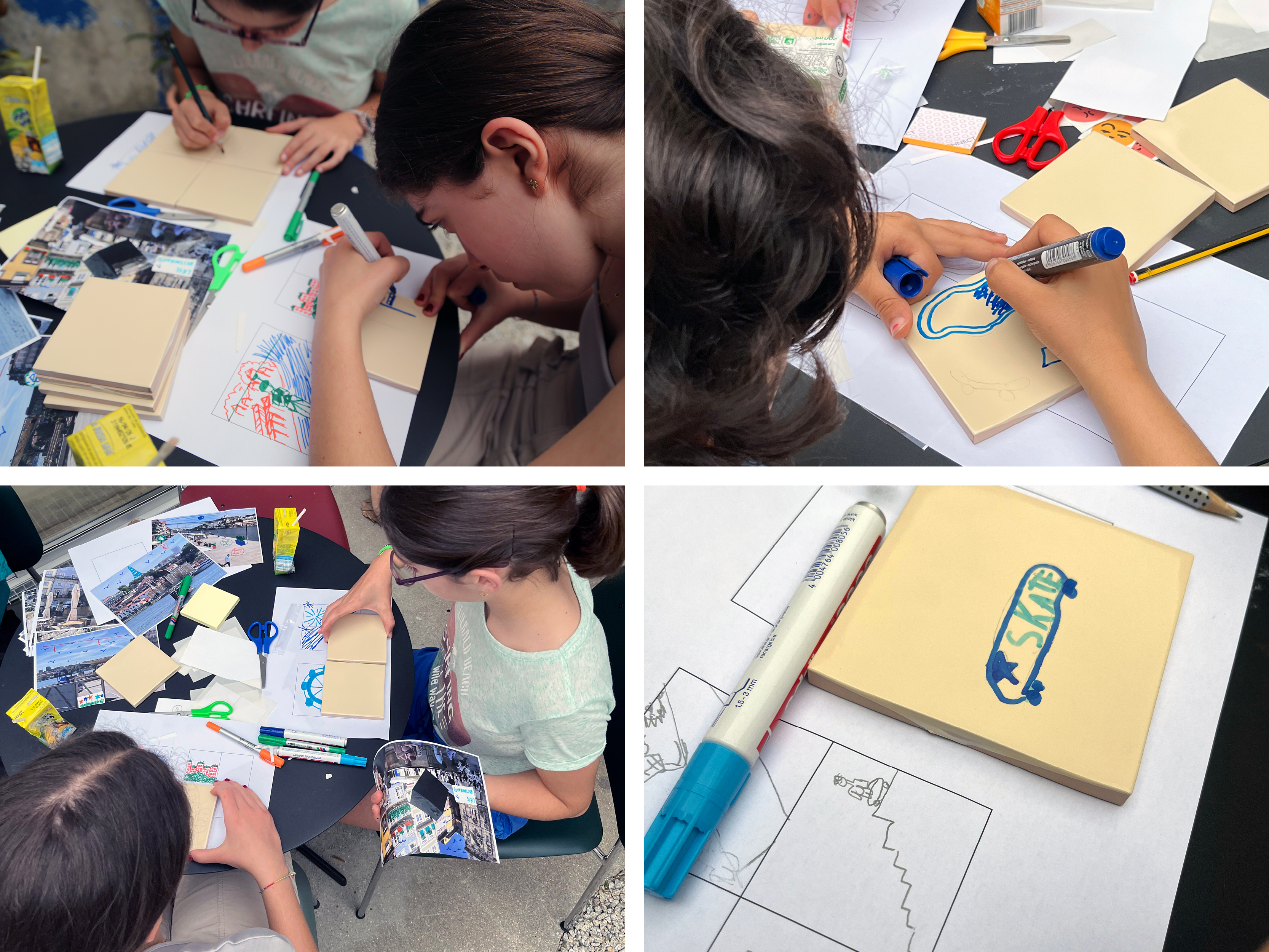
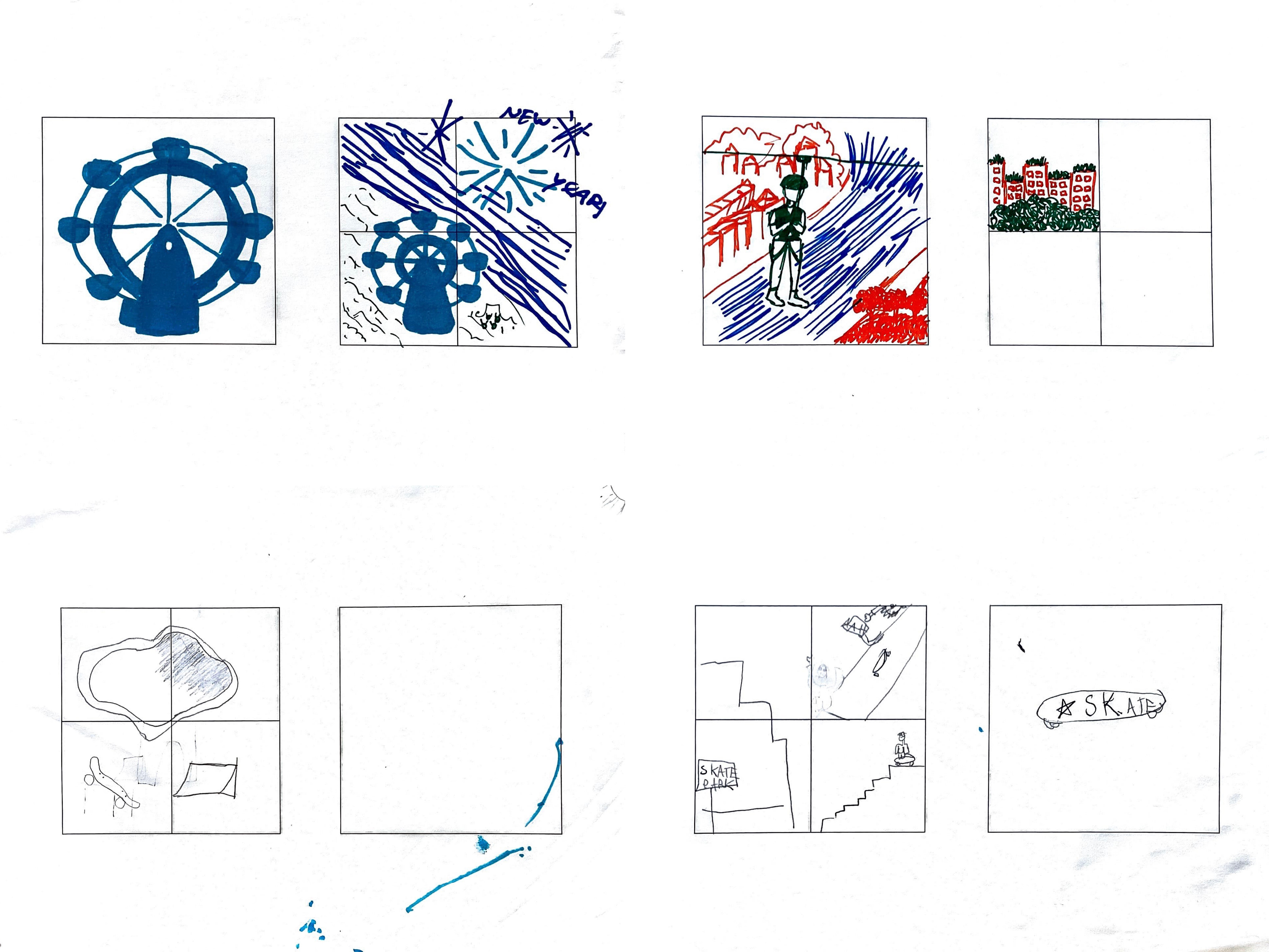
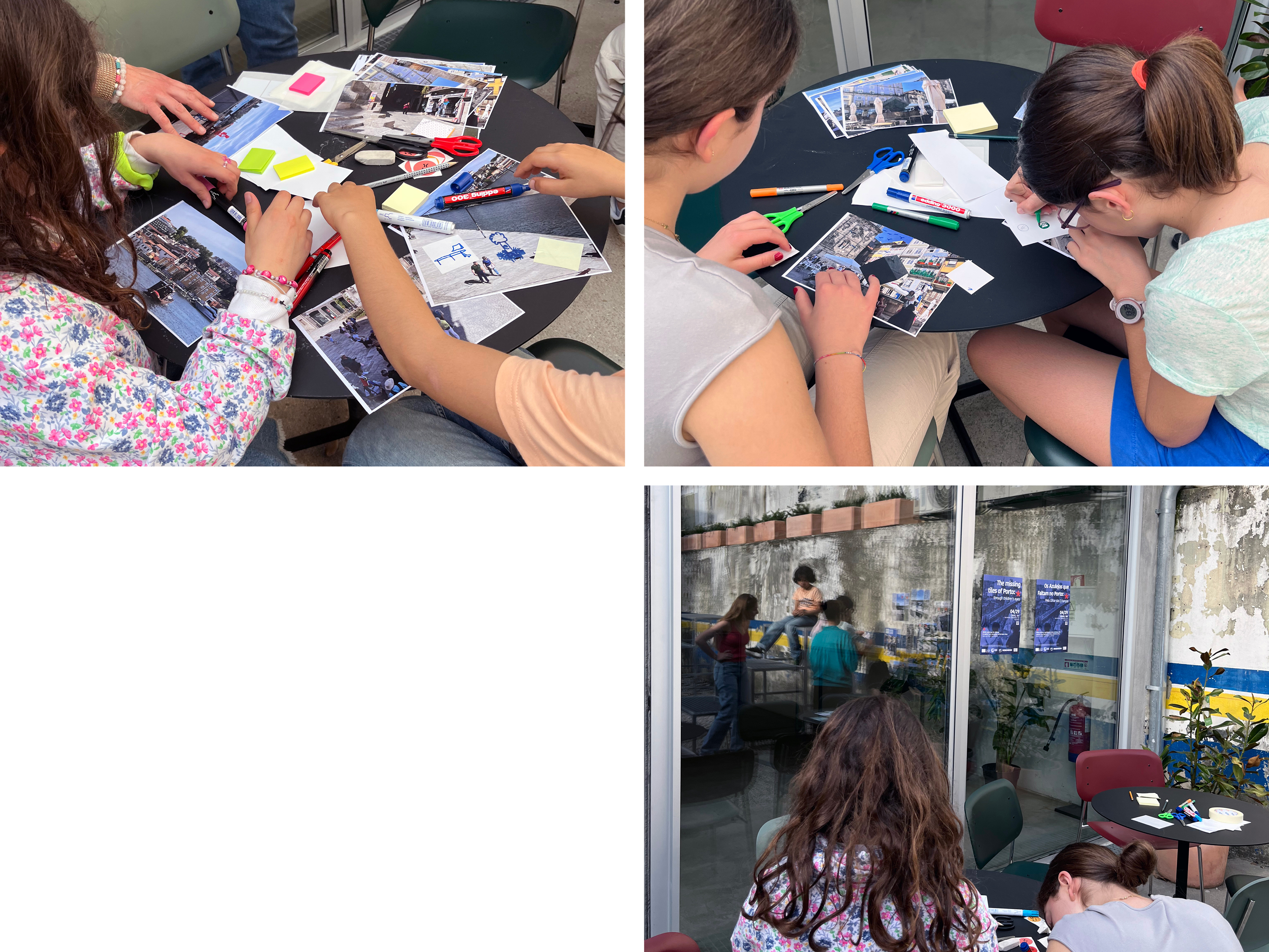
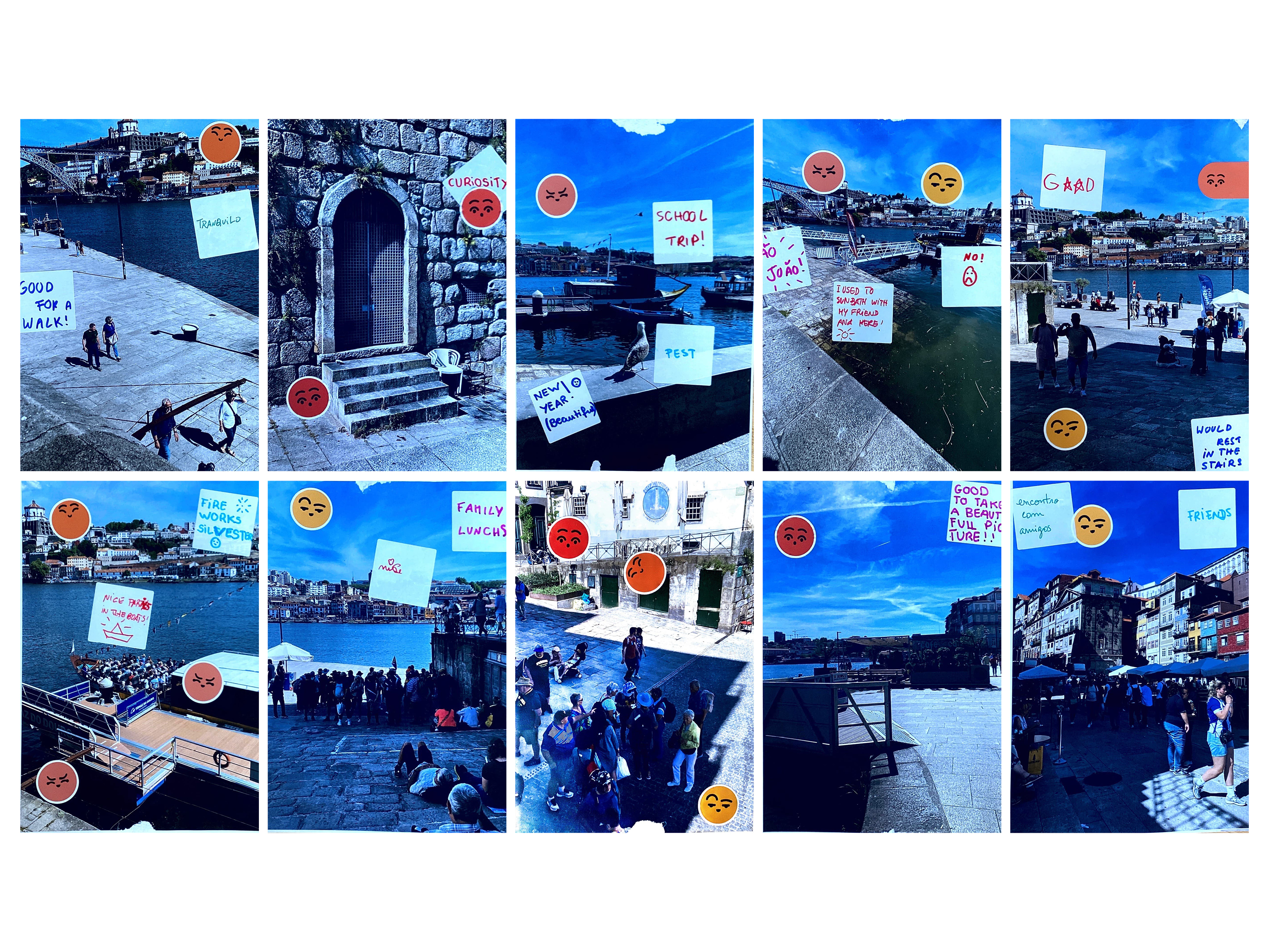
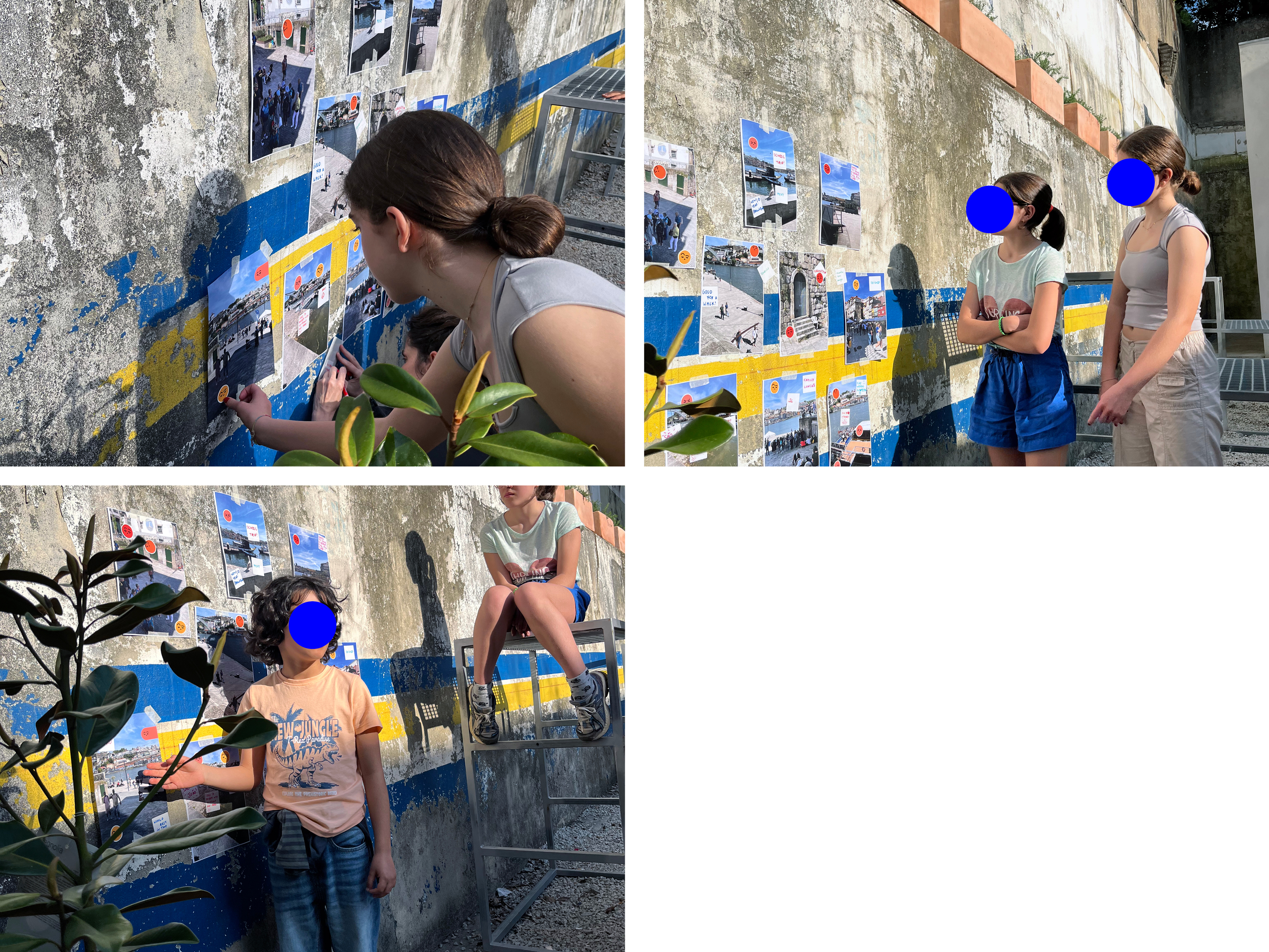
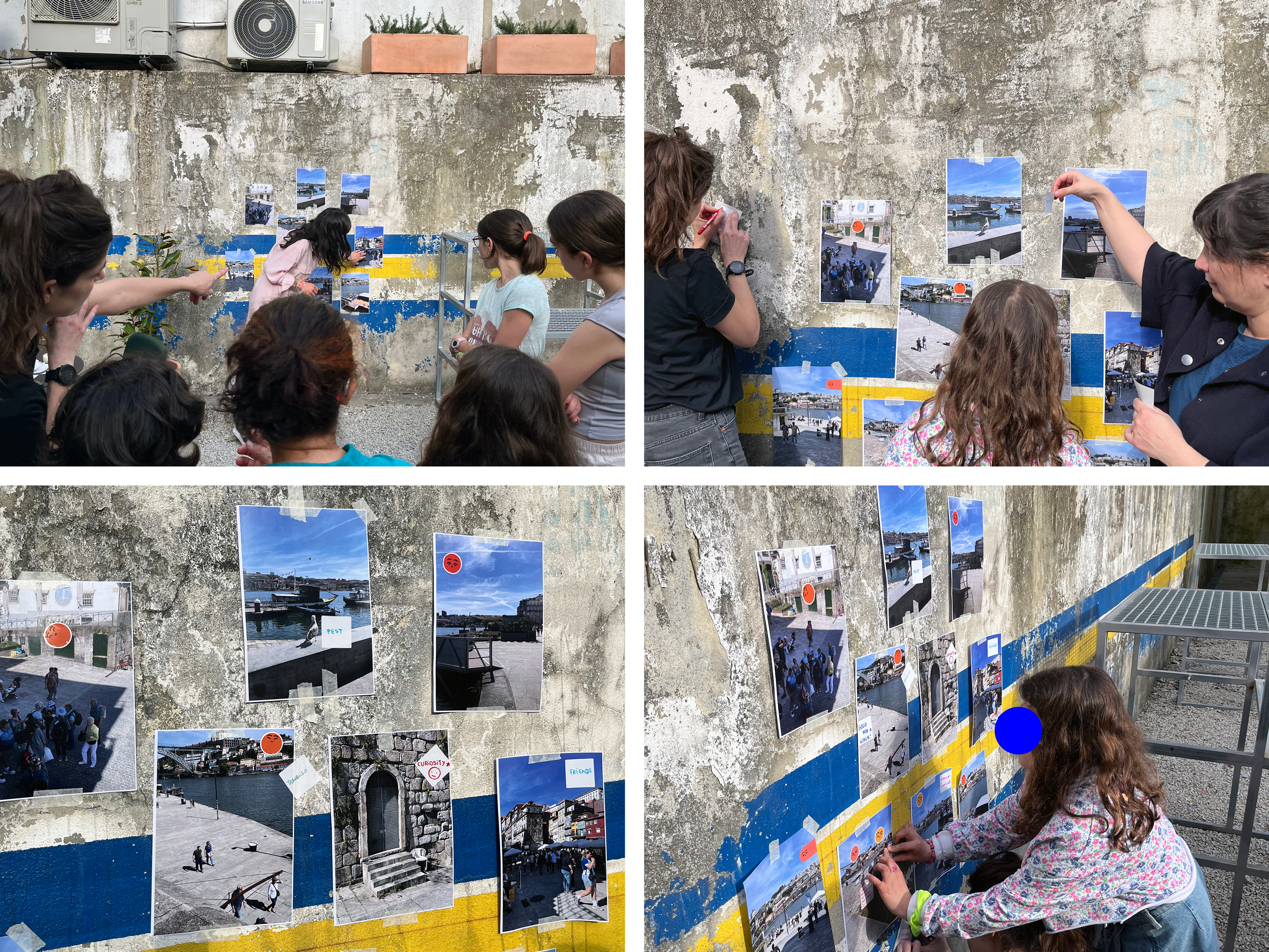
Through an intergenerational co-design workshop, children and parents collaboratively created temporary artistic interventions using culturally embedded materials such as azulejo tiles. The process enabled participants to articulate spatial needs, reflect on place attachment, and collectively imagine more inclusive and child-friendly futures for public space.
Rather than focusing on large-scale physical transformation, the concept prioritises social, cultural, and democratic transformation. It fosters spatial awareness, intergenerational dialogue, and civic agency while promoting inclusive practices rooted in everyday life. By positioning children as legitimate stakeholders in urban decision-making, the concept contributes to strengthening community trust, local democracy, and social cohesion.
The concept demonstrates how small-scale, temporary, and symbolic interventions can function as forms of situated design activism. It offers a transferable methodology for inclusive placemaking in heritage contexts affected by tourism pressure and spatial exclusion. Its expected impact includes strengthening children’s participation in shaping their living environments, supporting more inclusive urban practices, and creating a replicable framework for other European cities facing similar socio-spatial challenges.
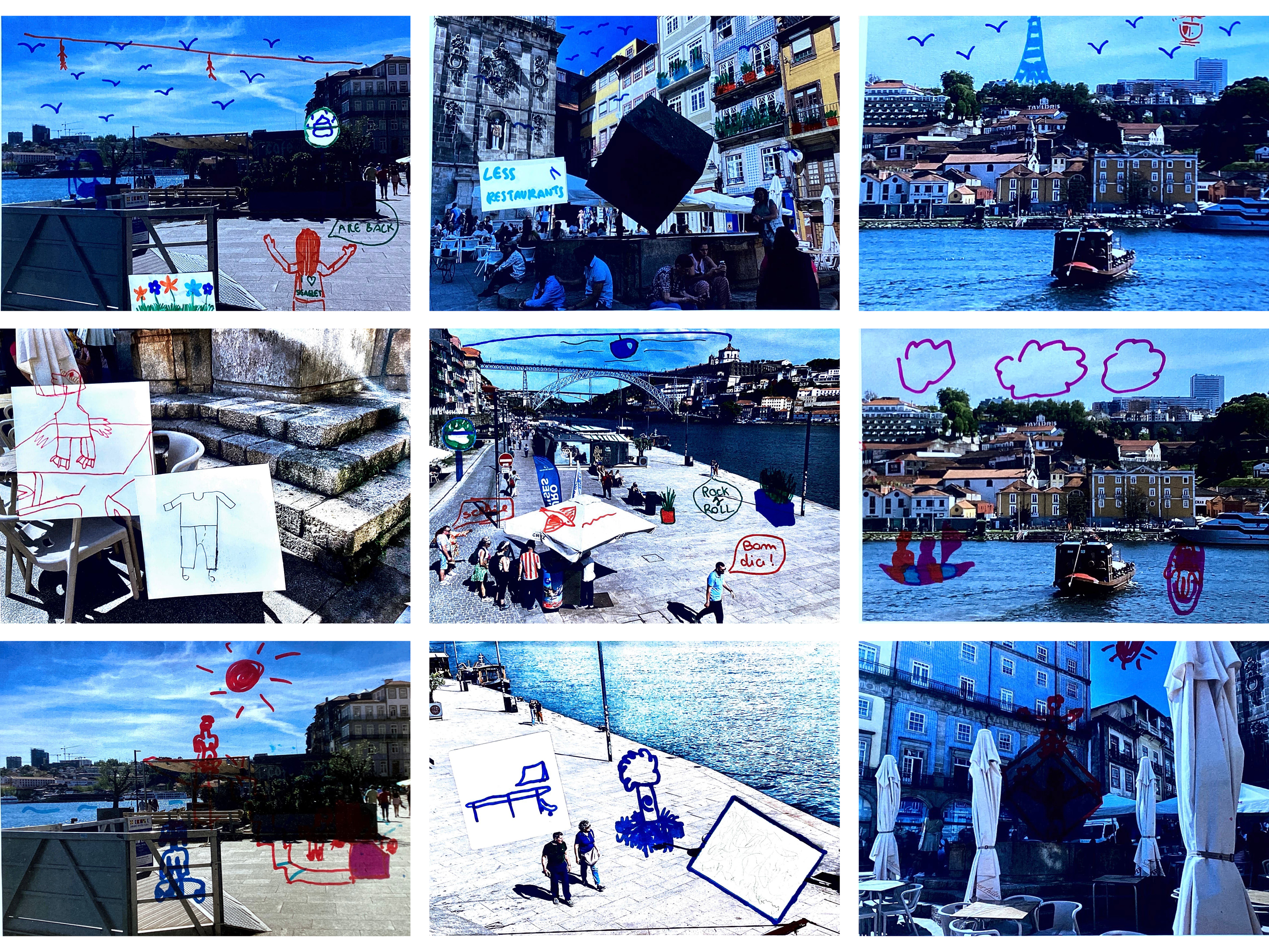
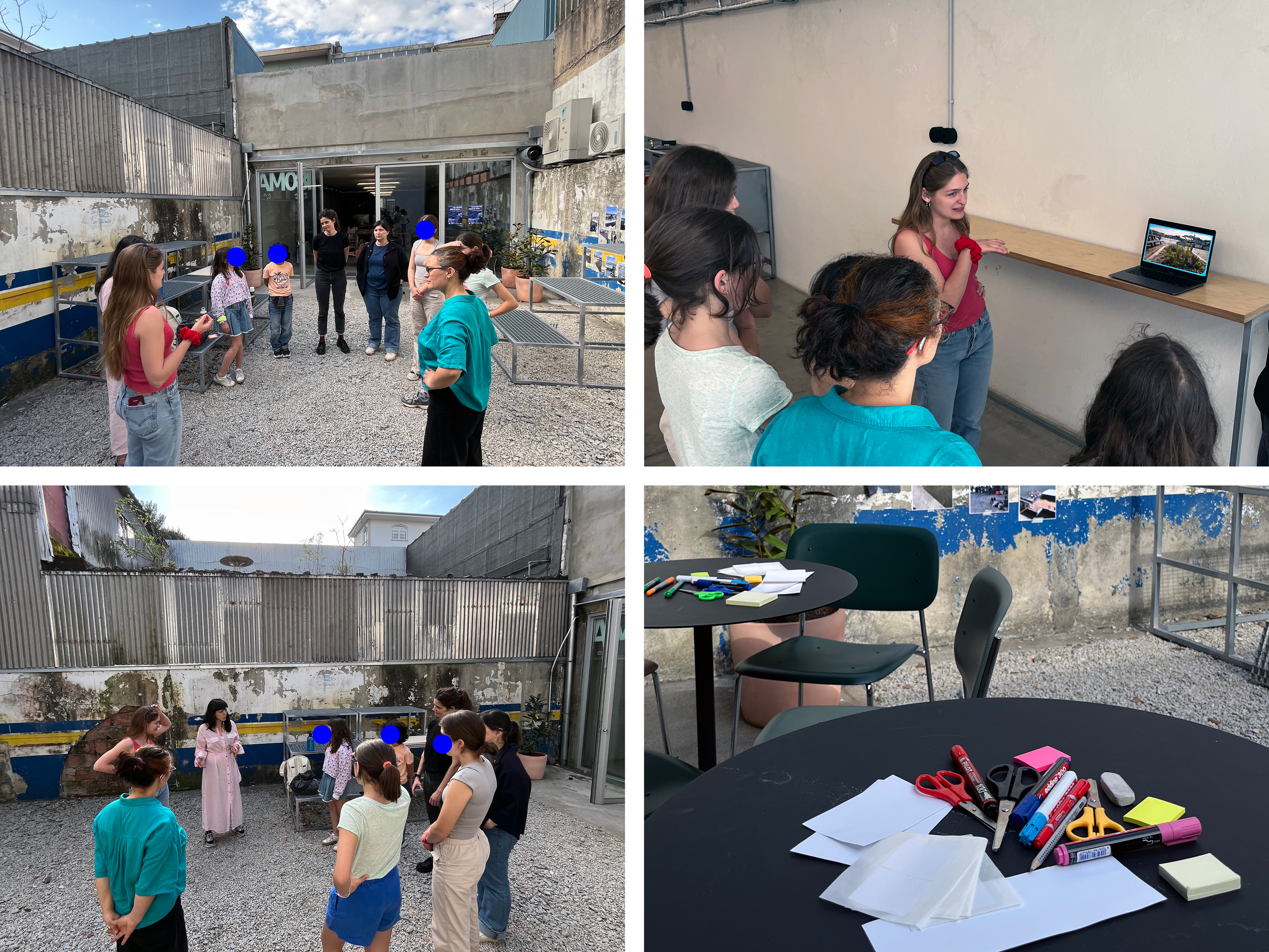
The concept emerged from our shared research and pedagogical practices in children’s participation, social design, and the relationship between urban space and civic agency. It was developed during a short-term artistic and research mobility in Porto, supported by the Culture Moves Europe programme, which enabled us to engage with the local Designing for Children’s Rights network. The starting point was the observation that Porto’s Ribeira district - one of the city’s most iconic heritage areas - has become increasingly shaped by tourism, gentrification, and adult-centred spatial use. Although aesthetically rich and culturally significant, the area offers limited opportunities for children’s presence, play, and participation in shaping the environment. The concept unfolded through literature review, expert interviews, urban observation, and an “urban safari” mapping barriers to children’s spatial agency. This research informed an intergenerational participatory workshop involving children and parents. Through storytelling, visual reflection, mapping, and co-creation, participants articulated memories, emotions, and spatial needs connected to the riverfront, transforming them into imagined interventions. Azulejo tiles were chosen as the central medium due to their deep cultural embeddedness in Portuguese visual heritage. At the same time, their frequent removal from building facades - often by tourists or resold as souvenirs - became a powerful metaphor for the symbolic disappearance of local cultural values and community presence. The children’s drawings thus became the “missing tiles” of another possible city: fragments of alternative spatial imaginaries where their voices and rights are visible. While implemented as a temporary artistic intervention, the concept’s primary innovation lies in its process: a transferable, child-centred methodology that strengthens spatial awareness, intergenerational dialogue, and democratic imagination in tourism-pressured urban env
participatory and critical placemaking
children’s rights
local democracy and inclusion
intergenerational co-design
sense of belonging
The concept addresses sustainability through a socio-ecological and culturally embedded understanding of urban environments. Rather than focusing on large-scale physical interventions, it explores how participatory cultural practices can contribute to long-term environmental and social resilience.
By foregrounding children’s spatial rights in tourism-driven heritage areas, the project responds to the socio-spatial consequences of urban commodification and exclusion. It promotes sustainable urban futures by strengthening place attachment, civic responsibility, and collective awareness of how public space is shared and governed. This contributes to maintaining socially sustainable urban ecosystems that respect the needs of diverse users across generations.
The concept also engages with circular and regenerative thinking through the symbolic reuse of cultural heritage. The use of azulejo tiles as a participatory medium reflects on the loss and commodification of local cultural resources while proposing an alternative, community-driven re-valuation of heritage.
The methodology promotes low-impact, temporary, and adaptable forms of urban intervention. By prioritising process-based participation over material production, it reduces resource intensity while generating long-term social value. The project demonstrates how small-scale, community-driven cultural actions can support systemic sustainability by fostering democratic engagement, intergenerational knowledge exchange, and locally rooted imaginaries of sustainable urban living.
Through its multidisciplinary integration of design, arts, social research and education, the concept exemplifies NEB sustainability as a holistic framework that connects environmental responsibility with cultural continuity and social justice.
The concept contributes to the New European Bauhaus value of aesthetics by demonstrating how participatory artistic processes can transform the perception and emotional experience of urban space. Rather than focusing solely on functional or physical improvements, the project explores how beauty can emerge through collective imagination, cultural expression, and shared spatial reflection.
By working with azulejo tiles — a material deeply embedded in Porto’s cultural heritage — the intervention connects contemporary social challenges with local aesthetic traditions. The children’s drawings function as symbolic “missing tiles”, visually reintroducing alternative narratives into a tourism-driven heritage landscape. This approach aligns with the NEB understanding of aesthetics as a process that integrates cultural meaning, collective sensitivity, and experiential quality.
The project fosters a sense of belonging by enabling participants to emotionally reconnect with a place that has become increasingly inaccessible in everyday life. Through intergenerational storytelling, visual experimentation, and co-creation, the workshop generated new spatial imaginaries that challenge the dominance of consumption-oriented urban aesthetics.
In this way, beauty is not treated as a final visual outcome, but as a socially embedded and participatory process that strengthens care for place and collective ownership of urban environments. The concept demonstrates how culturally grounded artistic practices can contribute to more inclusive, emotionally engaging, and meaningful public spaces, supporting the NEB ambition to harmonise sustainability, social inclusion, and aesthetic quality in everyday urban life.
The concept addresses inclusion by positioning children — a structurally underrepresented group in urban decision-making — as active co-creators of spatial knowledge and imagination. It creates accessible entry points to participation through art-based and low-threshold design methods that do not require prior expertise, institutional affiliation, or financial resources.
By involving both children and their parents, the project fosters intergenerational dialogue and shared reflection on spatial justice, strengthening social cohesion and collective responsibility towards public space. This approach responds to inequalities produced by tourism-driven urban development, where local communities — particularly families and young people — are increasingly displaced from everyday urban environments.
The methodology promotes inclusive governance by enabling participants to articulate spatial needs and aspirations in formats that are culturally meaningful and emotionally accessible. Rather than relying on formal consultation structures, the concept introduces participatory design processes that recognise experiential knowledge as a legitimate form of civic contribution.
Through temporary, symbolic interventions, the project creates spaces of visibility for voices often excluded from planning processes, supporting the development of civic agency and democratic spatial awareness. In this sense, inclusion is understood not only as access, but as the capacity to shape one’s environment.
The concept also contributes to building inclusive cultural narratives by reconnecting participants with local heritage through collective creative practice. This fosters a sense of belonging and strengthens community trust, while offering a transferable framework for engaging diverse groups in urban reflection and co-creation.
The concept is built on a highly participatory framework that places children and their families at the centre, from problem-mapping to co-design, decision-making, and implementation. The project creates a shared space where those directly affected by tourism-driven spatial exclusion can articulate needs, negotiate meanings, and co-develop possible responses. In this sense, participation goes beyond consultation and operates at the level of collaborative development.
The process was structured through several interconnected stages: contextual observation, urban mapping, storytelling, visual reflection, and intergenerational co-design. Children and parents were not simply invited to react to a pre-defined proposal, their experiences, memories, and spatial imaginaries directly informed the content, symbolism, and form of the intervention. Their input shaped both the workshop logic and the final temporary installation.
The project also consciously worked to include those often excluded from urban decision-making, particularly children as underrepresented spatial actors. By using accessible, art-based, low-threshold methods, it enabled participation across age groups and different levels of confidence or prior knowledge. The intergenerational format further strengthened representation by allowing children’s experiences to be connected to adult memories and lived histories of place.
Its impact lies not only in the immediate co-created outcome, but in the longer-term democratic capacity it seeks to foster. The concept develops participants’ confidence, critical awareness, and sense of legitimacy in relation to public space. It aims to empower local actors beyond the timeframe of the workshop by offering a transferable methodology that can support future self-initiated or community-led action. Participation is therefore understood not as a one-off method, but as a pathway towards stronger civic agency and more equitable relations in shaping the living environment.
The concept combines a strong place-based approach with a clear ambition to work across levels, linking local lived realities with broader cultural, academic, and European frameworks. It is rooted in the specific context of Porto’s Ribeira district, where tourism-driven urban transformation has significantly reshaped everyday access to public space. Through direct engagement with local children and their families, and with contextual support from a Porto-based professional facilitating outreach, the project ensured that the process remained grounded in local experiences rather than being applied as an abstract external model.
At the same time, the concept operates beyond the purely local scale. Developed within the Culture Moves Europe mobility framework, it enabled transnational exchange between Hungary and Portugal, connecting a situated case study to wider European concerns around children’s spatial rights, democratic urbanism, and cultural participation. The project also builds on international frameworks such as the UN Convention on the Rights of the Child, while contributing to European discourses on inclusive placemaking and participatory governance.
Institutionally, the concept bridges academic research, pedagogical practice, and civil-society engagement. It has already generated transferable knowledge through conference presentations and educational collaborations. In its next phase, the project aims to expand both horizontal and vertical engagement by testing the methodology in other cities and by building partnerships with schools, municipalities, and cultural organisations.
Its added value lies in connecting micro-scale interventions to broader systems of learning and transformation. In NEB terms, the concept works across levels by translating a locally embedded participatory process into a scalable and transferable methodological model that can inform more inclusive and responsive governance cultures across Europe.
The concept is inherently transdisciplinary, as it integrates formal and informal knowledge, academic and non-academic perspectives, and multiple disciplinary fields in pursuit of a shared social and spatial objective. Rather than operating within a single domain such as design, art, education, or urban research, it establishes a collaborative framework in which these fields intersect and mutually inform one another.
From a disciplinary perspective, the project connects social and participatory design, art and design pedagogy, urban studies, sociology, children’s rights, and cultural heritage interpretation. Its methodology combines practice-based research with storytelling, spatial observation, dense description, mapping, co-design processes, and temporary artistic interventions. Through this integration, public space is approached not only as a physical environment but as a social, cultural, political, and emotional construct shaped by lived experience.
A key aspect of the concept is its beyond-disciplinary character, achieved by giving equal value to experiential and community-based knowledge. Children and parents participate not as respondents but as knowledge partners whose memories, perceptions, and spatial narratives shape both the process and outcomes. This collaborative knowledge production reflects the highest ambition level of the NEB Compass, where scientific expertise and everyday experience merge in a shared learning environment.
The use of azulejo tiles exemplifies this approach by connecting artistic practice, local cultural heritage, tourism critique, and participatory urban imagination within a single medium. Similarly, the project combines research, facilitation, pedagogy, and cultural mediation to generate new forms of urban knowledge. Its exemplary value lies in demonstrating how socially engaged cultural practice can foster democratic innovation and produce transferable methodologies for inclusive, participatory urban transformation.
The concept is not built on a traditional profit-driven business model but on a knowledge-based, socially embedded value framework. Its long-term sustainability relies on hybrid funding structures, institutional partnerships, and the co-production of knowledge with participants rather than on commercial market logics.
A core principle of the concept is that children and local participants act as co-researchers and knowledge producers. Their lived experiences, spatial observations, and creative contributions generate situated knowledge that forms the basis of the methodology. This shifts the model from service provision towards collaborative learning and social innovation, where value is created collectively rather than extracted.
Financial sustainability is envisioned through a combination of public cultural funding, research grants, educational programme partnerships, and commissioned participatory processes with municipalities or cultural organisations. The methodology can also be integrated into academic teaching, professional training, and socially engaged artistic programmes, allowing it to operate within existing institutional frameworks.
Additional revenue streams may include facilitator training formats, methodological toolkits, and collaborative projects supported by European cultural and urban innovation programmes. These activities would not aim at scaling profit but at scaling impact and access.
By operating as a low-cost, adaptable, and community-centred framework, the concept ensures affordability and accessibility while maintaining professional quality. Its sustainability lies in its capacity to circulate as a shared practice across sectors such as education, cultural policy, urban governance, and social design.
In this sense, the model supports a regenerative knowledge ecosystem where social value, civic agency, and democratic participation become key indicators of success.
The concept has strong potential for transferability and scalability because it is based on a flexible, context-sensitive methodology rather than a fixed physical intervention. Its core innovation lies in an art-based participatory placemaking framework that can be adapted to diverse cultural, spatial, and social environments. Several components are directly transferable: the intergenerational co-design methodology, the use of culturally embedded materials as participatory tools, the combination of spatial observation and creative reflection, and the integration of children’s rights into urban engagement processes. These elements can be applied in heritage districts, peripheral neighbourhoods, small municipalities, or educational settings.
The concept is particularly relevant in contexts shaped by tourism pressure, spatial inequality, or declining community participation, but its applicability extends beyond such environments. It can support inclusive spatial planning, community-based learning, and cultural activation in both urban and rural contexts.
Scalability is enabled by its low-threshold structure: the methodology does not require large financial investment or specialised infrastructure, making it accessible for municipalities, schools, NGOs, and cultural organisations. It can function as a standalone workshop format, as part of longer participatory planning processes, or as an embedded pedagogical or research approach.
Knowledge generated through the pilot phase is already being disseminated through conferences, academic outputs, and institutional collaborations. Future development includes testing the methodology in new geographical contexts, creating facilitator training formats, and building cross-European knowledge networks focused on children’s spatial participation and democratic engagement.
Following the pilot implementation in Porto, the next phase focuses on testing, refining, and expanding the methodology in new contexts. Within the year following the application, we plan to organise additional participatory workshops with children in diverse urban environments, including heritage districts, school surroundings, and neighbourhoods experiencing spatial inequalities. These pilot actions will allow us to further develop and adapt the methodological framework to different social and cultural conditions.
The concept is already moving beyond its initial pilot phase through active dissemination, institutional dialogue, and methodological consolidation. Initial results have been presented at professional conferences focusing on children’s rights, art pedagogy, and socially engaged design. These presentations aim to strengthen the visibility and legitimacy of art- and design-based participatory approaches within educational and urban policy contexts. As a direct outcome of this dissemination, we have received invitations to develop new workshop-based collaborations, signalling growing institutional interest and practical relevance.
A key priority for the coming period is the development of a structured, transferable toolkit. This will include workshop scenarios, facilitation methods, visual tools, and guidelines for integrating children’s spatial rights into participatory urban practices. The toolkit is intended for educators, cultural organisations, municipalities, and NGOs seeking to implement similar processes independently.
We also aim to deepen institutional partnerships with schools, universities, local governments, and civil-society organisations working on urban inclusion and participation. These collaborations will support the embedding of the methodology in educational programmes, participatory planning initiatives, and community-based cultural projects.