Strengthening Local Democracy and Inclusion
My City-BINGO
My City-BINGO (originally in Japanese: Watashi no machi bingo gēmu)
Hamawaki relocated the communal game into urban space of a stark depopulated japanese town Nakanojo, transformed it into a participatory aesthetic experience for collectively exploring and reactivating the town and its inhabitants through the search for numbers. In the artistic research on-site, Hamawaki examined the role of numbers in urban space: how they structure coexistence, standardize everyday life, reflect social agreements, signal presence or absence, and carry traces within them.
Japan
Local
Nakanojo, located in Gunma Prefecture, Japan, has a population of about 13,900. The festival attracted around half a million visitors from various regions across Japan, mainly from neighboring prefectures.
It addresses urban-rural linkages
It involves other types of transformations (soft investment)
Yes
2025-10-13
No
No
No
Individual
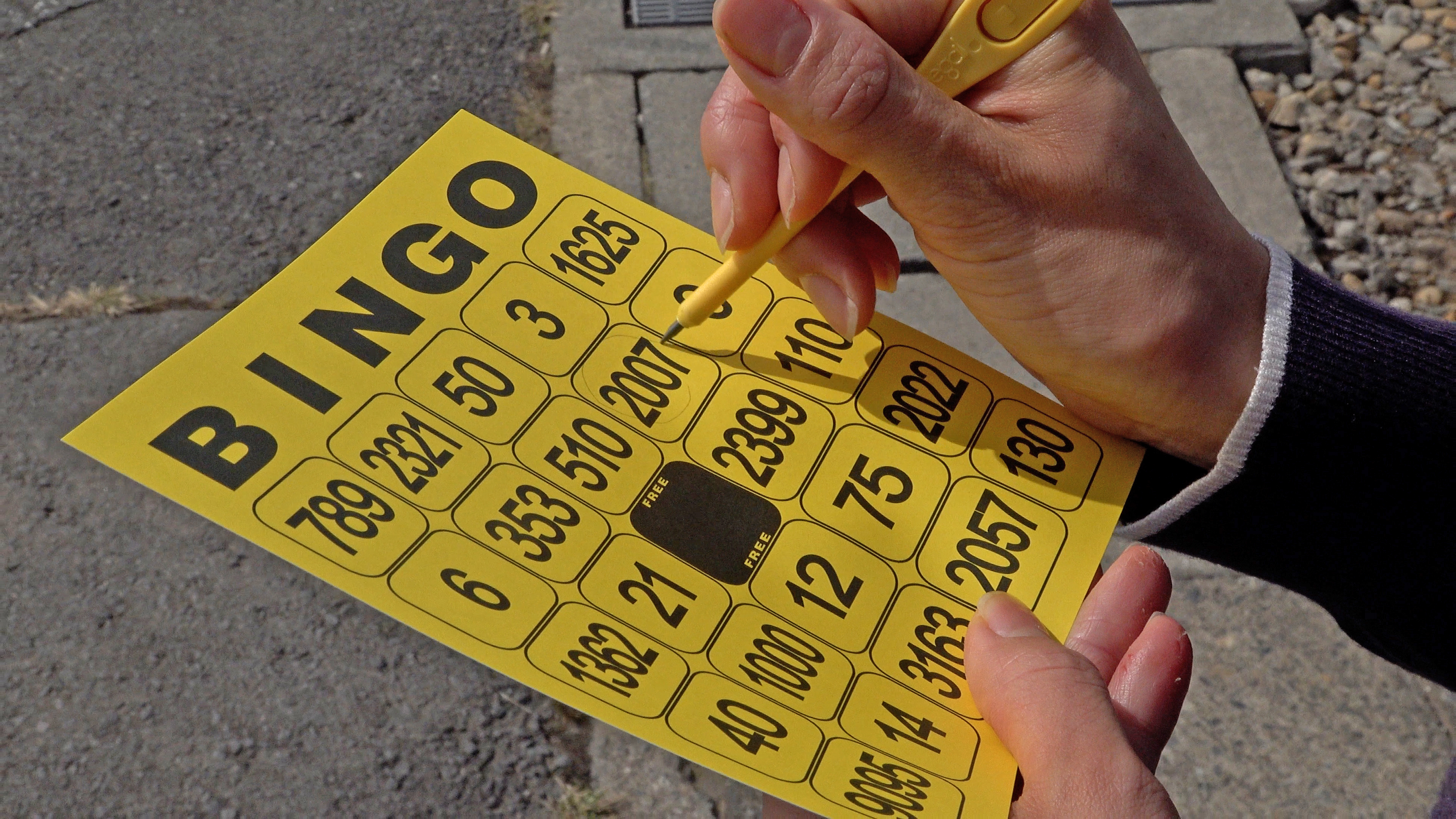
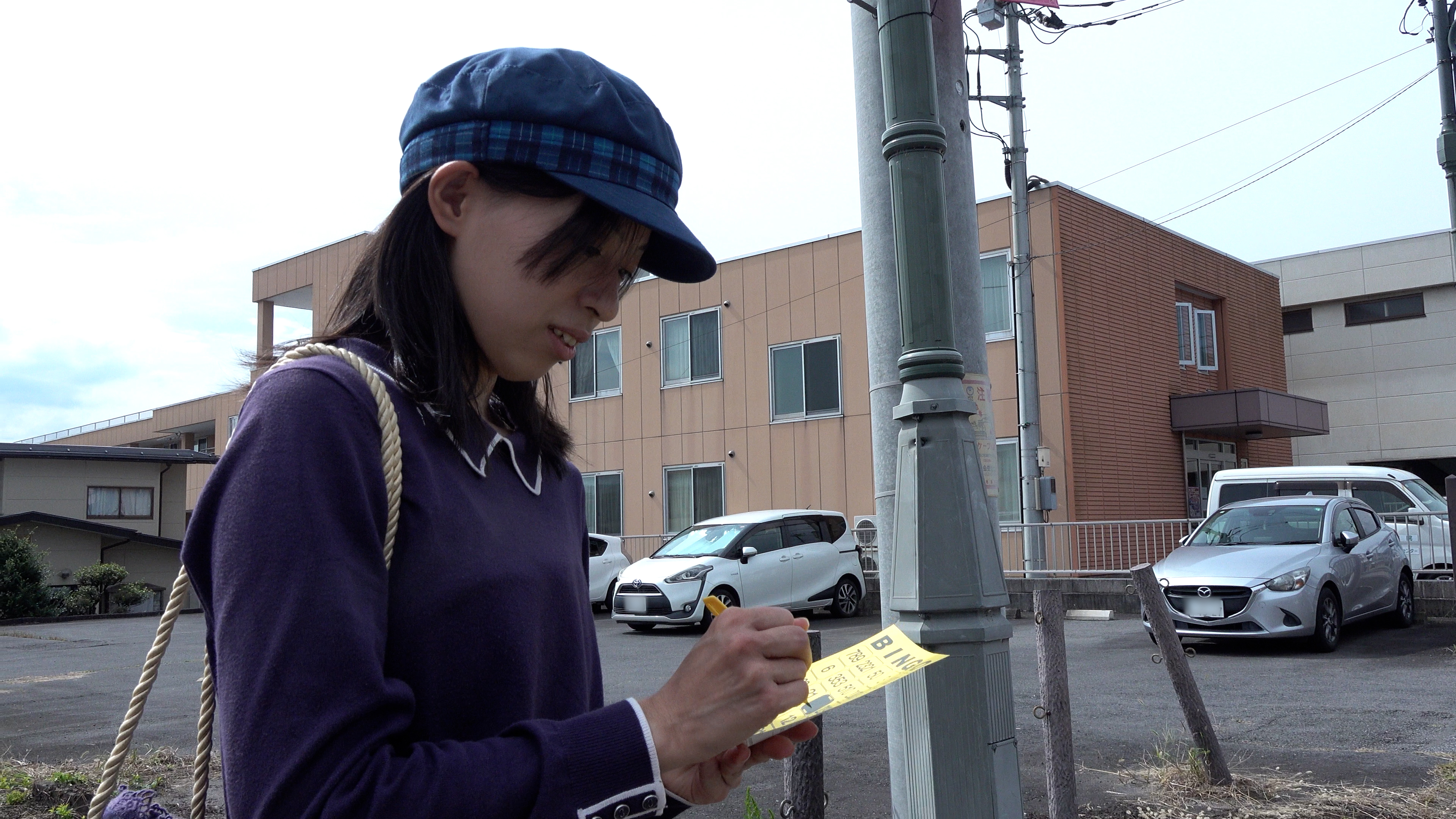
My City‑BINGO (Jap.: Watashi no machi bingo gēmu) reimagined the familiar communal bingo game as a site‑specific, participatory artwork that activates public space, collective memory, and everyday perception in japanese depopulating small town Nakanojo. The project translates field research into a playful, accessible format: bespoke bingo cards list numeric prompts tied to specific locations and markers across the town; participants form small groups, follow routes, and search for the numbers in situ; two public collection points receive post‑it inscriptions from players, producing a visible, material trace of engagement. Realised as part of the Nakanojo Biennale2025 – 10th International Contemporary Art Festival (13.09.–13.10.2025) in Gunma Prefecture, Japan, the project unfolded a month of public programming and produced sustained local interaction through half a milion visitors, increased footfall across dispersed sites, and a modest archive of community inscriptions and reflections. Beyond the event, My City‑BINGO functions as a collective and aesthetic method for reactivating depopulating towns: it stimulates social exchange, foregrounds local histories, and generates new narratives about place that persist after the game ends.
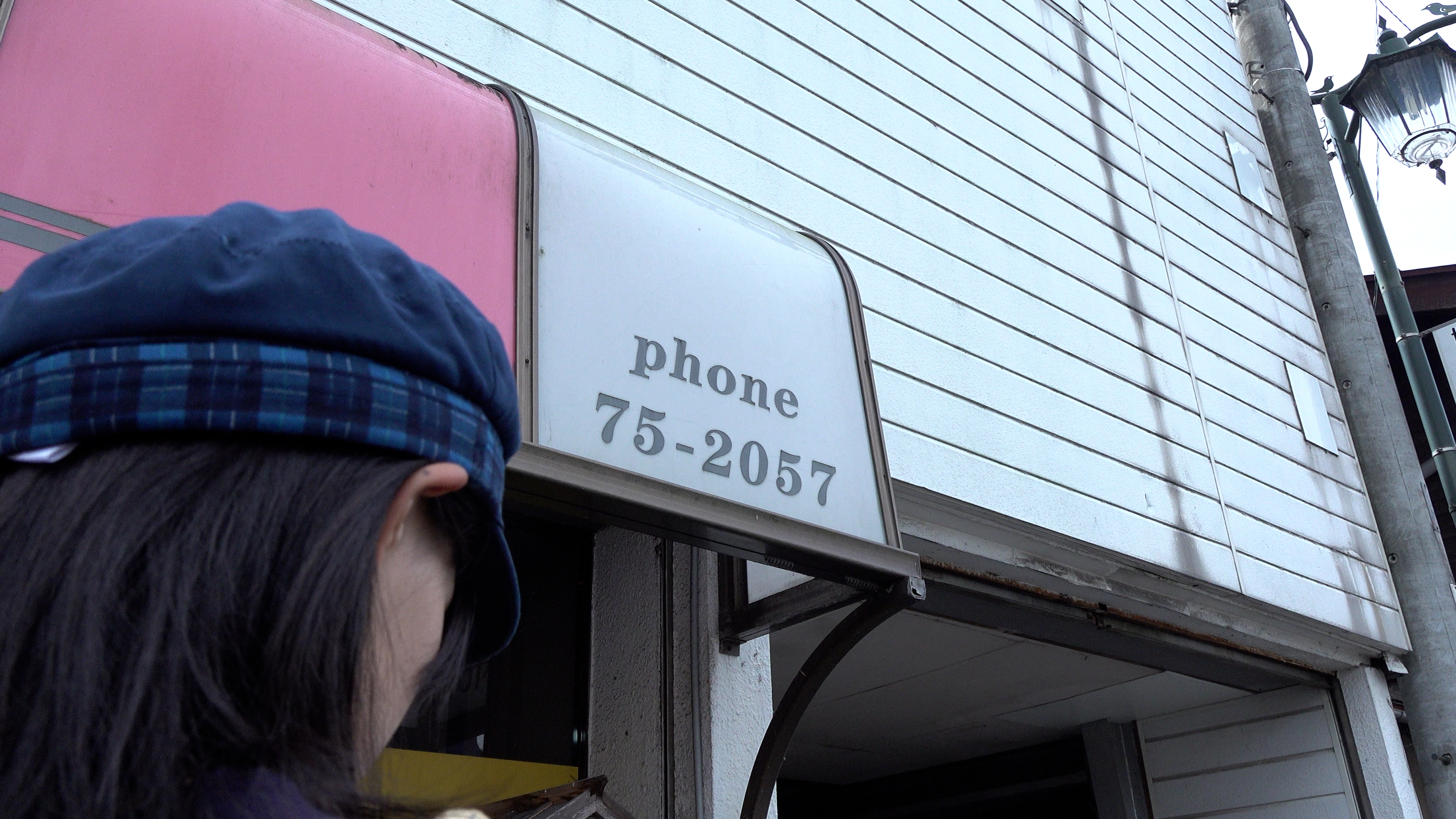
The project’s core proposition is simple but generative: numbers that normally regulate and order urban life—house numbers, utility tags, timetable digits, signage—can be read as prompts for curiosity, storytelling, and collective attention. By turning these markers into game items, the work invites residents and visitors to slow down, compare observations, and negotiate meanings together. The result is not a single artwork object but a distributed, co‑authored experience whose aesthetic and social effects accumulate across time and place.
The project’s core proposition is simple but generative: numbers that normally regulate and order urban life—house numbers, utility tags, timetable digits, signage—can be read as prompts for curiosity, storytelling, and collective attention. By turning these markers into game items, the work invites residents and visitors to slow down, compare observations, and negotiate meanings together. The result is not a single artwork object but a distributed, co‑authored experience whose aesthetic and social effects accumulate across time and place.
1. Research foundation
The project began as an artistic‑research inquiry into the semiotics of numbers in urban space. Fieldwork mapped how numeric signs operate as infrastructural shorthand—organising deliveries, signalling property, indexing histories—and how they silently shape movement and perception. This mapping combined photographic documentation, interviews with locals, cultural workers, and director of city museum. Archival checks to identify markers with layered meanings. The research phase revealed both mundane patterns (repeated infrastruktural numbers, standardized telephone numbers) and idiosyncratic traces (handwritten signs, memorial plaques, local numbering systems) that could be mobilised as game items.
2. Creation and installation
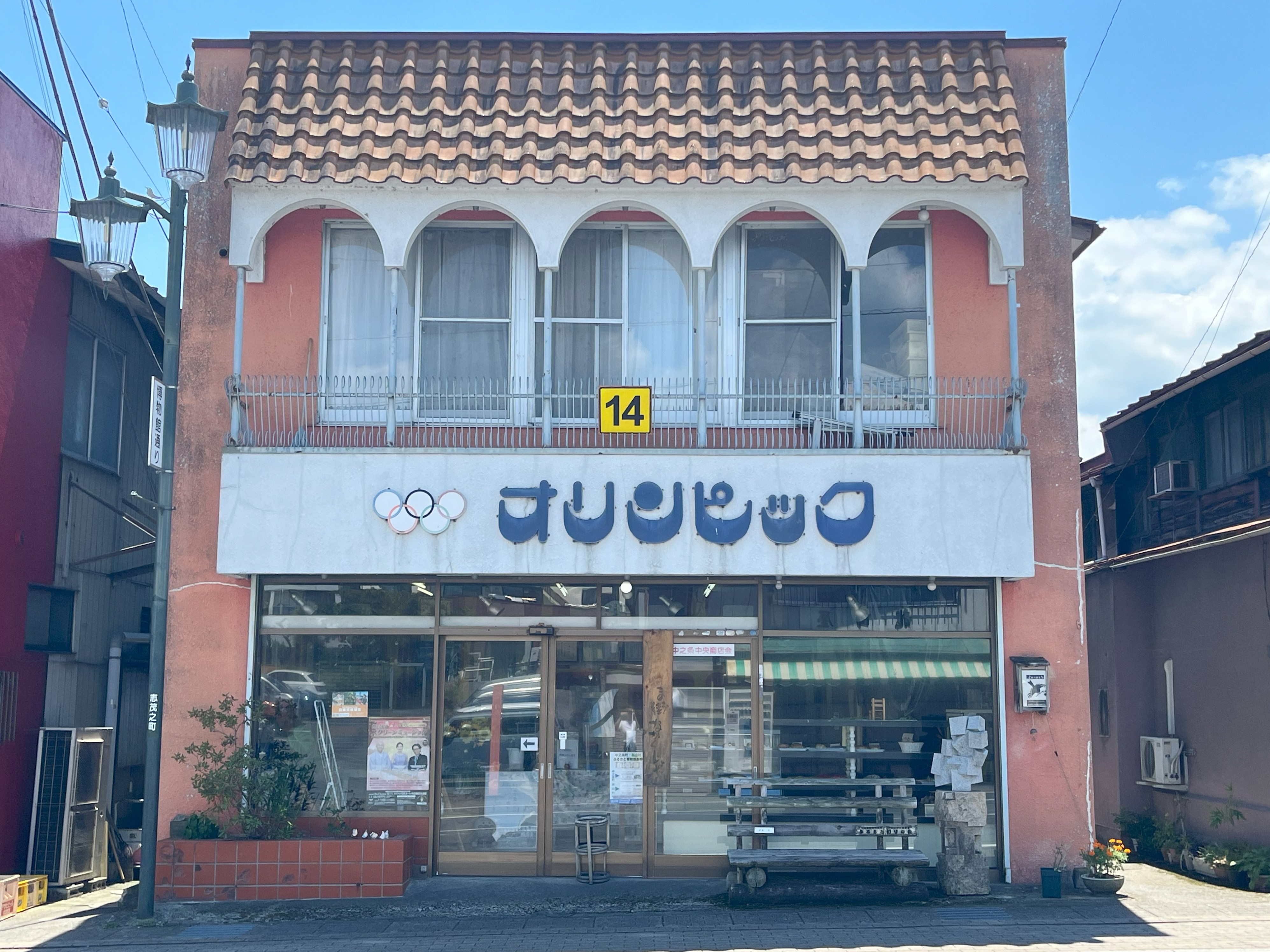
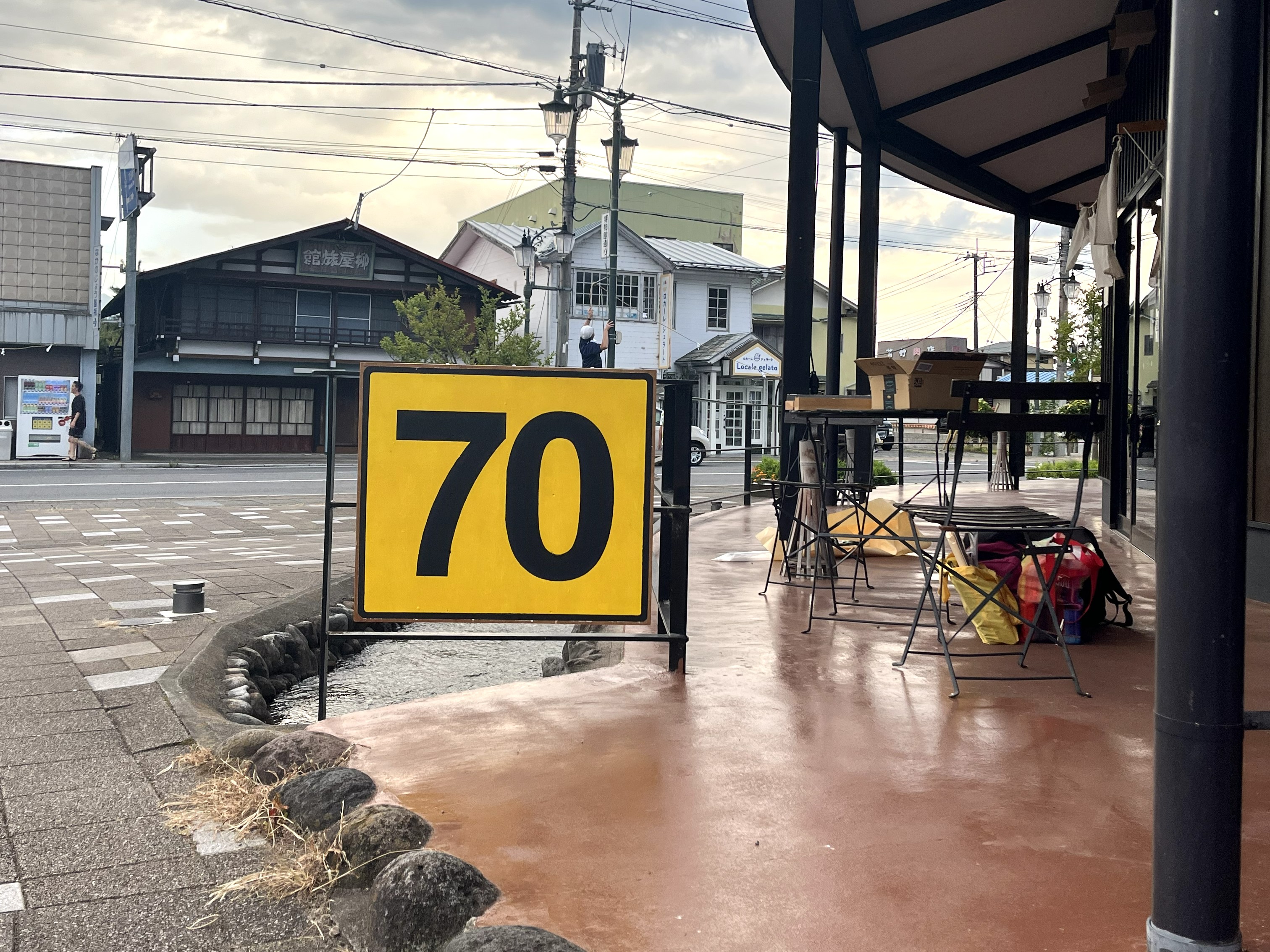
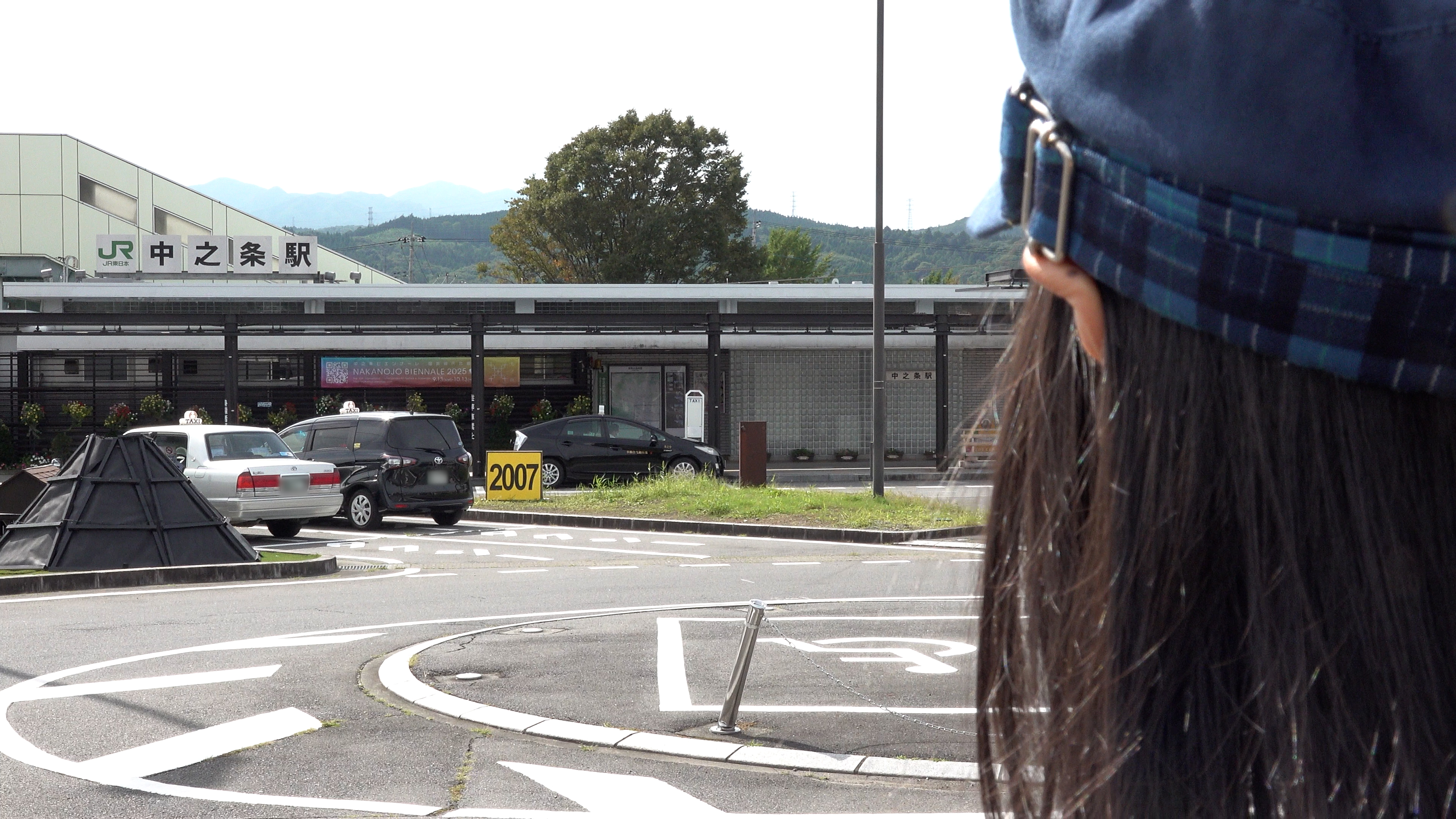
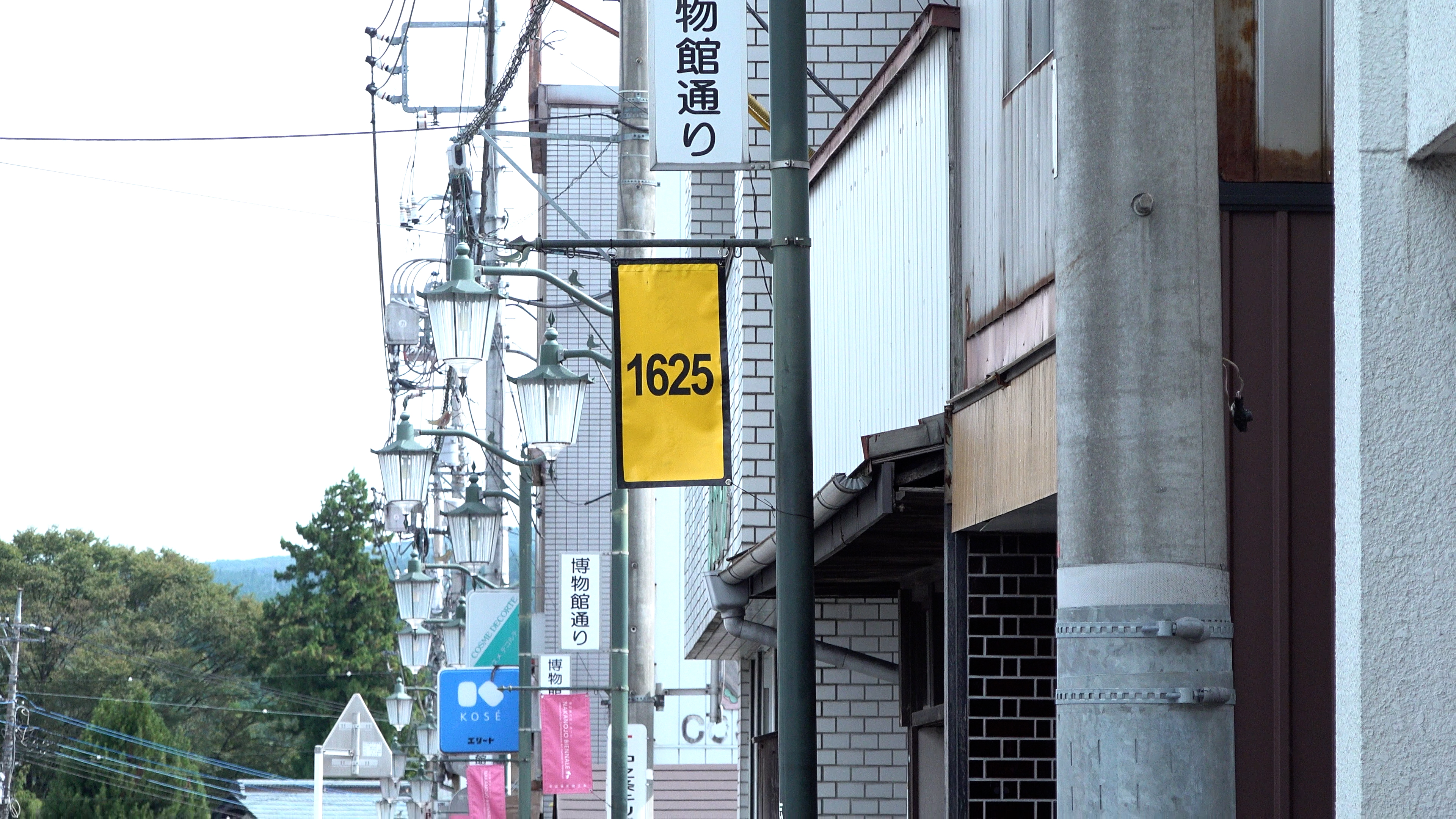
From this research, I designed a set of bingo cards and wooden objects with numbers drawn on them, each corresponding to specific numeric markers and locations. These numbered objects were installed on the facades of various locations during the Biennale and were easily recognizable by their yellow color.
3. Community outreach and facilitation
The implementation brought together preparatory mapping, stakeholder coordination, and public programming. Local organizers and biennale curators played a key role in finding suitable collection points and obtaining permissions for public signage. The facilitation was kept intentionally light, with volunteers and local partners handling logistics.
Participatory aesthetic experience
Community‑building
Revitalizing a depopulating town through art
Collective re-exploration of local history and everyday life
Co-creation of social and collective meaning
1. Environmental
The project was designed to be environmentally light. Materials were intentionally low-impact—recyclable paper cards, pens available for borrowing, and post-its—and signage was made from repurposed materials from old Biennale artwork or temporary, removable fixtures to prevent permanent changes.
By leveraging walking as the primary mode of engagement, the project encouraged low‑carbon mobility and made use of existing public space rather than constructing new infrastructure.
2. Social
Social sustainability is central to the project’s aims. In contexts of demographic decline, opportunities for spontaneous social interaction are often scarce. My City‑BINGO creates structured occasions for people to meet, collaborate, and share stories. The game’s cooperative format encourages intergenerational exchange—children, older residents, and newcomers can play together—while the act of leaving inscriptions produces a shared material record that affirms local presence and memory. These outcomes contribute to social resilience by strengthening informal networks and local knowledge.
3. Cultural
Culturally, the project preserves and re‑frames local narratives. Numbers often index histories—old house numbers, memorial plaques, or industrial markers—and the game invites participants to surface and narrate these layers. The archive of inscriptions functions as a living cultural record that can inform future programming, exhibitions, or municipal storytelling initiatives.
4. Economical
Economically, the project stimulates local circulation. As participants move between dispersed sites, they encounter shops, cafes, and cultural venues, generating incidental economic activity. The low cost of materials and the modular format make the project affordable for small cultural budgets, enabling repeated iterations or integration into municipal cultural programming.
1. Reframing the ordinary
Aesthetically, the project operates through subtle re‑framing. Numeric markers that usually function as invisible infrastructure become poetic prompts. The act of searching for a number transforms routine routes into curated experiences: a street becomes a sequence of discoveries, a utility tag becomes a clue, a timetable digit becomes a narrative trigger. This shift in perception cultivates attention and invites participants to notice details they would otherwise overlook.
2. Collective authorship and visual narratives
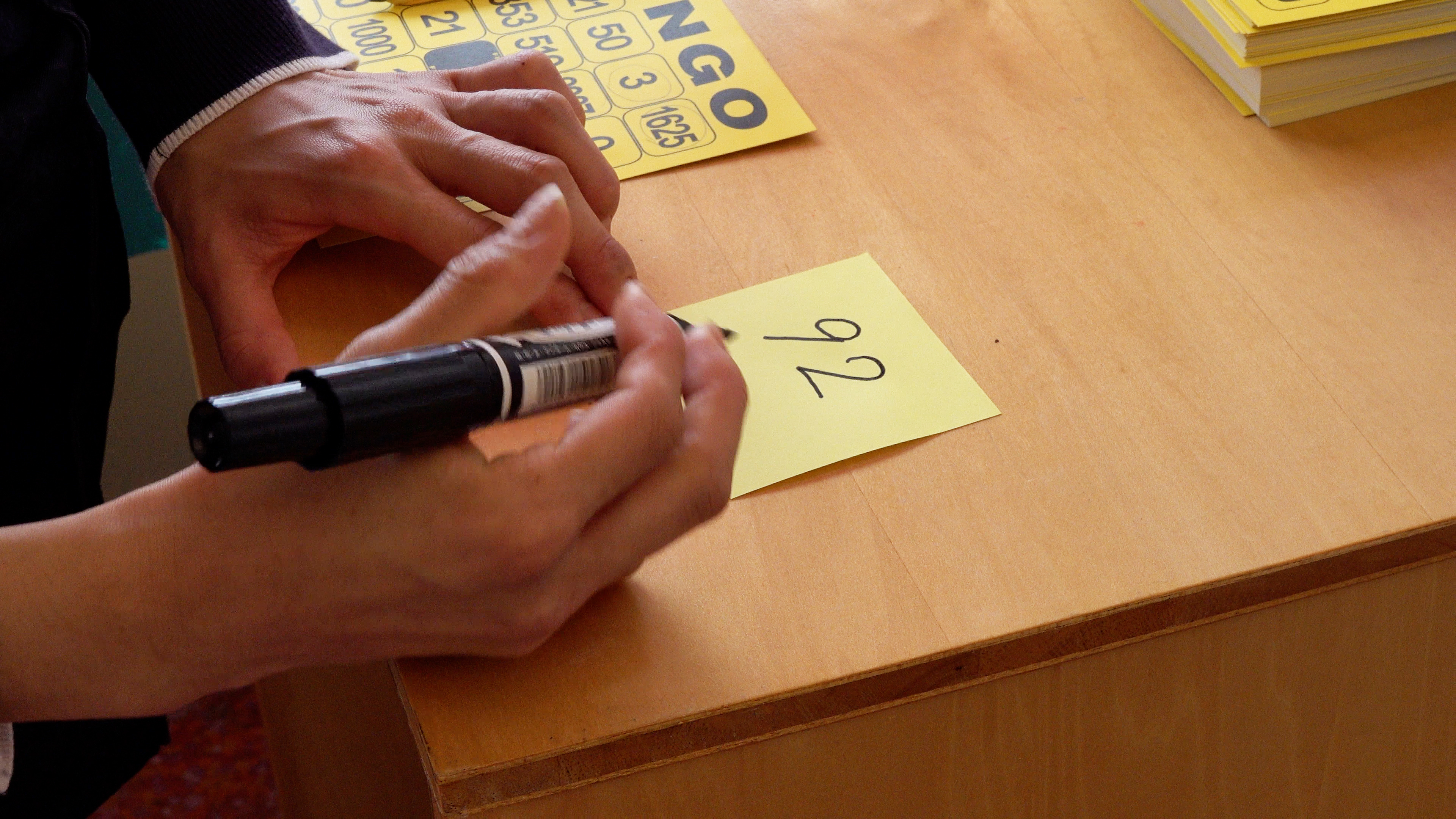
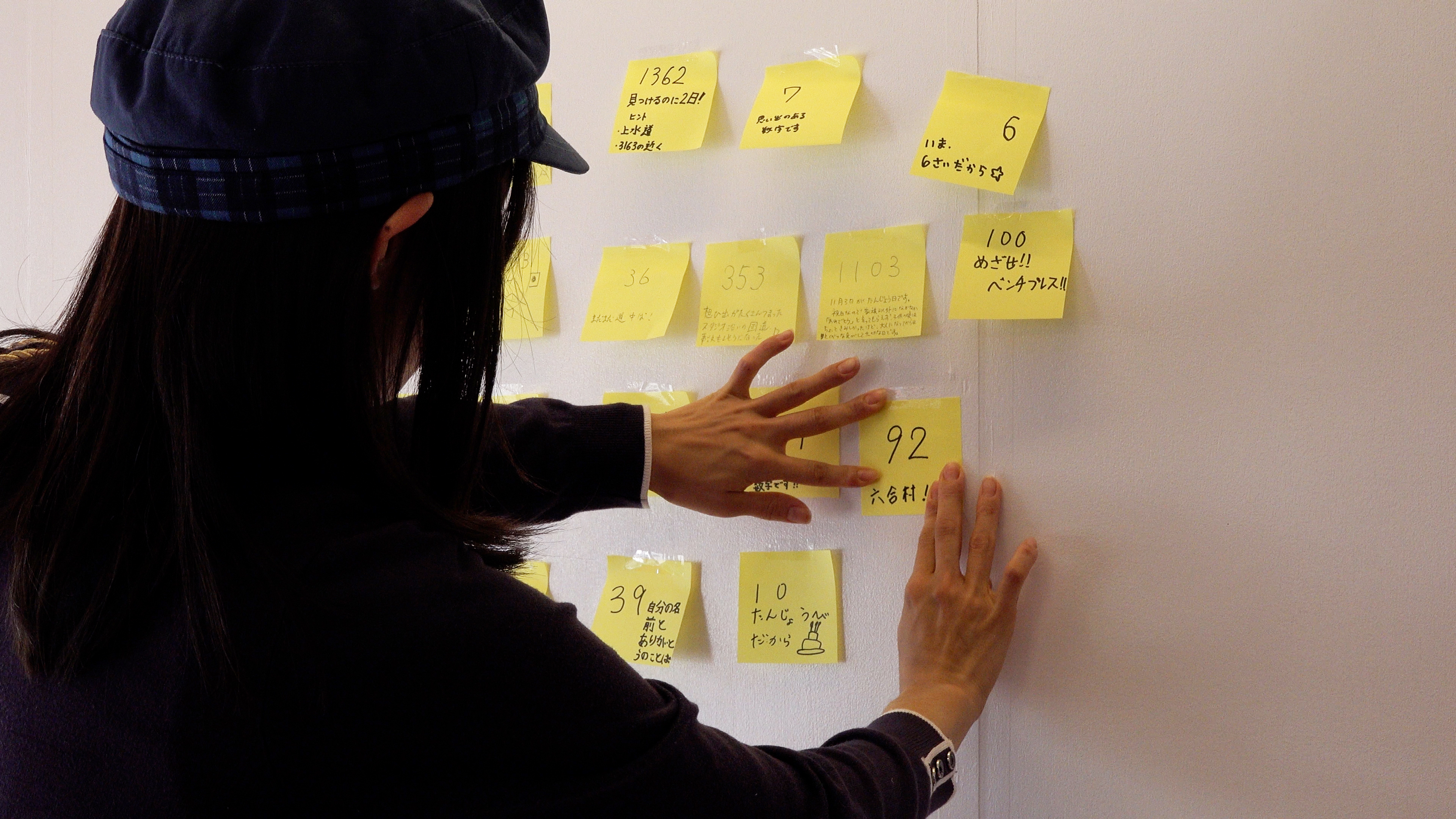
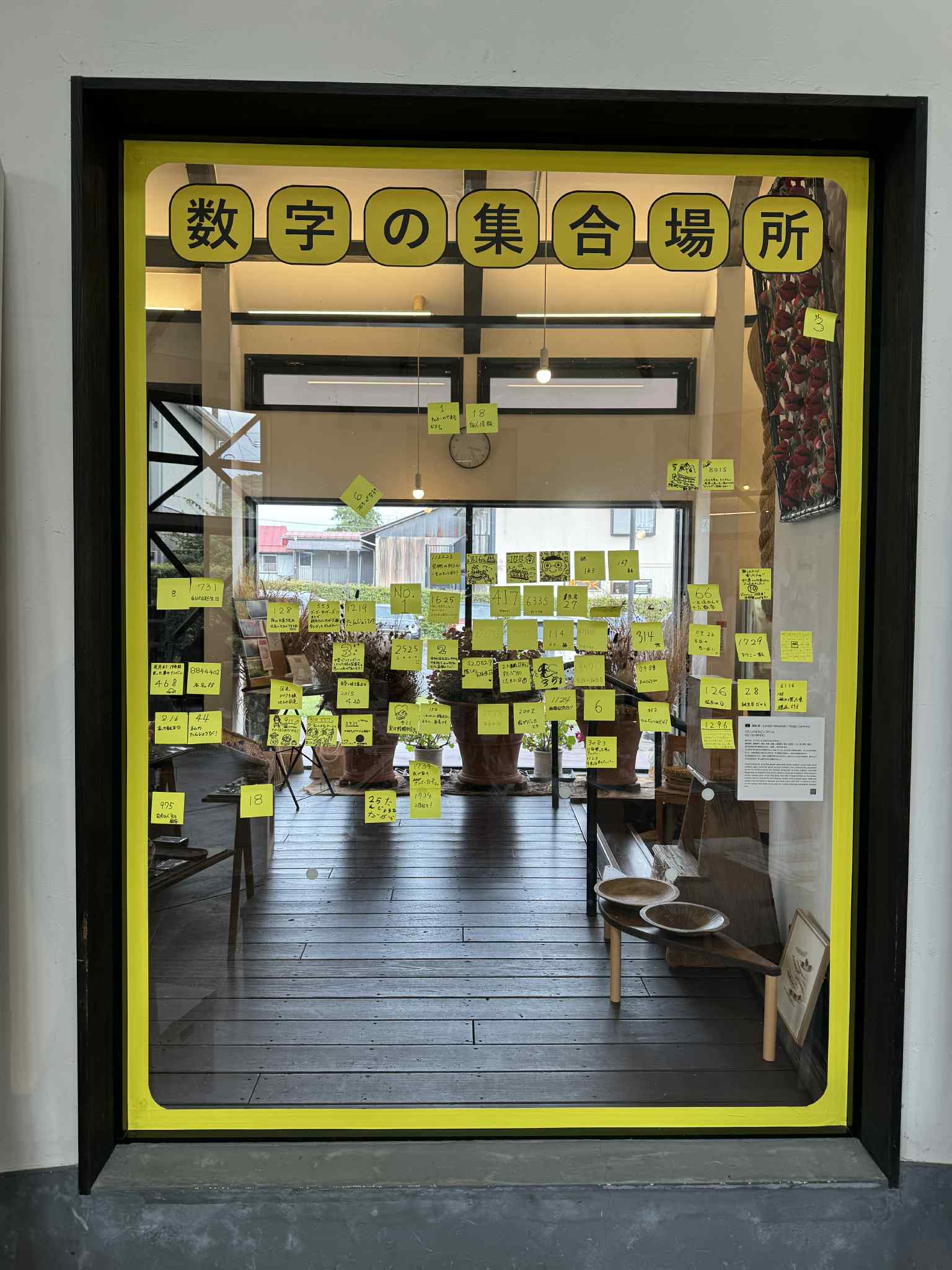
As a small “win” at the end of the game, visitors wrote down personally meaningful numbers on post‑its and shared them with other visitors. Some of the stories they shared included: “2623 is the sum of all my family members’ birthdays.”, “6116 was the number of my very first car when I was 18. Now I’m 69.” The accumulation of post‑it inscriptions at collection points creates emergent visual narratives. Rather than imposing a single aesthetic object, the project produces a distributed, co‑authored surface: layers of handwriting, overlapping notes, and ephemeral marks that together form a communal place of memories, care, and love. This aesthetic is democratic and processual—beauty emerges from many small gestures rather than a single monumental act.
3. Long‑term aesthetic effects
Over time, the project’s interventions can alter how visitors relate to place. Reportedly, many visitors played bingo several times over the course of a month until they discovered all the hidden numbers. Repeated play and the presence of a community archive foster a sense of new collective routine: people begin to see the town as a site of shared authorship and memory. The aesthetic effect is not merely decorative; it is relational, shaping everyday practices of attention, movement, and storytelling.
1. Design for accessibility
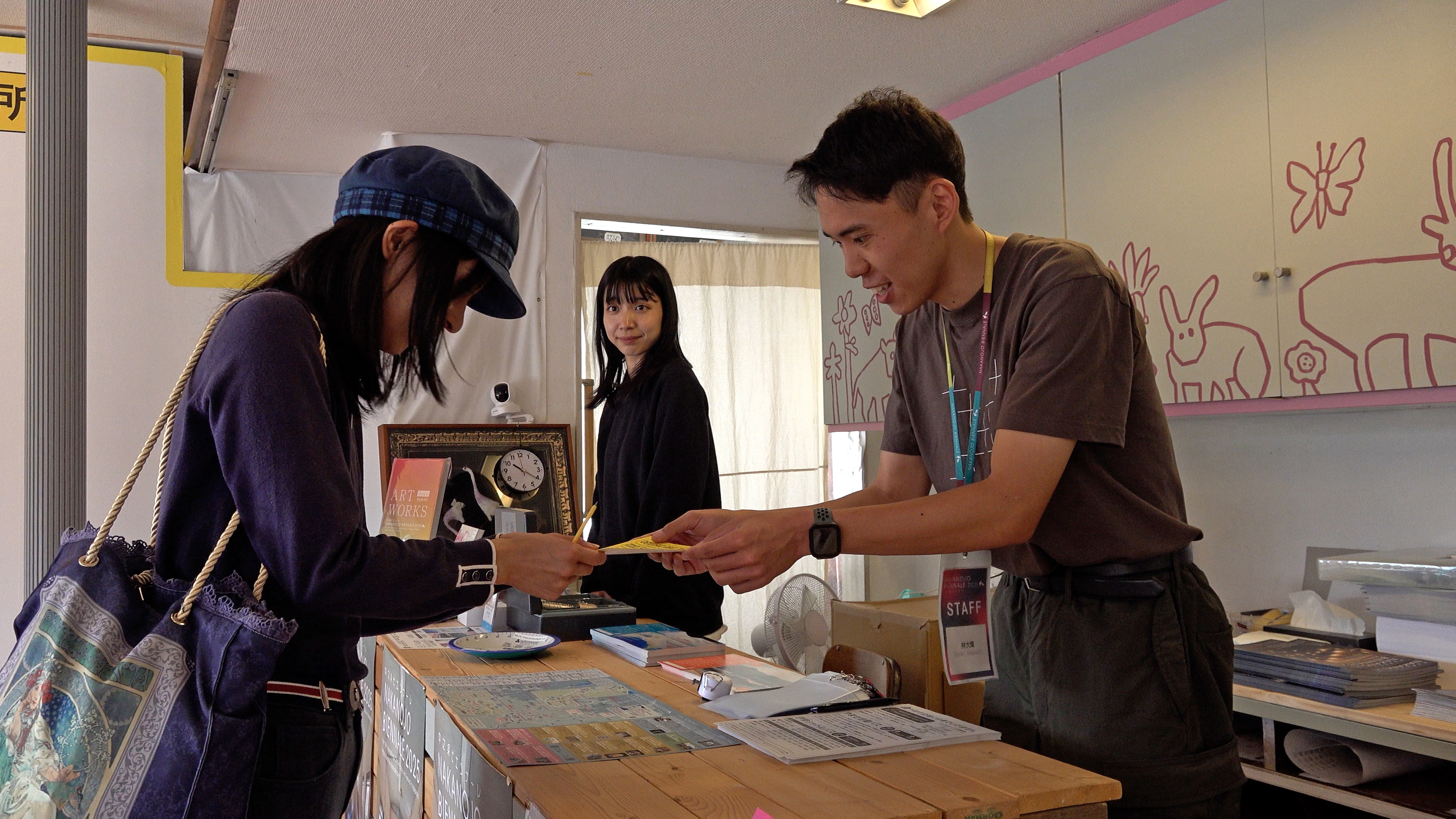
Inclusion was embedded in the project’s design: Numbers on the card were intentionally varied in difficulty and scope: some targeted central, well‑trafficked markers to invite casual participation; others required longer walks or local knowledge, encouraging deeper exploration. Prototypes were tested to refine wording, route logic, and accessibility. The design process emphasised clarity—simple rules, legible cards, and clear instructions at collection points; facilitation adapts to mobility and language needs; materials were for free —so that participants with no prior experience of contemporary art could join easily. Routes were planned with alternative, shorter options for participants with limited mobility, and facilitators at information centers offered assistance where needed. These measures ensured that the project was approachable for a wide range of participants, from children to older adults.
2. Affordability and democratic access
The project’s public setting remove common barriers to participation. No prior knowledge of contemporary art is required; anyone can pick up a card and play. This democratic access aligns with cultural‑policy goals of widening participation and making art relevant to everyday life.
1. Depth of participation
Participation went beyond attendance. Residents co‑shaped routes, suggested local markers, and interpreted the meanings of numbers. This became clear after the artist’s absence: Enthusiastic players documented and shared their progress on social media, effectively revealing the game’s "solution" and even evolved the game beyond the original concept. When a number in the initial planning disappeared or removed during the Biennale, players adapted creatively, coming up with replacement digits to keep the game going. This depth of involvement produced social exchange, community-building, and a sense of ownership that extends beyond the event.
2. Impact of participation
The participatory process generated measurable social outcomes: new acquaintances formed during game, local stories were shared and recorded, and volunteers reported increased willingness to engage in future cultural activities. Local facilities such as the bakery, café, social center, cultural center, and local handcraft shop, where workers proudly helped visitors find the numbers.
The project came together through collaboration at all levels. Local organizers and the Nakanojo Biennale offered curatorial and logistical support, while municipal authorities granted permissions and helped find public sites like the tourist and cultural offices. Regional cultural and media partners boosted outreach and visibility, drawing in an impressive half a million visitors in one month.
This multilevel engagement ensured practical feasibility, legitimacy, and pathways for sustaining the project beyond the biennale. The involvement of municipal stakeholders also opened possibilities for integrating the method into local cultural strategies or tourism initiatives.
This multilevel engagement ensured practical feasibility, legitimacy, and pathways for sustaining the project beyond the biennale. The involvement of municipal stakeholders also opened possibilities for integrating the method into local cultural strategies or tourism initiatives.
The project draws on multiple knowledge fields: artistic practice, urban studies, sociology, participatory design, and cultural policy.
Mapping and field research provided empirical grounding; facilitation and design translated research into accessible formats; sociological insights informed inclusion strategies; and curatorial practice shaped public presentation.
During my research period as an artist in residence, I was guided by local cultural and tourism expert Takao Saiki, director of the Nakanojo Town History and Folklore Museum Michiyoshi Yamaguchi, and art historian Dr. Nina-Marie Schüchter. Their supervision helped the project thrive as a transdisciplinary blend of artwork, research, and civic engagement.
My City‑BINGO was funded by the Matsuura Arts and Culture Foundation in Tokyo, Japan, a public-interest organization dedicated to strengthening contemporary art in Japan and supporting young artists aged 35 and under with production grants that covered the work’s development. The Biennale itself received funding from the city, the cultural ministry, and small local grants. It provided facilitation and outreach, helped cover running costs, and benefited from in‑kind contributions from local partners, such as venues and volunteer time.
With low material costs and a modular format, ongoing expenses remain minimal, allowing the project to fit easily into festival programs, municipal cultural budgets, or community initiatives. This flexibility helps ensure financial sustainability and fosters local ownership.
With low material costs and a modular format, ongoing expenses remain minimal, allowing the project to fit easily into festival programs, municipal cultural budgets, or community initiatives. This flexibility helps ensure financial sustainability and fosters local ownership.
Core elements are highly transferable: the methodology for mapping numeric markers, the design of cards with sitespesific numbers, facilitation protocols, and the use of collection points for post-its. These components can be packaged as a toolkit—card templates, facilitation guides, outreach scripts, and documentation templates—enabling replication in other depopulating or growing cities.
Adaptations can reflect local languages, cultural markers, and urban typologies, preserving the method while allowing local specificity. This model’s focus on local knowledge makes it especially well-suited for settings with limited resources. Working with municipal cultural offices, regional networks, and small cultural funders could help spread it more widely.
Adaptations can reflect local languages, cultural markers, and urban typologies, preserving the method while allowing local specificity. This model’s focus on local knowledge makes it especially well-suited for settings with limited resources. Working with municipal cultural offices, regional networks, and small cultural funders could help spread it more widely.