Arts, Culture, and Heritage as Drivers of Change
Regina Rodrigues Machado Art Museum
Regina Rodrigues Machado Art Museum (MARM): art, citizenship and social inclusion
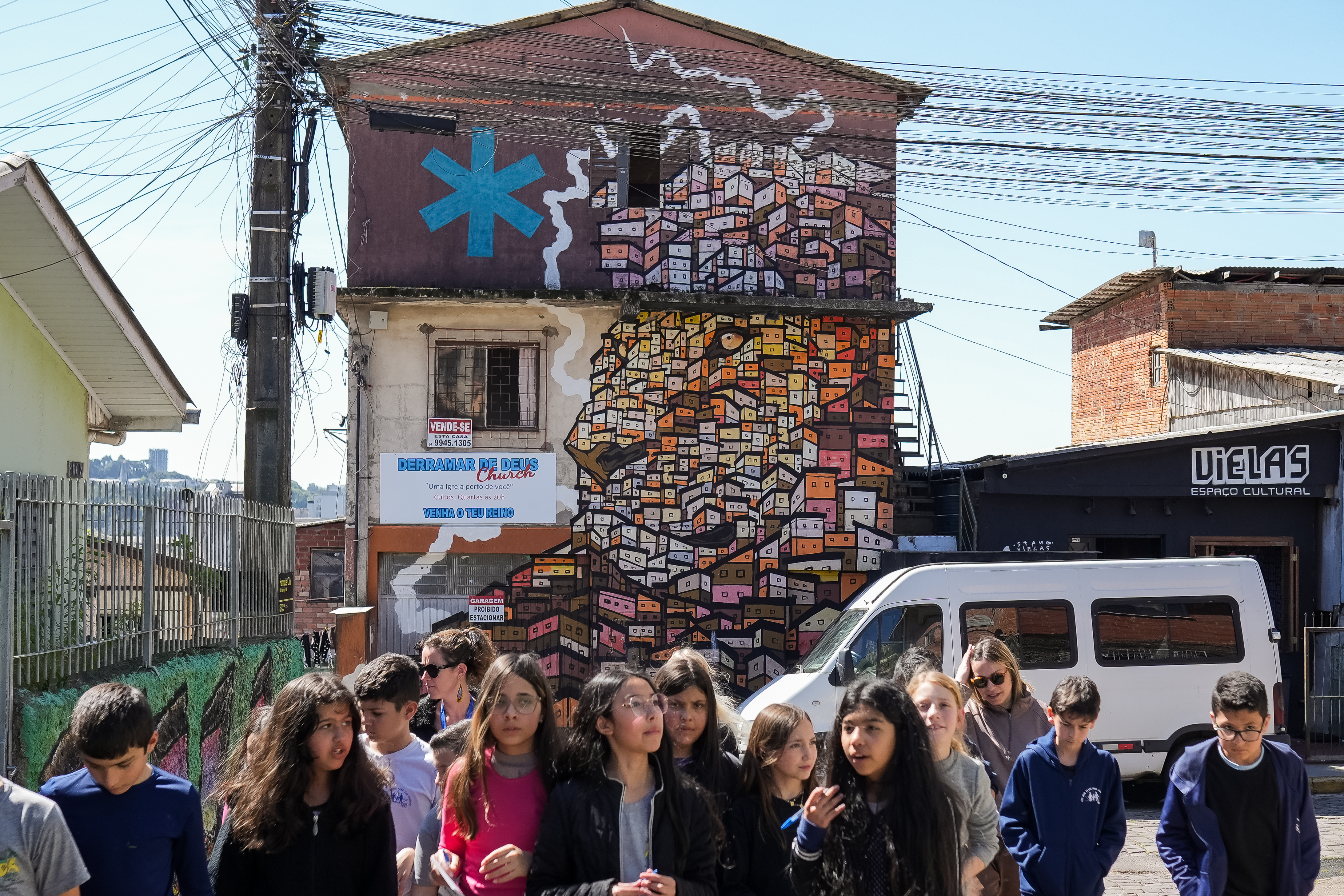
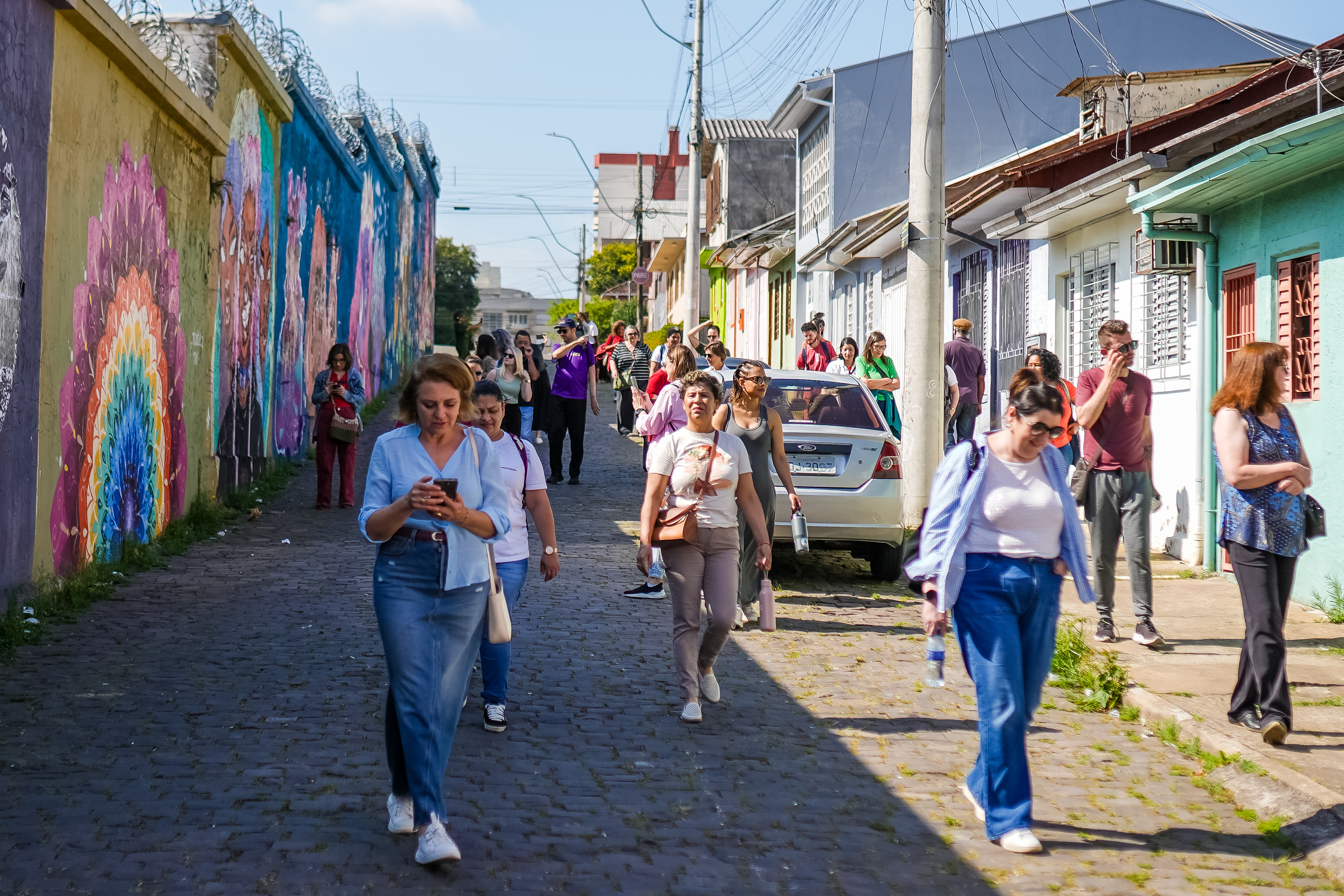
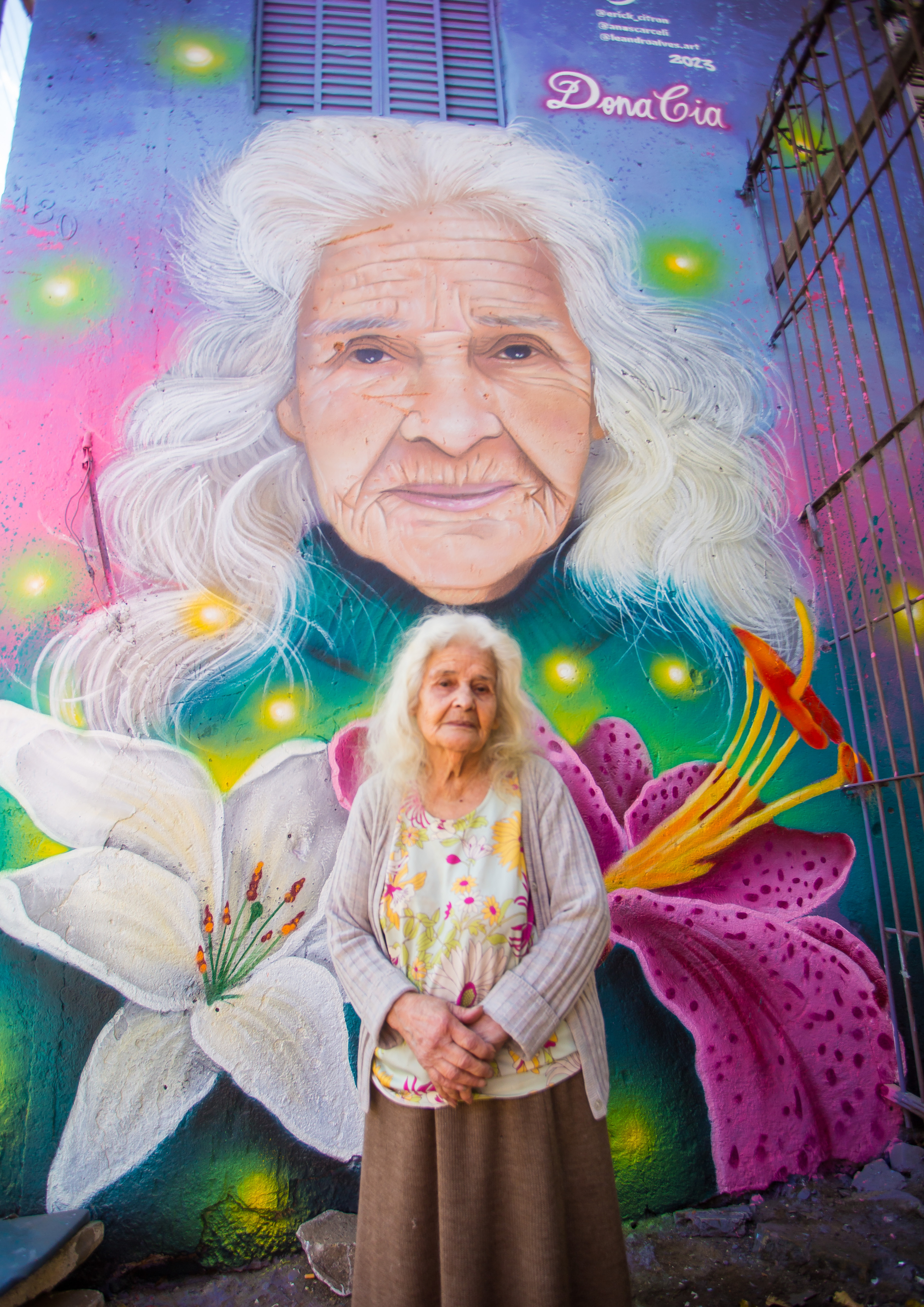
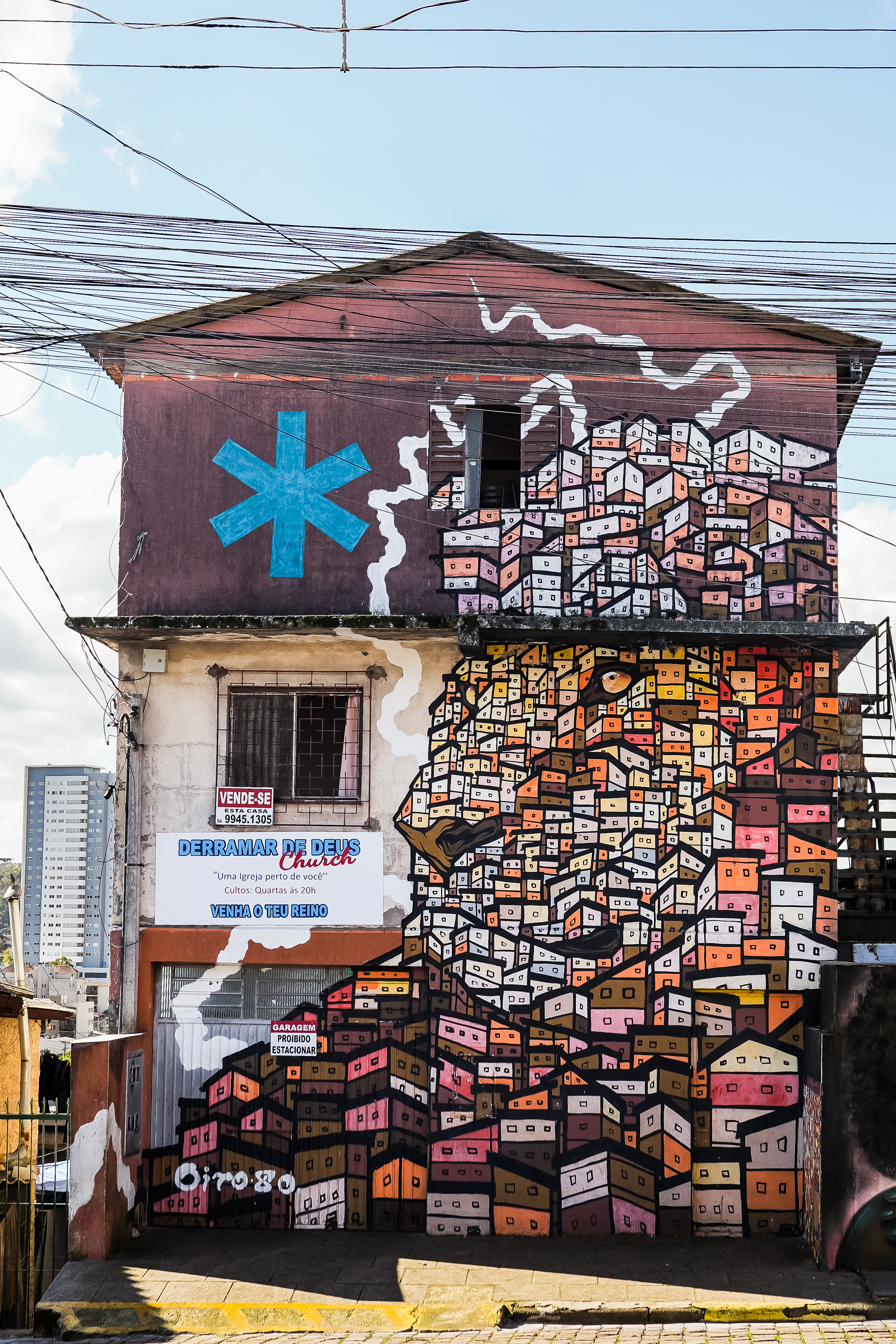
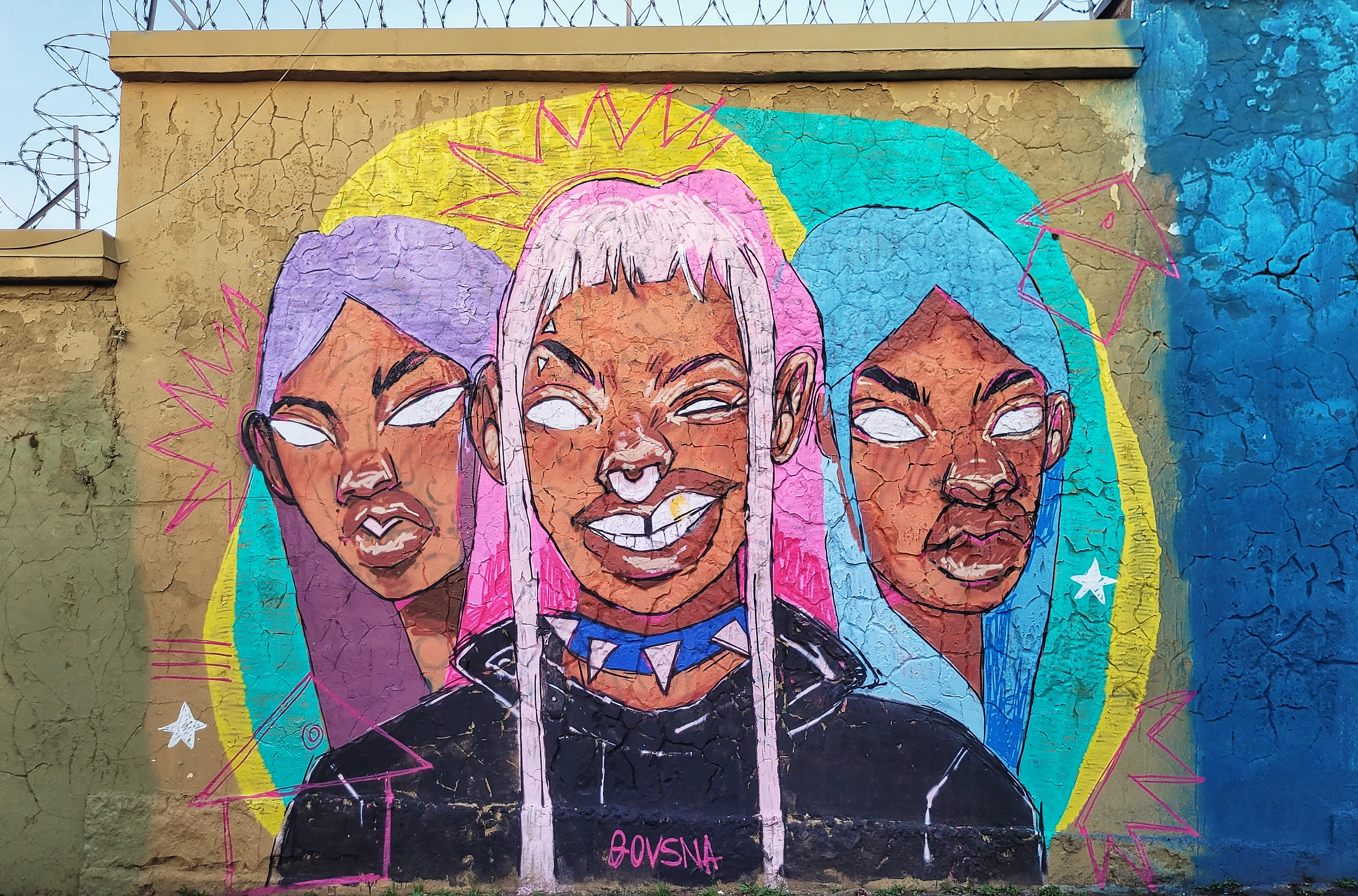
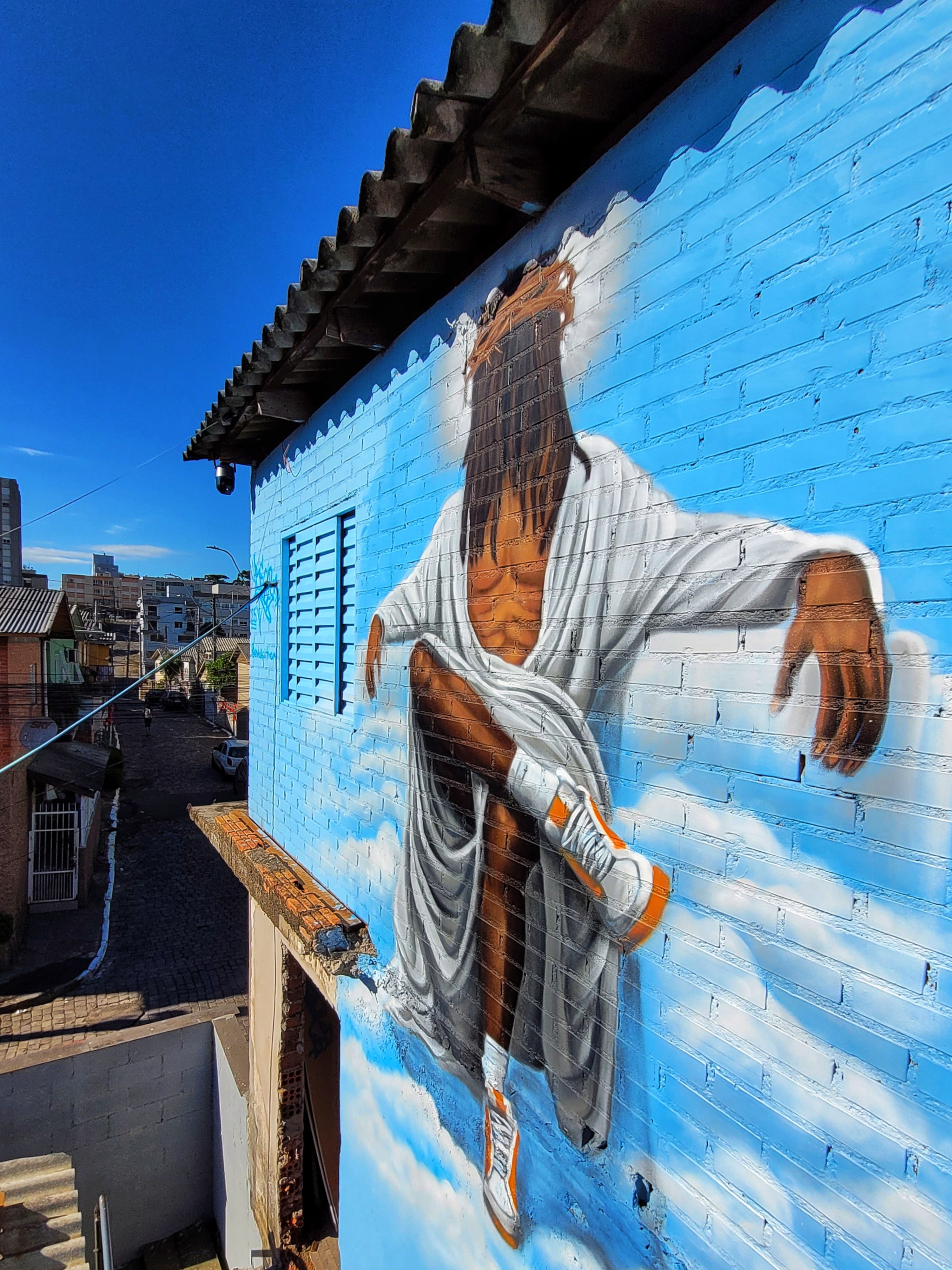
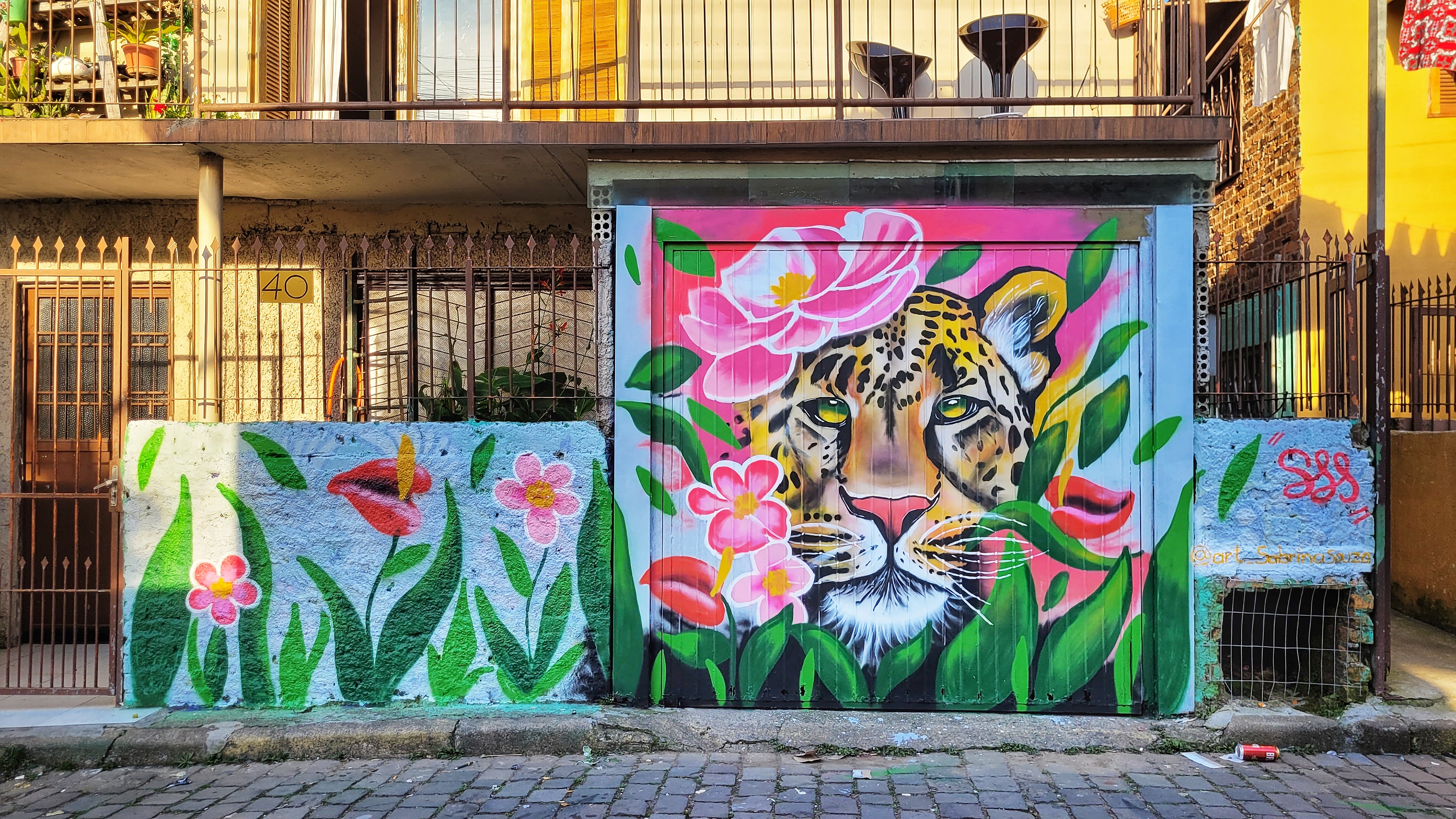
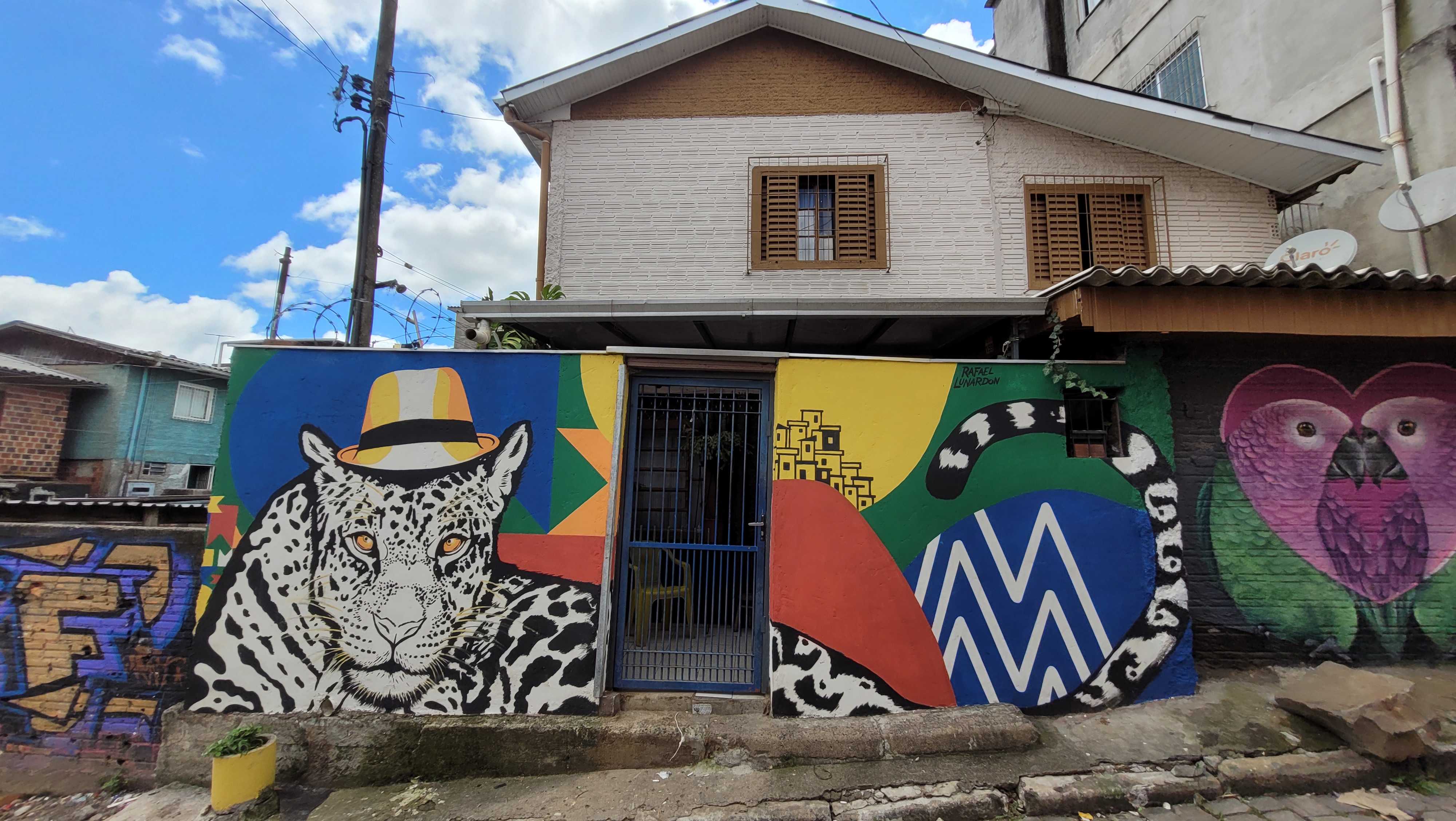
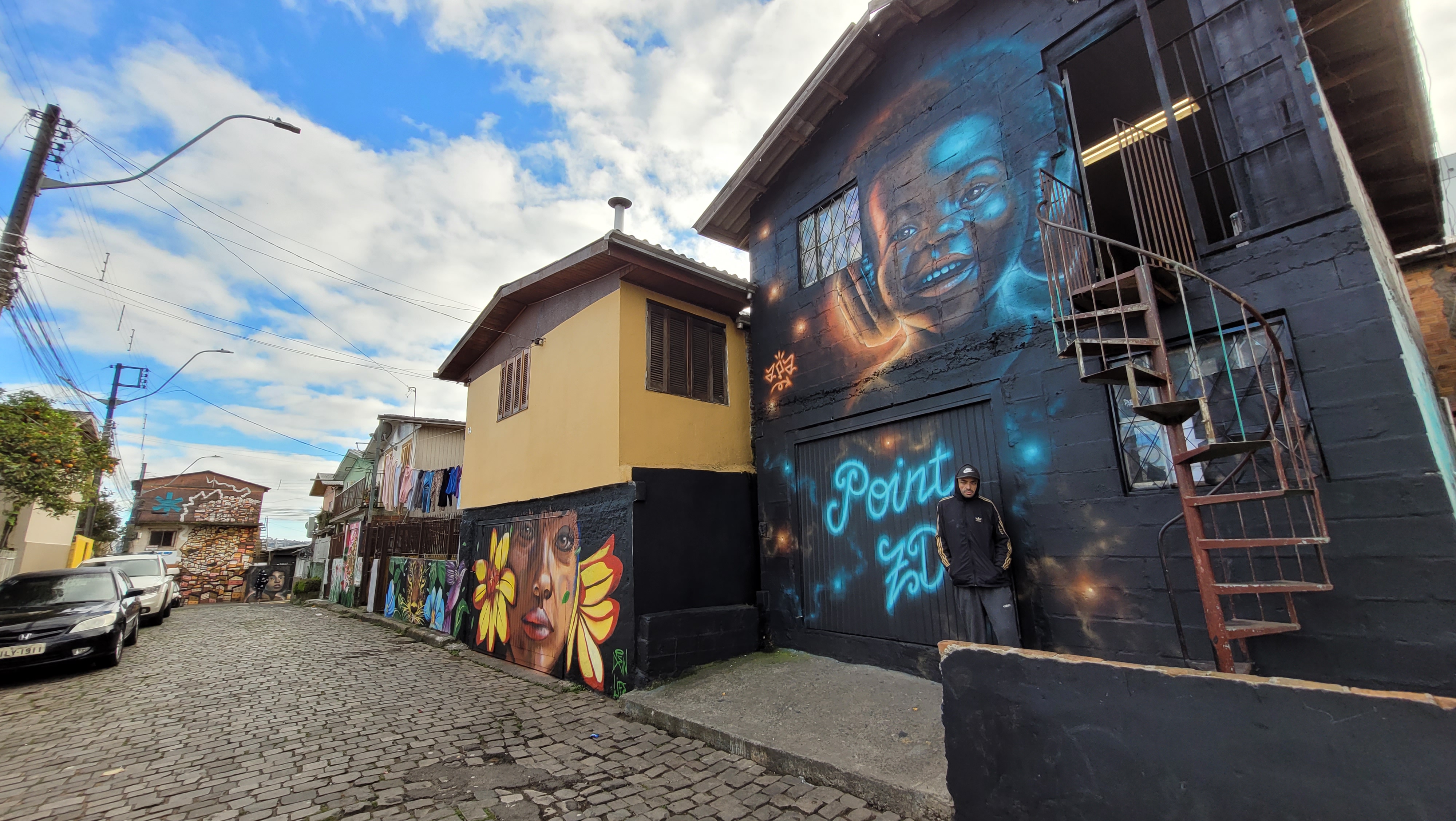
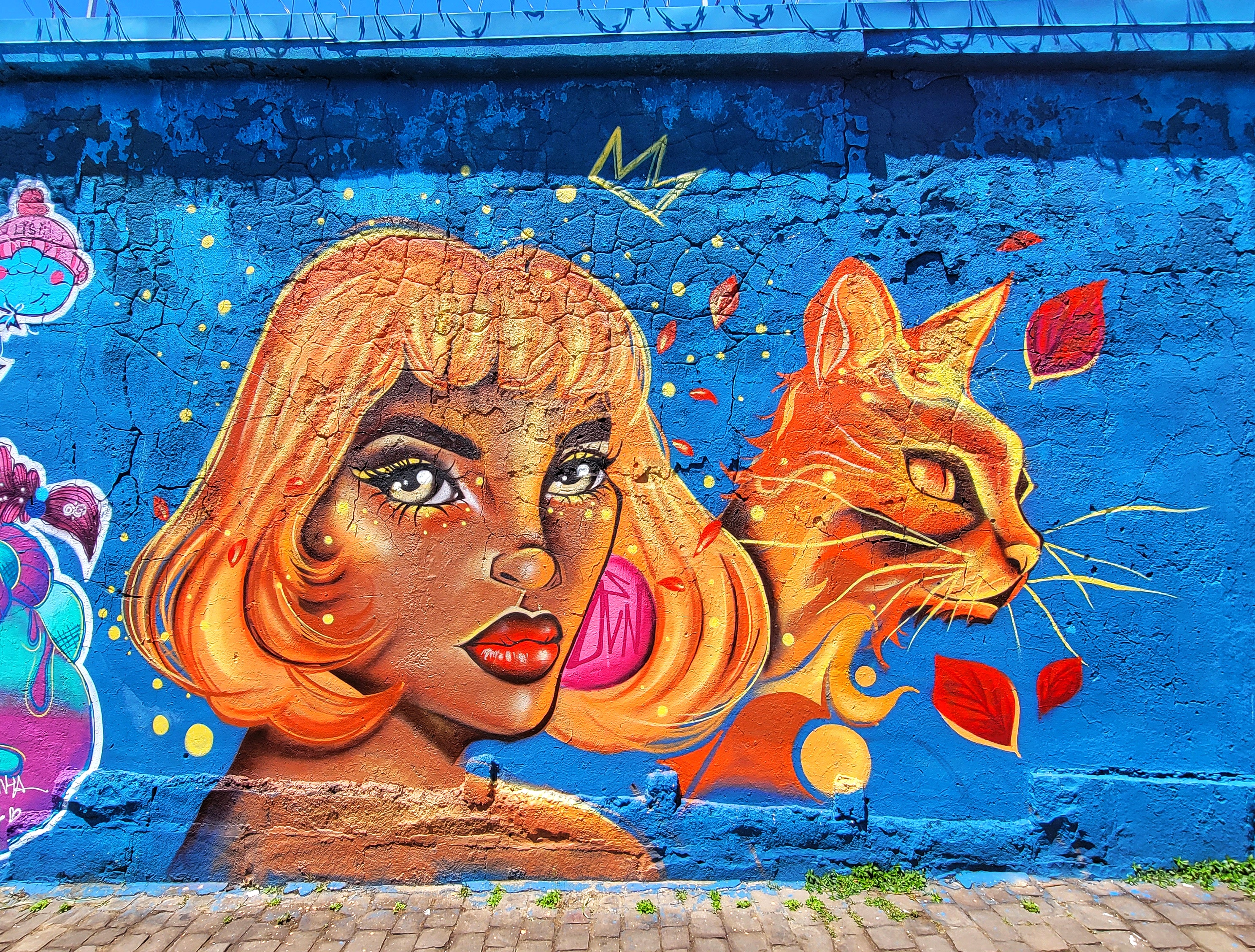
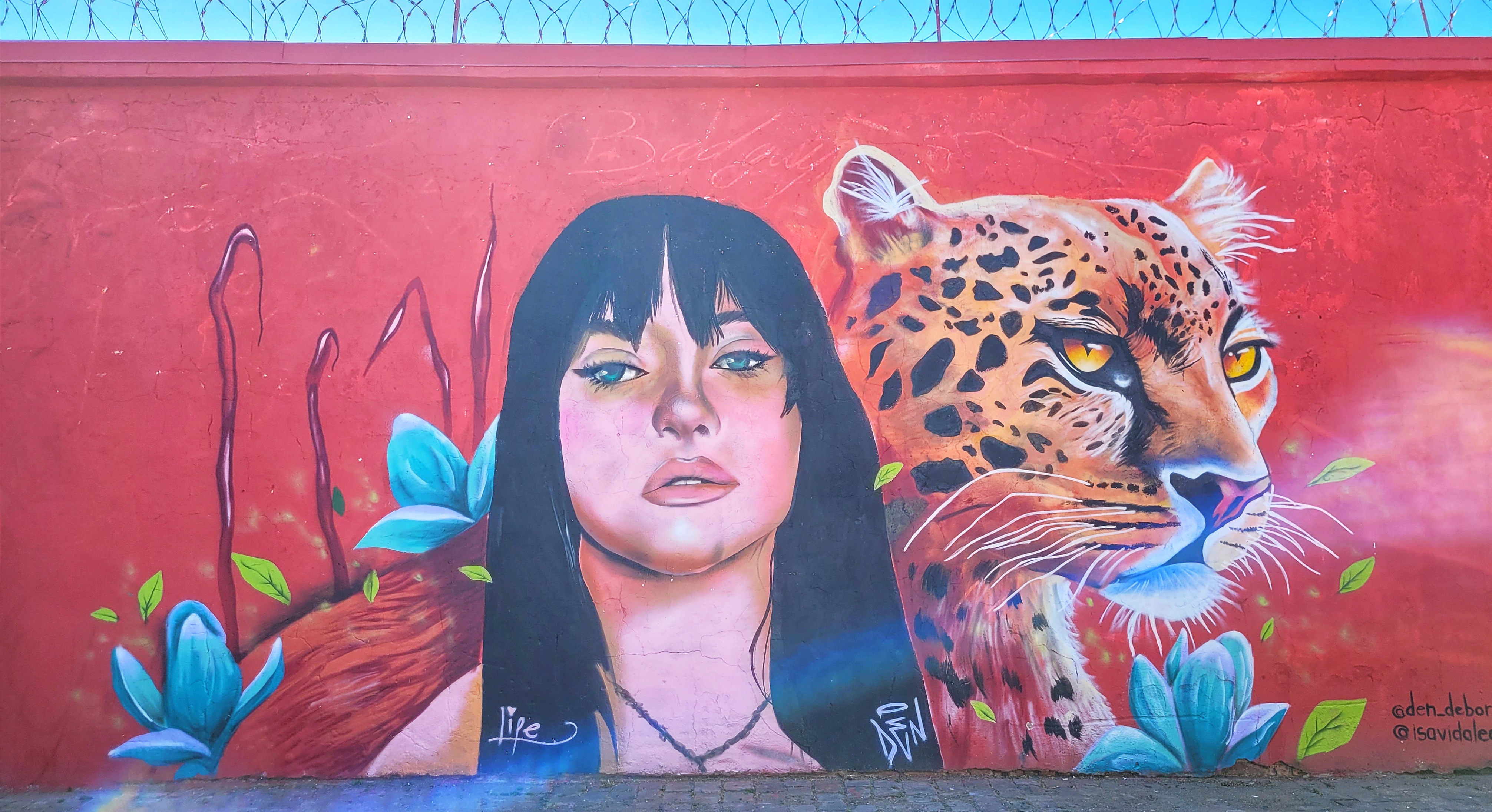
The Regina Rodrigues Machado Art Museum is an important social technology in the Euzébio Beltrão de Queiroz favela in Caxias do Sul. It functions as a territorial museum, housing a collection of 72 artistic murals in homes and on community walls. It conducts Graffitour as an educational activity, promoting reflection on the role of art in constructing territorial memory and its relationship to social memory.
Brazil
Local
Caxias do Sul - Rio Grande do Sul State
Mainly urban
It involves a physical transformation of the built environment (hard investment)
Yes
2025-11-23
No
No
No
Organisation
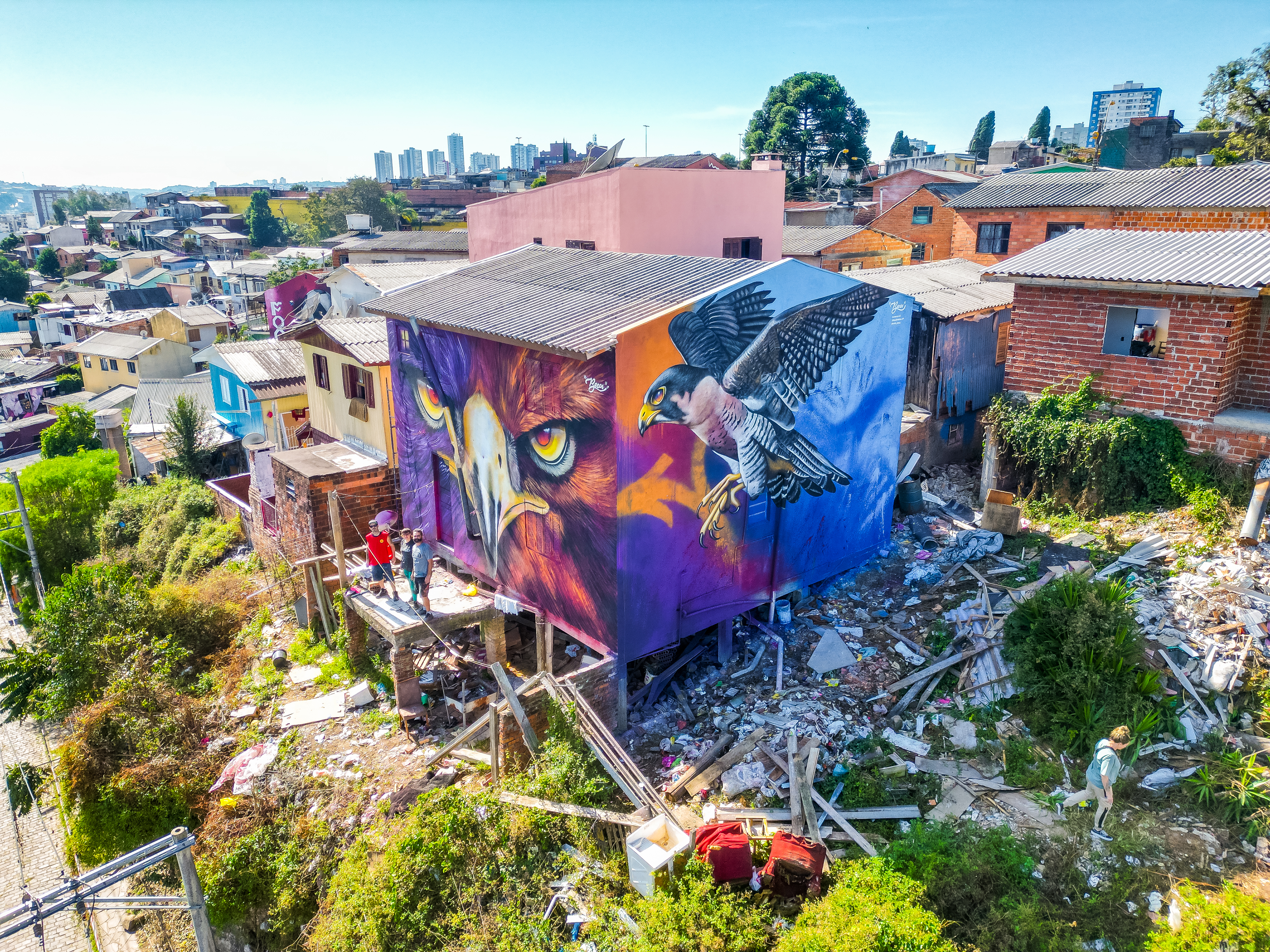
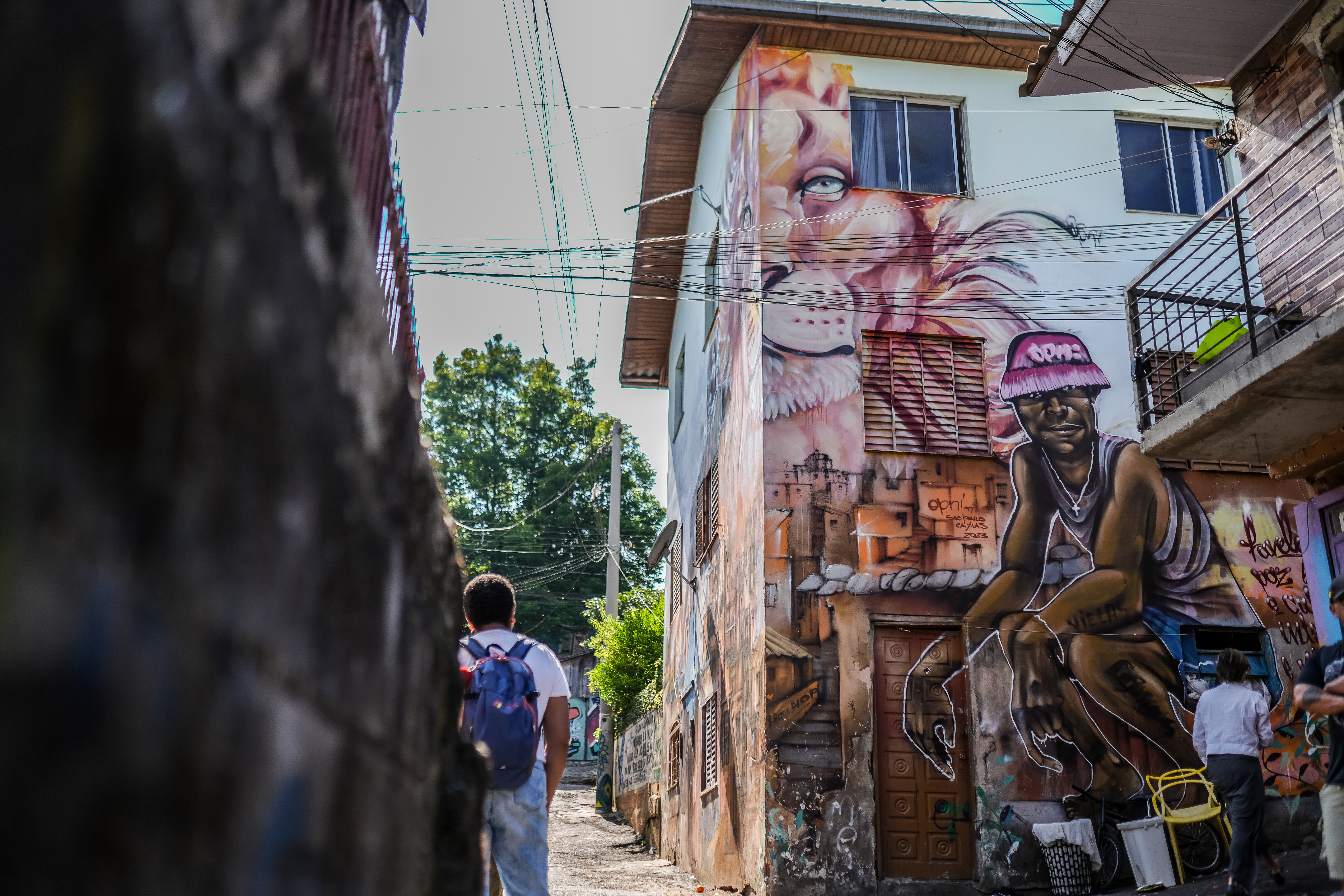
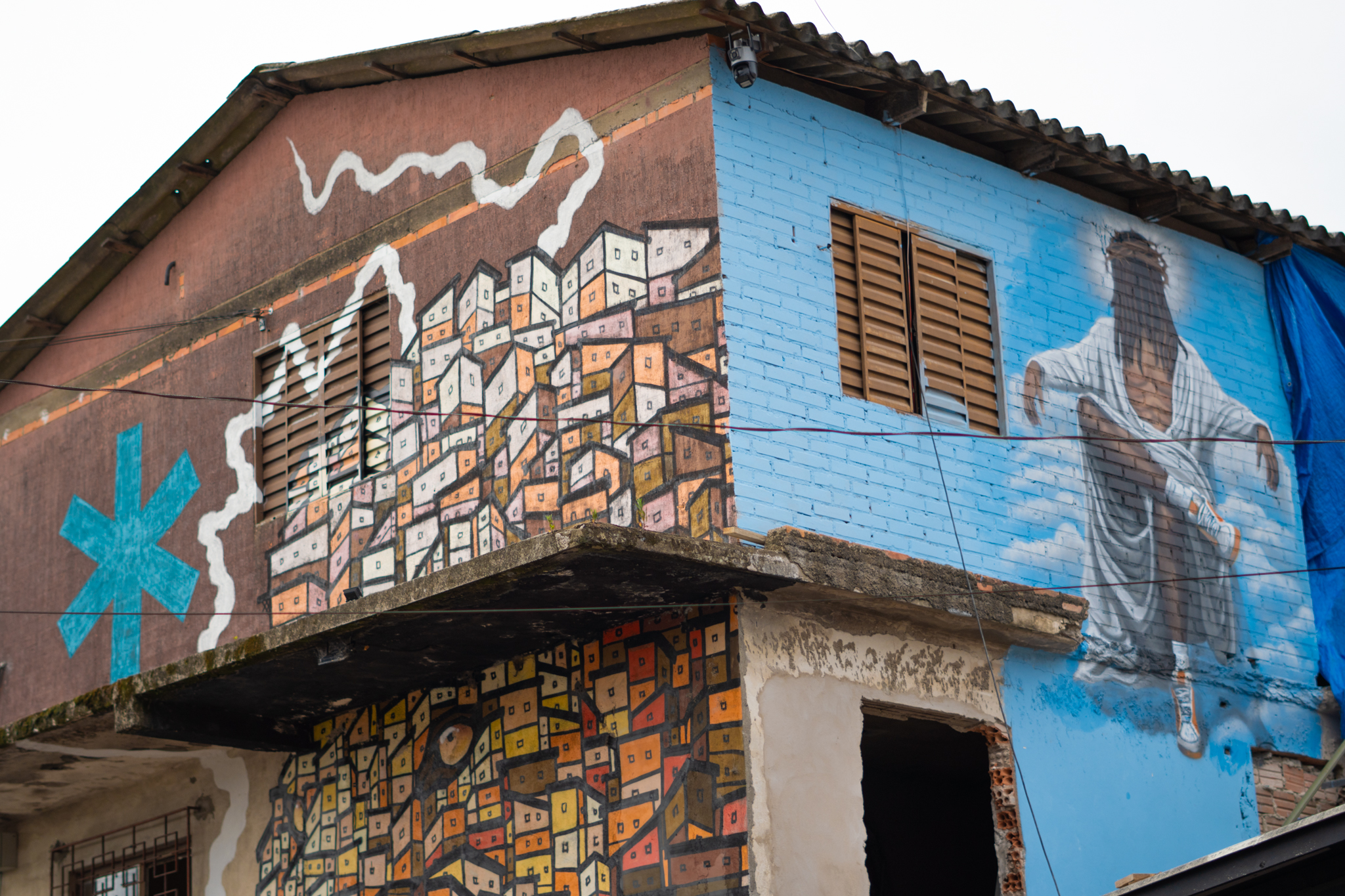
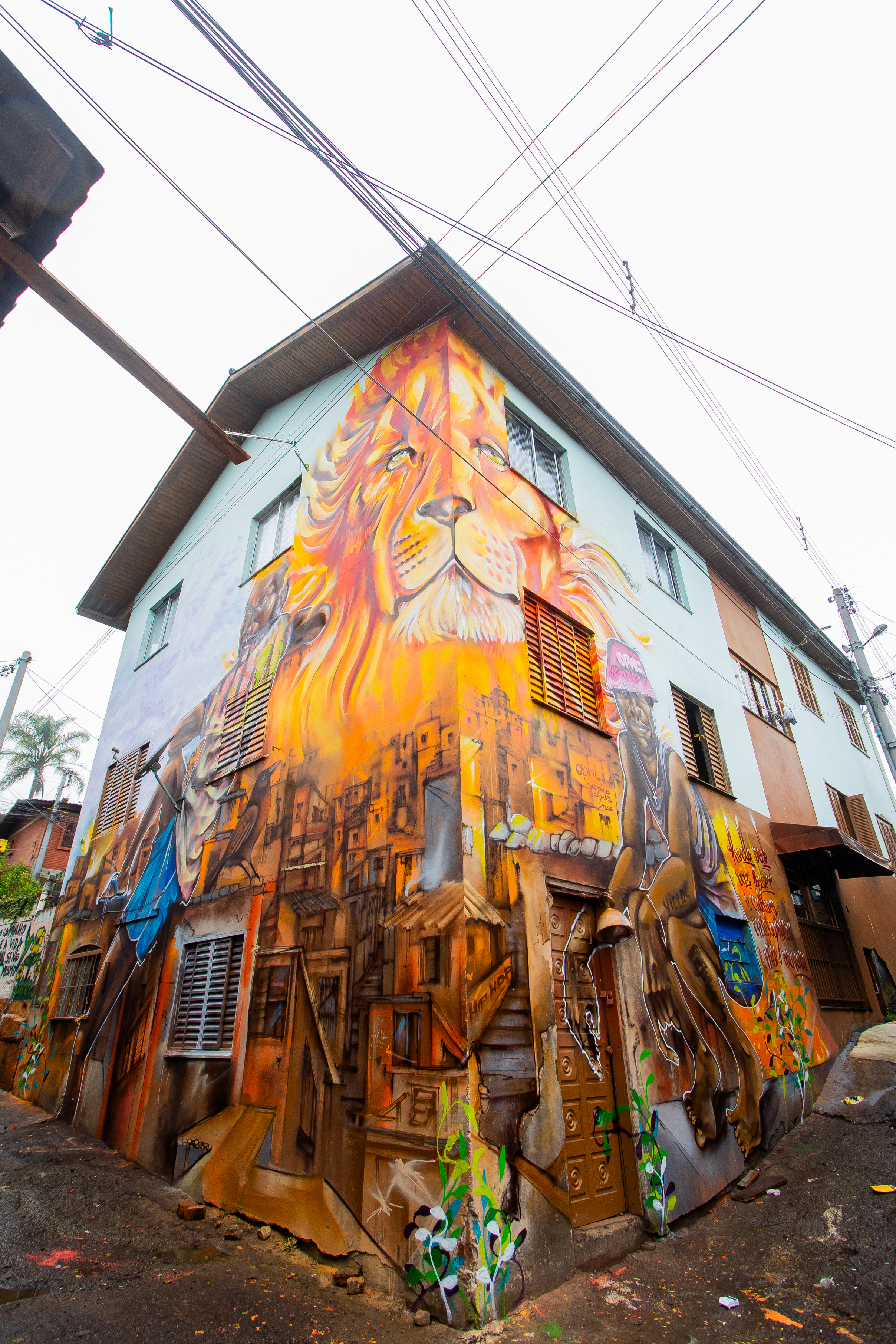
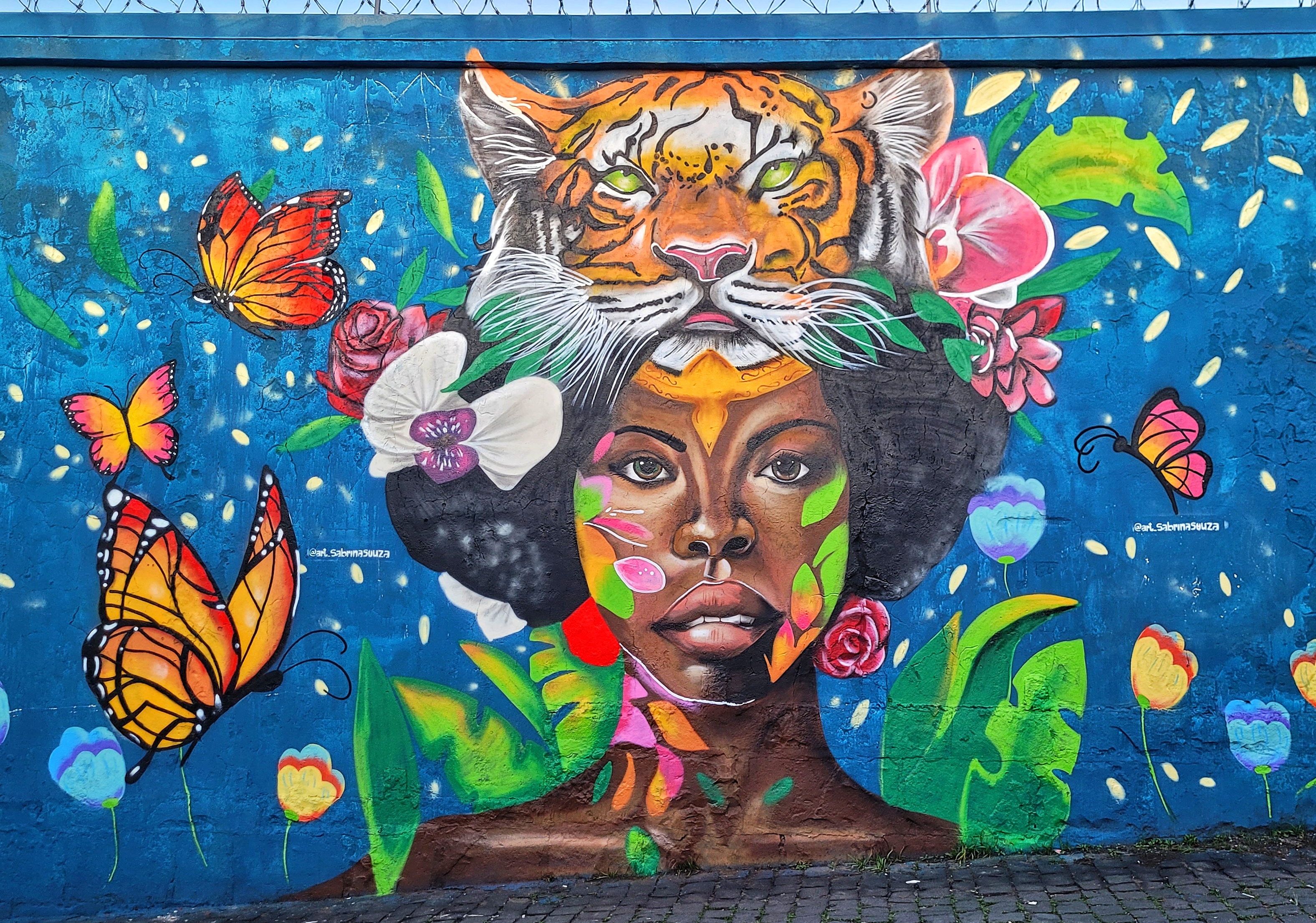
The Regina Rodrigues Machado Art Museum (MARM) is a community-driven cultural initiative located in the Euzébio Beltrão de Queiroz favela, in Caxias do Sul, southern Brazil. Conceived as a territorial museum, registered with the Brazilian Institute of Museums (Ibram), it transforms the neighborhood into an open-air exhibition space, featuring a collection of 72 murals created on residential facades and public walls by local and invited artists.
It is based on the recognition of the favela as a space of knowledge production, memory, and cultural expression. By integrating art into everyday life, the museum redefines the territory, shifting its perception from a marginalized area to a site of cultural relevance and creativity.
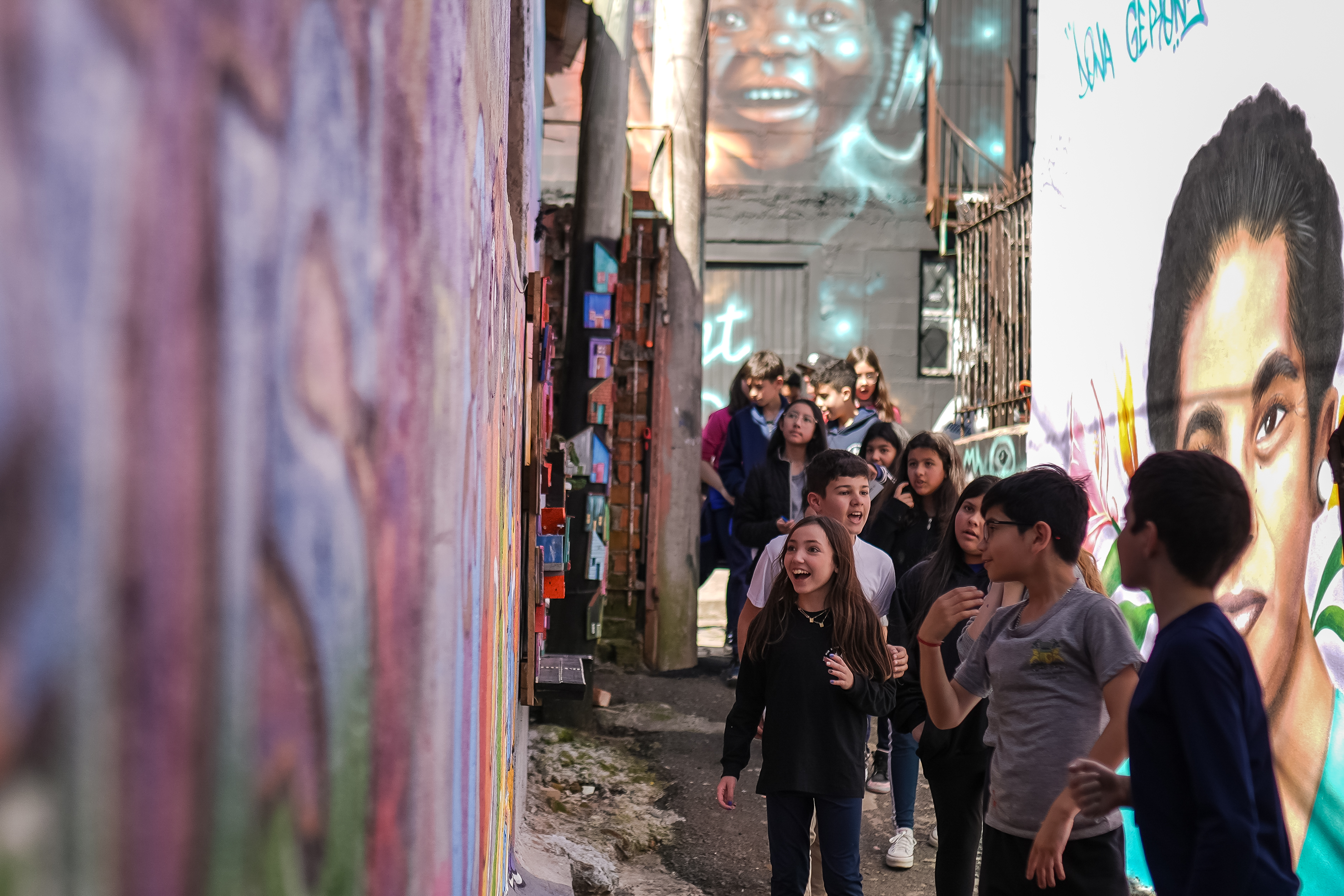
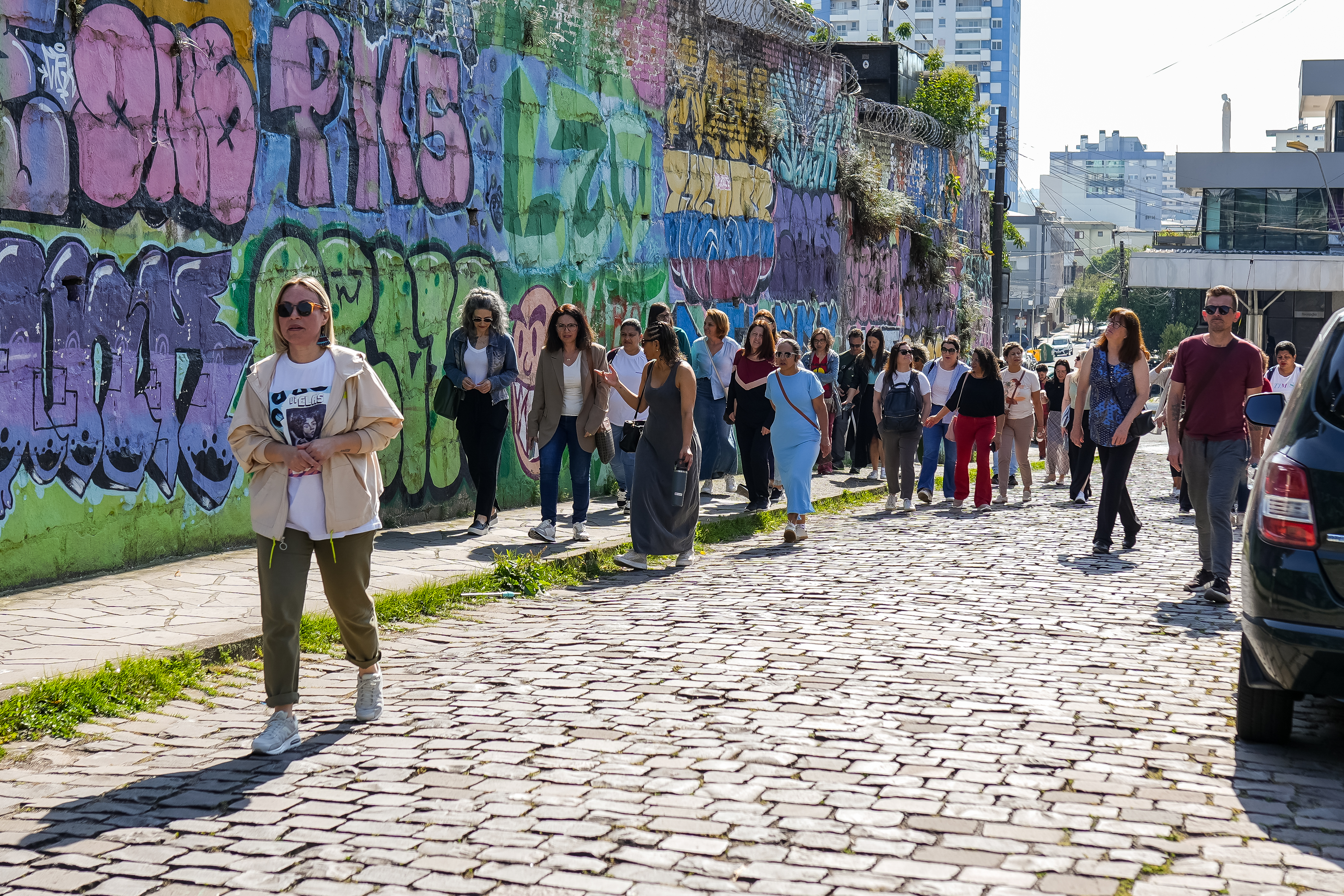
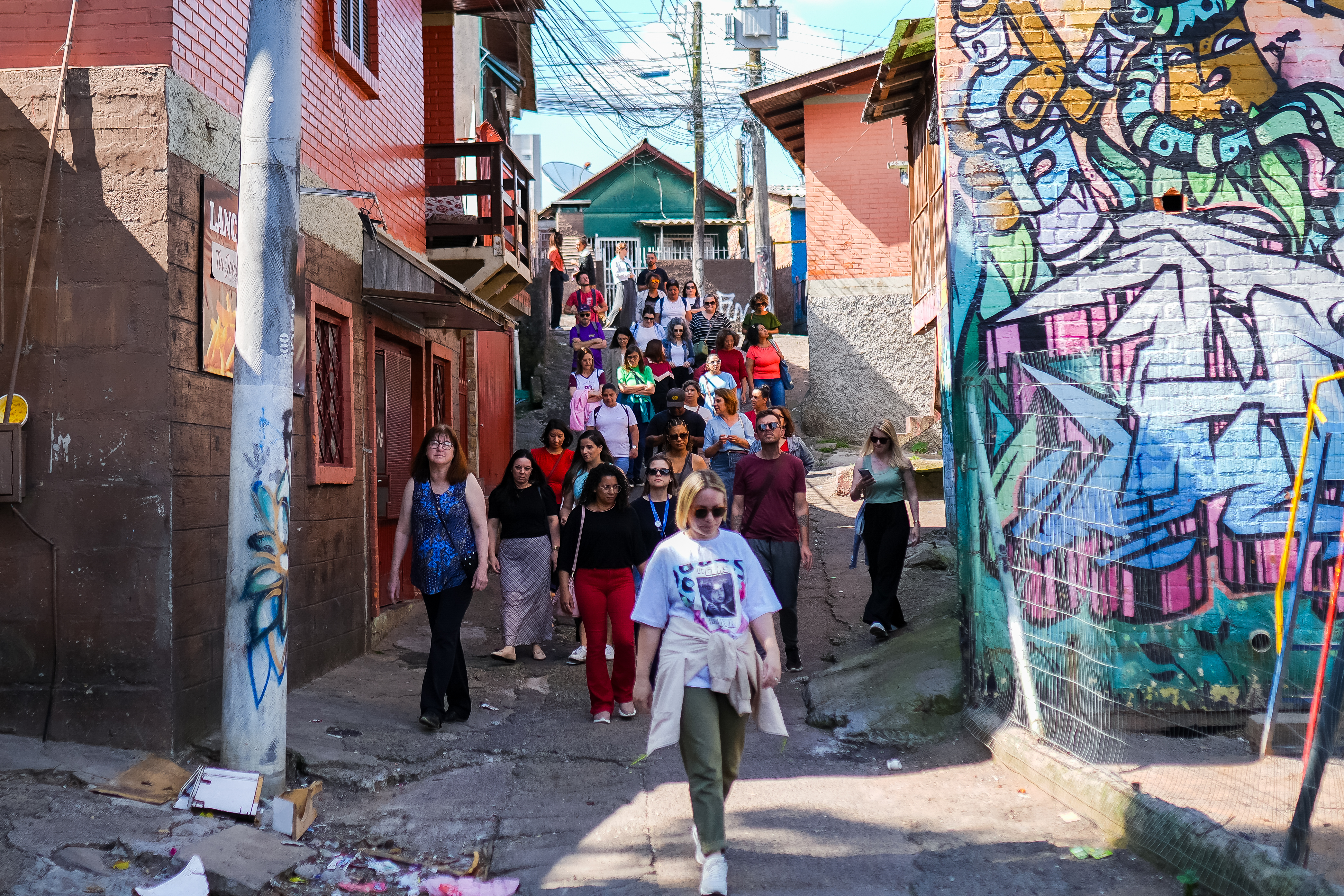
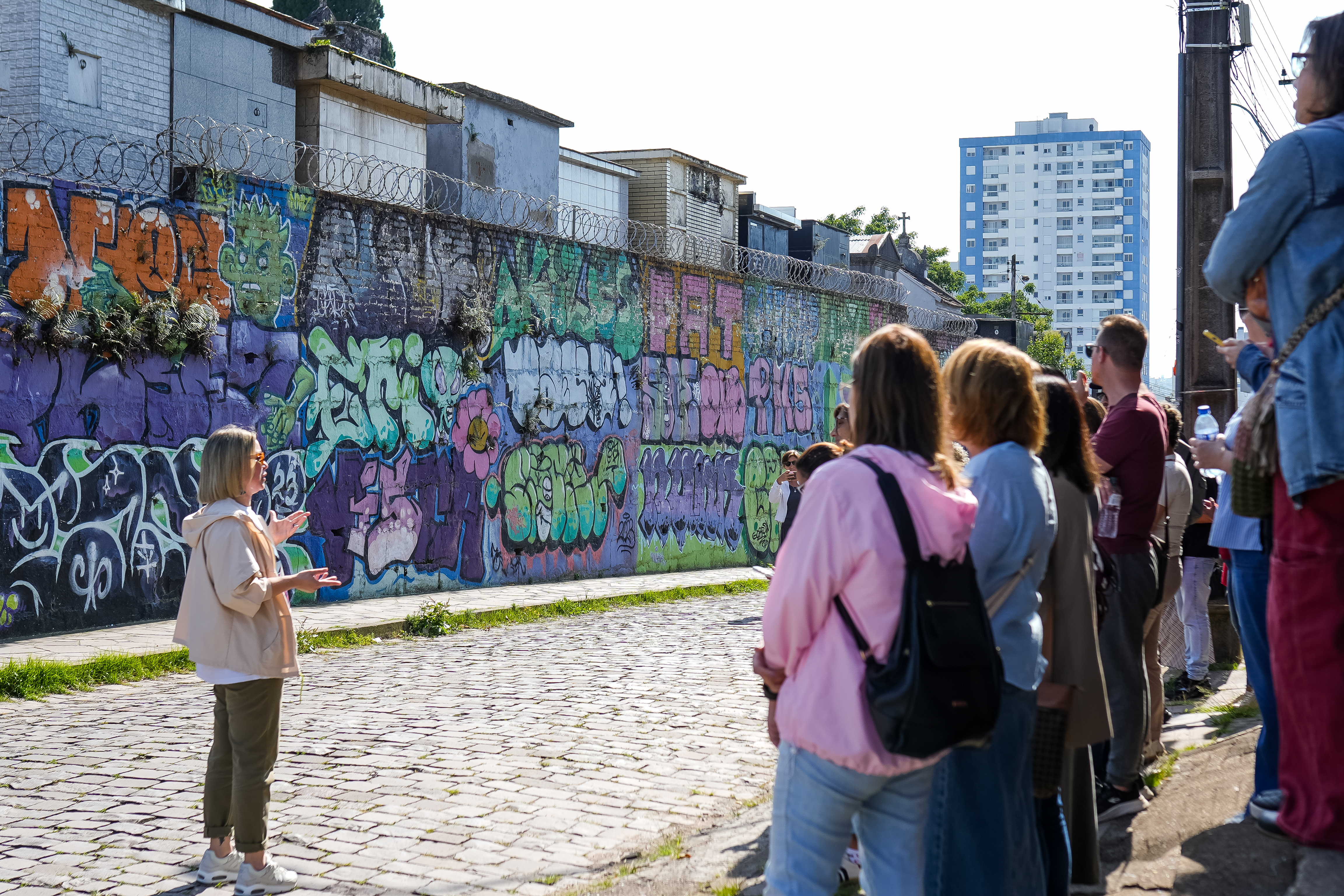
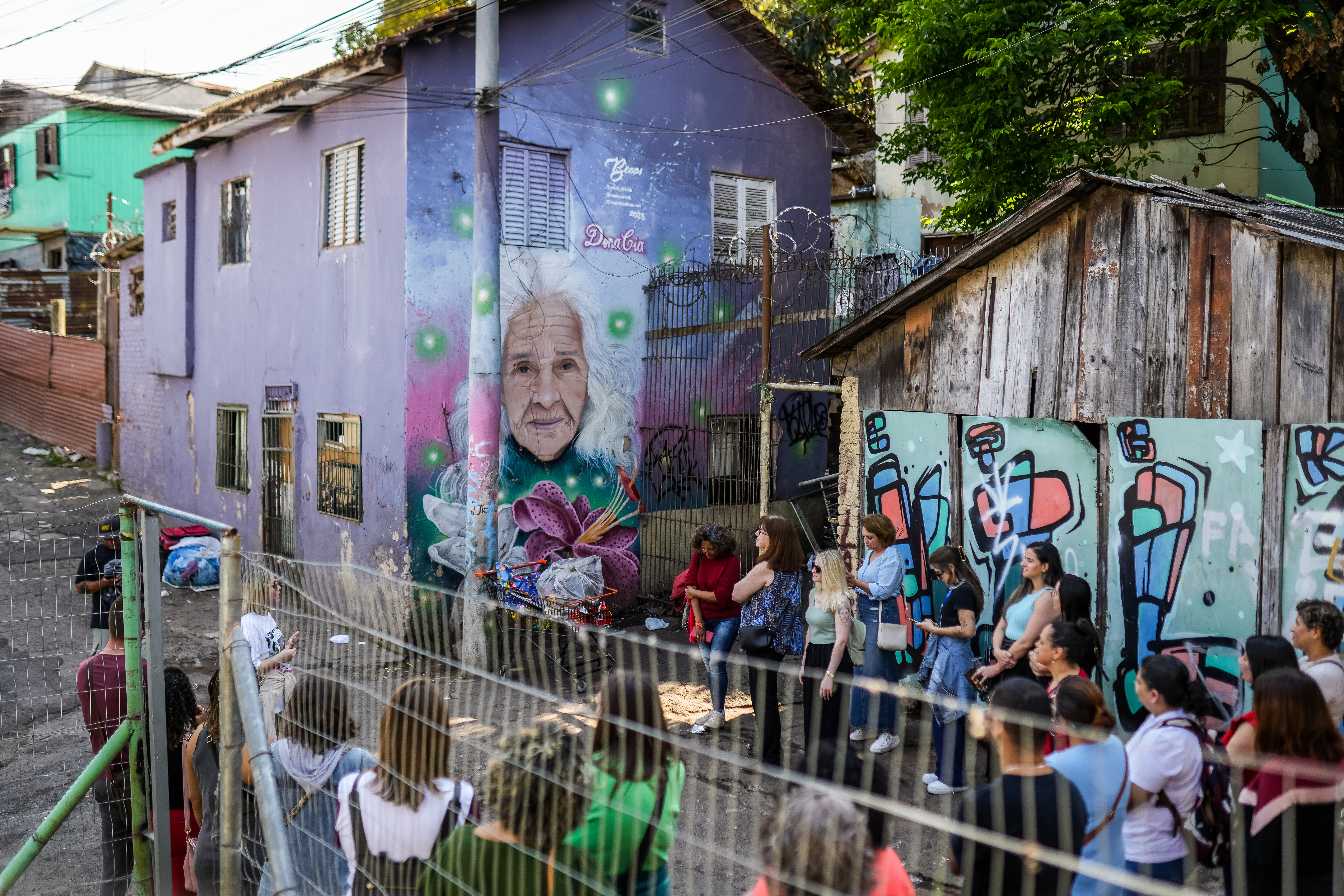
One of its main actions is the Graffitour, an educational mediation activity that promotes guided visits through the murals. This initiative has already engaged diverse audiences, including students, researchers, cultural agents, professionals in the fields of Architecture, Urban Planning, Psychology, Education, Visual Arts, among others, and visitors, fostering dialogue on social memory, urban identity and the role of art in addressing inequality. Graffitour was one of the winners of 2025 Rodrigo Melo Franco de Andrade Award, an initiative of the National Institute of Historical and Artistic Heritage (Iphan).
It has achieved significant results, including the consolidation of a living and accessible art collection, the strengthening of local identity, and the increased visibility of the community in cultural and institutional national circuits. In the long term, generates sustainable social impact by empowering local actors, encouraging cultural participation, and offering a replicable model of low-cost, high-impact cultural infrastructure. Its approach demonstrates how art, when rooted in community practices, can foster inclusion, resilience, and more equitable urban narratives.
TThe Regina Rodrigues Machado Art Museum (MARM) is a community-driven cultural initiative located in the Euzébio Beltrão de Queiroz favela, in Caxias do Sul, southern Brazil. Conceived as a territorial museum, registered with the Brazilian Institute of Museums (Ibram), it transforms the neighborhood into an open-air exhibition space, featuring a collection of 72 murals created on residential facades and public walls by local and invited artists. It is based on the recognition of the favela as a space of knowledge production, memory, and cultural expression. By integrating art into everyday life, the museum redefines the territory, shifting its perception from a marginalized area to a site of cultural relevance and creativity.
One of its main actions is the Graffitour, an educational mediation activity that promotes guided visits through the murals. This initiative has already engaged diverse audiences, including students, researchers, cultural agents, professionals in the fields of Architecture, Urban Planning, Psychology, Education, Visual Arts, among others, and visitors, fostering dialogue on social memory, urban identity and the role of art in addressing inequality. Graffitour was one of the winners of the 2025 Rodrigo Melo Franco de Andrade Award, an initiative of the National Institute of Historical and Artistic Heritage (Iphan).
Together, they achieved significant results, including the consolidation of a living and accessible art collection, the strengthening of local identity, and the increased visibility of the community in cultural and institutional national circuits. In the long term, it generates sustainable social impact by empowering local actors, encouraging cultural participation and offering a replicable model of high-impact cultural infrastructure. Its approach demonstrates how art, when rooted in community practices, can foster inclusion, resilience, and more equitable urban narratives.
Community-based heritage governance
Social inclusion
Urban Arts for reducing inequalities
Sustainable Community
Decent Work and Economic Growth
The MARM addresses sustainability through an integrated approach that combines social, cultural, and economic dimensions. Rather than relying on resource-intensive infrastructure, the project is based on the reuse and re-signification of the existing urban fabric, transforming houses and public walls into cultural assets. This low-cost and low-impact model minimizes material consumption while maximizing social value.
Social sustainability is at the core of the initiative: by actively involving residents in the creation and maintenance of the museum, the project strengthens local capacities, fosters a sense of ownership, and promotes long-term community engagement. It contributes to reducing social inequalities by expanding access to culture and creating opportunities for participation in cultural life.
Culturally, the project supports the preservation and activation of living heritage, recognizes local knowledge, memories, and artistic expressions as fundamental resources for sustainable development, ensuring their transmission across generations. The museum thus operates as a platform for continuous cultural production, rather than a static repository. Economically, the initiative generates sustainable opportunities through cultural tourism and educational activities such as the Graffitour, supporting local actors and fostering micro-economies within the community.
Its recognition as a transformative social technology reinforces its exemplary character, demonstrating how sustainable solutions can emerge from community-based practices. By integrating environmental responsibility with social inclusion and cultural vitality, the project offers a replicable model for more sustainable and equitable urban futures.
The MARM redefines aesthetics by embedding artistic expression into the everyday life of the Euzébio Beltrão de Queiroz favela and transforming houses and public walls into a curated open-air gallery. The project brings beauty into daily routines, making art accessible, visible, and meaningful to residents and visitors alike.
The murals are not only visual interventions but also narrative devices that reflect local identities, memories, and aspirations. This approach challenges dominant aesthetic standards by valuing peripheral artistic languages and recognizing the favela as a space of creativity and cultural production, located in the center, not on the fringes of society, expanding the notion of beauty to include diversity, authenticity, and lived experience.
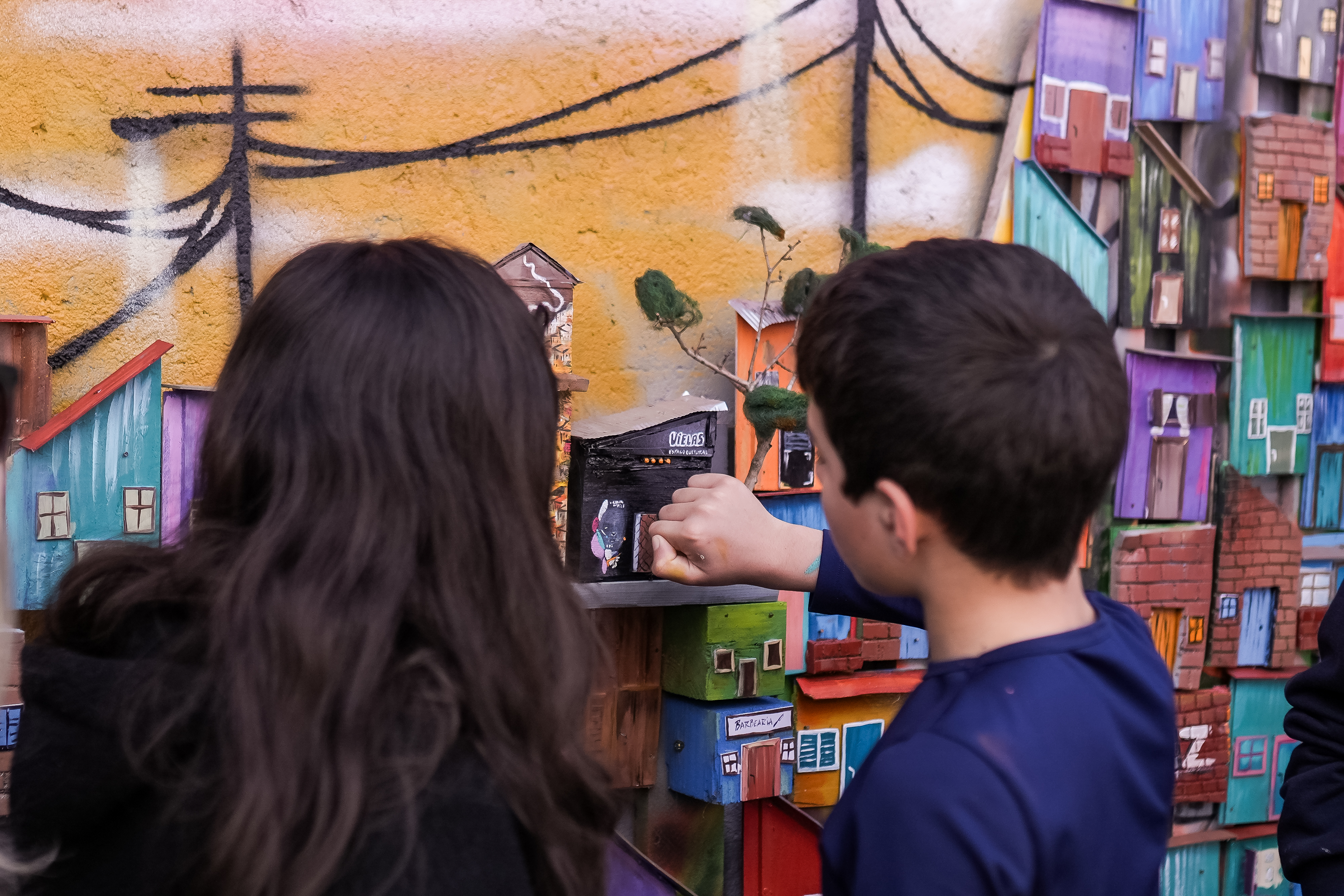
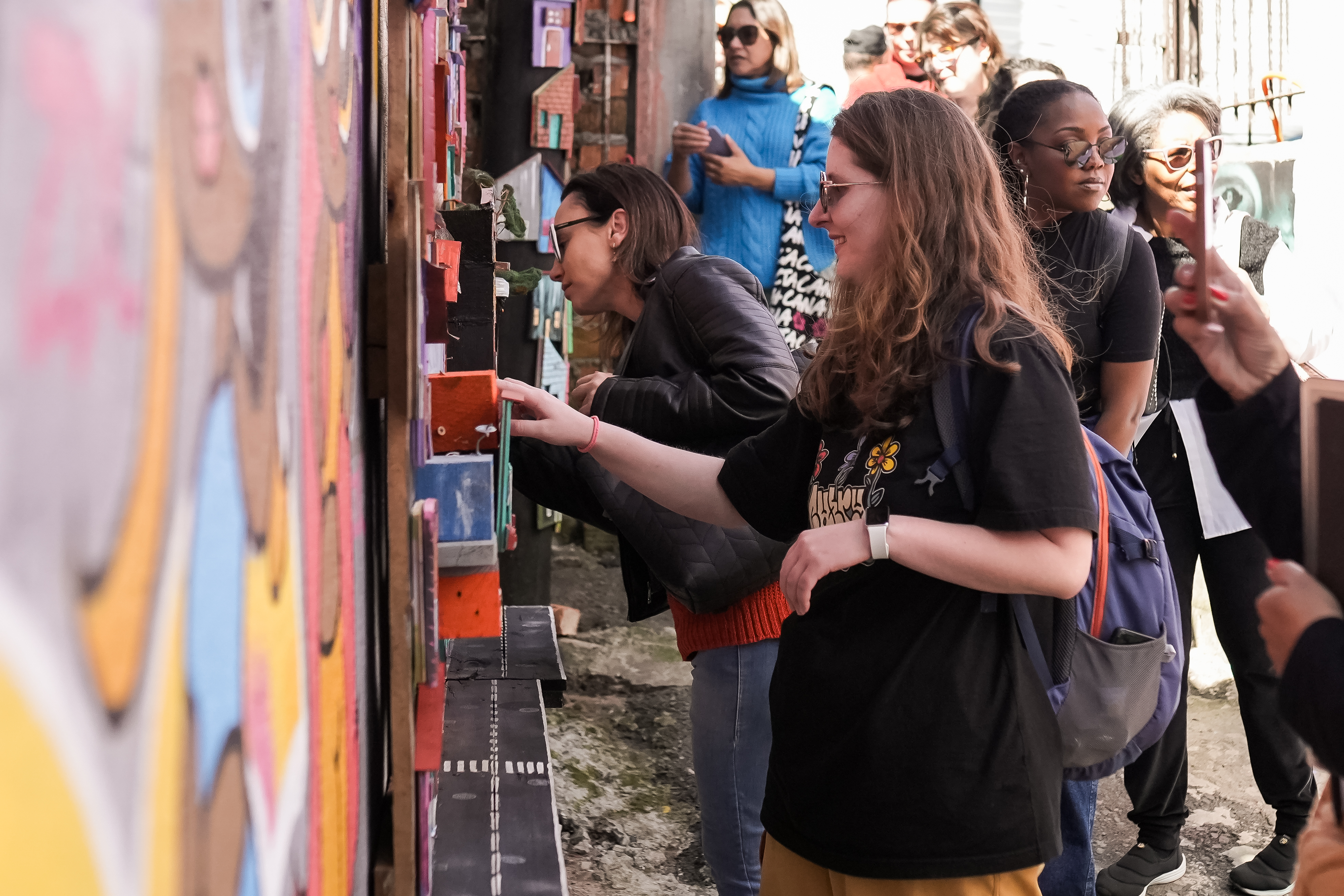
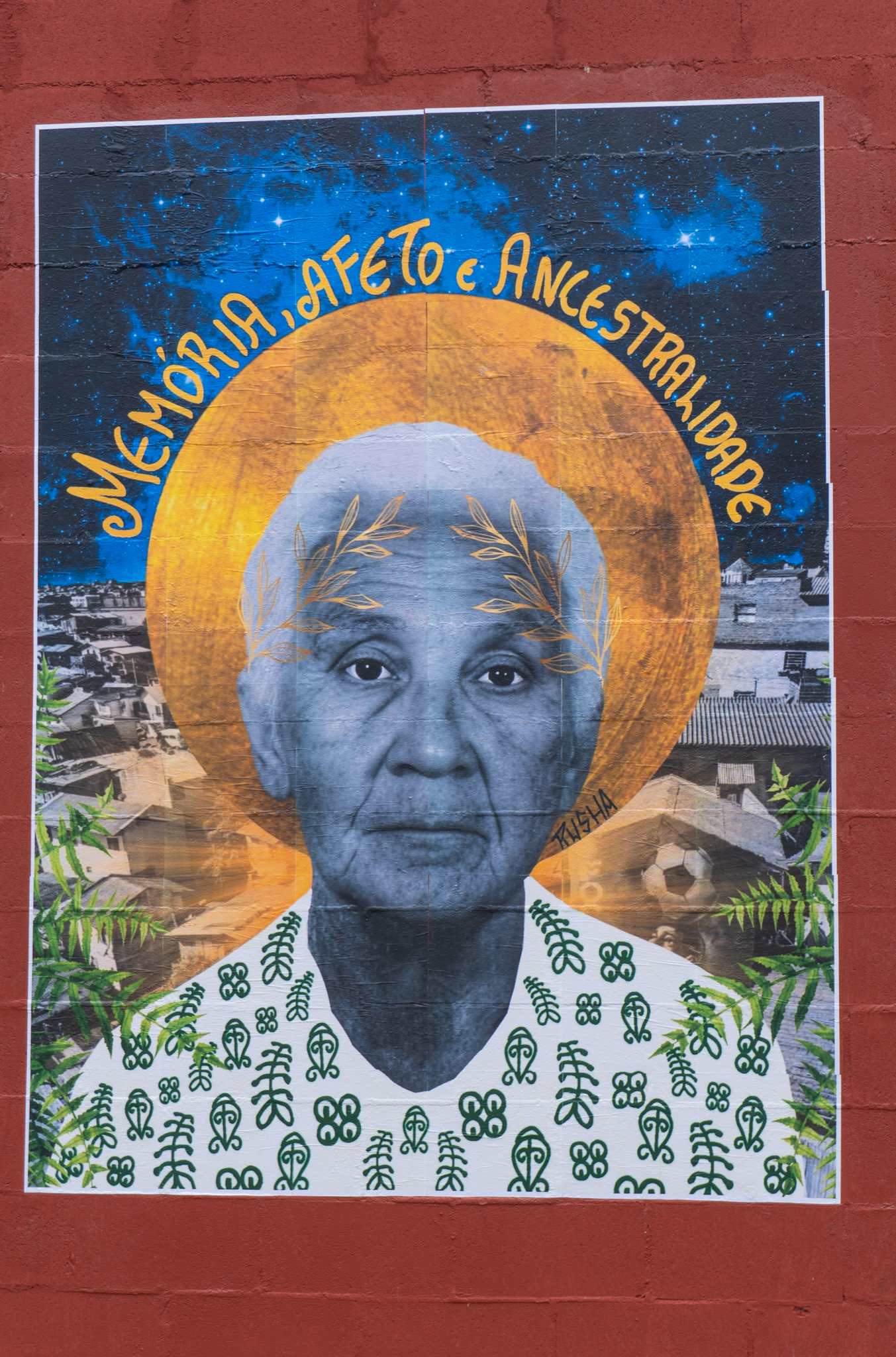
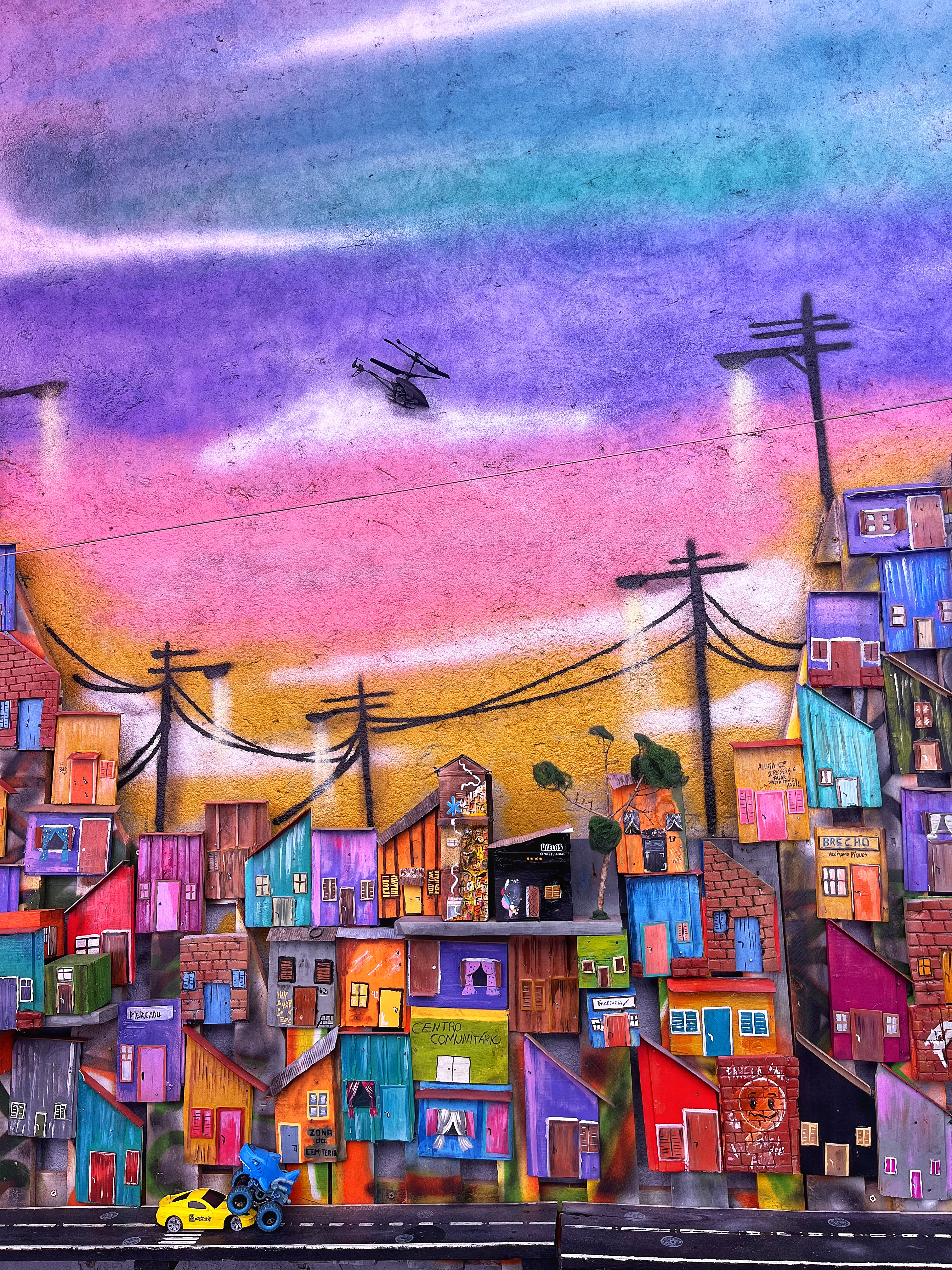
The presence of Urban Arts (3D art using recyclable materials, Graffiti, Wheatpaste posters, and Muralism) on daily bases contributes to improving the perception of the neighbourhood for residents, strengthening self-esteem, pride, and a sense of belonging, as their stories and identities are represented and celebrated in the public space. For its visitors, offering a new perspective, breaking stigmas and fostering connection.
The Graffitour enhances this experience by creating moments of encounter and reflection, where aesthetics becomes a tool for dialogue and social awareness. It also create a place of learning in non-school settings and encourages care for the place, as residents actively participate in preserving the artworks and maintaining the environment.
In the long term, the museum consolidates an aesthetic transformation that goes beyond visual improvement, fostering emotional attachment, collective identity, and a shared responsibility for the territory. Its exemplary character lies in demonstrating how beauty, when rooted in community narratives, can generate dignity, belonging, more inclusive urban imaginaries and the reinterpretation of local memory and official history.
The project promotes inclusion by ensuring cultural fruition and broad access to cultural production and representation in a historically marginalized urban context. Located in a Brazilian favela, the project directly addresses structural inequalities by bringing cultural infrastructure into a territory that has traditionally been excluded from formal cultural systems as well.
Accessibility is embedded in its open-air and decentralized model, by using houses and public walls as exhibition spaces, eliminating physical and economic barriers commonly associated with cultural institutions. Access to the artworks is free and integrated into everyday life, allowing residents and visitors to engage with the project without restrictions.
Affordability is further reinforced through free or accessible educational activities, such as the Graffitour and art workshops, which welcomes diverse audiences, including public school students, researchers, and community groups. Partnerships with public schools and universities expand access to knowledge and strengthen inclusive learning environments.
The project is grounded in participatory governance: residents are not only beneficiaries but active agents in decision-making processes, from hosting murals to shaping narratives and maintaining the artworks. This approach fosters co-responsibility, empowerment, and long-term engagement. By valuing local voices and recognizing peripheral cultural expressions as heritage, the project contributes to more inclusive cultural narratives and challenges dominant structures of representation. It also promotes new societal models based on collaboration, shared ownership, and community-led cultural production.
Its character lies in demonstrating how inclusive practices can be embedded in all stages of a project (design, implementation, and sustainability), offering a replicable model for equitable and participatory cultural development.
Participation is a foundational principle of the MARM, shaping all stages of the project—from conception to implementation and long-term sustainability. The initiative was developed through continuous dialogue with residents of the Euzébio Beltrão de Queiroz favela, who identified the need to recognize and communicate their own cultural narratives. It has its own catalog of the murals that constitute it, which also presents a brief historical of the territory and its patron, resident Regina Rodrigues Machado, a way of valuing her daily struggle in social assistance and community engagement within the community she embraced. A Black woman from the periphery, who gains visibility in public history.
Because it lacked a formal staff, volunteer support was crucial in ensuring the continuity of its activities: local artists, collectives, and NGOs, as well as public historical preservation institutions, contributed to and strengthened the community's social development. These included: Projeto Favelar, Coletivo Meio, Terra Coletiva, Arquivo Histórico Municipal João Spadari Adami, SESC Caxias do Sul, Conselho da Comunidade Negra de Caxias do Sul (COMUNE), SENAC Caxias do Sul, Núcleo QuERER/SMED. It also carried out collaborative actions with the Mothers' Club, the Service for Strengthening Bonds for Children and Youth, and the Residents' Association in the neighborhood.
The Graffitour further enhances participatory dynamics by fostering dialogue between residents and visitors, sharing their perspectives and engaging in meaningful exchanges about territory, memory, and social inequalities. The project impact is evident in the strong sense of ownership and belonging generated within the community. It has empowered local actors and ensured the long-term sustainability of the project. By positioning citizens not as passive beneficiaries but as co-creators and decision-makers, the project exemplifies inclusive and democratic cultural governance.
The Regina Rodrigues Machado Art Museum is grounded in a multilevel governance approach that connects local actors with regional and national institutional networks, ensuring both community ownership and wider recognition.
At the local level, residents of the Euzébio Beltrão de Queiroz favela are central stakeholders, actively involved in hosting murals, shaping narratives, and maintaining the artworks. Local artists and VIELAS Espaço cultural coordinate the project’s implementation, ensuring that decisions remain rooted in local knowledge and priorities. At the regional level, partnerships with public schools and universities play a key role in the educational dimension of the project, contributing through research, extension activities, and student engagement, strengthening knowledge exchange and expanding the project’s reach.
At the national level, the project has gained institutional recognition, notably through its certification as a transformative social technology by the Fundação Banco do Brasil and as a 2025 Rodrigo Melo Franco de Andrade Winner. This acknowledgment reinforces its credibility and supports its dissemination as a reference model for socially engaged cultural practices across the country.
The project also engages with broader cultural and academic networks, contributing to international debates on community-based heritage, urban inclusion, and participatory cultural governance. While rooted in a specific territory, its methodology and impact resonate with global challenges and policy agendas. The added value of this multilevel governance structure lies in its ability to combine bottom-up participation with institutional support and knowledge exchange. This articulation enhances the project’s sustainability, visibility, and replicability, demonstrating how locally driven initiatives can inform and influence broader cultural and policy frameworks.
The project combines diverse fields of knowledge in both its design and implementation and operates at the intersection of Urban Arts, social sciences, education, urban studies and cultural heritage, creating an integrated approach to community-based cultural development.
Art is the central medium, using 3D Art, Graffiti, Wheatpaste Art and Muralism as tools for aesthetic transformation and storytelling. The project draws on social sciences to understand the dynamics of the favela, addressing issues such as inequality, identity, and collective memory. This perspective informs the curatorial approach, ensuring that the artworks reflect lived experiences and social contexts.
The initiative is also strongly connected to the field of cultural heritage, particularly through the recognition of living and community-based heritage practices. It expands traditional heritage frameworks by incorporating intangible elements such as oral histories, local knowledge, and everyday experiences.
Education plays a key role through the development of the Graffitour and partnerships with public schools and universities. These collaborations foster knowledge exchange, research, and critical learning processes, bridging academic and community perspectives. Urban studies and spatial practices are reflected in the transformation of the neighbourhood into an open-air museum, rethinking the use of public and private space as cultural infrastructure. The project also engages with design principles by integrating visual language, spatial experience, and community participation.
This transdisciplinary approach enables the project to address complex challenges in a holistic way, generating innovative solutions that are socially grounded and culturally meaningful. Its exemplary character lies in demonstrating how the integration of multiple knowledge fields and the establishment of a Culture of Peace can produce more inclusive, resilient, and context-sensitive cultural practices.
The Regina Rodrigues Machado Art Museum operates through a community-oriented business model that combines diversified funding sources, originated from cultural projects approved through calls for proposals under Cultural Incentive Laws and Social Funds, with community implementation, ensuring long-term sustainability while preserving its social mission. Its sponsor, VIELAS Espaço cultural, is based on a cost-efficient structure, which uses its territory as a base and its own headquarters as a point of reference. By using existing urban surfaces as exhibition space, operational costs are reduced, allowing resources to be directed towards artistic production, educational activities and community engagement.
Revenue-generating activities like Graffitour, which offers guided visits to diverse audiences such as tourists, educational groups, researchers and cultural institutions, contributing to the project’s financial sustainability while also creating opportunities for local income generation. Public funding plays a key role, particularly through cultural grants and partnerships with public institutions that support specific actions such as local memory and educational programs. In addition, the project benefits from collaborations with universities and schools, which contribute through institutional support, research and extension initiatives.
Mobilizes support through partnerships with local artists and civil society organisations, reinforcing a network-based model of resource sharing. Its recognition as a public utility entity by Municipal Legislation, as a Cultural Center by the Federal Government and as a certified transformative social technology strengthens its ability to attract funding and replicate its methodology in other contexts.
The combination of diversified income streams and strong community engagement demonstrates how cultural and community initiatives can balance financial viability with social impact.
The project presents a high potential for transferability due to its community-driven methodology, based on processes that can be adapted to diverse social, cultural, and urban contexts. Between 2023-2025, 985 people participated in Graffitour. To improve its services, it seeks to train its agents to act as cultural mediators, capable of establishing a dialogue between heritage and the public, promoting the appreciation and appropriation of heritage by different social groups. It establishes partnerships with other memory spaces and cultural institutions, promoting the exchange of experiences and the creation of joint projects that broaden the reach of heritage education.
One of its most replicable elements is redefining the notion of cultural infrastructure by using existing urban spaces (such as houses and public walls) as platforms for artistic and heritage expression. The participatory methodology is another valuable key: the active involvement of residents in hosting artworks, shaping narratives and maintaining the project ensures local ownership and relevance. This co-creation model can be adapted to different communities, fostering inclusive governance and long-term sustainability.
The integration of Urban Arts, education and cultural heritage offers a replicable tool for mediation and engagement, implemented in collaboration with schools, universities and local organisations, promoting learning, critical reflection and cultural exchange. The project’s recognition as a transformative social technology contributes to its adaptation in other territories, providing a framework that can inspire public policies and community-based initiatives.
Its scalability lies in its capacity to be reinterpreted and reproduced across different geographies and sectors, including culture, education, urban development and social innovation. By offering a model that is adaptable, the project demonstrates strong potential to generate impact beyond its original context.