Circular Sustainable Resonance - CSR
CSR Alta Sabina Green Community. Tuning the future to the beat of the world
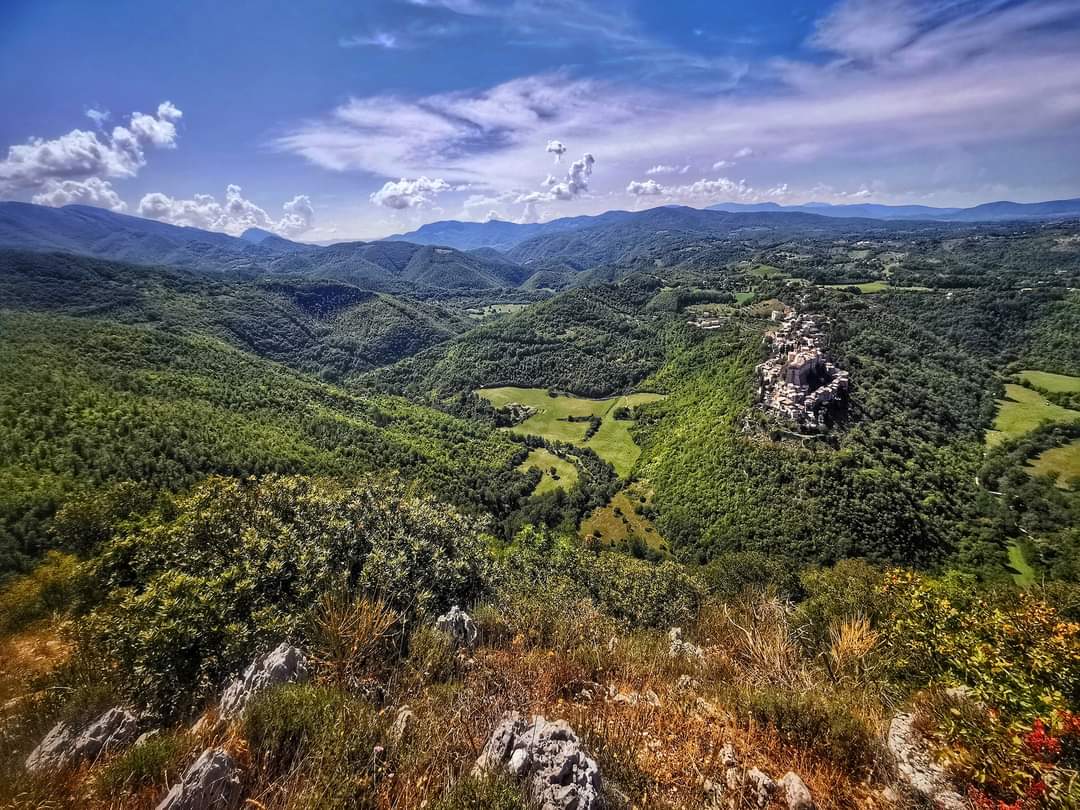
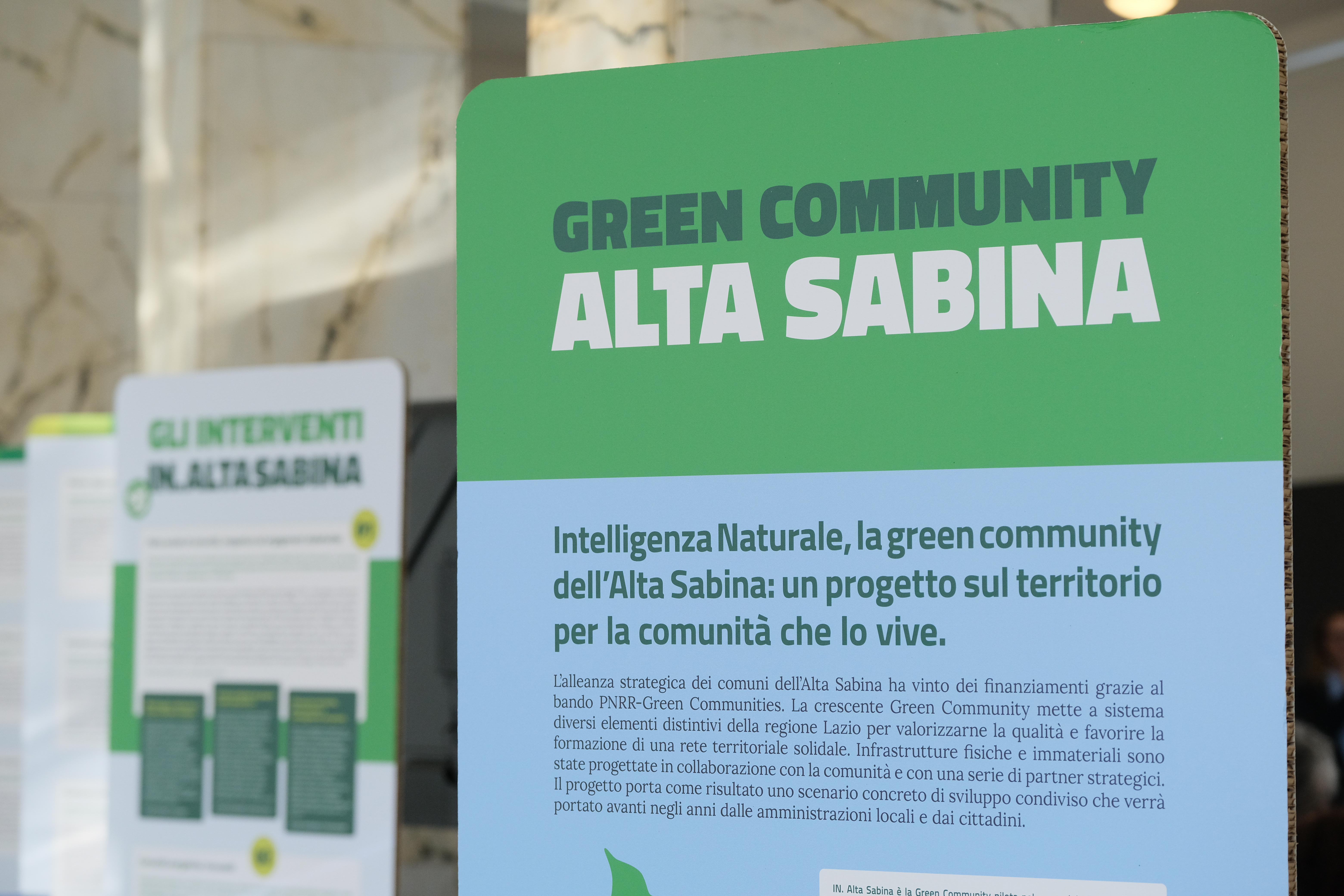
CSR Alta Sabina is a forward-thinking Green Community that unites 10 Lazio municipalities in a project to regenerate using "Natural Intelligence". By securing NextGenerationEU funds, it is blending local practices and knowledge with civic technologies. Residents act as active "prosumers", co-producing ecological services via the Social Community Pact and a blockchain-based digital wallet. Together, we are building a circular future where innovation resonates with nature to reverse depopulation.
Italy
Comune di Rocca Sinibalda (Leading Municipality of the Local Authorities' Alliance of Purpose)
Piazza della Vittoria, 15
02026 Rocca Sinibalda (RI), Italy
Piazza della Vittoria, 15
02026 Rocca Sinibalda (RI), Italy
Prototype level
Yes
Yes
Yes
Yes
Next Generation EU funding via the Italian PNRR
Mission 2, Component 1, Investment 3.2 Green Communities
No
57062: Rocca Sinibalda (IT)
CSR Alta Sabina is a pilot Green Community project involving ten municipalities in the Rieti province, Central Italy. Funded by the European Union’s NextGenerationEU, it aims to provide a systemic response to the twin crises of climate change and demographic decline. The project moves beyond traditional sectoral planning by addressing the deeper processes, values, and structures shaping the territory.
CSR Alta Sabina targets current residents as well as potential new inhabitants such as green job seekers and remote workers. Special attention is given to groups at risk of social exclusion, including the elderly (65+), youth (NEETs), women, and immigrants. Local entrepreneurs in agriculture, forestry, and tourism are also key participants.
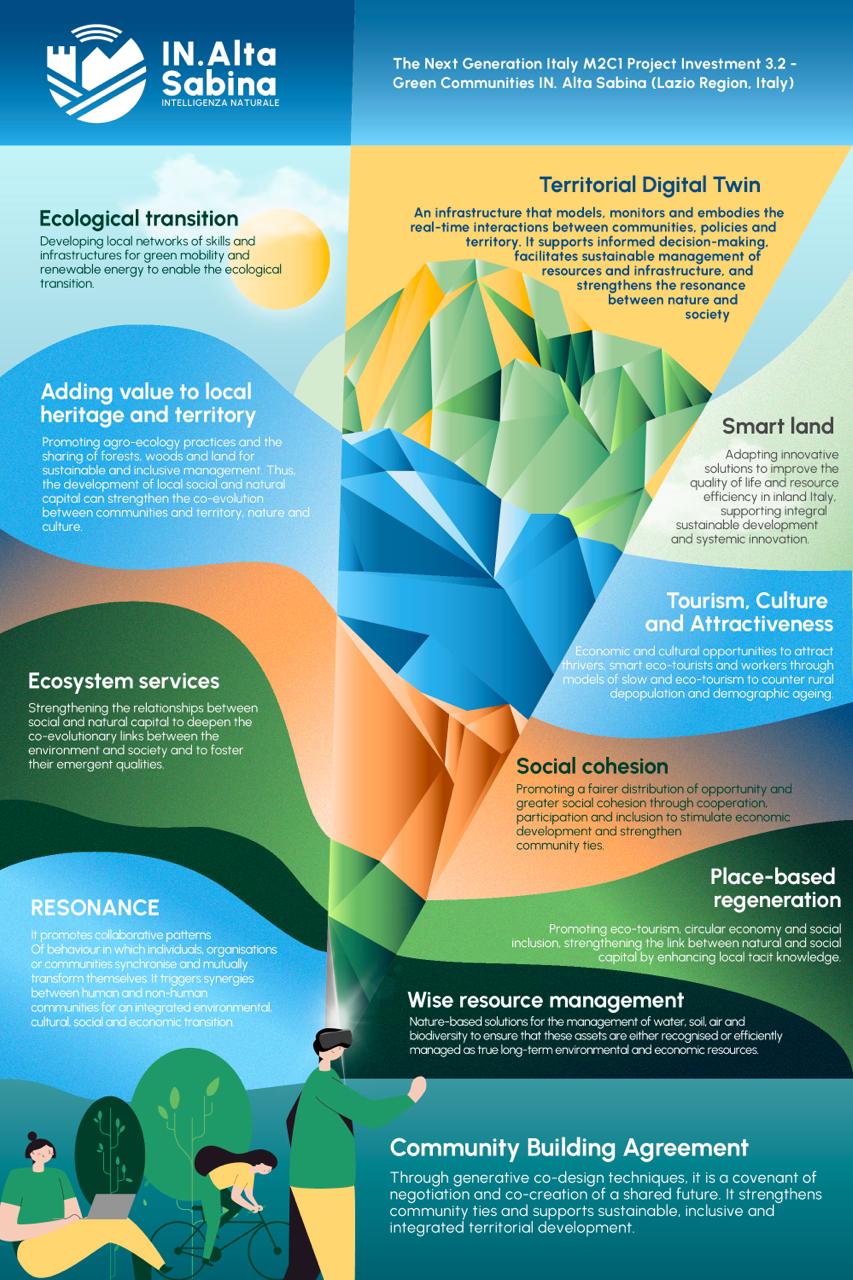
The project pursues several objectives. First, demographic revitalization, aiming to increase the resident population by 5% by 2035. Second, participatory governance, through a “Community Social Pact” that engages citizens as “prosumers” who co-produce ecosystem services and contribute to public policy. Third, ecological transition, seeking self-sustainability in water, air, and renewable energy cycles (biomass, hydro, solar) and mapping ecosystem services using the MAES methodology. Fourth, digital innovation, including the development of a territorial digital twin for predictive territorial planning and a civic blockchain using MAS (Alta Sabina non-monetary coin) tokens to support social collaboration.
Expected outcomes include transforming the area into a “Green & Smart Land” prototype that integrates a regenerative economy with local heritage. The project aims to expand green employment, develop a “Smart Destination” for sustainable and slow tourism, and establish a 10-year strategic roadmap through the Territorial Contract for Energy, Climate and Society (TCECS). Ultimately, CSR Alta Sabina seeks to strengthen community belonging and build long-term place-based trasformative resilience.
CSR Alta Sabina targets current residents as well as potential new inhabitants such as green job seekers and remote workers. Special attention is given to groups at risk of social exclusion, including the elderly (65+), youth (NEETs), women, and immigrants. Local entrepreneurs in agriculture, forestry, and tourism are also key participants.
The project pursues several objectives. First, demographic revitalization, aiming to increase the resident population by 5% by 2035. Second, participatory governance, through a “Community Social Pact” that engages citizens as “prosumers” who co-produce ecosystem services and contribute to public policy. Third, ecological transition, seeking self-sustainability in water, air, and renewable energy cycles (biomass, hydro, solar) and mapping ecosystem services using the MAES methodology. Fourth, digital innovation, including the development of a territorial digital twin for predictive territorial planning and a civic blockchain using MAS (Alta Sabina non-monetary coin) tokens to support social collaboration.
Expected outcomes include transforming the area into a “Green & Smart Land” prototype that integrates a regenerative economy with local heritage. The project aims to expand green employment, develop a “Smart Destination” for sustainable and slow tourism, and establish a 10-year strategic roadmap through the Territorial Contract for Energy, Climate and Society (TCECS). Ultimately, CSR Alta Sabina seeks to strengthen community belonging and build long-term place-based trasformative resilience.
Resonance
Natural intelligence
Digitalization
Circularity
Regeneration
The CSR Alta Sabina project addresses the twin crises of climate change and demographic decline through a systemic, place-based approach consistent with the New European Bauhaus (NEB) sustainability principle. The initiative promotes ecosystem regeneration, responsible resource use, and stronger relationships between communities and their natural environment.
The project integrates sustainability objectives across nine territorial intervention areas to achieve long-term self-organisation and sufficiency. Priorities include sustainable management of water, air, agriculture, forests, and natural heritage; the development of Solidarity Renewable Energy Community (CERS) based on biomass, micro-hydro, and solar energy; and the protection of biodiversity through integrated forest management that enhances carbon sequestration and prevents land abandonment. Circular economy practices are promoted within local value chains encouraging zero-waste production and sustainable agri-food systems.
Implementation relies on a combination of Nature-Based Solutions, digital innovation, and community engagement. Measures such as phytodepuration and rainwater harvesting aim to reduce water consumption in collective facilities by at least 30%. The project applies the MAES methodology to map ecosystem services and introduce Payment for Ecosystem Services (PES) schemes that reward local actors for environmental stewardship, including carbon farming and water protection. A territorial digital twin, supported by satellite data and IoT sensors, will enable real-time monitoring of environmental indicators and resource cycles.
CSR Alta Sabina is exemplary for its regenerative and participatory model. Citizens act as “prosumers,” actively contributing to environmental management and policy making.
The project integrates sustainability objectives across nine territorial intervention areas to achieve long-term self-organisation and sufficiency. Priorities include sustainable management of water, air, agriculture, forests, and natural heritage; the development of Solidarity Renewable Energy Community (CERS) based on biomass, micro-hydro, and solar energy; and the protection of biodiversity through integrated forest management that enhances carbon sequestration and prevents land abandonment. Circular economy practices are promoted within local value chains encouraging zero-waste production and sustainable agri-food systems.
Implementation relies on a combination of Nature-Based Solutions, digital innovation, and community engagement. Measures such as phytodepuration and rainwater harvesting aim to reduce water consumption in collective facilities by at least 30%. The project applies the MAES methodology to map ecosystem services and introduce Payment for Ecosystem Services (PES) schemes that reward local actors for environmental stewardship, including carbon farming and water protection. A territorial digital twin, supported by satellite data and IoT sensors, will enable real-time monitoring of environmental indicators and resource cycles.
CSR Alta Sabina is exemplary for its regenerative and participatory model. Citizens act as “prosumers,” actively contributing to environmental management and policy making.
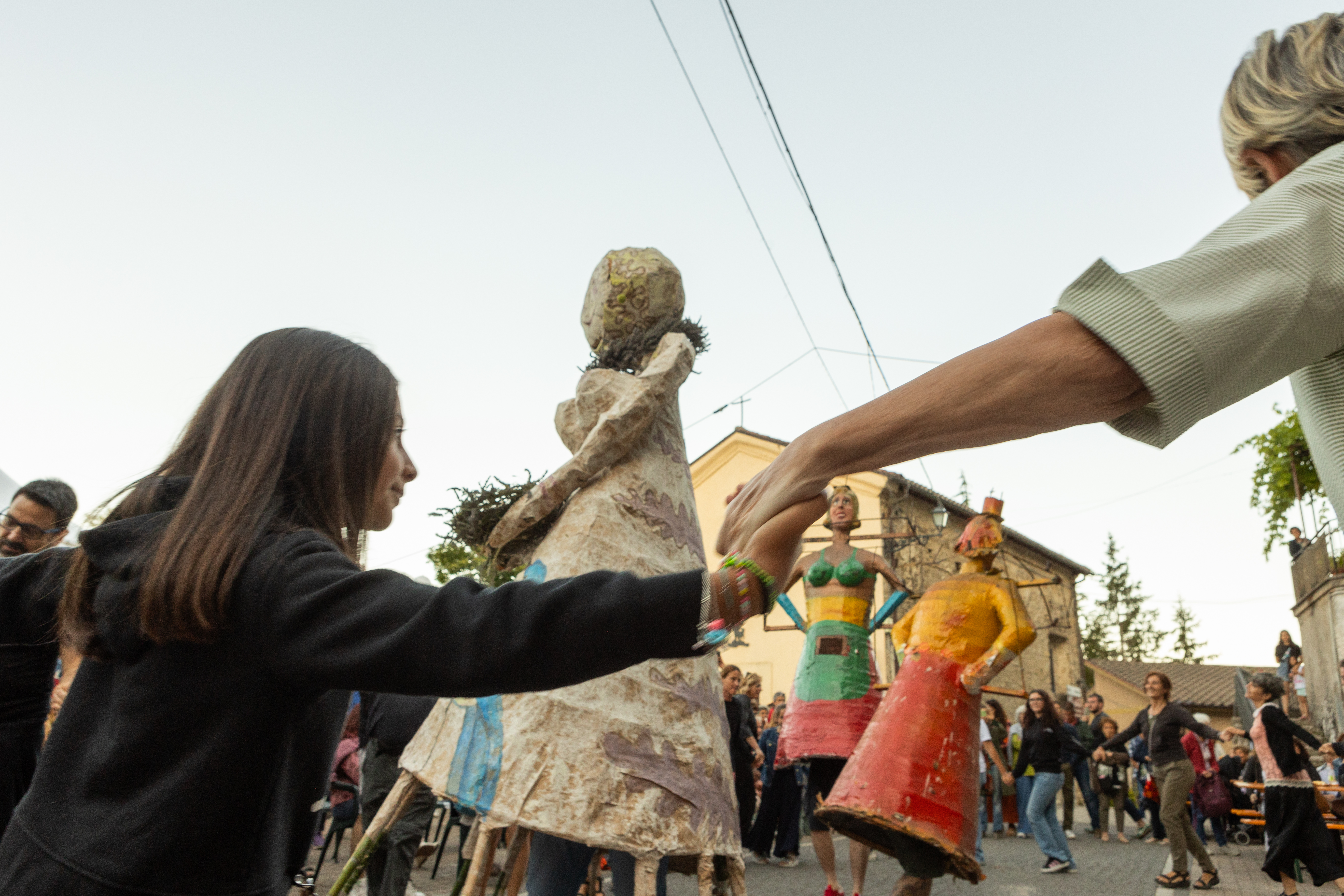
The CSR Alta Sabina project interprets the New European Bauhaus value of Aesthetics as a driver of well-being, cultural identity, and meaningful relationships between people, heritage, and nature. Rather than focusing only on visual quality, the project promotes a living landscape where beauty emerges from the interaction between ecological regeneration, cultural memory, and community engagement.
CSR Alta Sabina aims to transform the territory into a “Green & Smart Land” by reactivating historical and natural assets, such as Roman fountains, ancient washhouses, and archaeological landscapes, so they once again become part of everyday community life. Through shared storytelling and cultural initiatives, local communities collectively redefine the place-identity and their place-attachment, strengthening emotional connection to landscapes, traditions, and historic architecture.
Aesthetic quality is further enhanced through heritage restoration, sustainable design, and cultural activation. Projects such as the restoration of traditional infrastructures, the development of the Widespread archaeological park, and the transformation of the Ex-Church of Ss. Agapito and Giustino into the House of the Community Social Pact creates spaces for creativity, dialogue, and social cohesion. Architectural interventions follow bio-construction principles, using local materials to ensure harmony with the surrounding environment.
Digital tools also play a key role. Through the territorial digital twin and the work of rural mappers, residents and visitors contribute stories, images, and local tacit knowledge, turning the territory into a shared cultural narrative.
By combining heritage, landscape beauty, participatory culture, and regenerative design, CSR Alta Sabina demonstrates how aesthetics can become a strategic resource for territorial transformative resilience, tourism attractiveness, and renewed sense of belonging.
CSR Alta Sabina aims to transform the territory into a “Green & Smart Land” by reactivating historical and natural assets, such as Roman fountains, ancient washhouses, and archaeological landscapes, so they once again become part of everyday community life. Through shared storytelling and cultural initiatives, local communities collectively redefine the place-identity and their place-attachment, strengthening emotional connection to landscapes, traditions, and historic architecture.
Aesthetic quality is further enhanced through heritage restoration, sustainable design, and cultural activation. Projects such as the restoration of traditional infrastructures, the development of the Widespread archaeological park, and the transformation of the Ex-Church of Ss. Agapito and Giustino into the House of the Community Social Pact creates spaces for creativity, dialogue, and social cohesion. Architectural interventions follow bio-construction principles, using local materials to ensure harmony with the surrounding environment.
Digital tools also play a key role. Through the territorial digital twin and the work of rural mappers, residents and visitors contribute stories, images, and local tacit knowledge, turning the territory into a shared cultural narrative.
By combining heritage, landscape beauty, participatory culture, and regenerative design, CSR Alta Sabina demonstrates how aesthetics can become a strategic resource for territorial transformative resilience, tourism attractiveness, and renewed sense of belonging.
The CSR Alta Sabina project places inclusion at the core of its territorial transformation, in line with the New European Bauhaus value “Together.” The initiative aims to ensure equitable access to opportunities, resources, and decision-making processes while experimenting with new societal models that strengthen social cohesion in rural and marginal areas.
A key priority is accessibility and affordability. The project addresses the digital divide affecting elderly residents (65+) by providing digital literacy and media skills training to 240 participants, enabling them to actively engage in civic technologies and territorial planning processes. At the same time, a civic economy model based on the MAS token system allows residents to exchange services (such as shared mobility or community support) through a blockchain wallet, creating non-monetary forms of value that support vulnerable groups and improve access to local services.
CSR Alta Sabina also promotes inclusive governance through the Community Social Pact, a community-led development framework that directly involves citizens in shaping public policies and managing local resources. Governance structures engage diverse stakeholders-including municipalities, youth (NEETs), women, immigrants, and local entrepreneurs—ensuring that ecological and energy transitions are socially co-designed and widely supported.
The project further explores new living and working models to revitalize the territory. Initiatives such as rural co-housing, forest and garden sharing, and collaborative management of heritage assets provide inclusive access to housing, work opportunities, and community life for both residents and new inhabitants, including remote workers and green job seekers.
The Territorial Contract therefore acts as a prototype for regenerative and inclusive rural development, demonstrating how marginal areas can transform demographic decline into opportunities for shared well-being and community resilience.
A key priority is accessibility and affordability. The project addresses the digital divide affecting elderly residents (65+) by providing digital literacy and media skills training to 240 participants, enabling them to actively engage in civic technologies and territorial planning processes. At the same time, a civic economy model based on the MAS token system allows residents to exchange services (such as shared mobility or community support) through a blockchain wallet, creating non-monetary forms of value that support vulnerable groups and improve access to local services.
CSR Alta Sabina also promotes inclusive governance through the Community Social Pact, a community-led development framework that directly involves citizens in shaping public policies and managing local resources. Governance structures engage diverse stakeholders-including municipalities, youth (NEETs), women, immigrants, and local entrepreneurs—ensuring that ecological and energy transitions are socially co-designed and widely supported.
The project further explores new living and working models to revitalize the territory. Initiatives such as rural co-housing, forest and garden sharing, and collaborative management of heritage assets provide inclusive access to housing, work opportunities, and community life for both residents and new inhabitants, including remote workers and green job seekers.
The Territorial Contract therefore acts as a prototype for regenerative and inclusive rural development, demonstrating how marginal areas can transform demographic decline into opportunities for shared well-being and community resilience.
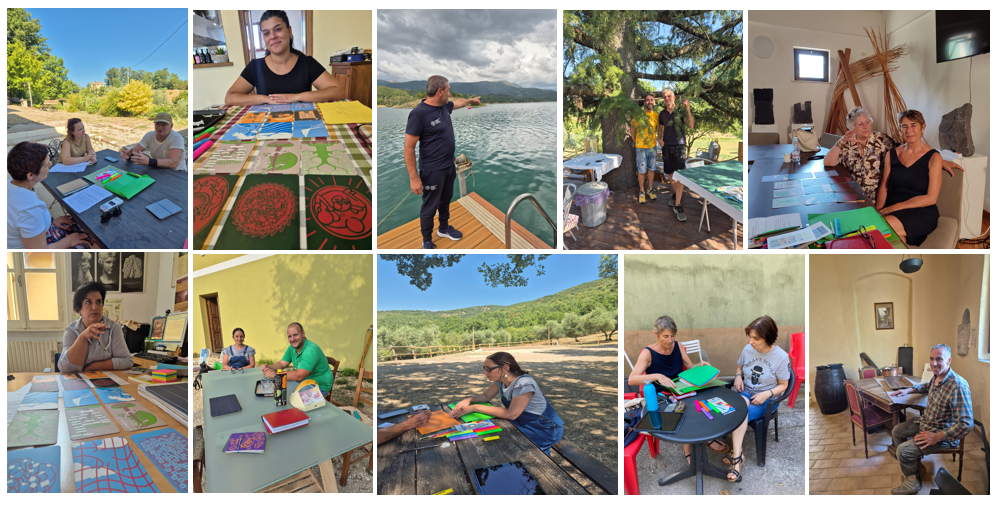
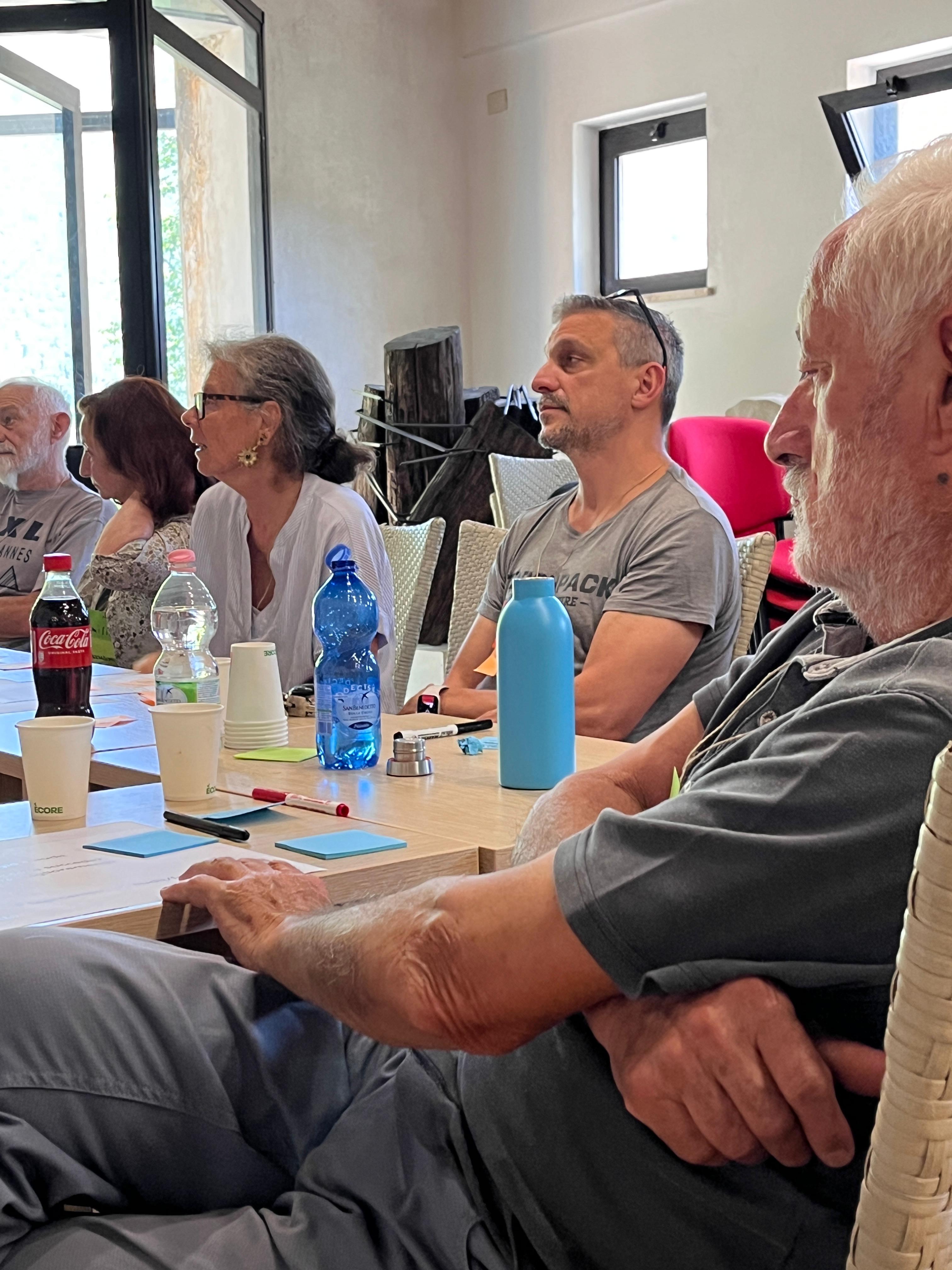
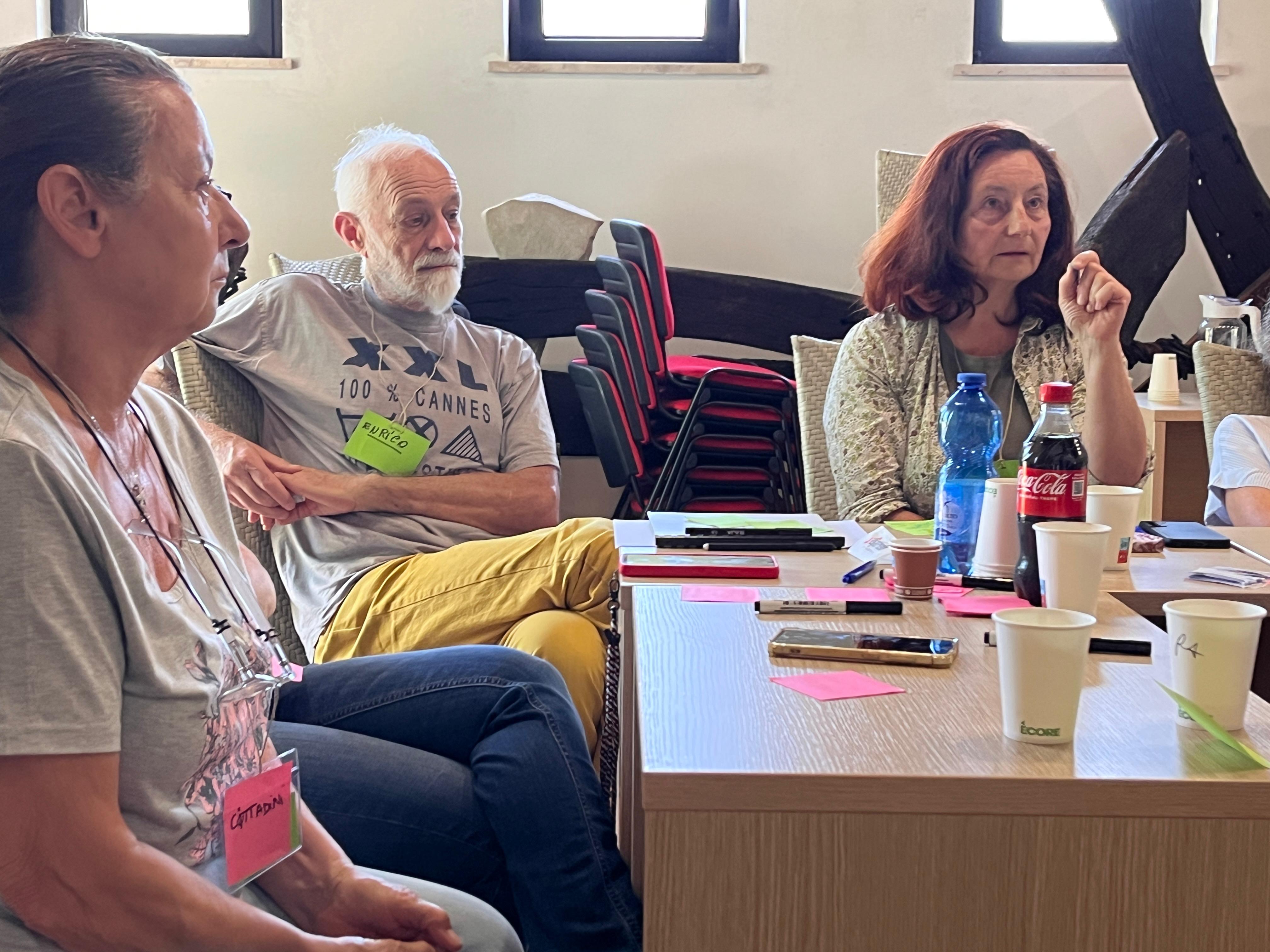
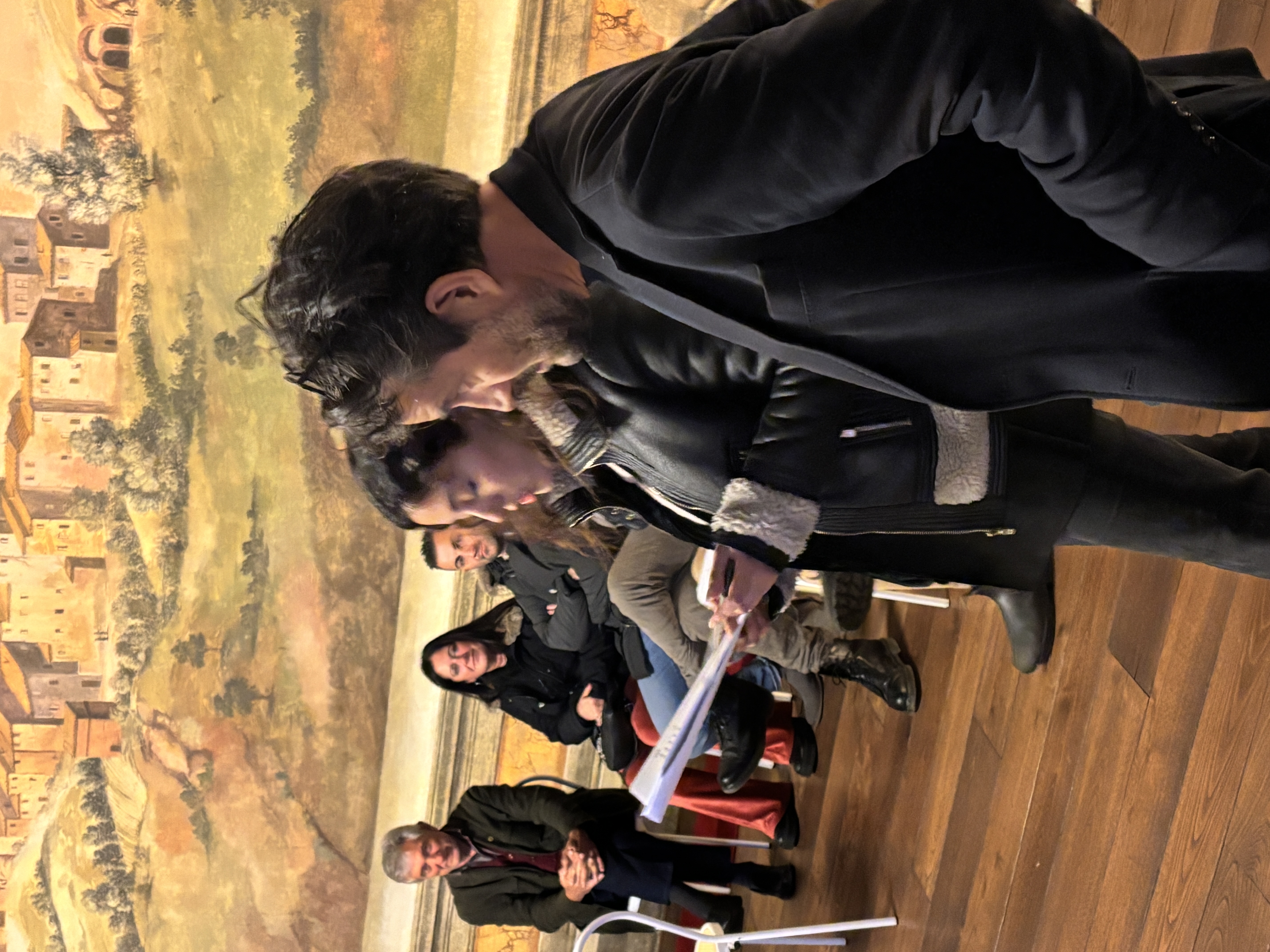
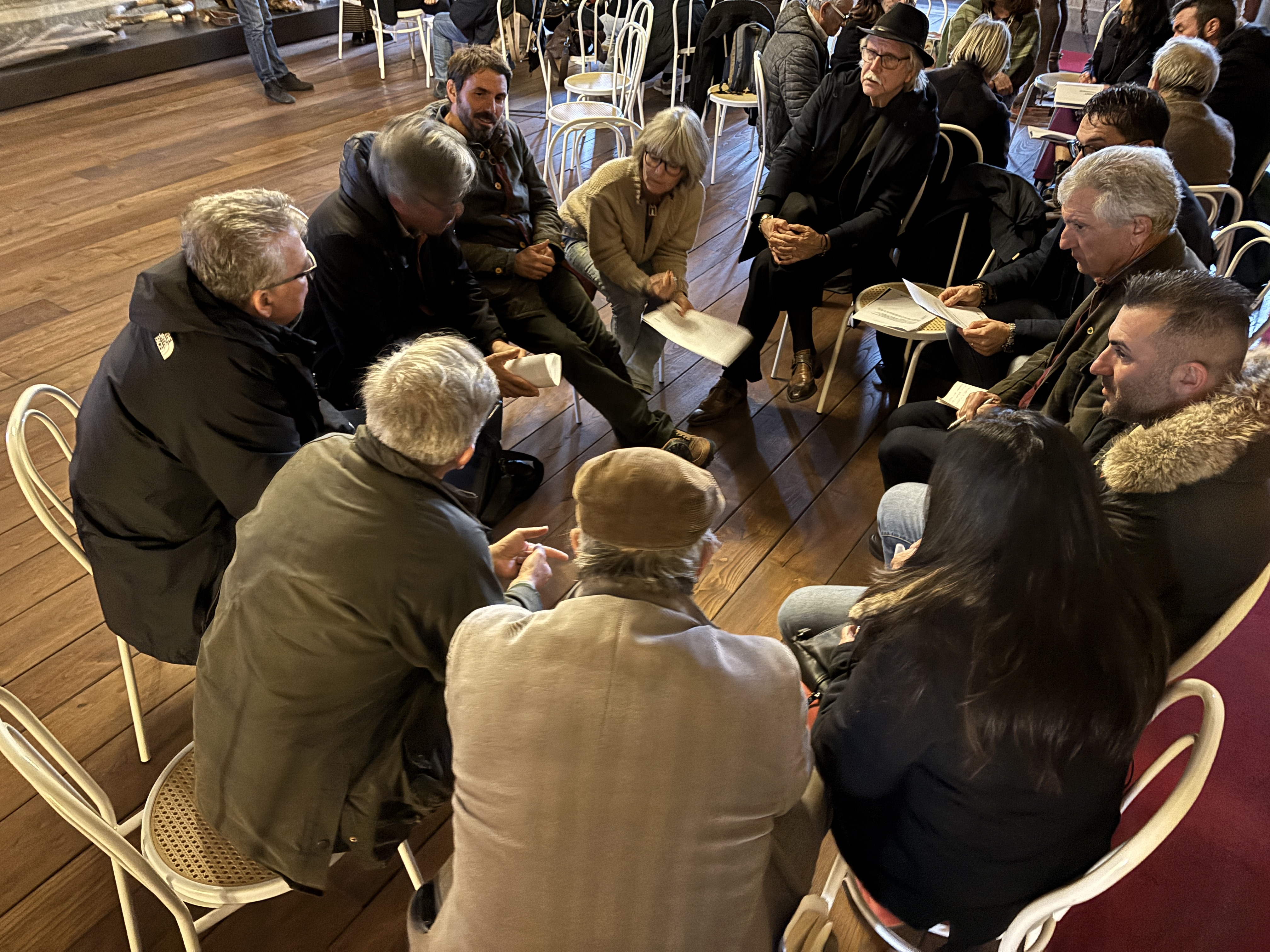
The CSR Alta Sabina project actively involves citizens and civil society as key actors in the ecological and social transformation of the territory, in line with the New European Bauhaus participatory approach. Leveraging on its methodology, the project team involved more than 3000 residents and visitors. Rather than engaging them as beneficiaries, the initiative enabled local communities to become co-designers and co-producers of ecosystem services and territorial policies.
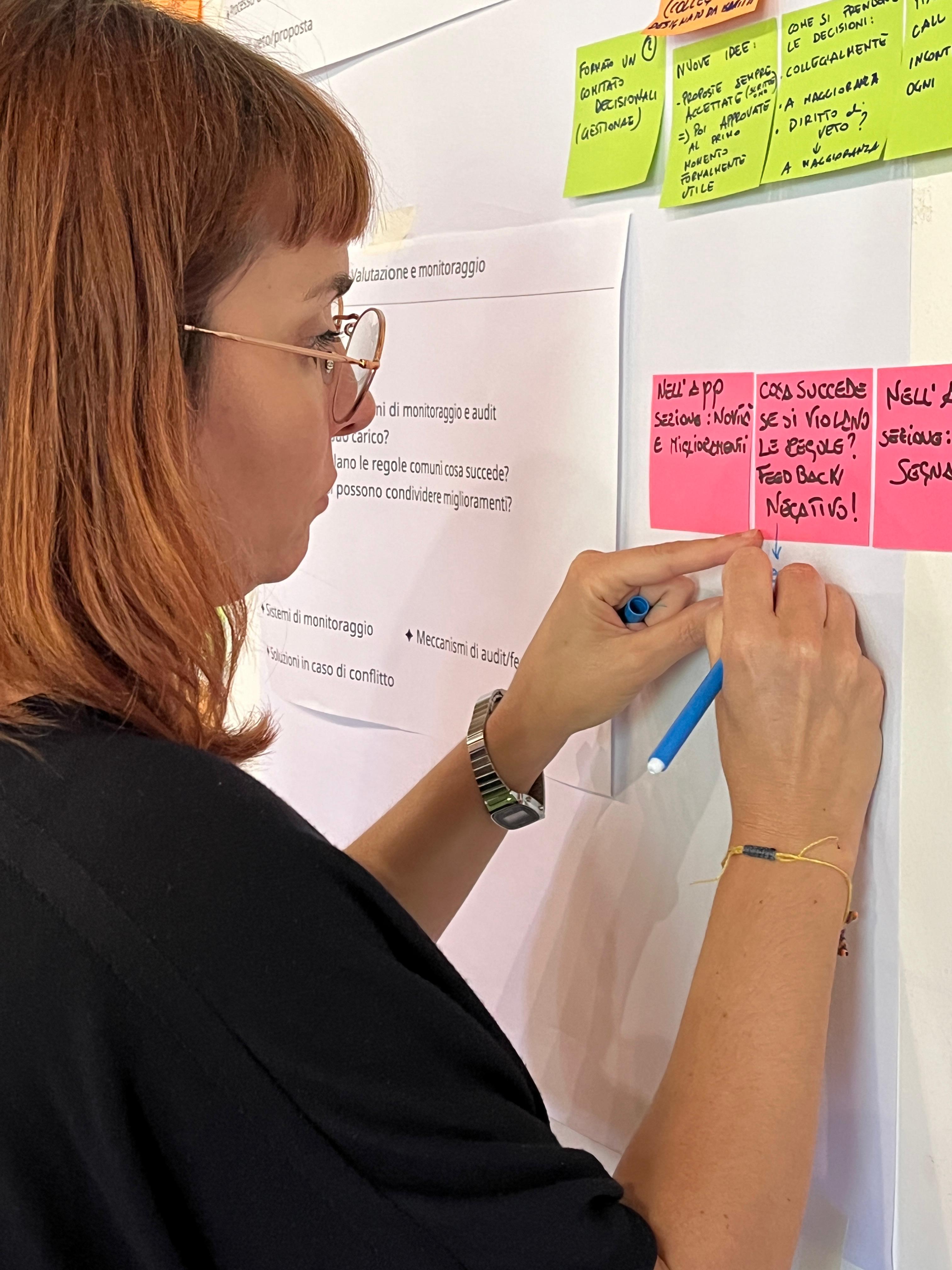
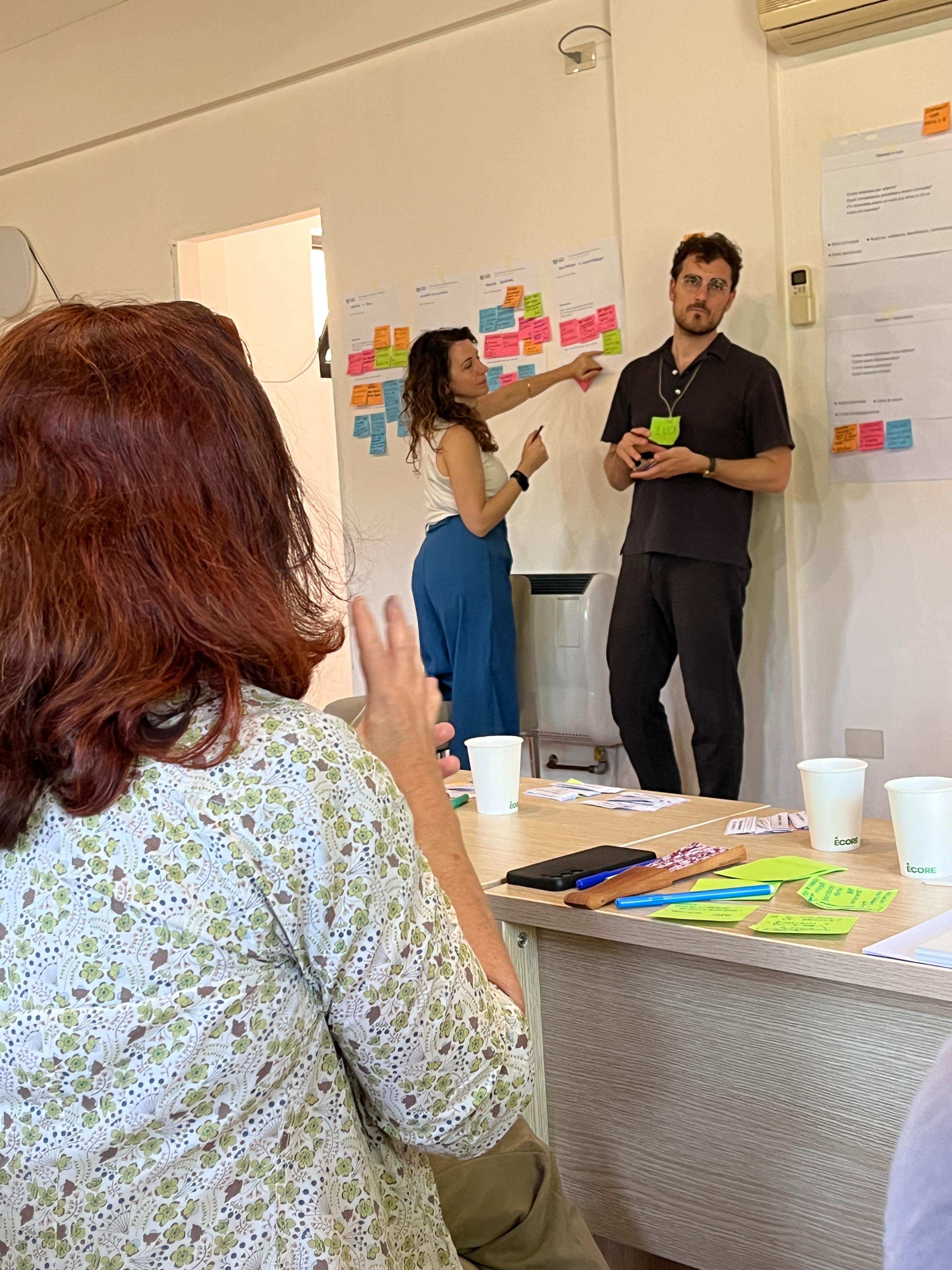
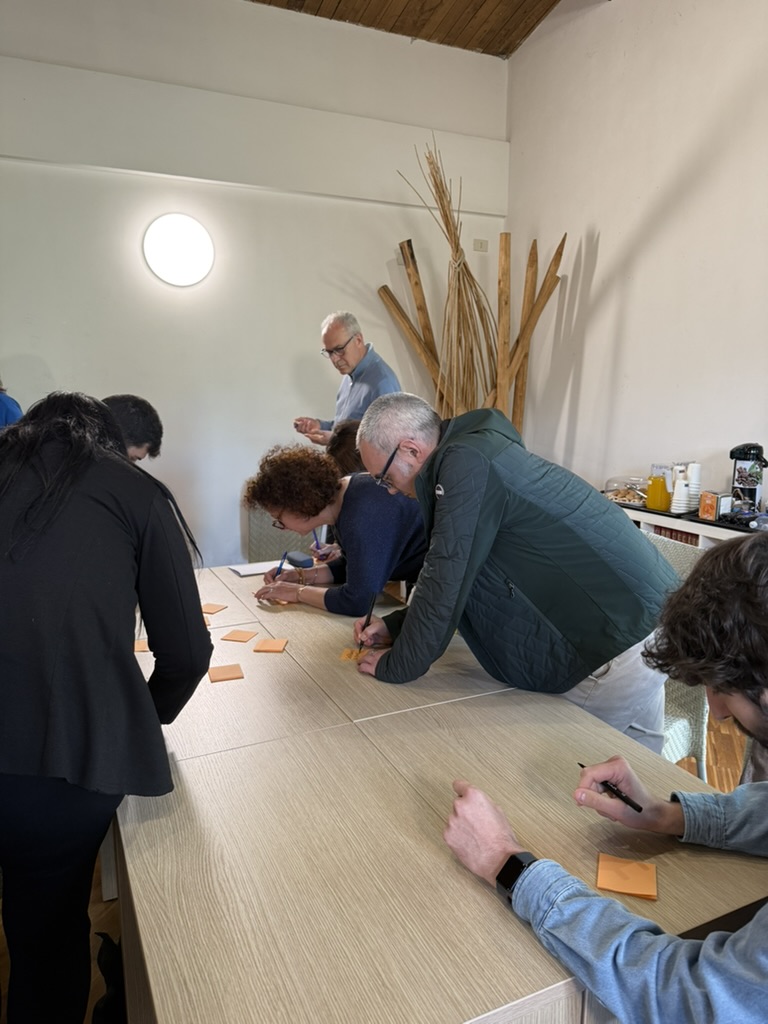
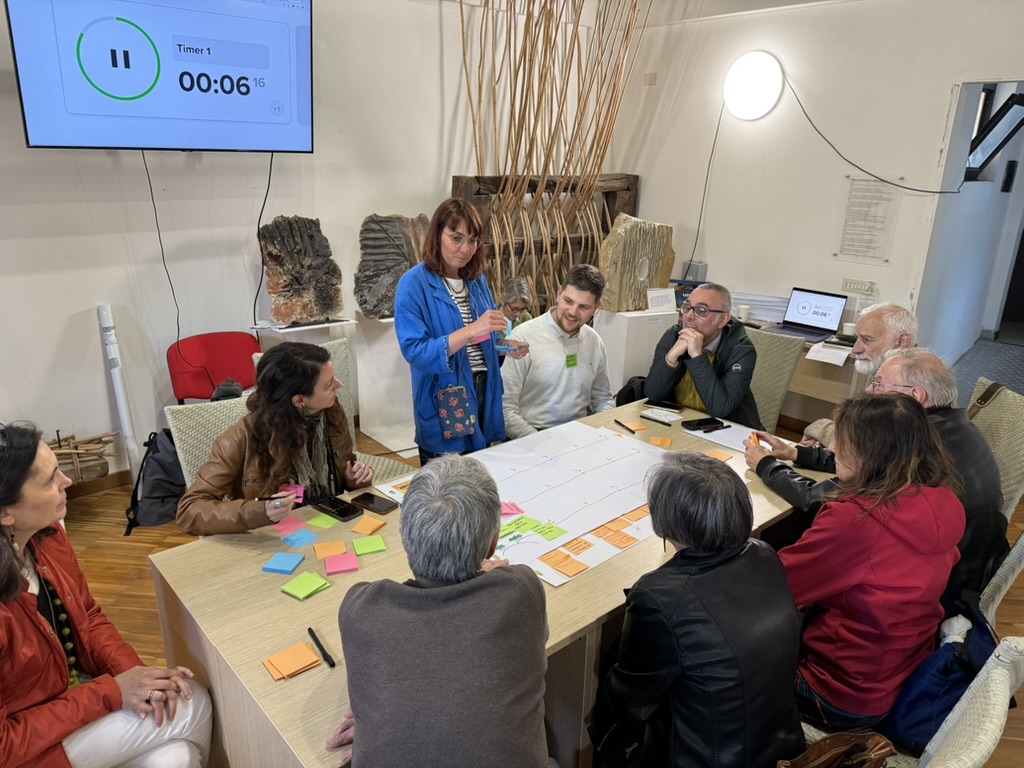
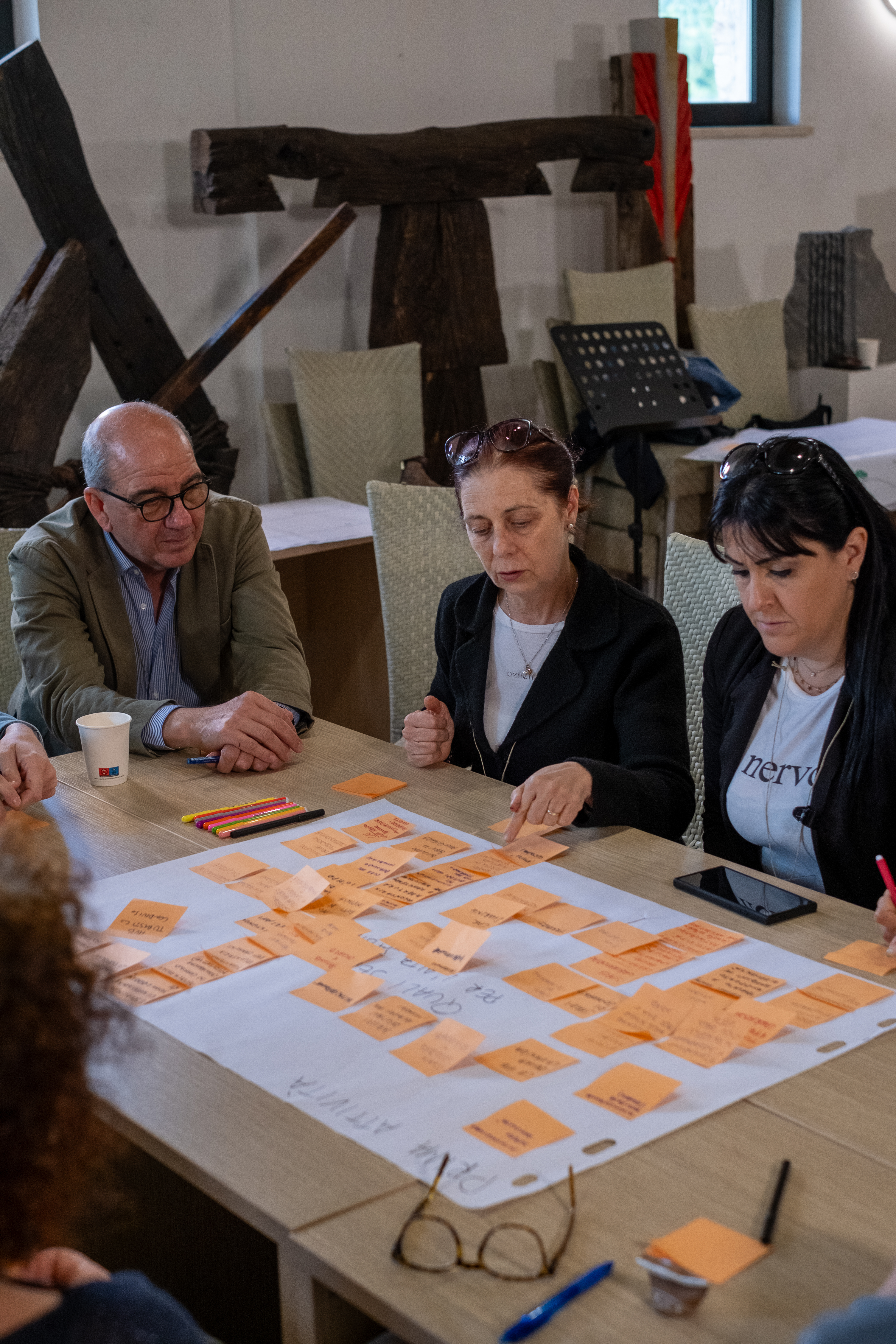
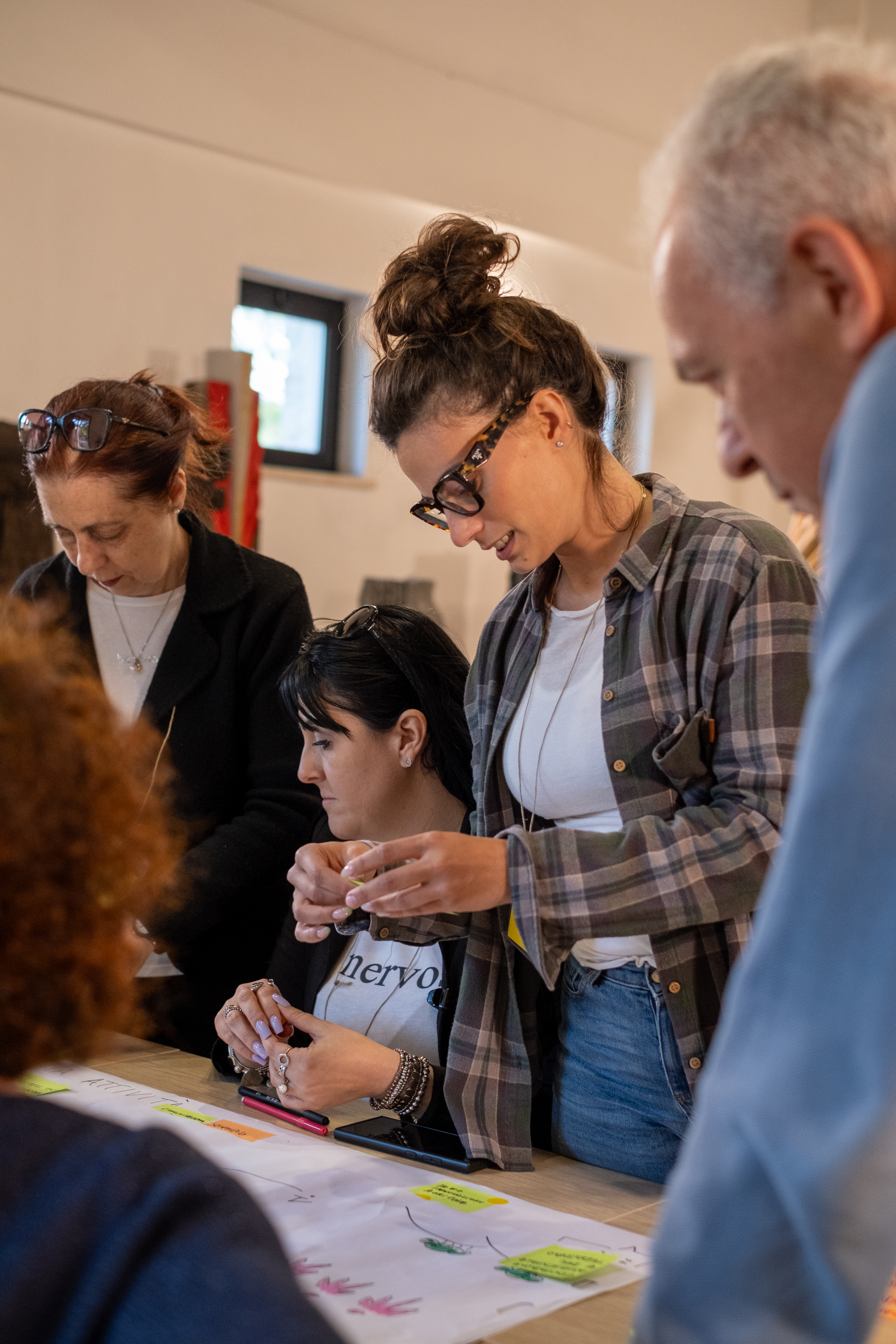
Participation is facilitated by a structured methodology combining Social Resonance Design Systems Thinking and digital civic tools. The participatory process included listening, deep mapping, co-visioning, and collaborative decision-making phases, supported by stakeholder mapping, contextual interviews, and participatory workshops. In parallel, digital infrastructures such as the territorial digital twin and a civic blockchain platform allow residents and visitors to contribute local knowledge, stories, and environmental data, strengthening transparency and shared ownership of the initiative.
Citizens participate at a high level of involvement, reaching the NEB ambition of co-governance and transformation. Through the Community Social Pact, residents contribute to defining local development priorities and management rules. Participatory workshops enabled citizens to co-design governance mechanisms and the architecture of the MAS civic token system, which rewards voluntary services and environmental stewardship. Initiatives such as Forest and Garden Sharing further engage local landowners in the collective management of natural resources.
By fostering dialogue, trust, and constructive debate, the process has strengthened social cohesion and transformed the initiative into a community-driven innovation ecosystem, where citizens hold an active role in the ecological and demographic regeneration of Alta Sabina.
Participation is facilitated by a structured methodology combining Social Resonance Design Systems Thinking and digital civic tools. The participatory process included listening, deep mapping, co-visioning, and collaborative decision-making phases, supported by stakeholder mapping, contextual interviews, and participatory workshops. In parallel, digital infrastructures such as the territorial digital twin and a civic blockchain platform allow residents and visitors to contribute local knowledge, stories, and environmental data, strengthening transparency and shared ownership of the initiative.
Citizens participate at a high level of involvement, reaching the NEB ambition of co-governance and transformation. Through the Community Social Pact, residents contribute to defining local development priorities and management rules. Participatory workshops enabled citizens to co-design governance mechanisms and the architecture of the MAS civic token system, which rewards voluntary services and environmental stewardship. Initiatives such as Forest and Garden Sharing further engage local landowners in the collective management of natural resources.
By fostering dialogue, trust, and constructive debate, the process has strengthened social cohesion and transformed the initiative into a community-driven innovation ecosystem, where citizens hold an active role in the ecological and demographic regeneration of Alta Sabina.
The CSR Alta Sabina project is developed through a multi-level governance model that connects local communities with regional, national, and European institutions. This collaborative framework ensures that local, place-based actions contribute to broader sustainability agendas while fostering shared ownership of the ecological transition.
At the European level, the initiative is supported by the NextGenerationEU provides both financial resources and a strategic vision through policy frameworks such as the European Green Deal and the New European Bauhaus (NEB) core values. This engagement ensures that the project aligns with European priorities for sustainable, inclusive, and culturally meaningful territorial transformation.
At the national level, institutions including the Presidency of the Council of Ministers (DARA), and UNCEM contribute regulatory coordination and policy guidance. Their involvement links the project to national strategies such as the National Forestry Strategy and the National Strategy ITALIAE, positioning CSR Alta Sabina as a pilot model for regenerative development in Italy’s inner and "left behind" territories.
At the regional and provincial level, stakeholders such as the Lazio Region, the Province of Rieti ensure policy integration and financial continuity, aligning the initiative with regional energy and rural development plans.
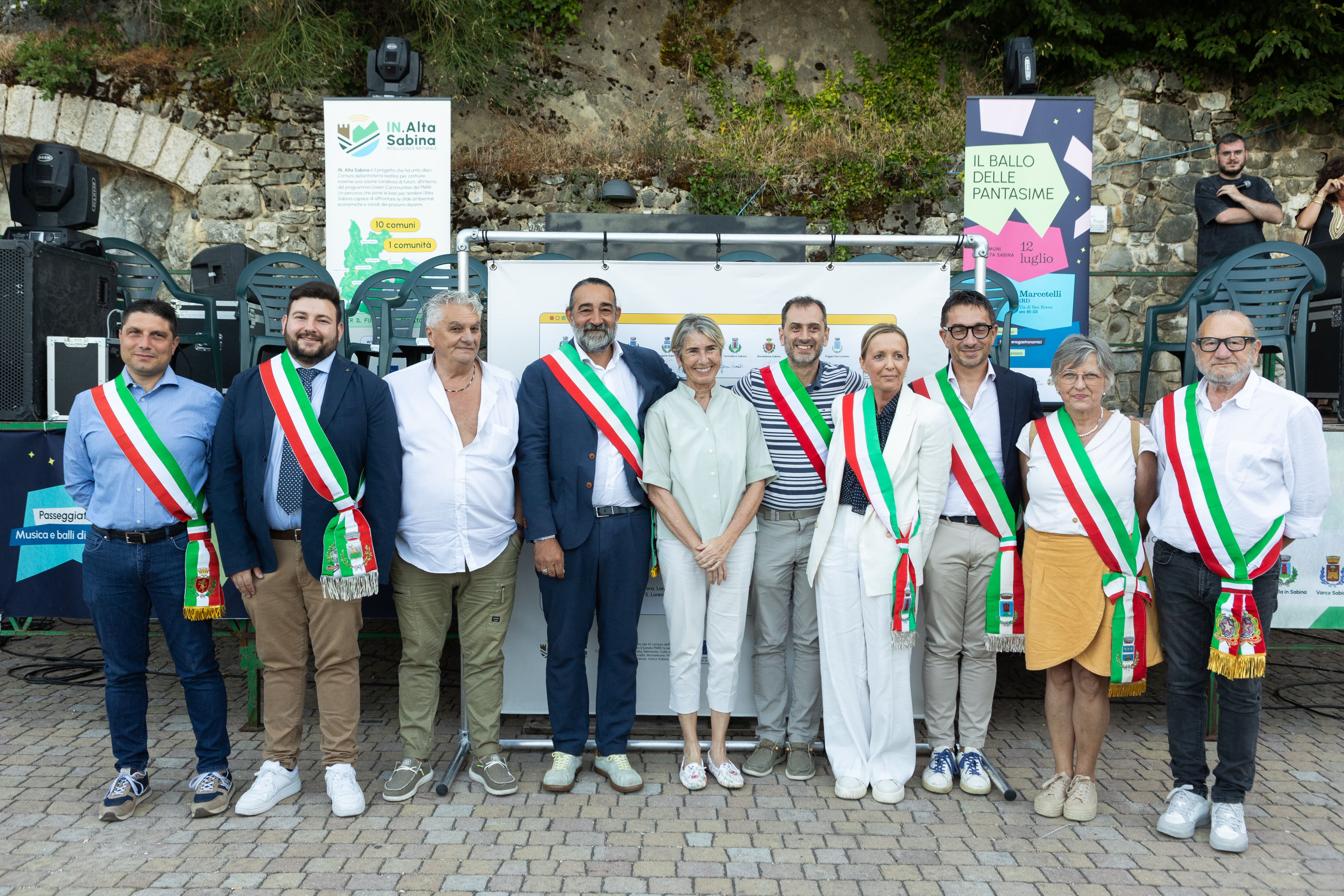
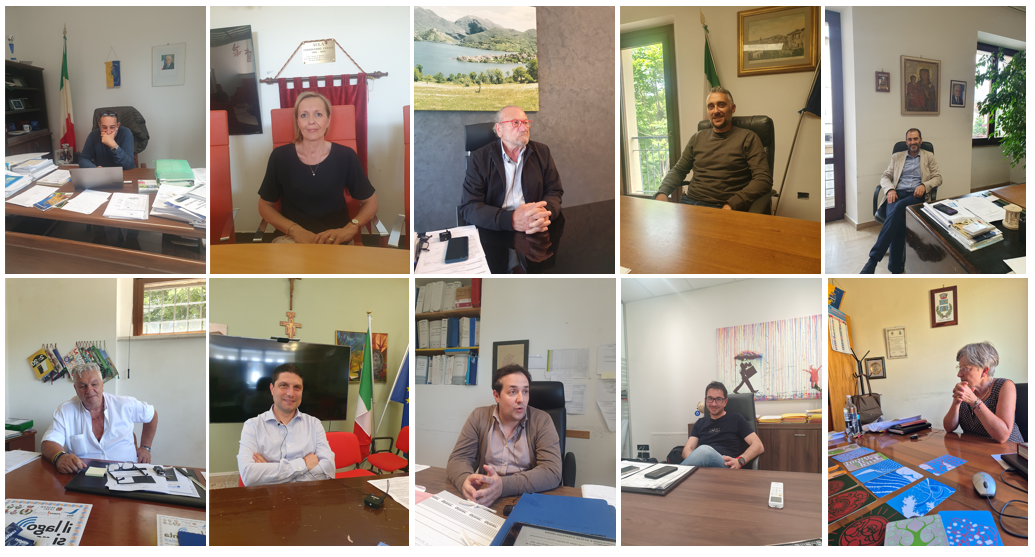
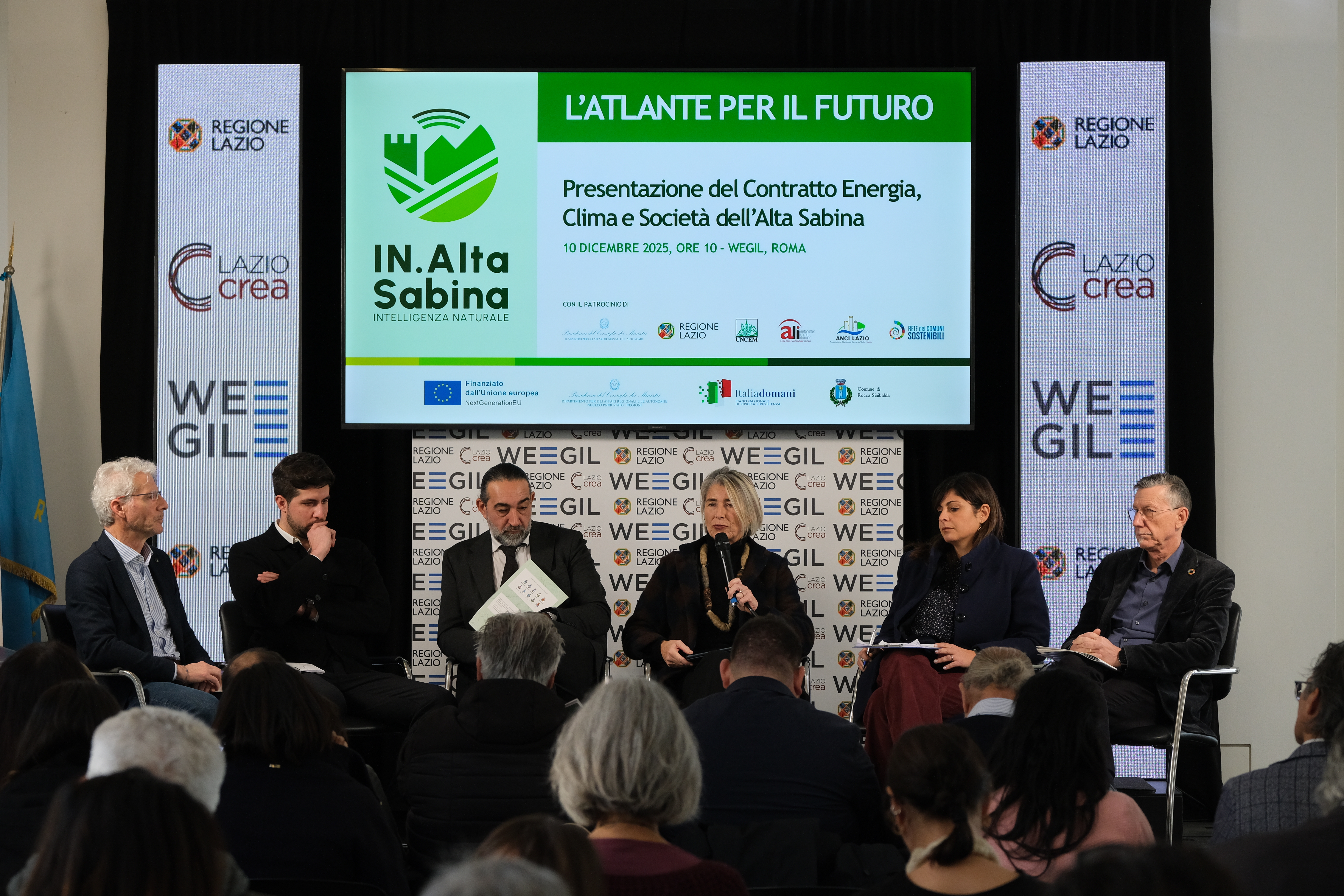
At the local level, the ten municipalities lead implementation through a shared political commitment formalised in the Territorial Contract for Energy, Climate and Society (TCECS). Technical partners, research organizations, and civil society collaborate with residents, who actively participate as co-designers and “prosumers” through the Community Social Pact.
This multi-level engagement creates strong institutional alignment, enhances social legitimacy, and transforms the initiative into a replicable governance model, strengthening resilience, green employment, and long-term territorial vitality.
At the European level, the initiative is supported by the NextGenerationEU provides both financial resources and a strategic vision through policy frameworks such as the European Green Deal and the New European Bauhaus (NEB) core values. This engagement ensures that the project aligns with European priorities for sustainable, inclusive, and culturally meaningful territorial transformation.
At the national level, institutions including the Presidency of the Council of Ministers (DARA), and UNCEM contribute regulatory coordination and policy guidance. Their involvement links the project to national strategies such as the National Forestry Strategy and the National Strategy ITALIAE, positioning CSR Alta Sabina as a pilot model for regenerative development in Italy’s inner and "left behind" territories.
At the regional and provincial level, stakeholders such as the Lazio Region, the Province of Rieti ensure policy integration and financial continuity, aligning the initiative with regional energy and rural development plans.
At the local level, the ten municipalities lead implementation through a shared political commitment formalised in the Territorial Contract for Energy, Climate and Society (TCECS). Technical partners, research organizations, and civil society collaborate with residents, who actively participate as co-designers and “prosumers” through the Community Social Pact.
This multi-level engagement creates strong institutional alignment, enhances social legitimacy, and transforms the initiative into a replicable governance model, strengthening resilience, green employment, and long-term territorial vitality.
The CSR Alta Sabina project is designed through a transdisciplinary approach that integrates scientific expertise, creative practices, and local knowledge. This approach reflects the NEB principle of collaborative design, combining multiple disciplines to create a holistic territorial innovation ecosystem.
Key knowledge fields involved include spatial sociology and social design, which guide community engagement through participatory methodologies; architecture and urban planning, focused on regenerating abandoned heritage and public spaces using bioconstruction principles; environmental and ecological sciences, applying the MAES methodology to assess ecosystem services and natural capital; and information technology and data science, supporting territorial management through tools such as digital twins, data analytics, and civic blockchain systems. Additional expertise comes from circular and impact economics, agronomy and forestry, and the arts and humanities, which contribute storytelling, cultural initiatives, and place-based identity building.
Interaction between these disciplines occurs through a multi-level governance model involving municipalities, technical partners, researchers, entrepreneurs, and citizens. Public–private–community partnerships and participatory laboratories enable experts and local stakeholders to co-design solutions, combining scientific analysis with practical knowledge from farmers, residents, and local businesses. Collaborative workshops, agile innovation processes, and learning initiatives for local “Green Ambassadors” further strengthen cross-sector collaboration.
This transdisciplinary process generates significant added value. As a result, CSR Alta Sabina operates not only as a project but as a living laboratory for regenerative rural development, demonstrating how integrated knowledge and collaborative governance can strengthen territorial transformative resilience and long-term sustainability.
Key knowledge fields involved include spatial sociology and social design, which guide community engagement through participatory methodologies; architecture and urban planning, focused on regenerating abandoned heritage and public spaces using bioconstruction principles; environmental and ecological sciences, applying the MAES methodology to assess ecosystem services and natural capital; and information technology and data science, supporting territorial management through tools such as digital twins, data analytics, and civic blockchain systems. Additional expertise comes from circular and impact economics, agronomy and forestry, and the arts and humanities, which contribute storytelling, cultural initiatives, and place-based identity building.
Interaction between these disciplines occurs through a multi-level governance model involving municipalities, technical partners, researchers, entrepreneurs, and citizens. Public–private–community partnerships and participatory laboratories enable experts and local stakeholders to co-design solutions, combining scientific analysis with practical knowledge from farmers, residents, and local businesses. Collaborative workshops, agile innovation processes, and learning initiatives for local “Green Ambassadors” further strengthen cross-sector collaboration.
This transdisciplinary process generates significant added value. As a result, CSR Alta Sabina operates not only as a project but as a living laboratory for regenerative rural development, demonstrating how integrated knowledge and collaborative governance can strengthen territorial transformative resilience and long-term sustainability.
The project's innovative value lies in shifting from a "functional" to a "process-oriented" model of sustainable Community-led development:
• Resonance vs. extraction: the Community Social Pact is designed in order to trigger and facilitate a resonant open innovation context. Unlike traditional models that focus on value extraction, this approach prioritises the co-creation of value within a social-organisational ecosystem, fostering mutual transformation between the community and the territory.
• Social Resonance as a driver: it acts as a latent relational structure enabling people and communities, both human and non-human, to achieve synergistic synchrony. In this way, they transform each other and evolve based on their specific characteristics and resources, all in pursuit of a common purpose. The design of the workshops leverages on "social resonance" to transform different interests, values and perspectives into constructive dialogue, making the methodology itself a form of dynamic governance.
• The "Prosumer" model: both residents and visitors are considered as co-producers of ecosystems services (prosumers) rather than passive recipients. This is particularly evident in the civic blockchain-based wallet and the MAS token system, where citizens earn rewards for virtuous environmental or social behaviours.
• Civic technologies as "oracles" and "leverage points": the digital twin and civic blockchain are not just technical tools but "strategic leverage points". The digital twin acts as a predictive "oracle" that provides data to trigger and facilitate responsible actions via blockchain smart contract.
• System innovation and experiential learning: the project utilizes system innovation methodologies and Challenge-Based Learning (CBL) for training the Green Community Ambassadors, ensuring that learning is experiential and directly applied to real-world territorial challenges.
• Resonance vs. extraction: the Community Social Pact is designed in order to trigger and facilitate a resonant open innovation context. Unlike traditional models that focus on value extraction, this approach prioritises the co-creation of value within a social-organisational ecosystem, fostering mutual transformation between the community and the territory.
• Social Resonance as a driver: it acts as a latent relational structure enabling people and communities, both human and non-human, to achieve synergistic synchrony. In this way, they transform each other and evolve based on their specific characteristics and resources, all in pursuit of a common purpose. The design of the workshops leverages on "social resonance" to transform different interests, values and perspectives into constructive dialogue, making the methodology itself a form of dynamic governance.
• The "Prosumer" model: both residents and visitors are considered as co-producers of ecosystems services (prosumers) rather than passive recipients. This is particularly evident in the civic blockchain-based wallet and the MAS token system, where citizens earn rewards for virtuous environmental or social behaviours.
• Civic technologies as "oracles" and "leverage points": the digital twin and civic blockchain are not just technical tools but "strategic leverage points". The digital twin acts as a predictive "oracle" that provides data to trigger and facilitate responsible actions via blockchain smart contract.
• System innovation and experiential learning: the project utilizes system innovation methodologies and Challenge-Based Learning (CBL) for training the Green Community Ambassadors, ensuring that learning is experiential and directly applied to real-world territorial challenges.
The methodology of the CSR Alta Sabina project is based on a systemic multiscalar design approach known as Social Resonance Design Systems Thinking™ methodology designed to manage the territory as a dynamic system of relationships and that is deeply integrated with Community-led Local Development (CLLD). Rather than treating different sectors as isolated projects, this methodology works on underlying processes, values, and structures to create a responsive and sustainable territorial ecosystem.
Key Methodological Frameworks:
• The Social Resonance 6-Step Framework: this process challenges traditional linear and top-down planning by recognising the complexity of social relations and the “wicked" nature of challenges like depopulation. The framework follows six stages:
1. Framing: mapping the current socioecological system and key stakeholders.
2. Listening: gathering ethnographic data through Contextual Interviews to understand perceptions, "tacit knowledge", interests and values assigned to local material and immaterial heritage.
3. Deep Mapping: using a fine-grained approach and triangulating different systemic tools and techniques to understand values, stories, and connections.
4. Envisioning, Naming, and Bargaining: building shared future scenarios through participatory workshops.
5. Setting the Change: prototyping the change process.
6. Fostering the Transition: monitoring and adapting the transition over time.
• Ecosystem Services Assessment: the project uses the European MAES methodology (Mapping and Assessment of Ecosystems and their Services) to quantify the biophysical and economic value of local natural capital.
• Participatory Monitoring: long-term monitoring integrates the IPBES methodology (Intergovernmental Science-Policy Platform on Biodiversity and Ecosystem Services), ensuring that reporting is transparent, multidisciplinary, and involves stakeholders at all levels.
Key Methodological Frameworks:
• The Social Resonance 6-Step Framework: this process challenges traditional linear and top-down planning by recognising the complexity of social relations and the “wicked" nature of challenges like depopulation. The framework follows six stages:
1. Framing: mapping the current socioecological system and key stakeholders.
2. Listening: gathering ethnographic data through Contextual Interviews to understand perceptions, "tacit knowledge", interests and values assigned to local material and immaterial heritage.
3. Deep Mapping: using a fine-grained approach and triangulating different systemic tools and techniques to understand values, stories, and connections.
4. Envisioning, Naming, and Bargaining: building shared future scenarios through participatory workshops.
5. Setting the Change: prototyping the change process.
6. Fostering the Transition: monitoring and adapting the transition over time.
• Ecosystem Services Assessment: the project uses the European MAES methodology (Mapping and Assessment of Ecosystems and their Services) to quantify the biophysical and economic value of local natural capital.
• Participatory Monitoring: long-term monitoring integrates the IPBES methodology (Intergovernmental Science-Policy Platform on Biodiversity and Ecosystem Services), ensuring that reporting is transparent, multidisciplinary, and involves stakeholders at all levels.
The CSR Alta Sabina initiative is conceived as a pilot model for a “Green & Smart Land”, with several elements designed for replication in other mountain regions, or municipal networks facing demographic and environmental challenges.
A key transferable component is its methodological framework. The Social Resonance Design Systems Thinking approach supports communities in addressing complex territorial issues through participatory processes. Combined with Community-Led Local Development (CLLD) and challenge-based learning programmes, this methodology can be applied in other contexts to strengthen community empowerment and systemic innovation.
The project also deploys replicable civic technologies. The territorial digital twin integrates open data, satellite monitoring, and citizen-generated content to support evidence-based territorial management. A civic blockchain platform and the MAS token system enable transparent community governance and non-monetary exchanges of services, fostering local civic economies that can be adapted to other communities.
CSR Alta Sabina further demonstrates transferable governance and economic models. The Public-Private-Community Partnership (PPCP) approach formally includes citizens as a decision-making pillar alongside public institutions and private actors. Long-term collaboration is structured through the Territorial Contract for Energy, Climate and Society (TCECS), offering a replicable framework for inter-municipal cooperation.
Finally, the initiative promotes scalable environmental and circular economy practices, including Nature-Based Solutions (NBS), Payment for Ecosystem Services (PES), and collaborative models such as forest and garden sharing. Together with the project’s Voluntary Local Review methodology for monitoring SDGs, these elements provide practical tools and policy learnings that can guide other territories seeking regenerative, community-driven development.
A key transferable component is its methodological framework. The Social Resonance Design Systems Thinking approach supports communities in addressing complex territorial issues through participatory processes. Combined with Community-Led Local Development (CLLD) and challenge-based learning programmes, this methodology can be applied in other contexts to strengthen community empowerment and systemic innovation.
The project also deploys replicable civic technologies. The territorial digital twin integrates open data, satellite monitoring, and citizen-generated content to support evidence-based territorial management. A civic blockchain platform and the MAS token system enable transparent community governance and non-monetary exchanges of services, fostering local civic economies that can be adapted to other communities.
CSR Alta Sabina further demonstrates transferable governance and economic models. The Public-Private-Community Partnership (PPCP) approach formally includes citizens as a decision-making pillar alongside public institutions and private actors. Long-term collaboration is structured through the Territorial Contract for Energy, Climate and Society (TCECS), offering a replicable framework for inter-municipal cooperation.
Finally, the initiative promotes scalable environmental and circular economy practices, including Nature-Based Solutions (NBS), Payment for Ecosystem Services (PES), and collaborative models such as forest and garden sharing. Together with the project’s Voluntary Local Review methodology for monitoring SDGs, these elements provide practical tools and policy learnings that can guide other territories seeking regenerative, community-driven development.
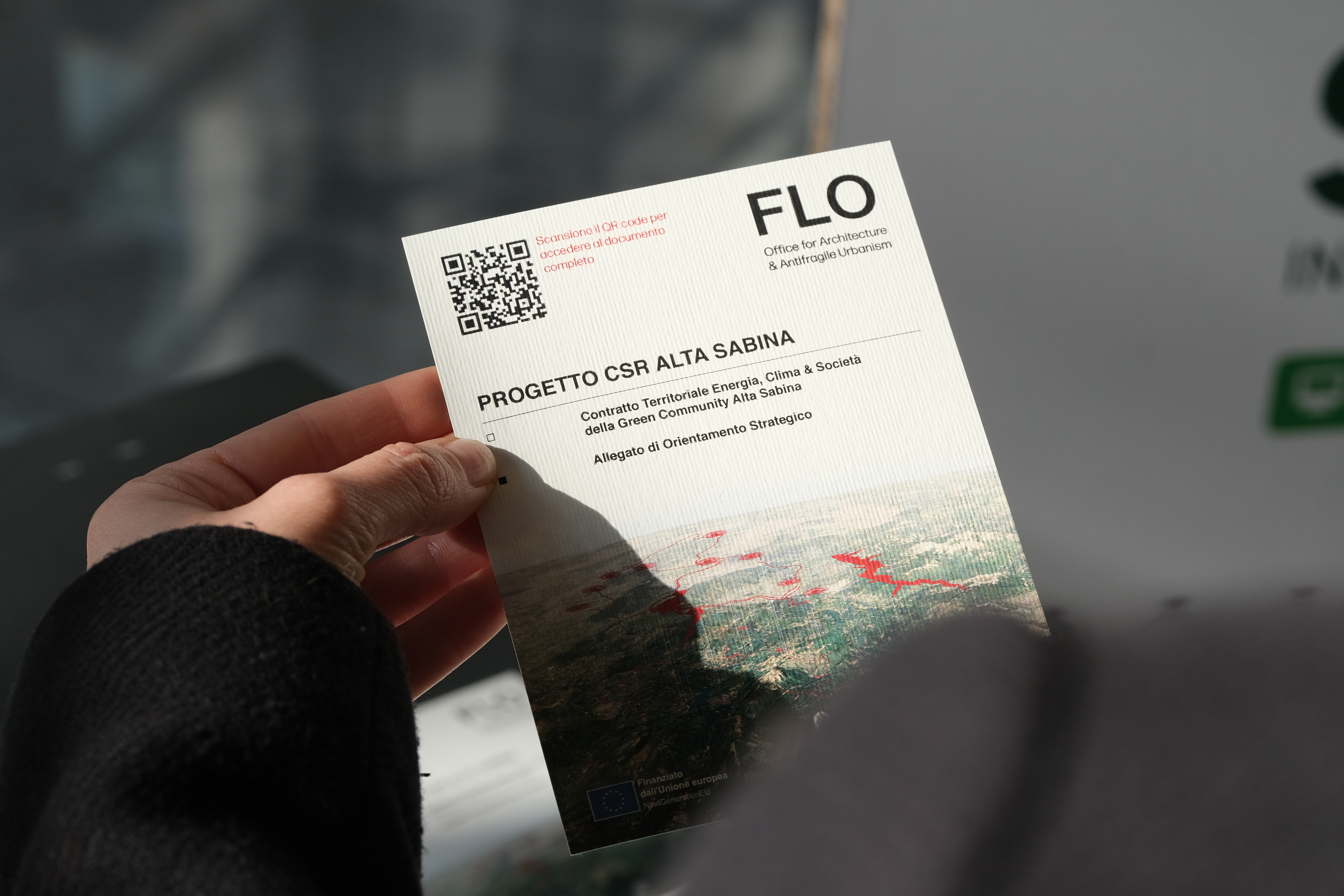
The CSR Alta Sabina initiative is guided by a long-term development roadmap defined in the Territorial Contract for Energy, Climate and Society (TCECS) for the period 2026–2035. The project aims to consolidate Alta Sabina as a “Green & Smart Land” through integrated actions addressing demographic revitalization, ecological transition, and community-driven innovation.
Key planned activities include the implementation of 11 development pillars designed to increase the resident population by 5% by 2035, including the full operationalization of the Solidary Renewable Energy Community (CERS), and the deployment of nature-based solutions for water management, such as phytodepuration systems. The initiative also foresees the creation of the Alta Sabina Green Services Agency, a technical hub coordinating renewable energy communities, data governance, and public–private–community partnerships. Additional actions include the regeneration of abandoned rural buildings for co-housing and generative economy activities, and the establishment of a Green & Smart Campus linking schools, businesses, and green job training.
The project already integrates the three NEB core values. Sustainability is pursued through circular resource management, ecosystem service valuation (MAES), and Payment for Ecosystem Services schemes. Aesthetics is addressed through heritage regeneration and cultural initiatives such as the transformation of historic buildings into community hubs. Inclusion is promoted through digital literacy programmes and the MAS token system, enabling citizens to exchange voluntary services within a civic economy.
The next implementation phase follows NEB working principles: participatory design through Social Resonance Design methodologies, multi-level governance connecting local, regional, national, and European actors in order to consolidate a regenerative territorial ecosystem.
Key planned activities include the implementation of 11 development pillars designed to increase the resident population by 5% by 2035, including the full operationalization of the Solidary Renewable Energy Community (CERS), and the deployment of nature-based solutions for water management, such as phytodepuration systems. The initiative also foresees the creation of the Alta Sabina Green Services Agency, a technical hub coordinating renewable energy communities, data governance, and public–private–community partnerships. Additional actions include the regeneration of abandoned rural buildings for co-housing and generative economy activities, and the establishment of a Green & Smart Campus linking schools, businesses, and green job training.
The project already integrates the three NEB core values. Sustainability is pursued through circular resource management, ecosystem service valuation (MAES), and Payment for Ecosystem Services schemes. Aesthetics is addressed through heritage regeneration and cultural initiatives such as the transformation of historic buildings into community hubs. Inclusion is promoted through digital literacy programmes and the MAS token system, enabling citizens to exchange voluntary services within a civic economy.
The next implementation phase follows NEB working principles: participatory design through Social Resonance Design methodologies, multi-level governance connecting local, regional, national, and European actors in order to consolidate a regenerative territorial ecosystem.