Arts, Culture, and Heritage as Drivers of Change
REIMAGINING HERITAGE
Reimagining Heritage: Revival of the historic olive mill into a living cultural spac
Reimagining Heritage transforms an abandoned historic olive mill on the island of Lošinj into a vibrant cultural meeting place. Instead of building new infrastructure, the project shows how forgotten heritage can be revived and shared with the community. Through contemporary art, workshops and cultural programmes, the mill has become a place that reconnects people with local stories and brings new cultural life to a small island community.
Croatia
Local
Nerezine, Island of Lošinj
It addresses urban-rural linkages
It involves a physical transformation of the built environment (hard investment)
Yes
2025-07-19
No
No
Yes
Organisation
Reimagining Heritage transforms a 500-year-old olive mill on the island of Lošinj into a living cultural space for the local community. For decades the building stood abandoned, despite being an important part of the island’s cultural memory and a protected industrial heritage site. At the same time, the island lacked a permanent place for contemporary cultural life accessible to residents throughout the year.
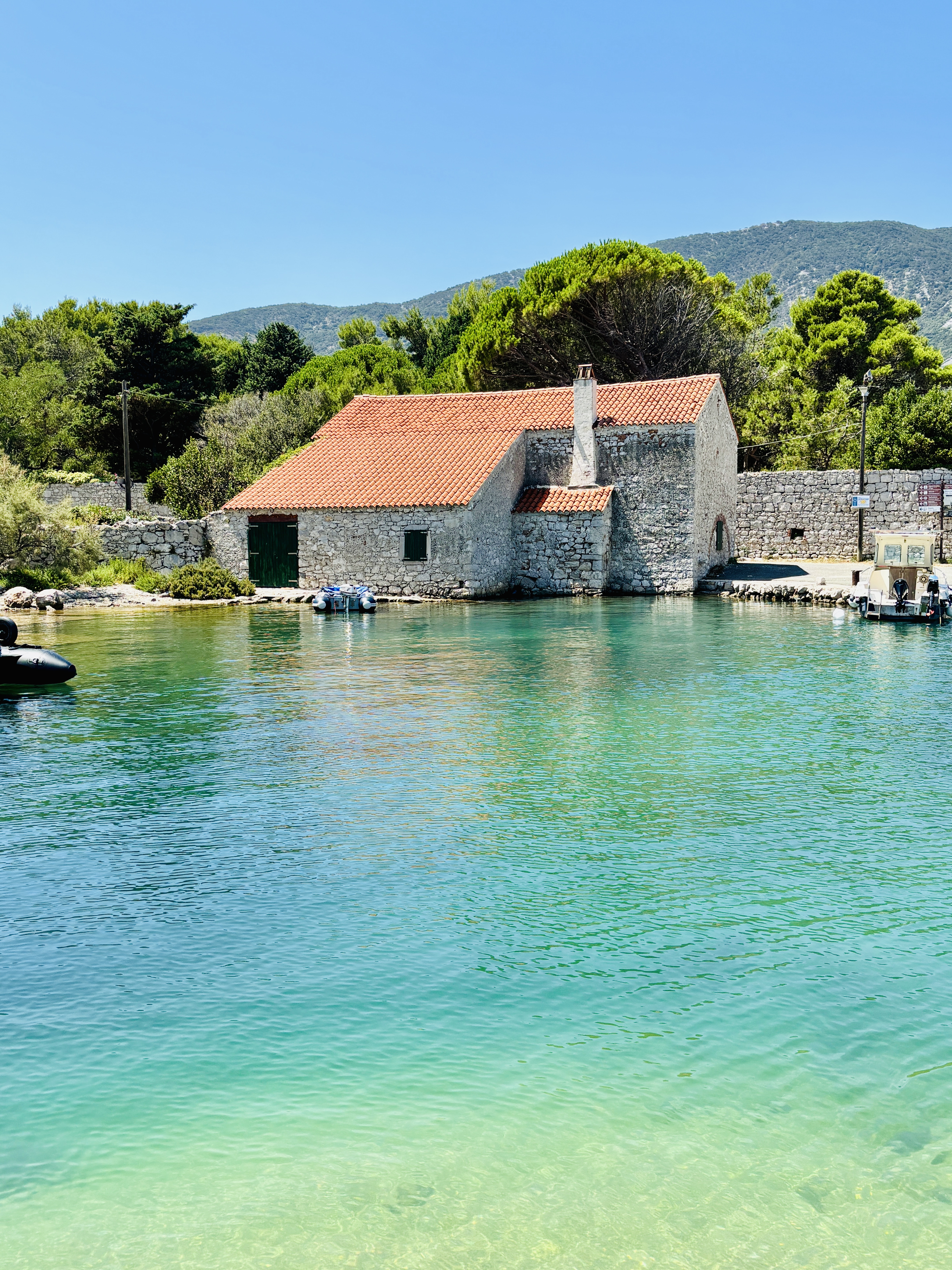
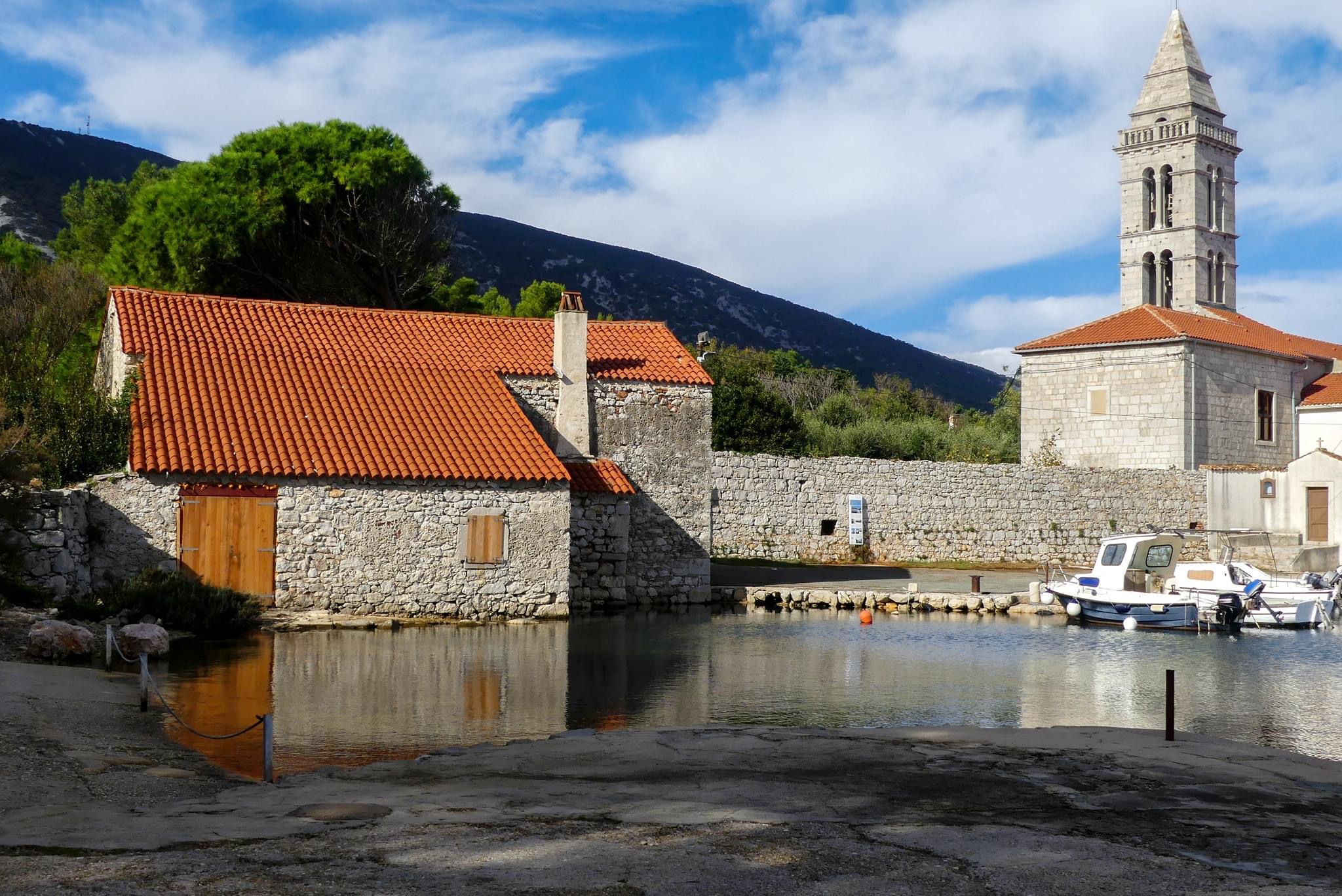
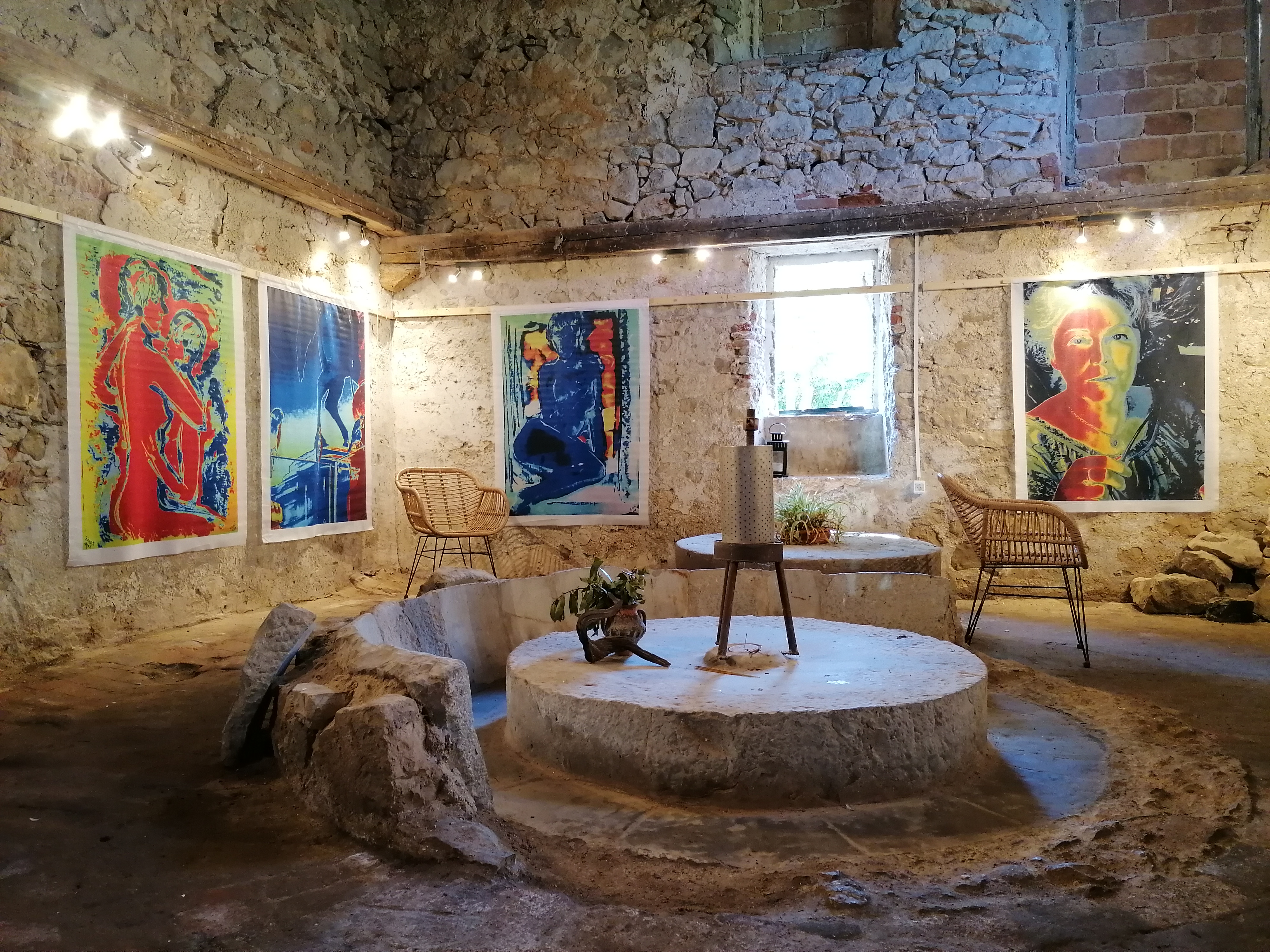
Instead of constructing new infrastructure, the project chose a sustainable approach: reusing an existing heritage building and activating it through culture, art, and community participation. The spatial transformation was carried out through minimal architectural interventions that respected the original character of the mill and its historic relationship with the surrounding sea. The mill was historically designed in direct dialogue with the sea, where tides once entered the building during olive processing; the project preserved this unique relationship instead of sealing it off, respecting the site’s original environmental logic.
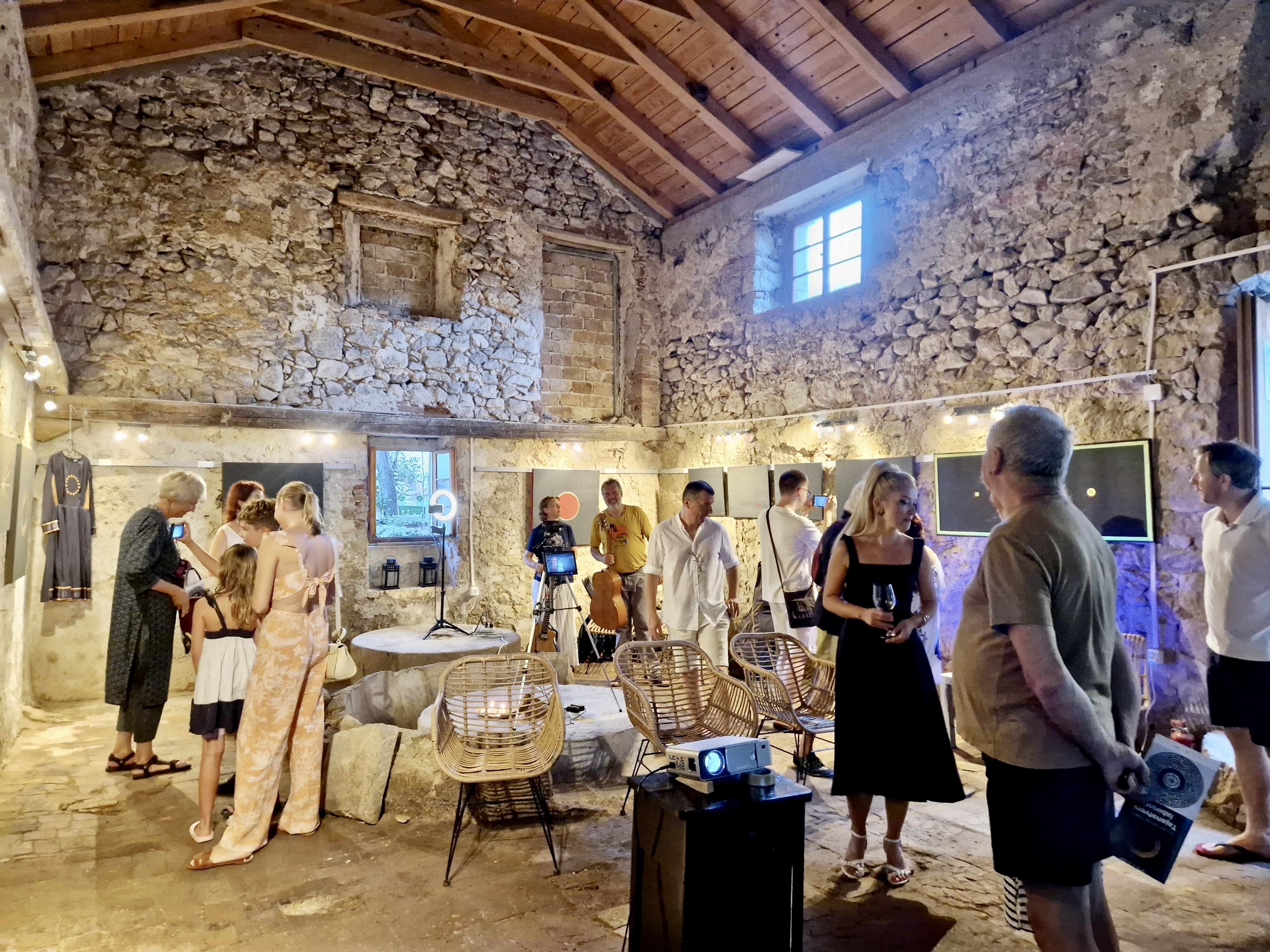
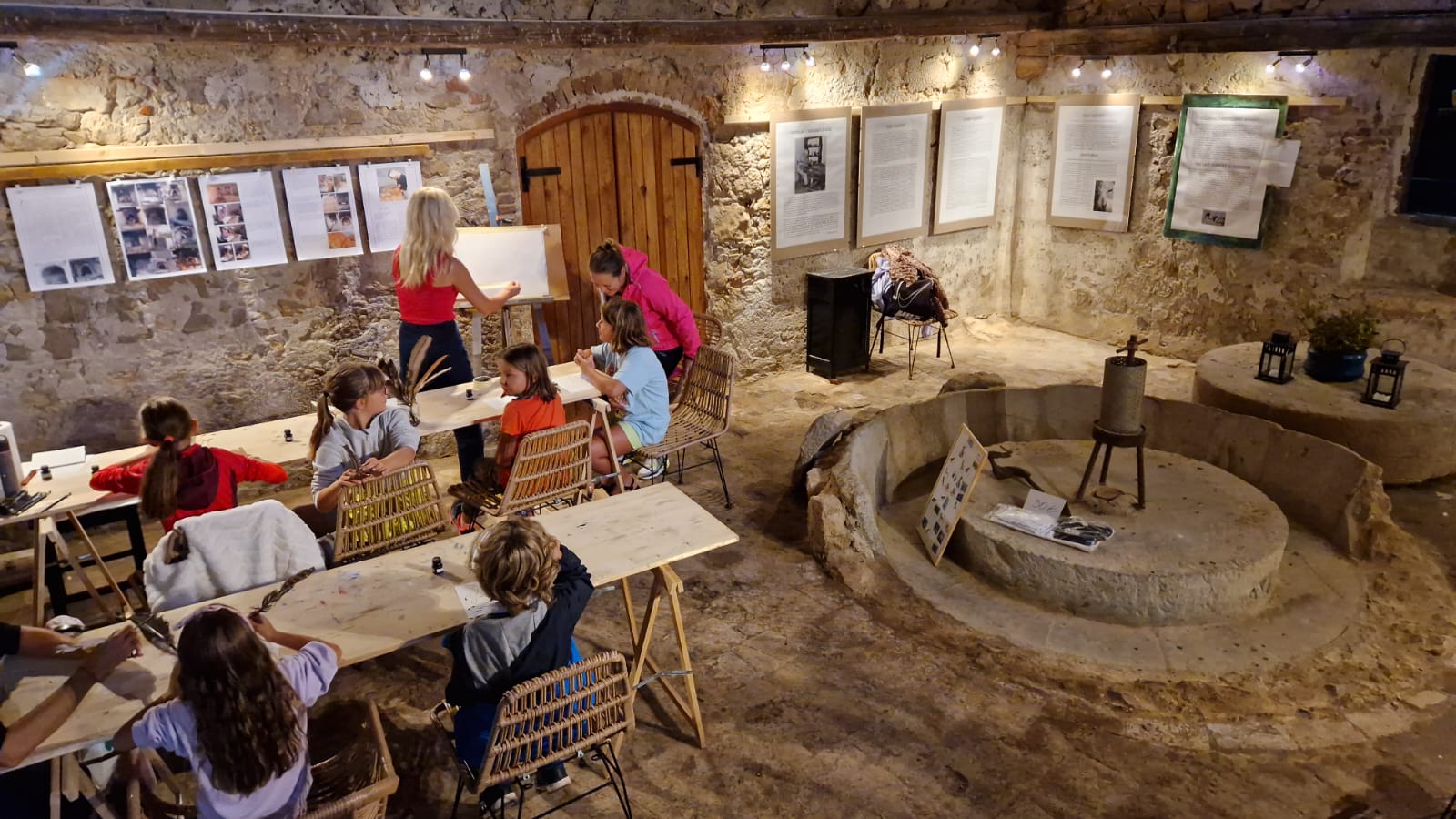
Since opening the space to the public, the project has hosted exhibitions, artistic residencies, workshops, lectures, and community programmes involving local residents, children and young people, as well as artists and cultural professionals from several European countries. What was once a closed industrial structure has become an open meeting place where heritage, contemporary creativity, and everyday community life intersect.
The project demonstrates how abandoned heritage structures in small and remote communities can be transformed into vibrant cultural spaces with limited resources but strong local engagement. Beyond the physical transformation, the initiative creates new cultural opportunities for island residents and strengthens the social and cultural fabric of the community.
It offers a replicable model for small towns seeking sustainable cultural transformation without large budgets or heavy interventions.
The project began with a simple observation: while the island of Lošinj welcomes hundreds of thousands of visitors each year, its smaller settlements often lack accessible cultural life throughout the year.
One such place is the village of Nerezine, where limited transport connections and the centralisation of cultural programmes in larger towns and onshore restrict access to cultural life for residents, particularly children, young people and older generations.
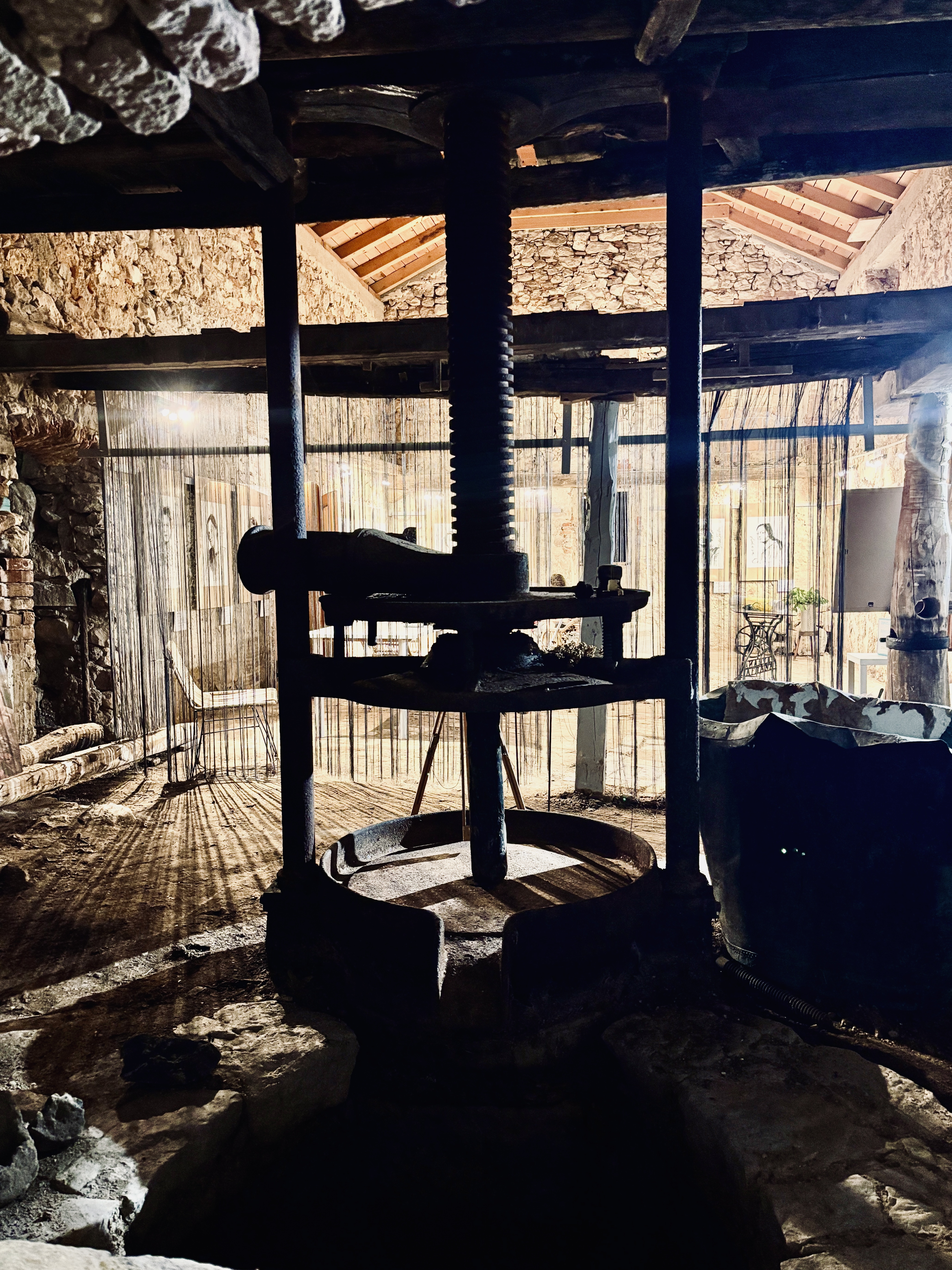
At the same time, the village of Nerezine preserved an extraordinary but forgotten place - a 500-year-old olive mill that had remained closed for decades. Although protected as industrial heritage and part of the island’s cultural identity, the building had been left to decay.
In 2021 a long-term agreement made it possible to reopen the site and begin imagining a new future for the historic mill. The first step was documenting the building and preparing architectural plans in dialogue with conservation authorities. But the real transformation began when the space was opened to people.
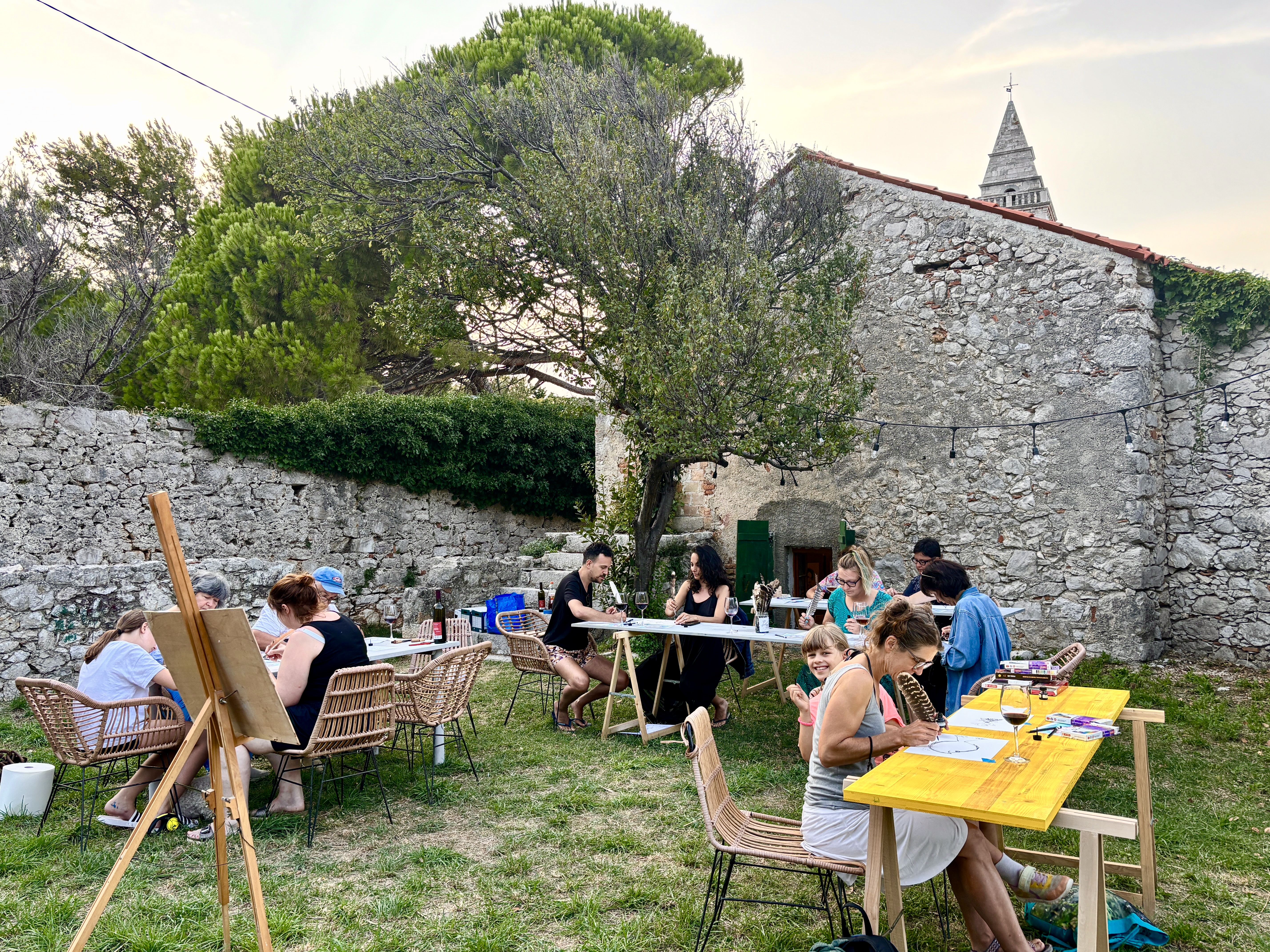
In 2022 the first international artistic residency took place in the mill. Artists from several European countries helped clean and reactivate the building while creating artworks inspired by the island’s landscape and heritage. For many local residents it was the first time they had entered the mill, a place they previously knew only through stories from older generations.
From the beginning, the project was developed together with the local community. Residents, artists, cultural organisations and volunteers all contributed to gradually transforming the abandoned building into a shared cultural space.
Since then the mill has evolved into a cultural meeting place where exhibitions, workshops and community programmes reconnect people with their heritage while opening the island to new artistic exchanges.
heritage reuse
community participation
cultural revitalisation
sustainable transformation
rural and island communities
The project demonstrates sustainability primarily through the adaptive reuse of existing heritage. Instead of introducing new construction or large technical interventions, the project revitalises a 500-year-old olive mill by working with the building’s original environmental logic.
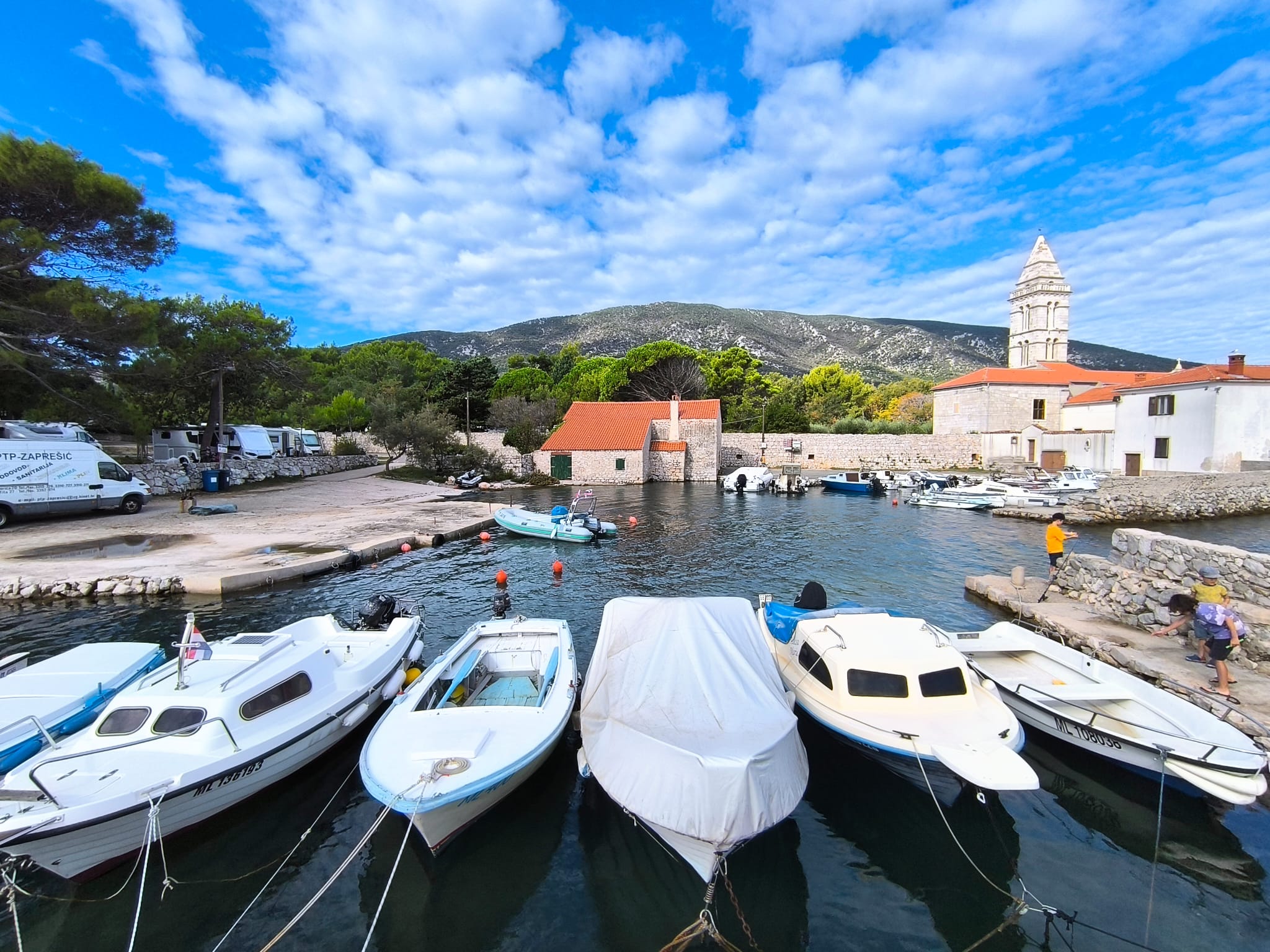
The mill was historically designed in direct relationship with the sea. Part of the structure extends into the water, allowing boats to access the mill and enabling processes such as washing olives and handling production directly at the shoreline. This unique spatial relationship meant that the building was not simply placed by the sea, but built into it.
The revitalisation respects this original logic rather than replacing it with new technological systems. By preserving the existing structure, materials and spatial organisation, the project demonstrates how historic architecture can continue to function sustainably through minimal intervention.
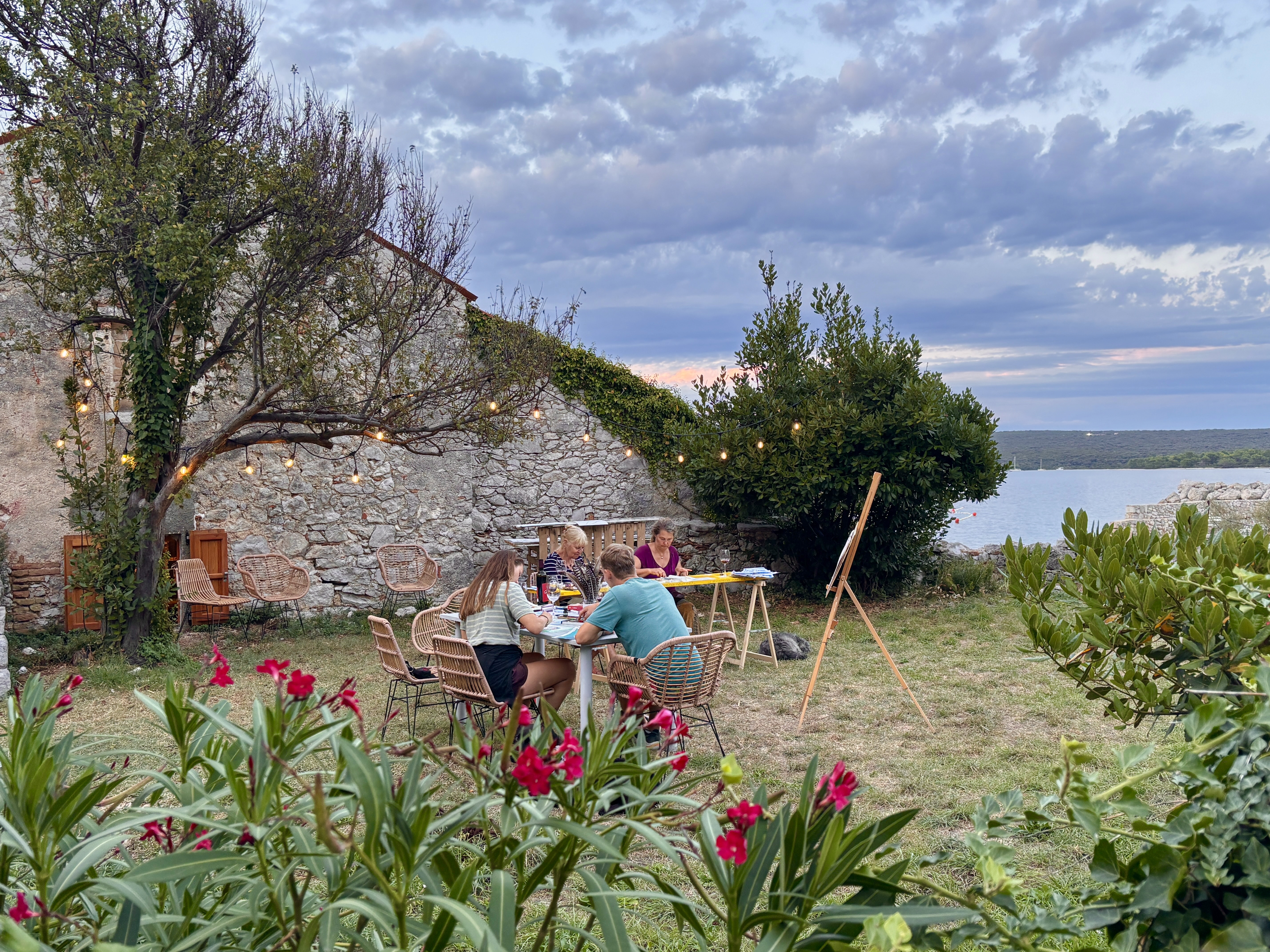
All interventions have been carefully planned according to sustainability principles, using natural and locally appropriate materials such as wood, stone and sand. The surrounding garden has also been gradually restored with traditional Mediterranean plants, reinforcing the ecological and cultural character of the site while requiring minimal maintenance.
Environmental sustainability is therefore achieved through conservation, reuse and low-impact transformation. At the same time, the project strengthens social and cultural sustainability by activating a neglected heritage site as a long-term cultural space for the local community.
This approach offers a model for many small towns and island communities seeking sustainable cultural transformation through reuse rather than new construction.
The aesthetic value of the project lies in the careful rediscovery of the authentic character of a 500-year-old olive mill and its relationship with the surrounding landscape.
The mill is built partly within the sea itself, creating a unique spatial experience where stone architecture, water, light and the island landscape meet. Instead of redesigning or heavily reconstructing the building, the project deliberately follows a principle of minimal intervention. Only the essential structural improvements were introduced in order to ensure safety and functionality, while preserving the original materials, textures and spatial atmosphere of the mill.
In many heritage transformations, buildings are extensively rebuilt, often losing the traces of time that give them meaning. In this project, the opposite approach was taken: the patina, irregularities and historic layers of the building were preserved as essential elements of its beauty and identity.
This authenticity creates a powerful sense of belonging and care for the place. Local residents recognise the mill not as a newly designed cultural venue but as a familiar part of their landscape and collective memory, now reactivated for contemporary life.
Through artistic programmes and community use, the space continues to reveal new aesthetic experiences while remaining deeply rooted in its historical character. In this way, the project demonstrates how beauty can emerge from respect for place, memory and continuity rather than from large architectural interventions.
The project addresses inclusion by creating accessible cultural opportunities in a small island community where cultural life is often limited by geography, transport connections and the concentration of programmes in larger towns and on the mainland - one of the factors contributing to the growing outmigration of young people from Croatian islands.
By revitalising a historic building in the village of Nerezine, the project brings cultural activities closer to residents who might otherwise have limited access to exhibitions, workshops and educational programmes. Particular attention is given to groups that are often culturally underserved in small island settlements, including children, young people and older residents.
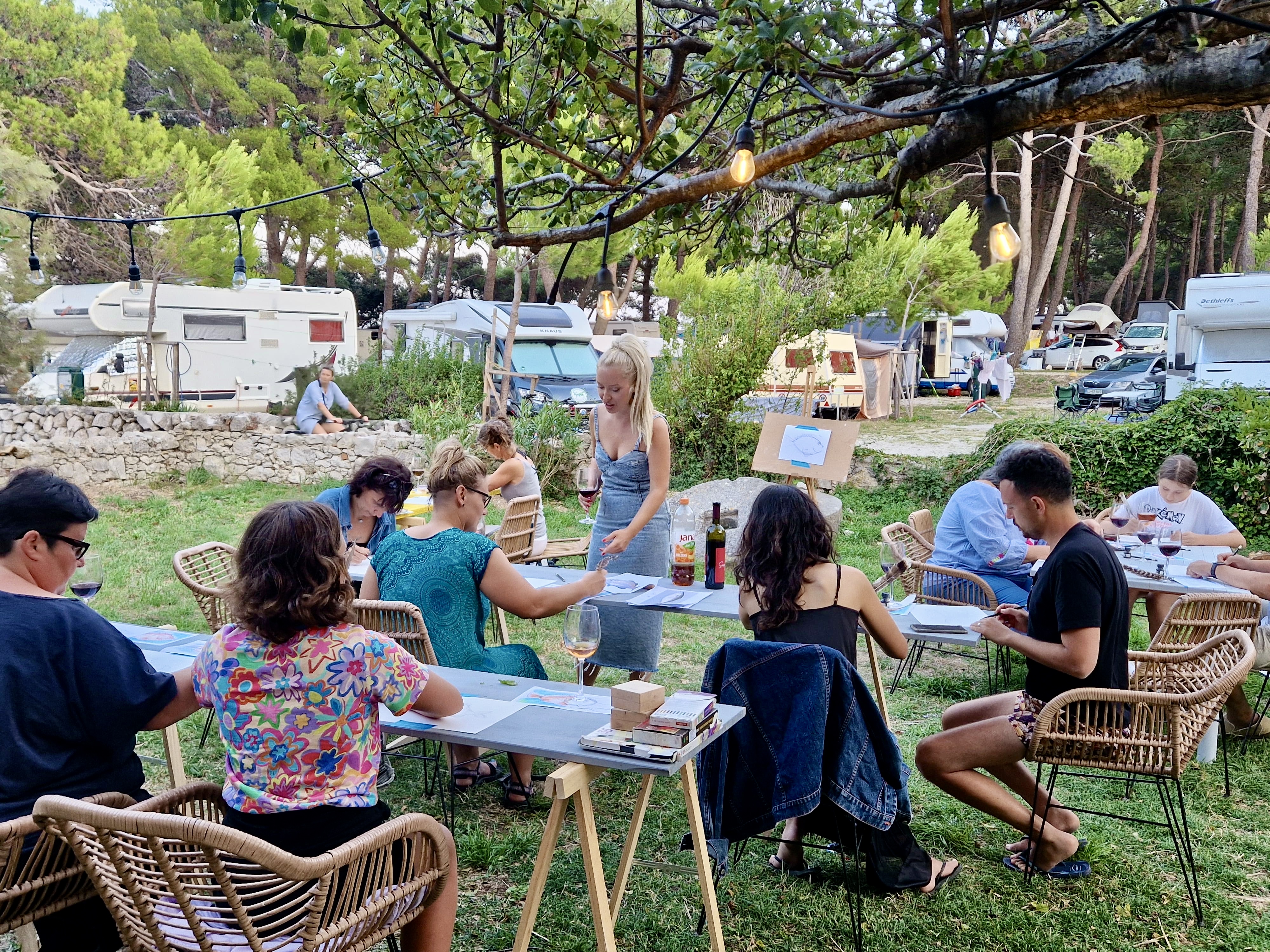
Accessibility is ensured not only through the location of the space but also through the nature of the programmes themselves. Most activities are free and participatory, encouraging people to take part as contributors rather than only as audiences. Workshops, artistic residencies and community programmes invite local residents, artists and cultural organisations to collaborate and share knowledge.
The project was developed gradually through collaboration with the local community, volunteers and cultural partners, creating a model of shared cultural space rather than a traditional top-down cultural institution.
In this way, the revitalised mill functions not only as a cultural venue but also as a social meeting place that strengthens connections between generations and fosters a renewed sense of belonging within the community.
The revitalisation of the historic olive mill developed as a community-driven initiative in which local residents, artists and cultural partners played an active role in shaping the project from the earliest stages.
When the building was first reopened after decades of abandonment, the process began with a collective effort to clean and reactivate the long-unused space. During the first international artistic residency in 2022, artists worked together with volunteers and members of the local community to prepare the mill for public use while simultaneously creating artworks inspired by the island’s heritage and landscape. This collaborative moment symbolically marked the reopening of the building after more than seventy years.
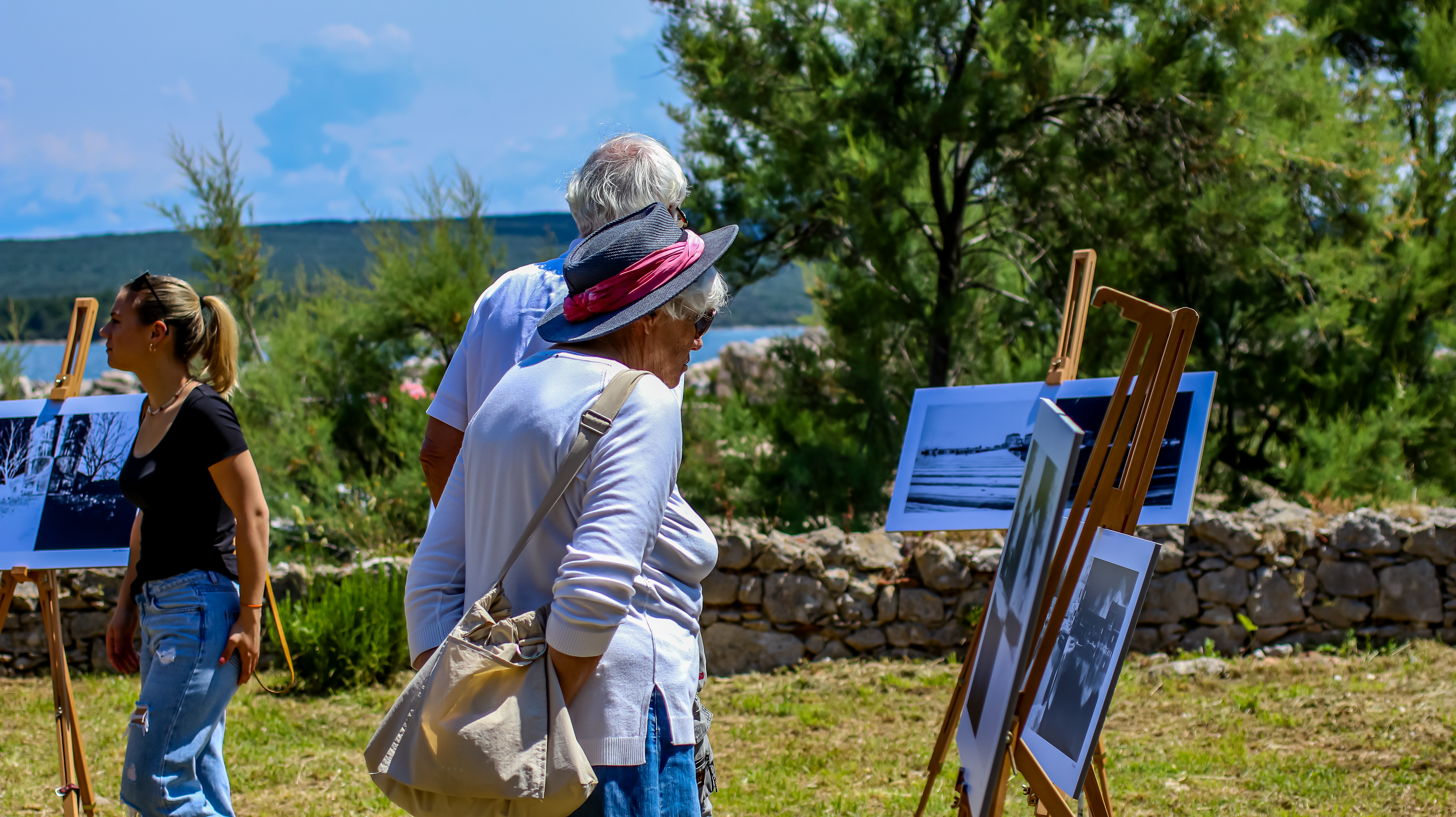
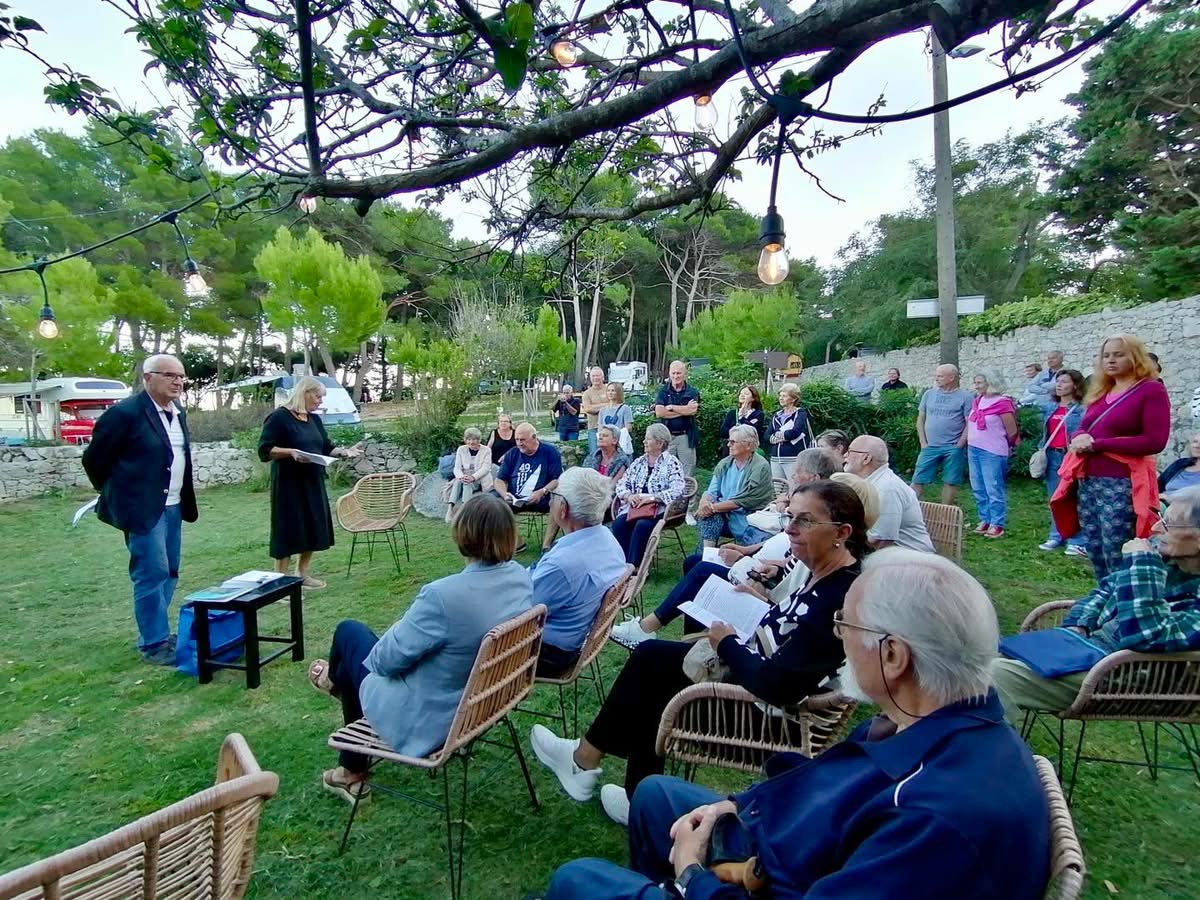
Participation continues to shape the project through exhibitions, workshops and community programmes that actively involve children, young people and older residents. Participants are not only audiences but contributors who bring local knowledge, ideas and lived experience into the development of cultural activities.
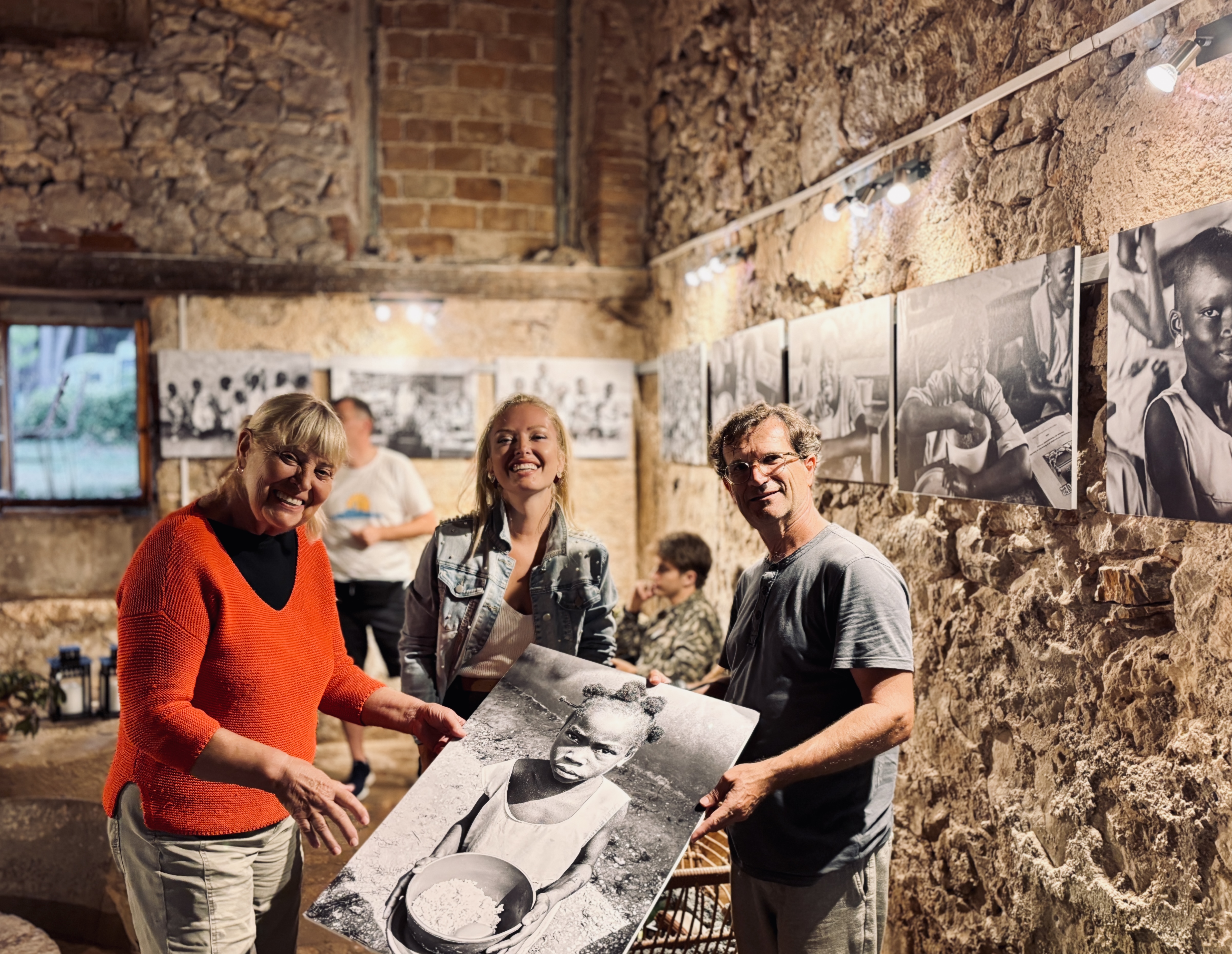
Some initiatives are explicitly based on the memories and knowledge of the community. Through projects such as “Remembrance - Revival - Sustainability”, residents share personal stories, photographs and objects that become part of exhibitions, public discussions and publications created in the olive mill. These contributions allow the space to function not only as a cultural venue but also as a living archive of local heritage.
For the small island settlement of Nerezine, once known for its shipbuilding tradition but today without a gallery, museum, theatre, cinema or cultural centre, the revitalised mill has become the first space dedicated to cultural life, learning and community gathering.
Led by a civil society organisation and shaped with artists, institutions and residents, the abandoned mill has been transformed into a shared cultural home - from a forgotten ruin to a living heart of culture and community.
The project was developed through collaboration between stakeholders at multiple levels, combining local initiative with regional, national and international partnerships.
At the local level, the project is led by a civil society organisation working closely with residents of Nerezine and the wider Lošinj community. Local volunteers, participants and community groups actively contribute to programmes, events and the everyday life of the space, ensuring that the revitalised mill responds to the needs of the local population.
Municipal and regional stakeholders have played an important supportive role. The City of Mali Lošinj and the Primorje-Gorski Kotar County support cultural activities and recognise the importance of revitalising heritage spaces as drivers of local cultural development.
At the national level, several programmes implemented in the mill have been supported by public institutions, including the Ministry of Regional Development and EU Funds and the Ministry of Culture and Media of the Republic of Croatia. Their support enabled the development of community-based heritage programmes and educational activities.
The project also includes international collaboration. Cultural partners such as the Croatian Photographic Union, the Cres Museum and the Slovene cultural association Zarja from Austria participate in programmes that connect artists, researchers and communities across borders.
This multi-level collaboration creates a strong ecosystem that links grassroots cultural initiatives with institutional support and international exchange. It allows a small island community to connect local heritage with wider cultural networks while strengthening the sustainability and visibility of the project.
The revitalisation of the historic olive mill is based on a transdisciplinary approach that connects architecture, heritage conservation, arts, education and community knowledge.
Architects and heritage experts were involved in documenting the historic structure and planning its careful revitalisation in accordance with conservation principles. Their work ensured that the building could be safely reopened while preserving its historical character and material authenticity.
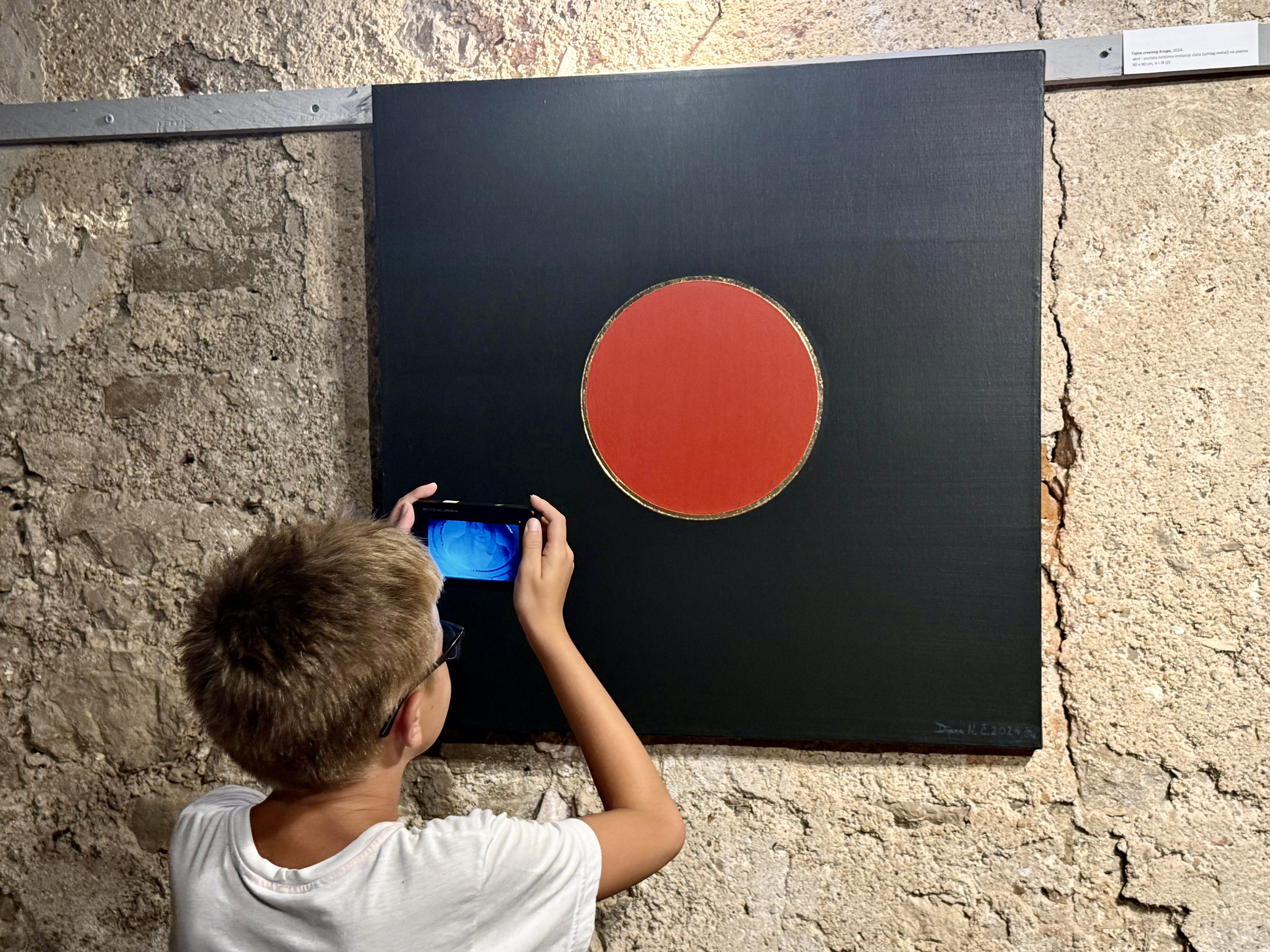
Artists play a central role in activating the space through residencies, exhibitions and site-specific artistic interventions inspired by the island’s landscape and cultural heritage. Through these activities, artistic practice becomes a tool for interpreting heritage and engaging the public.
Educational and community-based programmes bring together artists, educators, researchers and local residents. Workshops, discussions and participatory projects enable the exchange of knowledge between professionals and the local community, particularly through initiatives that collect memories, stories and objects related to island life.
The project also integrates environmental and spatial awareness, recognising the unique relationship between the historic building and the surrounding coastal landscape. By respecting the original environmental logic of the mill and avoiding heavy architectural interventions, the project demonstrates how heritage, culture and environment can be approached as an interconnected system.
Through this collaboration between different disciplines and forms of knowledge, the mill has become a platform where artistic, architectural, social and local knowledge intersect and generate new cultural value.
The project operates through a mixed and resilient funding model that combines public support, community contributions and revenue-generating cultural and community activities.
Core programme activities are primarily supported through public cultural funding schemes at local, regional and national levels, including grants from municipal and regional authorities and national cultural and development programmes. These sources enable the implementation of exhibitions, educational activities and community programmes.
Community support represents another important pillar of the project. A crowdfunding campaign successfully mobilised supporters who recognise the social and cultural value of revitalising the historic mill. Donations from individuals and private sponsors continue to contribute to the development of the space.
Additional resources are generated through small-scale economic activities connected to culture and heritage, such as workshops, tastings of local food and indigenous wine varieties, community markets, art events and the sale of artworks and artistic souvenirs created by members of the association.
A key element of the project’s sustainability is its strong volunteer base and the long-term dedication of the project team. Much of the work involved in revitalising and running the space has been carried out through voluntary engagement and professional commitment, significantly reducing operational costs while maintaining a high level of programme quality.
This combination of public funding, community support, cultural activities and volunteer engagement creates a flexible and sustainable model that allows the project to grow gradually while remaining deeply rooted in the local community.
The project demonstrates a model of heritage revitalisation that can be replicated in many small towns and rural communities where historic buildings remain unused or abandoned.
One of the key transferable elements is the gradual activation of heritage spaces before full architectural restoration. Cultural programmes, artistic residencies and community activities began while the building was still undergoing minimal interventions, allowing the space to become socially active long before large investments were required.
Another important aspect of the model is the strong involvement of the local community. By integrating local memories, knowledge and participation into cultural programmes, the project creates a sense of ownership that strengthens long-term sustainability. This approach can be applied in other contexts where communities seek to reconnect with their heritage and identity.
The project also demonstrates how arts and culture can serve as catalysts for the regeneration of historic sites. Artists, researchers and local residents collaborate to reinterpret heritage through exhibitions, workshops and participatory programmes, transforming cultural heritage into a living resource for community development.
Importantly, the model shows that meaningful transformation does not necessarily require large financial investments. By combining public funding, community engagement, volunteer work and small-scale economic activities, abandoned heritage spaces can gradually be reactivated and integrated into contemporary cultural life.
Because many European regions face similar challenges of abandoned heritage buildings and limited cultural infrastructure in smaller settlements, the methodology developed through this project can be adapted and applied across diverse geographical and social contexts.