Strengthening Local Democracy and Inclusion
Art Between Cultures
Art Between Cultures – Brno Creative and social ecosystem
Art Between Cultures is a community-driven creative ecosystem based in Brno that brings people together through art, sustainability and shared cultural experiences. The project transforms everyday materials such as recycled textiles, plastic, glass and metal into artistic objects and installations created collectively by participants from diverse backgrounds. Through workshops, collaborative art sessions and public exhibitions, the initiative creates an open space where creativity becomes a com
Czechia
Local
Brno, Czech Republic
Brno-suburbs, Czech Republic
Brno-suburbs, Czech Republic
Mainly urban
It involves other types of transformations (soft investment)
Yes
2025-12-21
No
No
No
Organisation
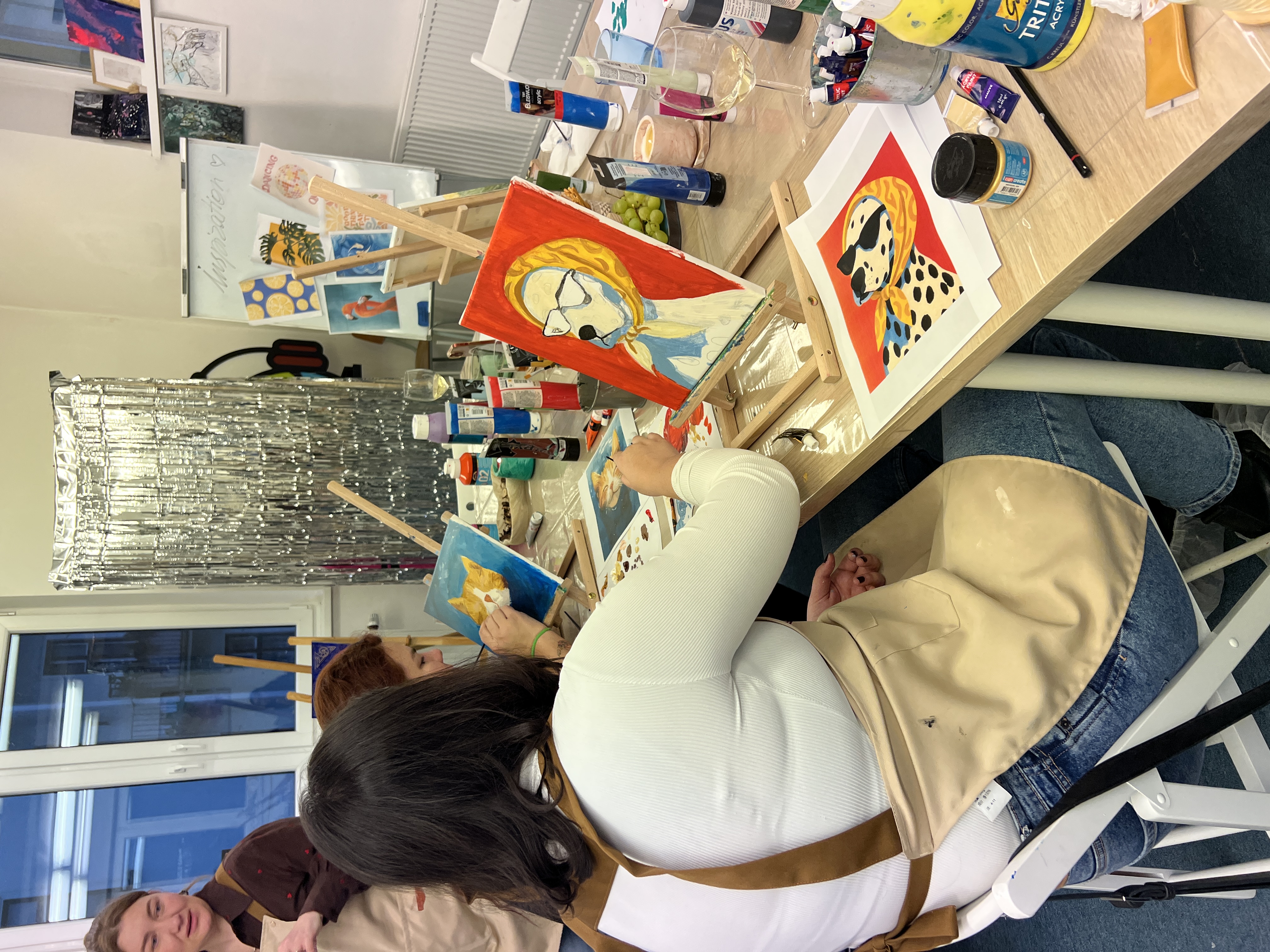
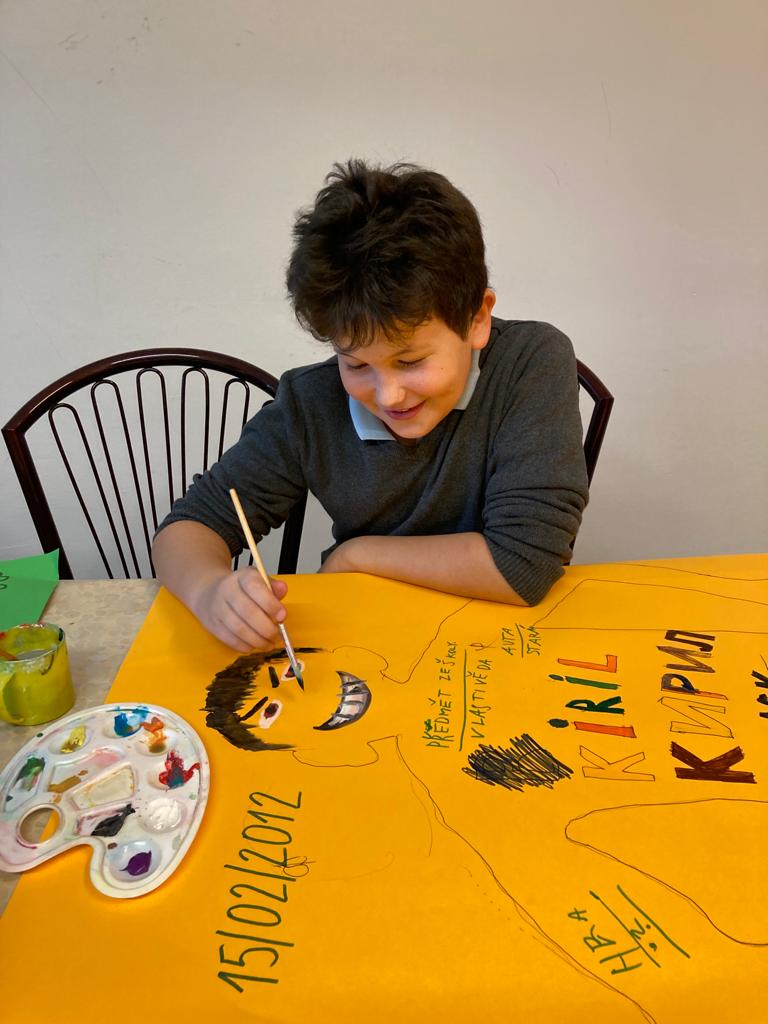
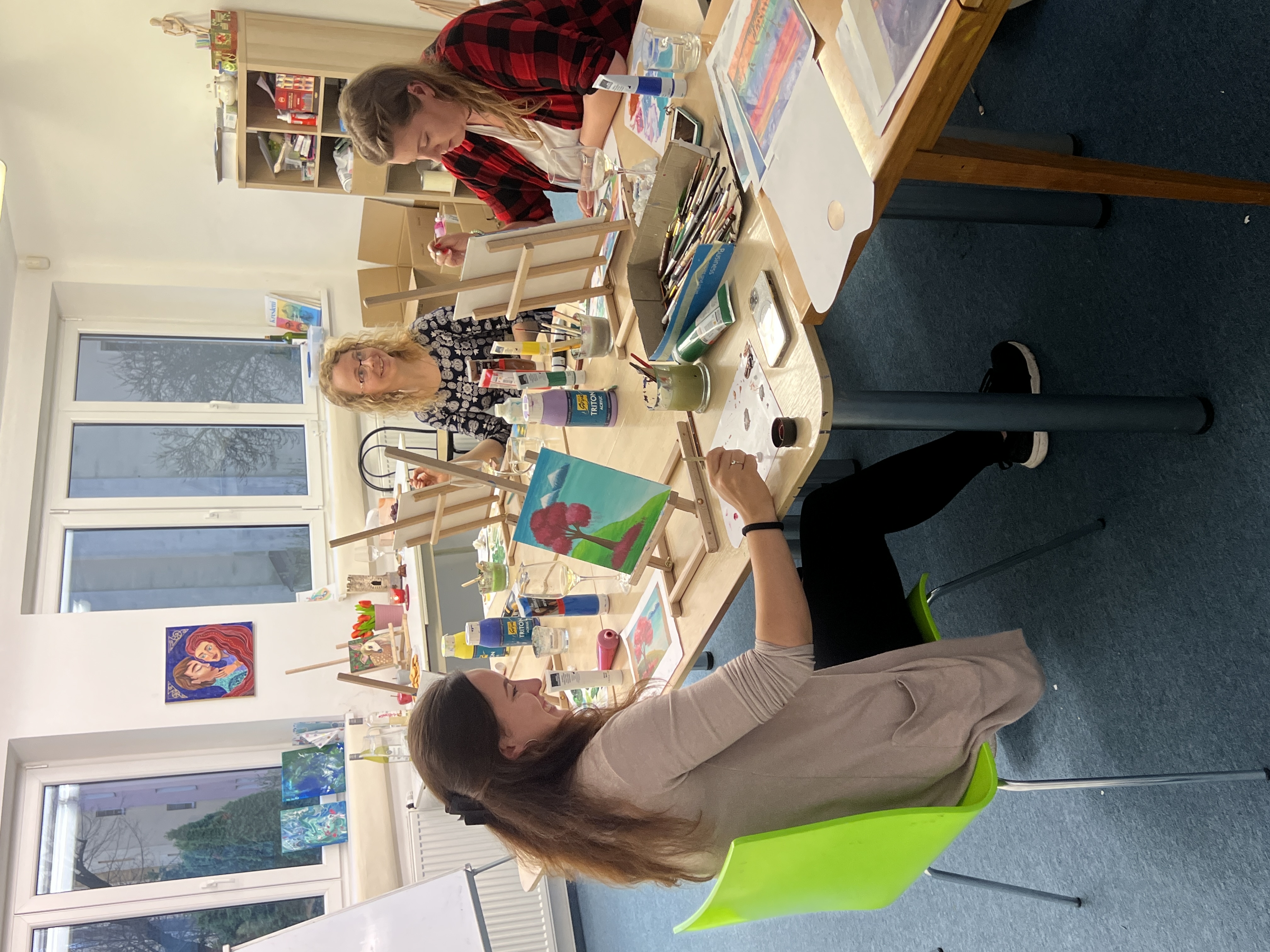
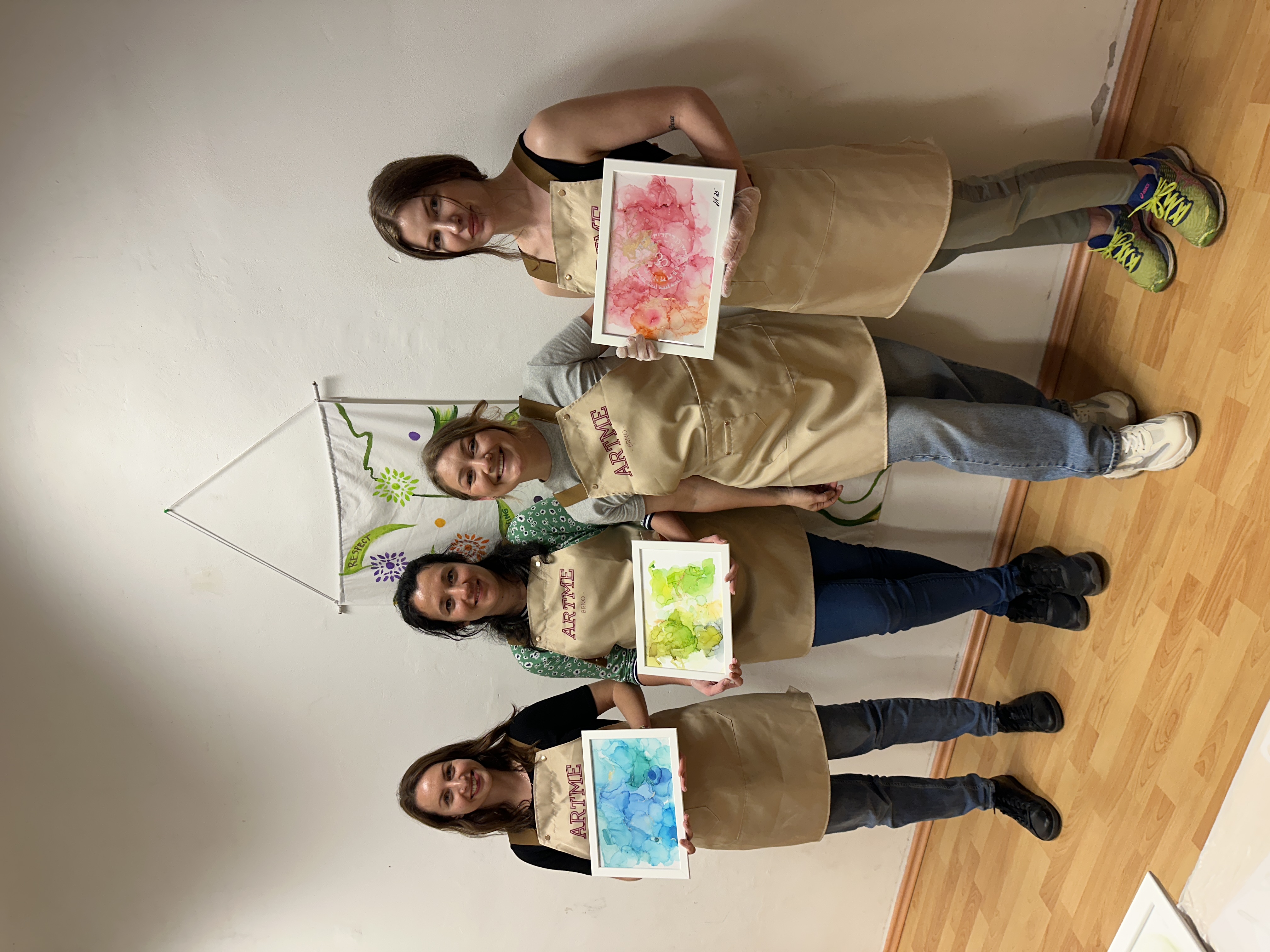
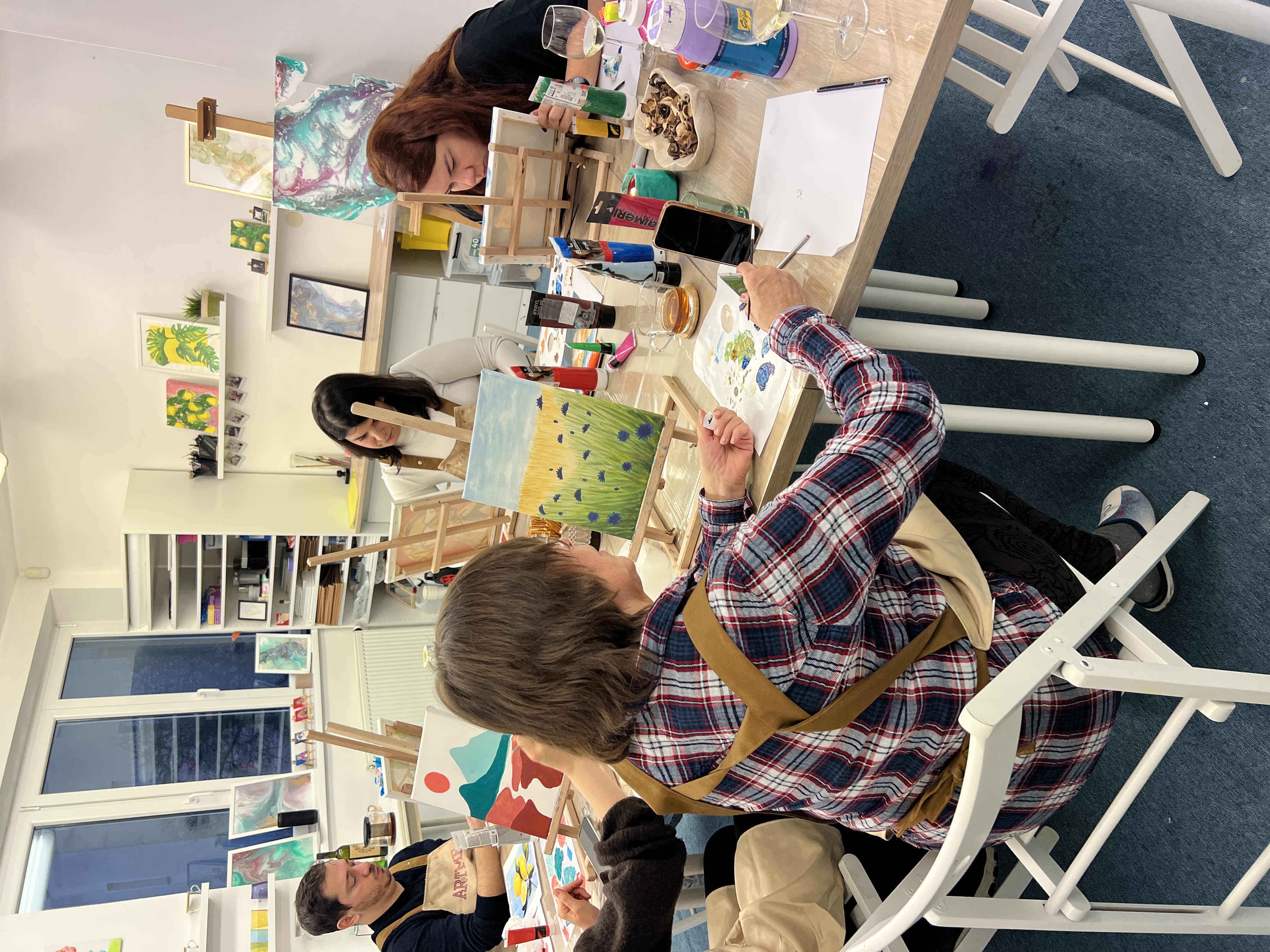
Art Between Cultures is a community-driven cultural platform developed by the Multicultural Center Brusinka in Brno. The project creates an inclusive creative ecosystem where art, sustainability and intercultural dialogue come together through participatory artistic practices. The initiative engages people of different ages, cultural backgrounds and social experiences in collaborative creative processes. Through workshops, community art projects and public presentations, participants transform everyday materials such as recycled textiles, plastic, glass and metal into artistic objects and installations. This hands-on approach makes sustainability tangible and accessible while encouraging creative experimentation and shared cultural expression. Since its implementation, the project has brought together local residents, newcomers, artists and cultural practitioners in a series of creative workshops and community events. Participants work collectively on artistic outputs that are later presented to the public through exhibitions and community gatherings, strengthening the cultural life of the neighbourhood and encouraging dialogue between communities.
Art Between Cultures emerged from the everyday reality of Brno as an increasingly diverse and international city. At the Multicultural Center Brusinka, people of different ages, nationalities and social backgrounds meet through educational and cultural activities. Over time, it became clear that creative practices offer a unique way to build connections where language or cultural differences might otherwise create distance. The idea of Art Between Cultures grew from this observation. Instead of focusing only on dialogue, the project invites participants to create together. Art becomes a shared language that allows people to collaborate, experiment and exchange perspectives without pressure or hierarchy. The project was implemented through a series of participatory workshops and community art activities hosted in the spaces of the Multicultural Center Brusinka in Brno. Participants work with a variety of accessible materials – including recycled textiles, glass, plastic and metal – transforming them into artistic objects and installations. These collective creative processes encourage cooperation, curiosity and mutual learning.
Participatory art
Social inclusion
Creative reuse
Community collaboration
Intercultural dialogue
Art Between Cultures promotes sustainability through practical, creative engagement with materials, resources and community practices. The project introduces participants to the idea that sustainability is not only a technical concept but also a cultural and social practice that can be experienced through everyday creative activities. A central element of the project is the use of recycled and repurposed materials such as textiles, plastic, glass and metal. Instead of being discarded, these materials are transformed into artistic objects and installations during collaborative workshops. This hands-on approach encourages participants to rethink consumption patterns and to see waste as a potential resource for creative expression. The project also promotes a culture of repair, reuse and mindful creation. By working with existing materials and simple tools, participants learn how creative practices can reduce resource use while generating meaningful cultural experiences. In this way, sustainability becomes accessible and tangible rather than abstract.
Art Between Cultures contributes to aesthetics by transforming everyday creative processes into shared cultural experiences that bring beauty into the daily lives of participants and the surrounding community. The project demonstrates that aesthetics is not limited to finished artworks but emerges through the act of creating together, the tactile experience of materials and the atmosphere of a welcoming creative environment. Participants work with diverse materials such as recycled textiles, glass, plastic and metal, transforming them into artistic objects and installations that reflect personal stories, cultural influences and collective imagination. Through this process, ordinary materials are reinterpreted and given new meaning, allowing beauty to emerge from resourcefulness, collaboration and creativity. The workshops and community art sessions create spaces where people can slow down, focus and engage with materials and ideas in a mindful way, which contributes to emotional wellbeing and a deeper appreciation of the creative process. The resulting artworks and installations are often presented publicly, allowing the wider community to experience the outcomes and strengthening the cultural life of the neighbourhood. By inviting people to participate in artistic creation rather than only observe it, the project nurtures a stronger emotional connection to place and to the people who share it. The aesthetic value of the project lies not only in the visual qualities of the artworks but also in the atmosphere of openness, curiosity and shared discovery that develops during the creative process. Through these experiences, Art Between Cultures helps cultivate a sense of belonging, care for the local environment and pride in the cultural diversity of the community.
The initiative promotes inclusion by creating an open and accessible creative environment where people of different ages, cultural backgrounds and social experiences can participate on equal terms. Activities are designed to remove common barriers to cultural participation by ensuring that no prior artistic training, specialised skills or expensive materials are required. Workshops are based on simple techniques and the use of recycled materials, which makes creative participation affordable and approachable for a wide range of people, including newcomers, families, young people and seniors. By focusing on collective artistic processes rather than individual performance or competition, participants collaborate, exchange perspectives and learn from one another, which naturally encourages intercultural dialogue and mutual understanding. The activities follow participatory principles in their organisation and implementation: facilitators guide the process but participants are actively encouraged to contribute their ideas, cultural references and creative approaches, allowing the initiative to evolve together with the community and ensuring that different voices are represented. Accessibility is also supported through the choice of welcoming community spaces and flexible workshop formats that allow people with different abilities and levels of experience to participate comfortably. Through these practices creativity becomes a shared language that connects people across social and cultural boundaries while strengthening social cohesion and a sense of belonging within the local community.
The initiative is based on participatory practices that actively involve citizens, local communities and civil society organisations in the creative process. Rather than positioning participants as passive audiences, the activities invite them to become co-creators who shape the artistic outcomes and the direction of the workshops themselves. Community members take part in collaborative art sessions where they work together on shared pieces, installations and creative experiments using recycled and everyday materials. Participants are encouraged to contribute their own cultural perspectives, ideas and personal stories, which naturally influence the creative process and the final artistic results. This approach creates an open environment where different experiences and viewpoints can coexist and enrich the collective outcome. Local artists and facilitators act mainly as guides who support experimentation and dialogue while leaving space for participants to explore their own creative paths. Civil society actors and community members are also involved in promoting activities, inviting new participants and sharing the results with the wider public through exhibitions and community gatherings. This participatory model helps build trust and stronger relationships within the community while allowing people to feel ownership of the creative process and its outcomes. As a result, the project strengthens civic engagement and encourages people to see cultural activities as something they can actively shape rather than simply observe. Through this continuous collaboration between artists, residents and community organisations, the initiative demonstrates how participatory cultural practices can foster social cohesion, creativity and a shared sense of responsibility for the cultural life of the city.
The initiative has developed through cooperation between stakeholders operating at different levels, creating a network that connects local community actors with broader cultural and institutional contexts. At the local level the project is coordinated by the Multicultural Center Brusinka, which provides the physical space, organisational structure and community network that enables regular workshops, creative meetings and public presentations. Local artists, cultural facilitators and participants from the neighbourhood play a central role in shaping the activities, contributing their ideas and cultural perspectives to the creative process. Civil society organisations and community groups support outreach and help engage diverse participants including families, newcomers and residents from different cultural backgrounds. At the city and regional level the project contributes to the cultural life of Brno by strengthening community participation in creative activities and by collaborating with cultural partners, creative professionals and educational initiatives that share similar goals related to inclusion, sustainability and cultural engagement. The project also benefits from connections developed through international cooperation and cultural exchange networks that bring new ideas and practices from other European contexts. These relationships allow the initiative to learn from diverse experiences and to introduce approaches that combine community art, sustainability and intercultural dialogue. The involvement of stakeholders at multiple levels increases the project’s resilience and visibility while ensuring that local activities remain connected to broader cultural and social developments. This multilevel cooperation strengthens the capacity of the initiative to respond to community needs while contributing to wider discussions about inclusive cultural participation and sustainable creative practices in European cities.
The initiative brings together knowledge and practices from several disciplines, creating a transdisciplinary environment where artistic creation, sustainability and community engagement intersect. Visual arts form the core of the activities through workshops focused on painting, installations and material-based artistic experimentation. Design principles are reflected in the process of transforming recycled materials into meaningful objects and creative compositions, encouraging participants to think about form, texture and spatial relationships. Environmental awareness is integrated through the use of reused and recycled materials, introducing participants to practical approaches related to circular thinking and responsible resource use. Educational practices play an important role as the workshops function as informal learning environments where participants gain new creative and practical skills through hands-on experimentation and shared knowledge. Elements of social sciences are present through the focus on community interaction, intercultural dialogue and the creation of inclusive spaces where people from different backgrounds collaborate and exchange perspectives. The project also explores connections with digital technologies by introducing basic concepts of digital fabrication and 3D modelling as complementary tools for creative expression. Artists, facilitators and community participants contribute their diverse experiences and cultural references, allowing different forms of knowledge to interact within the same creative process. By combining artistic practice, sustainability, education, community engagement and emerging technologies, the initiative demonstrates how transdisciplinary collaboration can generate innovative cultural experiences and strengthen social connections within the urban environment.
The initiative operates through a mixed and community-oriented financial model that combines small participation fees, public support and collaborative partnerships. Workshops and creative sessions are offered at affordable prices, which helps cover basic operational costs such as materials, facilitators’ time and organisational expenses while ensuring that activities remain accessible to a wide audience. The project is hosted and coordinated by the Multicultural Center Brusinka, which provides the physical space, organisational infrastructure and community network necessary for regular activities. Additional financial stability is created through public funding and cultural grants that support community cultural initiatives, education and socially oriented creative projects. Partnerships with artists, cultural professionals and local organisations also contribute to the sustainability of the activities by sharing resources, knowledge and organisational capacities. Because many workshops rely on reused and recycled materials, production costs remain relatively low while simultaneously supporting the environmental principles of the project. Occasional public exhibitions and community events further increase visibility and can attract additional support from local partners or sponsors interested in supporting cultural and community-based initiatives. This diversified structure allows the initiative to remain financially flexible while continuing to prioritise accessibility, community participation and long-term cultural impact rather than commercial profit.
The approach can be easily transferred to other cities, community centres and cultural organisations because it is based on a simple and adaptable methodology rather than complex infrastructure. The core model relies on participatory creative workshops where participants transform locally available recycled materials into artistic objects and installations while engaging in collective creative processes. This methodology can be implemented in a wide variety of spaces such as community centres, libraries, cultural hubs, schools or public institutions without the need for specialised equipment or significant financial investment. The use of recycled and easily accessible materials allows organisers in different contexts to adapt the activities to their local environment while maintaining the environmental and creative principles of the project. The facilitation model is also transferable: local artists, educators or community facilitators can guide the creative process while participants contribute their own ideas, cultural perspectives and experiences. This structure encourages local ownership and allows the project to reflect the cultural identity of each place where it is implemented. The combination of creative reuse, participatory art practices and community engagement can also be applied in different sectors including cultural education, community development, environmental awareness programmes and social inclusion initiatives. Because the activities are flexible and modular, they can be scaled from small workshops to larger community projects or public exhibitions depending on local resources and community interest. The key learning from the initiative is that artistic collaboration using simple materials can create meaningful connections between people while promoting sustainable thinking and inclusive cultural participation, making the model highly adaptable to diverse social and cultural contexts.