Enhancing Circularity, Sustainability, and Innovation
Suisio Green Roots: Community Gardens
Suisio Urban Gardens: Regenerating Land for Intergenerational Inclusion and Sustainability
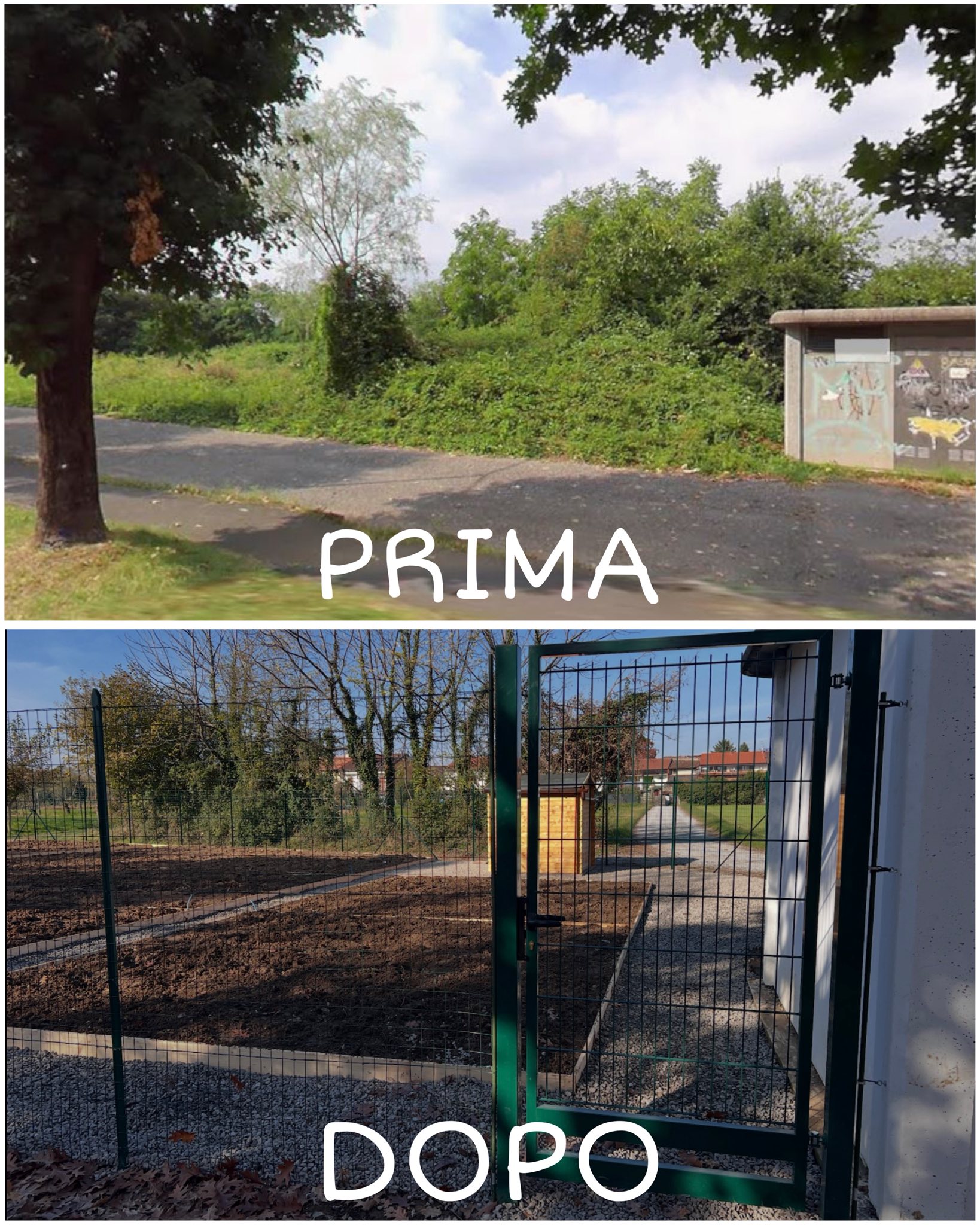
Suisio transforms an unused municipal area into a vibrant hub of 11 urban gardens. By blending traditional cultivation with modern efficiency—like rainwater harvesting and drip irrigation—the project fosters social bonds between seniors and youth. Managed with local volunteers, these gardens reclaim public space, enhance biodiversity, and promote a circular lifestyle. It’s not just about growing food; it’s about growing a resilient, inclusive community in the heart of Lombardy.
Italy
Local
Suisio
It addresses urban-rural linkages
It involves a physical transformation of the built environment (hard investment)
Yes
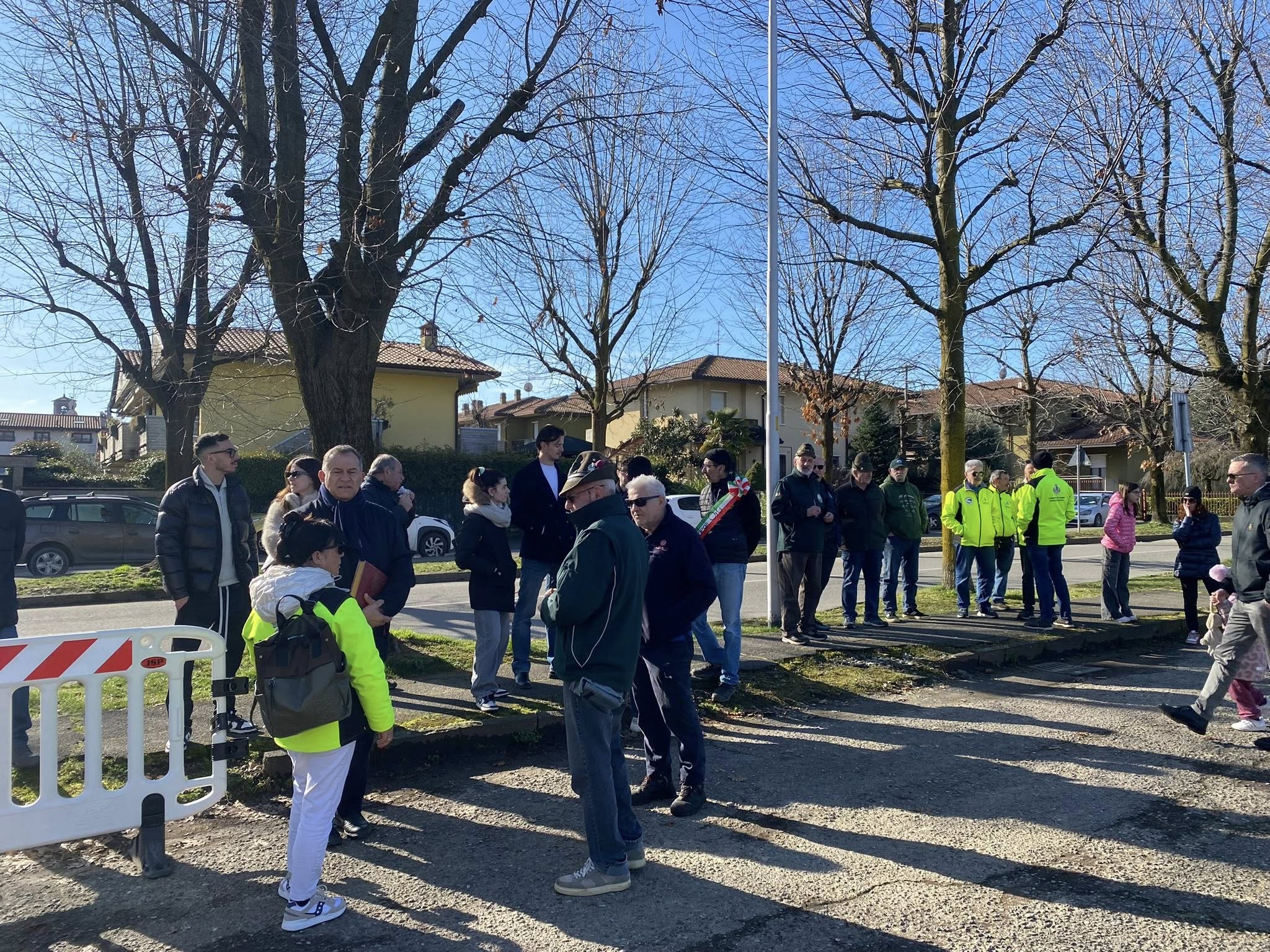
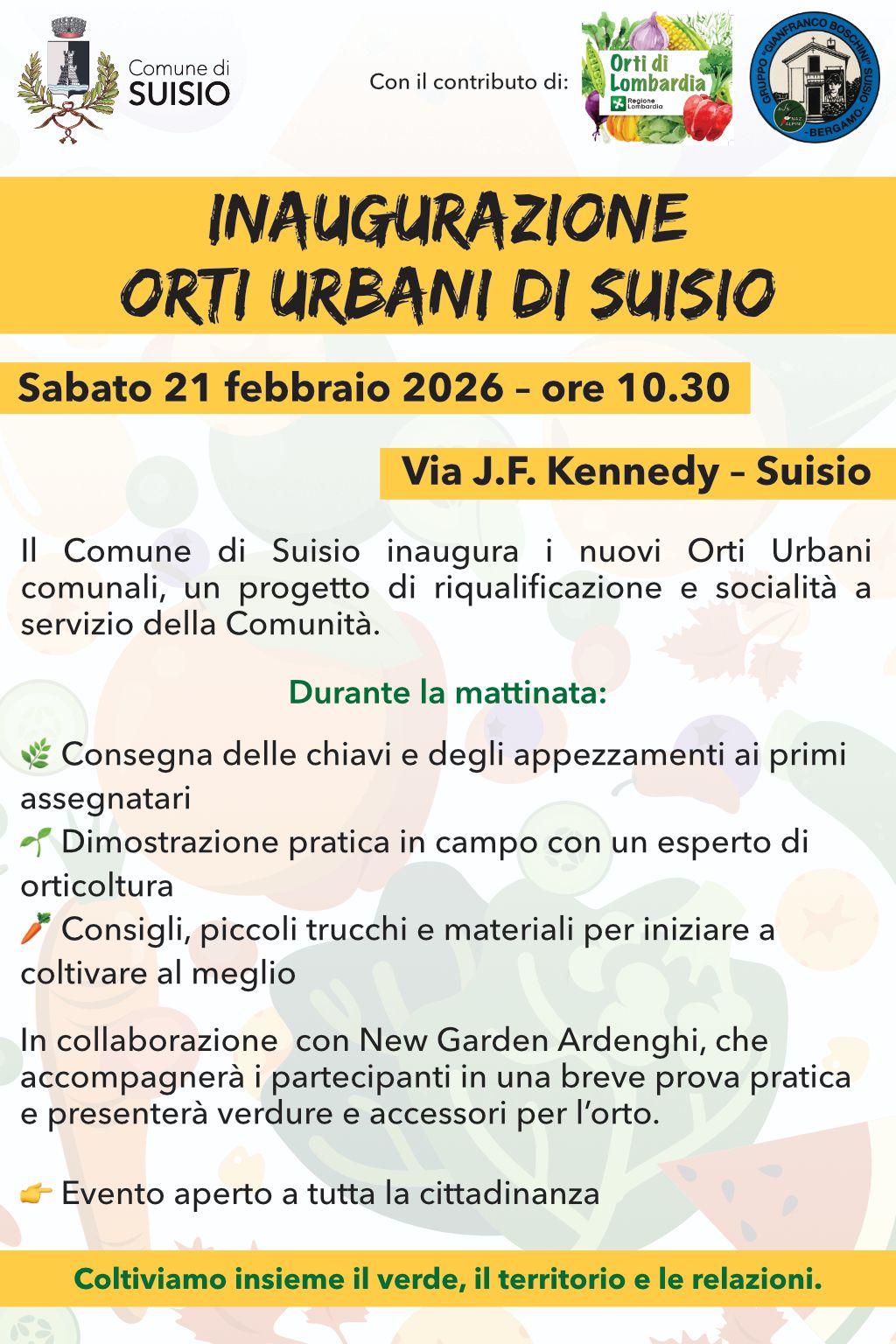
2026-02-21
No
No
Yes
Organisation
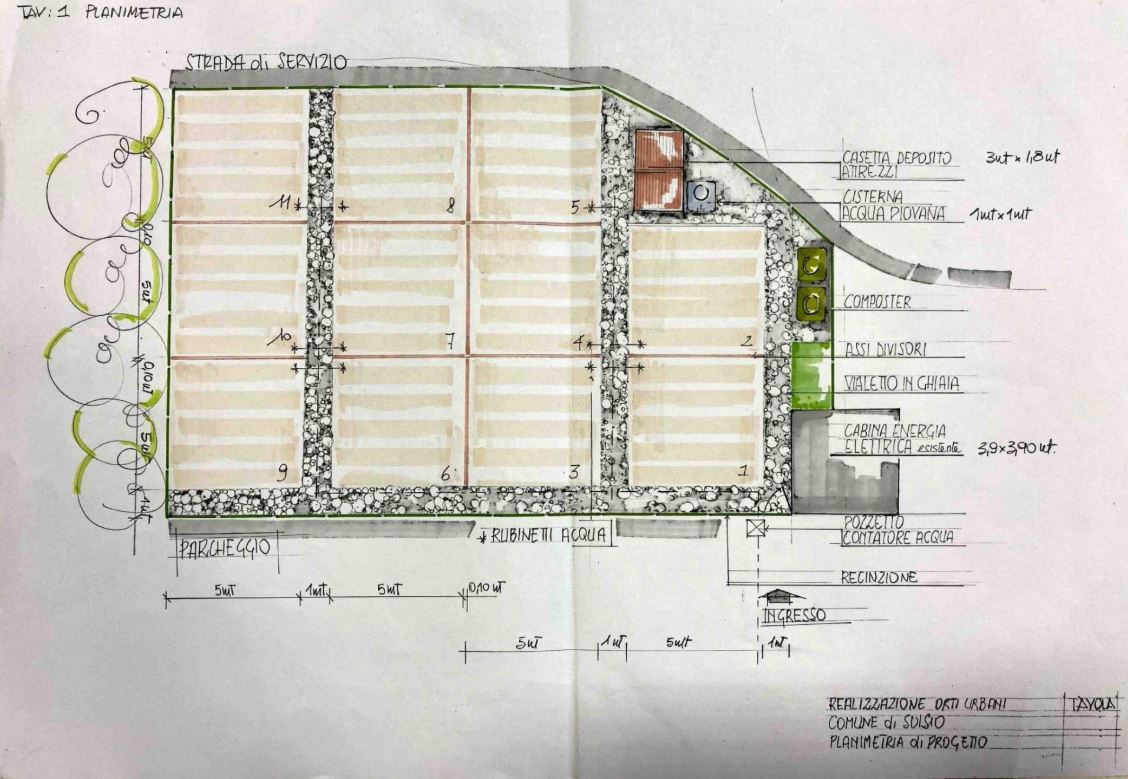
The Suisio Urban Gardens project has successfully transformed an underutilized 300sqm municipal area into a productive and social green lung. The primary result is the creation of 11 individual plots (25sqm each) equipped with a shared infrastructure designed for environmental efficiency. Key technical achievements include a specialized rainwater harvesting system and automated drip irrigation, which minimize water waste and promote climate-conscious gardening.
Beyond the physical infrastructure, the project has already established a formal management framework through a dedicated Municipal Regulation. This ensures that the gardens are not just a temporary installation but a permanent community asset. The long-term impact is twofold:
Social Cohesion: By prioritizing seniors and involving local volunteers, the project tackles urban isolation, fostering intergenerational knowledge exchange where experienced gardeners mentor younger citizens.
Urban Regeneration: The project serves as a scalable model for small municipalities (under 5,000 inhabitants) to reclaim "marginal" lands. It shifts the perception of public space from "unused" to "shared," enhancing local biodiversity and providing a low-cost, high-impact blueprint for circular urban living in the Lombardy region.
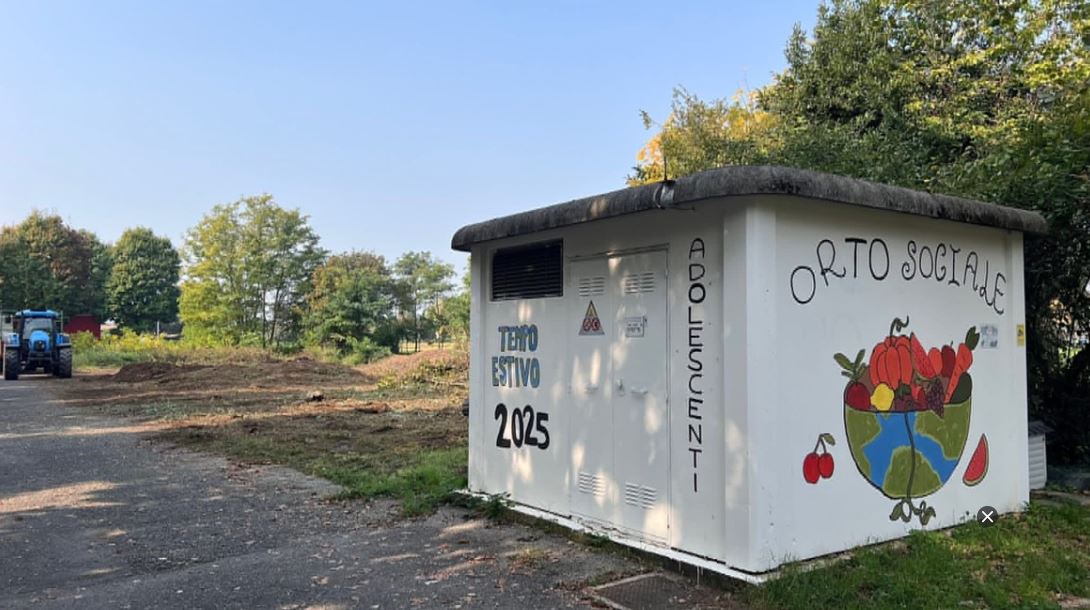
The story of the Suisio Urban Gardens began with a simple observation: a central plot of land in Via J.F. Kennedy was laying fallow, serving no purpose for the community. In 2025, the Municipal Administration decided to bridge this gap by aligning local needs with regional opportunities. The spark was the "Orti di Lombardia" call by ERSAF, which provided the initial financial momentum, matched by the Municipality’s own resources.
The implementation followed a structured "bottom-up" logic. First, the executive project (Resolution no. 94) was designed to prioritize functionality and sustainability over mere decoration. We didn't just want "greenery"; we wanted a "living laboratory." Throughout the autumn of 2025, the land was cleared and subdivided.
A crucial part of the story is the "Soft Infrastructure": the creation of the rules. The City Council worked alongside local associations to draft a regulation that guarantees fair access and shared responsibility. This collaborative approach ensured that even before the first seed was planted, the community felt a sense of ownership. The works, completed by the end of 2025, turned a silent patch of grass into a site of active citizenship. Today, the gardens stand as a testament to how small towns can implement the European Green Deal through local, tangible actions.
Intergenerational Inclusion
Nature-Based Solutions
Urban Regeneration
Community Co-management
Circular Resource Use
The Suisio Urban Gardens project addresses environmental challenges by turning a "grey" unused lot into a "green" productive ecosystem. Sustainability is concretely embedded through Nature-Based Solutions (NBS):
Water Stewardship: Instead of relying solely on the municipal water network, the project features a rainwater harvesting system combined with automated drip irrigation. This minimizes the water footprint and educates citizens on resource scarcity.
Soil Health & Biodiversity: By converting 300sqm of compacted soil into cultivated plots, we promote local biodiversity and carbon sequestration. The transition from "unused land" to "organic garden" encourages zero-km food production, reducing the carbon footprint associated with logistics.
Economic Sustainability: With a lean investment of €15,000, the project demonstrates that small municipalities can achieve high environmental standards. The management model, shared with local volunteers, ensures long-term viability without weighing on the municipal budget.
Our project is exemplary because it proves that sustainability is not a luxury for big cities, but a practical, low-cost tool for small communities to adapt to the Green Deal.
Beyond mere functionality, the Suisio project reclaims the "Aesthetics of Care." In many small towns, unused municipal patches often become eyesores or "non-places." By introducing 11 orderly, well-equipped garden plots in Via Kennedy, we have improved the everyday visual landscape of the neighborhood.
Sensory Experience: The gardens offer a multisensory improvement—the smell of herbs, the sight of seasonal changes, and the sound of community interaction—replacing a silent, decaying area.
Sense of Belonging: Aesthetics in the NEB sense is about the quality of the experience. By providing a clean, organized, and beautiful space, we trigger a "virtuous cycle of care": when a place looks cared for, citizens are more likely to protect and maintain it.
Cultural Heritage of Soil: The project honors the agricultural roots of the Lombardy region, translating traditional knowledge into a contemporary, dignified design.
It is exemplary because it demonstrates that beauty is a social right: a well-designed public space fosters dignity and pride within the community, turning a peripheral street into a landmark of local identity.
Inclusion in Suisio is not just a goal; it is the project's foundation. We addressed the challenge of social isolation—particularly among the elderly—through a "Design for All" approach:
Accessibility & Affordability: The plots are made accessible to citizens regardless of their economic status, ensuring that the "right to the soil" is democratic. Priority is given to seniors, providing them with a physical and social outlet that keeps them active and integrated into the town's life.
Inclusive Governance: The project is governed by a shared Regulation (Regolamento Comunale) co-developed with local associations. This model empowers citizens to be "stewards" rather than just "users."
Social Fabric: The gardens act as an intergenerational bridge. By creating shared common areas within the garden site, we facilitate spontaneous dialogue between the elderly (the keepers of agricultural knowledge) and younger generations interested in sustainability.
The project is exemplary in inclusion because it uses urban gardening as a tool for social welfare, proving that a small plot of land can become a powerful engine for equity and community resilience. Natural material used: wood, signs...
The participation of the Suisio community was not a final step, but the very engine of the project. From the early stages, the local administration engaged with civil society organisations and residents to define the project’s scope.
Role and Involvement: Local volunteers and associations played a pivotal role in drafting the "Orti Urbani Regulation." This wasn't just a legal exercise; it was a collaborative process to ensure the 11 plots would meet the actual needs of our seniors and families. Citizens were involved in identifying the best location (the Kennedy area) and suggesting the types of shared facilities needed (tool sheds, benches, and water points).
Impact: This high level of involvement transformed "users" into "stewards." Because the community helped define the rules of coexistence, there is a strong sense of collective responsibility. The impact is a self-sustaining social ecosystem where the management of the gardens is shared between the Municipality and a local association, reducing maintenance costs while increasing social surveillance and care for the public space.
Our project demonstrates that participation is the best tool for durability: when people help build a place, they never abandon it.
The Suisio Urban Gardens are a textbook example of how different institutional levels can align to achieve a local goal with European significance.
Local Level: The Municipality of Suisio provided the land, the political vision (Resolution no. 94/2025), and 50% of the funding, ensuring the project remained rooted in the specific needs of the territory.
Regional Level: The project was co-funded by the Lombardy Region through the "Orti di Lombardia 2025" call (promoted by ERSAF). This regional support provided not only financial resources but also technical guidelines on sustainability and biodiversity that elevated the project's quality.
European Level: By aligning with the New European Bauhaus principles and the European Green Deal's goals for urban greening, Suisio translated high-level EU policies into a tangible 300sqm reality.
Added Value: This multilevel approach ensured financial resilience and technical excellence. The regional framework provided the "what" (sustainability standards), while the local administration provided the "how" (community engagement), creating a synergy that a single entity could not have achieved alone.
Designing 11 urban gardens might seem simple, but in Suisio, it required a sophisticated blend of diverse knowledge fields to ensure long-term success:
Engineering & Environmental Sciences: These were crucial for the technical infrastructure. Engineers designed the hydraulic system for rainwater harvesting and drip irrigation, while environmental principles guided the choice of permeable soils and organic cultivation methods.
Social Sciences: The project drew on sociological insights to design the "soft infrastructure"—the rules of allocation. By prioritizing seniors and creating intergenerational spaces, we used social engineering to tackle loneliness and promote community health.
Architecture & Landscape Design: Even on a small scale, the layout was designed to be aesthetically pleasing and functional, ensuring that the tool sheds and common areas integrated harmoniously with the existing neighborhood of Via Kennedy.
Legal & Administrative Expertise: The drafting of the Municipal Regulation required legal precision to ensure fair access, liability management, and transparent governance.
By merging technical efficiency with social empathy and legal clarity, the project moved beyond simple "gardening" to become a multidisciplinary laboratory for urban well-being.
The business model of the Suisio Urban Gardens is built on a Hybrid Public-Community Partnership, designed to ensure long-term viability with minimal impact on the municipal budget. It transitions from a "capital-heavy" startup phase to a "resource-efficient" operational phase.
1. Initial Capital Investment (CapEx):
The project’s setup (€15,000) was financed through a smart 50/50 matching model:
Public Regional Funding: Leveraging the "Orti di Lombardia" grant (ERSAF), which covered 50% of the costs.
Municipal Co-financing: The remaining 50% was allocated from the municipal budget, demonstrating local political commitment and ensuring immediate ownership of the asset.
2. Operational Sustainability:
To ensure the project does not become a financial burden, we implemented three key mechanisms:
Low-Maintenance Design: By investing in automated drip irrigation and rainwater harvesting, we significantly reduced ongoing utility costs (water and electricity) compared to traditional gardens.
User Contributions: The Municipal Regulation (Regolamento Comunale) establishes a symbolic annual "membership fee" for each plot holder. These revenues are earmarked specifically for the maintenance of common areas and the repair of shared tools, creating a self-funded micro-circular economy.
Voluntary Management Model: The daily oversight and minor maintenance are delegated to a local association and community volunteers. This "Social Stewardship" eliminates the need for paid municipal staff on-site, shifting the management from a service-cost to a social-value model.
3. Long-term Financial Resilience:
The project acts as a "Social Infrastructure." By promoting active aging among the elderly (the primary target group), the project contributes to long-term indirect savings in local healthcare and social assistance costs.
In summary, our business model is exemplary because it combines institutional leverage (regional grants) with community-led maintenance,
The Suisio Urban Gardens project was conceived as a modular and scalable blueprint specifically designed for Small Local Administrative Units (LAUs). Several key elements are highly transferable to other European contexts:
1. The "Soft Infrastructure" (Methodology & Process):
The core of our scalability lies in the Municipal Regulation (Regolamento Comunale). We developed a legal and administrative framework that balances public authority oversight with community autonomy. This "plug-and-play" governance model can be easily adapted by any small municipality to manage shared public lands, ensuring fair allocation and long-term stewardship without complex bureaucratic structures.
2. Low-Tech, High-Impact Technology:
The technical integration of rainwater harvesting and automated drip irrigation is highly replicable. By using standard, affordable components, we demonstrate that water resilience is achievable even with limited budgets. This technical setup can be transferred to any climate zone facing water scarcity or seeking to reduce utility costs in public green spaces.
3. Target Group Adaptability:
While our current focus is on seniors and intergenerational exchange, the "Suisio Model" is easily transferable to other beneficiaries. The same 25sqm plot structure and shared-management approach can be replicated for school educational gardens, integration projects for refugees, or therapeutic gardens for citizens with disabilities.
4. Economic Scalability:
With a total cost of €15,000, the project represents a "minimum viable product" for urban regeneration. It proves that significant social and environmental impact does not require mult
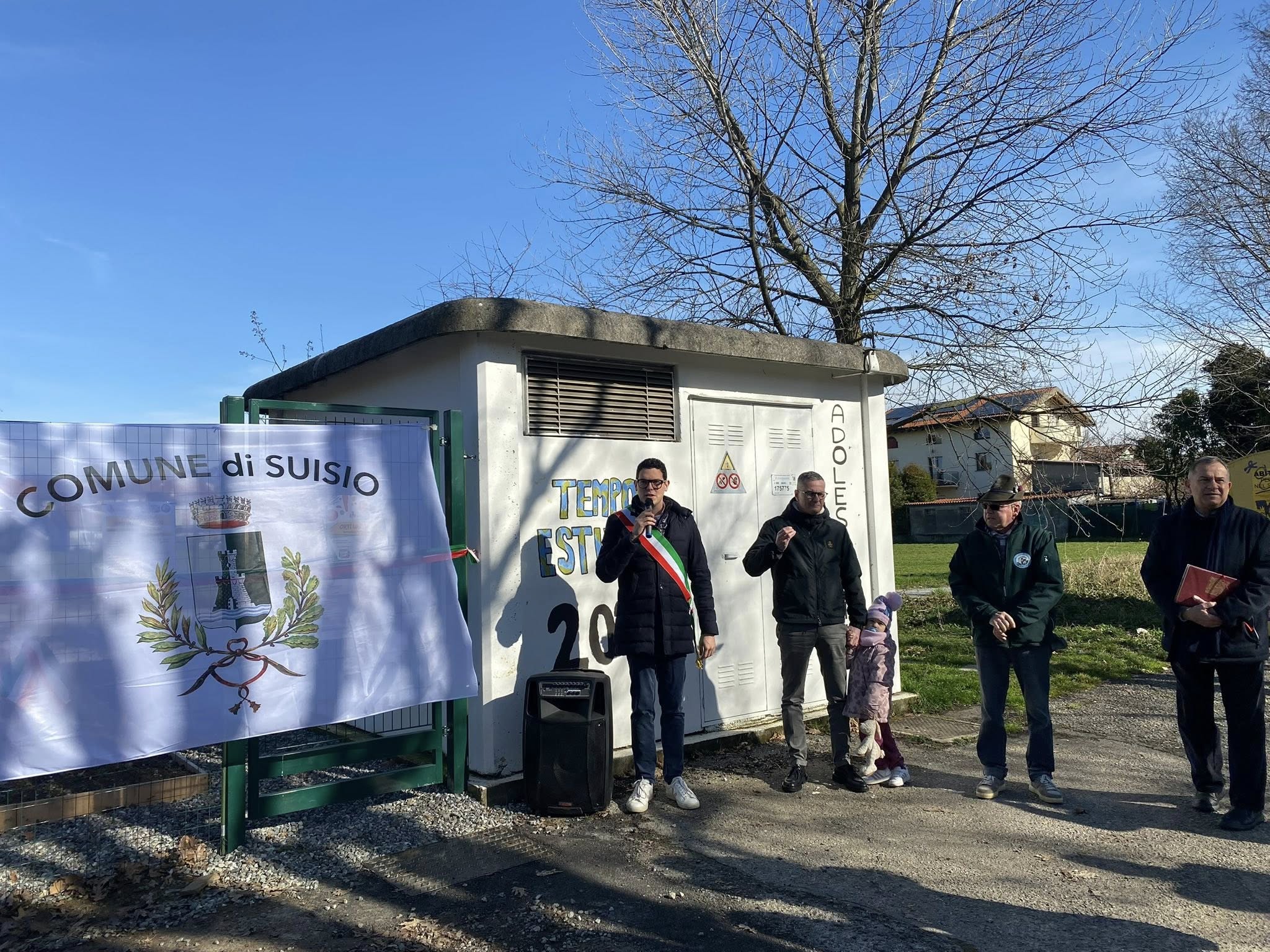
- https://www.facebook.com/comunedisuisio/posts/-inaugurati-gli-orti-urbani-di-suisioquesta-mattina-si-%C3%A8-svolta-con-grande-parte/1238575921796477/
- https://www.comune.suisio.bg.it/novita/news/inaugurazione-degli-orti-urbani-di-suisio
- https://primamerate.it/attualita/al-via-i-lavori-per-i-nuovi-orti-urbani-di-suisio/