Enhancing Circularity, Sustainability, and Innovation
Material Culture
Material Culture: Reconnecting Craft, Architecture and Dining Through Natural Materials
Volupte Studio explores how natural and reclaimed materials can reshape contemporary spaces. Working with clay and recycled plaster, the studio creates objects and architectural elements that connect craft, gastronomy, and design. From restaurant tableware to sculptural interiors, Volupte transforms traditional materials and industrial waste into tactile, beautiful pieces that celebrate cultural heritage while imagining a more sustainable future for European design.
Spain
National
It addresses urban-rural linkages
It involves a physical transformation of the built environment (hard investment)
Yes
2025-12-10
Yes
NEB Catalyse
Creative Mobility
No
No
Organisation
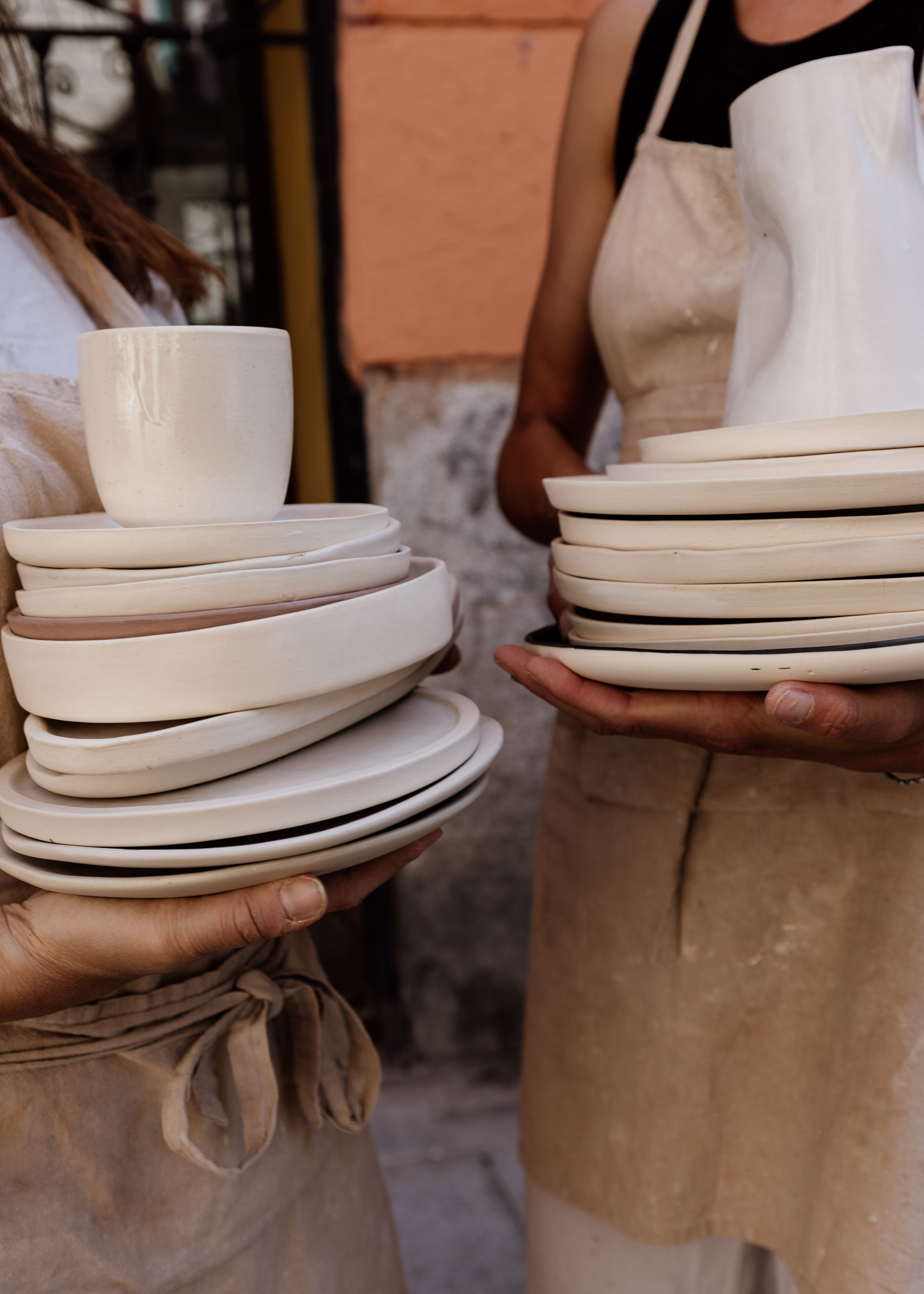
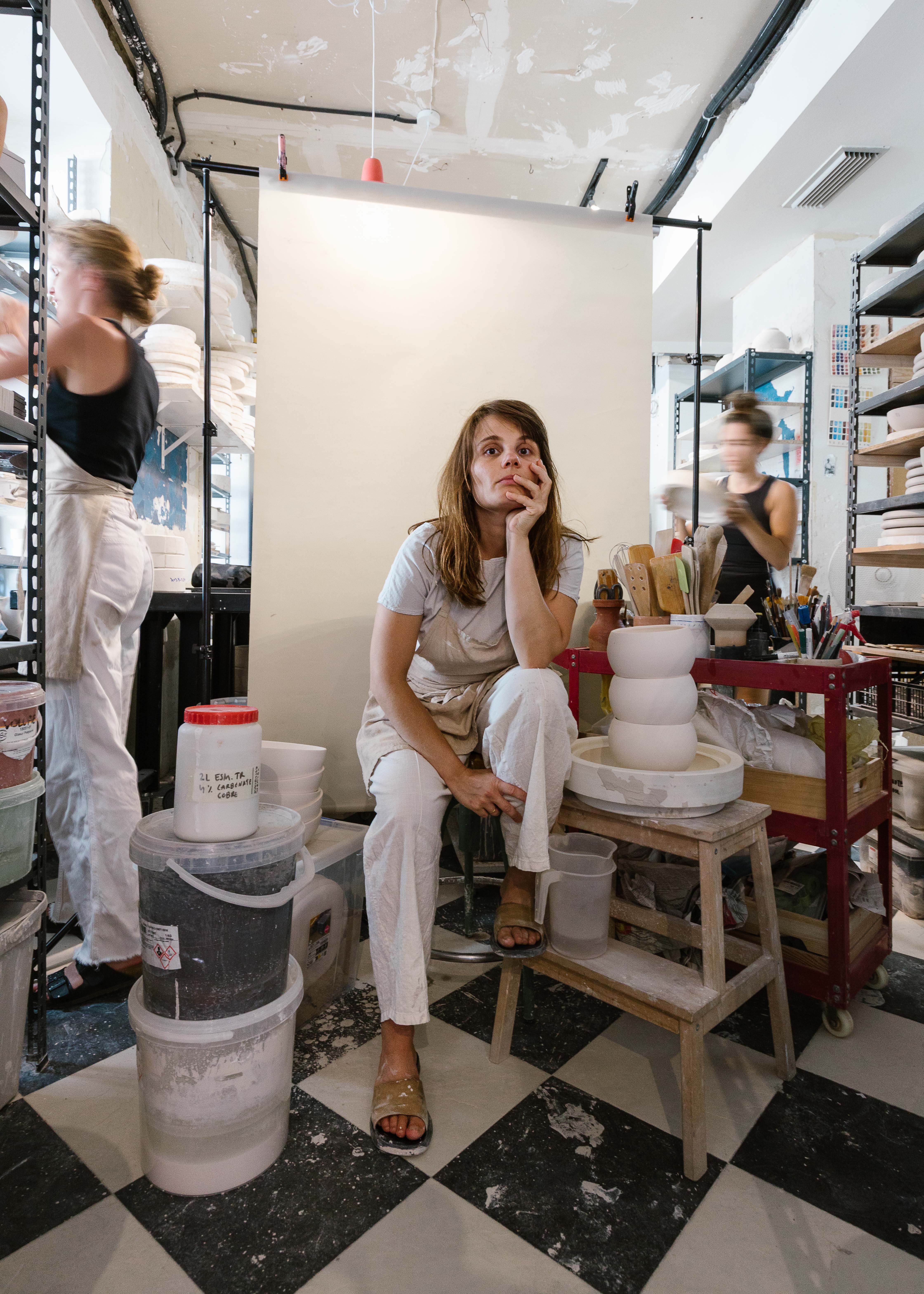
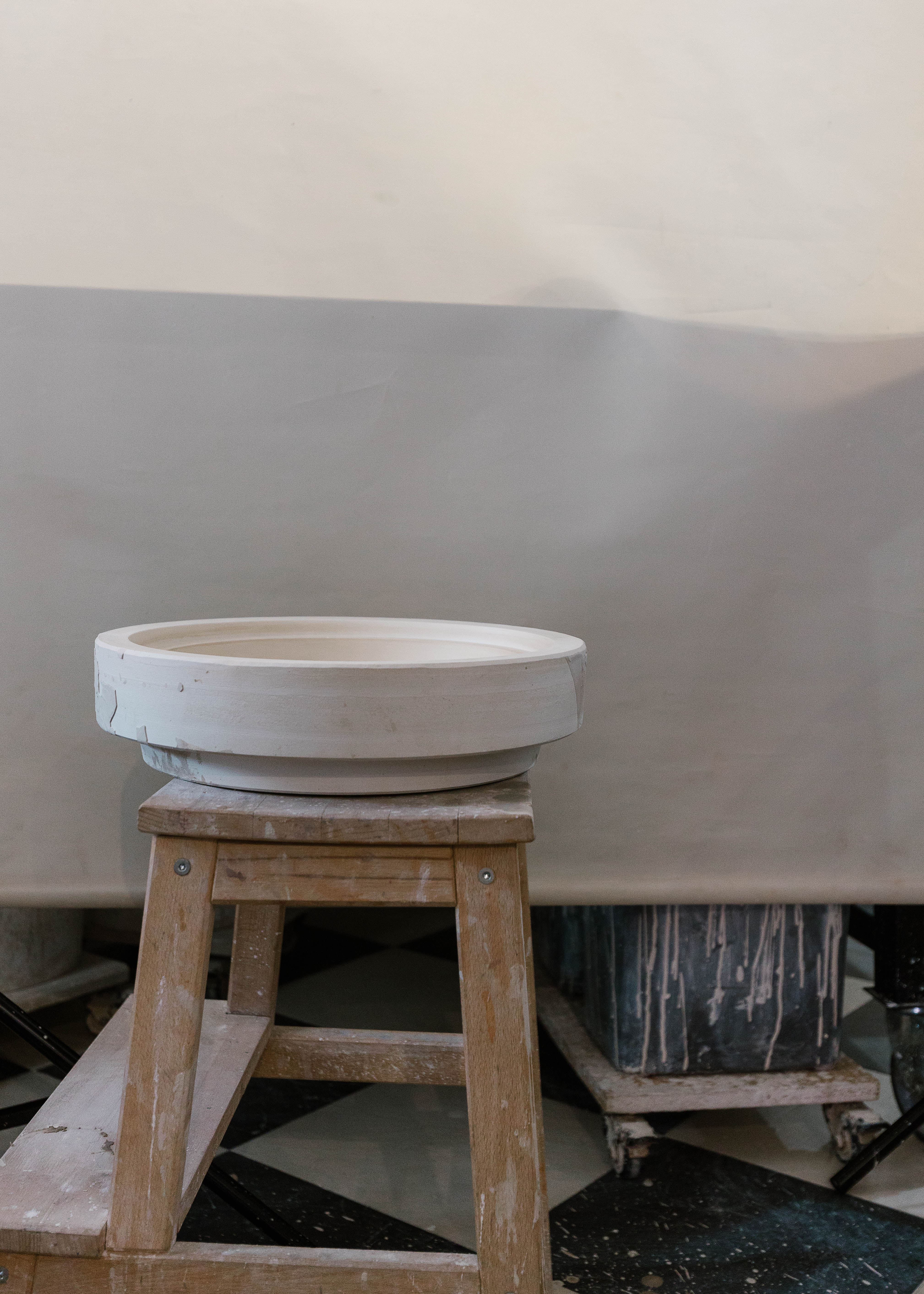
Our project focuses on developing scalable and sustainable design products for businesses such as restaurants, hotels, and cultural spaces through circular material practices rooted in craftsmanship. It explores how contemporary hospitality and interior environments can integrate objects that are both aesthetically refined and materially responsible, creating meaningful connections between design, materials, and place. A central part of this is the development of custom clay bodies and glaze recipes made from locally sourced minerals, regional resources, and recycled materials. By controlling the composition of these materials, the project maintains oversight of the full lifecycle of production while minimizing environmental impact. Ceramic processes naturally support circularity: clay scraps, trimmings, and unfired materials are continuously reclaimed and reintegrated into new pieces. Water use is carefully managed and materials are reused whenever possible, allowing production to operate within a circular and resource-conscious system. Alongside ceramics, we explore the transformation of construction waste into high-value design objects. Using reclaimed plaster, local pigments, and other recovered materials, exclusive edition pieces are created for hotels, restaurants, and other businesses. These objects demonstrate how discarded industrial materials can be reintroduced into contemporary spaces, transforming waste into sculptural and functional elements. Traditional artisan knowledge informs our methodology. Historic craft practices have long relied on careful material use, reuse, and adaptation, and these principles guide the development of circular production methods today. We explore how craft production can scale responsibly. by combining traditional mold-making techniques with modern tools such as 3D printing and digital prototyping. Our model of production responds to clients, maintains quality through circular systems, local sourcing, and artisan craft
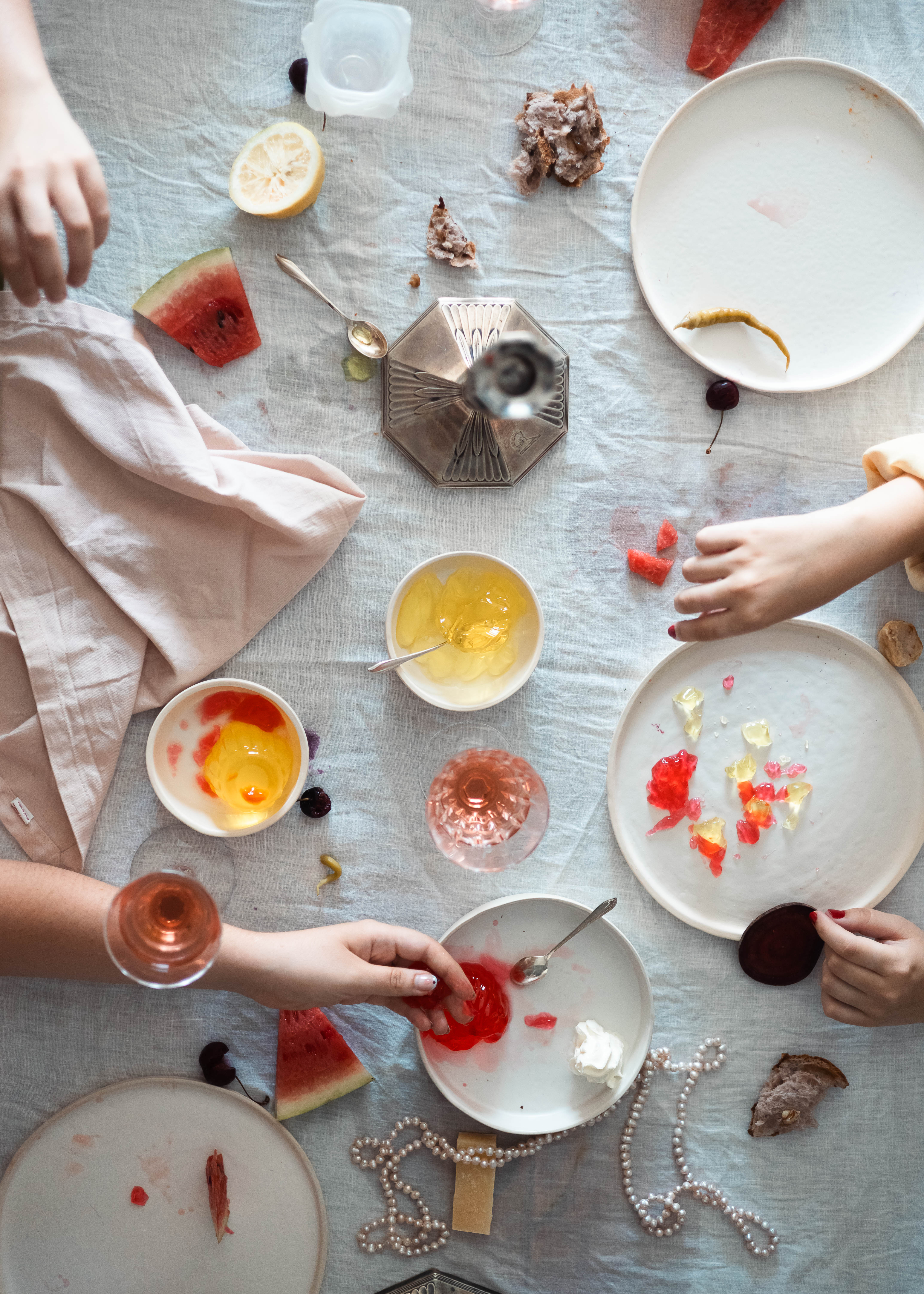
The project began three years ago when Eloise and Alex met through a shared curiosity about materials and craft. What started as a friendship quickly evolved into a shared vision: to explore how working with raw materials and traditional craft processes could bring people together and reconnect design with its material origins. From this idea, they founded Volupte Studio and began this work focused on creating sustainable design products for businesses through circular material practices rooted in craftsmanship. From the beginning, this project was implemented through hands-on experimentation and collaborations with restaurants, designers, and cities. One of the first major implementations took place with the restaurant TRAMO in Madrid. In this case, construction waste was reintroduced into the production process and transformed into ceramic tableware used in the restaurant. We explored how materials from the built environment could be reimagined as functional objects within cultural spaces such as dining environments. Material experimentation with beauty and sustainability continued across different contexts. In Toulouse, France, it involved salvaging river clay to produce a dinnerware series for a local design studio, reconnecting the ceramic objects directly to the landscape from which the material originated. For the Napoli Design Fair, the studio collaborated with a designer to experiment with ceramic glazes made from food waste, turning organic by-products from the food system into new surface finishes for ceramics. We also expanded into public space working the City of Lisbon to collect local raw materials to develop ecobricks for pollination and prevent erosion in the Bella Vista urban park. These first initiatives demonstrates how local materials, circular production methods, and artisan knowledge can be applied across spaces to create sustainable objects and environments with a design purpose. Using this knowledge, we expanded our work to design space.
circular economy
craft heritage
sustainable design
local materials
traditional knowledge
We address environmental, cultural, and economic sustainability by rethinking how design objects are produced and integrated into everyday spaces. We focus on developing circular material practices that reduce waste, prioritize local resources, and strengthen regional production ecosystems. By working with our own recipes, we create locally sourced clays, using only minerals, pigments, and reclaimed plaster from the construction industry, the project minimizes reliance on long global supply chains while encouraging responsible use of regional materials. Ceramic production itself supports circularity. Clay scraps, trimmings, and unfired materials are continuously reclaimed and reintegrated into new pieces, significantly reducing material waste. Water used in the studio is carefully managed and reused within the production process whenever possible, helping to lower the studio’s overall water footprint. The environmental impact of the studio’s activities has also been formally evaluated. Volupte Studio measured its carbon footprint and achieved carbon neutrality through CIF Validation, demonstrating that small-scale craft production can operate within responsible environmental limits while continuing to grow. We contributes to cultural sustainability by preserving and evolving traditional craft knowledge. Historical ceramic practices have long relied on careful material use, repair, and reuse, and these principles inform the project’s approach to contemporary production. Economically and socially, the project supports local creative networks by collaborating with restaurants, designers, manufacturers, and municipalities. We contribute to strengthening local economies with fair, skilled craft-based employment at our studio. We fosters long-term partnerships between creative professionals and universities through exchange programs. By combining circular materials and craft-based production with modern technologies, we aim to create a sustainable work environment.
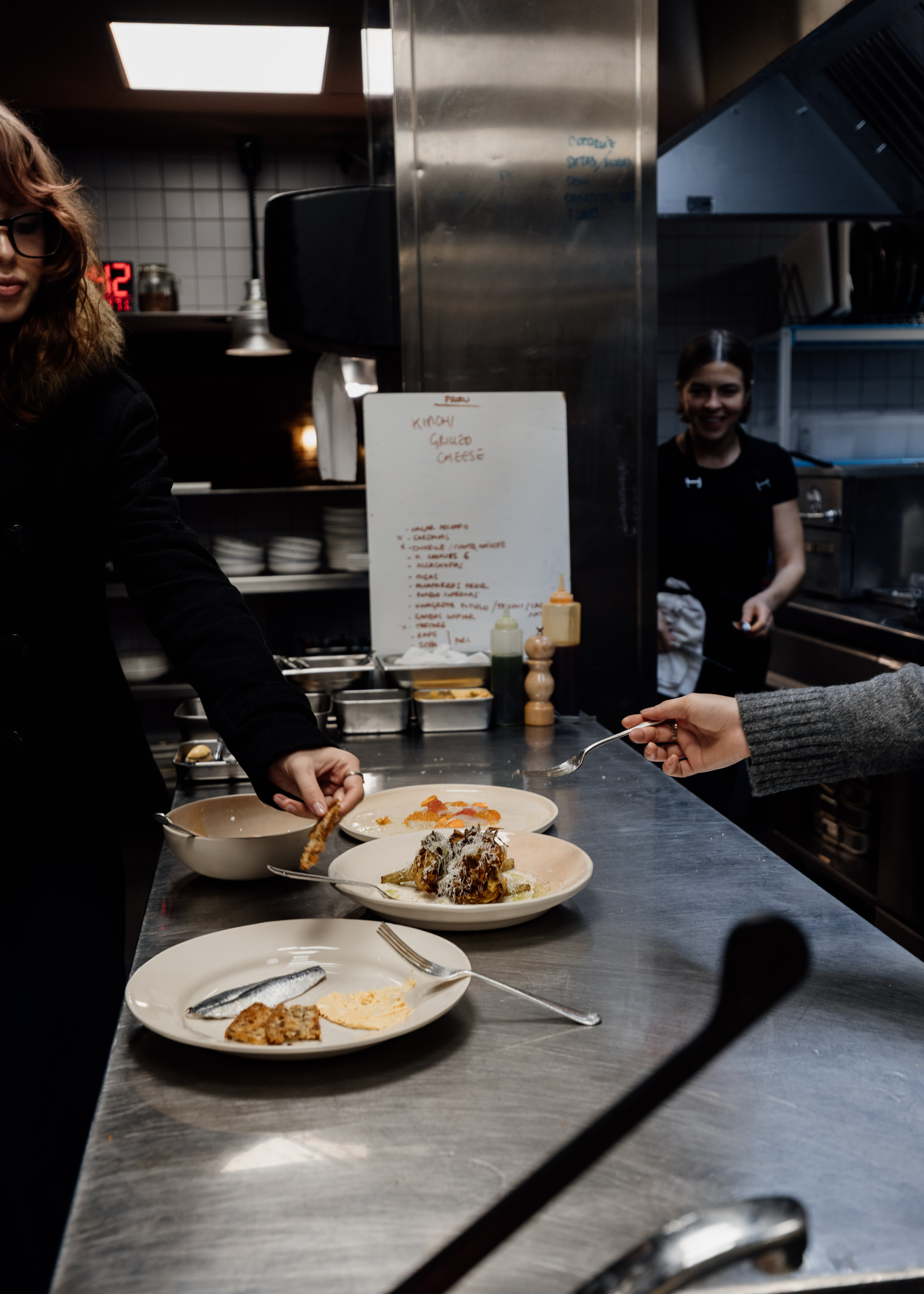
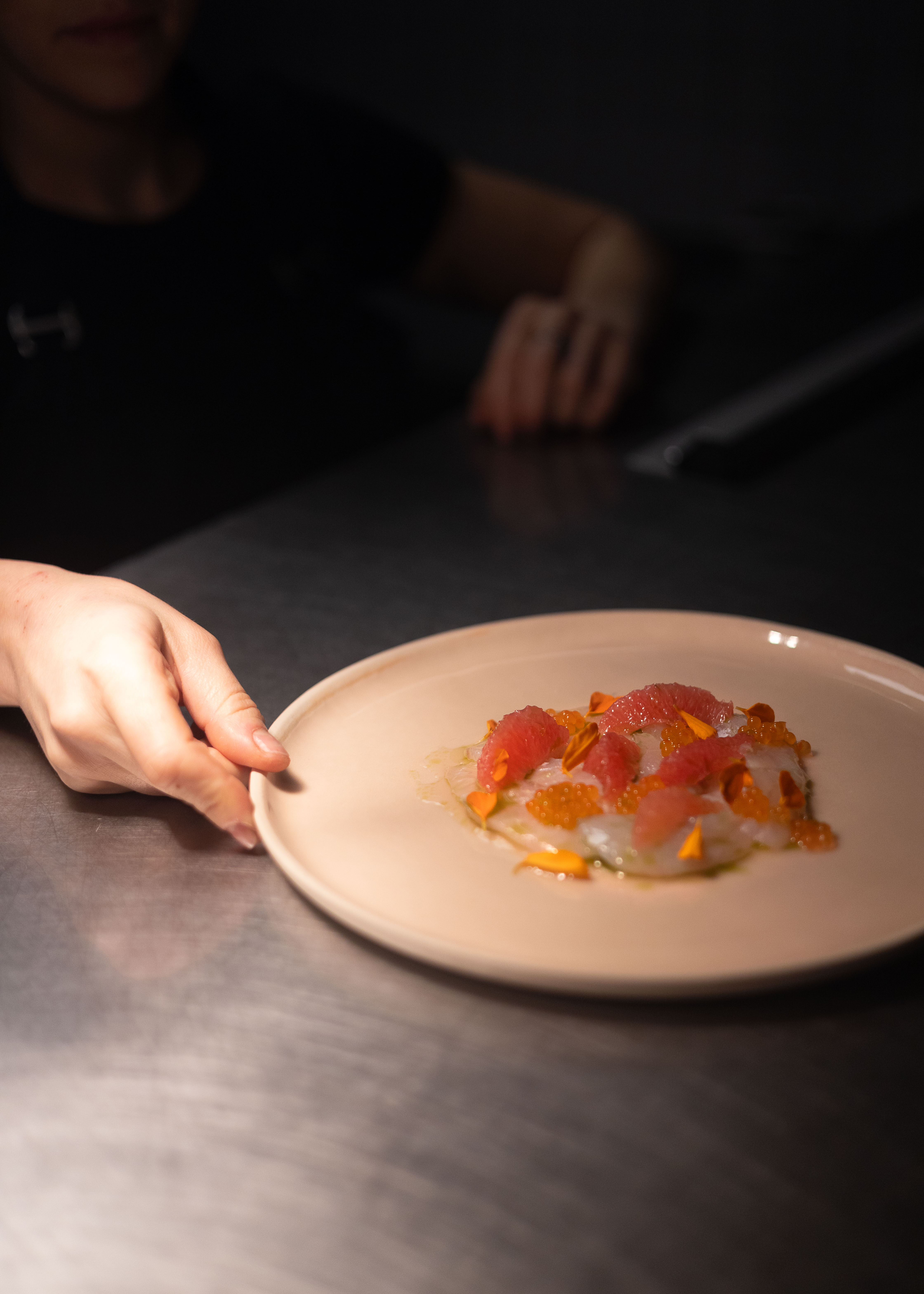
This project contributes to making everyday life more beautiful by reintroducing material awareness, craftsmanship, and sensory experience into the spaces people inhabit daily. Through the creation of ceramic tableware and sculptural design elements for restaurants, hotels, and public environments, the project transforms functional objects into meaningful aesthetic experiences. In dining spaces, carefully crafted ceramics become part of the ritual of sharing food, enhancing how people gather, eat, and interact with their surroundings. By working with locally sourced materials such as regional clays, minerals, pigments, and reclaimed plaster, we embed objects with a strong sense of place. Each piece carries a narrative of the landscape and the materials from which it is made, allowing users to experience a tangible connection to local resources and traditions. This approach fosters a deeper sense of belonging, as the objects used in everyday settings reflect the identity and material culture of their environment. Our aesthetic approach is rooted in the beauty of natural materials and traditional craft practices. Rather than hiding the origin of materials, we celebrate textures, imperfections, and variations that emerge from working with clay and reclaimed resources. This creates objects that feel authentic, tactile, and human, offering a contrast to anonymous mass-produced products. We consider our work exemplary in terms of aesthetics because it demonstrates how sustainability and beauty can coexist through thoughtful material design. By transforming local and recycled materials into refined objects for contemporary hospitality and public spaces, we show that circular production systems can also produce objects of cultural and aesthetic value. In this way, beauty becomes not only visual but also embedded in the story, process, and relationships behind the objects themselves.
We promote inclusion by reconnecting design, craft, and local material knowledge to a broader community of people. By working with locally sourced materials and small-scale production methods, the project supports regional production networks that include artisans, manufacturers, chefs, designers, and local suppliers. This collaborative approach creates opportunities for different actors to participate in the design process and strengthens local creative ecosystems. Accessibility is addressed through the project’s focus on everyday spaces such as restaurants, public environments, and hospitality settings. Rather than producing objects exclusively for galleries or private collectors, the project places thoughtfully designed pieces into shared environments where many people can encounter them through daily experiences like dining, gathering, or visiting public parks. In this way, design and craftsmanship become accessible through lived experiences rather than limited cultural spaces. We explore how circular material practices can create more responsible and affordable production systems in the long term. By developing local clay bodies, glaze recipes, and reclaimed material applications, we reduce dependency on complex global supply chains and encourages resource use that is rooted in regional ecosystems. We therefore demonstrate how design production can operate within a locally supported system. In addition, we integrate traditional craft knowledge with contemporary tools such as digital prototyping and 3D printing. This hybrid approach supports knowledge sharing across generations and disciplines. It is exemplary because craft, design, and material production are embedded within everyday social environments and collaborative networks. By prioritizing local materials, shared spaces, and cross-disciplinary collaboration, we contribute to more inclusive cultural and creative systems where design is a shared experience not an exclusive product.
Participation has been an important part of our work, both through collaborations with communities and through public engagement with materials, craft, and design processes. The project aims to make the story behind everyday objects visible and accessible, allowing people to understand where materials come from and how they are transformed through craftsmanship. In several projects, citizens and local communities have directly interacted with the work. In Lisbon, for example, the project collaborated with the city to develop bricks made from locally collected materials for the Bella Vista urban park. We installed them with the community in the park where residents could encounter the material interventions directly. Participation also takes place through workshops and open studio activities where members of the public are invited to learn about ceramic production, material experimentation, and circular design practices. These workshops allow participants to engage directly with clay, recycled materials, and glaze experimentation, helping them better understand the environmental and cultural value of craft production. Another participatory aspect of the project is knowledge sharing. The studio openly shares research into clay bodies, glaze recipes, and circular production methods, making this knowledge accessible to other designers, artisans, and students. Educational materials developed through the project have also been used in training and course content linked to cascade funding programs, helping other practitioners learn how to apply similar circular material approaches in their own work. By inviting people to participate in material experimentation, encounter design objects in shared public spaces, and access knowledge about circular craft practices, we foster a more transparent and collaborative relationship with design and new paradigms of sustainability.
We collaborated with stakeholders operating at multiple levels, from local communities and municipalities to European innovation programs. This multilevel engagement has helped shape both the direction of the work and the way the project is implemented. At the local level, collaboration with municipalities and urban stakeholders has been essential. In Lisbon, for example, the project worked with the city council to develop bricks made from locally collected raw materials for installation in the Bella Vista urban park. This collaboration allowed experimentation with circular materials within a public environment while responding to local ecological needs such as erosion control and pollination support. Working directly with municipal partners enabled the project to test material innovation in real urban contexts that benefit local communities. At the regional and local economic level, the project collaborates closely with restaurants, designers, architects, and manufacturers. These partnerships allow sustainable design objects—such as ceramics made from locally sourced materials and reclaimed plaster pieces—to be integrated into hospitality and cultural spaces. Through these collaborations, businesses become active partners in adopting circular design practices. At the European level, the project has been influenced by participation in EU-supported innovation programs such as the Catalyze program and Cascade Funding . Through mentorship, workshops, and collaboration with other European innovators, we were able to refine the project’s sustainability strategy, circular material experimentation, and long-term growth model. We gained a framework for aligning the project with broader European goals related to sustainable design and circular economies. The engagement across these different governance levels has helped the project evolve into a model that reflects the values of the New European Bauhaus. By combining local experimentation with European collaboration
Craft, design, architecture, environmental research, digital fabrication, and gastronomy come together to demonstrate how transdisciplinary collaboration can generate innovative and sustainable approaches to contemporary design production. Our work brings relies on traditional artisan knowledge with contemporary design methodologies to explore new ways of producing sustainable design objects for hospitality, architectural, and public environments. Ceramics and craft knowledge form the foundation of the project, drawing from historical material practices that emphasize careful resource use, repair, and circular production. This knowledge is combined with contemporary product and industrial design methods to create functional and aesthetic objects adapted to modern hospitality spaces such as restaurants and hotels. We integrate architectural and spatial design thinking. By collaborating with architects and interior designers, we produced products that are designed not only as individual products but as part of a broader spatial and cultural experience within restaurants, public parks, and interior environments. Environmental and material research plays a key role in our work. The development of locally sourced clay bodies, glaze recipes made from recycled materials, and reclaimed plaster elements draws on knowledge from material science and environmental sustainability. This experimentation allows us explore circular production models that reduce waste and strengthen local material ecosystems. Digital technologies also support our work with tools such as 3D printing and digital prototyping. We combine these with traditional mold-making techniques, allowing experimentation, and scalability while maintaining the character of handcrafted production. Finally, gastronomy and hospitality culture are essential components of the project. By working closely with chefs and restaurants, the design process incorporates culinary experience and social rituals around food.
The project operates through a hybrid business model that combines commissioned design work, product development, and collaborative research around circular materials. Revenue is primarily generated through the creation of custom ceramic collections and design objects for restaurants, hotels, architects, and design professionals. These commissions allow businesses to integrate unique, sustainable products into their spaces while supporting locally produced craft. They are usually acquired as monthly contracts to ensure longtime sustainability. A second revenue stream comes from the production of limited edition and custom design pieces made from reclaimed materials such as recycled plaster and locally sourced pigments. These pieces are developed for interior design projects, hospitality spaces, and cultural environments, creating added value by transforming waste materials into high-quality design objects. The project also benefits from collaborations and participation in European innovation and entrepreneurship programs, such as the Catalyse program, which have supported the development of the studio’s circular material practices and long-term strategy. These initiatives provide mentorship, knowledge exchange, and access to broader European design and sustainability networks.
By combining local experimentation with European collaboration and knowledge exchange, the project aims to demonstrate practices that could be adopted by design studios across Europe, encouraging circular materials, collaborative networks, and craft-based production systems that contribute to more sustainable cultural and economic ecosystems. Rather than relying on highly specialized infrastructure, the project focuses on adaptable approaches to material sourcing, circular production, and collaboration that can be replicated in different local contexts. One of the most transferable elements is the methodology of developing custom clay bodies and glaze recipes using locally available materials. By encouraging designers and artisans to work with regional resources, we demonstrate how production systems can become more locally rooted while reducing dependence on global supply chains. Another scalable element is the integration of circular material practices within small design studios. Processes such as reclaiming clay scraps, reusing water, and incorporating recycled materials can be adopted by other ceramic practitioners with relatively low barriers to entry. The approach to transforming construction waste into design objects also offers opportunities for replication. Many cities across Europe produce large quantities of construction by-product that could be reintroduced into creative production through collaborations between designers, manufacturers, and municipalities. Equally important is the collaborative model used in the project. By working with restaurants, architects, municipalities, and cultural organizations, the project demonstrates how design studios can embed circular materials into real environments where people interact with them daily. Finally, our work is transferable as we offer open knowledge sharing through workshops, public engagement, and educational materials, making circular design scalable across Europe.