Arts, Culture, and Heritage as Drivers of Change
Palazzo Tiberio
Palazzo Tiberio - Cultural and social ecosystem
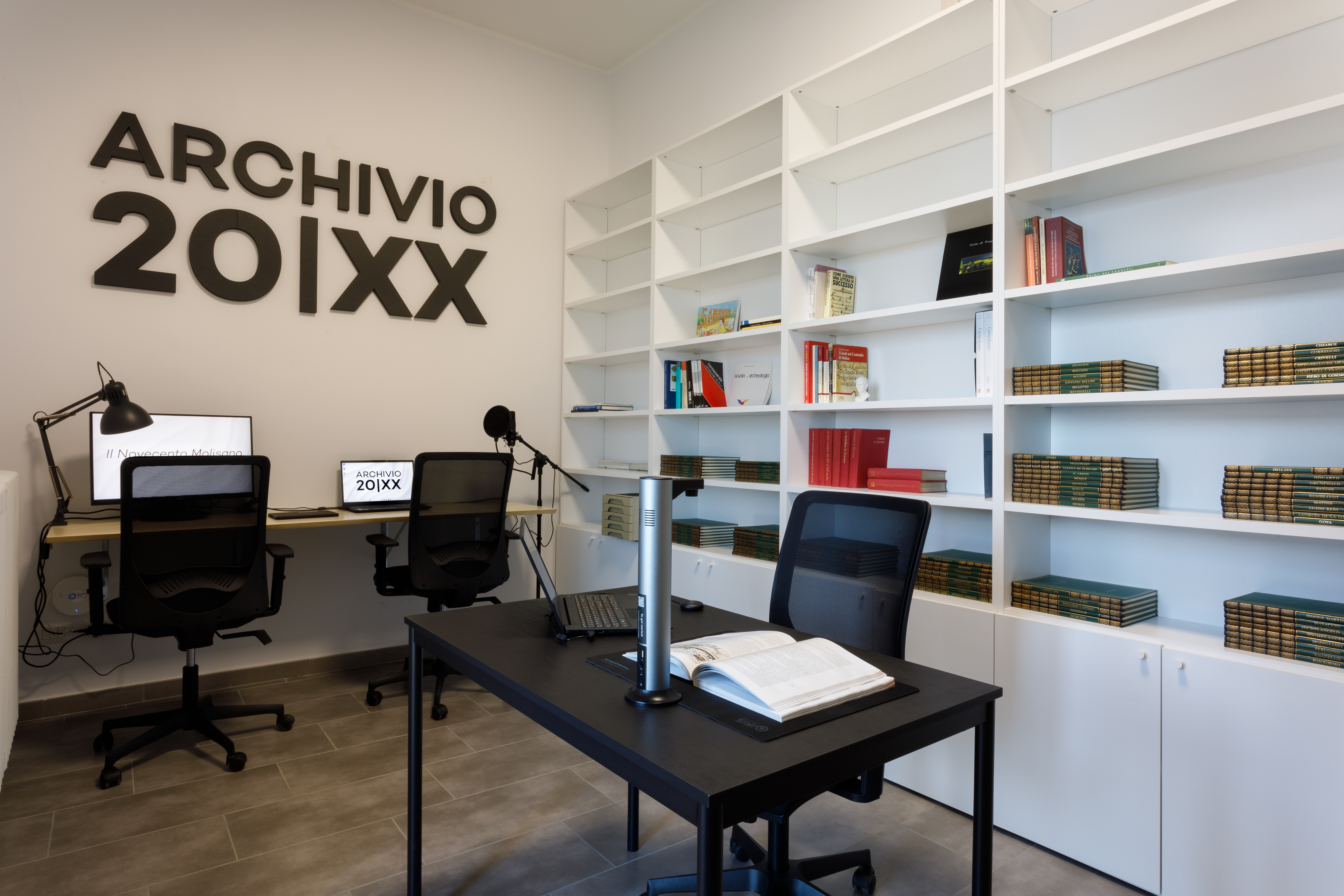
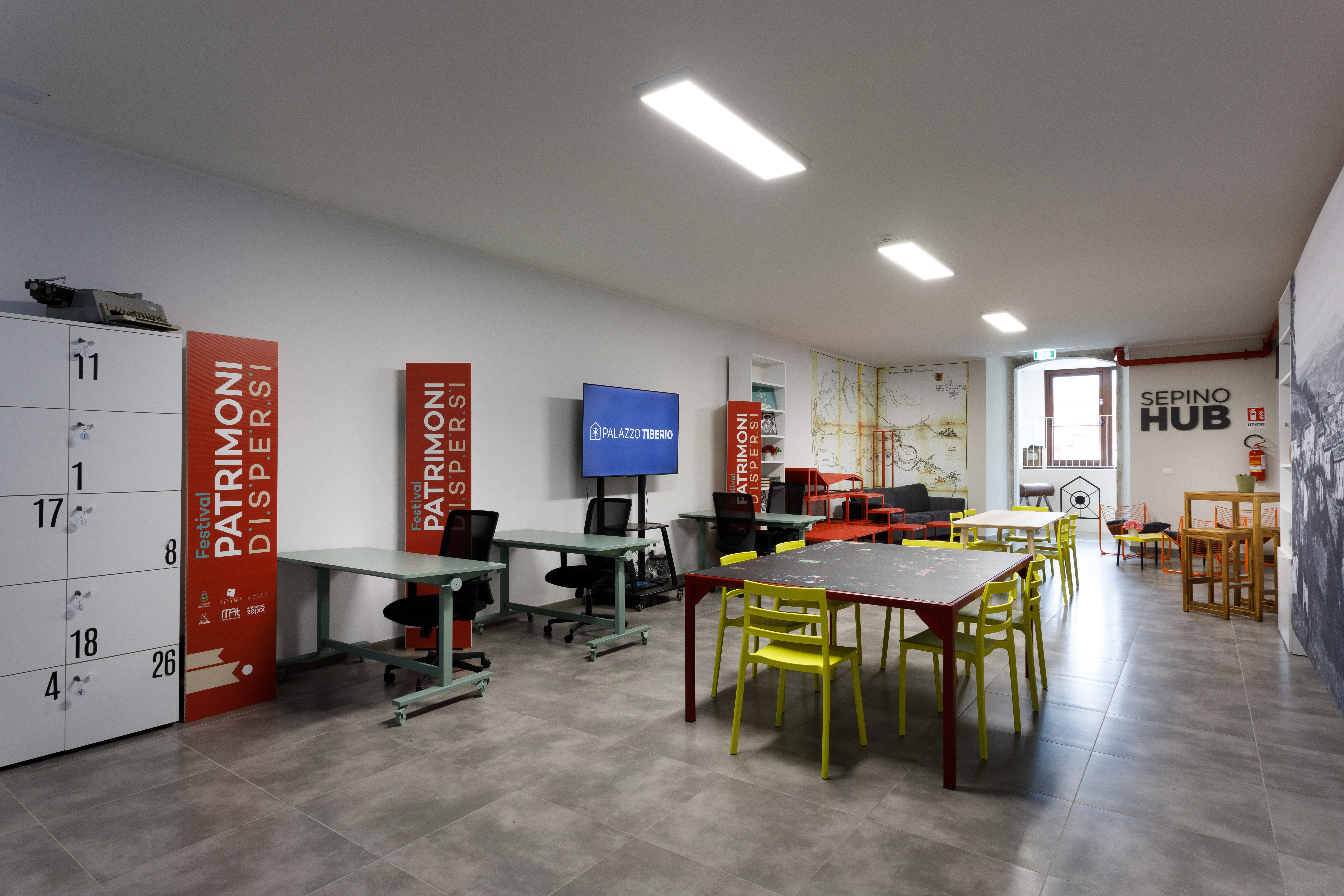
Palazzo Tiberio is the new cultural space of Sepino, Molise: a historic building reborn as an open and welcoming civic venue. The project blends memory and innovation through three core elements: the MAT - Matese Museum, a multimedia journey into the identity of the Matese region; SepinoHUB, a shared space for the community to work and create; and the Archivio XX|20, dedicated to the memory of 20th-century Molise. A living landmark that transforms the past into a creative hub for the future.
Italy
Local
Sepino (CB)
Mainly rural
It involves other types of transformations (soft investment)
Yes
2025-10-11
No
No
No
Organisation
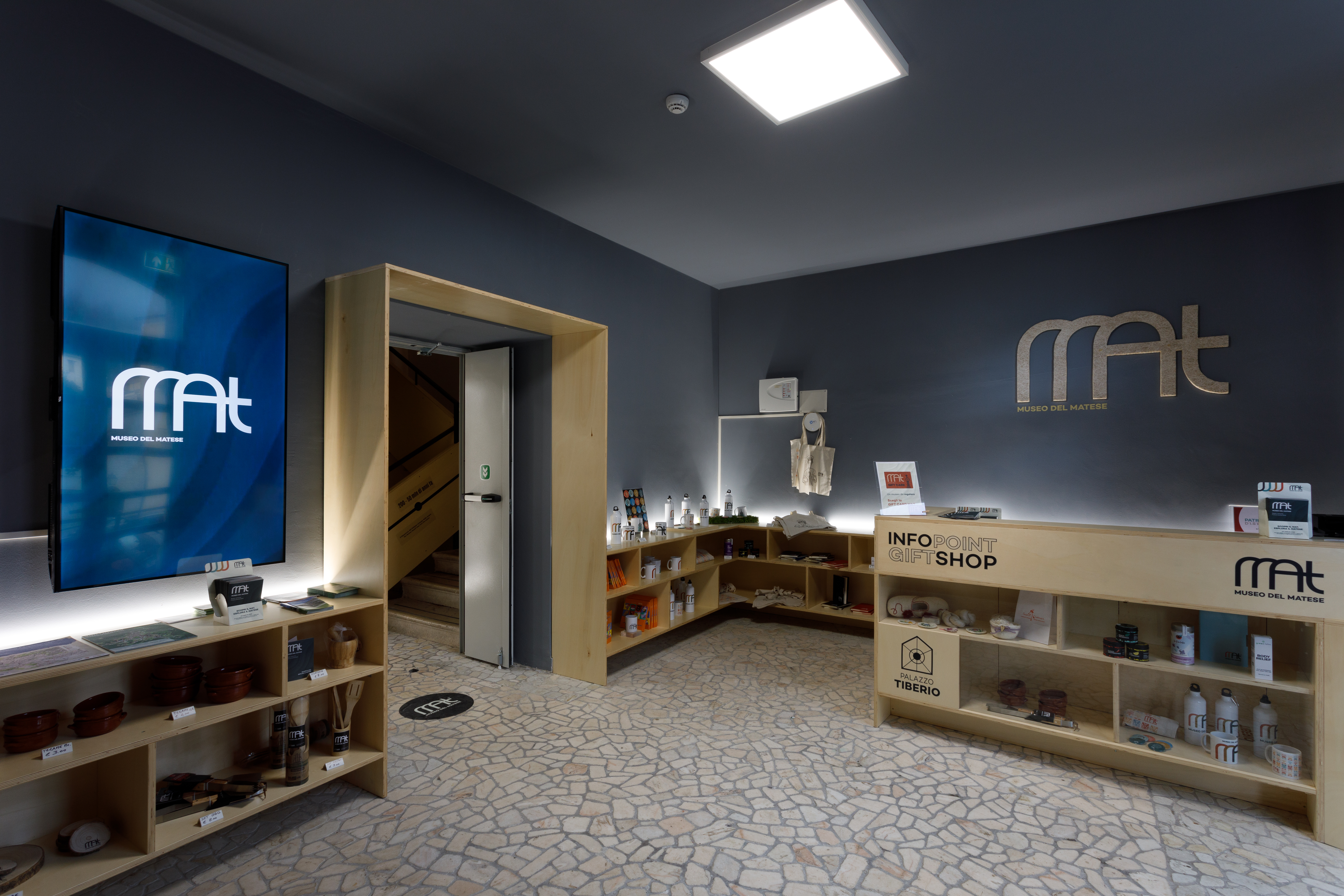
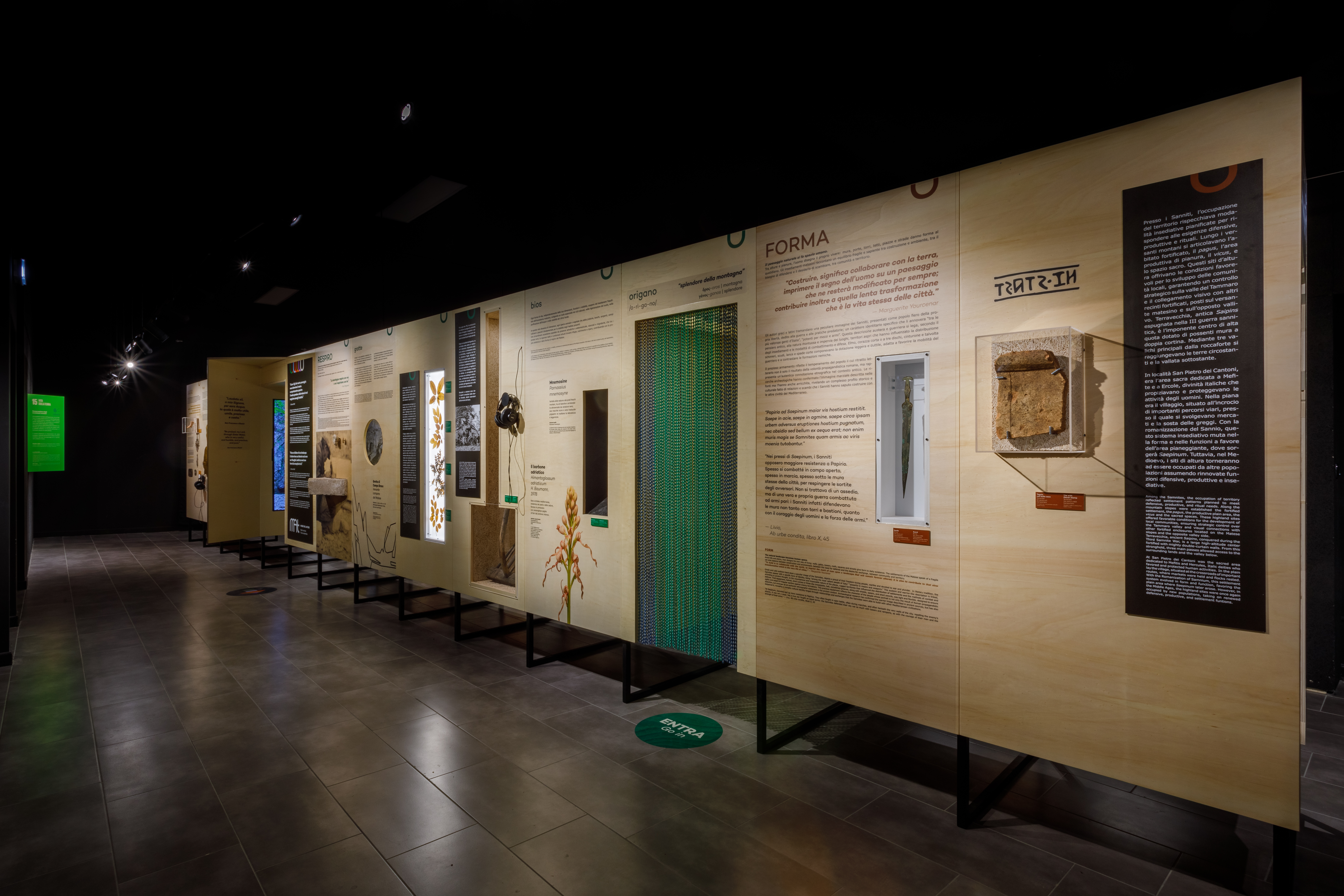
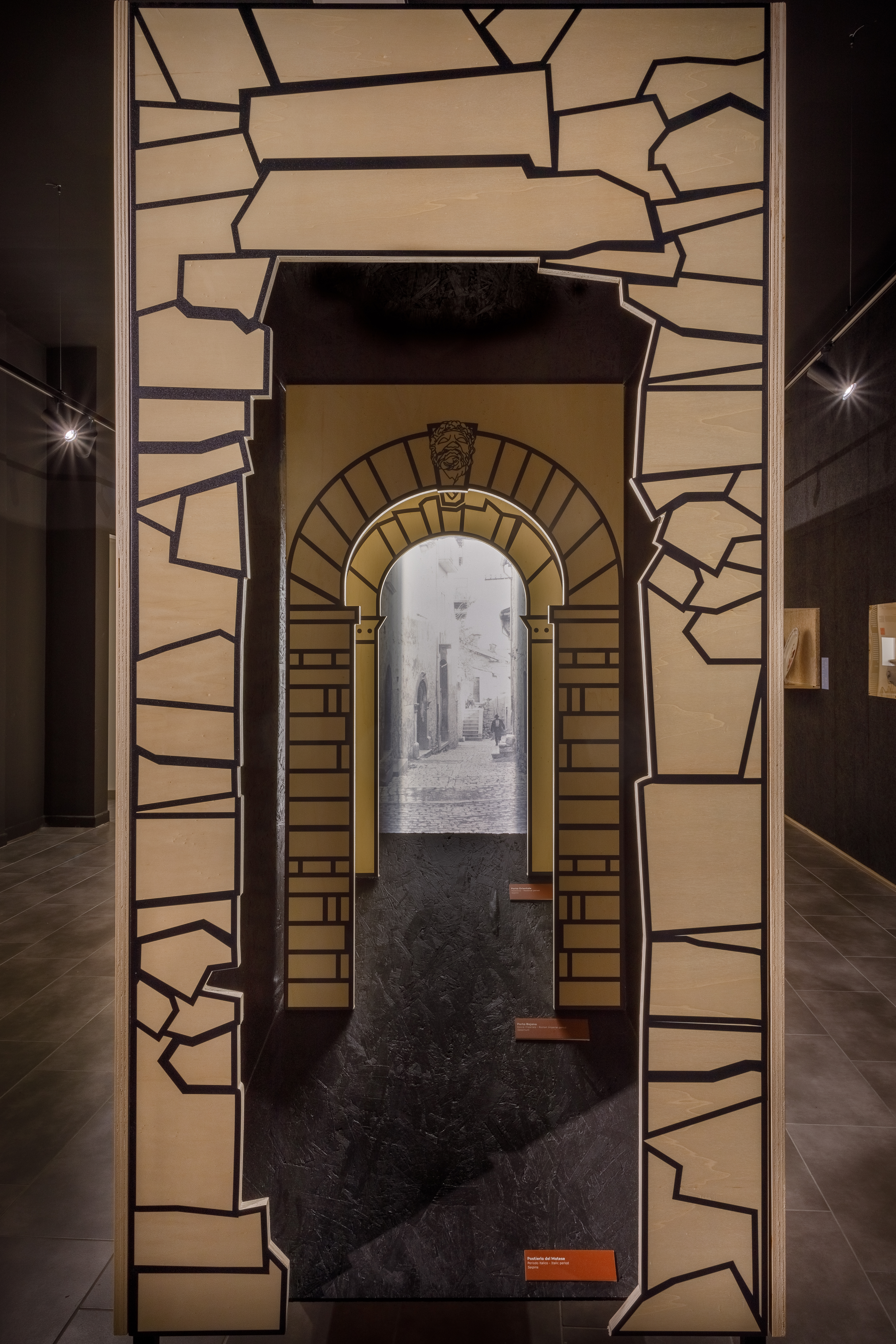
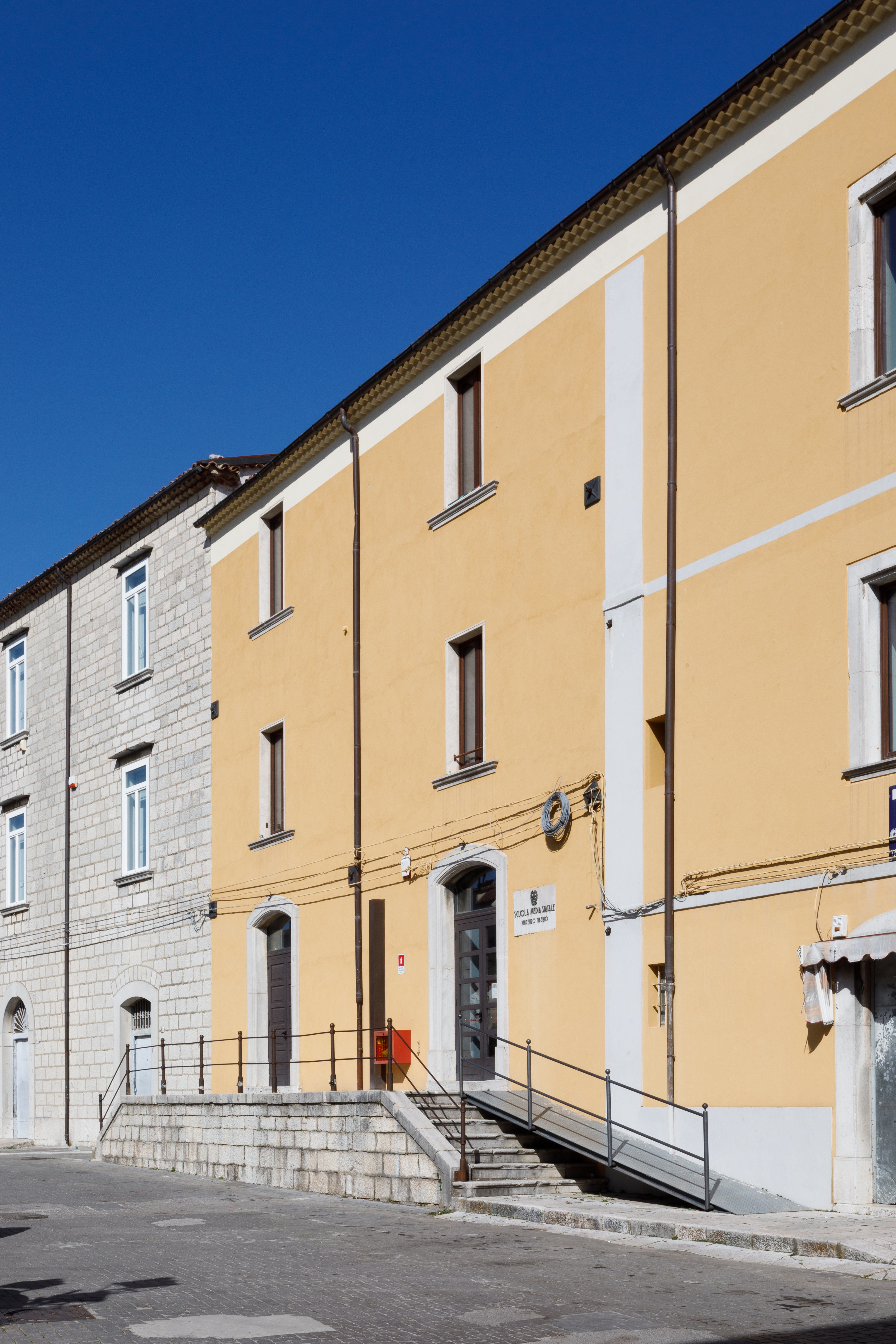
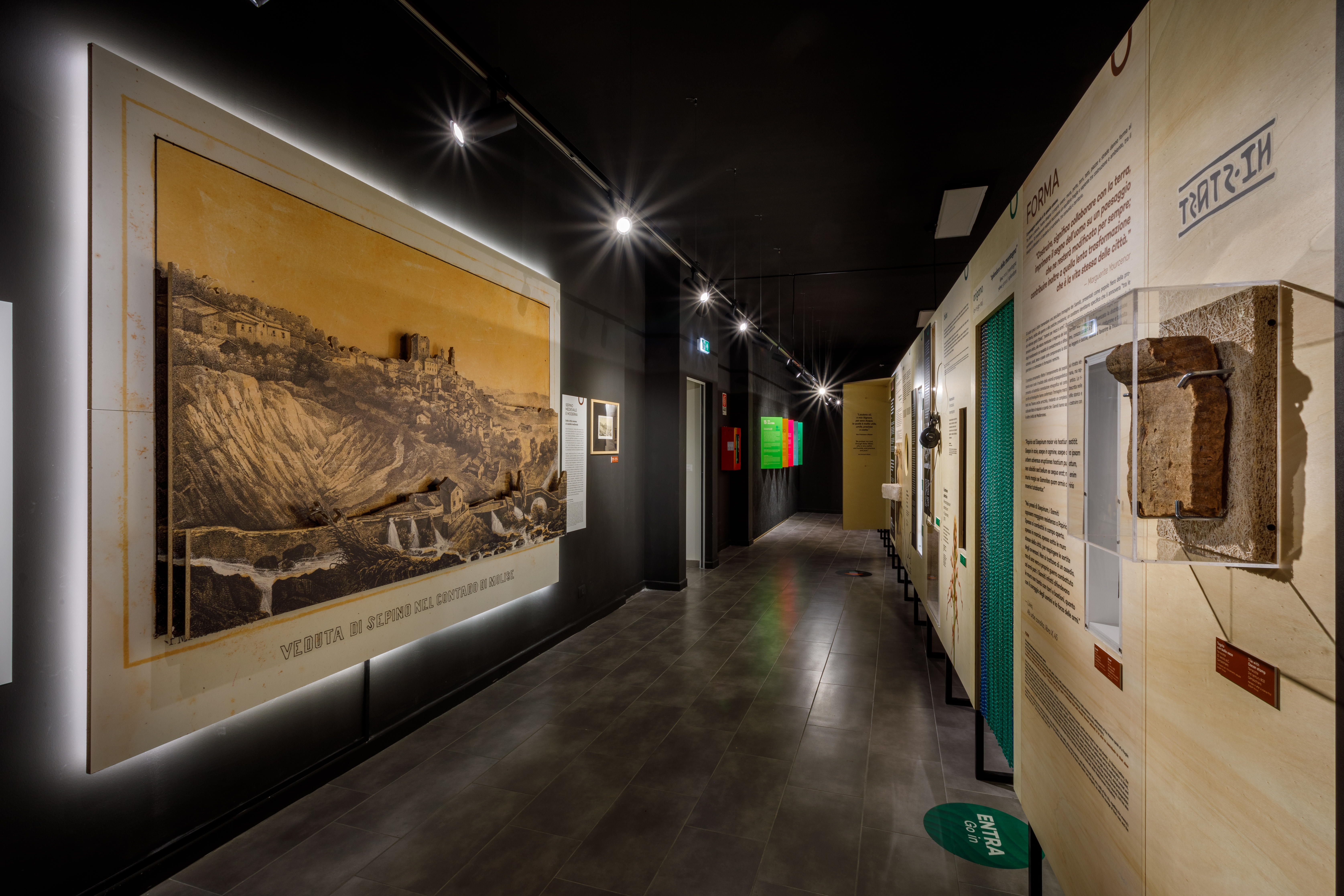
Located in Sepino’s historic center, Palazzo Tiberio is an 18th-century building reborn as a multifunctional hub. Once a noble residence and school, it is now a landmark merging heritage with contemporary culture, integrating the MAT (Matese Museum), SepinoHUB, and the XX|20 Archive. The MAT transforms the region’s narrative into an immersive experience through thematic rooms:
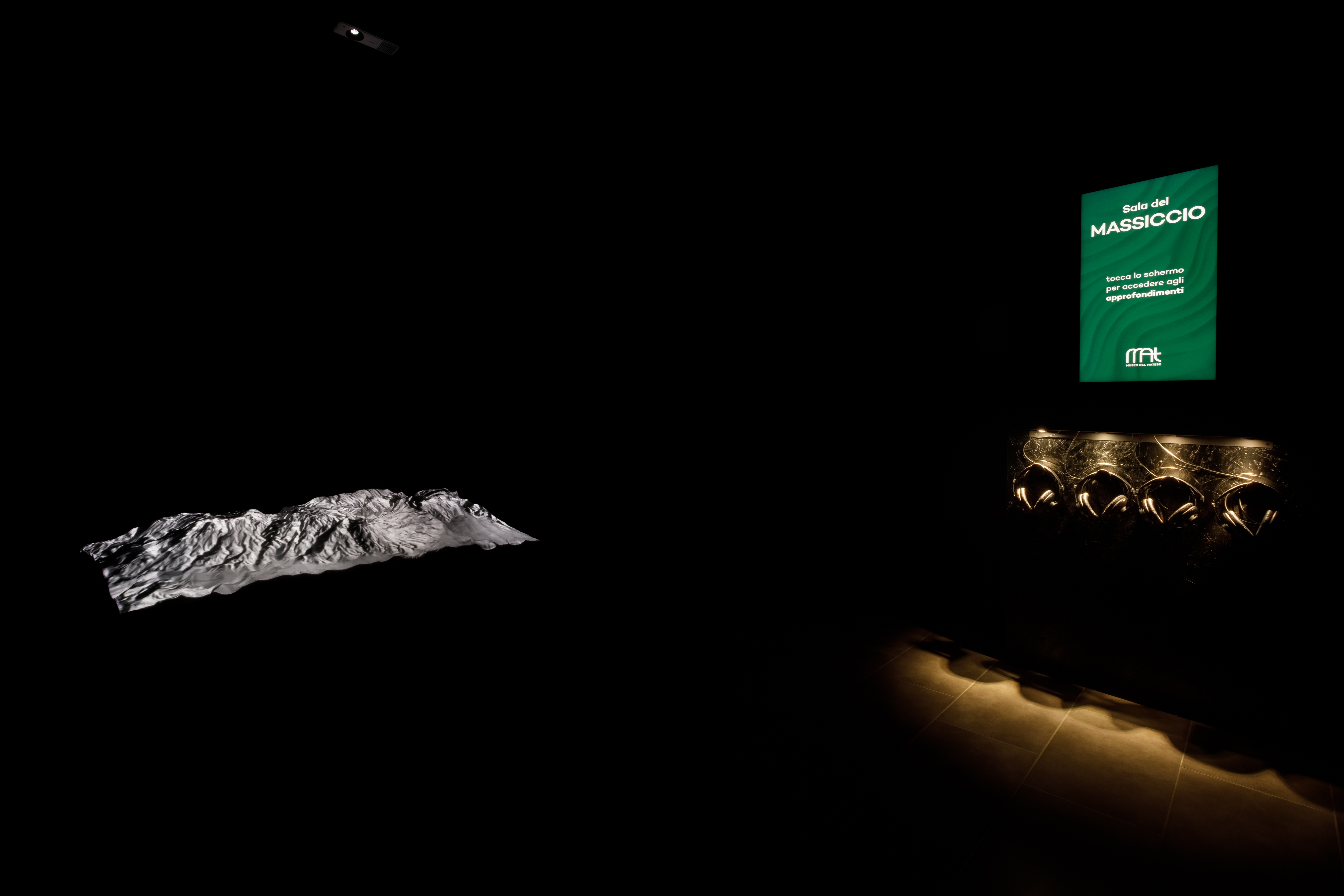
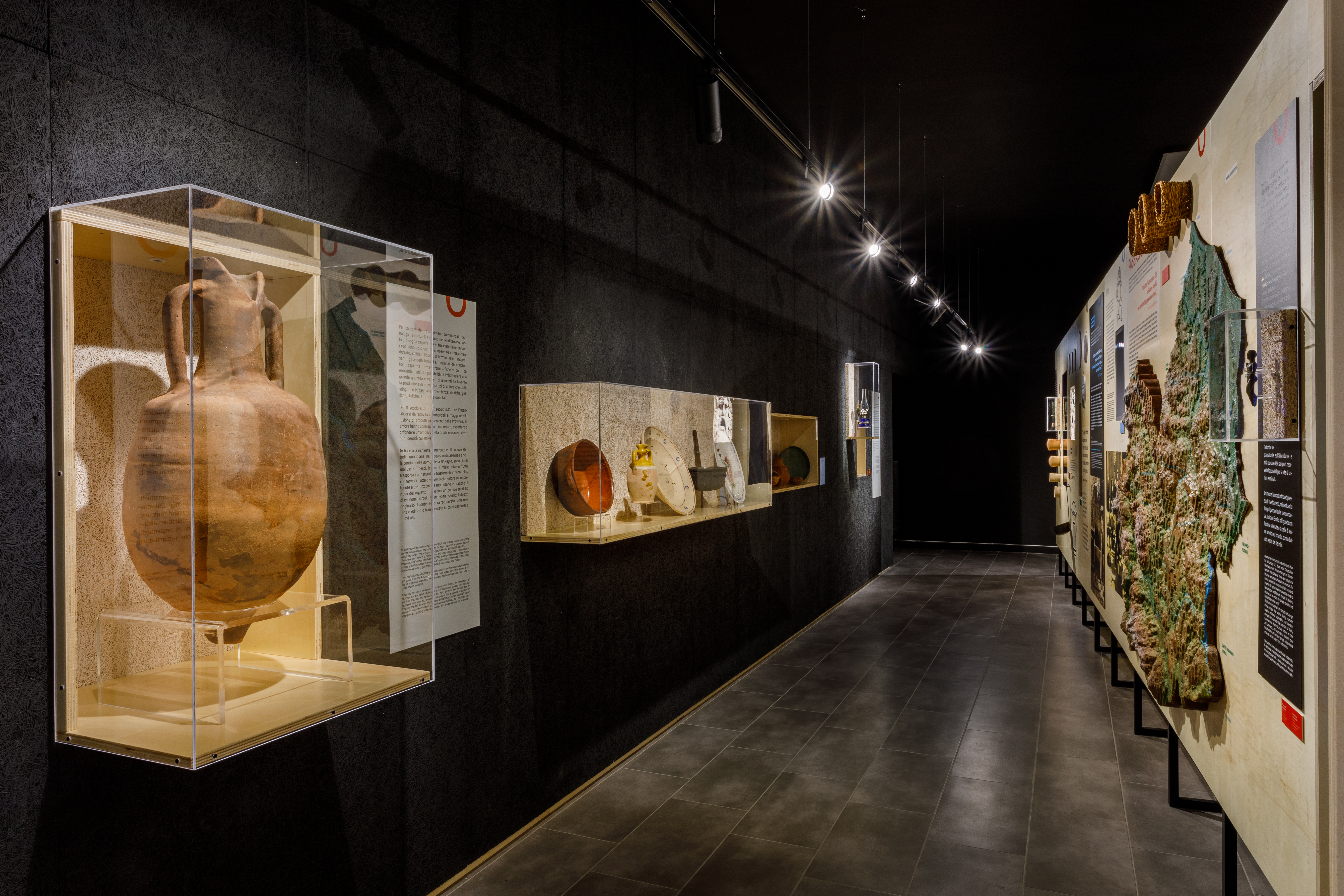
• Massiccio room: The museum's geographic heart, featuring an interactive 3D model of the Matese that illustrates geology and biodiversity through projections.
• Matese Space: A sensory area where a walk-through narrative installation guides visitors through sounds, scents, and materials, weaving traditional knowledge with future visions.
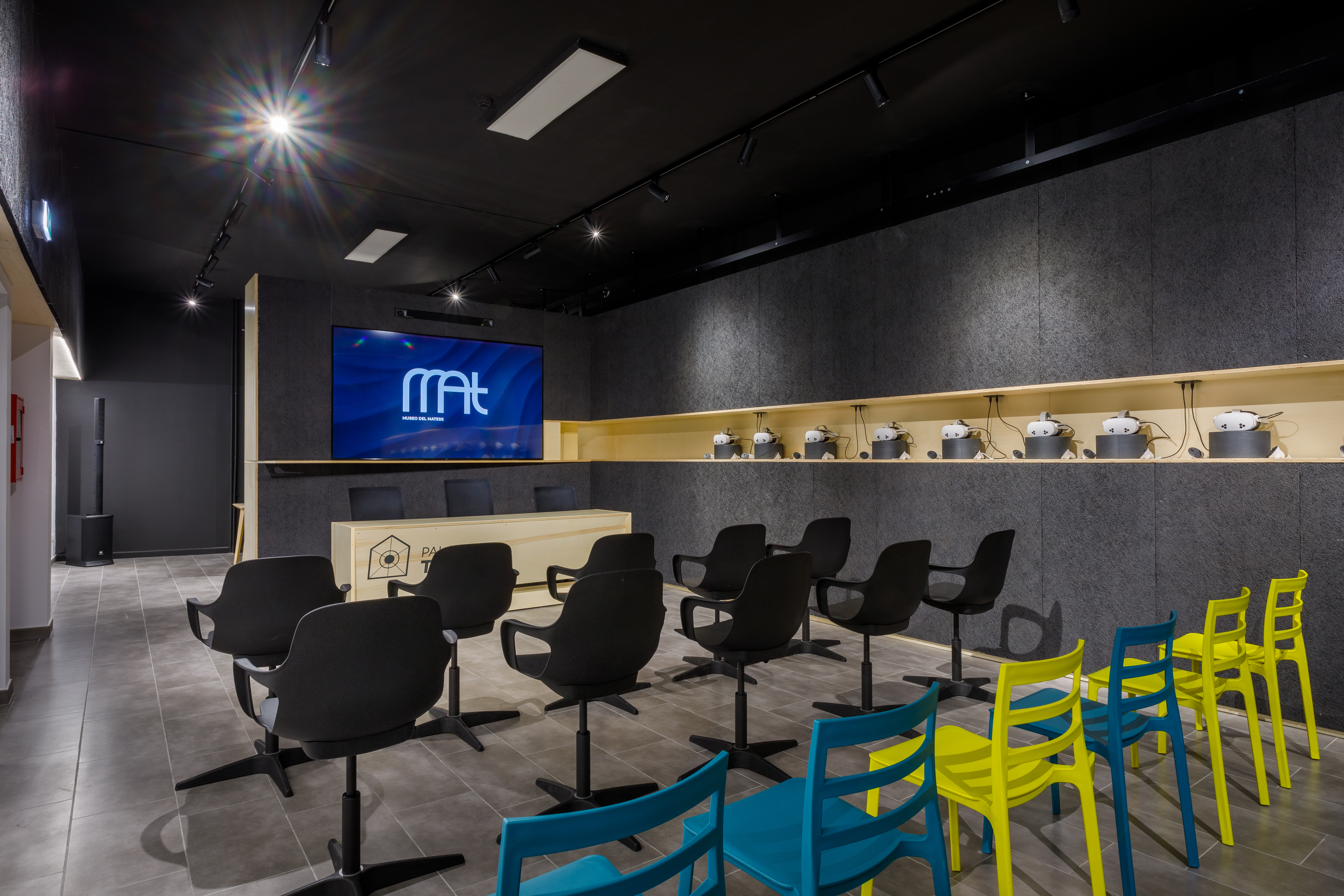
• Mobile Space: A flexible environment for exhibitions and conferences, featuring a VR Experience to explore the territory through virtual reality.
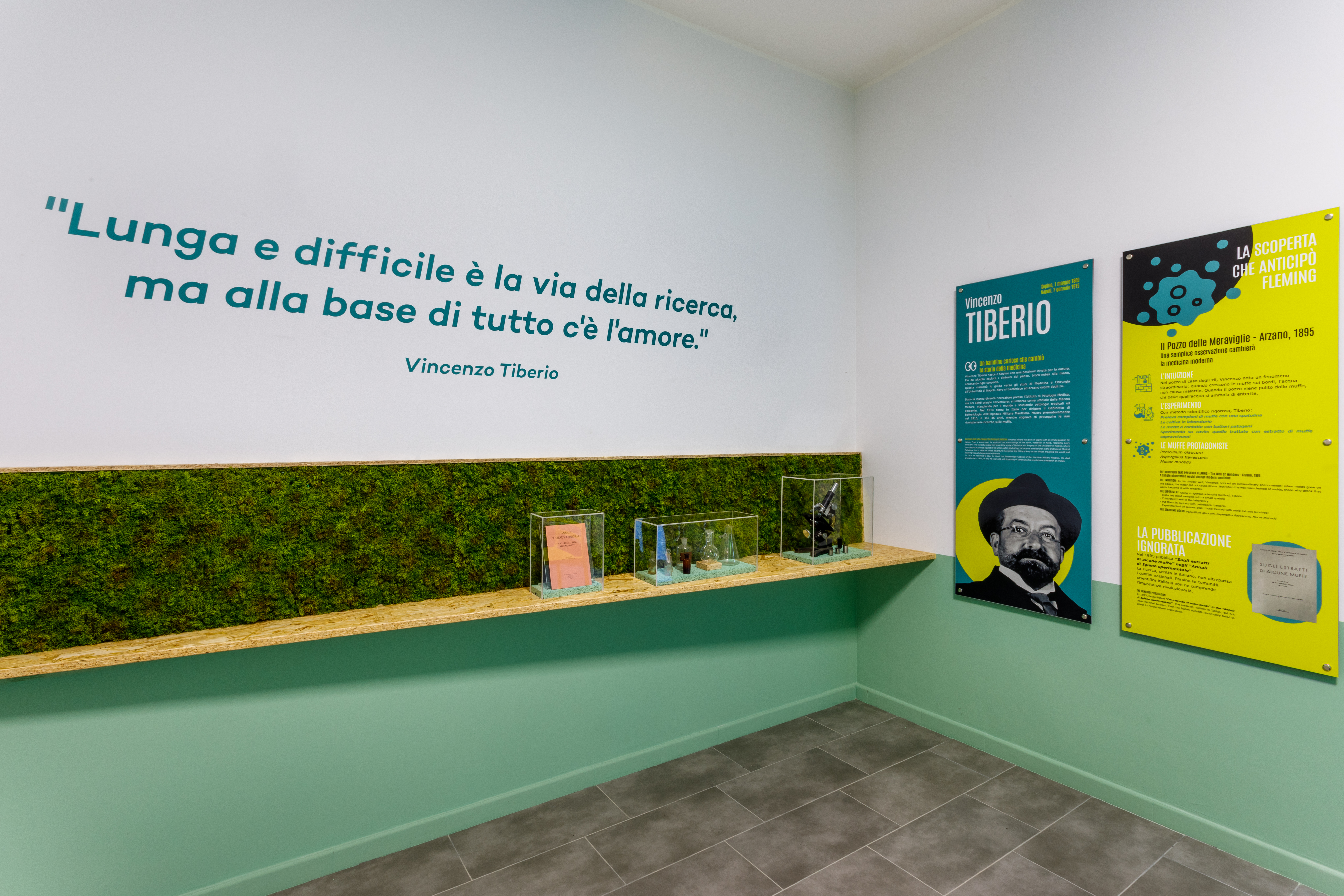
• Vincenzo Tiberio Room: A tribute to the local physician who anticipated penicillin; here, science becomes a visual narrative through motion graphic reconstructions of microscopic observations.
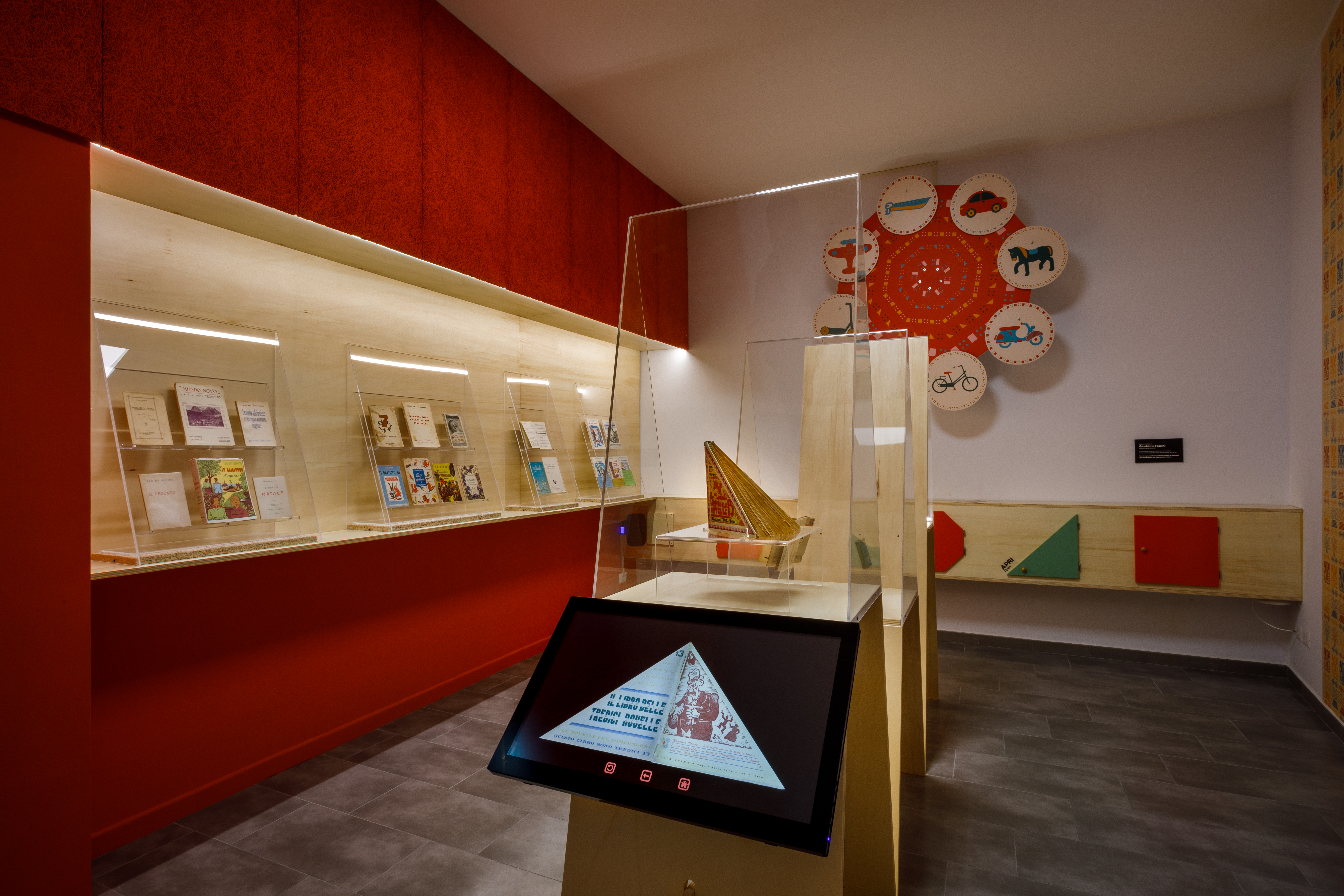
• Teo da Sepino Room: Dedicated to the local storyteller, it transforms walls into narrative surfaces where oral traditions live again through touch monitors and poetic projections.
The journey begins on the steps, where an interactive timeline along the handrail guides the public through the centuries.
The project has already achieved its primary goal: returning a historic asset to the community as an active landmark. Long-term, the impact is driven by the MAT – Matese Museum, which serves as a permanent lab for territorial identity and environmental education, alongside SepinoHUB, offering coworking and workshops to counter the isolation of inland areas, and the XX|20 Archive, which digitizes 20th-century history for researchers and citizens. Palazzo Tiberio is a motor for social regeneration, positioning the region as a creative center capable of attracting new cultural and professional flows.
The project originated from the SNAI Matese (National Strategy for Inland Areas), identifying Palazzo Tiberio as a cultural hub to revitalize the region. It was implemented through a Special Public-Private Partnership (SPPP) between the Municipality of Sepino and the cultural enterprise JustMO’. Unlike traditional models, this SPPP is based on co-design and shared responsibility: the private partner acts as a co-creator, assuming operational risk and reinvesting revenues for the general interest. Its success is recognized by Eurispes, which selected it as one of four exemplary Italian case studies for cultural heritage regeneration.
Implementation and Design: A Multidisciplinary Effort The project’s heart lies in its collaborative execution. A prestigious synergy was formed between JustMO’, architects from the DARC (Department of Architecture at Federico II University, Naples), and a network of skilled Molise craftsmen. While JustMO’ developed the scientific content, the architects translated it into accessible, modular, and multisensory spaces. The contribution of local artisans was crucial: by blending traditional woodworking and metalworking techniques with contemporary design, they created bespoke, sustainable furnishings. This involvement not only valued local expertise but also generated new job opportunities, ensuring an ethical and flexible exhibition design capable of adapting to future themes.
Vision: A Laboratory for the UN 2030 Agenda The MAT – Matese Museum serves as an educational tool aligned with the UN 2030 Agenda. It doesn't just transmit knowledge; it demonstrates practical applications, inviting visitors to turn their understanding of historical values into conscious future actions. Palazzo Tiberio is now a place where heritage and innovation converge, proving that cultural regeneration can drive social development through a true communion of intent between public and private sectors.
Transdisciplinary Storytelling
Adaptive Narrative Design
Active Community Engagement
Human-Centric Regeneration
Collaborative Open Governance
Palazzo Tiberio interprets sustainability as a dynamic balance between heritage preservation and social innovation, acting on four fundamental pillars:
1. Environmental Sustainability and Material Choices The exhibition design follows circular economy principles. Only eco-sustainable, recyclable, and biodegradable materials, such as multilayer wood and OSB, were used, reducing the environmental footprint. The modular furnishings ensure the intervention's reversibility and future adaptability to new themes without requiring invasive renovations.
2. Enhancing Human and Social Capital (Goals 4 and 8) The project triggered a process of local empowerment, directly involving Molise craftsmen in the implementation phase. This approach creates decent work for young people, countering depopulation. SepinoHUB serves as a permanent social outpost, offering coworking spaces that favor remote work and active citizenship through quality education.
3. The Museum as a 2030 Agenda Laboratory (Goals 3, 6, 11, 13, 15) The MAT transforms knowledge into action. Dedicated displays show how the museum promotes:
• Health (Goal 3): Education on responsible antibiotic use and the human-environment-animal interconnection.
• Ecosystem Protection (Goals 6, 13, 15): Raising awareness about mountain biodiversity, the climate crisis, and natural resource management.
• Inclusion (Goal 11): Promoting inclusive communities and sustainable models. Visitors are invited to translate what they learn into conscious daily choices.
4. Permanent Cultural Ecosystem and Governance The integration of the MAT, XX|20 Archive, and HUB creates an ecosystem where memory and research become creative production. Economic sustainability is guaranteed by the Special Public-Private Partnership (SPPP) with JustMO’, a co-responsibility model ensuring long-term planning. Success is measured by monitoring community participation and the ability to generate new regenerative cultural flows for the entire Matese region.
Palazzo Tiberio elevates the concept of aesthetics beyond mere form, transforming design into a critical and narrative tool.
1. A Shared Language between History and Landscape The project's aesthetics stem from a cultural reinterpretation of the territory. Through refined material choices (wood, metal) and rigorous geometries, the design translates historical content into spatial and visual forms. The layout is not just an organization of space; it is a cognitive device that restores beauty to a place of memory, transforming heritage into a sensible and accessible experience for all.
2. Multisensory Experience and User-Centricity The project is exemplary in its ability to turn a visit into a participatory act. Aesthetics involve not only sight but also touch, hearing, and smell: sound installations, natural materials to be touched, and evocative lighting create an immersive atmosphere. This care for sensory detail, combined with intuitive paths and universal accessibility solutions, enhancing the daily well-being of those who inhabit and visit the space.
3. Sense of Belonging and Care for the Place Redeveloping Palazzo Tiberio means returning a symbol of identity to the community. The design acts as a narrative device connecting places, memories, and people, fostering a deep sense of belonging. Seeing one's history celebrated through high-quality contemporary design encourages citizens to care for a common good that is now perceived as a living, beautiful space belonging to everyone.
4. Modularity and Lasting Harmony The aesthetics are intrinsically linked to flexibility. The modularity of the exhibition elements ensures a beauty that does not age; the space can be reconfigured for future rotations or activities without losing its stylistic coherence. Every compositional choice, from lighting to supports, builds a harmonious dialogue between the work and the visitor, making Palazzo Tiberio a model of regeneration where beauty is function, memory, and future.
Palazzo Tiberio tackles the challenge of inclusion by transforming a historic building into a social ecosystem that breaks down physical, cognitive, and generational barriers.
1. Design for All: The project ensures universal dignity and accessibility through intuitive pathways for all ages and abilities. The MAT is a multisensory educational laboratory: by integrating tactile, auditory, and visual devices, the experience becomes interdisciplinary and multicultural, allowing individuals with sensory or cognitive disabilities to fully engage. Technology (VR and motion graphics) serves as an inclusive bridge, making Matese’s history accessible to both digital natives and senior audiences.
2. New Social Models: SepinoHUB is the building's relational heart: a coworking and gathering space that counters the isolation of inland areas, fostering exchange between professionals, students, and citizens. Similarly, the XX|20 Archive promotes a model of collective participation: the community is an active custodian of local knowledge, contributing directly to historical memory by donating testimonies and documents.
3. Collaborative Governance: Inclusion is guaranteed by open governance and constant cooperation between the public entity, the private manager, and local associations. This model embraces a shared purpose: the Palace hosts events co-organized with third-sector organizations, becoming a platform at the service of the region that listens to and translates the population's needs.
4. Social Impact and Integration: Palazzo Tiberio acts as an engine for human regeneration, valuing local expertise and creating a sense of "collective ownership" of the asset. Inclusion becomes a concrete social reality, transforming a monument into a living common good where diversity and intergenerational encounters are the true creative resources of the Matese.
The beating heart of Palazzo Tiberio its profound bond with the people of Sepino and the Matese region. The community was never a mere beneficiary but a true co-author of the project. From the early stages, involvement followed a model of active participation: citizens, associations, and civil society organizations were called upon to reclaim this space, transforming it into a stronghold of social responsibility. Local experts, the "guardians of memory", contributed decisively through interviews, oral storytelling, and the sharing of private archives, ensuring the museum is not a static display but a living narrative. This process of listening has strengthened the sense of belonging, turning every citizen into an ambassador for their territorial heritage.
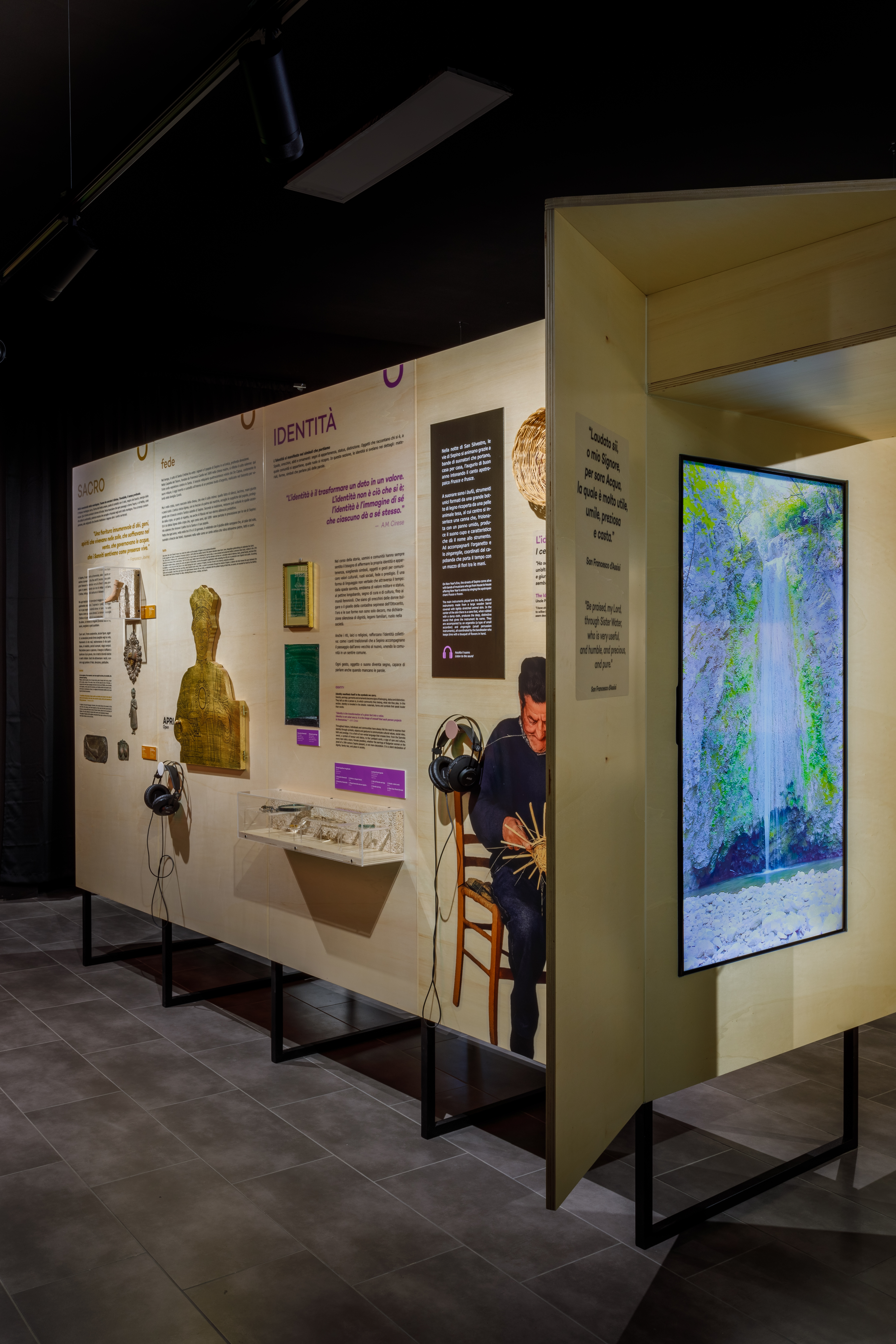
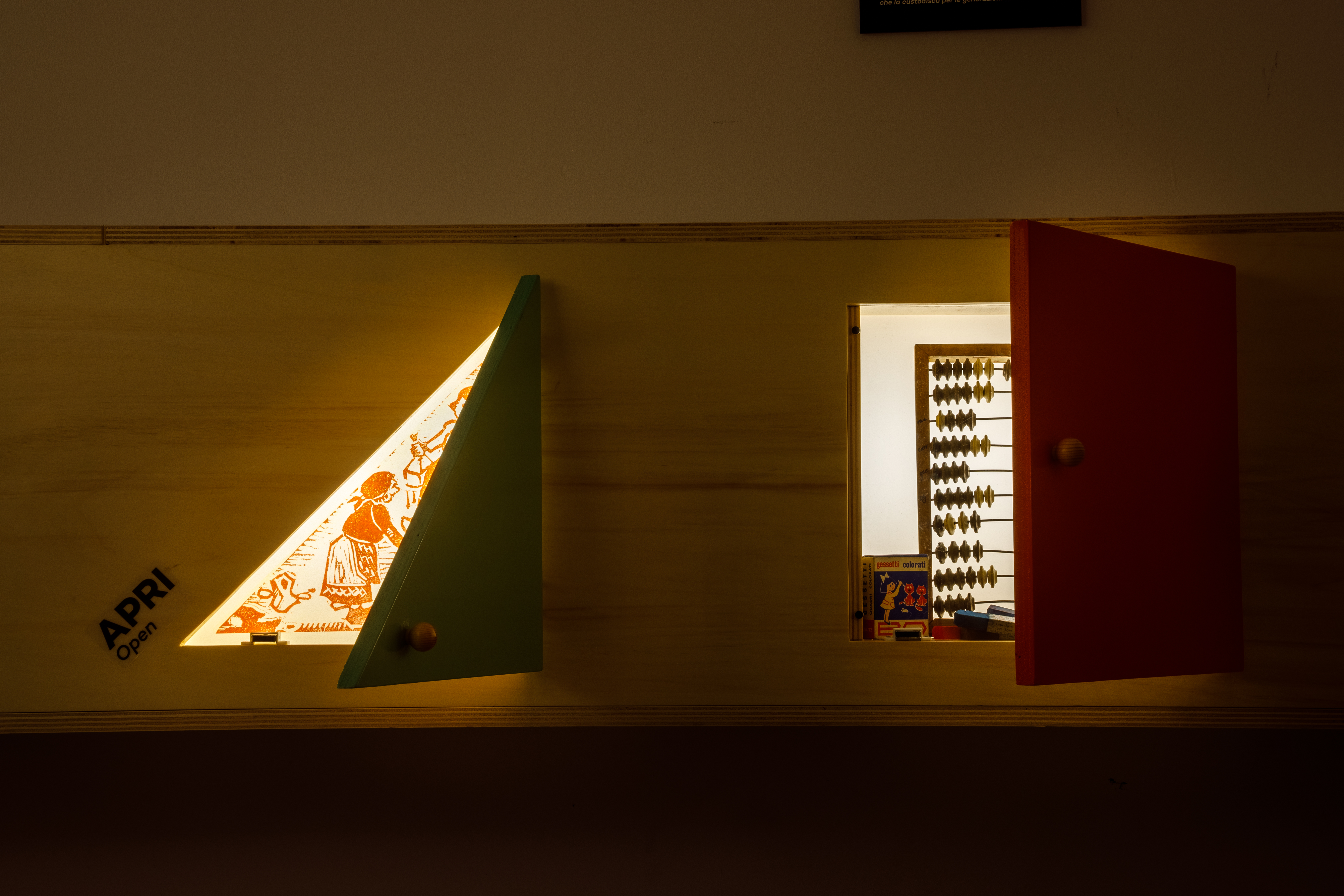
This choral participation finds its peak expression in the narrative "mobilone" (the large, modular cabinet), an architectural device that preserves and tells the stories of a community that, throughout history, has always felt the need to assert its identity. Through this journey, visitors discover that every object or ritual is a non-verbal language uniting different generations.
The impact of this involvement is profound: the community recognizes itself in the museum. Rituals, both secular and religious, such as the traditional songs in Sepino that mark the passage into the new year, have been integrated into the museum's path to reinforce a shared identity. Furthermore, the choice of eco-sustainable materials and reversible constructions reflects a collective care for the mountain environment, a shared value that citizens sought to protect. In this ecosystem, every gesture, object, or sound becomes a sign capable of speaking even when words are missing, making Palazzo Tiberio an exemplary model of participatory design where culture becomes a tool for social cohesion and future vision.
Palazzo Tiberio represents an exemplary model of multilevel governance, where national strategic planning merged harmoniously with local operational capacity and academic excellence. The project was not born in isolation; it is the result of constant dialogue among various actors operating at different scales to ensure coherence, sustainability, and territorial impact.
At the national level, the project is part of the SNAI (National Strategy for Inland Areas) Matese, which provided the programmatic framework and funding necessary to counter the marginalization of mountain territories. The State acted as a vision-activator, identifying the Palace as the centerpiece of a new cultural hub. At the regional and local levels, the Municipality of Sepino acted as the implementing body and political guarantor, facilitating the building's recovery and promoting the project's integration into the social and tourism development plans of the Molise region.
The true added value of this governance lies in the integration of the technical-scientific and private levels. The collaboration between the cultural enterprise JustMO’ and the DARC (Department of Architecture at Federico II University of Naples) brought European-level expertise to the design of spaces and content. This partnership translated national guidelines into cutting-edge architectural solutions and an innovative management model, the Special Public-Private Partnership.
Finally, the community level ensured that these strategies were not merely "top-down." The involvement of local associations and citizens transformed governance into a participatory process, where local feedback guided the exhibition choices and the use of SepinoHUB spaces. This complex yet fluid institutional architecture ensured that Palazzo Tiberio is not just a museum, but a resilient ecosystem connecting European cohesion policies with the daily needs of the local population.
The implementation of Palazzo Tiberio is the result of a profound cross-pollination between different disciplines, where scientific rigor meets narrative design to transform the complexity of the territory into a choral experience. The project saw the convergence of Architecture and Narrative Design to create multisensory spaces, alongside Digital Technologies used to make an immense intangible heritage accessible.
The use of interactive touch screens offer a deep dive into local identity through expert interviews. These digital contributions are a multidisciplinary mosaic: Archaeology is intertwined with Anthropology to explain the roots of the settlements, while Music reveal the rhythmic soul of the community. The interviews also explore Natural Sciences and Gastronomy, showing how the mountain ecosystem has shaped local products and lifestyles. This approach allows visitors to engage with the "guardians of memory," turning specialized knowledge into a shared heritage.
The narrative further unfolds through specific spheres of knowledge linked to historical figures and exhibition devices. In the room dedicated to Vincenzo Tiberio, Medicine and Scientific Research are celebrated through his discovery of the antibacterial powers of molds, linking medical history to modern health awareness. The work of Teo da Sepino represents the field of Literature , highlighting the humanistic bond with the land. Within the "mobilone" (the large modular unit), History and Ethnography merge with the storytelling of religious and secular rites, showing how objects and symbols have shaped collective belonging. Finally, Environmental Sciences guide the visitor through the nature of the Matese, while Education and Pedagogy act as transversal disciplines, turning every content into a tool for active citizenship. This fusion of humanistic, technical, and scientific knowledge offers a complete educational experience where nature, science, and culture are woven into a single social fabric
The business model of Palazzo Tiberio is designed to ensure financial autonomy and steady growth through a diversified revenue mix, managed by the cultural enterprise JustMO’.
1. Direct Revenue and Accessibility The ticketing system for the MAT (is designed to be inclusive and sustainable. Ticket prices are kept affordable, with a tiered promotion system and free admission guaranteed for the citizens of Sepino, strengthening the bond with the local community. Added to this are educational workshops for schools, which integrate guided tours with interactive pedagogical activities, representing a consistent revenue stream linked to educational and youth tourism.
2. The Gift Shop as a Territorial Showcase The museum’s shop goes beyond traditional merchandising. Through a network of collaborations with Matese’s local excellence, the bookshop hosts artisanal and agri-food products from the region. This model transforms the museum into an economic engine for local businesses, generating revenue for the facility while simultaneously promoting the local economy through a short supply chain approach.
3. Cultural Design and Grant Acquisition The inherently multidisciplinary nature of Palazzo Tiberio allows it to tap into various funding lines (European, national, and regional). JustMO’, given its specific expertise in cultural project management, constantly monitors opportunities related to digital transition, environmental sustainability, social inclusion, and historical research. This ability to attract external capital ensures the implementation of new exhibitions and extraordinary activities.
4. Partner Networks and Co-design A solid network of institutional and private partners helps reduce operational costs through shared resources and co-design. The model is based on a virtuous circle: generated profits are reinvested into the facility to improve its offerings, ensuring that Palazzo Tiberio remains a vibrant, resilient, and financially sound cultural hub over time
Palazzo Tiberio is conceived as a scalable architectural and management model, capable of offering concrete solutions for enhancing cultural heritage in marginal or rural contexts.
1. Community Engagement Methodology The heart of the project is its social involvement protocol, which can be replicated in any community wishing to reclaim its spaces. Participatory activities, from co-design workshops to listening sessions with citizens, have transformed residents from spectators into protagonists. This "active citizenship" model is an exportable methodological framework that demonstrates how direct involvement is the key to long-term social sustainability.
2. Narrative Design and Modular Exhibition The exhibition approach based on the "mobilone" is highly replicable. This reversible and modular architectural device can be adapted to various historic buildings without invasive structural interventions. Its ability to integrate different disciplines into a single narrative path offers a ready-to-use format for other small museums seeking to modernize their offerings with low costs and high flexibility.
3. Digitalization of Intangible Heritage and Memory Preservation The methodology used for the participatory archive and expert interviews represents a memory-salvage protocol that is easily transferable. Digital tools and oral testimony collection techniques can be adopted by any context wishing to safeguard its intangible identity (traditions, rites, artisanal knowledge), making it accessible to a global audience through cloud platforms and touch screens.
4. Collaborative Governance and Partnership The management model based on cooperation between public entities, the social private sector, and universities represents a best practice in multi-level governance. JustMO’s ability to act as a connector of diverse expertise is a scalable approach for creating cultural districts that network small neighboring municipalities, optimizing resources, and visibility.
- https://eurispes.eu/news/studio-sulla-diffusione-e-prospettive-dei-partenariati-speciali-pubblico-privati-in-italia/?fbclid=IwY2xjawQrurhleHRuA2FlbQIxMQBzcnRjBmFwcF9pZBAyMjIwMzkxNzg4MjAwODkyAAEejTDQDWUDXyj8P1VXif0zwRVjFus2RBK28EKQNs6GtyVmhh7z6q7IYWRnwwo_a
- https://www.cblive.it/cultura/sepino-apre-al-pubblico-il-museo-del-matese-un-nuovo-presidio-culturale-per-il-sannio-e-il-molise.html