Arts, Culture, and Heritage as Drivers of Change
The House of Trikala's Musical Artists
The House of Trikala's Musical Artists - Restoration of the Kyrnassios Mansion (Mantzaris House)
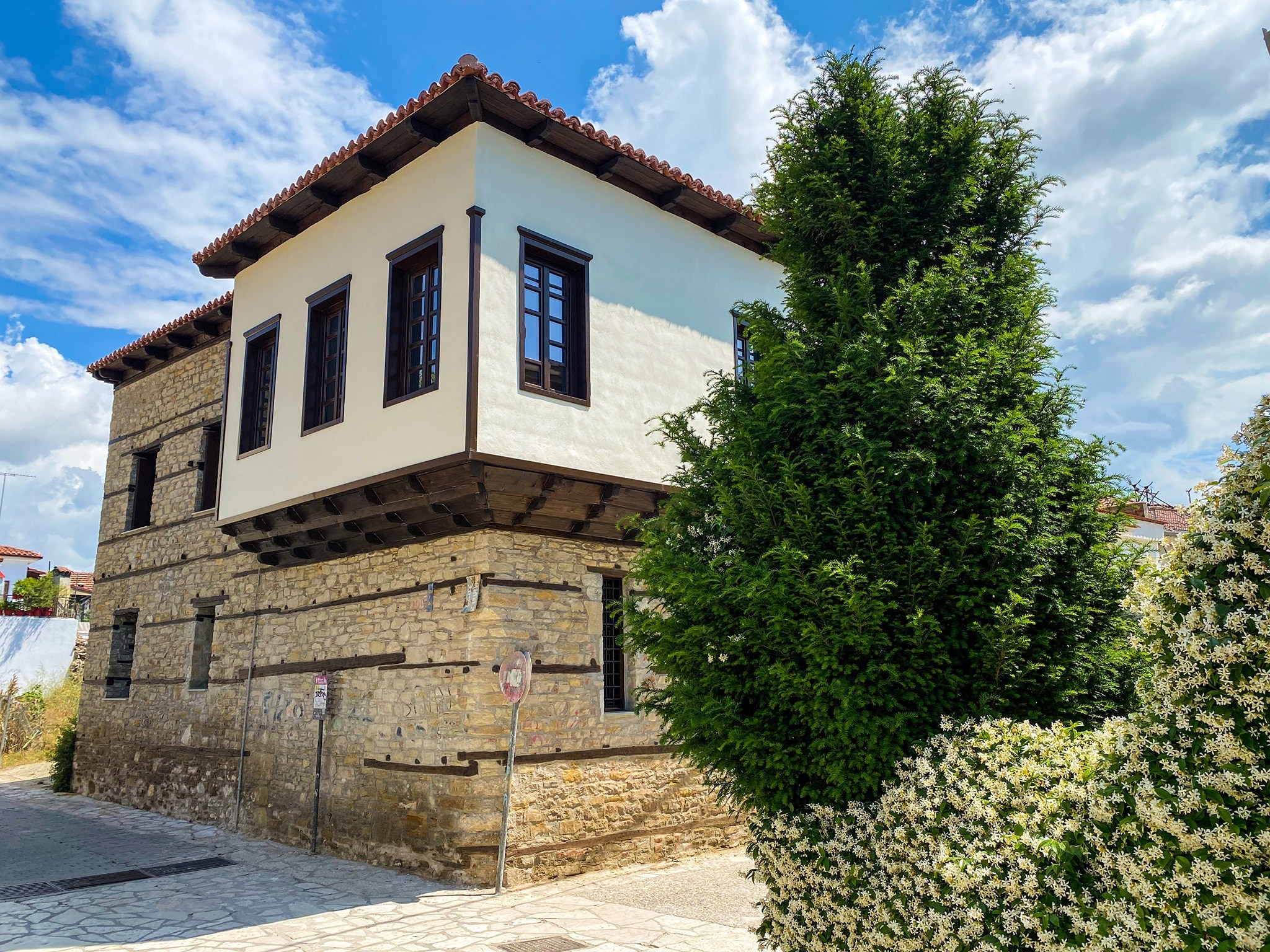
The historic Kyrnassios Mansion (also known as Mantzaris House) in Trikala has been restored and transformed into the House of Trikala’s Musical Artists–a digital museum that celebrates the city’s musical legacy.The project is the first retrofitted Passive House museum in the world and demonstrates how cultural heritage can be revitalised through high-performance renovation, combining preservation, energy efficiency and digital storytelling to create an inclusive, climate-resilient public space.
Greece
Local
Trikala and the surrounding towns and villages
Mainly urban
It involves a physical transformation of the built environment (hard investment)
Yes
2024-03-05
Yes
CF : Cohesion Fund
No
No
Organisation
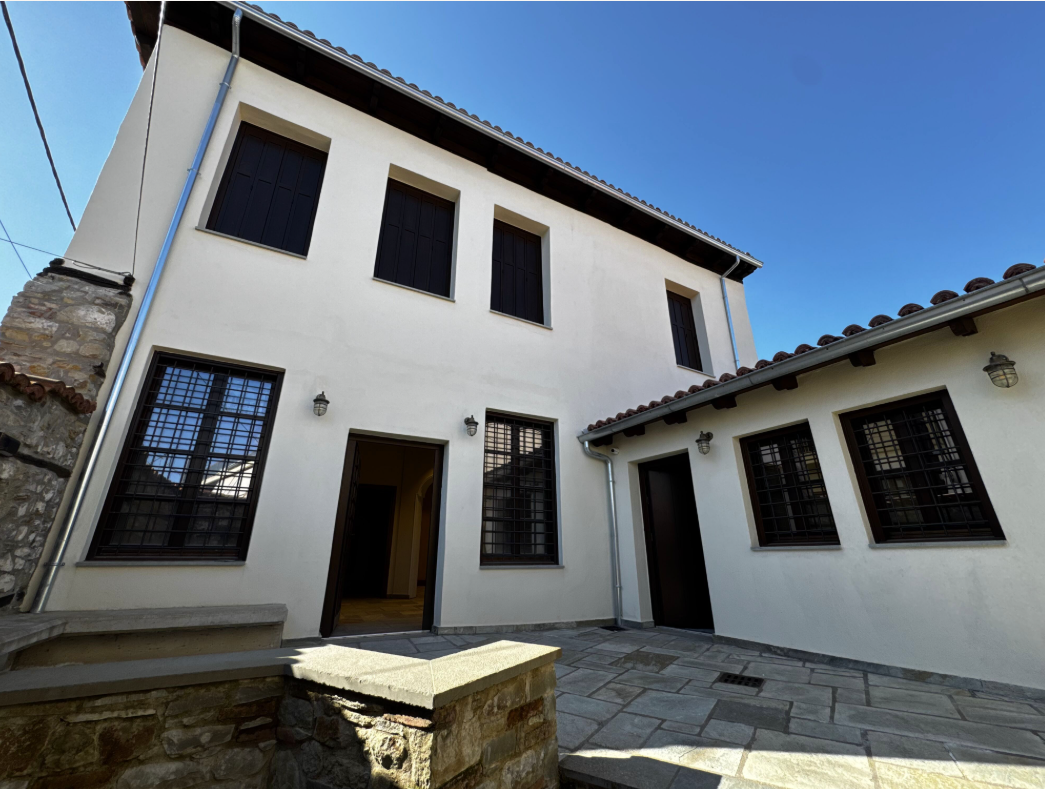
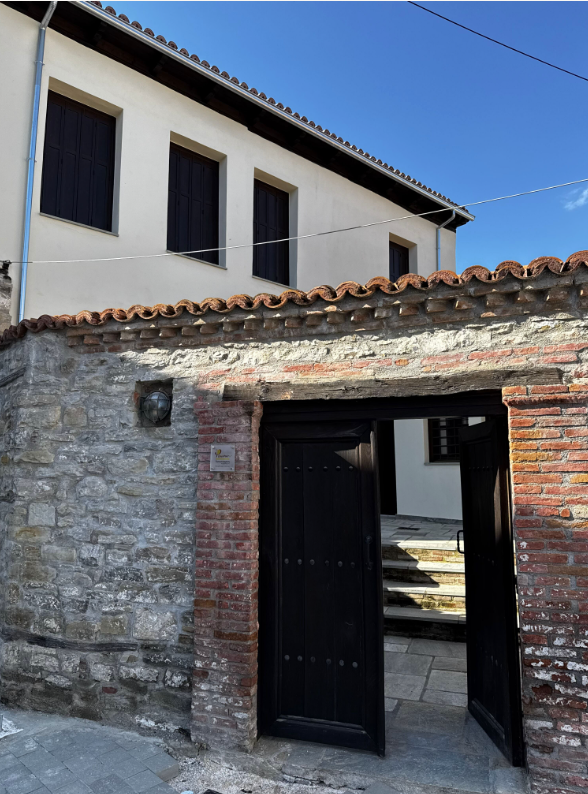
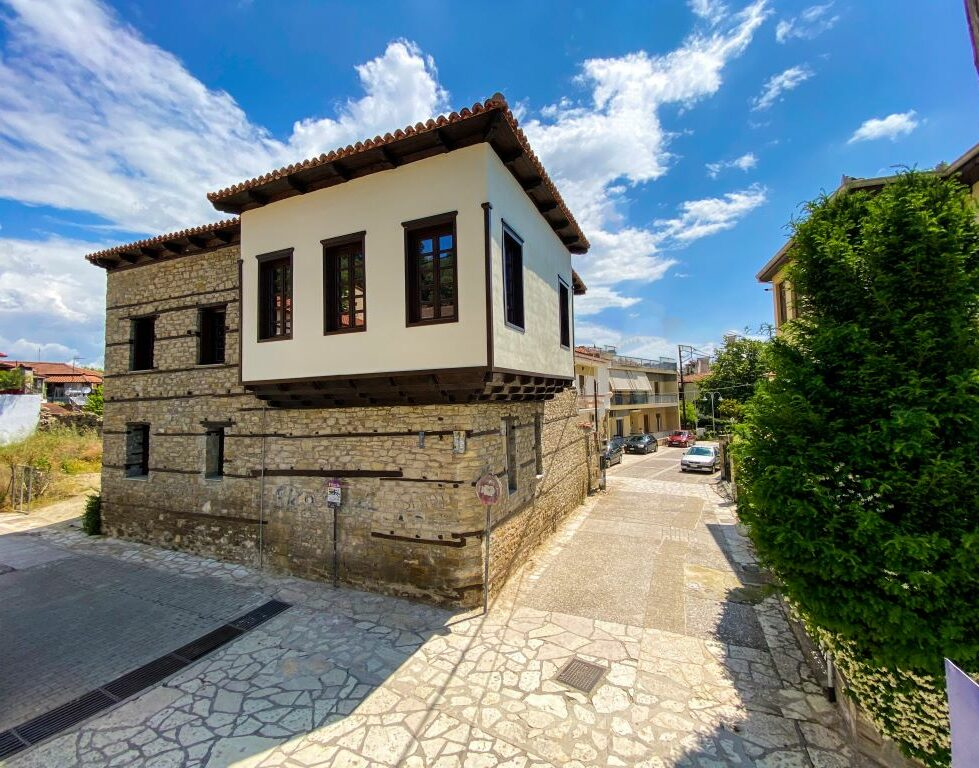
The House of Trikala’s Musical Artists, hosted in the former Kyrnassios Mansion (also known as Mantzaris House) in the Old town of Varousi, Trikala, has been carefully restored and transformed into a digital museum, creating a pioneering example of sustainable heritage building regeneration.
Through this renovation, the building became the world’s first museum retrofitted to the Passive House standard. Thanks to this approach, it requires only 21 kWh/m²a for heating, 19 kWh/m²a for cooling, and 114 kWh/m²a in primary energy demand—around 90% lower than a conventional building of similar characteristics. This significantly reduces operational costs while saving 4.81 tonnes of CO₂ annually.
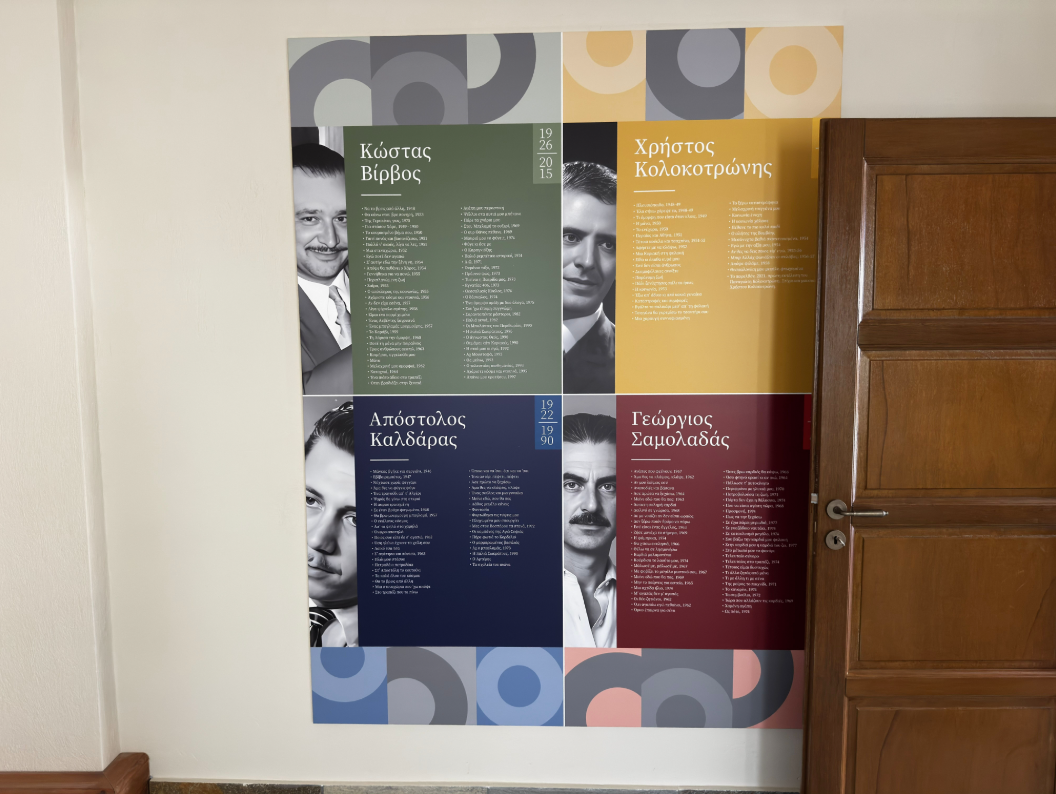
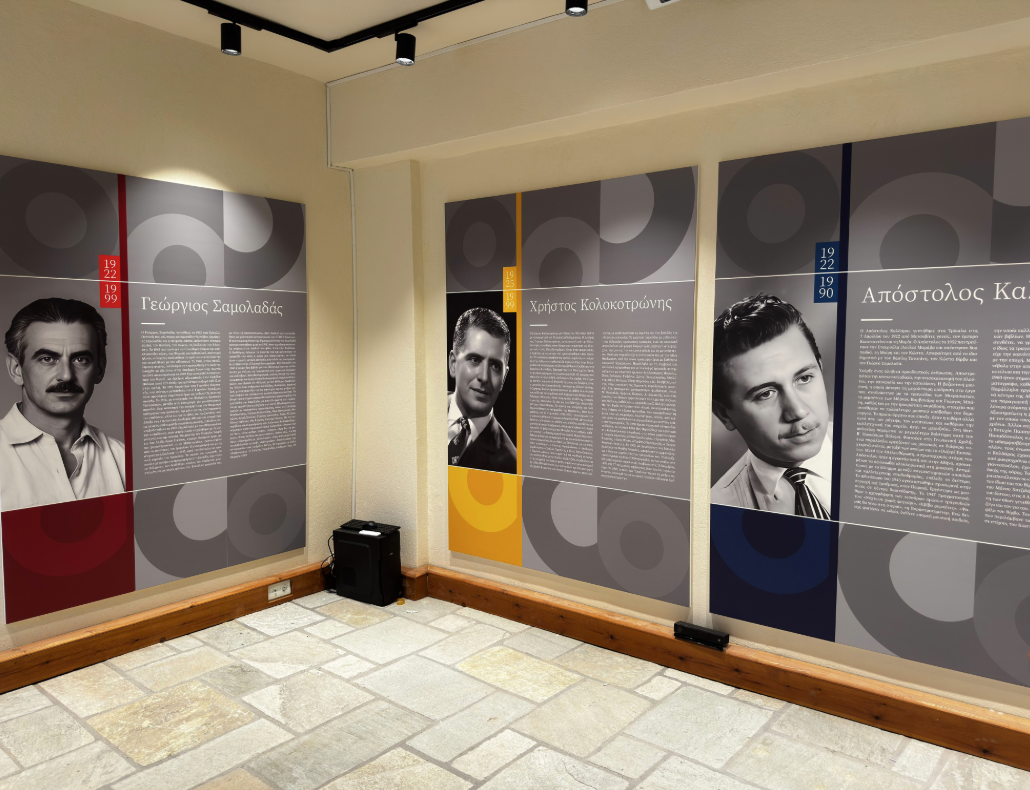
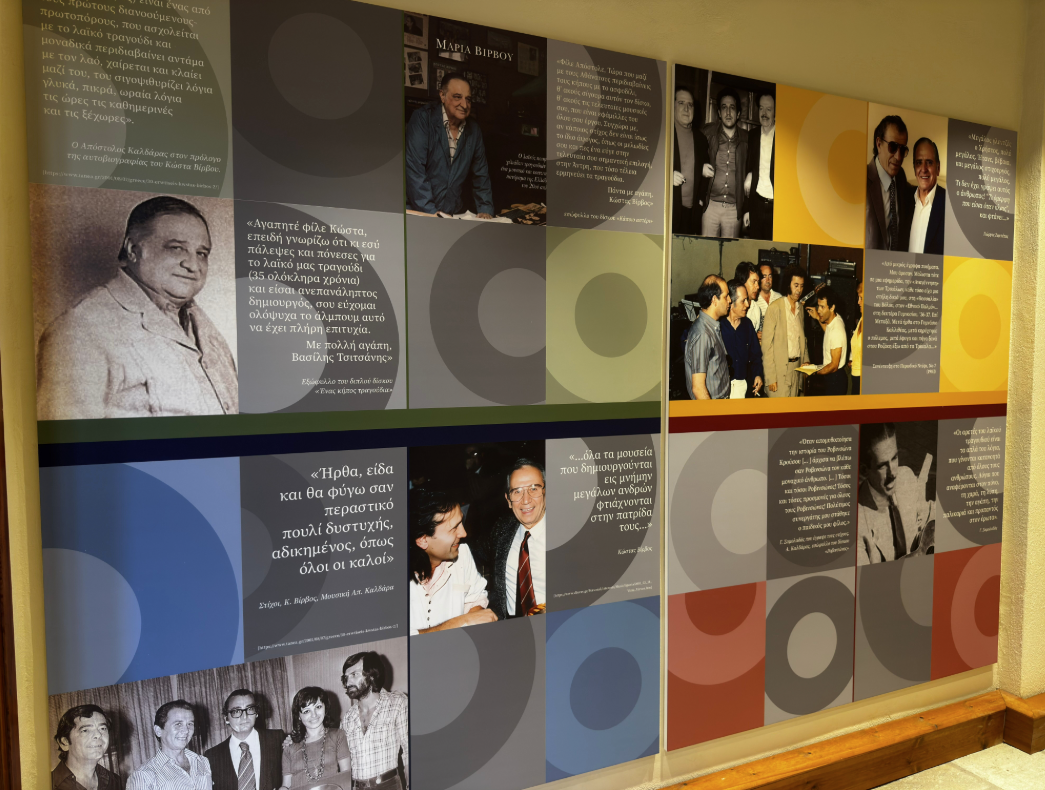
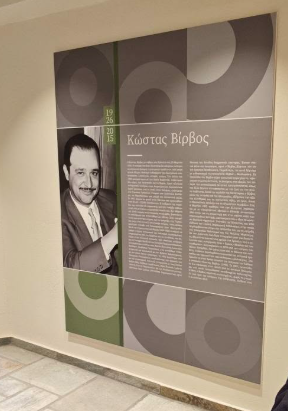
Today, the House functions as an inclusive cultural hub benefiting the local community, hosting exhibitions and digital experiences dedicated to Trikala’s musical heritage. This is the second cultural space in Trikala dedicated to the city’s musical legacy, following the Vasilis Tsitsanis Museum, dedicated to one of the most influential Greek songwriters. The House of Trikala’s Musical Artists celebrates other important artists from the city, including K. Virvos, A. Kaldaras, D. Mitropanos, C. Kolokotronis and G. Samoladas, strengthening awareness of the city’s contribution to Greek music.
Beyond its immediate cultural role, the project preserves and celebrates the architectural beauty and cultural identity of the Varousi area, as the restoration maintains the character of the historic building dating back to 1896, contributing to the revitalisation of this historic neighbourhood; strengthens cultural tourism; and demonstrates how heritage buildings can meet modern climate goals without losing their historical character. As the first Passive House-retrofitted museum globally, it provides a replicable model for the deep renovation of heritage buildings, offering inspiration for cities worldwide seeking to combine cultural preservation with climate-neutral building performance.
The House of Trikala's Musical Artists was created as part of the Municipality of Trikala’s effort to strengthen the city’s cultural experiences. Following the establishment of the Vasilis Tsitsanis Museum, the city decided to create a second cultural space that would celebrate other important musicians from Trikala who shaped Greek popular music.
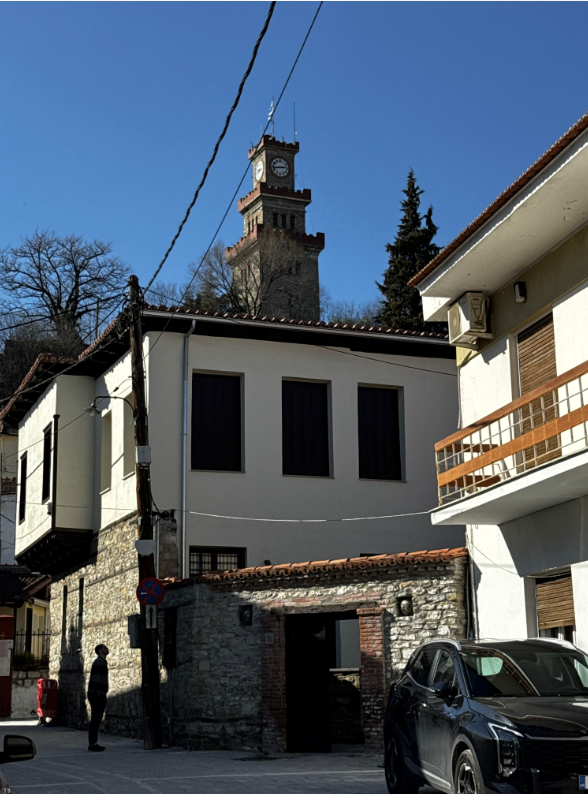
To realise this vision, the historic Kyrnassios Mansion was selected, built in 1896 in the traditional neighbourhood of Varousi, the oldest district of Trikala. Transforming this historic house into a museum allowed the city not only to create a new cultural destination, but also to revive an important heritage building and contribute to the regeneration of the historic neighbourhood.
The project was implemented through a comprehensive restoration process, authorised by appropriate monument preservation authorities, that included structural reinforcement, preservation of architectural elements, construction works and mechanical and electrical upgrades, as well as the addition of appropriate facilities such as visitor toilets to accommodate the building’s new public use.
In line with Trikala’s broader sustainability ambitions and commitment to climate-conscious development, the renovation integrated the Passive House approach, with the support of the Hellenic Passive House Institute, which also certified the building. Energy performance was achieved through measures such as interior insulation, high-performance wooden window frames, and a mechanical ventilation system with heat recovery.
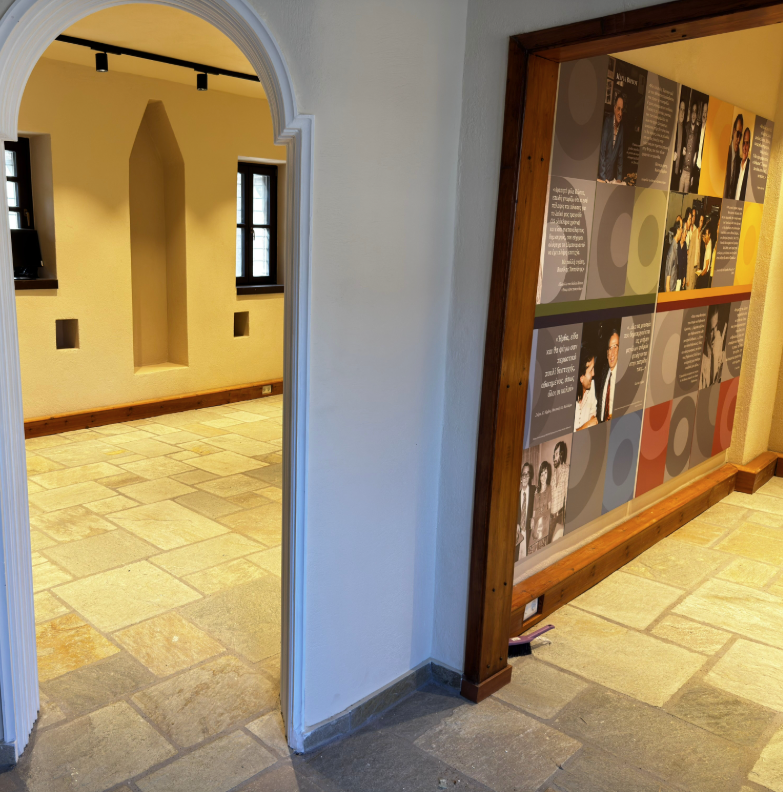
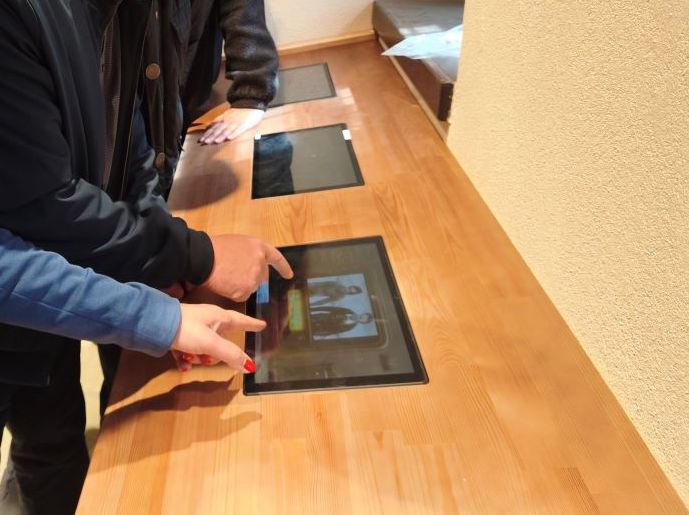
A second phase focused on the development of the museum’s digital and interactive exhibitions. Through installations such as the Musical Labyrinth, Timeline Radio, Interactive Jukebox and 3D digital reconstructions, as well as dedicated software and applications developed for the exhibits, visitors can explore the musical heritage of Trikala through immersive and multi-sensory experiences.
Sustainable Heritage Regeneration
Passive House
Energy Efficiency
Historic Neighbourhood Revitalisation
Digital Cultural Innovation
The House of Trikala’s Musical Artists demonstrates how historic buildings can actively contribute to environmental sustainability through high-performance renovation. The transformation of the Kyrnassios House followed the Passive House standard, and was certified as EnerPHit Classic by the Hellenic Passive House Institute, showing that protected heritage structures can achieve extremely low energy demand while maintaining their architectural identity.
Thanks to the Passive House approach, the building requires only 21 kWh/m²a for heating, 19 kWh/m²a for cooling and dehumidification, and 114 kWh/m²a in primary energy demand—around 90% lower energy demand than a conventional building of similar characteristics, dramatically reducing operational costs. This performance leads to an annual reduction of 4.81 tonnes of CO₂ emissions, significantly lowering the building’s environmental footprint.
The project also demonstrates lifecycle thinking and resource efficiency by prioritising the adaptive reuse of an existing historic building, avoiding the environmental impact and embodied carbon associated with demolition and new construction. The renovation used durable and natural materials, including mineral wool insulation and high-performance wooden windows, ensuring long-term energy performance while respecting the building’s historic character, while the original wooden beams were retained wherever possible.
Environmental impact was further reduced through local sourcing and construction practices. Key components, such as the wooden windows, were produced in the nearby town of Kalabaka, minimising transportation emissions and supporting regional production networks.
In addition, the Passive House approach guarantees excellent indoor environmental quality, with stable indoor temperatures, controlled humidity and continuous fresh air through MVHR. This ensures that the building operates efficiently throughout its lifecycle while providing healthy indoor conditions.
The House of Trikala’s Musical Artists, hosted in the historic Kyrnassios Mansion dating back to 1896, enhances the quality of everyday life in the traditional neighborhood of Varousi by restoring and celebrating the architectural beauty that defines this historic district.
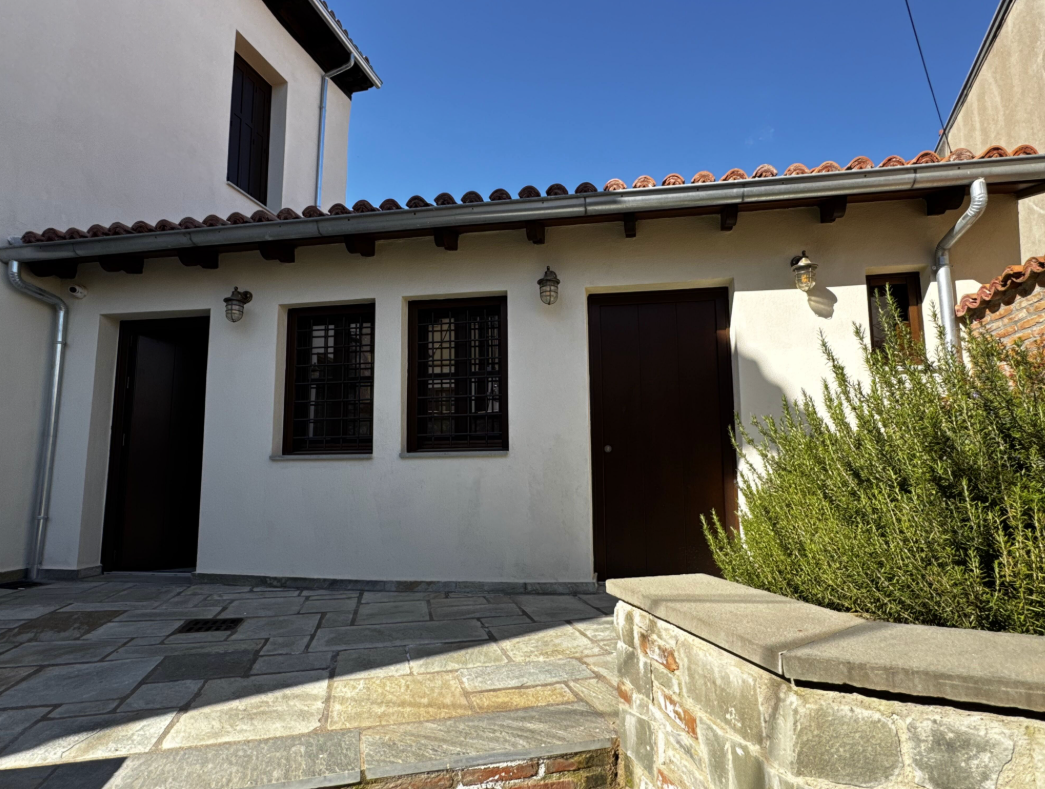
Established in 1708, Varousi developed around the Byzantine castle and retains a distinctive architectural identity shaped during the Ottoman period. The Kyrnassios Mansion (later acquired by the Mantzaris family) is a representative example of this heritage. The building features a stone-built ground floor, protruding upper floors (called “sachnisia”) with wooden windows that maximise sunlight, as well as private inner courtyards enclosed by high walls where families historically cultivated gardens and carried out everyday activities.
The restoration placed the original architecture and atmosphere of the house at the centre of the design, carefully preserving its proportions, materials and spatial qualities. Visitors experience not only the beauty and craftsmanship of a historic mansion, but also the unique atmosphere of one of Trikala’s most historic neighbourhoods.
At the same time, the museum celebrates the rich musical heritage of Trikala, allowing visitors to reconnect with songs and stories that shaped Greek music in the 1950s onwards. Through digital and interactive installations, the museum transforms this heritage into a multi-sensory experience, where visitors listen, interact and explore music in immersive ways. By combining architecture, memory and sound, the House of Trikala’s Musical Artists creates a cultural experience that strengthens the emotional connection between people, place and heritage.
By opening the building to the public, the House reconnects residents and visitors with the identity and cultural legacy of Varousi, transforming a historic private house into a shared cultural space that fosters a renewed sense of belonging and care for the neighbourhood.
The House of Trikala's Musical Artists promotes inclusion by transforming the historic Kyrnassios Mansion into a cultural space that is open, accessible and meaningful for people of all ages and backgrounds. By making the building publicly accessible and designing the museum as an interactive cultural environment, the project creates opportunities for shared cultural experiences among residents, visitors and different generations.
The museum’s digital and interactive design allows visitors to engage with the exhibition through multiple senses. Because the museum focuses on music—one of the most universal forms of cultural expression—visitors connect with the content not only through sight but also through listening, movement and interaction, making the experience accessible and engaging for diverse audiences.
A key aspect of the project is its ability to foster intergenerational dialogue. The museum celebrates musicians from Trikala whose work shaped Greek music from the 1950s onwards, allowing younger generations—who today mainly discover music through social media and contemporary artists—to reconnect with sounds, stories and cultural memories from previous decades, while older generations can rediscover songs that shaped their lives and memories.
The museum also includes an interactive voice guestbook, where visitors can record messages, musical memories or impressions after their visit. This feature transforms visitors from passive observers into active contributors, allowing them to become part of the museum itself and creating a meaningful two-way interaction between the cultural space and its audience.
Because music transcends linguistic and cultural barriers, the museum also promotes intercultural exchange, allowing visitors from other Greek regions and international audiences to explore the musical heritage of Trikala and connect with the cultural history of the city.
The House of Trikala’s Musical Artists was shaped through the close collaboration of local cultural stakeholders and individuals deeply connected to the city’s musical heritage. Although the project did not follow a formal participatory planning process, it was strongly influenced by the knowledge and initiative of people who have long worked to preserve and promote the musical identity of Trikala.
A key role was played by the Creative Director of the Vasilis Tsitsanis Museum, which also functions as a Research Centre dedicated to the life and work of the legendary songwriter and his contributions to the Greek musical genres rebetiko and laiko. As a long-time advocate for recognising Trikala’s contribution to Greek music, he had previously worked extensively to establish the Tsitsanis Museum in the city where the composer was born. Through this work, he also highlighted that many other prominent musicians originated from Trikala, such as Kostas Virvos, Giorgos Samoladas, Apostolos Kaldaras, Christos Kolokotronis, and Dimitris Mitropanos, who deserved similar recognition.
Building on this vision, he contributed actively to the development of the House of Trikala’s Musical Artists, as a curator. His involvement included historical research, content development and the digitisation of archival material, as well as the conceptual design of the museum’s digital exhibitions. His deep knowledge of the city’s musical history ensured that the narrative of the museum authentically reflects the cultural memory and identity of the community.
Through this collaboration, the project incorporated local cultural expertise and community knowledge, allowing the museum to represent the musical legacy of Trikala in a way that resonates with residents, artists and visitors alike.
The House of Trikala's Musical Artists was implemented through a multilevel governance approach, bringing together local authorities, technical experts and European funding mechanisms.
At the local level, the building is under the administration of the Directorate of Education, Culture and Sports of the Municipality of Trikala, which ensured that the initiative aligned with the city’s cultural strategy and heritage objectives. The Directorate of Technical Services of the Municipality was responsible for the preparation of the technical studies and design of the renovation works. The physical implementation of the restoration was carried out by the contractor A. Litou – G. Gkekas O.E., which executed the construction works and restoration of the building.
At the technical and expert level, the Hellenic Passive House Institute (HPHI) played a key role in integrating sustainability into the project, through energy and hygrothermal simulation, implementation studies, thermal comfort analysis, and the final Passive House certification of the building. In addition, HPHI strengthened local capacity by providing Certified Passive House Designer training courses to architects and engineers of the Municipality’s Technical Services. These professionals are now officially certified and capable of implementing Passive House projects, making Trikala the first municipality in Greece to have such qualified staff, further reinforcing the city’s commitment to sustainable urban development.
At the European level, the project was supported by the Cohesion Fund through the Operational Programme “Transport Infrastructure, Environment and Sustainable Development 2014–2020”, under the Priority Axis “Preservation and Protection of the Environment – Promotion of Efficient Use of Resources (CF)”. This funding enabled the restoration of the historic building, the integration of sustainable renovation practices, and the implementation of the digital concept of the museum.
The House of Trikala's Musical Artists was developed through a transdisciplinary collaboration that brought together expertise from architecture, engineering, building physics, cultural research and digital technologies.
At the core of the project was the collaboration between architects and engineers from the Directorate of Technical Services of the Municipality of Trikala, who were responsible for the architectural and technical design of the intervention. Their familiarity with the local architecture and heritage characteristics of the Varousi neighbourhood ensured that the restoration respected the historic identity of the Kyrnassios Mansion while adapting it to its new cultural function.
The project also required strong expertise in building physics and mechanical engineering in order to implement the Passive House EnerPHit approach. The technical team from the Hellenic Passive House Institute included a building physicist, a mechanical engineer and a civil engineer, all certified Passive House experts. Their work involved energy modelling, hygrothermal analysis and the design of high-performance systems to achieve extremely low energy demand while maintaining its architectural integrity.
In parallel, the project incorporated cultural research, curatorial expertise and digital design. The team behind the Vasilis Tsitsanis Museum - which is also a Research Centre about the songwriter and his contribution to Greek music - particularly its Creative Director, contributed to the conceptual development of the museum, the research on Trikala’s musical heritage and the digitisation and presentation of the exhibits. Their experience ensured that the museum’s narrative and digital installations effectively communicate the cultural legacy of the city’s musicians.
The House of Trikala’s Musical Artists operates under a business model designed to ensure long-term financial sustainability while maintaining its cultural mission. The museum is set to generate revenue primarily through visitor ticketing, welcoming both local visitors and cultural tourists interested in Trikala’s rich musical heritage and the historic Varousi neighbourhood.
In addition, the space can be used for cultural events, such as poetry readings, small concerts, lectures, and thematic evenings dedicated to the musical heritage of Trikala. These events allow the building to function not only as a museum but also as a vibrant cultural venue, strengthening its connection with the local community while creating additional income streams.
A donation box will also be placed within the museum. Contributions collected will help ensure the proper maintenance and upkeep of the historic building, support the ongoing research and digitisation of the museum’s archival and musical content, and contribute to cultural activities and events that highlight the Varousi neighbourhood and the musical legacy of Trikala’s artists.
A key factor in the financial sustainability of the project is the Passive House renovation of the building. Thanks to its extremely low energy demand—approximately 90% lower than a conventional building of similar characteristics—the museum benefits from significantly reduced operational and energy costs, allowing the municipality to maintain and operate the cultural space efficiently over time.
Together, these elements create a balanced model combining public cultural investment with sustainable operational management, ensuring that the House of Trikala’s Musical Artists can continue serving the community for many years to come.
The House of Trikala’s Musical Artists demonstrates a model that can be replicated in many cities facing the dual challenge of preserving historic buildings while reducing their environmental impact. The most transferable element of the project is the application of the Passive House approach to a protected heritage building. Passive House principles are internationally recognised and can be applied to all building types and climate zones, making the methodology highly adaptable across different geographical contexts.
In this project, the Passive House concept was carefully adapted to respect the historic character of the Kyrnassios Mansion. For example, internal insulation solutions were used in order to preserve the original façade and architectural features of the building. This demonstrates how high energy performance can be achieved while maintaining strict heritage protection requirements—an approach that can be applied to historic buildings in many other European cities.
Another important transferable element is the training of municipal technical staff, which strengthens local capacity to design and implement high-performance buildings. Through the project, municipal engineers and architects received Certified Passive House Designer training, enabling them to apply the world’s leading building standard in future public projects. This approach allows municipalities to align their building stock with EU climate targets, as Passive Houses are nearly zero energy buildings, while also reducing costs by limiting the need for external consultants in future projects.
By combining heritage preservation, deep energy renovation and local capacity building, the House of Trikala’s Musical Artists offers a replicable blueprint for the sustainable regeneration of historic buildings worldwide, demonstrating that climate-neutral building performance and cultural heritage protection can successfully coexist.