Arts, Culture, and Heritage as Drivers of Change
Zagreb Neighborhoods of Culture
Zagreb Neighborhoods of Culture
Zagreb Neighborhoods of Culture is a citywide cultural program bringing high‑quality artistic and cultural events directly into Zagreb’s neighborhoods. The project decentralizes access to culture—ensuring that residents of all ages, backgrounds, and communities can take part in diverse cultural activities right where they live. By activating public spaces throughout the city and fostering participation at the local level, the project builds a more inclusive and balanced cultural ecosystem.
Croatia
Local
Zagreb, Croatia
Mainly urban
It involves other types of transformations (soft investment)
Yes
2025-09-21
No
No
No
Organisation
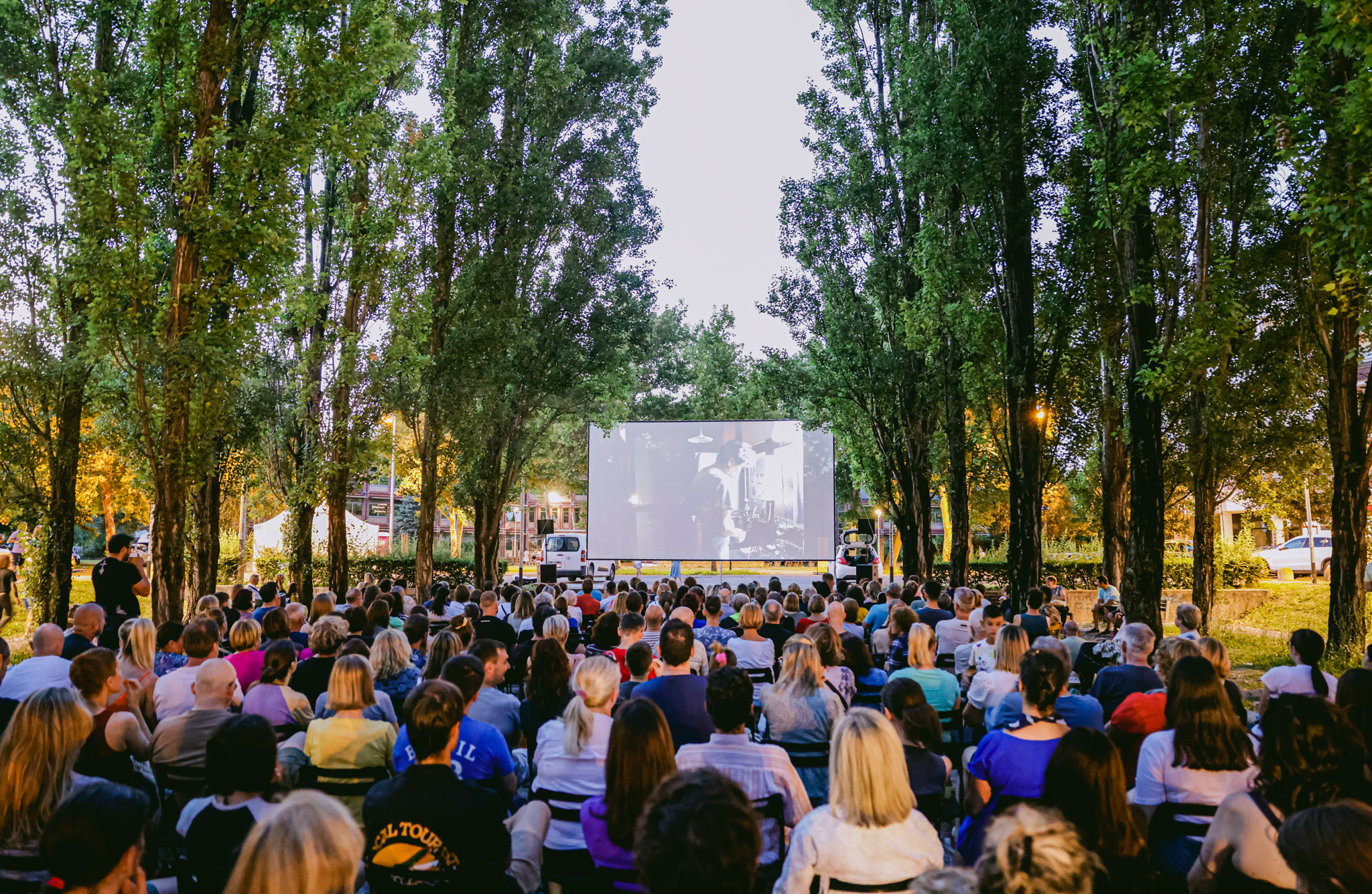
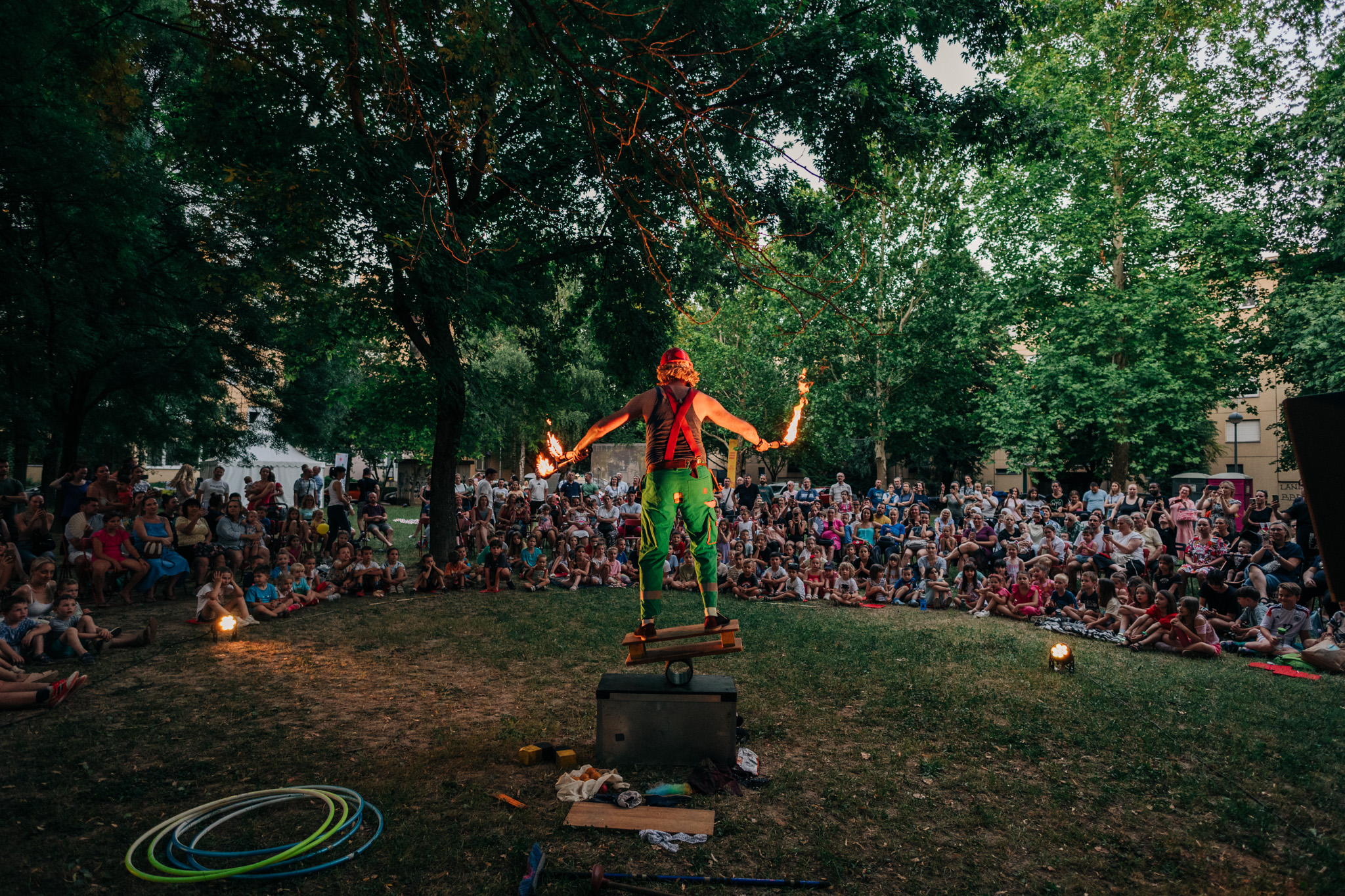
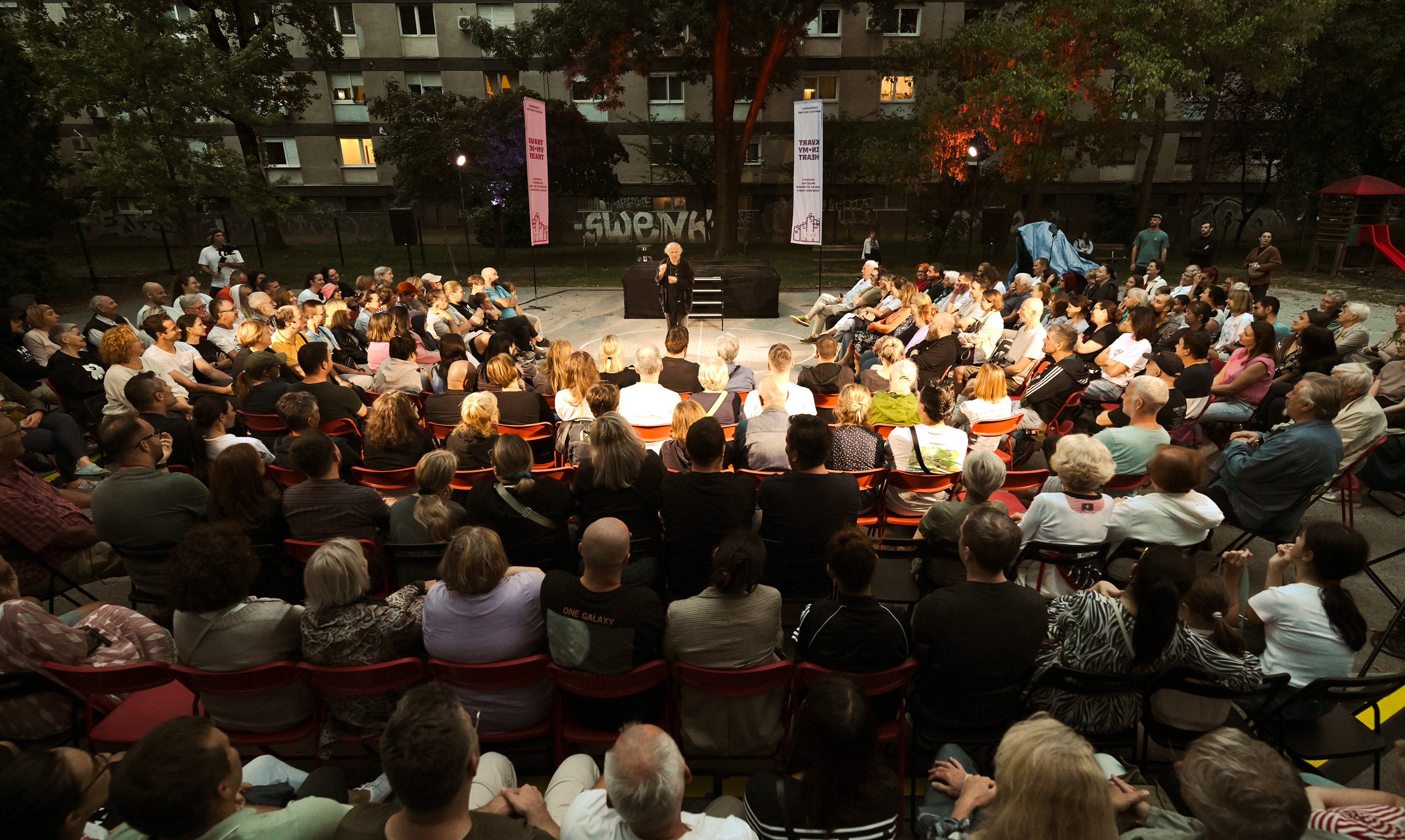
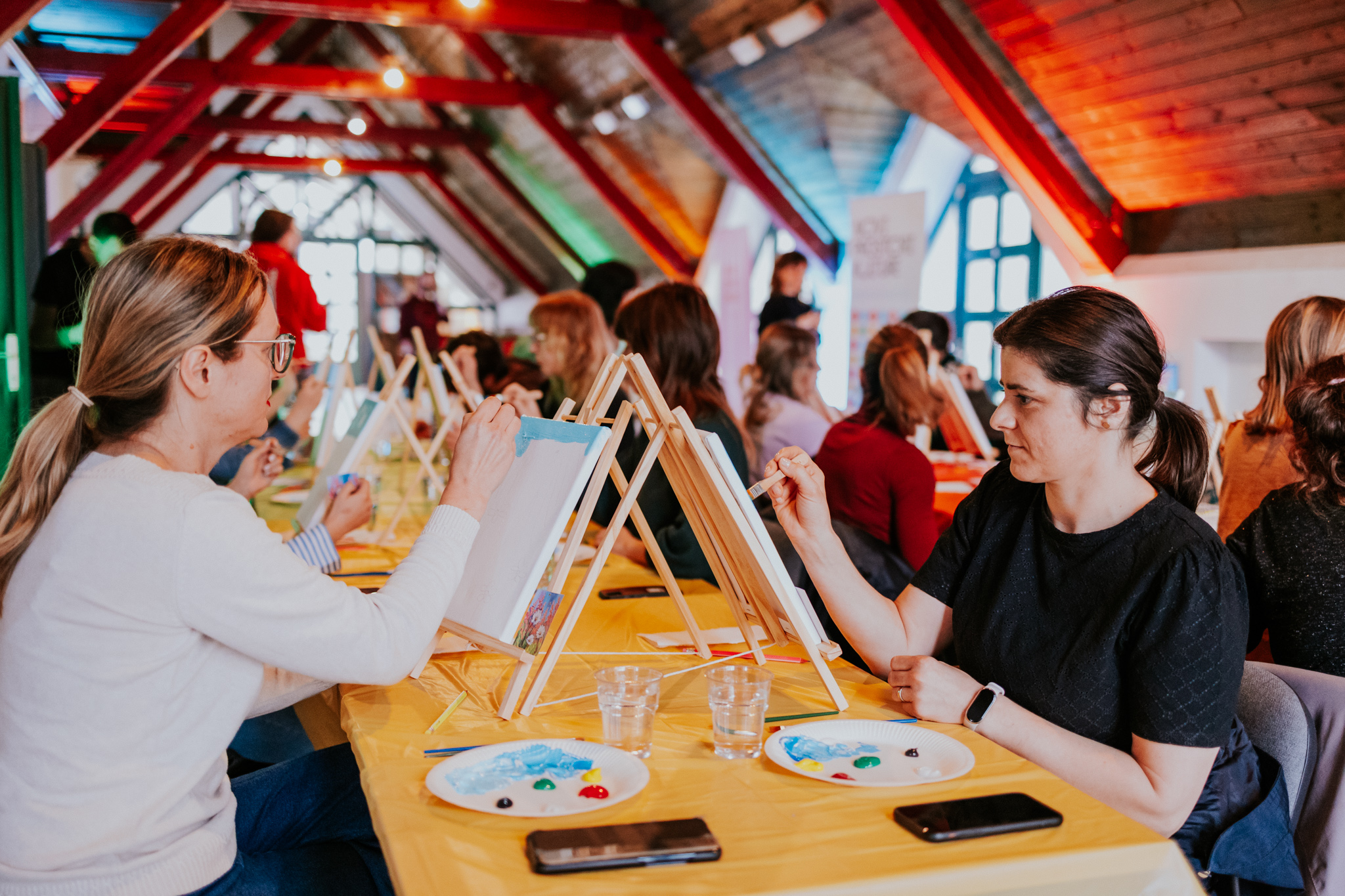
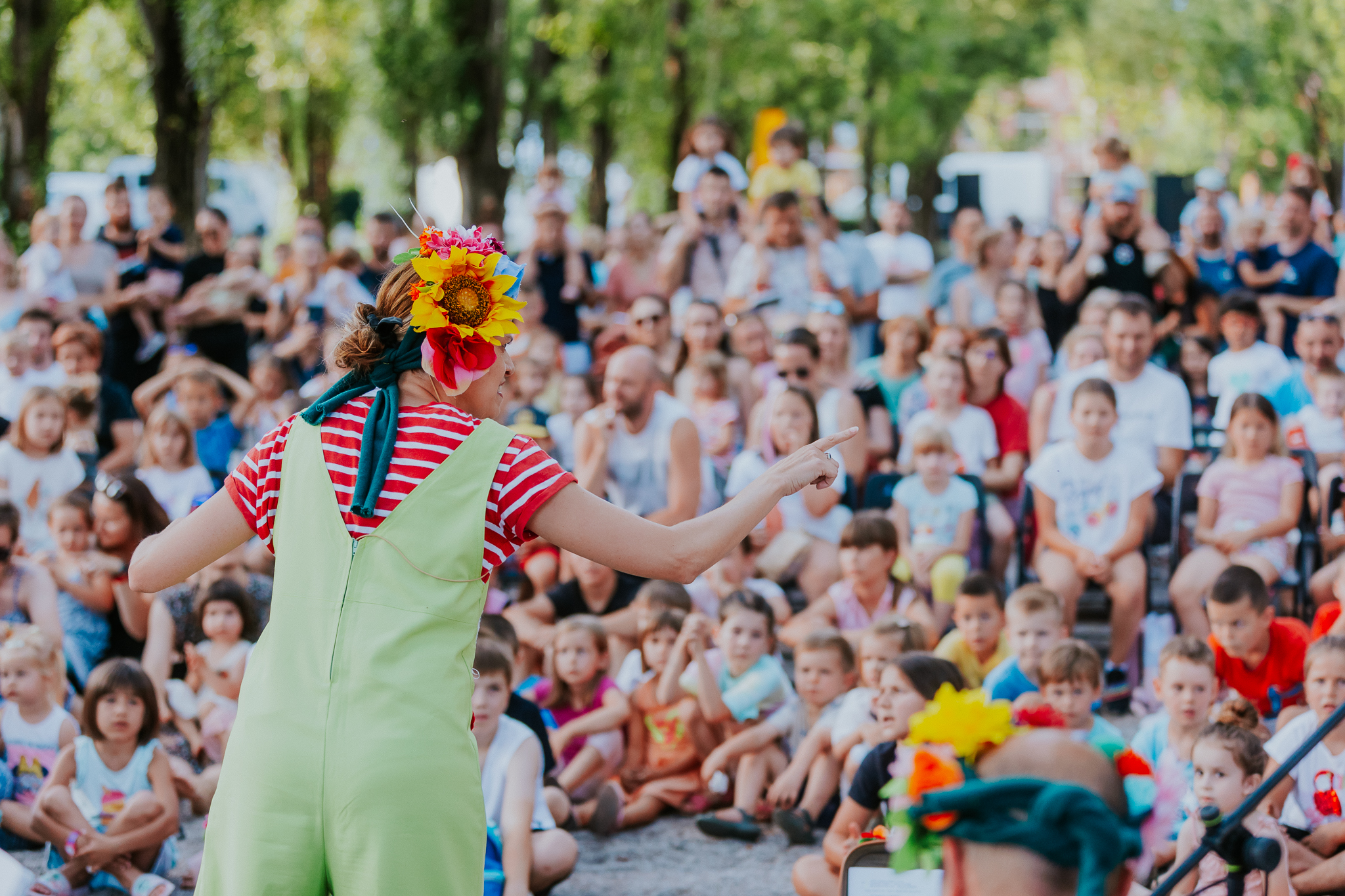
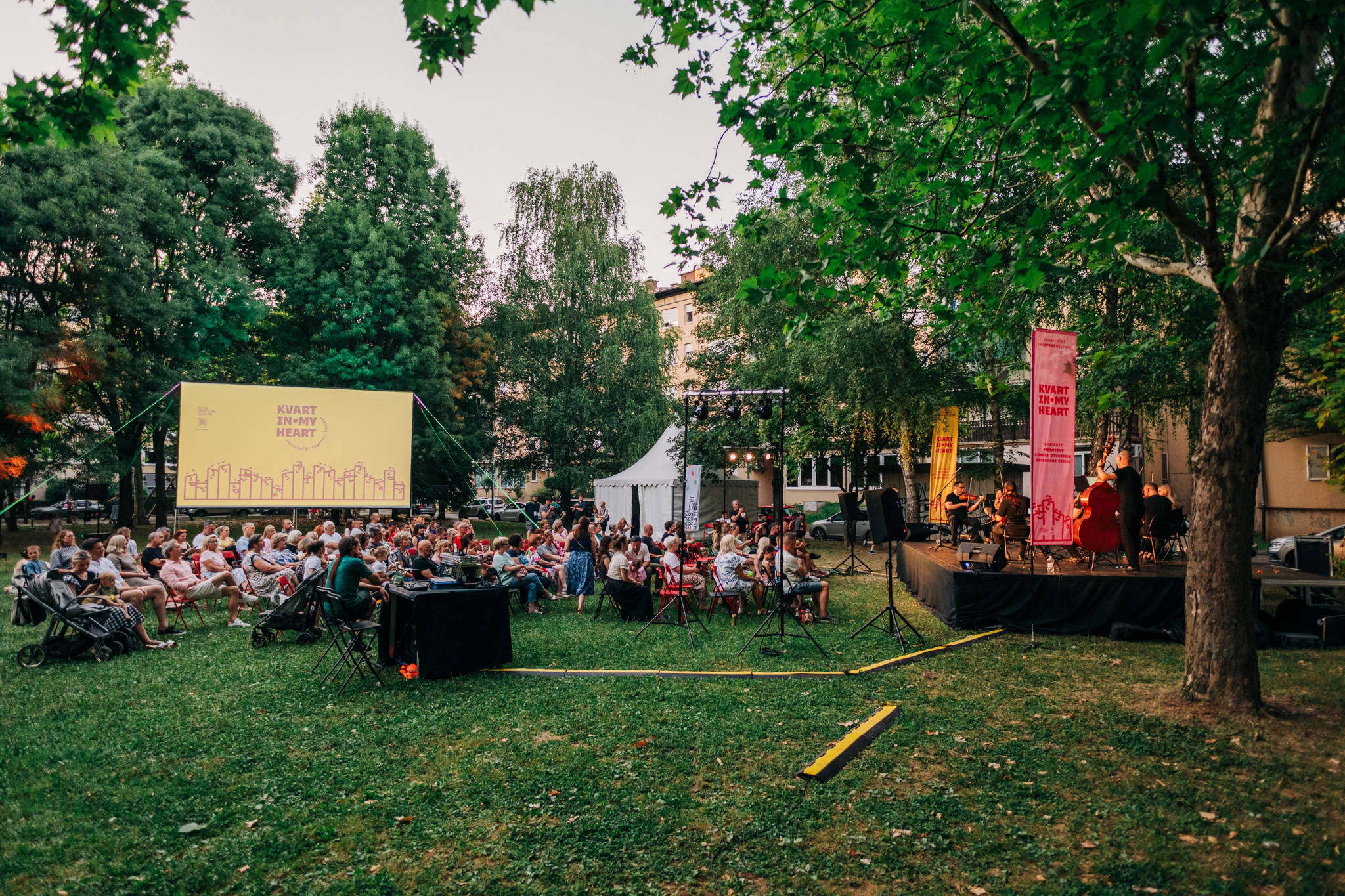
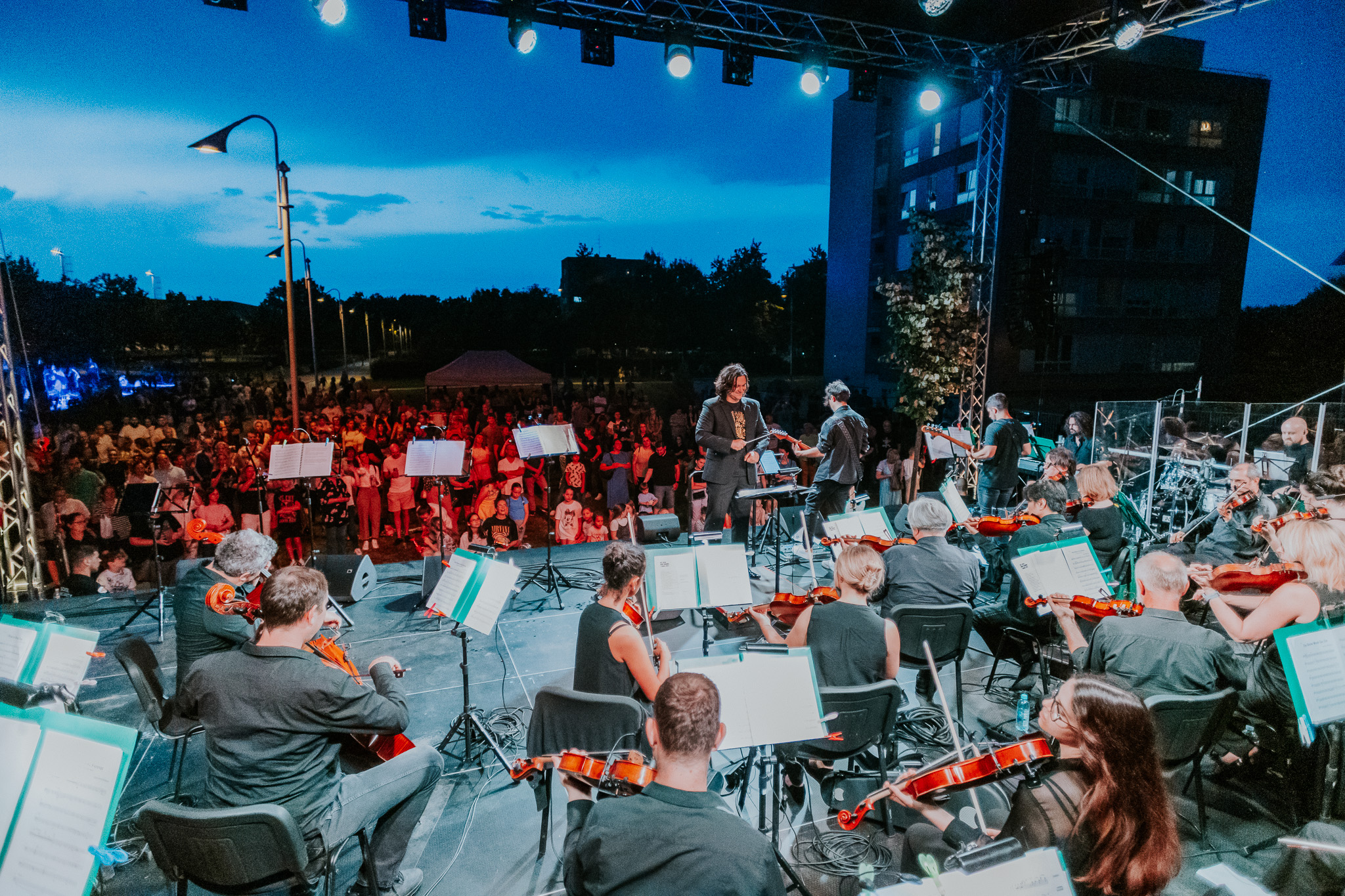
Zagreb Neighborhoods of Culture is a cultural decentralisation initiative that brings high quality artistic programs—concerts, theatre, film, visual arts, contemporary circus, literature, and community workshops—directly into Zagreb’s residential districts. The project transforms local parks, squares, and community spaces into accessible cultural venues, making culture available to all generations within walking distance of their homes.
Launched in 2024 with a pilot edition across 7 neighborhoods and over 10,000 visitors, the project expanded significantly in 2025. That year delivered 113 events, city-wide across, involving 300+ artists, and attracting about 30,000 visitors, demonstrating strong public interest and community impact. The program has already proven its ability to strengthen social cohesion, activate underused public spaces, and diversify cultural participation across the city.
Each edition is developed through close collaboration with local communities, ensuring that content reflects neighborhood needs and supports audience development. The project reinforces existing local cultural initiatives while adding new, original productions that bring contemporary, inclusive, and sustainable cultural practices into everyday urban life.
Long-term Impact: over time, Zagreb Neighborhoods of Culture aims to build a more connected and culturally vibrant city by:
• Establishing long-term cultural infrastructure at the neighborhood level.
• Increasing cultural accessibility and inclusiveness.
• Strengthening local identity and belonging by transforming everyday public spaces into shared cultural hotspots.
• Supporting local artistic ecosystems, offering stable opportunities for performers and creators.
• Developing a transferable model of sustainable cultural decentralisation that can be replicated across European cities.
By 2030, the program aims to include every Zagreb neighborhood, ensuring that culture becomes an integral part of citizens' daily lives.
Zagreb Neighborhoods of Culture was born from a simple question: what if high‑quality art didn’t wait in the city centre for audiences to come, but went to where people live? Anchored in the Zagreb Culture Development Program 2024–2030 (Measure 2.1) and led by New Spaces of Culture, we set out to redesign the city’s cultural geography through a coordinated, city‑wide distribution of free artistic programmes for all generations.
In 2024 we tested the model in six neighbourhoods, trialling formats, venues and partnerships; more than 10,000 residents took part, confirming the demand for near‑home cultural experiences. In 2025 we scaled up: 14 neighbourhoods, 113 events, 300+ artists and around 30,000 attendees. All events were free.
Implementation on the ground follows a repeatable cycle. Each year we map neighbourhood needs and calendars; curate a balanced mix of concerts, theatre for children and adults, film, contemporary circus, literature and visual arts; and co‑organise with local associations, artistic organisations and community groups. We use existing public and community spaces—squares, schools, libraries, cultural centres—managing permits, technical riders and production so that high‑quality programmes arrive with minimal barriers, cost and footprint. A unified communications approach makes it clear that culture is coming to people’s doorsteps; while our team works on lessons learned, collects feedback and conducts evaluations to refine future editions.
This "at your doorstep" approach emphasizies existing City assets and puts the spotlight on beauty, inclusivity and learning.
By turning familiar places into cultural stages, the project strengthens participation, inter‑generational connection and the local community. It replaces occasional, centre‑based consumption with an inclusive, neighbourhood‑centred cultural infrastructure that can be maintained and replicated—showing how arts and culture drive lasting change in everyday urban life.
Cultural decentralisation
Intergenerational inclusion
Neighbourhood engagement
Access to culture
Local artist development
Environmental. Our proximity‑first model cuts travel needs: audiences walk, cycle or take short public‑transport trips to events staged in existing neighbourhood squares, schools, libraries and community centres. Reusing venues and our own production setup reduces materials and energy. We also cooperate with the citizen initiative “Cleaning Bears”, who provide on‑site environmental education and lead post‑event clean‑ups. Backed by a clearly defined cleaning strategy after every event, this ensures litter‑free sites and reinforces responsible audience behaviour.
Social. Free, near‑home programming removes key barriers of cost, distance and time. In 2024 we piloted 7 neighbourhoods (10,000+ visitors); in 2025 we reached 14 neighbourhoods with 113 events by 300+ artists (~30,000 attendees), demonstrating equitable access at scale across ages and backgrounds.
Cultural. Quality art across music, theatre, film, contemporary circus, literature and visual arts turns familiar places into cultural stages, creating shared aesthetic experiences and a recognisable Zagreb cultural signature. Partnerships with associations and artistic organisations align programmes with local needs and identities, sustaining demand beyond a single edition, while supporting local artists and initiatives and creating a stimulating environment.
Economic. The model channels resources to local artists, producers and local suppliers. It is embedded in Zagreb’s cultural policy framework, guaranteeing free access, and is financed through the City budget ensuring long-term sustainability and planning.
Our sustainability is exemplary because we developed an inclusive, low‑footprint distribution system that is repeatable annually, scalable city‑wide and transferable to other cities. The programme couples beauty and inclusion with a reduced environmental load and durable social impact—showing how culture can be both high‑quality and low‑carbon, both city‑wide and close to home.
Beauty starts locally. Zagreb Neighborhoods of Culture makes everyday life more beautiful by (primarily) putting Zagreb’s own artists, stories and initiatives at centre stage. We commission and present local musicians, theatre makers, circus performers, writers and visual artists in neighbourhood squares, school yards, libraries and community centres—places people pass daily. When residents recognise familiar voices and aesthetics in familiar spaces, beauty feels close, relevant and shared. We translate core Bauhaus principles into today’s city‑wide cultural practice. The original Bauhaus sought the unity of art, craft and life, dissolving divisions between artist and artisan so that beauty could inhabit the objects and places of the everyday. We adopt that ethos by uniting curators, artists, technicians and local partners to create coherent, high‑quality events that treat neighbourhood venues as worthy cultural stages—crafting the whole experience from programme to production. For the New European Bauhaus, “beautiful” means a quality of experience that goes beyond mere function, rooted in local cultures and everyday life. Our programme delivers that by placing Zagreb’s own artists and stories in the spaces where people actually live so beauty is close, relevant and shared. Our aesthetic is functional, humane and repeatable. Right‑sized stages and seating, clear sound and a consistent visual identity serve the audience first—functional clarity that heightens perception rather than spectacle. By holding the same production and artistic standards in every district, we democratise access to beauty—an aim deeply consistent with the Bauhaus project of uniting fine and applied arts for society at large.
Belonging and care are part of the aesthetic. Co‑creation with local partners ensures content reflects local identities across generations. In NEB terms, this fosters “regaining a sense of belonging” while keeping aesthetics inseparable from inclusion and sustainability.
Belonging and care are part of the aesthetic. Co‑creation with local partners ensures content reflects local identities across generations. In NEB terms, this fosters “regaining a sense of belonging” while keeping aesthetics inseparable from inclusion and sustainability.
Every event is free and staged near people’s homes in familiar venues (parks, squares, schools, community centres etc.). In 2024 we piloted in 7 neighbourhoods with 10,000+ visitors; in 2025 we reached 14 neighbourhoods, delivering 113 events by 300+ artists to ~30,000 people—evidence that cost and distance barriers have been removed at scale, advancing NEB’s emphasis on accessibility and affordability. As part of our commitment to accessibility and inclusion, we have introduced inclusive subtitles in its film program. Our programme replaces centre‑based consumption with an inclusive, neighbourhood‑centred cultural infrastructure — with free entry, regular presence, and recognised as part of local life. The programmes often take place in remote, more residential, industrial, or commercial peripheral neighbourhoods where newcomers, immigrants, and foreign workers often live—communities that cannot easily afford to stay in or access the cultural offerings of the city centre. The project brings culture directly into their neighbourhoods, supporting integration with the local population and fostering an intercultural dimension of coexistence. Individuals with mobility challenges are provided with accessible entry and assistance as needed. The participatory programme Art in Our Neighborhood, developed with New Patrons, allows residents to express their needs and co-commission public artworks - deepening ownership and empowerment. All of this steers to a transfromative potential of a new societal model of culture that is ingrained into the local community and becomes inseparable from it, contributing to the quality of people's lives as well as their overall access to cultural content that is no longer reserved for the elite, but is accessible to all, even for those underprivileged. This makes our project exemplary: universal free access, design‑for‑all standards, repeatable, city‑wide delivery that regains a sense of belonging and makes cultural rights tangible every day.
Our programme is built on programmatic work with civil‑society organisations (CSOs) as well as local artistic platforms and initiatives. We intentionally open the platform to a wide circle of artists, organisations, initiatives and cultural platforms working across disciplines so the local community receives quality, accessible, lively and inclusive cultural content. We provide high‑quality production conditions (sound, light, staging, logistics), enabling community partners and artists to present work safely and at a consistent standard across all districts, providing them with a platform to expand and grow their artistic and creative impulses. The local community is at the centre of our programme that responds to local priorities and serves all generations, while ensuring inclusive content for groups at risk of social exclusion. Our work with local organisations has helped them to increase their visibility and expand their reach beyond their local niche.
Impact of participation.
•Reach and relevance: Participation has scaled delivery from a 2024 pilot (7 neighbourhoods; 10,000+ visitors) to 2025 (14 neighbourhoods; 113 events; 300+ artists; ~30,000 attendees), with formats, time slots and locations directly shaped by partner feedback.
•Quality and access: Professional production paired with local artistic creativity raises artistic quality while keeping access free and near home.
•Civic depth: Cooperation with CSOs ensure the programme is not only “beautiful” but also socially critical, opening difficult topics in meaningful ways.
Local – organisations, initiatives and artists help shape programmes through their versatile programmes, suggestions and quality on-the-field delivery. Added values are: relevance to local needs, trust, participation, activation of underused spaces, putting the spotlight on public spaces and their immense potential of community building.
City: Anchored in the Zagreb Culture Development Program 2024–2030, city departments coordinate permits, safety, communications and cross‑departmental logistics. Local self-governance units help with activating their local public infrastructure with our artistic and cultural programmes.
Regional: Zagreb has a dual status within the Croatian governance system: it serves both as the capital and as a region. It is also the centre of the Zagreb Urban Agglomeration—the wider metropolitan area comprising 30 surrounding cities and municipalities. Many of these communities participate in or attend the project’s events, providing a strong foundation for replicating.
National: As the capital, Zagreb hosts the country’s key governmental, academic, cultural, and business institutions. This concentration of institutions attracts most students and professionals, contributing to the approximately 1/4 of the national population that resides in the city. The project’s impact establishes a model that can be easily applied in other cities; its national visibility encourages inter-urban knowledge transfer and supports replication—mirroring the common pattern in which good practices originating in the capital spread to other urban areas across the country.
European – The project embodies a strong European dimension by addressing joint EU challenges: unequal access to culture, spatial segregation between city centres and peripheral districts, and the need to revitalise public spaces as inclusive community hubs. By bringing artistic programmes into residential neighbourhoods, the project advances key NEB values—sustainability, inclusion, and beauty
We plan and deliver the programme as a transdisciplinary platform that bridges art and culture, design/technology and community from scoping to on‑site execution—directly reflecting the NEB call for participatory, multilevel, transdisciplinary practice. We treat parks and open spaces as “cultural architecture”—temporary venues shaped through landscape architecture, urban design, acoustics, lighting and accessibility. Our cultural offer spans concerts, theatre plays, contemporary circus, film projections, educational workshops, lectures, guided walks through neighbourhoods, spatial interventions, and open citizen talks. Mixed teams combine curation & performing arts, architecture/landscape/urban design, production engineering (staging, rigging, lighting, sound), accessibility & inclusive design, social sciences & education, environmental management, and digital/media workflows to make each format work in its specific place. Content and delivery are tuned to who lives where—age profiles, mobility patterns, cultural habits and language needs differ by neighbourhood—so we co‑organise with CSOs and local partners to adjust formats, schedules and supports accordingly. This operationalises the NEB’s transdisciplinary ethos at street level. Integration across disciplines turns parks and everyday public spaces into welcoming cultural stages, making high‑quality culture accessible, context‑sensitive and repeatable across the city.
Our institution, New Spaces of Culture, is a municipal public cultural institution established and financed by the City of Zagreb with the mandate to develop systematic and long‑term sustainable support mechanisms for cultural‑sector stakeholders and the wider public. Decentralisation and equal access to culture for everyone are among the key missions of our institution.
In line with this, Zagreb Neighborhoods of Culture—our flagship programme, initiated and continuously supported by the City—creates a reliable and stable framework on which programme producers, artists, and audiences alike can depend, reinforcing a resilient, accessible cultural ecosystem.
Publicly anchored and free for all, Zagreb Neighborhoods of Culture operates as a strategic programme of the City of Zagreb. In line with the Zagreb Culture Development Program 2024–2030 (Measure 2.1), the City finances 100% of the programme through multi‑annual planning—covering the core team, artist fees, production, accessibility (incl. inclusive Croatian subtitles), evaluation, and communications, via our institution: New Spaces of Culture.
All activities remain free for citizens; no ticketing or fees are applied. Sustainability is secured by the programme’s strategic status and integration into the City’s annual budget cycle (dedicated budget line, multi‑year commitments, and performance reporting that feeds programme‑based budgeting). This provides predictability, enables citywide scale, and supports the roadmap to cover all neighbourhoods by 2030.
No commercialisation. The programme does not purseu ticket revenue, donations, or sponsorships that could compromise universal free access or the artistic and curatorial integrity of the programme. Any occasional third‑party projects (e.g., national or EU initiatives) are strictly complementary and non‑essential. The City of Zagreb remains the sole financier of the core programme.
The single most transferable element is turning public spaces (parks, squares, courtyards) into open cultural stages that are free, barrier‑free and local. This simple act lifts everyday quality of life and makes culture the connective tissue of the community. It also visibly demonstrates the programme’s transformative potential in any context. Daily routes become cultural encounters: children, seniors and passers‑by discover concerts, films or theatre steps from home, and this, in turn, strengthens the sense of the local community, of the neighborhood. The approach carries easily across geographies and scales—city districts and neighborhoods, small towns, university campuses—precisely because it is light on hardware and strong on community everyday life and its oh-so-precious leisure time. Wherever it lands, the visible transformation—stage lights under plane trees, a screen on a square, a circus rig in a courtyard—signals that culture belongs to everyone and invites people to reclaim their public realm. Transferability is also about raising professional standards outside traditional venues. We bring a stimulating, highly professional setting for artists, organisations and crews: clear technical specs, competent stage and front‑of‑house management, rehearsal slots, fair scheduling and audience care. Non‑traditional sites become places where artists can perform at their best, while local partners absorb methods that endure beyond any single event. With each replication, a quality loop deepens: listen to residents, keep access free, respect the rhythms of each place, plan for weather and quiet hours, minimise waste, and evaluate what matters—coverage, inclusion, accessibility and artistic quality. What remains constant is: high‑quality culture, close to home, changing how people see their streets and each other—and proving, again and again, that this practice can be faithfully transferred and scaled without losing its soul.