Arts, Culture, and Heritage as Drivers of Change
Pragiedruliai creativity centre
Unifying center of creativity - Pragiedruliai homestead
Pragiedruliai creativity centre project transformed the former homestead of poet Juozas Čerkesas-Besparnis in Skaistakalnis park, the oldest park in Panevėžys, from an abandoned heritage site into accessible cultural infrastructure. Co-created with local communities and cultural institutions, the Centre combines heritage reuse and contemporary design to provide everyday access to creative education, cultural participation and public events for residents of different ages and social groups.
Lithuania
Local
Panevėžys
Mainly urban
It involves a physical transformation of the built environment (hard investment)
Yes
2024-05-20
Yes
ERDF : European Regional Development Fund
No
No
Organisation
Pragiedruliai creativity centre is a heritage-led regeneration project that transformed the former homestead of poet Juozas Čerkesas-Besparnis into cultural infrastructure for public participation in culture and creative education in Panevėžys. The initiative addressed a clear local gap, the city lacked an open place where residents, artists and cultural organisations could create, learn and collaborate.
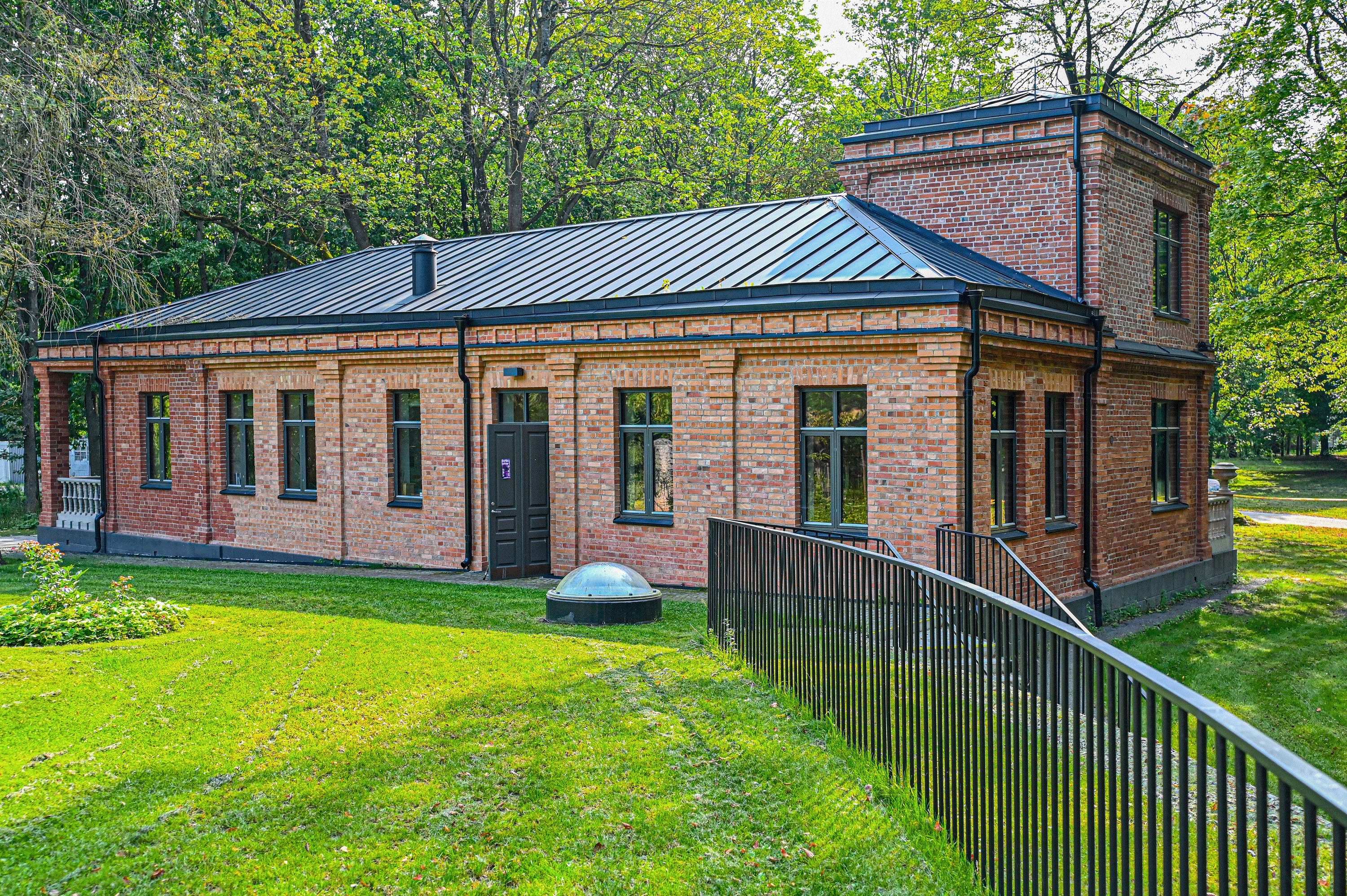
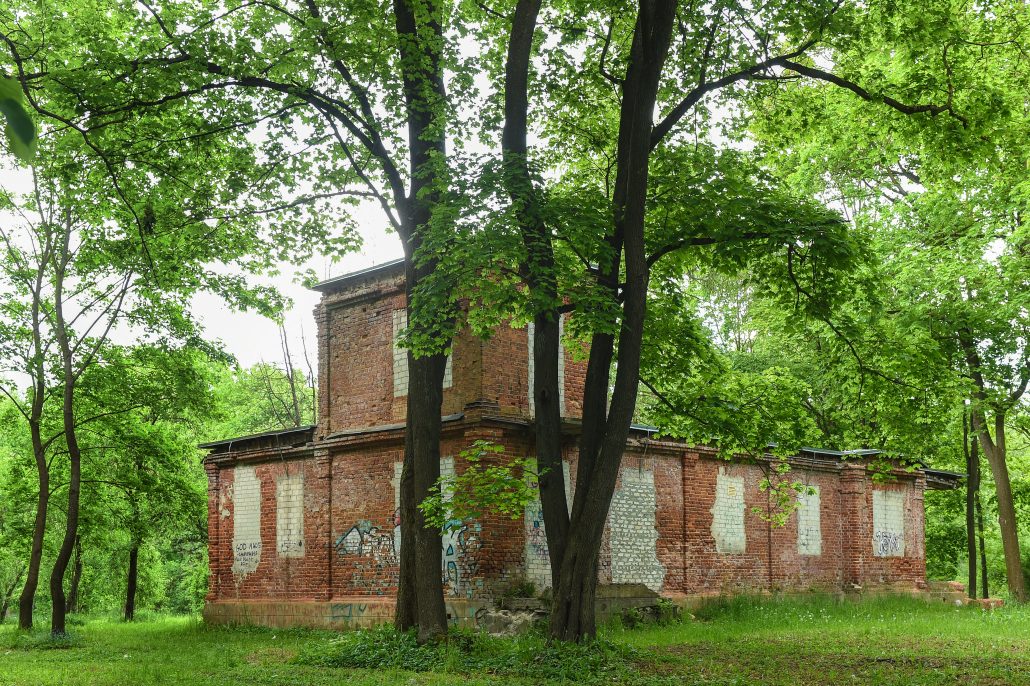
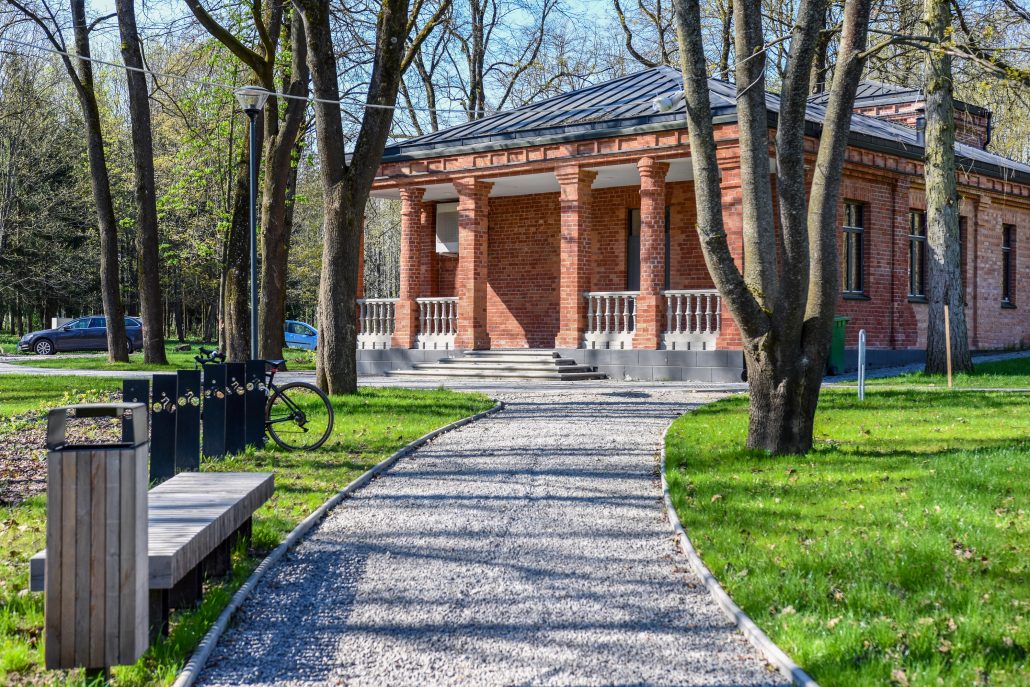
The centre is located in Skaistakalnis park, citys oldest park. Homestead, built in 1926, was an important meeting place for the local intelligentsia during the interwar period, where writers, educators and artists gathered for discussions, music and cultural exchange. After the World War II the property was nationalised, its functions changed several times and the site gradually fell into disuse and was abandoned.
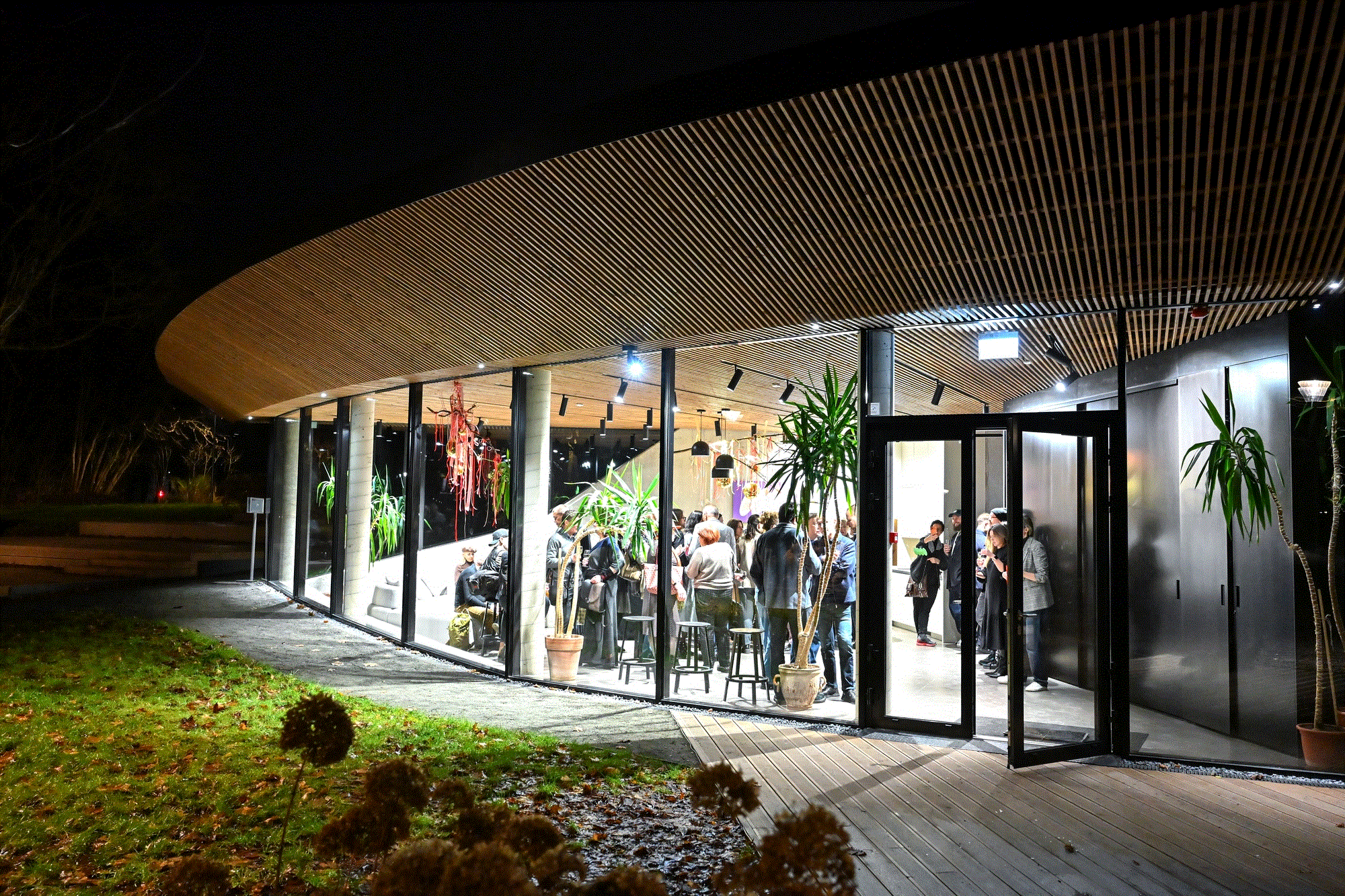
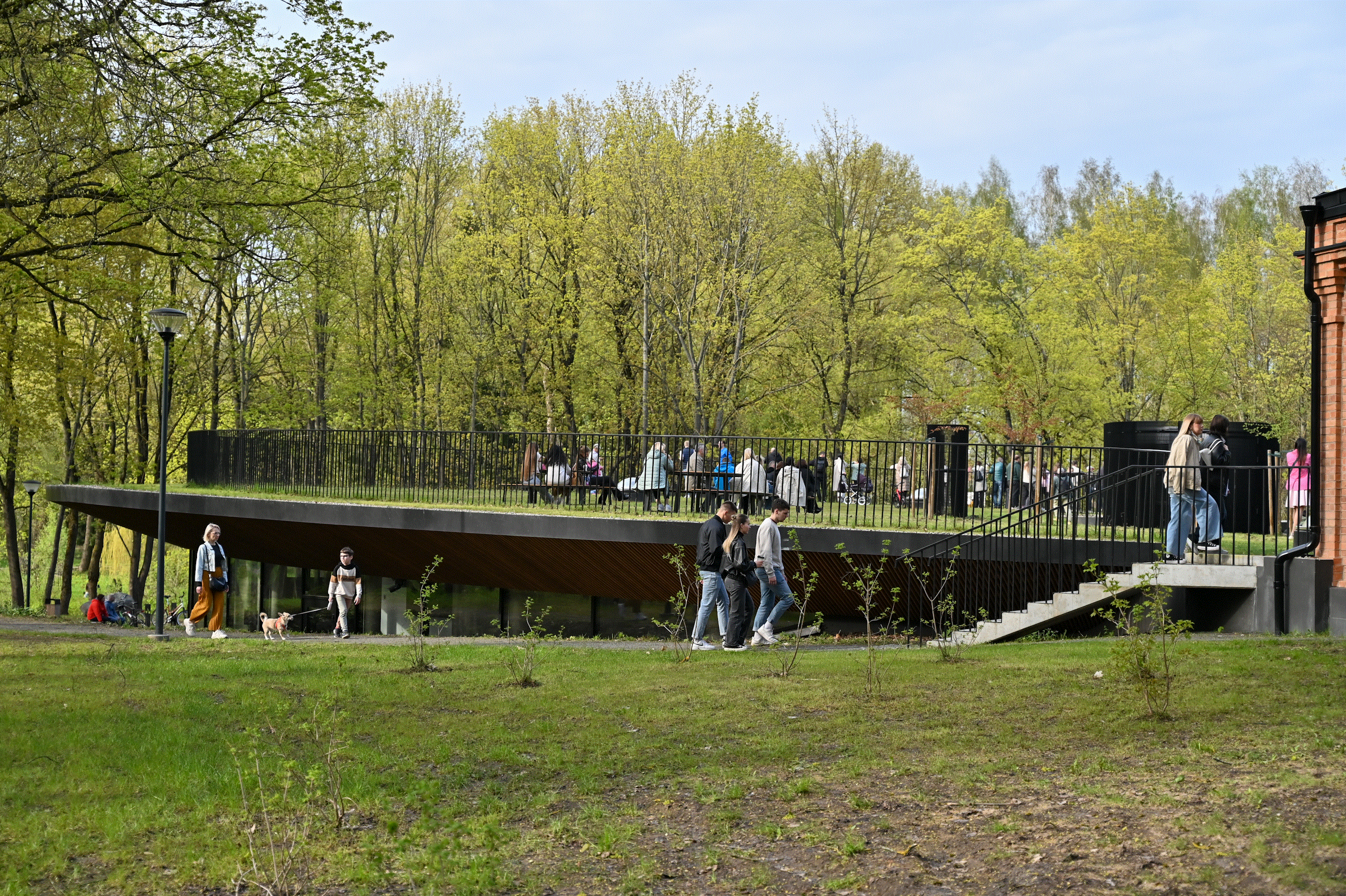
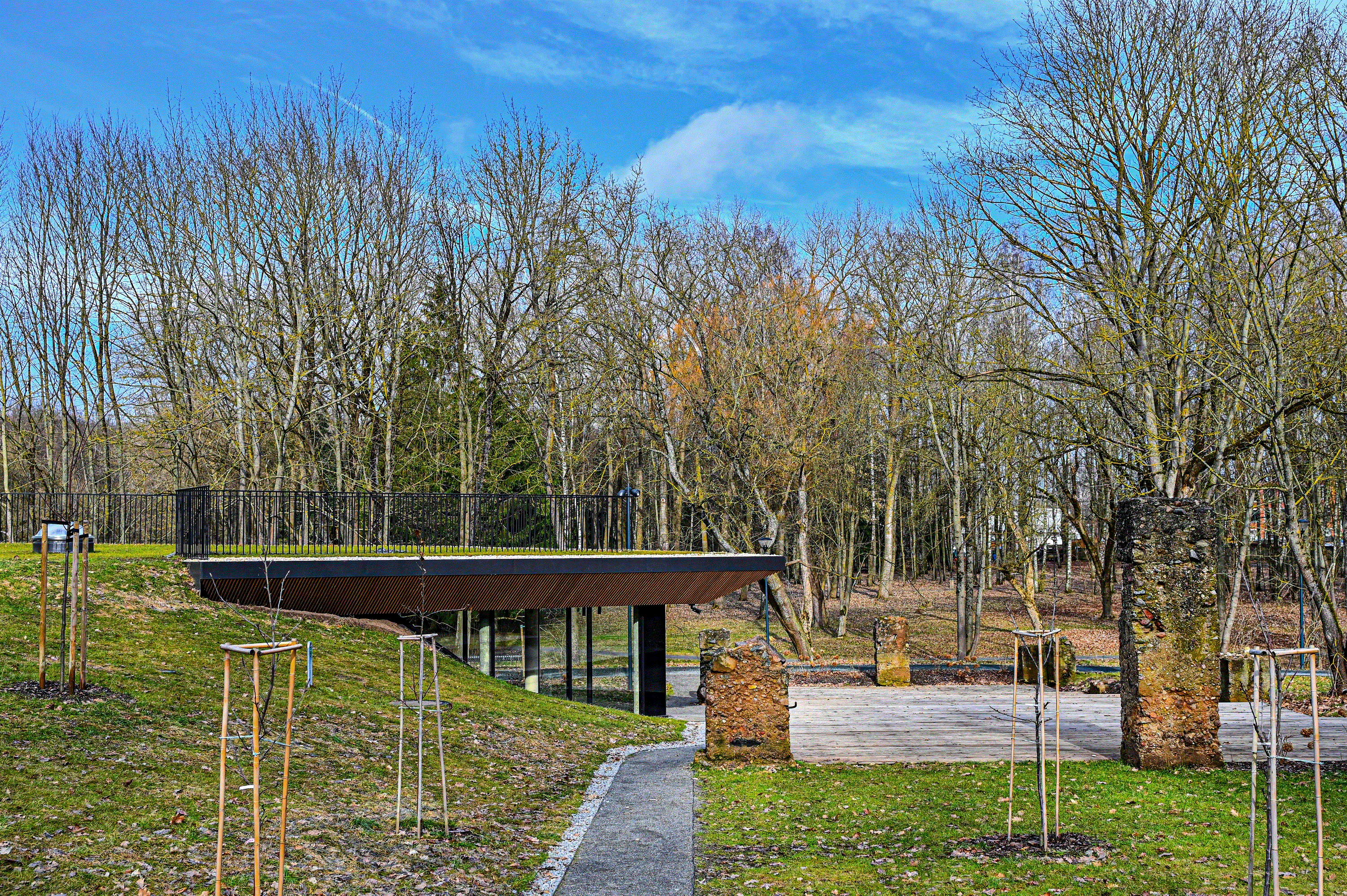
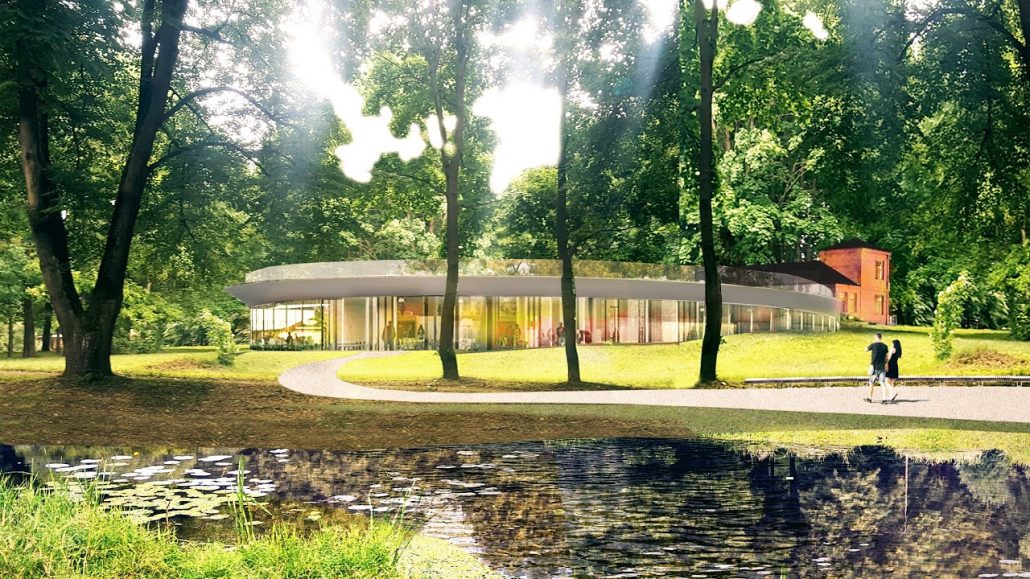
The project restored the historic brick house while preserving its architectural character and authentic elements. To enable contemporary cultural use, a 350 m² glass extension was added following an architectural competition won by the urbanist studio PUPA. The extension was integrated into the terrain near the Žagienis stream, allowing the new structure to expand the building’s capacity while maintaining the visual prominence of the heritage house and the surrounding park landscape.
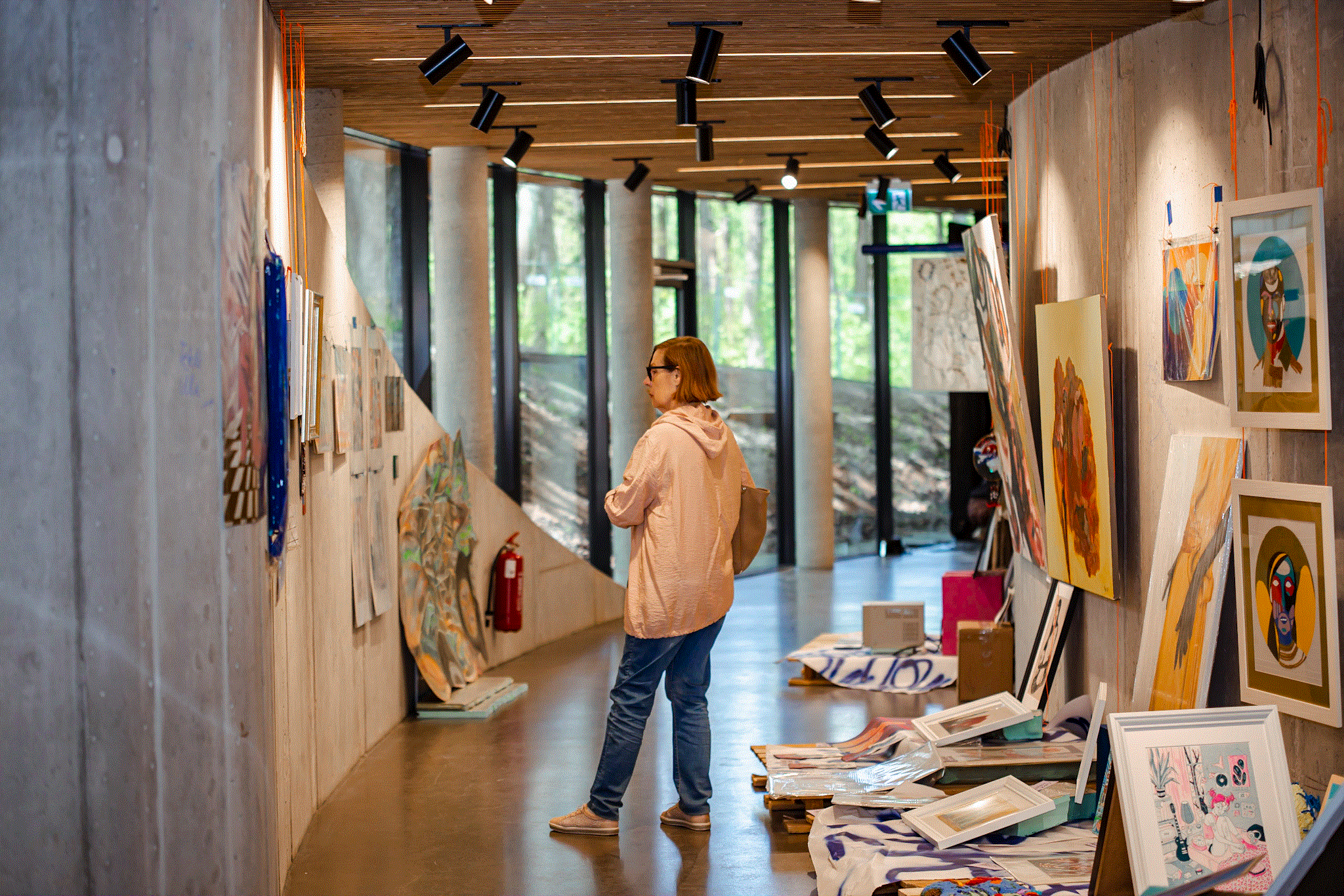
The site now hosts studios, spaces for exhibitions, workshops, public events, community activities, eco-garden accessible to residents. The centre operates as a multidisciplinary platform with 5 established and fully equipped creative studios: visual arts, textile design, applied theatre, audio-video and analogue photography.
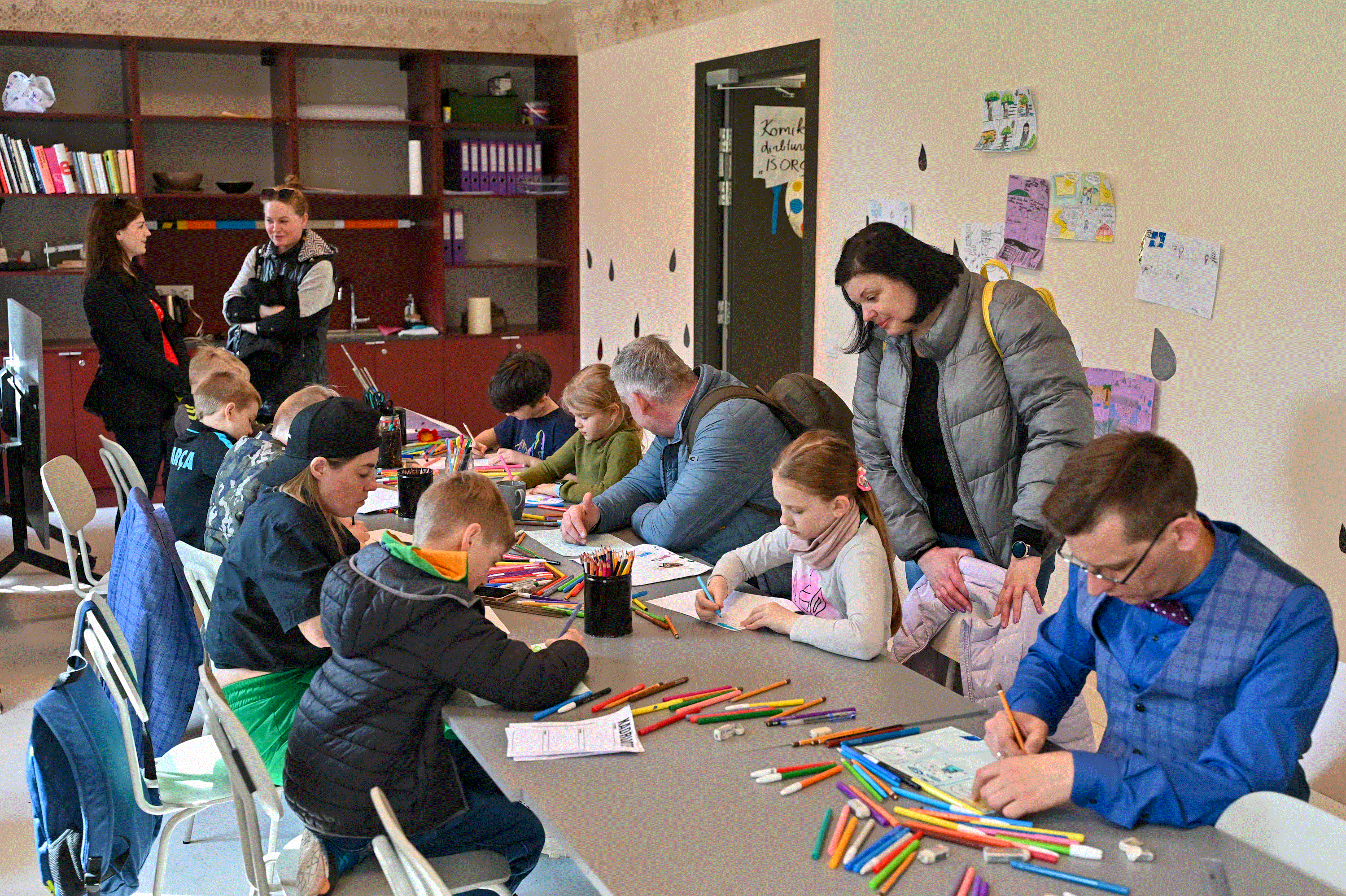
The centres programme was developed together with local communities, artists and cultural organisations. Activities combine artistic practice, learning and civic participation, involving pupils, young people, adults and seniors. Residents are invited not only to attend events but also to develop creative skills and take part in cultural production.
The project was initiated by Panevėžys city municipality to revitalise public spaces and strengthen cultural infrastructure. The regeneration of the J. Č. Besparnis homestead was identified as an opportunity to reactivate a historically significant heritage site for contemporary cultural use.
Preparatory work included heritage research, an investment project and an architectural competition. In 2017 the competition was won by the urbanist studio PUPA, which proposed restoring the historic homestead and expanding it with contemporary cultural infrastructure.
The project was implemented in two phases. In 2018 it received EU funding, enabling the reconstruction works. Construction started in 2020 and focused on restoring the historic homestead and adapting it for cultural use. The works preserved the architectural character of the building and created spaces for exhibitions, creative work, administration and public events. The restoration preserved the site’s historic role as a gathering place for cultural life.
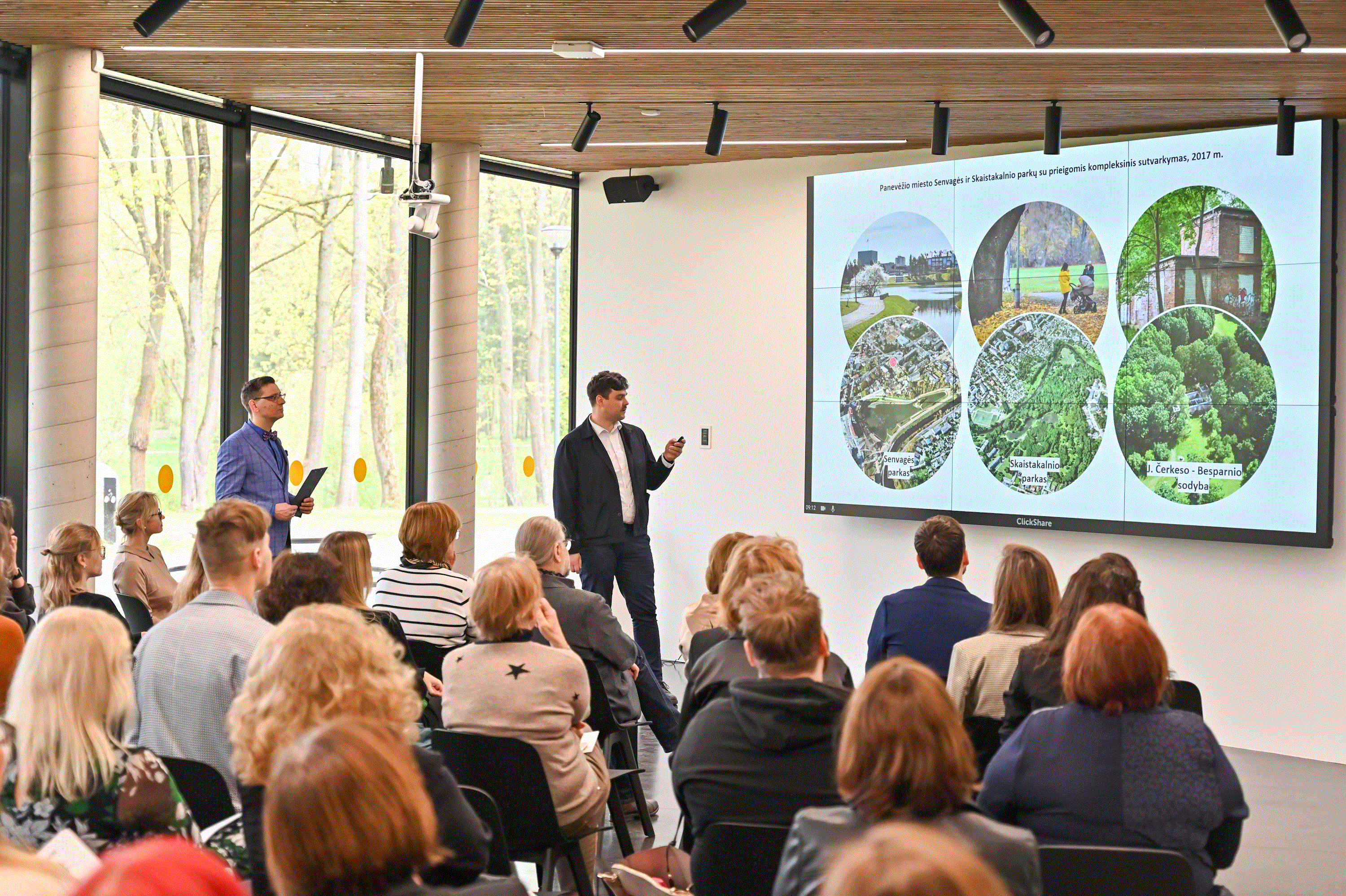
In 2021 the project received additional funding through the EEA Financial Mechanism programme “Culture”, enabling the second phase. This included the construction of a 350 m² glass extension adjacent to the historic building with flexible spaces for exhibitions, workshops, conferences and community activities, as well as five studios and a green roof garden. The project was developed in collaboration with cultural institutions and community organisations, including Panevėžys Theatre “Menas”, Panevėžys Musical Theatre, the Stasys Eidrigevičius Art Centre, the Aukštaičiai–Žemaičiai community, and the Norwegian organisation Nabolagshager. Study visits and exchanges with partners in Norway and Iceland supported knowledge exchange on community-based cultural spaces, urban ecology and participatory cultural programming.
The centre officially opened on 12 May 2023, after which regular studio programmes, community activities and international residencies began.
Adaptive heritage reuse
Creative placemaking
Community co-creation
Cultural entrepreneurship
Circular cultural practices
The project addresses environmental, cultural and social sustainability through the adaptive reuse of heritage, integration with the natural landscape and the development of sustainable cultural activities.
Instead of constructing new infrastructure, the project restored and repurposed the 1926 J.Č. Besparnis homestead, transforming an abandoned heritage site into cultural infrastructure for public use. This approach extended the lifecycle of the existing building, reduced construction waste and preserved the cultural value of the site.
Environmental sustainability was integrated into the architectural design. A contemporary glass extension maximises natural daylight and reduces energy demand, while the green roof improves insulation and supports biodiversity. The project is located in Skaistakalnis park, where regeneration works improved accessibility, restored the visibility of the Žagienis stream and strengthened the connection between cultural activities and the surrounding natural environment.
Sustainability is also embedded in the centre’s programme. Creative studios organise workshops on upcycling, textile reuse, material repurposing and sustainable production practices, encouraging circular approaches in creative work. These activities support local cultural and creative industries and promote responsible use of materials.
The project also addresses social sustainability by creating accessible cultural infrastructure open to different age groups and communities. Educational programmes, creative workshops and residencies involve pupils, young people, adults and seniors in artistic and environmental practices.
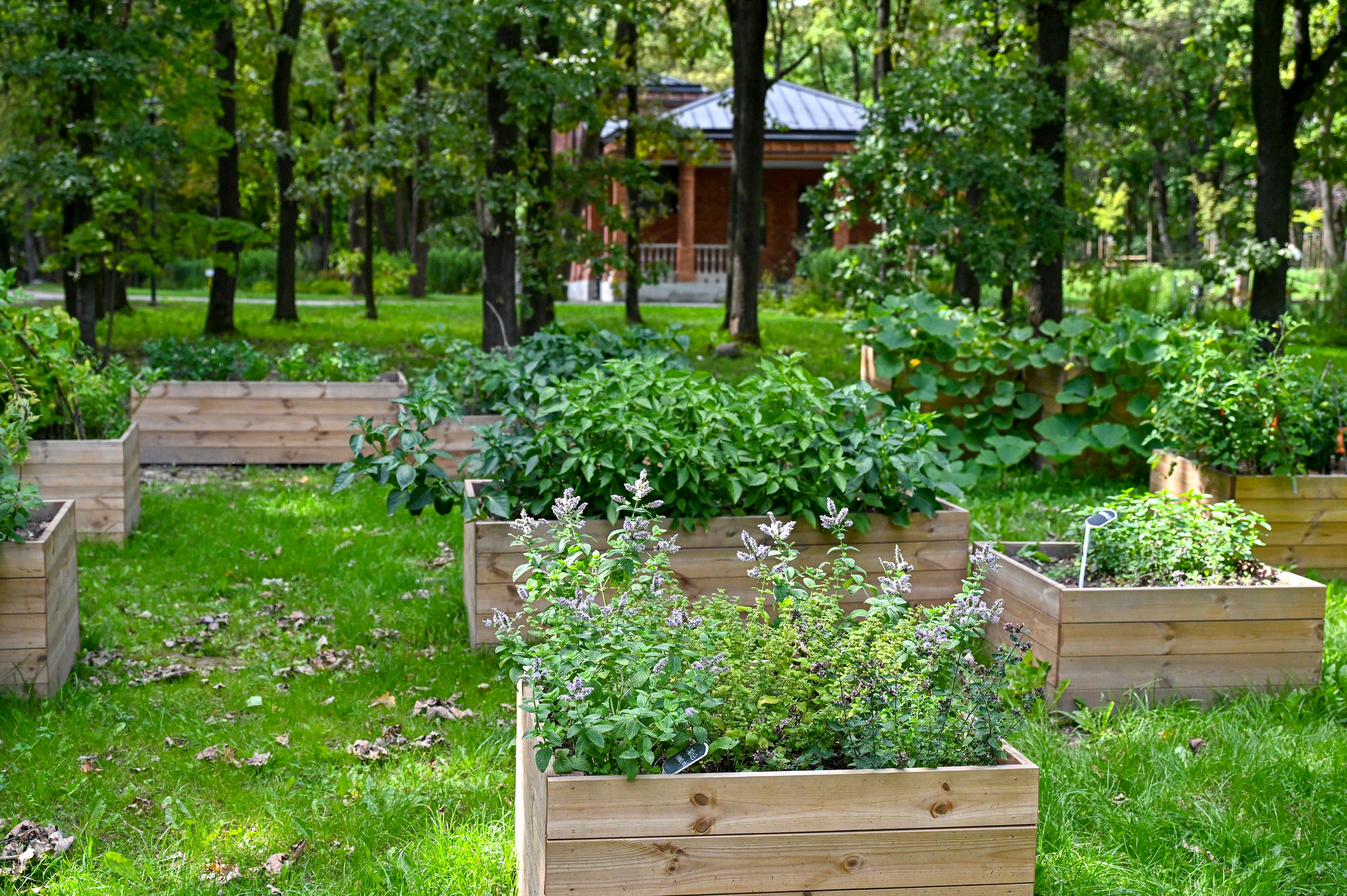
Additional environmental initiatives include a community eco-garden developed with Nabolagshager, introducing natural urban gardening and environmental education activities for residents and visitors in a shared eco-garden located in the city’s oldest park. The garden is maintained without the use of chemical fertilisers or pesticides.
The project improves the aesthetic quality of everyday life by combining heritage architecture, contemporary design and the natural landscape into a publicly accessible cultural infrastructure.
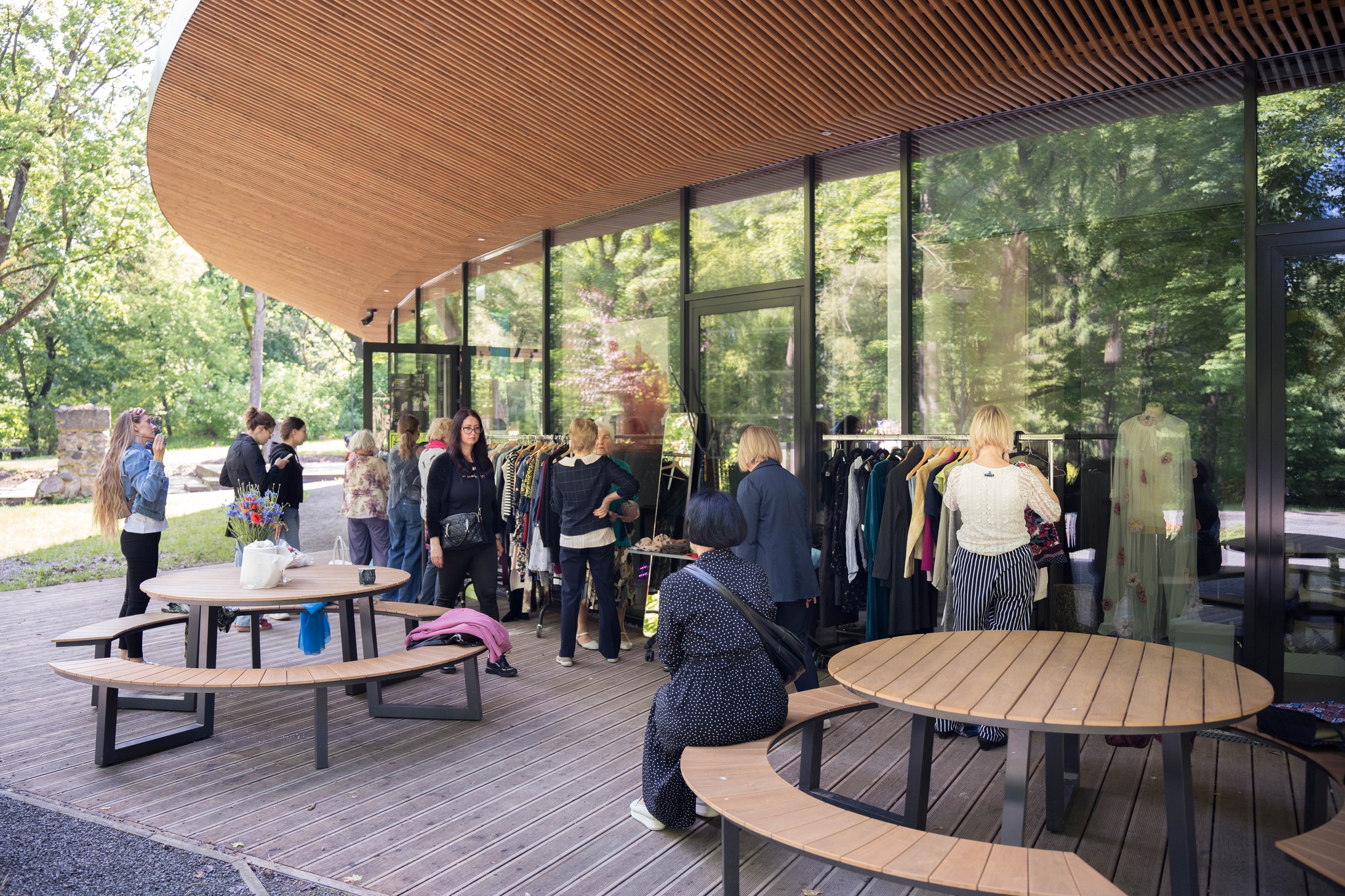
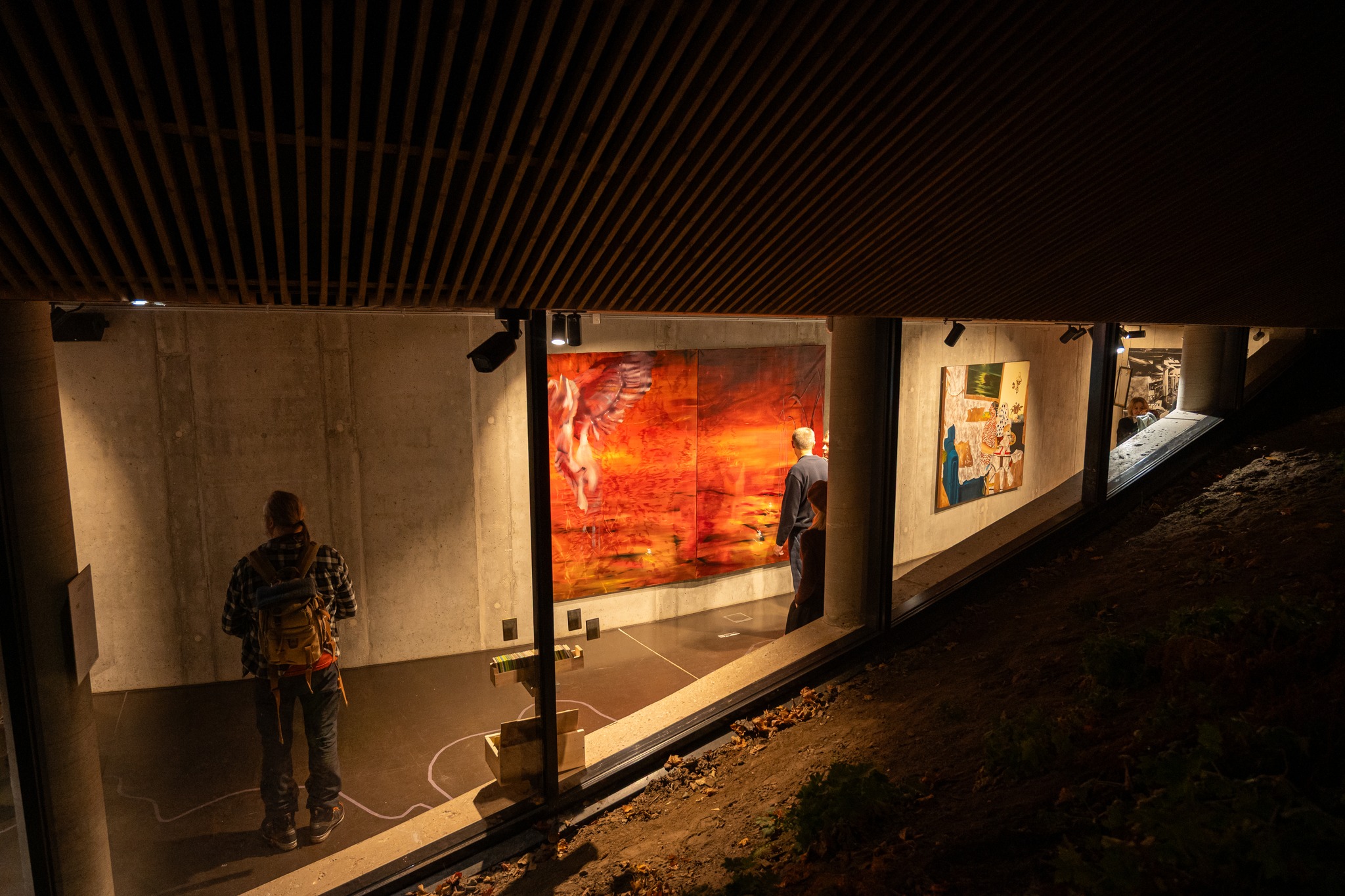
The restored J.Č. Besparnis homestead, built in 1926, preserves the architectural character and atmosphere of the historic building while introducing new cultural functions. Original elements of the heritage building were carefully restored, maintaining the scale, materials and spatial identity of the site. The historic structure is complemented by a 350 m² contemporary glass extension that brings natural daylight into the interior spaces and visually opens cultural activities to the park. The transparent façade allows visitors to see exhibitions, workshops and creative processes from the outside, while people inside remain visually connected to the surrounding trees and landscape.
The surrounding Skaistakalnis park plays a key role in the aesthetic experience. Revitalised pathways, seasonal greenery, resting areas and nature exploration routes encourage visitors to spend time in the landscape and reconnect culture with nature. The creativity centre and the park together form a coherent environment where architecture, art and landscape interact.
Beyond physical design, aesthetics is also experienced through cultural participation. The centre hosts five creative studios – visual arts, textile design, applied theatre, audio-video and analogue photography – led by professional artists. Workshops for different age groups allow visitors not only to observe art but also to take part in creative processes and develop creative skills.
Community initiatives such as the monthly “Mainytuvės” clothing exchange, co-creation projects with senior citizens and regularly changing gallery exhibitions, presenting works by local and visiting artists, further strengthen cultural expression and social interaction.
The Pragiedruliai creativity centre promotes inclusion by ensuring physical accessibility, economic accessibility and participatory cultural governance.
The restored heritage building and the contemporary extension were designed according to universal design principles. The centre is fully accessible for people with reduced mobility, with ramps, lift, wide doorways and accessible restrooms, clear navigation and bright naturally lit spaces that support visitors with visual impairments or neurodiverse needs. Accessibility solutions were developed in consultation with the Panevėžys People with Disabilities Association, which continues to participate in cultural activities and events at the centre.
Accessibility also extends beyond the building. Skaistakalnis park, where the centre is located, was upgraded with accessible pathways, seating areas and barrier-free routes, allowing seniors, families with children and people with disabilities to comfortably access the cultural space and use the park environment.
Economic accessibility is ensured through a low-cost cultural participation model. Most exhibitions, events and educational activities are free of charge or offered at a minimal fee. For example, in February 2026 the centre organised 19 educational activities, 12 of which were free of charge. The remaining workshops were offered at symbolic prices ranging from 5 to 12 eur, allowing participation for students, young people and low-income households. During this month, 585 participants took part in these activities.
The centre also supports civic initiatives and community organisations by providing its spaces free of charge for non-profit activities, workshops and public events.
Governance is based on a collaborative model involving cultural institutions, artists and community organisations, allowing different actors to contribute to programme development and ensuring that activities respond to diverse community needs.
The city community is the main beneficiary of the project, therefore its involvement was essential from the very beginning. Citizen and community involvement was integrated throughout the development and operation of the centre.
During the preparation phase, local residents and organisations were involved in discussions on the future use of the historic homestead. The Aukštaičiai–Žemaičiai community, located next to Skaistakalnis park, actively contributed ideas on how the site could function as a public cultural space and continues to use the centre for community initiatives.
Participation was further strengthened through a series of training programmes for both citizens and cultural professionals, including creative placemaking, cultural entrepreneurship and community training workshops. These activities helped local stakeholders develop skills for initiating cultural projects and community activities.
Several cultural institutions collaborated in programme development and public engagement, including Panevėžys Theatre “Menas”, Panevėžys Musical Theatre, the Stasys Eidrigevičius Arts Centre and the Norwegian organisation Nabolagshager. International exchanges and study visits to Norway and Iceland provided practical knowledge on participatory cultural spaces, artist residencies and community-based environmental initiatives. The outcome of this collaboration was the creation of a community eco-garden, developed together with residents, which now functions as a space for urban gardening, environmental education and neighbourhood interaction.
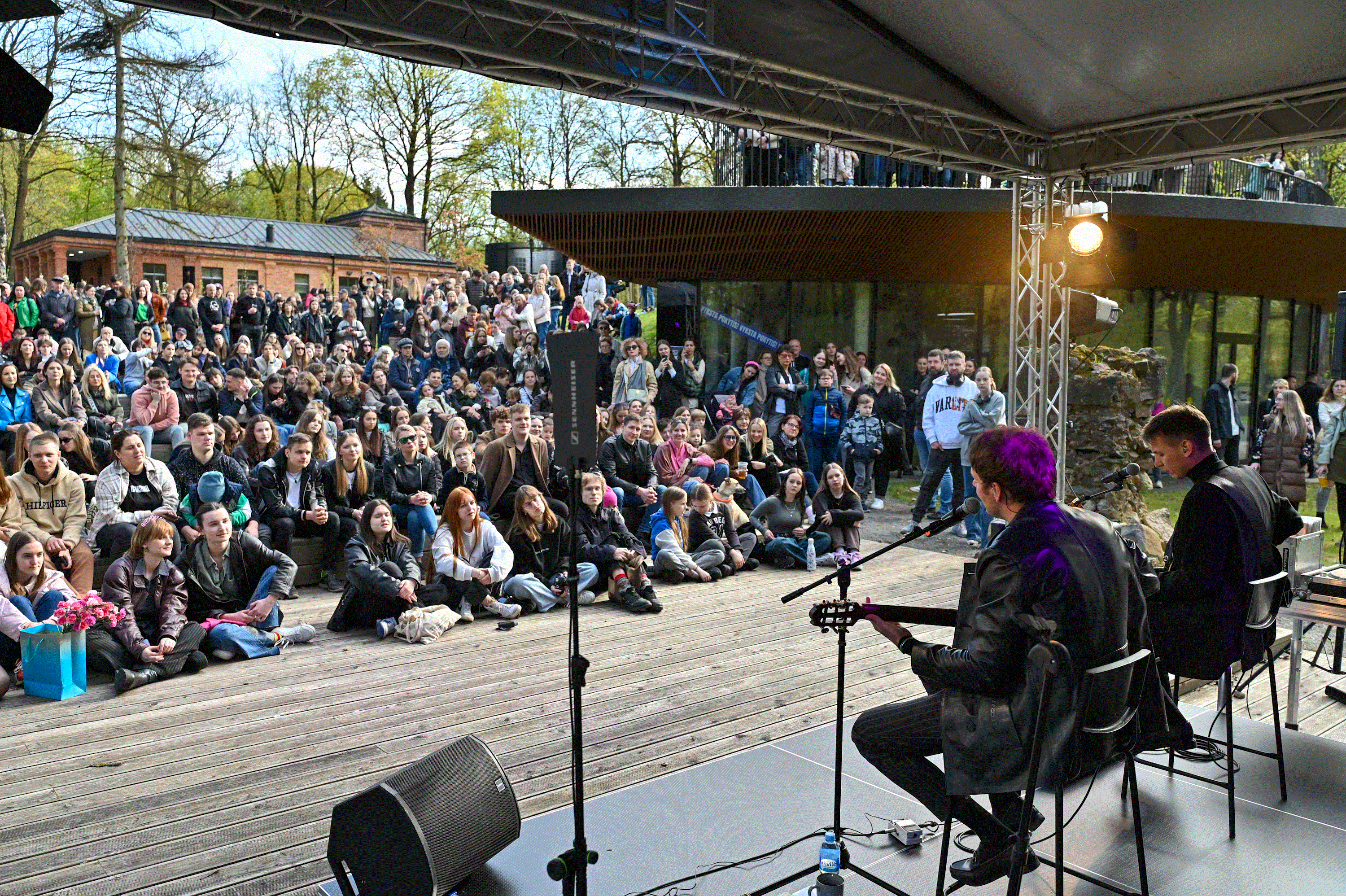
Since the official opening on 12 May 2023, workshops, exhibitions and community events have involved local artists, cultural organisations and residents. By early 2026 these activities had engaged over 38,500 participants. Community initiatives such as the monthly “Mainytuvės” clothing exchange and open workshops continue to allow residents to propose ideas, organise events and participate directly in cultural production.
The Pragiedruliai creativity centre was implemented through cooperation between stakeholders at municipal, national and European levels, combining public investment, cultural management and international expertise.
Local / municipal level
Panevėžys city municipality initiated the project, owns the heritage property and was responsible for procurement procedures, construction management and long-term maintenance of the site. The building was transferred for use to the Stasys Eidrigevičius Arts Centre, while cultural activities are delivered by cultural professionals and artists. This governance model separates infrastructure management from cultural programming and ensures stable operation of the centre.
National level
The project was aligned with national cultural heritage and urban development policies. The Ministry of Culture of Lithuania provided guidance on heritage conservation, ensuring that the restoration of the historic homestead followed national preservation standards.
European level
The project received European Regional Development Fund (ERDF) support under the 2014–2020 EU investment programme “Activation of public and private cultural heritage”, which enabled the regeneration of the historic site. Additional support was provided through the EEA Financial Mechanism programme “Culture”, which facilitated international cooperation with Nabolagshager (Norway). Through this cooperation the project gained expertise in creative placemaking, community-based cultural programming and ecological practices.
The centre also serves visitors and artists from the wider Aukštaitija region, providing access to creative studios, exhibitions and cultural programmes and strengthening regional cultural cooperation.
The centre was developed through collaboration between several knowledge fields - heritage conservation, architecture, urban planning, arts, cultural management, education and environmental practices.
The regeneration of the J.Č.Besparnis homestead involved heritage conservation specialists, architects and urban planners, ensuring that the historic building was preserved while adapted for contemporary cultural use. The architectural concept, developed by the urbanist studio PUPA, integrates the historic structure with a contemporary extension, enabling the building to host exhibitions, workshops and public cultural activities.
Environmental knowledge was integrated through architectural and operational decisions. Natural daylight solutions and a green roof contribute to energy efficiency and biodiversity. Cooperation with Nabolagshager introduced expertise in urban ecology and community gardening, leading to the creation of a community eco-garden used for environmental education and public activities.
Artistic practice forms another core dimension of the project. The centre hosts five fully equipped creative studios, where workshops and lectures are organised across different artistic fields: analogue and digital photography, visual arts, textile and design practices, applied theatre and filmmaking. Participants experiment with creative techniques, develop their own projects and collaborate with professional artists.
Education and social knowledge are integrated through non-formal learning programmes, creative workshops and cultural entrepreneurship training, developed by educators, artists and cultural managers. These activities combine knowledge from creative industries, cultural policy and community development.
The centre also runs an artist residency programme that brings together creators from different fields, artists, researchers and creative industry professionals, who develop projects while engaging with local communities and cultural organisations.
The centre operates through a hybrid business model combining public funding, revenue-generating activities and project-based financing.
The initial investment for the restoration of the Juozas Čerkesas-Besparnis homestead and the creation of the centre was financed through Panevėžys city municipality, EU Structural Funds and the EEA Financial Mechanism programme “Culture”. This blended financing model enabled the regeneration of the heritage site while reducing the long-term financial burden on the municipality.
The building is owned by city municipality, which ensures long-term responsibility for infrastructure maintenance. Cultural activities and daily operations are managed by the Stasys Eidrigevičius Arts Centre, a municipal cultural institution responsible for programme development and operational management.
Operating costs are covered through a combination of municipal funding and self-generated revenues. The centre provides part of its activities free of charge to ensure cultural accessibility, while generating income through creative workshops, professional training programmes, conferences, educational activities and children’s summer camps.
The centre also strengthens the local creative economy and regional competitiveness. Programmes such as creative entrepreneurship training, artist residencies and the Pragiedruliai Cinema Academy support the development of creative skills and attract artists, cultural professionals and creative industry representatives from Lithuania and abroad.
Additional initiatives contribute to skills development and social inclusion, including public speaking and confidence-building training for unemployed residents and educational programmes for young people interested in creative industries.
The centre also actively seeks project-based funding from national and international cultural programmes, enabling the development of new initiatives related to sustainability, heritage activation and digital cultural experiences.
The Pragiedruliai creativity centre provides a transferable model for activating heritage sites through culture, participation and creative entrepreneurship.
A key replicable element is the adaptive reuse of heritage building. The abandoned Juozas Čerkesas-Besparnis homestead was restored and expanded with a contemporary extension, demonstrating how historic structures can be transformed into multifunctional cultural infrastructure while preserving their heritage value.
The project also demonstrates a co-creation approach, where residents, artists and cultural institutions contribute to shaping programmes and activities. This participatory model strengthens community ownership and can be applied by other cities seeking to activate cultural infrastructure through public engagement.
Another transferable element is the collaborative cultural ecosystem developed among local institutions. Partner organisations share resources, programmes and artistic practices, operating as a coordinated cultural platform rather than separate institutions.
Pragiedruliai also promotes creative placemaking and cultural entrepreneurship, offering training and professional development for artists and cultural practitioners. These programmes can be replicated to strengthen local creative sectors and support sustainable cultural activity in other regions.
Environmental initiatives such as the community eco-garden developed with Nabolagshager (Norway), upcycling workshops and circular practices can also be adapted by other cultural centres seeking to integrate environmental responsibility into their cultural programmes.
The quality of the project has also been recognised by several architecture and design awards, including Best Recreational Architecture Building in Lithuania (2023) and nominations for ArchDaily Building of the Year 2025, the National Architecture Awards 2025, and the EU Prize for Contemporary Architecture – Mies van der Rohe Awards 2026.