Arts, Culture, and Heritage as Drivers of Change
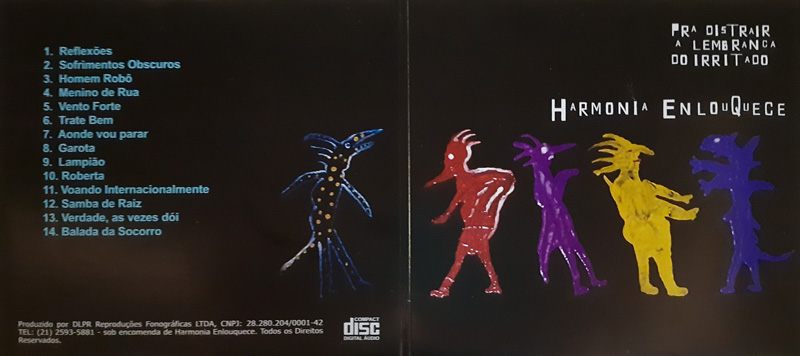
Harmony Gets Crazy
Inclusion, mental health, and music production: the band Harmony Gets Crazy celebrates 25 years.
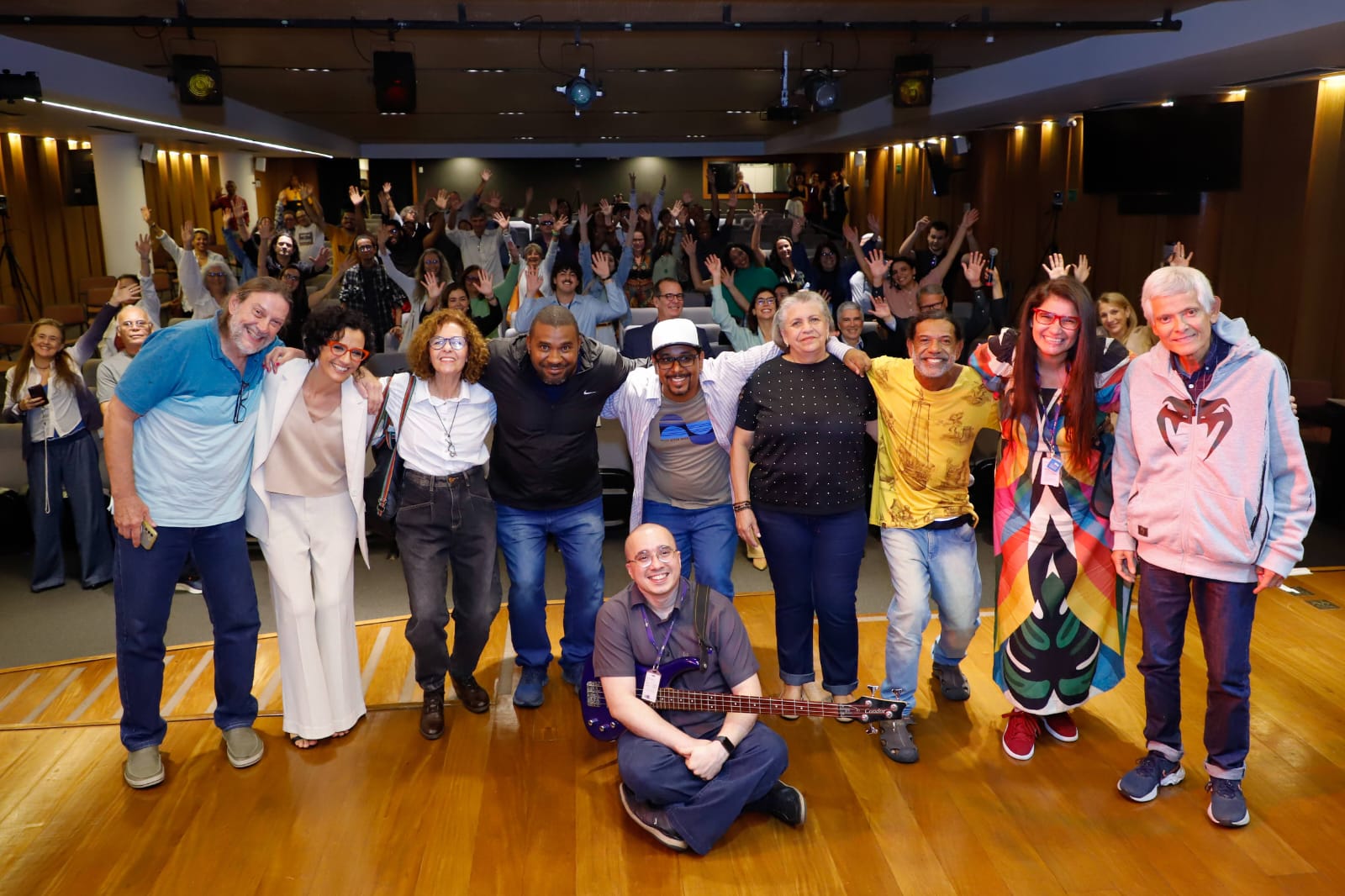
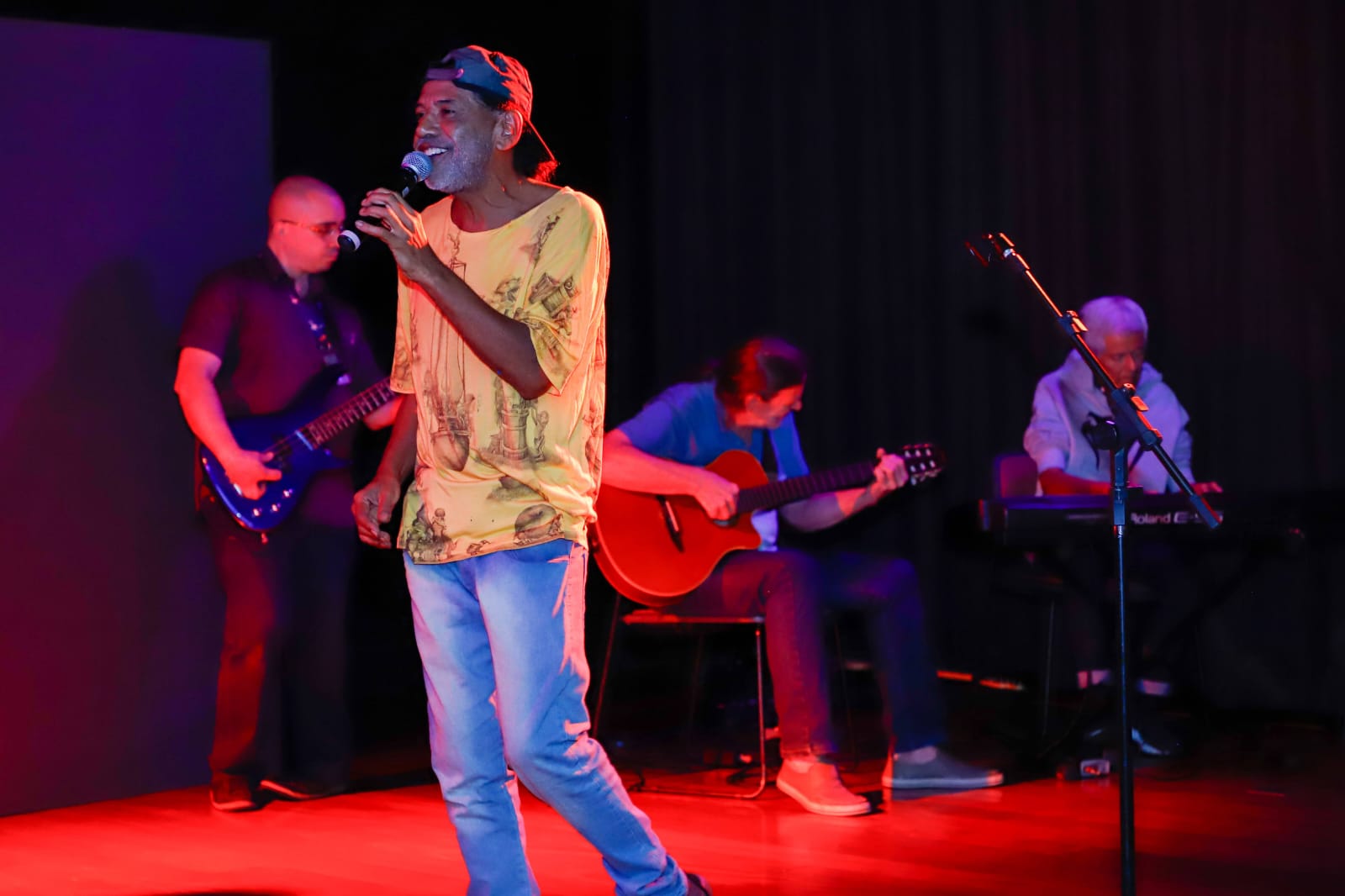
Harmony Gets Crazy is a band formed by psychiatric patients and healthcare professionals at the Rio de Janeiro Public Psychiatric Center in 2001. Since then, more than 80 members have been part of the band, which is currently finishing its 5th album of original material. They have performed over 70 shows in Brazil, Argentina and Uruguay. Harmony represents not only the combination of sounds, but also people with different stories and sufferings who come together to alleviate them through music
Brazil
Local
Rio de Janeiro
Mainly urban
It involves other types of transformations (soft investment)
Yes
2026-03-10
No
No
No
Organisation
The band achieved national prominence by being a bastion of the Brazilian Psychiatric Reform, which began in the 1970s but gained legitimacy after the enactment of public policies in the early 21st century. Since 2001, in Brazil, there has been a reduction of more than 40% in psychiatric hospital beds and the construction of more than 3,000 psychosocial care centers, new care facilities with an interprofessional logic centered on the patient.
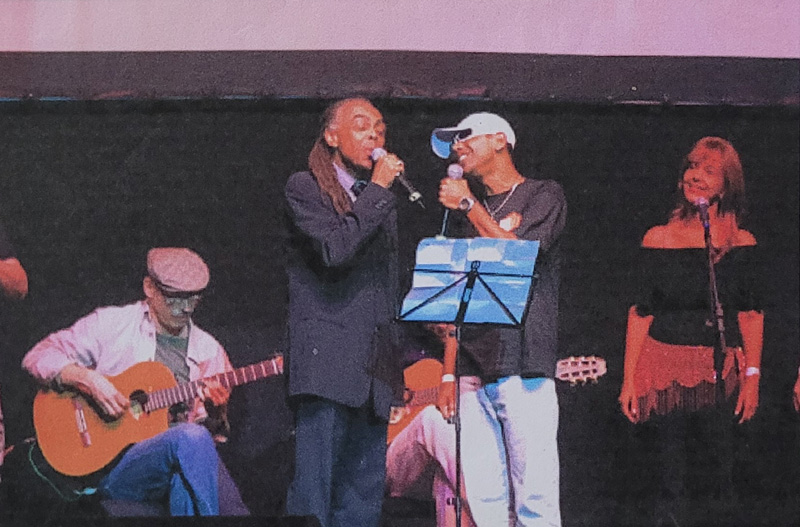
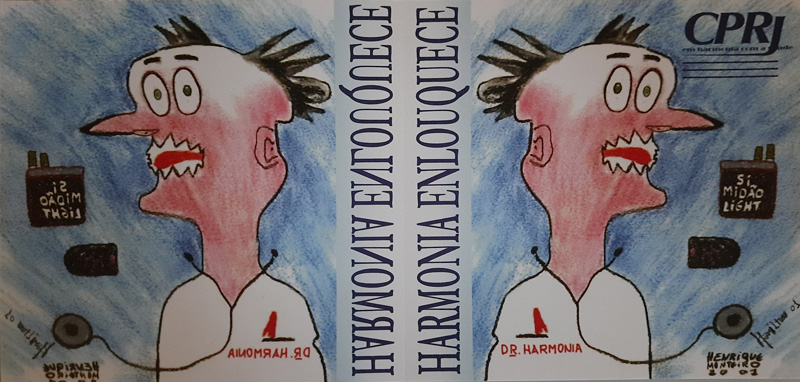
Recognition of the band's dedication came in the form of more invitations after the first shows. One of them was our participation in three editions of the "Loucos por Música" project (2005, 2008 and 2009), where we opened shows in Rio de Janeiro and Salvador for renowned Brazilian music artists such as Gilberto Gil, Maria Bethânia, Ney Matogrosso and many others. In 2010, the band was invited to participate in a telenovela, a very popular television genre in Brazil. We were part of a storyline where the character of a teenager from a wealthy family had been diagnosed with schizophrenia, and his family hid him from society out of shame. The band was a way for him to accept treatment and for his family to lessen their prejudice.The band's hit song, "Sufoco da Vida" (Life's Suffocation), was included in the soundtrack of the telenovela.The band has been featured in newspapers, magazines and on TV. It has been the subject of master's theses and doctoral dissertations, as well as documentaries and music videos. The documentary Harmonia Enlouquece (Flávia Lima, 2019) won international awards: All That Moves – International Film Festival (2024), best documentary and best director.
The greatest impact of the project is in the production of meaning and subjectivity for the patients and in the reduction of psychiatric hospitalization rates among band members.
The formation of the musical group Harmony Gets Crazy originated from music therapy workshops held since 1999 by music therapist and psychologist Sidnei Dantas at Rio de Janeiro Public Psychiatric Center (CPRJ). In these workshops, the musical talents, skills, and prior experiences of the patients involved were therapeutically recovered as an adjunct treatment to psychosocial suffering. Sidnei was impressed by the talent and abilities of some of the participants and proposed the creation of songs. Patient Hamilton de Jesus Assunção emerged as a wonderful composer, singer, and later stage artist. Sidnei also realized that some healthcare professionals at CPRJ also had musical abilities and could join the group, such as the psychiatrist Francisco Sayão (Kiko), who is now the director of CPRJ. Sidnei, Hamilton, and Kiko were the trio that formed the band, and Hamilton and Kiko are still in the band today.. The first show with the original song occurred on April 7th, The World Health Day (the day of foundation of World Health Organization), in 2001 at Harmony Square, in front of the CPRJ. There's an anecdote about this first performance: the event was funded by a pharmaceutical company, and they didn't want the band to play one of their hits, "Sufoco da Vida" (Life's Suffocation), because it's criticized for the isolated use of medication as the sole therapeutic process without considering prejudice and social determinants in healthcare. However, the band not only played it but repeated it as an encore.The band's name came about during this show, as there were several patients in attendance, including some inpatients brought by nurses. One of them, upon arriving at Harmony Square and seeing CPRJ patients performing on stage, said: "Has Harmony gone mad? Does Harmony get crazy?" Since then, in these 25 years, more than 100 shows have been performed.
social inclusion
mental health suffering
music therapy
improved self-esteem
reducing prejudice
The project's sustainable nature stems from its location within a public institution linked to the Brazilian Public Health System. The project's timeframe, 25 years by 2026, also demonstrates its sustainability. The social and cultural aspects of sustainability are most visible due to its inclusive character, targeting vulnerable individuals experiencing psychosocial distress. Culturally, music serves as an instrument within the project to reclaim damaged identity and self-esteem, in addition to generating opportunities for members to participate in other musical projects.
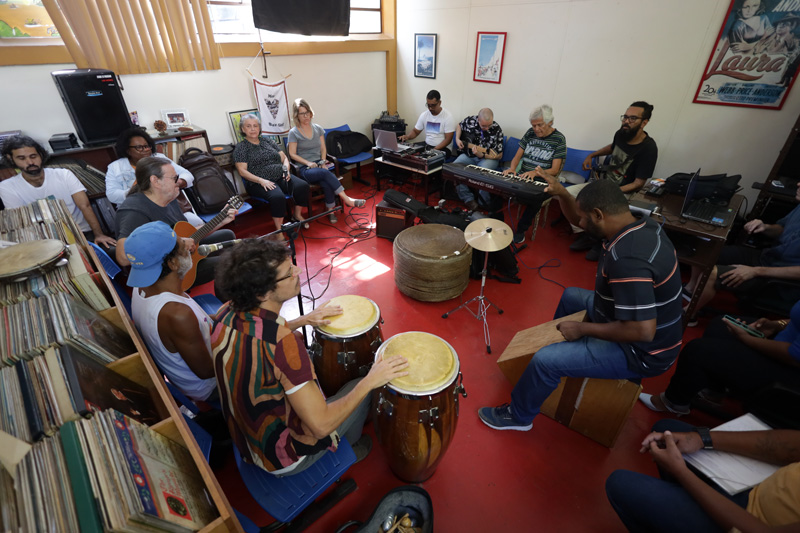
Since musical language knows no boundaries, the beauty of the project emerges from the quality of the compositions and lyrics that transcend the local space of care. At the Rio de Janeiro Psychiatric Center, there is a collection of over 6,000 LPs received as donations. There are speakers throughout the hospital: waiting room, craft workshops, and wards where patients are hospitalized. There is a rotation of patients to be disc jockeys; all the records they play are heard throughout the hospital. Furthermore, rehearsals are held weekly at CPRJ and are open to the public, even to inpatients. All rehearsals have a therapeutic potential, aiming to alleviate tension, connecting the participants to move forward together, bringing the mind to the present, and distancing it from negative thoughts. In these 25 years, with over 70 shows performed and 5 albums of original songs, we have been spreading the beauty of the songs and exchanging experiences with the public, who are often also psychiatric patients. The band's musical aesthetic is rooted in various musical genres, ranging from rock to baião (a musical genre from northeastern Brazil), boleros, and ballads.
Inclusion is the strongest characteristic of the project. It is the project's identity, whose main objective is to assist by enabling sociability through music so that people with severe psychosocial suffering can be reintegrated into society. More than 80 people have been members of the band in these 25 years. The inclusion of new members occurs through the recommendation of health professionals (psychiatrists, psychologists, nurses, occupational therapists) and sometimes at the request of the family. Hospitalized patients can attend rehearsals, and when they wish, they can follow the band with an instrument. The feeling of belonging to a band, to a project, is beneficial for the members, who feel welcomed and imbued with purpose, practicing their instrument, learning a new song, understanding the concept of musical ensemble, and the challenge of performing on stage.
Over the past 25 years, Harmonia Enlouquece's journey has resonated with psychiatric patients across Brazil, and even in other South American countries, engaging and encouraging them to overcome challenges with resilience. In the very neighborhood where the band is located, there's a collective of theater and circus artists who regularly invite the band to perform. Band members participate in a collective of mental health service users in Brazil who fight for their rights. The band has received awards from the Brazilian Chamber of Deputies, the Ministry of Culture, and the Rio de Janeiro State Secretariat of Culture.
Since the band is part of a mental health institution in the state of Rio de Janeiro, the only stakeholder ends up being the Rio de Janeiro State Health Department. It is in this same institution that patients are monitored by psychiatrists and psychologists, and are occasionally hospitalized. The current director of the Rio de Janeiro Psychiatric Center is a psychiatrist who helped found the band 25 years ago, which strengthens the institutional framework of the project. We occasionally receive honors and awards from other institutions such as the Ministry of Health, the Ministry of Culture, and the Federal Chamber of Deputies.
The project's fields encompass mental health, music therapy, art therapy, human rights, and health education. Transdisciplinarity is at the heart of the project, at the intersection of art and mental health care. For example, it is common in this project for the audience not to know, and often to confuse, whether the musician is a patient or a healthcare professional. There is no dialogue based on power relations between healthcare professionals and patients in the context of rehearsals and performances. It is not interdisciplinary, it is transdisciplinary, crossing the boundaries of Pierre Bourdieu's concept. Often, patients not only teach music to healthcare professionals, but also end up caring for them.
This is the weakest point of the project, as there is no structured business model. Since the band belongs to the Rio de Janeiro Psychiatric Center (RJPC), a state-run public center, there is institutional support for the group's upkeep; there is a Harmony Gets Crazy Cultural Center where rehearsals take place, musical instruments are stored, and the collection of LPs, the result of donations, is kept. However, there is no fund allocated for the purchase and repair of musical instruments and sound equipment. In these 25 years, there have been few paid performances; when they do occur, the fee is distributed among the patients. Healthcare professionals from the Rio de Janeiro Psychiatric Center are allowed to participate in weekly rehearsals, which is also institutional support. Healthcare professionals who participate in the band, but are not RJPC employees, use their own resources to attend rehearsals and performances. Patients have free transportation passes. The band needs help to devise and implement a business model that is consistent with the inherent limitations of its members.
Over these 25 years, the band has influenced other mental health institutions to create their own groups, not only in music, but also in visual arts, theater, film, etc. Since 2020, a band member, who is a family doctor, has been coordinating the Music and Mental Health Project at the World Organization of Family Doctors. The goal is to map groups similar to Harmony Gets Crazy around the world. Webinars, sing-along videos, and collaborative composition have already been carried out, and in 2025, a documentary was released featuring groups from India, South Africa, Australia, and Brazil, with Harmony Gets Crazy as the representative.