Arts, Culture, and Heritage as Drivers of Change
Preserving the Past for the Future
Preserving the Past for the Future
The project preserves and digitizes neglected manuscripts and old printed books in the Pomoravlje District. It catalogs 635 items from monasteries, churches, and cultural institutions, publishes a comprehensive book, and makes materials accessible online. Through community engagement, academic collaboration, and exhibitions, it safeguards cultural heritage, promotes education, and strengthens local identity while combining physical and digital preservation.
Serbia
Regional
The Pomoravlje region is a geographical and historical area in central Serbia, named after the Morava River. It includes parts of the Pomoravlje District, encompassing municipalities such as Jagodina, Paraćin, Ćuprija, Svilajnac, Despotovac, and Rekovac.
It addresses urban-rural linkages
It involves other types of transformations (soft investment)
Yes
2023-12-31
No
No
No
Organisation
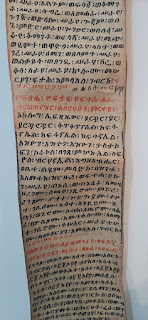
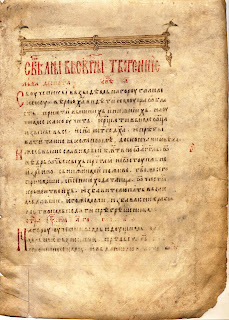
The Jagodina Library's pioneering project to preserve and safeguard rich cultural heritage covers 18 monasteries and 58 churches in the Pomoravlje District. The initiative cataloged 635 manuscripts and old printed books with great or exceptional improtance, preserving them through systematic research, cataloging and digitization. Supported by the Ministry of Culture, experts, and the community, the reasearch culminated in a publication "Manuscripts and Old Printed Books of the Pomoravlje District". By promoting the research through events, media, conferences and digitized collection, the initiative not only enhances the significance and accessibility to cultural heritage, but also preserves it for future generations.
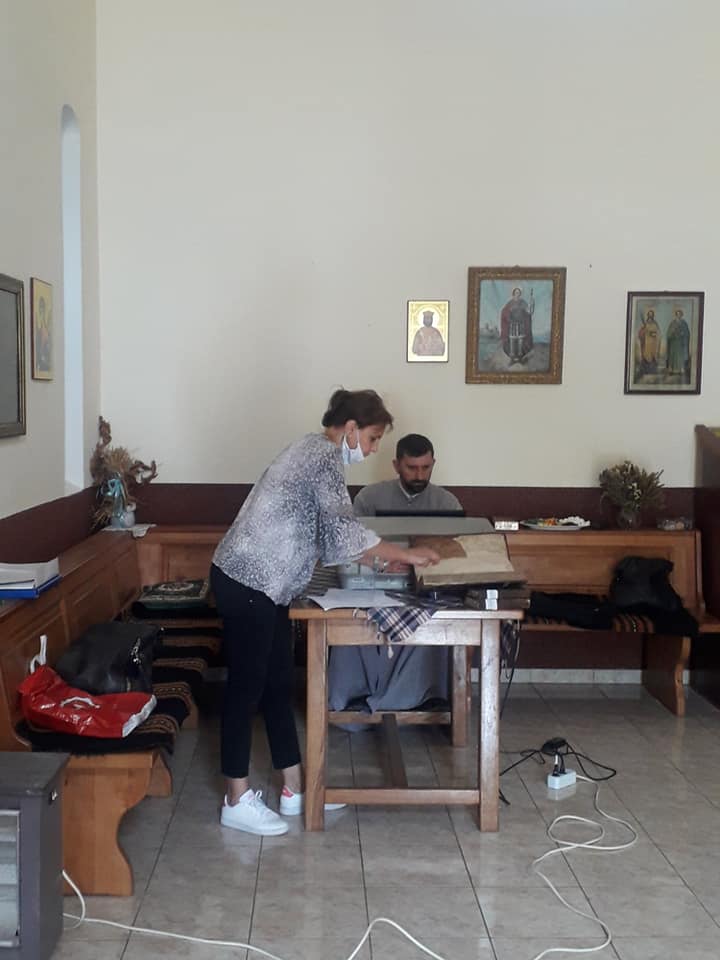
The project preserves the cultural heritage of the Pomoravlje District by safeguarding manuscripts and old printed books of significant historical value. Despite legal obligations, the Jagodina Public Library was the only institution in the region to take action. Many materials were uncataloged, neglected, and at risk of deterioration. In 2020, the library initiated field research with support from the Ministry of Culture, the Faculty of Orthodox Theology in Belgrade, the Jagodina Deanery, and experts from various fields.
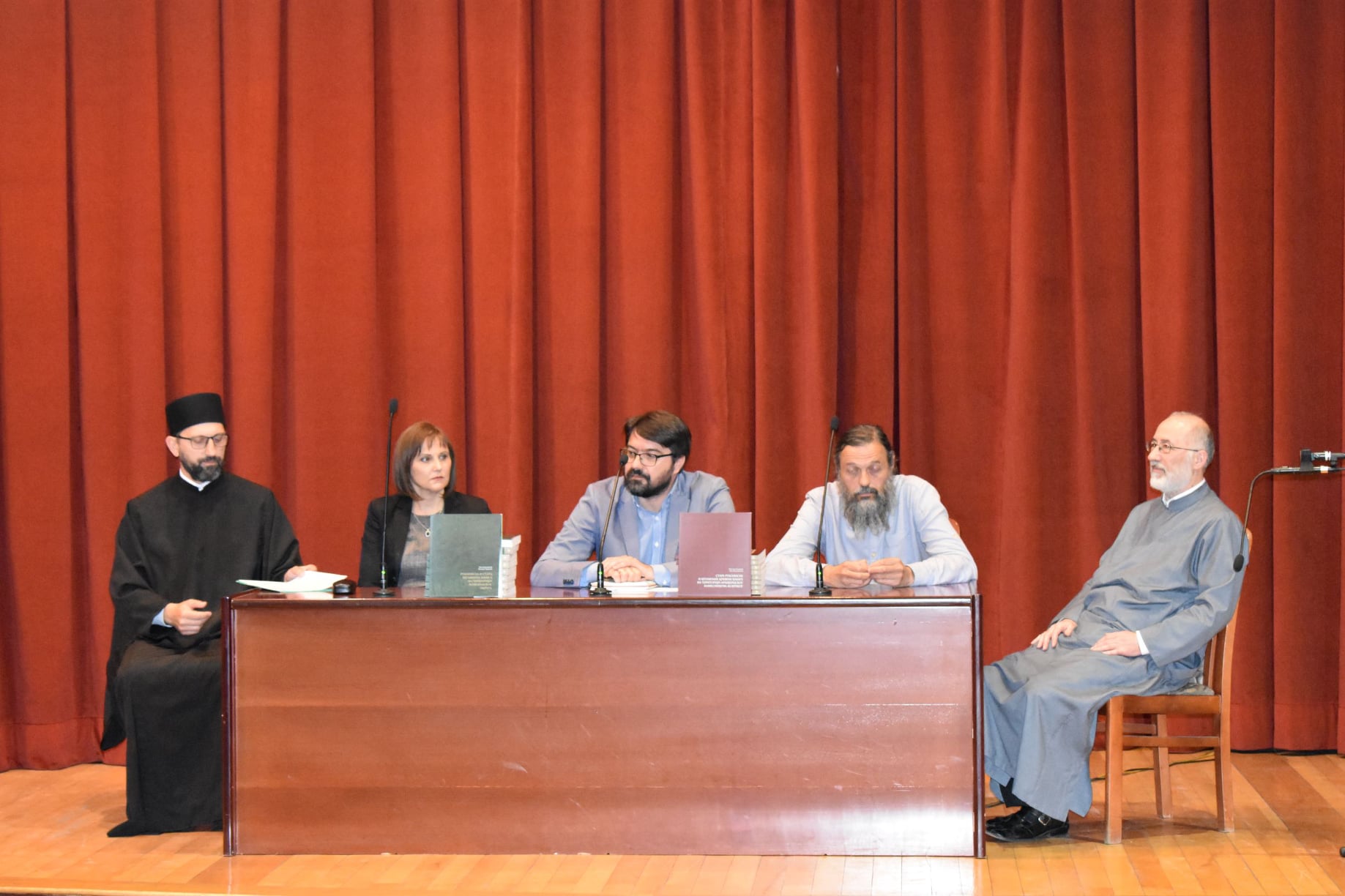
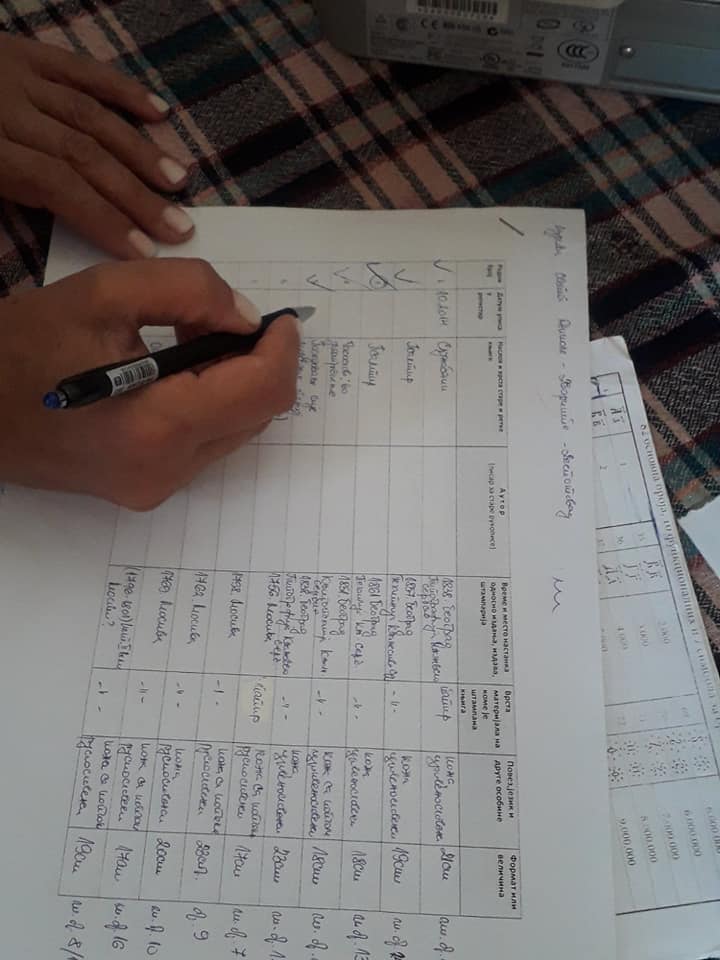
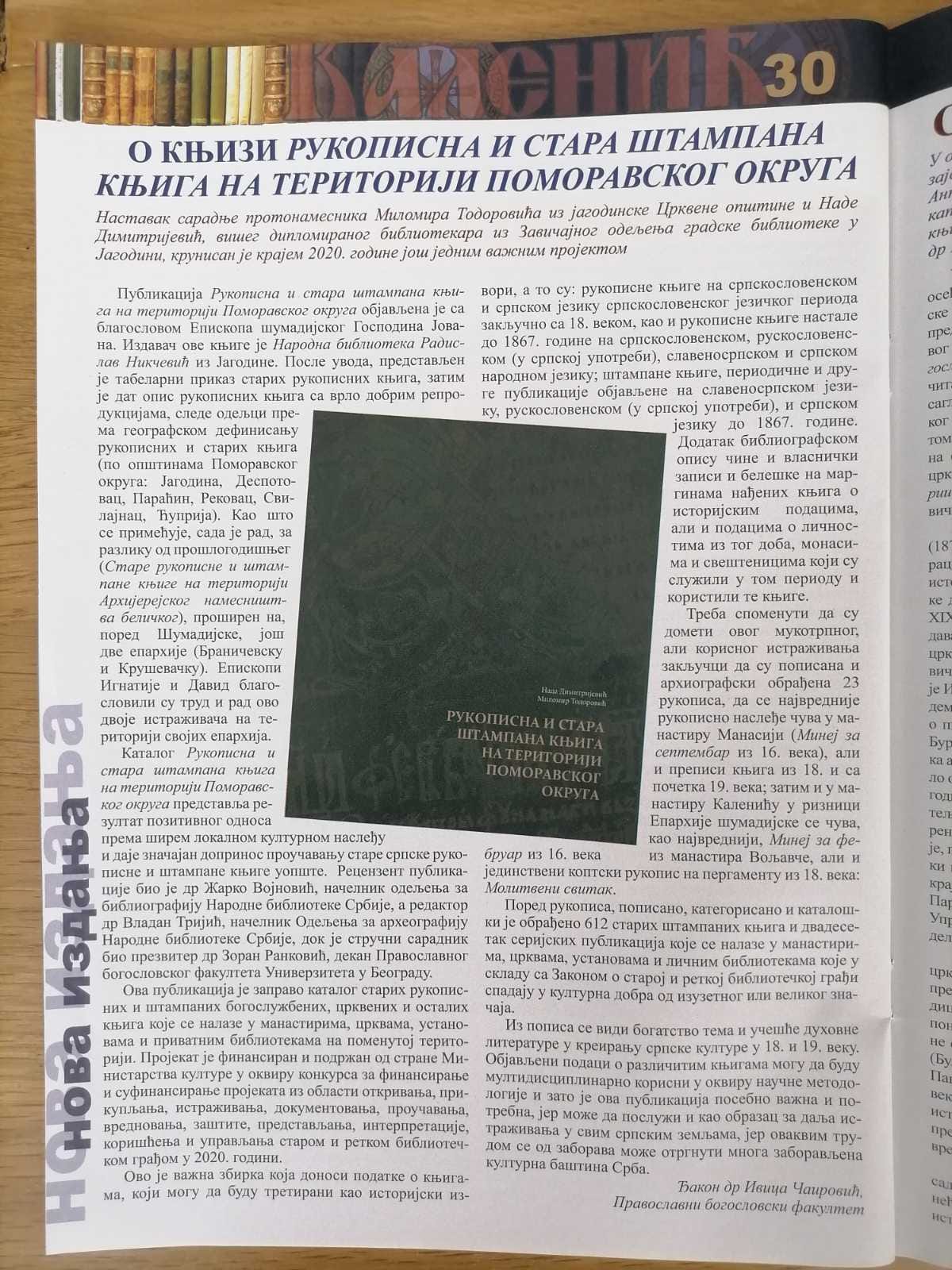
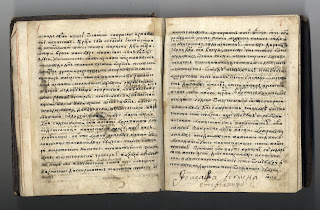
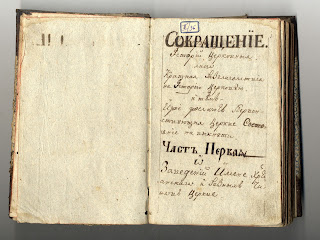
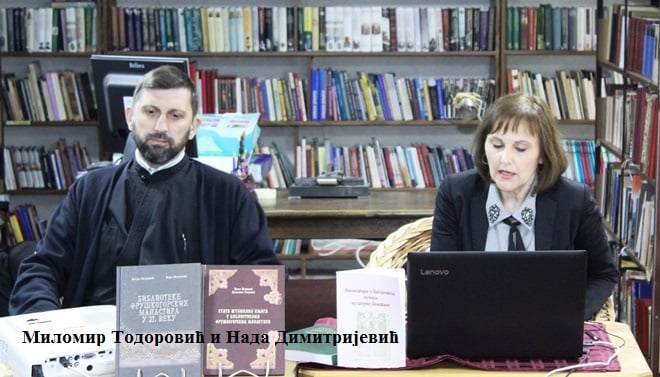
The project aimed to document, evaluate, and preserve materials from 18 monasteries, 58 churches, and cultural institutions across six municipalities. A total of 635 items were cataloged, entered into the National Library of Serbia’s Register of Old and Rare Books, and partially digitized to improve accessibility. A key outcome was the publication “Manuscripts and Old Printed Books of the Pomoravlje District,” co-authored by a librarian Nada Dimitrijević and a priest Milomir Todorović. The publication includes manuscripts in Church Slavonic and Serbian languages up to the 18th century, as well as later works up to 1867, along with old printed books, periodicals, and rare editions of artistic and historical importance. The project combines fieldwork, digitization, and community involvement, ensuring both physical and digital preservation. Collaboration among academic, religious, and local communities reflects shared cultural responsibility and contributes to preserving European cultural diversity.
Funded by the Ministry of Culture of Serbia (RSD 1,000,000), the project allocated resources to research, fieldwork, and publication. Its main goal was to preserve and digitize neglected materials. Objectives included implementing legal standards, identifying and cataloging items, improving accessibility through digitization, contributing to the national register, publishing results, and raising awareness through conferences, media, and cultural events.
Cultural heritage preservation
Digitization of rare books and manuscripts
Community engagement
Accessibility of cultural resources
Safeguarding neglected heritage
The project addresses sustainability by preserving endangered manuscripts and old printed books in the Pomoravlje District, ensuring long-term cultural continuity. Cataloging and digitizing these materials safeguards them from deterioration, allowing future generations to access and study them, which exemplifies cultural sustainability.
Through strong social sustainability, the project engages local communities, religious institutions, researchers, and the public, fostering shared responsibility for cultural heritage. Digitization makes rare materials widely accessible, promoting inclusivity and knowledge sharing at national and international levels.
From an environmental perspective, reducing physical handling of fragile items via digitization extends their lifespan and minimizes the need for repeated transportation, supporting low-impact research and preservation practices.
The project also supports economic sustainability by enhancing the visibility of regional heritage, strengthening cultural tourism potential, and building institutional capacity without large infrastructure investments.
It is exemplary in sustainability because it combines cost-effective fieldwork, cataloging, and digitization with cross-sector collaboration. The model is replicable, showing how local initiatives can preserve cultural heritage responsibly while aligning with European values of inclusion, resilience, and shared cultural responsibility.
The project enhances aesthetics by preserving and showcasing the artistic and cultural value of manuscripts and old printed books in the Pomoravlje District. Many of these items contain exquisite calligraphy, illustrations, and ornate bindings, reflecting centuries of craftsmanship and regional cultural expression. By cataloging, digitizing, and publishing these works, the project makes their visual beauty accessible to both local communities and a global audience.
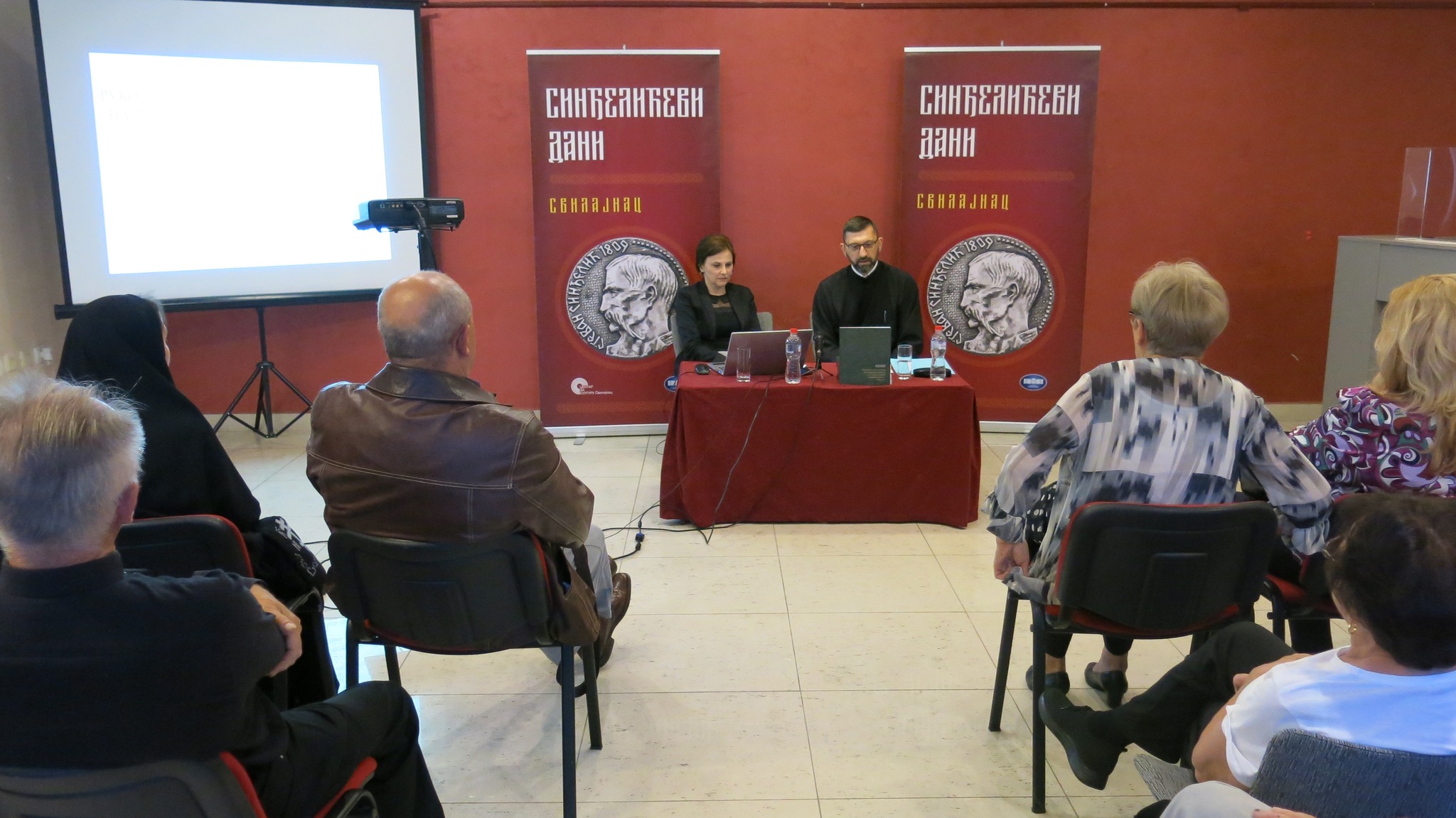
Through exhibitions, publications, and community events, the project strengthens a sense of belonging and care for local heritage, connecting people with the history and artistry of their surroundings. Residents and visitors gain a deeper appreciation for the visual and cultural richness of their neighborhoods, fostering pride and attachment to place.
In the long term, digital access and high-quality reproductions ensure that the aesthetic experience of these works can be enjoyed without risking physical damage, making beauty sustainable and widely shareable. The project also inspires creativity and cultural engagement, encouraging education, reflection, and artistic appreciation across generations.
This approach is exemplary in terms of aesthetics because it combines preservation, community participation, and modern dissemination methods to highlight both the historical and visual significance of neglected cultural artifacts. By making heritage tangible, and meaningful, the project demonstrates how cultural preservation can enrich everyday life and strengthen communal identity.
The project addresses inclusion by making rare and neglected manuscripts and old printed books in the Pomoravlje District accessible to all. Through cataloging, digitization, and publication, materials that were previously limited to experts or physically fragile collections are now available online for researchers, students, and the general public worldwide, removing barriers related to distance, mobility, or cost.
Inclusive governance is ensured through collaboration with local communities, religious institutions, cultural organizations, and academic partners, creating a participatory approach where multiple stakeholders contribute to preserving and sharing cultural heritage. By involving local residents and volunteers in fieldwork and dissemination, the project fosters a sense of ownership and shared responsibility.
The project follows “design for all” principles by providing digital access that allows users of diverse backgrounds, abilities, and locations to explore and study manuscripts safely. Educational outreach, exhibitions, and publications further extend accessibility, ensuring that cultural knowledge is not confined to privileged groups but available to society at large.
It is exemplary in terms of inclusion because it combines physical and digital preservation, community participation, and global accessibility. The project demonstrates that safeguarding heritage can empower communities, promote equality in cultural participation, and create long-lasting opportunities for engagement with history and culture for everyone.
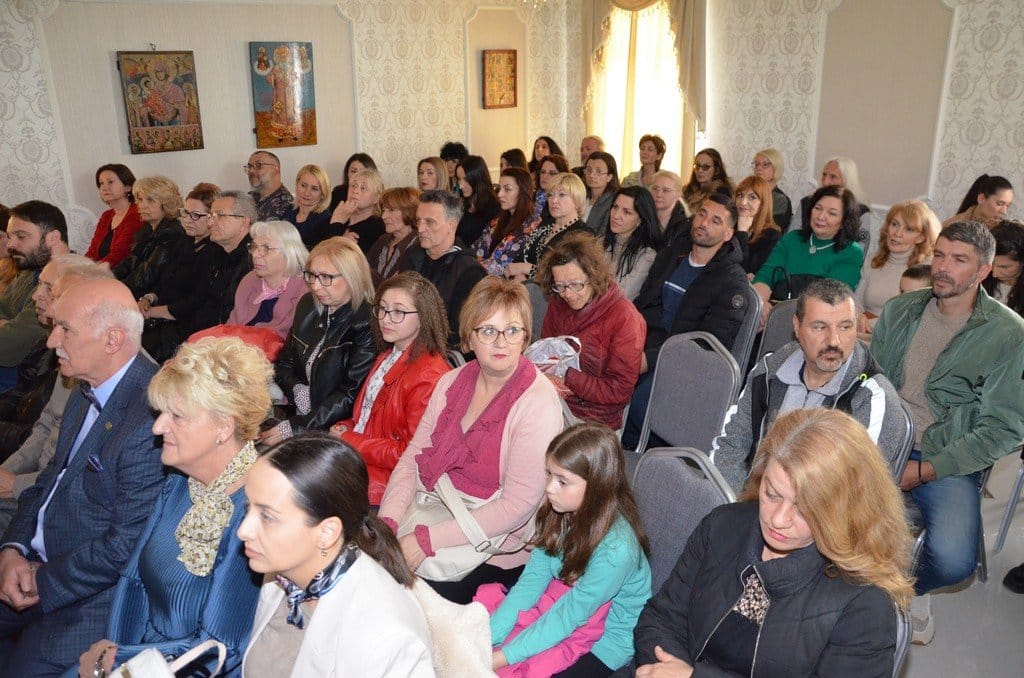
The project actively involved citizens, local communities, and civil society organizations throughout all stages of its implementation. Local residents, parishioners, and volunteers participated in field research, helping to identify, locate, and handle manuscripts and old printed books in monasteries, churches, and cultural institutions. Religious leaders, cultural experts, and local historians contributed knowledge about the historical, religious, and artistic significance of the materials.
Civil society and academic partners, including the Faculty of Orthodox Theology in Belgrade and Serbian archaeologists, collaborated on cataloging, digitization, and publication processes. Their participation ensured accurate documentation, ethical handling, and culturally sensitive interpretation of the heritage items.
This participatory approach strengthened local ownership and pride, raising awareness of the region’s cultural and religious heritage. Citizens were not merely recipients but active contributors, shaping the preservation priorities and dissemination strategies. The collaboration fostered cross-generational engagement, educational opportunities, and social cohesion.
The impact of this involvement is evident in the sustainable preservation model it created, which combines expert knowledge with community engagement. By empowering citizens and institutions to take an active role, the project demonstrates a replicable, inclusive approach to cultural heritage management that aligns with NEB principles of participation, shared responsibility, and co-creation of value.
The project engaged stakeholders at multiple levels to ensure effective design, implementation, and impact. Local stakeholders, including parish priests, monastery staff, volunteers, and community members, identified and provided access to manuscripts and old printed books, contributing knowledge of local history and heritage.
At the regional level, the Jagodina Public Library coordinated fieldwork, cataloging, and digitization across six municipalities, serving as the central hub for project management and expertise. National-level actors, such as the Ministry of Culture and the National Library of Serbia, provided funding, legal guidance, and integration of data into the national Register of Old and Rare Books, ensuring compliance with preservation standards and broad accessibility.
Academic institutions, including the Faculty of Orthodox Theology in Belgrade, offered research support, historical context, and methodological guidance. European-level engagement was achieved through dissemination of digitized materials and publications, contributing to transnational knowledge sharing and aligning with European principles of cultural diversity and shared heritage.
The added value of this multilevel engagement lies in combining local knowledge, regional coordination, national oversight, and European visibility. It created a robust, sustainable model for cultural preservation that strengthens institutional capacity, fosters collaboration, and ensures that the project’s outcomes benefit communities, scholars, and the public across multiple scales. This approach exemplifies NEB principles by linking governance, heritage protection, and societal participation across local, national, and European levels.
The project is transdisciplinary, combining library science (cataloging and preservation), theology (context for religious manuscripts), history and art history (cultural and artistic analysis), digital technologies (digitization and online access), and education/community engagement (workshops, publications, and events). By integrating these fields, the project bridges academic research, cultural practice, and community participation, ensuring physical and digital preservation, enhancing cultural understanding, aesthetic appreciation, and social inclusion. It demonstrates how diverse disciplines can create innovative, sustainable solutions for heritage preservation.
The project’s sustainability relies on a mix of public funding, low-cost operations, and knowledge-based value creation. Initial support from the Ministry of Culture of Serbia covered research, fieldwork, cataloging, digitization, and publication. Ongoing costs are minimized through digitization, reducing the need for physical storage and handling. Revenue streams include sale of publications, academic access, and licensing of digital reproductions for research, education, and cultural tourism. Partnerships with local communities, cultural institutions, and universities provide volunteer support, expertise, and access to collections, further reducing costs. Future expansion can attract additional grants, sponsorships, and crowdfunding. This model ensures long-term financial sustainability while creating social, cultural, and educational value and is replicable in other regions.
Several elements of the project are highly replicable and transferable to other regions, communities, or heritage contexts. The methodology of systematic field research—identifying, documenting, and cataloging neglected manuscripts and old printed books—can be applied to other local, regional, or national collections. The combination of digitization and integration into a central register provides a scalable model for preserving physical artifacts while making them widely accessible online. The project’s collaborative approach with local communities, religious institutions, academic partners, and volunteers demonstrates how multi-stakeholder engagement can be structured and replicated to ensure inclusive participation and shared ownership. Publication of results, both in print and digital form, provides a template for knowledge dissemination, education, and community awareness that can be adapted for different cultural contexts.