Strengthening Local Democracy and Inclusion
Health and happiness to everyone
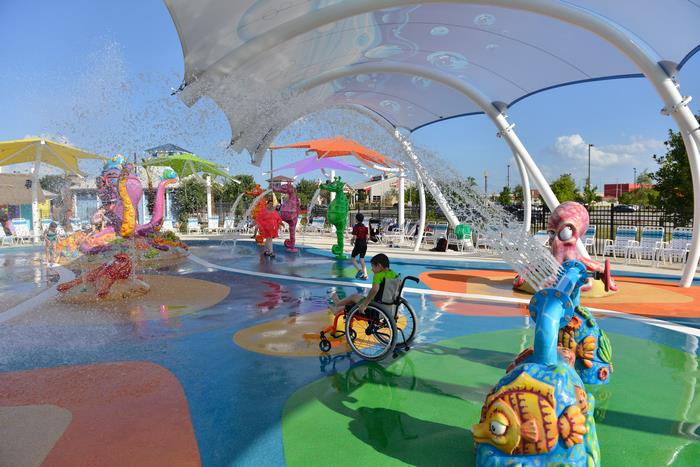
Creation of a new type of medical and rehabilitation water park, accessible to people with disabil
Title: Blue Harmony: An Aquapark Without Borders
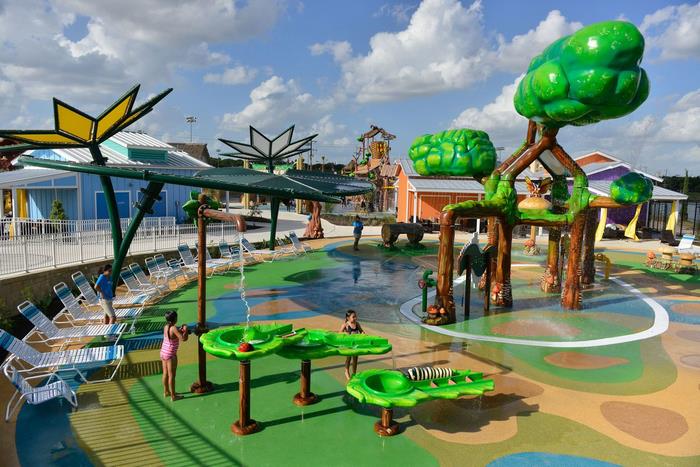
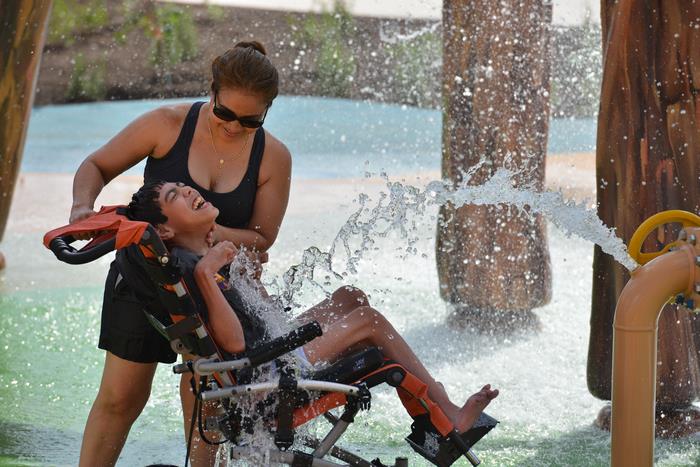
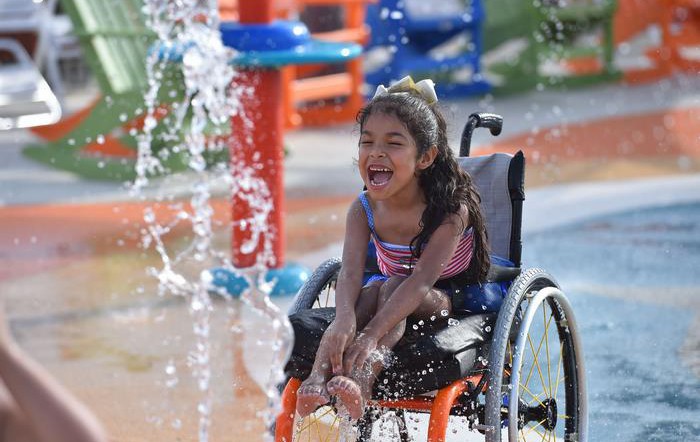
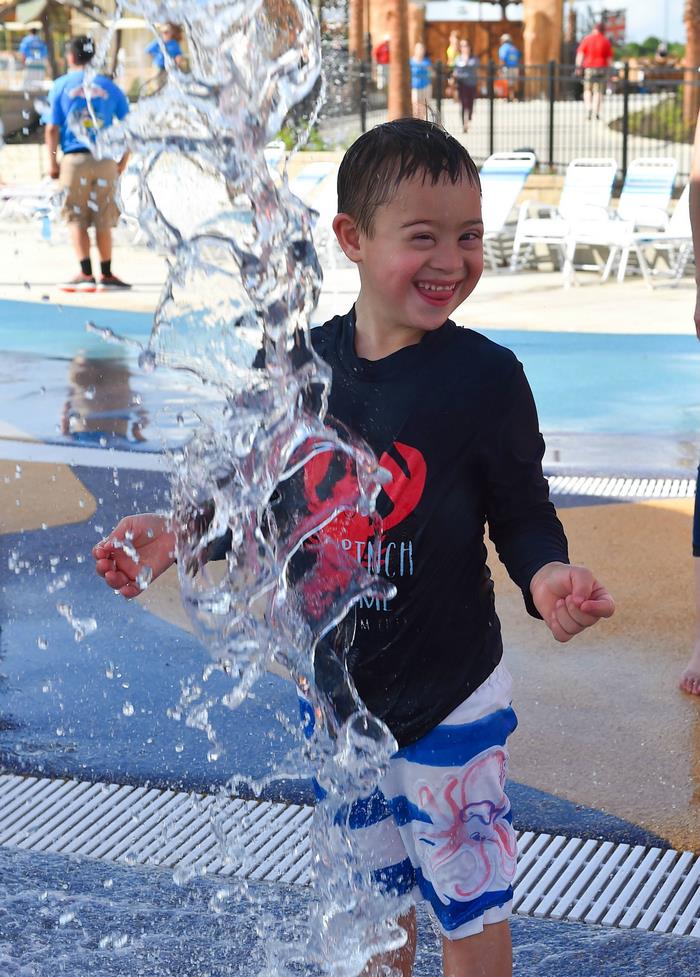
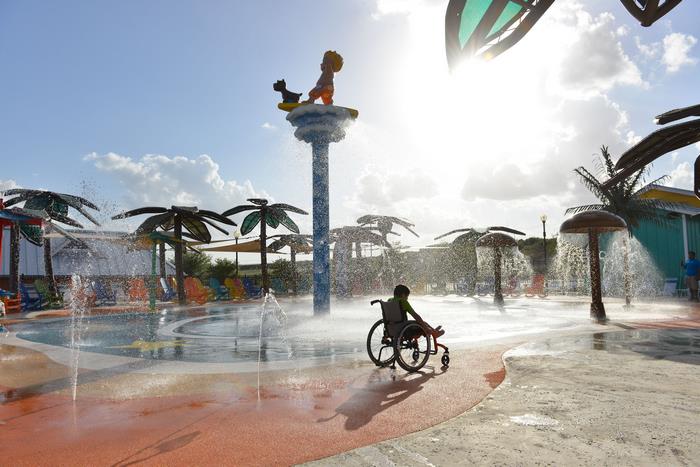
Imagine a place where water doesn’t just refresh – it unites. Our concept transforms the traditional aquapark into an inclusive oasis designed for everyone, from the professional athlete to the child in a wheelchair. Through the power of Universal Design and clean energy, we are creating a space where architectural barriers vanish to make room for shared joy This is more than just an entertainment project; it is a new model for urban living where
Imagine a place where water doesn’t just refresh – it unites. Our concept transforms the traditional aquapark into an inclusive oasis designed for everyone, from the professional athlete to the child in a wheelchair. Through the power of Universal Design and clean energy, we are creating a space where architectural barriers vanish to make room for shared joy This is more than just an entertainment project; it is a new model for urban living where
Bulgaria
National
Mainly urban
It involves a physical transformation of the built environment (hard investment)
Early concept
No
No
Yes
Individual
Concept Story: An Aquapark for All
The Birth of the Idea:
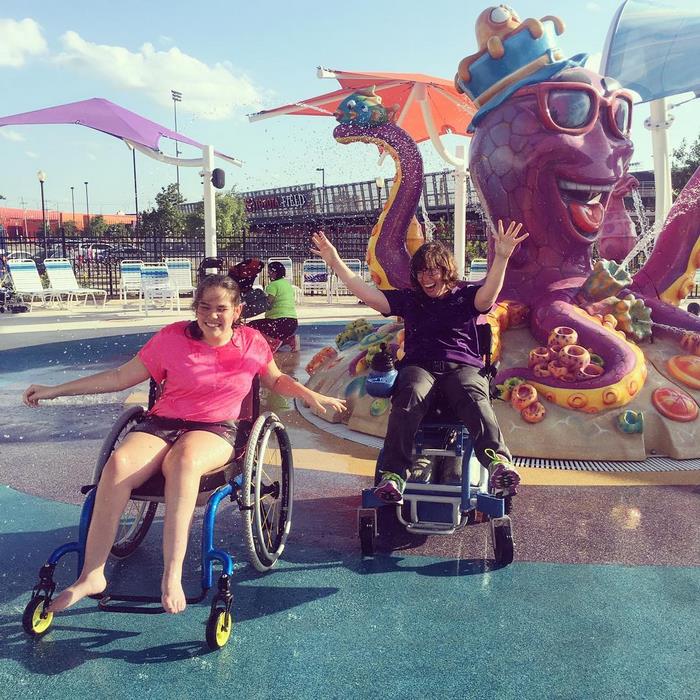
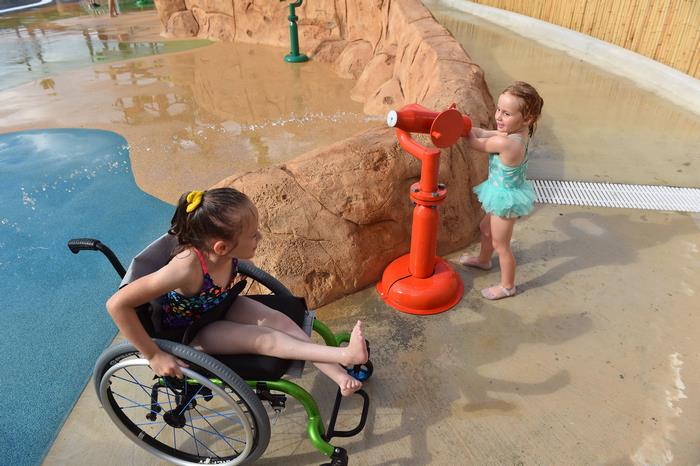
The idea was born from a simple yet painful observation: water attractions, which symbolize health, joy, and freedom, are often physically inaccessible to people with disabilities. Our vision was to remove the "special needs" label and create a space where architecture unites rather than divides. We wanted to prove that design can be simultaneously beautiful and entirely barrier-free.
Development and Implementation:
The concept went through a co-design phase. Instead of designing "for" people with disabilities, we designed "with them," involving focus groups of para-athletes, therapists, and families.
Key Steps and Strategies:
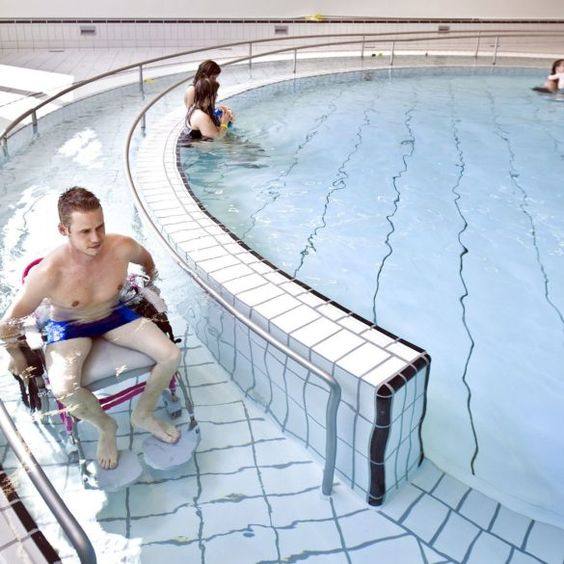
1. Universal Design: Instead of separate ramps, we will integrate seamless transitions and water levels into the landscape itself, ensuring that accessibility is an invisible and aesthetically pleasing part of the architecture.
2. Technological Tools: We will use specialized water filtration and heating systems powered by renewable energy sources to guarantee a comfortable temperature for individuals with different sensitivities.
3. Social Strategy: The process involves partnerships with local municipalities and NGOs to transform the aquapark into a hub for social integration and hydrotherapy.
The Result:
The result is not just an amusement park, but a model for an inclusive environment that respects the dignity of every visitor and breathes new life into the urban space through sustainability and beauty.
Concept Story: The Path to Aquatic Accessibility
How was the idea born?
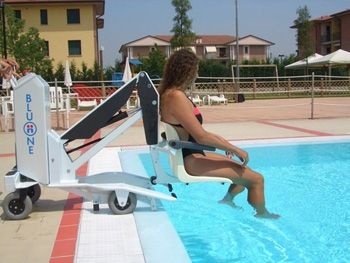
The idea was born from a personal and social paradox: while water is the most democratic element, swimming pools and aquaparks are often the most discriminatory urban spaces. Observing families being separated at the entrance of such facilities because one member (a child in a wheelchair or an elderly person with a disability) could not enter, we decided to create a place where architecture places no boundaries. Our goal was to transform "special needs" into "universal experiences."
Development and Implementation:
The concept was developed through a co-design process. Instead of relying solely on theoretical standards, we invited individuals with various motor and sensory disabilities to share their lived experiences. The design went through three phases:
1. Empirical research on barriers;
2. Prototyping architectural elements (ramps, lifts, floorings);
3. Testing sensory maps and navigation systems.
Key Steps, Tools, and Strategies:
1. "Design for All" Strategy: We applied the principle of seamless level integration, turning ramps into aesthetic terraces that are comfortable for all visitors.
2. Sustainability Tools: We used energy modeling software to implement a closed-loop water system and heat pump technology, reducing the environmental footprint.
3. Partnership Process: A key step was building a coalition between architects, physiotherapists, and local NGOs. This transdisciplinary strategy allowed the concept to be not only beautiful but also functionally valuable for aquatic rehabilitation.
Inclusive Design
Universal Accessibility
Hydrotherapy & Wellbeing
Sustainable Architecture
Social Inclusion
NEB Value: Sustainability
Environmental Contribution:
The concept is rooted in circular economy and energy efficiency. Instead of conventional heating, we will utilize renewable energy sources (solar collectors and heat pumps) to maintain optimal water temperatures. We envision an innovative water recycling system that minimizes waste and resource consumption, turning the aquapark into a benchmark for environmentally responsible facilities.
Social and Cultural Dimension:
Sustainability here is expressed through social sustainability. The project addresses the exclusion of people with disabilities from active social life. By creating a space for hydrotherapy and shared recreation, we are building a community where differences are dissolved. Culturally, the project shifts the perception of public spaces—from places of mass consumption to places of equitable interaction.
Economic Opportunities:
The project stimulates the local economy by creating specialized jobs and attracting a new type of "socially responsible" tourism. Its long-term economic viability is ensured by low operational costs, thanks to the integrated green technologies.
Why it is an Exemplary Model:
Our concept serves as a model for sustainability because it proves that high environmental standards and radical social accessibility can exist in perfect symbiosis. It is a scalable model that can be applied to any urban space seeking a balance between nature, people, and technology.
NEB Value: Aesthetics
Contribution to Everyday Beauty:
Our concept transforms a functional facility into an organic part of the landscape. Instead of standard plastic structures, we focus on natural materials and fluid forms that mimic nature. Beauty here is expressed through the sensory experience—the play of light on the water, the sound of soothing water cascades, and integrated greenery that create an oasis of calm within the urban environment for both visitors and the entire neighborhood.
Sense of Belonging and Care:
The project fosters a sense of belonging by removing visual and physical barriers. When a space is beautiful and accessible to everyone, it becomes "our place"—a meeting point where the community feels accepted. The design is intended to inspire respect for the environment; we believe that when people feel cared for by architecture, they reciprocate with the same care for the maintenance of the place.
Why it is an Exemplary Model:
The project is a model for aesthetics because it proves that accessibility is not a technical compromise, but an architectural inspiration. We do not simply add ramps to a design; we transform movement and levels into aesthetic elements. This is "beauty with a purpose," proving that the most beautiful spaces are those open to the hearts of everyone.
NEB Value: Inclusion
Accessibility and Affordability:
The concept views accessibility not as an "extra feature" but as a fundamental right. The project goes beyond minimum legal requirements by integrating sensory paths, adapted changing rooms, and water facilities that allow people with varying mobility to enjoy the water alongside everyone else, rather than in isolated zones. Regarding affordability, we plan a socially oriented pricing model (subsidized passes for people with disabilities and their companions) to ensure that economic status is not a barrier to health and joy.
Inclusive Systems and New Social Models:
We apply the "Design for All" principle—when an environment is comfortable for someone in a wheelchair, it is safer for a toddler and an elderly person as well. We promote a new social model where the aquapark is not just for entertainment, but a space for social mixing. Our management system includes an advisory board of users with disabilities, ensuring that the community's voice is embedded in the facility's maintenance and evolution.
Why it is an Exemplary Model:
The concept is a model for inclusion because it transforms vulnerability into strength. It proves that a public space can only be truly democratic when it is designed for its most vulnerable members. This is not a project "for them," but a project "for all of us," healing social isolation through a shared aquatic experience.
NEB Working Principles: Participatory Approach
Involvement of Stakeholders:
The development of the concept began with an extensive process of dialogue and research. We organized a series of workshops and meetings with representatives of disability associations, para-athletes, and families with children with special needs. They were involved at the "blank page" stage to share the real daily challenges they face when visiting similar facilities. We also conducted surveys among neighborhood residents to understand their expectations for the new public space.
Impact of Participation:
The involvement of future users fundamentally transformed the initial concept. Thanks to their guidance:
1. Navigation was redesigned: Instead of just visual signs, we integrated tactile maps and specific acoustic cues.
2. Recreation zones were reorganized: We added low-sensory zones (quiet zones) for individuals with autism—something we had not initially anticipated.
3. Material selection: Users with mobility challenges tested various types of non-slip flooring to find the safest and most comfortable solution.
Result:
This approach ensures that the final outcome is not just an architectural project, but a shared solution that addresses real human needs. The process built trust and created a community of future ambassadors for the project.
NEB Working Principles: Multi-level Governance
Stakeholders by Levels:
1. Local Level: We have engaged the Municipal Administration (Urban Planning and Social Affairs departments) to align the site with city infrastructure, as well as local NGOs for people with disabilities.
2. Regional Level: We collaborate with Regional Health and Tourism Inspections to certify the facility as a destination for accessible tourism and aquatic rehabilitation.
3. National Level: We involve the Ministry of Youth and Sports and national para-athletic federations to establish the site as a base for national competitions and training.
4. European Level: We aim for partnerships with networks such as the European Network for Accessible Tourism (ENAT) to exchange best practices and establish the project as a European benchmark.
Added Value of Engagement:
This collaboration ensures that the project is not just a single building, but part of a comprehensive inclusion strategy. Local authorities ensure sustainability, the national level provides legitimacy and scale, and European partnerships allow our experience to inspire similar initiatives across the EU. This governance model minimizes bureaucratic hurdles and maximizes social impact.
NEB Working Principles: Transdisciplinary Approach
Disciplines and Fields Reflected:
Our concept is a synthesis of expertise across several key areas:
1. Architecture and Universal Design: To create a barrier-free and aesthetically pleasing environment where accessibility is embedded within the object's very form.
2. Hydro-engineering and Environmental Sciences: Developing closed-loop water filtration systems and utilizing geothermal or solar energy for long-term sustainability.
3. Social Sciences and Psychology: Designing spaces that encourage social interaction and reduce stress (particularly important for visitors with sensory disabilities).
4. Medicine and Rehabilitation: Consulting with kinesiotherapists to define the optimal parameters of water facilities for therapeutic purposes.
5. Digital Technologies: Implementing smart navigation systems and augmented reality apps to help visually impaired visitors navigate the park.
Interaction and Added Value:
The transdisciplinary approach allowed us to view the aquapark as a "living ecosystem." Engineers worked with therapists to turn technical facilities into health tools, while architects and environmentalists collaborated to make the technology invisible and beautiful. This exchange of knowledge transformed the concept from a standard facility into an innovative model for public good
Business Model and Financial Sustainability
Model Structure:
Our business model is based on a hybrid approach that combines a social mission with commercial efficiency. The primary goal is for the project to be self-sustaining while remaining affordable.
Revenue Streams and Sustainability:
1. Diverse Revenue Streams: Generating income through general admission tickets, specialized hydrotherapy packages, and corporate events (Team Building) aimed at companies with strong Corporate Social Responsibility (CSR) goals.
2. Public-Private Partnership (PPP): We anticipate long-term contracts with municipalities and health insurance funds to provide subsidized therapeutic services, ensuring consistent facility utilization.
3. Energy Efficiency as Savings: Investing in onsite renewable energy sources drastically reduces operational costs (electricity and heating), which is a key factor for economic resilience amidst volatile market prices.
4. Specific Financial Instruments: We plan to utilize "Green Bonds" or low-interest loans from European programs dedicated to sustainable infrastructure.
Competitive Advantage:
The competitiveness of the concept stems from its uniqueness. As the first fully inclusive aquapark in the region, it attracts a specific segment of the international market (accessible tourism) that is currently underserved but holds high growth potential.
Scalability and Replicability Potential
Elements for Replication:
Our concept is designed as a modular system that can be adapted across different scales and geographical contexts. Key elements for transfer include:
1. Co-design Methodology: The process of involving end-users with disabilities from the initial conceptual phase is a universal model applicable to any public facility.
2. Technical Standards for "Invisible" Accessibility: The set of architectural details (seamless transitions, sensory paths, and levels) that transform a standard pool into an inclusive facility without aesthetic compromise.
3. Technological Package: The model for integrating closed-loop water cycles with renewable energy (solar/geothermal) can be transferred to any climate zone.
4. Business Model: The hybrid approach (social services + commercial activity) is applicable to other sectors such as sports centers, parks, and cultural hubs.
Transfer Potential:
The concept is easily replicable in other EU regions, particularly in tourism and balneological zones seeking an innovative and inclusive identity. It can serve as a foundation for new European standards for accessible recreational infrastructure.
Demonstrated Commitment to Implementation
First Quarter (Development and Partnerships):
The focus will be on finalizing technical specifications and selecting contractors with specific expertise in sustainable construction and accessible environments. We will sign official memoranda of cooperation with local disability organizations, who will act as a "control group" during the implementation phase.
Second Quarter (Promotion and Funding):
Launching a public awareness campaign titled "Health and Joy for Everyone." The goal is to present the model at national and international forums for accessible tourism and social inclusion. Simultaneously, we will apply for additional funding through European programs for social innovation and green infrastructure.
Third Quarter (Pilot Implementation/Prototyping):
Constructing the first "demonstration zone" (e.g., an adapted water module or sensory navigation system) to test functionality in real-time. User feedback will be utilized for fine-tuning before full-scale implementation.
Fourth Quarter (Scaling and Networking):
Training specialized staff (lifeguards, therapists, and service personnel) to work in an inclusive environment. Creating a "Manual for Accessible Aquatic Spaces" based on our experience, to be shared with other municipalities and investors across the EU.