Strengthening Local Democracy and Inclusion
Sky to Table
Sky to Table: A Greenhouse for the Community
Sky to Table turns an urban space into a vibrant community greenhouse, where food, education, and connection grow together. By empowering local, vulnerable groups to cultivate fresh products and learn about sustainable practices, it tackles food insecurity and fosters social inclusion. A fresh, green solution for a healthier and more connected future.
Portugal
Local
Alvalade Neighborhood, Lisbon
Mainly urban
It involves a physical transformation of the built environment (hard investment)
Yes
2023-09-15
No
No
No
Organisation
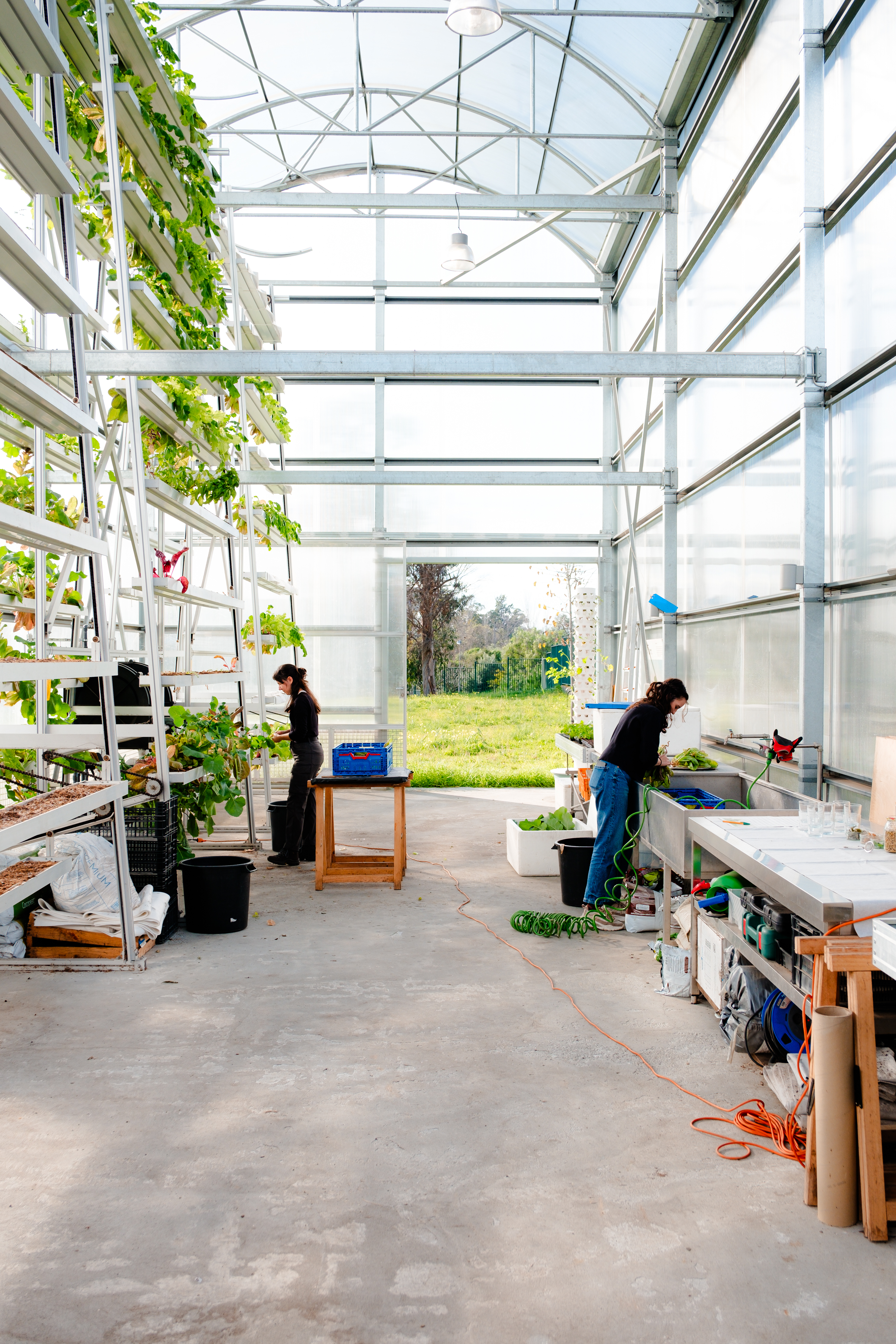
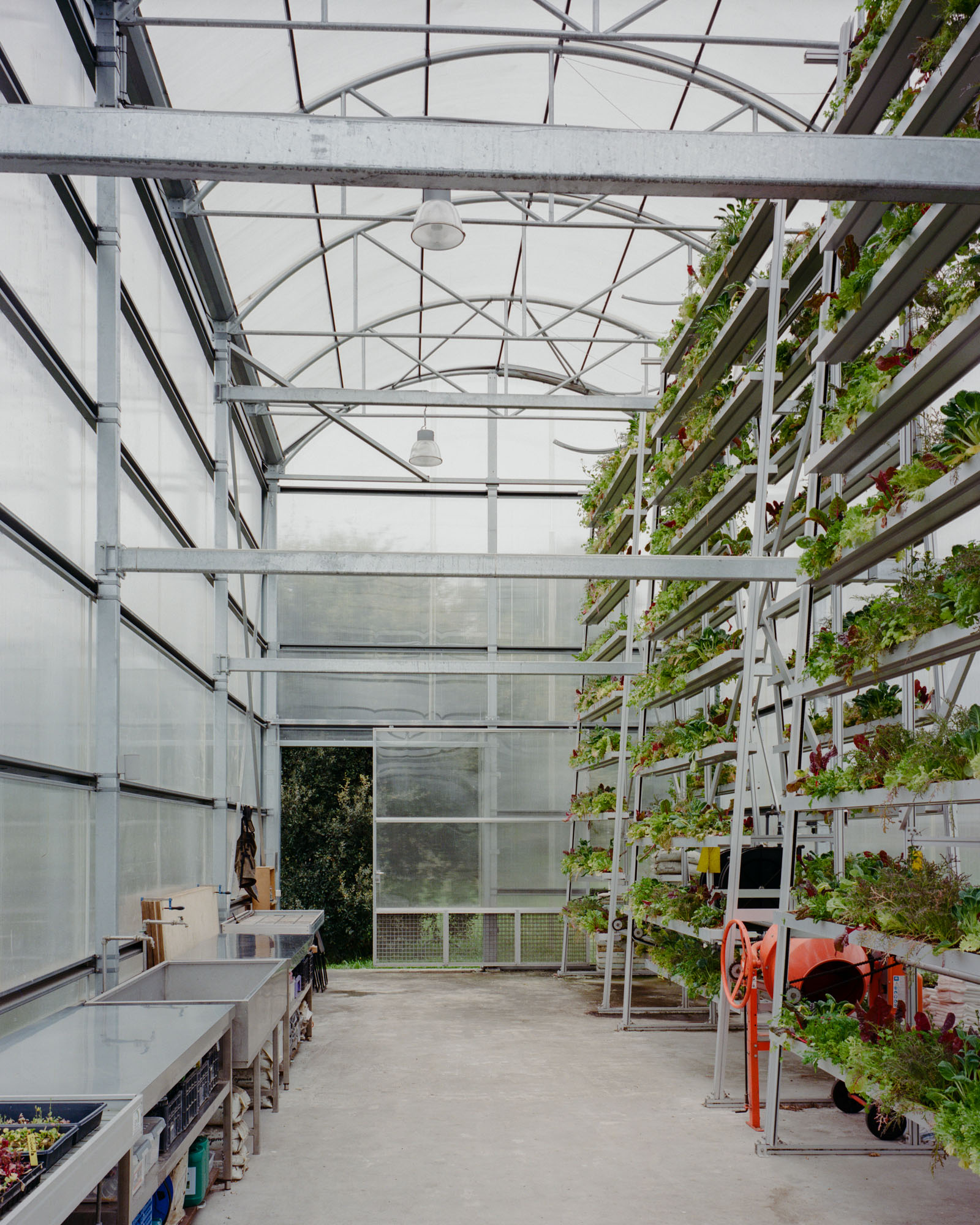
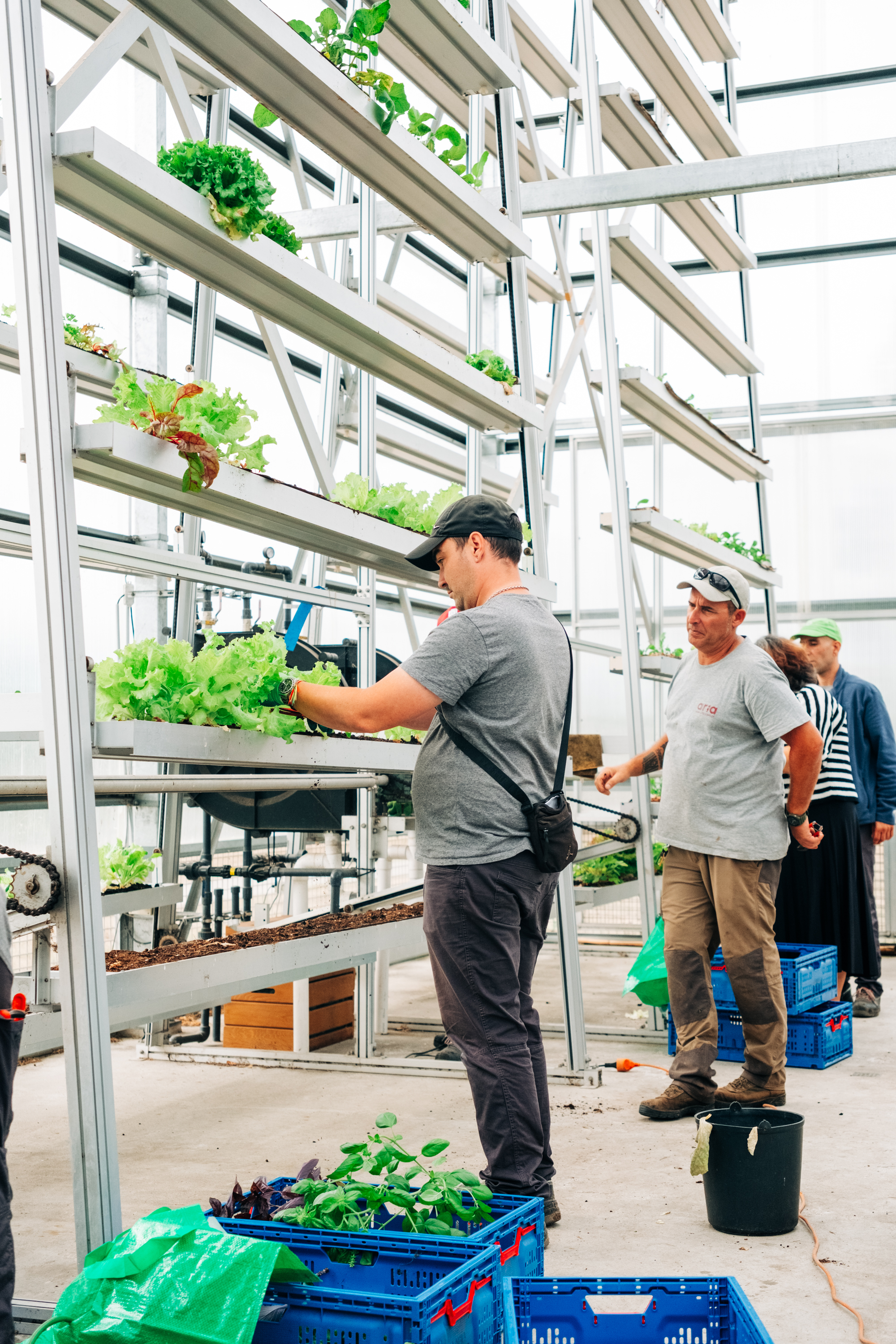
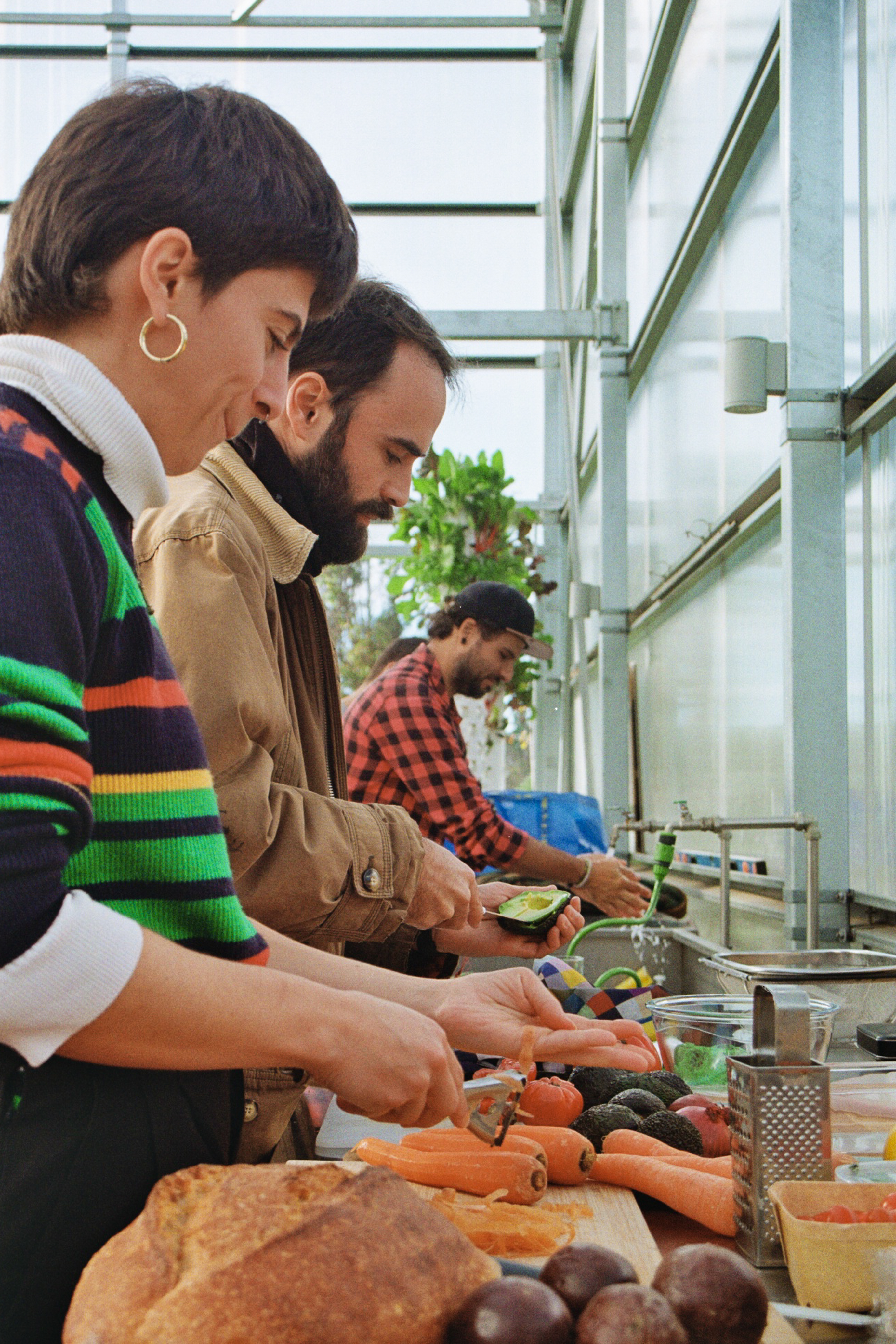
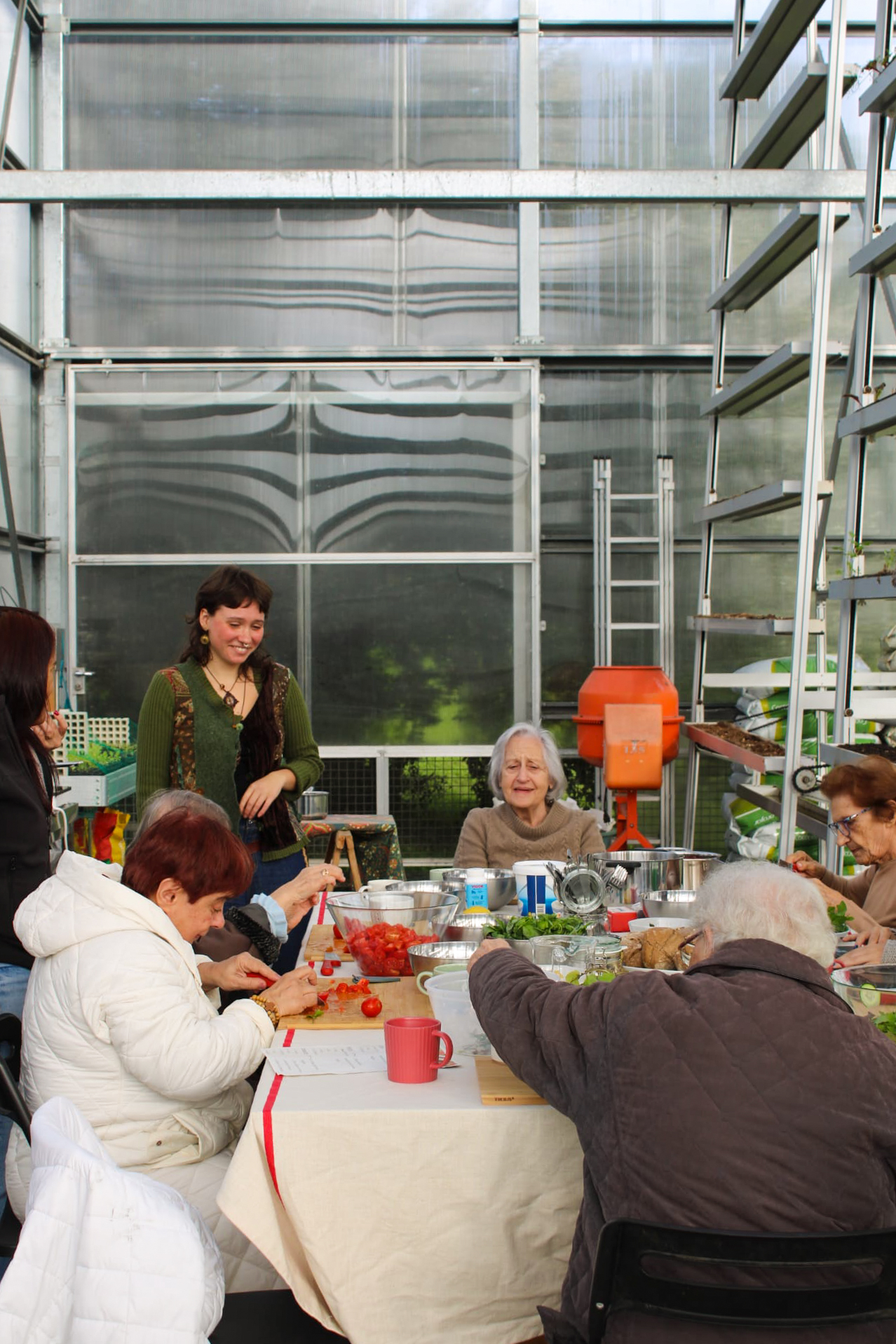
“Sky to Table” is a community-driven urban agriculture project in the Community Greenhouse in Alvalade neighbourhood, in Lisbon. It transforms an underused public space by building and implementing a productive, inclusive and educational greenhouse, bringing food production closer to residents. The project addresses food insecurity, social isolation, limited environmental and food literacy, and the underuse of urban public space. It promotes social inclusion by actively engaging children from vulnerable neighbourhoods, seniors, people with reduced mobility, residents and institutional partners in shared activities. Beyond the cultivation cycle, using vertical farming technology, the project has developed “farm-to-table” workshops where participants use harvested food products/vegetables and herbs to prepare healthy meals. These activities strengthen food literacy, encourage balanced diets, and help participants understand the full food cycle, from seed to plate. This direct connection reinforces awareness, responsibility and healthier consumption habits. Additionally, the initiative follows an inclusive and participatory model. All stages of cultivation are carried out collectively. The vertical farming system ensures accessibility, allowing seniors and people with mobility limitations to participate. In terms of results, the project produces more than 600 kg of fresh vegetables per year, with approximately 50% of these donated to local food banks and other civil society organisations supporting people experiencing homelessness. More than 200 community members engage annually in gardening activities, workshops and educational sessions. The project operates through a co-governance model that involves community members and institutional partners in decision-making, ensuring responsiveness to local needs and long-term sustainability.
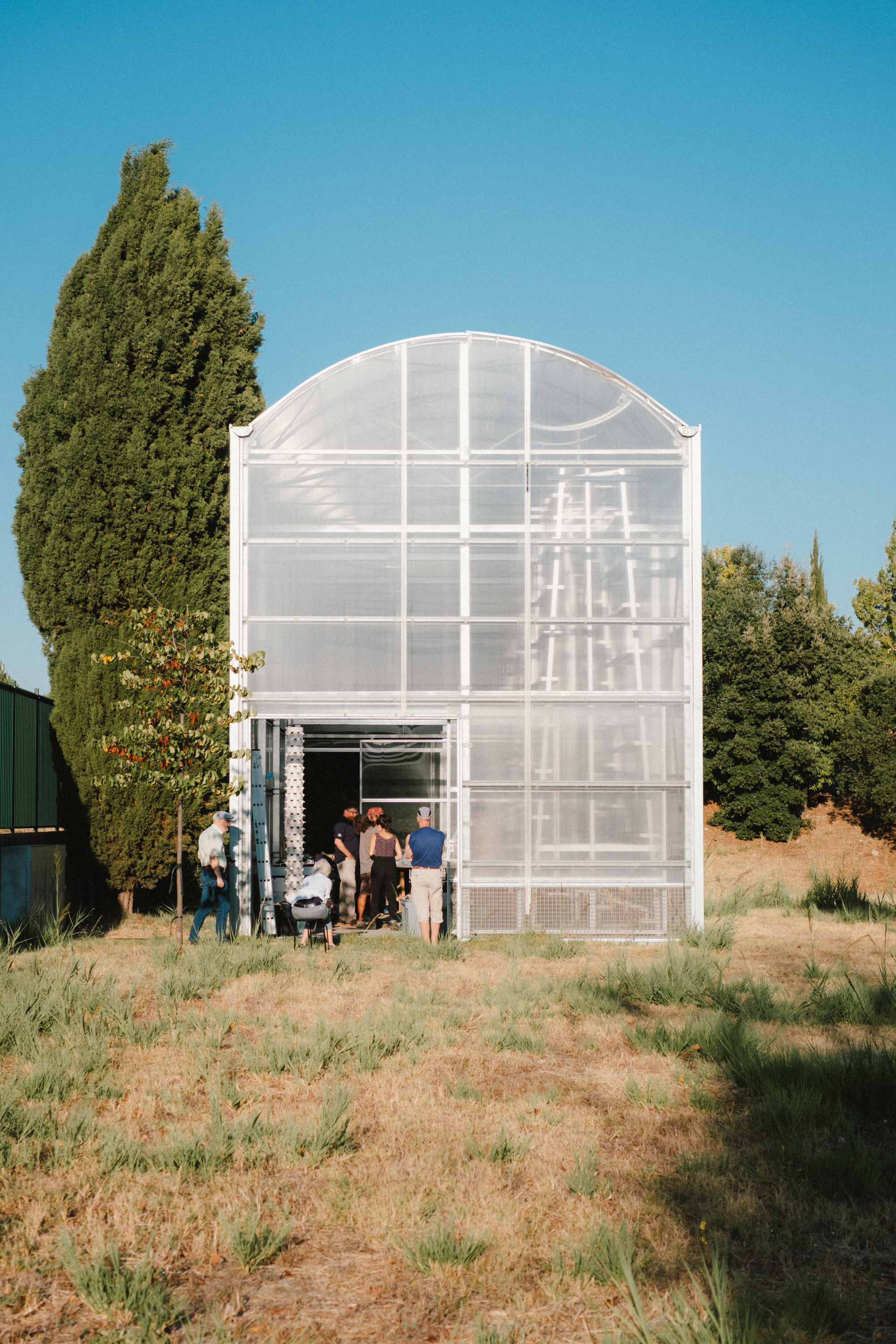
The project emerged from the question: how can urban spaces play a more active role in addressing social inequalities, food insecurity and environmental disconnection? Strategically located in Aquilino Ribeiro Machado Garden and Horticultural Park, an urban park in the heart of Lisbon, adjacent to the main airport. Historically, the park’s location between contrasting socioeconomic groups, as well as its elongated shape and proximity to high noise sources such as the airport and busy roads, have isolated it and thus limited its use. The idea was to transform this context into an opportunity by creating a greenhouse that would reconnect people with food production and with each other. From the beginning, the project was built through collaboration between local institutions, community members and municipal partners. It was initially supported by Lisbon's BIP/ZIP programme, which provided funding for infrastructure and materials. The implementation followed several phases. First came the design and planning stage, involving technical partners and community stakeholders, combining architectural design with vertical farming technology, followed by the installation of the greenhouse. Once operational, the project evolved into a co-governance model, where decisions about activities and production are shared among institutions and community representatives. Children, seniors, long-time residents, NGOs and social institutions participate in regular sowing, maintenance and harvesting activities. Educational workshops, guided visits and community events were introduced to strengthen food and environmental literacy. More recently, farm-to-table activities were implemented, connecting harvesting with healthy food preparation. Evaluation has been ongoing through participants and partners’ feedback and production monitoring. By combining co-governance, vertical farming and community education, the project promotes social inclusion, local food production and community bonds.
Community
Social Inclusion
Sustainable Urban Agriculture
Environmental Literacy
Co-Governance
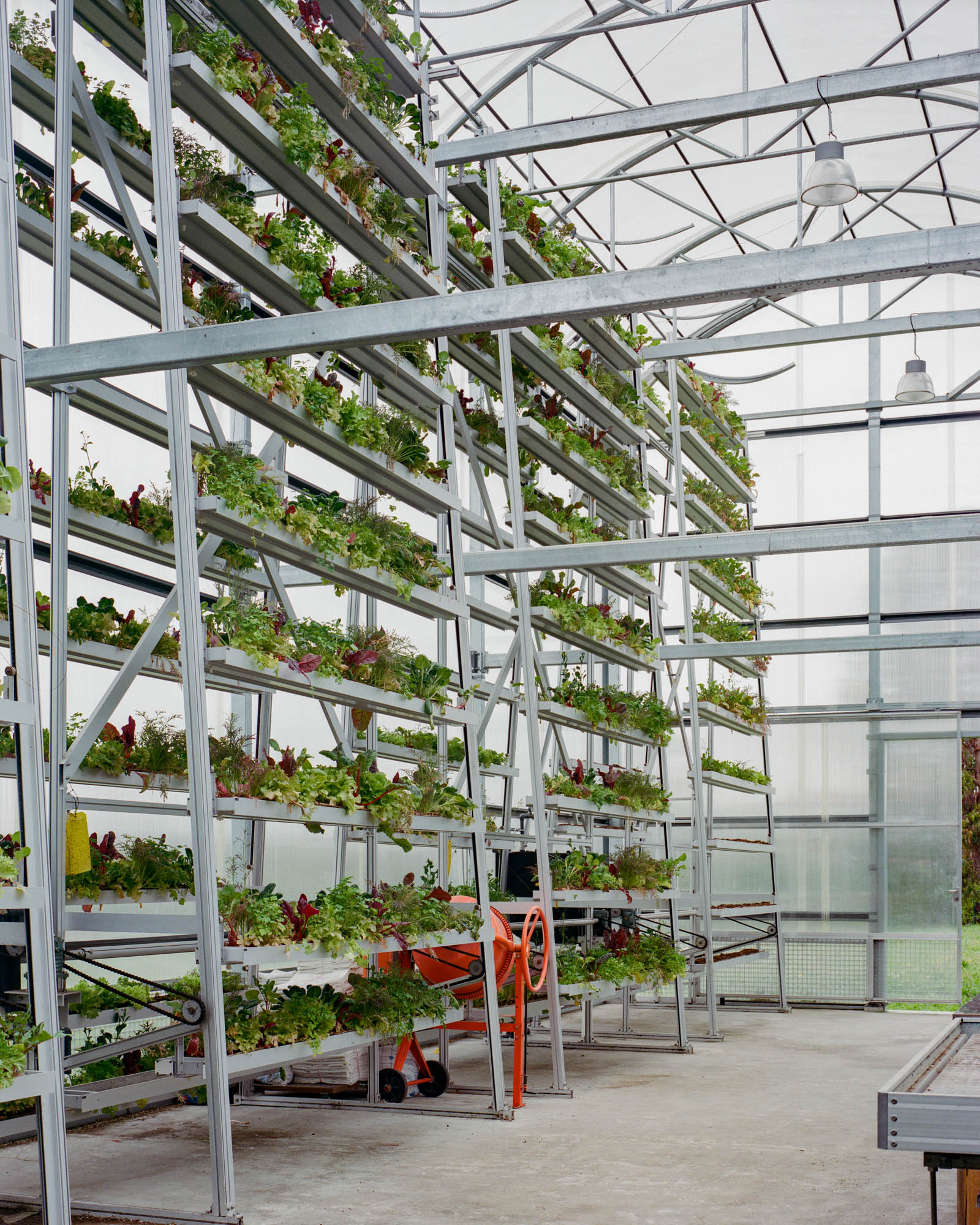
The project aims to demonstrate how urban spaces can actively contribute to environmental regeneration, social cohesion and local resilience. Its core sustainability objectives are to shorten food supply chains, reduce the environmental footprint of food production, promote responsible resource use, strengthen community-based food systems and ensure long-term viability through collective governance. To achieve these goals, the project implemented a vertical farming system in the Community Greenhouse, maximizing food production in height. By producing vegetables locally, the project decreases transport needs, packaging and refrigeration, contributing to lower emissions and a more local urban food cycle. The farm-to-table activities further reinforce sustainable consumption, reconnecting participants with seasonal food, healthy diets and the full cycle from cultivation to preparation. Social sustainability is part of the project’s inclusive model. Children, seniors, people with reduced mobility and residents from vulnerable backgrounds participate in all stages of production, from seed selection to harvest. The accessible vertical system lowers physical barriers and thus encourages intergenerational engagement. Initially, the project was supported by the Lisbon BIP/ZIP programme, which established the infrastructure necessary for long-term operation. Approximately half of the annual production is donated to local food support organisations, reinforcing social equity while maintaining a stable community structure. The project is exemplary because it integrates environmental action, social inclusion and participatory governance within a single urban system. Rather than focusing only on production, it transforms sustainability into a shared civic process. The model is adaptable and scalable, offering an example of how cities can regenerate public space while building more inclusive and climate-resilient communities.
The project contributes to urban aesthetics by introducing a welcoming Community Greenhouse in an underused urban space. Located in the Aquilino Ribeiro Machado Garden and Horticultural Park, the greenhouse redefines the experience of the park, turning it into a place of encounter and learning. Beyond food production, it creates a space where people feel comfortable, included and connected to nature in the heart of Lisbon. The aesthetic objectives focus on improving the quality of public space and strengthening people’s relationship with their surroundings. Through the integration of vertical farming towers and cultivated areas, the greenhouse introduces a visually engaging structure that combines innovation with transparency and openness. The design was conceived to harmonize with the park environment, creating a balance between functionality, light and landscape. Rather than isolating production, the project makes it visible and accessible. The experience in the greenhouse stimulates the senses in multiple ways: the presence of plants, seasonal colours and natural light; the contact with soil and crops; and the sounds of the park around it; Farm-to-table activities further enrich this experience, connecting cultivation with food preparation and social inclusion. These moments create a warmth, conviviality and shared enjoyment, strengthening bonds between participants. Culturally, the project contributes to local identity by reactivating a space that was historically underused and transforming it into a community landmark. The project stands out because it does not treat aesthetics as decoration, but as an essential dimension of sustainability and inclusion. It demonstrates that sustainable and productive urban spaces can also be beautiful, welcoming and meaningful.
The project promotes social, spatial and governance-related inclusion by transforming an underused urban space with a shared, accessible and community-driven greenhouse. Its main inclusion objective is to ensure that people of different ages, backgrounds and abilities can actively participate in food production, decision-making and educational activities, while strengthening access to local resources and knowledge. Inclusion is integrated into both the physical design of the space and the way the project operates. The vertical farming system was chosen not only for its efficiency but also for its accessibility, as it requires minimal physical effort and allows participation from seniors and people with reduced mobility. This “design for all” removes barriers typically associated with urban agriculture projects. The location in a public park ensures spatial accessibility and openness to the wider community. It operates through a co-governance model, where community members and stakeholders share responsibility in planning and decision-making. This participatory structure promotes transparency, collective ownership and responsiveness to local needs. Beneficiaries are not passive recipients; they are active contributors. Special attention is given to groups in vulnerable situations, including children from disadvantaged neighbourhoods and seniors experiencing social isolation. A significant portion of the production is donated to local food support organisations, contributing to economic inclusion and access to fresh food for families in need. The results demonstrate the concept: more than 200 participants engage annually in activities, and continuous collaboration with schools, social institutions and NGOs ensures broad community involvement. This space has become a meeting point that bridges different social groups within the neighbourhood. The project is exemplary because it integrates inclusion into its structure rather than treating it as an additional component.
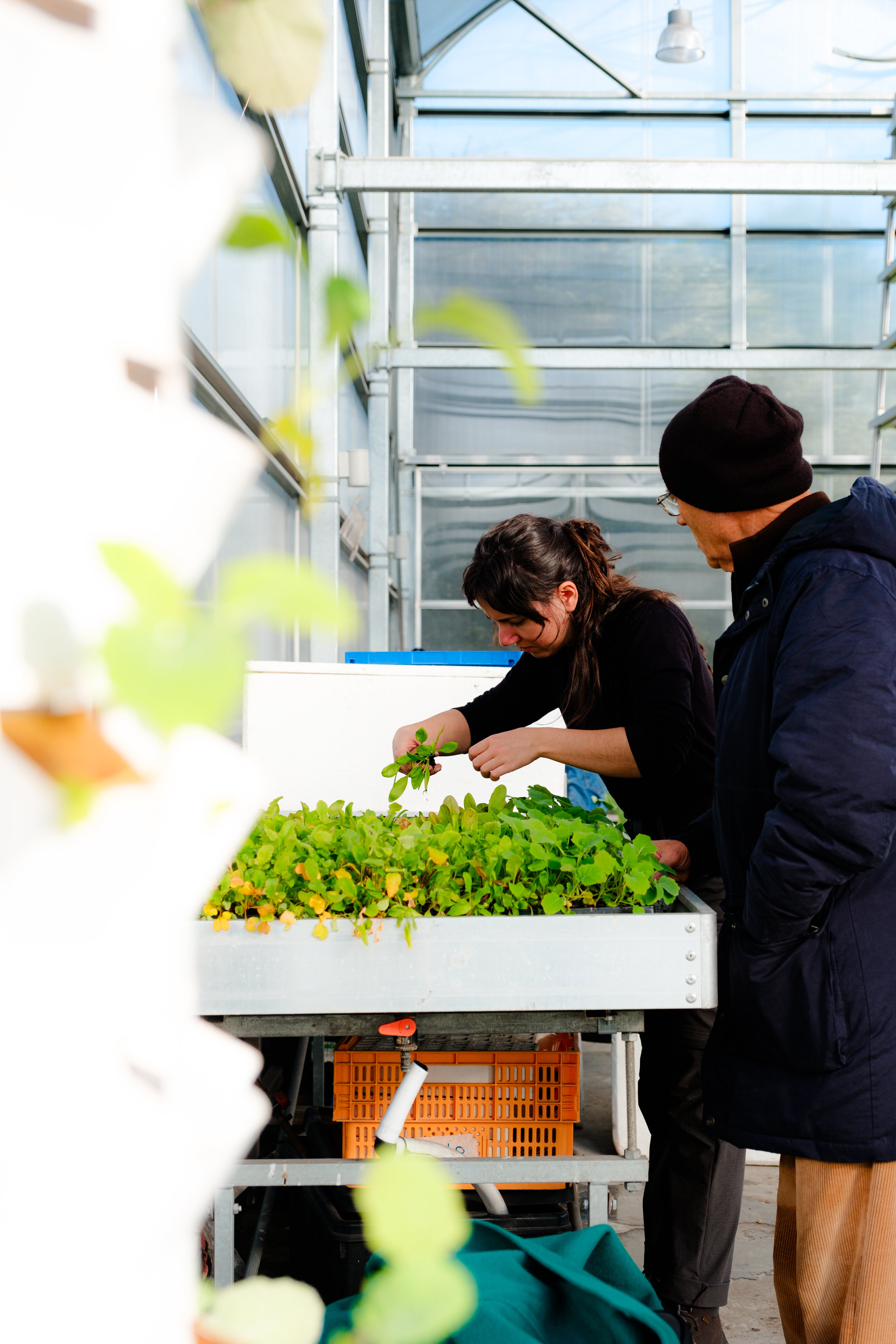
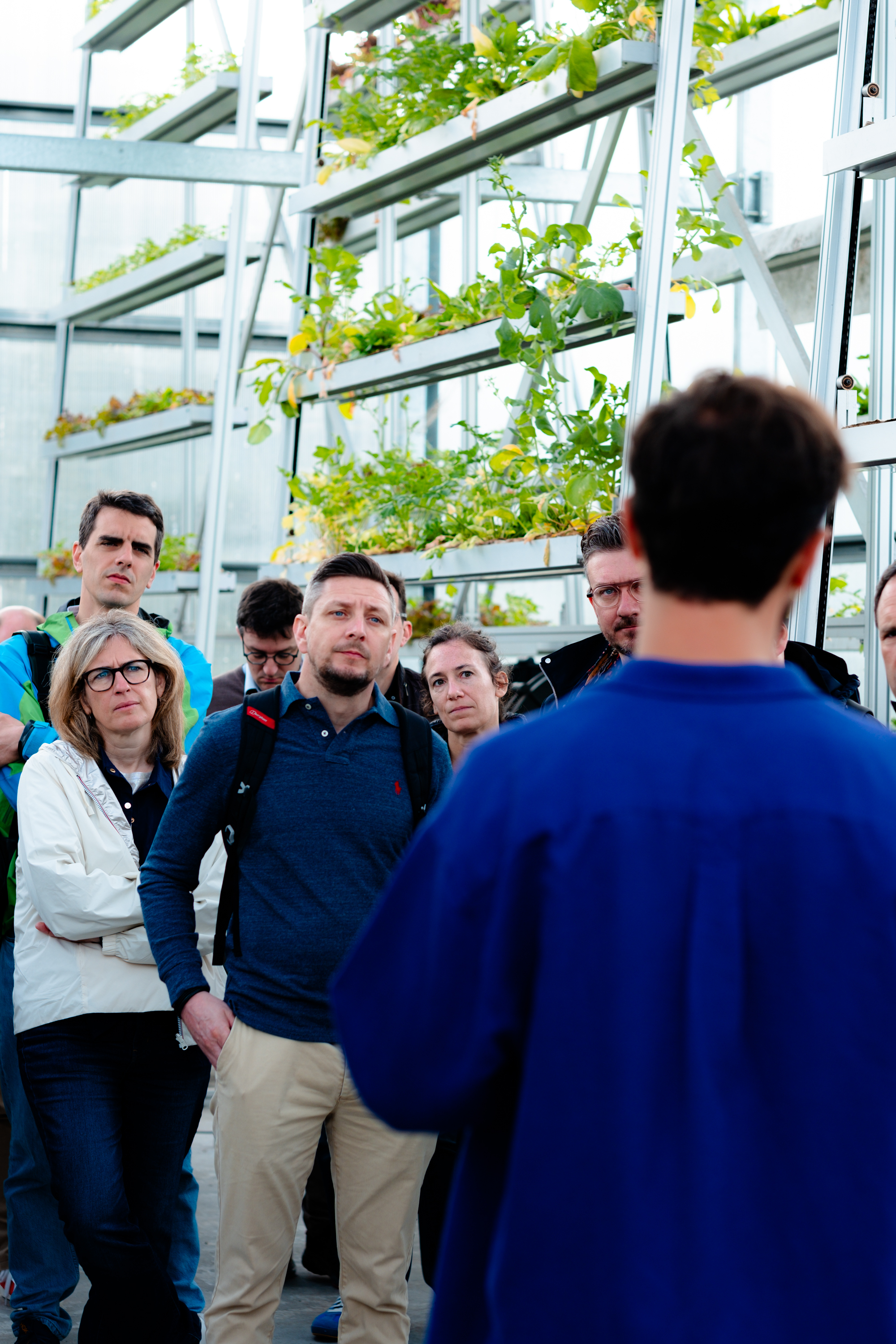
The project was developed as a collective initiative, involving citizens, community groups, local institutions and civil society organisations. Its foundation was built on collaboration between the municipality, parish council, social organisations, schools and active community members. The project was initially supported by municipal funding, which allowed the infrastructure to be built and the project to grow as a collaborative and community-owned initiative. During the design and planning phase, technical partners worked together with local stakeholders to define the greenhouse structure, the vertical farming system and the overall functioning model. This collaborative process ensured that the space would respond to local needs and be accessible and inclusive. In the implementation phase, community members became active participants in cultivation activities, including sowing, maintenance and harvesting. Children from nearby neighbourhoods, seniors from local centres, residents, NGOs and social institutions regularly take part in activities. Their involvement is not symbolic; it is rooted. Participants contribute to daily operations, seasonal planning and the organisation of workshops. It operates through a co-governance model, where decisions are shared among institutional partners and community representatives. Feedback mechanisms, ongoing dialogue and regular meetings ensure that the project evolves according to participants’ suggestions. This participatory structure gives community members real influence over outcomes. Civil society organisations play an essential role in outreach, logistics and food distribution. A significant portion of the harvest is donated to local food support organisations, reinforcing shared responsibility. Educational institutions also contribute through curricular and extracurricular activities, making the greenhouse a learning hub.
At the local level, the project is rooted in the community of Alvalade. Citizens, children from nearby neighbourhoods, seniors, local residents, schools, social institutions and civil society organisations actively participate in the Greenhouse. The Parish Council of Alvalade supported the implementation and helped maintain the greenhouse as a shared public asset. Community members are involved not only as beneficiaries but as co-creators, contributing to cultivation cycles, workshops and continuous feedback. At the municipal level, the project was initially supported by the Lisbon Municipal BIP/ZIP programme (Neighbourhoods and Priority Intervention Areas), which provided essential funding for infrastructure and start-up materials. The Municipality of Lisbon and the Parish Council were involved in the design and strategic alignment of the project within local urban and sustainability policies. Collaboration with the Lisbon Food Bank, as well as other local charities supporting people experiencing homelessness and vulnerable families, ensures coordinated distribution of fresh vegetables to those who need them most. NGOs such as Cycling Without Age enhance accessibility by enabling mobility-impaired participants to take part in activities. At the national level, “Sky to Table” contributes to food system transition efforts through its engagement with FoodLink - the network for food transition in the Lisbon Metropolitan Area. This participation supports knowledge exchange, advocacy and alignment with broader strategies for resilient and sustainable food systems in the Lisbon Metropolitan Area. At the European level, the project was inspired by experiences from CULTIVATE, a Horizon Europe initiative focused on sustainable food-sharing systems. In addition, its approach is aligned with the principles of the New European Bauhaus, ensuring coherence with EU priorities related to climate action, social inclusion and participatory governance.
During the design phase, architecture and urban planning shaped the integration of the greenhouse in the park, ensuring spatial coherence and accessibility. Mechanical engineering contributed to the implementation of the rotating vertical farming system, optimizing space efficiency and resource use. Environmental sciences informed sustainable strategies such as reduced water consumption, circular resource flows and ecological integration with the surrounding park. Sociology and social work helped structure the participatory and co-governance model, ensuring that inclusion and community needs were central to the project. In the implementation phase, collaboration became continuous and practice-based. Agronomic expertise guided crop selection, seasonal planning and production. Environmental knowledge supported biodiversity-friendly practices, composting and integration with natural systems. Educational professionals designed workshops, guided visits and farm-to-table activities, strengthening food and environmental literacy. Community members themselves contributed practical knowledge, daily maintenance and feedback, making the greenhouse a shared learning space. Children from disadvantaged communities participate in planting and climate-related learning; seniors engage in harvesting and intergenerational exchange; women at risk of exclusion cultivate and sell produce; and local gardeners use the space to improve seedlings and yields. Collaboration with the Lisbon Food Bank ensures that part of the harvest directly supports vulnerable families, reinforcing the project’s social and environmental mission. The added value of this process lies in innovation and systemic impact. By merging technological efficiency (vertical farming), ecological design (permaculture elements and biodiversity), and social inclusion (participatory governance and education), the project generates solutions that are environmentally sustainable and socially empowering.
The project was initially financed through the Lisbon Municipal BIP/ZIP programme, which enabled the construction of the greenhouse infrastructure and the start of activities. This public investment was fundamental to launching the project. The Parish Council of Alvalade also supported the initiative institutionally. Today, the greenhouse functions as a source of revenue while maintaining its strong social mission. One of its main financial pillars is the corporate volunteering programme and team-building activities. Companies are invited to participate in hands-on sessions inside the greenhouse, combining social impact and environmental learning. These activities generate income that is reinvested directly into the project and the community. The revenue generated through these partnerships covers essential operational costs, including seeds, materials, maintenance, utilities and coordination. Educational workshops, farm-to-table activities, guided visits and community events are developed as part of the project’s social and educational mission. While they strengthen engagement and impact, they are not a source of funding. The financial sustainability of the greenhouse is therefore ensured primarily through its corporate programmes, creating a balanced model where social value and economic viability reinforce each other.
The Community Greenhouse could serve as a model for other cities because it combines sustainable urban agriculture, inclusive governance and a self-sustaining financial structure in a public space. Its integrated approach addresses environmental, social and economic challenges simultaneously, making it adaptable to different contexts. One of the most transferable elements is the vertical farming technology. The rotating tower system maximizes production in limited urban spaces and contributes to climate resilience through significant water savings and improved efficiency. This model can be replicated in cities with space constraints, offering a practical solution for local food production in the context of the climate crisis. Another easily transferable component is the co-governance structure, which involves citizens, institutions and partners in shared decision-making. This participatory framework strengthens ownership, transparency and long-term engagement, and can be adapted to different communities. The project’s corporate partnership model is also scalable. Corporate volunteering, training and team-building activities generate the main financial resources, covering operational costs such as seeds, maintenance and materials. This diversified revenue model can be replicated in other contexts where partnerships between urban initiatives and companies are possible. The methodology of combining participatory governance, sustainable technology, education and financial diversification is the most transferable asset. Rather than offering a fixed solution, the project provides a flexible framework that can be adjusted to different neighbourhoods, cities and beneficiary groups.