Strengthening Local Democracy and Inclusion
Reti Blu
{Empty}
Reti Blu is a signage project designed for public and private spaces used collectively, catering to neurodivergent individuals, particularly those with autism, cognitive impairments, and sensory deficits.
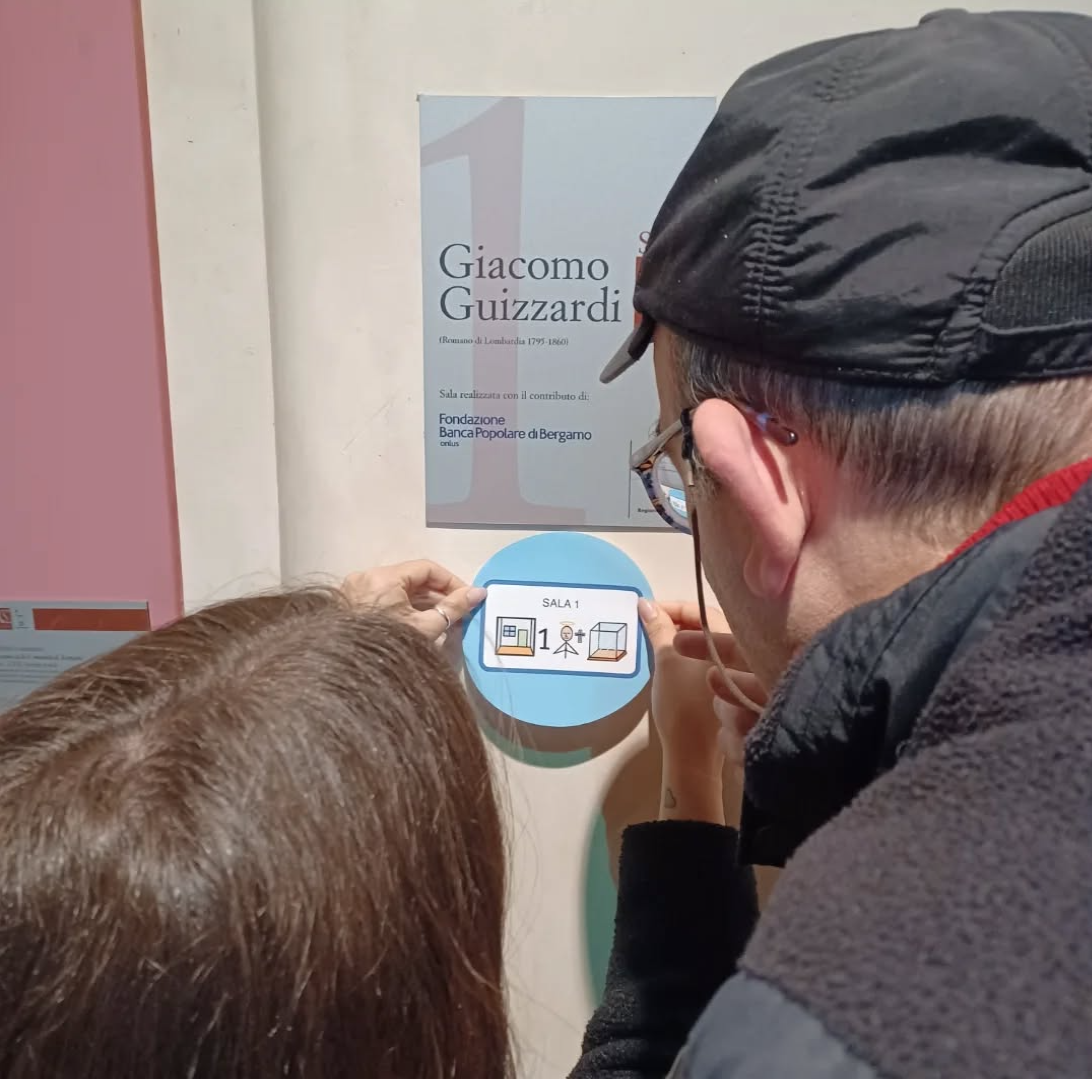
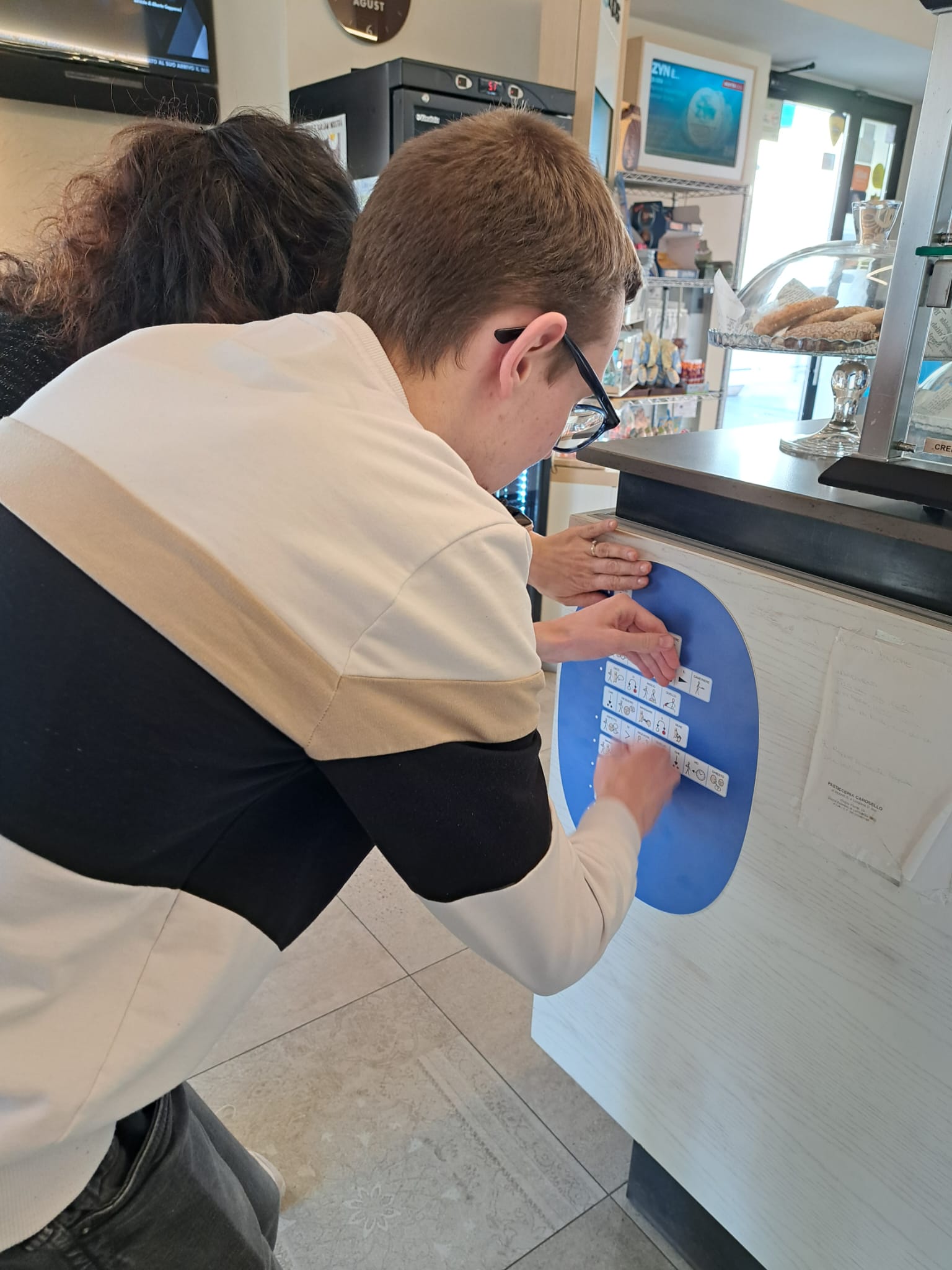
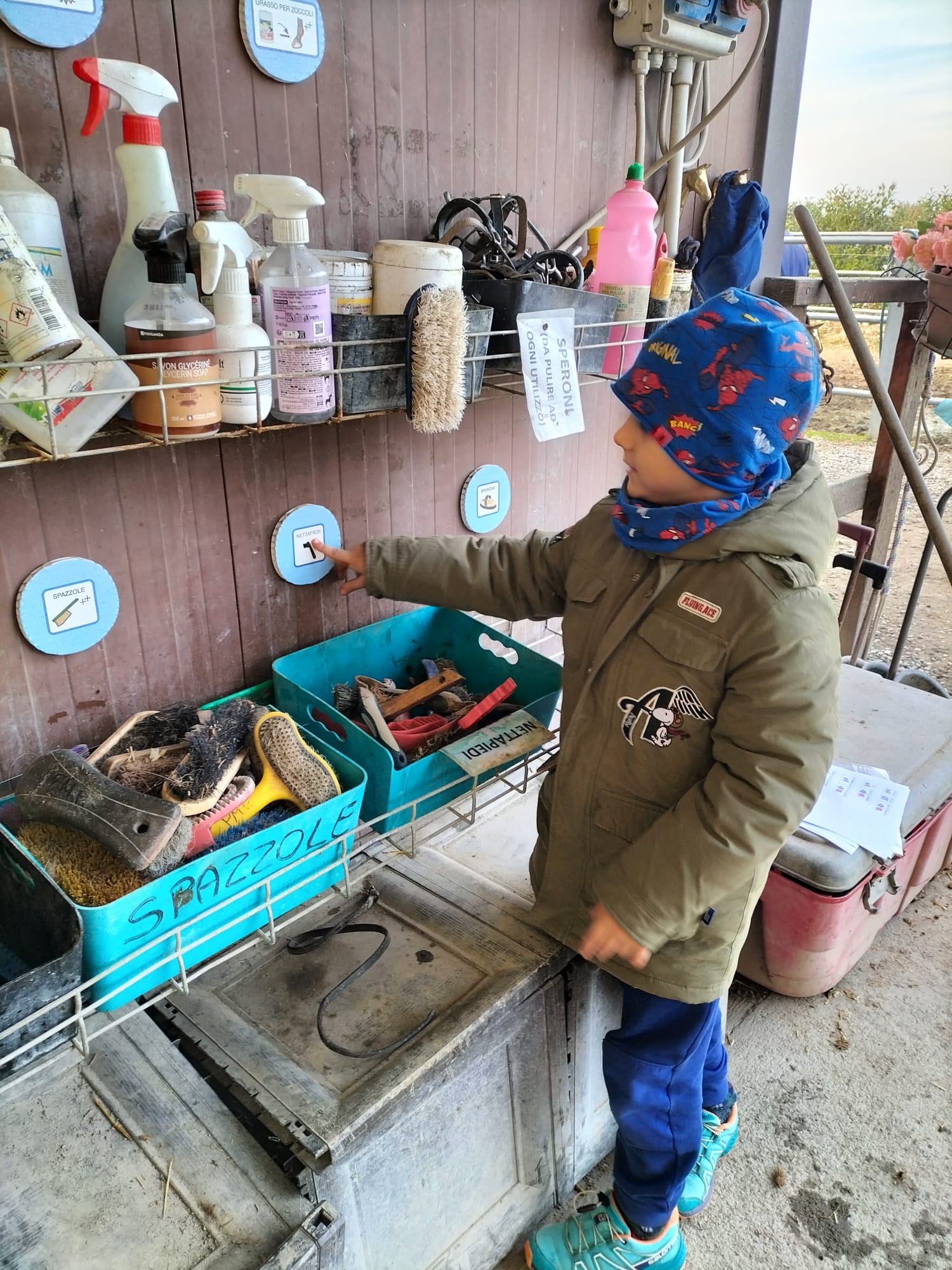
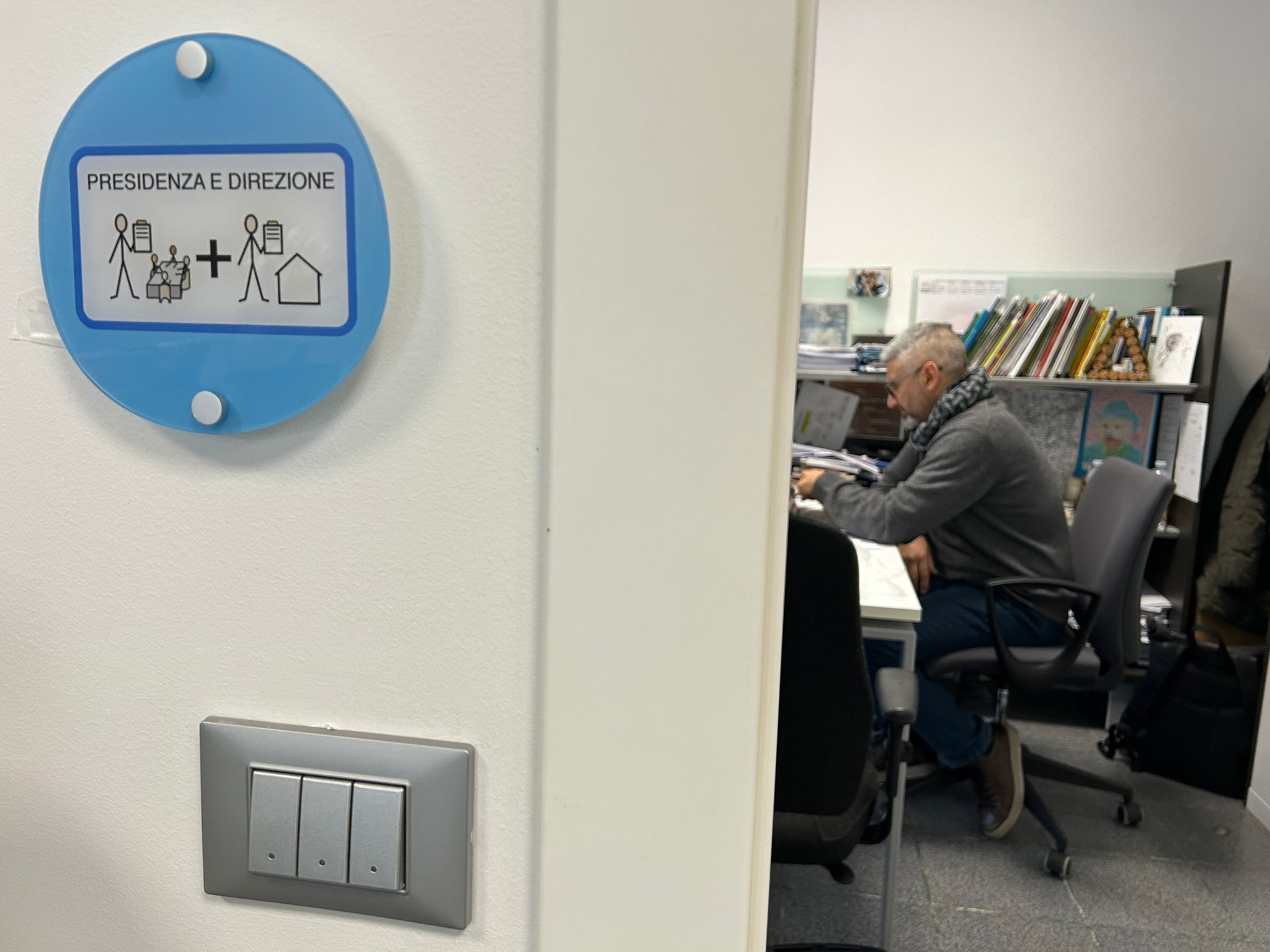
Focusing on the Augmentative and Alternative Communication (AAC), we used icons as the primary visual tool, to ensure inclusive access to social spaces, such as schools, cafés, local supermarkets, swimming pools, gyms, a ranch, municipal offices, and specialized services like Spazio Autismo.
Focusing on the Augmentative and Alternative Communication (AAC), we used icons as the primary visual tool, to ensure inclusive access to social spaces, such as schools, cafés, local supermarkets, swimming pools, gyms, a ranch, municipal offices, and specialized services like Spazio Autismo.
Italy
Local
The project is implemented in the Territorial Area of Romano di Lombardia (DGR 7504), covering 17 municipalities in the province of Bergamo (Italy).
Mainly urban
It involves a physical transformation of the built environment (hard investment)
Yes
2025-10-15
No
No
No
Organisation
Reti Blu is an inclusive signage project designed for public and private spaces used collectively, catering to neurodivergent individuals, particularly those with autism (at various levels of functionality), cognitive impairments, and sensory deficits.
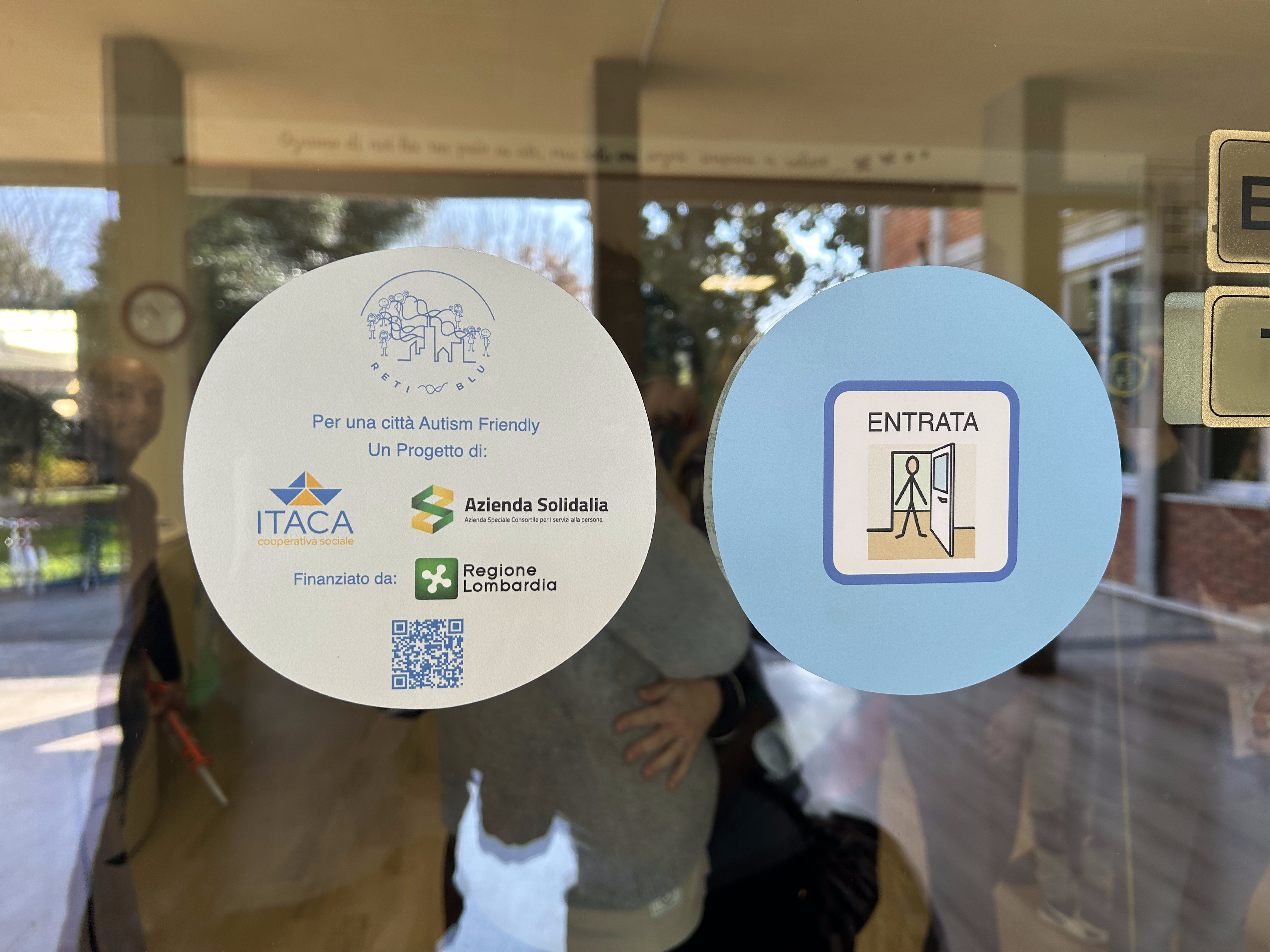
Promoted by Cooperativa Itaca with the support of Regione Lombardia, the project is implemented in the Territorial Area of Romano di Lombardia (DGR 7504), covering 17 municipalities in the province of Bergamo. It was developed by analyzing the daily routes of 30 children and adolescents attending Spazio Autismo, aiming to enhance their quality of life and foster greater independence. By structuring community-based pathways, these young individuals become more autonomous and are recognized as such by the community. The project successfully engaged:
20 families
60 teachers
100 classmates
150 peers and young people (ages 16–25)
20 elderly individuals
400 adults
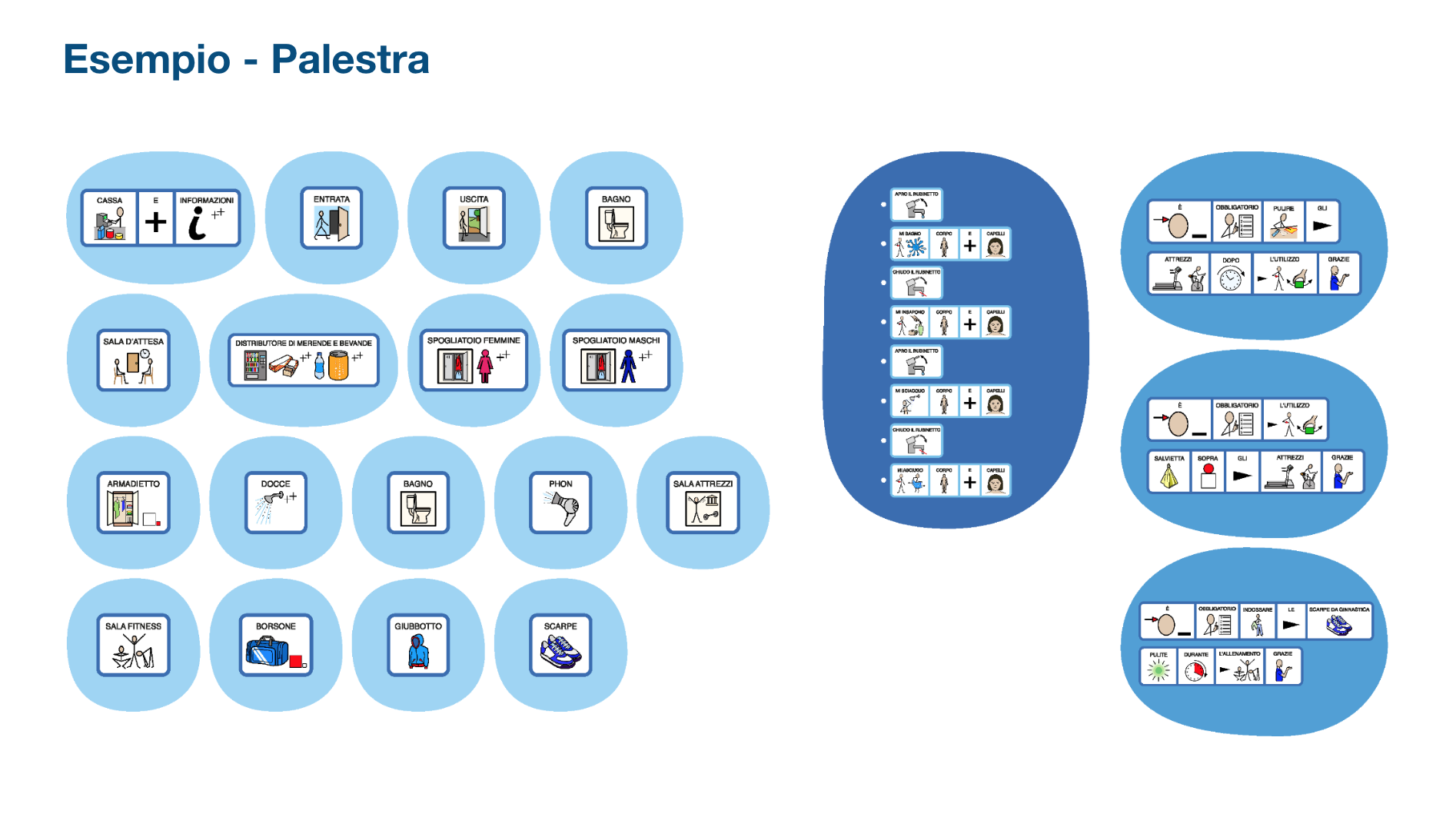
Developed by Studio Shift, Reti Blu involved parents, educators, Augmentative and Alternative Communication (AAC) specialists, and local business owners in co-creation sessions. The project resulted in a modular and adaptable signage system (composed of more than 600 signs), addressing the needs of people with disabilities. Key tools include:
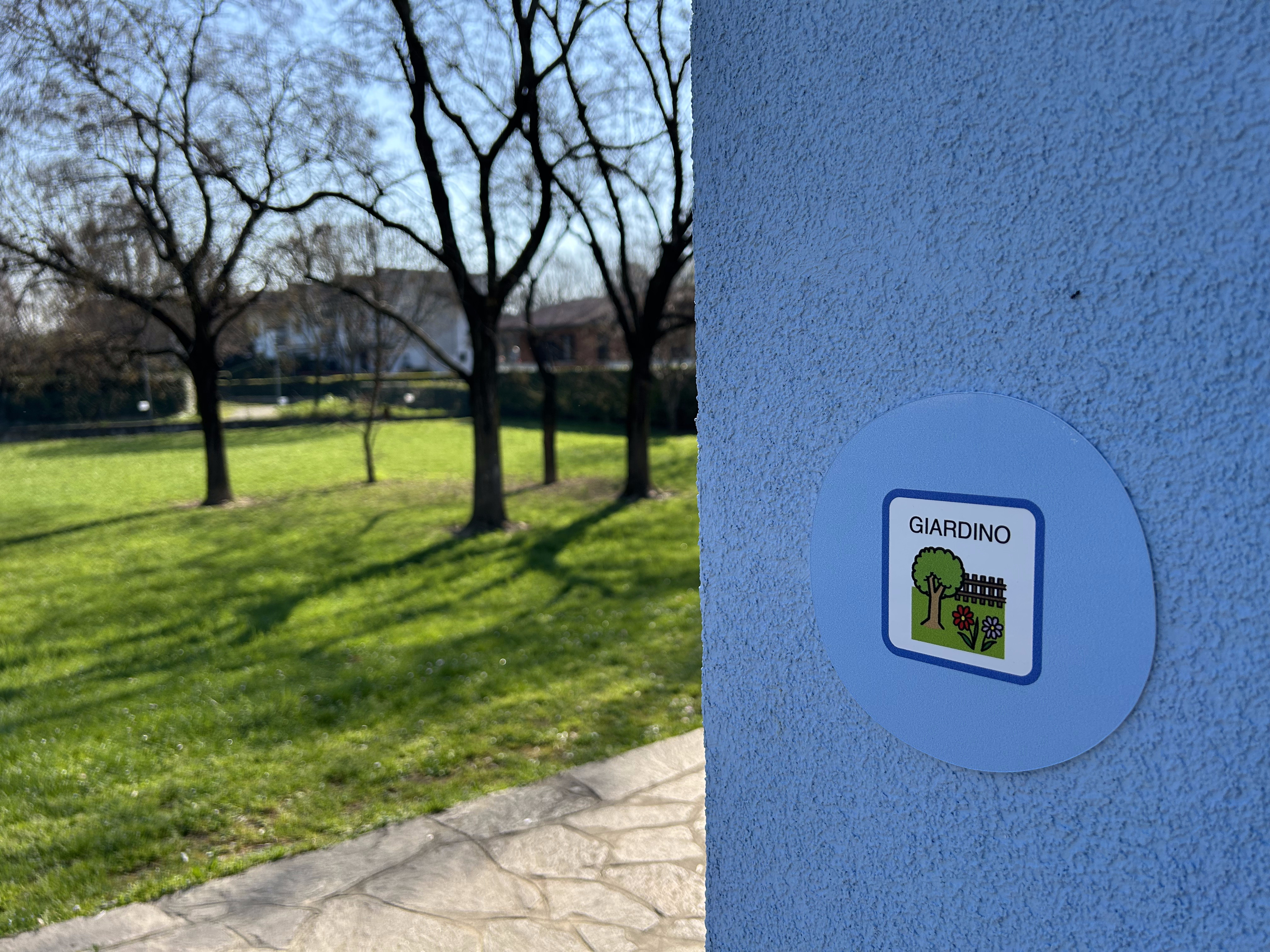
Spatial labels, to facilitate navigation
Behavioral guidelines, to support interactions in different settings
Spatial scripts, to promote autonomy
From a communication design perspective, Reti Blu integrates signage with AAC, using iconic language as the primary visual tool. This approach ensures inclusive access to social spaces, such as schools, cafés, local supermarkets, swimming pools, gyms, a ranch, municipal offices, and specialized services like Spazio Autismo.
Originally designed for autism and disabilities, this signage system also benefits pre-verbal children, the elderly, and non-native speakers, making the city more accessible and user-friendly for all.
Traditional urban signage systems do not accommodate cognitive and sensory diversity, often overlooking the needs of marginalised and neurodivergent communities, and reinforcing inequalities in access to essential services and social spaces.
The project builds on this need and, starting from an idea developed by Cooperativa Itaca, with the support of Studio Shift, has involved 17 municipalities neighbouring the territory of Romano di Lombardia.
Reti Blu introduces an innovative approach to urban accessibility by redefining signage as a cognitive and social enabler rather than a mere informational tool. The project introduces a groundbreaking model that incorporates AAC principles, behavioural guidelines, and spatial scripts, ensuring that individuals with special needs can navigate public spaces with greater autonomy. This model shifts spatial and urban design from standardised signage to inclusive communication, making it a pioneering initiative in the field of accessible design.
The project’s participatory design approach strengthens community engagement and ensures that urban spaces cater to all residents. While most accessibility interventions focus on retrofitting solutions, Reti Blu was co-designed from the ground up with families, educators, autism specialists, and local businesses. This participatory process ensured that the signage was not just compliant but genuinely useful and empowering.
Rather than isolating accessibility solutions within specialist environments, the project integrates them into everyday settings, from schools and shops to public offices and recreational spaces. This shifts the paradigm from exclusive special accommodations to an inclusive, universally accessible urban model.
Signage
Neurodivergence
Augmentative and Alternative Communication
Inclusive design
Social inclusion
Reti Blu embraces sustainability by developing modular, reusable, and eco-friendly signage. The project prioritises durable materials with a low environmental impact, ensuring long-term usability while minimising waste.
By creating a scalable, adaptable system, Reti Blu avoids single-use solutions and supports a circular design approach. The signage is cut within standard UNI ISO dimensions (A3, A4, and A5), specifically to reduce material waste and allow for custom applications through the combination of multiple small elements, ensuring flexibility and minimal environmental impact. Furthermore, enhancing accessibility reduces unnecessary urban modifications, leading to more efficient spatial planning and sustainable urban-signage development.
The system is cost-effective, requiring minimal infrastructure adjustments, making it financially viable for long-term implementation and replication. Through community co-design, the project strengthens direct stakeholder engagement (both families of disabled people and educators/places owners), ensuring that solutions remain relevant and “socially sustainable” over time.
The project refers to Ambition III of the NEB Compass, as it addresses social sustainability by promoting a paradigm shift. Through small-scale signage interventions in urban spaces, the project aims to make places in the city more accessible and inclusive for neurodivergent people, fostering environments that better respond to diverse cognitive and sensory needs.
Reti Blu integrates functional beauty with a strong emotional impact. The signage system is designed to harmonise with the existing places and urban landscape, creating a welcoming, intuitive, and aesthetically pleasing environment.
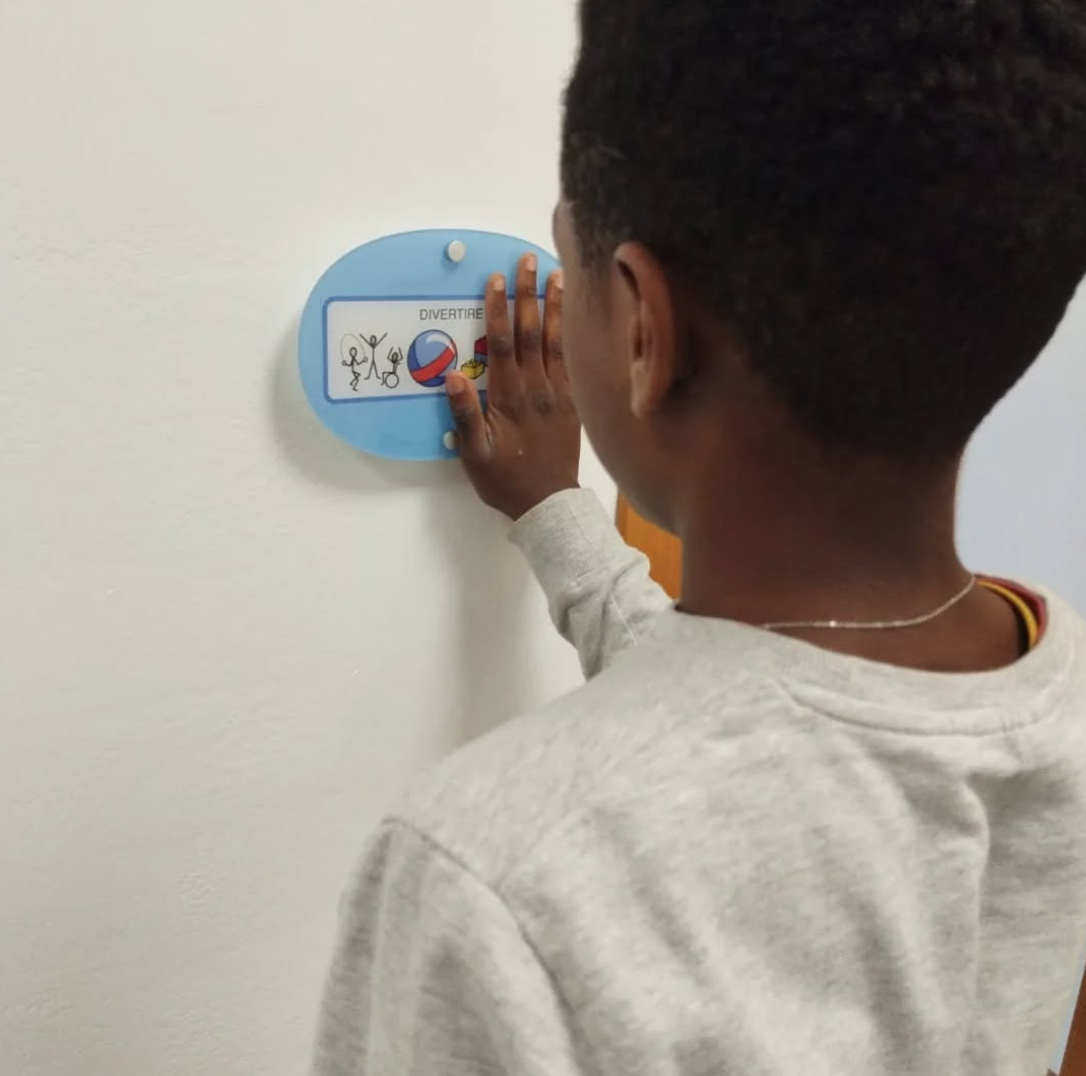
The use of Augmentative and Alternative Communication (AAC) icons creates an engaging and meaningful experience for users. AAC refers to a set of tools and strategies used to support or replace verbal communication for individuals with speech or language impairments. It includes symbol-based communication systems, such as pictograms and visual schedules, as well as gestural, electronic, and text-to-speech technologies. AAC enhances accessibility by providing a universal visual language, improving interaction, independence, and social inclusion.
The AAC system extends beyond individuals with autism, benefiting a wide range of users by enhancing comprehension, accessibility, and interaction in collective spaces. It is particularly useful for pre-verbal and young children, supporting early language development by providing visual reinforcement and helping them understand and follow instructions in schools, and play areas. Elderly individuals, especially those with age-related cognitive decline such as Alzheimer’s or dementia, can rely on AAC to navigate their environment and remember routines, while stroke survivors and those with degenerative conditions affecting speech also benefit from its structured visual cues. For non-native speakers and refugees, AAC acts as a universal visual language, helping individuals with limited proficiency in the local language to orient themselves in public services, transportation hubs, and commercial areas without relying solely on text.
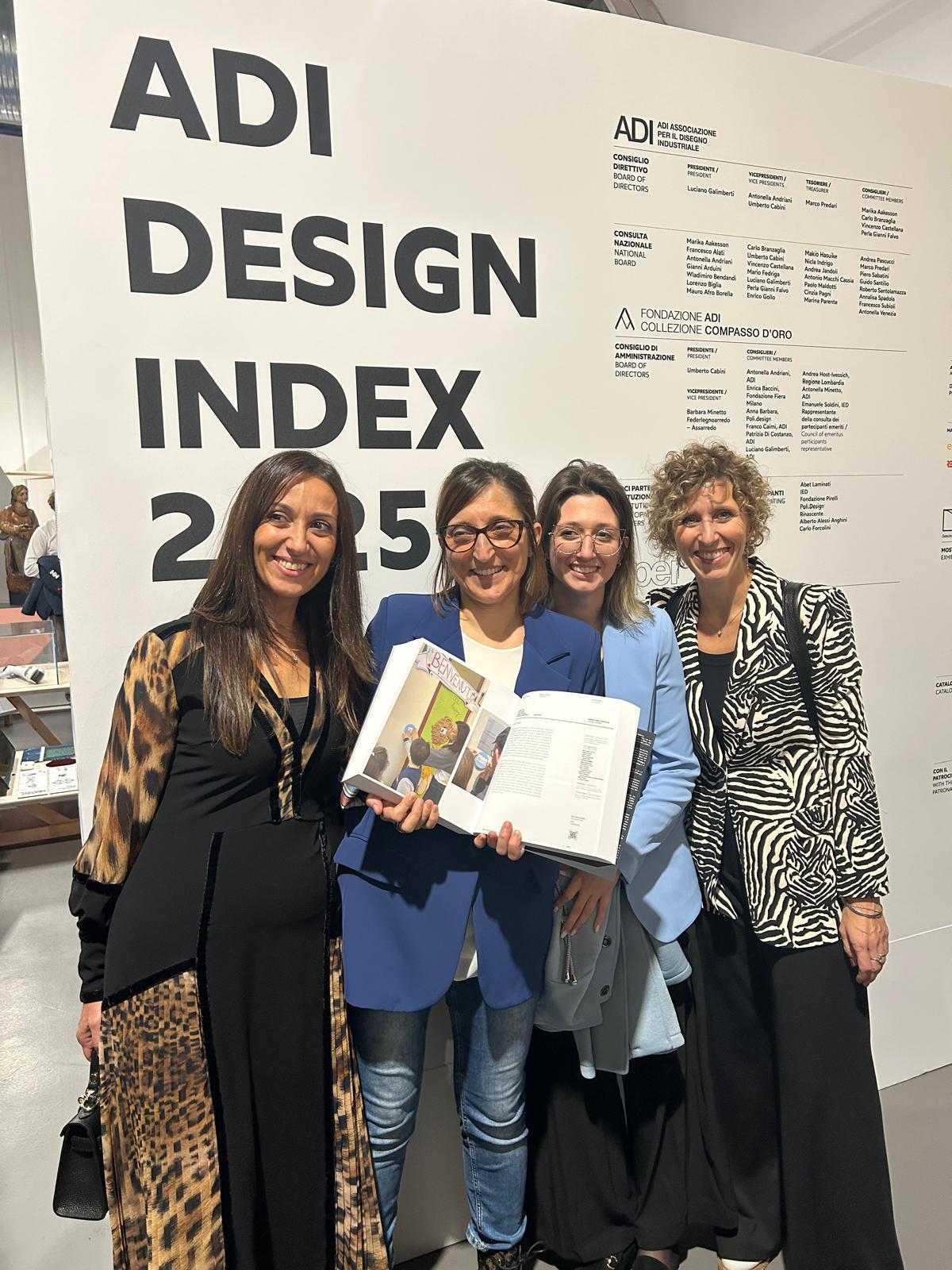
All these aspects were further highlighted by the project’s major achievement: it was selected as one of the 14 social design projects of 2024 by the ADI Index, Italy’s most prestigious design award.
Reti Blu is fundamentally designed to foster inclusion by making public and private spaces more accessible, navigable, and welcoming for neurodivergent individuals and a broader spectrum of users. The project’s key objective is to remove cognitive barriers in the spatial environment, ensuring that individuals with autism, cognitive impairments, and sensory deficits can independently access, understand, and interact with their surroundings (e.g. schools, public offices, shops).
The project was co-designed with families, educators, and AAC experts to ensure its usability across diverse public and private spaces. As said, the signage system benefits not only individuals with disabilities but also pre-verbal children, the elderly, and non-native speakers, making the city more accessible for all. Through its participatory approach, Reti Blu fosters community engagement, reducing social isolation and spatial segregation. It enables progressive autonomy, allowing individuals to navigate their surroundings independently and be recognised as active members of society.
The initiative has already engaged at least:
20 families
60 teachers
100 classmates
15 peers and young people (16–25 years old)
20 elderly individuals
400 adults
Beyond physical accessibility, the project fosters social inclusion by embedding neurodivergent individuals within the community. It strengthens the role of schools, and public services as active agents of inclusion, enabling them to better serve diverse populations. The involvement of local shop owners and public service providers in the co-design and implementation process ensures that the city becomes a more participatory, empathetic, and inclusive environment.
Reti Blu sets an exemplary standard in inclusive urban design by demonstrating that accessibility is not an add-on but an integral part of sustainable and human-centered space planning.
Reti Blu is built on a deeply participatory approach, ensuring that the voices of those who benefit from or are affected by the project directly shape its development. The project actively involved families, educators, autism specialists, local businesses, and public administrators from the earliest design phases, fostering a sense of ownership and ensuring that the solutions created truly respond to real needs. This participatory approach ensured that the signage system was tailored to real needs and fostered a sense of community ownership.
A key element of citizen involvement was the co-creation process, where parents, teachers, therapists, and shop owners participated in workshops to define the most effective signage system. This inclusive method allowed for the identification of key navigation and communication challenges faced by neurodivergent individuals and led to the design of spatial labels, behavioral vademecums, and scripted spatial interactions that directly improve daily life in the community.
A network of informed and supportive spaces where neurodivergent individuals can navigate with greater confidence and autonomy has been created. By engaging local businesses and public services, Reti Blu ensured that shopkeepers, municipal employees, and service providers became active participants in fostering a more accessible city, and raising awareness about neurodiversity. The involvement of local schools has also been crucial, with students, teachers, and peers participating in awareness-building activities after signage installments. This has strengthened community bonds and reduced social stigma, allowing neurodivergent children and young adults to be more fully integrated into everyday life.
The project’s success in improving accessibility and social integration demonstrates the power of participatory urban design and highlights how an inclusive approach can lead to more welcoming, supportive, and resilient cities.
The involvement of multiple actors, from public administrators to local shop owners, demonstrates a holistic approach to urban transformation. By ensuring that the signage system was not imposed from the outside but rather developed with and for the community, Reti Blu has fostered a cultural shift towards greater inclusivity and shared responsibility. The project bridges the gap between local governments, social organisations, and private stakeholders, facilitating an effective horizontal and vertical exchange.
At the regional level, the project was supported by Regione Lombardia, which provided institutional backing and funding, ensuring that Reti Blu could be implemented across a significant part of the 17 municipalities of the Romano di Lombardia territorial area. This engagement helped integrate the project within broader accessibility and social inclusion policies, making it a scalable model for other local areas or at Province scale.
At the national level, Reti Blu contributed to Italy’s broader efforts in inclusive spatial and urban design, strikingly related to accessibility policies. The term “Blu” (Blue) refers to the various and numerous “Blu” networks in Italy that promote autism-friendly cities through a range of initiatives, which our organization has joined and aims to scale up.The project aligned with national strategies promoting disability rights and social inclusion, serving as an exemplary case study for other cities seeking to improve accessibility for neurodivergent individuals.
At the European level, Reti Blu resonates with the New European Bauhaus values, demonstrating how inclusive design can enhance public spaces sustainably and beautifully. The project contributes to European discussions on urban accessibility, participatory governance, and social inclusion, offering a replicable model for cities across Europe.
Reti Blu was developed through a transdisciplinary approach, integrating expertise from design, neuroscience, urban planning, education, and social sciences. The interaction between these fields ensured that the project addressed both the practical and cognitive needs of neurodivergent individuals while fitting seamlessly into the urban environment.
By combining scientific research, design expertise, and lived experiences, Reti Blu represents a truly transdisciplinary initiative. Neuroscience and autism specialists provided insights into how neurodivergent individuals perceive and interact with their surroundings. Their expertise guided the choice of colours, symbols, spatial positioning, and sequencing of signs, making navigation more intuitive and reducing cognitive overload. Graphic and spatial design played a key role in developing a clear, aesthetically pleasing, and intuitive signage system. Designers worked alongside specialists in Augmentative and Alternative Communication (AAC) to ensure that visual elements were universally understandable and adhered to established communication standards. Educators and social workers played a crucial role in testing and validating the system. By working directly with children and adults with autism, they provided real-world feedback, ensuring that the signage system met practical needs and supported greater autonomy in daily life.
Collaboration between these disciplines was continuous and dynamic, facilitated by co-creation workshops where specialists and end-users came together to refine the system iteratively. This process bridged the gap between academic knowledge and lived experience, ensuring that the final design was both scientifically sound and deeply practical.
The project is based on a collaborative, replicable model combining public funding and local stakeholder involvement. The initial implementation, which included the identification, translation (in AAC language) and the aestethic design of the accessibility-oriented signage system, was financed through a public call from the Lombardy Region: the project involved producing and installing over 600 signs suitable for a range of establishments, including bars, gyms, ranches, museums, schools, libraries and municipal offices. Beyond the development of the methodology and design process, this funding also supported the production/installation phase across several sites within the participating municipalities.
The installed signage is currently maintained by the owners or managers of the sites on which it is located. This distributed maintenance model enables the project to remain sustainable in the long term, as responsibility for maintenance is shared among local stakeholders who benefit directly from more accessible and inclusive spaces.
The project currently does not generate direct revenue. However, it has the potential to do so in the future by providing consultancy services. In the long term, we hope to offer a platform through which other municipalities, cultural institutions and private organisations interested in improving accessibility could easily select and order elements from our inclusive signage catalogue. They would only pay for the on-demand production of the selected components.
Finally, the project introduces an element of disruptive innovation in urban development. While accessibility policies often focus primarily on physical disabilities, cognitive and neurodivergent needs are frequently overlooked. By addressing cognitive accessibility in public spaces, the project expands our understanding of what inclusive urban design can and should encompass.
Reti Blu’s approach is highly replicable and transferable across different locations, beneficiary groups, and contexts. The solution is scalable and adaptable to different collective spaces and services, both in urban and rural settings.
Like Italian Sign Language (LIS) and other national sign languages, Augmentative and Alternative Communication (AAC) is widely used across Europe and is based on shared symbols, although there may be minor local variations. One of the most widely used symbol systems internationally is the PCS (Picture Communication Symbols) system, which has adaptations in different languages. Other commonly used systems include Widgit, ARASAAC, and Blissymbols, which are recognised in various European countries and beyond. However, some local variations may arise due to linguistic, cultural factors or the preferences of users and institutions adopting the system. This flexibility makes AAC a powerful tool for inclusion, as it facilitates communication between people with different needs and linguistic backgrounds without being rigidly tied to a specific language.
Many accessibility interventions are high-cost and context-specific, making them difficult to implement on a broader scale. Reti Blu’s modular, cost-effective system is scalable and easily replicable in other cities. The model aligns with international best practices in inclusive urban design and can be integrated into broader policies promoting social equity and universal access. The signage framework can be adapted to different cultural and architectural contexts, making it a high-impact, transferable solution for urban accessibility worldwide.
Beyond autism, the AAC-based signage benefits a broad range of users, including young children, elderly individuals with cognitive decline, non-native speakers, and people with temporary disabilities. This universality makes the system applicable in diverse settings, such as schools, healthcare facilities, transport hubs, and workplaces.