Arts, Culture, and Heritage as Drivers of Change
Time is Foraging, let´s play
Time is Foraging, Let’s Play: Art, Nature and Homeless Voices Reclaiming Urban Space
“Time is Foraging, Let’s Play” is an eco-artistic project bringing together people experiencing homelessness to explore overlooked urban green spaces as shared places of learning and expression. Through botanical walks, workshops and a public performance, participants engaged with spontaneous vegetation and sensory qualities of these landscapes. Marginal spaces became places of attention and creativity, shifting perceptions of homelessness from invisibility to presence and cultural agency.
Portugal
Local
Amadora, Lisbon Metropolitan Area
Mainly urban
It involves other types of transformations (soft investment)
Yes
2025-11-25
Yes
Creative Europe
No
No
Organisation
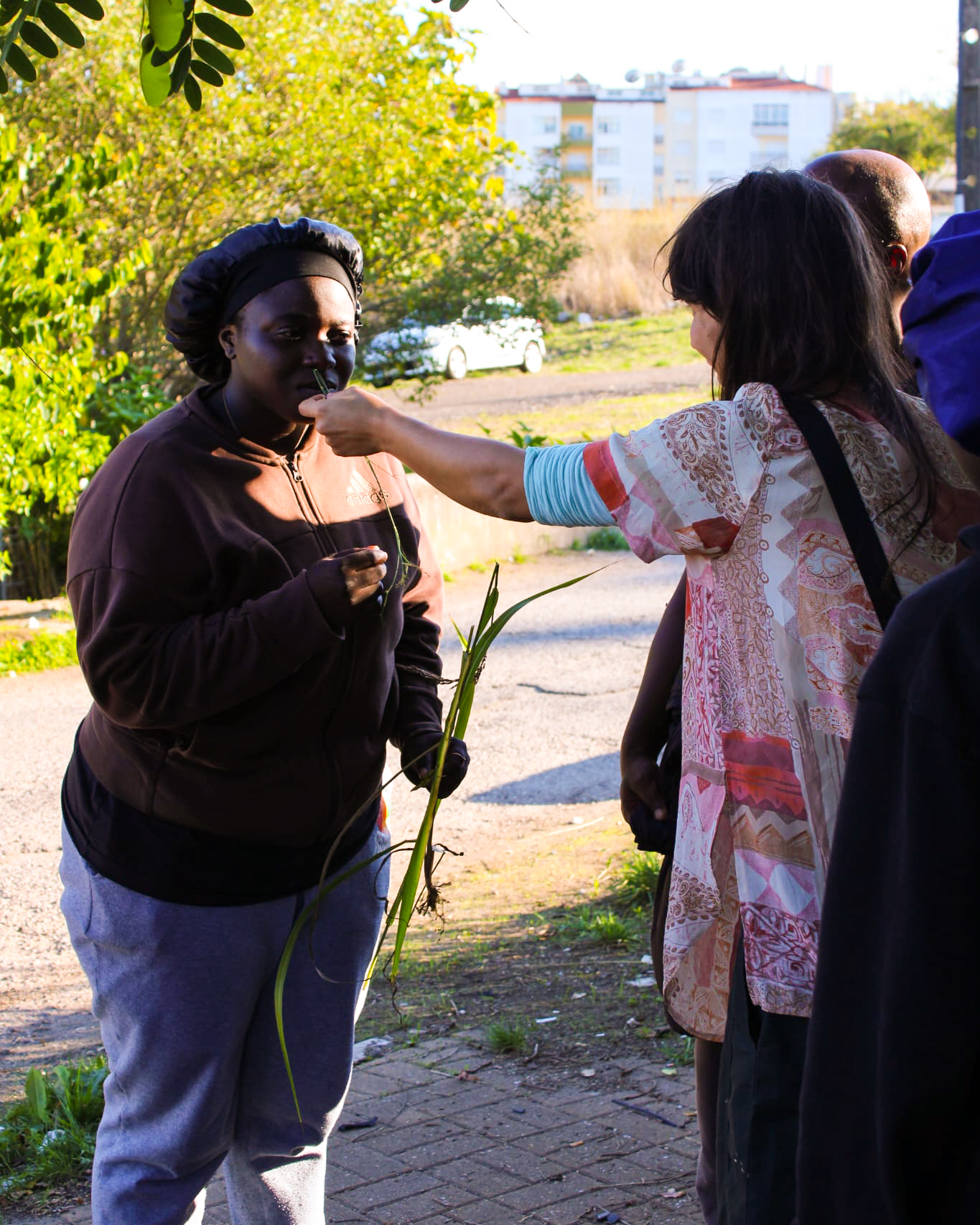
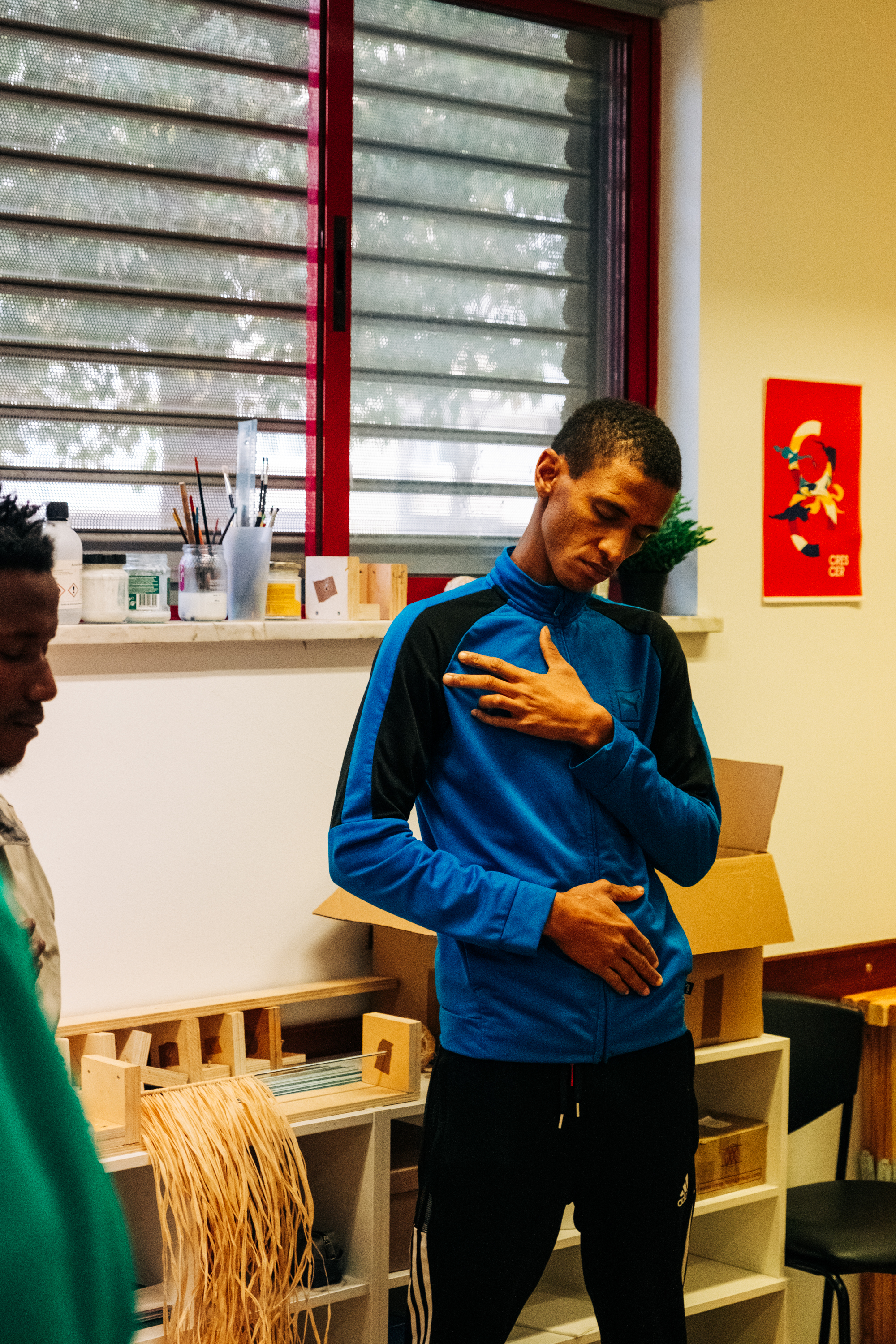
“Time is Foraging, Let’s Play” is an artistic and ecological project implemented in Amadora (part of Lisbon Metropolitan Area) and promoted by Upfarming in collaboration with CRESCER - Associação de Intervenção Comunitária. The project addressed the growing disconnection between vulnerable urban populations and nature, food systems and shared public spaces. Its main objective was to restore visibility, agency and ecological belonging among people experiencing homelessness, originally from African Countries of Portuguese Official Language (PALOP), by transforming common urban green areas into spaces of learning, artistic creation and collective presence. Eight participants (aged between 25 and 45) engaged in a Botanical Walk exploring spontaneous vegetation in unused public land, reconnecting with memories of agricultural practices and food cultures from their countries of origin. This was followed by six Body and Voice workshops integrating movement, voice, drawing and collective reflection, culminating in a public site-specific performance attended by 20 people and reaching over 4500 online, through social media. The project generated outcomes at both individual and spatial levels. Participants demonstrated increased ecological awareness and a sensitivity to their surrounding environment, alongside a reinforcement in self-confidence. A forgotten patch of urban green space was transformed into a temporary cultural stage, revealing its potential as a site of learning, creativity and collective presence. Through the shared workshops and public performance, a powerful community emerged, grounded in care, trust and co-creation. Most significantly, the project shifted public perception by reframing homelessness: participants moved from a position of social invisibility to one of authorship and artistic agency, occupying public space not as overlooked bodies, but as creators and cultural contributors.
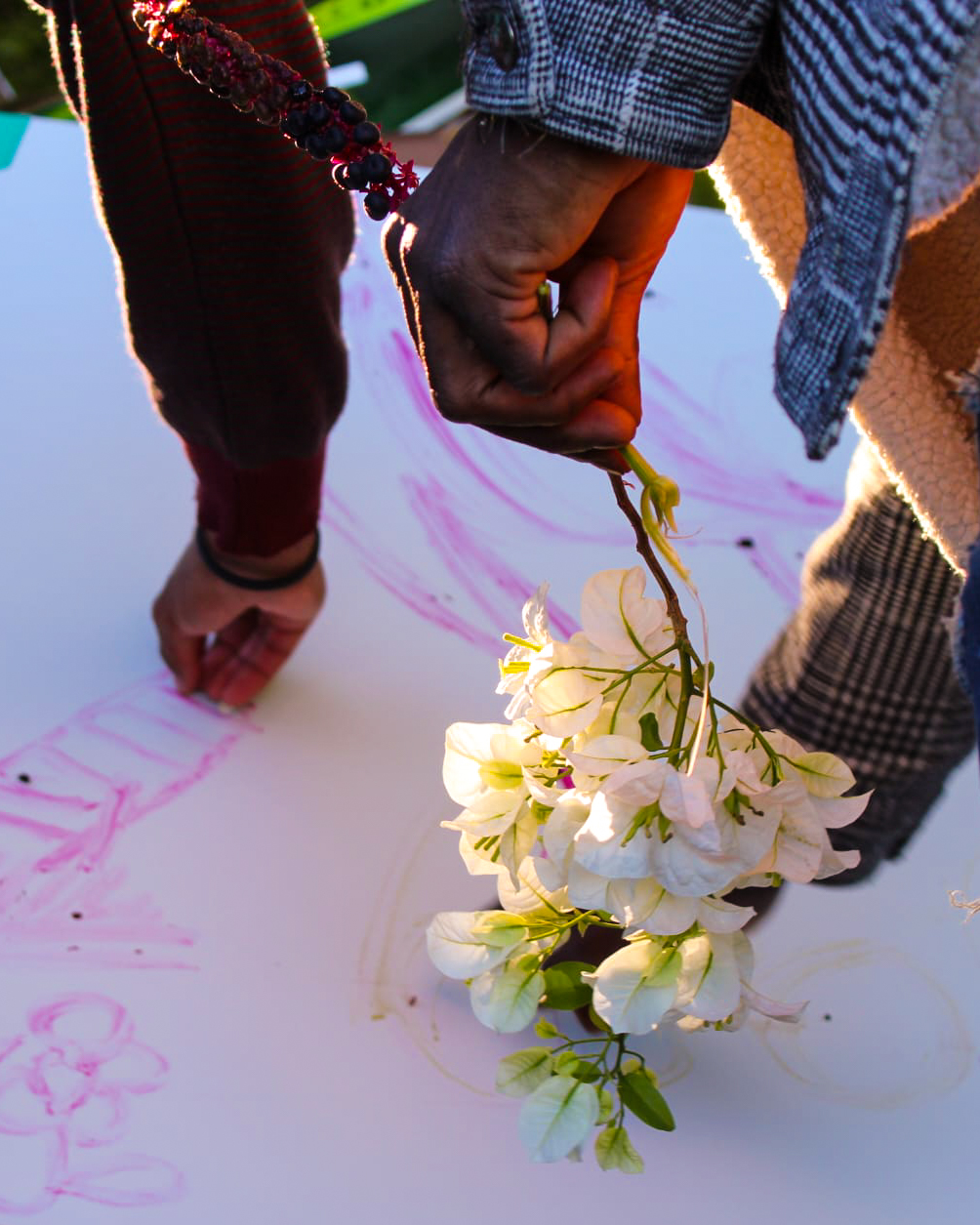
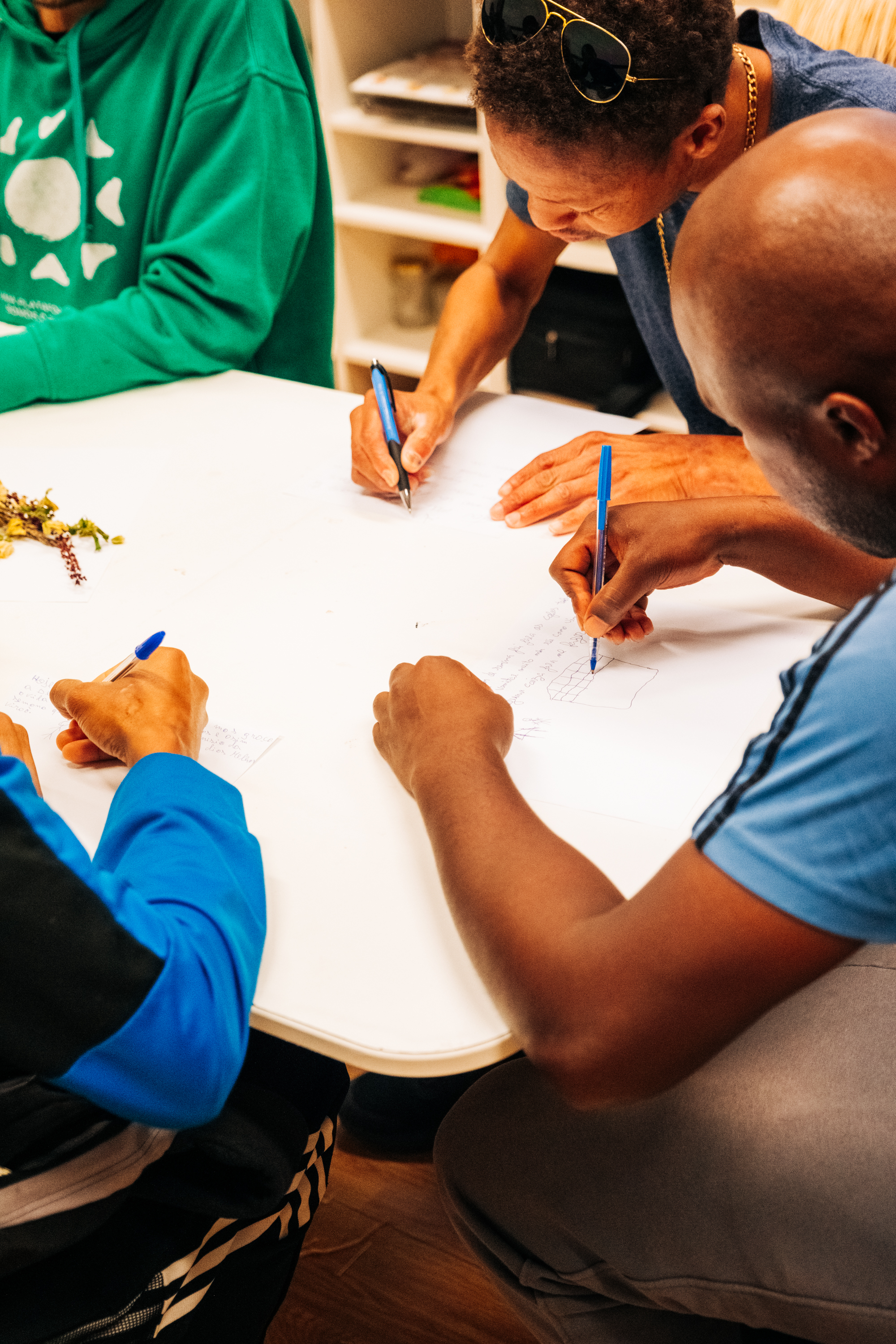
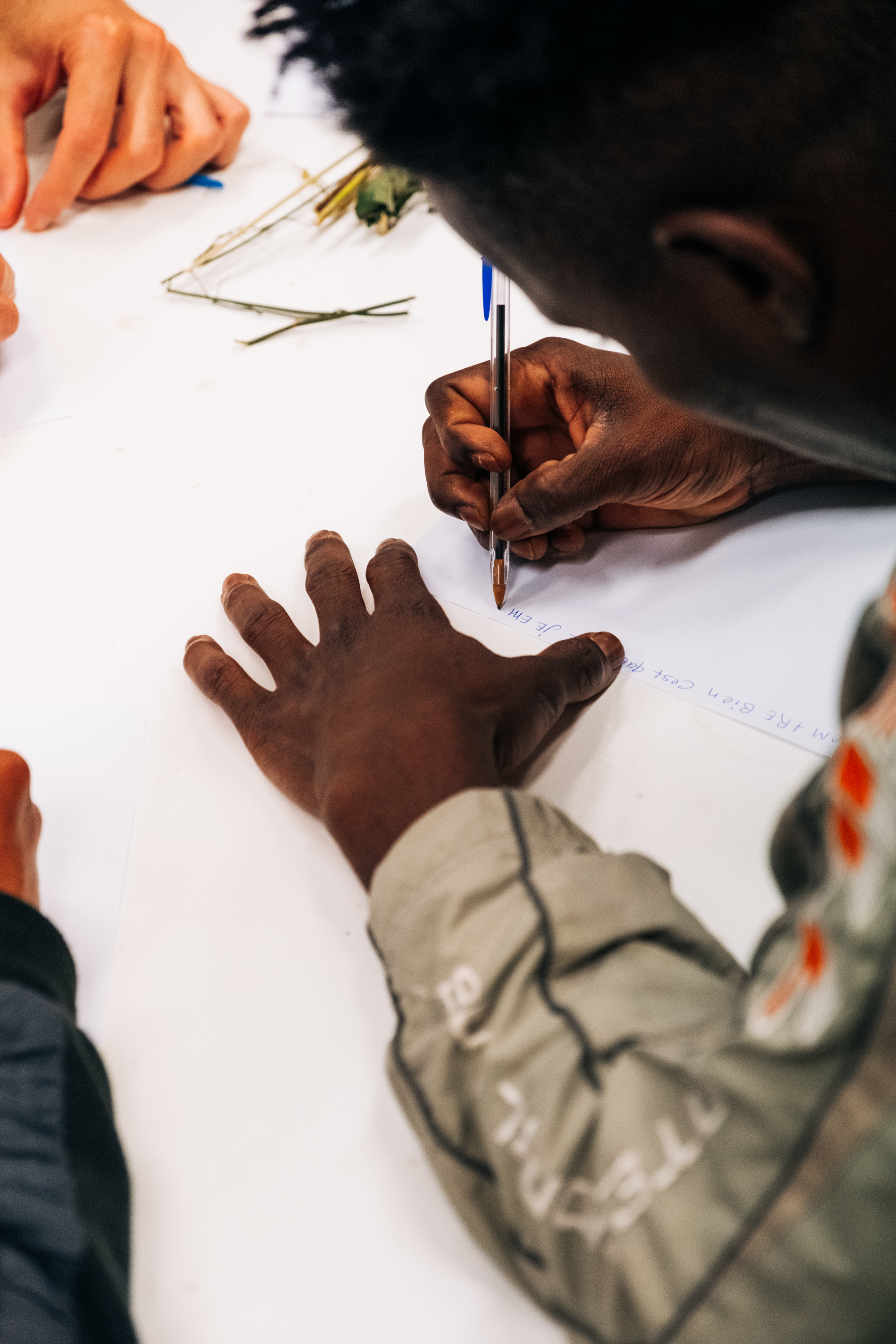
“Time is Foraging, Let´s Play” emerged from the observation of two parallel realities: the persistent invisibility of people experiencing homelessness and the widespread presence of underused green common land in urban areas. Together with CRESCER, a local association dedicated to supporting people experiencing homelessness, as well as local artists and a biologist, we asked how these overlooked spaces could become sites of ecological reconnection and artistic expression. It was designed through a participatory framework in collaboration with CRESCER, and more specifically with the local artist and social worker responsible for artistic activities in the organisation. It also involved an artist and biologist, whose interventions were carefully designed and adapted to the social context. Participants were not passive beneficiaries, as they co-designed the performance and influenced the structure and content of the workshops. Adaptability was essential due to participants’ vulnerability and unstable attendance, and the process remained flexible throughout. The process unfolded in three phases. The first phase, the ecological encounter, consisted of a Botanical Walk, led by a biologist-botanist who invited participants to explore spontaneous urban flora through sensory observation, collective memory-sharing and plant identification. The second phase, the six weekly Body & Voice workshops, integrated somatic practices, improvisation, drawing, writing and dialogue. Participants collectively shaped the content, contributing with personal memories, cultural references and reflections on their relationship with public spaces. The last phase, celebration and public activation, culminated in a 15-minute improvised outdoor performance in the same green area, preceded by a communal breakfast prepared with locally produced vegetables cultivated in Upfarming projects.
Participatory arts
Ecological literacy
Urban green spaces
Social agency
Inclusion
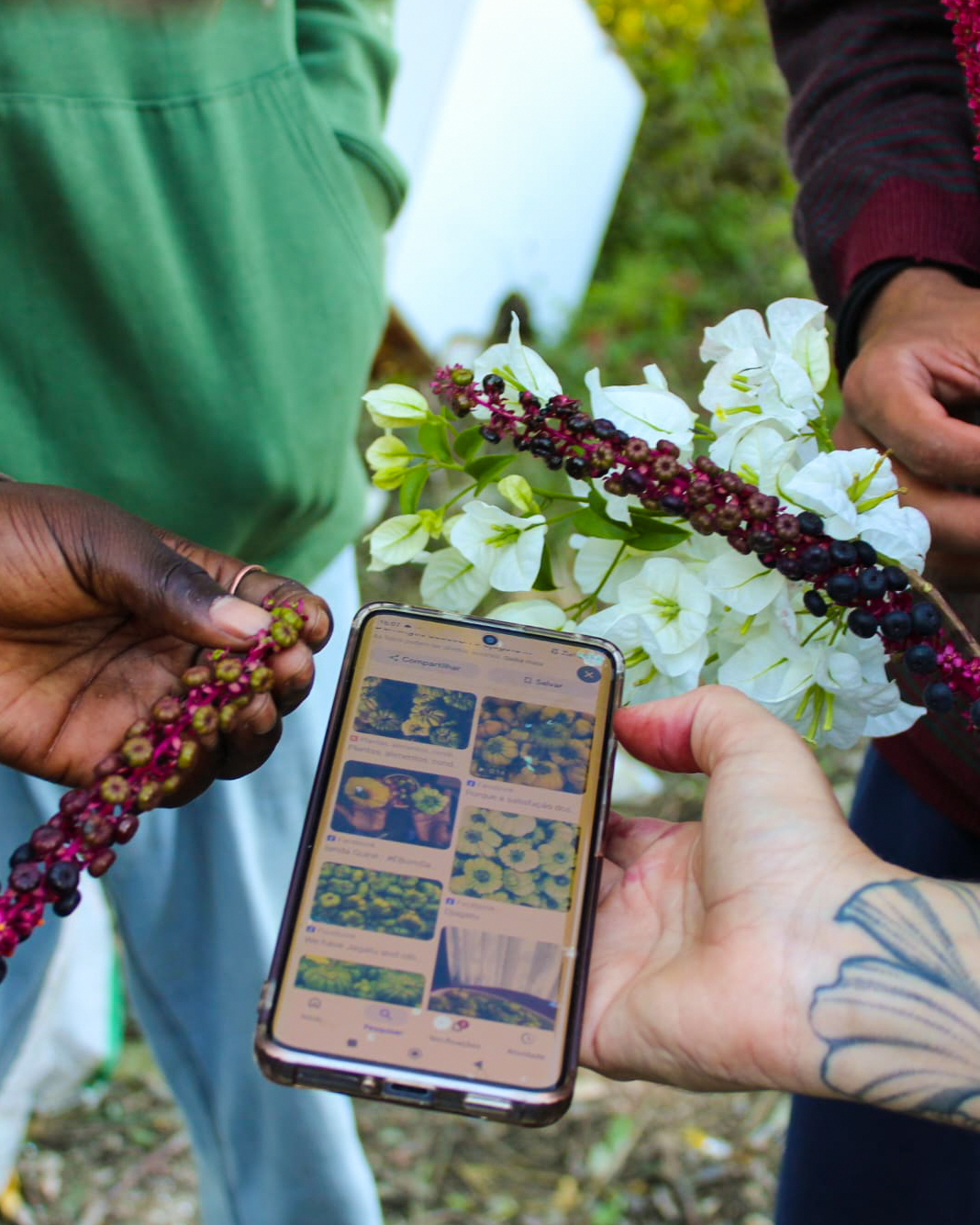
The project addressed sustainability as an integrated environmental, social and cultural practice. The main objective of the intervention was to reconnect participants experiencing homelessness with urban green spaces while transforming neglected ecological areas into sites of learning, creativity and shared responsibility. Rather than treating sustainability as an ecological dimension, we approached it as a relational process between people, places and memory. It reactivated a common land as a site of ecological literacy. Through a guided Botanical Walk, led by a botanist, participants identified and explored spontaneous vegetation, including both edible and non-edible species such as brambles, apple mint, Johnson grass, rosewood and Mexican pokeweed. This hands-on exploration encouraged a deeper understanding of urban biodiversity and demonstrated that overlooked land can function as an ecological infrastructure. By engaging directly with local flora, participants developed awareness of seasonal cycles, plant diversity and the potential value of forgotten spaces. During the walk, memories emerged, linking migration heritage with urban ecology. Participants shared experiences of family gardens and food cultivation, transforming personal history into collective artistic material. This connection between heritage and environment created open conversations on food systems, land use and shared spaces. Actions included foraging-based environmental education, site-responsive artistic creation in outdoor environments, and the use of locally grown vegetables for communal gathering. These strategies were low-impact and used existing community structures. The outcomes include 8 beneficiaries, the activation of public green space as a cultural site and observable ecological awareness among participants. The exemplary character of the project lies in demonstrating that sustainability is not only technological or infrastructure-based, but also relational.
The aesthetic objective of the project was to reveal beauty where it is usually overlooked. It sought to transform the way an existing informal green space was perceived and experienced. A small and often ignored urban patch became a place of attention, encounter and expression. By slowing down and engaging with colours, textures, scents and sounds during the Botanical Walk, participants rediscovered the sensory richness of spontaneous vegetation and urban biodiversity. The Body and Voice workshops deepened this transformation through artistic practice. Movement, voice, drawing and improvisation were used to explore the relationship between body and landscape. The final outdoor performance did not impose a stage onto the space. Instead, it allowed the space itself to become the scenography. Plants, soil, light and surrounding sounds were integrated into the artistic action. Thus, culture and environment were not separated, but experienced together. The project stimulated the senses in simple but meaningful ways: touching leaves, smelling mint and wild plants, listening to water, and observing changing light. These embodied experiences created moments of well-being, comfort and presence, especially for participants whose daily lives are marked by instability. Culturally, the project reactivated memories of agricultural practices and food traditions from PALOP countries, allowing personal heritage to find expression. Its exemplary character lies in demonstrating that aesthetics can emerge from attention, participation and lived experience rather than material investment. By revealing beauty in marginal spaces and positioning vulnerable individuals as cultural creators, the project showed a deeply human and inclusive understanding of what makes urban life more meaningful and beautiful.
Inclusion was not an additional component of the project; it was rather its starting point. The initiative was developed with and for people experiencing homelessness, a group that is often excluded from cultural life, climate conversations and decision-making processes related to public space. The objective was to create conditions where participants could take part as authors, not only as beneficiaries. Accessibility was addressed in practical and relational ways. Participation was free, schedules were flexible, and the workshops took place in a space already familiar and safe to the group through CRESCER. No prior artistic experience, literacy level or technical skills were required. The tools used (movement, voice, sensory exploration and dialogue) allowed everyone to contribute from their own capacities. Working outdoors in a nearby green area also reduced institutional barriers and reinforced the idea that public space belongs to all. Participants influenced the structure of the workshops and shaped the final performance. Their memories, cultural references and personal experiences were the foundation of the work itself. The impact of this approach was visible in increased confidence, stronger group cohesion and a shift in how participants occupied public space. During the final performance, they stood as cultural actors. The project is exemplary in its understanding of inclusion as presence, visibility and agency. It shows that ecological and cultural transitions must involve those most often left out, and that even small-scale artistic processes can contribute to a more just and participatory urban life.
The project was promoted by Upfarming, a non-governmental organisation working to advance food literacy, community development and urban well-being through integral urban agriculture initiatives. As an NGO, we collaborate with cultural and social partners to integrate ecological awareness, collective processes and community engagement into our activities. For this project, we worked closely with CRESCER - Associação de Intervenção Comunitária, the civil society organisation supporting the participants, as well as with the artists and the biologist involved in implementation. The 8 direct participants, adults experiencing homelessness, were at the centre of the process. Participation began at the design stage, through dialogue with CRESCER to ensure that the structure and rhythm of the activities responded to the realities and needs of the group. During implementation, participants actively contributed to the development of the workshops. They shared personal memories, cultural references and reflections that informed the artistic content. Their input influenced the atmosphere, themes and structure of the sessions, and decisions regarding the final performance were taken collectively. The process remained flexible, adapting to attendance patterns and levels of comfort. Their involvement shaped the process. The workshops evolved according to their interests and levels of comfort, and the final performance was designed together with the group. This shared decision-making changed the dynamic of the work, turning it into a collective process where participants’ voices, memories and presence directly influenced the artistic outcome. As a result, the project reflected their lived experience and felt meaningful to those involved, rather than being externally defined.
At the local level, the project was promoted by Upfarming, a NGO working in urban agriculture, food literacy and community-based sustainability. Upfarming coordinated the initiative and ensured its alignment with broader ecological and social objectives. The project was implemented in close partnership with CRESCER, which works directly with people experiencing homelessness in Amadora. CRESCER played a central role in identifying and supporting the 8 direct participants, providing continuous social follow-up, and ensuring that the activities responded to the group’s needs. The artistic and ecological components were developed collaboratively by the team, including the local artist and social worker responsible for cultural activities in CRESCER, an external artist-facilitator, and a biologist who led the Botanical Walk. Their combined expertise integrated arts, community work and urban ecology in a coordinated way. Decisions about the structure of the workshops, the use of nearby public green space, and the format of the final public performance were taken jointly, with the beneficiaries, ensuring coherence between social support, artistic practice and environmental engagement. Although the project was locally grounded, it received funding through the Creative Europe programme, under the call “Urban Bites: Artistic Performances for Climate Action.” This support enabled the implementation of the activities, free participation for the group, while a significant part of the funding was allocated to compensate participants for the hours they dedicated to the workshops and to the performance, recognising their time and contribution as co-creators. The funding was essential in making the project possible and in connecting it to the broader European framework for culture and climate action, strengthening the project’s credibility and impact, while allowing it to remain locally rooted, small-scale and responsive to the needs of the community.
The project was transdisciplinary in both its design and implementation, bringing together arts, urban ecology and social practice in a single process. Upfarming, as the coordinating NGO, worked in close collaboration with CRESCER, which provided social support and direct connection with the participants. Together with the artists and the biologist involved in the project, these different perspectives shaped the activities. Ecological knowledge was central to the Botanical Walk, led by a biologist, who introduced participants to spontaneous urban vegetation and encouraged attention to biodiversity. Artistic practice guided the Body and Voice workshops, where movement, voice, drawing and improvisation were used as tools for collective exploration and expression. Social expertise ensured that the process remained accessible, sensitive and adapted to the realities of people experiencing homelessness. These disciplines were not separated into distinct phases but combined through the project. Planning was shared, and decisions involved the team members and the beneficiaries. The final public performance was exemplary of this collaboration, bringing together ecological awareness, artistic work and community-based knowledge. It also included a communal breakfast at the CRESCER centre, open to participants and the wider community. For participants experiencing homelessness, breakfast is often the most difficult meal to access, as support services are more commonly focused on lunch and dinner. Offering breakfast was therefore not symbolic, but a practical response to daily realities. The value of this transdisciplinary approach was not simply that it combined different fields. Ecological knowledge, artistic methodologies and social support were integrated into a shared process, ensuring that the activities remained sensitive to the context and grounded in lived experience.
The project was financed through the European Union’s Creative Europe programme, under the call “Urban Bites: Artistic Performances for Climate Action”. This funding covered coordination, artistic and botanistic facilitation, participant remuneration, production costs and dissemination. Participants were compensated for the hours dedicated to workshops and the final performance. The spaces used for part of the activities were provided by CRESCER. The indoor workshop space at the CRESCER centre was made available free of charge, and the adjacent informal green area used for the Botanical Walk and final performance was also accessible without costs, since it was common land. This significantly reduced infrastructure expenses and allowed the budget to prioritise the people and the process. The communal breakfast held before the performance was an integral part of the project. The vegetables used were provided by Upfarming from our own social agricultural projects, ensuring that the food came from local and sustainable production. This approach reduced costs while also making the project more coherent, aligning its ecological principles with its social practice.
This initiative did not generate revenue, as it was designed to ensure free participation for an extremely vulnerable group. However, the methodology can be adapted for future cultural and educational programmes, municipal collaborations or sustainability and social inclusion-focused initiatives. The model is financially sustainable through public funding, partnerships with civil society organisations and the use of existing community spaces and resources. By relying on shared infrastructure, internal food production and targeted public funding, the project demonstrates a low-cost and replicable approach to inclusive urban transformation.
This initiative did not generate revenue, as it was designed to ensure free participation for an extremely vulnerable group. However, the methodology can be adapted for future cultural and educational programmes, municipal collaborations or sustainability and social inclusion-focused initiatives. The model is financially sustainable through public funding, partnerships with civil society organisations and the use of existing community spaces and resources. By relying on shared infrastructure, internal food production and targeted public funding, the project demonstrates a low-cost and replicable approach to inclusive urban transformation.
Since the initiative is based on a flexible methodology rather than on specific infrastructure or large resources, the project can be replicated. It works with existing community spaces, informal urban green areas and partnerships between cultural and social organisations. This makes it adaptable to different cities and neighbourhoods. The most transferable elements are the overall structure and approach: the Botanical Walk focused on spontaneous urban vegetation, workshops combining movement and voice, and the final public sharing in an accessible outdoor space. These components can be adjusted to different contexts, depending on local ecology, cultural background and the needs of the participants. The communal breakfast, using locally produced vegetables, is also easily replicable in cities where food-sharing initiatives, like Upfarming, are available. In order to implement the methodology elsewhere, collaboration with a local community organisation is important, especially when working with vulnerable groups like people experiencing homelessness. The involvement of an artist or facilitator experienced in participatory practice, and ideally a botanist or ecologist, was essential in this project and would also support replication in other contexts. These diverse partnerships ensure that the process remains sensitive, grounded and coherent. However, some elements would need to be adapted, such as the choice of plants explored during the walk, the type of space used and the cultural references brought into the workshops. However, the core principle of combining ecological attention with artistic practice and community participation can be replicable in other places. Because it is low-cost, flexible and rooted in existing spaces, the project offers a practical model for linking culture, sustainability and inclusion in different European contexts.