Arts, Culture, and Heritage as Drivers of Change
Principle of Hope: Bjelovar Museum
Energy Renovation of Bjelovar City Museum and the Exhibition “Vojin Bakić – Principle of Hope”
The energy renovation of the Bjelovar City Museum transformed a historic public building into a sustainable cultural space. Improved energy efficiency, accessibility and museum infrastructure created new conditions for cultural participation. The renewed museum hosts the exhibition “Vojin Bakić – Principle of Hope”, connecting modernist artistic heritage with ideas of optimism, collective memory and sustainable futures.
Croatia
National
Mainly urban
It involves other types of transformations (soft investment)
Yes
2026-01-29
Yes
ERDF : European Regional Development Fund
No
No
Organisation
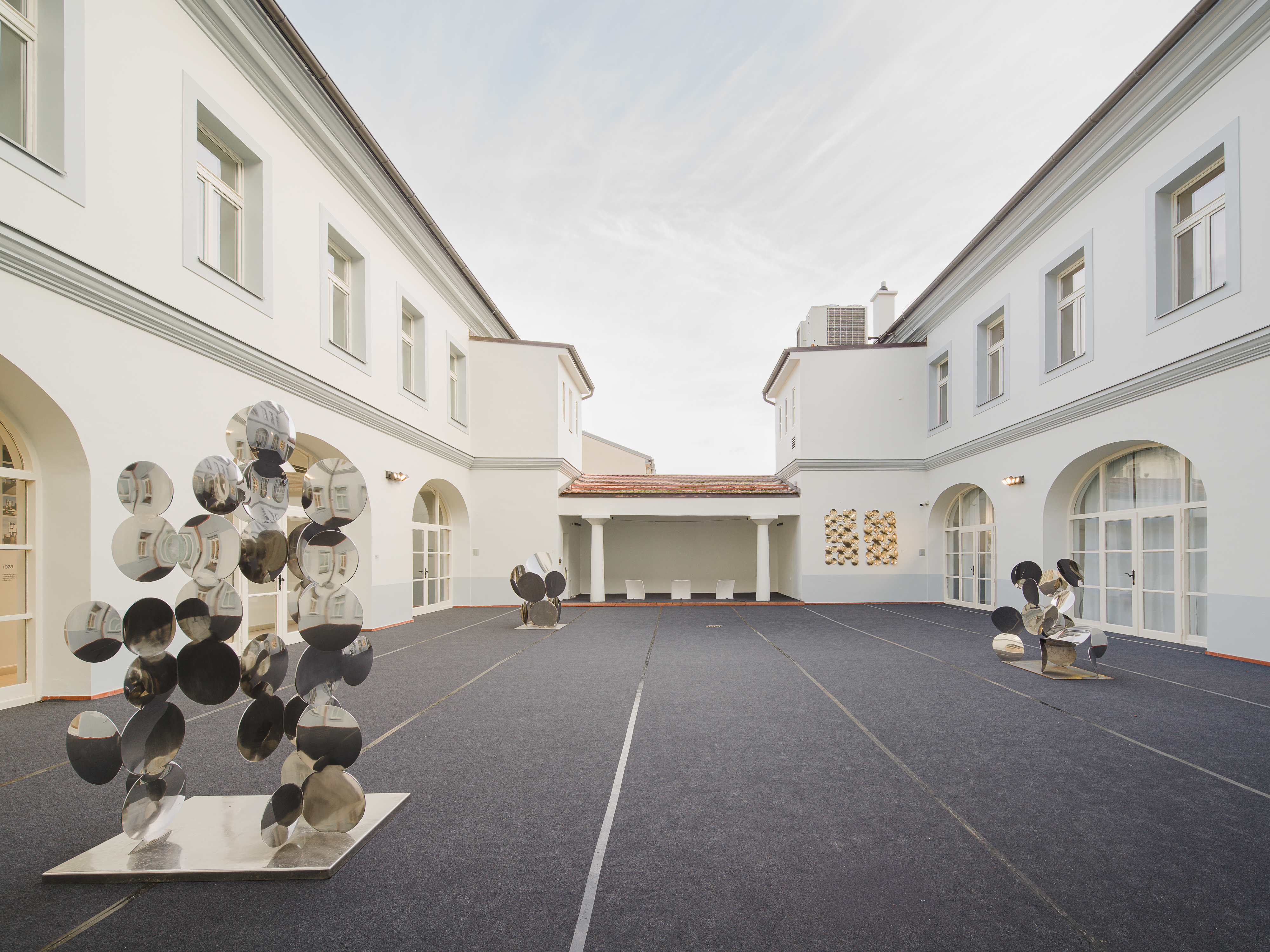
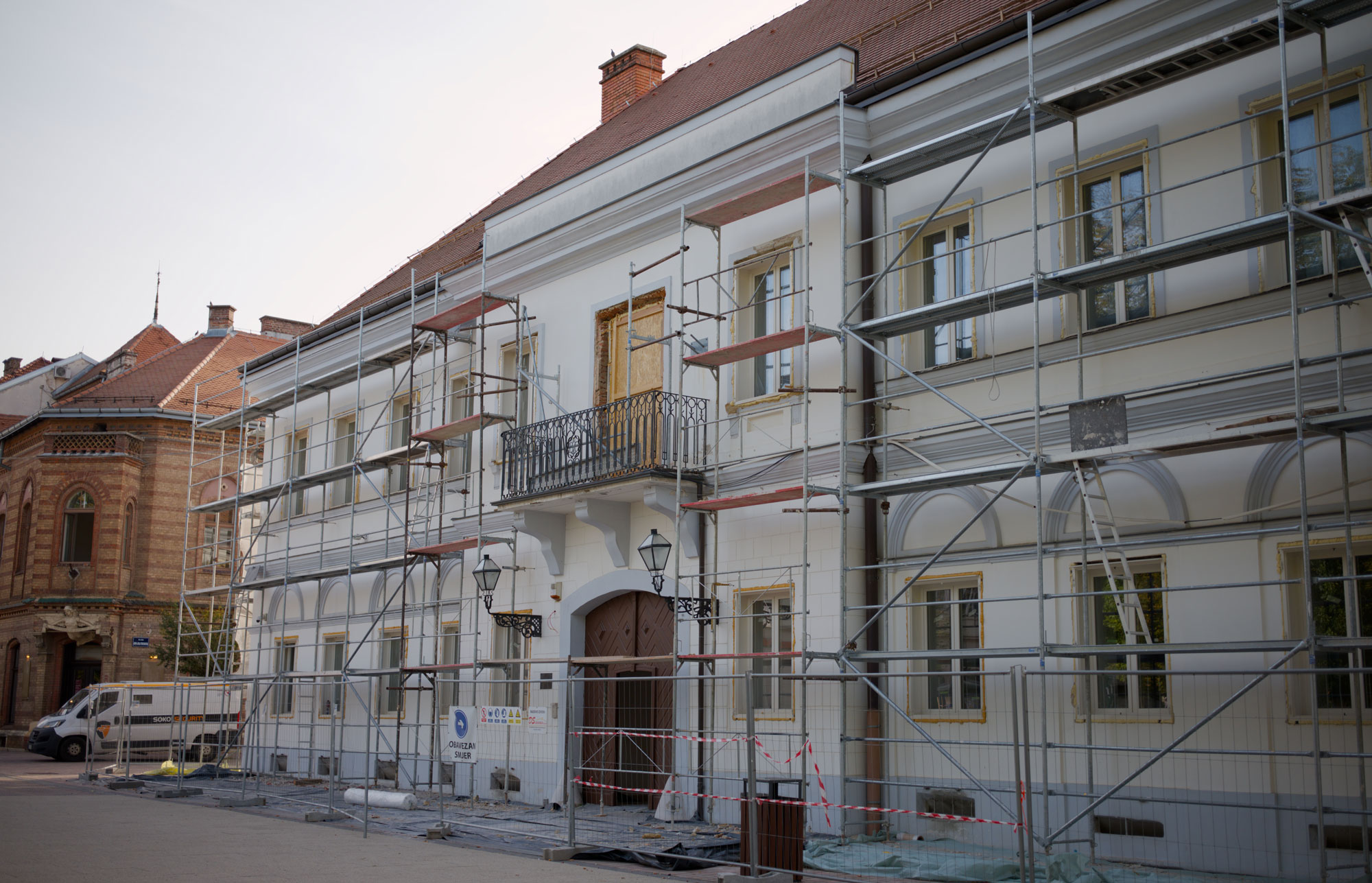
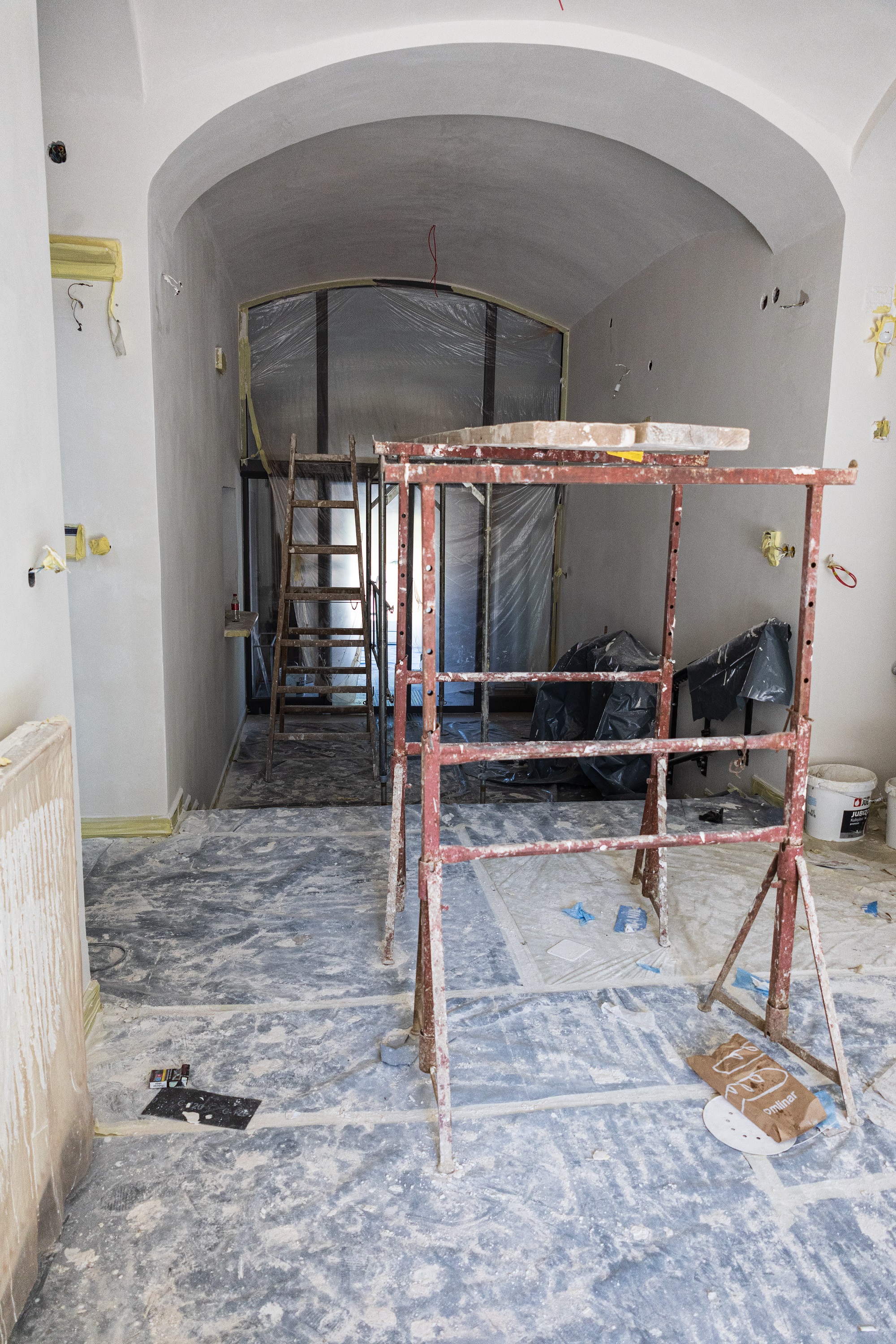
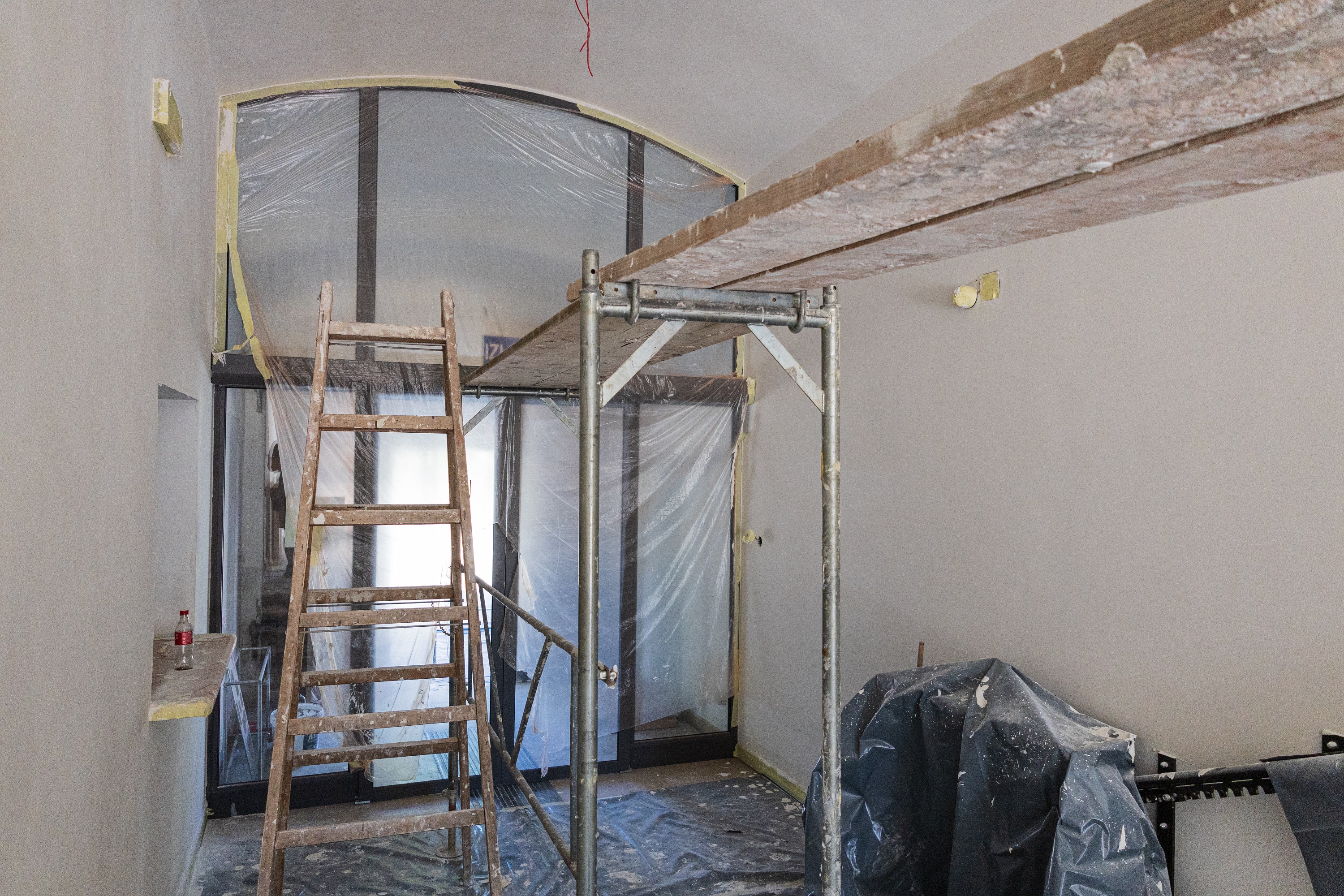
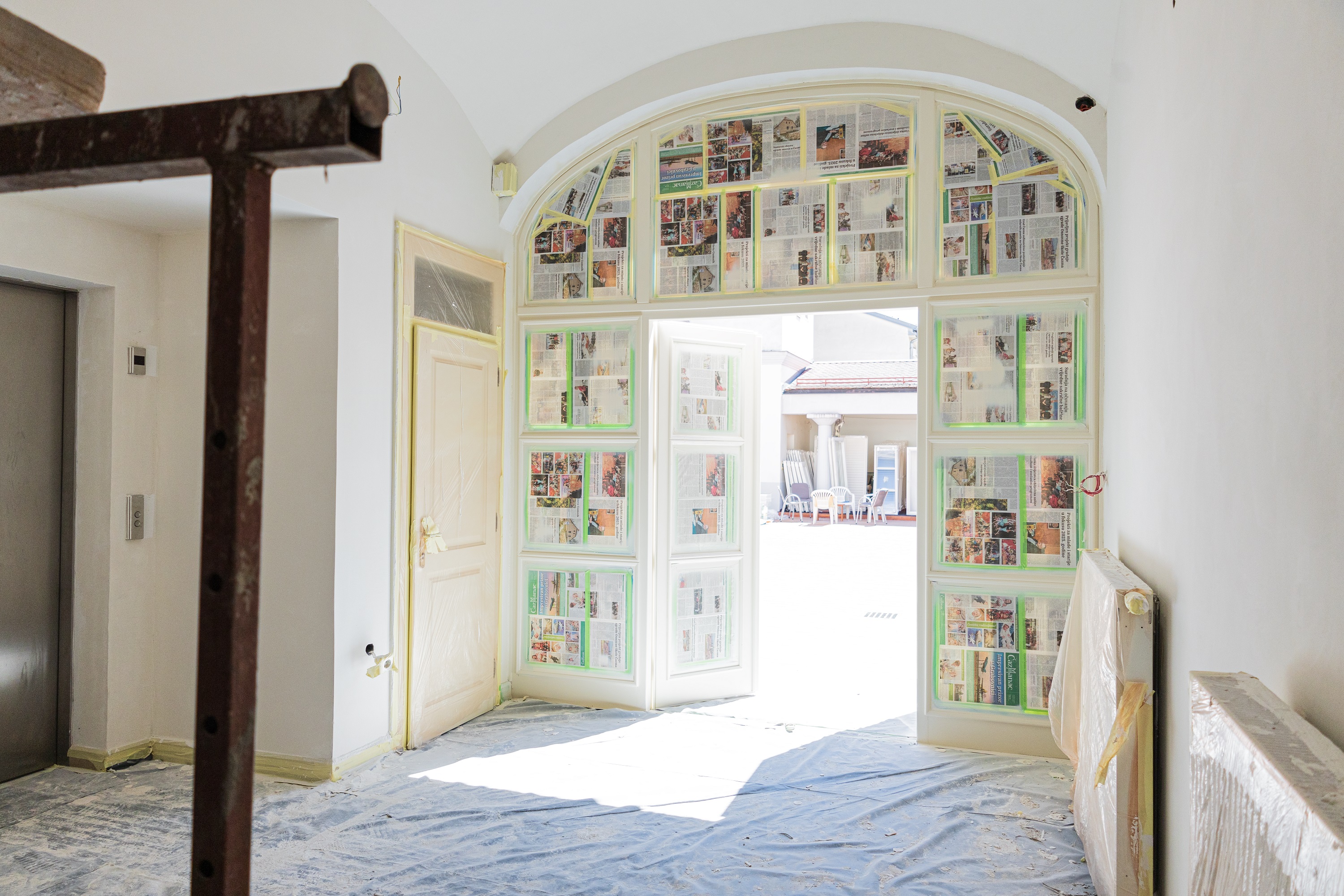
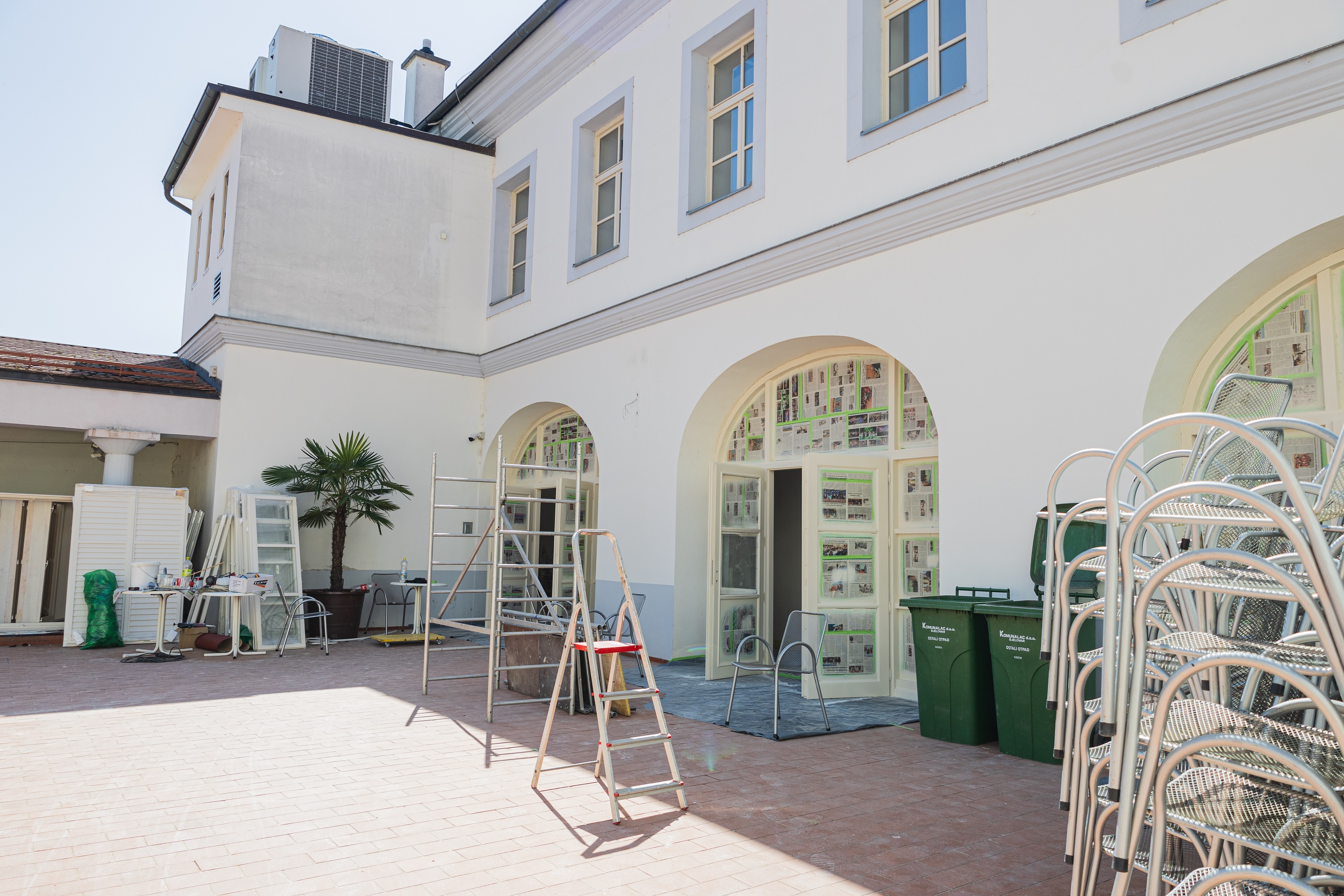
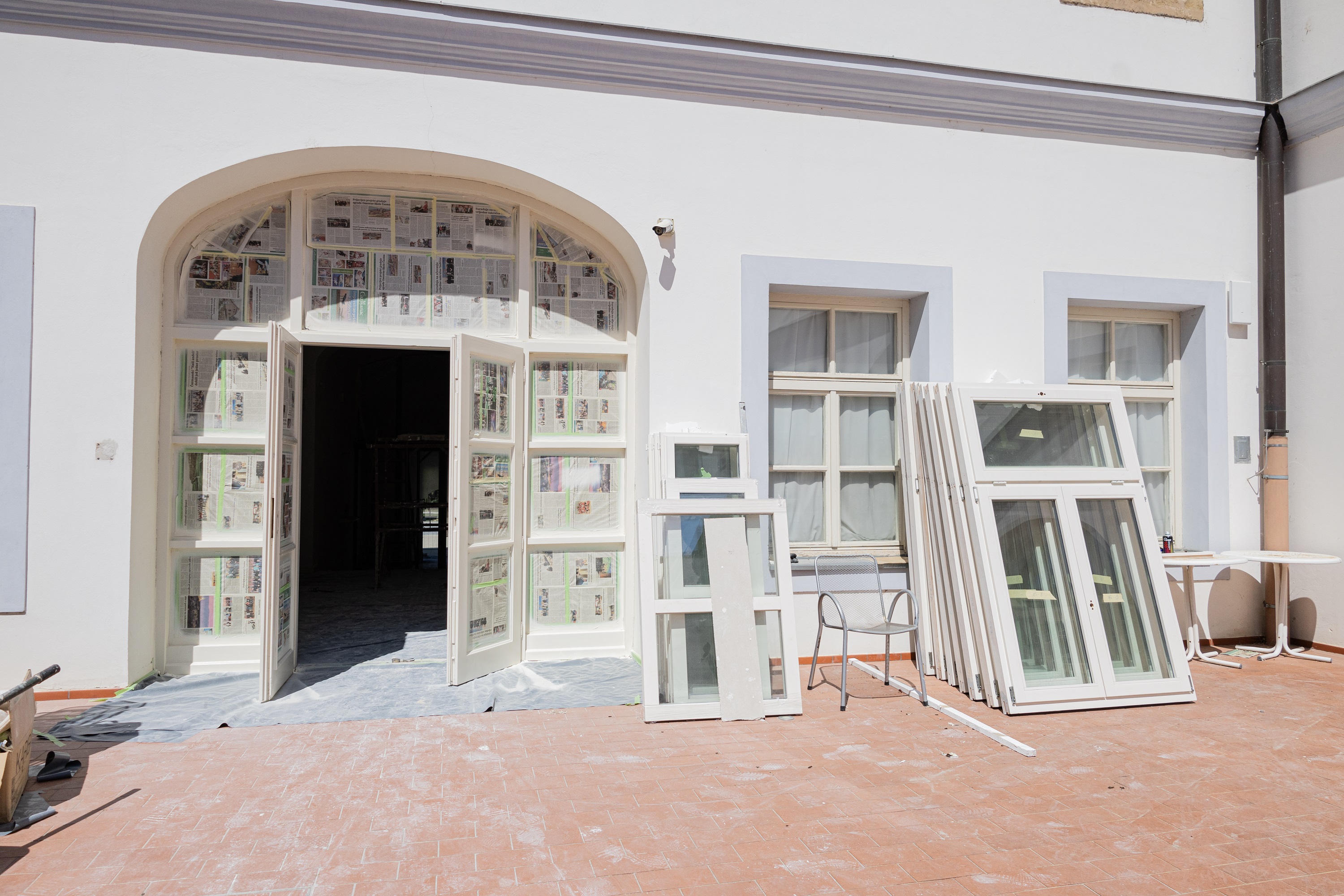
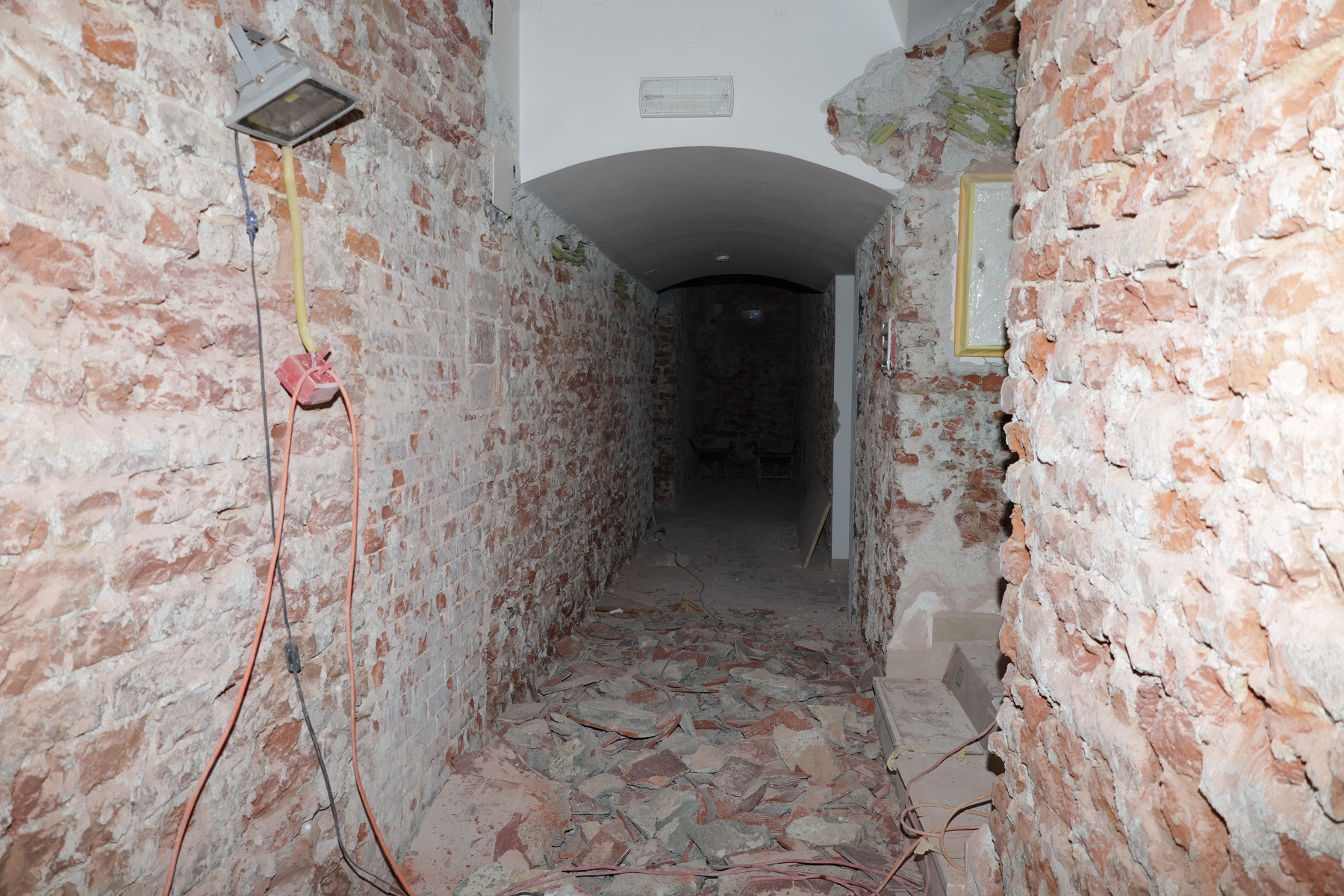
The energy renovation of the Bjelovar City Museum transformed an important public cultural building into a more sustainable, accessible, and contemporary cultural space. The project improved the building’s energy performance through the modernization of technical systems, energy-efficient lighting, and improved thermal performance, significantly reducing energy consumption while ensuring stable microclimatic conditions necessary for the preservation of museum collections.
Beyond the technical improvements, the project aimed to strengthen the role of cultural heritage in sustainable urban development. The renovated museum building enabled new exhibition and public program capacities, improving accessibility and creating a more welcoming environment for visitors, educational activities, and community engagement.
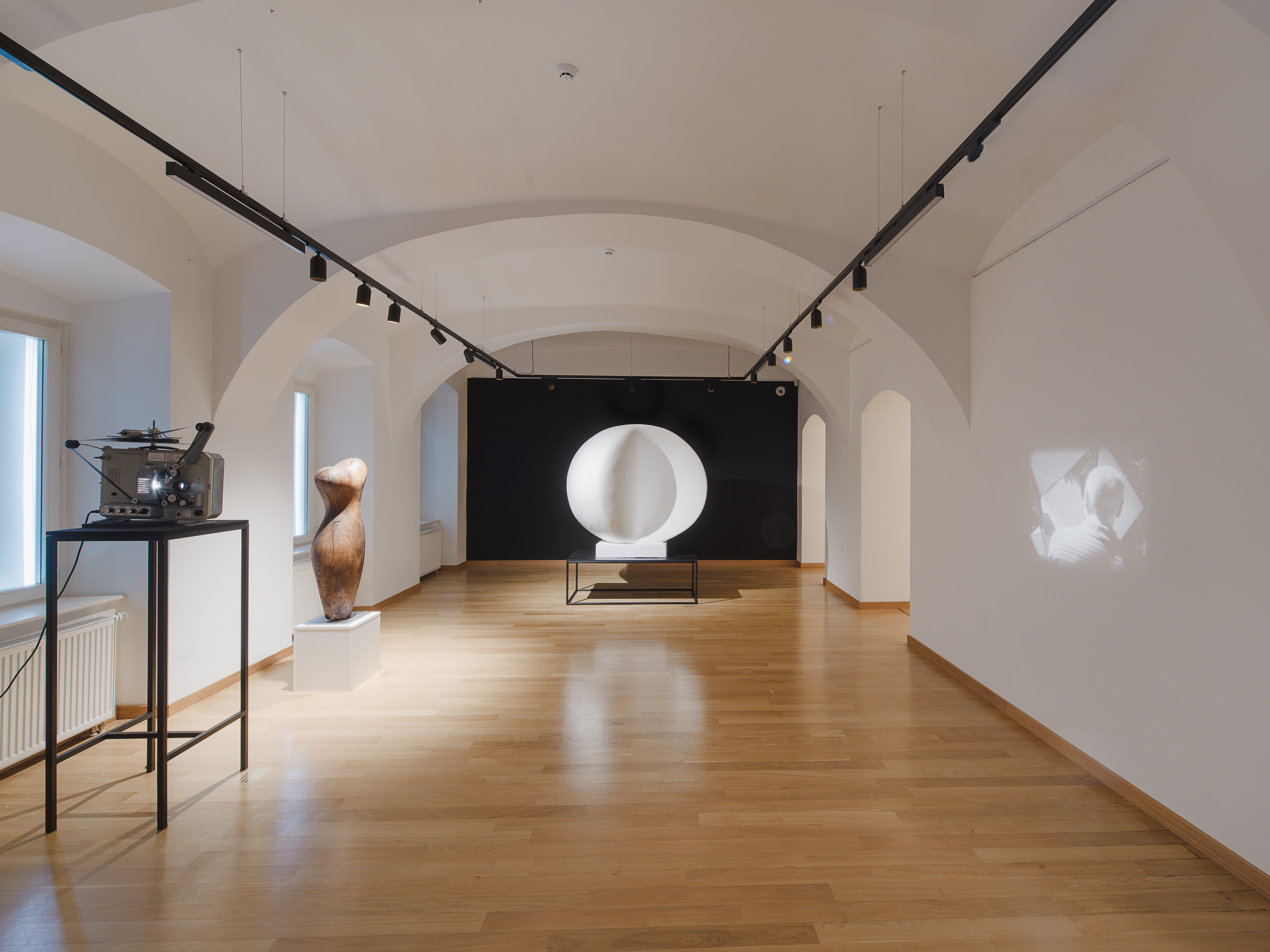
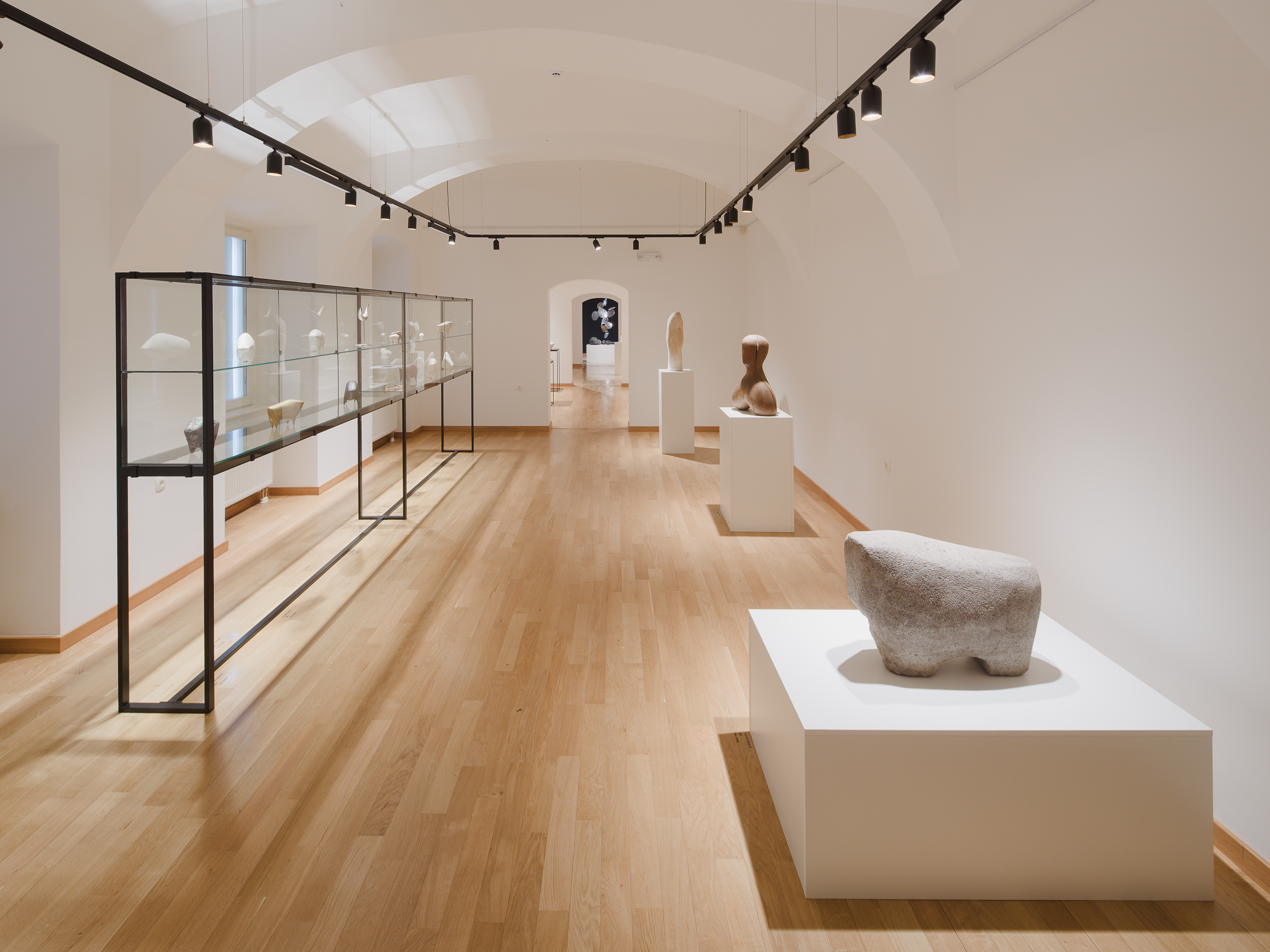
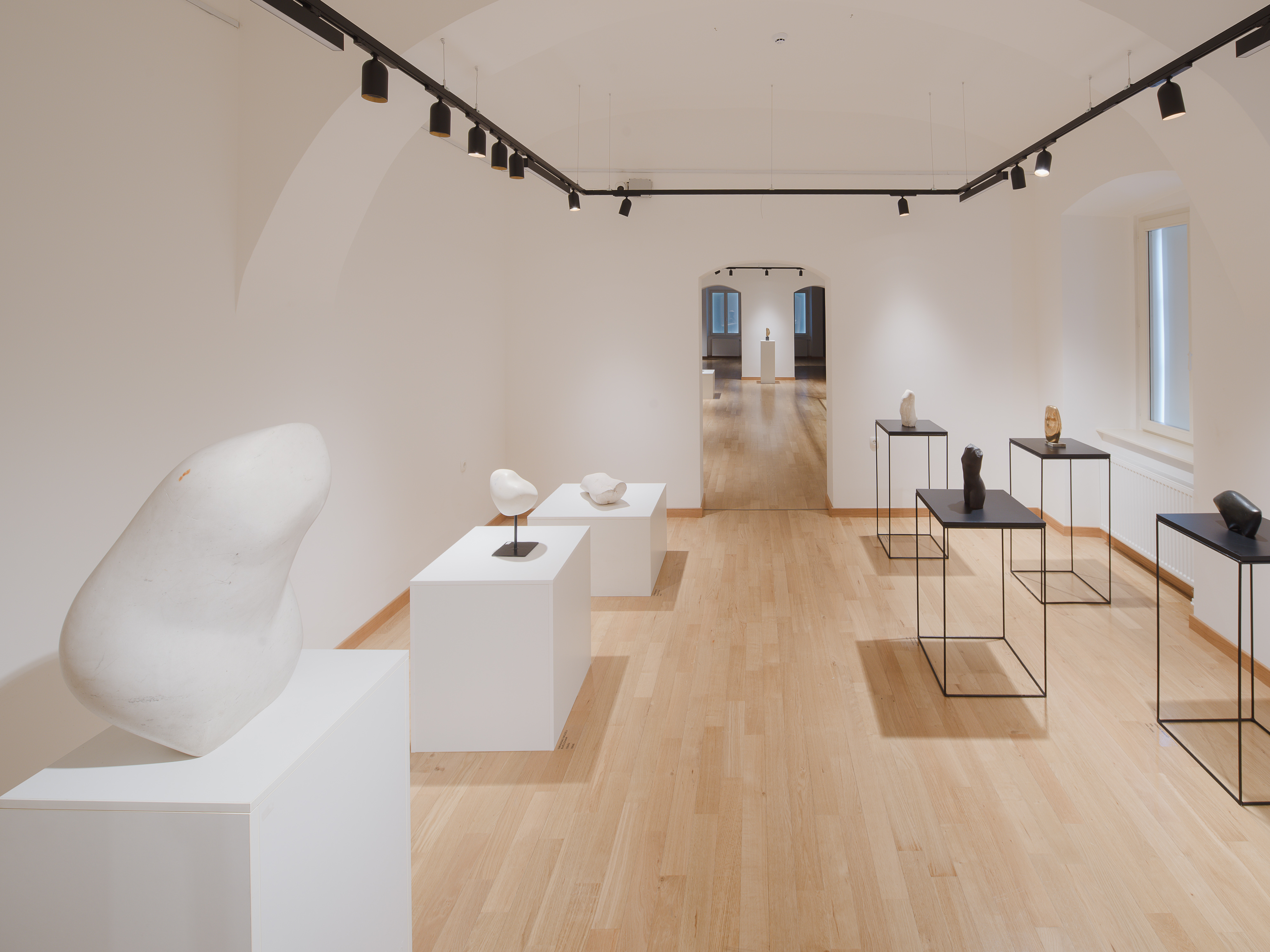
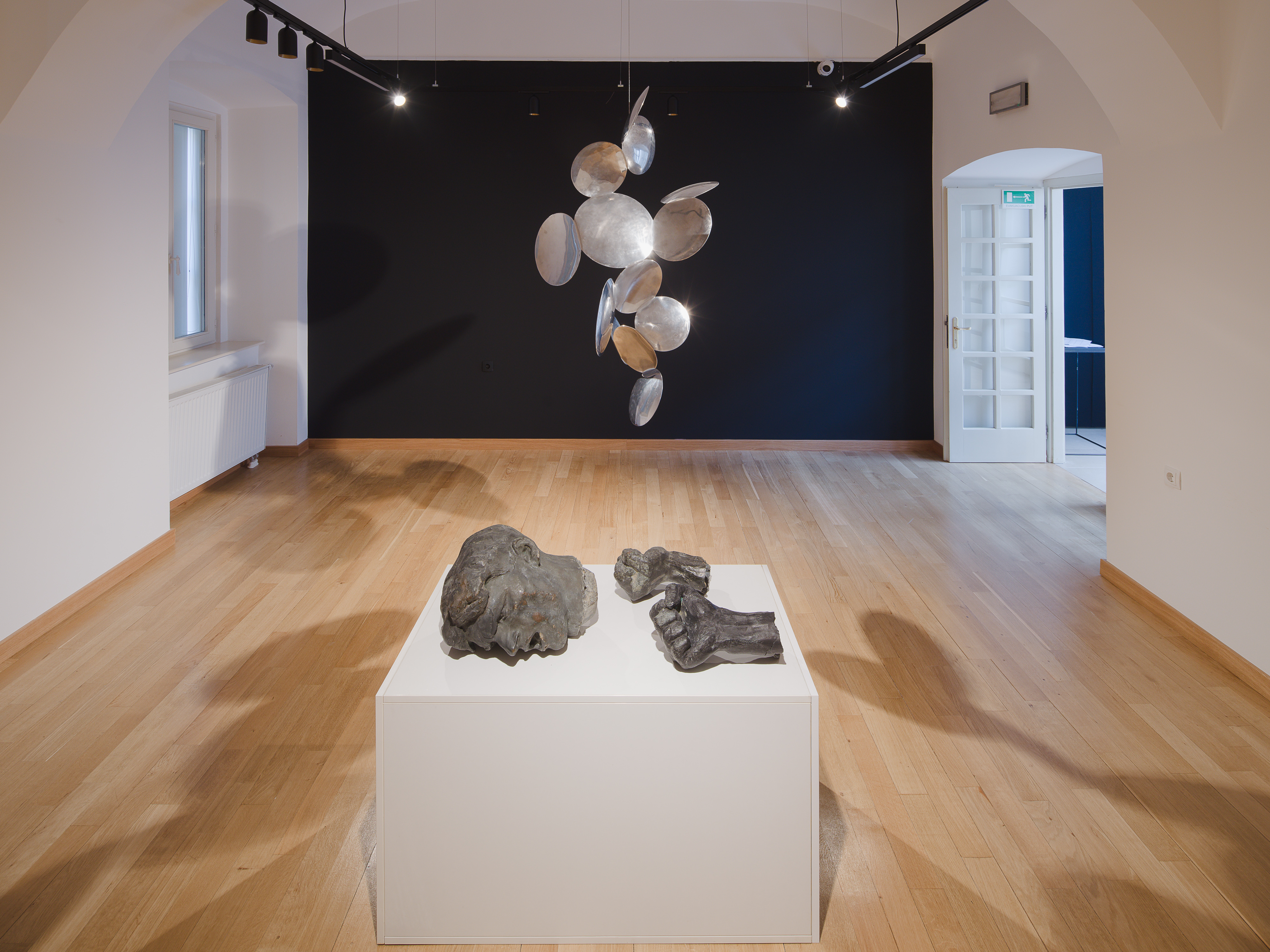
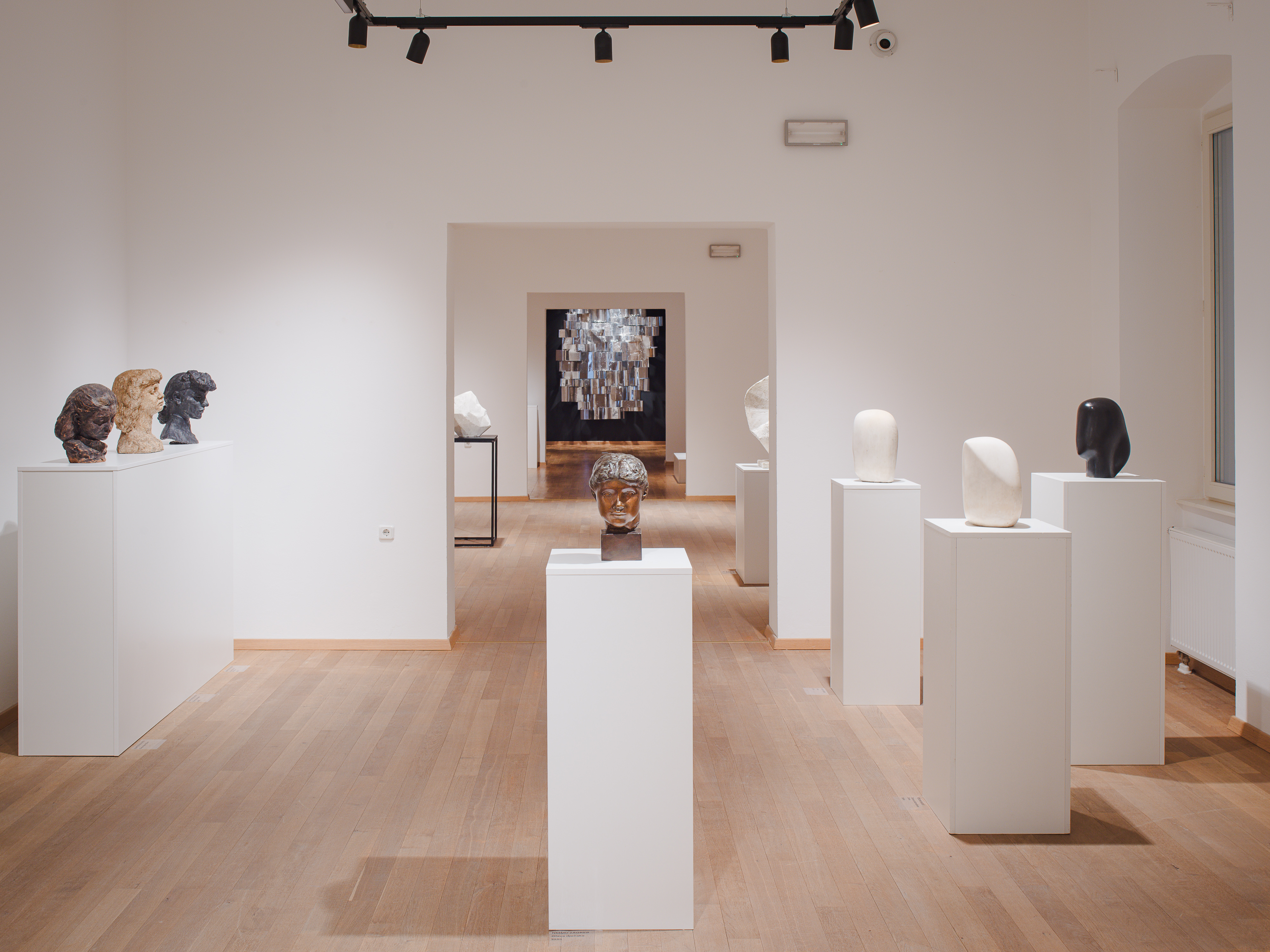
A key programmatic result of the renovation is the exhibition “Vojin Bakić – Principle of Hope”, which presents the work and legacy of one of the most important Croatian modernist sculptors. Through contemporary exhibition design and interpretation, the exhibition connects Bakić’s artistic exploration of light, form, and collective memory with present-day questions of social optimism, resilience, and shared public space.
The project demonstrates how the renovation of existing cultural infrastructure can contribute to the goals of sustainable development by extending the life cycle of public buildings, reducing environmental impact, and strengthening the social role of cultural institutions.
In the long term, the renovated museum will continue to function as an open cultural platform for the city and the region, supporting education, cultural participation, and dialogue about heritage, sustainability, and the future of European communities. The project offers a replicable model for other small and medium-sized cities seeking to combine energy transition with cultural revitalization.
The project emerged from the need to improve the energy performance and functionality of the Bjelovar City Museum building while preserving its role as a key cultural institution for the city and the region. As many public cultural buildings built in the 19th century face similar challenges of high energy consumption and outdated infrastructure, the City of Bjelovar initiated a comprehensive renovation aimed at improving sustainability, accessibility, and long-term usability of the museum.
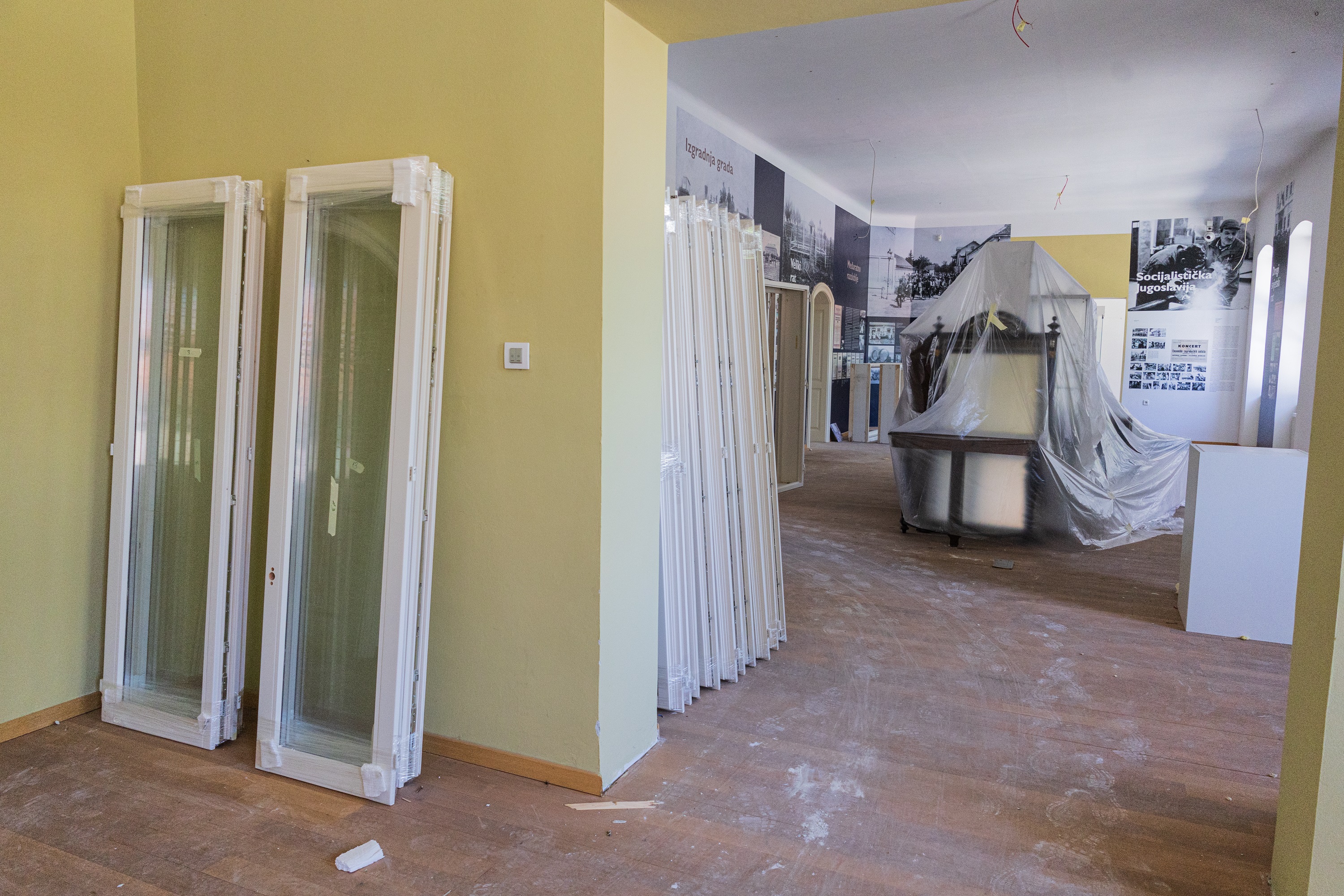
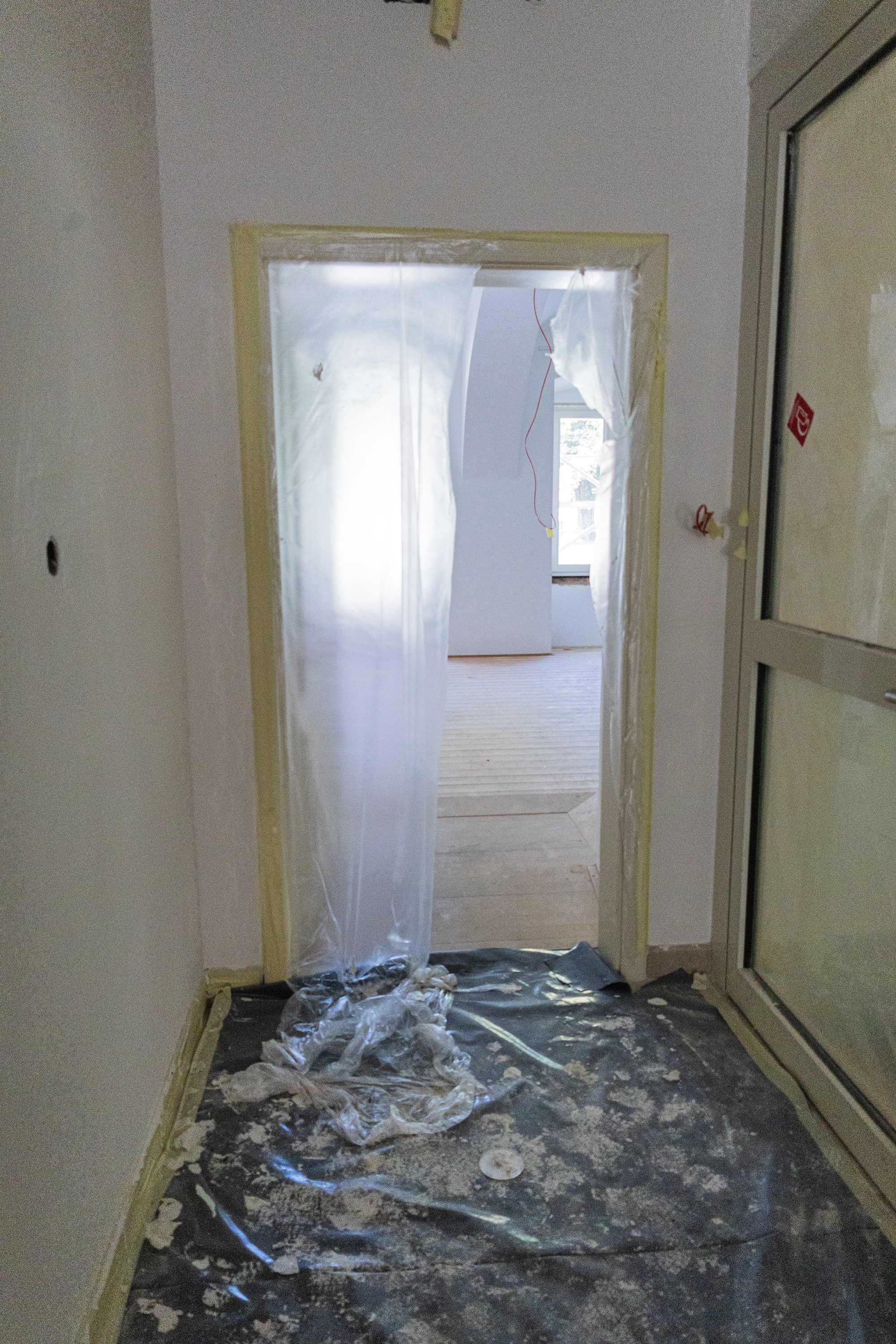
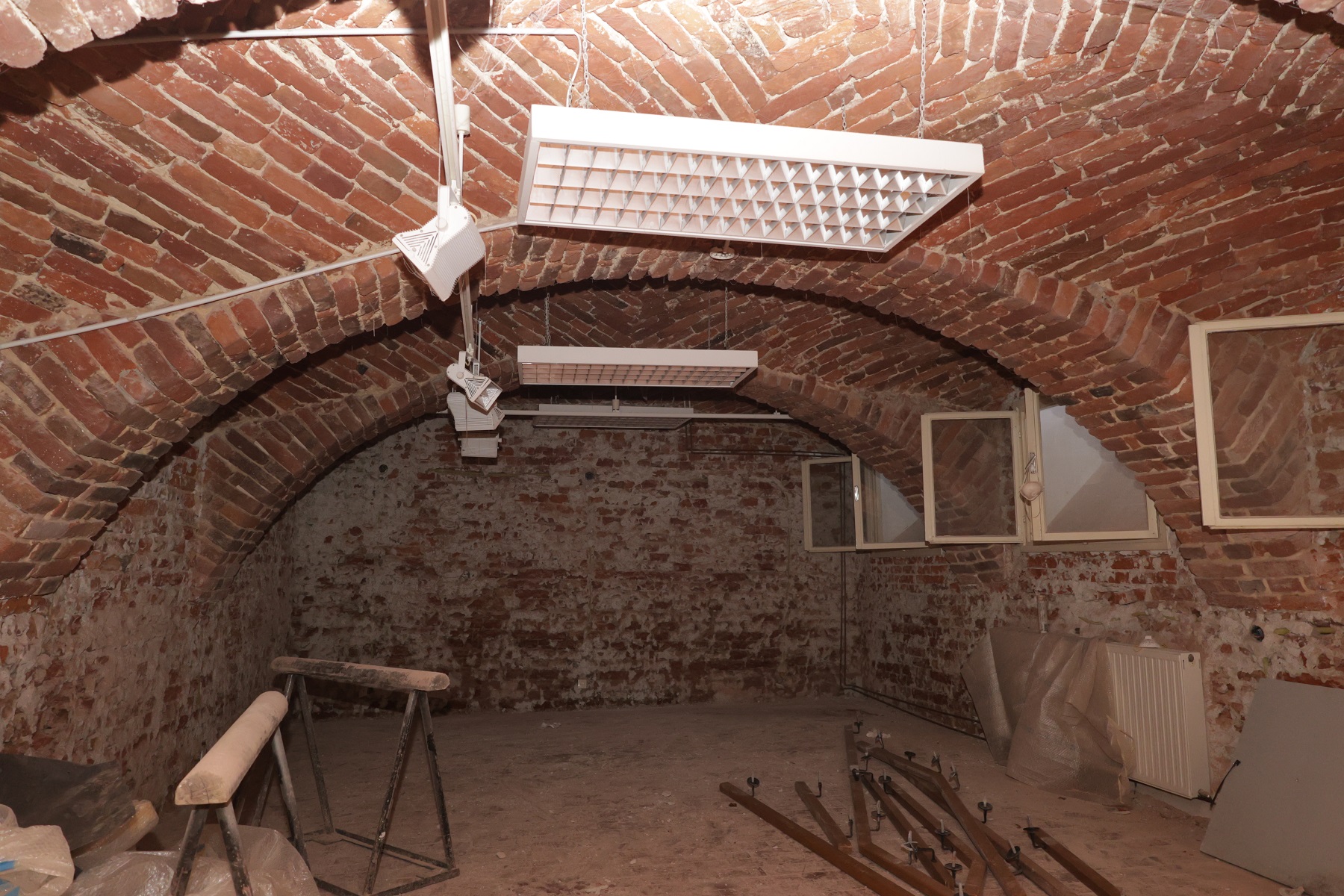
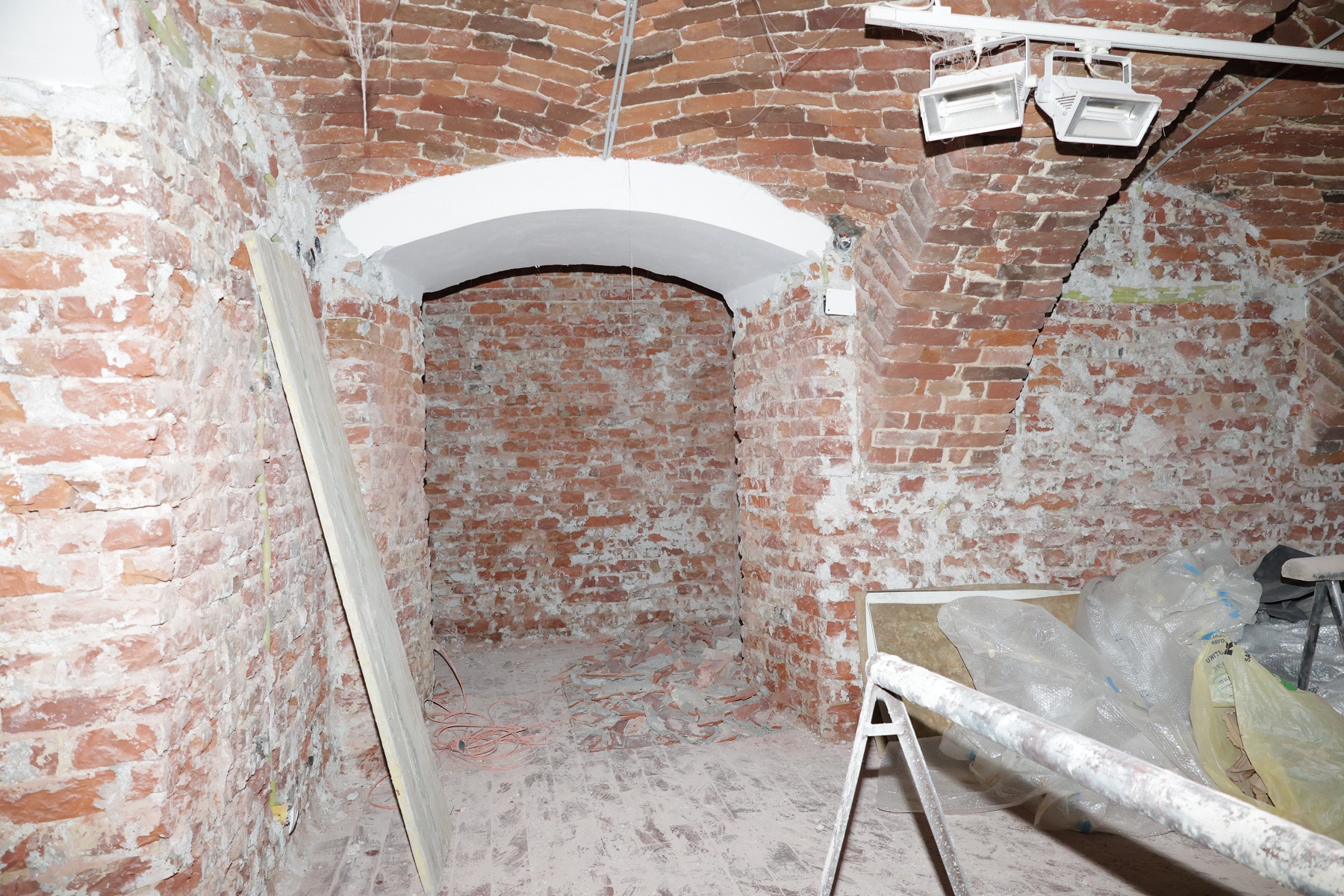
The renovation was implemented through collaboration between the City of Bjelovar, the Bjelovar City Museum, architects, engineers, and cultural professionals. The process included energy upgrades to the building envelope, modernization of heating and cooling systems, installation of energy-efficient lighting, and improvements to visitor accessibility and exhibition infrastructure.
At the same time, the museum used the renovation as an opportunity to rethink its cultural program and public role. The exhibition “Vojin Bakić – Principle of Hope” became a central cultural project presented in the renewed space. The exhibition reinterprets the work of the modernist sculptor Vojin Bakić and reflects on the values of optimism, collective memory, and the transformative power of art.
Through this combination of architectural renovation and cultural programming, the project demonstrates how the renewal of public cultural infrastructure can simultaneously support sustainability, heritage preservation, and community engagement.
Energy renovation
Cultural heritage
Sustainable architecture
Museum transformation
Community engagement
The project addresses environmental, social, and cultural sustainability through the energy renovation and revitalisation of an existing public cultural building. By upgrading the building envelope, improving energy efficiency, and introducing modern technical systems and energy-efficient lighting, the project significantly reduced energy consumption while ensuring appropriate conservation conditions for museum collections. This approach demonstrates the environmental value of extending the life cycle of existing buildings rather than constructing new ones.
Social sustainability is addressed through the transformation of the museum into a more accessible and welcoming public space. The renovated building improves visitor accessibility and creates better conditions for educational programs, cultural events, and community participation. As a result, the museum strengthens its role as an inclusive cultural meeting place for citizens, students, and visitors.
The project also contributes to cultural sustainability by preserving and activating modernist artistic heritage. The exhibition “Vojin Bakić – Principle of Hope” connects the legacy of one of the most important Croatian modernist sculptors with contemporary discussions about optimism, resilience, and collective memory.
The project is exemplary because it integrates energy transition, heritage preservation, and cultural programming within a single public investment. It shows how small and medium-sized European cities can reduce environmental impact while strengthening cultural infrastructure and community life, providing a replicable model for sustainable regeneration of cultural institutions.
The project contributes to the aesthetic quality of everyday life by transforming the Bjelovar City Museum into a welcoming, carefully designed cultural space that enhances the experience of visitors and the wider community. Through the renovation, the building’s spatial quality, lighting conditions, and exhibition infrastructure were improved, creating a comfortable and inspiring environment for encountering art, heritage, and ideas.
The renewed museum provides a setting where architecture, exhibition design, and artistic content work together to create a meaningful cultural experience. The exhibition “Vojin Bakić – Principle of Hope” highlights the aesthetic values of modernist sculpture, particularly the play of light, reflection, and form that characterizes Bakić’s work. These elements resonate with the renewed museum space, creating an atmosphere that invites reflection, curiosity, and emotional engagement.
By revitalising an important public cultural building, the project also strengthens the identity of the city and reinforces the museum as a shared place of memory, learning, and cultural exchange. Visitors and residents are encouraged to reconnect with the artistic heritage of their community and to see the museum as an accessible and inspiring civic space.
The project is exemplary in its aesthetic approach because it integrates architectural renewal, contemporary exhibition design, and cultural heritage into a coherent spatial experience. It demonstrates how careful renovation of existing cultural infrastructure can enhance both the beauty of the built environment and the cultural life of the community over the long term.
The project promotes inclusion by transforming the Bjelovar City Museum into a more accessible and welcoming cultural space for diverse groups of users. Through the renovation process, improvements were made to visitor accessibility, circulation, and the functionality of exhibition and public areas, allowing a broader range of visitors (including children, students, elderly citizens, and people with reduced mobility) to participate more easily in cultural activities.
Affordability and openness are supported through the museum’s public mission as a civic cultural institution that provides educational programs, guided tours, workshops, and public events accessible to the local community. Schools, cultural organisations, and community groups regularly use the museum space, strengthening connections between culture, education, and everyday life in the city.
The exhibition “Vojin Bakić – Principle of Hope” further contributes to inclusion by presenting modernist artistic heritage in a way that encourages dialogue across generations and social groups. Educational and interpretative programs accompanying the exhibition create opportunities for discussion about history, memory, and shared cultural values.
The project is exemplary because it demonstrates how the renovation of cultural infrastructure can simultaneously improve accessibility, expand community participation, and reinforce the museum as a shared public space. By combining physical accessibility with inclusive cultural programming, the museum becomes a platform for dialogue, learning, and collective engagement within the community.
The project strengthened participation by opening the newly renovated Bjelovar City Museum as a meeting place for diverse audiences and communities interested in modern art and shared cultural heritage. The exhibition “Vojin Bakić – Principle of Hope” has attracted visitors not only from Bjelovar and Croatia but also from across the region of the former Yugoslavia, where Bakić’s work represents an important part of the shared cultural history.
Visitors, cultural organisations, researchers, and art professionals from different countries have come to the renewed museum to see the exhibition, exchange perspectives, and participate in guided tours, discussions, and educational programs. This created a space for dialogue about modernist heritage, collective memory, and the relevance of Bakić’s work today.
Local schools, cultural associations, and community groups have also been actively involved through workshops, educational activities, and public events organized in the museum. Their participation helped shape the museum as an open civic platform rather than only an exhibition space.
The involvement of these audiences has had a significant impact: it strengthened regional cultural connections, increased visibility of the museum, and reinforced the role of the renovated building as a shared cultural space where art encourages dialogue, reflection, and cooperation across communities.
The project was implemented through cooperation between stakeholders at several governance levels, ensuring both institutional support and broad cultural impact.
At the local level, the City of Bjelovar acted as the project initiator and owner of the building, coordinating the renovation and ensuring that the museum continues to function as an important public cultural space. The Bjelovar City Museum played a key role in developing the cultural program, curating the exhibition “Vojin Bakić – Principle of Hope”, and engaging local schools, cultural associations, and visitors through educational and public activities.
At the regional and national level, the project involved cooperation with museums, cultural institutions, researchers, and art historians who contributed to the research, interpretation, and presentation of Vojin Bakić’s artistic legacy. Their expertise ensured the professional quality of the exhibition and strengthened connections between institutions working on modernist heritage.
At the European level, the project aligns with broader goals of sustainable renovation, cultural heritage preservation, and strengthening the social role of cultural institutions. The exhibition attracted visitors, researchers, and cultural professionals from different European countries and the wider region, creating opportunities for exchange and dialogue about modernist art, memory, and shared cultural heritage.
The added value of this multilevel cooperation lies in connecting urban development, cultural heritage, and international cultural dialogue. It allowed the project to combine local regeneration of a public building with wider cultural relevance and visibility beyond the city and national context.
The project was developed through a transdisciplinary approach that brought together expertise from several fields in order to combine energy renovation, architectural quality, and cultural programming within a single initiative.
Architecture and engineering played a central role in the energy renovation of the Bjelovar City Museum building. Architects and technical experts worked on improving the building envelope, upgrading heating and cooling systems, and introducing energy-efficient lighting and infrastructure, ensuring better environmental performance while respecting the existing structure and its cultural function.
Museum studies, art history, and curatorial practice were essential in the development of the exhibition “Vojin Bakić – Principle of Hope.” Curators and researchers worked on interpreting the legacy of one of the most important Croatian modernist sculptors and presenting his work in a way that connects historical artistic production with contemporary social and cultural questions.
Design and exhibition design contributed to shaping the spatial experience of the museum, creating an engaging environment for visitors and enabling a clearer presentation of artworks and narratives.
In addition, education and cultural mediation played an important role through workshops, guided tours, and public programs that connect the museum with schools, students, and the wider community.
By integrating architecture, engineering, cultural heritage, design, and education, the project demonstrates how cultural infrastructure can be renewed through collaboration across disciplines, strengthening both sustainability and cultural relevance.
The project is financially supported through a combination of public funding, European funds, and private donations, ensuring its long-term sustainability.
The energy renovation of the Bjelovar City Museum building was primarily financed through the National Recovery and Resilience Plan (NPOO), supported by European Union funds, with co-financing provided by the City of Bjelovar as the owner of the building. This investment significantly improved the building’s energy efficiency and reduced long-term operational costs, contributing to the financial sustainability of the museum.
The exhibition “Vojin Bakić – Principle of Hope” was realised through a mixed funding model. A substantial part of the project was supported through the municipal budget of the City of Bjelovar, while approximately 50% of the exhibition costs were covered by private donors and sponsors who recognised the cultural importance of presenting the work of Vojin Bakić.
In the long term, the museum operates as a publicly supported cultural institution that generates additional value through exhibitions, educational programs, partnerships with cultural organisations, and visitor activities. The combination of public investment, European funding, and private cultural sponsorship creates a stable financial model that supports both the preservation of cultural heritage and the continued development of cultural programs.
Several elements of the project can be replicated in other cities and cultural institutions facing similar challenges related to ageing public buildings, energy efficiency, and the need to revitalise cultural infrastructure.
First, the integration of energy renovation with cultural programming represents a transferable approach. By combining improvements in energy performance with the development of new exhibitions and public programs, the project demonstrates how infrastructure investments can simultaneously support environmental goals and cultural development.
Second, the project illustrates the value of adaptive reuse and sustainable renovation of existing cultural buildings. Extending the life cycle of public buildings while improving their energy efficiency can be applied to many museums, libraries, and cultural centres across Europe, particularly in small and medium-sized cities.
Another replicable element is the mixed funding model, which combines European funds for energy renovation with local public funding and private donations for cultural programming. This approach helps cultural institutions mobilise different resources while strengthening cooperation between public authorities and civil society.
Finally, the project shows how modernist cultural heritage can be reinterpreted through contemporary exhibitions and educational programs, making historical artistic legacies relevant to present-day audiences.
Together, these elements form a model that can inspire other communities to combine sustainability, cultural heritage, and community engagement in the renewal of public cultural spaces.