Arts, Culture, and Heritage as Drivers of Change
PAiR Residency
PAiR - Pāvilosta Artist in Residency
PAiR Residency is an international interdisciplinary art residency that provides creative professionals with time, space and other resources for research, experimenting and professional development. Located on the Baltic Sea coast in Pāvilosta, PAiR encourages residents to engage with the surrounding environment, local history and social context. Through this approach, PAiR promotes artistic research that is both locally grounded and internationally relevant.
Latvia
Local
Pāvilosta
It addresses urban-rural linkages
It involves other types of transformations (soft investment)
Yes
2021-11-01
No
No
No
Organisation
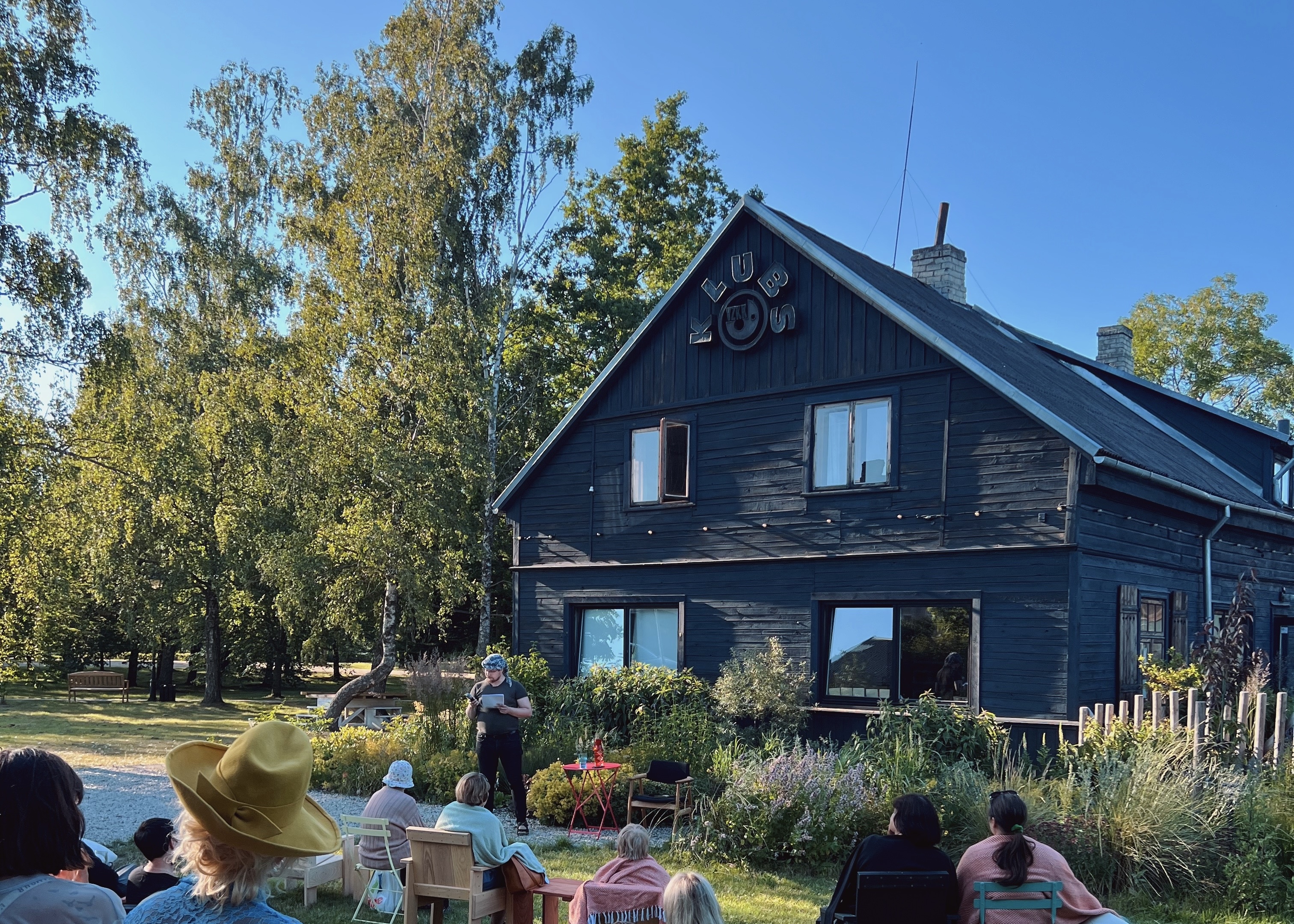
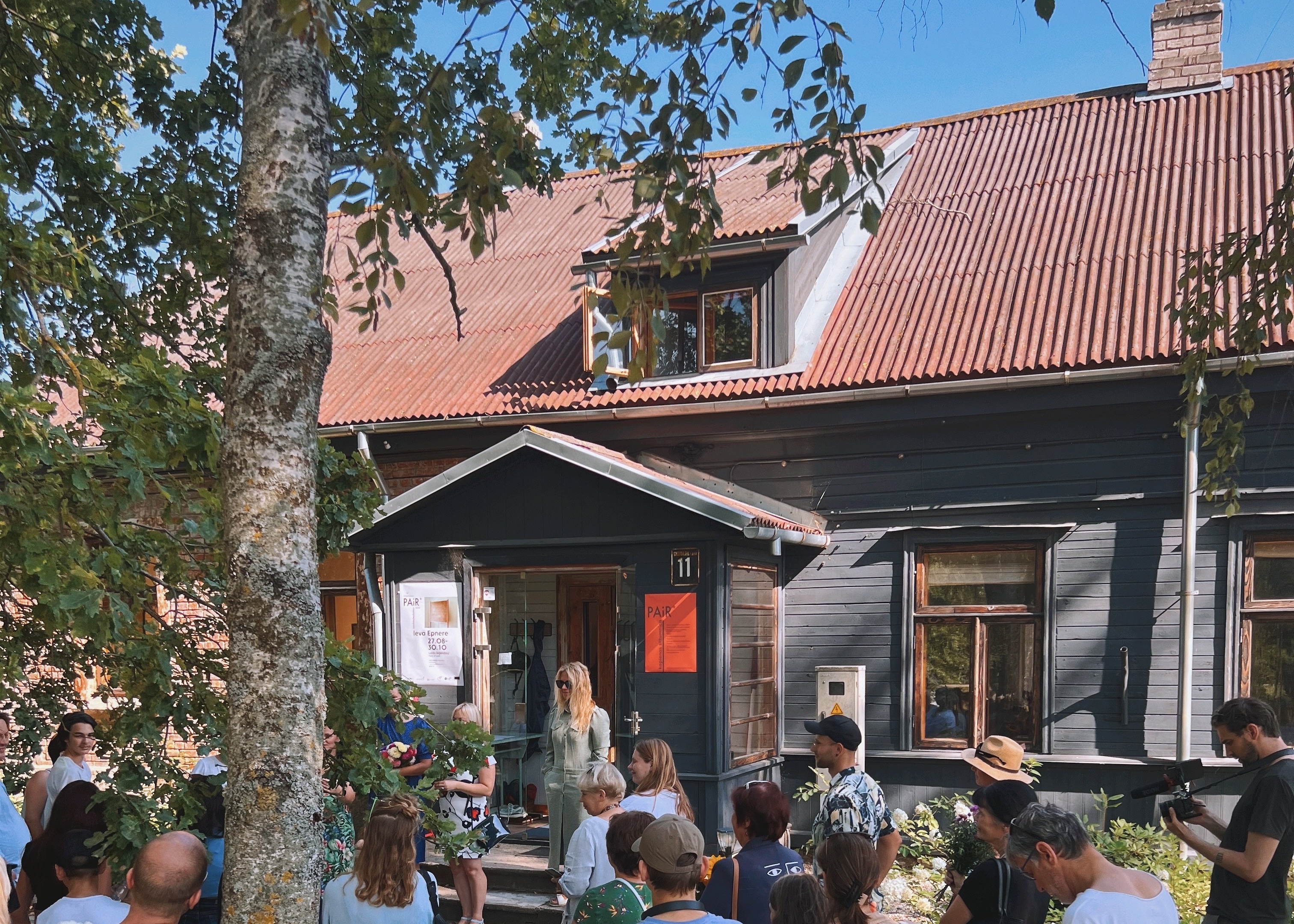
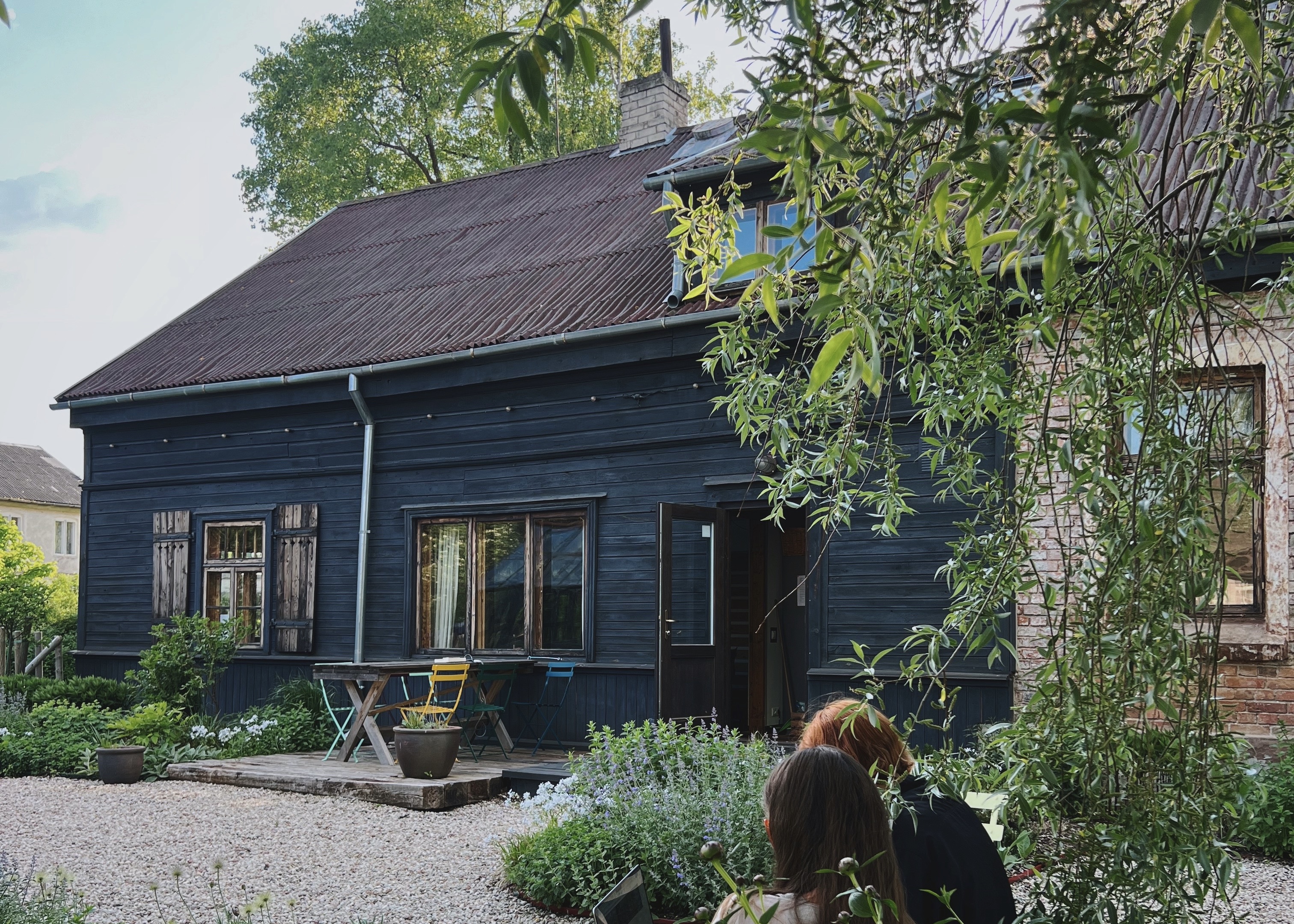
PAiR Residency is an international artist residency and cultural platform located in the coastal town of Pāvilosta, Latvia. Founded and managed by the VV Foundation, the project was established to support interdisciplinary artistic processes and strengthen the role of contemporary culture in regional development. Since opening in 2021, PAiR has transformed a previously abandoned historic wooden building into a vibrant cultural hub connecting local communities with international creative networks.
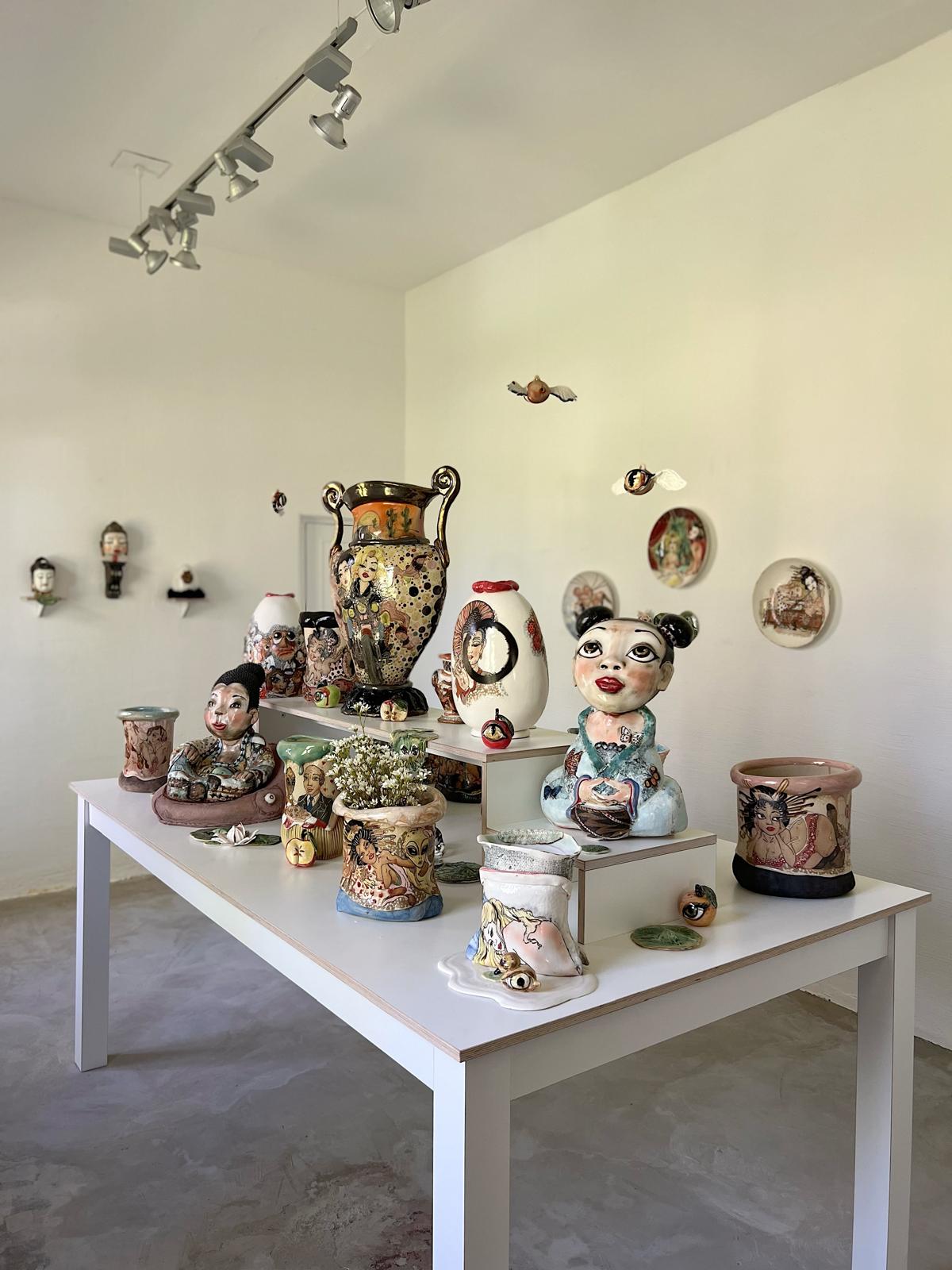
The residency provides a focused environment where artists, curators, researchers, and cultural practitioners from diverse disciplines can develop new work while engaging with the local context. To date, PAiR has hosted 65 residents from more than 20 countries, and hosted annual programme of exhibitions, workshops, and performances, expanding access to contemporary culture in a region that previously had limited cultural infrastructure.
The project has already achieved tangible results. The careful restoration and adaptive reuse of the 1901 wooden house preserved local architectural heritage and reactivated an unused building in the town centre. PAiR has delivered a continuous public programme, contributing to the revitalisation of the town, increased cultural tourism, and stronger community engagement.
PAiR also operates within international cultural networks through collaborative projects with partners such as Liepāja 2027 European Capital of Culture, the Ria Keburia Foundation, and the Ducato Prize, positioning Pāvilosta within the European cultural landscape.
In the long term, PAiR demonstrates how small-scale cultural infrastructure can support community resilience and sustainable regional development, offering a replicable model for integrating contemporary culture into small town coastal communities.
PAiR Residency emerged from a desire to create a place where contemporary art could thrive outside major urban centres while remaining deeply connected to local context. The project was initiated by the VV Foundation in response to the cultural and economic changes experienced by the coastal town of Pāvilosta, once a busy fishing port that faced decline due to shifting markets, emigration, and changing environmental conditions. The founders recognised the town’s unique combination of historical wooden architecture, strong community identity, and natural landscape as an opportunity to develop a new cultural infrastructure rooted in place.
The project began with the identification of a historic wooden house built in 1901 that had stood abandoned for more than 20 years in the centre of the town. In 2021, the building was carefully restored using traditional materials and techniques, preserving its architectural character while adapting it to serve new cultural functions. This process was carried out in dialogue with local craftspeople, residents, and municipal authorities, ensuring that the transformation respected the scale and spirit of the town.
From the outset, PAiR was designed as a residency that plays an active part in the community. The programme was gradually implemented through partnerships with local stakeholders and international cultural organisations, combining artistic production with public engagement. Residents present their work through exhibitions, workshops, and events that are open to the public, creating opportunities for exchange between visitors and local audiences.
Over time, the project has grown into a stable cultural platform that connects Pāvilosta with international networks while strengthening the town’s cultural life. Today, PAiR demonstrates how a small-scale cultural initiative can revitalise an underused building, activate public space, and create lasting value for both local communities and visiting artists.
Sustainability
Heritage development
Contemporary art
Connecting communities
Creative innovation
Sustainability is a core principle of PAiR, embedded in both its infrastructure and daily operations. Located on the edge of the 42-hectare Grey Dune nature reserve, the residency follows principles of minimising ecological impact, conserving resources, and maintaining environmental responsibility. The project demonstrates how cultural activity can be integrated into protected landscapes without increasing environmental pressure.
The residency building itself embodies circular and regenerative principles. A historic wooden structure built in 1901, which had stood abandoned for more than 20 years, was carefully restored using traditional materials and techniques. This adaptive reuse preserved cultural heritage, reduced construction waste, and extended the life cycle of an existing building, contributing to Pāvilosta’s long-term preservation strategy. The project offers a replicable example of how historic buildings in small coastal towns can be sustainably reactivated as cultural infrastructure.
PAiR also promotes sustainability through everyday practices and community engagement. A residency greenhouse supports small-scale food production and learning about native plants and herbs, while workshops share knowledge about the region's traditions, such as weaving. These activities reconnect participants with environmentally responsible practices rooted in local heritage.
By combining architectural reuse, low-impact operations, environmental awareness, and responsible cultural tourism, PAiR demonstrates a sustainable model for cultural institutions in small-town environmentally sensitive context.
PAiR Residency has contributed significantly to the aesthetic and cultural revitalisation of Pāvilosta by transforming an old historic building into a vibrant place for creativity, exchange, and community life. By welcoming a diverse cohort of international artists, curators, poets, and researchers, the residency introduces new perspectives while respecting the town’s scale and coastal identity. The presence of creative professionals enriches everyday life in the town, making contemporary culture accessible to residents and visitors alike.
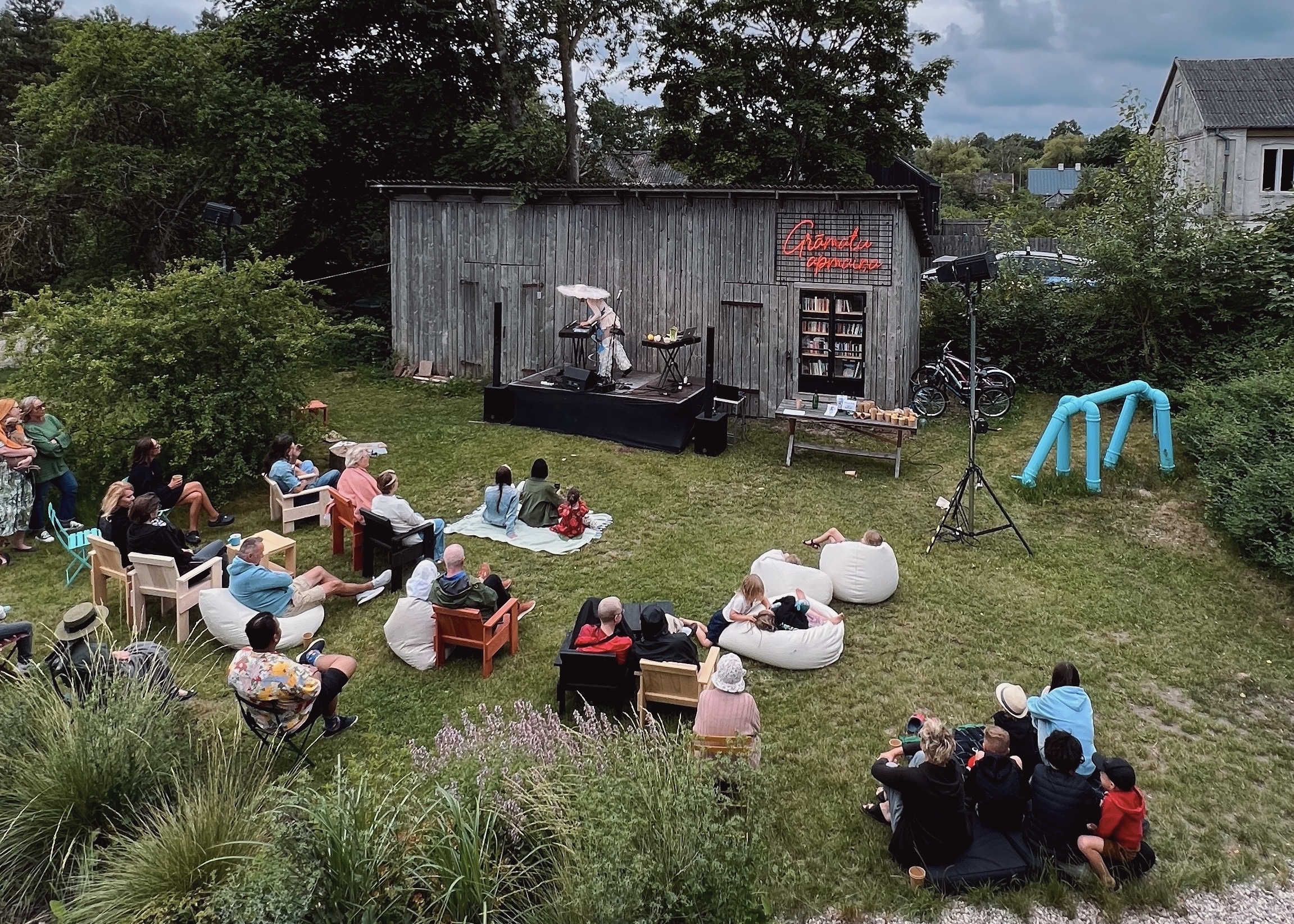
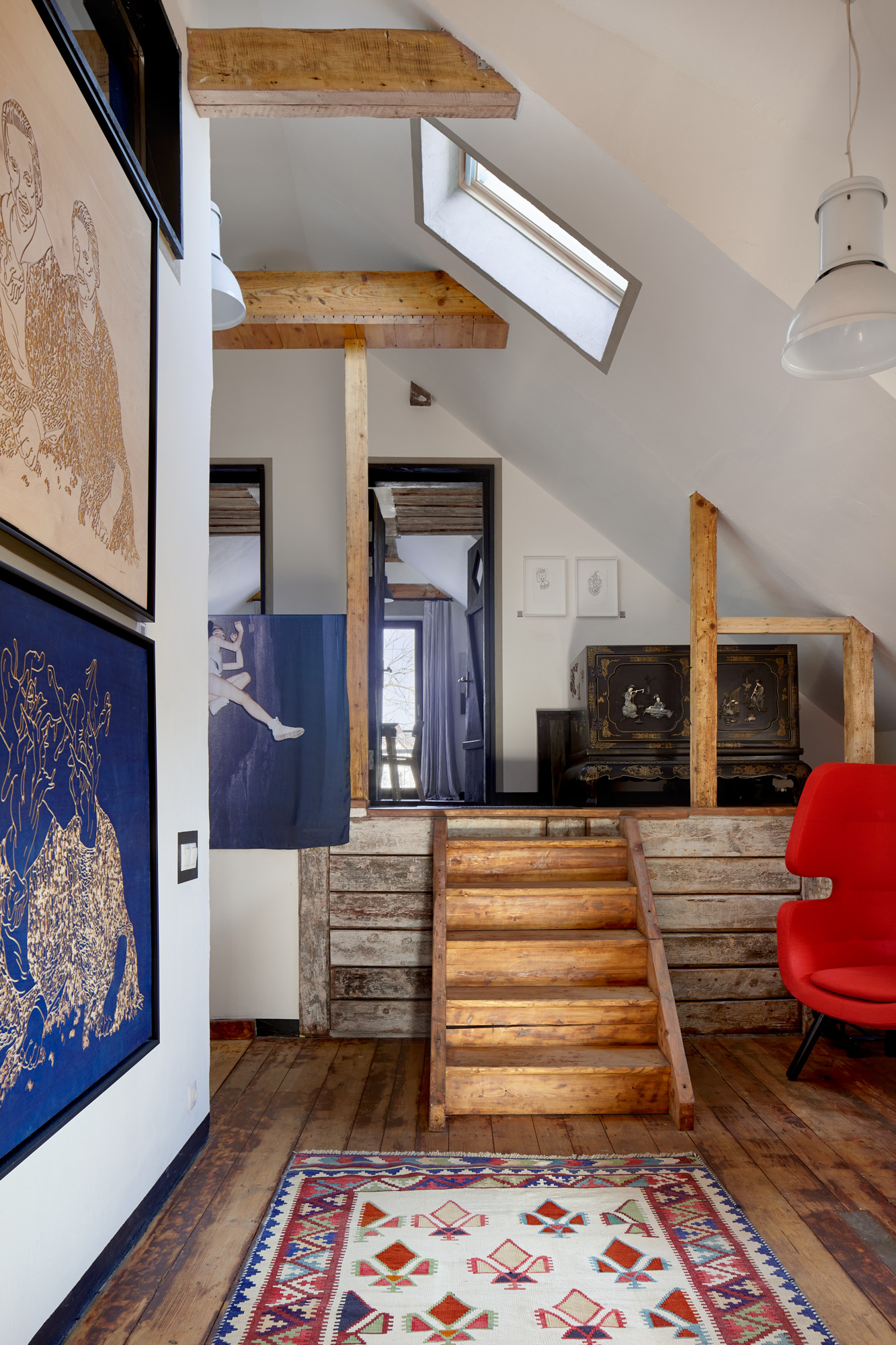
Each season, PAiR delivers a high-quality public programme that includes exhibitions, concerts, performances, workshops, and talks by leading local and international practitioners. These events create shared cultural experiences and strengthen the sense of belonging among residents by activating public spaces and encouraging participation across generations. The residency’s physical environment plays an important role in this process: the careful restoration of the historic wooden building, the creation of a gallery, library, and communal garden, and the integration of public art have established welcoming spaces that are both functional and visually meaningful. Visitors can encounter contemporary artworks not only inside the building but also in outdoor settings, making art part of everyday life.
PAiR demonstrates how aesthetics can support long-term community care for place. By preserving architectural heritage and embedding contemporary artistic practices within the local landscape, the project fosters pride in the town’s identity and encourages residents to see their environment as culturally valuable. Over time, this has contributed to a renewed perception of Pāvilosta as a place of creativity, cultural exchange, and quality of life.
As a result, PAiR can be considered exemplary in terms of aesthetics in the way it combines architectural restoration, cultural programming, and the integration of art into daily life.
PAiR is committed to fostering an inclusive environment for residents, and public alike. Inclusion is a core principle of the residency, ensuring that cultural participation and professional development opportunities are accessible regardless of financial means, background, or physical abilities. In a small coastal town with limited cultural infrastructure, PAiR creates opportunities for engagement that would otherwise be unavailable.
The residency removes financial barriers for artists by maintaining a fee-free application process and covering travel, accommodation, and production costs. Residents receive practical support throughout their stay, including assistance with materials and transportation to and from Pāvilosta. The renovated residency building incorporates accessible design features, enabling participation by individuals with diverse mobility needs and ensuring that the physical environment is welcoming to a broad range of users.
PAiR promotes inclusive access to culture through open and free programming, including exhibitions, workshops, and performances, while the library and garden are open to both residents and visitors. PAiR also works closely with children and young people through workshops, offering hands-on activities and supporting intergenerational learning and encourage early engagement with culture.
PAiR has also demonstrated social responsibility by responding to the war in Ukraine, offering support to Ukrainian artists. By combining financial accessibility, community participation, and responsive governance, PAiR offers a practical model of inclusive cultural infrastructure in small town contexts, where access to creative opportunities is often limited.
PAiR prioritises meaningful collaboration with local citizens, civil society organisations, and municipal partners. From the outset, the project was developed in dialogue with the community, whose knowledge, skills, and cultural traditions have shaped both the residency’s programme and its long-term direction. The residency responds to local cultural needs while creating shared value for residents and visitors.
A concrete example of community involvement is the establishment of a weaving studio within the residency. Weaving has long been part of the region’s cultural heritage, and this collaboration preserves traditional craftsmanship while creating opportunities for exchange between disciplines.
PAiR’s regular programme of exhibitions, workshops, and public events is open to all visitors free of charge. Local citizens take part not only as audiences but also as contributors, educators, and collaborators.
The project also engages stakeholders at multiple levels. Locally, PAiR works closely with the municipality to restore heritage buildings and activate public space. Regionally and nationally, partnerships with cultural institutions support knowledge exchange and professional development. These collaborations ensure that decision-making and programme development are informed by diverse perspectives.
The impact of this participatory model is visible in increased community involvement in cultural activities, strengthened local pride, and the emergence of new cultural initiatives in the town. By empowering residents to contribute to the cultural life of their community, PAiR demonstrates how participatory model can support sustainable cultural development in small towns.
PAiR develops in collaboration with stakeholders at local, regional, national, and European levels, ensuring that the project responds to community needs while contributing to wider cultural and development strategies.
At the local level, PAiR works closely with the municipality of Pāvilosta and local residents. The municipality supported the restoration of the historic building and continues to collaborate on cultural programming and public events. Local craftspeople, schools, and community members contribute to workshops and activities, ensuring that the residency remains integrated into the social life of the town.
At the regional and national levels, PAiR collaborates with cultural institutions, educational organisations, and public funding bodies to deliver public programmes and strengthen cultural networks beyond the town. These partnerships support accessibility to culture in a rural region and contribute to regional cultural development.
At the European level, PAiR participates in international collaborations and cultural networks, including projects with partners such as Liepāja 2027 European Capital of Culture, the Ria Keburia Foundation, the Nordic Culture Point and the Ducato Prize. These partnerships enable knowledge exchange, artist mobility, and increased visibility for the local community.
The added value of this multilevel governance model is the ability to connect local initiatives with regional development and international cooperation, ensuring the long-term sustainability and relevance of the project.
PAiR was designed and developed through collaboration across multiple disciplines, reflecting the belief that sustainable cultural development requires knowledge from diverse fields. The project brings together expertise from architecture, heritage conservation, contemporary art, education, and environmental awareness to create a holistic contemporary cultural environment.
Architecture and heritage conservation played a central role in the restoration of the historic wooden building that houses PAiR Residency. Local craftspeople, architects, and construction specialists worked together to preserve the building’s original character while adapting it for contemporary cultural use. This process combined traditional building knowledge with modern standards for safety, accessibility, and functionality.
Arts and cultural practices form the core of the residency programme, bringing together artists, curators, musicians, designers, and researchers who develop new work and engage with local communities. Educational approaches are reflected in workshops and learning activities, supporting creative skills and cultural participation among visitors.
Environmental knowledge is integrated through the residency’s relationship with the surrounding landscape, including activities such as gardening, foraging, and nature-based learning. These practices connect artistic processes with ecological awareness and local traditions.
By combining expertise from architecture, arts, education, heritage, and environmental knowledge, PAiR demonstrates a transdisciplinary approach that links cultural production with community life and place-based development.
PAiR Residency operates through a hybrid financial model that combines VV Foundation's own private funding and project-based partnerships to ensure long-term sustainability. The residency is primarily financed by the VV Foundation through private resources, which provides a stable financial base and allows the programme to remain independent in its curatorial and operational decisions. This independence enables PAiR to focus on artistic quality, community engagement, and long-term cultural impact rather than short-term commercial returns.
In addition to private financing, PAiR actively applies for grants and public funding to support specific initiatives, residency cohorts, and public programmes. These project-based funds enable the residency to expand its activities, develop new collaborations, and maintain accessibility for participants and audiences. Support has been received from national and international cultural funding programmes, demonstrating institutional trust in the project’s value and impact.
The residency also builds partnerships with cultural organisations, municipalities, and international networks to co-develop projects and share resources. This collaborative approach reduces operational risk and strengthens the financial resilience of the programme.
By combining stable private investment with flexible project-based funding and strategic partnerships, PAiR maintains financial sustainability while preserving its mission-driven, non-profit character. This model allows the residency to operate consistently over time, adapt to changing conditions, and continue providing cultural opportunities in a small regional context free of charge.
PAiR offers a replicable model for developing cultural infrastructure in small towns where cultural opportunities are limited but heritage and community identity are strong. Its core elements: community integration, adaptive reuse of historic buildings, and sustained support for artists, form a practical framework that can be transferred to similar contexts across the Baltic region and beyond.
A key transferable element is PAiR’s methodology of embedding art into local life through open studios, workshops, and public events. This approach fosters meaningful interaction between residents and visiting professionals, strengthens cultural participation, and builds long-term relationships between communities and creative practitioners. The residency’s operational model: providing logistical, financial, and curatorial support, can be adopted by organisations to enable artists to focus on creative work while maintaining strong links to local audiences.
Another replicable component is the adaptive reuse of underutilised heritage buildings as cultural spaces. By restoring existing structures rather than constructing new ones, PAiR demonstrates how historic buildings in small towns can be reactivated as community-oriented creative hubs. This approach preserves architectural heritage while generating new social and economic activity.
PAiR also demonstrates the value of long-term engagement beyond the residency period. Maintaining relationships with alumni, partners, and local stakeholders supports sustained professional development and strengthens cultural networks.
Overall, PAiR provides a scalable model that combines heritage preservation, community participation, and international collaboration, offering practical lessons for towns and organisations aiming to develop inclusive and sustainable cultural initiatives.